



Most muscle hypertrophy workouts fail for one boring reason: they make you tired, not bigger. A brutal session that leaves you wrecked in the parking lot is not the same thing as a session that stacks hard reps, keeps form tight, and gives the muscle a reason to grow.
Different thing. And if you’ve trained for a while, you’ve probably felt that gap. The lift felt hard. Your lungs burned. The bar never really moved better. Meanwhile, the guy next to you with the clean logbook and the unglamorous sets keeps adding size.
Real mass comes from repeatable work: enough hard sets, enough load, enough range of motion, and enough recovery to do it again next week. Not circus routines. Not random “shock” days. The best size training usually looks a little plain on paper and a little nasty by the final set.
Eat enough, too. That part matters more than people want to admit. A perfect workout plan run on tiny meals and six hours of sleep is still a weak plan, and the mirror tends to tell the truth faster than the spreadsheet does.
1. Heavy Barbell Muscle Hypertrophy Day
This is the kind of session that builds a base fast because it asks a lot from the big lifts without turning the whole workout into a max-out contest. Think squat, bench press, and barbell row as the backbone, with 3 to 4 hard working sets in the 5 to 8 rep range. That’s enough tension to matter, but not so much fatigue that your form falls apart by set two.
Why It Works
Heavy compounds recruit a lot of muscle at once, which is why they keep showing up in serious mass plans. You’re not chasing a pump here. You’re chasing the kind of loading that makes your body adapt.
- Back squat: 4 sets of 5 to 8 reps
- Barbell bench press: 4 sets of 5 to 8 reps
- Barbell row: 4 sets of 6 to 8 reps
- Romanian deadlift: 2 to 3 sets of 8 reps
Rest 2 to 3 minutes on the first three lifts. Short rests make these lifts worse, not harder.
2. Incline Dumbbell Press and Chest-Supported Row Supersets
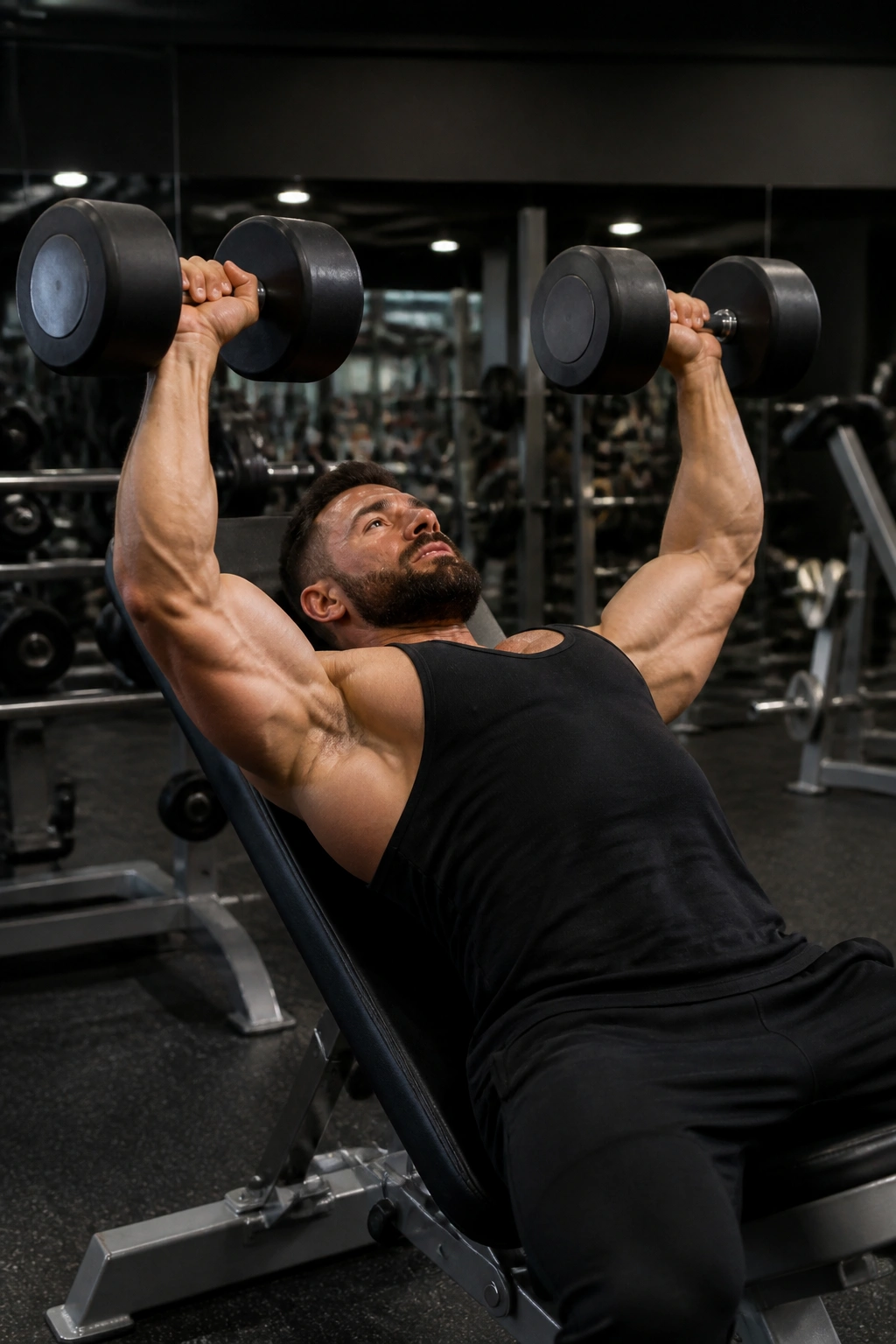
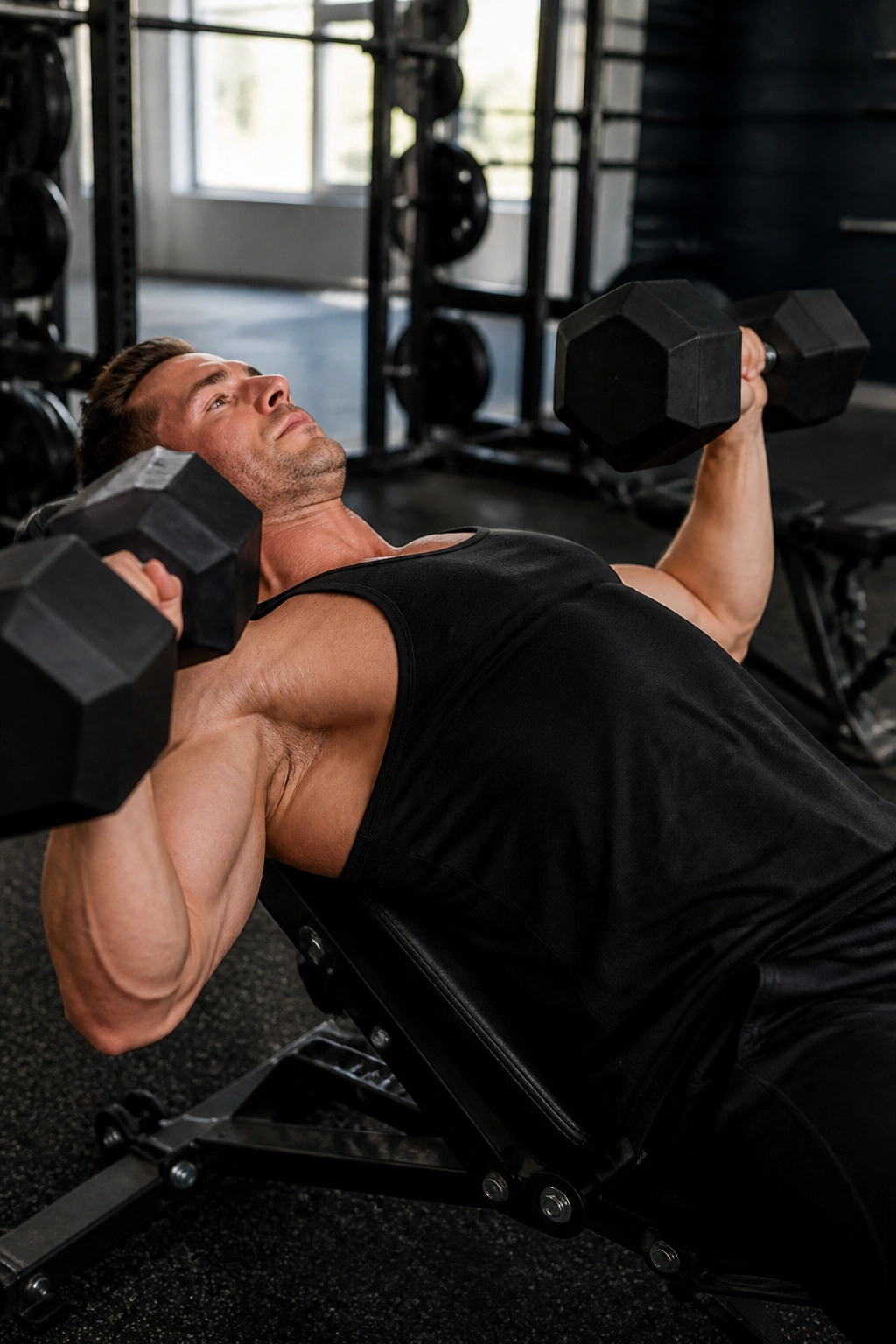
If you want an upper-body session that feels busy without becoming sloppy, pair an incline press with a supported row. The chest gets a big stretch, the back gets equal work, and your torso does not get fried the way it does with endless free-bar pressing and bent-over rowing.
A typical run looks like 4 supersets of incline dumbbell presses for 8 to 12 reps paired with chest-supported rows for 8 to 12 reps. After that, add lateral raises and cable curls for 2 or 3 sets each. The supported row matters here. It lets you load the upper back without cheating through the low back, which is useful if you already squat and hinge on other days.
Keep the dumbbells at a slight angle on the descent. Not straight down to the shoulders. That tiny change usually feels better in the pecs and front delts.
3. Leg Press, Hack Squat, and Sissy Squat Quad Day
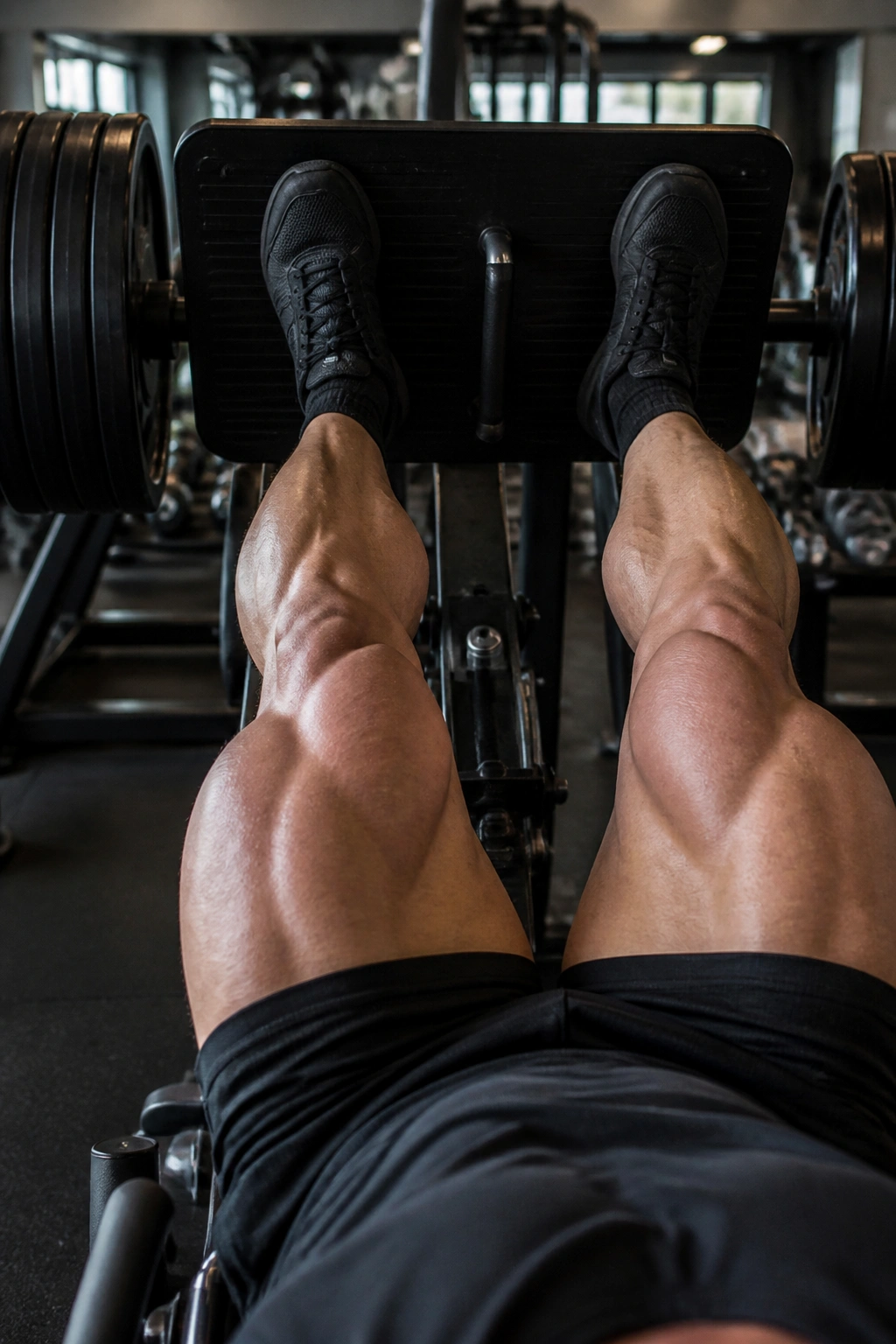
Quads grow when you let the knees travel, control the bottom, and stop pretending every leg day has to be a deadlift festival. The leg press and hack squat do a lot of the heavy lifting here because they let you push close to failure without your lower back stealing the show.
Run 4 sets of leg press for 10 to 15 reps, then 3 sets of hack squats for 8 to 12 reps, then finish with heel-elevated split squats or sissy squats for 2 sets of 12 to 20. The last exercise is the burn set. It should feel ugly in the quads and clean everywhere else.
Foot placement matters. A lower stance on the leg press usually shifts more work toward the quads, while a narrow-to-moderate stance on the hack squat tends to keep the torso honest. Don’t bounce out of the bottom. Pause for a beat if you need to.
4. Romanian Deadlift and Seated Leg Curl Posterior Chain Day
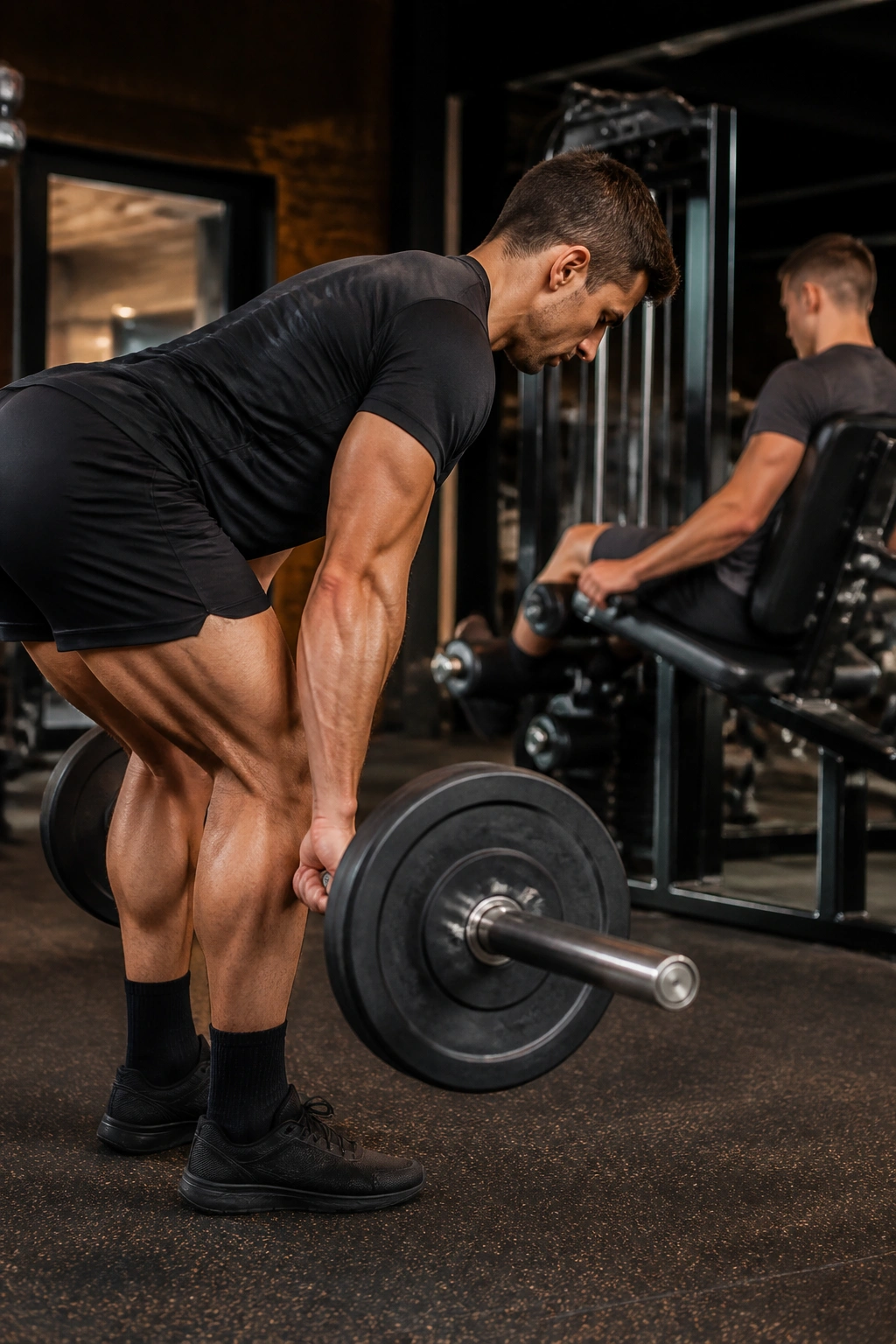
Hamstrings are strange. They need both a long stretch and knee flexion, and a lot of lifters only give them one of those. That’s why this session pairs a hip hinge with a curl instead of trying to do everything through one movement.
Start with Romanian deadlifts for 4 sets of 6 to 8 reps. Keep the descent slow enough that you can feel the hamstrings lengthen, and stop the bar around mid-shin if your lower back starts talking. Then move to seated leg curls for 4 sets of 10 to 15 reps. Finish with 45-degree back extensions for 2 or 3 sets of 12 to 15, driving through the hips, not the spine.
Straps can help here. If your grip quits before your hamstrings do, that’s wasted growth.
5. Pull-Up and Lat Pulldown Width Builder
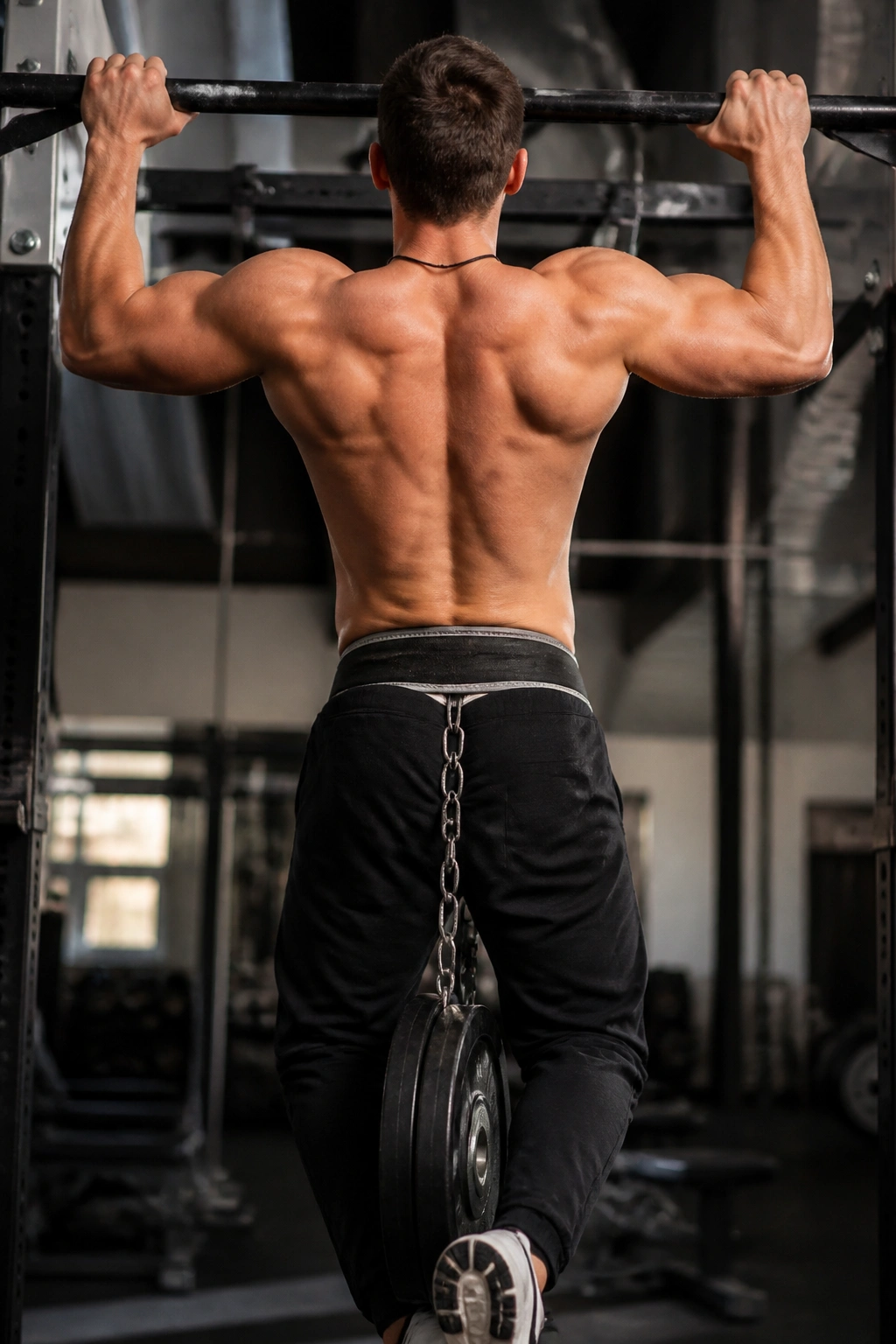
Want a wider-looking back? Vertical pulling still earns its place. A lot of people do pull-downs with enough momentum to swing the entire machine, then wonder why their lats never seem to show up. Slower reps. A real stretch at the top. Better result.
How to Run It
- Weighted pull-ups: 5 sets of 5 to 8 reps
- Neutral-grip lat pulldown: 3 sets of 8 to 12 reps
- Single-arm cable pulldown: 3 sets of 12 to 15 reps
- Straight-arm pulldown: 2 sets of 15 to 20 reps
The single-arm pulldown is the sneaky one. It lets you line up the elbow path and feel the lat actually shorten. The straight-arm finish is not there to impress anyone. It’s there to burn the lower lats and teach you what that line of tension feels like.
If your shoulders shrug on every rep, lower the load and fix the path.
6. Chest-Supported Row and Rear Delt Thickness Workout
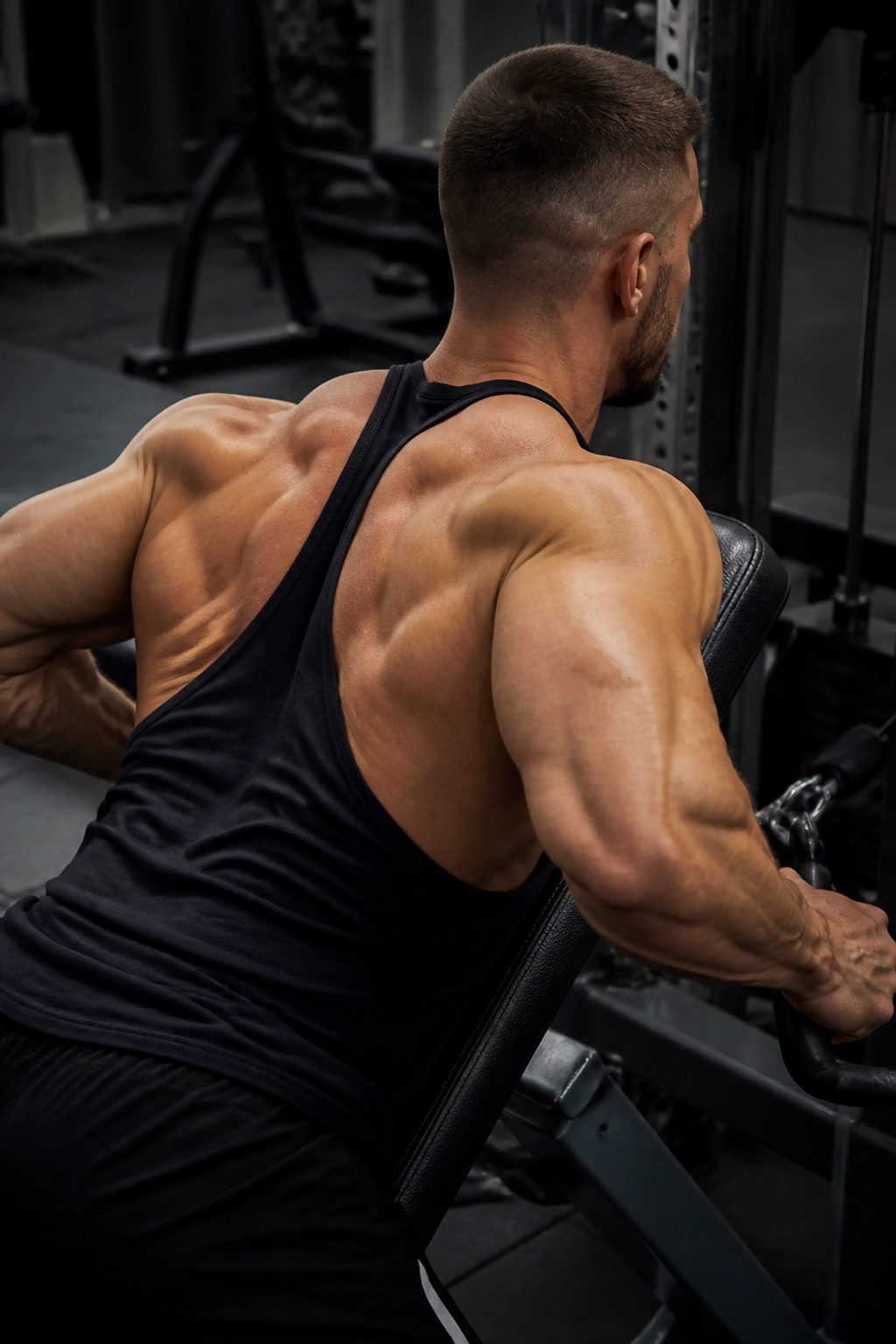
Thickness comes from rows you can control. Not heaving dumbbells off the floor and calling it back training. Chest-supported rows, machine rows, and rear-delt work build the upper back without wasting energy on stabilization you already handled elsewhere in the week.
Use 4 sets of chest-supported rows for 8 to 12 reps, then 3 sets of machine rows with a one-second squeeze, then rear-delt raises for 4 sets of 15 to 20 reps. End with face pulls if your shoulders like them. If they don’t, skip them and add another rear-delt set. No rule says you must marry an exercise that annoys you.
This workout is especially good when deadlifts are already in your plan. Your lower back gets a break. Your upper back still grows. That trade is worth making.
7. Rest-Pause Arm Specialization Workout

Arms can take a beating, and they often respond well to it. Rest-pause work is a blunt tool, but blunt tools have a place when the goal is more size in a small area. The trick is to keep the exercises stable and safe enough that the extra fatigue doesn’t turn into ugly reps.
Start with an EZ-bar curl for one hard set of 10 to 12, rest 15 to 20 seconds, then grind out 3 to 5 more reps. Do the same with a rope pushdown or cable overhead extension. After that, run incline dumbbell curls and lying triceps extensions for 2 to 3 cleaner sets.
One warning. Don’t use rest-pause on everything. That turns a useful method into a mess. Pick two exercises, maybe three if you recover well, and keep the rest of the work straight and controlled.
8. Shoulder Cap Workout With Presses and Raises

Broad shoulders are mostly about the side delts, not the ego-lift overhead press everybody wants to brag about. The press has a role, sure, but the cap comes from raise variations done with enough control that the side delt does the work instead of the traps taking over.
What to Put in the Session
Start with a seated dumbbell press for 3 or 4 sets of 6 to 10 reps. Then move to machine lateral raises for 4 sets of 12 to 20, followed by cable lateral raises for 3 sets of 15 to 20. Finish with reverse pec deck flyes for the rear delts.
Trap shrugging ruins this workout. Don’t do it.
If the side raise feels too easy, slow the lowering phase to about 2 seconds and stop the hands slightly above shoulder level. That tiny adjustment keeps tension where you want it instead of dumping it into the neck.
9. Glute Bridge and Hip Thrust Mass Day
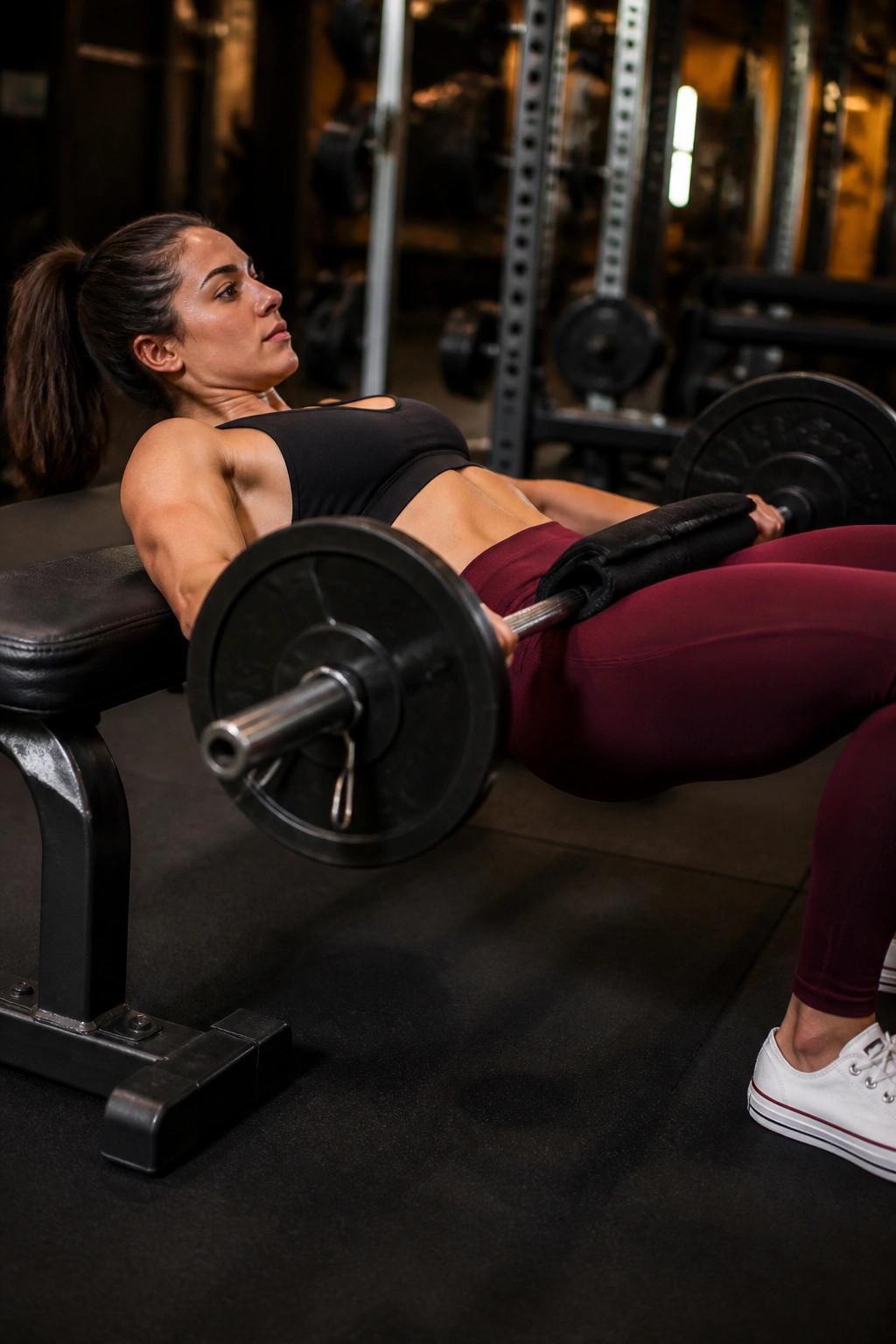
A lot of glute training is either too light or too chaotic. This session fixes that by focusing on exercises that load the hips hard without making every rep a balance drill. Hip thrusts lead the day because they let you push serious tension through the glutes at a stable torso angle.
Use barbell hip thrusts for 4 sets of 8 to 12, then glute bridges for 3 sets of 10 to 15, then Bulgarian split squats with a slight forward torso lean for 3 sets of 8 to 12 per side. Add cable kickbacks for 2 sets of 15 to 20 if you want a cleaner finisher.
A flat back, a tucked chin, and a hard lockout matter more than loading another ugly plate. If the top position turns into lumbar extension, the glutes are losing the point of the exercise.
10. Chest and Triceps Pre-Exhaust Workout
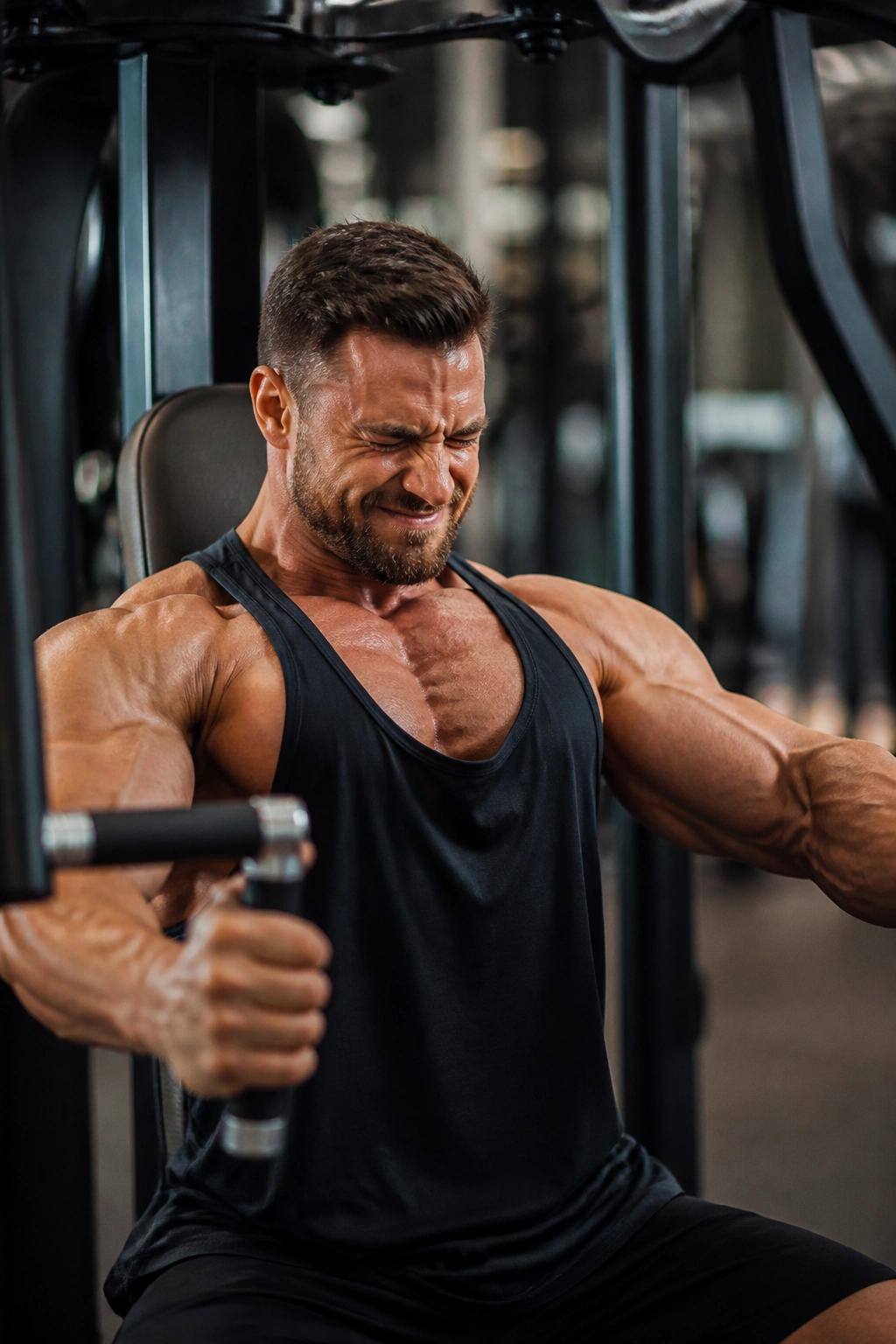
Pre-exhaust gets misused all the time. People turn it into a gimmick when it really works best for muscles that can take fatigue without ruining the rest of the session. Chest is a good candidate because a fly or pec-deck set can make the presses feel more focused.
Start with pec-deck flyes or cable flyes for 3 sets of 12 to 15. Then go into machine chest press or dumbbell bench press for 4 sets of 8 to 12. Finish with close-grip bench press or dips and then rope pushdowns for 2 or 3 sets of 12 to 15.
The pre-fatigue should make your chest light up on the pressing, not make your shoulders miserable. If your front delts take over completely, the setup is off. Use a slightly lower incline, keep the shoulder blades tucked, and let the pecs do the work they were supposed to do in the first place.
11. Back and Biceps Pre-Fatigue Workout
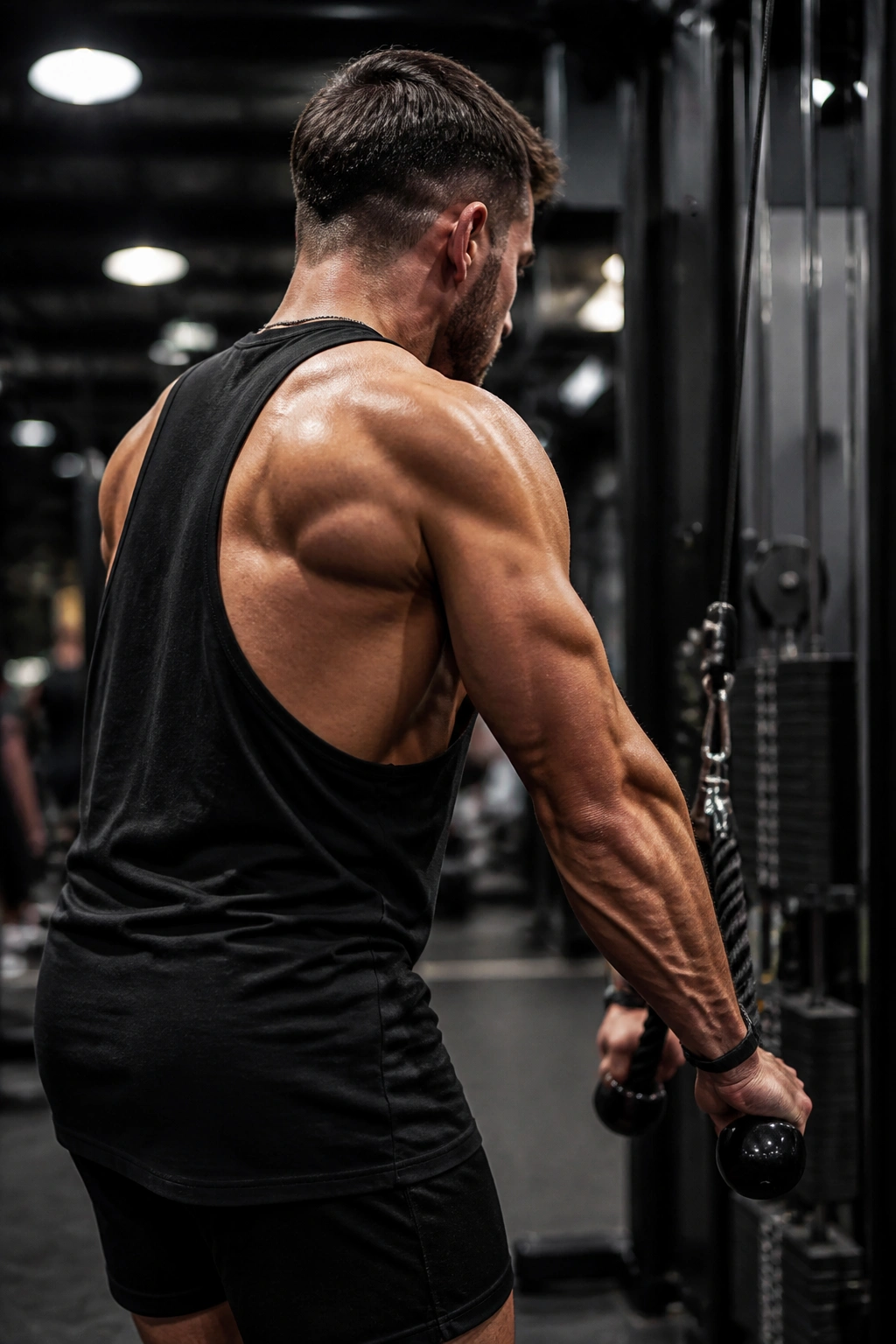
Here’s the funny part about back work: sometimes you have to make the lats show up before they’ll actually work. A lot of lifters row too early, then their biceps and rear delts steal the set. Pre-fatiguing the lats can fix that.
Run It Like This
- Straight-arm pulldown — 3 sets of 12 to 15
- Neutral-grip pulldown — 4 sets of 8 to 12
- Chest-supported row — 3 sets of 8 to 10
- Spider curl — 3 sets of 10 to 12
- Hammer curl — 2 sets of 12 to 15
The straight-arm pulldown is the setup move. It teaches the lats to shorten and makes the next exercise feel more honest. After that, keep the torso steady and the elbows driving back. If your lower back is doing all the romance work, the rows are wrong.
12. Machine-Only Muscle Hypertrophy Workout

Machines are not a downgrade. They’re a tool. And for pure size work, they can be fantastic because they remove a lot of balance noise and let you chase clean fatigue. That means more productive reps in less time, which is handy when the gym is packed or recovery is thin.
Build the session around hack squats, machine chest press, seated row, shoulder press, leg curl, lateral raise, and calf raise. Use 3 or 4 sets per move, mostly in the 8 to 15 rep range, with the isolation work drifting higher.
This style is especially good after a hard week of barbell lifting. You get the volume without the same beat-up feeling in the spine and joints. Some lifters act like that’s a weakness. It isn’t. It’s just smart sequencing.
13. Unilateral Split Squat and Step-Up Workout

One leg at a time is humbling. Also useful. Unilateral training exposes left-right differences fast, and it tends to light up the quads and glutes with less load than the bilateral version. That makes it a smart choice when you want growth without crushing recovery.
Start with Bulgarian split squats for 3 or 4 sets of 8 to 12 per leg. Then do step-ups for 3 sets of 10 per side, keeping the working leg honest and not launching off the back foot. Add single-leg leg press or single-leg RDLs for 2 to 3 sets each if you want the session to bite harder.
What to Watch For
- Keep the torso slightly forward on split squats
- Use a box height that lets the front leg do the work
- Stop the rep when the pelvis starts twisting
- Rest long enough to keep each side strong
This workout is nasty in the best way. Good nasty.
14. Full-Body Powerbuilding Hypertrophy Workout

If you like training three or four days a week and you want mass without living in the gym, this hybrid session does a lot of heavy lifting. One or two lower-rep compound lifts up front, then a wave of higher-rep work to drive growth.
A clean version looks like squat for 3 sets of 5, bench press for 3 sets of 5, and trap-bar deadlift for 2 sets of 5. After that, hit barbell rows for 3 sets of 8, leg curls for 2 sets of 12, and curls or triceps pushdowns for 2 sets of 15.
The powerbuilding angle works because it gives you strength practice and muscle-building volume in the same week. That combo tends to keep progress moving when pure bodybuilding work starts feeling stale. Don’t make the low-rep sets sloppy. They’re there to build, not to entertain.
15. Tempo Training Workout for Slower Eccentrics

Slowing the lowering phase can be a useful way to clean up technique and increase the time a muscle stays under tension. The trick is not to turn every rep into a slow-motion movie scene. That gets exhausting fast and can wreck the load you use.
Use a 3-second lowering phase on goblet squats, dumbbell presses, cable rows, and curls. Keep the lifting phase crisp. Do 3 sets of 8 to 10 per exercise, and stop the set when the tempo starts collapsing. Once the weight starts bouncing or the descent speeds up, the set has changed character.
This works well for lifters who rush through every rep. It teaches patience in the bottom position and forces better positions under load. It’s also a sneaky way to make moderate weights feel more serious without chasing joint pain.
16. Drop-Set Pump Workout for Safe Isolation Lifts

Drop sets are messy on heavy barbell work and much better on machines or isolation exercises. That’s the whole point. You pile on fatigue in a controlled place, then strip weight and keep going without needing perfect whole-body tension.
Use leg extensions, lateral raises, cable curls, triceps pushdowns, and calf raises. For each exercise, do one straight set of 10 to 15 reps, then drop the weight by about 20 to 30 percent and continue for another 6 to 10 reps. Some people use two drops. Fine. Just don’t turn every set into a competition against your own lungs.
The burn will be real. The key is keeping the rep shape clean through the first set so the drops actually hit the target muscle. If the setup is sloppy, the drops just become sloppy on repeat.
17. Density Block Workout With the Clock Running

A density block is simple: set a timer, pick a few exercises, and get more total quality reps inside the same window over time. The clock creates pressure without needing constant max loading. That makes it a useful mass tool when you want a hard session that isn’t built around max effort on every set.
Try 12-minute blocks paired as follows: incline dumbbell press and one-arm row, then goblet squat and Romanian deadlift, then lateral raise and cable curl. Move back and forth with enough rest to keep form sharp. The goal is not frantic pacing. The goal is more work done in a fixed window.
How to Track Progress
- Keep the load the same for the whole block
- Record total reps for each movement
- Add 1 to 3 reps next time
- Only raise the load when reps stall
That tiny bookkeeping habit matters more than people think.
18. Weak-Point Specialization Workout for Stubborn Muscles
If one area refuses to grow, it deserves its own rules. Most lifters don’t need more exercises. They need more honest work for the part that keeps lagging. Upper chest, rear delts, calves, and lats are the usual suspects.
Pick one weak point and give it 2 extra sessions per week, each with 2 exercises and a short total volume. For upper chest, that might be low-incline dumbbell press and low-to-high cable flyes. For calves, it might be standing calf raises and seated calf raises. For rear delts, use reverse pec deck and chest-supported rear-delt rows.
Do not pile on three or four weak-point days and then complain about recovery. Small, consistent doses win here. The muscle you want to grow usually responds better to repeated exposure than to one heroic day.
19. Cable and Bodyweight Recovery Workout

Not every mass session needs to feel like a fight. A lighter workout with cables and bodyweight moves can add weekly volume without burying your joints, and that matters when your main lifts already carry the heavy load.
Use push-ups, inverted rows, band pull-aparts, cable flyes, split squats, hamstring curls, and light lateral raises. Keep the sets in the 12 to 20 rep range and stop with a couple reps still in the tank. The pace should feel brisk, the effort steady, and the muscles warm rather than wrecked.
This is the kind of day that saves bigger plans from breaking down. It also works well between two hard lower-body sessions when the legs need blood flow more than another war.
20. A Four-Day Muscle Hypertrophy Rotation

A lot of people keep asking for the “best” workout, when what they really need is a plan they can repeat without losing steam. Four solid days, rotated with intent, usually beat one chaotic hero session and three random ones.
Simple Weekly Setup
- Day 1: Heavy barbell compound day
- Day 2: Upper-body superset day
- Day 3: Quad or posterior chain focus, depending on weakness
- Day 4: Back, shoulders, or arms specialization
Run each workout for 4 to 6 weeks. Add reps before load on most lifts. When the top of the rep range feels clean on every set, move the weight up by the smallest jump your gym allows. If performance drops for two straight weeks, trim a set or swap a machine in for a barbell move.
That’s the boring answer. It works.
Final Thoughts

Real mass comes from training that you can repeat, recover from, and improve. Fancy tricks have their place, but they don’t replace hard sets that actually move the needle on the logbook.
The smartest way to use these muscle hypertrophy workouts is to match them to your recovery, your weak points, and the equipment you can train with consistently. Pick a few, run them with discipline, and let the numbers climb without turning every session into a circus.
