



Most body pump workouts fail for one boring reason: the load is too light to matter, or the form falls apart before the last few reps start to mean anything. The sweet spot sits in the middle. Enough weight to make your muscles pay attention, enough control to keep the bar path clean, and enough repetition to make your legs, back, chest, and shoulders work as a team.
That is where body pump-style training gets interesting. It is not about chasing a max lift or dancing around with pink dumbbells and hope. It is about stacking clean reps, holding a steady tempo, and finishing a session with the kind of fatigue that feels earned. Real total body tone comes from that mix of muscle endurance, posture, and consistency.
Tone is a lazy word sometimes, but people usually mean something practical by it: you want muscle that shows, movement that feels strong, and a body that does not fall apart halfway through a set. These body pump workouts are built for that. Some are squat-heavy, some hit the upper back hard, and a few are sneaky little monsters that look friendly until the second round.
1. The Classic Squat-Press Ladder
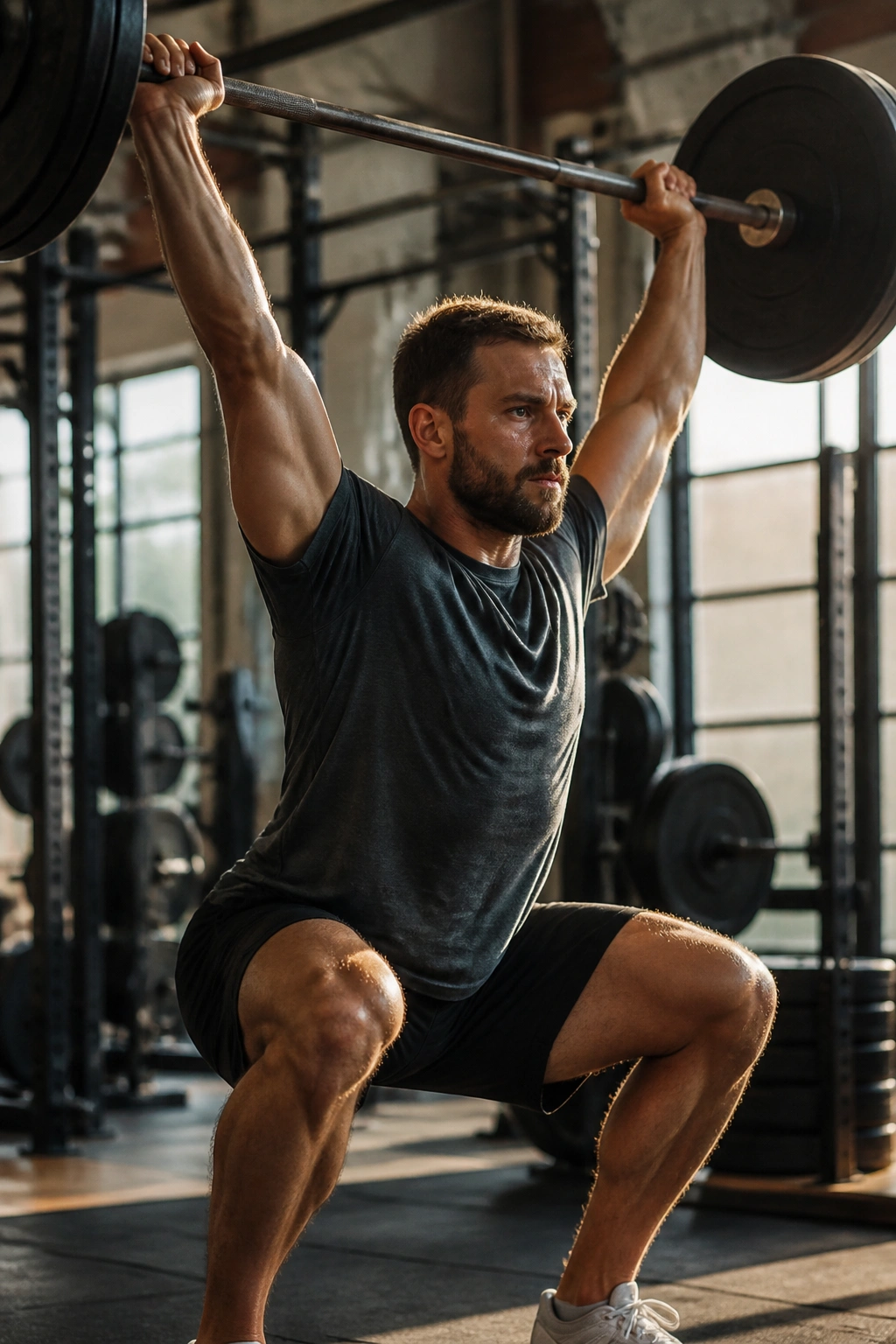
This is the workhorse of body pump workouts, and I mean that in the nicest possible way. A front-loaded squat into an overhead press hits the biggest muscles in the body and keeps your heart rate honest at the same time.
Why it earns a permanent slot
The ladder format keeps the session from getting stale. Start with 12 reps, drop to 10, then 8, then come back up if you want a longer burn. Use a barbell or dumbbells that let you stay tall through the squat and lock out the press without shrugging your shoulders into your ears.
- Do 3 to 4 rounds with 30 to 45 seconds between rounds.
- Keep your feet about shoulder-width apart.
- Let the squat feel smooth, not rushed.
- Press the weight straight overhead; do not flare your ribs.
Best cue: drive through the heels on the way up, then press as if you are reaching for a shelf just out of reach. Simple. Harder than it sounds.
2. Deadlift-to-Row Power Pair
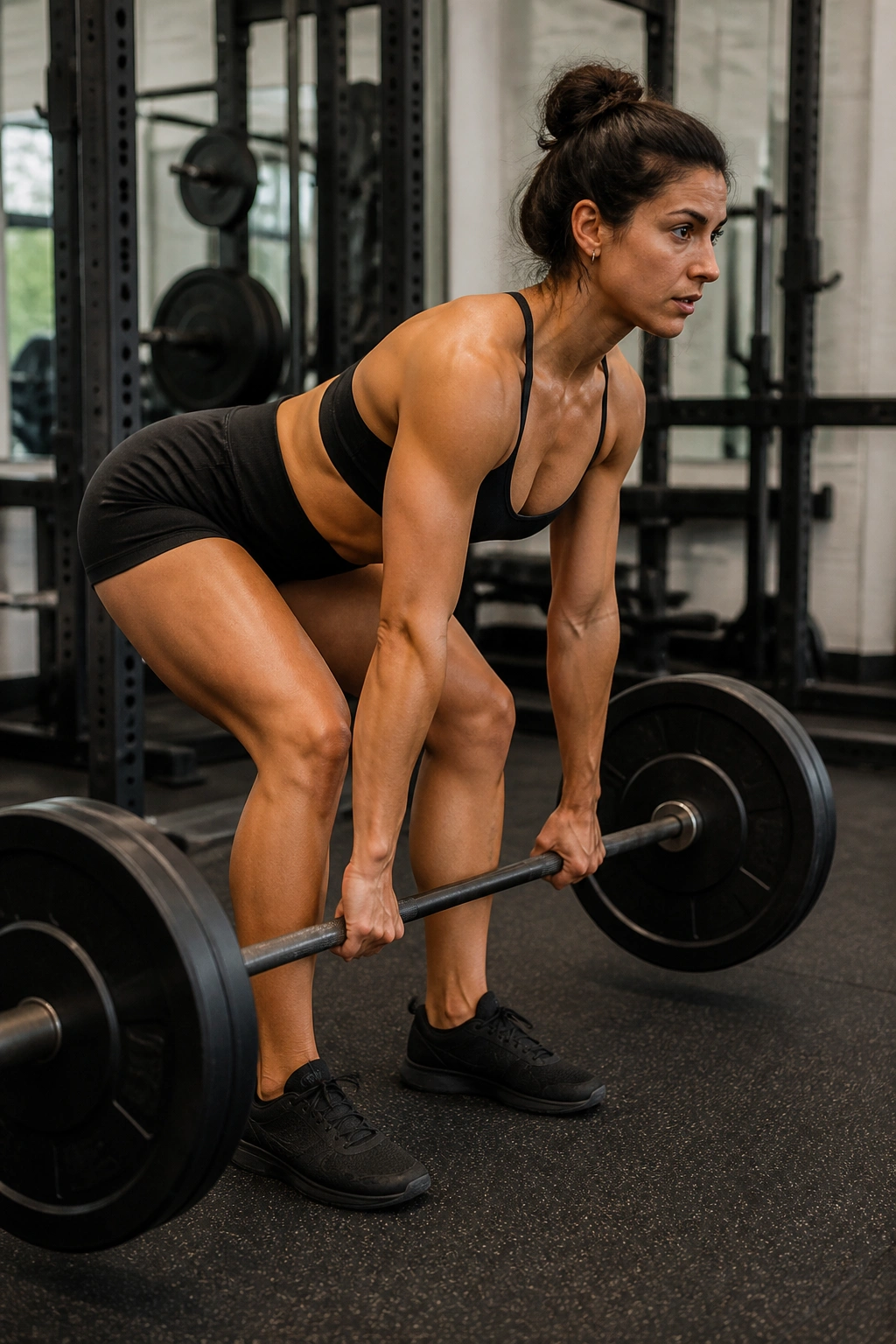
If your back looks flat and your posture slumps, this pair pays off fast. The deadlift pattern loads the hamstrings and glutes, while the row wakes up the upper back and rear shoulders. Together, they build the kind of strength that shows up when you pick something heavy off the floor and then carry it without wobbling.
Keep the reps in the 10 to 15 range. That gives you enough time under tension to matter without turning the hinge into a grind. The key is that the bar stays close to your legs on the deadlift, then travels toward your ribs on the row with your chest still proud. No yanking.
If your lower back takes over, the weight is too heavy or your hinge is too loose. Lighten the load, shorten the pull, and keep the neck long. The burn should land in the hamstrings and mid-back, not in the spine.
3. Reverse Lunge Curl Flow
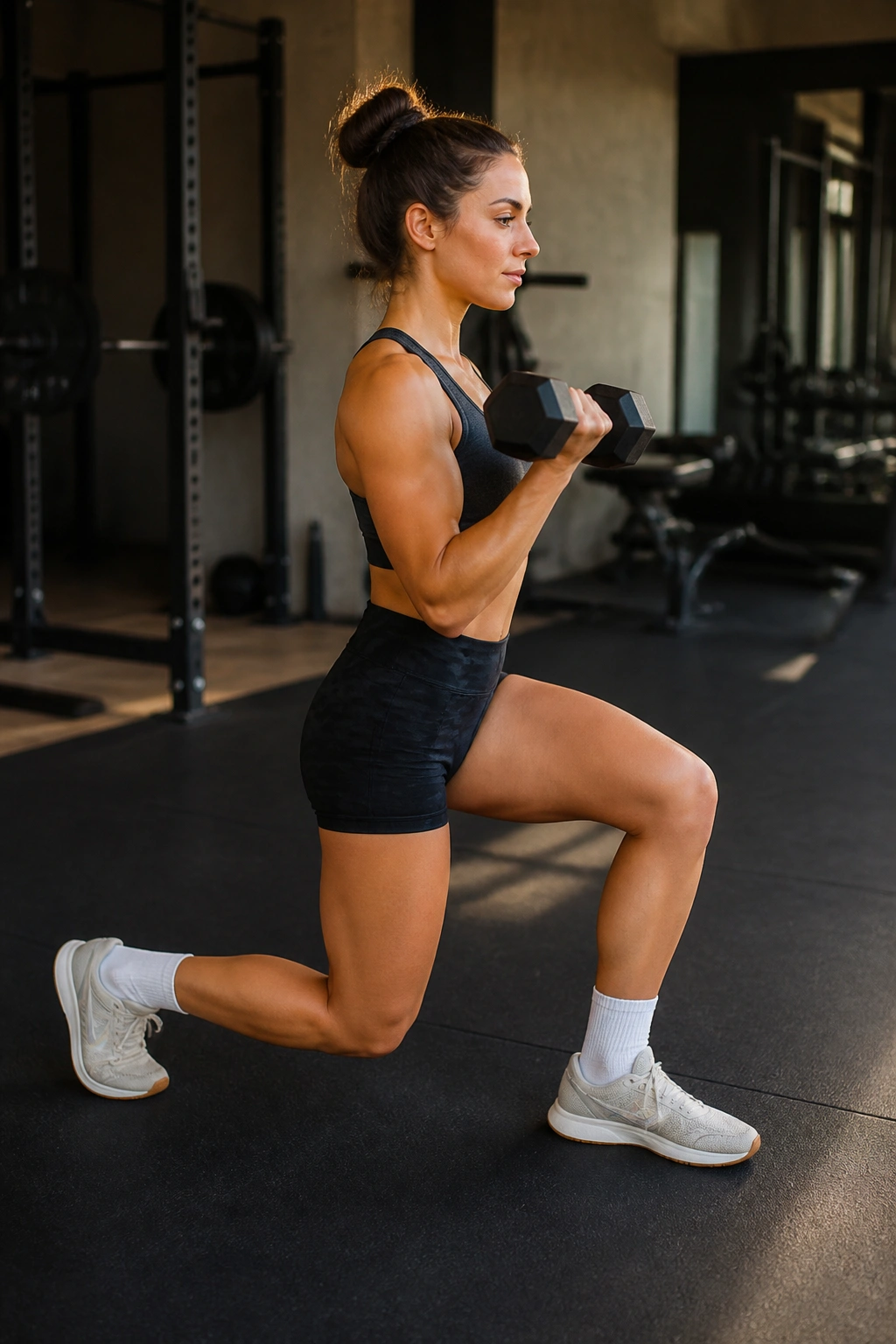
Why mix legs and arms in the same track? Because it keeps your breathing up while one side of the body works at a time, and that makes the whole session feel more athletic. Reverse lunges are kinder to the knees than a forward lunge for many people, and adding a biceps curl on the way up keeps the rhythm tight.
How to use it
Do 10 to 12 reps per side for 2 or 3 rounds. Hold the weights at your sides, step back softly, and bring the front shin to a stable angle before you stand. Curl once you are upright, not while you are twisting and stepping.
A small detail matters here: keep the front foot planted like it has glue under the heel. That makes the lunge steadier and the curl cleaner. If your balance gets sloppy, pause for half a second at the bottom.
This one looks friendly. Then the last five reps arrive.
4. Chest Press and Push-Up Burnout
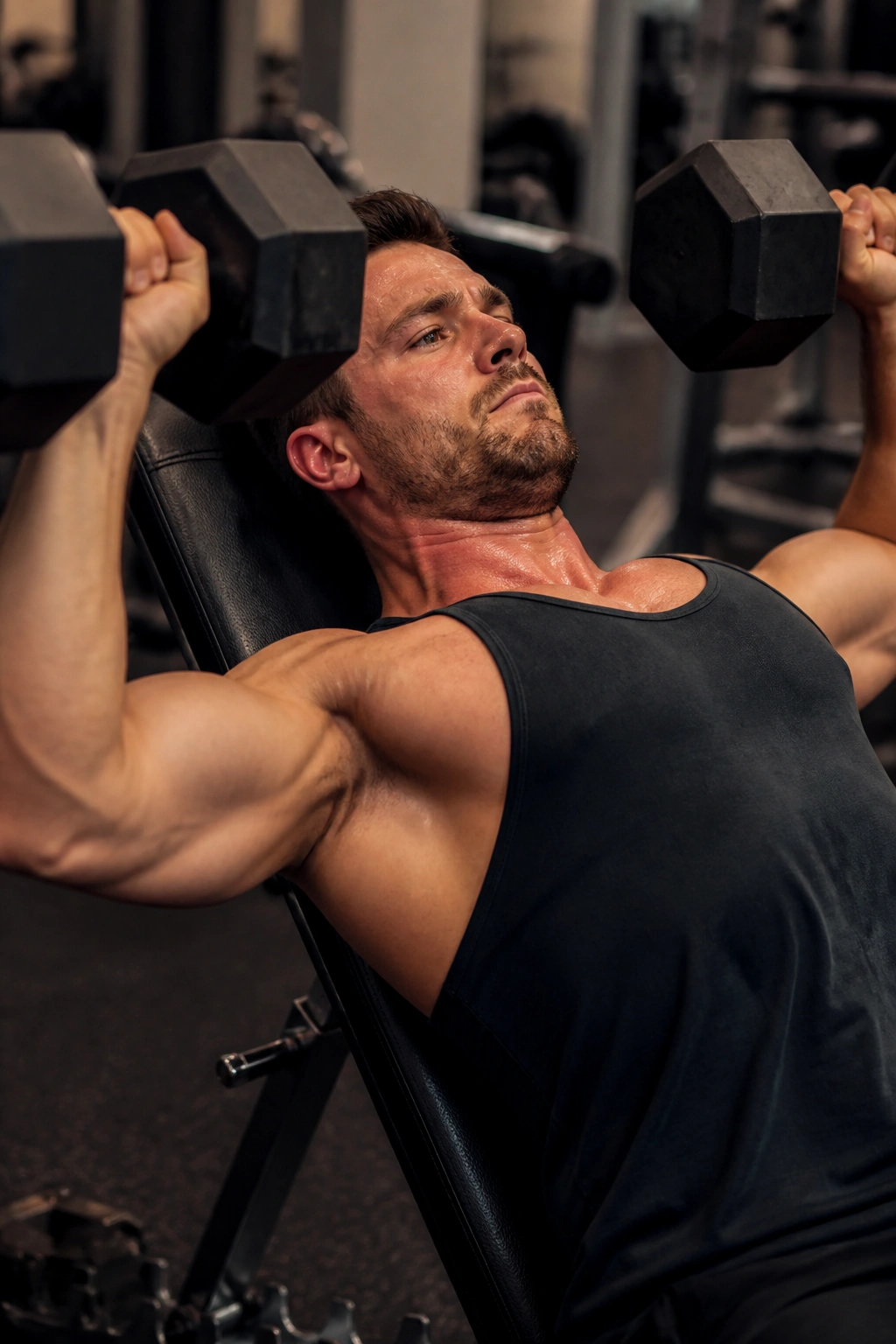
Picture the last part of a class: your chest is warm, your triceps are already talking back, and the push-up set looks shorter on paper than it feels in the body. That is the magic of this combo. The chest press gives you load in a controlled line, and the push-up forces you to own the floor.
Start with 12 to 15 presses on a bench or the floor, then drop into 8 to 12 push-ups. If full push-ups break down, use an incline or put your knees down. No drama. The goal is quality reps, not ugly bravado.
- Keep elbows about 45 degrees from the torso.
- Lower under control for 2 counts.
- Press the floor away on every push-up.
- Stop before your hips sag.
The chest and triceps will feel pumped, sure. More useful than that, your shoulders will learn to stay packed when fatigue shows up.
5. Glute Bridge and Plate Pullover
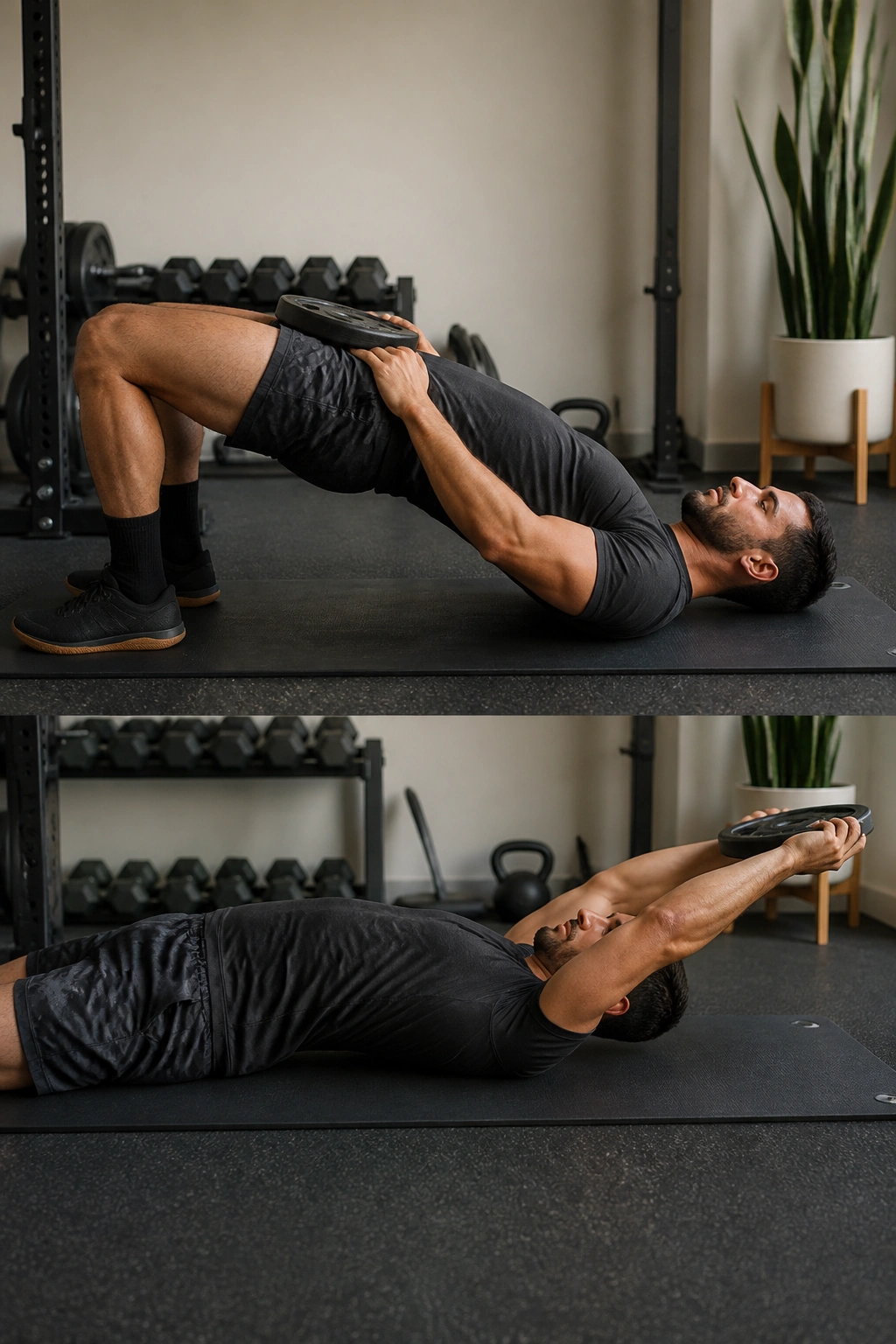
The glute bridge and plate pullover looks simple, and that is exactly why people skip over it. Big mistake. A weighted bridge lights up the glutes, while the pullover teaches your core to resist arching when your arms move overhead. That combination is gold for body pump workouts because it works the backside of the body without beating up the joints.
Use 15 to 20 bridges and 10 to 12 pullover reps. On the bridge, squeeze at the top for one count and keep your ribs down. On the pullover, move the weight slowly behind your head, then bring it back over the chest without letting the lower back arch off the mat.
This is one of those sessions that feels almost restorative at first. Then the glutes start cramping in the good way. If your hamstrings keep trying to steal the bridge, bring your heels a little closer to your seat and shorten the range. Small fix. Big difference.
6. Clean, Press, and Front-Squat Complex
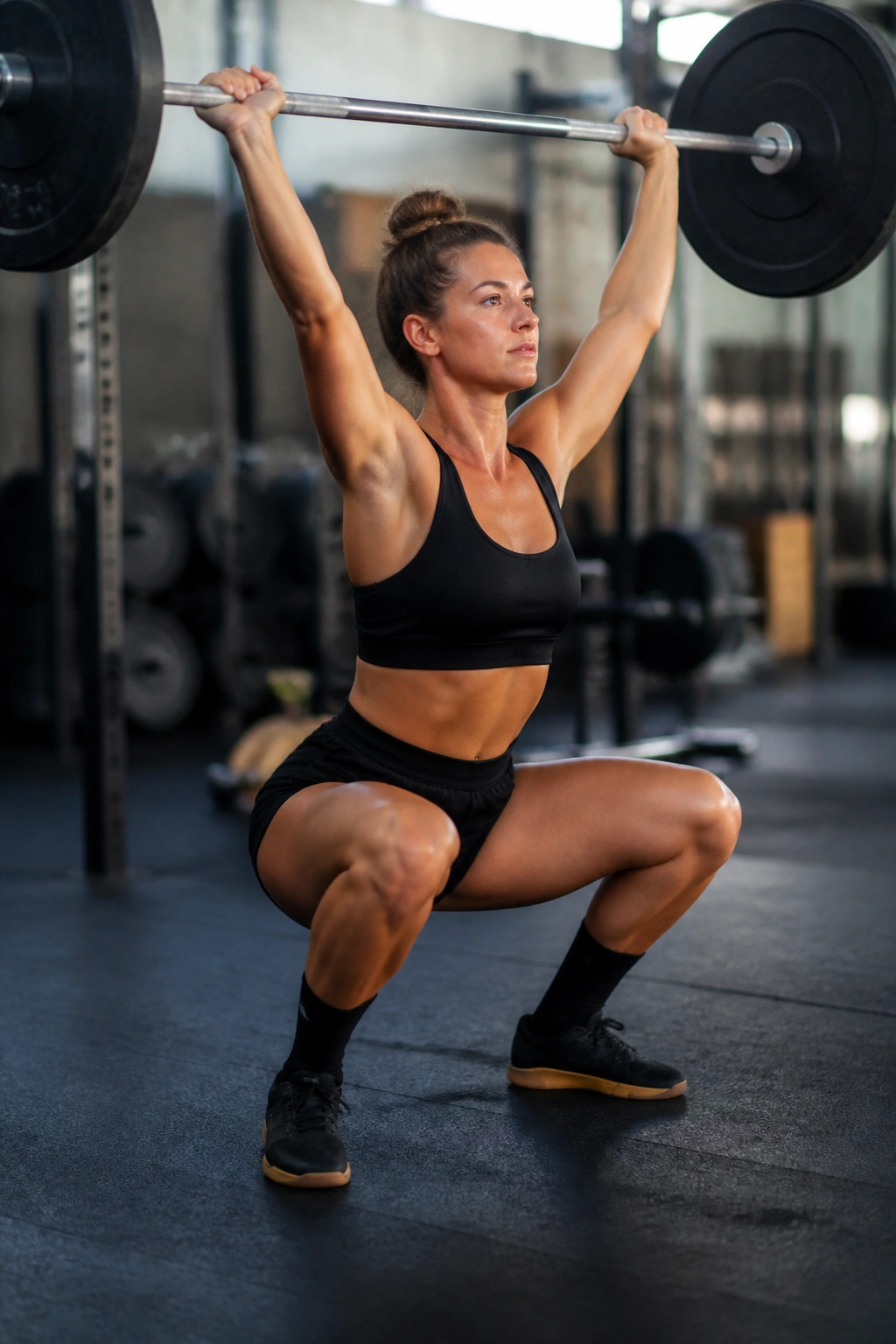
A clean, press, and front-squat complex does more than a straight shoulder track ever will. It asks for coordination, timing, and enough core control to keep the load in the right place while your heart rate climbs. That makes it a better pick than a simple press set when you want a total-body hit.
What makes it different
Instead of hammering one movement, you chain three: clean the bar to the shoulders, press it overhead, then drop into a front squat. Six reps of each is plenty for most people. Three or four rounds will leave your legs warm, your shoulders full, and your breathing louder than you planned.
This is best for people who already know how to hinge and rack a bar cleanly. If the clean gets sloppy, strip the weight down and treat it like technique practice. A cleaner lift with less load beats a messy lift with more load, every time.
Use this when you want one workout to feel like three. It works.
7. Wide-Stance Sumo Hinge Burner
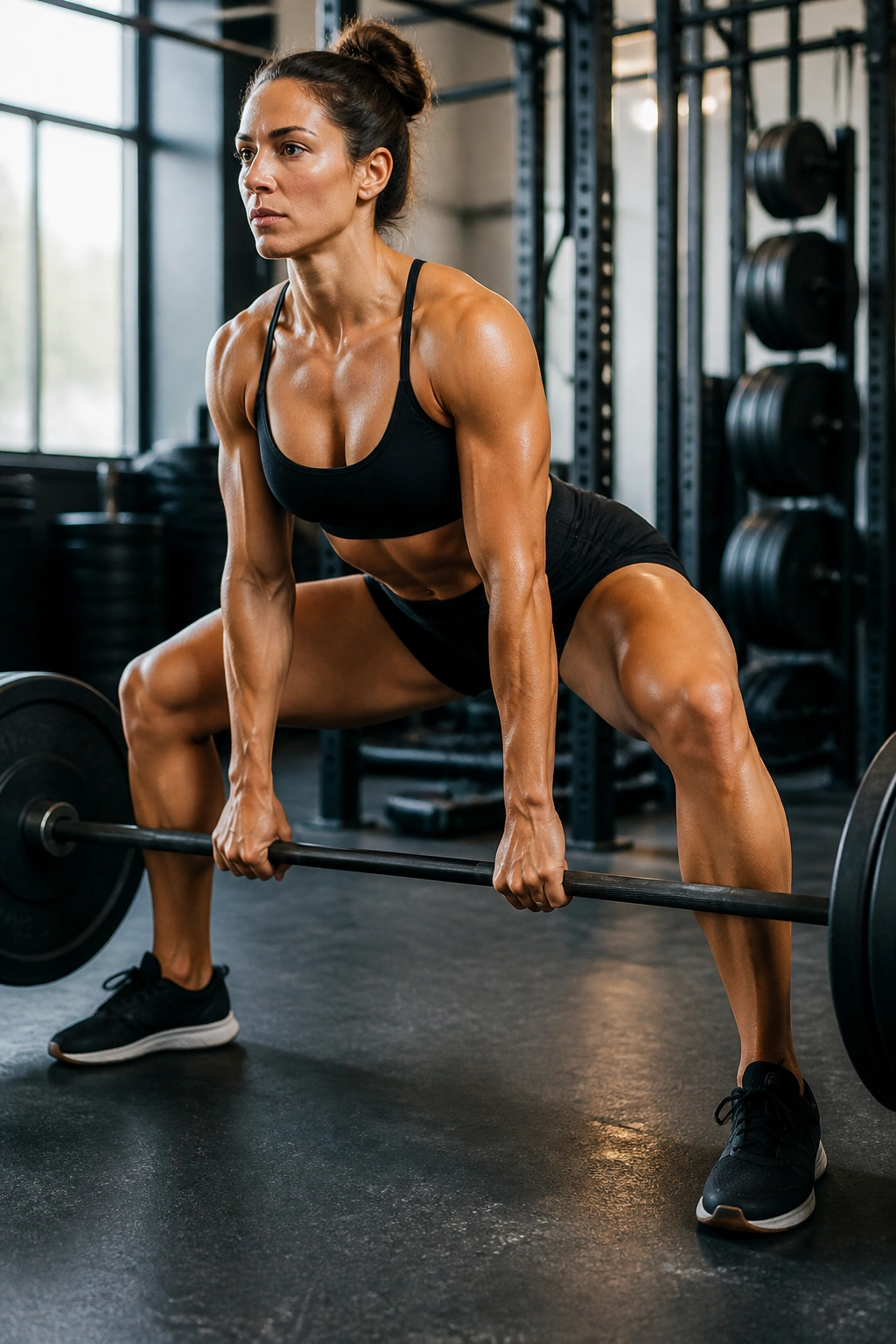
Wide stance. Heels rooted. Inner thighs on alert. That is the feel of a sumo-style body pump workout, and it has a different flavor from the usual shoulder-width squat. The wider setup shifts more work into the glutes, adductors, and hips, which makes it a smart option when you want to wake up the lower body without repeating the same squat pattern again.
Why it works
Do 12 sumo deadlifts, then 12 sumo squats, then 10 to 15 short pulses at the bottom. Keep the toes turned out just a bit, and think about pushing the floor apart as you stand. That cue keeps the knees from collapsing inward and helps the glutes do their job.
- Keep the chest lifted.
- Let the arms hang long on the deadlift.
- Move the knees out in line with the toes.
- Use a lighter load than you think you need.
The burn lands fast. That is the point.
8. Split-Stance Row and Hinge Set
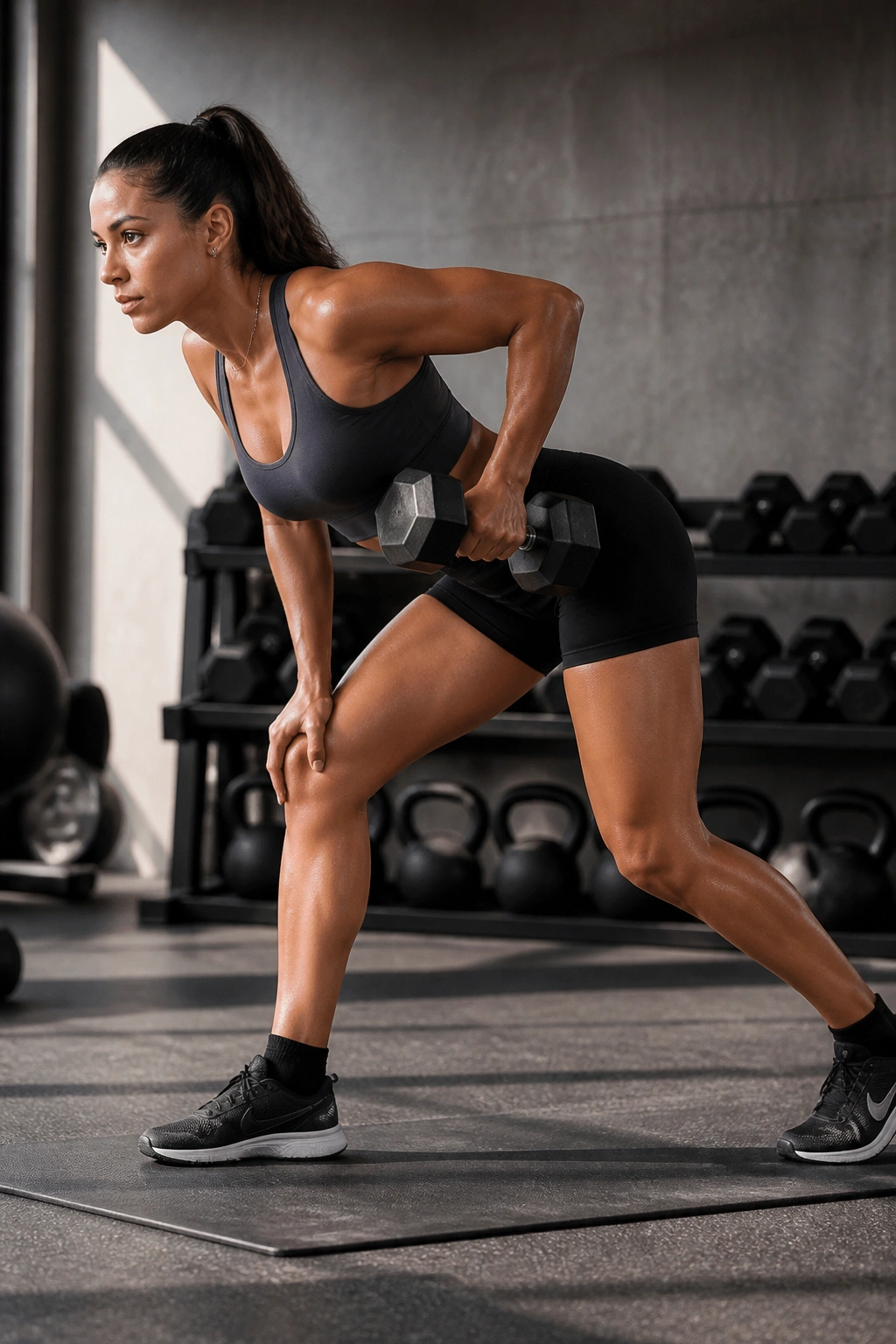
Split-stance work looks tame until the second round. Then your balance starts to wobble, your rear leg starts complaining, and you realize how much stability the body normally hides from you. A split-stance row paired with a hinge is a smart way to train one side at a time without needing huge weight.
Keep one foot forward and one foot back, then row the weight on the front side for 12 reps before hinging for 12 more. Switch sides and repeat. The stance should feel stable, not like a tightrope act. Your front hip does most of the work, while the back leg acts as a kickstand.
This setup is great for people who want to feel their back and hamstrings without loading the spine too aggressively. It also cleans up side-to-side differences fast. If one side feels weaker, start there. No cheating the hard side by jumping to the better one first. That little habit matters more than people think.
9. Plank Row and Shoulder Tap Core Track
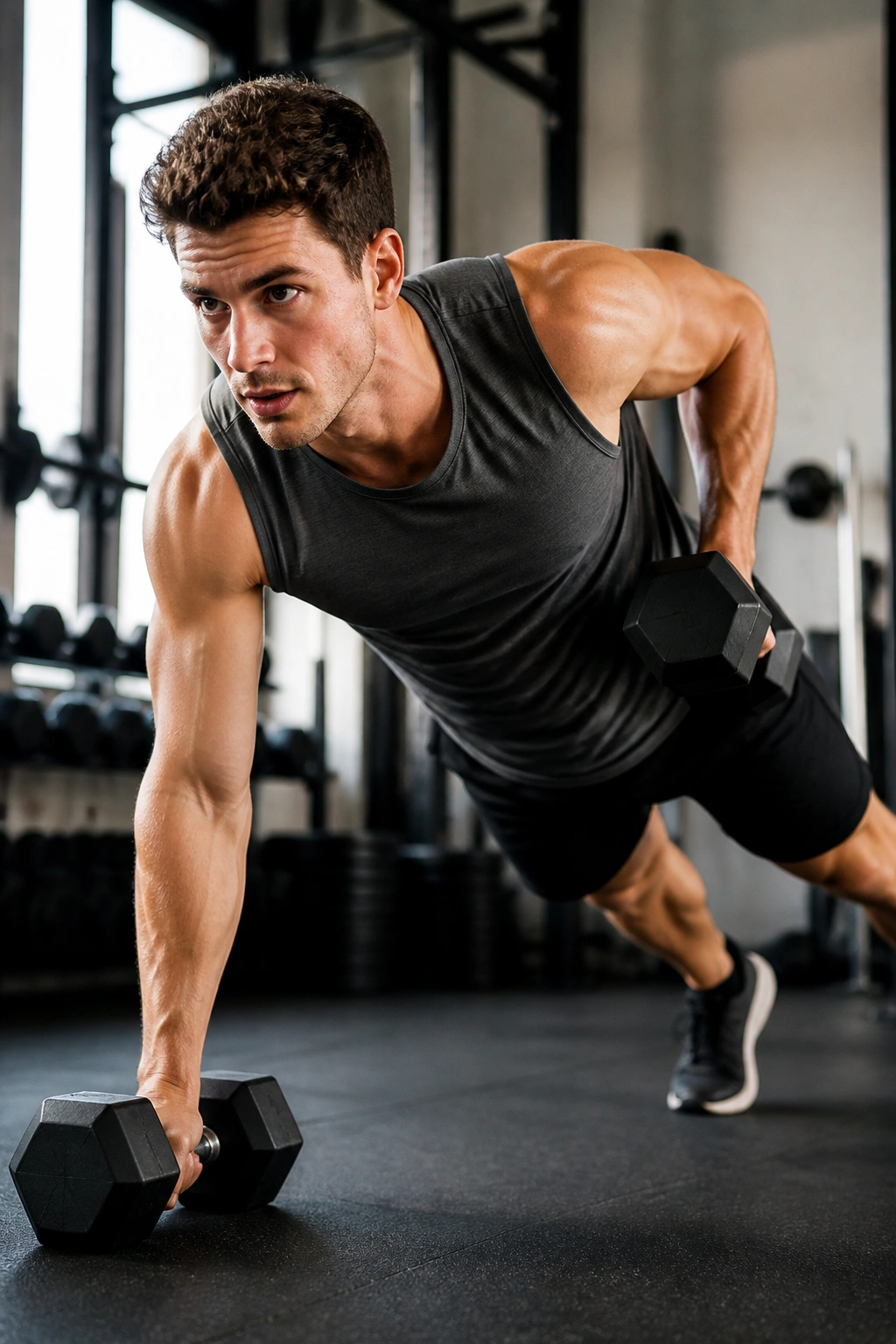
Can a core track also train your shoulders? Absolutely. The plank row and shoulder tap combo does both, and it does not waste time pretending otherwise. The row forces your torso to resist twisting, and the shoulder tap makes your obliques and deep core muscles work to keep the hips level.
How to keep the hips quiet
Set up in a high plank with hands under the shoulders. Row one weight at a time for 8 to 10 reps per side, then switch to 20 controlled shoulder taps. If your hips swing around like a loose door, widen your feet a bit. That simple tweak usually solves half the problem.
This track works well as a finisher or as a short break between heavier lower-body blocks. Keep the breathing steady and the gaze a foot or two in front of your hands. The floor should feel stable, not slippery and frantic.
It is a small workout with a loud opinion.
10. Step-Up and Shoulder Press
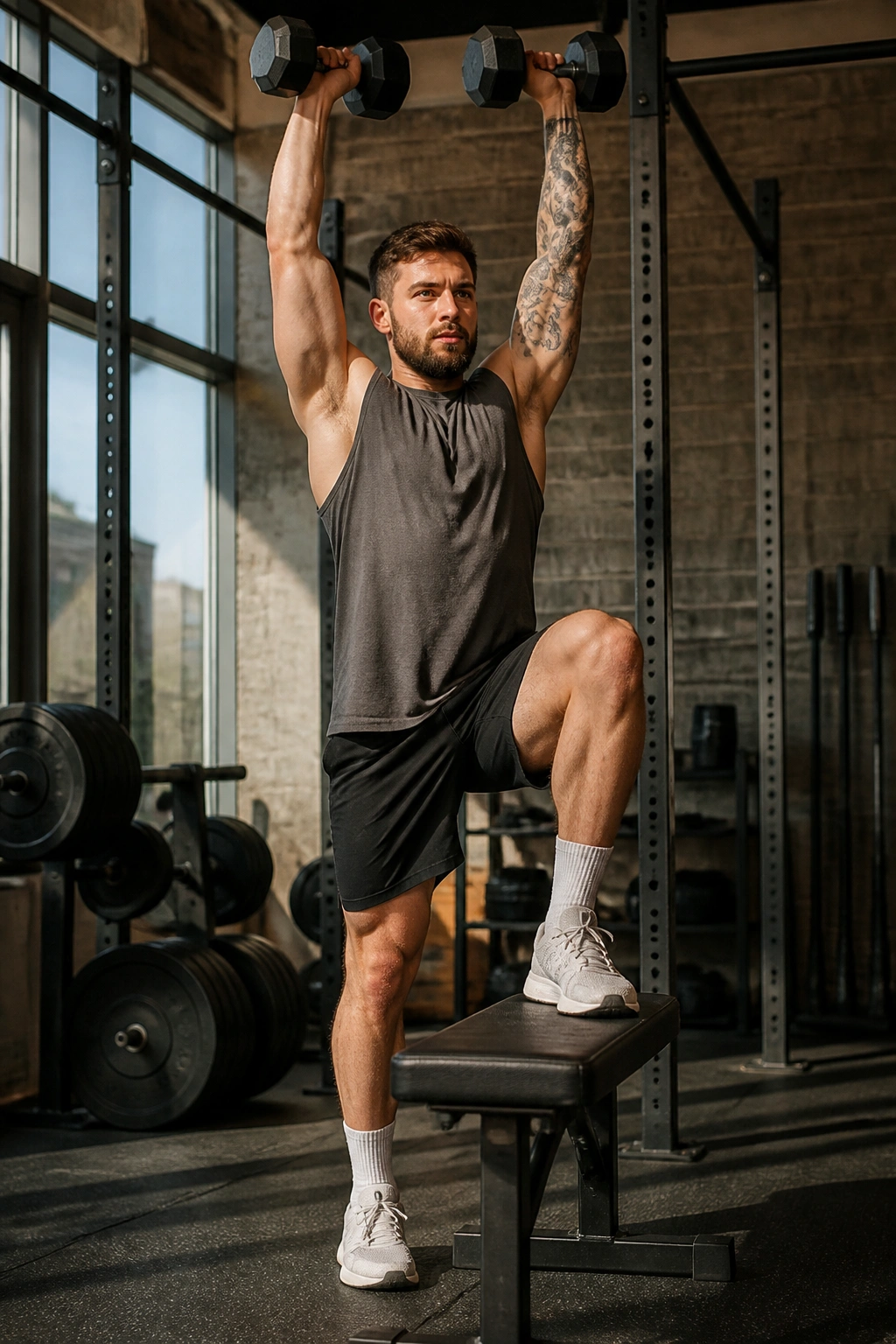
A step, a pair of light plates or dumbbells, and a timer are enough to make your legs sting. Step-ups bring the quads and glutes into the picture, while the press keeps the upper body honest. You get a cleaner cardio hit than you would with sloppy jumping, and the movement still feels athletic.
Use a bench or step that leaves the working thigh at about parallel to the floor. Drive through the whole foot on the box, stand tall, then press at the top for 10 to 12 reps per side. If the shoulder press makes the balance messy, press after the step instead of during it.
- Step softly, not with a stomp.
- Keep the torso upright.
- Lower under control.
- Choose a height that lets your knee track well.
This one gets sweaty fast. Good. That means the pacing is doing its job.
11. Romanian Deadlift and Hamstring Curl Tempo
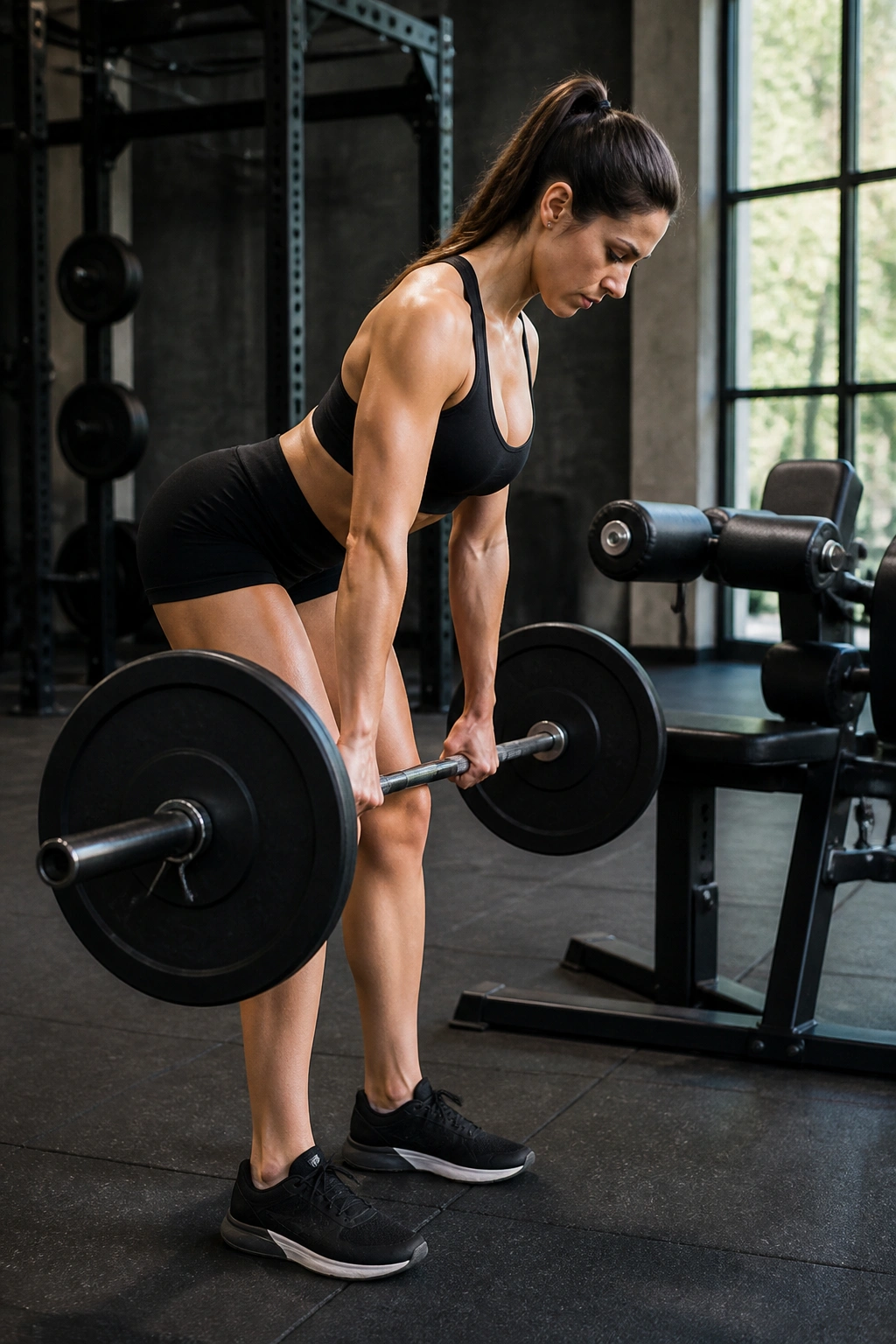
Romanian deadlifts get the hamstrings, but only if you stop turning them into a squat. The movement is a hinge, not a sit-down. Pair that with a hamstring curl and you have a lower-body session that makes the back of the legs work hard while the glutes keep the hip line steady.
Use a slow lowering phase — about 3 counts down — for 10 to 15 reps. Then hit a set of hamstring curls on a ball, sliders, or towel for 12 reps. If you use a barbell, keep it close to the legs and stop when the hamstrings feel stretched, not when the back rounds.
A lot of people try to go deeper than their hamstrings allow. Don’t. The range should stay controlled, and the spine should stay long. If your lower back starts doing the talking, shorten the range and lighten the bar. The hamstrings will still catch fire.
12. Arnold Press and Lateral Raise Pair
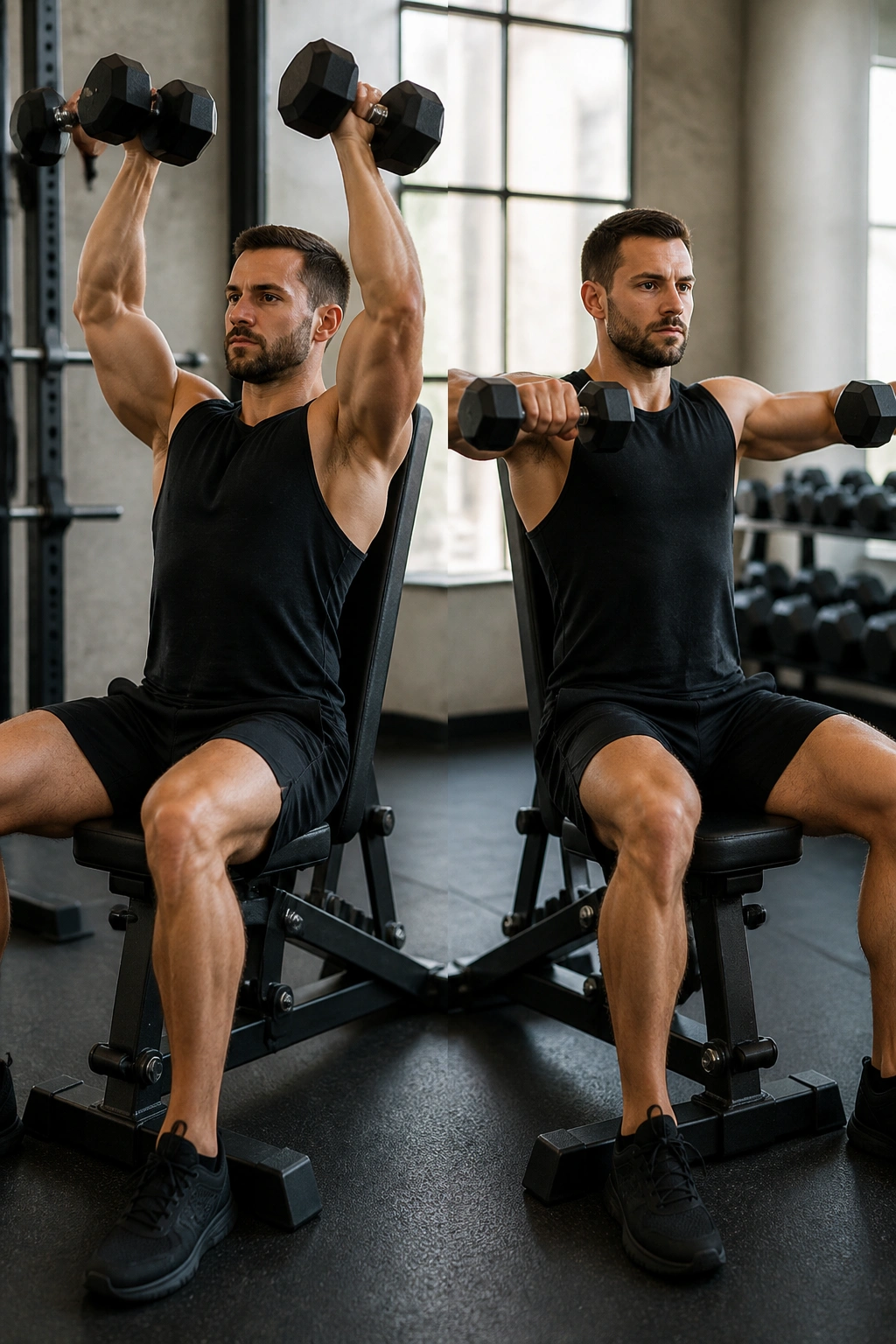
Arnold presses ask more from the shoulders than a plain overhead press, and that is the point. The rotation adds work through the front delts, while the lateral raise finishes the side delts that give shoulders their round look. If you want upper-body shape without living under a heavy bar, this pair is a solid choice.
What makes it different
Do 8 to 10 Arnold presses, then 12 to 15 lateral raises. Keep the weight modest. If you swing the arms, the shoulders stop working and the traps take over. That is not what you want. The burn should sit on the outer shoulder, not creep into the neck.
This track suits people who like detail work and hate sloppy reps. It also plays nicely after a chest or back block because the shoulder joint is already warm. Stop the raises around shoulder height. Higher than that usually adds more shrug than shape.
A small movement. A loud payoff.
13. Front-Squat Pulse Ladder
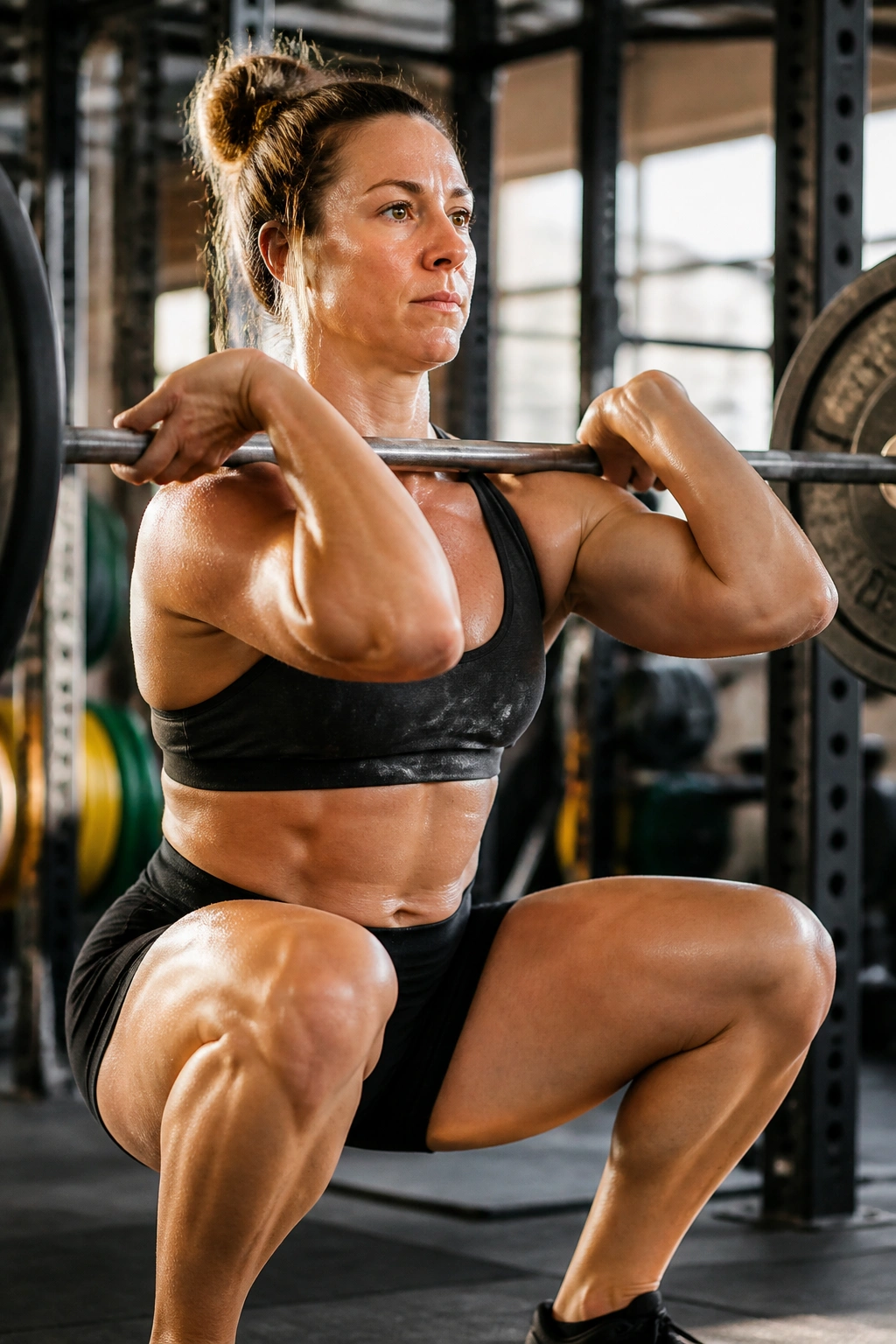
Bottom-half reps hurt. That is the honest version. Front-squat pulses keep the quads under tension longer than a normal squat set, and they are one of the quickest ways to make your legs feel full, hot, and slightly resentful in the best possible way.
Start with 12 full front squats, then 10 pulses in the bottom third of the range, then 8 more full reps if you have the lungs for it. Keep the elbows high and the chest lifted. If the torso folds, the load is too heavy or the rack position is off.
How to make the pulses count
- Keep the pulse small, not bouncy.
- Hold the heels down.
- Breathe out on the way up.
- Use a lighter bar than your ego wants.
This is a quad track, but it also tests your core. If you can hold position here, the rest of your workouts usually feel cleaner too.
14. Renegade Row and Mountain Climber Mix
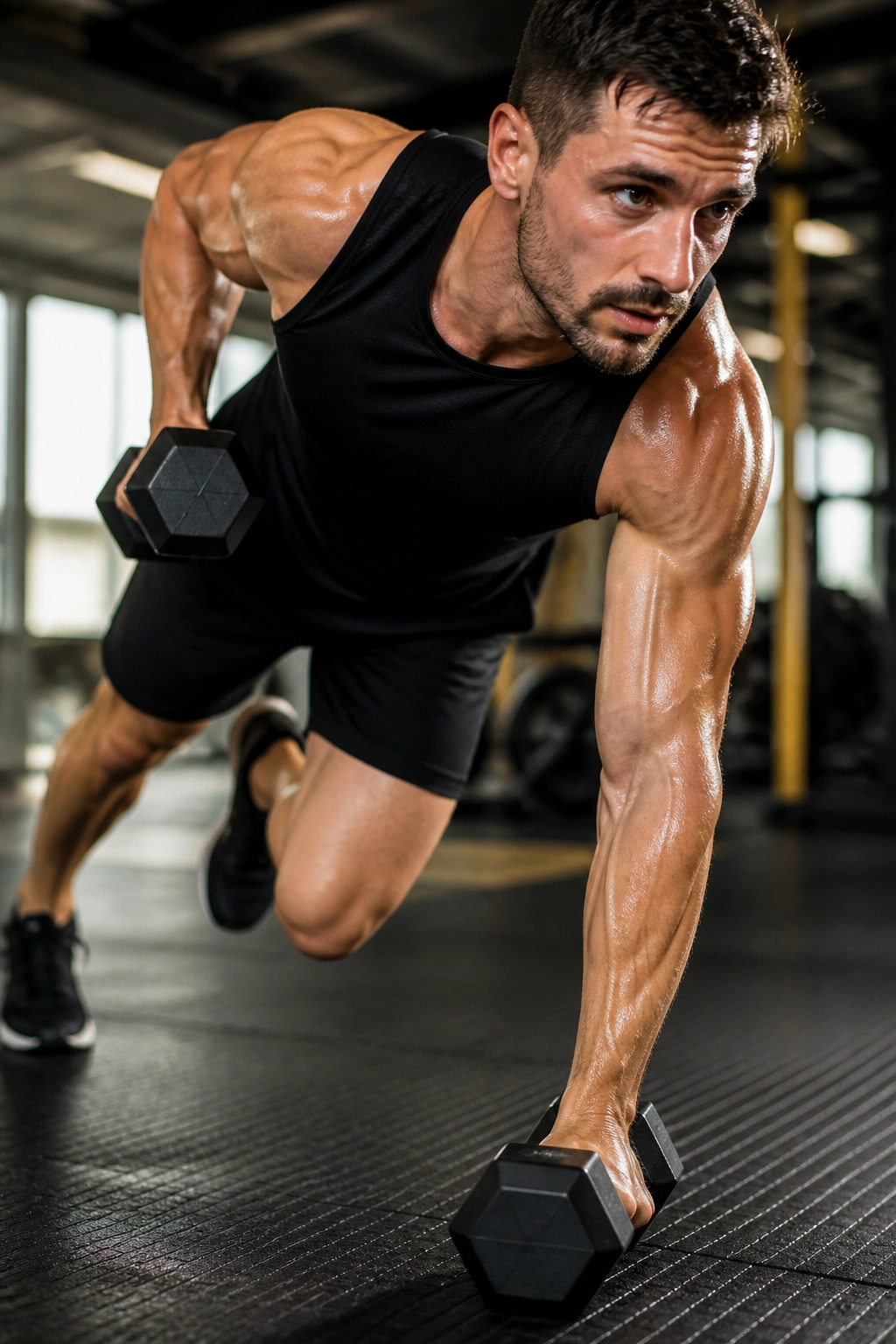
Renegade rows do not care if your core is asleep. They wake it up fast. Add mountain climbers and the whole track turns into a shoulder, back, and midsection drill that feels more like a fight than a formal exercise.
The key is to keep the feet wider than you think and avoid rocking the hips when you row. Do 6 to 8 rows per side, then 20 mountain climbers, then rest briefly. If full plank rows are too much, put your hands on a bench or box. That keeps the angle cleaner and the shoulders happier.
This is not the place for heavy weight. Light dumbbells or even no weight on the rows can be enough if your form is honest. The goal is anti-rotation, not brute force. If your lower back starts to sag, stop and reset.
Short set. Big attitude.
15. Floor Press and Skull Crusher Set
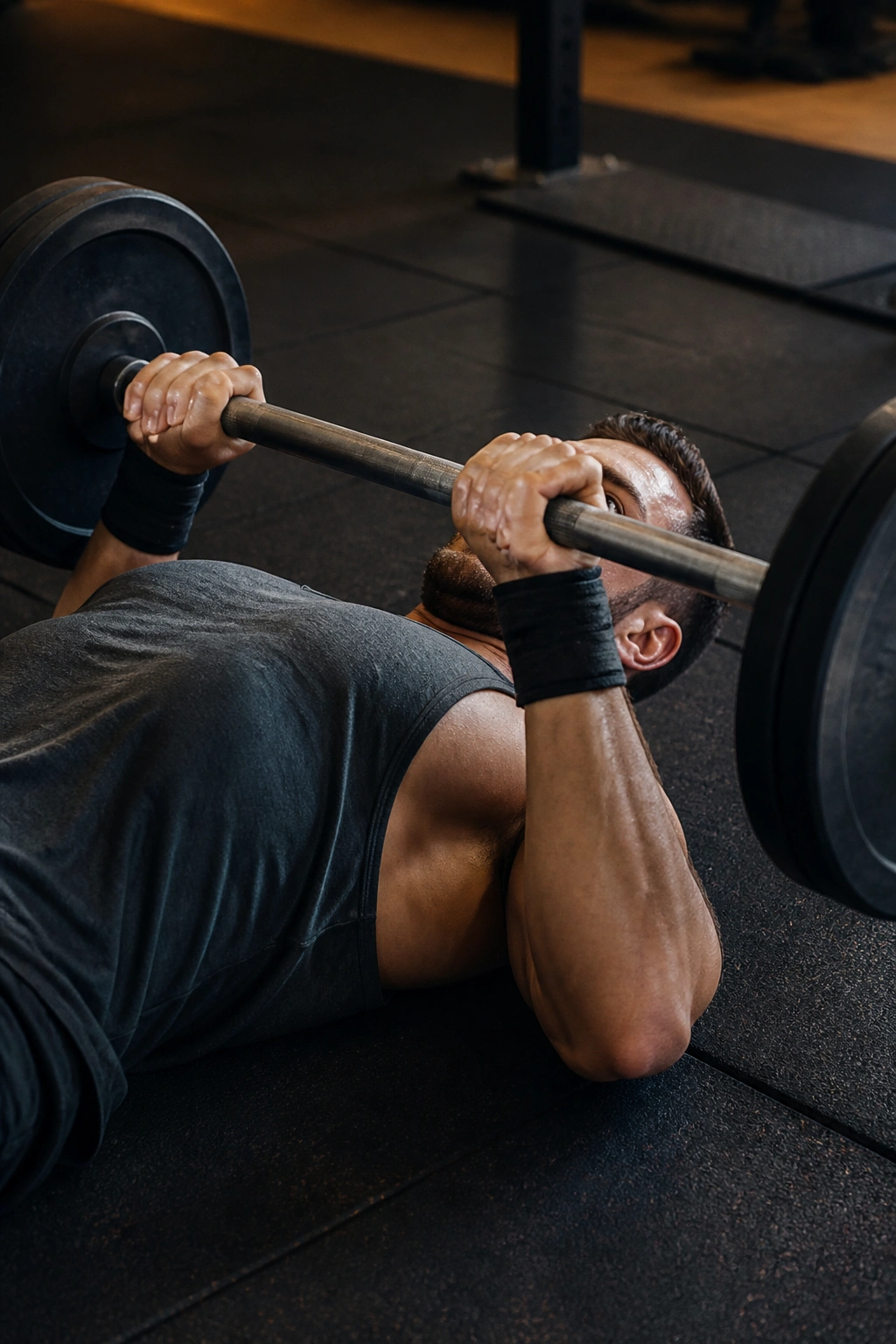
Need an arm track that still respects the chest? This one does it. The floor press shortens the range a bit and takes stress off the shoulders, while skull crushers send the work straight into the triceps. Together, they build pressing strength and arm shape without needing a bench full of setup.
What to watch for
Keep the elbows from flaring wide on the press. On skull crushers, let the upper arms stay still while the forearms move. If the elbows drift around, the triceps lose tension and the movement turns messy fast. Use 10 to 12 floor presses and 8 to 12 skull crushers for 3 rounds.
This is a nice option when your shoulders feel a little tender but you still want upper-body work. The floor gives you a hard stop at the bottom, and that helps many people keep the reps clean. Lower slowly. Press hard. Do not rush the lockout.
The burn is honest. So are the reps.
16. Thruster Pyramid
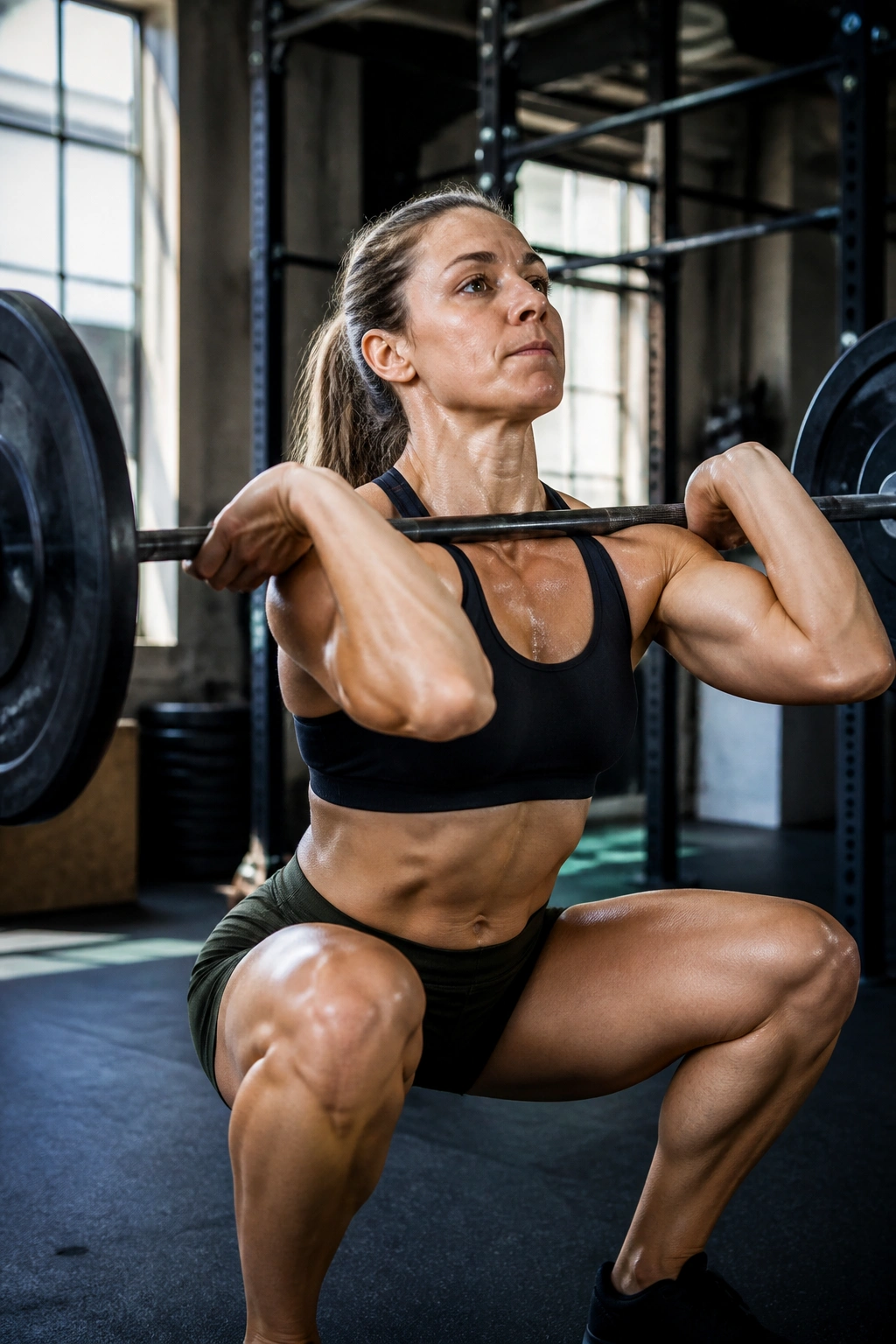
At the middle of a tough class, thrusters feel like a small argument with gravity. You squat, then explode into a press, then realize your breathing has turned ragged after only a few rounds. That is why thrusters show up in so many body pump workouts — they hit legs, core, shoulders, and lungs all at once.
How to run the pyramid
Try 8 reps, then 10, then 12, then back down to 10 and 8 if you want a longer block. Use a load that feels almost too easy on the first set. By the third round, you will be grateful for that choice. The bar should stay close to the body, and the squat should remain smooth before the press begins.
- Keep your heels down.
- Drive up fast.
- Finish the press with straight elbows.
- Rest 30 to 40 seconds between sets.
This one is a reliable finisher when you want the whole body to feel lit up without needing a dozen different moves.
17. Unilateral Lunge and Row Balance Drill
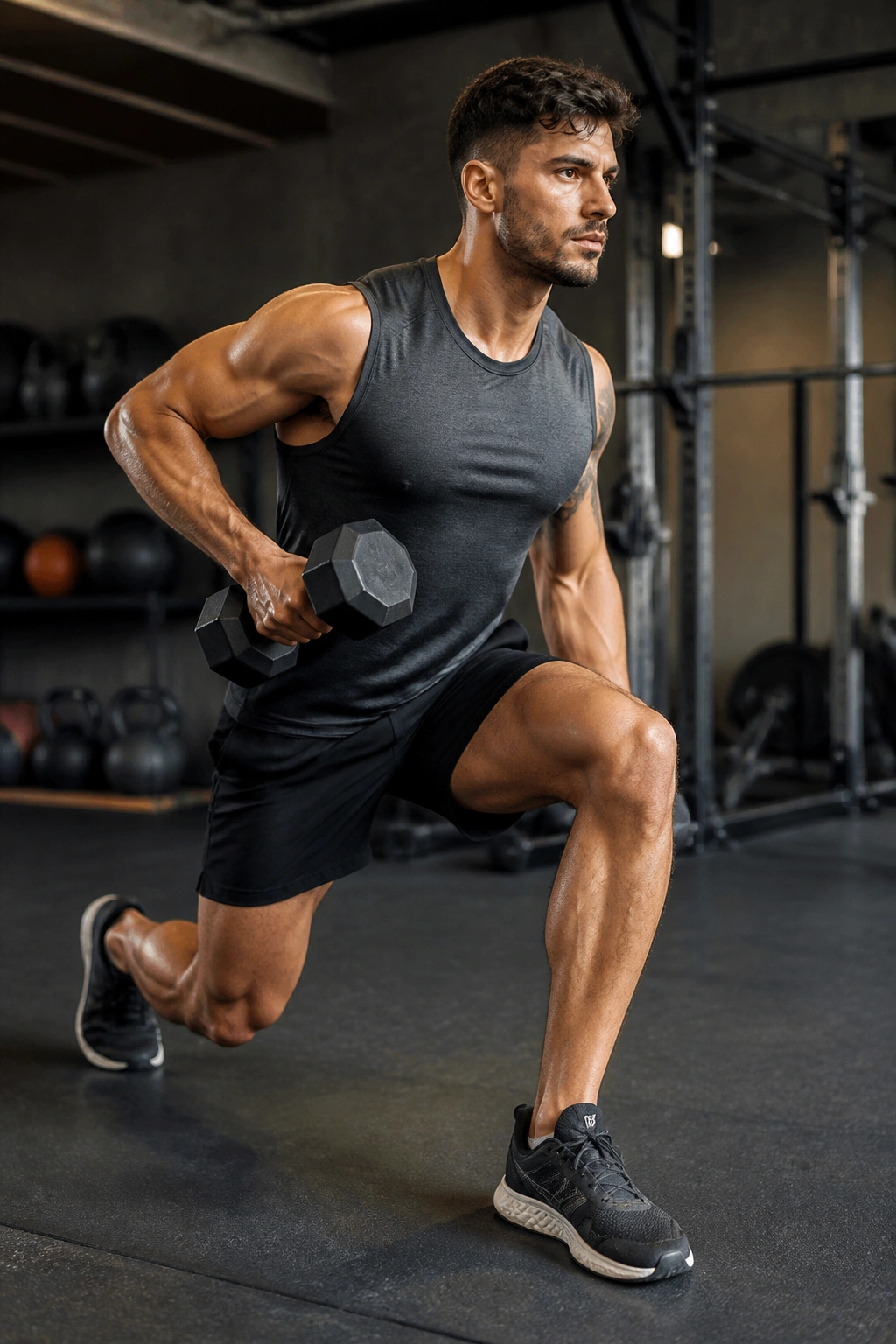
Unilateral work is the part everyone skips and then wonders why one side always feels better than the other. A lunge and row done on the same side forces the body to build balance, control, and clean alignment. That matters more than people admit, especially if you spend a lot of time sitting.
Do 10 to 12 split lunges on one side, then 10 to 12 single-arm rows on the same side. Switch sides after a full round. Keep the torso tall in the lunge and avoid twisting during the row. The point is to train the body to stay organized under load.
This track is especially useful if you prefer dumbbells over barbells or if your lower back gets cranky with bigger compound lifts. The load can stay moderate while the effort stays high. Start with the weaker side first if there is a clear difference. That keeps the session honest.
18. Loaded Carry Core Finisher
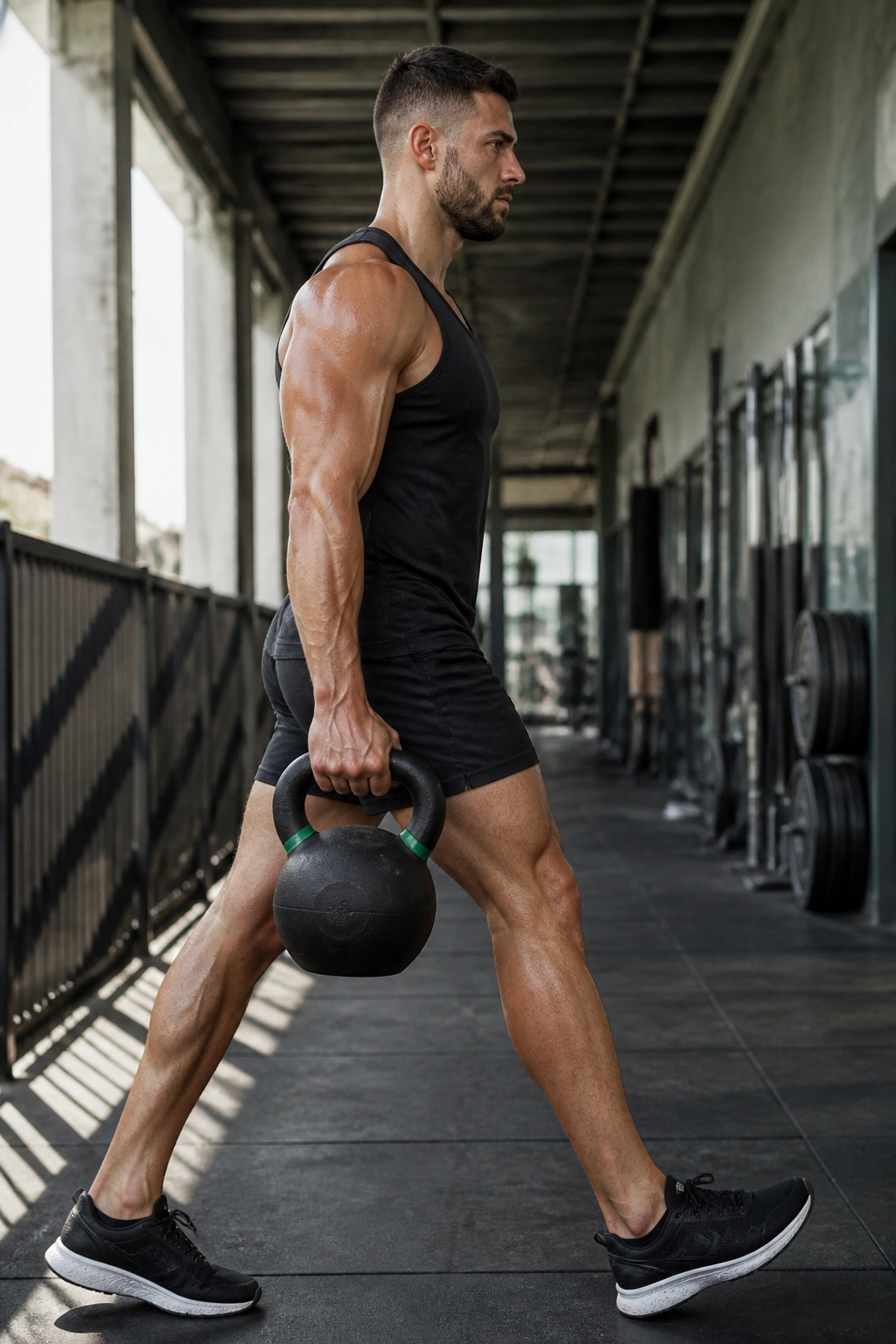
Carries look almost too easy beside barbell work, which is exactly why people underestimate them. Then the grip starts fading, the ribs start flaring, and the core has to stabilize every step. A loaded carry is one of the cleanest ways to finish a body pump session because it teaches posture under fatigue.
Use three versions if you can: a suitcase carry for 30 seconds per side, a front rack carry for 20 to 30 seconds, and an overhead carry for 15 to 20 seconds. Walk slowly. Short steps. Tall posture. If the body leans away from the load, the weight is too heavy.
This is a finish that suits almost any workout style. It does not need a big setup, and it leaves you feeling switched on rather than wrecked. The goal is not speed. The goal is control while moving. That is a useful distinction, and it carries over into everything else you lift.
19. Chest-Supported Row and Reverse Fly Set
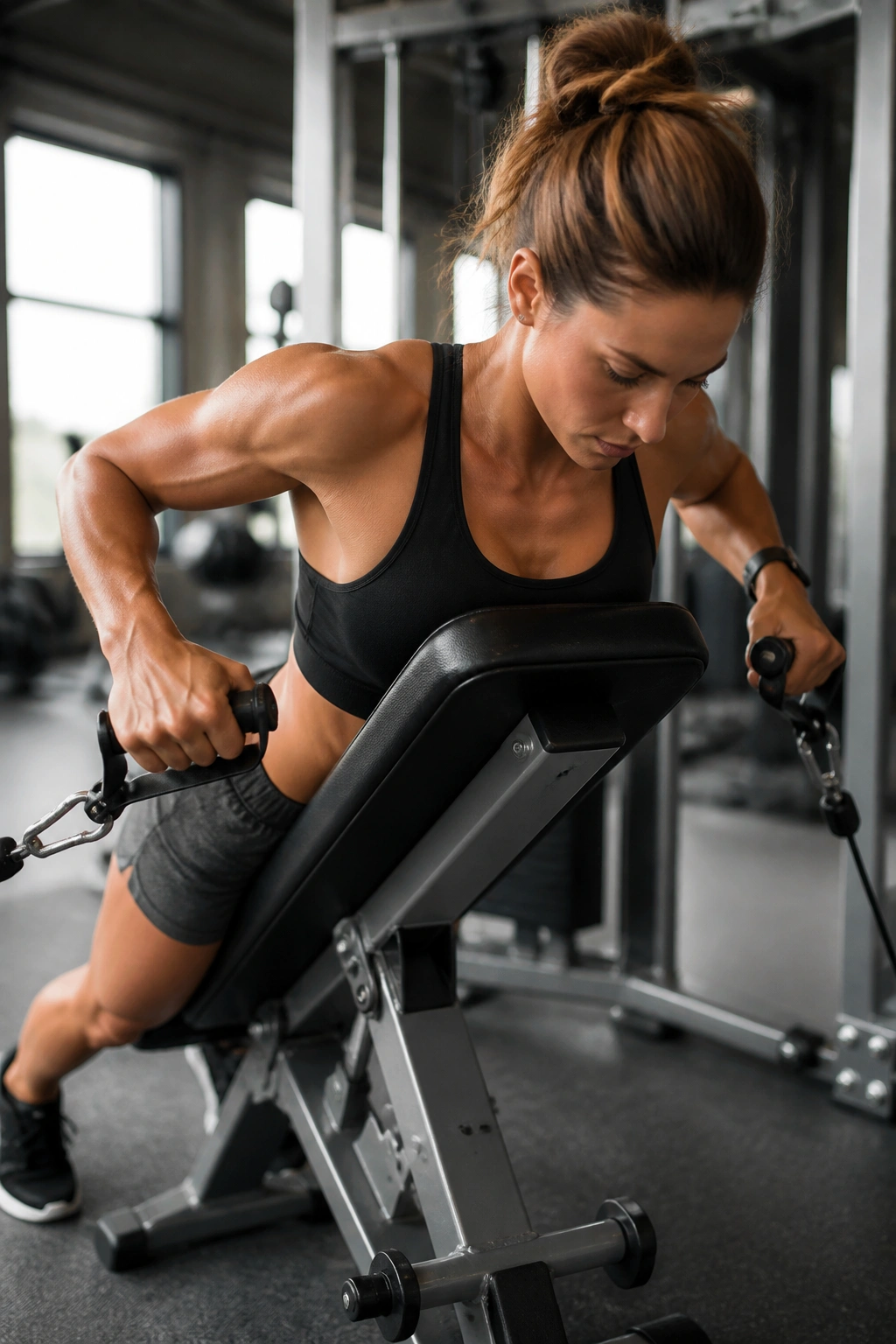
Your upper back wants more attention than it gets. A chest-supported row takes the lower back out of the equation, and a reverse fly cleans up the rear delts and the small muscles around the shoulder blades. Together, they help posture, pulling strength, and the slightly more upright look people usually want from tone work.
Why this pair works
Use 12 rows, then 12 to 15 reverse flies, for 3 rounds. Keep the chest glued to the bench so the body cannot cheat by swinging. On the row, pull toward the lower ribs. On the fly, move the arms wide and stop before the shoulders start to shrug.
This is a calmer track than thrusters or lunges, but do not mistake calm for easy. The upper back often goes undertrained because it never screams as loudly as quads do. That is a shame. Strong rear delts and mid-back muscles make everything else look and feel better.
20. Full-Body Body Pump Circuit
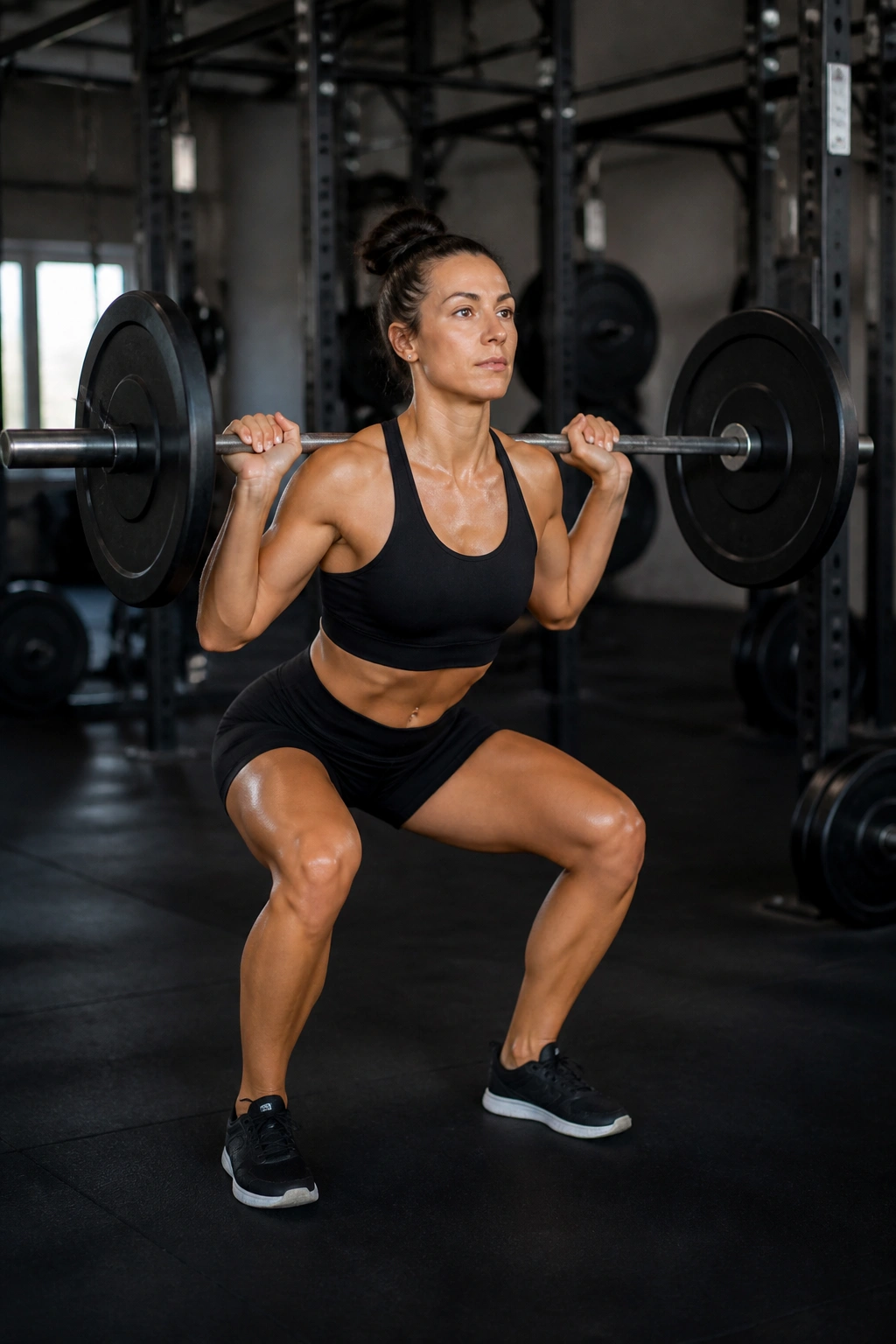
If you only had room for one body pump workout, make it a circuit that hits squat, hinge, press, row, lunge, and carry. That is the whole picture. One neat session can cover most of the body’s big movement patterns, and it keeps the pace brisk enough that you leave sweaty without feeling beaten up.
Build it like this: 12 squats, 12 deadlifts, 12 rows, 12 presses, 10 lunges per side, then a 30-second carry. Rest for 45 seconds. Repeat the whole circuit 2 or 3 times. The weight should be moderate enough to keep your form clean on round three, not just round one.
This is the workout I would hand to someone who wants real total body tone and does not want to overcomplicate it. Use it once a week, then rotate the other tracks around it. Or use this as the template and swap in one new move every few weeks so the body keeps adapting. Clean reps. Steady breathing. Enough load to matter. That is the whole game.
