



Most muscle-building workouts fail for a boring reason: they change every week.
New exercises. New angles. New tricks from a video clip that looked exciting for twelve seconds. Then the lifter wonders why the bench press never moves, the legs never look fuller, and the logbook is basically empty.
The workouts that actually build size are easier to describe and harder to follow. They use the same big lifts often enough to get better at them, enough hard sets to make the muscle work, and enough repetition that you can tell whether you’re progressing or just sweating a lot. That’s the part people skip. They want novelty. Muscle usually wants repeatability.
A good rule is almost annoyingly plain: pick a workout, run it long enough to add reps or load, then run it again. If you keep the exercise list stable for six to ten weeks, you’ll learn a lot about what your body responds to. You’ll also stop confusing a good pump with actual progress. Little difference. Big problem.
1. Heavy Upper-Body Press and Row Day

This is the kind of upper-body workout that earns its keep. Heavy pressing builds the chest, front delts, and triceps; a hard row balances the shoulder and keeps the whole thing from turning into a bench-only obsession. That balance matters more than people think.
Start with barbell bench press for 4 sets of 5 to 6 reps. Rest 2 to 3 minutes. Then go to a barbell row or a strict Pendlay row for 4 sets of 6 to 8. After that, use incline dumbbell press for 3 sets of 8 to 10 and a neutral-grip pull-up or pulldown for 3 sets of 8 to 12.
A small arm finisher works well here, but keep it clean. One curl and one triceps movement, 2 to 3 sets each, is enough. More than that and the session starts drifting away from the compounds that actually drive most of the growth.
Best use: one or two times every seven to ten days, depending on recovery. Add one rep to a lift before you add weight. That tiny rule keeps the workout repeatable without turning it stale.
2. Squat-First Lower Body Day

Why does one serious squat day beat three random leg exercises? Because the lower body responds well to tension, depth, and a little patience. A half-hearted leg day with light machines and no plan leaves you tired in the wrong places.
Open with a back squat or front squat for 4 working sets of 5 to 8 reps. The last rep should look like work, not theater. Then move to a Romanian deadlift for 3 sets of 6 to 8, keeping the bar close and the hamstrings loaded. Finish with a Bulgarian split squat for 3 sets of 8 to 10 per leg.
How to make it grow
- Use a squat variation you can repeat without dreading it.
- Keep the first two exercises heavy enough that you need real rest.
- Use the split squat as a pain-free volume tool, not a balance contest.
- Finish with standing calf raises for 4 sets of 10 to 15.
A lot of lifters undertrain legs because they want the workout to feel crisp. Legs usually grow better when the session feels a little rude.
3. Push Day With Chest, Shoulders, and Triceps

If your front delts never seem to get the memo, this is the fix. Push day is simple, but it’s easy to ruin by piling on too much pressing and then wondering why your shoulders are grumpy.
Start with incline barbell press or incline dumbbell press for 4 sets of 6 to 8. That angle tends to hit the upper chest a bit harder than flat work, and it’s easier to repeat than people claim. Follow it with a seated dumbbell shoulder press for 3 sets of 8 to 10. Then use cable flyes for 3 sets of 10 to 15.
The last third of the workout is where most people either rush or overdo it. Don’t. Lateral raises belong here for 4 sets of 12 to 20, done with control and no swinging. Close with overhead triceps extensions or rope pushdowns for 3 sets of 10 to 15.
This workout repeats well because it covers the chest from two angles, gives the shoulders direct work, and doesn’t bury your elbows under a mountain of junk volume. A boring push day that you can recover from beats a flashy one that wrecks your next session.
4. Pull Day for Width and Thickness

A good back day does not start with curls. It starts with work that forces the lats, mid-back, and rear delts to pull their own weight.
Use pull-ups or a heavy lat pulldown for 4 sets of 6 to 10. Then hit a chest-supported row for 4 sets of 8 to 12. Chest support takes some of the cheating out of the movement and lets you load the back without the lower back becoming the weak link. Smart move.
After that, add a single-arm dumbbell row or cable row for 3 sets of 10 to 12. Finish with rear delt flyes and incline dumbbell curls, 3 sets each. The rear delt work matters more than many lifters admit. A back that only trains the lats looks incomplete from the side.
What to watch for
- Keep the ribs from flaring on rows.
- Pull the elbows, not the hands.
- Let the shoulder blades move a little.
- Stop one or two reps before form turns ugly.
Back training rewards patience. You’ll feel it more in the second half of the month than on the day itself.
5. Full-Body Barbell Session
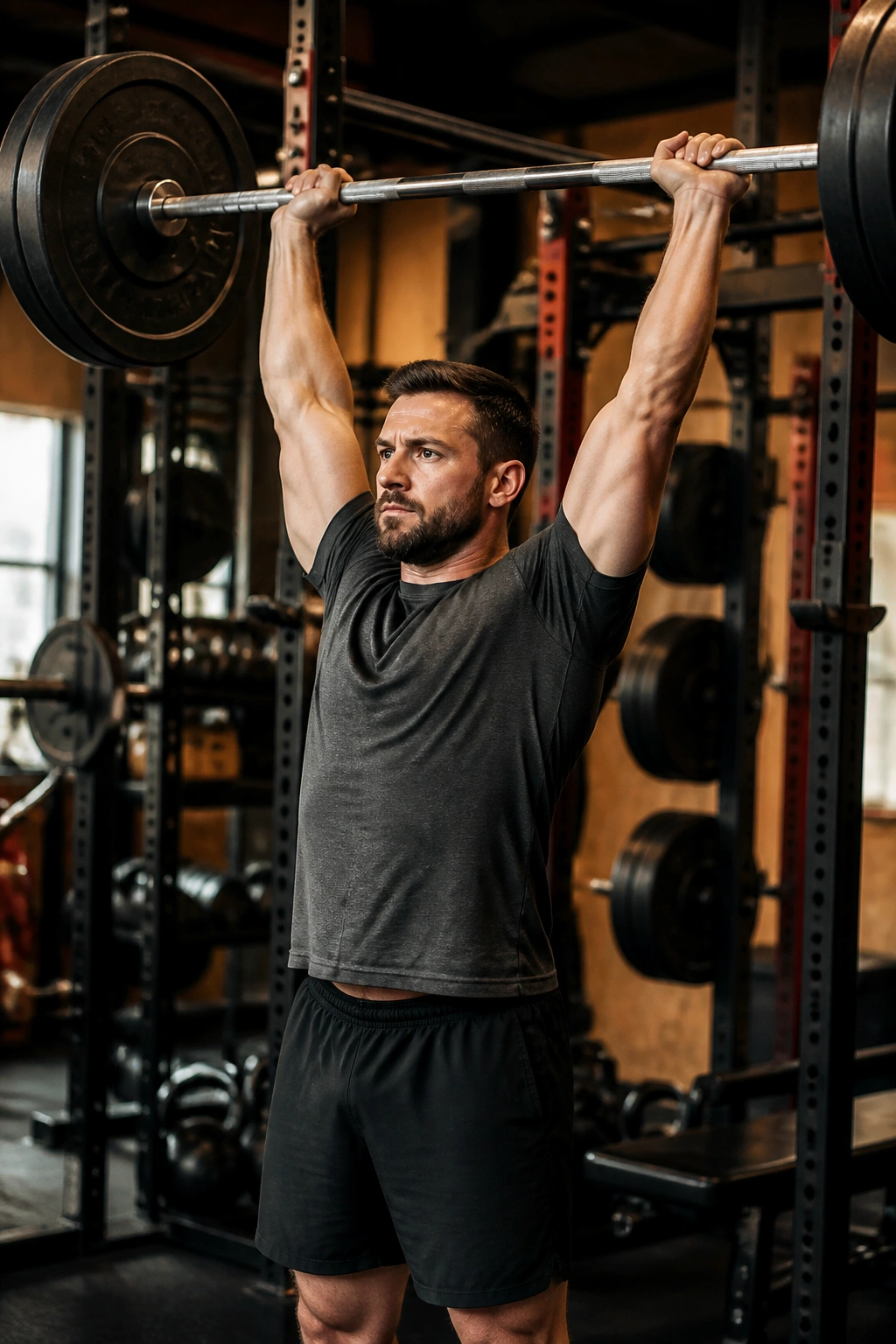
Some lifters don’t need a six-day split. They need one honest full-body day they can attack, recover from, and repeat without their week turning into a logistics puzzle.
The formula is dead simple: squat, press, pull, hinge. Pick one movement from each category and give each of them enough volume to matter. A good version looks like this: back squat for 3 sets of 5, bench press for 3 sets of 5, barbell row for 3 sets of 6 to 8, and a Romanian deadlift for 2 to 3 sets of 6 to 8.
That’s already plenty. If you want a little more, add one arm movement and one calf or abdominal exercise. Don’t turn the workout into a second job. Full-body training works because it keeps the main lifts frequent enough to improve, not because it tries to exhaust every fiber in one afternoon.
This is a good repeatable choice for people with limited training days, but it’s also useful for more advanced lifters during easier phases. The trick is to leave the gym with energy in the tank, not confusion.
6. Dumbbell-Only Muscle Builder
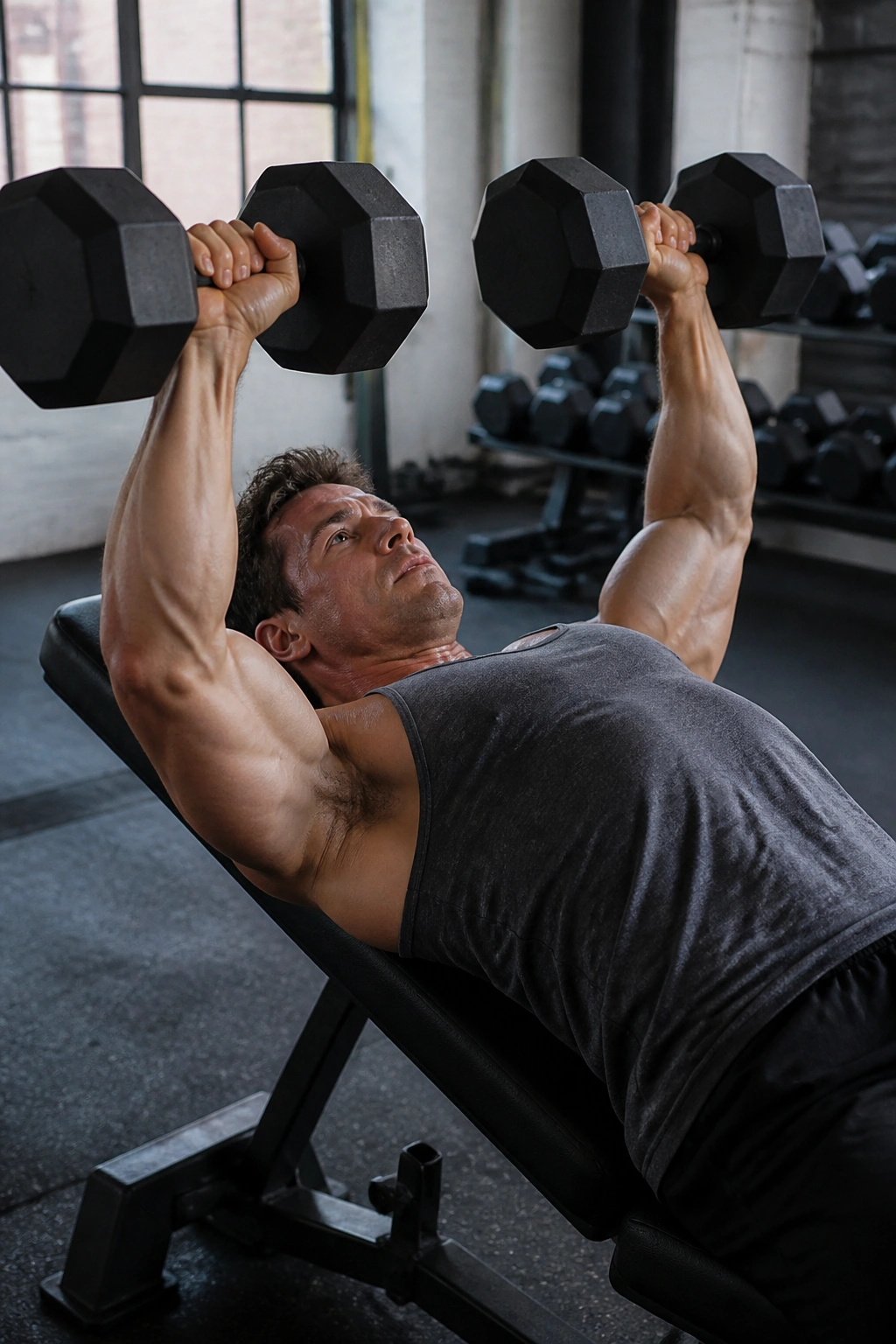
No barbell? Fine. Dumbbells can build a lot of muscle if you stop treating them like a consolation prize.
Begin with a dumbbell floor press or flat dumbbell press for 4 sets of 8 to 12. Then pair it with a one-arm dumbbell row for 4 sets of 8 to 12 per side. After that, move to a goblet squat or dumbbell front squat for 3 sets of 10 to 15, keeping the torso tall and the pace steady.
A dumbbell Romanian deadlift belongs here too. Use 3 sets of 8 to 10 and let the hamstrings stretch without rounding the back. Finish with lateral raises, hammer curls, and lying triceps extensions.
Dumbbells are especially useful because they expose side-to-side weakness fast. That can be annoying. It’s also useful. If one arm finishes a set much earlier than the other, that imbalance does not need to stay hidden forever. Dumbbells show it, and then they fix it.
7. Machine-Based Hypertrophy Session
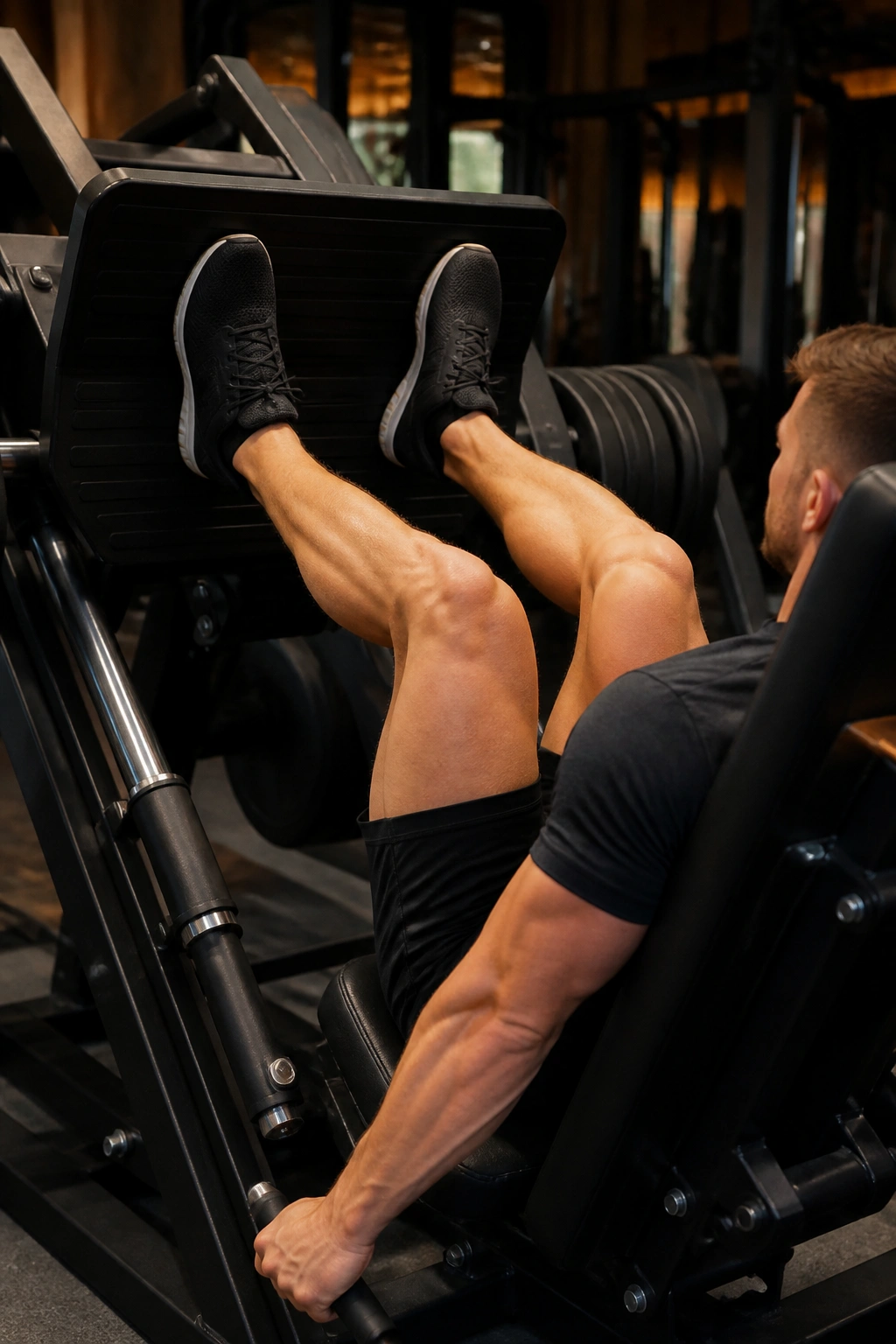
Machines get dismissed by people who like talking about training more than training. That’s a mistake. A good machine workout can be brutally effective, and it often lets you take sets closer to failure with less joint drama.
Use a leg press for 4 sets of 10 to 15, then a machine chest press for 4 sets of 8 to 12. Add a seated row for 4 sets of 8 to 12, a hack squat or pendulum squat if the gym has one, and finish with leg curls and lateral raise machines.
The fixed path matters. You can push hard without spending half the set thinking about balance, grip, or whether your lower back is about to quit on you. That makes machines a strong choice for higher-rep work, especially on days when free weights feel clumsy.
Why this one repeats so well
- Easy to track load jumps.
- Safer to take near-failure.
- Less setup, less noise, less nonsense.
- Great for high-volume leg and chest work.
This is the workout I’d keep in my back pocket for phases when joints need a break but growth still has to happen.
8. Bodyweight Muscle-Building Circuit

No rack. No problem. A bodyweight session can absolutely build muscle if you use harder progressions and slow enough reps to make the set count.
Start with pull-ups or chin-ups if you can do them. If not, use inverted rows under a sturdy bar or table. Then move to push-ups with feet elevated, Bulgarian split squats, and single-leg hip thrusts. For shoulders, a pike push-up is better than most people expect.
The key is not chasing a giant circuit pace. Keep the reps controlled, especially on the lowering phase. A three-second descent on push-ups and split squats changes the whole feel of the workout. Suddenly the set is not about surviving; it’s about keeping tension where it belongs.
If you want progression, add reps first, then make the leverage worse, then add load with a backpack or vest. Simple. Effective. Not glamorous, which is usually a good sign.
9. Chest and Back Superset Day

This workout has a nice side effect: it saves time without turning the session into chaos. Pairing a chest move with a back move lets one muscle rest while the other works, and the pump gets out of hand in the best way.
Use bench press paired with barbell rows for 4 rounds of 6 to 8 reps each. Then do incline dumbbell press paired with lat pulldowns for 3 rounds of 8 to 12. After that, run cable flyes with rear delt flyes for 3 sets of 12 to 15.
The rhythm matters. Don’t race the clock. Move with enough speed that the workout stays alive, but keep the rest honest so the second exercise does not turn into sloppy cardio.
This is especially useful if your week is crowded. A chest-and-back day lets you get a lot of quality work done in one session, and the antagonist pairing often keeps the shoulders feeling better than straight pressing marathon sessions do.
10. Shoulders and Arms Pump Session
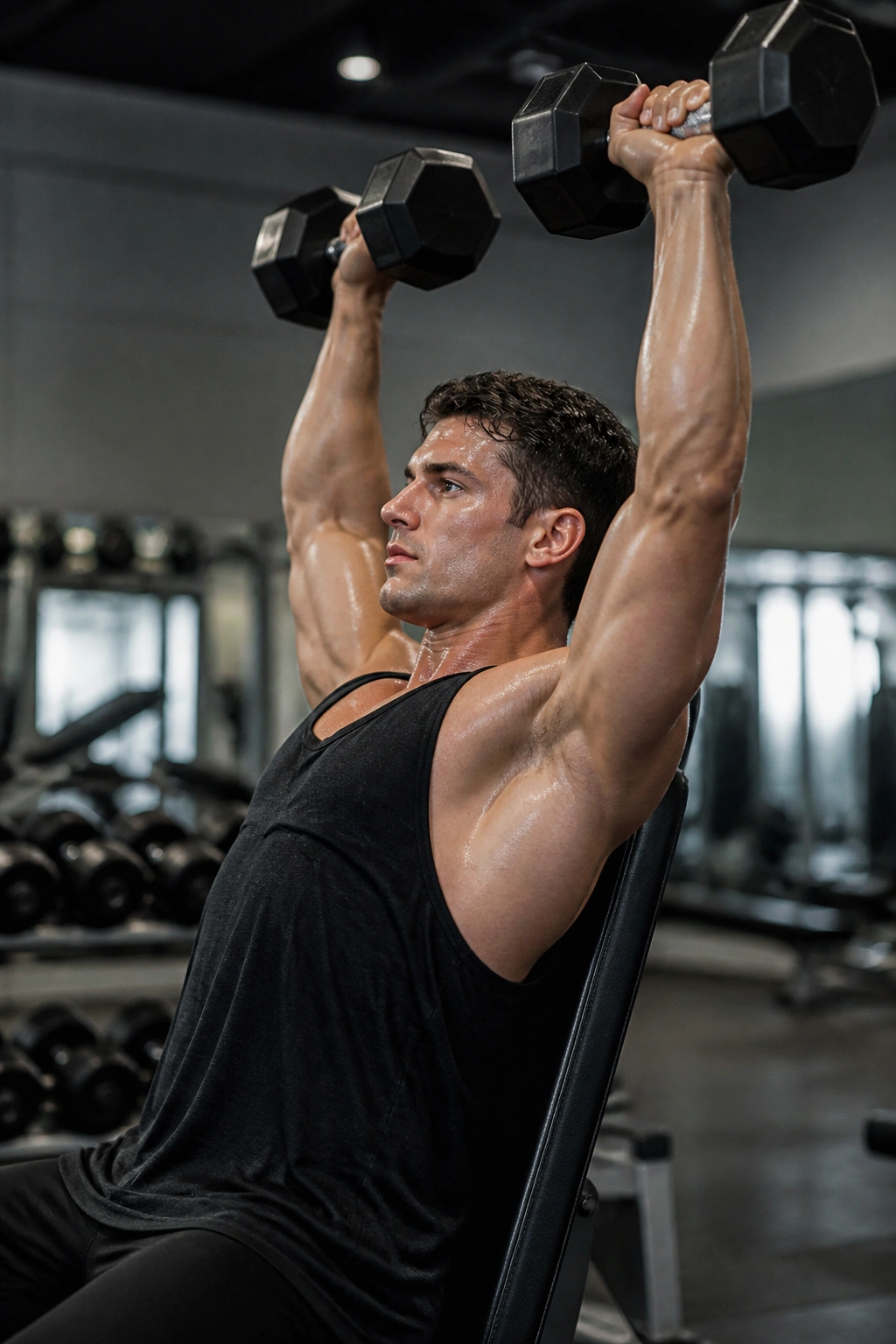
This one is pure vanity work, and I mean that kindly.
A shoulder-and-arms session gives you direct volume where it’s easy to see and easy to feel. Start with a seated overhead press for 3 sets of 6 to 8. Then move straight into cable lateral raises for 4 sets of 12 to 20. After that, use reverse pec deck flyes for the rear delts.
The arm work is where the session turns from useful to fun. Use EZ-bar curls for 3 sets of 8 to 12, incline dumbbell curls for 2 sets of 10 to 12, then rope pushdowns and overhead rope extensions for triceps. Keep the elbow position strict and stop chasing momentum.
This workout repeats well because it creates local fatigue without trashing your whole body. You can run it after a heavy upper day, or on a separate session when your bigger lifts need a break. Shoulders and arms tend to like more frequent reminders anyway.
11. Quad-Dominant Leg Day
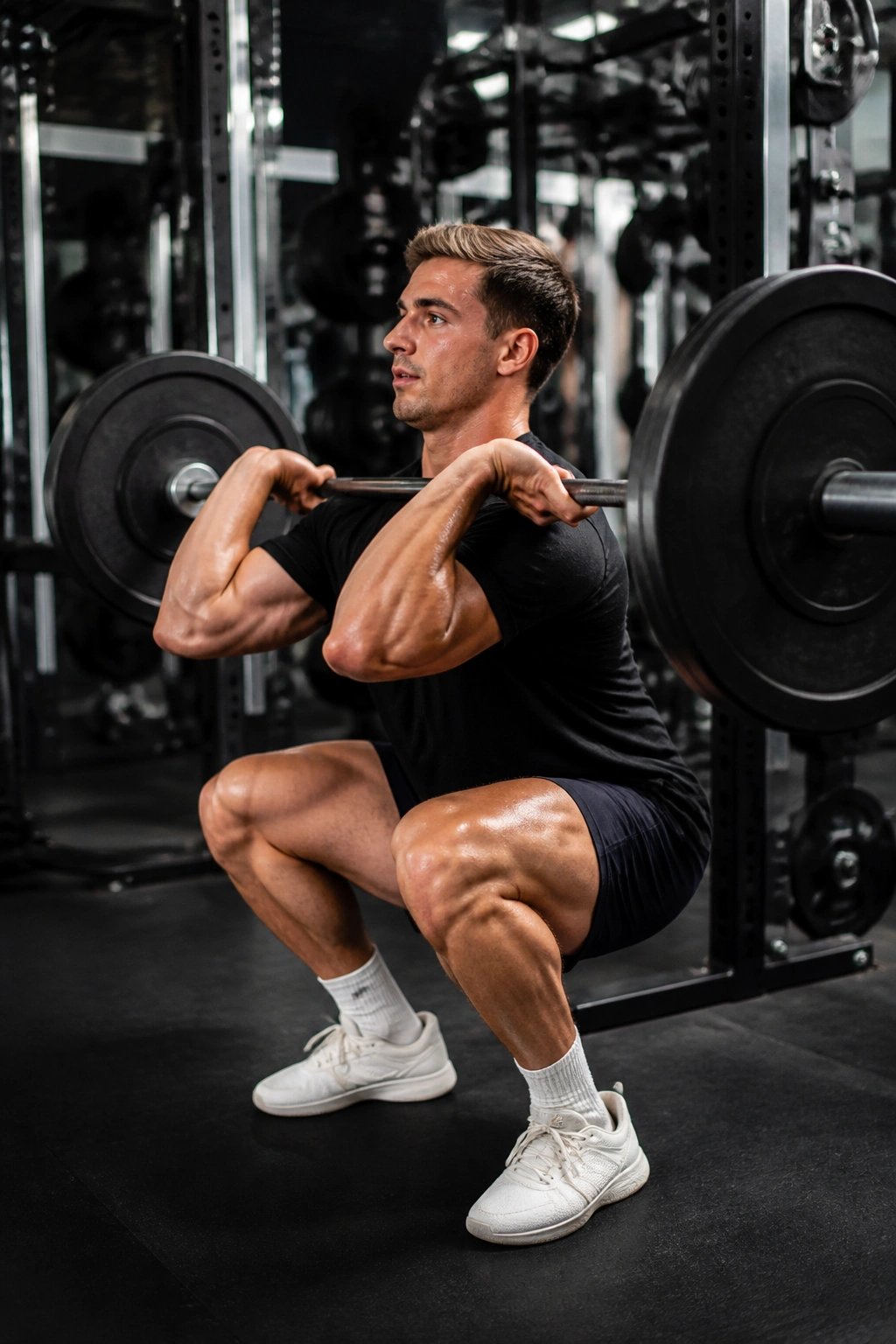
A quad-focused day should feel like your thighs are doing the entire argument. If your lower back is the only thing complaining, the workout is off.
Open with a front squat or hack squat for 4 sets of 6 to 10. Front squats keep the torso more upright, which usually shifts more of the work to the quads. Hack squats do something similar with less balance demand. Then move to a leg press with a lower foot position for 3 sets of 10 to 15.
Add walking lunges or step-ups for 3 sets of 10 per leg. Finish with leg extensions for 3 sets of 12 to 20 and a controlled pause at the top. That pause matters. It turns a lazy extension into real quad tension.
Quick notes that help
- Use a heel wedge or lifting shoes if depth is a problem.
- Keep knees moving forward if your body tolerates it.
- Don’t turn leg extensions into a swing fest.
- Calves can wait until the end.
This is one of those sessions that looks simple on paper and feels far less simple in the last ten minutes.
12. Glute and Hamstring Day
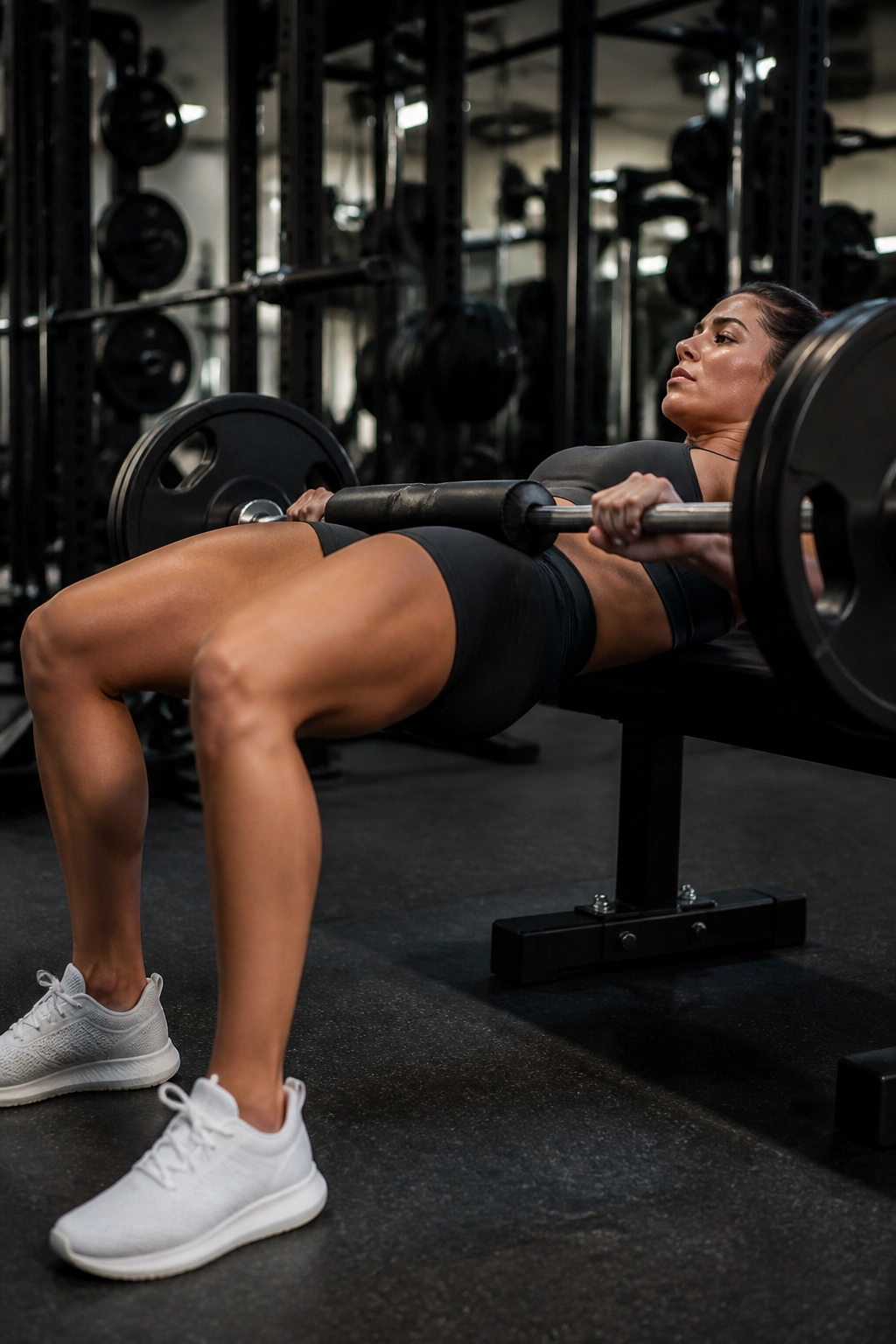
If you leave leg day feeling fried in the lower back, you’re probably doing too much hinge work and too little actual glute work.
Start with barbell hip thrusts for 4 sets of 8 to 12. At the top, squeeze for a count of one or two; don’t hyperextend the spine. Then go to Romanian deadlifts for 3 sets of 6 to 8, keeping a soft knee bend and a long hamstring stretch. Add seated leg curls for 4 sets of 10 to 15.
A reverse lunge or split squat with a forward torso lean gives the glutes another angle, and cable pull-throughs are a nice lower-fatigue finisher. You can also add a hip abduction machine if your gym has one, though I’d treat it as a bonus rather than the main event.
The point of this day is not to win a deadlift contest. It’s to create repeatable tension in the glutes and hamstrings without beating up the spine every week. That’s a much better trade.
13. Hinge and Back Thickness Workout
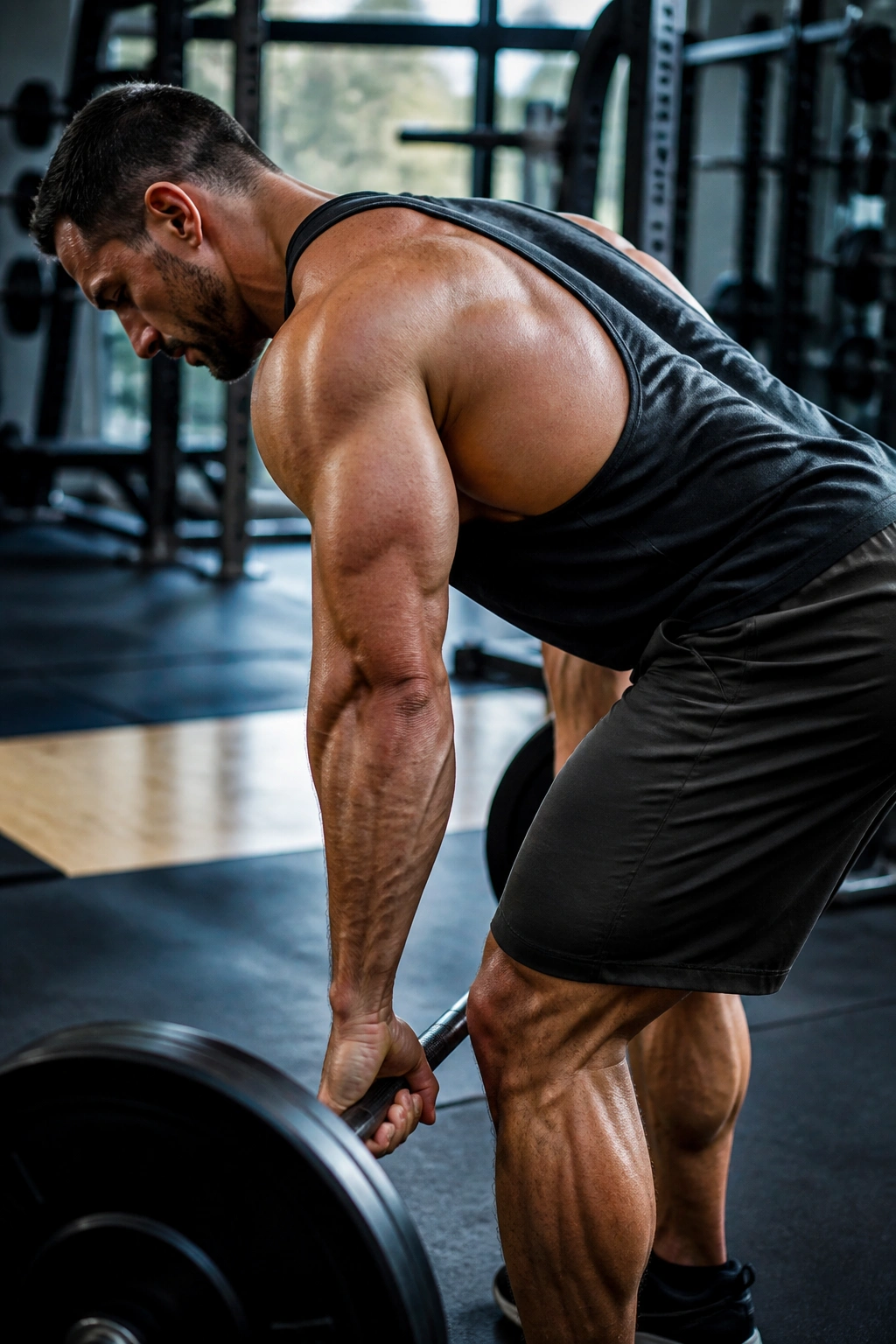
Unlike a squat day, this one is built around the posterior chain. The lower back, glutes, hamstrings, and thick upper-back muscles all have to work together, so exercise choice matters.
Use a deadlift variation first — conventional, sumo, or trap bar if that suits your body better — for 3 to 5 sets of 3 to 5 reps. Keep the reps low enough that form stays sharp. Then move to a barbell row for 4 sets of 6 to 8, followed by a chest-supported row for 3 sets of 8 to 12.
A back extension or 45-degree hyperextension adds a useful amount of volume without needing huge loads. Finish with farmer’s carries if you want a grip and trunk challenge that doesn’t feel like a gimmick.
What to watch for
- Keep deadlift reps clean, not heroic.
- Use straps on rows if grip is the limiting factor.
- Stop chasing floor-shaking weight on back extensions.
- Walk the carries with slow, steady steps.
This workout is repeatable because it respects fatigue. The back grows well from hard work, but it does not love sloppy repetition.
14. Upper-Body Top Set and Back-Off Day
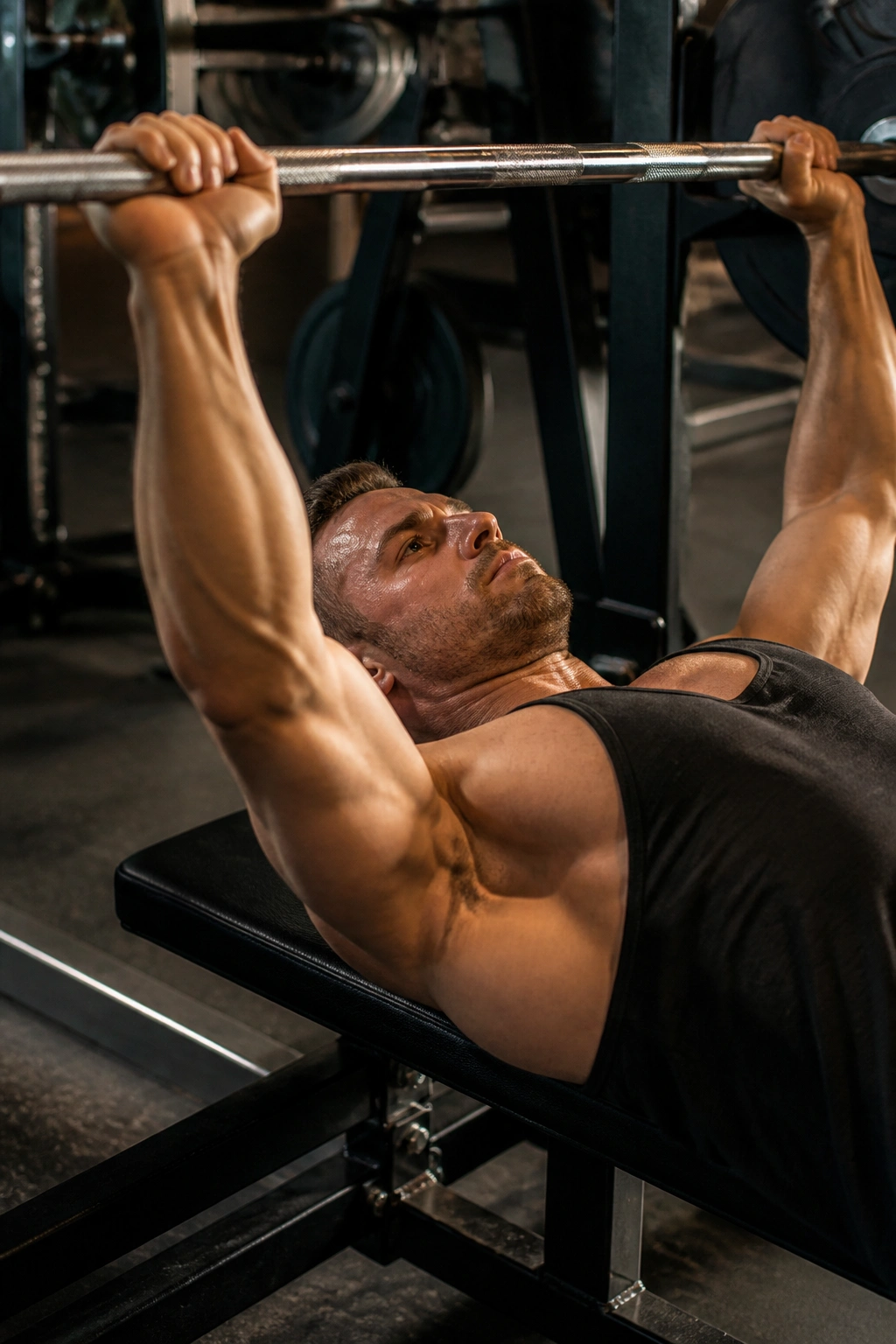
A top set plus back-off sets is a smart way to keep strength and size moving at the same time. You get one heavy effort, then you strip the load a little and chase clean volume.
Use bench press, overhead press, weighted pull-ups, and rows as the main lifts. For each, work up to one top set of 4 to 6 reps, then do 2 back-off sets of 8 to 10 reps at a lighter weight. That setup gives you a heavy stimulus without turning the whole workout into grinding.
The nice thing about this style is that it gives you a built-in progression rule. Add a rep to the top set when you can, then nudge the load up. If the top set is weak one week, the back-offs still let you collect quality work. That keeps the session useful even on imperfect days.
It also feels more human than chasing the same rep target forever. Heavy work first. Cleaner work after. That rhythm just makes sense.
15. Lower-Body Hypertrophy Circuit

Can legs grow from a circuit? Yes, if the rest periods are honest and the form stays in place.
Use goblet squats, Romanian deadlifts, step-ups, leg curls, and calf raises in a controlled circuit. Do 10 to 15 reps per move, rest 45 to 75 seconds between exercises, and repeat the whole circuit 3 to 4 times. The goal is not to sprint. The goal is to keep the legs under tension long enough that the burn becomes unavoidable.
How to keep it productive
- Pick loads that leave 1 to 2 reps in reserve on the first round.
- Use the same order each time.
- Keep steps and squats smooth, not rushed.
- Stop the set when form starts slipping, not when the timer says so.
This kind of workout is useful when you want a leg day that feels dense and efficient. It’s not the heaviest option on the list, but it’s one of the easiest to repeat without beating yourself up.
16. Minimal-Equipment Travel Workout
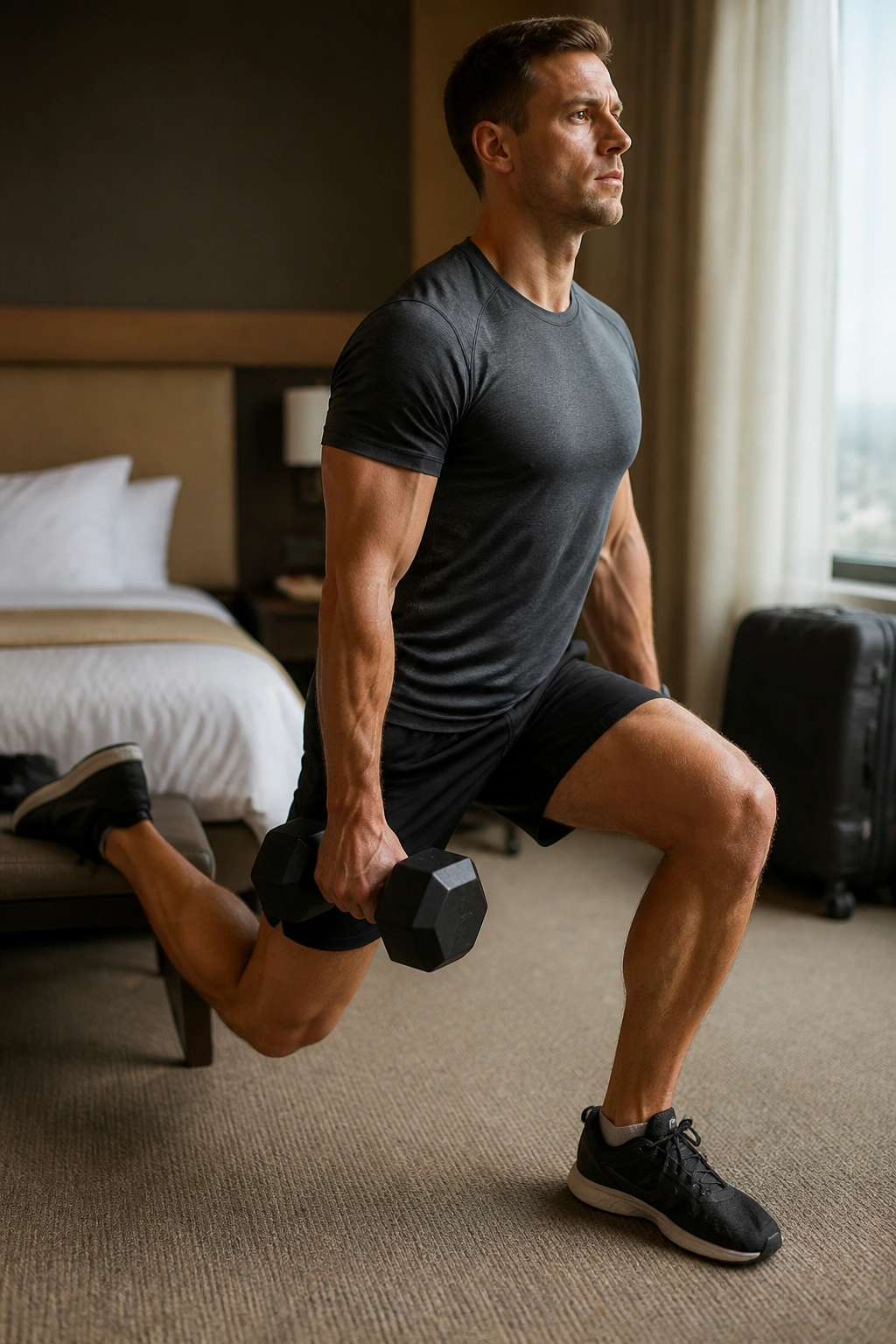
Hotel room. Tiny gym. One dumbbell that looks like it was chosen by someone with a grudge. Fine. You can still train.
Use a split squat as the first move, 3 sets of 10 to 12 per leg. Then pair a push-up with a one-arm dumbbell row if you have any kind of weights. If the room has bands, add a band pulldown or band row. Follow that with a single-leg Romanian deadlift and a pike push-up.
The trick here is tempo and unilateral work. Slow eccentrics, pauses near the bottom, and one side at a time make light loads matter more. A 30-pound dumbbell can feel respectable if you use it honestly.
This workout is repeatable because it strips out excuses. You do not need perfect equipment to keep muscle building on track. You need a plan, a little discomfort, and enough discipline to finish the last set without turning it into a sightseeing walk.
17. 5×5-to-10×10 Growth Day

Boring can build muscle. In some cases, it builds a lot of it.
The 5×5 part works well for a main lift like squat, bench press, or barbell row. Five sets of five gives you enough practice and enough load to matter. Then, if you want a volume kicker, use one movement for 10 sets of 10 with a moderate load. That could be a machine press, a leg press, or a cable row.
How to keep it sane
- Use only one 10×10 exercise per session.
- Pick a movement you can repeat with solid form.
- Rest long enough to keep the sets honest.
- Eat and sleep like the workout matters, because it does.
This is not the day to show off. It’s the day to collect a lot of clean reps and let the volume do its work. If you’re the type who likes structure more than novelty, this one tends to age well.
18. Antagonist Pair Workout
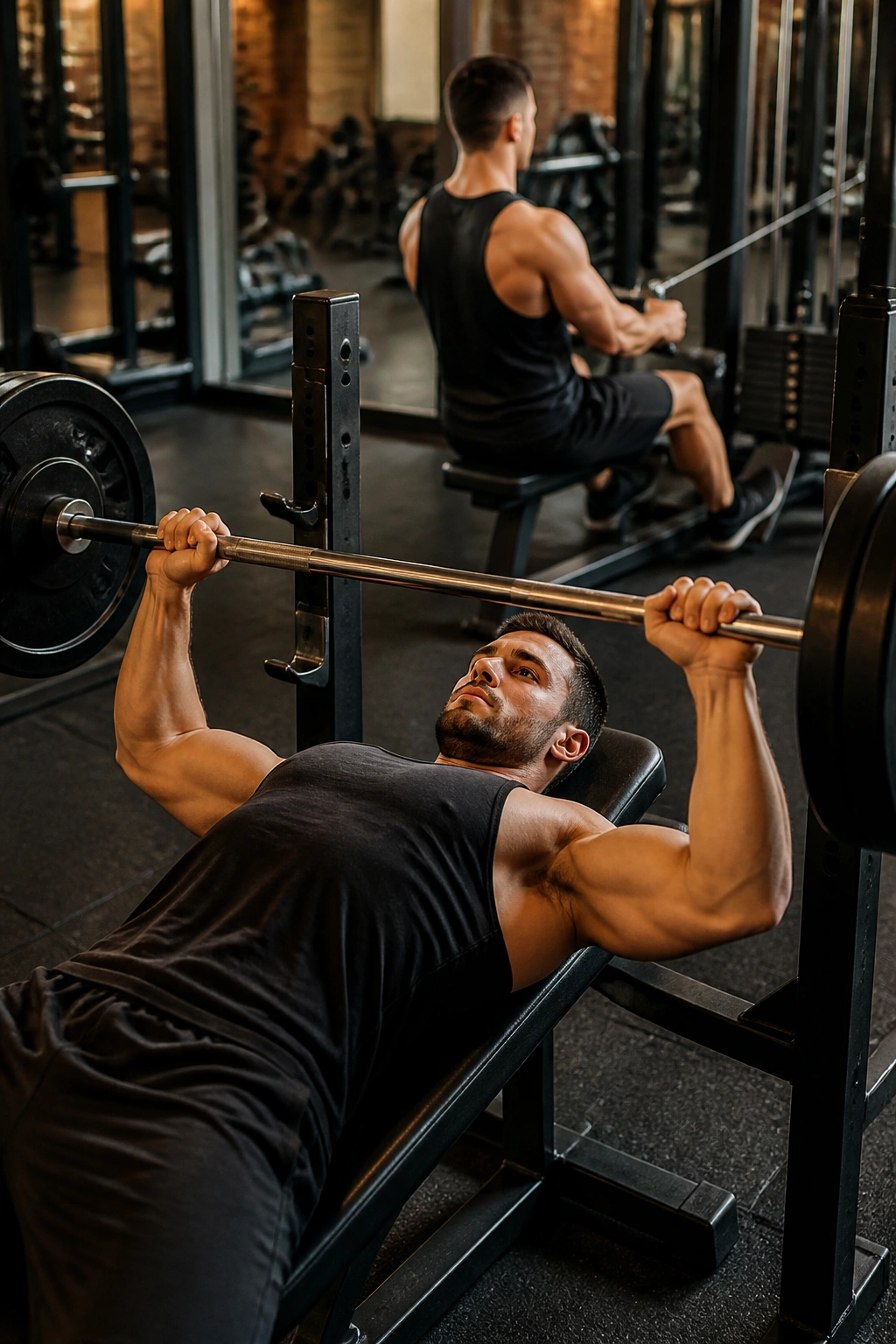
Pairing opposing muscles is one of the easiest ways to make a hard workout feel smoother. Chest with back. Biceps with triceps. Quads with hamstrings. The session moves fast, but each muscle still gets real work.
Try bench press paired with seated cable rows for 4 rounds. Then use incline curls paired with rope pushdowns for 3 rounds. Finish with leg extensions paired with leg curls if you want a lower-body version of the same idea. Keep each exercise in the 8 to 12 rep range, with enough rest after the pair that the next round starts strong.
The nice part is the joints often feel better here. A pressing set followed by a pulling set gives the shoulders a break from nonstop forward work. Same thing with quads and hamstrings. The body likes balance, even when the workout is trying to be brutal.
This setup is also easy to repeat because it removes guesswork. Once you know the pairings, the whole session runs itself.
19. Density Ladder Workout

This one is about doing more quality work in the same amount of time, not about going crazy on the first set and limping home.
Use a ladder like 1-2-3-4-5 reps, then repeat it. Good moves for this style are pull-ups, dumbbell presses, goblet squats, and one-arm rows. Start with a small load you can move cleanly, then climb the ladder until the reps start slowing down. Rest 30 to 60 seconds between rungs, and 2 minutes between ladders.
A ladder workout works because the early reps stay crisp while fatigue builds gradually. You get more total volume than a straight set of the same reps, and the shape of the workout keeps you honest. It’s easy to track too. Add one total rung, or make the same ladder feel cleaner than last time.
Some people love this style because it feels athletic. I like it because it’s simple to repeat and hard to fake.
20. Recovery-Friendly Pump Day

Some workouts should leave you better than they found you. Not every session needs to feel like a truck hit you.
Use this day for lateral raises, cable curls, rope pushdowns, calf raises, and a light ab machine or reverse crunch. Keep the reps in the 12 to 20 range, use short rests of 30 to 60 seconds, and stop each set with one or two reps left in the tank. The goal is blood flow, tissue tolerance, and a little extra weekly volume without stealing recovery from your bigger lifts.
This is the kind of session that keeps muscle building moving when the heavy days start to stack up. It also works well as a final weekly workout because it does not need you to be fully fresh to be useful. That matters more than people admit.
Pick four or five of these workouts and repeat them long enough to see what happens. The body likes a good signal, sent more than once. Change too much and you never learn anything. Stay with a plan long enough and the mirror starts answering back.
