



A good beginner friendly workout video at home should feel doable in the first 60 seconds, not like a test you failed before the warm-up ended. The best beginner friendly workout videos at home make room for awkwardness: they show the move, repeat the count, and leave space to breathe. That sounds basic because it is basic. Most people do not need a punishing boot camp; they need something that helps them stand up, move for 10 to 20 minutes, and still want to come back tomorrow.
I’ve always had more respect for a workout video that starts with marching in place than one that throws you into fast mountain climbers and calls it “beginner.” Beginners need clear cues, a pace that doesn’t race ahead of their coordination, and enough repetition that the body can catch up with the brain. A video can be short and still be useful. It can be gentle and still make you sweat. Those things are not opposites.
The sweet spot is usually low friction: no complicated setup, no equipment you have to hunt for, no floor transitions every 30 seconds if getting down and up is still annoying. A sturdy chair, a mat, a pair of light dumbbells, maybe a resistance band. That’s enough for most people to get moving without turning the room into a gym.
Some videos are all noise and no structure. The useful ones are calmer, clearer, and a little more forgiving. That’s where this list starts.
1. 10-Minute Low-Impact Walking Workout
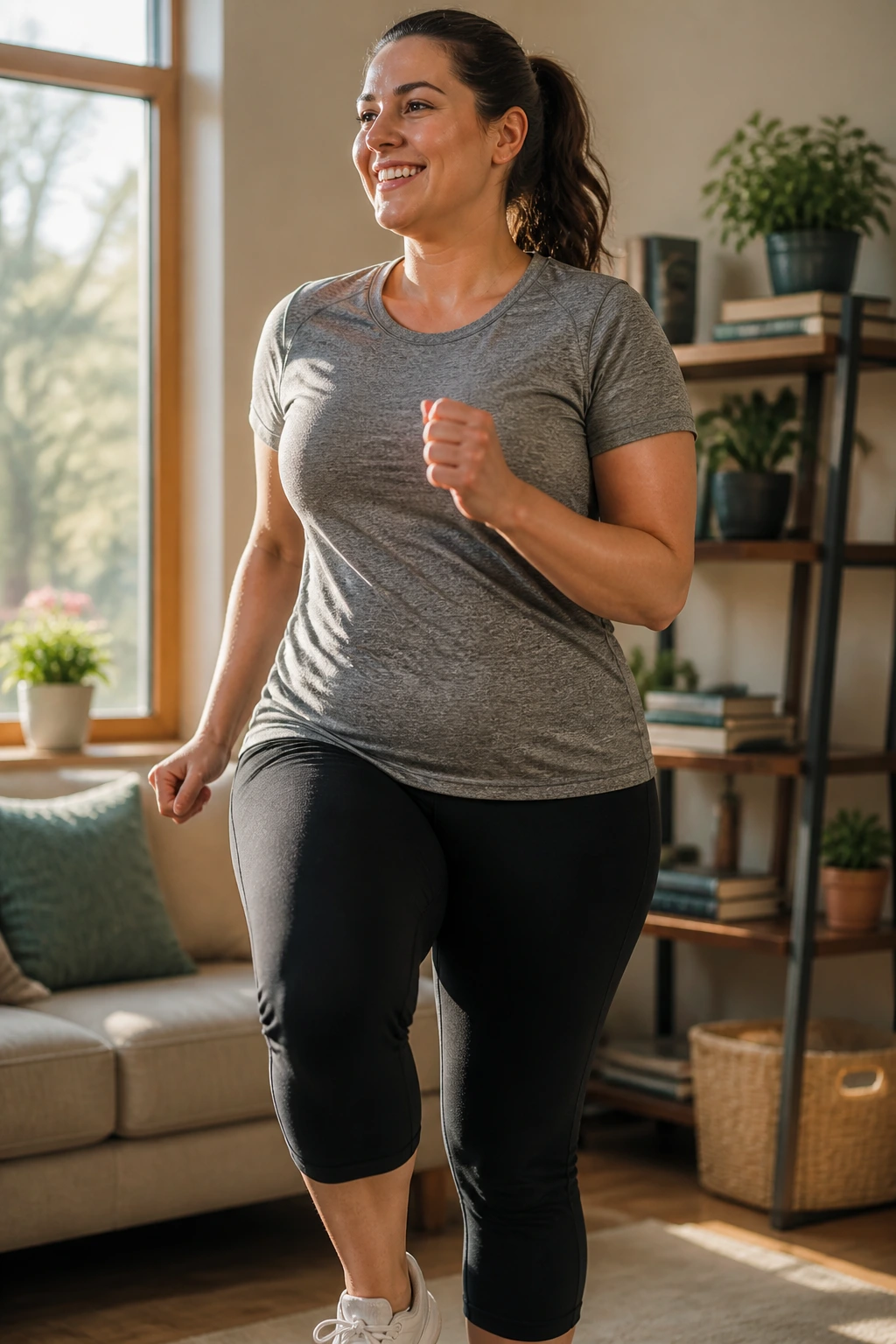
A low-impact walking workout is one of the easiest places to begin because the movement already makes sense. March, step, tap, knee lift, repeat. No choreography headache. No jumping. Just a steady rhythm that gets your heart rate up without beating up your joints.
Why It Feels Manageable
The best versions of this video keep the pace obvious. You should hear counts, see the moves before they speed up, and get a few repeats of each pattern. Ten minutes is a useful length here, because it feels short enough to start and long enough to matter. If you’re watching your first few workout videos at home, this is the sort of class that lets you learn the habit before you worry about intensity.
A nice detail to look for: the instructor should cue both feet and arms without making the whole thing messy. When the arm swings stay simple, the workout feels smoother. When they get fussy, beginners start looking down at their feet instead of moving.
- March in place for 30 to 45 seconds.
- Add side steps with gentle arm swings.
- Include knee lifts only if they feel natural.
- Keep at least one easy recovery move between harder bursts.
Best use: mornings, stiff days, or any time you need to start moving without making a production out of it.
2. Chair Cardio for Total Beginners
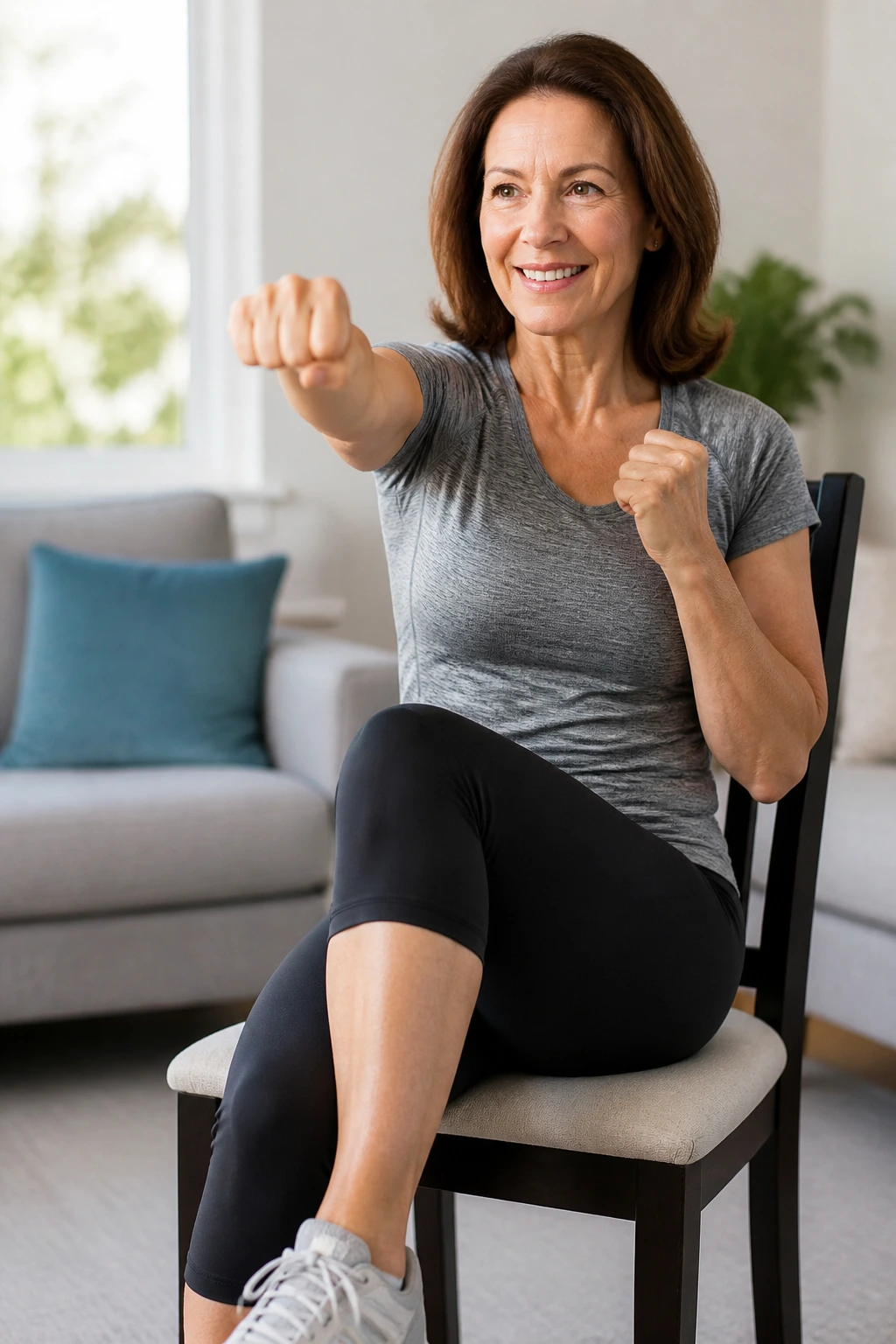
Who says cardio has to happen standing up? Chair cardio is one of those ideas that sounds almost too easy until you try it and realize how much work a simple seated punch-and-knee-lift sequence can actually do.
What Makes It Beginner-Friendly
The chair gives you a fixed base, which is huge when balance is shaky or confidence is low. A solid chair also cuts out the panic of “What do I do with my feet?” because your seat is already doing some of the work. The good videos in this category use clear upper-body cues, keep the tempo moderate, and leave enough space between moves that you’re not rushing to catch up.
I like chair cardio for people who haven’t moved much in a while, or for days when standing feels like too much. It’s also useful if you want a workout video at home but don’t want to worry about your floor, your neighbors, or whether you can get down on a mat without regretting it later.
What to Look For
- A sturdy, non-rolling chair
- Seated punches, knee lifts, and torso turns
- Clear cues for posture, not just speed
- Optional standing versions for each move
Pro tip: if the instructor never tells you to brace your core or sit tall, pick a different video. The good ones treat posture as part of the workout, not a side note.
3. Standing Full-Body Strength Without Floor Work
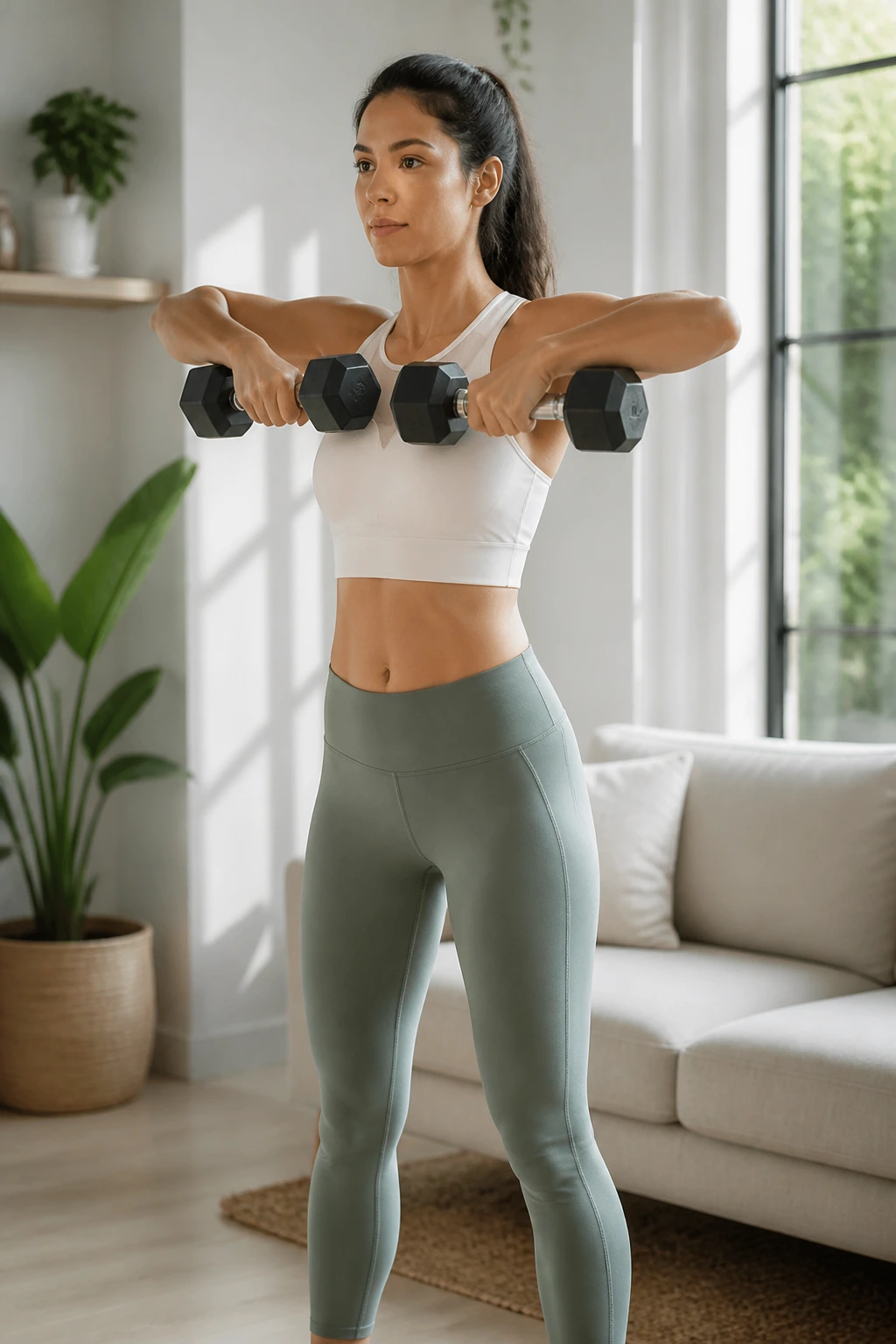
Standing strength videos are a gift for beginners who hate getting on the floor. They usually use chair squats, wall push-ups, hip hinges, and simple rows with light weights or no equipment at all. Nothing fancy. That’s the point.
Most beginners do better when strength work is repetitive and plain. Three rounds of five moves is enough. Fifteen different exercises in one clip? That’s a mess. Good standing strength videos repeat the same patterns long enough for your form to settle in. You start to feel where your weight should be, which is half the battle.
I also like that standing videos make it easier to notice your posture. You can see whether your ribs flare, whether your shoulders creep up, whether your knees cave inward on a squat to chair. That kind of feedback matters more than people think.
If you’re hunting for beginner friendly home workout videos, this is one of the most practical types to save.
4. Gentle Morning Mobility Flow
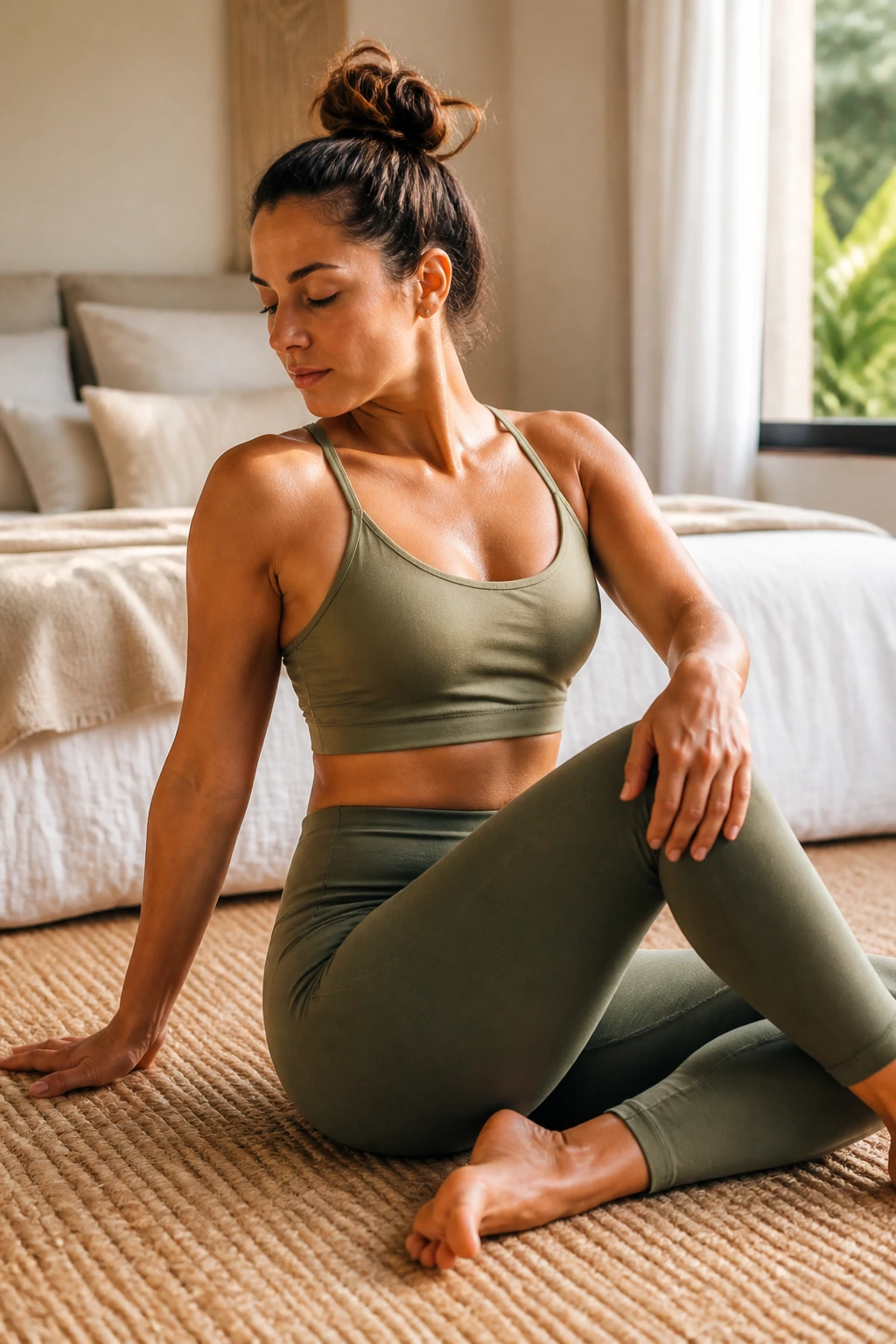
Your body can feel like a folded towel first thing in the morning. A gentle mobility flow is the cleanest fix I know. It is not the same thing as a stretch routine. Mobility asks joints to move through their ranges while your muscles stay active, which makes the whole thing feel a little more wakeful and a little less sleepy.
The Best Kind of Morning Video
The good ones move slowly enough that you can actually notice what your shoulders, hips, and ankles are doing. They usually include neck nods, spinal rotations, ankle circles, and easy reaches overhead. Nothing should feel forced. If it does, the video is trying too hard.
This is a smart choice if you sit a lot, wake up stiff, or want a calm start before a more intense workout later in the day. Ten minutes is plenty. You do not need to “earn” the right to move gently.
Simple Move Ideas
- Cat-cow on hands and knees or at the wall
- Thoracic rotations for the upper back
- Hip circles with one hand on a counter
- Ankle rolls and calf pumps
Worth watching for: the instructor should tell you how the move feels, not just what it looks like. A stiff shoulder needs that kind of guidance.
5. Beginner Dance Cardio
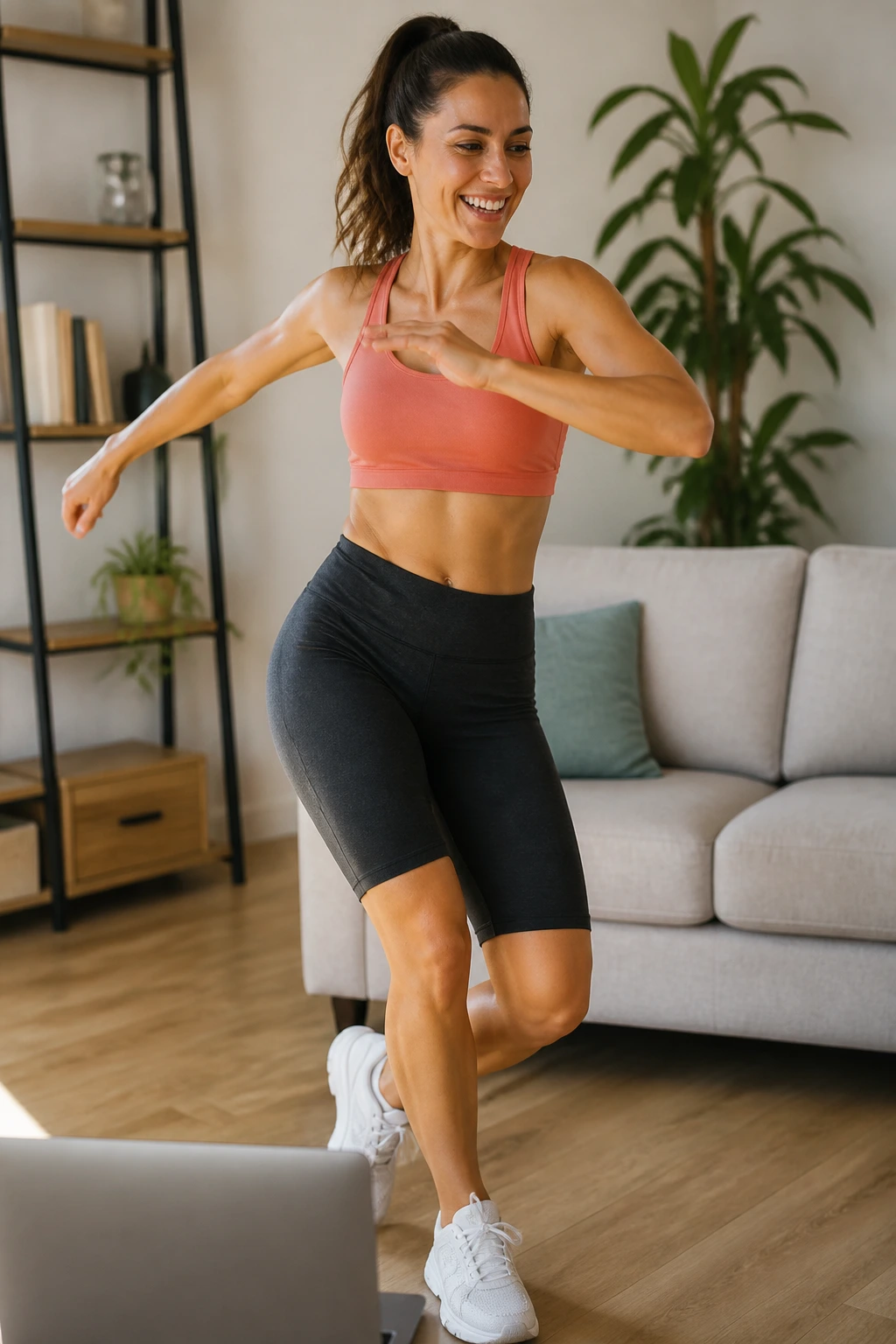
Dance cardio works best when it doesn’t act like an audition. The right beginner version repeats short patterns, keeps the footwork simple, and makes room for a little clumsiness. That’s the real charm of it. You move to music, you laugh at yourself once or twice, and suddenly the workout doesn’t feel like homework.
What Separates a Good Beginner Class
A useful dance video repeats sequences long enough to learn them. Four counts. Maybe eight. Then again. If the instructor changes the pattern every few seconds, the class turns into decoding practice, and that gets old fast. Look for “follow along” rather than full choreography. Those two phrases are not the same thing.
This style is best for people who need music to stay engaged. It also works well if you want something that feels lighter in the head but still makes you sweat through a T-shirt. The movement pattern is often marching, stepping, tapping, and simple reaches, so it stays accessible even if your coordination is a little rusty.
And honestly, that’s fine. Rusty is fine.
6. Pilates Basics With Slow Tempo
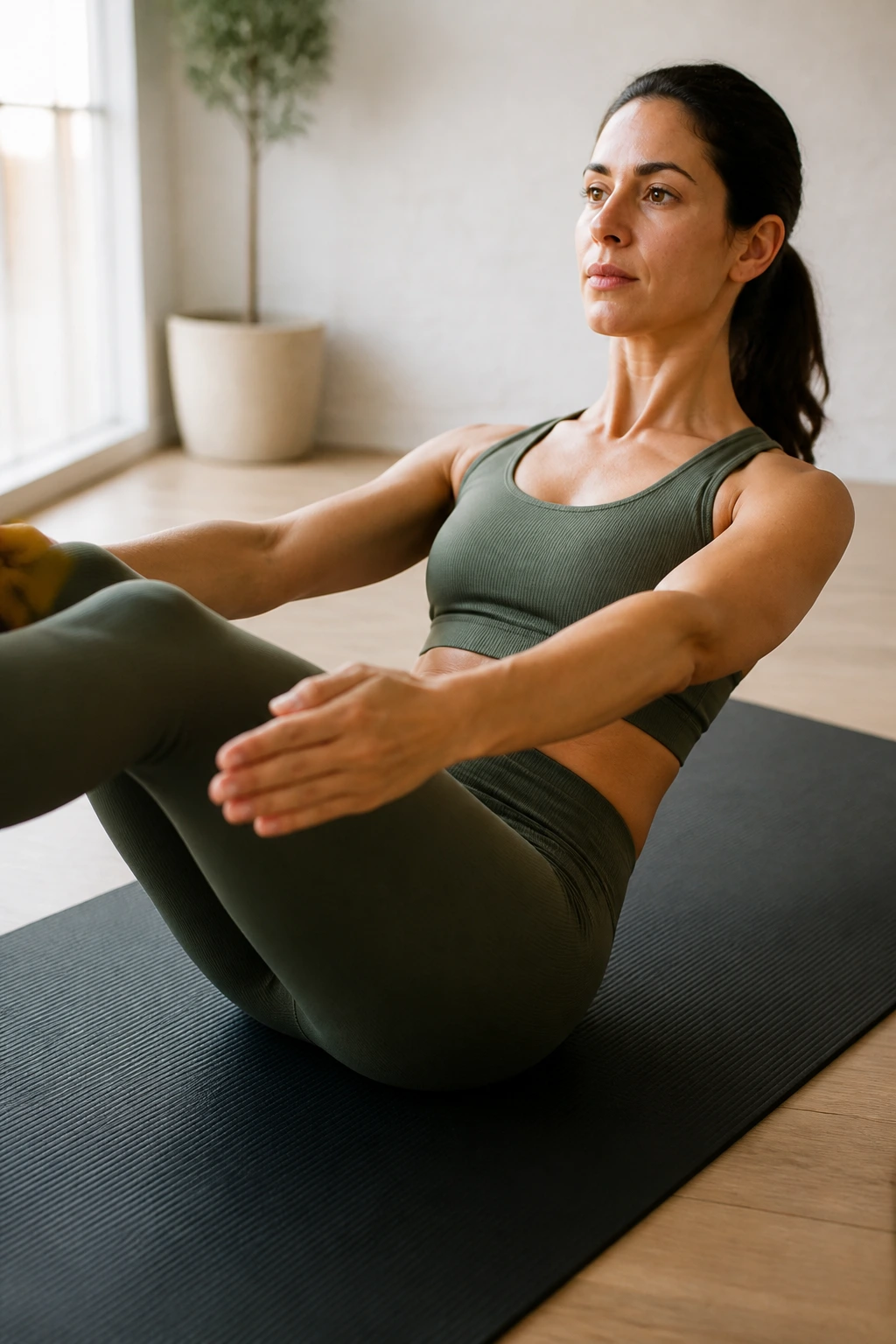
Pilates can be a beautiful fit for beginners, but only if the video slows down and behaves itself. A good Pilates basics session will show you how to control your trunk, breathe without tensing your neck, and move one limb without turning the rest of your body into a wobble.
The first thing I look for is pace. If the instructor races through teaser-style moves or holds a long plank as if everyone in the room is already trained, skip it. Beginner Pilates should feel precise, not punishing. Think dead bugs, toe taps, pelvic tilts, and side-lying leg work. Small movements. Clean cues.
It’s also a smart category for people who want core work without endless crunches. Pilates does not have to mean floor torture. When taught well, it teaches control. That control shows up later in squats, carries, walking, and even the way you sit at a desk.
A slow Pilates video is boring in the best possible way. That’s a compliment.
7. No-Jump Cardio
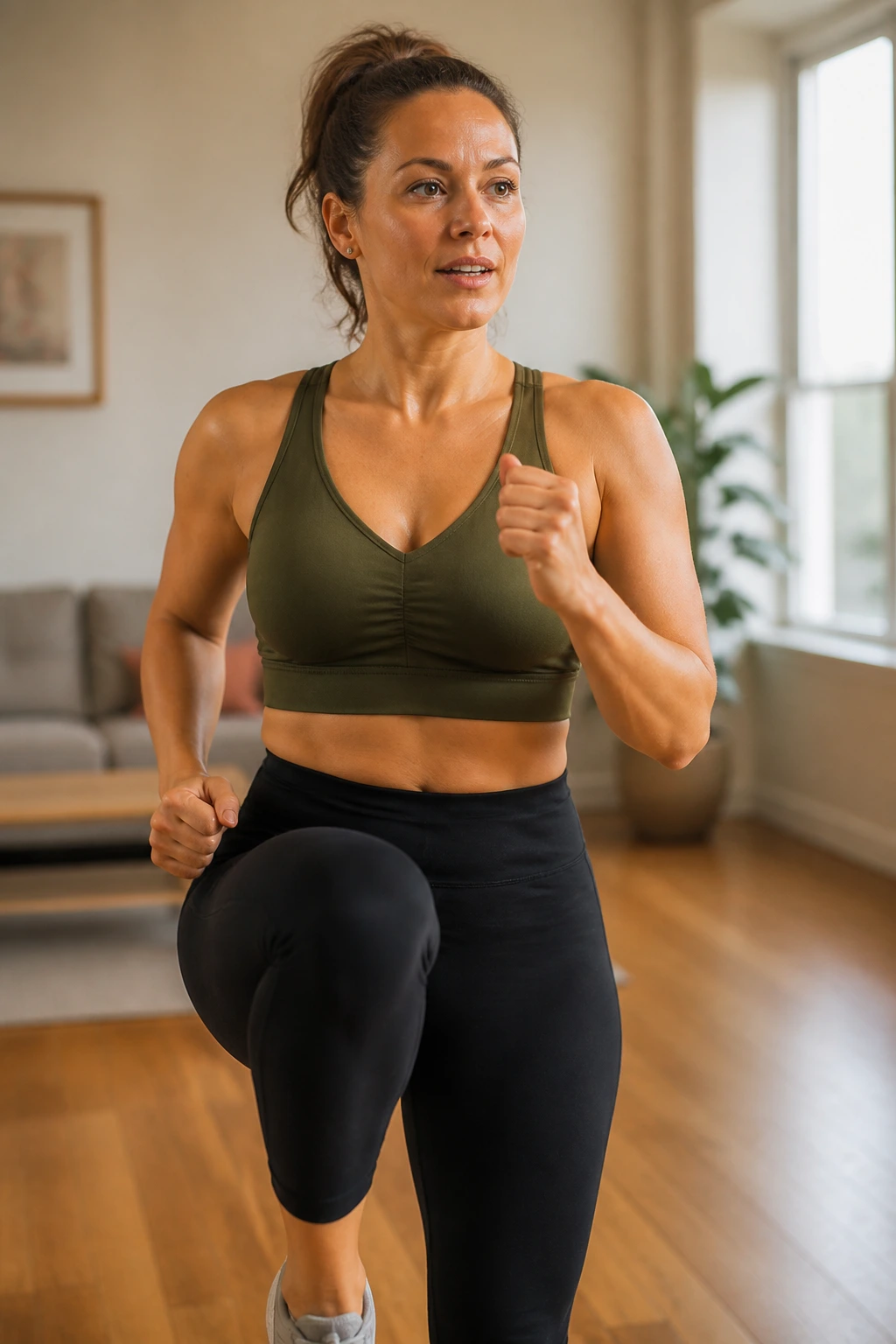
What if you want a real cardio hit without your upstairs neighbor filing a complaint? No-jump cardio is the answer. It usually blends fast marches, step jacks, squat reaches, shadow boxing, and quick foot taps, all without any bouncing or landing noise.
Why It Works So Well
The body still works hard even when both feet stay close to the floor. Heart rate rises from pace, repetition, and arm use. You do not need jumping to feel out of breath. A well-built low-impact cardio video knows that and leans into it. It should show options for a gentler version of each move and give you enough rest that you can finish strong, not wrecked.
Quick Signs You Picked a Good One
- The instructor says “no jump” and means it.
- There are clear 20- to 40-second blocks.
- The warm-up lasts at least 3 minutes.
- Modifications are shown without a long lecture.
If the video makes you feel clumsy for being beginner level, that is a bad sign. Cardio should challenge you, not embarrass you.
8. Bodyweight Lower-Body Workout
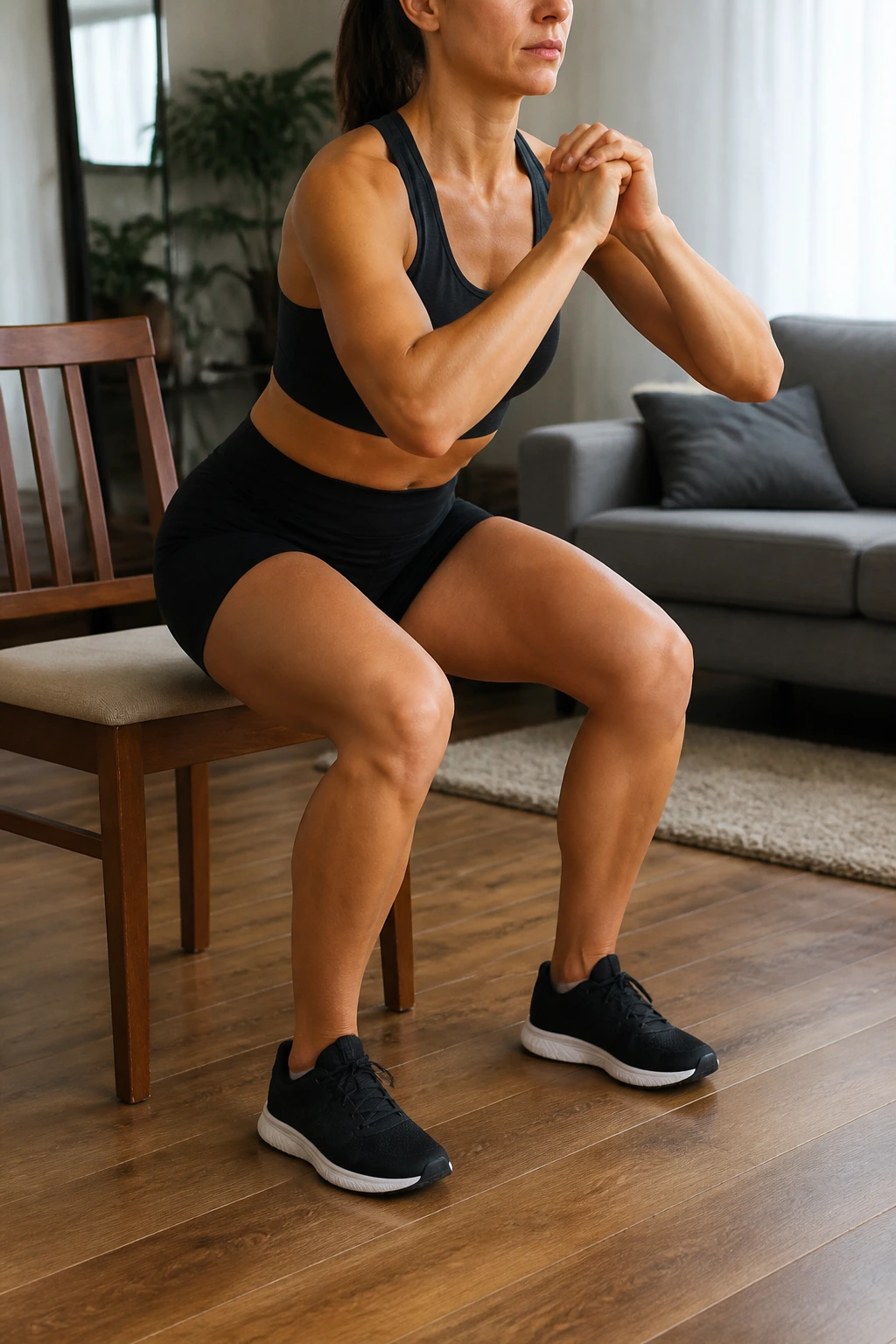
A lower-body bodyweight workout is where many people discover that simple is not easy. Chair squats, reverse lunges, glute bridges, calf raises, and lateral steps can do plenty when they’re arranged well. You do not need heavy equipment to feel your legs working.
The trick is tempo. A beginner-friendly video should move at a pace that lets you actually line up your knees and hips. I’d rather see six clean reps than fifteen rushed ones with bad form. Good instruction here usually includes one or two form cues that matter: keep your chest lifted, press through your heels, stop the squat when your thighs meet the chair, not when your back rounds.
This kind of video is handy if you want stronger legs for walking, climbing stairs, or just feeling steadier on your feet. It also tends to be friendly on the mind because the moves are familiar. A squat is a squat. No decoding required.
And yes, your thighs may complain a little. That’s part of the bargain.
9. Light Dumbbell Full-Body Session
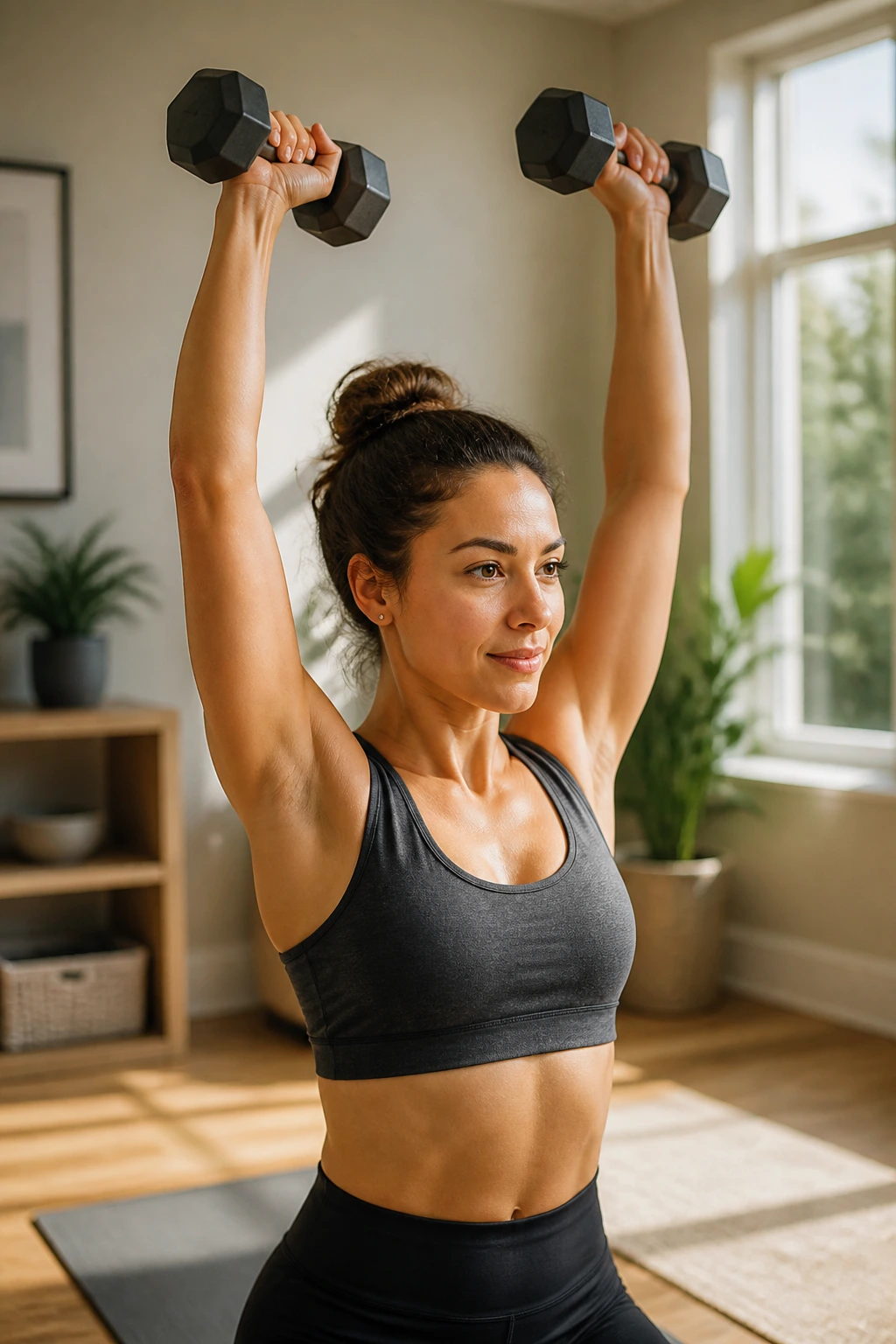
A pair of light dumbbells can make a beginner workout video feel more complete without making it harder to follow. Two to five pounds is enough for many people starting out, though the exact load depends on the move. Overhead presses, deadlifts, rows, and goblet squats all behave differently.
The important thing is that the video respects form. If your shoulders hunch up on presses or your lower back starts doing the work during hinges, the weights are too heavy or the pace is too fast. A solid beginner class will say that out loud. Even better, it will repeat the move several times so you can settle in instead of constantly grabbing and dropping the weights.
This is a nice step up from bodyweight work because it teaches control while adding a little resistance. You’ll feel it in your arms, back, and legs without needing a full gym setup. If you’ve got a small space and a mat, you’re set.
10. Resistance Band Intro Workout
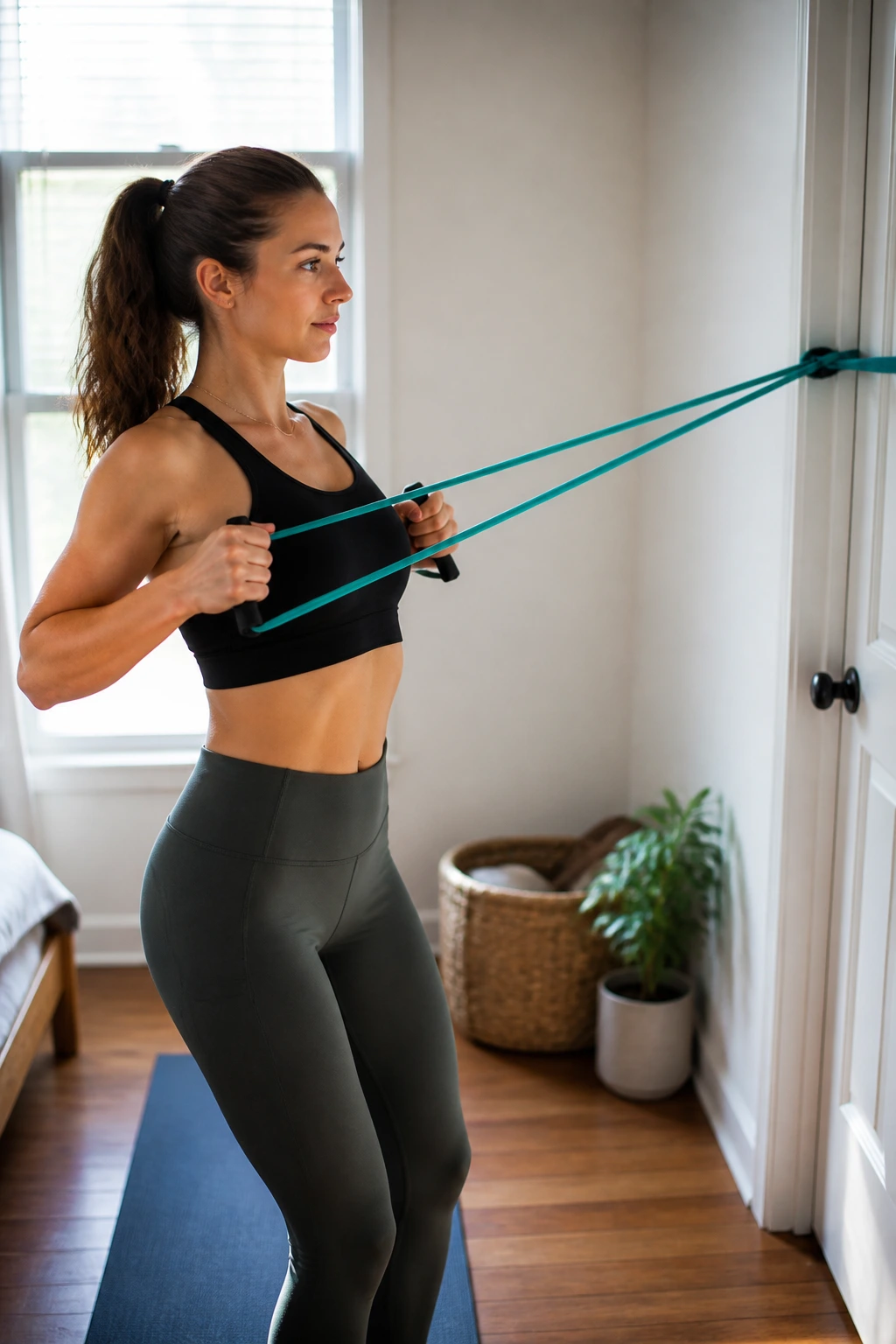
Resistance bands are a sneaky good tool for home workout videos, especially for beginners who want more challenge than bodyweight work but less awkwardness than heavy dumbbells. The tension changes through the movement, which means you feel the exercise in a different way than you do with free weights.
What Makes Band Work Better
A beginner band video should show you exactly how to hold the band, where to anchor it if needed, and how tight it should feel at the start. That last part matters. Too much slack and the move does nothing. Too much tension and you’re fighting the setup before you even start. Good videos keep the instruction plain and repetitive.
Bands are useful for glutes, backs, and shoulders. They’re also portable, which is a quiet win for anyone working out in a bedroom or living room. The long-loop band is especially useful for rows and presses. Short loop bands work well for squats and side steps.
If a video never mentions where the band should sit on your body, it is not beginner friendly. Simple as that.
11. Upper-Body Toning With Light Weights
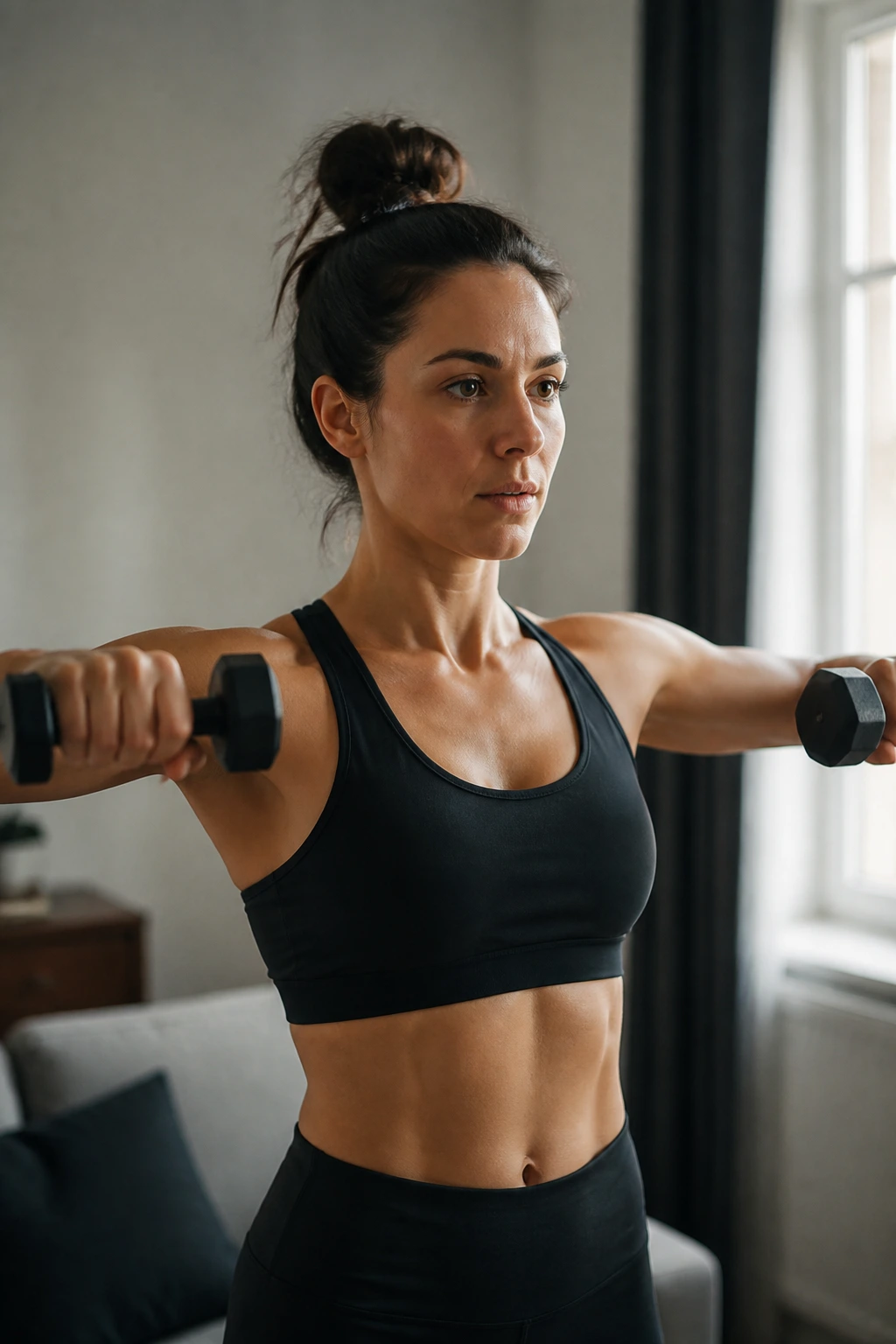
Upper-body videos often go wrong by turning into endless biceps curls. That’s lazy programming. A worthwhile beginner class should pay attention to the back, shoulders, and chest too, because posture lives there.
The move list does not need to be fancy. Overhead press, lateral raise, bent-over row, triceps extension. Those are enough if the video controls the pace and tells you when to reset your shoulders. I like seeing a pause between reps, especially on raises, because beginners tend to swing the weights when they rush.
This style is useful if you spend a lot of time typing, carrying bags, or slumping at a desk. A stronger upper body changes how you hold yourself. You notice it when opening doors, lifting groceries, or reaching a shelf. That sounds ordinary because it is ordinary, and that’s why it matters.
Pick light weights. Keep the motion clean. Ignore anyone who makes “toning” sound mystical.
12. Core Stability Video
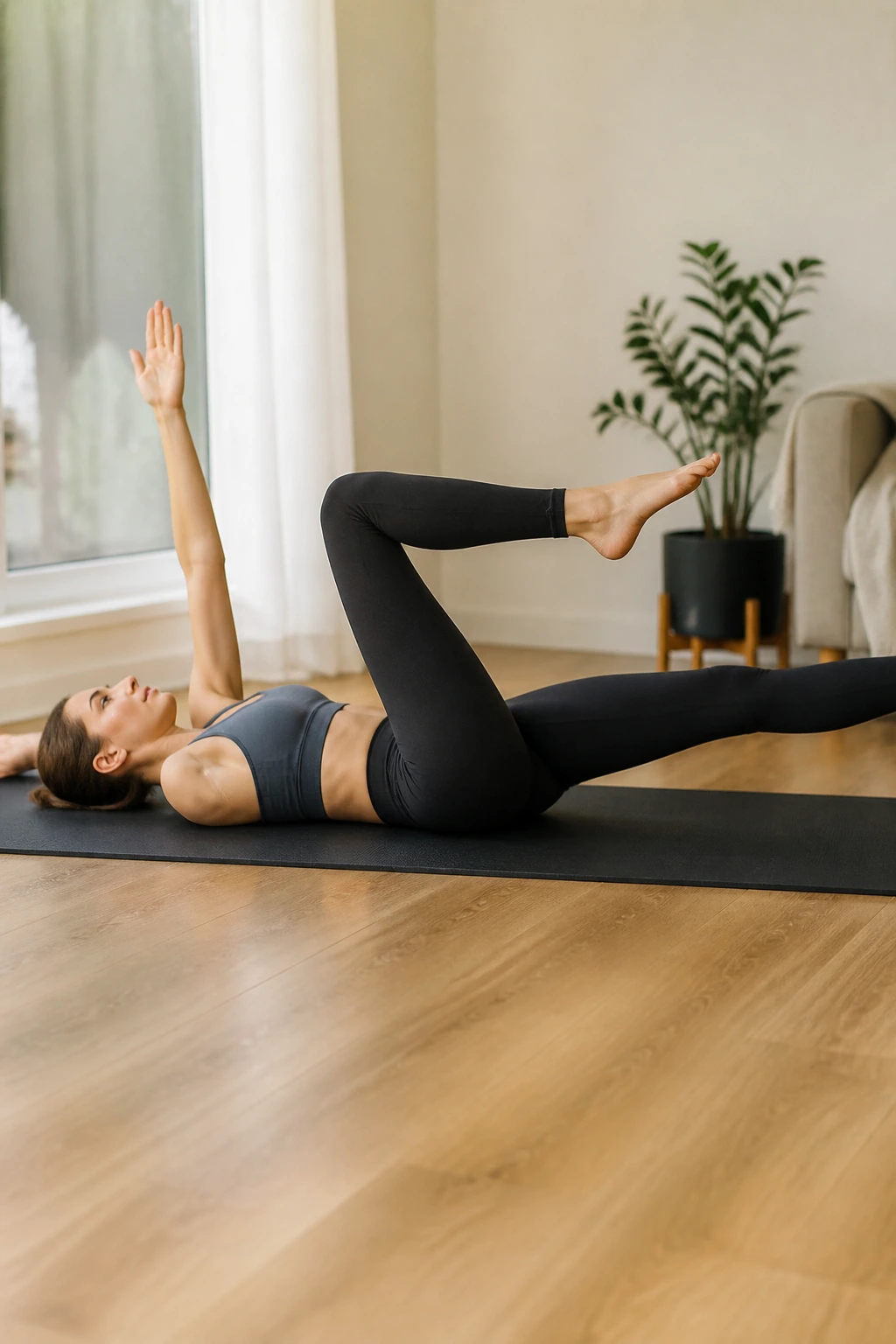
Why do beginner core videos sometimes feel harder than “advanced” workouts? Because good core work asks for control instead of chaos. Dead bugs, bird dogs, heel taps, glute bridges, and slow knee lifts may look mild, but they make you pay attention.
A thoughtful core stability video should teach you how to brace without holding your breath. That is the whole game. If you grip your stomach so hard you can’t breathe, the video has missed the point. The best instructors cue the exhale on effort and keep the neck relaxed. No endless crunch marathons. No pretending that pain means progress.
What to Avoid
- Long plank holds if you can’t yet keep your back flat
- Fast reps that make your pelvis rock
- Moves that pinch the neck
- Vague instruction like “engage your core” with no explanation
If you want a stronger midsection, start here. Not with a hundred sit-ups. With control.
13. Yoga for Absolute Beginners
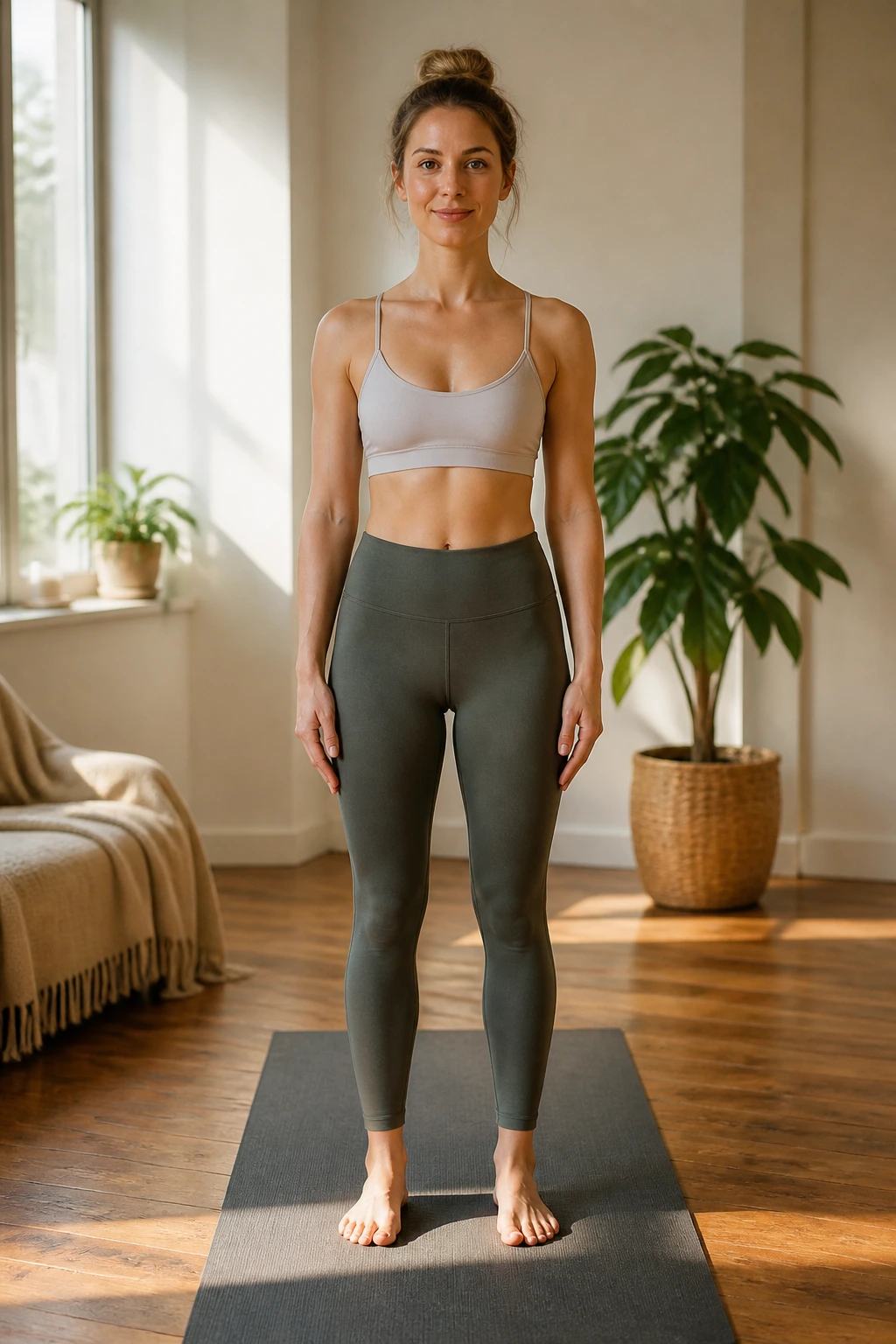
A true beginner yoga video should feel like a conversation, not a performance. Mountain pose, cat-cow, child’s pose, gentle folds, wall-supported downward dog — those are the sorts of places a new student can actually land without getting lost.
The pace matters more than the pose list. Good beginner yoga repeats alignment cues and gives you time to set your feet. If the class moves through a flow so fast that you’re always one beat behind, it is not for beginners, no matter what the title says. A slower class teaches you where your hands, knees, and spine are supposed to go.
Yoga is useful for mobility, yes, but also for patience. That sounds soft until you try holding a pose while your hamstrings protest. Then it becomes very practical. A good video will remind you to use blocks, a wall, or even a folded blanket. That is not cheating. It’s smart.
14. Beginner Boxing Cardio
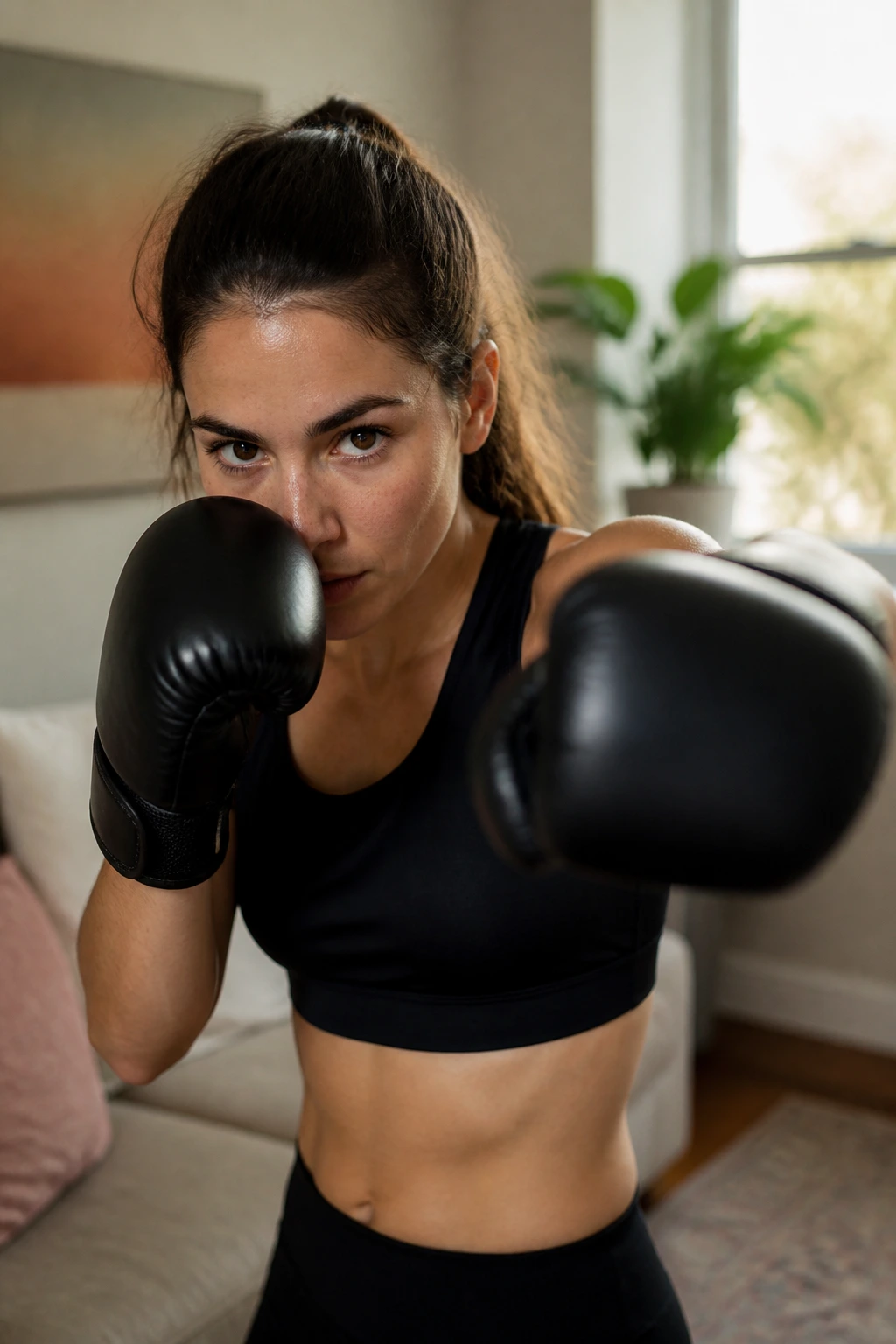
Punching the air is one of the easiest ways to feel athletic fast. Beginner boxing cardio usually mixes jabs, crosses, uppercuts, and light footwork, but the best versions keep the patterns short and the stance simple.
How It Should Feel
Your hands should come back to guard after each combination. Your shoulders should not climb toward your ears. And your feet should stay stable enough that you’re not wobbling through every punch. A good beginner boxing video repeats combos so you can learn the timing. It should also remind you to keep the wrists straight. That matters more than people think.
Boxing cardio is great if you want energy, rhythm, and a workout that feels sharper than marching in place. It’s especially helpful on days when you need to get frustration out of your system without needing equipment or a lot of space.
- Jab-cross for 30 seconds
- Add hooks only after you feel steady
- Keep punches crisp, not wild
- Breathe on the strike
That last point helps more than the dramatic arm movement ever will.
15. Barre Workout With Small Movements
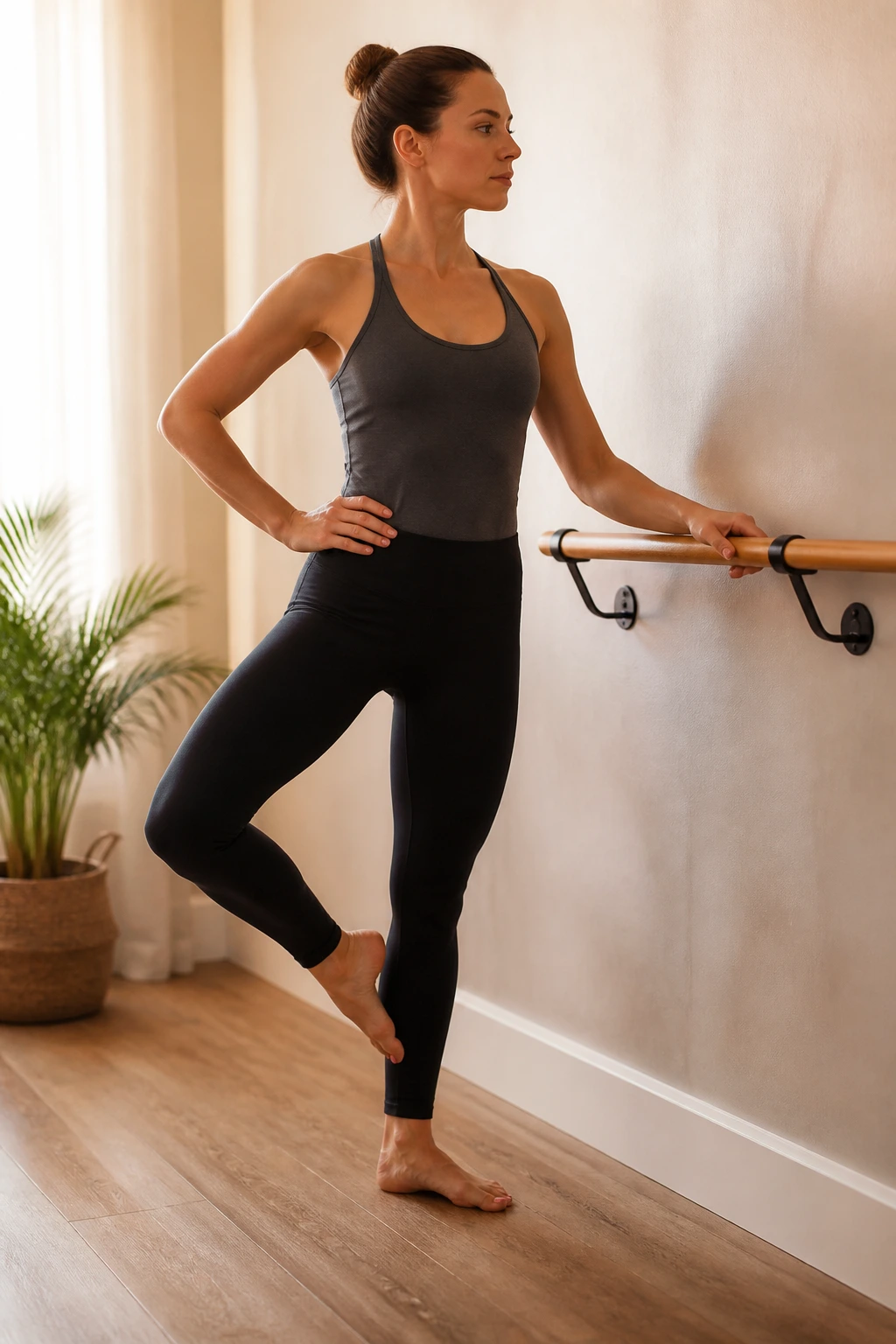
Barre looks subtle until you’re two minutes in and your thighs start sending complaints. The small pulses, holds, and controlled lifts make it a very specific kind of challenge, and beginner versions should keep that challenge manageable.
Unlike dance cardio, barre is not about moving big. It’s about staying steady while tiny muscles work in annoying, useful ways. A good beginner video should use a chair or wall for balance, explain turnout if it matters, and keep the range of motion small enough that your form does not collapse. If you’re doing ten tiny squats, they should still look like squats.
This style is a nice fit if you like structure and you don’t mind some burn. It’s also friendly for small spaces because there’s usually no jumping and not much traveling around the room. You stay in place, which feels calm even while your legs are working hard.
16. Quiet Apartment Cardio
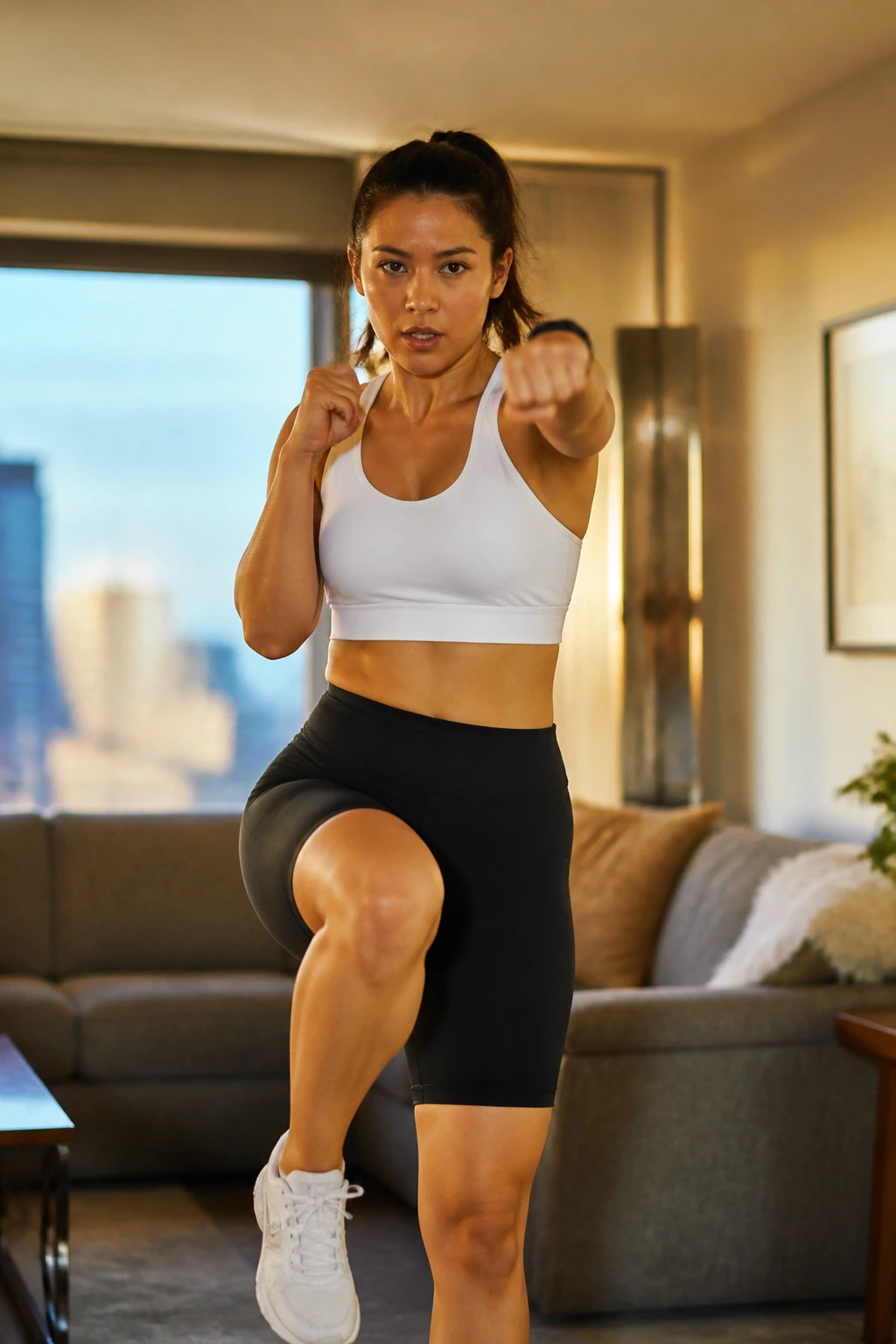
If your floor is thin or your neighbors have already made their opinions known, quiet apartment cardio is worth saving. The moves are usually low-impact and controlled: step touches, knee drives, side reaches, shadow boxing, and slow mountain climbers done without hopping.
The smartest videos in this category say “quiet” and then actually behave that way. No stomp-heavy choreography. No jump squats. No surprise burpees. A good instructor understands that noise changes how relaxed you feel during the workout. When you’re worried about making a racket, you move differently. The class should help, not add stress.
This is the sort of video I’d recommend to people who want to exercise in the evening or in a shared space. It keeps the intensity up while staying polite to the room. That combination is rare enough that I pay attention when I find it.
And yes, quiet can still mean sweaty.
17. Stretch-and-Reset Recovery Routine
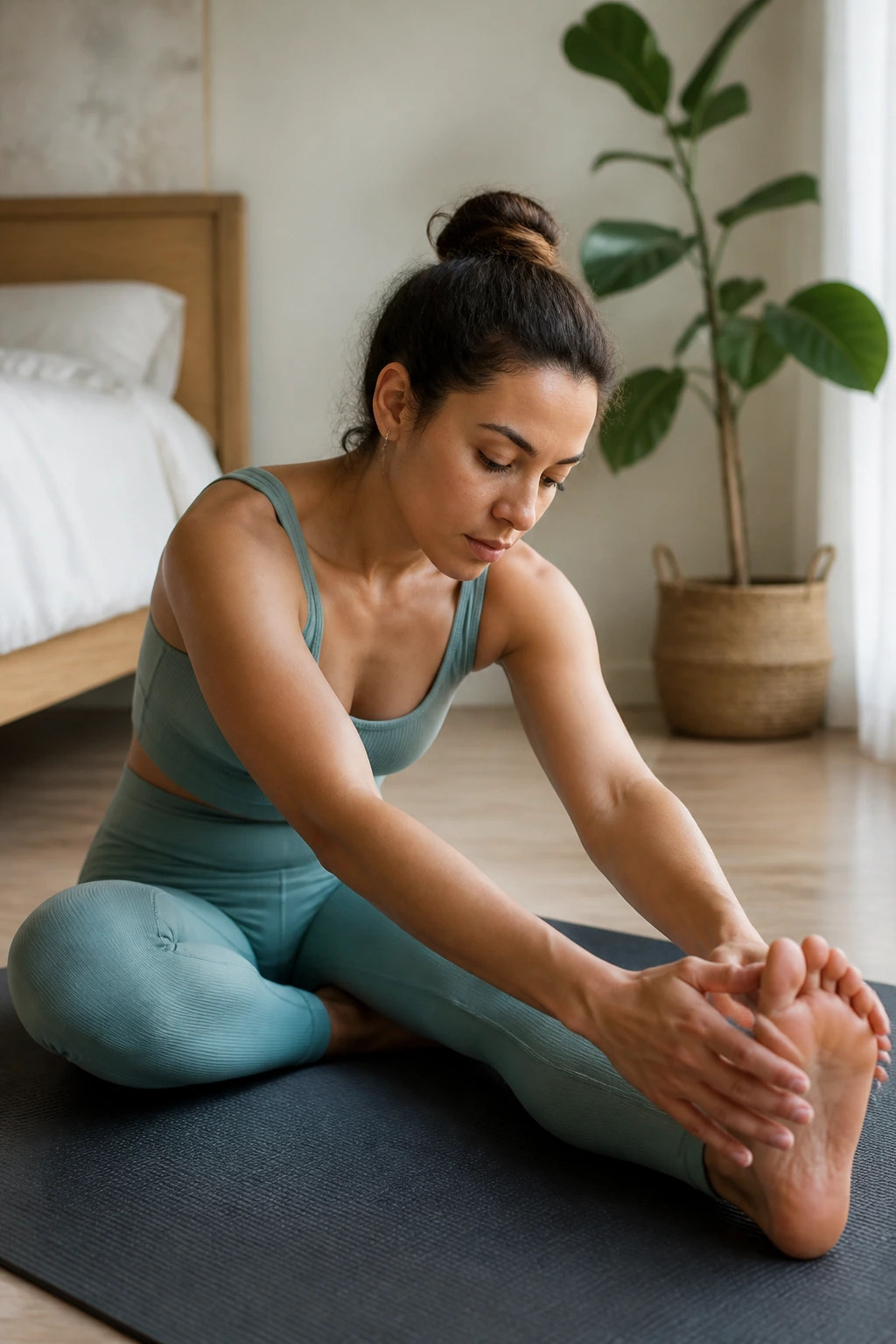
Recovery routines are not lazy workouts. They’re the thing that helps the next workout happen without your body feeling like a rusted hinge. A stretch-and-reset video usually blends light mobility, longer holds, and relaxed breathing.
The moves should feel smooth, not forced. Cat-cow, seated twists, hamstring flossing, pec stretches, gentle hip openers, ankle work — that kind of sequence helps after a long walk, a strength session, or a day of sitting. The best videos keep the tone calm and the cues plain. No dramatic music needed. No “push through the pain” nonsense either.
Good Signs
- Holds last 20 to 40 seconds, not forever
- The instructor gives options for tight hips and tight shoulders
- The pacing slows down as the video goes on
- You finish feeling looser, not exhausted
This is one of the easiest beginner friendly workout videos at home to keep in regular rotation because it asks so little and gives back a lot.
18. Timer-Based Circuit With Built-In Rest
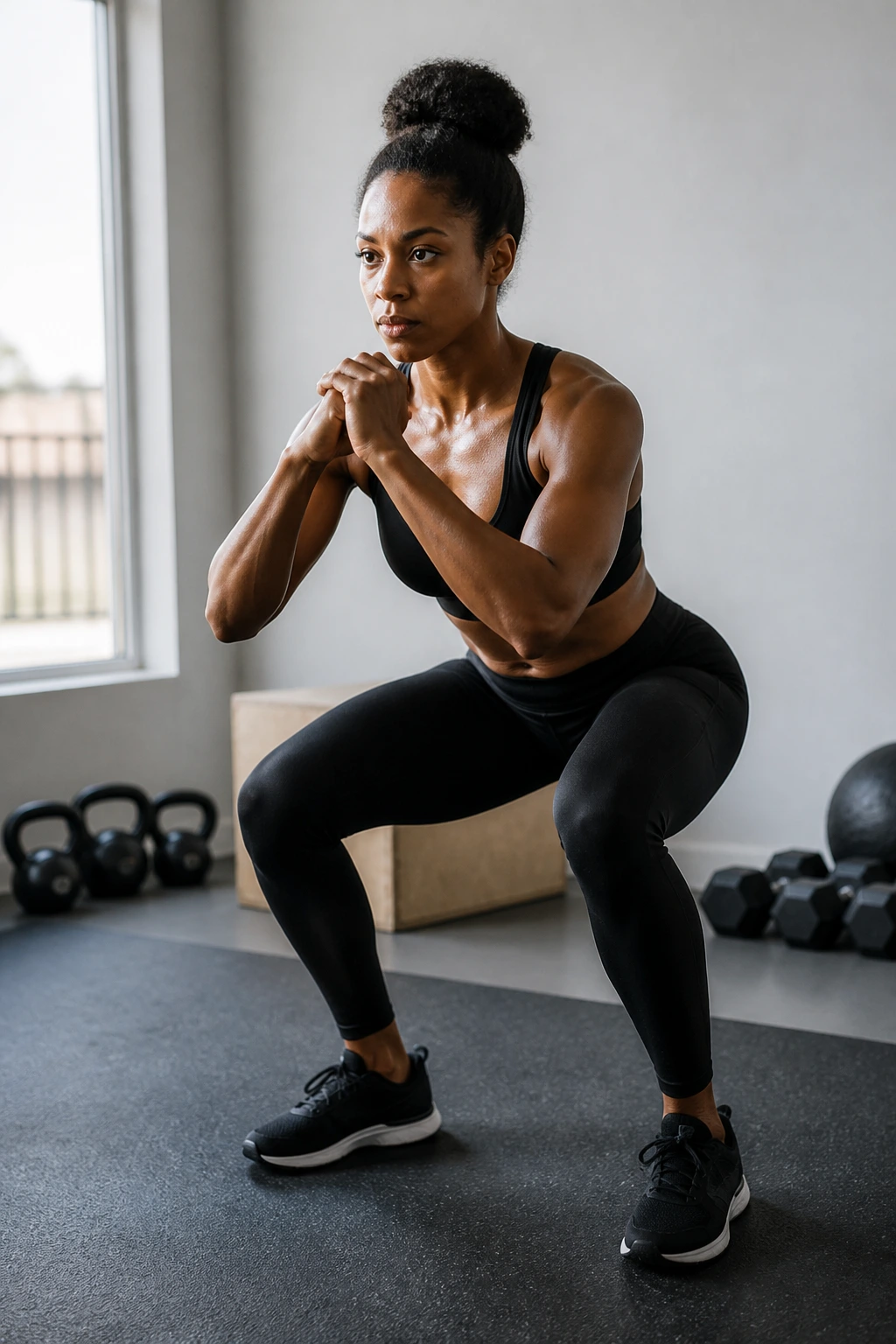
A timer-based circuit is one of the safest bets for beginners because it gives you permission to stop. Thirty seconds on, thirty seconds off. Forty seconds on, twenty seconds off. Simple structure. Clear endpoint. No guessing.
Why Beginners Do Well With It
The timer does the mental work for you. You’re not wondering how many reps remain or whether you’re “doing enough.” You just keep moving until the bell. A good class in this style should also pick boringly sensible exercises: squats, marching, push-ups to a wall, standing rows, marching planks if you’re ready for them. Nothing weird. Nothing flashy.
I like this format because it teaches effort without overwhelm. The work interval is long enough to feel real, and the rest interval is long enough to catch your breath and fix your form before the next round. That matters. Beginners often need more recovery than they think.
If a circuit video keeps adding random hard moves just to feel intense, skip it. The timer should be the challenge, not the choreography.
19. Follow-Along Walking Intervals
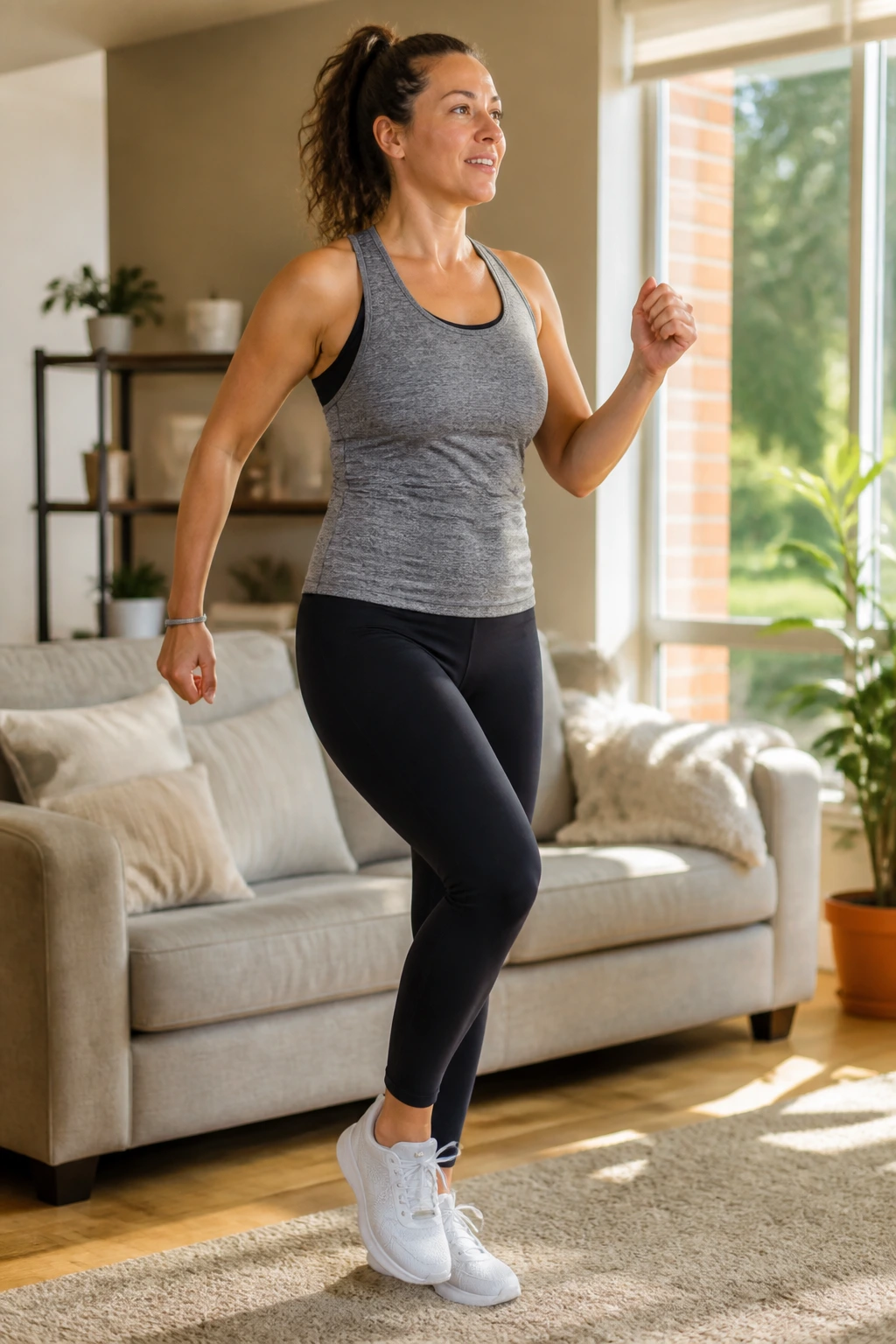
Can you get a real workout from walking in one room? Yes. Absolutely. A well-built walking interval video alternates regular marches with faster steps, arm pushes, side steps, and knee lifts, which is enough to raise your heart rate without asking for more space than a rug.
What makes this type work is the pacing. The instructor should guide you through a warm-up, a few easy intervals, then a cool-down that brings your breathing back down. If the video stays at one speed the whole time, it turns dull. If it jumps around too much, it gets messy. The good ones strike a balance.
This is a great choice for people who want low-impact movement that still feels lively. It’s also a smart option when you’re not in the mood for floor work or strength training. Put on sneakers if that helps your feet feel supported. Then walk, swing your arms, and let the room be enough.
20. Glute Bridge and Hip Activation
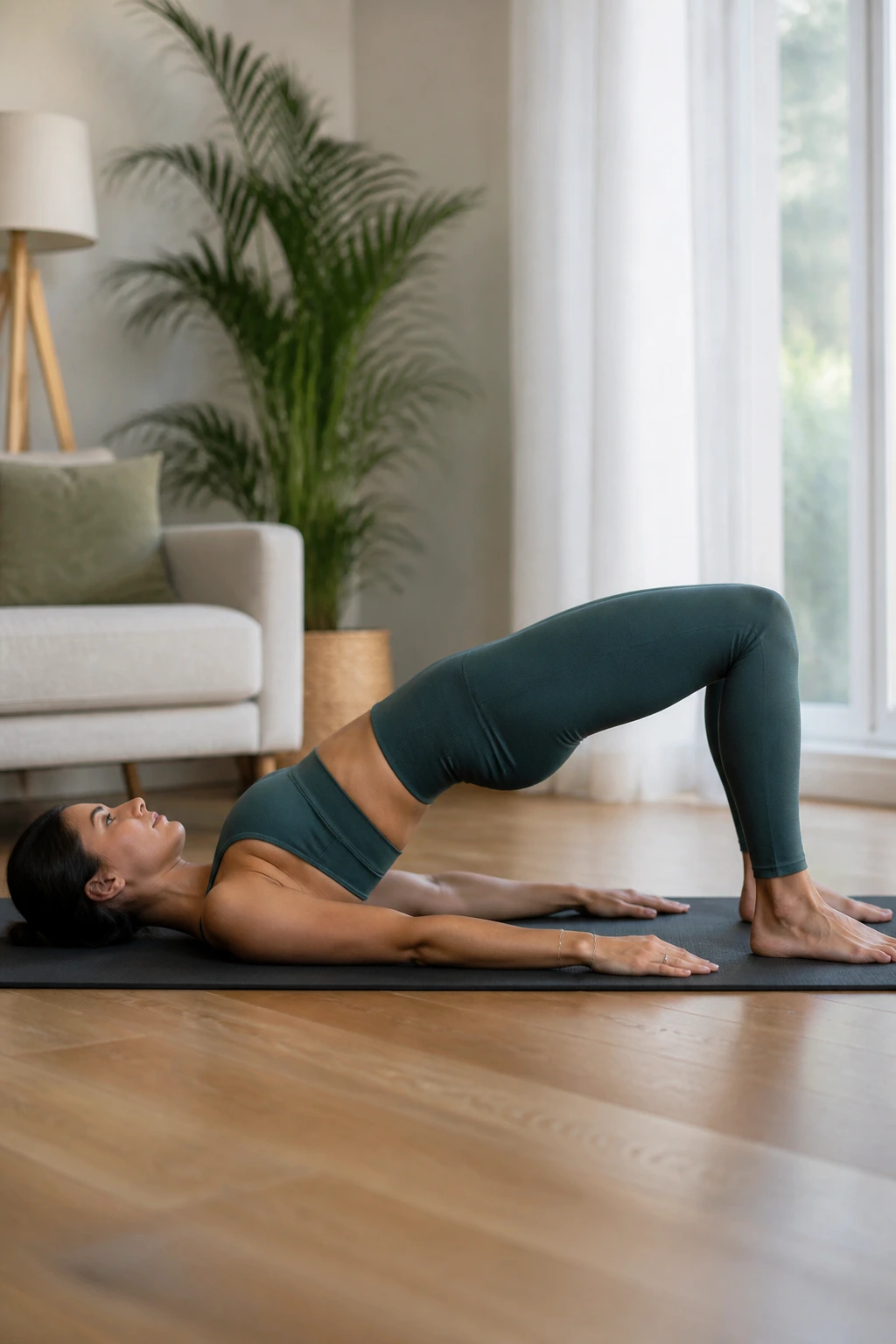
If your lower back gets cranky, your hips may not be pulling their weight. A glute bridge and hip activation video can help wake up the muscles that should be doing more of the work. Bridges, clamshells, frog pumps, and side-lying lifts are common here.
What to Look For
- A mat or soft surface
- Clear cues to press through the heels
- No aggressive arching at the top of the bridge
- Slow reps with a pause of 1 to 2 seconds
That pause matters. It gives your glutes a chance to actually switch on instead of letting momentum do the job. A good beginner video also tells you when a move should feel like work in the glutes and when it should not feel like pressure in the lower back.
This is not a flashy section of fitness, but it’s useful. People notice it when they stand up from a chair more easily, or when their hips feel less stiff after sitting. Quiet benefits. Very real ones.
21. Balance and Coordination Basics
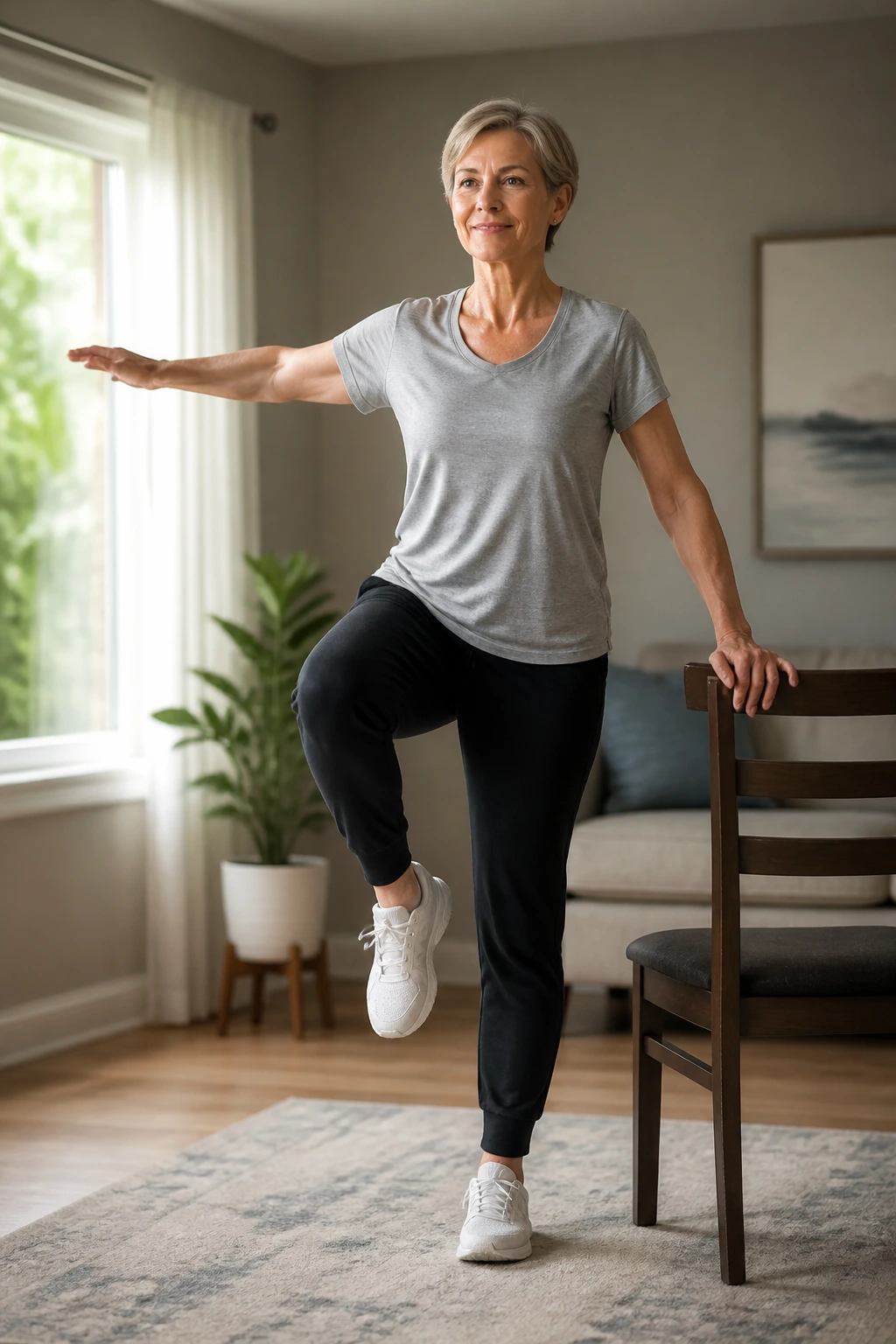
Balance work is underrated because it looks too easy. Then you try it on one foot and realize your ankle, hip, and focus all need to cooperate at once. Beginner-friendly balance videos keep the challenge small: single-leg holds, heel-to-toe walks, slow reaches, and gentle weight shifts.
I like this category because it builds confidence in a way sweat-based workouts do not. You learn to trust your body in a different direction. A chair nearby is a smart sign, by the way. Good instructors use it without shame. They’ll tell you to tap a fingertip to the wall if needed or keep one toe on the ground while you get used to the pattern.
This type of movement matters for walking, climbing stairs, and all the awkward little things daily life throws at you. It may not look dramatic on camera. It works anyway.
22. Seated Strength Workout
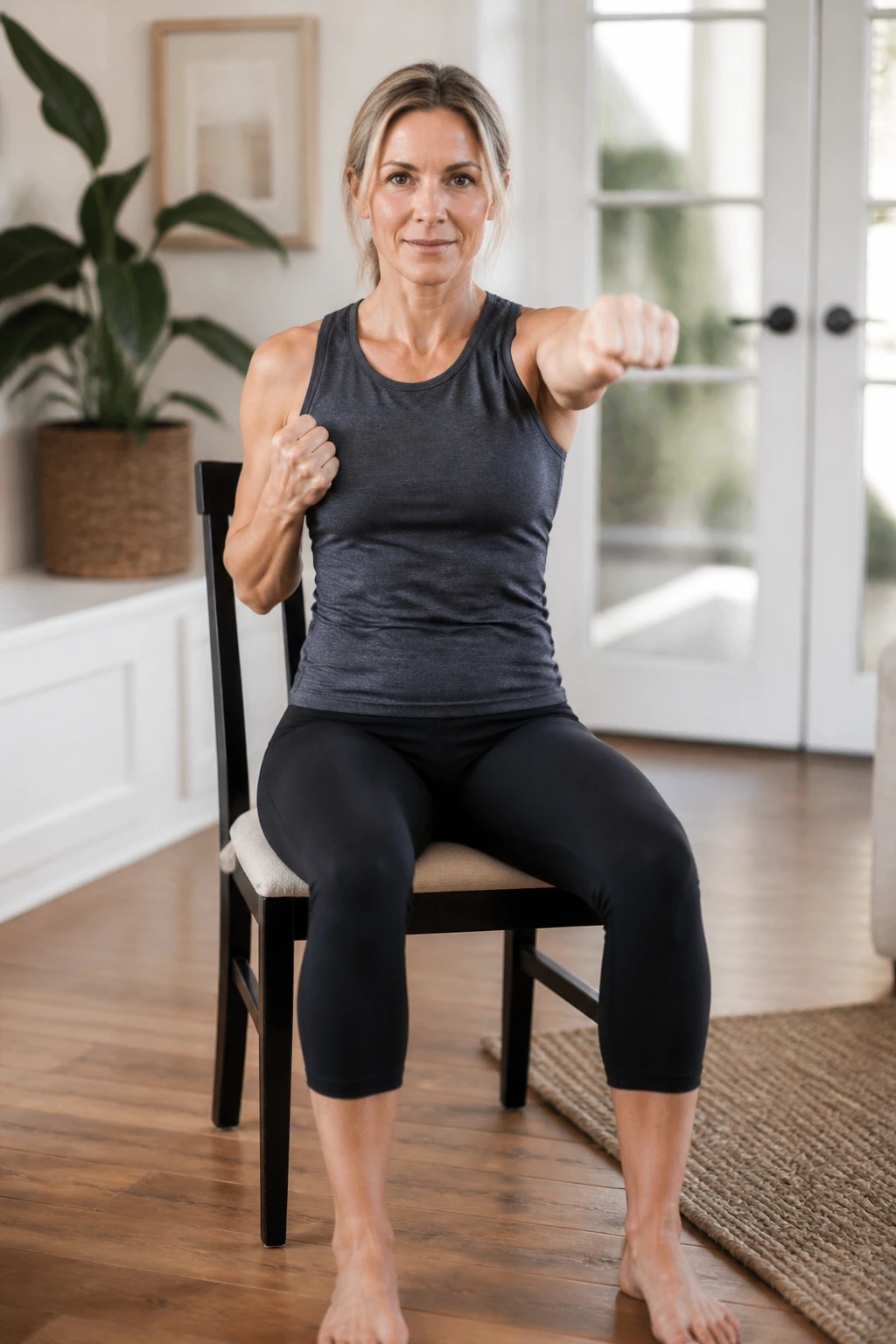
A seated strength workout is a lifesaver when standing too long feels like a bad idea. It’s also useful if you want something accessible, quiet, and easy to follow without worrying about impact or balance.
The moves are straightforward: seated punches, knee lifts, arm raises, leg extensions, seated marches, and maybe a little torso rotation. A good video should keep the chair stable and the setup simple. You should not need to swivel, twist, or keep resetting your position every 15 seconds. The less fuss, the better.
This kind of workout is ideal for travel days, recovery days, or anyone who needs to build the habit before worrying about intensity. The point is not to look athletic. The point is to move with enough intent that your muscles know they were invited.
And they will.
23. 15-Minute Lunch-Break Sweat Session
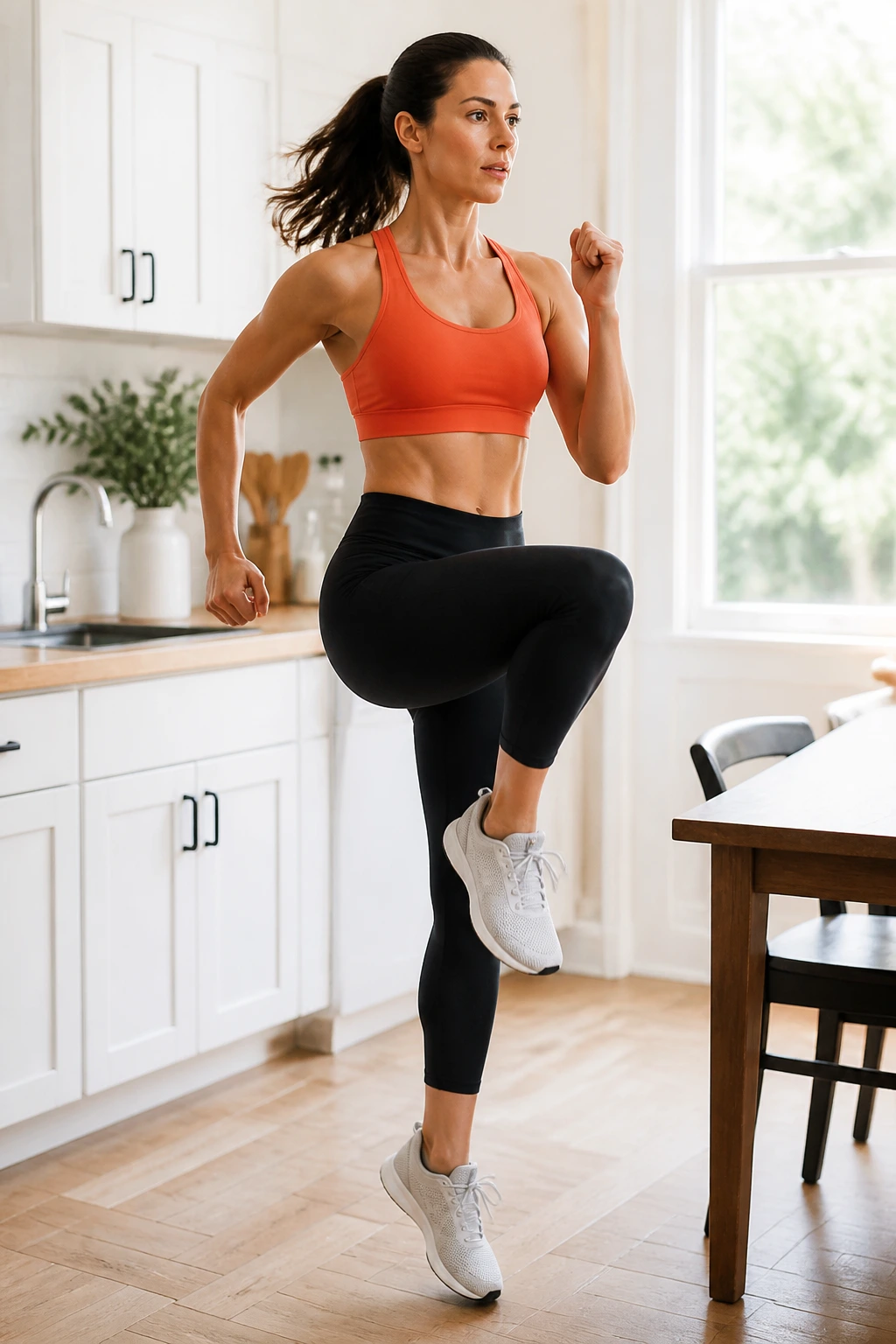
A short sweat session is useful because it respects reality. Not every workout gets an hour. Sometimes you have 15 minutes, a little floor space, and a need to move before your brain fogs up completely.
What the Best Short Videos Do
They get to the point fast, but not recklessly. You want a quick warm-up, maybe four to six movements, and a cool-down that keeps you from feeling jarred at the end. Good options might include brisk marches, squats to a chair, low-impact climbers, standing punches, and alternating side steps. If the video wastes three of those 15 minutes talking, it’s too talky. If it starts hard and never eases up, it’s too eager.
This format is best for people who need a routine they can keep, not a perfect plan they’ll abandon. It fits into a work break, a quiet morning, or the gap before dinner. Small window. Useful payoff.
24. Full-Body Repeat-After-Me Routine
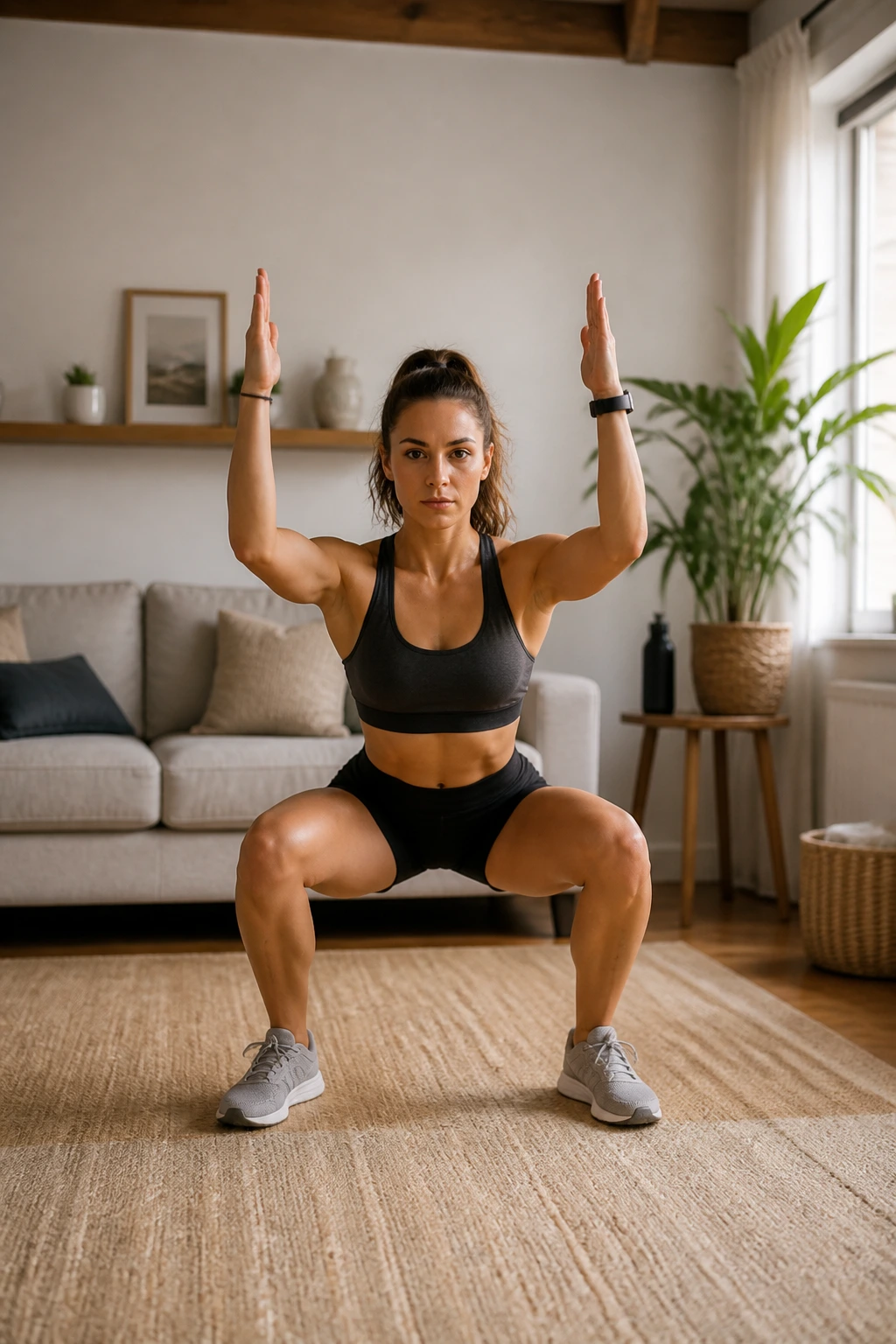
I’m a fan of repeat-after-me routines because they remove the memory test. The instructor does one move, you copy it, and then you do it again. That’s it. No choreography puzzle. No “wait, was that the left side or the right side?”
This is one of the most beginner-friendly home workout videos you can pick because repetition is the point. If the class keeps returning to the same few moves, your form improves much faster. You stop thinking so much and start moving with a little more confidence. That’s where progress usually hides.
Good Signs
- The instructor says the move before doing it
- Each exercise repeats at least 2 times
- Modifications are shown without slowing the class to a crawl
- The session has a clear warm-up and cool-down
If you’re nervous about keeping up, this is the style I’d reach for first. It’s forgiving in the best sense.
25. 20-Minute All-in-One Starter Plan
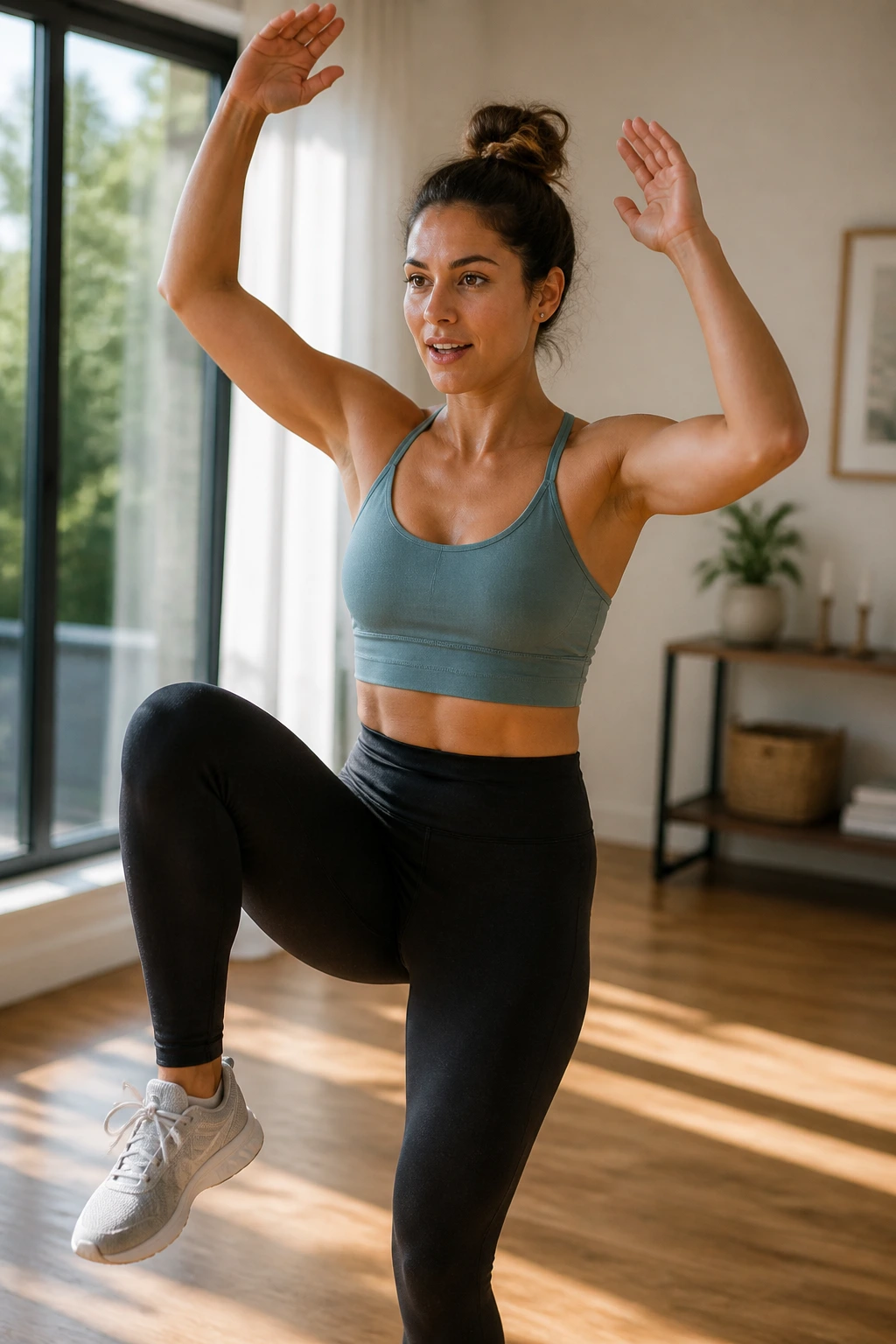
A solid starter plan takes the best parts of the earlier videos and puts them in one place. A little warm-up. Standing strength. A low-impact cardio burst. A short stretch at the end. Not fancy. Just balanced.
That mix matters because beginners usually need variety without chaos. Too much cardio feels punishing. Too much strength can feel slow. Too much stretching without movement can feel like you barely exercised. A well-made all-in-one video threads the needle. It gets you breathing harder, teaches a few useful patterns, and still leaves you with enough energy to do it again another day.
If you only save one kind of beginner video, make it this one. Or a walking session. Or a chair workout. Fine, maybe save two. The point is to choose something you won’t dread opening on a random Tuesday, because that’s where the habit actually lives.
Pick the video that feels least dramatic. Then press play.
