



If you’ve ever finished a leg day feeling wrecked but not actually challenged, you already know the problem with a lot of lower-body training. Too many workouts are either all burn and no structure, or all structure and no pulse. The sweet spot sits in the middle: a lower body circuit that asks your glutes, quads, hamstrings, adductors, and calves to work together instead of taking turns half-heartedly.
That matters because lower-body circuits are efficient in a way straight sets often aren’t. You can train hard, keep the pace moving, and still hit the muscles that shape the hips, legs, and backside. Circuits also give you options. Bodyweight in a small room. Dumbbells in a garage. Bands on the floor next to the couch. A barbell if you want to go heavier. No drama.
A good lower body circuit for women does not need to be cute or complicated. It needs a squat pattern, a hinge, a single-leg move, and some kind of glute or calf work that keeps the whole chain honest. Skip one of those pieces and the workout usually gets lopsided fast. Add all four, and the session starts to feel complete.
A quick warm-up helps too: 10 bodyweight squats, 10 glute bridges, 8 reverse lunges per side, and 20 ankle rocks per side will wake up the right stuff. Then pick a circuit that matches your day. Some of these are low-impact and beginner-friendly. Some are leg-shaking, sweat-dripping, and a little rude. Good. That’s the point.
1. Bodyweight Glute Bridge and Reverse Lunge Circuit
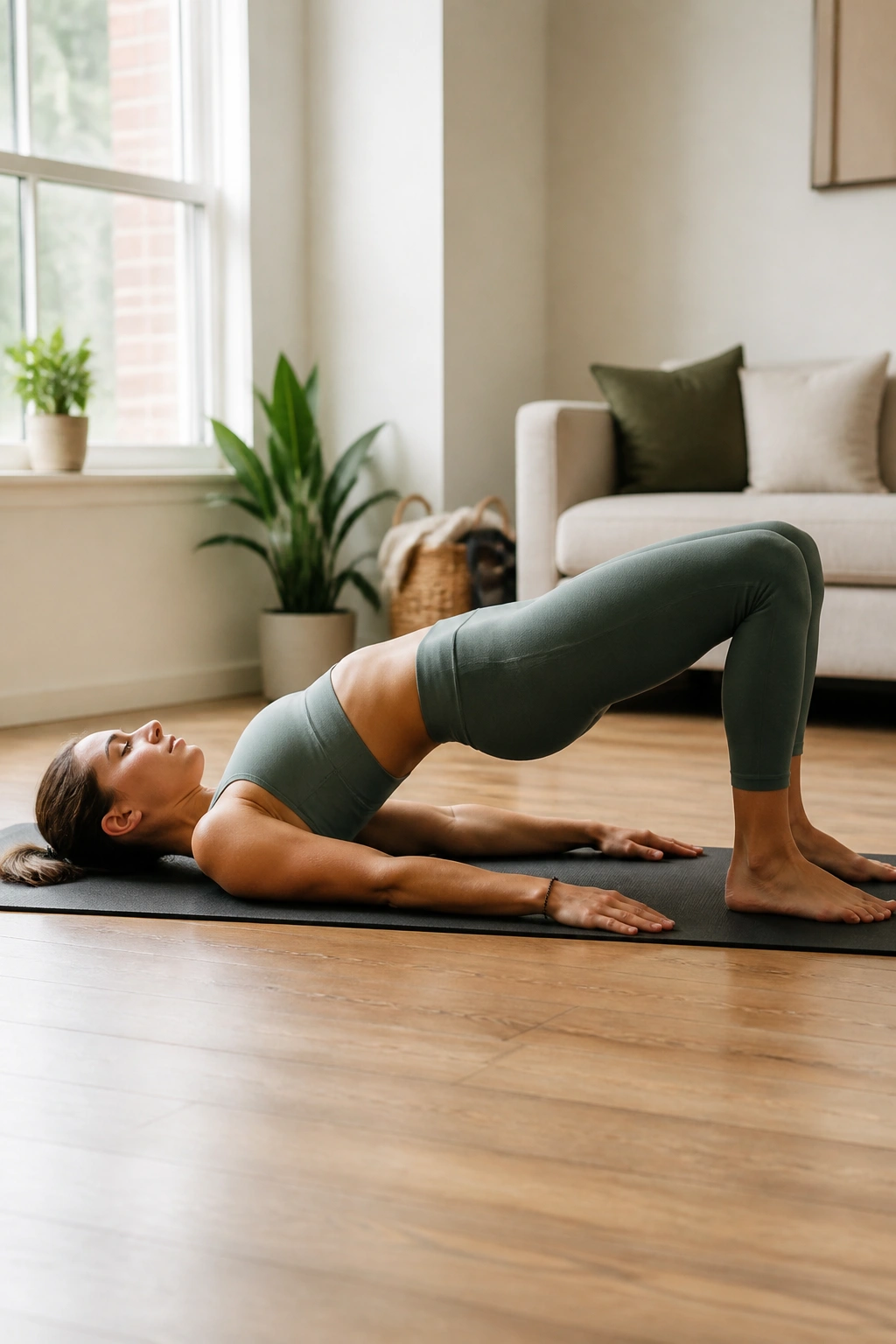
This is the one I’d hand to someone who wants a solid lower body circuit without needing a single piece of equipment. It looks simple. It isn’t. The glute bridge fires the backside, and the reverse lunge adds balance, control, and just enough leg demand to make the round feel real.
Why It Works
Do 3 rounds of: 15 glute bridges, 8 reverse lunges per side, 12 squat pulses, and a 20-second glute bridge hold. Rest 30 to 45 seconds between rounds.
Keep your ribs down on the bridges and push through the heels, not the toes. On the lunges, step back far enough that your front heel stays planted. Short steps turn the move into a knee wobble. Longer steps light up the glutes.
Best for: beginners, home workouts, and days when your knees want a break from jumping.
2. Dumbbell Goblet Squat and Step-Up Circuit
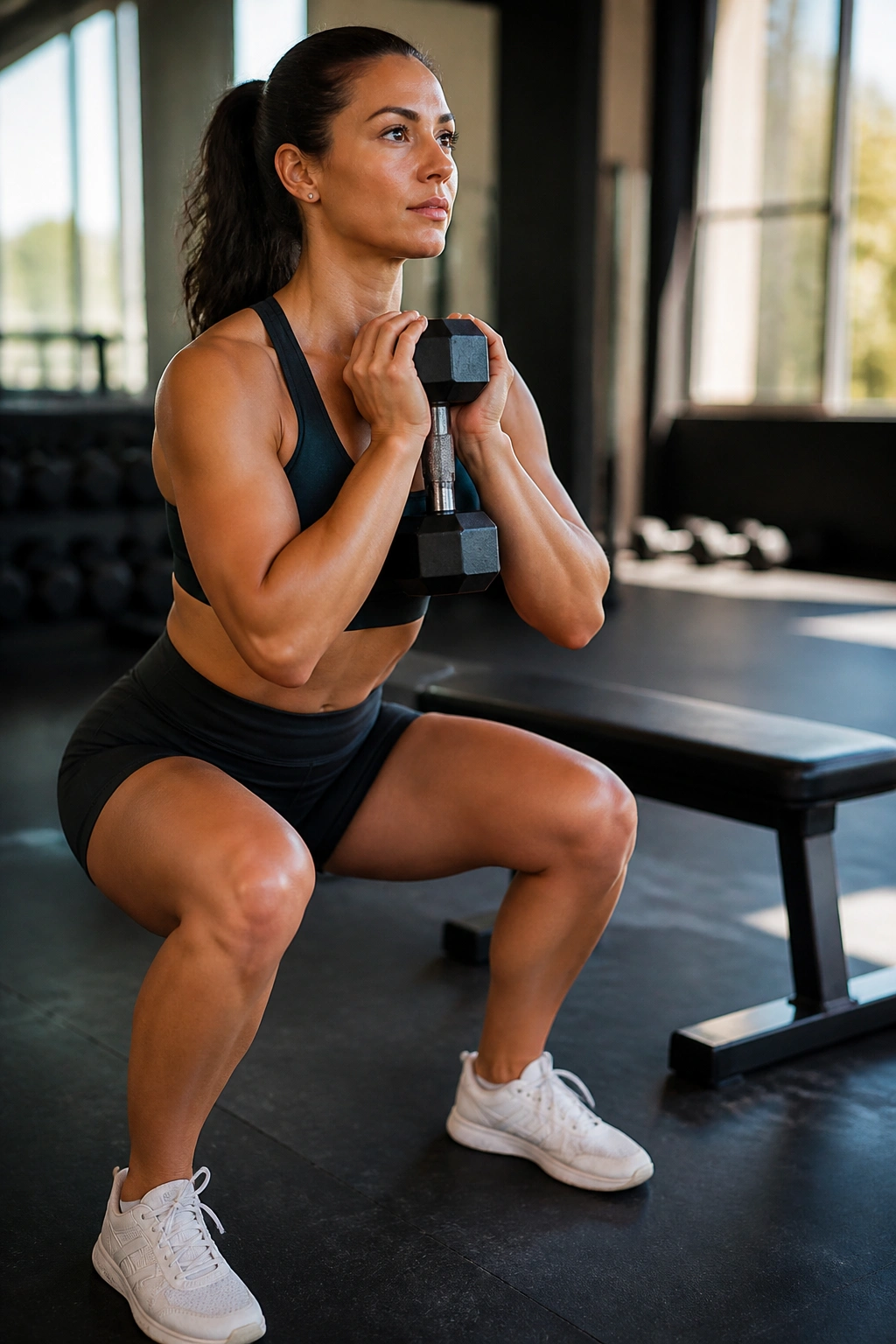
If you only have one dumbbell, this workout still gives you a lot. Holding the weight at your chest makes the squat more upright, which many people find easier on the lower back, and the step-up adds a little balance work without getting fussy.
Use a sturdy bench, box, or stair that puts your front thigh close to parallel when you step up. Do 4 rounds of 10 goblet squats, 8 step-ups per leg, 10 alternating reverse lunges, and 12 standing calf raises. Rest 45 seconds between rounds.
The squat should feel clean and controlled, not rushed. If the dumbbell makes you tip forward, it’s too heavy or your stance is too narrow. Step-ups are even more useful than they look because they expose weak spots fast. One side always talks before the other.
This is a good workout when you want your legs to work hard without a ton of impact.
3. Banded Lateral Walk and Sumo Squat Circuit
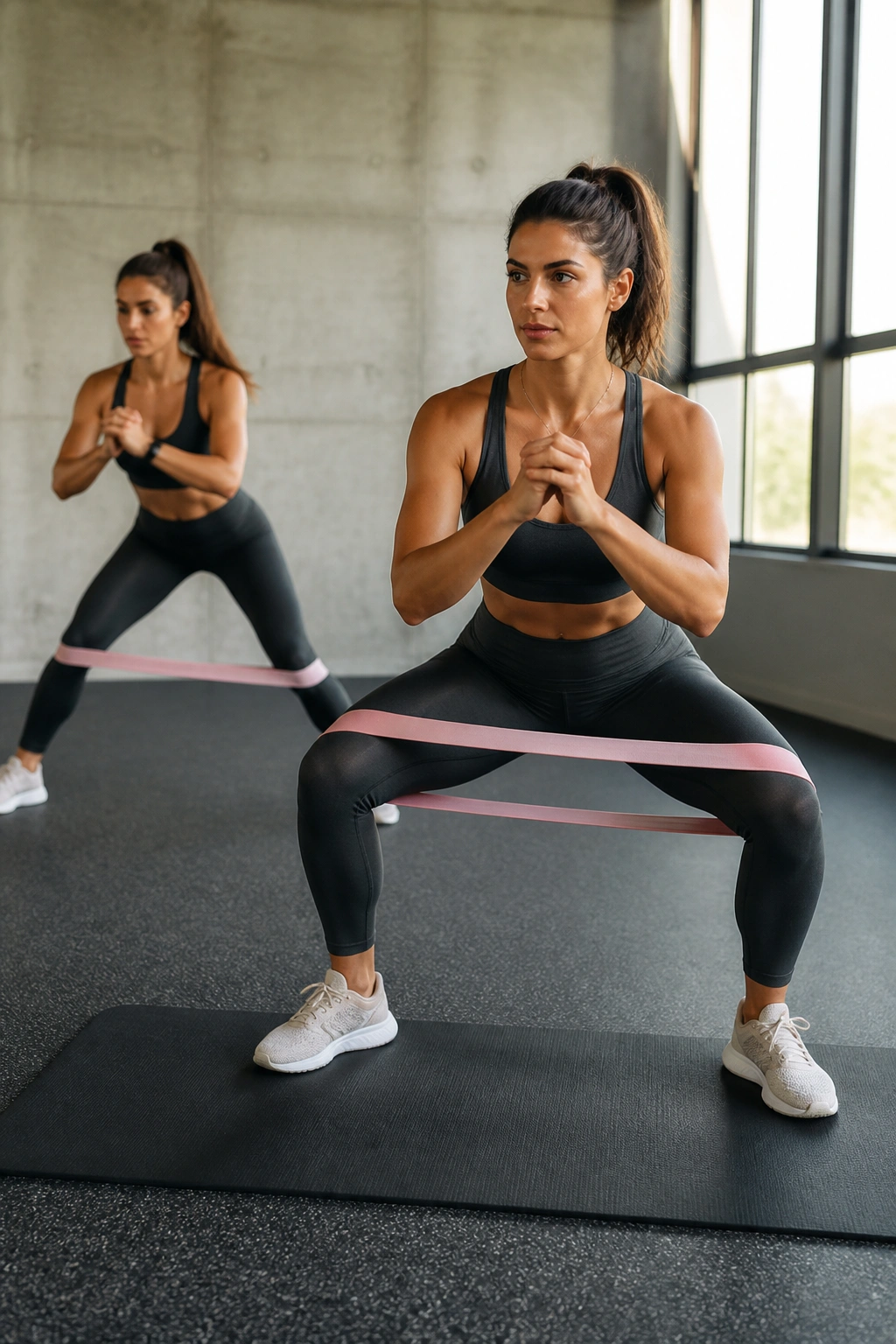
Why does this one feel so small and so annoying? Because the outer hips hate being ignored, and mini-bands love to remind you they’re there. The lateral walk wakes up the glute medius, which helps keep your knees from collapsing inward, while the sumo squat hits the inner thighs and glutes from a wider angle.
How to Use It
Loop a mini-band above the knees or around the ankles. Do 3 rounds of 12 sumo squats, 15 steps to the right, 15 steps to the left, 12 squat pulses, and 10 slow bodyweight squats with a 3-second lower.
The trick is not speed. It’s tension. Keep your feet flat and your knees gently pressing out against the band. If your toes start clawing at the floor, reset. You want the side of the hip to work, not your feet to cramp.
This circuit is perfect before heavier squats, or on its own when you want a short, sharp glute session.
4. Romanian Deadlift and Split Squat Circuit
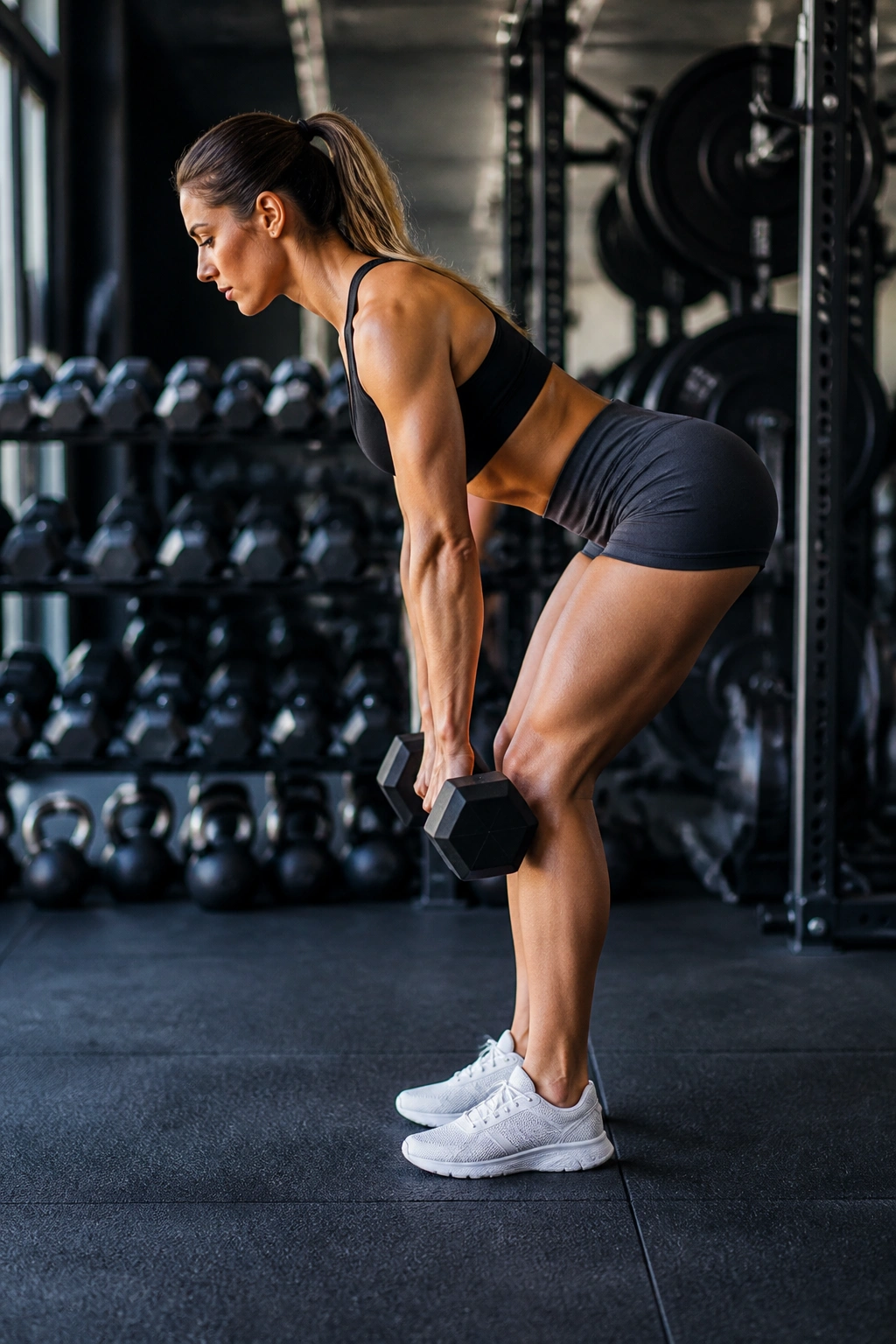
A lot of leg workouts get quad-heavy because squats are easy to overdo. Then the hamstrings and glutes show up late to the party. This circuit fixes that. The Romanian deadlift teaches a clean hip hinge, and the split squat loads one leg at a time so you can’t hide weak spots.
Do 4 rounds of 10 Romanian deadlifts, 8 split squats per side, 12 glute bridges, and 20 calf raises. Use dumbbells or a barbell if you have them. Rest 45 to 60 seconds.
What to Watch For
- Keep a slight bend in the knees during the hinge.
- Push the hips back like you’re closing a car door with them.
- Stop the descent when your hamstrings feel stretched, not when your back rounds.
- On split squats, keep most of your weight in the front foot.
This is one of those lower body circuits that pays off quickly because the movement patterns are basic and brutally useful.
5. Curtsy Lunge and Single-Leg Calf Raise Circuit
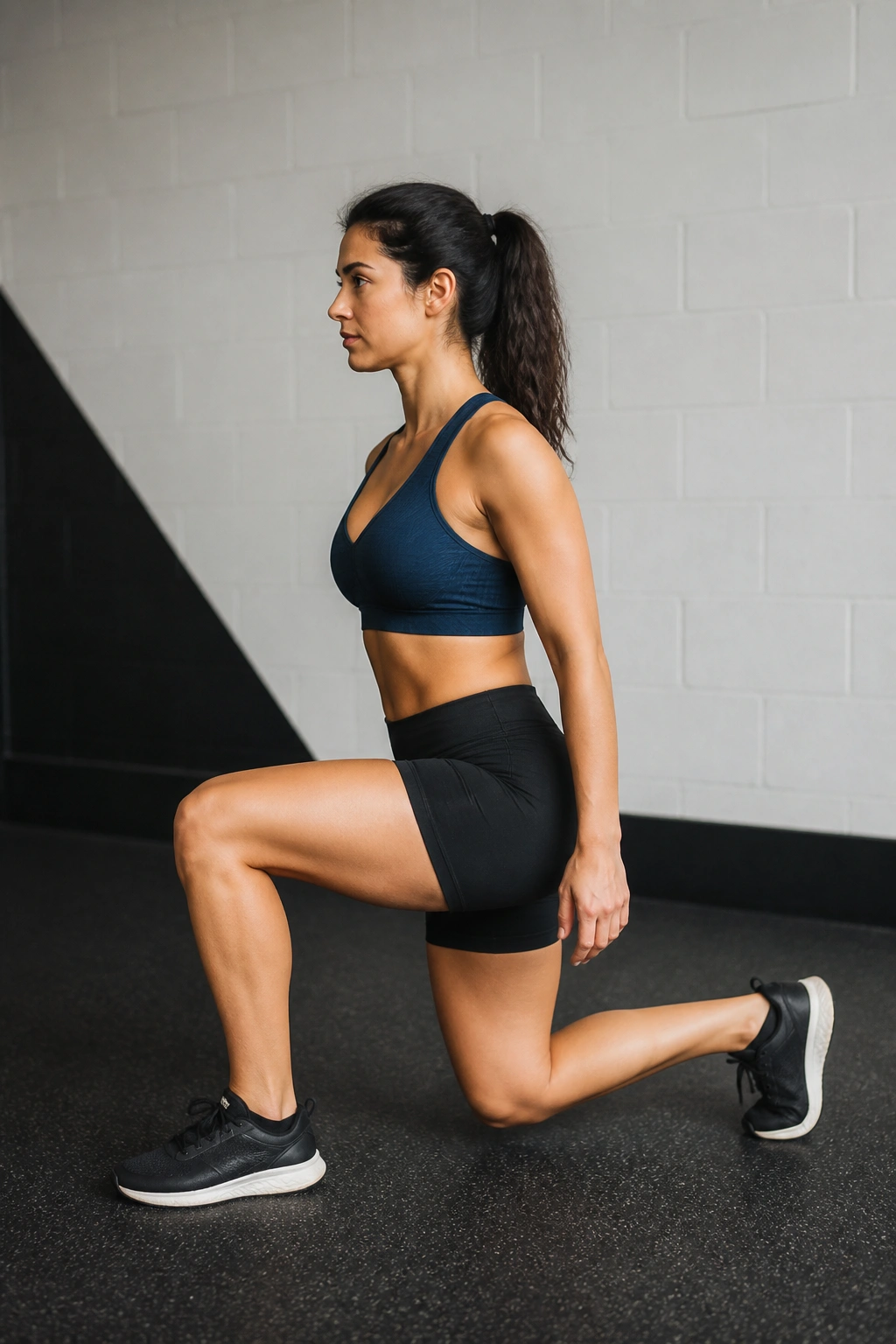
Curtsy lunges get a mixed reputation, mostly because people either rush them or go too deep and then blame the move. Done with control, they’re a nice way to hit the glutes from an angle that regular forward lunges miss. Pair them with single-leg calf raises and you get a leg session that looks humble but leaves a real mark.
Keep the curtsy step small enough that your front knee stays happy. Do 3 rounds of 10 curtsy lunges per side, 12 single-leg calf raises per side, 10 bodyweight squats, and a 30-second wall sit. Rest 30 seconds.
The calf raises matter more than people think. Strong calves help with jumping, stair climbing, and even simple walking mechanics. They also get neglected because they’re not glamorous. Too bad.
This circuit is especially handy if you want to build better lower-leg strength without turning the session into a high-impact mess.
6. Kettlebell Swing and Goblet Squat Circuit
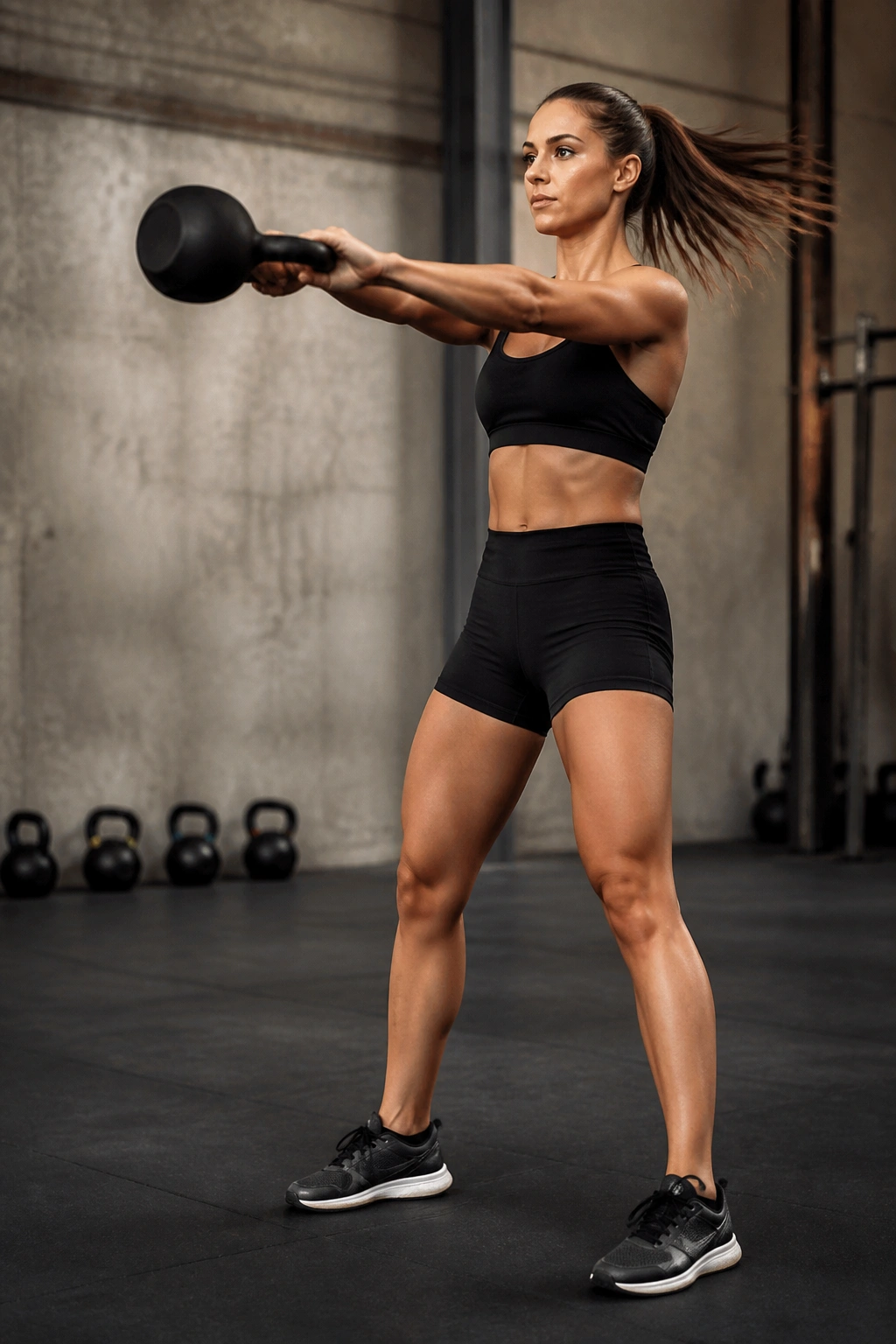
This is the faster, more athletic cousin of a classic leg day. The kettlebell swing adds power and conditioning, while the goblet squat keeps the legs honest with a steadier, more controlled pattern. Together, they make a circuit that feels more explosive than grindy.
Do 5 rounds of 15 kettlebell swings, 10 goblet squats, and 8 reverse lunges per side. Rest 45 seconds. Use a kettlebell you can control for all 15 swings without muscling it with your arms. The bell should snap from the hips, not lift from the shoulders.
If swings are new to you, keep the reps lower and let the hinge pattern come first. Bad swings are just awkward deadlifts with momentum. Good swings feel springy, fast, and clean.
This workout is best for people who want glutes and hamstrings to do real work while the heart rate stays up.
7. Tempo Wall Sit and Pulse Circuit
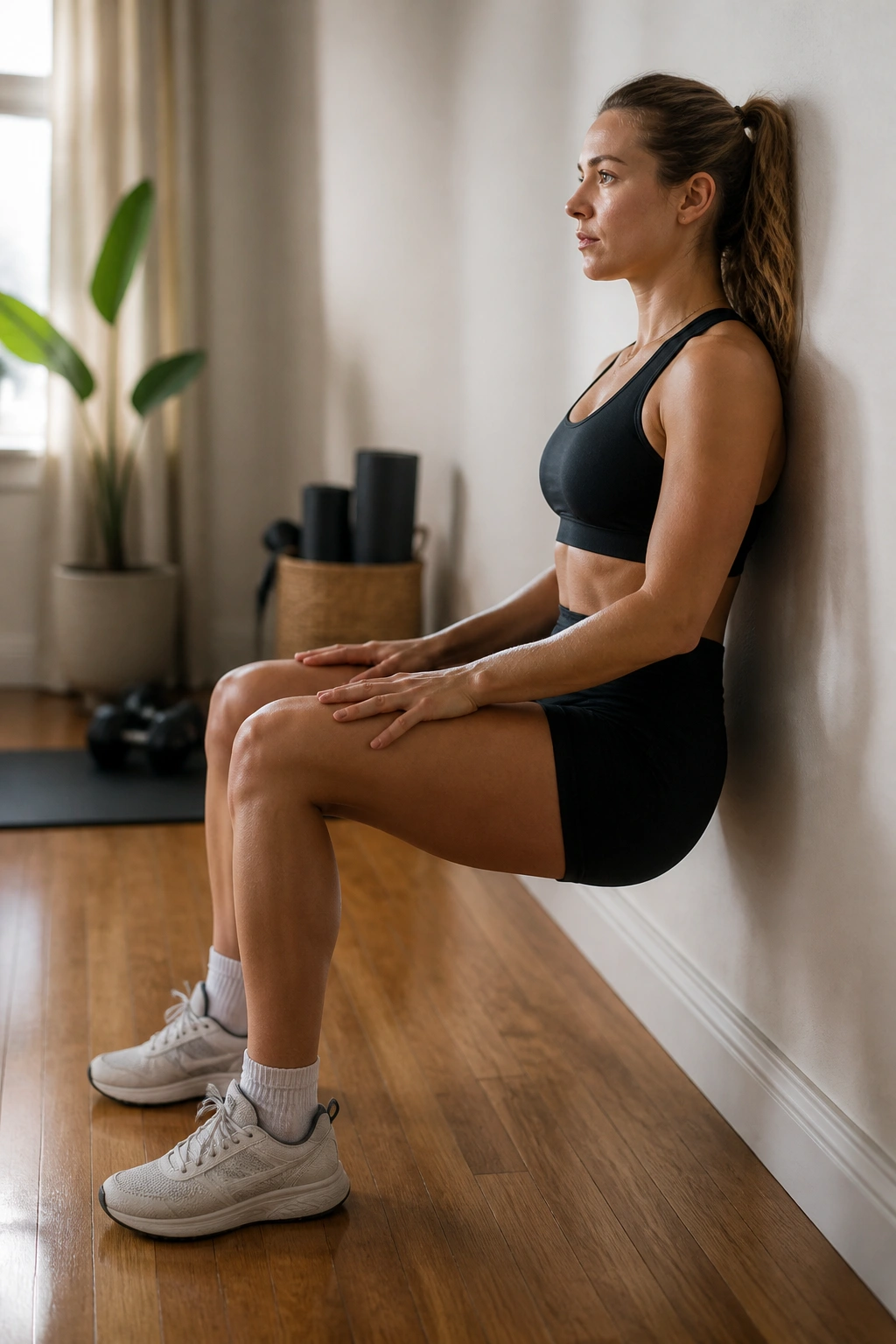
Tempo changes everything. A bodyweight squat that feels easy at normal speed can become a small nightmare when you slow the lowering phase and add pauses. That’s why this circuit is so good for quad endurance and mental toughness. It doesn’t look dramatic. It absolutely is.
Do 3 rounds of 12 tempo squats with a 3-second lower, a 20-second wall sit, 15 squat pulses, and 10 alternating reverse lunges per side. Rest 30 to 40 seconds.
The wall sit should burn across the front of the thighs, not jam your knees. If it does, move your feet a little farther forward and lower the angle at the knee. The squat pulses belong in a shallow range; don’t bounce like you’re trying to escape.
Tiny Details That Matter
- Keep your lower back pressed lightly into the wall.
- Breathe on purpose. People forget that part.
- Do not rush the tempo squats; the slow lower is the whole point.
This one is a sneaky finisher after a heavier session.
8. Hamstring Slider and Hip Thrust Circuit
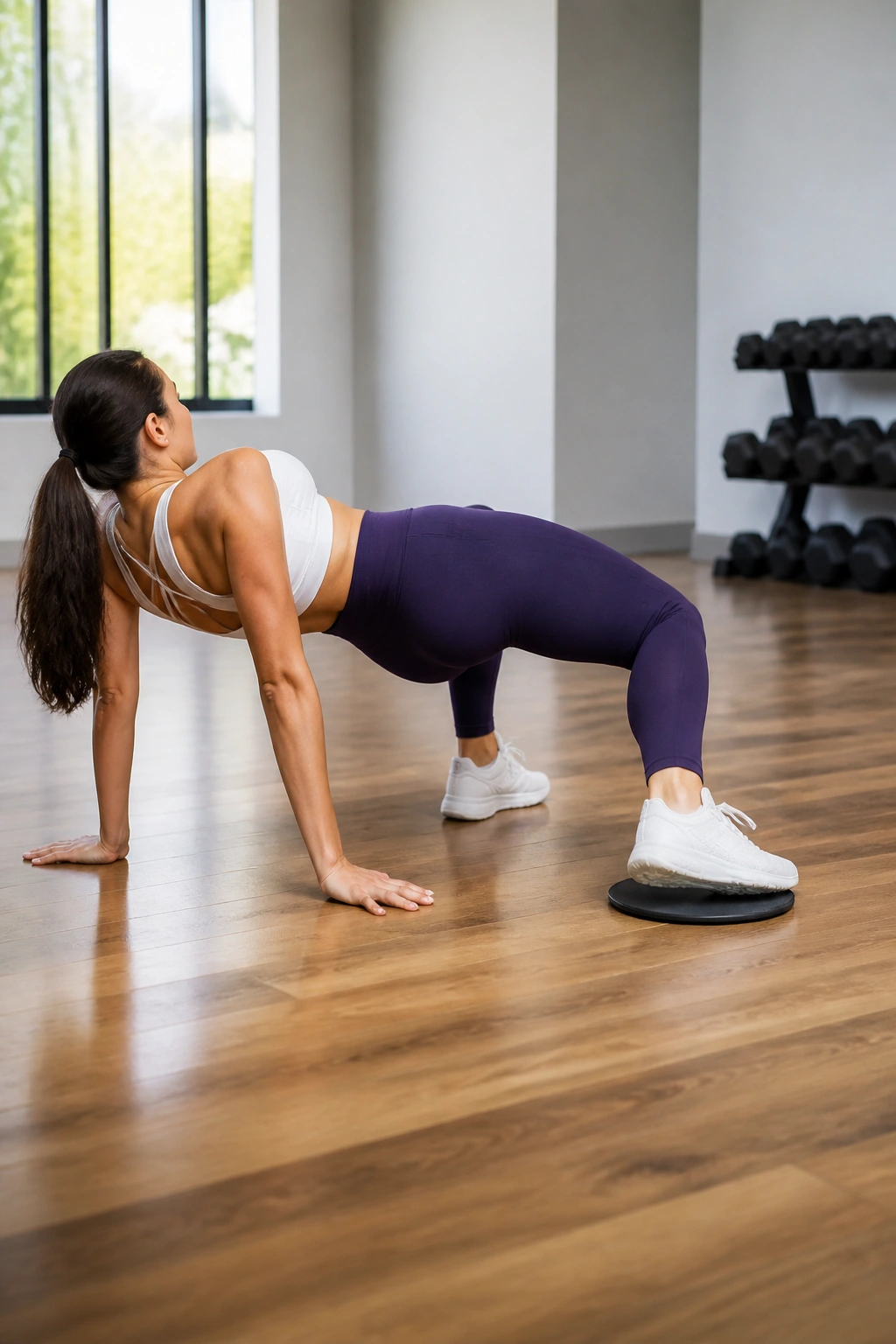
A towel on a hardwood floor can turn into a rude little hamstring machine. Slider curls force the back of the legs to stay active while the hips hover, and hip thrusts put the glutes in the spotlight where they belong. Add frog pumps and you’ve got a backside circuit that actually feels like it was designed with intention.
Do 4 rounds of 10 slider hamstring curls, 12 hip thrusts, 20 frog pumps, and a 15-second glute bridge hold. Rest 45 seconds. If you don’t have sliders, use paper plates on smooth flooring or a pair of socks on a slick surface.
Keep your hips lifted during the slider curls. If they drop, the hamstrings lose tension and the move turns sloppy fast. On hip thrusts, pause for one second at the top and squeeze hard enough that the last two reps feel slower than the first two.
This circuit is a favorite when the goal is glute and hamstring work without loading the spine much.
9. Jump Squat and Skater Lunge Circuit

Want a lower-body circuit that doubles as cardio without needing a treadmill? This is it. The jump squat gives you vertical power, and the skater lunge adds lateral movement, which most leg workouts ignore. That side-to-side work matters more than people think.
Do 3 rounds of 8 jump squats, 10 skater lunges per side, 12 alternating squat reaches, and 20 seconds of fast feet in place. Rest 45 seconds between rounds.
Land softly. Seriously. The landing should sound quiet, not like you’re thumping the floor. If your knees cave in or your heels slam down hard, cut the jump height in half. Or remove the jump entirely and keep the squat fast.
How to Scale It
- Beginner: step into a squat instead of jumping.
- Intermediate: keep the jumps low and crisp.
- Advanced: add a light dumbbell only if form stays sharp.
This workout is not for sloppy reps. It’s for clean, quick ones.
10. Dumbbell Deadlift and Lateral Lunge Circuit
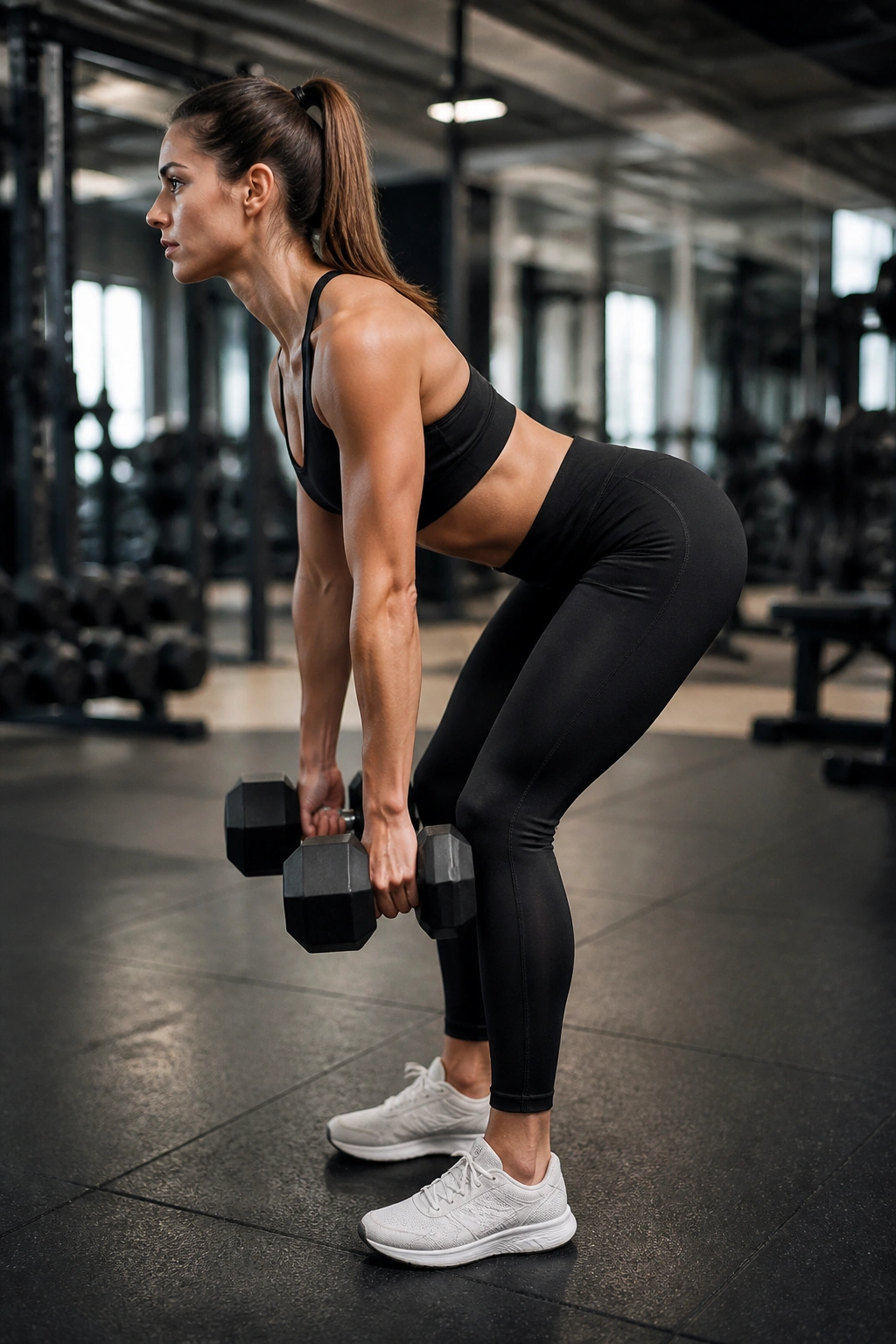
A lot of people train forward and backward and forget the sides. That’s where this circuit earns its keep. The dumbbell deadlift loads the posterior chain, and the lateral lunge opens the hips while hitting the inner thighs in a way straight squats do not.
Use two dumbbells or one heavy kettlebell. Do 4 rounds of 10 deadlifts, 8 lateral lunges per side, 12 sumo squats, and 20 standing calf raises. Rest 45 to 60 seconds.
The lateral lunge should feel like a sit-back into one hip, not a collapse into the knee. Keep the working foot flat and the other leg long. On deadlifts, think “long spine, heavy heels, hips back.” That cue sounds simple because it is simple.
This circuit works well for people who want a fuller lower-body session without needing jump work. It’s also a nice fix for tight hips.
11. Machine Gym Circuit
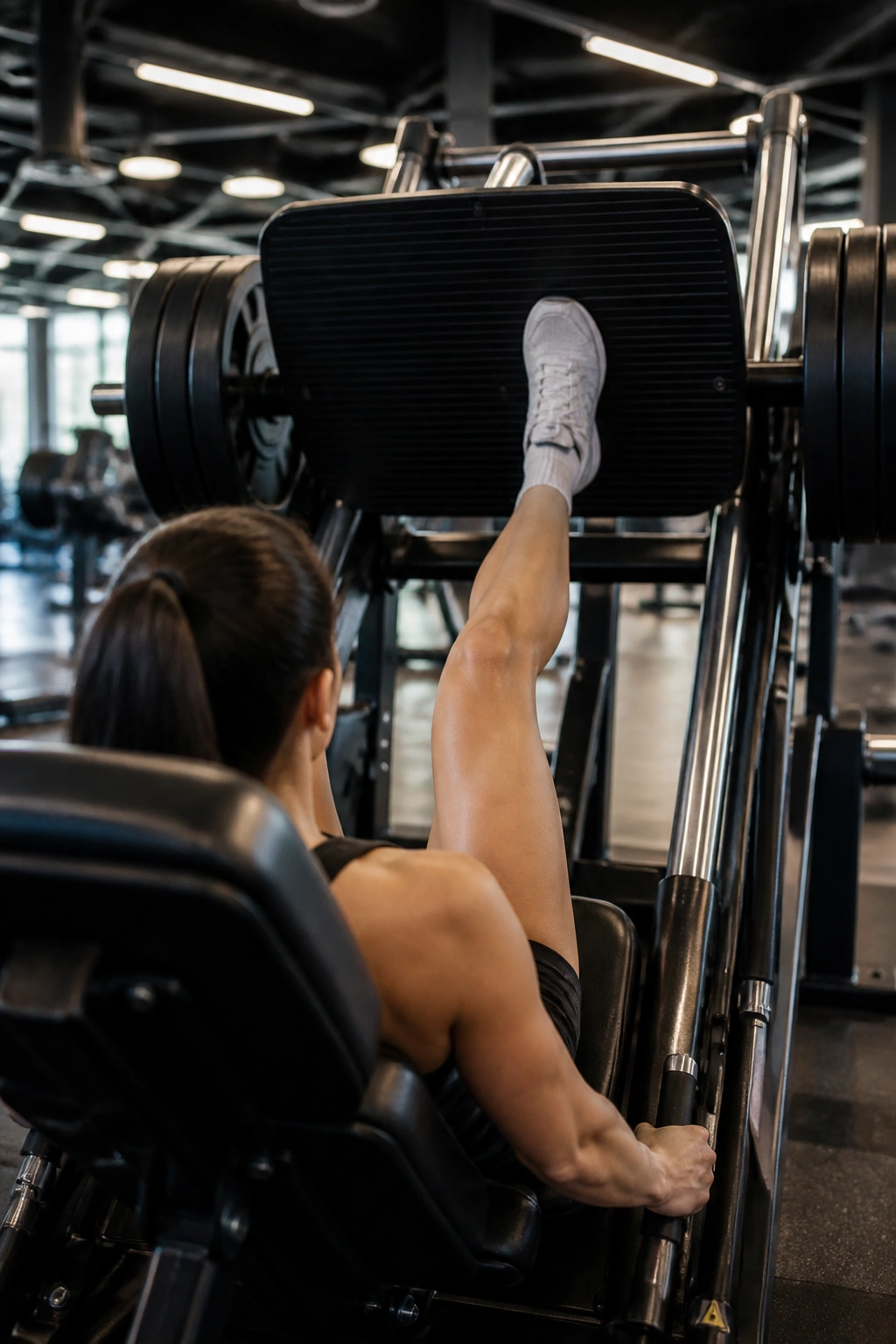
Gym machines get unfairly dismissed by people who like to make training harder than it needs to be. That’s nonsense. A leg press, hamstring curl, abductor machine, and calf raise machine can build a serious lower-body workout with excellent control and very little setup drama.
Try 3 rounds of 12 leg presses, 12 seated hamstring curls, 15 abductor squeezes, and 15 calf raises. Rest 60 seconds between rounds. Keep the leg press range honest: deep enough to bend the knees well, but not so deep that your hips tuck hard off the pad.
This circuit is especially useful when you want to push close to fatigue safely. Machines remove a lot of the balancing noise, so the target muscles get more of the attention. That makes them great for hard sets, especially at the end of the day when coordination is down.
One warning. Don’t turn the machine stack into a pride contest. Use a weight that keeps the last two reps slow and ugly only in the good, honest way.
12. EMOM Lower Body Circuit
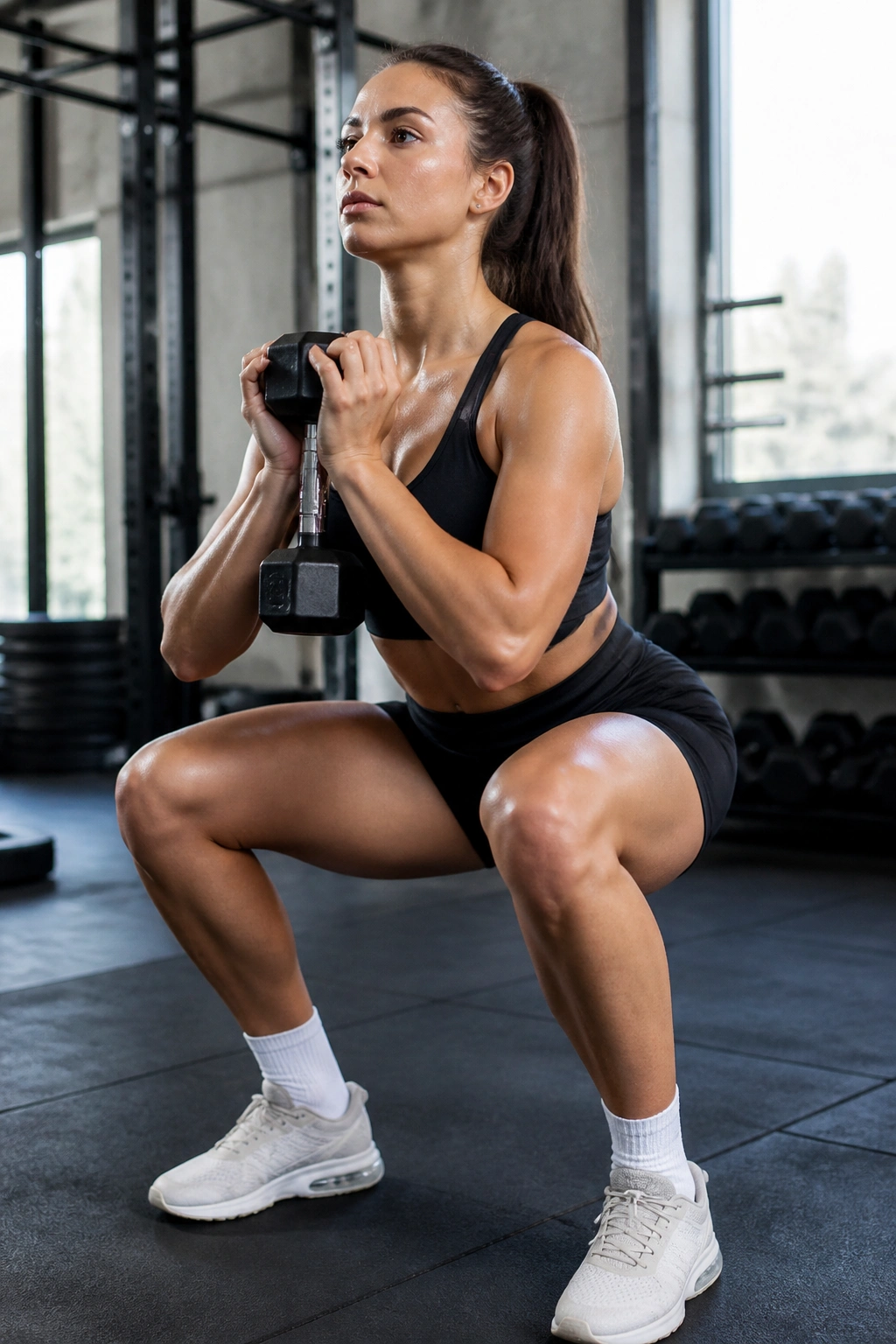
EMOM stands for every minute on the minute, and it’s one of the cleanest ways to keep a lower-body circuit moving. You work at the top of the minute, rest with whatever time is left, then go again. No wandering. No long breaks that turn into phone time.
Set a timer for 12 minutes. Minute 1: 12 goblet squats. Minute 2: 10 reverse lunges per side. Minute 3: 15 glute bridges. Minute 4: 10 Romanian deadlifts. Repeat the cycle three times.
Unlike a free-form circuit, the EMOM gives your legs a built-in pace. If you finish your reps in 35 seconds, you get 25 seconds to breathe. If you miss the mark, the circuit tells on you fast. That’s useful.
This format is best when you want structure, tight conditioning, and a session that cannot drift into fluff.
13. Resistance Band Burnout Circuit
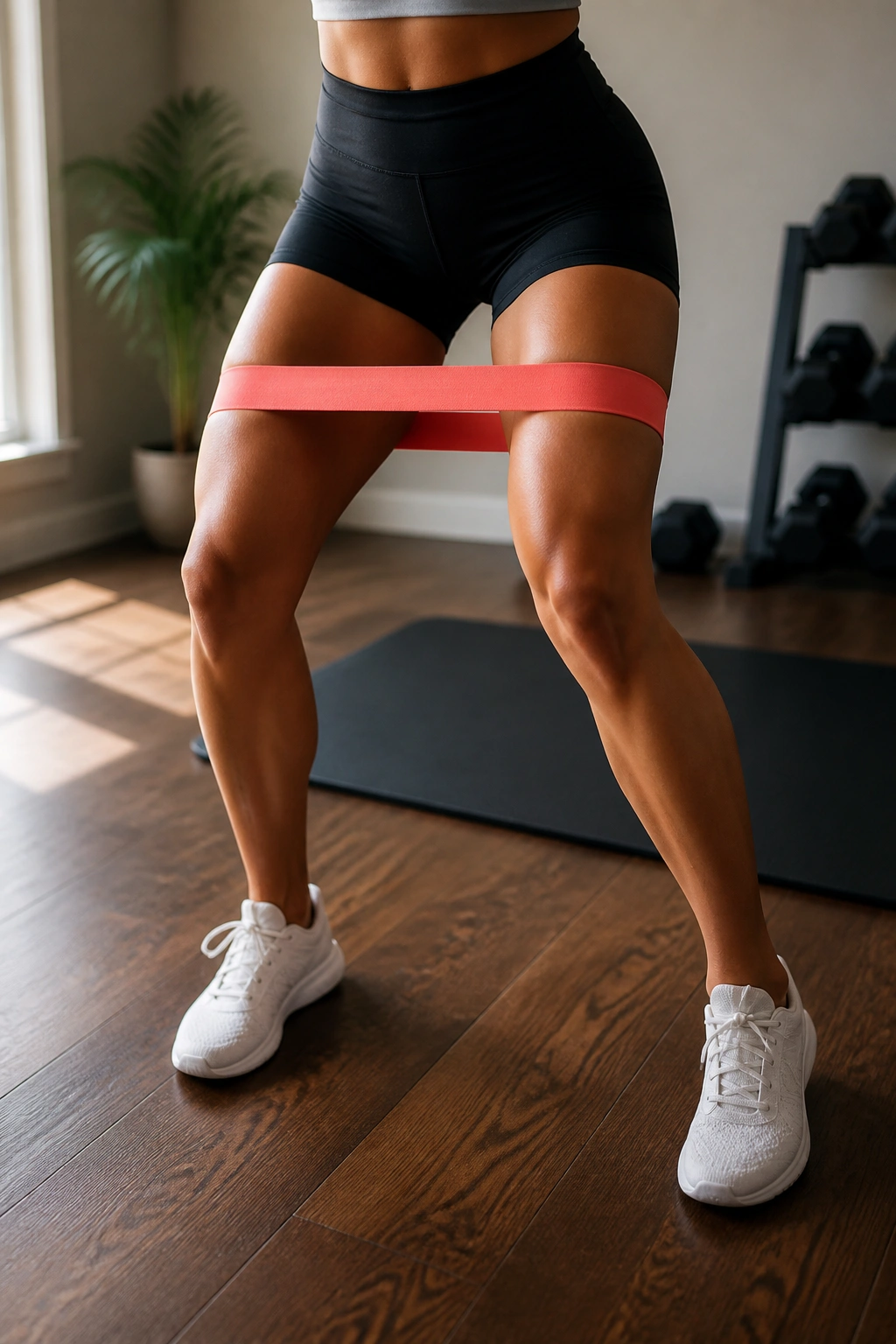
Mini-bands are small. Their effect is not. A band circuit can torch the glutes with almost no load, which makes it a smart option for home workouts, warm-ups, and finishers when your joints are tired but your legs still have something left.
Do 3 rounds of 20 monster walks, 15 banded glute bridges, 12 clamshells per side, and 12 squat pulses with the band above the knees. Rest 20 to 30 seconds. Keep the band tight enough that you feel pressure the whole time, not just when you think about it.
Quick Notes
- Stay low during monster walks.
- Keep the feet parallel, not turned out hard.
- On bridges, press the knees slightly out against the band.
- If your hip flexors take over, shorten the range.
This is not the circuit for ego lifting. It’s the circuit for making the glutes do their job better. Small, specific work. That’s the appeal.
14. Stability Ball Hamstring and Glute Circuit
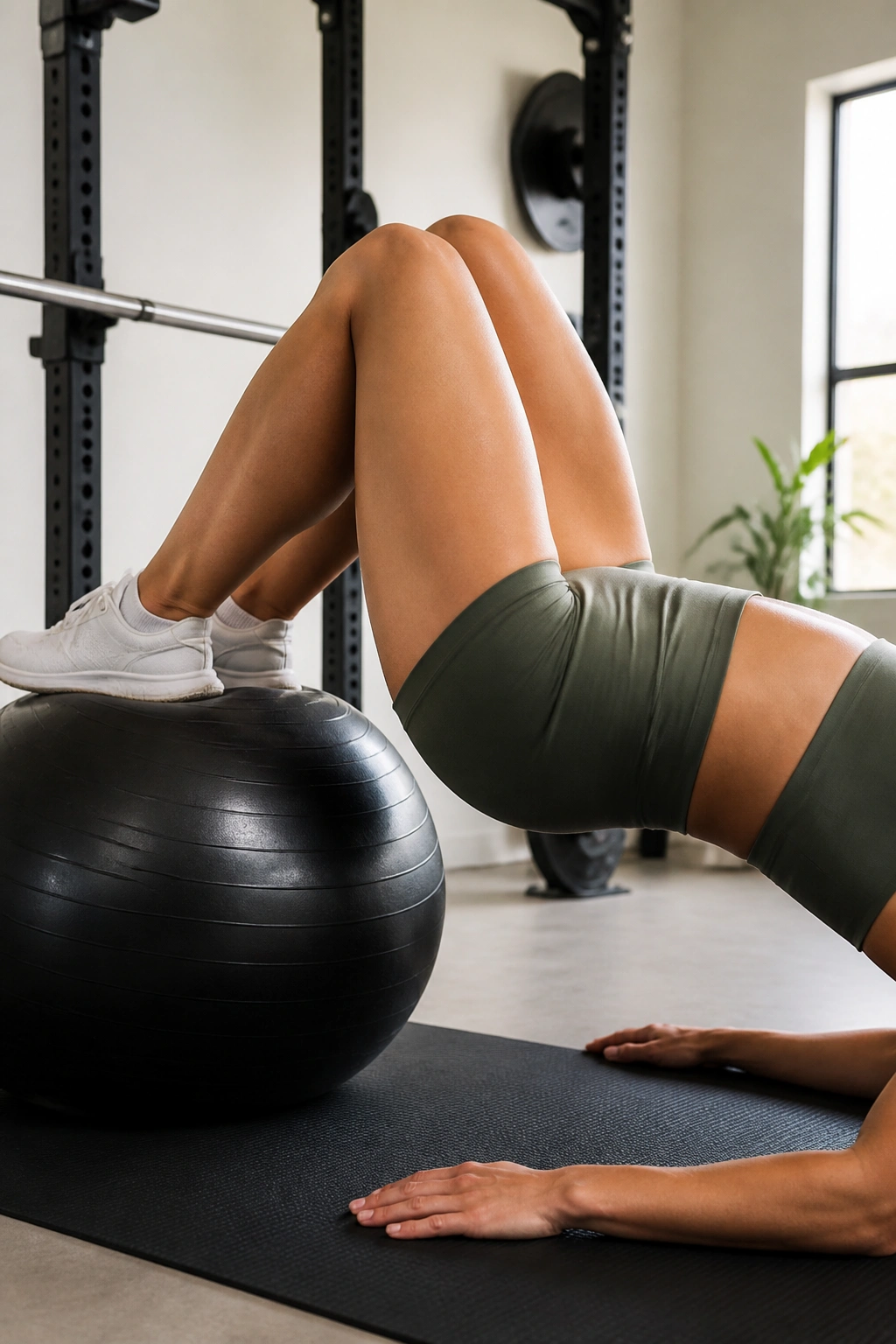
Have you ever tried sliding a stability ball away with your heels while keeping your hips lifted? It sounds mild. It is not mild. The ball curl creates a long lever on the hamstrings, and the extra instability makes the glutes work harder to keep the pelvis steady.
Do 4 rounds of 10 stability ball hamstring curls, 12 glute bridges with heels on the ball, 12 wall squats with the ball behind the back, and 10 single-leg bridge holds per side for 5 seconds each. Rest 45 seconds.
The ball curl should be smooth. If the ball shakes wildly, slow down and shorten the range a bit. On the bridge, drive the heels into the ball and keep the ribs tucked so the low back doesn’t steal the job.
This circuit is a good pick for people who want hamstring strength without a barbell and like a little unstable work. Not everyone does. Fair enough. But if you enjoy feeling every rep, this one delivers.
15. Quad-Dominant Stair or Box Circuit
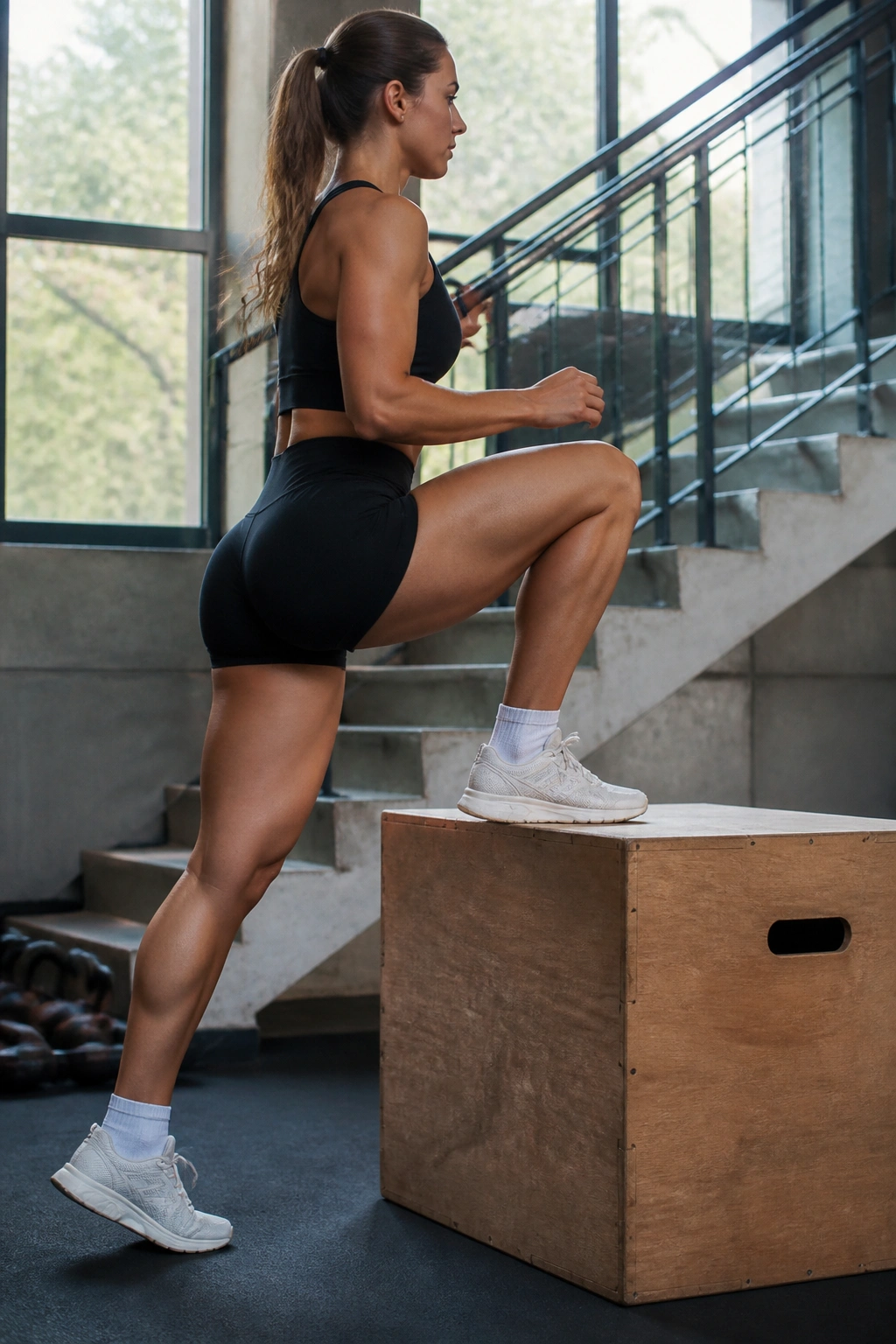
Stairs are brutally honest. So is a low box. Step-ups, box squats, and split squat variations load the quads in a way that feels practical, not theatrical. If your goal is stronger legs for hiking, climbing, or just moving better on a daily basis, this circuit earns its place.
Do 3 rounds of 10 step-ups per side, 12 box squats, 8 split squats per side, and 15 calf raises. Rest 45 seconds. Use a surface that’s stable and not too high. Knee level is usually plenty; higher is not automatically better.
The best part of this circuit is that it exposes imbalances without making a big speech about it. One side will usually push harder. One hip will usually feel tighter. Fine. That feedback is the whole point.
A clean rep is more useful than a heroic one. If you have to fling yourself onto the box, lower the box.
16. Posterior-Chain Strength Circuit
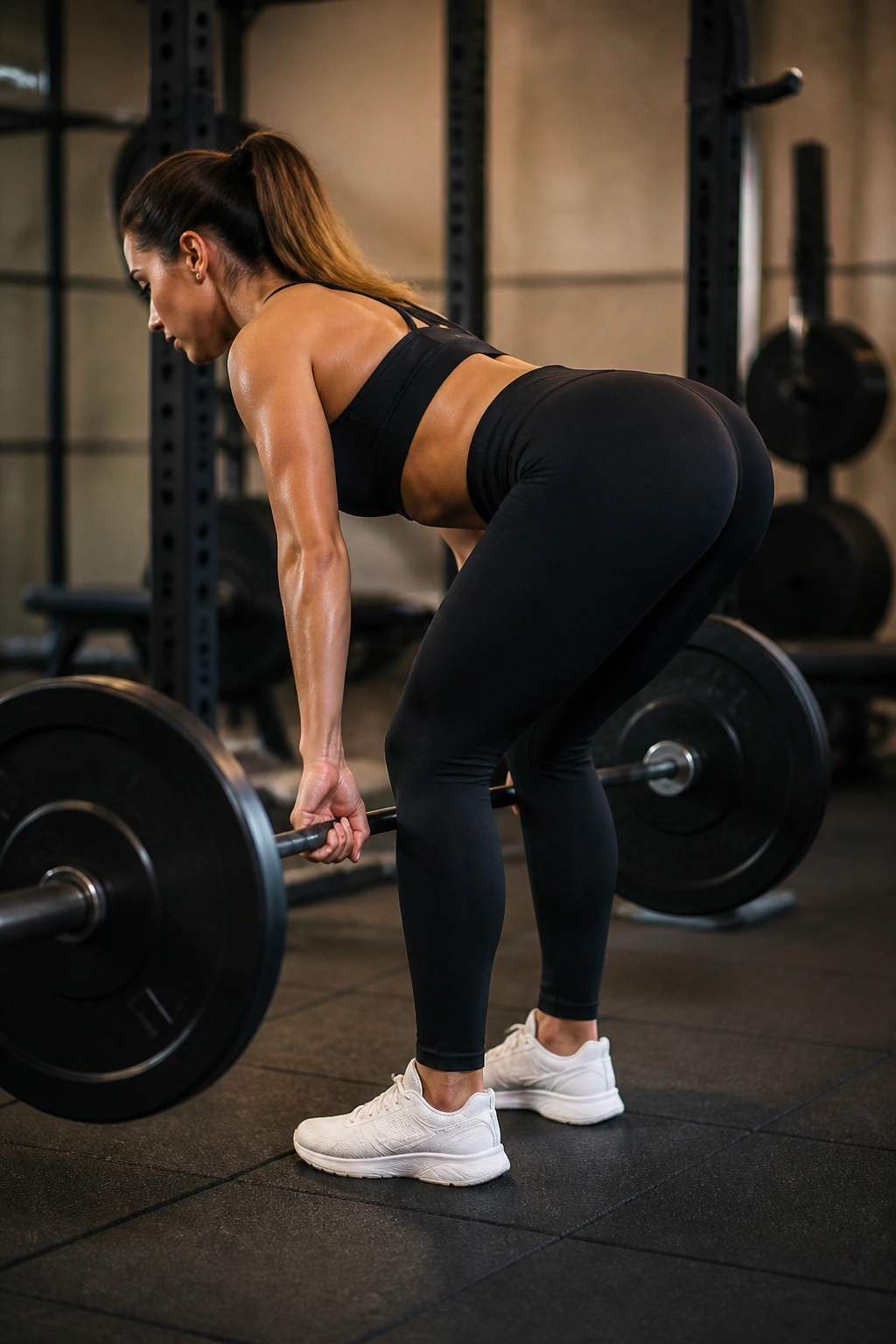
A lot of “leg workouts” accidentally become quad-only workouts. That’s a problem if you care about stronger glutes, hamstrings, and a back side that actually pulls its weight. This circuit keeps the posterior chain in charge.
Do 4 rounds of 8 Romanian deadlifts, 10 single-leg RDLs per side, 12 hip thrusts, and 12 back extensions or bird-dogs per side if you do not have a bench. Rest 60 seconds.
The single-leg RDL is the sneaky star here. It challenges balance, hip control, and hamstring strength all at once. Start with bodyweight if you need to. A lot of people rush straight to dumbbells and end up twisting their torso around like they’re trying to solve a puzzle.
What Makes It Different
- More hinge work, less squat work.
- More glute and hamstring emphasis.
- Better for posture and hip drive.
- Better carried over to running and sprinting than a fluffier leg circuit.
If you want stronger legs that actually feel useful, this is one of the better places to spend your energy.
17. Low-Impact Cardio Leg Circuit
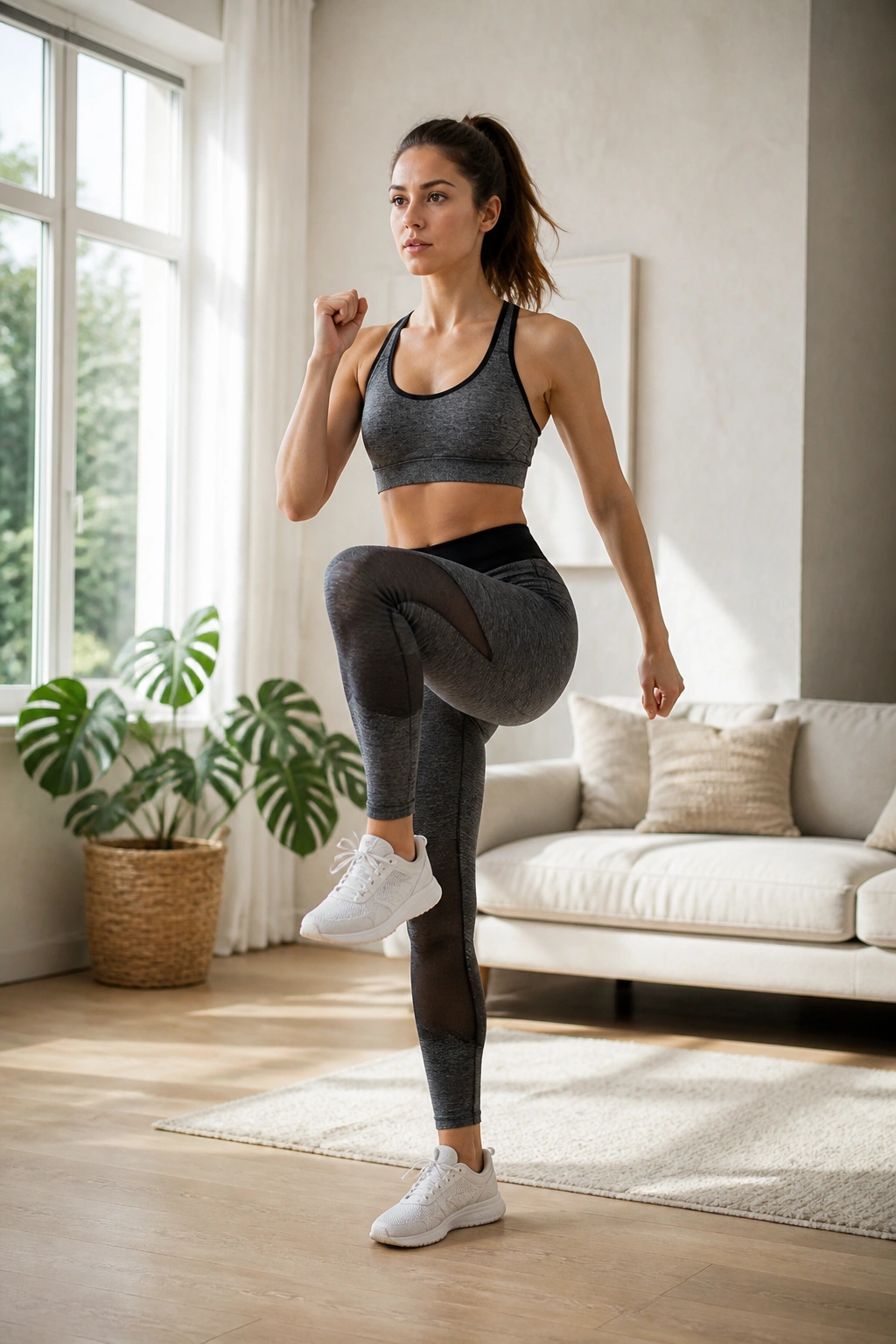
Not every lower-body circuit needs jumps to be hard. Sometimes the smartest move is to keep one foot on the floor and still make the legs scream a little. Low-impact does not mean low effort. Not even close.
Do 3 rounds of 20 marching squats, 10 alternating step-back lunges per side, 20 fast side steps, and 15 glute bridges. Rest 30 seconds. Move at a pace that keeps your breathing up but doesn’t break your form.
This circuit is friendly to beginners, people easing back into training, and anyone whose knees dislike impact. The marching squat is the hidden trick here. Stay low, lift one knee at a time, and keep the torso tall. It’s half squat, half coordination drill, and it keeps your legs awake.
Good days for this workout? Recovery days that still need structure. Busy days. Days when jumping sounds irritating.
18. Athletic Change-of-Direction Circuit
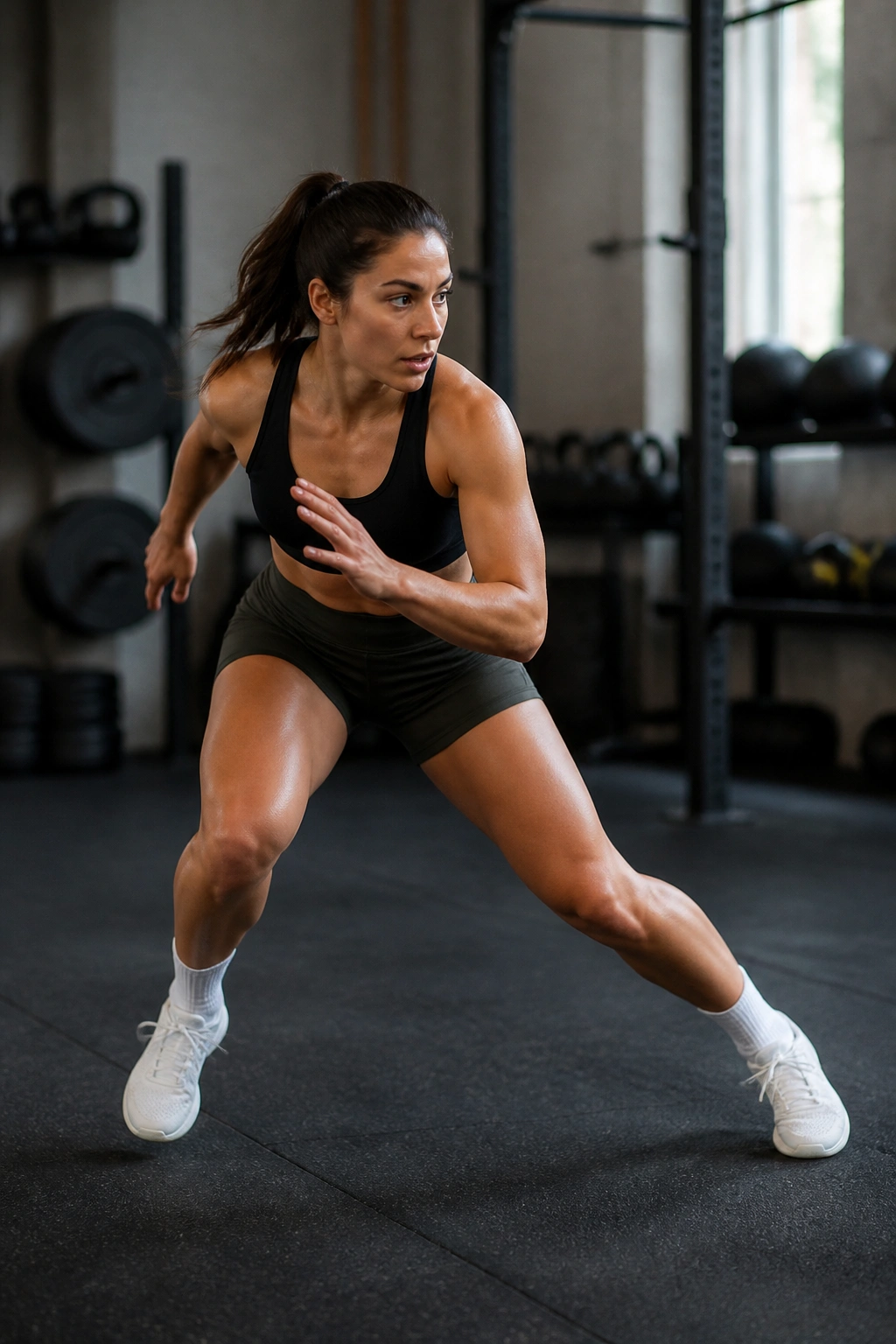
Straight-line training is fine. Life is not straight-line. You cut around furniture, step sideways into the car, pivot, carry things, and keep moving when your body is a little off balance. This circuit trains those little shifts.
Do 4 rounds of 8 lateral lunges per side, 8 diagonal step-back lunges per side, 10 side shuffles each way, and 10 single-leg sit-to-stands per side from a box or bench. Rest 45 seconds.
Unlike a standard squat circuit, this one asks your hips to control motion from different angles. That makes it especially handy for dancers, court-sport athletes, hikers, and anyone who likes workouts that feel a bit more alive. The side shuffle should stay low and light. The diagonal lunge should land under control, not like a stumble.
You will know this one is working when your outer hips and inner thighs both complain in equal measure. That is a good sign. Oddly satisfying too.
19. Glute Medius and Hip Stability Circuit
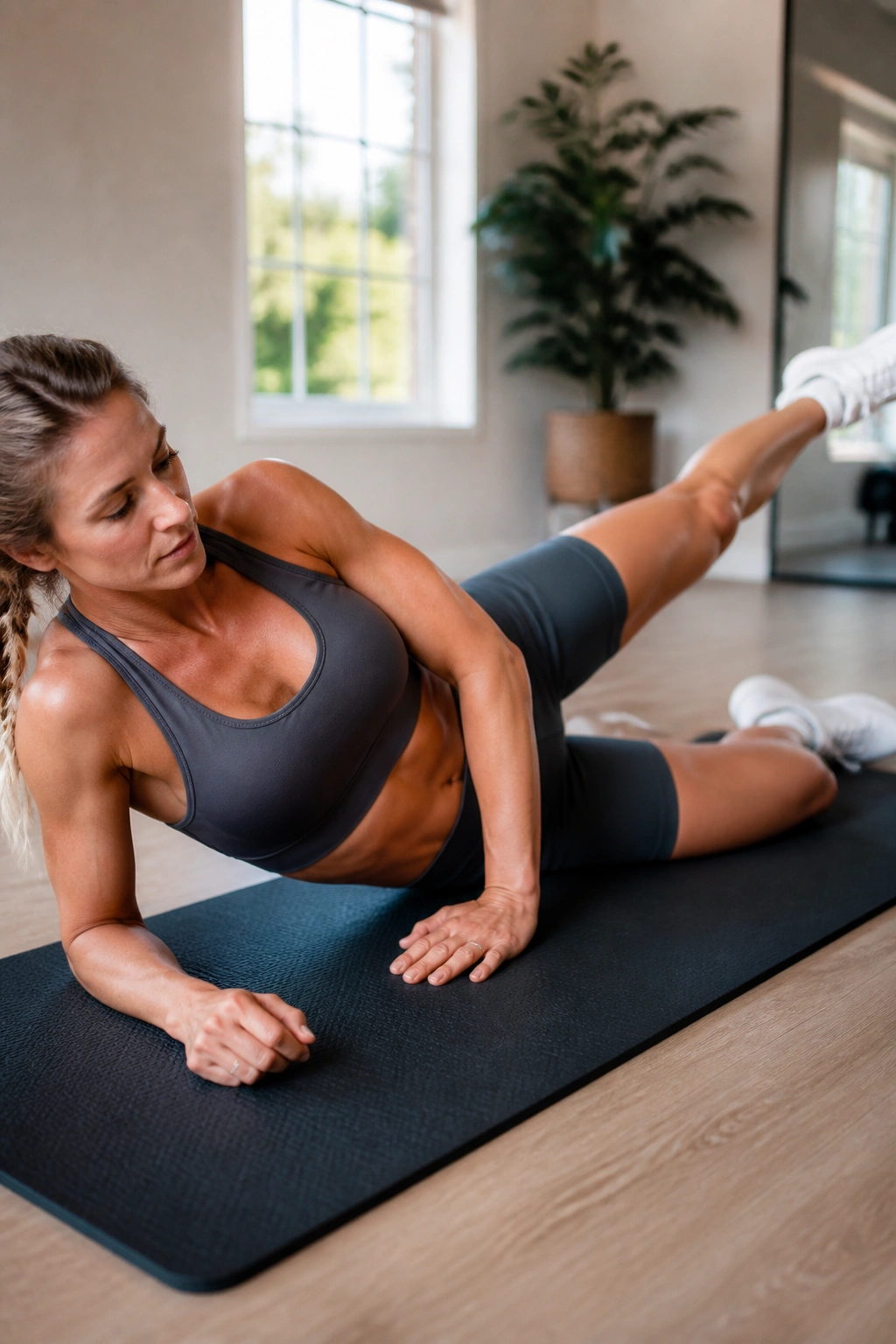
The outer hip is easy to ignore until it starts sending signals during squats, stairs, or long walks. The glute medius is a small muscle with a big job: keeping your pelvis steady and your knees tracking well. This circuit puts that muscle front and center.
Why Your Hips Care
Do 3 rounds of 12 side-lying leg raises per side, 15 clamshells per side, 10 fire hydrants per side, and 8 single-leg glute bridges per side with a 3-second hold at the top. Rest 30 seconds.
Keep the movements slow. Fast reps turn hip work into momentum work, and that misses the point. On the side-lying raise, the toes should stay slightly down so the hip works instead of the front of the thigh taking over. On the bridge, keep the pelvis level. No twisting.
This circuit is one of the best ways to clean up weak links before they turn into cranky knees or unstable squats. It’s not flashy. It is useful. There’s a difference.
20. Finish-Strong Full Lower Body Circuit
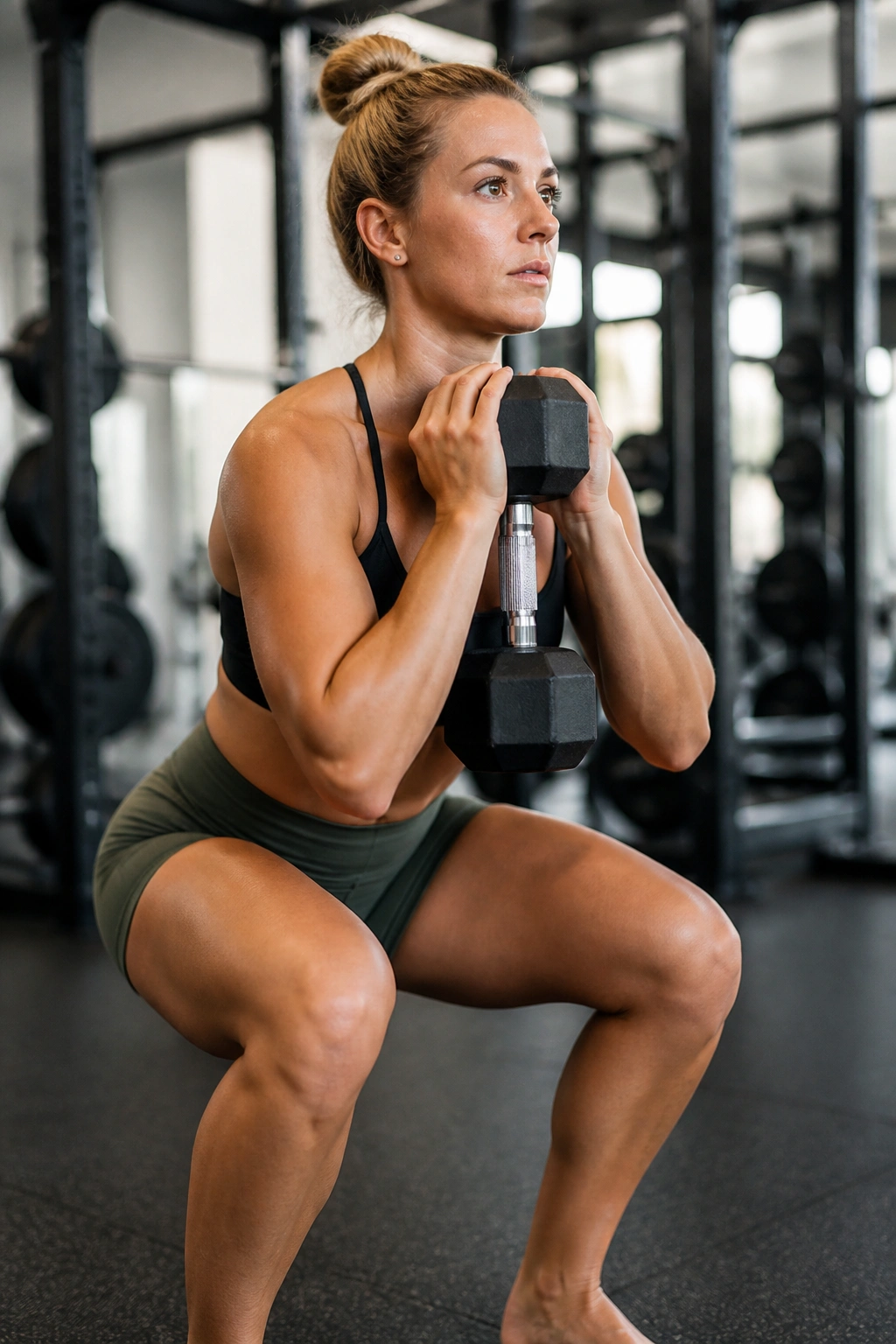
If you only have enough energy for one hard lower-body session, make it this one. It blends squat strength, hinge work, unilateral control, and a little conditioning at the end, which is exactly what a complete circuit should do.
How to Run It
Do 3 to 4 rounds of 10 goblet squats, 10 dumbbell Romanian deadlifts, 8 reverse lunges per side, 15 glute bridges, and 20 calf raises. Rest 45 to 60 seconds between rounds. If you want an extra push, finish with a 30-second squat hold on the last round.
The magic here is balance. You get quads from the squats, hamstrings from the hinge, glutes from the bridges and lunges, and lower-leg work from the calves. Nothing gets ignored, which is the whole point of a good lower body circuit workout.
If your form starts to slip, stop trying to win the round and clean up the reps. Messy fatigue is expensive. Controlled fatigue pays you back. Keep that in mind the next time your legs start bargaining with you halfway through round three.
