



There is a common misunderstanding in the fitness world that if you are not drenched in sweat, gasping for air, and feeling like your lungs are burning, you are not working hard enough to lose fat. This belief has driven millions of people toward high-intensity interval training, often to the point of burnout or chronic inflammation. While intensity has its place, the body is a complex machine that prefers efficiency over constant redlining. When you push your heart rate to its absolute maximum day after day, your body eventually starts to push back by spiking cortisol levels, which can actually make it harder to shed stubborn weight, especially around the midsection.
Low-Intensity Steady State (LISS) cardio offers a different path. It is the practice of maintaining a low-to-moderate heart rate—typically in that comfortable “talk test” range where you can carry on a conversation—for an extended period. This is the physiological sweet spot for fat oxidation. By keeping the intensity controlled, you allow your body to rely primarily on fat stores for fuel rather than the glycogen stored in your muscles. It is not about how hard you can punish yourself; it is about how long you can sustain a moderate, fat-burning effort.
The beauty of LISS lies in its accessibility and recovery profile. You do not need twenty-four hours to recover from a forty-five-minute walk or a steady swim. This means you can incorporate it into your routine more frequently, accumulating a higher total caloric expenditure over the week without the crushing fatigue that comes with high-intensity work. If you have been banging your head against a wall trying to force results with high-intensity protocols, it might be time to step back, slow down, and let your metabolism work the way it was designed to.
1. Brisk Walking

This is the gold standard for a reason. Walking is a fundamental human movement, yet it is shockingly efficient at burning fat when performed at a brisk, sustained pace. You are looking for a speed that feels slightly uncomfortable—like you are running a few minutes late for a meeting—but one that you could maintain for an hour without stopping.
Why It Works for Fat Oxidation
When you walk at a steady, brisk pace, your body remains in an aerobic state. In this state, oxygen is abundant, which is necessary for the breakdown of fatty acids into energy. Because the intensity is low, your body doesn’t panic and switch to the more readily available glycogen (sugar) stores. Instead, it slowly and methodically taps into body fat reserves.
How to Maximize the Benefit
- Keep your posture tall with your shoulders pulled back and down.
- Engage your core as if you are bracing for a light punch.
- Avoid holding onto the handrails if you are on a treadmill; let your arms swing naturally to burn more calories.
- Use a smartwatch or a heart rate monitor to ensure you stay in your specific fat-burning heart rate zone (typically 60-70% of your maximum heart rate).
Pro tip: Try to find a route with slight inclines. The added resistance of walking uphill without increasing your speed forces the lower body muscles to work harder, increasing the caloric burn without pushing your heart rate into a non-aerobic zone.
2. Leisurely Cycling
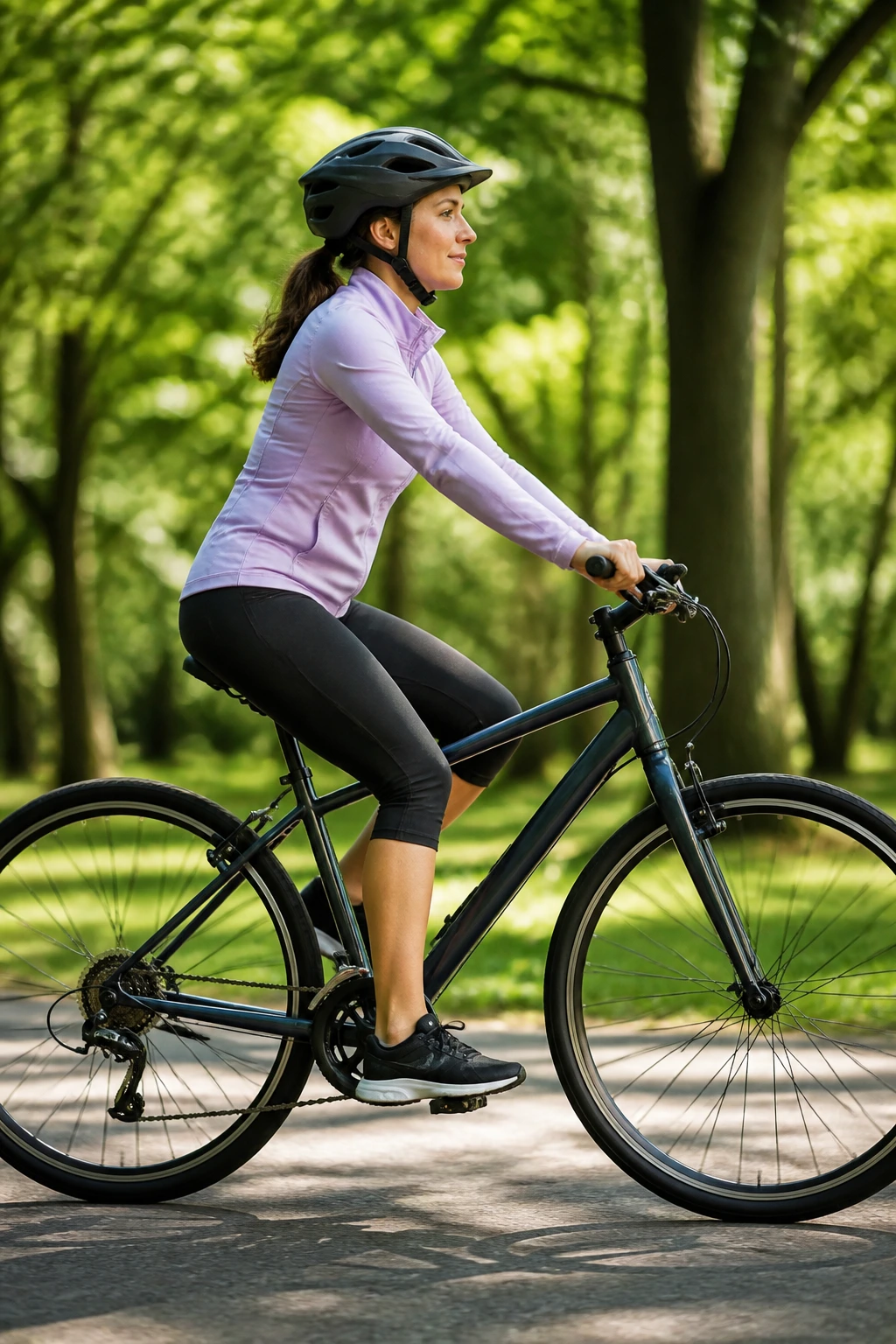
Cycling is often associated with intense spinning classes, but riding a bike at a steady, conversational pace is one of the best LISS workouts available. It removes the impact on your joints that running creates, making it an excellent option for those with knee issues or higher body weights.
The Mechanics of Low-Impact Fat Loss
Unlike running, where your body has to absorb the impact of every stride, cycling transfers the workload to your muscles—specifically the quads, hamstrings, and glutes. Because the movement is circular and smooth, you can perform it for long durations without the joint fatigue that usually forces people to stop.
Setting the Right Pace
You should be able to pedal comfortably while breathing through your nose. If you find yourself having to breathe through your mouth to keep up with your cadence, you are going too fast. Shift into a lighter gear and focus on consistent, smooth pedal strokes. Aim for a high cadence—meaning faster rotations with less resistance—rather than grinding out heavy gears, which shifts the focus from cardiovascular endurance to muscular strength.
3. Swimming Laps

Swimming is essentially the ultimate low-impact LISS workout. Because water is roughly 800 times denser than air, every movement you make is met with resistance. You do not need to sprint to get a fantastic workout; the water does the work for you.
Why Water is a Secret Weapon
When you swim, you are in a horizontal position, which makes it easier for your heart to pump blood to your extremities. This creates a unique cardiovascular environment. The cooling effect of the water also keeps your body temperature stable, preventing the overheating that often ends workouts prematurely on land.
Getting the Most from Your Session
- Focus on your breathing rhythm. Rhythmic, controlled breathing keeps your heart rate steady.
- Use a snorkel if you find that coordinating your head turn for breaths disrupts your pace and causes you to stop.
- Stick to easy strokes like the breaststroke or a slow front crawl.
- Keep moving for the entire duration; don’t spend five minutes at the wall chatting or resting.
4. Rowing Machine (Low Resistance)
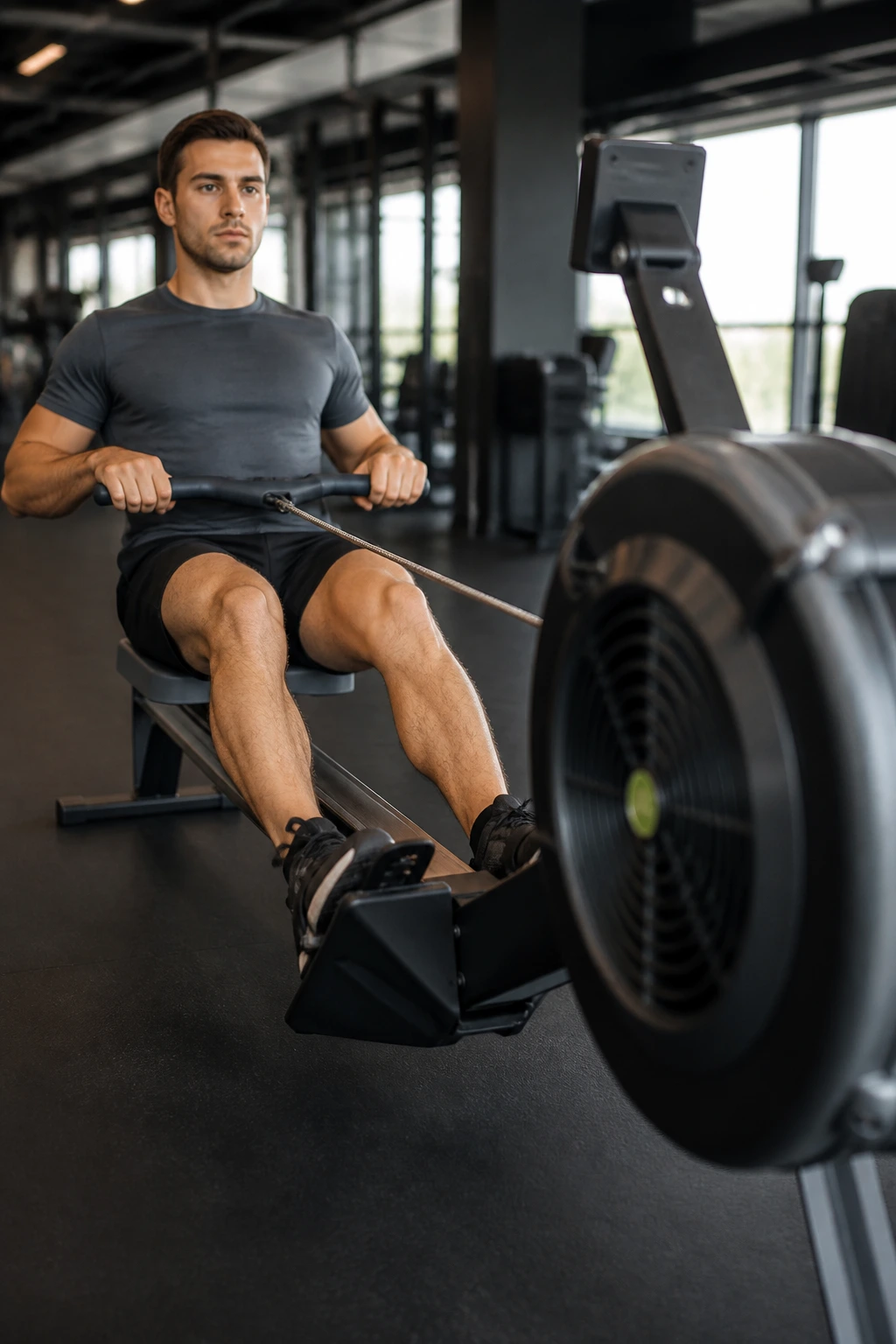
People often treat the rowing machine like a torture device, cranking up the resistance and trying to break speed records. That is the wrong approach for LISS. Set the damper or resistance level to a low or moderate setting and focus on rhythm, not power.
Why Rhythmic Rowing Wins
Rowing is a full-body movement that engages your legs, back, shoulders, and core simultaneously. When you perform this movement in a steady, rhythmic cadence—think 18 to 22 strokes per minute—you get a fantastic aerobic workout that keeps your heart rate right in that target zone for fat burning.
The Proper Setup
- Keep the resistance low—around level 3 or 4 on most standard machines.
- Focus on the “legs, back, arms” sequence.
- Ensure your recovery phase (the slide forward) is slower than your drive phase.
- Use a mirror if possible to ensure your back is staying flat and not rounding during the catch.
Pro tip: Treat the rowing machine like a meditative practice. Close your eyes, find a steady count in your head, and just breathe. The machine will do the rest of the work.
5. Elliptical Trainer
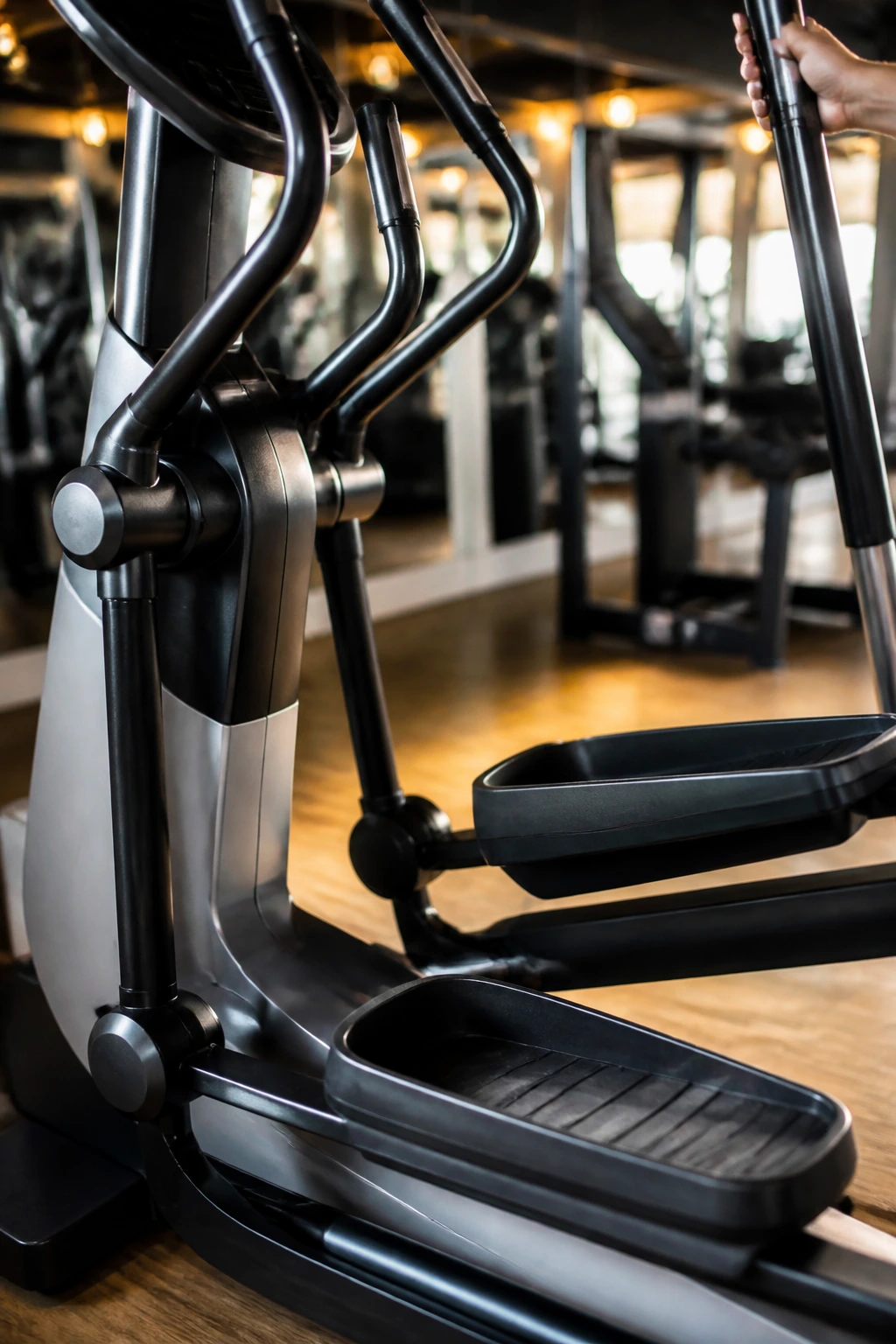
The elliptical is often mocked by gym-goers, but it remains one of the most effective tools for sustained, low-impact LISS. By using the handles, you engage your upper body, which increases your overall caloric expenditure without significantly raising your perceived exertion.
Why It’s Misunderstood
Many people crank the resistance way up, making it hard to maintain a steady, fluid motion for more than a few minutes. That turns it into a strength workout. For LISS, you want the resistance low enough that you can keep moving fluidly for at least forty-five minutes.
Avoiding Common Mistakes
Do not lean on the stationary middle handles; that engages your core much less and turns a full-body workout into a glorified stepping machine. Use the moving handles to pull and push, creating a full-body rhythm. Ensure your heels stay flat on the pedals—lifting your heels can put unnecessary strain on your shins and calves.
6. Stairmaster (Steady Pace)
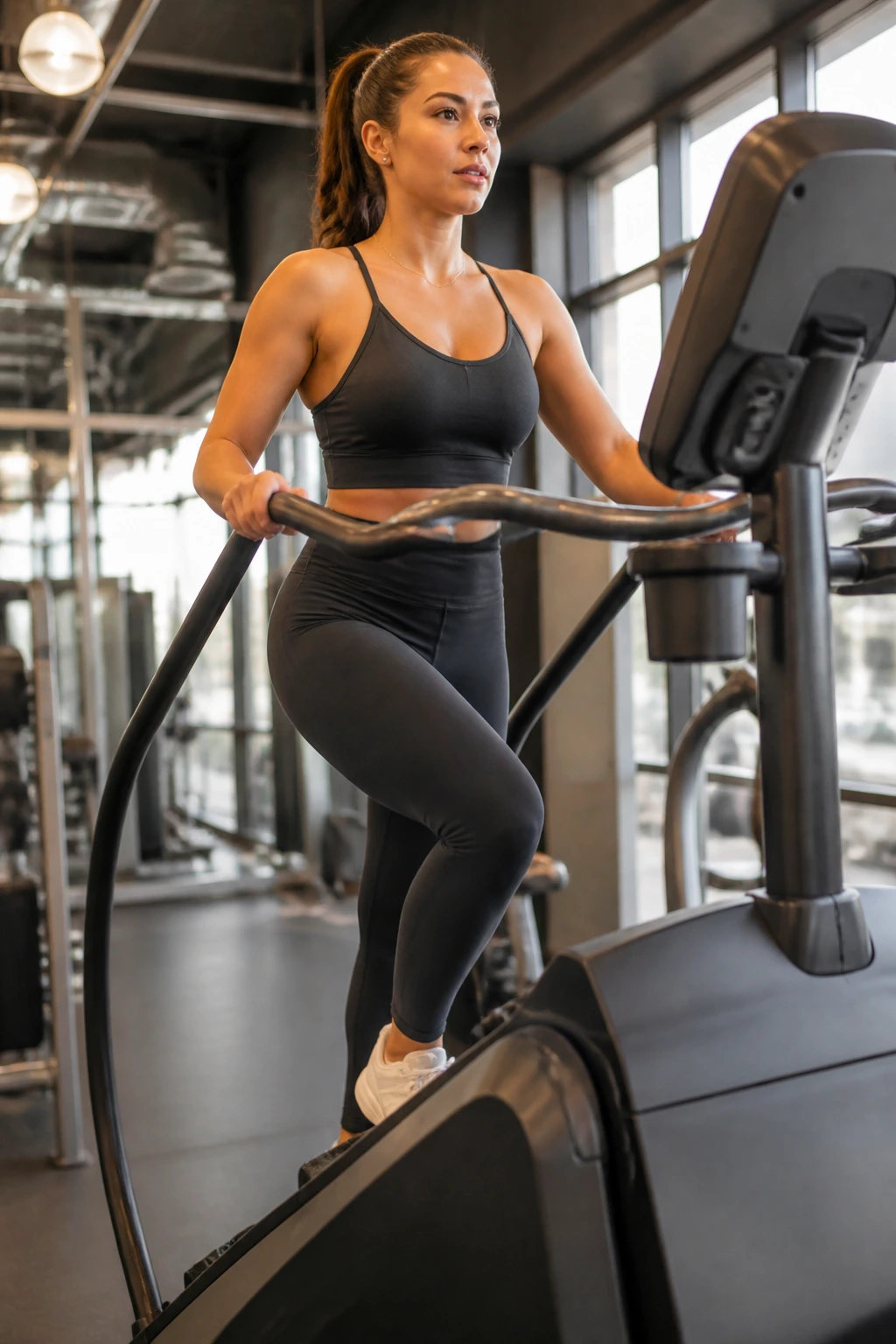
Using a stair climber for LISS is vastly different from doing HIIT stair sprints. You aren’t sprinting; you are taking a steady, controlled climb. This is one of the most effective ways to target the glutes and legs while burning fat.
The Mechanics of the Climb
When you climb stairs, you are moving your body weight against gravity with every single step. This constant vertical displacement keeps your heart rate elevated, but because you are controlling the speed, it stays in the aerobic zone.
Essential Technique Tips
- Never lean on the console. Leaning takes the weight off your legs and puts it onto your upper body, which defeats the purpose of the workout.
- If you find you need to lean to stay upright, you are going too fast. Slow the machine down.
- Focus on driving through your heels rather than pushing off your toes to better engage the posterior chain.
- Keep your steps deliberate. Don’t rush; focus on full range of motion with each step.
7. Hiking

Hiking is LISS in its most natural, enjoyable form. Whether you are on a flat trail or traversing rolling hills, the act of walking on uneven ground engages stabilizer muscles that you simply don’t use on a treadmill.
The Natural Advantage
Walking on pavement or a gym floor is predictable. Hiking on a trail—with roots, rocks, and mud—forces your body to constantly adjust and balance. This requires more energy and recruits more muscle fibers. Because nature provides a natural distraction, you will often find you can hike for hours without feeling the “fatigue” that sets in after twenty minutes on a treadmill.
Gear and Safety
- Wear shoes with actual tread. You don’t need heavy boots, but you do need something with grip.
- Bring more water than you think you need.
- If you have hills, don’t rush them. Hike up at the same comfortable pace you would use on flat ground.
8. Incline Treadmill Walking
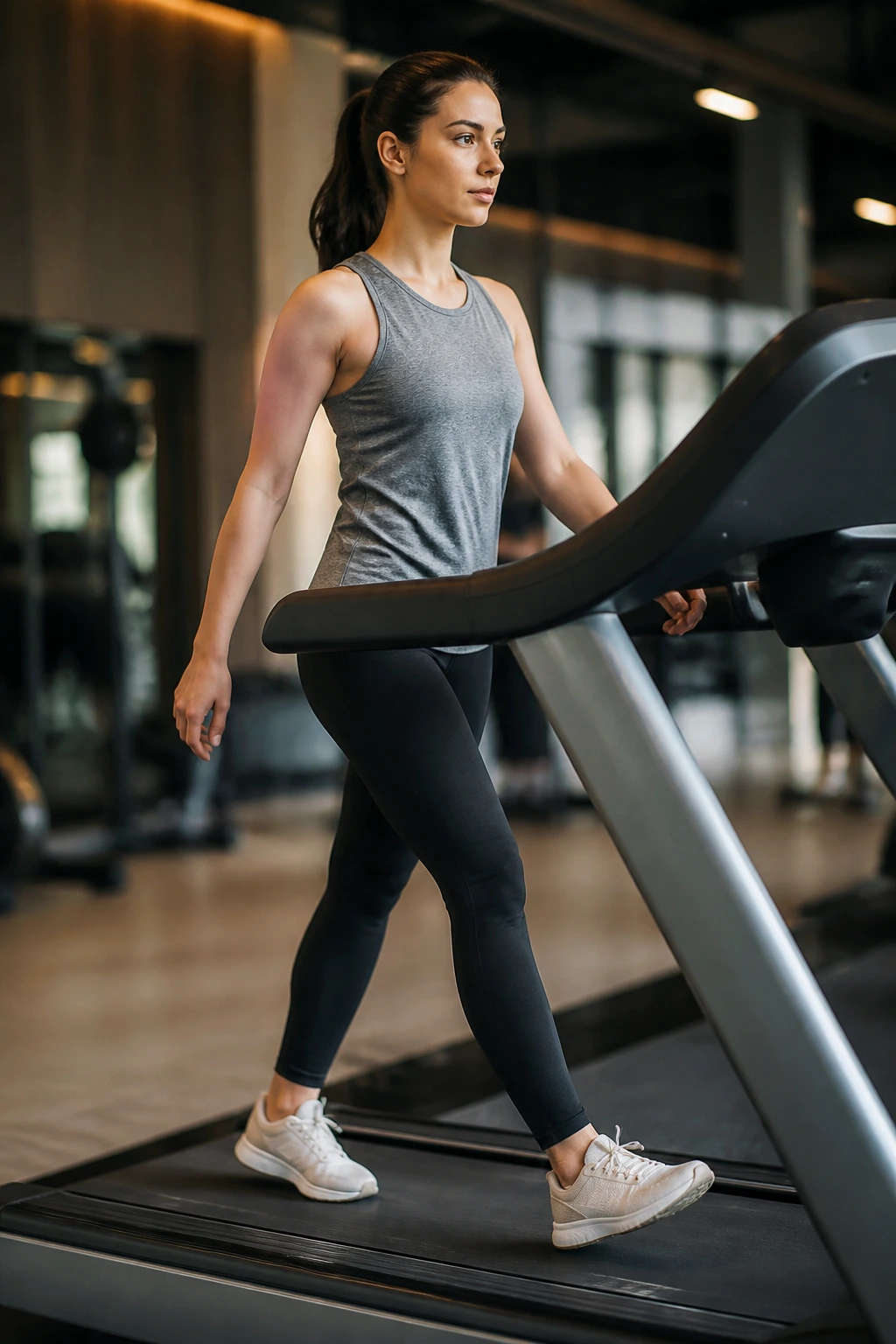
If walking outside isn’t an option or the weather is poor, the incline treadmill is your best friend. It simulates hiking without the logistical challenges. The key here is to keep the speed low and the incline moderate.
Why Incline Matters
Walking on a flat surface is easy. Adding a 3% to 5% incline changes everything. It forces your heart to work harder to pump blood to your legs, keeping you in that fat-burning zone without needing to run.
Setting the Right Angle
Most people make the mistake of setting the incline to 10% or 12% and holding onto the rails. This creates a weird hunched posture that hurts your lower back. Set the incline to something manageable, like 3% or 4%, and keep your hands off the console. If you need to hold on, the incline is too high. Drop it down until you can walk with an upright, natural posture.
9. Casual Dancing
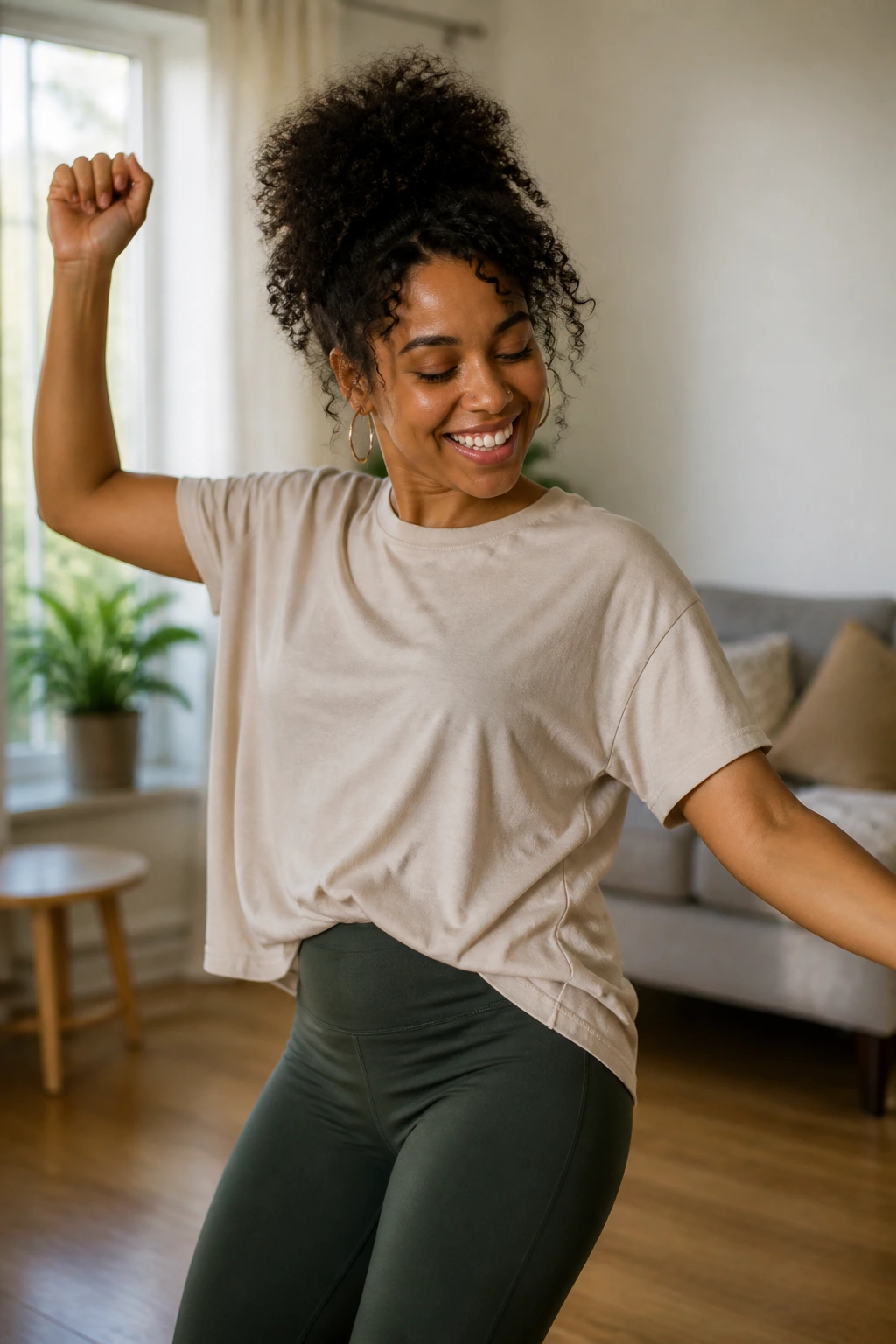
Dancing is a deceptively effective form of cardio. It requires coordination, constant movement, and rhythm. Whether you are following a structured dance video or just moving to a playlist in your living room, it keeps you active for long periods without the boredom of traditional machines.
Why It Works
Dancing involves movement in multiple planes—side-to-side, rotational, and vertical. This multidimensional movement is excellent for your joints and engages muscles that repetitive forward-motion cardio ignores. Plus, the psychological benefit of moving to music makes the time pass significantly faster.
Structuring Your Session
You don’t need to be a professional. The goal is consistent, steady movement. Find a playlist that keeps a moderate tempo and just keep moving. If you need structure, look for beginner-friendly ballroom or salsa dance-along videos online. The goal is to keep the heart rate elevated but steady, not to master complex choreography.
10. Heavy Bag Work (Technique Focus)

Boxing for LISS is not about hitting the bag as hard as you can. It is about rhythm, footwork, and consistent, gentle movement. This is a fantastic way to improve coordination while burning fat, provided you keep the intensity low.
The Low-Intensity Approach
When you hit the bag with maximum power, you are doing anaerobic work. For LISS, you want to maintain a light, rhythmic pace. Treat the bag as a partner, not an opponent. Use light taps and continuous movement.
How to Stay in the Zone
- Keep your feet moving constantly. Do not plant your feet and just swing.
- Use a “one, two” rhythm. Punch, punch, move, move.
- Focus on your breathing. Exhale on the light taps to keep your heart rate from spiking.
- Keep your rounds long—ten to fifteen minutes of continuous, light movement is better than three minutes of fury.
11. Step Aerobics
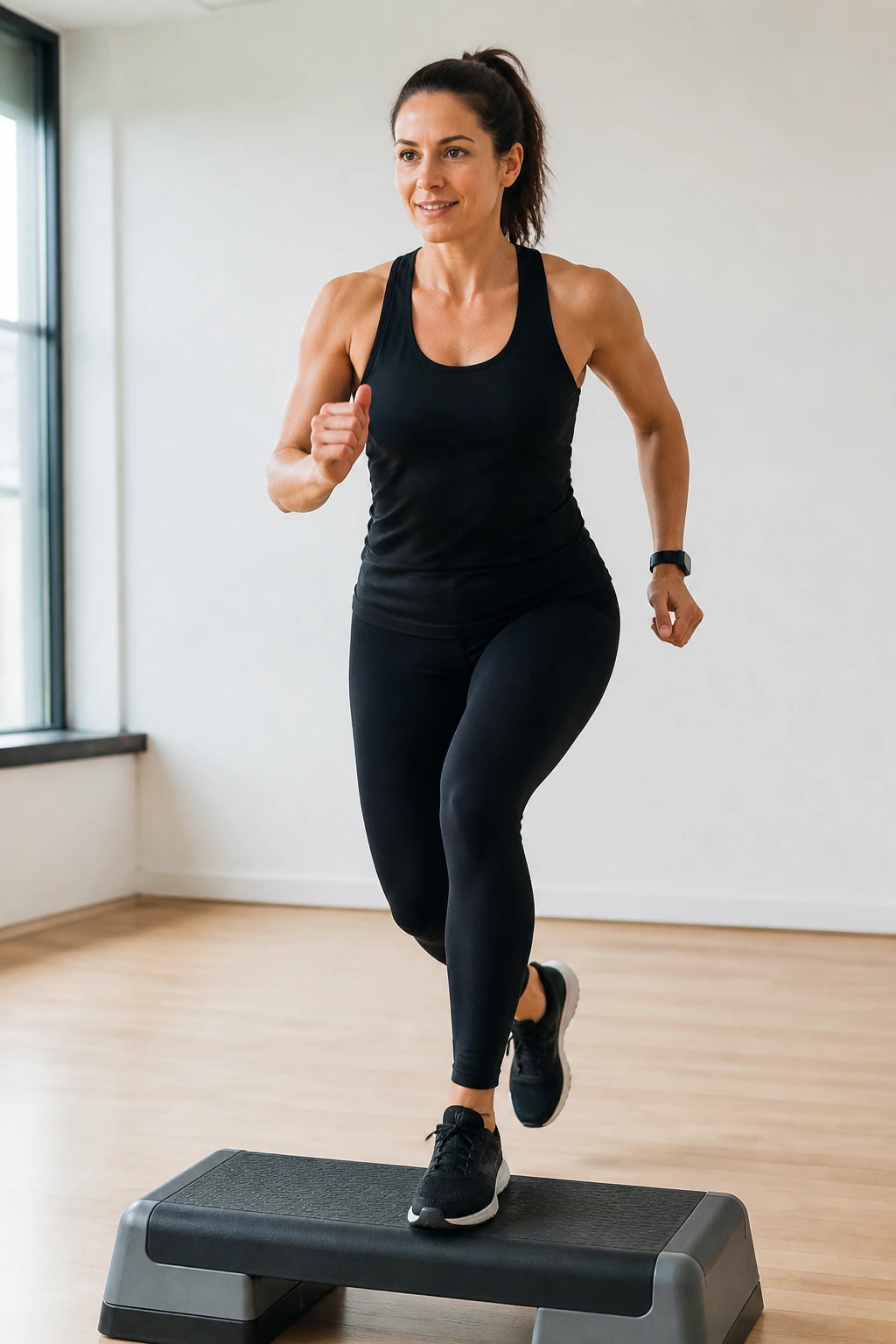
Step aerobics might feel like a blast from the past, but the fundamentals are solid. It is a fantastic way to get continuous, rhythmic movement that challenges your heart and lungs without high-impact jumping or running.
Why the Stepper Works
The step platform forces you to constantly move up and down, which is a great way to elevate your heart rate to the aerobic zone. The routines often involve lateral movements, which helps with agility and stabilization in the hips and ankles.
Staying Within Limits
The danger with step aerobics is getting caught up in the music and intensity, turning it into HIIT. Stick to basic moves—the basic step, the V-step, and side taps. Avoid jumping, tuck jumps, or complex plyometric additions. Keep your movements controlled and your pace steady.
12. Kayaking or Canoeing

If you have access to water, this is arguably the best “hidden” LISS workout. Because you are sitting, you remove the impact entirely. You have to focus on the rhythm of your strokes to keep the boat moving.
The Cardiovascular Demand
Paddling requires constant engagement of the core, shoulders, and lats. It is a deceptive endurance workout. Because it requires a steady output of energy to fight the water resistance and wind, it keeps you in a perfect fat-burning zone for as long as you are on the water.
Tips for Success
- Don’t just use your arms. The power comes from your torso rotation. If you only use your arms, you’ll tire out fast.
- Check the wind before you go. Paddling into a headwind turns an easy LISS workout into a grueling struggle very quickly.
- Go with a friend. It makes the time pass and provides safety.
13. Stationary Recumbent Bike
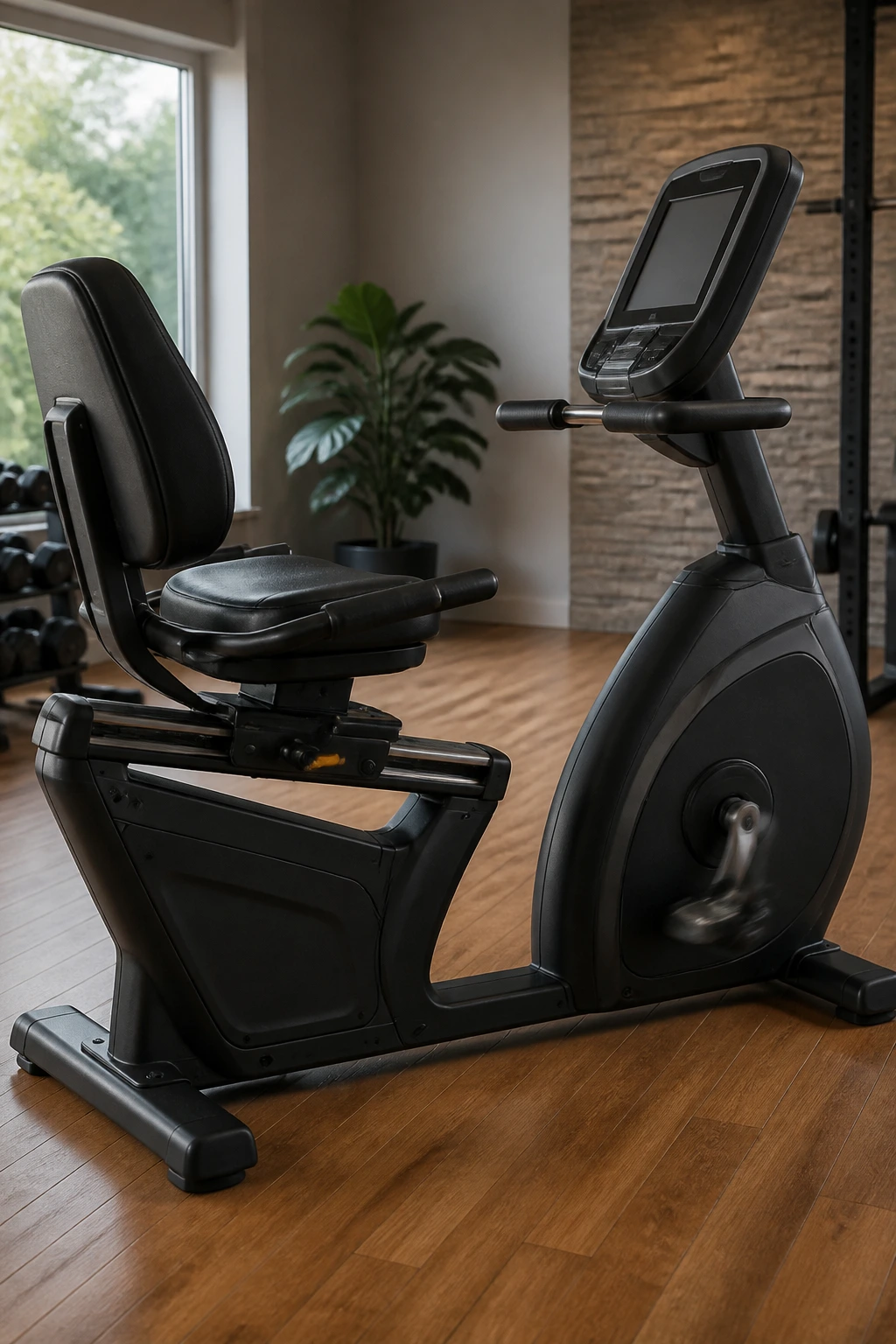
The recumbent bike is often written off as “the bike for elderly people,” but for someone focused on pure fat loss and recovery, it is an incredible tool. It offers back support, which eliminates the potential for lower back fatigue, allowing you to focus entirely on the legs.
Why the Back Support Matters
When you are on an upright bike or treadmill, your core and lower back have to work hard to maintain your posture. Over time, that muscle fatigue can lead to poor form. With a recumbent bike, your back is braced. This allows you to push your legs for longer durations without your back giving out before your heart does.
Getting the Most Out of It
- Adjust the seat so your leg is almost fully extended at the bottom of the pedal stroke—but not locked out.
- Aim for high-RPM, low-resistance pedaling. You want your legs to feel like they are spinning quickly with very little effort. This keeps the heart rate steady and prevents quad burn.
14. Kettlebell Flows

Note the word flow. This is not about doing high-intensity, explosive swings. This is about taking a light kettlebell and moving it continuously through a series of movements—halos, goblet carries, light presses, and slow, controlled hinge movements.
The Flow Concept
A kettlebell flow is essentially a series of exercises strung together without putting the bell down. Because you are using a lighter weight, you aren’t straining your muscles to failure. Instead, you are keeping your heart rate elevated through continuous, fluid movement.
How to Build a Routine
- Pick three or four movements: a halo, a goblet squat, and a hinge.
- Perform them slowly. Focus on the transition between moves.
- Keep moving for ten minutes without setting the bell down.
- If you are gasping for air, you are using a bell that is too heavy. Drop the weight.
15. Pilates Mat Series
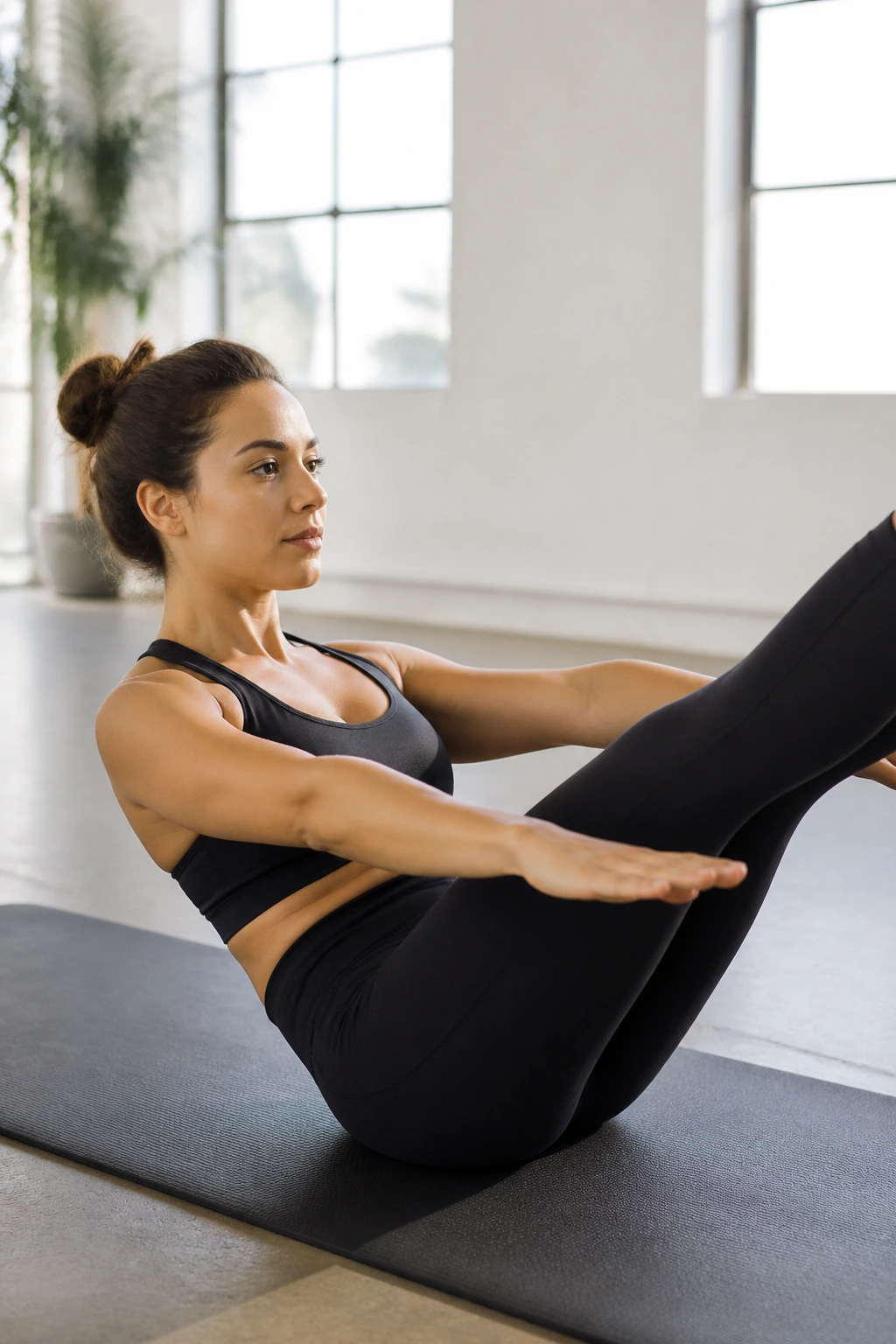
Pilates is usually marketed as a strength or flexibility workout, but a continuous Pilates mat routine can be a fantastic LISS session. By moving from one exercise to the next with minimal rest, you keep your heart rate in that “active recovery” zone.
The Metabolic Benefit
Pilates is heavily focused on core engagement and control. When you perform a series of exercises—like the Hundred, the Roll-up, and single-leg circles—without stopping, you are forcing your cardiovascular system to supply oxygen to those smaller stabilizer muscles for an extended period.
Structuring for Fat Loss
- Don’t pause to perfect your form for five minutes between reps.
- Keep the flow going. If you aren’t sure how to do a movement, skip it or modify it rather than stopping the session.
- Aim for a 30-to-45-minute continuous flow.
16. Shadow Boxing

Shadow boxing allows you to work on your movement and rhythm without the need for equipment. You can do it anywhere—your living room, a hotel room, or a park. It is pure, unfiltered movement.
The Skill of Shadow Boxing
When you shadow box, there is no bag to hold your hands. This forces you to engage your core significantly more to stabilize your own punches. It is a fantastic workout for your balance and proprioception.
Keeping it Aerobic
- Maintain a light “bounce” in your step, but don’t jump.
- Throw punches slowly. Focus on the snap of the punch and the return to guard.
- Visualize an opponent so you aren’t just flailing. This mental engagement makes it feel like an actual training session rather than just waving your arms.
17. Jumping Rope (Low-Impact/Steady)
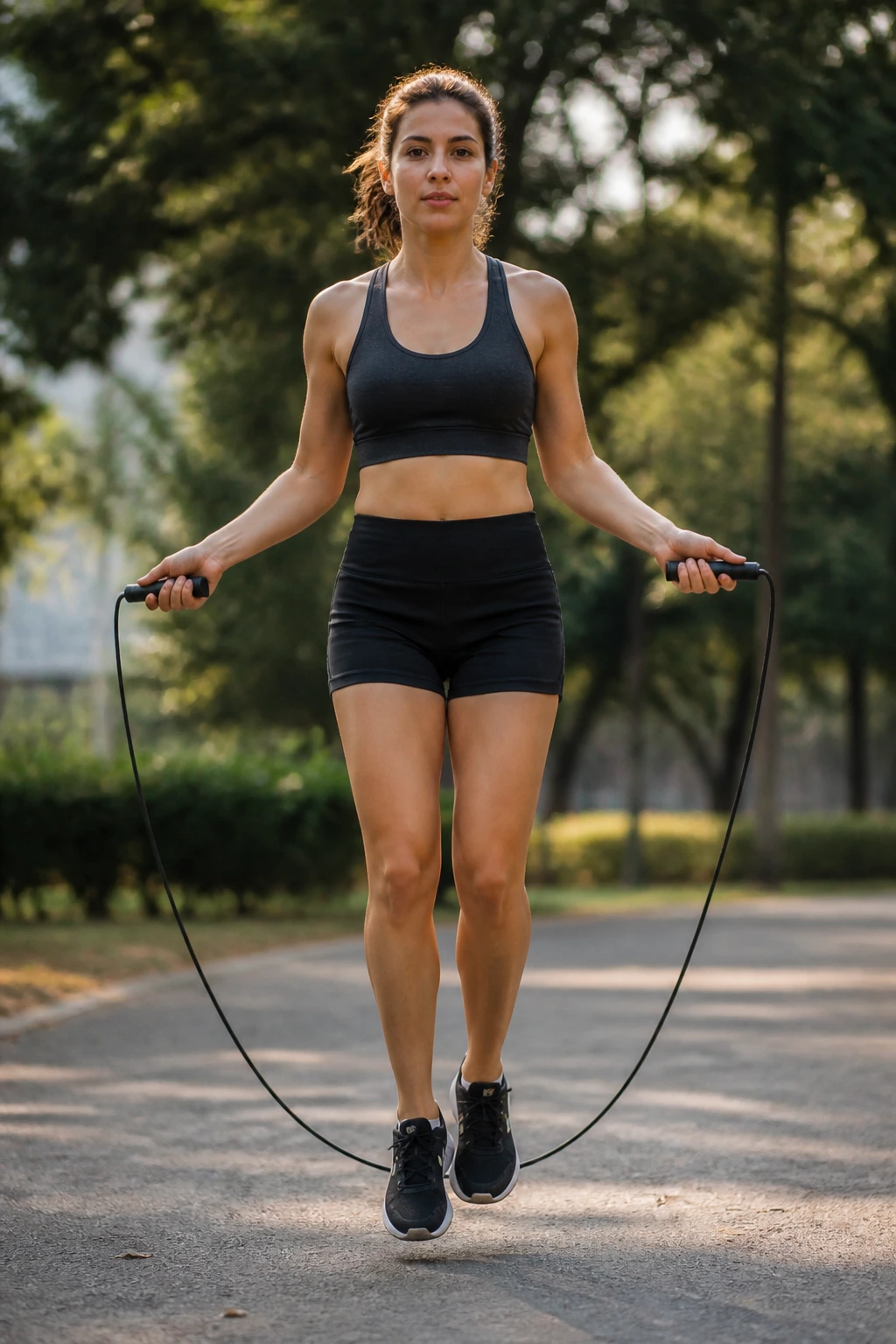
Wait, isn’t jumping rope high intensity? It depends on how you do it. If you perform a slow, rhythmic “boxer skip” or just a steady, low-height bounce, it is a perfect LISS tool. You do not need to do double-unders or speed work.
The Rhythm Advantage
Jumping rope creates a perfect, locked-in rhythm. Once you find it, it becomes almost hypnotic. That rhythm is excellent for the cardiovascular system. Because the jumps are small—barely an inch off the ground—the impact is minimal.
Essential Technique for LISS
- Keep your elbows tucked in close to your ribs.
- Use your wrists to turn the rope, not your whole arm.
- If you find your heart rate spiking, slow the rope down. You should be able to keep a steady, metronomic pace for ten minutes at a time.
18. Gardening and Yard Work

It sounds funny, but active yard work is one of the most underrated forms of LISS cardio. Digging, planting, weeding, and hauling mulch are all forms of continuous, low-to-moderate intensity physical activity.
Why It Works
You are moving your body in varied ways: squatting, hinging, reaching, and carrying. These aren’t repetitive like a treadmill, which means you can sustain the activity for hours. The “active” nature of it means you are getting the cardiovascular benefits of exercise without the mental fatigue of “going to the gym.”
Maximizing the Caloric Burn
- Treat it like a workout. Put on some music, keep a steady pace, and try to finish a specific section of the yard without sitting down.
- Focus on good form when lifting heavy items—the yard work counts as your resistance training if you are moving rocks or heavy bags of soil.
19. Aqua Jogging
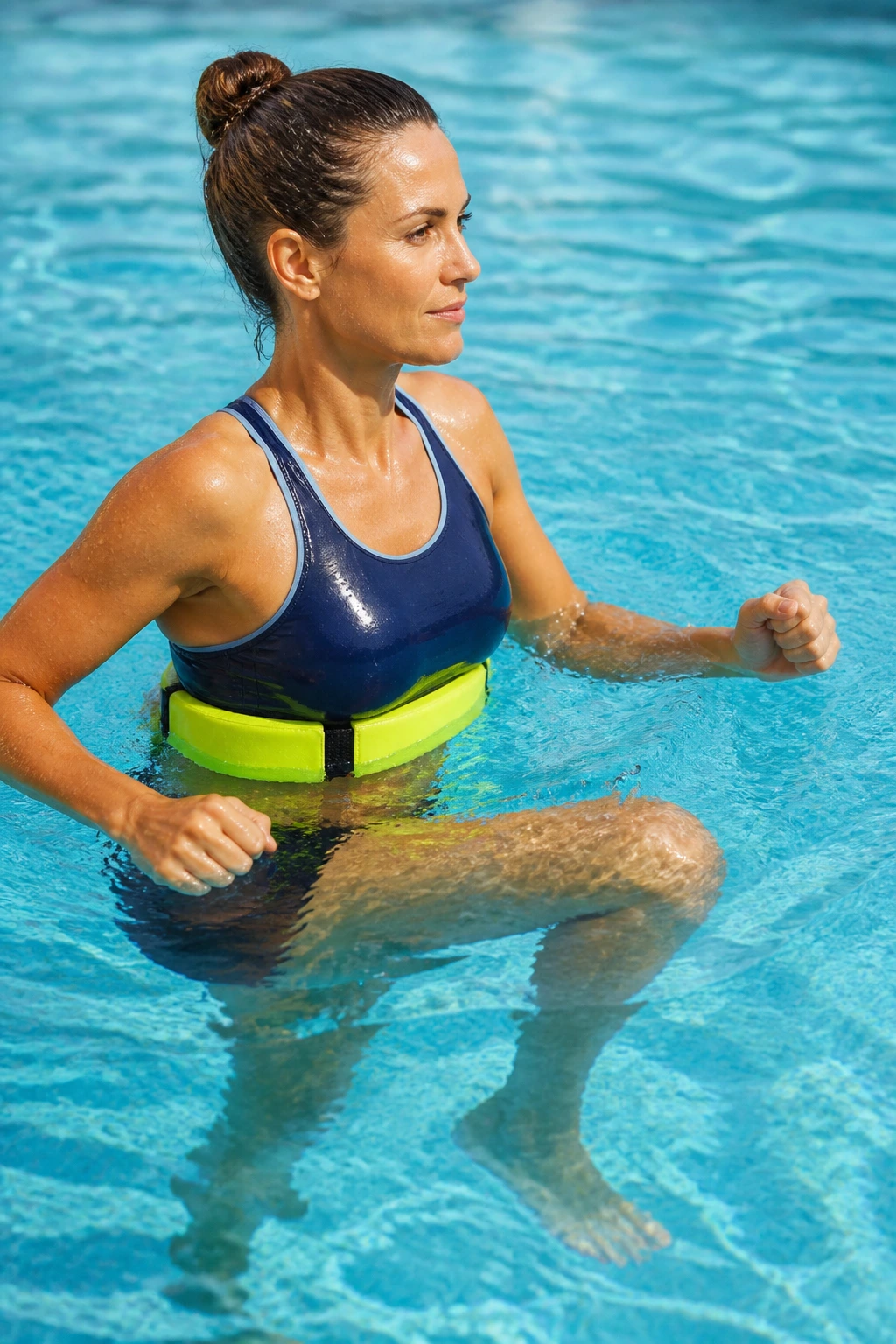
Aqua jogging is the secret weapon of endurance athletes recovering from injuries, but you don’t need to be an athlete to use it. It involves running in place in the deep end of a pool, often with a flotation belt.
The Water Resistance Factor
Because you are running in water, you are fighting resistance with every stride. However, because you are buoyant, there is zero impact on your joints. This allows you to work for long periods. It is incredibly difficult to push your heart rate too high because the water naturally resists rapid, explosive movements.
Getting Started
- You will need a flotation belt to keep your head above water.
- Focus on driving your knees up and back, just like you would on land.
- Stay in the deep end so your feet don’t touch the bottom; the goal is to be suspended.
20. Stability Ball Circuits
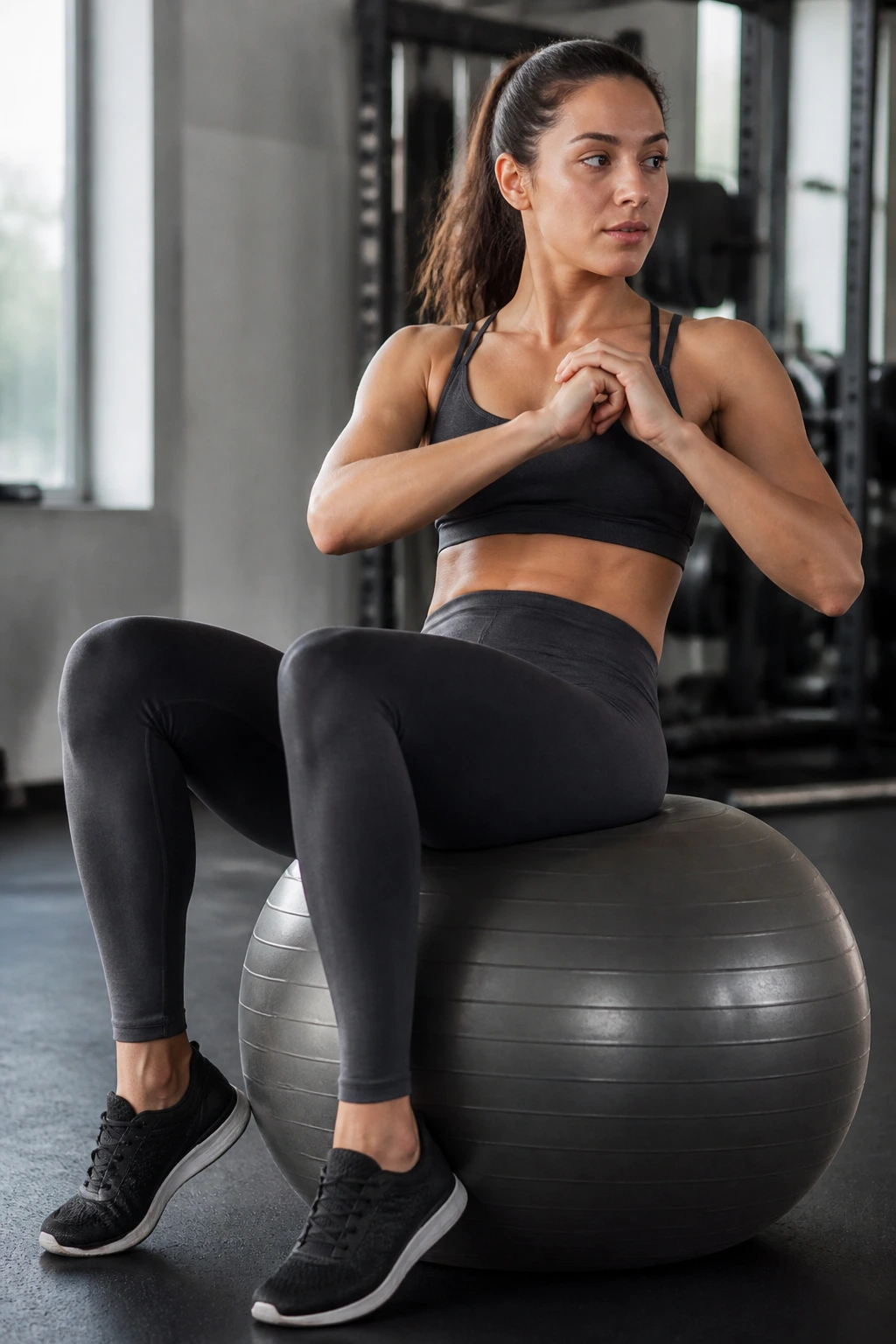
Using a large stability ball for a continuous circuit of movements is a great way to hit the core and the cardiovascular system simultaneously. The inherent instability of the ball requires your body to work constantly to maintain balance.
The Core Connection
Everything you do on the ball requires core activation. Even sitting on the ball requires more effort than sitting on a bench. By stringing together light movements—like seated marches, ball rolls, and light rotations—you keep the heart moving and the core engaged.
Building the Routine
- Perform ten minutes of light movement on the ball.
- Ensure your feet are planted firmly.
- If you feel unstable, keep the movements smaller and slower. This is not about balance mastery; it is about steady, continuous activity.
Final Thoughts
The most effective workout is the one you can actually sustain over the long haul. Too many people burn out trying to perform high-intensity workouts that they grow to dread. LISS cardio provides a sustainable, manageable alternative that fits into a busy lifestyle without wrecking your central nervous system.
You do not need to sprint to see changes in your body composition. By focusing on steady, consistent movement—whether that is a morning walk, a gentle bike ride, or a session in the pool—you teach your body to become a more efficient fat-burning machine. Pick a few of the activities above that you actually enjoy, clear some space in your schedule, and commit to the process. Consistency will always beat intensity when it comes to long-term health and weight management.
