



Belly fat exercises work best when they make you move hard enough to matter and often enough to count. Crunches can make your abs tired, sure, but they do not melt fat off the waist by themselves.
A flatter stomach usually comes from a mix of more total movement, stronger core muscles, and a calorie deficit. That sounds less exciting than a miracle move on social media, but it’s the version that actually holds up in real life. The waistline usually changes when the body is forced to spend more energy than it takes in, and the midsection often looks better when your deep core stops collapsing into your posture.
So the smart play is simple: use cardio that raises your heart rate, core work that trains control, and compound moves that make your whole body contribute. Some of these are low-impact and easy to repeat. Some are rude. Good. That mix is what gets results people can keep.
1. Brisk Walking for Belly Fat
Walking looks too easy to count, which is exactly why people leave it out. I wouldn’t. A fast, purposeful walk can rack up calorie burn without hammering your joints, and that makes it one of the most useful belly fat exercises for anyone who needs something they can repeat tomorrow.
The pace matters more than the step count alone. You want the kind of walk where you can talk, but singing would be annoying. Add a slight hill, a treadmill incline of 1% to 3%, or a longer route with a few fast segments, and the work adds up faster than most people expect.
- Aim for 30 to 60 minutes.
- Swing your arms with purpose.
- Keep your chest tall and your ribs down.
- Try a brisk walk after meals if bloating is part of the problem.
A mile of walking is still a mile. That is not glamorous. It is effective.
2. Jump Rope Intervals for Belly Fat
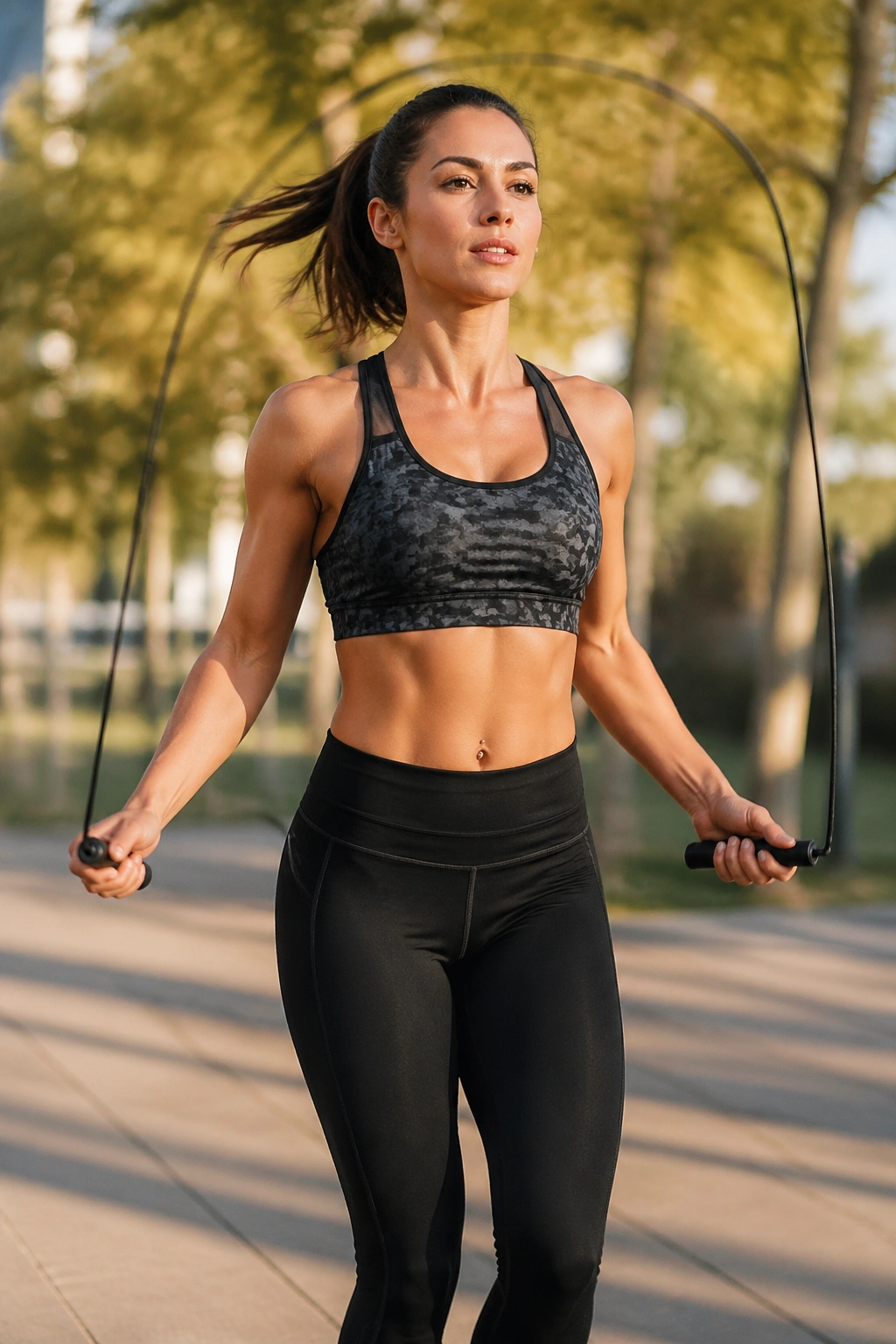
The rope snaps, your calves wake up, and your heart rate jumps fast. Jump rope has a way of making a small space feel like a cardio studio, and that efficiency is why it earns a spot here.
Start with short rounds. 20 to 30 seconds on, 30 to 45 seconds off is plenty if you’re new. Keep the jumps low and light, turn the rope with your wrists, and let your ankles do less work than they want to. Big, heavy bounces waste energy and beat up your shins.
If you trip a lot, skip the fancy rhythm and do “ghost rope” jumps without the rope for a week or two. That sounds basic. It works.
A good rope session should leave your breathing hard and your shoulders a little hot, not your knees wrecked. That balance is the whole point.
3. Mountain Climbers for a Flatter Stomach
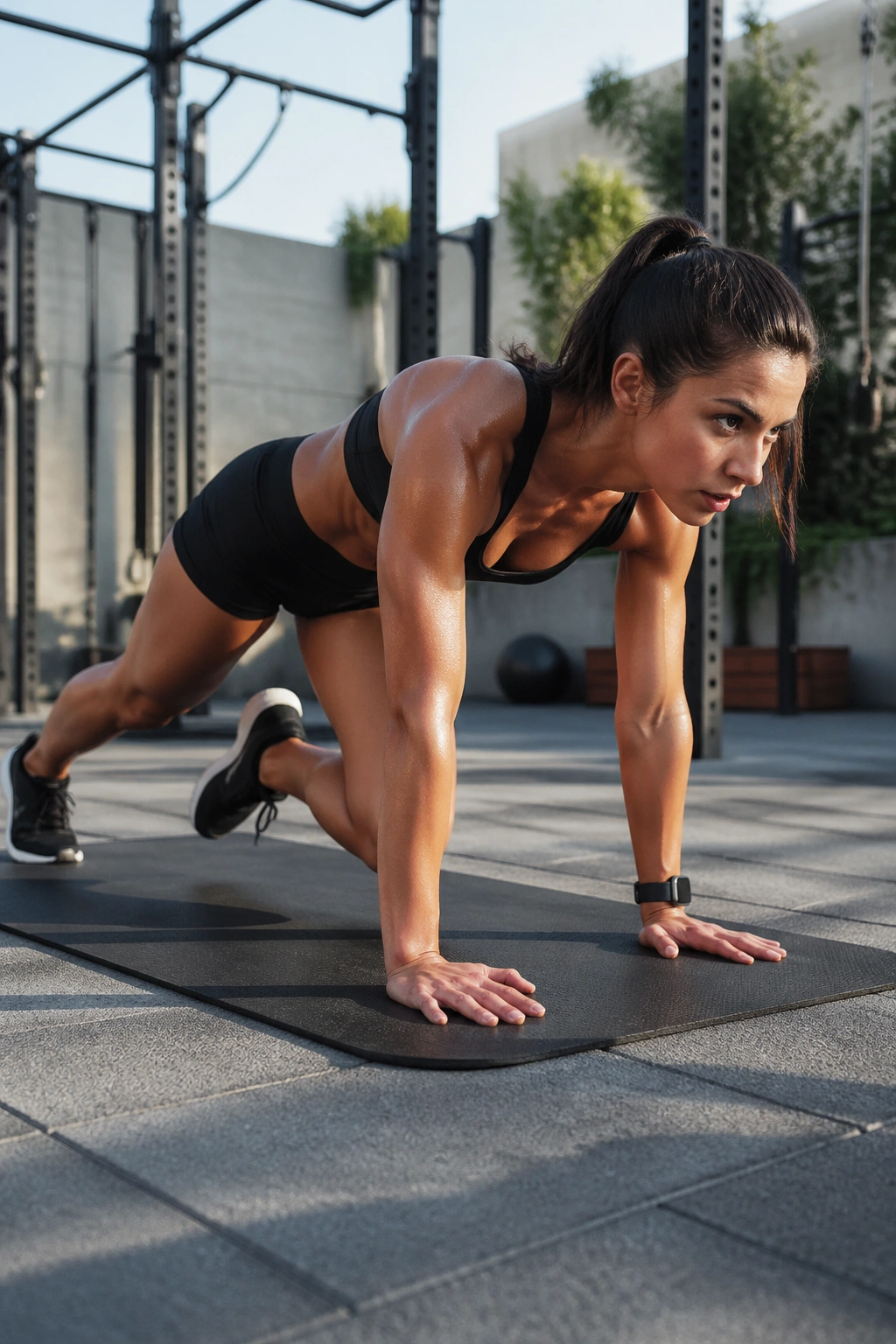
Why do mountain climbers show up in so many fat-loss circuits? Because they mix cardio with core bracing in a way that does not let you coast.
Keep Your Hips Quiet
Get into a strong plank position first. Shoulders over hands. Hands under shoulders if you’re doing the high plank version. Then drive one knee toward your chest, switch, and keep the torso from bouncing around like a loose hinge.
- Move for 20 to 40 seconds.
- Keep your hands planted.
- Don’t let your hips climb into the air.
- Slow them down if your low back starts taking over.
The temptation is to go fast and sloppy. Bad trade. A controlled mountain climber hits the abs harder than a frantic one, and it is easier on the shoulders too. You should feel your core working to stop your spine from sagging while your legs pump. That’s the useful part.
4. Forearm Plank Holds
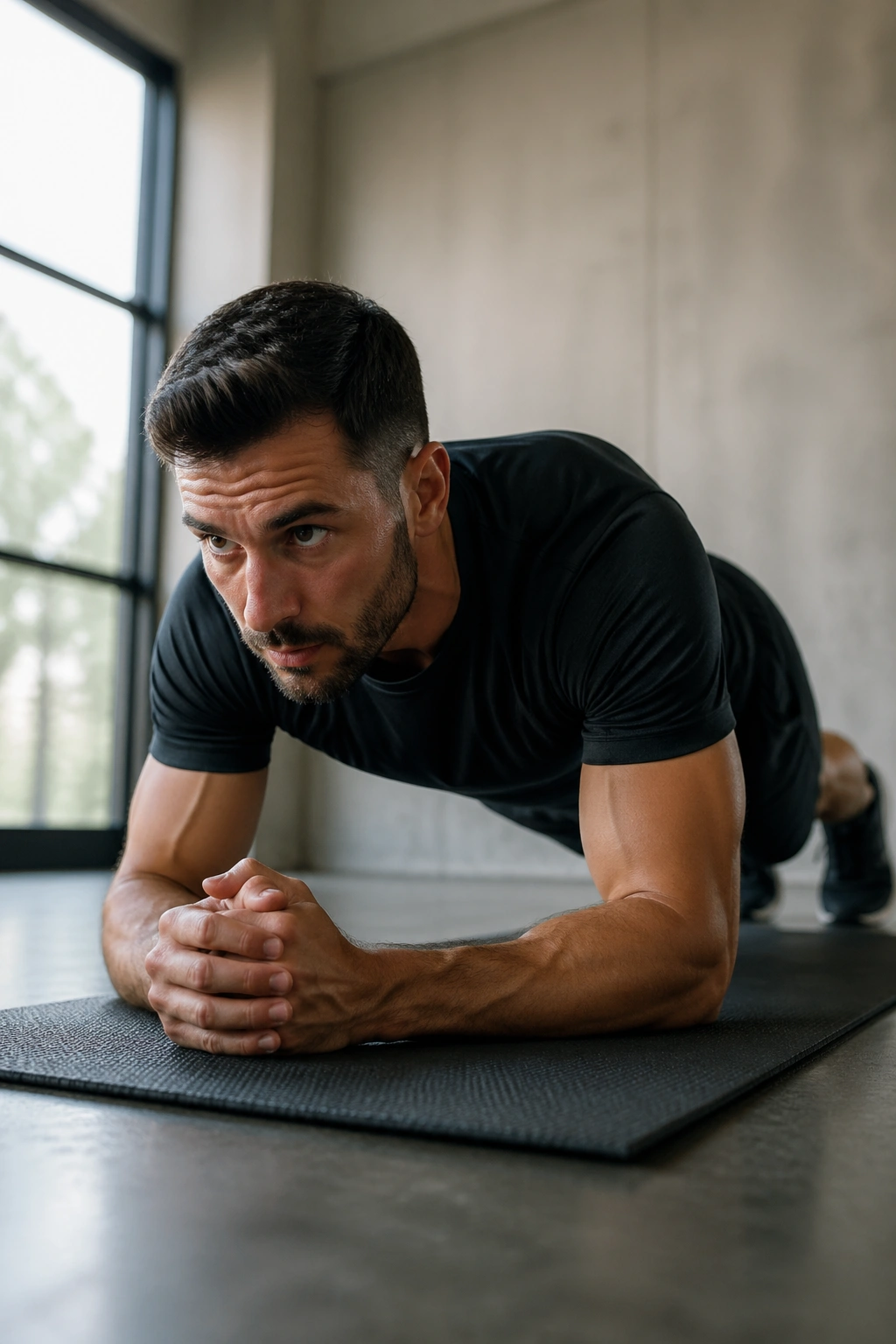
No movement. Plenty of work.
A solid plank is still one of the best belly fat exercises because it teaches the midsection to hold tension while the rest of the body stays still. That matters. A stomach that can brace well tends to look and move better, especially when you pair planks with harder cardio work.
Press your forearms into the floor, keep your elbows under your shoulders, and squeeze your glutes just enough to stop your lower back from dipping. If your hips sag, stop and reset. A bad plank is worse than a short one done well.
- Breathe through your nose if you can.
- Think “ribs down.”
- Hold for 20 to 60 seconds.
- Drop to your knees if form starts to break.
I like planks because they expose cheating fast. There is nowhere to hide.
5. Bicycle Crunches
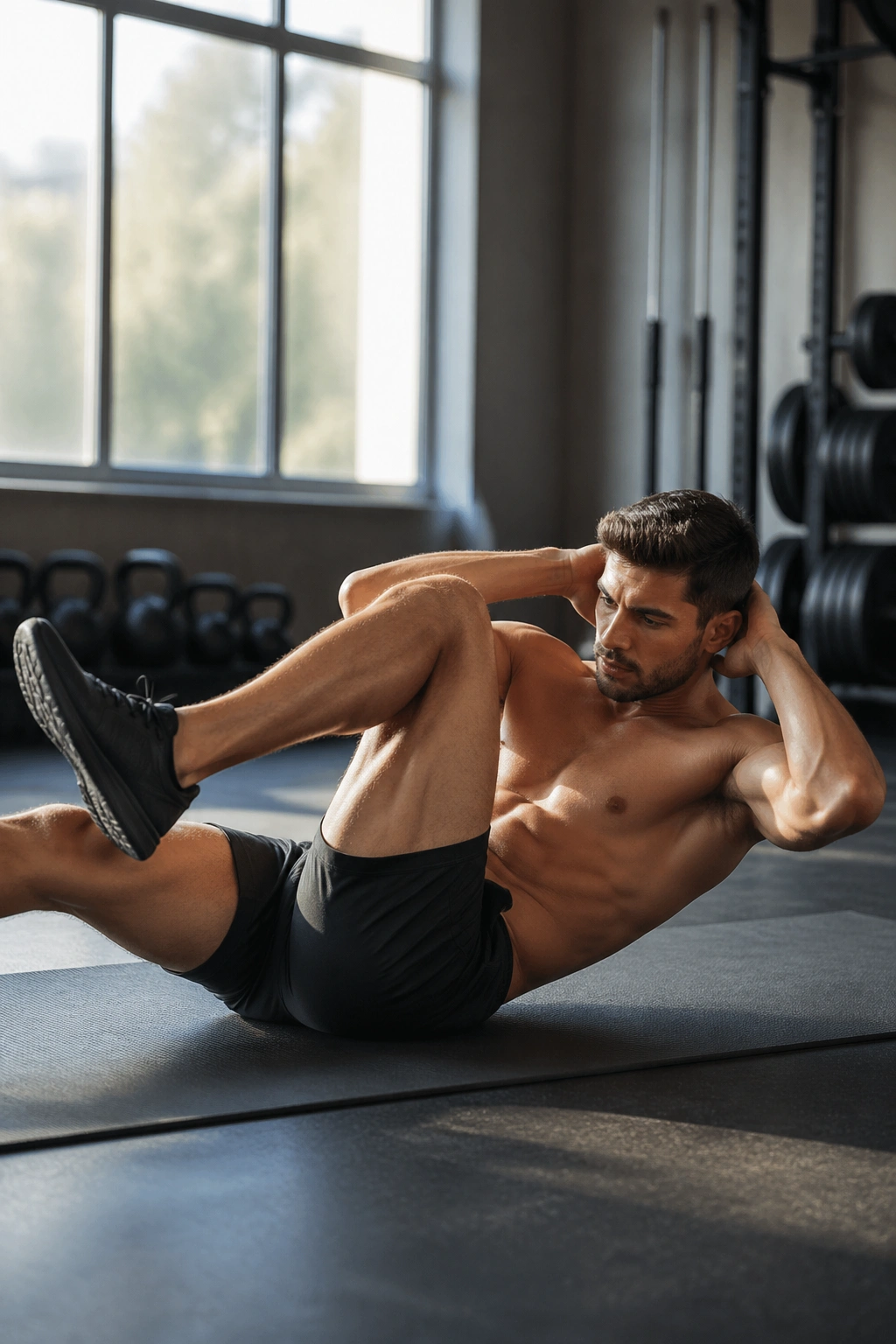
More reps are not always better. Bicycle crunches work when they are slow enough to make your torso twist, not fling your elbows at your knees like a half-done school drill.
Keep one hand lightly behind your head, not yanking it forward. Rotate through the rib cage and bring the opposite shoulder toward the bent knee while the other leg extends long. That long extension is what makes the abs work instead of the hips doing all the job.
If your neck gets cranky, widen the elbows and slow down. If your lower back arches hard into the floor, raise the legs a little higher. Small fixes help a lot here.
Do 8 to 15 controlled reps per side. You should feel the obliques, not the front of your hip flexors burning first. That’s the difference between a useful crunch and a sloppy one.
6. Burpees
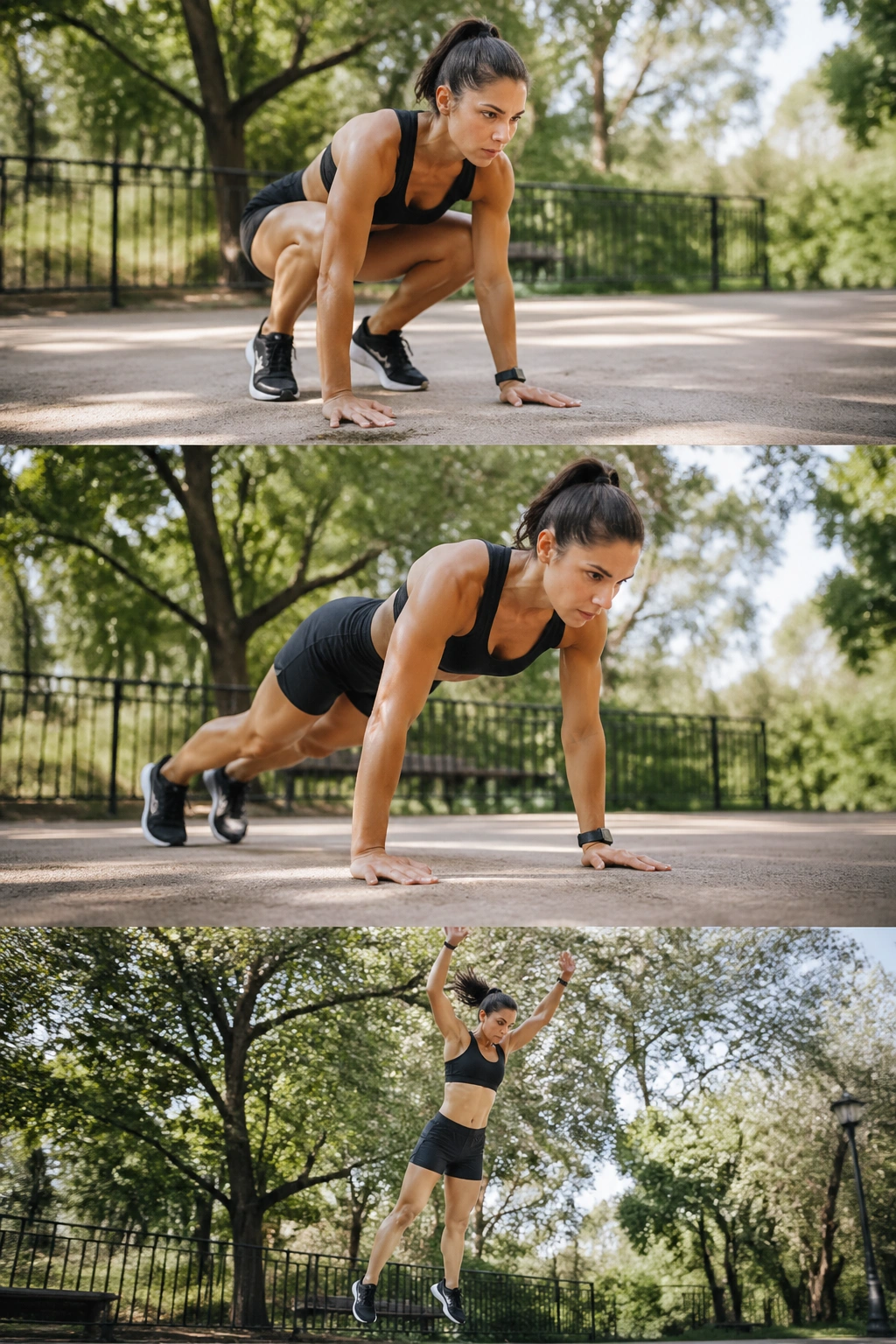
Burpees are the rude guest who shows up uninvited and somehow improves the party.
They spike your heart rate fast, use your legs, chest, shoulders, and core, and leave very little room for coasting. That is why they are useful for fat loss work, even though nobody really loves them. Do them as step-backs if jumping bothers your joints, and keep the push-up honest instead of collapsing through the middle.
The landing matters. So does the plank. So does your breathing. One bad rep is not a disaster, but ten bad reps in a row just turns the drill into noise.
A solid target is 5 to 12 reps per set, depending on your fitness. Rest long enough to keep the next round clean. If your form falls apart, cut the volume before you cut the quality.
7. Dead Bugs for Deep Core Control
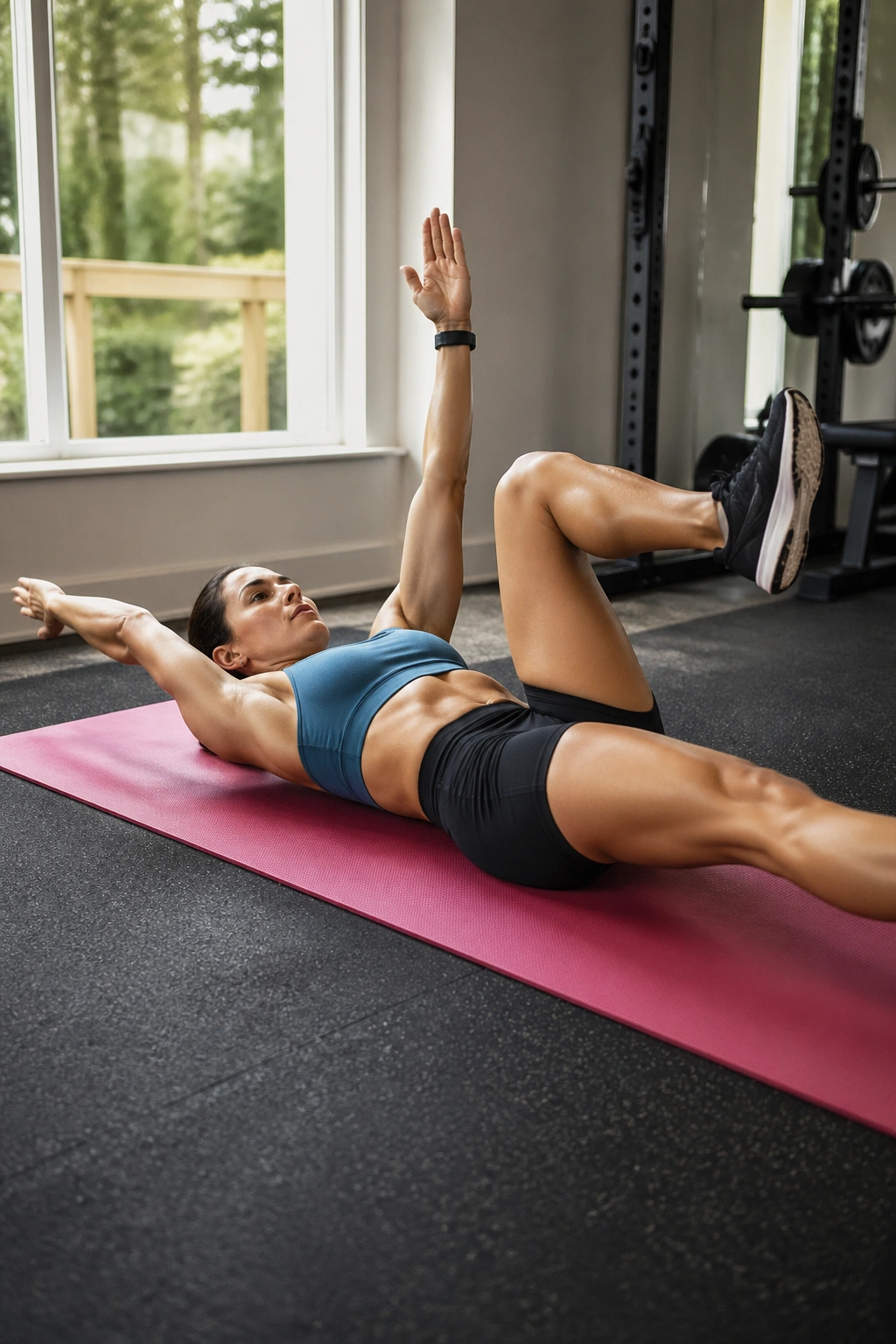
Two limbs move while the low back stays glued to the floor. That’s the whole trick, and it’s a better test of real core control than most people expect.
Why It Beats Rushed Crunches
Dead bugs train the deep abdominal muscles that help hold the torso steady when your arms and legs are doing different things. That kind of control is useful for a flatter-looking midsection because it supports posture, bracing, and cleaner movement in almost every other exercise.
Lie on your back, knees over hips, arms pointed to the ceiling. Lower one arm and the opposite leg slowly, only as far as you can go without your lower back arching. Then switch sides. Slow is good here.
- Exhale as the limbs extend.
- Keep the rib cage from popping up.
- Shorten the range if your back lifts.
- Aim for 6 to 10 reps per side.
This is not flashy. I prefer that. Flashy rarely holds up.
8. High Knees
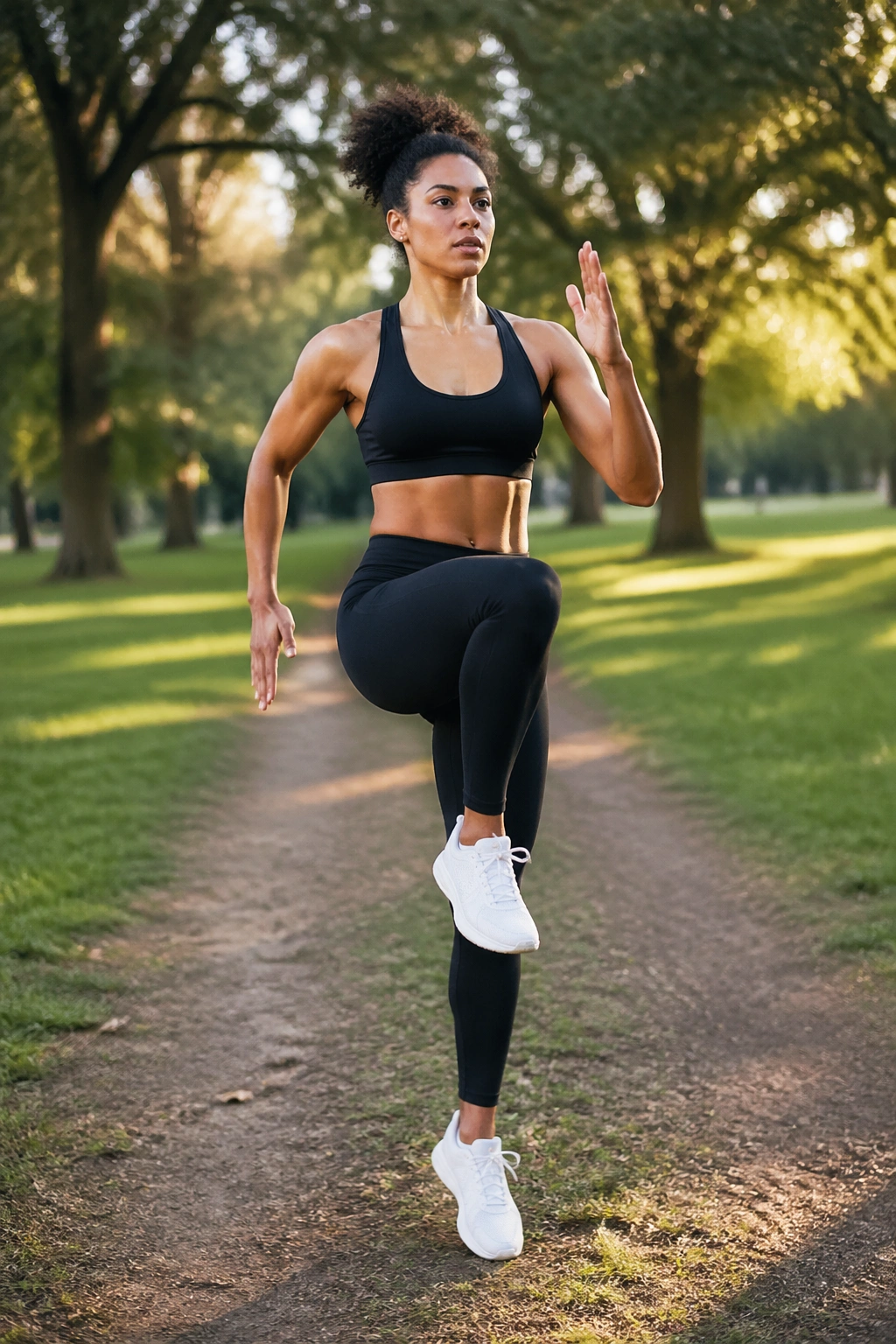
Drive the knees up, pump the arms, and stay tall. High knees look simple, but they turn into real work the moment you stop bouncing lazily and start moving with intent.
Think of them as a standing sprint in place. You want quick feet, an upright chest, and enough rhythm that your lungs notice after a few seconds. If the knees are only climbing halfway and the feet are slapping the floor, you’re missing most of the point.
Try 20 seconds on, 40 seconds off for a few rounds. On a tougher day, stretch the work interval to 30 seconds. The best version leaves your breathing hard and your core braced to keep your torso from wobbling.
Wear decent shoes. Bare feet and hard floors are not friends here.
9. Reverse Crunches
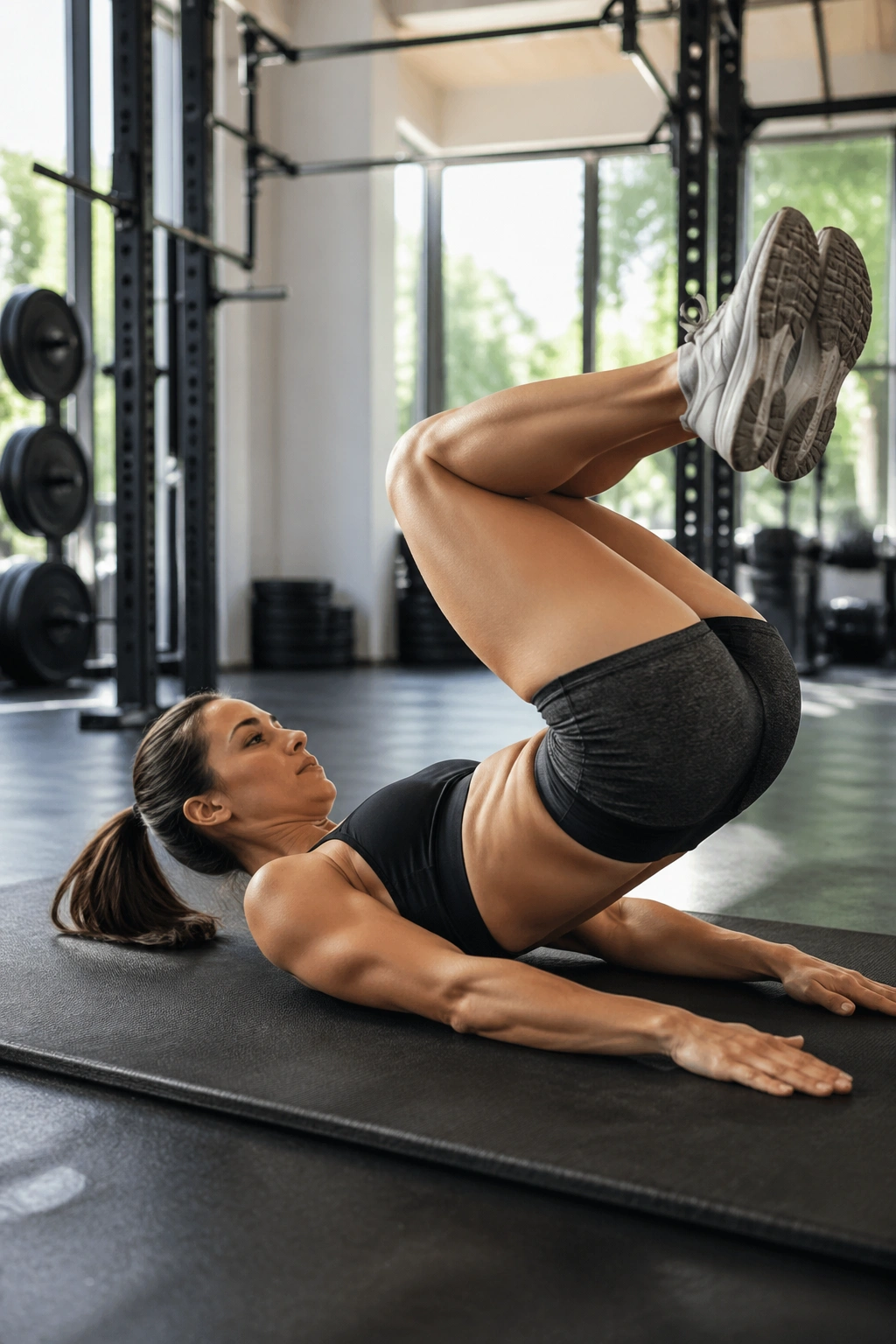
Want to feel your abs without tugging on your neck? Reverse crunches get the job done.
Instead of curling your upper body forward, you curl your pelvis up off the floor. That small motion is what makes them useful. The legs can bend at the knees to make the move easier, and that is not cheating. It is smart. A lot of people swing the legs wildly and turn the whole thing into a hip-flexor exercise, which is not what you want.
Lower slowly. That part matters more than the lift. If you drop your legs and let gravity win, the abs lose most of the work.
A controlled set of 10 to 15 reps usually feels better than chasing a high count. If your low back arches hard, shorten the range and keep the movement small.
10. Running Intervals for Belly Fat
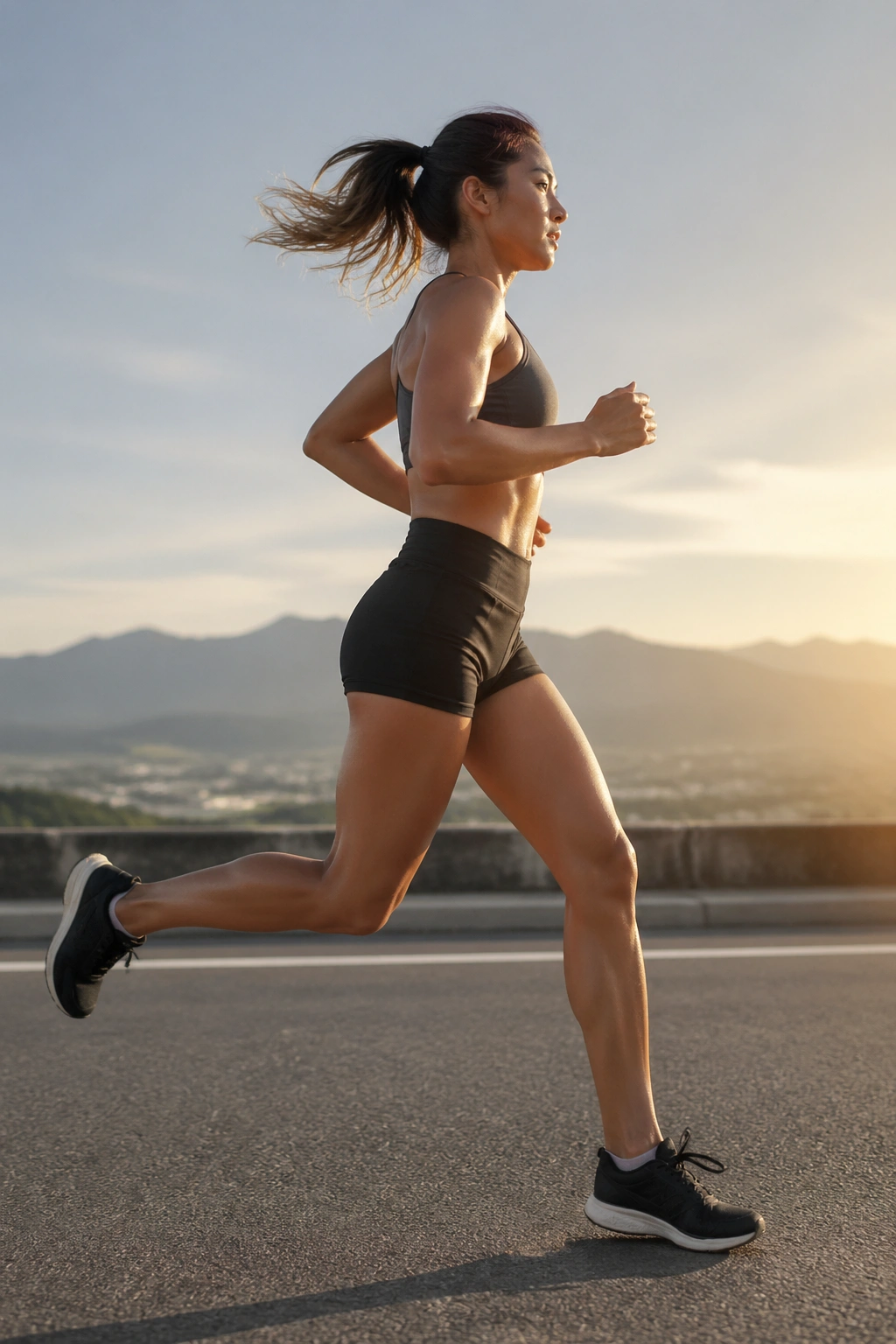
A simple pattern works well here: 30 seconds fast, 90 seconds easy. Nothing fancy. Just enough speed to make the heart rate jump and enough recovery to keep the next round honest.
Running intervals are useful because they pack a lot of work into a short session. They also tend to feel less boring than steady jogging, which matters more than people admit. If you hate steady distance work, intervals give you a way to push hard without spending an hour staring at the same sidewalk crack.
Start with a warm-up walk or easy jog for 5 to 10 minutes. Then do 4 to 8 rounds. The fast part should feel challenging, not all-out collapse.
If your knees complain, move to a soft track, treadmill, or even uphill walking intervals. Same idea. Less impact.
11. Side Planks
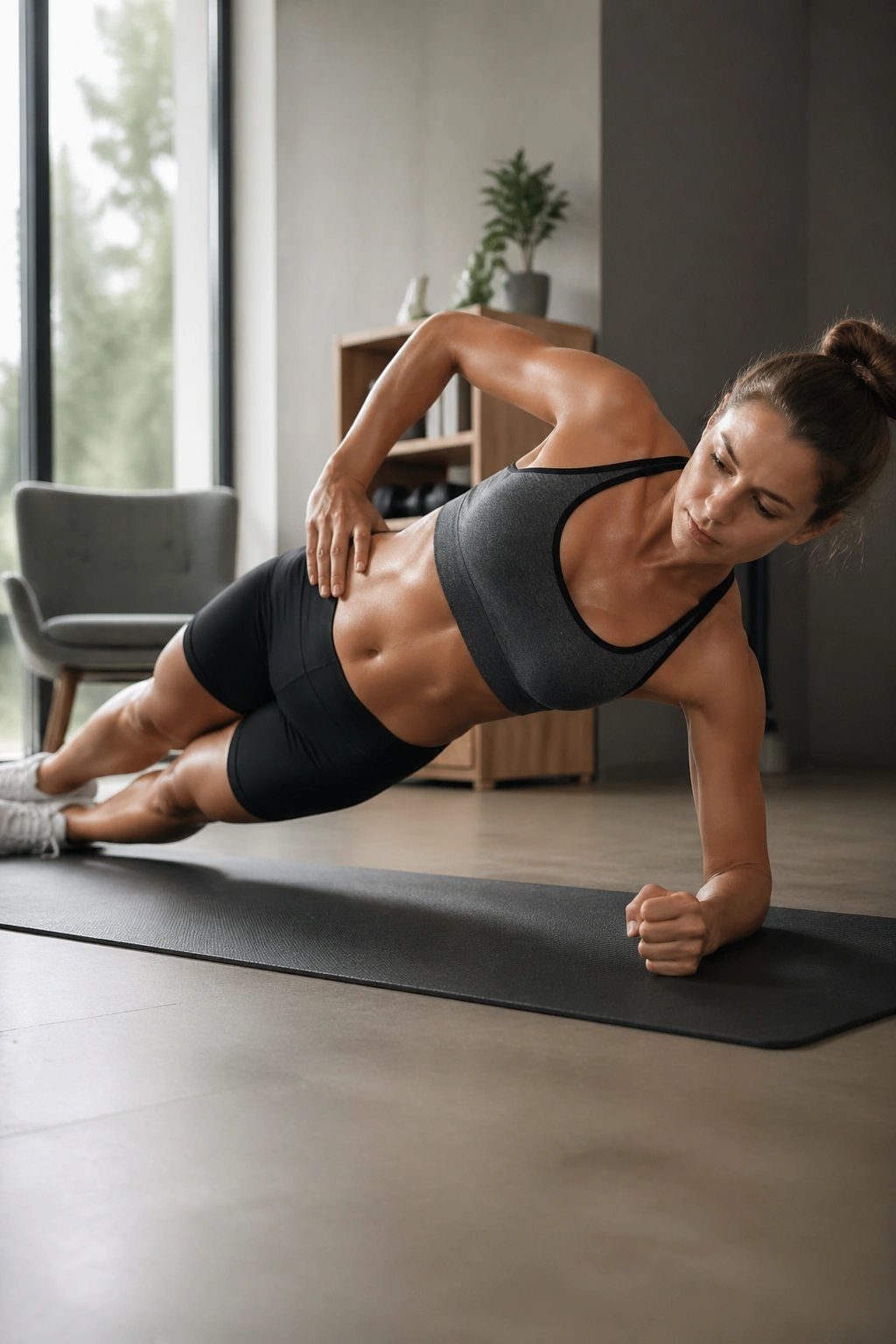
Side planks are not glamorous, and that is why they work.
The side body has to fight to keep the torso from folding or twisting. That means the obliques, glutes, and smaller stabilizers around the waist all get involved. If you want a midsection that looks tighter and holds shape better, that kind of work matters a lot more than endless side bends.
Start with the knees down if you need to. Stack the shoulder over the elbow, lift the hips, and make one straight line from head to knees or feet. Keep the top hip from drifting backward.
- Hold 15 to 45 seconds per side.
- Breathe steadily.
- Stop if the shoulder pinches.
- Add a top-leg raise later if the base version gets easy.
Short holds done cleanly beat long holds done crooked. Every time.
12. Kettlebell Swings
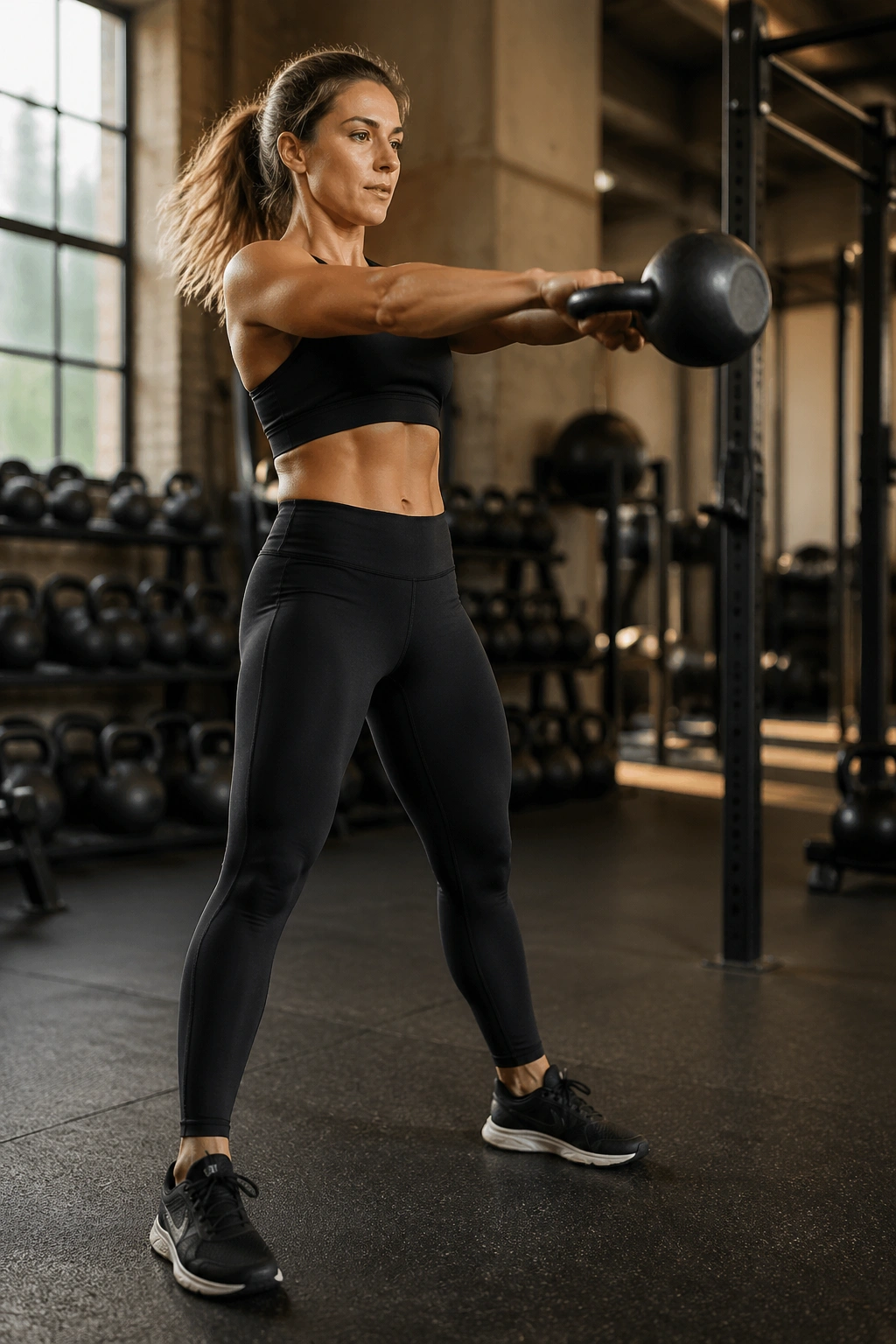
The bell should float, not get muscled upward with your arms. When the swing is right, it feels sharp, snappy, and efficient.
The Hinge Makes the Difference
This is a hip hinge, not a squat. That distinction changes everything. Push the hips back, keep the spine neutral, hike the kettlebell back between the legs, then snap the hips forward so the bell rises from momentum. Your glutes and hamstrings should do most of the heavy lifting.
- Use 10 to 20 swings per set.
- Keep your arms relaxed.
- Stop before your shoulders round.
- Let the bell travel, don’t haul it.
Swings are one of my favorite choices for fat-loss workouts because they raise heart rate fast while teaching the body to move powerfully. They also punish sloppy form in a hurry, which is annoying but useful. If your back feels it more than your hips, the hinge is off.
13. Russian Twists
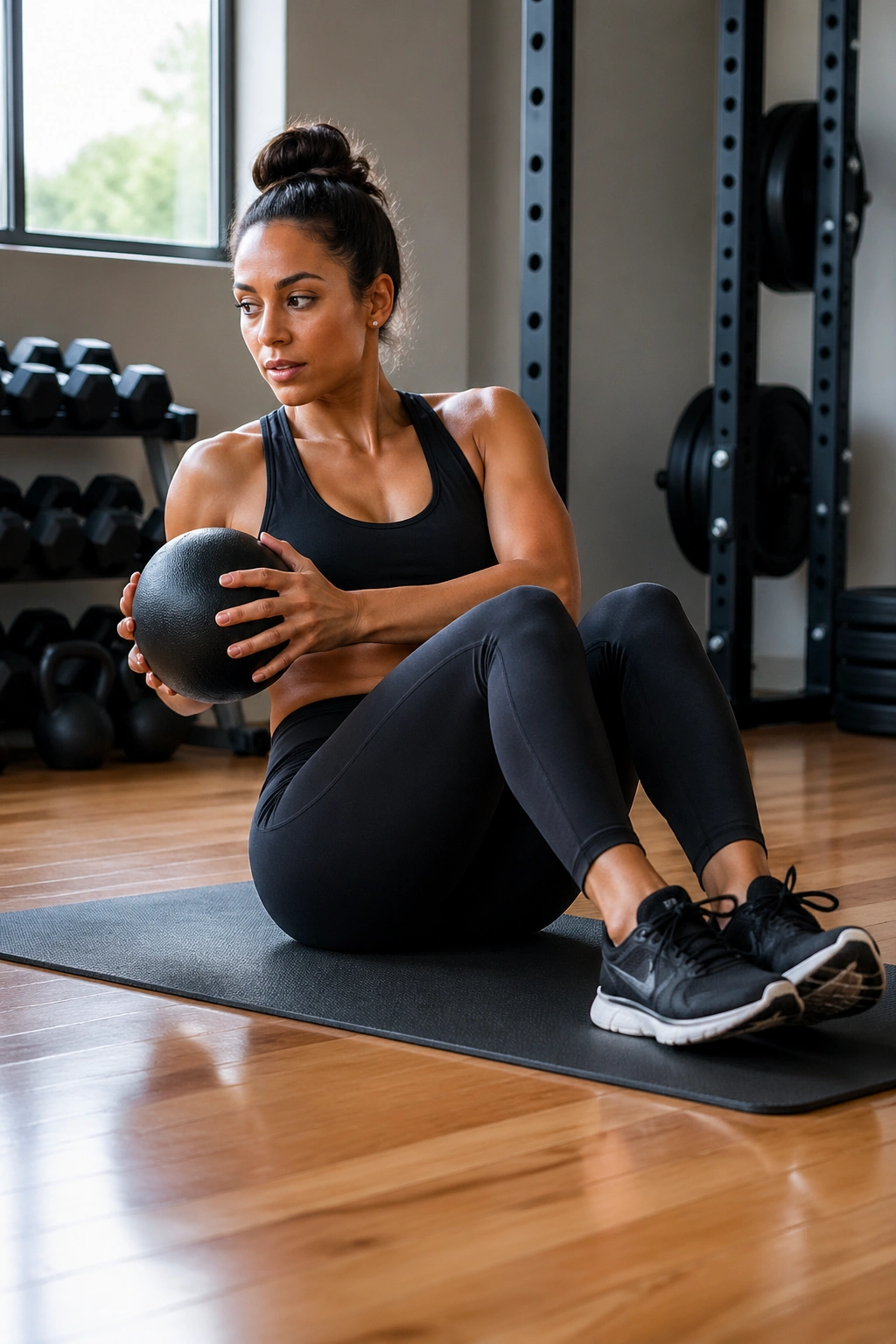
Should you twist fast? No. Not if you care about your back.
Russian twists are better when they are slow enough to force control through the torso. Sit with your chest lifted, lean back a little, and rotate the shoulders side to side while the hips stay steady. A light dumbbell, medicine ball, or even no weight at all can be enough, especially when the goal is control rather than ego.
Feet on the floor makes the move easier. Feet lifted makes it harder, but also less forgiving. Start conservative.
Your obliques should feel the work. Your lower back should not feel compressed or pinched. That is a hard line to ignore, and you should ignore nobody who tells you twisting fast is automatically better.
14. Squat to Press
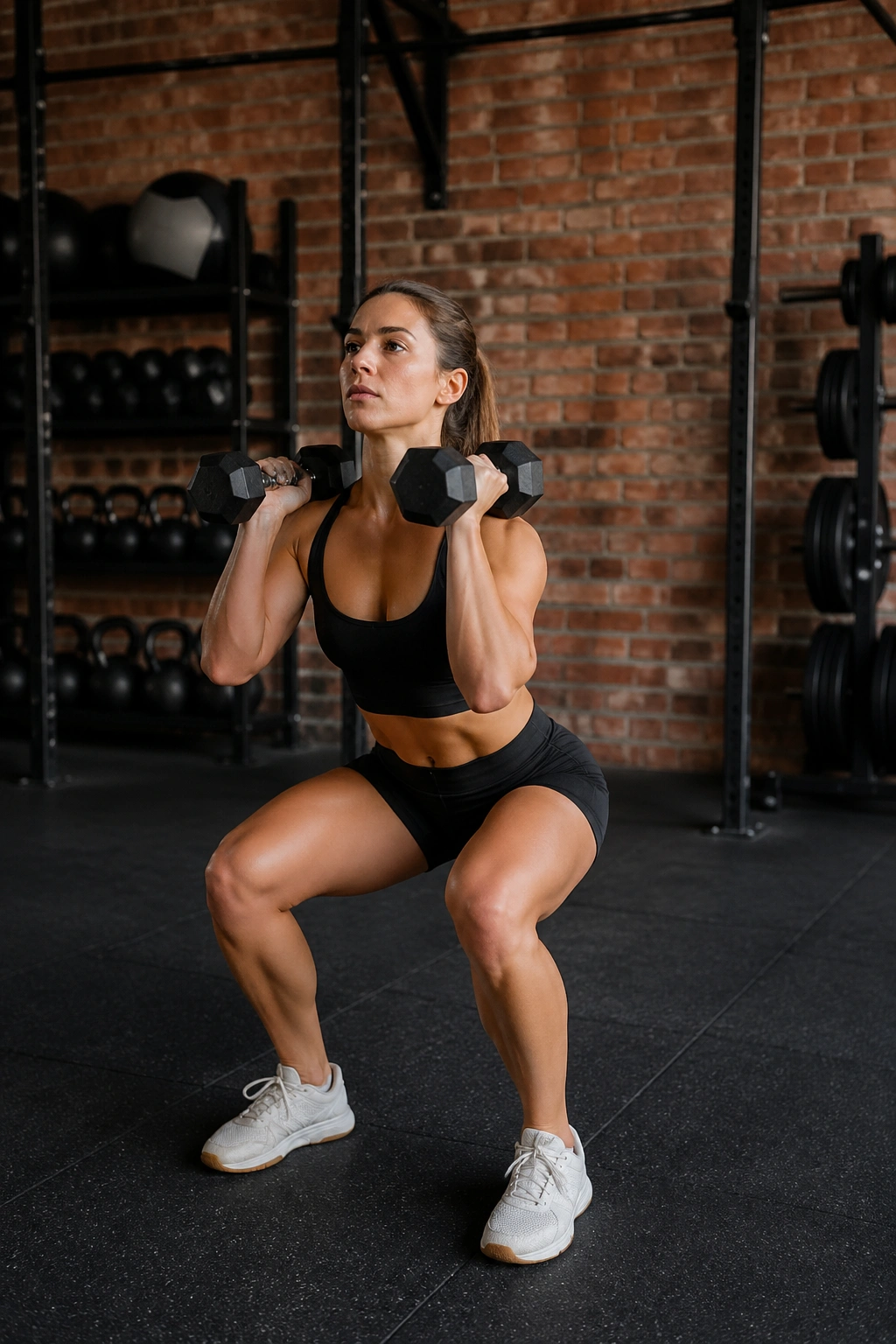
A core move can start with your legs. Squat to press proves it.
You lower into a squat, stand up hard, and press the weights overhead in one smooth sequence. That combination lights up the legs, shoulders, and midsection at the same time, which is useful because the body has to stay stacked while the load moves from floor level to overhead.
Use dumbbells or a kettlebell in the front rack position. Keep the feet planted, brace before you rise, and avoid leaning back at the top. That back-leaning habit is a fast route to a cranky lower back.
This is a strong choice when you want a shorter workout that still feels like work. Eight to twelve reps can be plenty if the load is honest.
15. Leg Raises
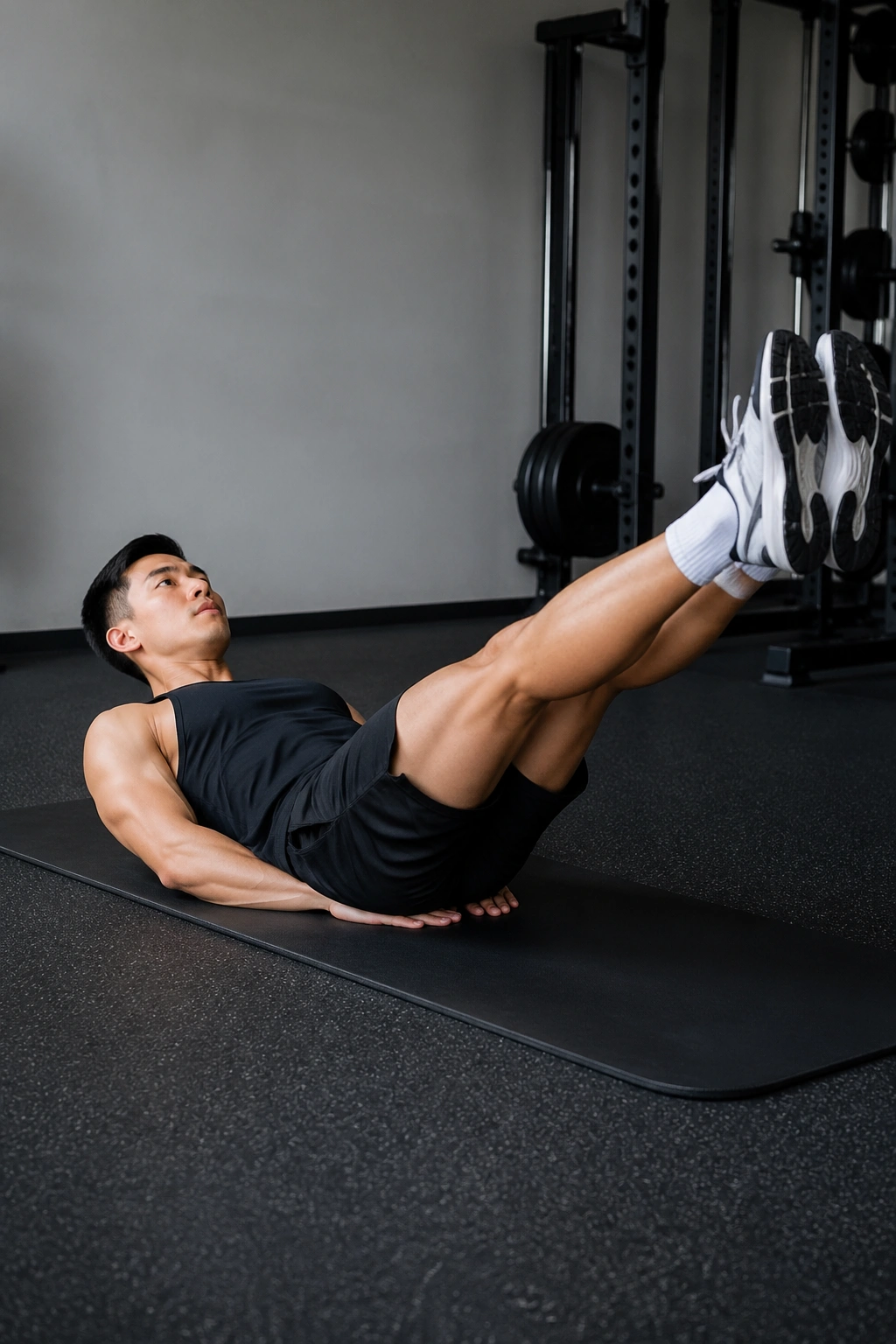
The swing is the mistake here. Keep it out.
Leg raises look easy until the lower back starts peeling off the floor and the whole thing turns into momentum. Keep your hands under your hips if you need support, press your lower back down, and raise the legs only as high as you can control.
Bend the knees if straight legs are too much. That is a smart regression, not a failure. Control on the way down matters more than the height on the way up.
You should feel the lower abs working hard near the bottom of the movement. If your hip flexors take over, shorten the range and slow down. Try 8 to 12 reps with a steady tempo.
16. Rowing Machine Sprints
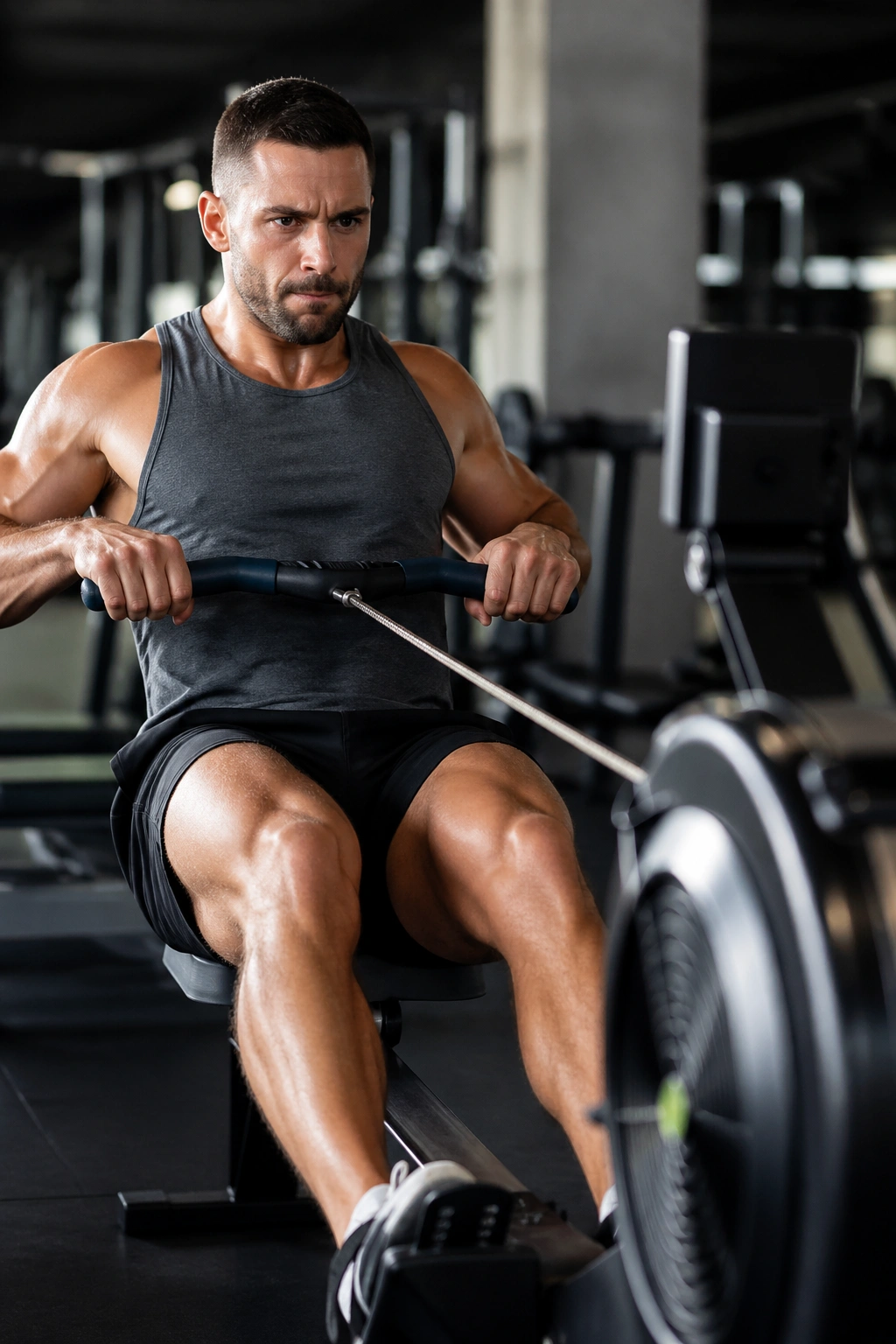
If running beats up your shins, the rower may feel like a relief. It still hurts. Just in a different place.
How to Keep Your Stroke Clean
The stroke starts with the legs, then the torso, then the arms. Not the other way around. A lot of people yank first with the hands and end up wasting power, which makes the workout feel harder without actually being better.
Use short sprints of 15 to 30 seconds, then row easy for recovery. Keep your stroke smooth and avoid jerking the handle toward your chest. The finish should feel strong, not ragged.
A rowing sprint hits the back, legs, and core together, which is one reason it works so well for waistline-focused training. You’re not just burning energy. You’re asking the torso to stay tight while the rest of the body drives hard.
17. Hollow Body Holds
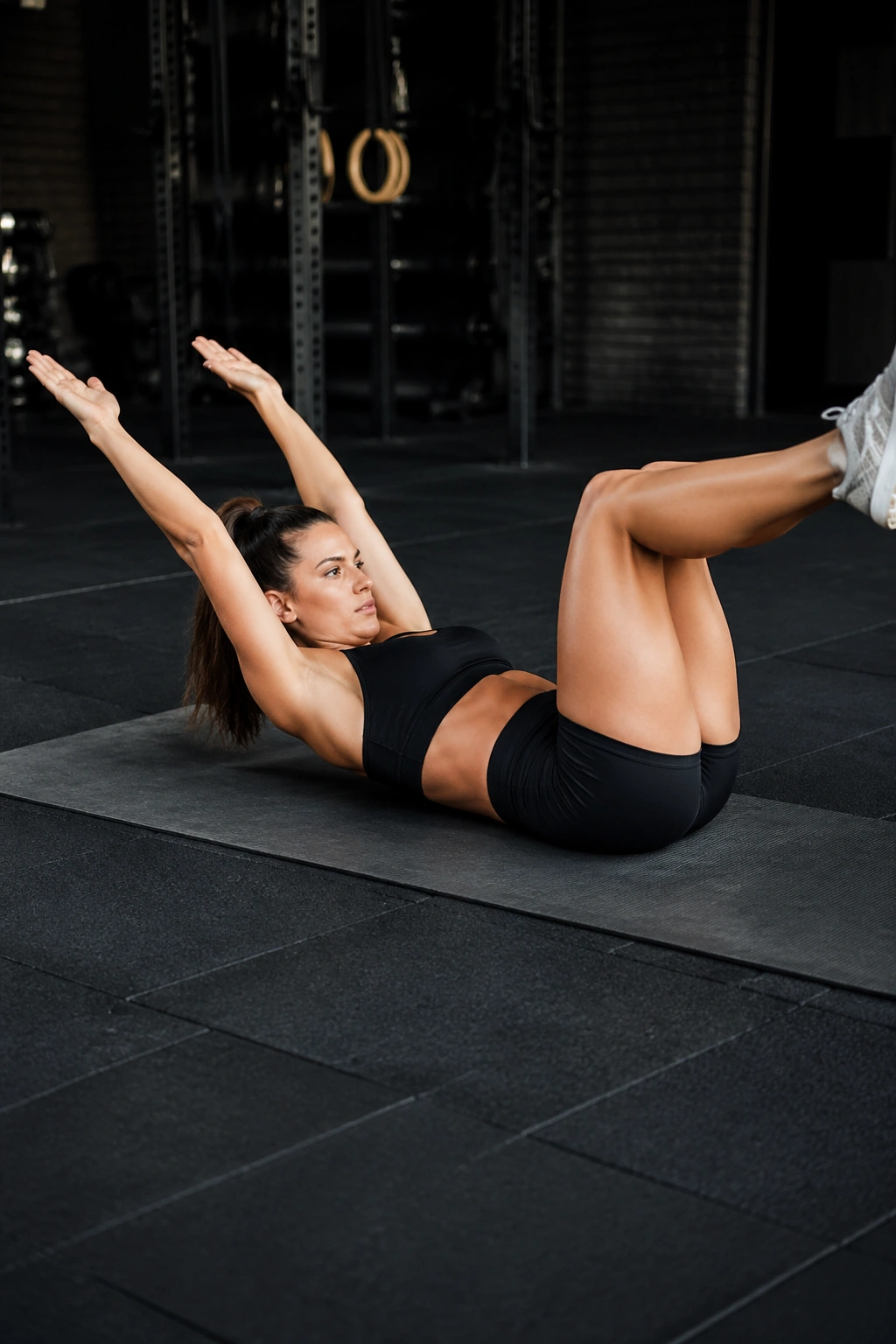
Ten seconds done well beats 40 seconds of wobbling. Every time.
The hollow hold is a serious core drill because it asks the front of the body to stay tight while the lower back stays pressed down. That sounds small. It isn’t. If you can keep the ribs from flaring and the pelvis from tipping forward, your entire midsection learns to hold tension better.
Start with bent knees if needed. Reach the arms overhead, lift the shoulders just enough off the floor, and lower the legs only as far as you can without losing the back contact. A tiny shape is fine.
I’d rather see three clean 15-second holds than one dramatic collapse. That rule saves a lot of backs.
18. Walking Lunges
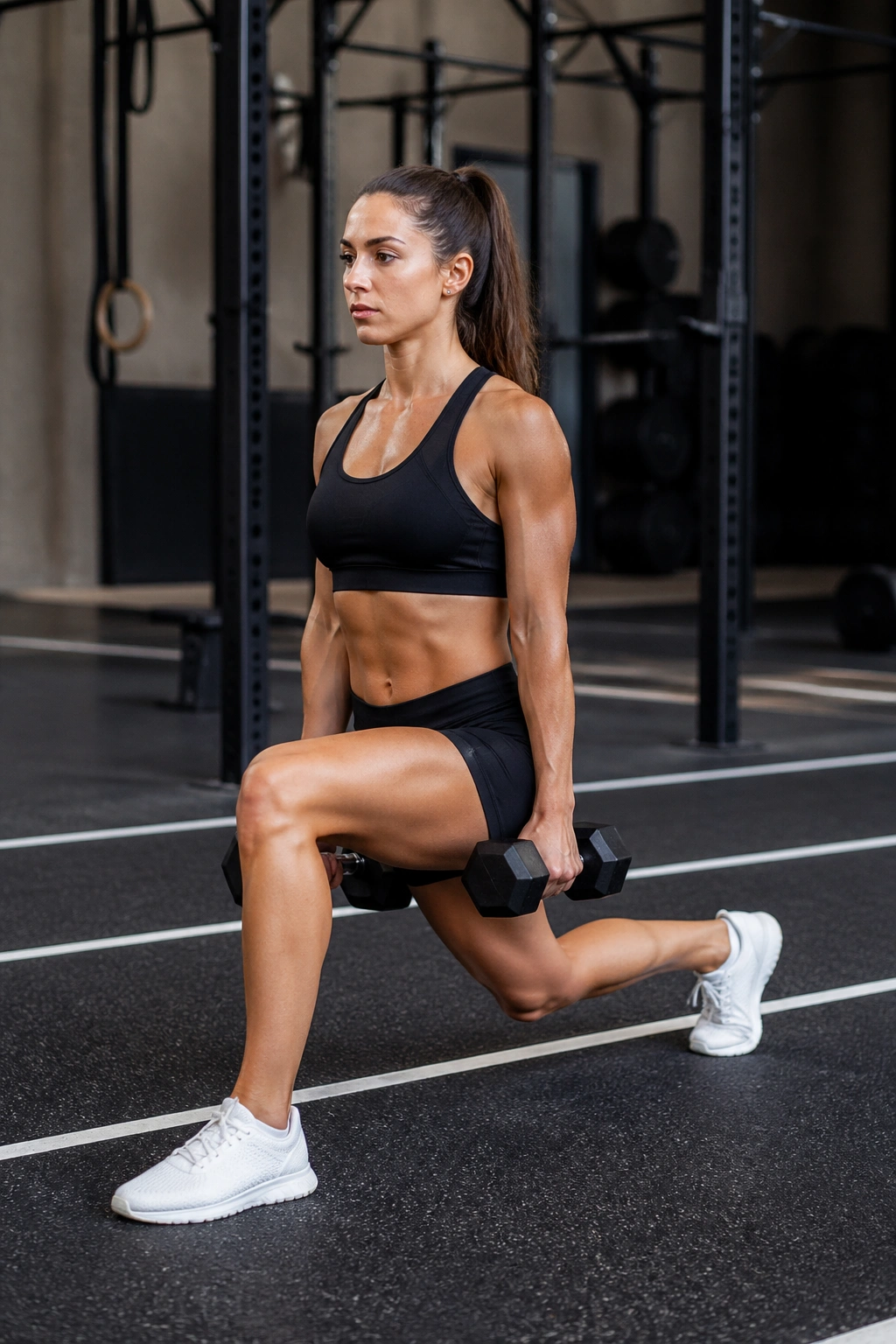
Step. Balance. Repeat.
Walking lunges make the lower body work hard while the core keeps the torso upright, and that combination bumps energy use faster than people expect. They also force one side to stabilize while the other moves, which helps the waistline look and feel more controlled over time.
Keep your stride long enough that both knees bend cleanly. Too short, and the front knee takes a beating. Too long, and you lose power. The sweet spot usually feels like the front shin stays fairly vertical and the back knee drops close to the floor.
- Hold dumbbells at your sides if you want more load.
- Keep your chest tall.
- Don’t rush the turn.
- Stop if your balance gets sloppy.
19. Flutter Kicks
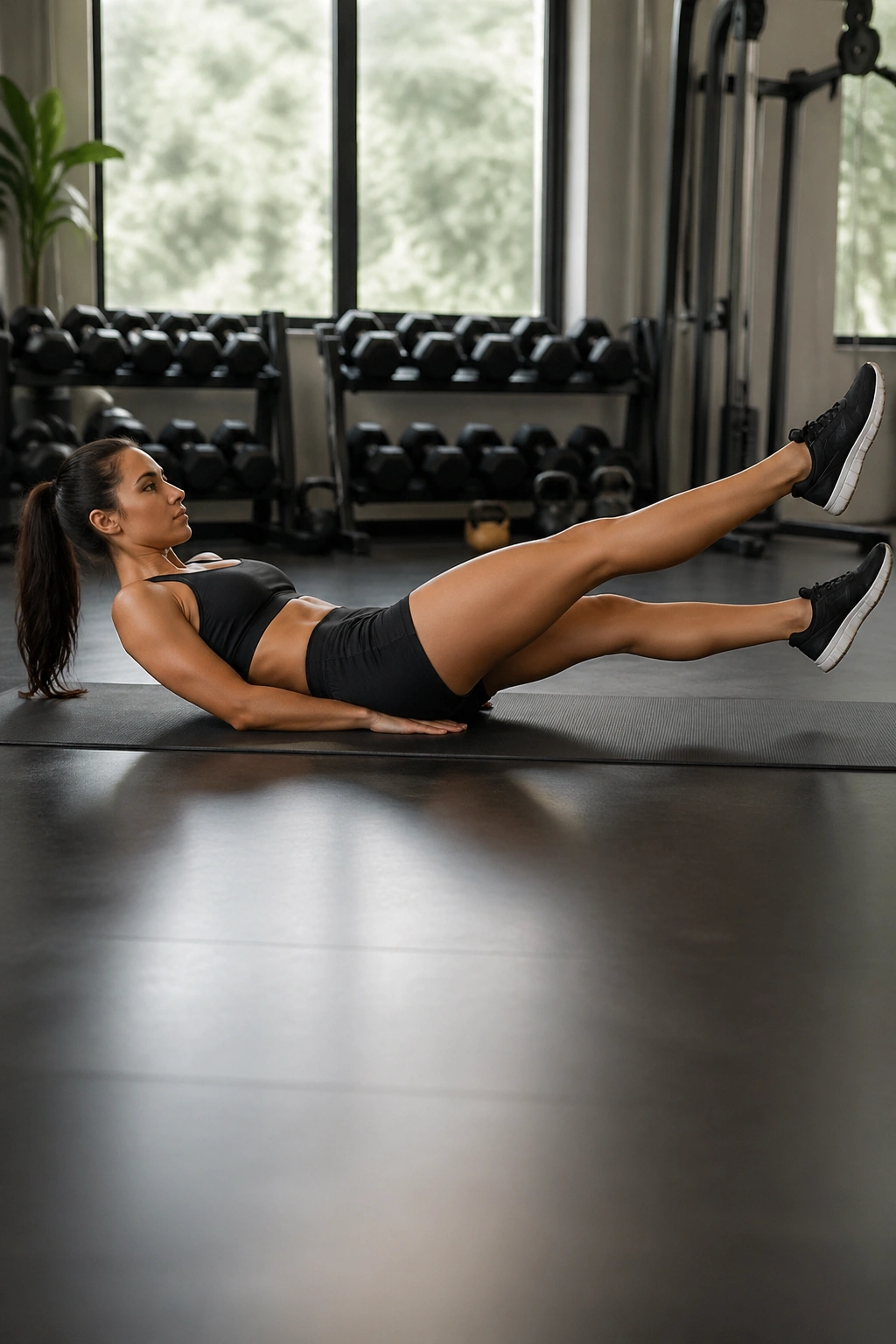
Why do flutter kicks burn so fast? Because they’re small, constant, and annoyingly effective when done with good form.
Lie on your back, press the low back into the floor, and make short up-and-down kicks with straight or slightly bent legs. The movement should stay low and controlled. If the legs swing too high, the abs lose tension and the hips do the work instead.
Keep your neck relaxed. People love to tense their jaw during this one for no good reason. If your lower back starts arching, raise the legs a little higher or bend the knees slightly.
Try 20 to 40 seconds at a time. The burn can get intense fast, so short rounds are enough.
20. Swimming Laps
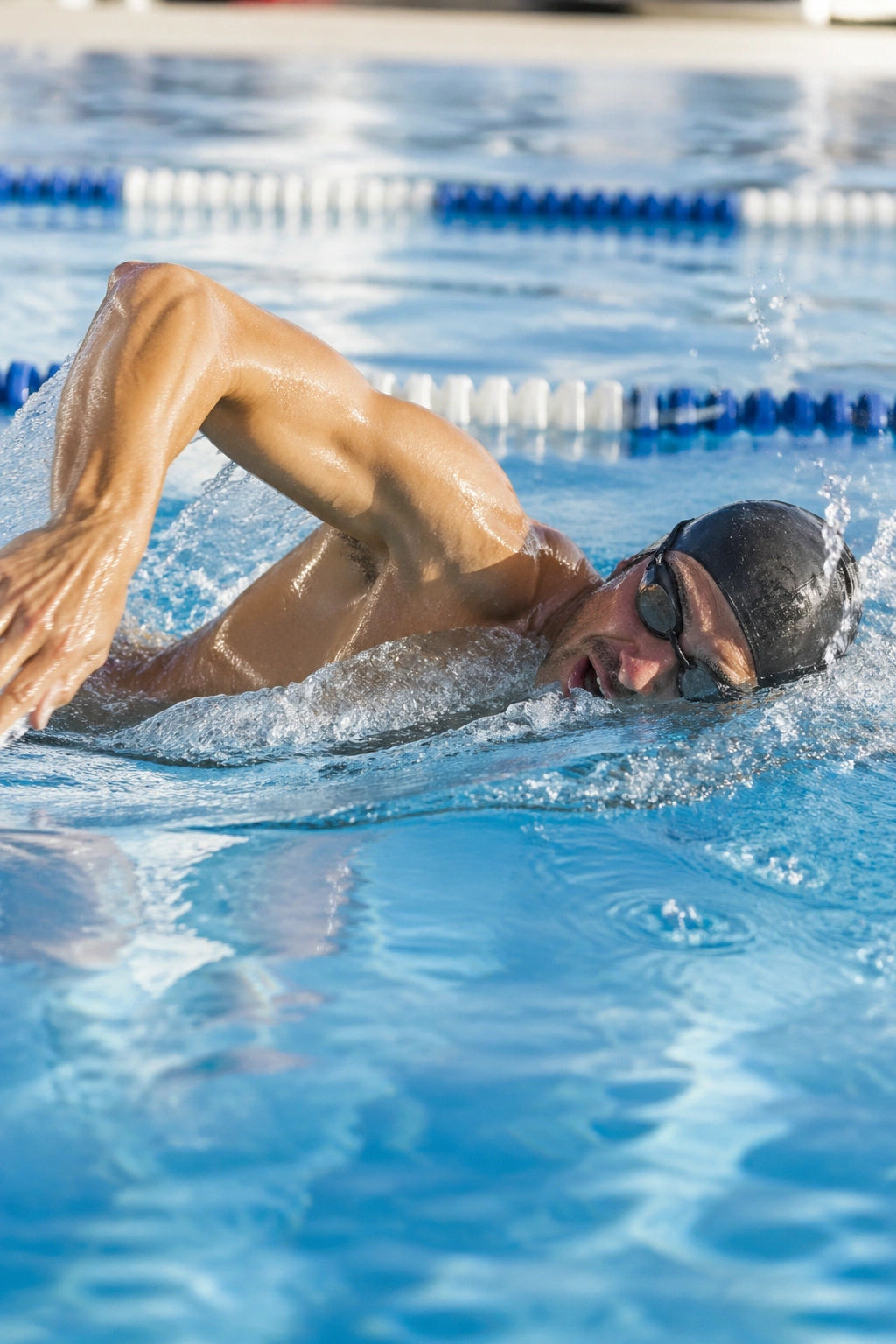
Unlike gym cardio that pounds the joints, swimming spreads the work across the shoulders, back, core, and legs. That makes it a quiet monster for calorie burn.
Freestyle laps are the obvious choice, but breaststroke and interval drills can work too if your form is solid. The water gives you resistance the whole time, and that steady drag means you have to keep the trunk engaged while moving smoothly through each stroke.
Breathing matters here. Messy breaths make the body tense up, and that ruins the rhythm fast. A relaxed, steady stroke tends to last longer and feel better, which is exactly what you want from a conditioning move.
If you have access to a pool and your shoulders tolerate it, swimming can be a joint-friendly way to chip away at belly fat without the pounding that comes with land-based cardio.
21. Bird Dog
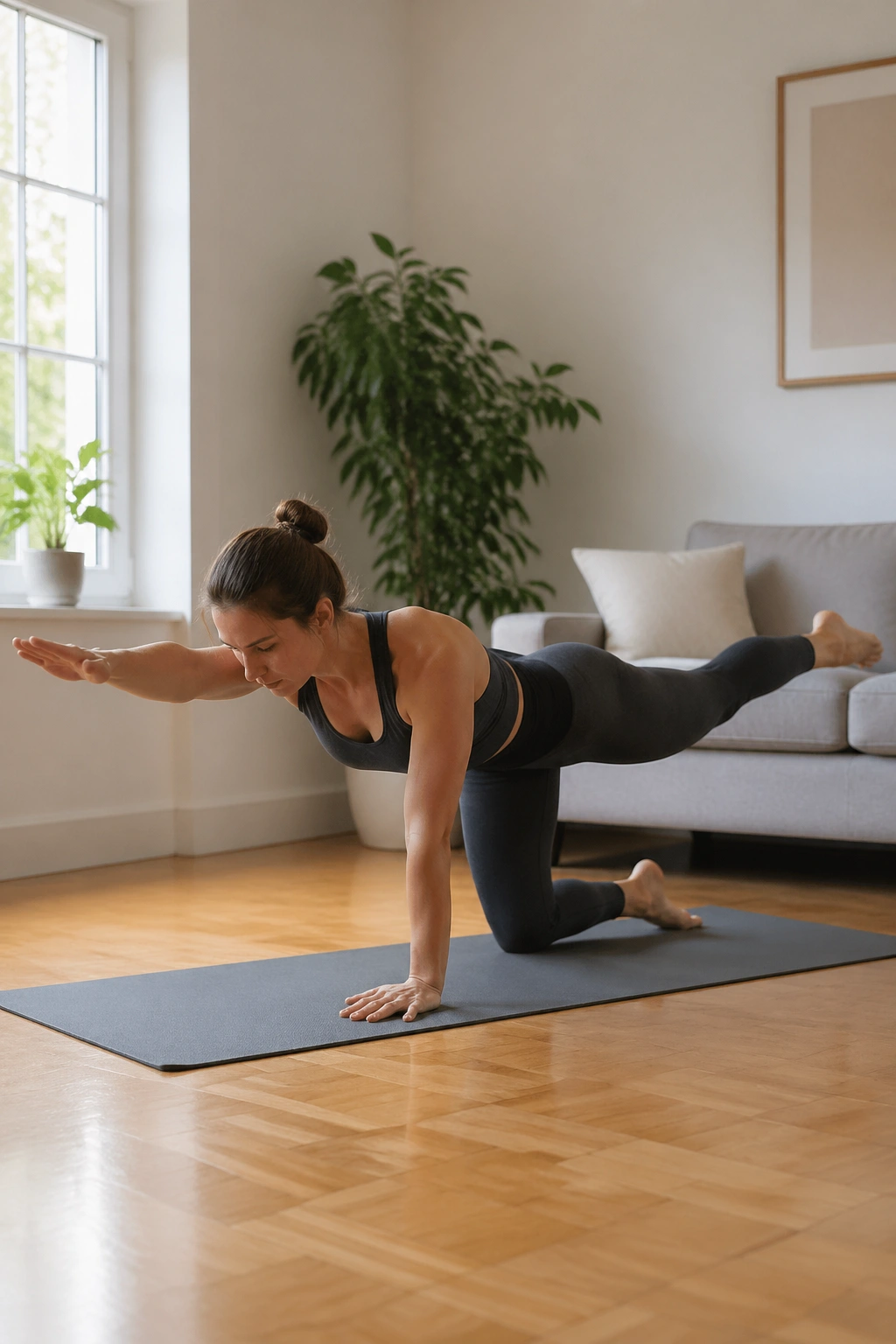
Bird dog looks too gentle to matter until your back stops complaining during planks and carries.
What to Feel in Your Hips
Get on hands and knees, reach one arm forward while the opposite leg extends back, and keep the pelvis square to the floor. The goal is not height. It is control. The spine should stay long and stable while the limbs move away from the center line.
This move is excellent for people who need better posture and cleaner trunk control. If the lower back twists or sags, shorten the reach and slow down. That small correction can make the exercise twice as useful.
Hold the reach for a second or two, then switch. Easy on the eyes, hard on the right muscles.
22. Stair Climbing
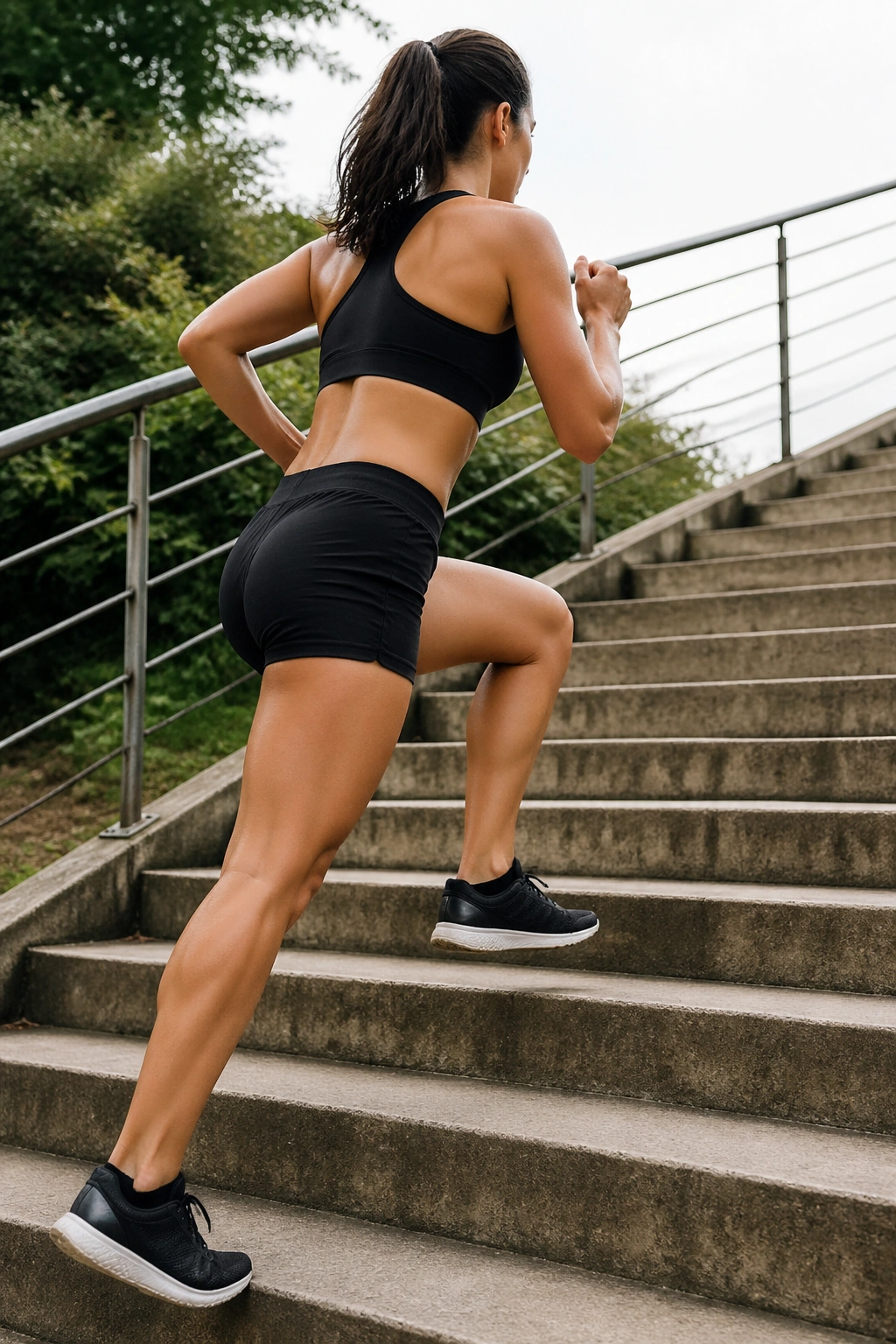
A flight of stairs tells the truth fast.
Every step asks the glutes, quads, and heart to get to work at once, and that creates a surprisingly strong calorie burn for something most people already have in their building or local park. You can climb steadily for several minutes or use short bursts with easy recovery between rounds.
Keep your weight centered over the working leg and avoid hanging on the rail. A light touch is fine. Leaning your full bodyweight into it defeats the purpose. The climb should feel strong through the hips, not sloppy through the knees.
If you want a no-nonsense finisher, stairs are hard to beat. They are also rude in the best possible way.
23. Wood Chops
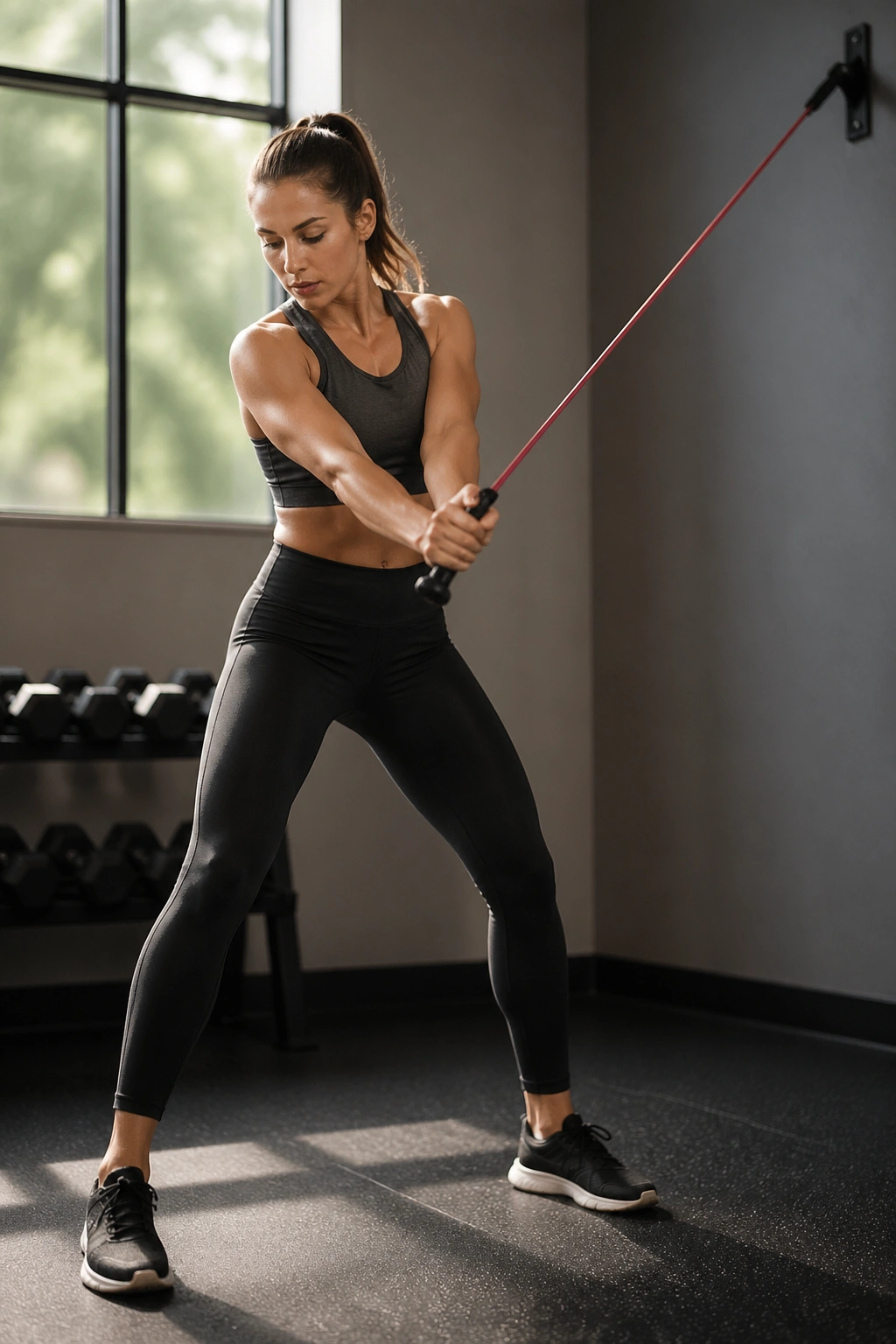
A cable or band in the corner, a diagonal pull across the body, and suddenly your core has to resist twisting while still moving cleanly.
Wood chops train the midsection the way real life does: in diagonal patterns, not just straight lines. That makes them useful for a flatter-looking waist because the torso learns to brace, rotate, and stop rotating when needed.
- Anchor the band high for a high-to-low chop.
- Anchor low for a low-to-high chop.
- Keep the hips stable and let the torso do the turn.
- Control the return instead of snapping back.
These are best with moderate load and careful form. Heavy and sloppy is a waste. Light and controlled is where the money is.
24. Jumping Jacks
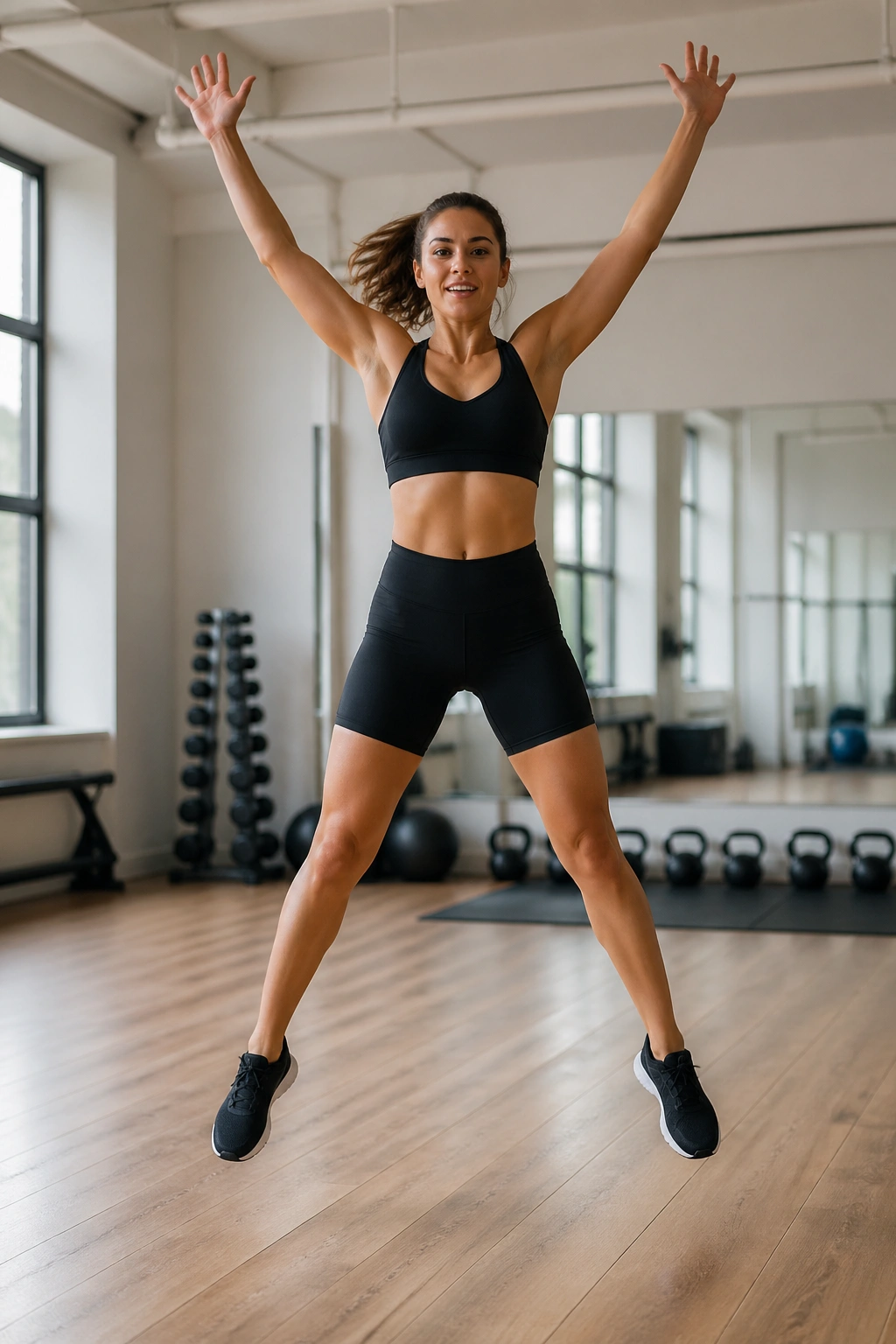
Jumping jacks are old-school, cheap, and still useful.
They raise body temperature fast, loosen the shoulders, and get the heart rate moving without any setup. That makes them handy as a warm-up, a short cardio burst between strength sets, or a quick finisher when you need a few extra minutes of work.
Keep the landings soft and the arms active. If the motion turns lazy, the effect drops off fast. A set of 30 to 60 reps can wake the whole body up in a way that feels simple but not easy.
I like them because they ask very little of your brain. That sounds minor. It matters on days when motivation is thin.
25. Dumbbell Thrusters
Clean the dumbbells to your shoulders, squat, and drive them overhead in one smooth motion. That’s the whole thing, and it’s a brutal little full-body move when you do it with enough speed to make it count.
Thrusters work well for belly fat goals because they combine leg drive, shoulder press, and core stability in one sequence. The torso has to stay braced as the weights travel, and that means the midsection is busy from start to finish.
Use a load you can control for 8 to 12 reps. If the squat gets shallow or the press turns into a back lean, the weight is too heavy. Simple rule. Harder than it sounds.
This is a strong finisher when you want one exercise to leave you breathing hard and feeling like you earned the shower.
A flatter stomach comes from work that adds up, not one move that feels dramatic for 90 seconds. The smartest approach is usually the dull one done well: walk more, lift something, breathe hard a few times a week, and keep the core honest when you train it.
If you build your routine around a few of these exercises, the midsection starts to change in more than one way. The body burns more energy. The torso gets stronger. The posture gets cleaner. That combination tends to show up at the waist before people notice it anywhere else.
