



Most inner thigh workouts fail for a boring reason: they’re treated like a warm-up, not like real training. You get a few lazy pulses, a half-hearted squeeze, maybe a wide squat thrown in because it looks thigh-focused, and then people wonder why nothing changes.
The inner thigh — the adductor group — is not decoration. It helps bring the leg back toward the midline, steadies the pelvis when you walk, and shows up in squats, lunges, cuts, turns, and even plain old standing around. If you want sculpted lean legs, this muscle group deserves more than the leftovers.
No spot-reduction fairy dust. None. But stronger adductors can change how your thighs look and feel under load, and they can make the whole lower body feel tighter, more controlled, and more stable in movement.
The trick is mixing angles. Heavy. Slow. Isometric. Side-to-side. A little burn is nice, but the better test is whether the move actually asks the inner thigh to work through a useful range instead of just buzzing it for ten seconds. That’s where this list gets useful.
1. Sumo Squat for Inner Thigh Workouts
A good sumo squat is the obvious place to start, and for once the obvious choice earns its keep. The wide stance shortens the distance between the hips and the floor, which means the adductors have to help more on the way down and on the way back up.
Why It Works
The key is not “go as wide as possible.” That usually turns into a weird hip dump and sloppy knees. Instead, set your feet a little wider than shoulder-width, toes turned out about 15 to 30 degrees, then sit down between your legs. Your knees should track in line with your second and third toes. If they cave in, the stance is too aggressive or the weight is too heavy.
- Sets and reps: 3 to 4 sets of 8 to 12 reps
- Tempo: 2 seconds down, 1 second pause, drive up hard
- Best cue: “Push the floor apart” on the way up
- Common miss: leaning too far forward and turning it into a sloppy hinge
I like this move as a first exercise on leg day because it wakes up the inner thigh without needing any equipment beyond a dumbbell or kettlebell. Keep the chest tall, keep the ribs from flaring, and think about lowering yourself straight down instead of folding at the waist.
2. Cossack Squat
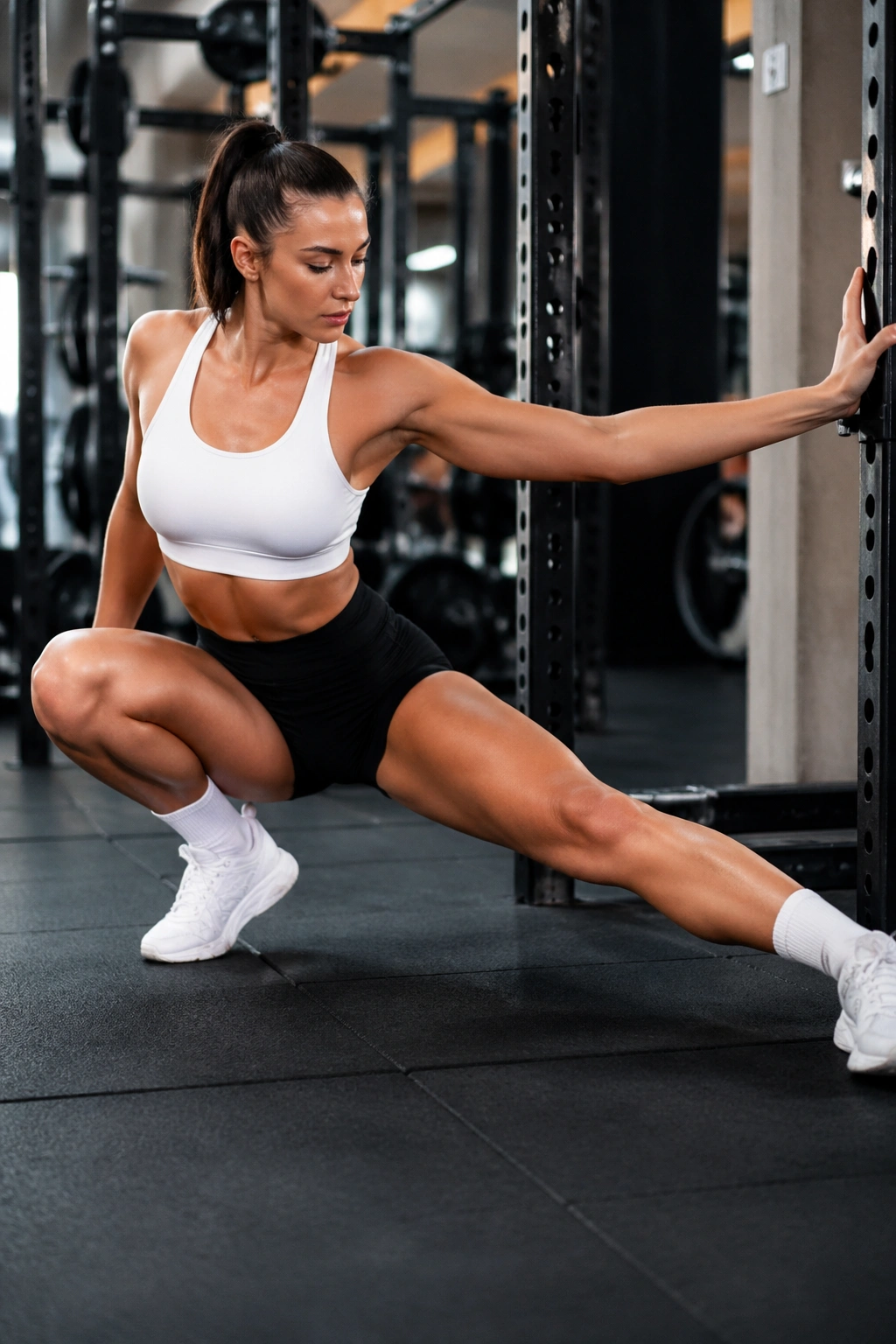
The Cossack squat is the move I give people when they want inner thigh work that feels athletic instead of ornamental. It looks like a side lunge’s more flexible cousin, and yes, it can expose tight hips fast.
What makes it different is the stretch on the straight leg. That side has to stay long while the bent leg does the work, so the adductors on the extended side get a loaded lengthening, which is gold if your inner thighs feel stiff or cranky. Start shallow. Seriously. Too many people drop into a deep range before they can control it.
If your ankle mobility is limited, hold onto a rack, a pole, or the back of a sturdy chair. That’s not cheating. That’s smart.
How to Use It
- Start with 2 to 3 sets of 5 to 8 reps per side
- Keep one heel down if you can
- Sit back into the bent leg, not forward into the toes
- Stop the descent when your pelvis starts to tuck under
One clean rep matters more than three ugly ones. The movement should feel smooth, a little challenging, and very honest about your mobility. If the straight leg cramps, shorten the range and work there for a week or two.
3. Side-Lying Inner Thigh Raise
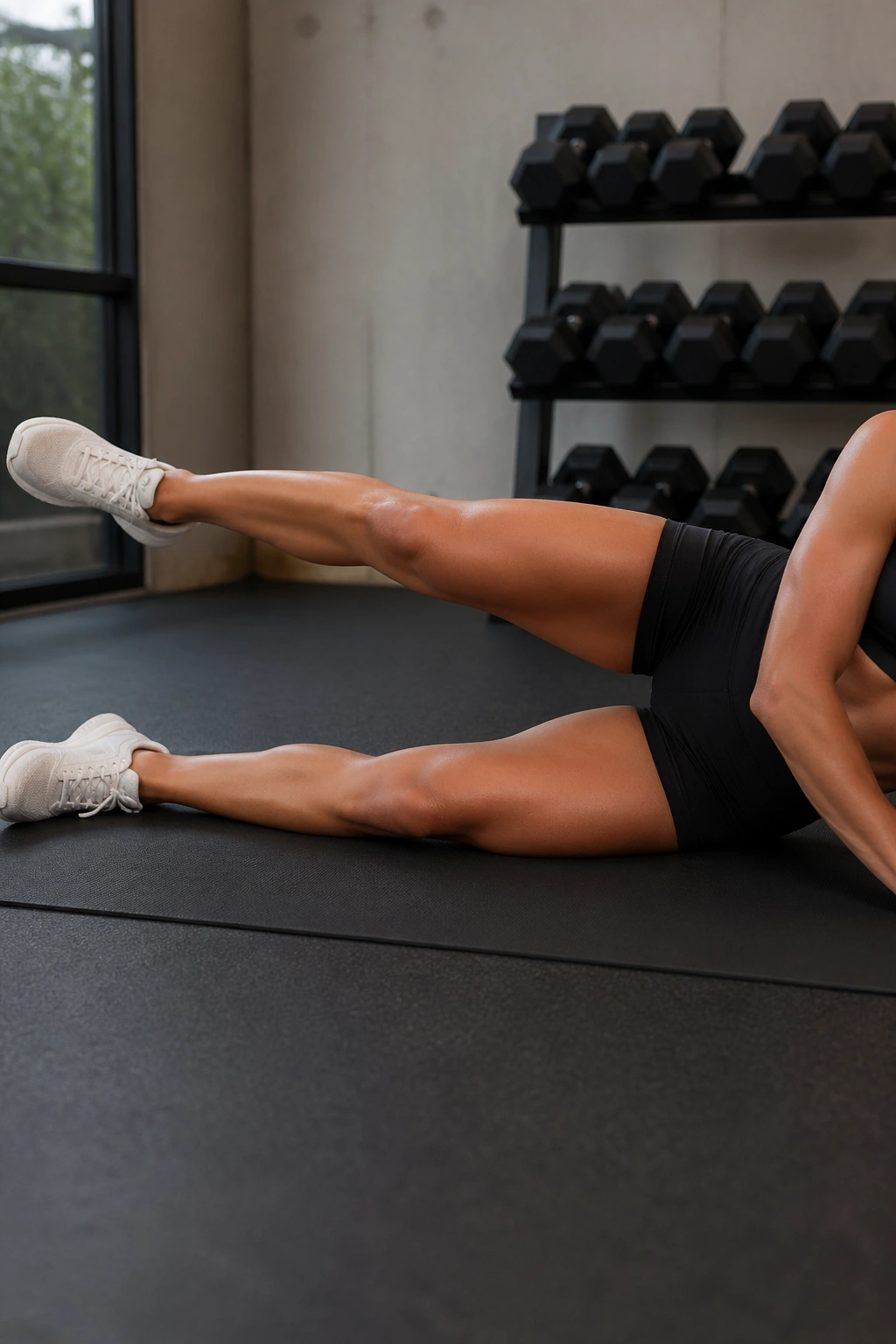
If your knees don’t love loaded squats, this one is a quiet little beast. Lie on your side, bend the top knee, and lift the bottom leg. That’s the whole thing, and somehow it still manages to make people gasp on set two.
The beauty here is control. No momentum. No bouncing. Just the inner thigh doing exactly what it was built to do. This is one of the best ways to learn what the adductors actually feel like when they’re working on their own, without help from your glutes or a big barbell.
Keep the bottom leg straight, toes facing forward or slightly up, and lift just high enough to clear the floor by a few inches. Higher is not better. Higher usually means the hip flexors are cheating.
Quick Setup Notes
- Use: a yoga mat or carpeted floor
- Do: 12 to 20 reps per side
- Slow down: 2 seconds up, 3 seconds down
- Add a pause: 1 second at the top if you want more burn
- Avoid: rolling your hips backward
This is a good finisher, and it’s also a smart rehab-style option when you want inner thigh activation without load. Small move. Big complaint from the muscle.
4. Copenhagen Plank for Inner Thigh Workouts
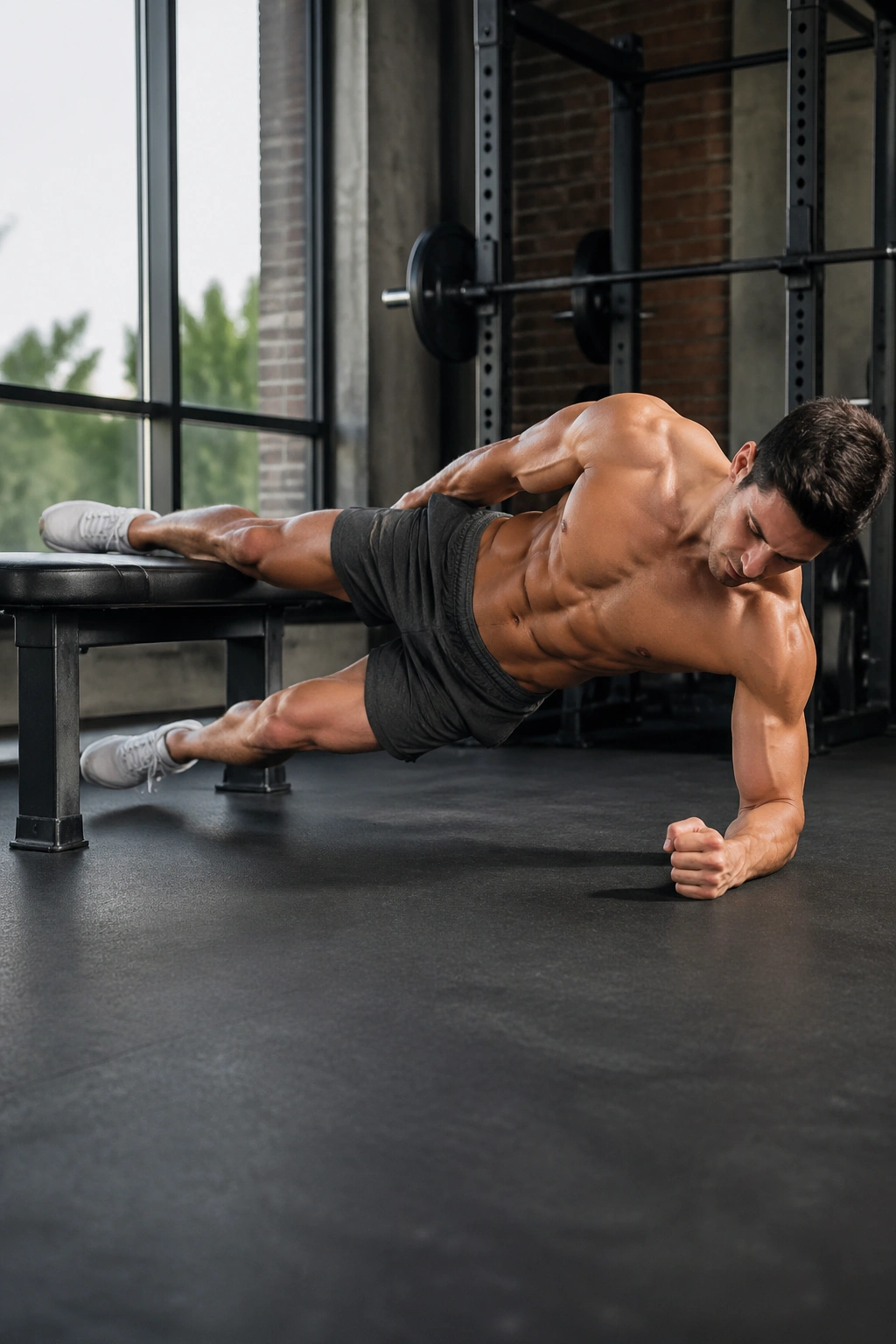
Want one inner thigh exercise that also tells the truth about your core? The Copenhagen plank does that fast. It’s tough, direct, and a little rude in the best way.
You can start with the knee-on-bench version if the full version is too much. The top leg rests on a bench or box, the bottom leg hangs free, and you hold a side plank position while the adductors keep your pelvis from collapsing. That means your inner thigh is not just moving — it’s stabilizing. That matters.
How to Use It
Start With the Easy Lever
Put the top knee on the bench instead of the ankle. Hold for 10 to 20 seconds per side. If your side waist is shaking and your inner thigh is working, you’re in the right place.
Build From There
Move to the ankle-supported version only when the knee-supported hold feels controlled. Then hold for 15 to 30 seconds with clean alignment. Your body should look like a straight line, not a bent noodle.
What to Watch For
- Letting the hip sag
- Rotating the chest toward the floor
- Holding your breath
- Pushing too hard too soon
This is a favorite of mine because it gives you strength where a lot of lower-body work never goes. Not flashy. Very effective.
5. Wide-Stance Goblet Squat Pulse
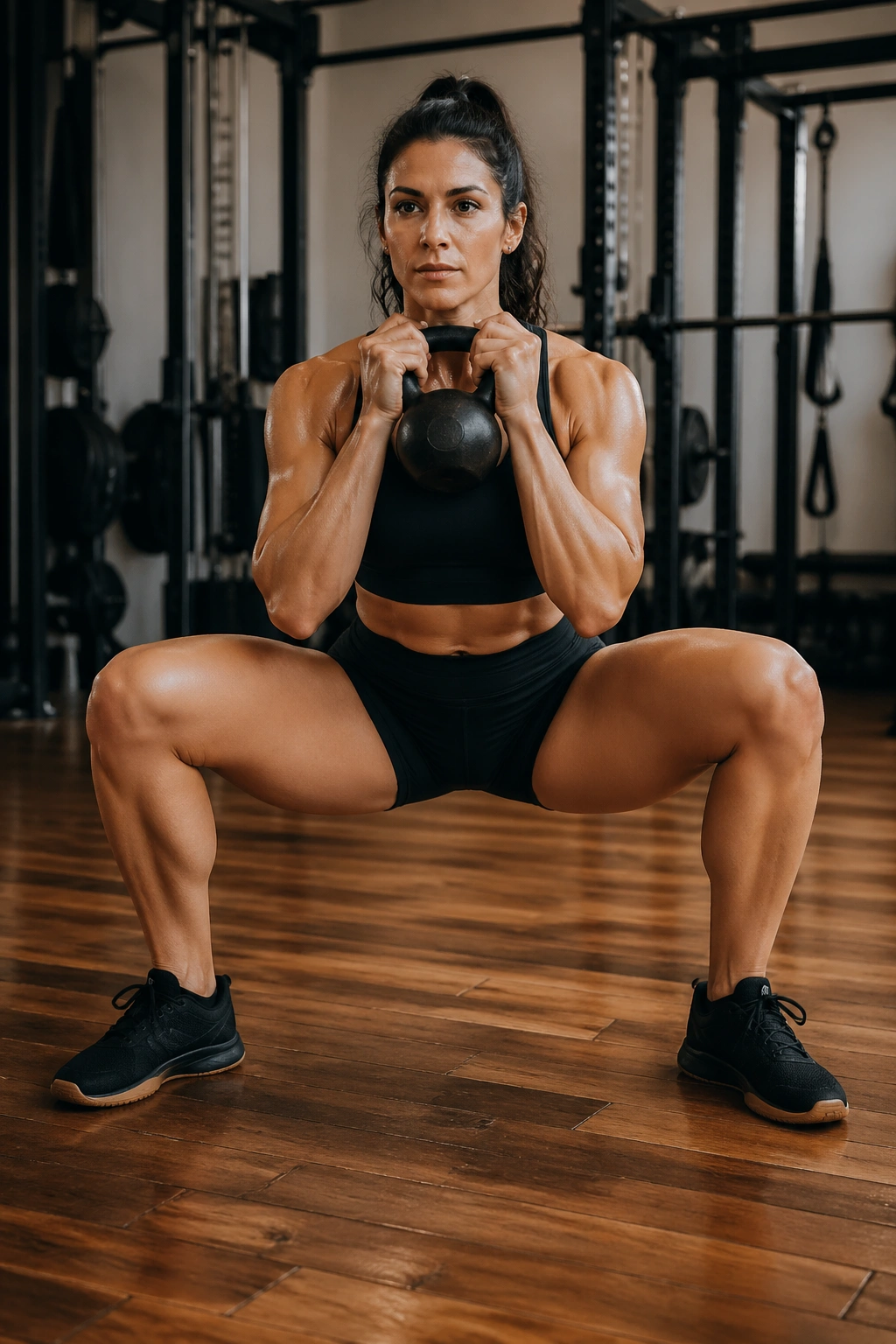
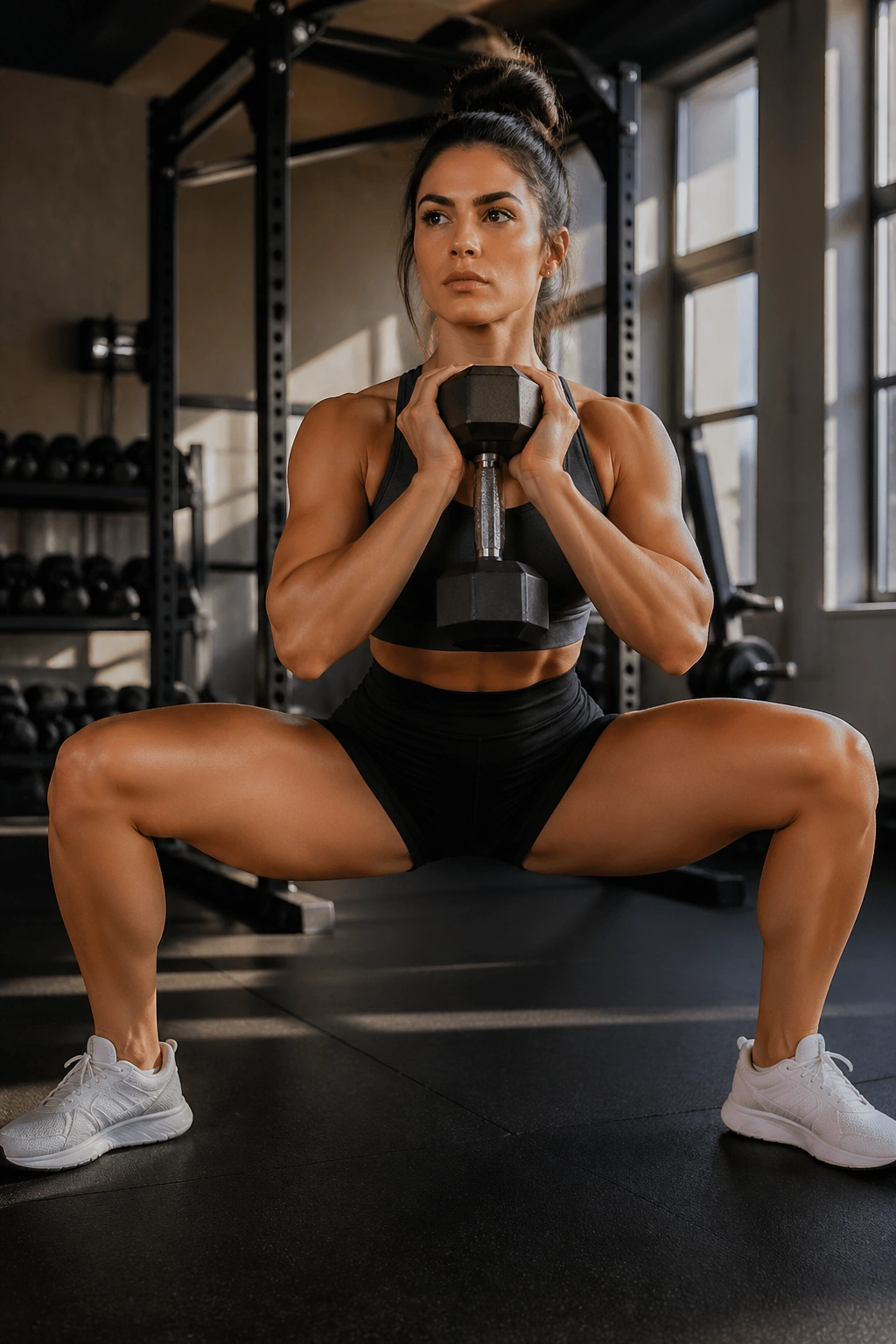
Pulses get mocked because people have seen too many nonsense burnouts online. Fair. But a wide-stance goblet squat pulse, done properly, is brutal in the useful sense. It keeps tension where it belongs and forces the adductors to keep working in the bottom range.
Hold a dumbbell or kettlebell at your chest, sink into a deep plié-style squat, and pulse just a few inches up and down. Not a full rep. A tiny range. That little range keeps the thighs under tension long enough for the inner thigh to stop pretending.
The mistake is turning the pulse into a bounce. Don’t. Each pulse should still look controlled, almost boring, until the burn shows up and changes the mood.
This is a finisher, not a main lift. If you load it too heavy, form goes sloppy fast and your hips will start doing weird things to escape the work.
A nice target is 2 to 3 sets of 15 to 25 pulses after your main lower-body lifts. Keep the ribs down, elbows inside the knees if you can, and keep pressure through the whole foot. The floor should feel like it’s pushing back at you. That’s the point.
6. Standing Cable Hip Adduction for Inner Thigh Workouts
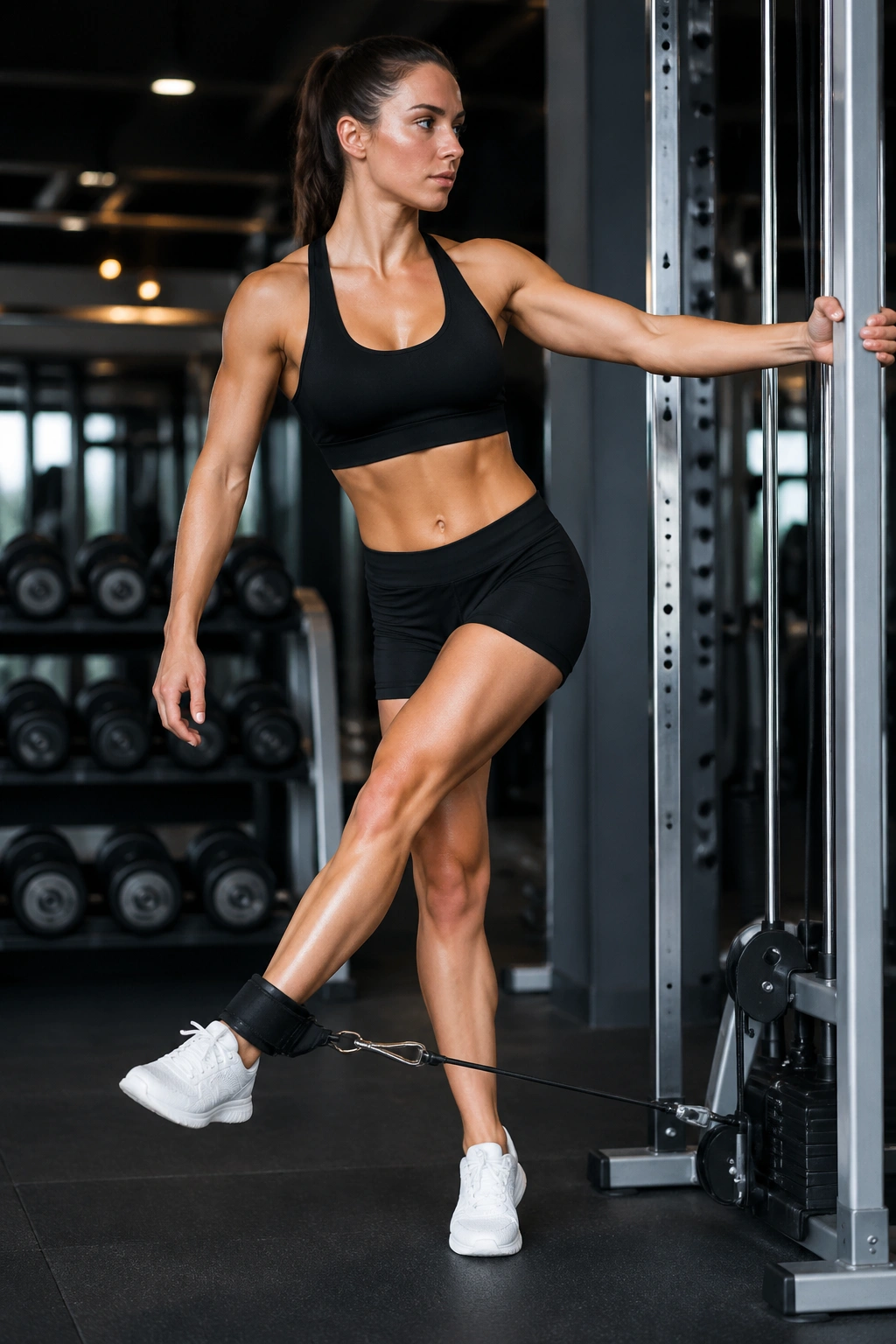
If you have a cable machine, use it. The standing cable adduction gives you constant tension, which bodyweight work can’t always match, and that steady pull is excellent for the inner thigh.
Stand sideways to the stack, attach the ankle cuff to the leg farthest from the machine, and pull that leg across your body in a controlled arc. Keep the torso still. No hip swing. No leaning like you’re trying to dodge the movement. The leg moves; the rest of you stays annoyingly disciplined.
Unlike wide squats, this move isolates the adductors with much less help from the quads or glutes. That makes it especially useful if you want a direct inner thigh hit after your big lifts are done.
Best Use Case
- Great for: gym sessions with access to cables
- Rep range: 10 to 15 each side
- Load: light to moderate
- Cue: pause for 1 second when the leg comes back to center
I’d pick this when I want precision. It’s not the loudest exercise in the room, but it gets the job done with less guesswork than a lot of leg-day staples.
7. Ball-Squeeze Glute Bridge
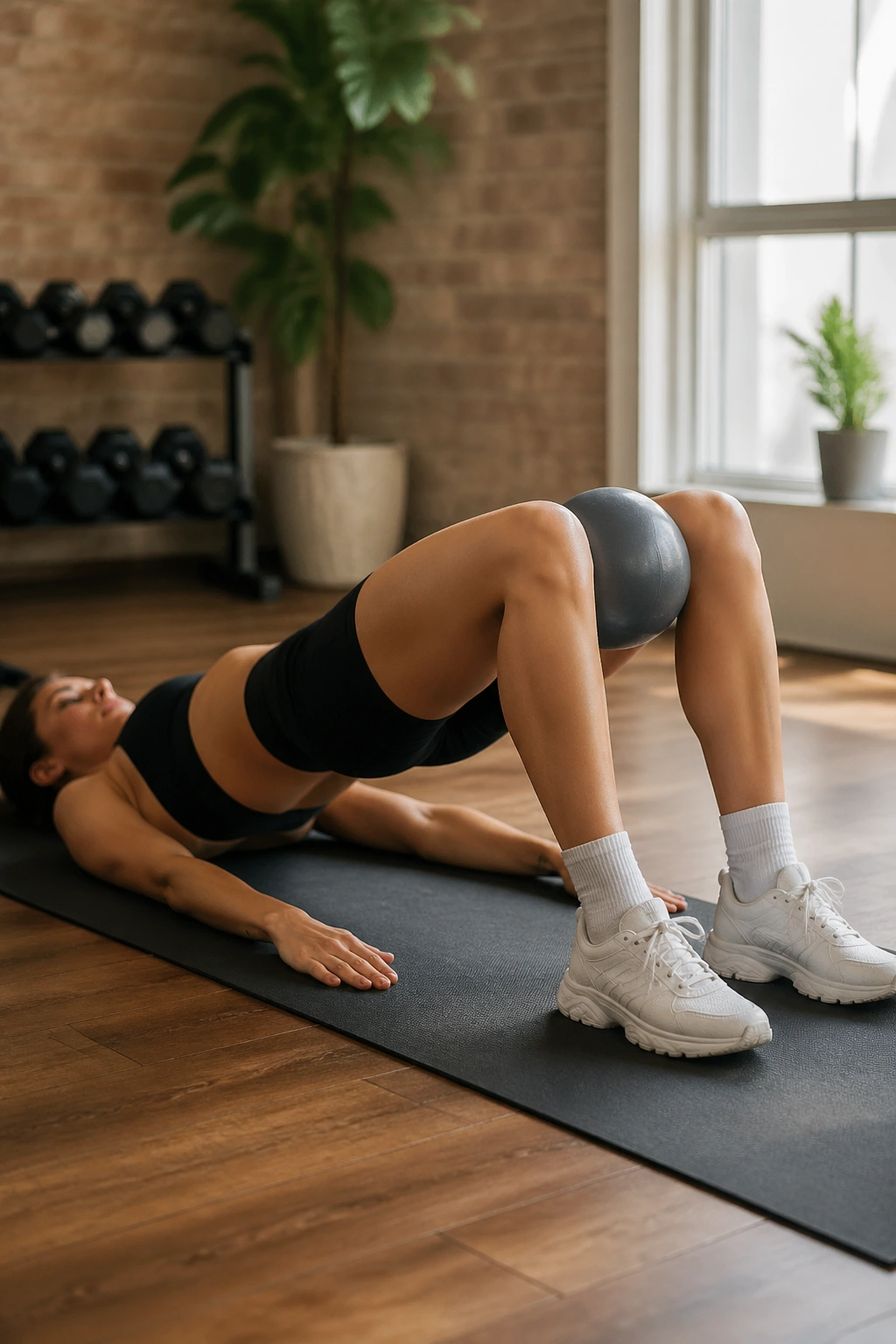
A small ball or folded pillow between the knees changes a bridge more than people expect. The glutes still drive the lift, but the adductors have to squeeze inward the whole time, which gives the inner thighs a real job instead of a cameo.
Lie on your back with your knees bent, feet flat, and the object snug between your knees. Squeeze it lightly before you even lift. Then press through your heels and raise your hips until your body makes a straight line from shoulders to knees. Don’t overarch at the top. That turns it into a lower-back extension, and that’s not the same thing.
This move is good when you want to pair glute work with inner thigh work in one clean drill. It also teaches your pelvis to stay steady, which helps on squats, lunges, and step-ups later.
- Do: 3 sets of 10 to 15 reps
- Hold: 2 seconds at the top
- Squeeze: firm, not maximal
- Avoid: flaring the knees wide on the lift
Simple. Not easy. That’s the whole charm.
8. Slider Side Lunge Pull-In
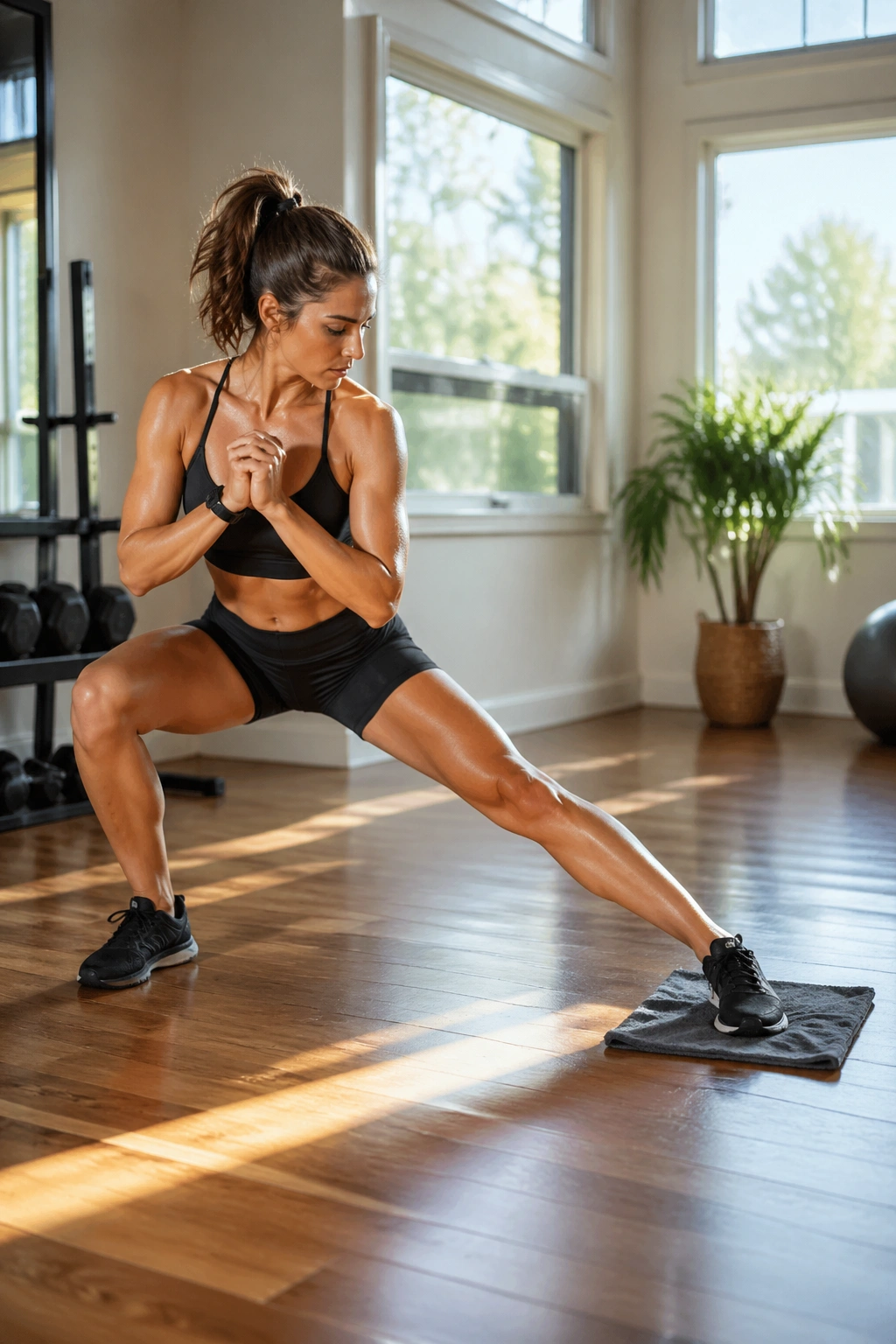
The pull-in part is where the magic happens. A side lunge already asks the adductors to load and stretch, but when you use a slider or towel under one foot and drag yourself back to center, the inner thigh has to close the loop. That’s the part people skip, and it’s the part that matters.
Set one foot on a smooth surface — a towel on wood floor works fine — and step the other foot out into a side lunge. Keep the working foot planted on the slider as you bend into the side. Then use the inner thigh to pull the leg back under you. Slow pull. No yanking.
What to Watch For
- Knee collapsing inward
- Sliding too far and losing control
- Pushing off the standing leg instead of pulling with the adductor
- Rushing the return
A lot of people feel this in the first 3 reps and then lose the pattern because they chase speed. Don’t. The return should feel like you’re dragging something heavy across the floor, even if the surface is smooth. That slow pull-in is where the thigh does the work.
Try 2 to 4 sets of 6 to 10 reps per side. It’s a good middle-ground move: more athletic than a machine, more controlled than a chaotic lunge variation.
9. Curtsy Lunge to Side Reach
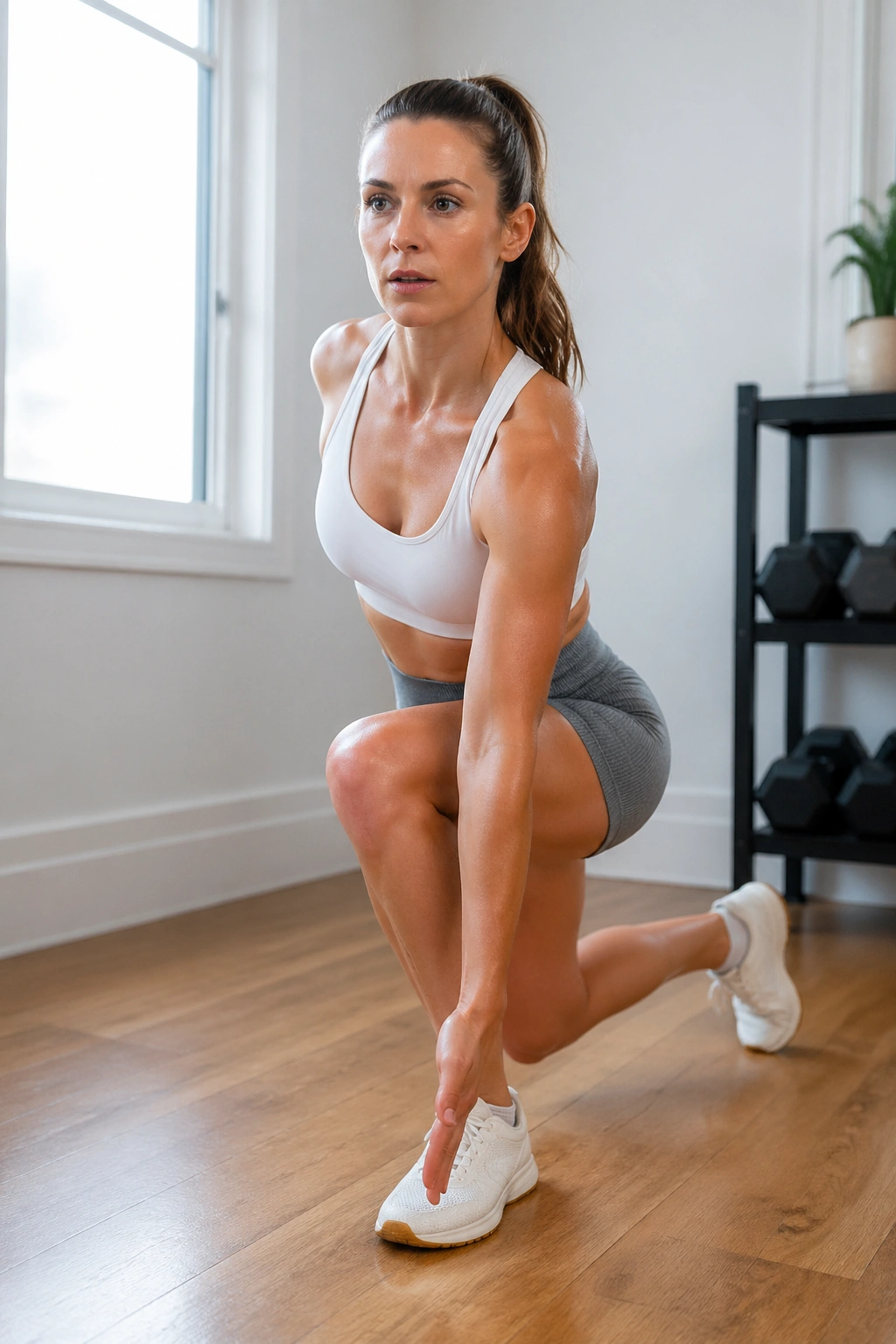
A curtsy lunge gets mixed reviews, and some of that criticism is fair. If you twist hard and drop deep with no control, your knee may complain. But done with a shallow range and a clean line, it can build coordination along the inner thigh and the outer hip at the same time.
Step one leg behind and across the other, then settle into a small lunge. From there, reach the opposite hand toward the front foot or slightly across the body. That reach helps keep the torso honest and keeps you from collapsing into a sloppy twist.
This is one of those moves that feels more graceful after you’ve practiced it a few times. The first set can feel awkward. That’s normal.
Use it if you want a more dynamic lower-body pattern, not just a burn. It’s better as a moderate-volume movement than as a max-effort strength drill. Go for 8 to 12 reps per side, and keep the front knee happy by shortening the step if needed.
If you already know your knees don’t love cross-behind lunges, skip this one. There are enough good inner thigh moves here that you do not need to force this particular pattern.
10. Plié Squat Hold with Heel Lift
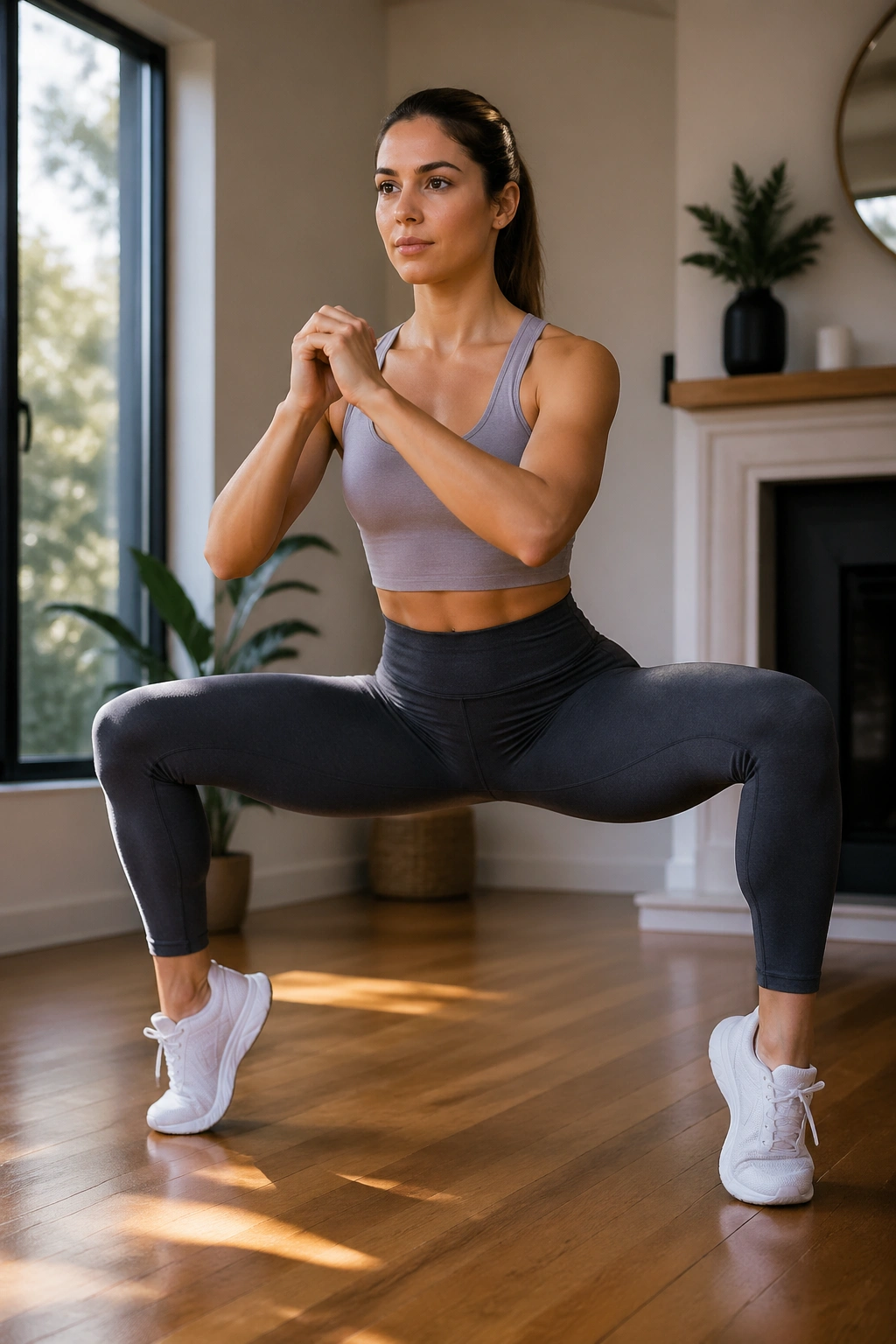
Why pair a squat hold with a heel lift? Because the lower body gets a longer, nastier tension curve, and the adductors have to stay switched on while the calves and feet help you keep balance. That sounds like a small detail. It isn’t.
Drop into a wide plié squat and hold the bottom position. From there, lift one heel at a time, or both heels together if your balance is solid. The heels come up an inch or two — not a full calf raise off a stage. Keep the knees open and the hips low. This is more about control than range.
A lot of people rush the bottom hold and then wonder why their thighs never light up. The hold matters. The heel lift makes the lower body stabilize against a shifting base, which forces the inner thighs to stay engaged while the ankles and quads do extra work.
- Hold time: 20 to 40 seconds
- Heel lifts: 6 to 10 slow reps
- Good cue: keep your weight centered over the midfoot
- Bad sign: knees wobbling inward
I like this one at the end of a leg session when you want a finisher that feels mean but not reckless.
11. Side-Lying Adductor Circles
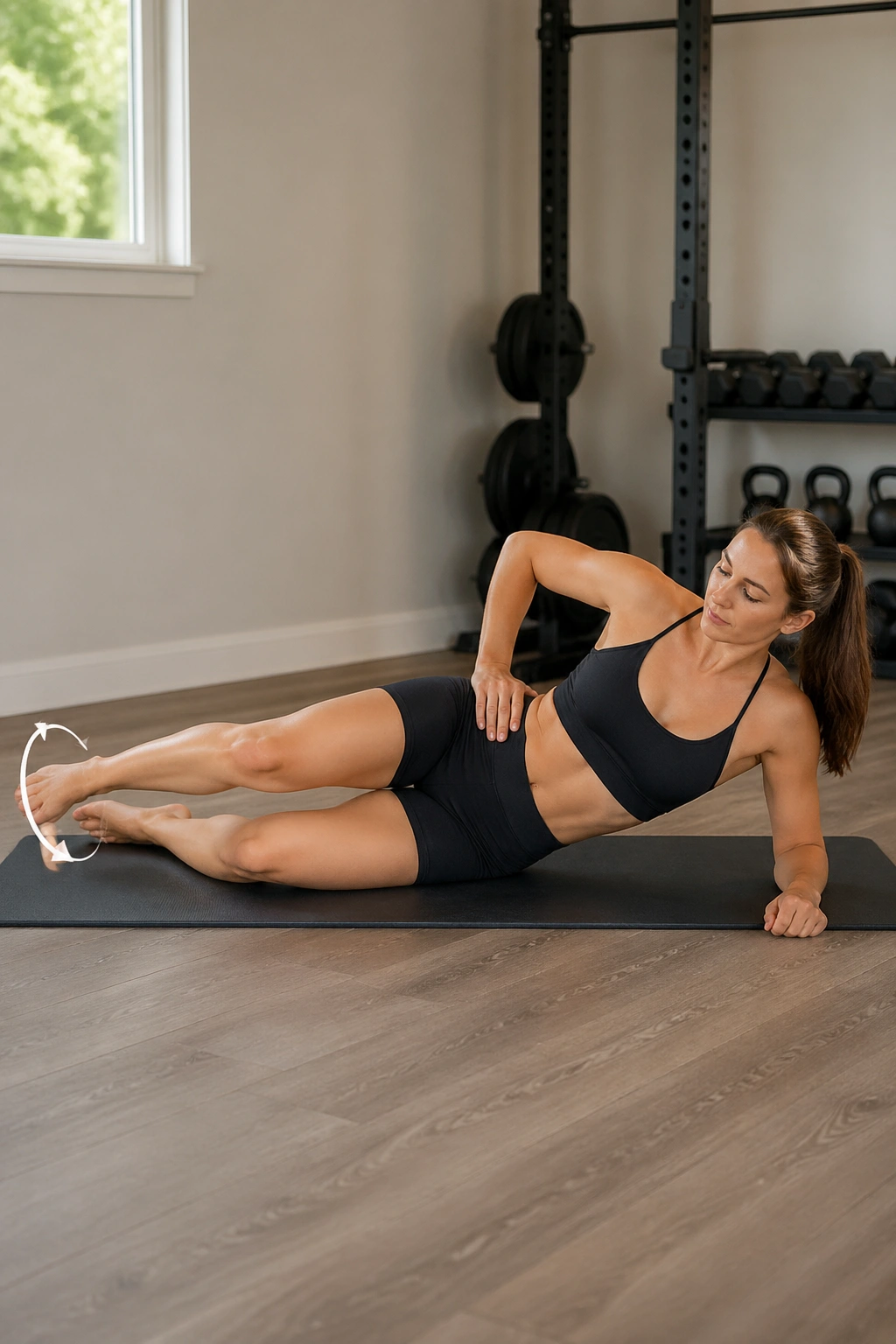
Small circles are humble, and that’s exactly why they work. Lie on your side with the bottom leg lifted just off the floor, then draw tiny circles with the foot. Not big ones. Tiny. If the circle is huge, your hip flexors take over and the adductor gets cheated out of the job.
The movement is a little strange at first because it doesn’t feel like a classic “strength” drill. It feels almost too easy. Then the second set starts, and the inside of your thigh reminds you that small ranges can be brutally honest.
Keep the pelvis stacked and the toes pointed forward or slightly up. If your torso rolls backward, the exercise loses its edge. If your lower back starts to arch, the circle is too big.
How to Get the Most From It
- Do: 2 to 3 sets of 8 to 12 circles each direction
- Keep: the movement slow and quiet
- Rest: 20 to 30 seconds between sides
- Pair with: side-lying lifts or wall squeezes
This one is ideal when you want no equipment, no jumping, and no excuses. It’s also a nice travel option, which matters more than people admit.
12. Dumbbell Sumo Deadlift
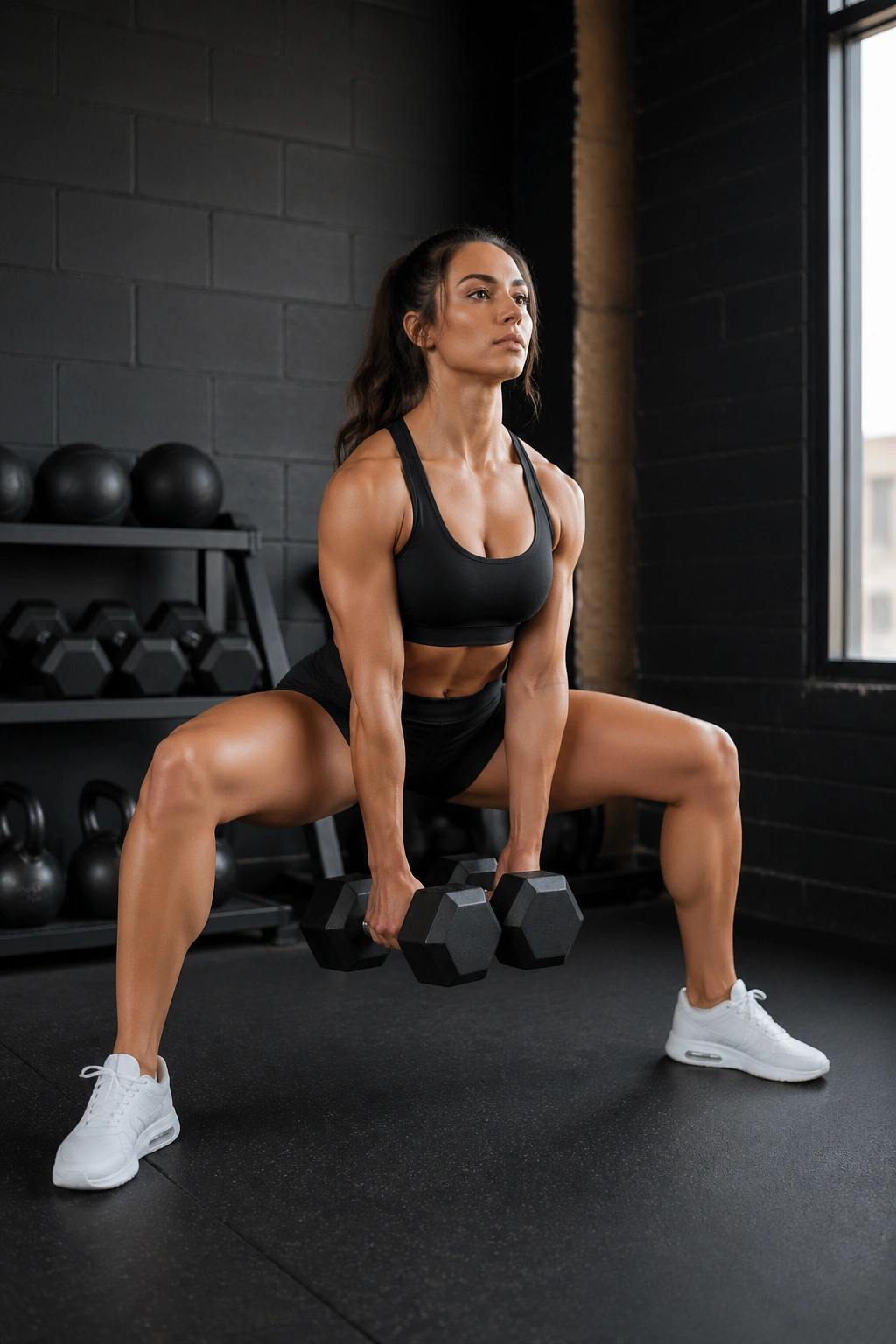
The sumo deadlift deserves more love in inner thigh conversations because the wide stance loads the adductors hard in the stretched position. It’s not only a hamstring-and-glute move. The inner thigh helps stabilize the hips and drive out of the bottom.
Stand with feet wide and toes angled out slightly. Grip a dumbbell or two between your legs, keep the chest proud, and hinge down until the weights touch the floor. Then stand up by pushing the floor away, not by yanking the weights off the ground. The back should stay neutral the whole time. Flat and strong. No rounding.
Compared with a squat, the hinge changes the stress point a little. You’ll feel more work in the posterior chain, but the adductors still have to manage the wide stance and help keep the knees from drifting. That makes it a nice “two birds” lift for people who want fuller leg training without a dozen different exercises.
Good Form Cues
- Shins mostly vertical
- Spine neutral
- Dumbbells close to the body
- Knees press out, but not aggressively
A clean set of 6 to 10 reps is usually enough. If your lower back starts doing the heavy lifting, the weights are too far from your body or the range is too deep.
13. Lateral Step-Through Lunge
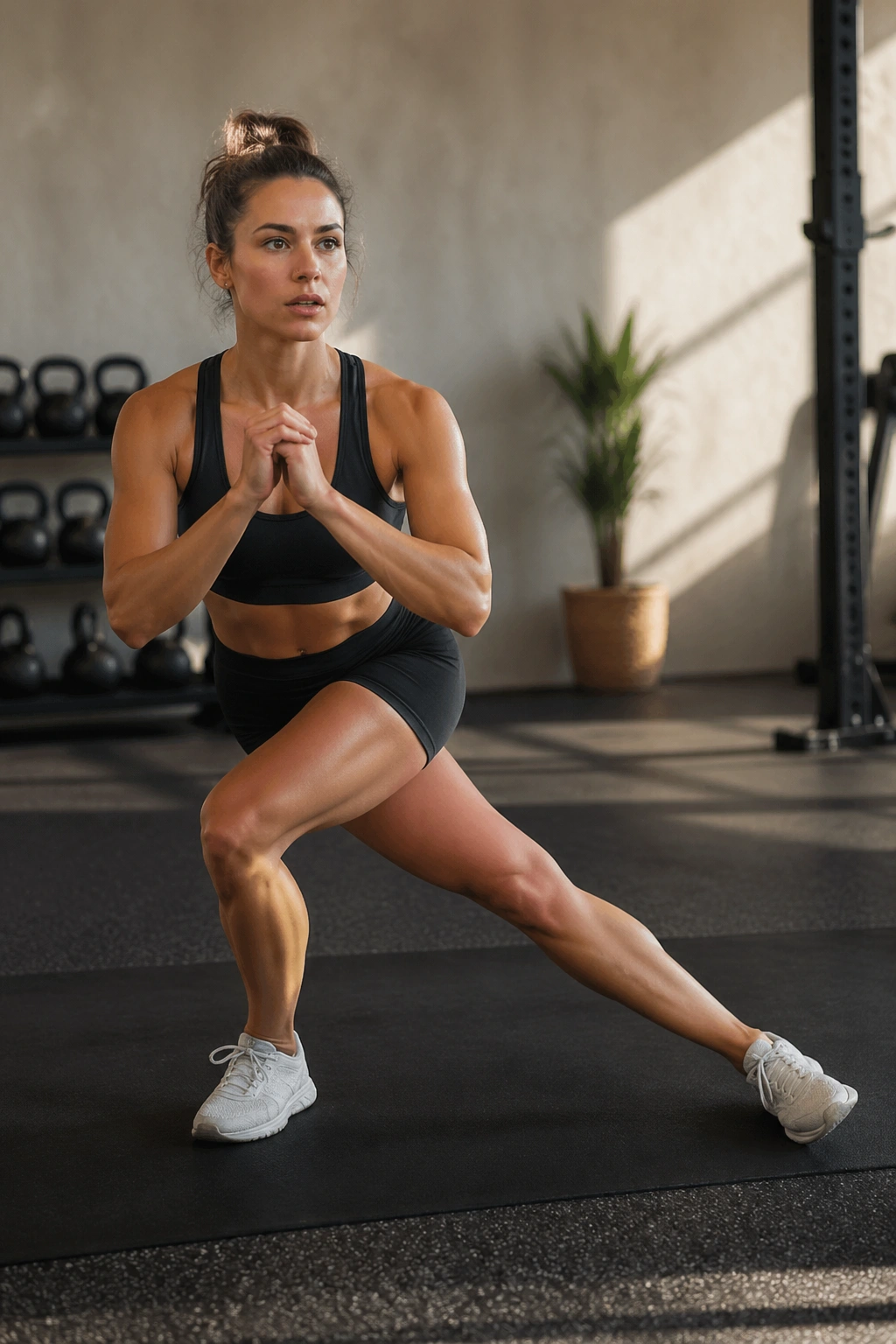
This one feels like a real-life movement pattern, which is why I like it. You step out to the side, sink into a lunge, then bring the trailing leg through and across in a smooth step-through. The adductors work both to stabilize and to pull you back into position.
There’s a rhythm to it that a lot of straight-up strength drills miss. It gets the legs moving side to side, asks the hips to coordinate, and builds the kind of control that shows up when you’re changing direction in everyday life or sport.
Start with bodyweight. Do not load this on the first try. People tend to overstep, rush the transition, and lose the clean line of the movement. Once the pattern feels stable, hold a dumbbell at the chest or a pair at your sides.
Keep the lunge shallow at first. You can go deeper later. The knees and hips should feel organized, not jammed.
- Sets: 2 to 4
- Reps: 6 to 10 each side
- Best pace: steady, not fast
- Surface: a stable floor with decent grip
There’s a quiet payoff here. Your legs feel more balanced after a few solid weeks with it.
14. Wall Adductor Squeeze
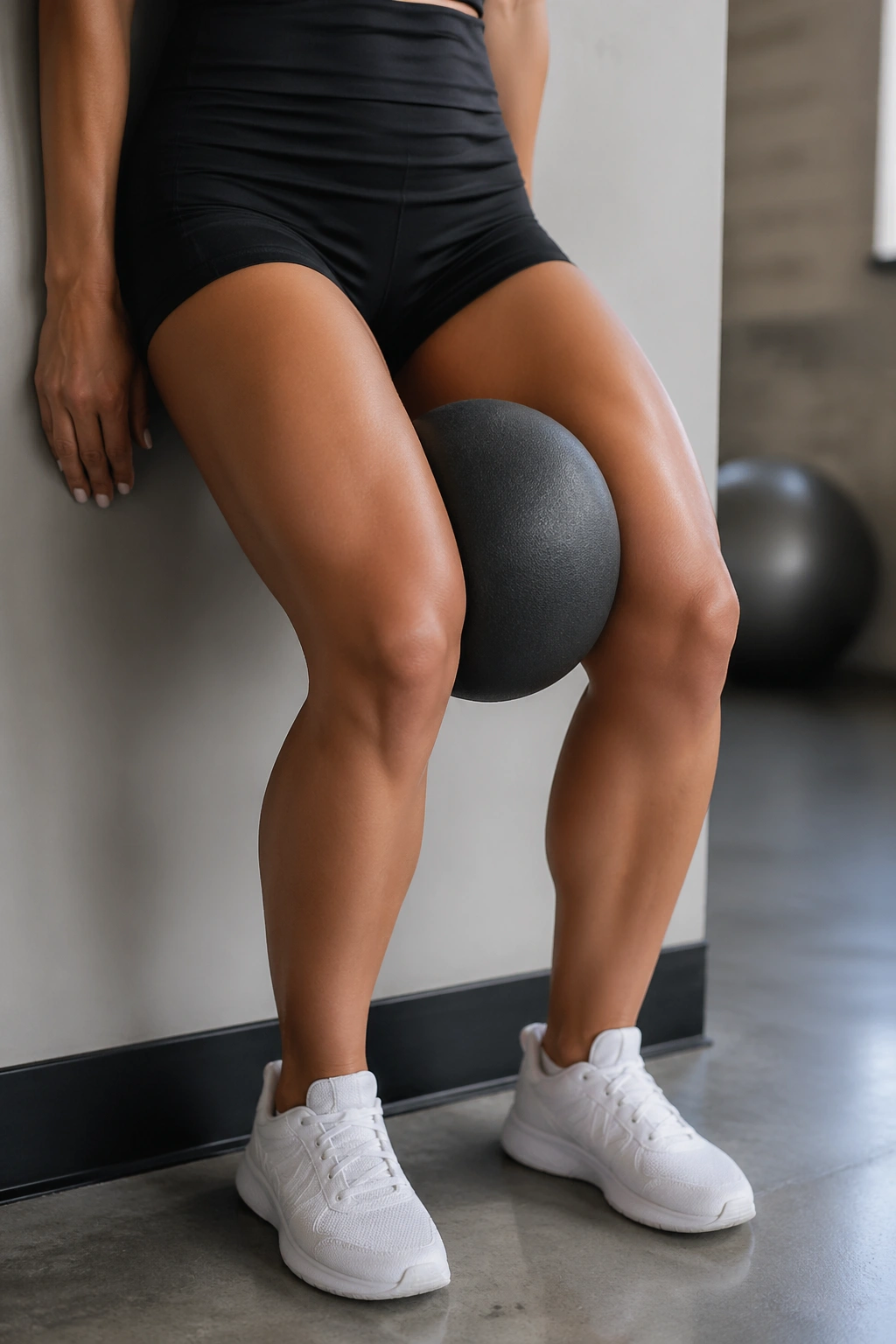
This is the easiest drill in the group and, annoyingly, one of the sneakiest. Stand with your back against a wall or sit into a shallow wall sit, place a ball, pillow, or block between your knees, and squeeze. That’s it. No moving parts. No drama.
Isometric work like this has a place because it teaches the adductors to hold tension instead of only producing motion. If your inner thighs feel shaky during squats or lunges, this kind of squeeze can tighten up the whole pattern. It also works well as a finisher when your legs are already tired and you don’t want to risk sloppy form.
You can do it standing for a quick activation drill or in a wall sit for a more intense burn. The wall sit version tends to light up the thighs faster because your quads are working too, and that whole area starts complaining in sync.
- Hold: 20 to 45 seconds
- Rounds: 2 to 4
- Squeeze: firm, steady pressure
- Breathing: slow and controlled
A one-sentence rule: if your lower back arches, ease off the squeeze and reset your ribs. That fixes more than people think.
15. Seated Adductor Machine for Inner Thigh Workouts
If you have access to the adductor machine, use it. I’m not precious about that. It gives one of the most direct inner thigh loads you can get, and it’s easy to adjust, repeat, and progress without guessing.
Sit tall, set the pads so your knees start in a comfortable open position, and bring the legs together under control. Then let them open back out slowly. The return matters. If the stack slams and the machine bangs, the movement gets sloppy and the adductors lose the job. Keep the torso upright, grip the handles if you need to, and don’t turn it into a speed contest.
This is one of the best finishers for leg day because it isolates the inner thigh after your bigger lifts are done. It also works well for people who want a straightforward machine-based option without having to think about balance, stance width, or ankle mobility.
Best Ways to Use It
- Reps: 12 to 15 with a 1-second squeeze
- Sets: 2 to 4
- Load: light enough to keep the full range smooth
- Tip: pause halfway back out for a half-second if you want more control
A clean machine set feels almost calm at the start, then steadily mean by rep eight. That’s exactly where you want it.
Pick two or three of these movements and repeat them across a few lower-body sessions instead of trying to hit all 15 at once. One heavy pattern, one controlled pattern, one isometric or isolation move — that combination covers more ground than a random pile of leg work.
And if you want the simplest rule to remember, it’s this: wide stance, controlled return, no lazy knees. The inner thigh responds best when you train it like a real muscle, not a tiny accessory hiding at the edge of leg day.
