



That mid-afternoon energy crash during pregnancy feels less like a slight dip in mood and more like your body has physically unplugged from the wall. You are running a marathon of cellular construction while trying to maintain your daily life, and your blood sugar is the fuel gauge. When that needle drops, you don’t just feel tired; you feel irritable, shaky, or even nauseous. The secret to surviving these moments—and the long stretches between meals—isn’t found in a bag of vending machine chips or a sugary pastry. Those provide a spike that leaves you crashing harder an hour later. Instead, the goal is stabilization.
You need combinations that pair fiber with protein, or healthy fats with slow-burning carbohydrates. This isn’t about rigid diet culture or “eating for two” in the way that usually suggests consuming double your caloric intake. It is about strategic refueling. You want snacks that keep your glucose levels steady, your digestion moving, and your brain fog at bay. Whether you are dealing with lingering morning sickness or the third-trimester fatigue that makes standing in the kitchen feel like a chore, these options are designed to be practical, quick, and actually satisfying.
1. Greek Yogurt with Berries and Chia Seeds
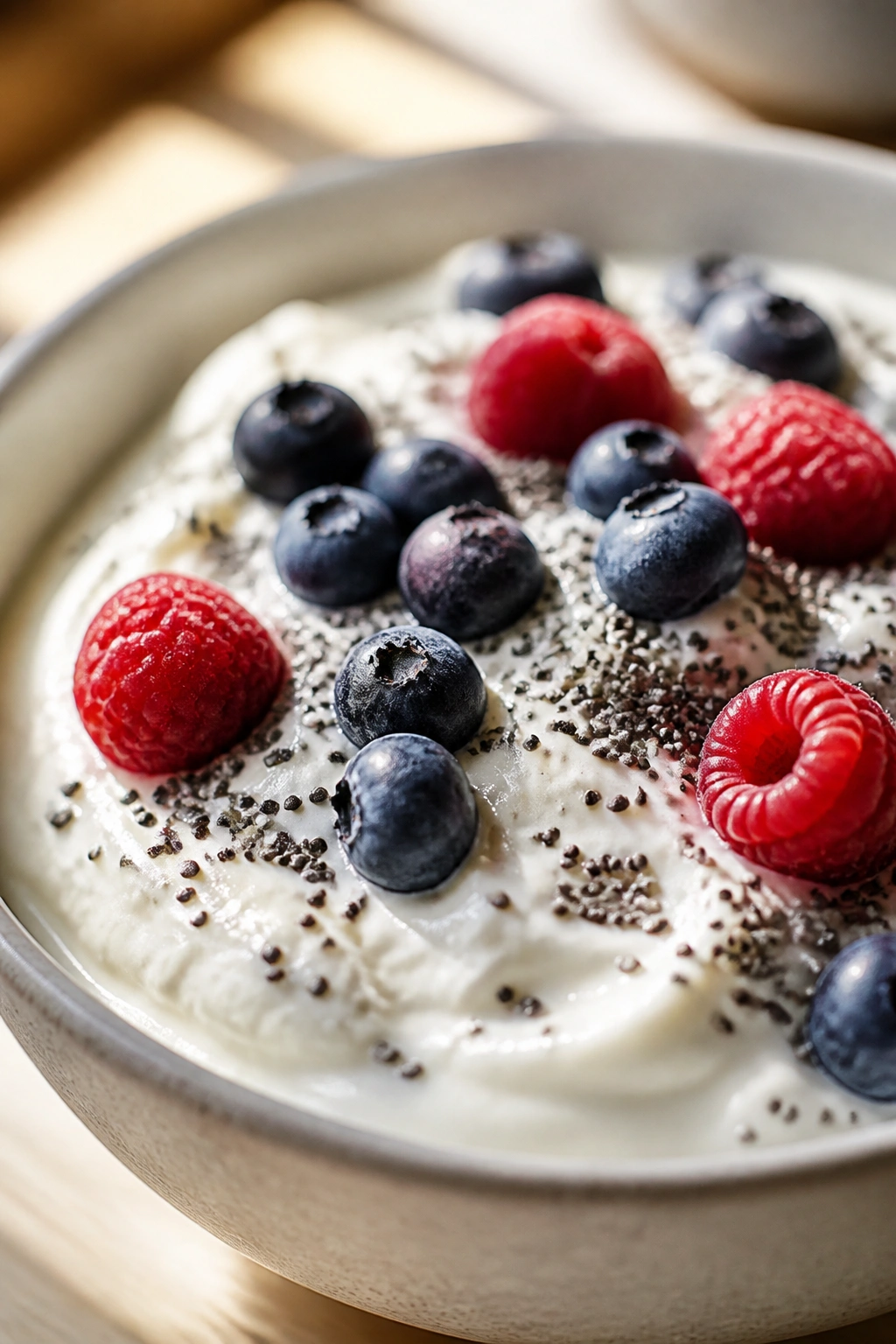
When you need something cold, creamy, and protein-packed, this is your go-to. Unlike regular yogurt, which can be surprisingly high in added sugar and low in protein, plain Greek yogurt acts as a perfect canvas. The protein content helps keep you full, while the acidity can sometimes help settle a stomach that feels off. You want to avoid the pre-mixed fruit versions, which are often just dessert in disguise.
Why the Combination Works
The berries provide fiber and antioxidants without spiking your blood sugar as dramatically as processed snacks. Adding a tablespoon of chia seeds introduces healthy fats and omega-3s, which are great for baby’s brain development. Plus, the seeds absorb liquid, giving the yogurt a thicker, more pudding-like texture that feels more substantial.
A Quick Assembly Tip
Keep your berries frozen or fresh depending on your preference. If you are struggling with nausea, sometimes the tartness of frozen blueberries is refreshing. Always choose plain, full-fat or 2% Greek yogurt rather than the non-fat versions; the fat helps you absorb the fat-soluble vitamins in the fruit and keeps you satisfied longer.
2. Apple Slices with Almond Butter
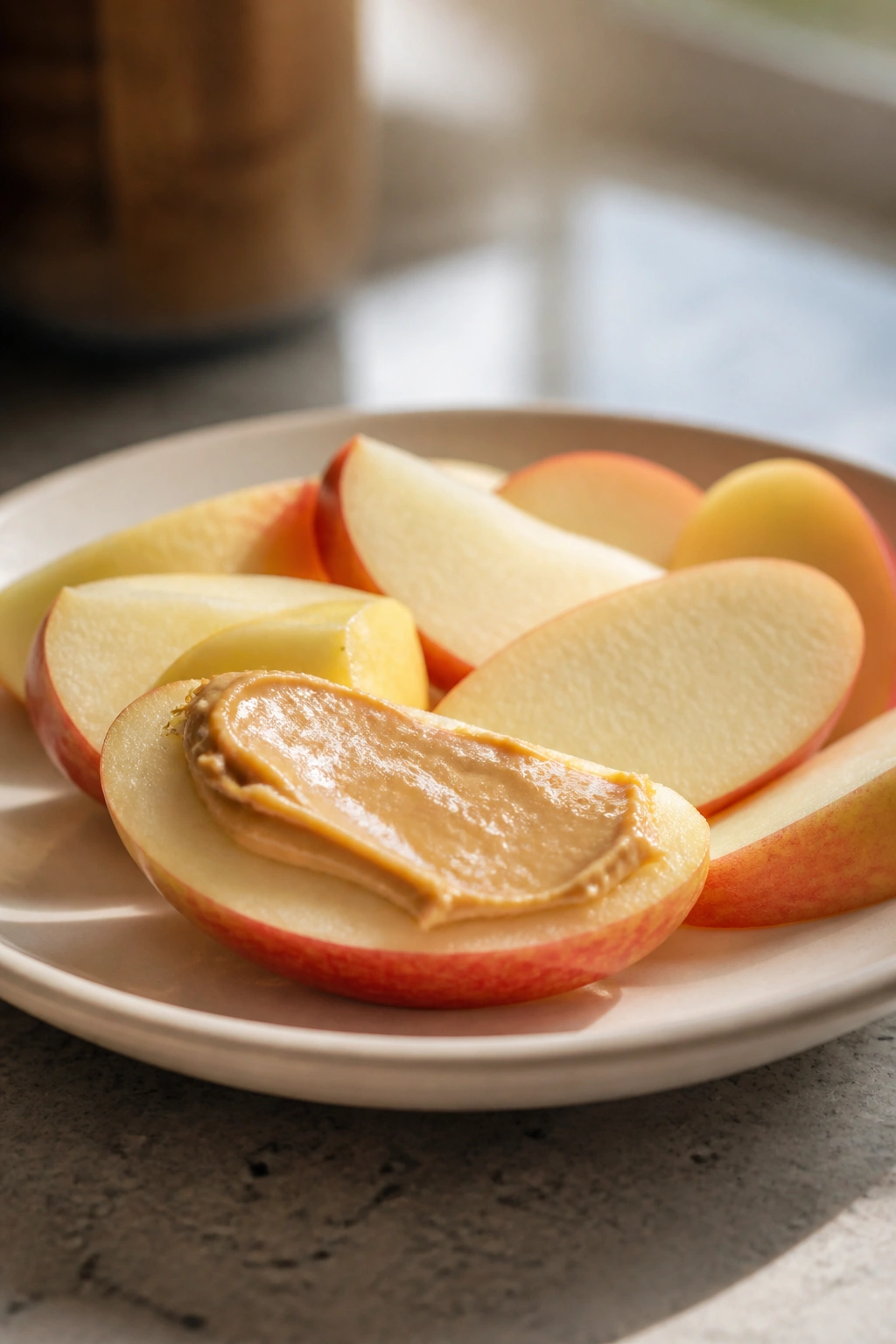
There is a reason this snack has stood the test of time. It hits that sweet and savory craving simultaneously while offering a satisfying crunch. Apples are rich in fiber and vitamin C, and when you pair them with almond butter, you are adding the monounsaturated fats and protein necessary to slow down sugar absorption.
Avoiding the Blood Sugar Rollercoaster
If you eat an apple alone, you might get a quick burst of energy followed by a hunger signal shortly after. The fat in the almond butter is the anchor here. It prevents that rapid blood sugar spike that leads to a crash. It is the perfect snack for when you are on the go and cannot stop for a full meal.
How to Pick the Best Butter
Check your label. You want an ingredient list that says “almonds” (or peanuts, if you prefer) and maybe a pinch of salt. Avoid brands with added palm oil or unnecessary sugars. If the oil separates to the top, just give it a good stir before you store it in the fridge—that is a sign it is actually natural.
3. Hummus and Crunchy Vegetable Sticks
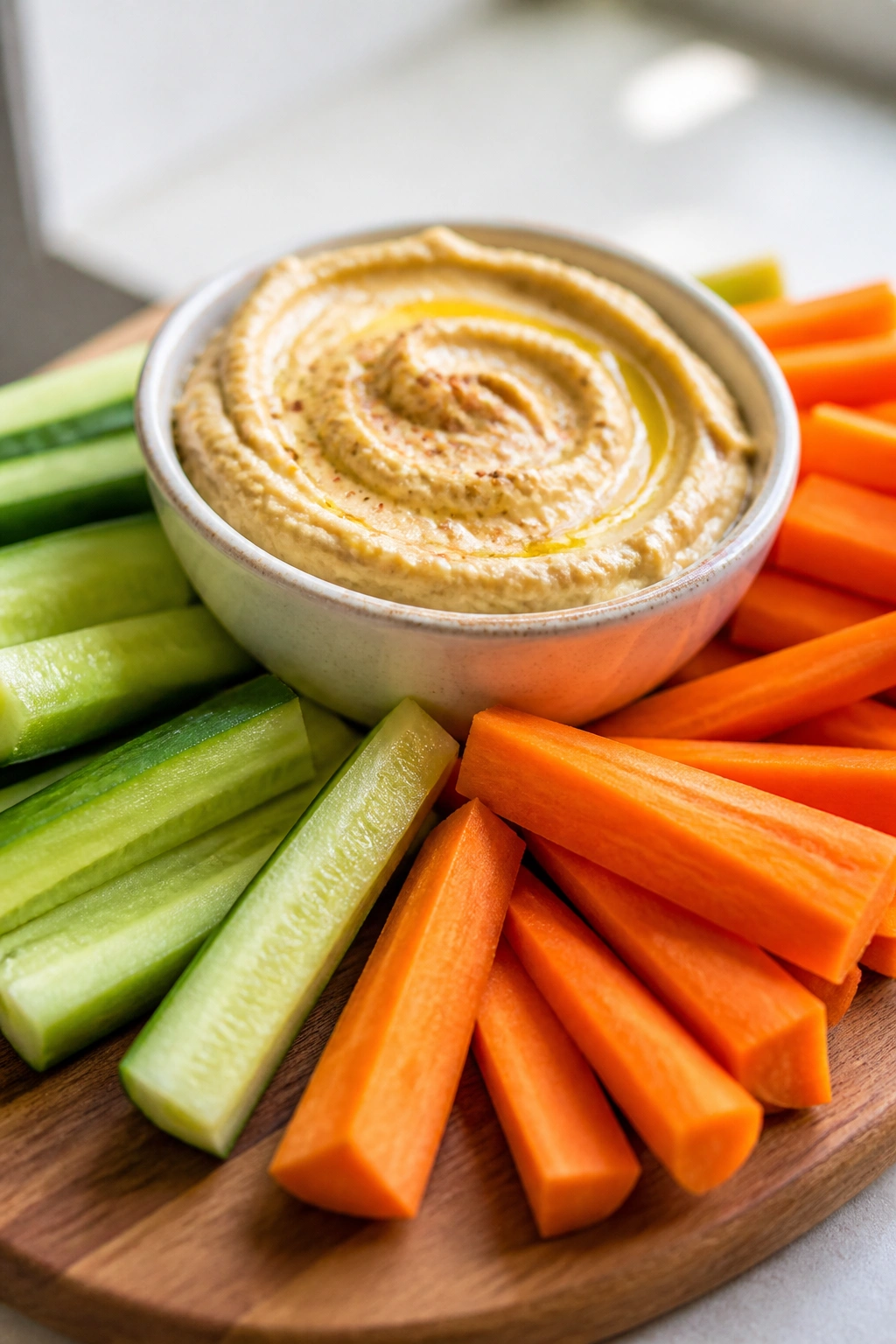
Sometimes the pregnancy palate changes, and you crave something savory, earthy, and fresh. Hummus is a powerhouse because it is made from chickpeas, which provide plant-based protein and iron. It is also an excellent source of folate, a B-vitamin that is crucial during the early stages of fetal development.
Which Vegetables Work Best
While carrot sticks are the classic choice, do not limit yourself. Sliced bell peppers, cucumber rounds, or even snap peas add a different textural experience. If you find raw vegetables difficult to digest, try steaming your carrots or green beans just slightly so they are tender-crisp but still retain that snap.
Making It More Than Just a Snack
If you need a bit more heft, add a few whole-grain pita chips or crackers into the mix. This turns a light snack into a mini-meal that can easily tide you over until dinner. If you are dealing with heartburn, watch the garlic content in store-bought hummus, as sometimes high-garlic preparations can trigger flare-ups for some pregnant people.
4. Hard-Boiled Eggs with Everything Bagel Seasoning
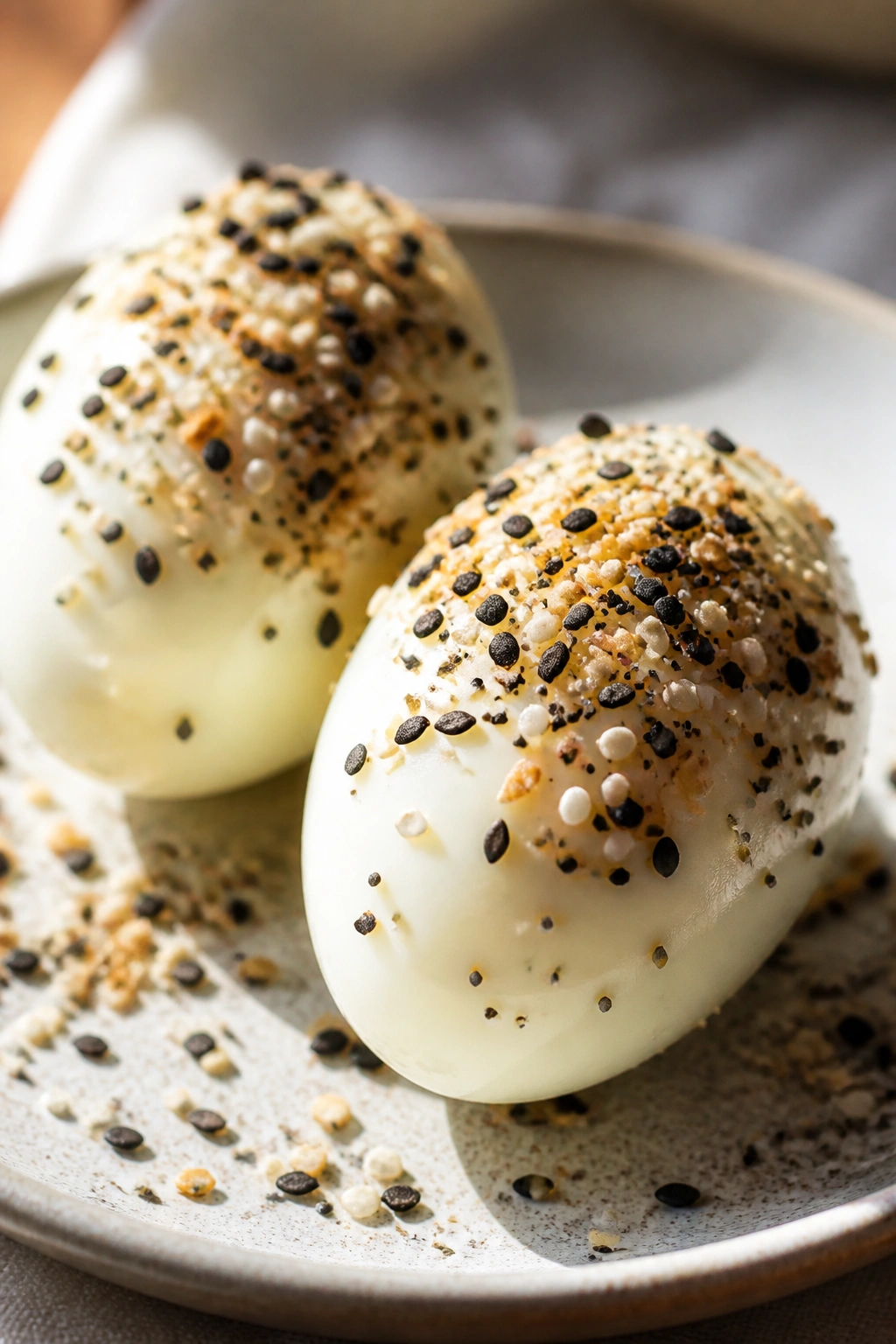
Eggs are effectively nature’s multivitamin. They contain choline, which is vital for baby’s brain and spinal cord development, and they are packed with high-quality protein. Keeping a few hard-boiled eggs in the fridge is one of the smartest strategies for those days when you have zero energy to cook.
Enhancing the Flavor
Plain hard-boiled eggs can get boring quickly. A sprinkle of “everything bagel” seasoning—a mix of poppy seeds, sesame seeds, dried garlic, dried onion, and salt—completely changes the profile. It makes a basic snack feel savory and exciting. If you do not have that mix, even a little bit of smoked paprika or fresh cracked black pepper makes a difference.
Proper Storage Rules
You can boil a half-dozen eggs at the start of the week and keep them in the shell. They will stay perfectly fresh in the refrigerator for up to seven days. When you get hungry, just peel one, season it, and eat. It is instant protein with zero prep time required in the moment.
5. Cottage Cheese with Pineapple or Peaches
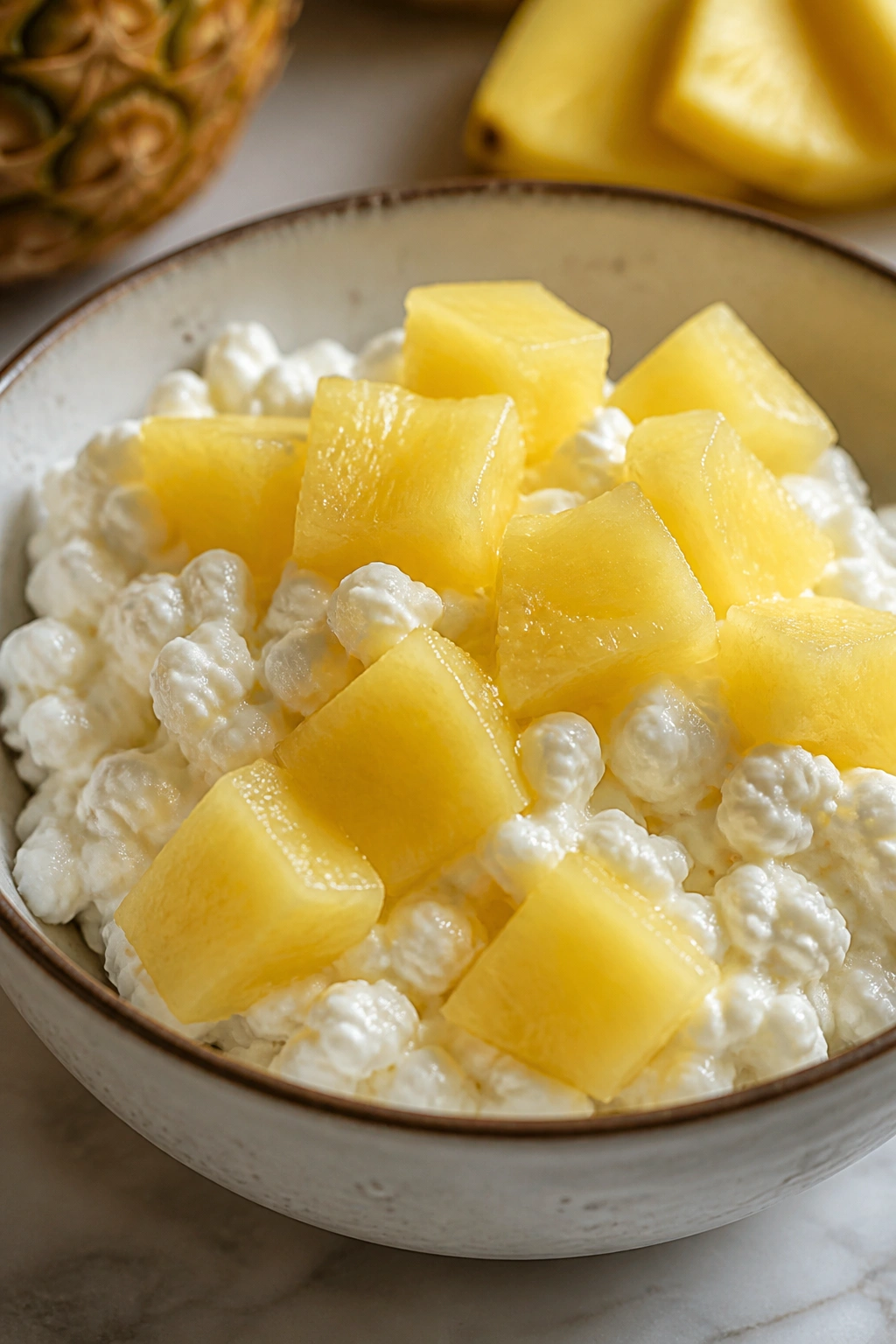
Cottage cheese has made a comeback, and for good reason. It is incredibly high in casein protein, a slow-digesting protein that keeps your hunger signals quiet for a longer duration than other dairy products. Pairing it with fruit provides a nice contrast between the salty, creamy cheese and the sweet, juicy fruit.
Why This is an Energy Booster
The calcium in the cottage cheese is essential for baby’s bone development, and the protein ensures your blood sugar stays stable. If you choose pineapple, you get a bonus: it contains bromelain, an enzyme that can aid digestion, which is often a major pain point during pregnancy.
The Texture Factor
Some people struggle with the curds in cottage cheese. If you are one of them, try blending it for five seconds. It turns into a silky, whipped spread that is much more palatable. Pair this with a few walnuts if you want to add some crunch and healthy fats to the mix.
6. Trail Mix with Raw Nuts and Dried Fruit
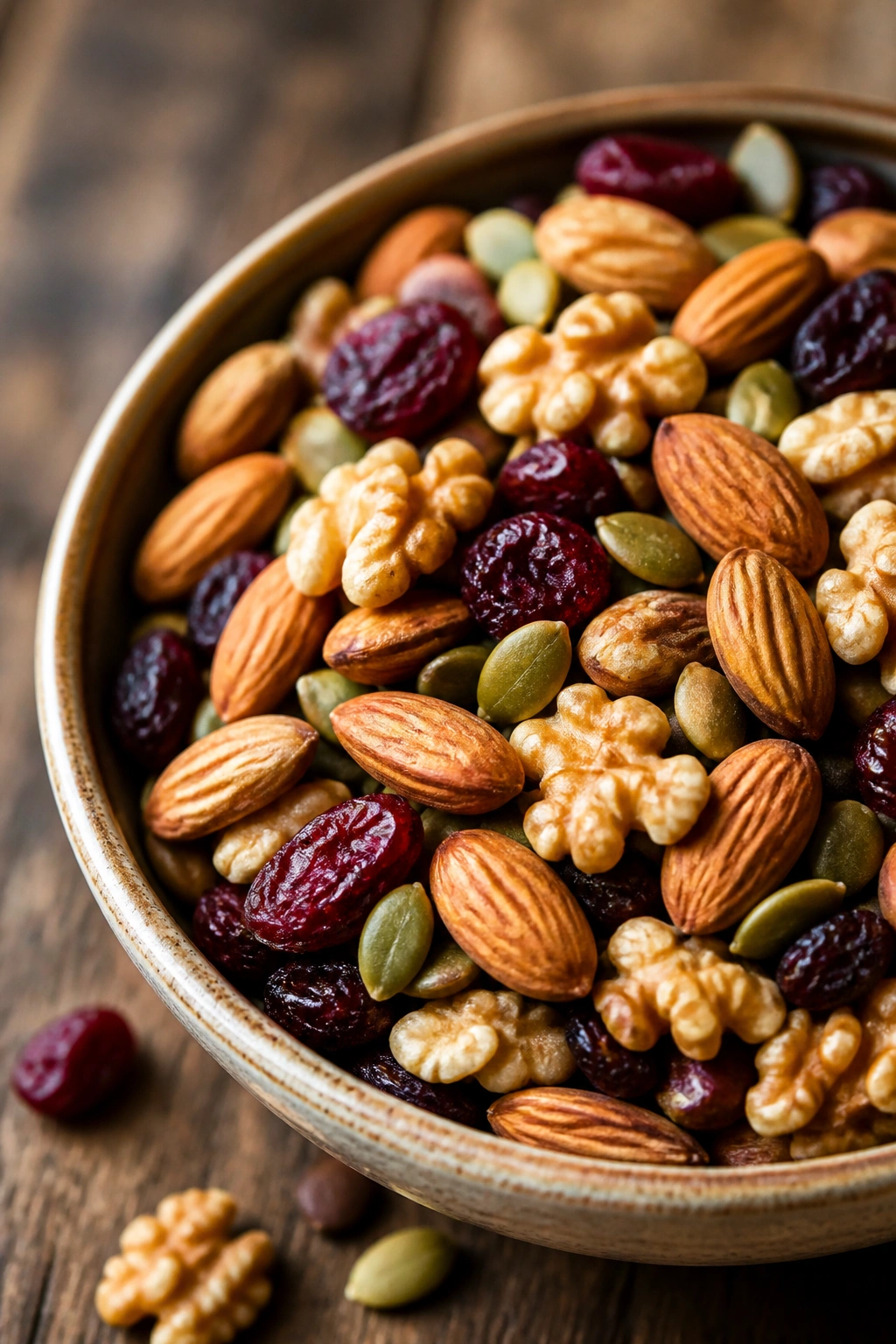
This is the ultimate “grab and go” snack for your bag, car, or office drawer. However, you must be careful with commercial mixes. Many store-bought trail mixes are loaded with chocolate-covered candies and sugar-coated nuts, which are essentially just candy bars in disguise.
Building the Perfect Mix
Create your own custom blend to ensure you are getting real nutrients. Aim for a mix of almonds, walnuts, pumpkin seeds, and a handful of dried cranberries, apricots, or raisins. The nuts provide the fats and protein, while the dried fruit gives you that quick hit of energy and fiber.
Portion Control for Better Digestion
Because trail mix is calorie-dense, it is easy to overeat if you are mindlessly snacking. Measure out a small handful rather than eating straight from the bag. This prevents you from accidentally consuming 500 calories of nuts in one sitting, which can sometimes lead to indigestion or feeling overly full and sluggish.
7. Avocado Toast on Sprouted Grain Bread
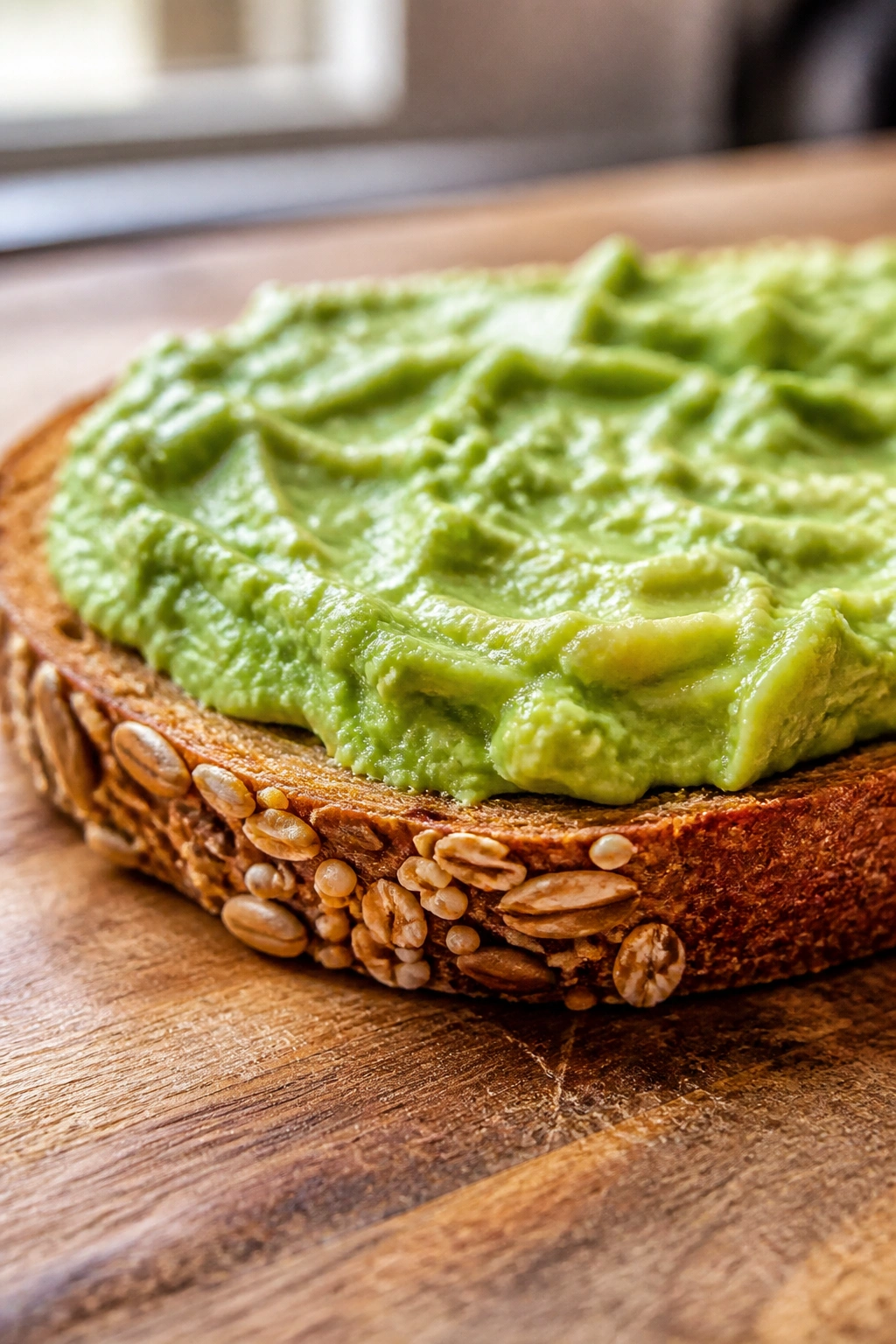
Avocado is a pregnancy superfood. It is loaded with potassium (more than bananas), which can help ease leg cramps, and it is full of healthy monounsaturated fats that are essential for the baby’s skin and brain tissue. Putting it on sprouted grain bread adds a layer of B-vitamins and fiber.
Why Sprouted Grain Matters
Sprouted grains are often easier to digest than traditional refined white breads. Because the grains have begun the germination process, some of the complex starches have been broken down, making the nutrients more bioavailable and the bread easier on your gut.
How to Elevate the Flavor
Mash the avocado with a squeeze of fresh lemon or lime juice to prevent browning and add a bit of brightness. If you feel up to it, add a dash of red pepper flakes or a thin slice of tomato on top. If you’re struggling with morning sickness, the mild, creamy taste of avocado is often much better tolerated than stronger, pungent flavors.
8. Edamame with Sea Salt
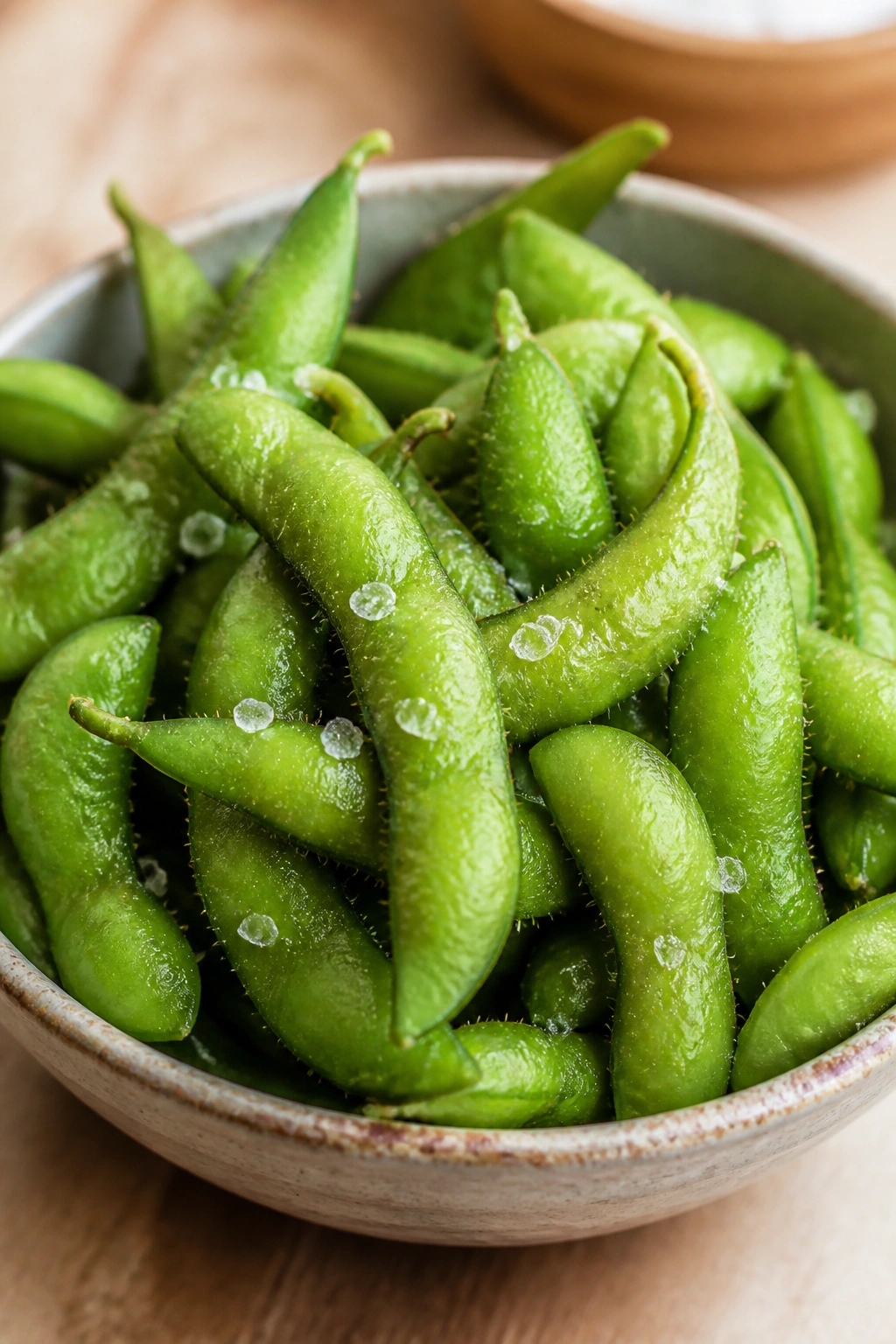
If you have never tried shelled edamame, you are missing out on one of the easiest, protein-rich snacks available. You can usually find them in the freezer aisle, and they can be ready in minutes. They are soybeans, and they are packed with fiber, protein, and iron.
The Experience of Eating Them
There is something satisfying about the texture of edamame—they are firm but yield to a slight chew. Sprinkling them with a little flaky sea salt makes them taste like a sophisticated restaurant appetizer rather than a simple snack.
Prep Methods
You can steam them or just run them under hot water if they are pre-cooked. Keep a bag in the freezer for days when you need something salty and savory but want to avoid the high sodium and empty calories of chips or crackers. They are a great way to hit your protein goals without having to cook meat.
9. Date-Nut Energy Bites
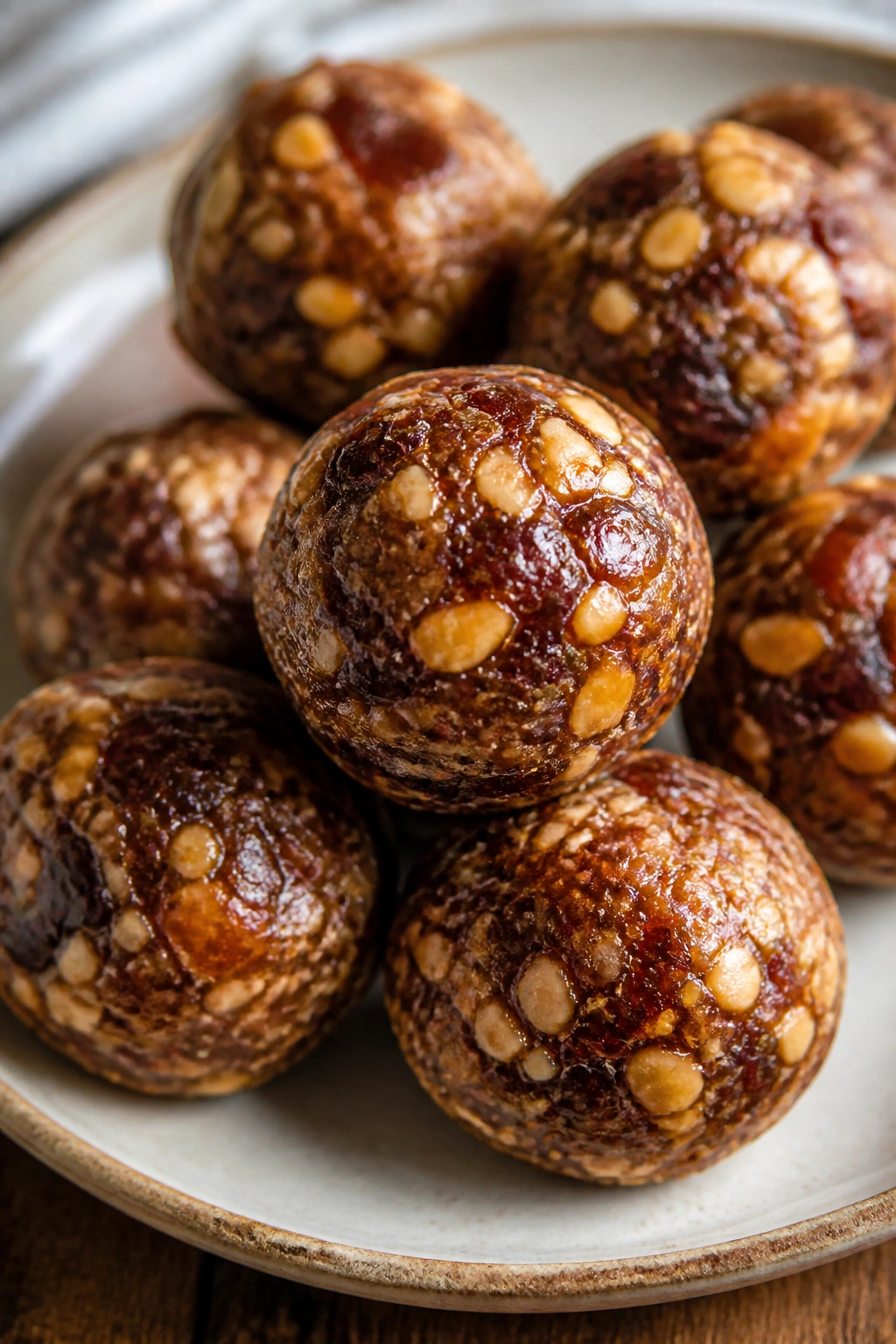
Dates are often called “nature’s candy,” but they are actually a brilliant source of quick energy. They are high in natural sugars, fiber, and potassium. When you combine them with nuts, they become a perfectly balanced fuel source.
How to Make Them
You don’t need a recipe for this. Just throw a cup of pitted dates and a cup of walnuts (or almonds) into a food processor and pulse until it forms a sticky ball. You can roll them into little spheres and keep them in the fridge.
Why They Are Ideal
They are dense, sweet, and satisfying. If you are craving something sweet, this is a far better choice than a cookie. The fiber in the dates and the fat in the nuts slow down the sugar spike, giving you a clean, sustained energy boost rather than a jittery sugar rush.
10. Roasted Chickpeas
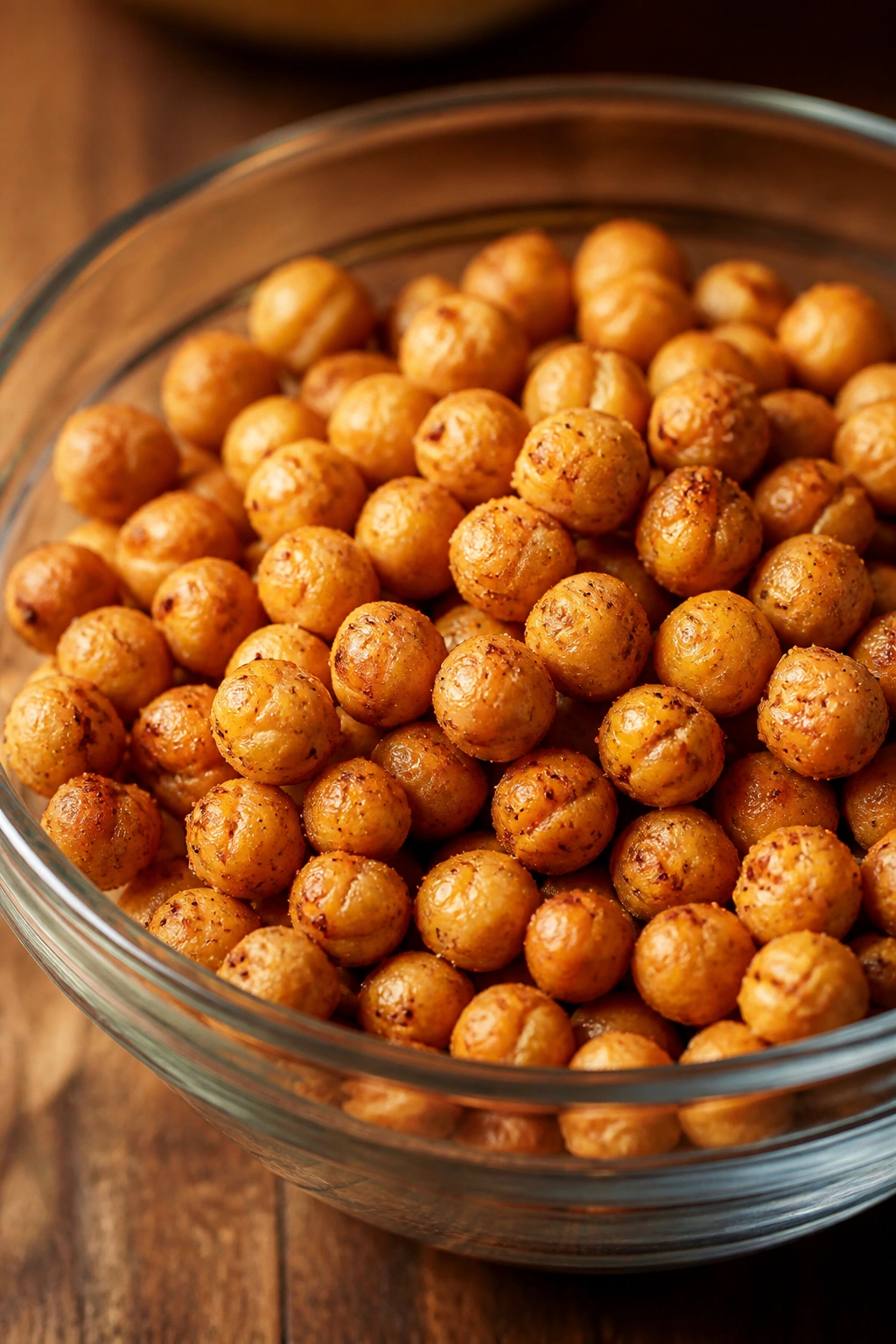
Sometimes you just want something crunchy and salty, like potato chips. Roasted chickpeas are the perfect substitute. They satisfy the desire for that salty “crunch” while providing a solid dose of protein and fiber.
Making Them at Home
You can buy them, but they are expensive and often contain processed oils. To make them, drain a can of chickpeas, pat them very dry, toss with a little olive oil and your favorite spices (cumin, paprika, or garlic powder), and roast at 400°F (200°C) until crispy.
The Storage Advantage
Unlike other snacks, these don’t need refrigeration. You can keep a jar of these on your desk or in your pantry for weeks. They hold up well in a container, making them one of the most reliable snacks to have when you know you will be away from the kitchen for a while.
11. Tuna Salad on Whole Grain Crackers
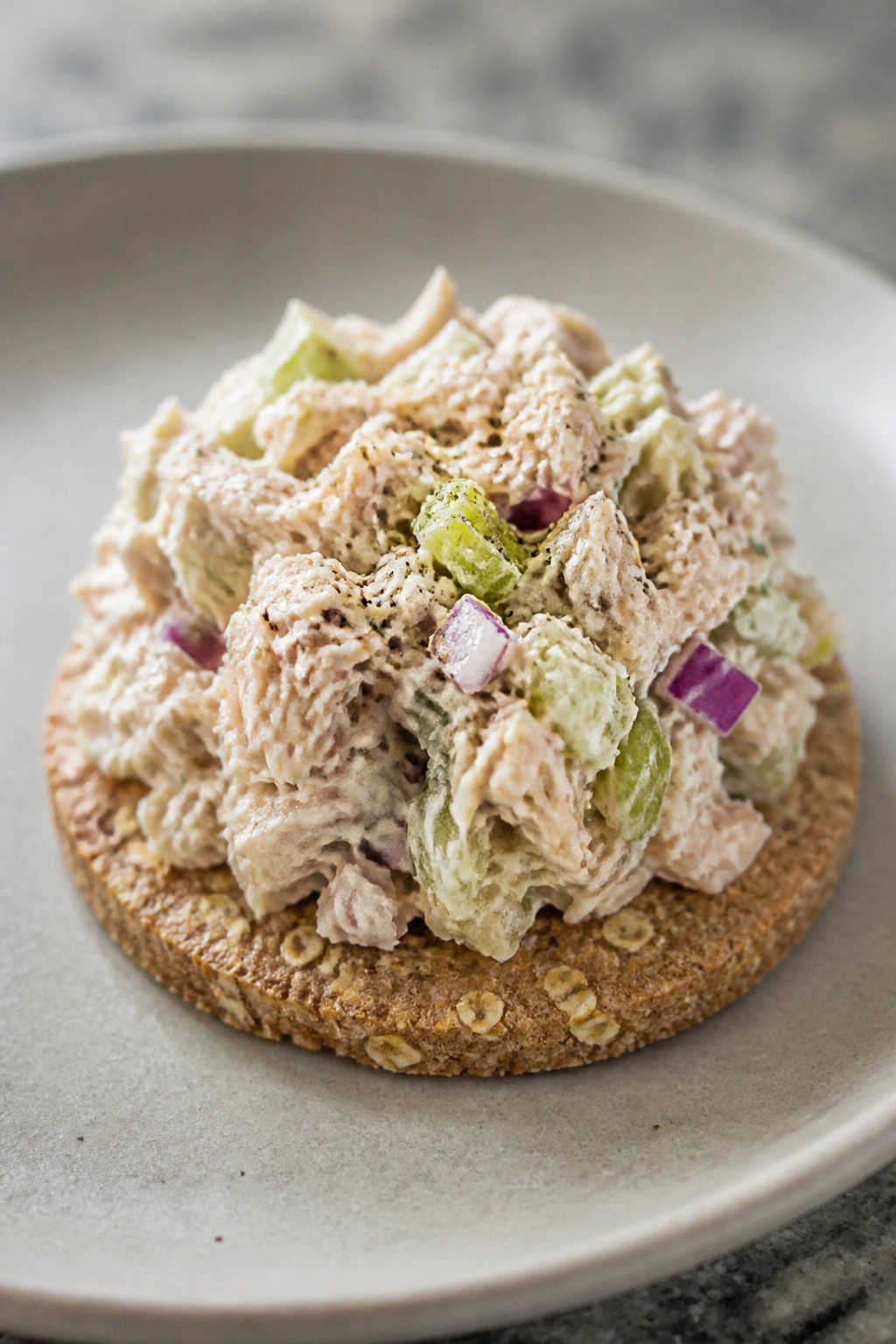
It might sound like a lunch item, but a small portion of tuna salad is a fantastic high-protein snack. Tuna is an excellent source of protein, and provided you stick to low-mercury options like “light” canned tuna, it is a safe and healthy pregnancy staple.
The Right Way to Prepare It
Mix a small can of tuna with a dollop of Greek yogurt instead of mayonnaise if you want to keep the protein content high and the fat content cleaner. Add a squeeze of lemon juice, some chopped celery for crunch, and a little black pepper.
Choosing Your Crackers
Pair this with whole grain crackers. Look for labels that list “whole wheat” or “whole grain” as the first ingredient. Avoid crackers made with refined white flour, as they will spike your blood sugar and leave you hungry again very quickly.
12. Smoothies with Spinach and Flax
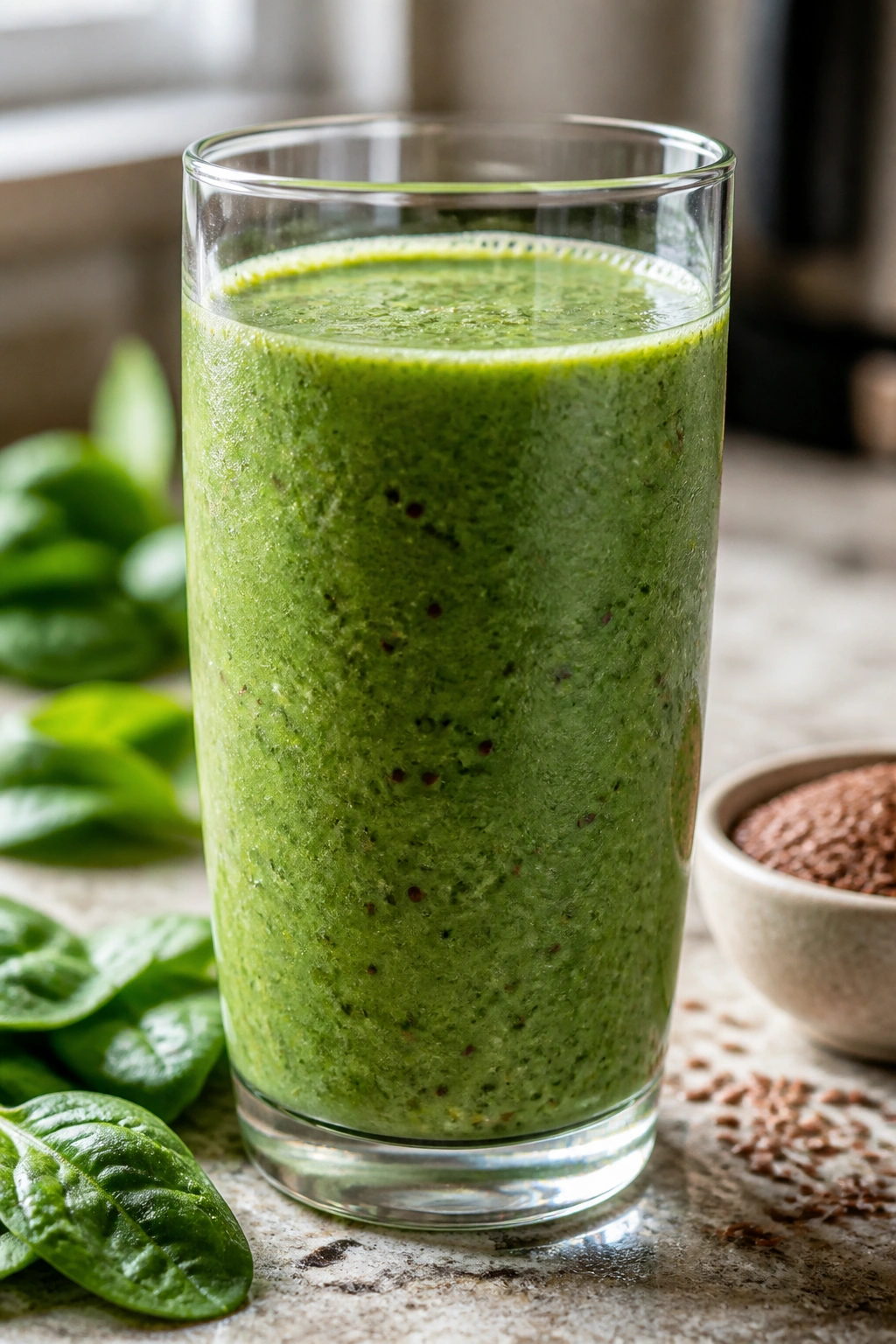
Smoothies are a great way to “hide” nutrients if you are feeling a bit nauseous and don’t want to chew heavy meals. You can pack a lot of nutrition into one glass. Use a base of liquid (like milk, soy milk, or coconut water) and add a handful of spinach.
Why You Won’t Taste the Greens
Spinach has a very mild flavor, especially when paired with fruits like pineapple, mango, or berries. You won’t even know it is there. Adding a tablespoon of ground flaxseed provides fiber and omega-3 fatty acids, which is excellent for supporting your body during pregnancy.
The Secret to Sustaining Energy
Do not make it just fruit. If you use only fruit and juice, you are making a sugar bomb. Add a scoop of protein powder (if you have a brand you trust and like) or a spoonful of nut butter to ensure you get enough protein and fat to make the snack last.
13. Cheese Slices and Whole Grain Crackers
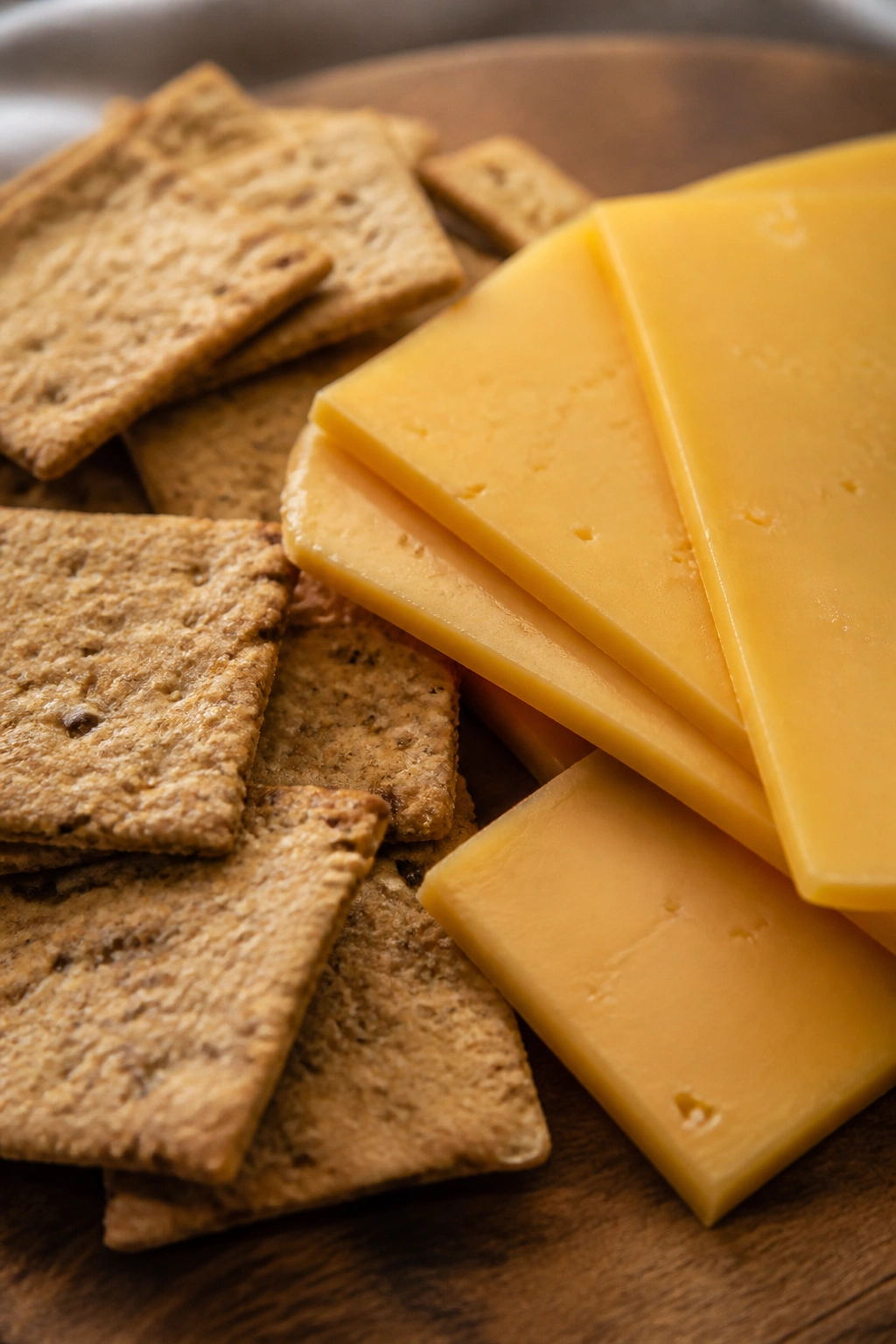
This is the classic “grown-up” snack. It is simple, requires zero prep, and hits all the right notes: salty, creamy, and crunchy. Cheese is a great source of calcium and protein, which are two of the biggest nutrient demands on your body during these months.
Choosing the Right Cheese
Opt for cheddar, Swiss, or Gouda. If you are trying to be mindful of sodium, check the labels, but remember that a little bit goes a long way. The fat in the cheese will help keep you full for a long time.
Why This Combination Wins
The pairing of cheese and crackers is a classic for a reason—it’s balanced. The cracker provides a bit of carbohydrate for quick energy, while the cheese provides the long-burning protein and fat. It’s also an easy snack to eat in small amounts if you are prone to morning sickness and can’t handle large meals.
14. Pear Slices with Walnuts
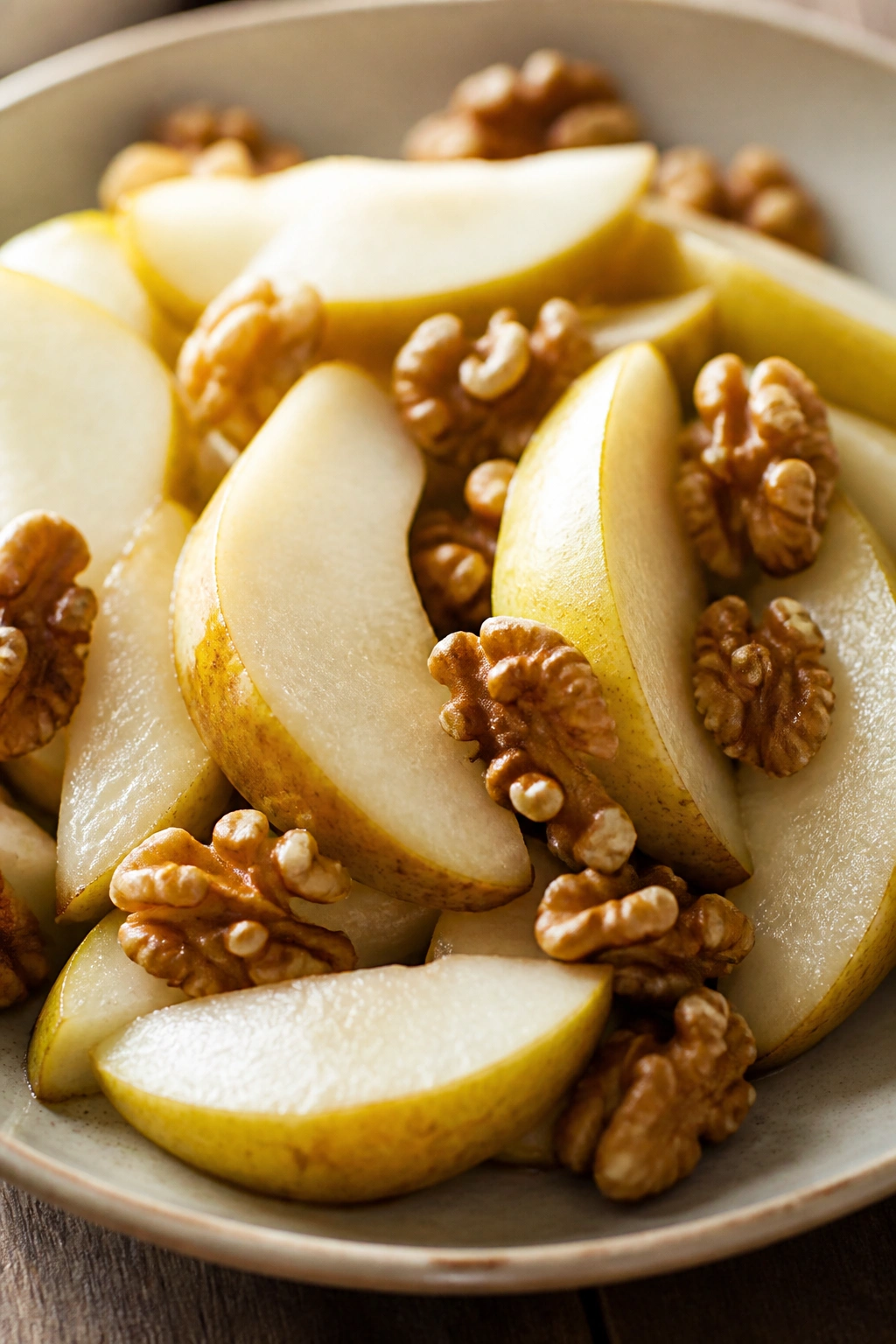
Pears are a refreshing, hydrating, and fiber-rich snack. They are often overlooked in favor of apples, but they offer a different, softer texture that can be easier on the stomach if you are experiencing any dental sensitivity or just prefer a gentler snack.
The Benefits of Walnuts
Walnuts are one of the best sources of plant-based omega-3s. Pregnancy puts a high demand on your brain, and healthy fats are crucial for supporting cognitive function and mood. The crunch of the walnut against the soft, juicy pear is a satisfying combination.
Flavor Twists
If you want to dress this up, add a light drizzle of honey or a sprinkle of cinnamon. If you find the pear skin to be tough, peel it off. Sometimes, the texture of the skin is the only thing standing between you and a healthy, fiber-rich snack.
15. Turkey Roll-Ups with Avocado
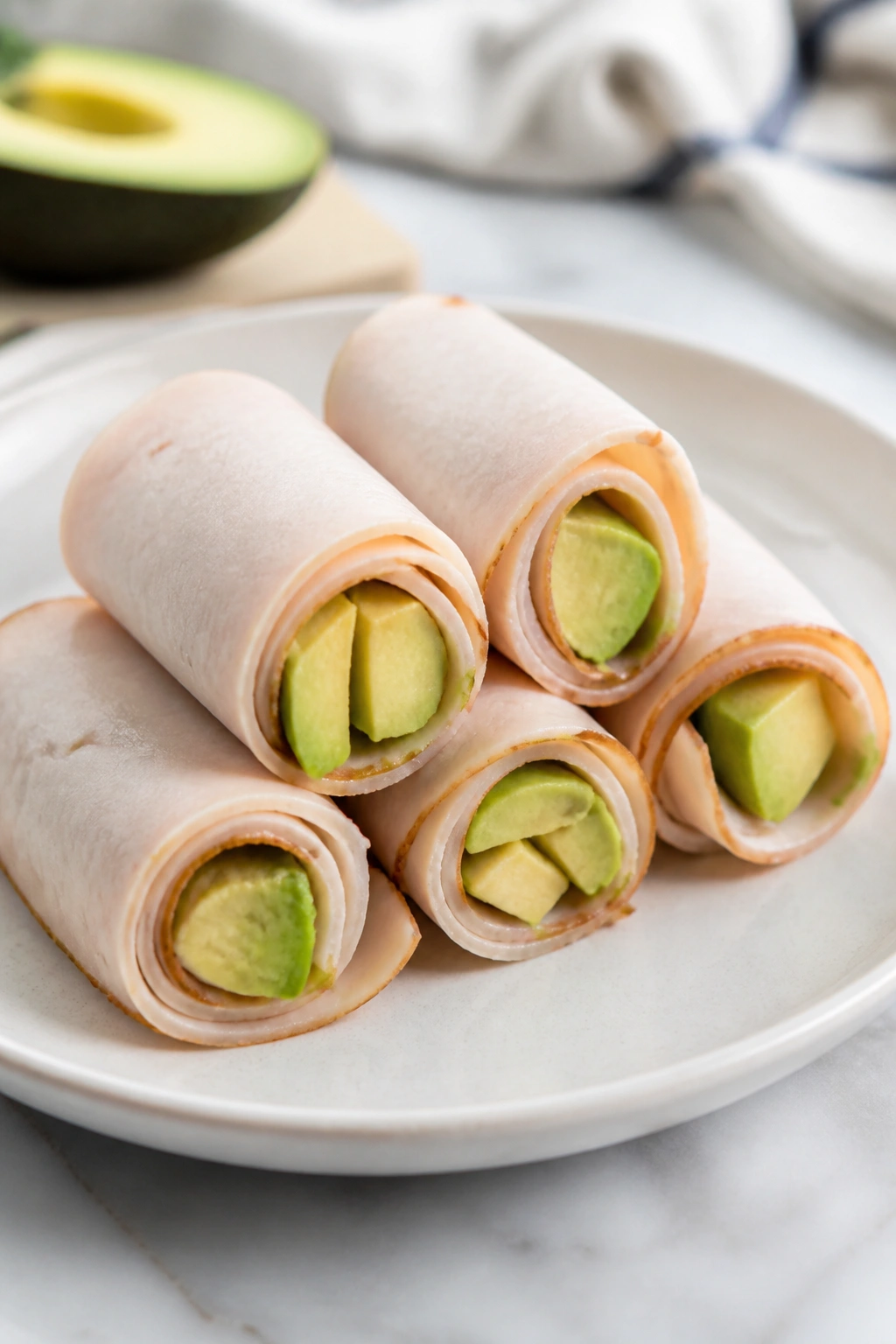
Sometimes you just want a savory, protein-forward snack. Turkey roll-ups are essentially a sandwich without the bread. Take a slice of high-quality, nitrate-free deli turkey, spread a little avocado or a thin slice of cheese inside, and roll it up.
Why This Is Perfect
It is bite-sized, portable, and extremely satisfying. You get the high-quality protein from the turkey and the healthy fats from the avocado. It is low in carbohydrates, which can be great if you find that refined carbs make you feel lethargic or bloated.
A Note on Deli Meat
The long-standing recommendation is to heat deli meat until steaming if you are concerned about listeria. If you are sensitive to the temperature issue, simply pan-sear the turkey for 30 seconds before rolling it up. It adds a delicious smoky flavor and eliminates any safety concerns.
16. Small Portion of Lentil Soup
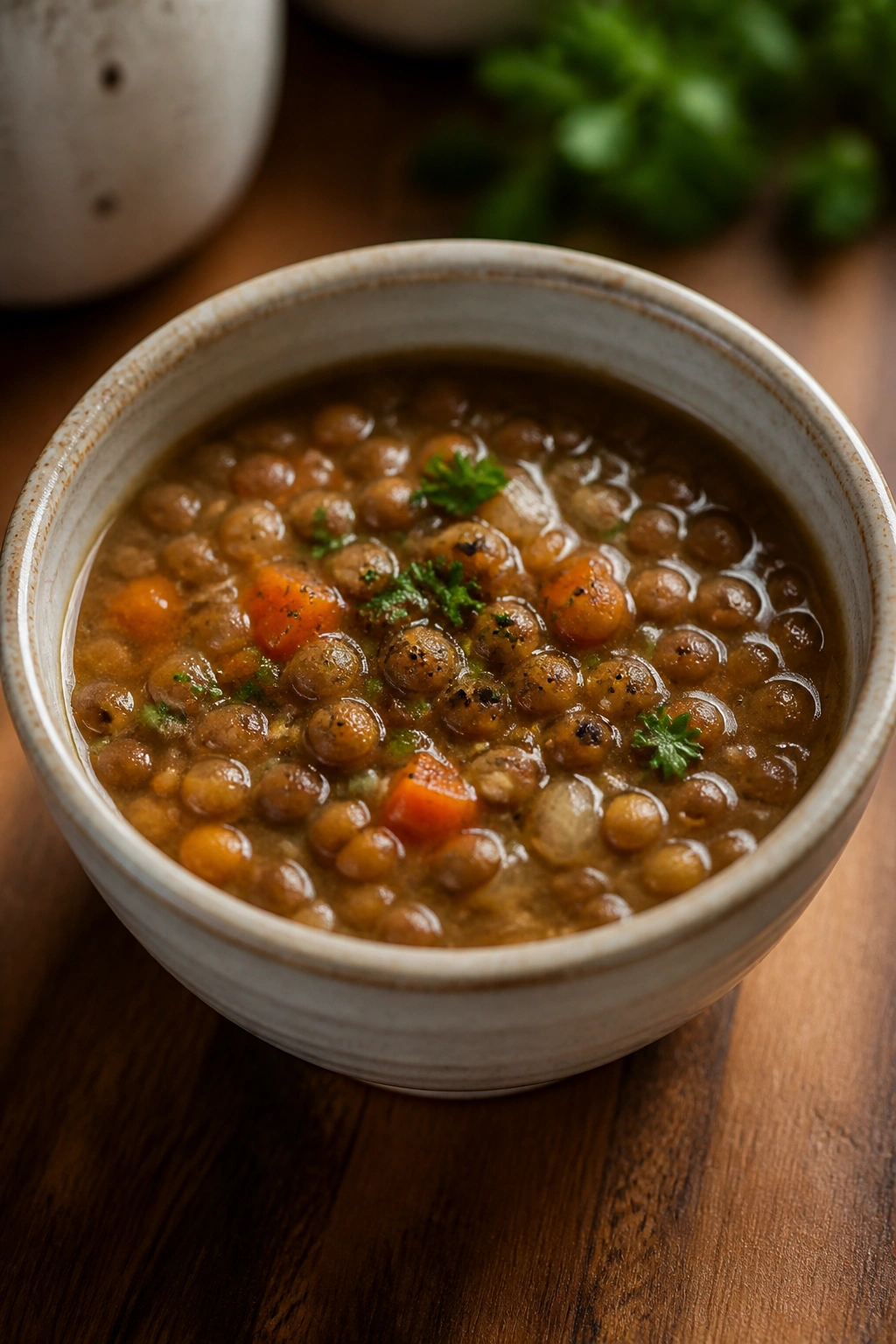
Soup is incredibly underrated as a snack. A small bowl of lentil soup is a nutritional powerhouse—it is packed with iron, folate, and fiber, all of which are essential for pregnancy. Plus, it is warm and comforting.
Why It Helps with Fatigue
Iron deficiency is common during pregnancy and is a leading cause of exhaustion. Lentils are one of the best plant-based sources of iron. Eating a small bowl can help maintain your iron levels throughout the day, combating that heavy, drained feeling.
The Convenience Factor
You don’t need to make a huge pot every time. Make a big batch and freeze it in individual portions. When you need a snack, just thaw and heat a small cup. It is infinitely better for you than a processed snack bar and much more satisfying.
17. Pumpkin Seeds (Pepitas)
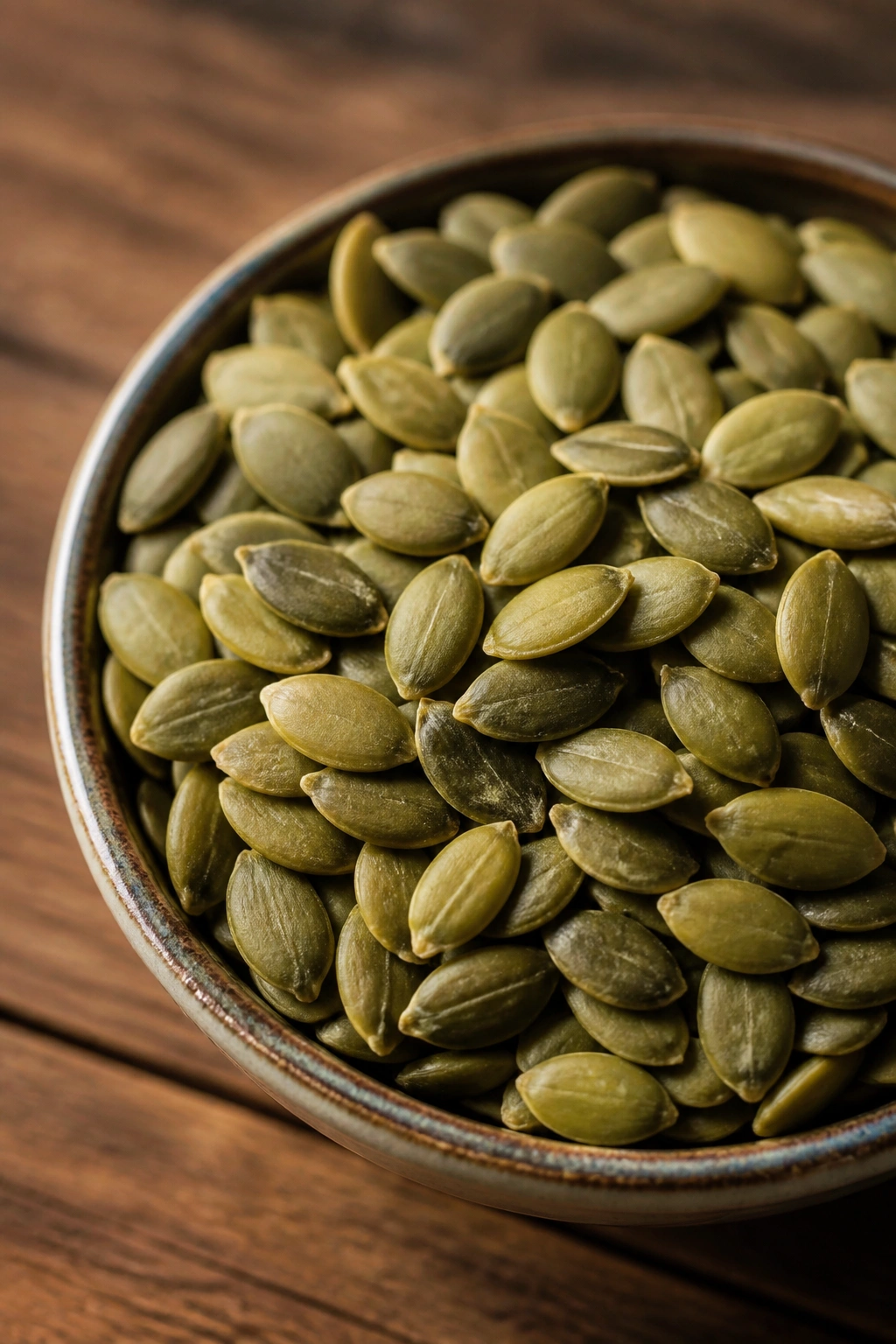
If you haven’t been snacking on pumpkin seeds, now is the time to start. They are a rich source of magnesium, which is helpful for muscle relaxation, sleep, and even preventing some of those pesky leg cramps that tend to crop up at night.
The Nutrient Profile
Beyond magnesium, they are high in protein and zinc. Zinc is crucial for immune function and cell growth. They are one of the most nutrient-dense snacks you can find, and they come in a tiny package.
How to Eat Them
You can toss them on salads, mix them into yogurt, or just eat them by the handful. Buy them raw or dry-roasted rather than those heavily salted, oil-roasted versions found in the snack aisle. They are satisfying on their own and easy to keep in your pantry.
18. Chia Seed Pudding
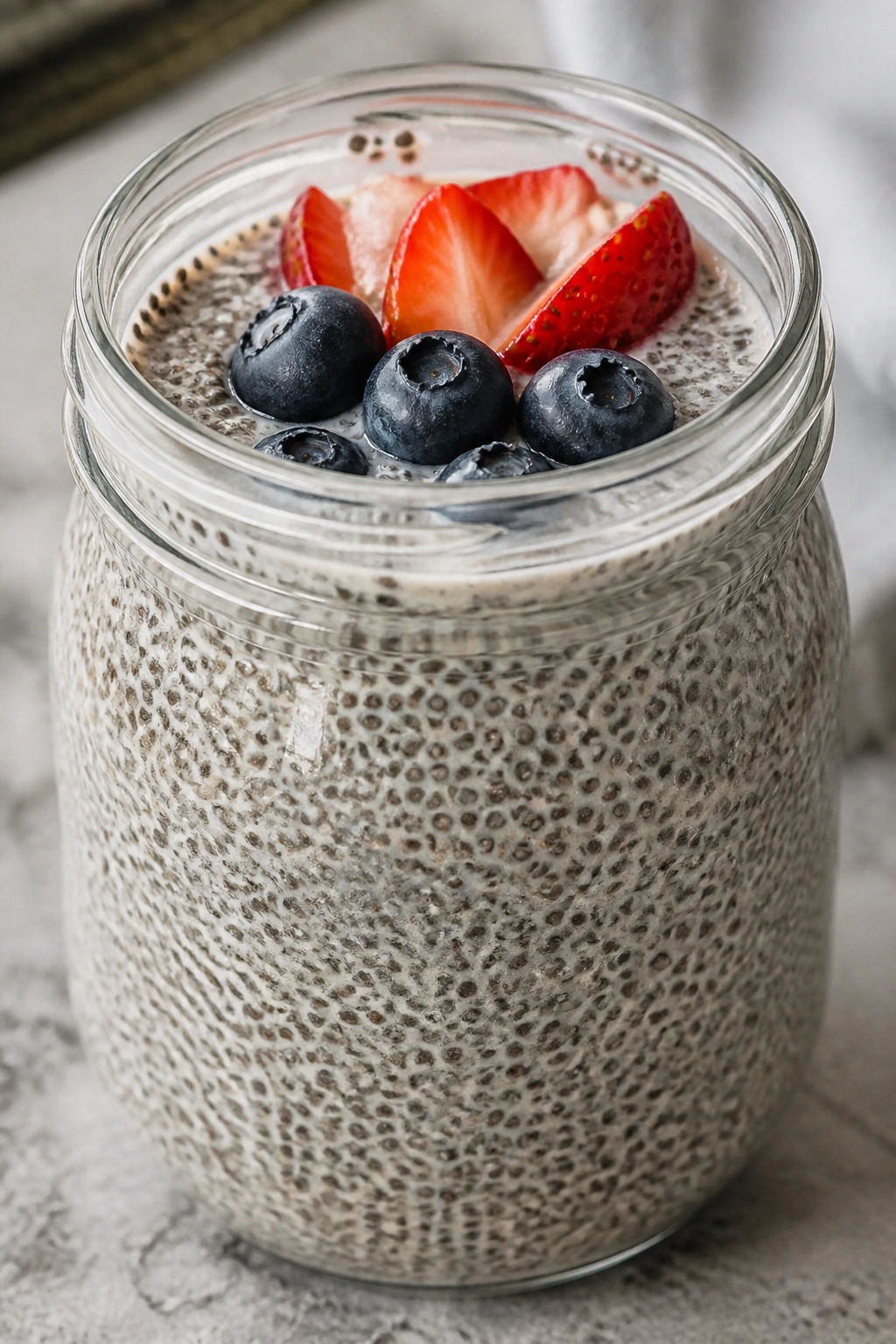
Chia seeds are amazing because they turn into a gel when mixed with liquid. If you mix 3 tablespoons of chia seeds with one cup of milk (dairy or almond, oat, soy) and a splash of vanilla, you get a thick, pudding-like consistency after it sits in the fridge for an hour.
Why It’s a Great Snack
It is essentially a fiber supplement disguised as a treat. The fiber in chia seeds is incredibly helpful for digestion, which often slows down during pregnancy. It is also packed with omega-3s, which, as we’ve discussed, are vital for baby’s development.
Customizing It
You can make a batch on Sunday night and keep it in the fridge for a few days. Top it with fresh fruit, a sprinkle of nuts, or a dash of cocoa powder to change the flavor each time you reach for it. It is cool, refreshing, and very gentle on the stomach.
19. Steamed Sweet Potato
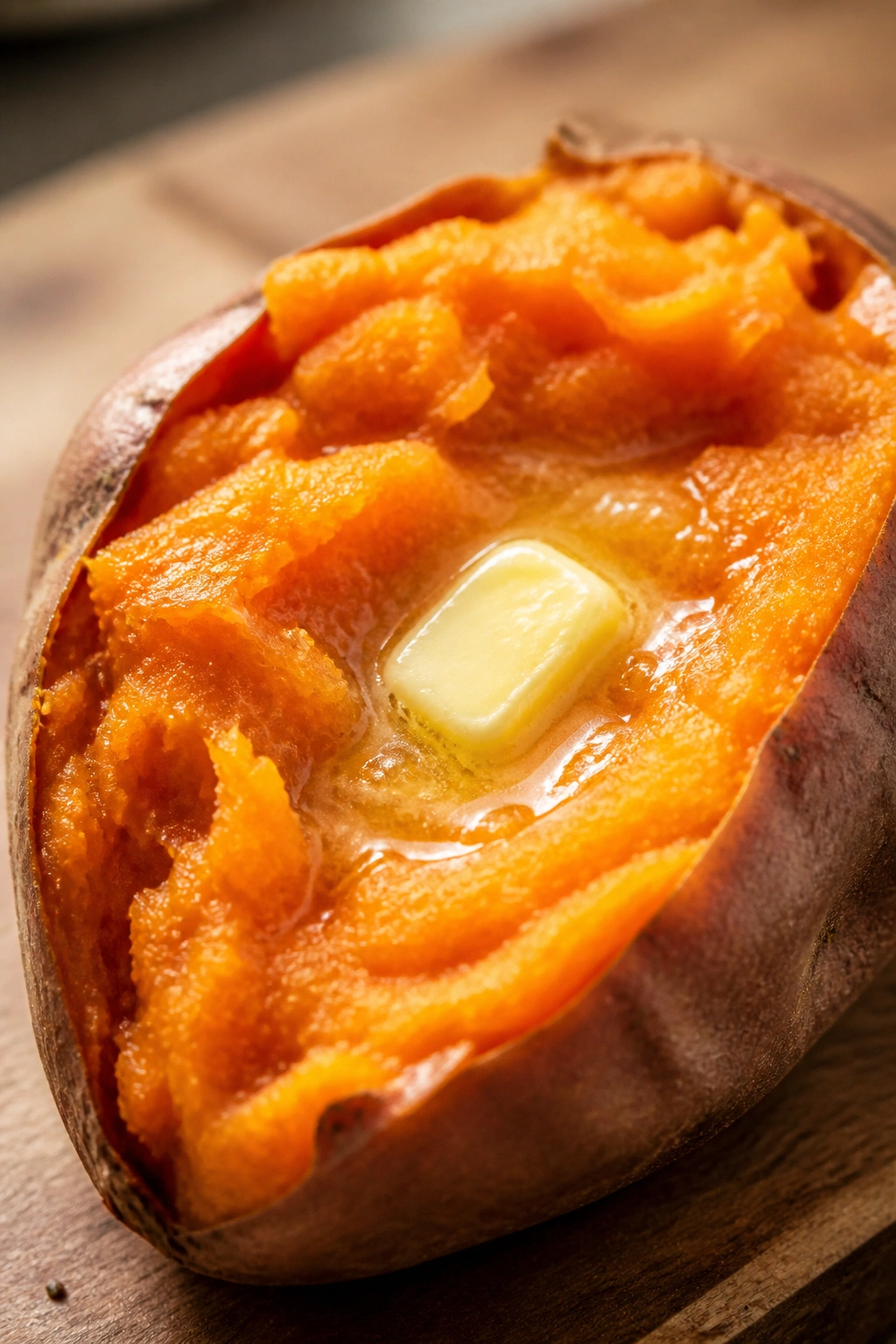
A small sweet potato can be one of the most comforting, nutrient-dense snacks you will ever eat. They are rich in Vitamin A (beta-carotene), which is vital for the baby’s developing vision and skin.
The Texture Advantage
When you steam or roast a sweet potato until it is fork-tender, the natural sugars concentrate, making it taste almost like a dessert. It is soft, easy to digest, and incredibly satisfying.
How to Prepare It Quickly
You don’t need an hour to bake one. Slice it into rounds and steam them in a microwave-safe dish with a splash of water for 5-7 minutes. They come out perfectly tender. Eat them plain, or add a tiny dollop of butter or coconut oil to help absorb the Vitamin A.
20. Banana with Sunflower Seed Butter
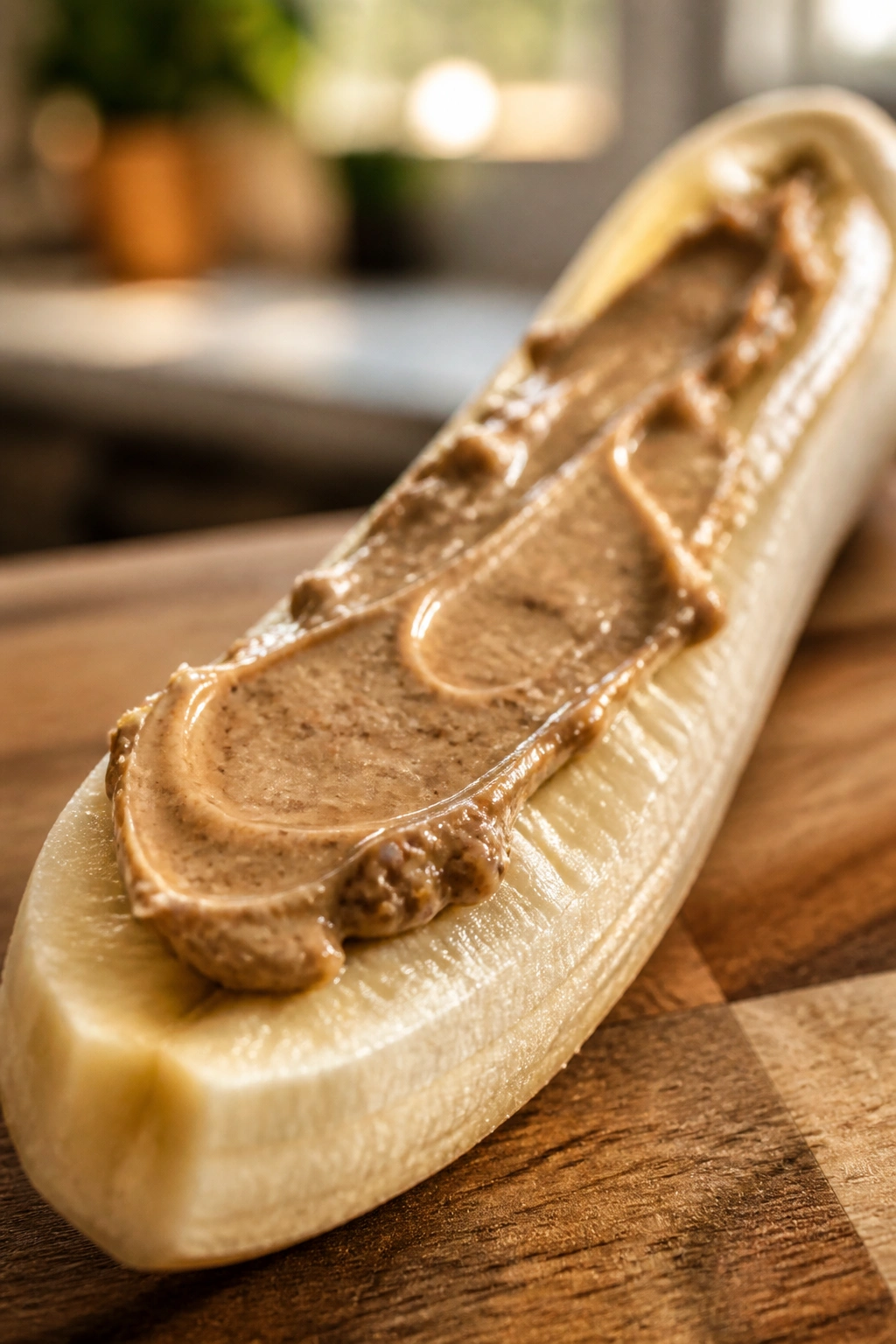
Bananas are the classic energy food. They are full of potassium, which is great for fluid balance and muscle function. They provide that quick carbohydrate boost that can snap you out of an afternoon fog.
Why Sunflower Seed Butter?
If you have a nut allergy or just want something different, sunflower seed butter is a fantastic alternative. It has a slightly more earthy, “seedy” flavor than almond or peanut butter, but it provides the same healthy fats and protein to keep the energy release stable.
The Perfect Balance
Pairing the banana with the seed butter solves the main problem with bananas: they are high-sugar and fast-digesting. By adding the fat from the sunflower butter, you slow down the absorption of that sugar, turning a potential crash-inducing snack into a balanced, lasting source of fuel.
Final Thoughts
The goal of your snacking shouldn’t be to hit a calorie target, but to keep your internal engine running smoothly. Pregnancy changes the way your body processes energy, and your old habits might not cut it anymore. If you find yourself consistently hitting that wall in the afternoon, it is likely because your blood sugar is fluctuating too wildly.
Start by rotating through a few of these options rather than relying on one. Variety ensures you get a wider spectrum of nutrients, which is always the safest bet. Listen to your body—if a specific food makes you feel nauseous, skip it, no matter how “healthy” it is. The best snack is the one that fuels you, tastes good, and doesn’t leave you regretting it an hour later. Keep your fridge stocked with the basics, and you will find that managing your energy becomes significantly easier.
