



The best bicep and tricep workouts for toned, defined arms are not the ones that leave you wobbling after 20 sloppy reps. They’re the ones that hit the muscle cleanly, load it enough to force change, and keep your elbows and shoulders from getting cranky.
A lot of arm training gets lopsided. People chase curls, then wonder why the back of the arm still looks flat in a T-shirt. The triceps make up more of the upper arm than the biceps, so if you want that crisp outline, both sides have to work.
There’s also a boring truth worth saying out loud: muscle tone is not a magic exercise effect. You build shape with resistance work, then that shape shows better when your overall body fat is low enough for it to show through. That’s why the smartest arm sessions feel balanced — some elbow flexion, some elbow extension, some heavier work, some slower control.
The 18 moves below are the ones I keep coming back to because they do something useful. Some are easy to load. Some are sneaky hard. A few are old-school for a reason. Start with the big shapes, then use the finishers to chase a pump.
1. Alternating Dumbbell Curls for Bicep and Tricep Definition
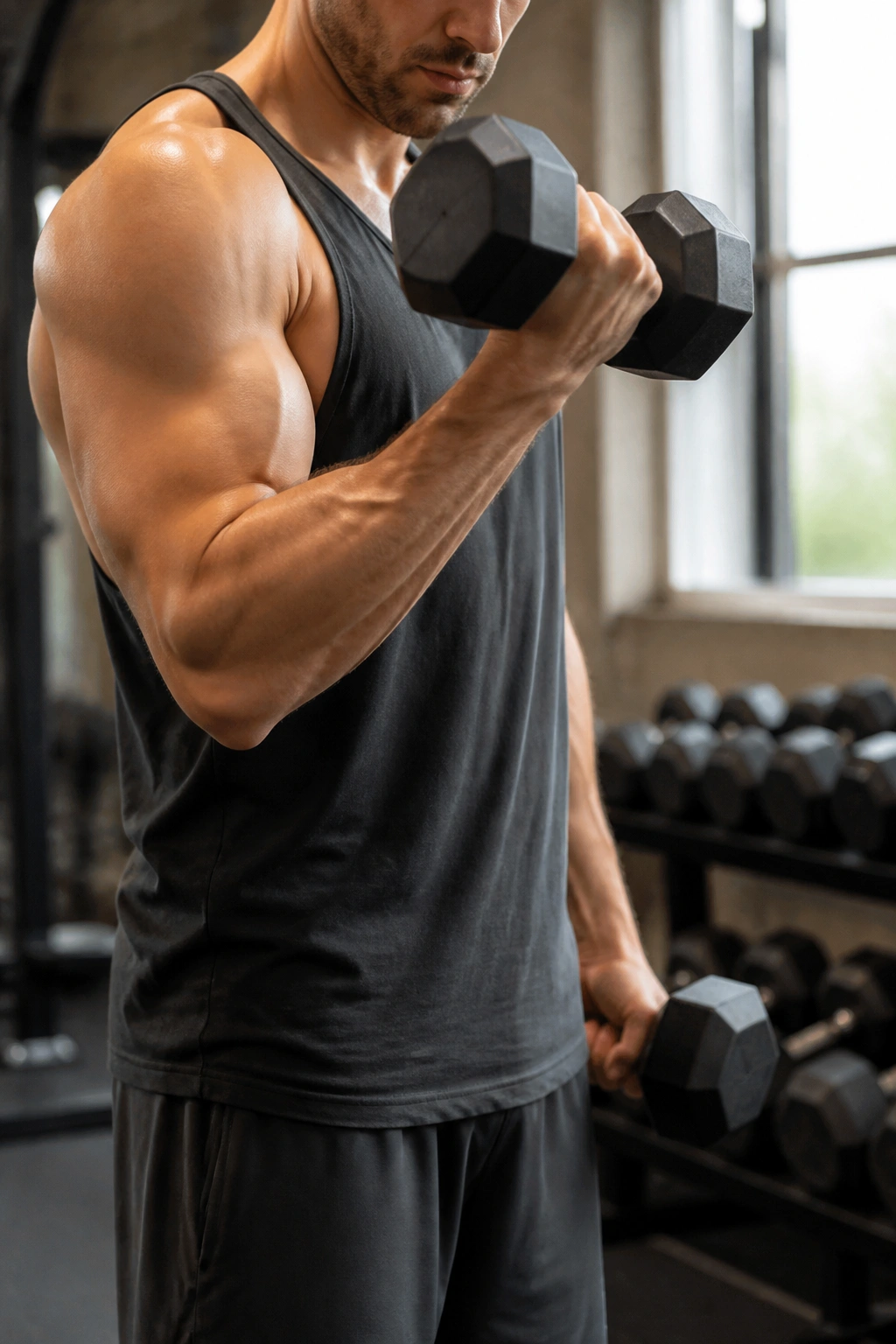
Alternating dumbbell curls are the arm exercise I’d hand to almost anyone first. They’re simple, but not sloppy-simple. Done well, they teach you how to keep your shoulder still, keep your elbow in place, and actually curl with the biceps instead of swinging the weight around like you’re late for a train.
Why This One Matters
Each rep gives one arm a clean job. That matters more than people think. When you alternate, you can focus on a full squeeze at the top and a slow lower on the way down, which is where a lot of the growth signal lives.
Use a load that lets you get 8 to 12 controlled reps per arm. If your torso rocks, the dumbbells are too heavy. If the top feels like a shrug, your elbows are drifting forward.
- Keep your palms facing in at the bottom.
- Turn the palm up as you curl.
- Pause for one second near shoulder height.
- Lower for 2 to 3 seconds.
Pro tip: stop the rep just before your shoulder wants to help. That little gap is where the biceps have to work.
2. Close-Grip Push-Ups
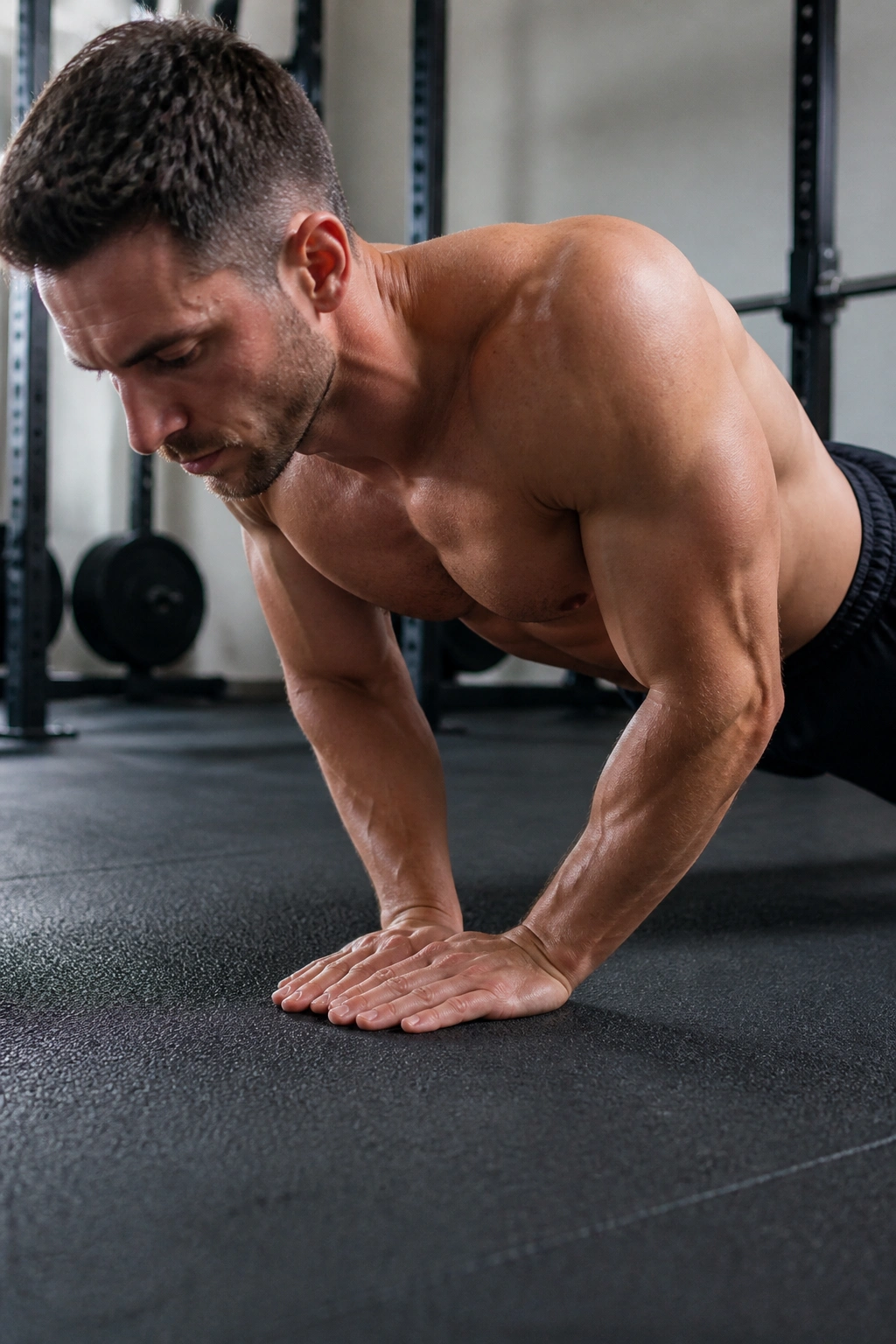
Close-grip push-ups are a blunt answer to weak triceps. No cable stack. No bench. Just your body, the floor, and the honest feedback of how many clean reps you can actually own.
The narrow hand position shifts more of the work to the triceps while still lighting up the chest and front delts. Keep your hands under or just inside your shoulders, not jammed together so tightly that your wrists hate you by rep four. Lower with control until your chest is a few inches from the floor, then press up without letting your elbows flare wide.
If full push-ups are too much, use an incline on a bench or sturdy box. That version is underrated. It lets you practice the same elbow path without turning the set into a survival test. Aim for 3 to 4 sets of 6 to 15 reps, depending on your strength.
One clean set beats three ugly ones.
3. Hammer Curls
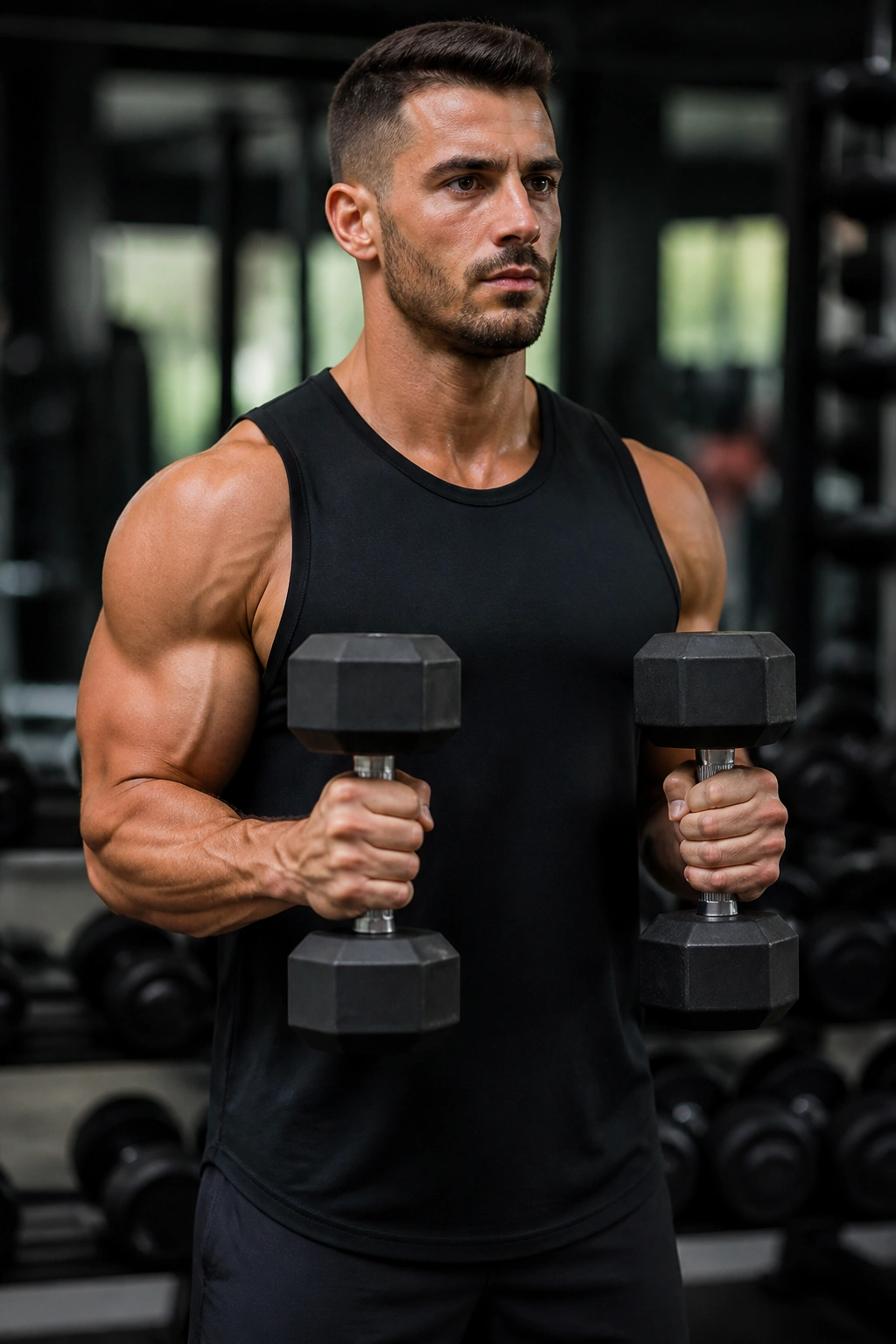
Why do hammer curls show up in so many smart arm routines? Because the neutral grip does more than people give it credit for. It hits the brachialis, the muscle that sits under the biceps, and that can make the upper arm look thicker from the side.
The grip is simple: palms face each other the whole time. That small change usually lets you handle a little more weight than a regular curl, but don’t treat that as a license to heave the dumbbells. Keep your wrists straight, elbows near your ribs, and shoulders quiet.
How to Use Them
Hammer curls work well after a heavier biceps movement or paired with a triceps exercise in a superset. I like them in the 8 to 10 rep range when the goal is size, or 12 to 15 reps when the goal is a cleaner pump.
They’re also easy on the elbows for a lot of lifters. Not all of them. But a lot.
4. Rope Triceps Pushdowns
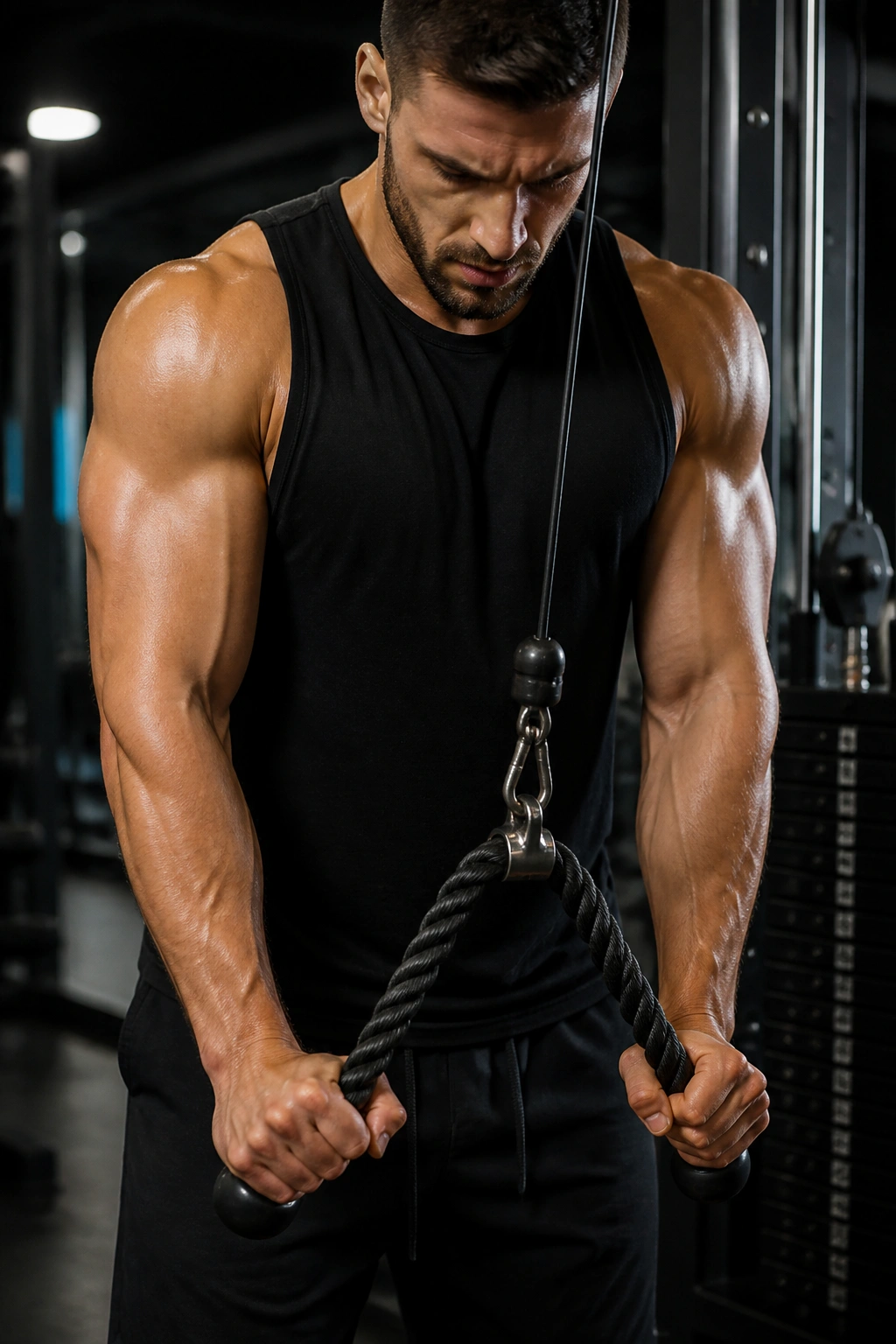
Picture a cable stack, a rope attachment, and that very specific feeling when the rope splits apart at the bottom and your triceps burn in the back of the upper arm. That’s the good part. That’s also why rope pushdowns stay in so many programs.
The magic here is constant tension. Unlike a dumbbell, the cable keeps pulling against you through most of the rep, so the triceps never get to coast. Stand tall, tuck your elbows close, and press the rope down until your arms are fully straight. At the bottom, flare the rope ends slightly outward and squeeze for a beat.
- Keep your chest up.
- Don’t lean so far forward that your body weight helps.
- Use a light to moderate load before going heavy.
- Stop the set when the elbows start drifting.
Watch for this: if your shoulders are doing the work, you’ve lost the point of the exercise. The movement should feel like a hinge at the elbow, not a whole-body shove.
5. Incline Dumbbell Curls
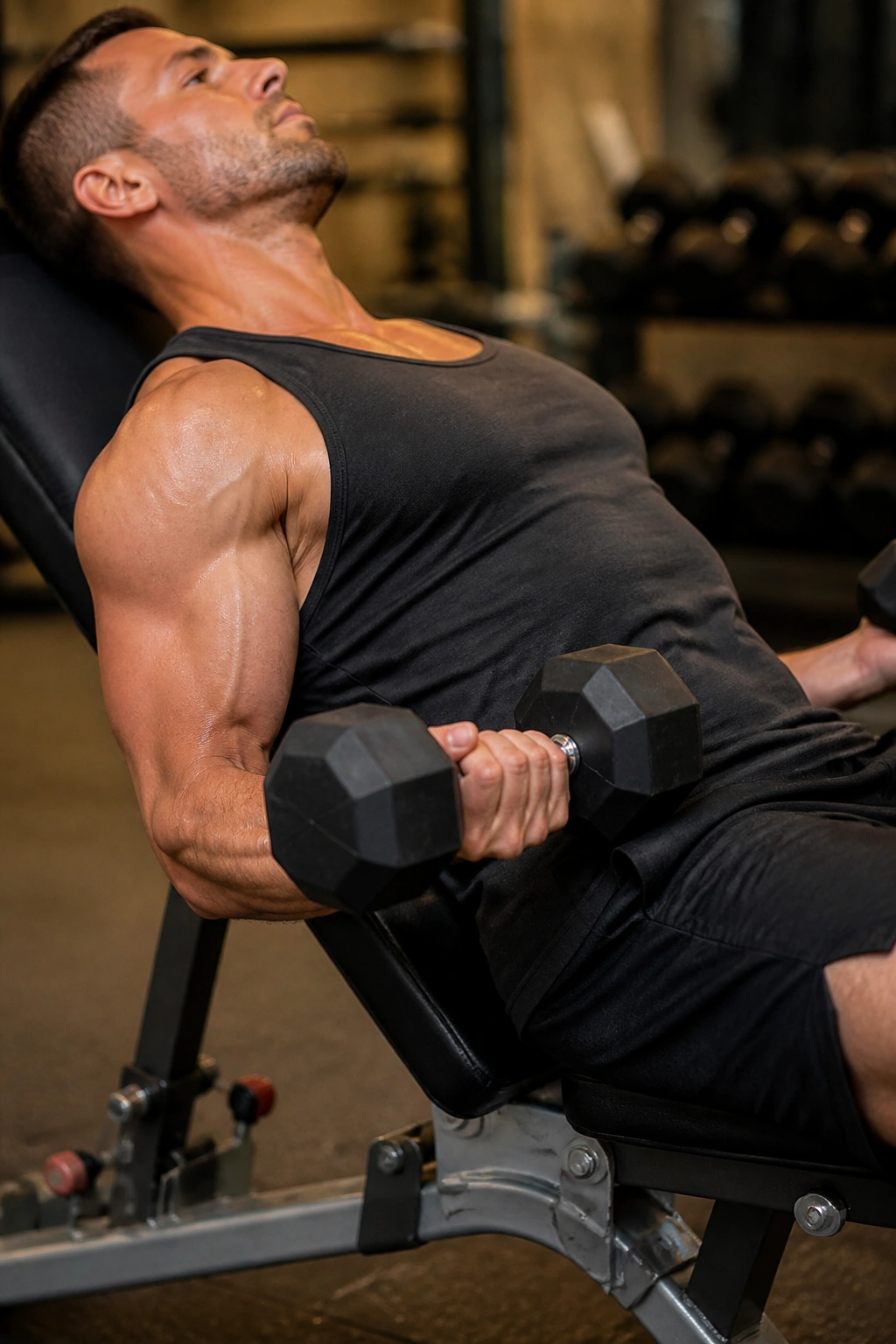
Incline dumbbell curls are the exercise that makes people realize they were cheating on curls for years. The angle changes everything. With your torso back on an incline bench, your arms sit behind the body a bit more, and that puts the biceps under a deeper stretch at the bottom.
That stretch is the reason I like them. Not because stretch is trendy, but because it forces you to control the lower half of the rep instead of whipping the dumbbells up with momentum. Start with lighter weights than you think you need. Seriously. The movement gets hard fast.
Keep your upper arms still and let the elbows stay slightly behind the ribs. Curl up without letting the shoulders roll forward, then lower slowly until your arms are almost straight. The bottom should feel long, not loose.
If regular curls feel stale, incline curls fix that fast. They’re also a little humbling, which I count as a bonus.
6. Overhead Dumbbell Triceps Extensions
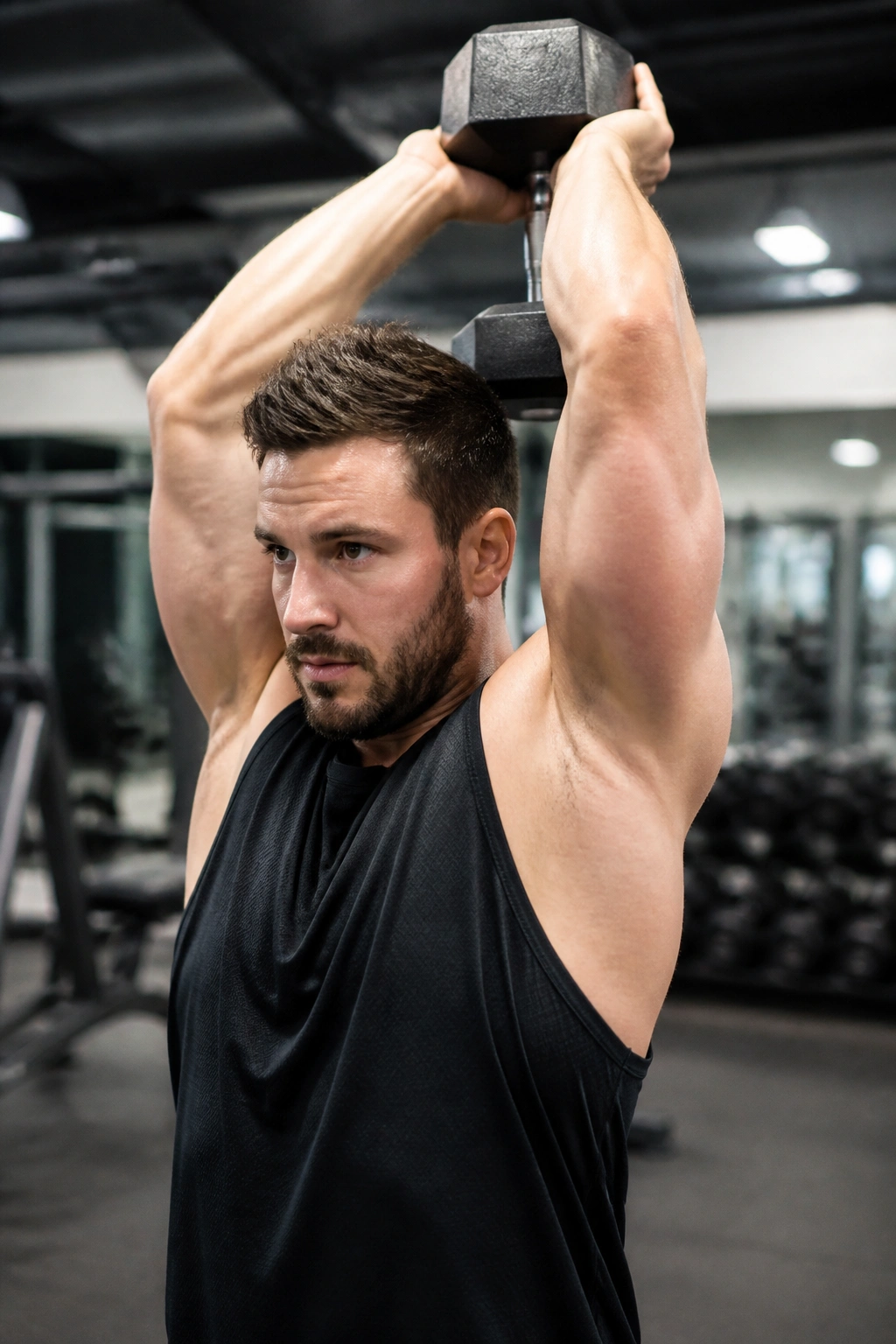
Overhead triceps extensions do something pushdowns can’t fully copy: they load the triceps in a stretched position, especially the long head. That’s the part of the triceps that helps give the back of the arm that full, round look.
A single dumbbell held with both hands works fine. So do two dumbbells. Pick the version that lets you keep your ribs down and your elbows pointed mostly forward instead of flaring all over the place. Lower the weight behind your head until you feel a stretch through the triceps, then press back up until the arms are straight.
Why I Prefer Them Over Random Heavy Presses
A lot of lifters turn this into a lower-back exercise. Don’t. Keep the glutes tight and the torso stacked.
This move is best for 10 to 15 controlled reps, because the form gets messy fast when the load is too ambitious. A moderate weight, clean elbow path, and a full stretch will do more for your arms than a sloppy set with ego weight.
7. Chin-Ups
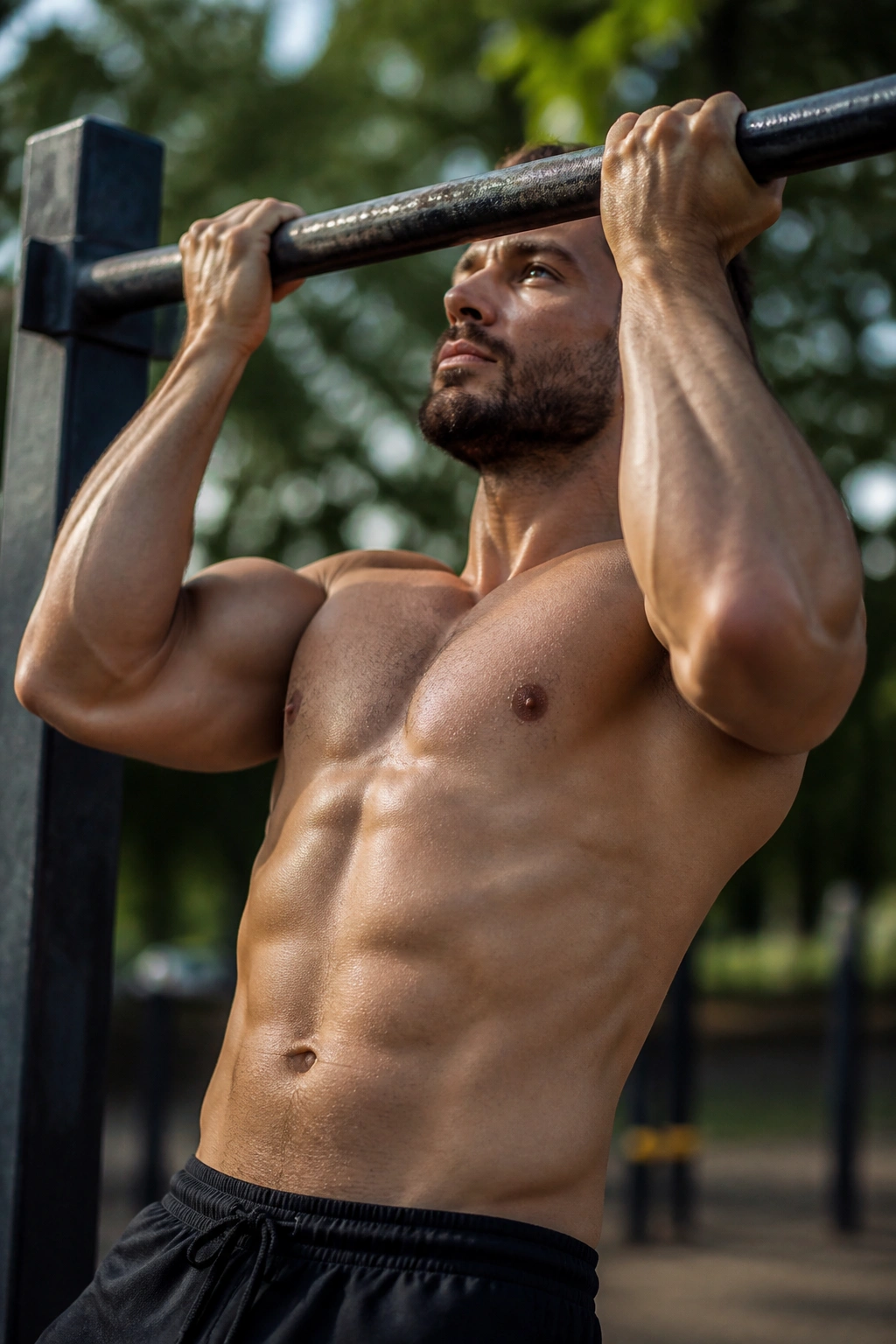
If you want a move that respects your time, chin-ups are hard to beat. The underhand grip brings the biceps in hard while still making your lats and upper back earn their keep, so you get more than one muscle group for the price of one set.
The grip should be about shoulder width. Too narrow feels cramped. Too wide turns into a different lift. Start from a dead hang if your shoulders tolerate it, then pull your chest toward the bar and think about driving your elbows down. Lower under control. No dropping.
How to Get the Most From It
- Use a band if you can’t get 5 clean reps yet.
- Add a slow 3-second lower if bodyweight reps get easy.
- Stop one rep before your form gets sloppy.
- Keep your chin from jutting forward to “find” the bar.
Chin-ups are demanding, but they pay off. They build the kind of arm shape that shows from the side, not just from the front.
8. Concentration Curls
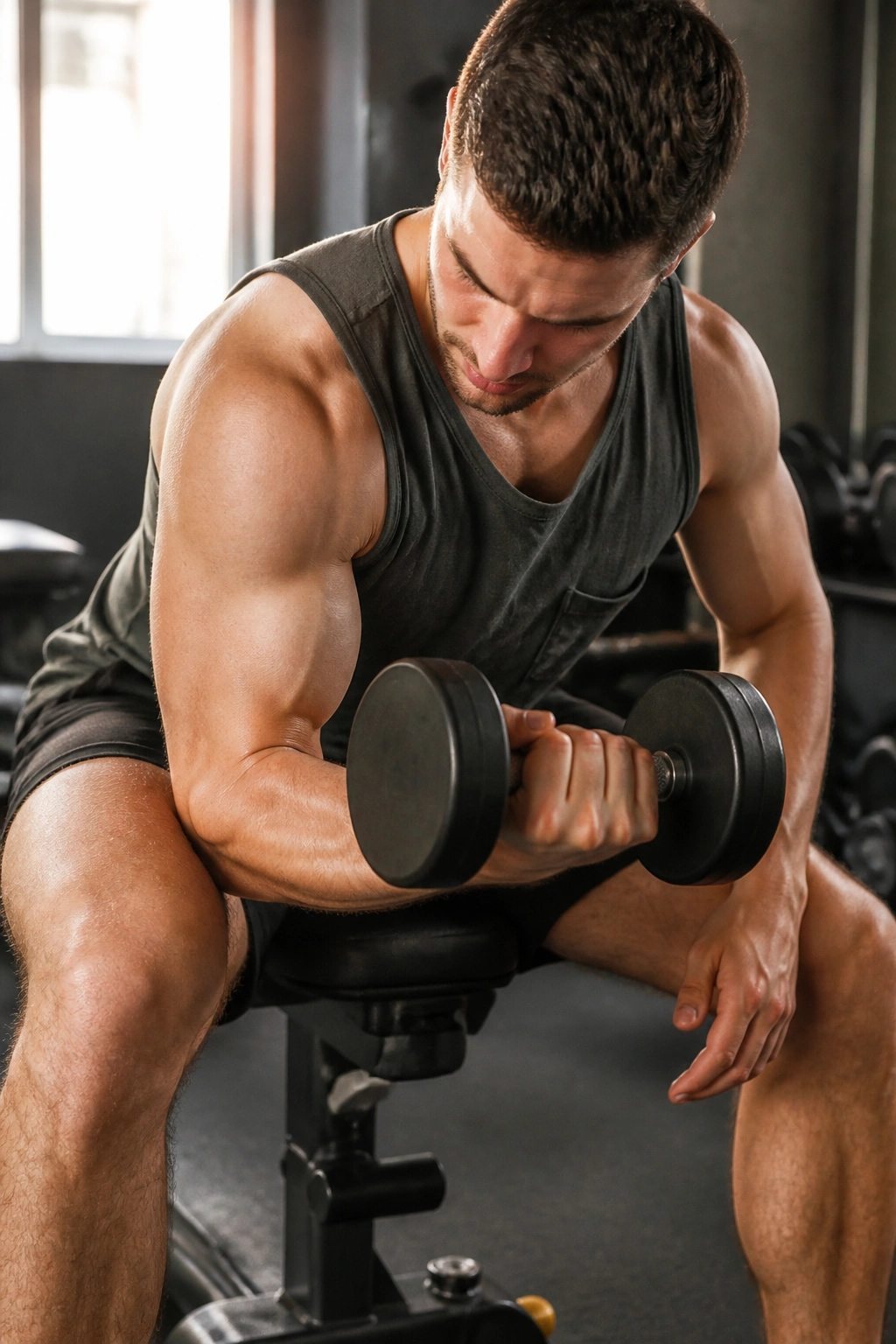
Concentration curls are slow on purpose. That’s the point. You sit, brace your elbow against the inside of your thigh, and take the swing out of the exercise almost completely. What’s left is a brutally honest biceps curl.
That setup makes the biceps do the work with very little help from the rest of the body. It also lets you really feel the top squeeze, which is useful when someone’s been rushing every curl set for months. Use a moderate dumbbell and pause for a second at the top before lowering with control.
They’re best when your elbows are already a little tired from earlier work. A heavy set of chin-ups or standing curls first, then concentration curls after, tends to feel right. Go for 10 to 14 reps per arm.
A tiny movement. A nasty burn. Funny how that works.
9. Skull Crushers
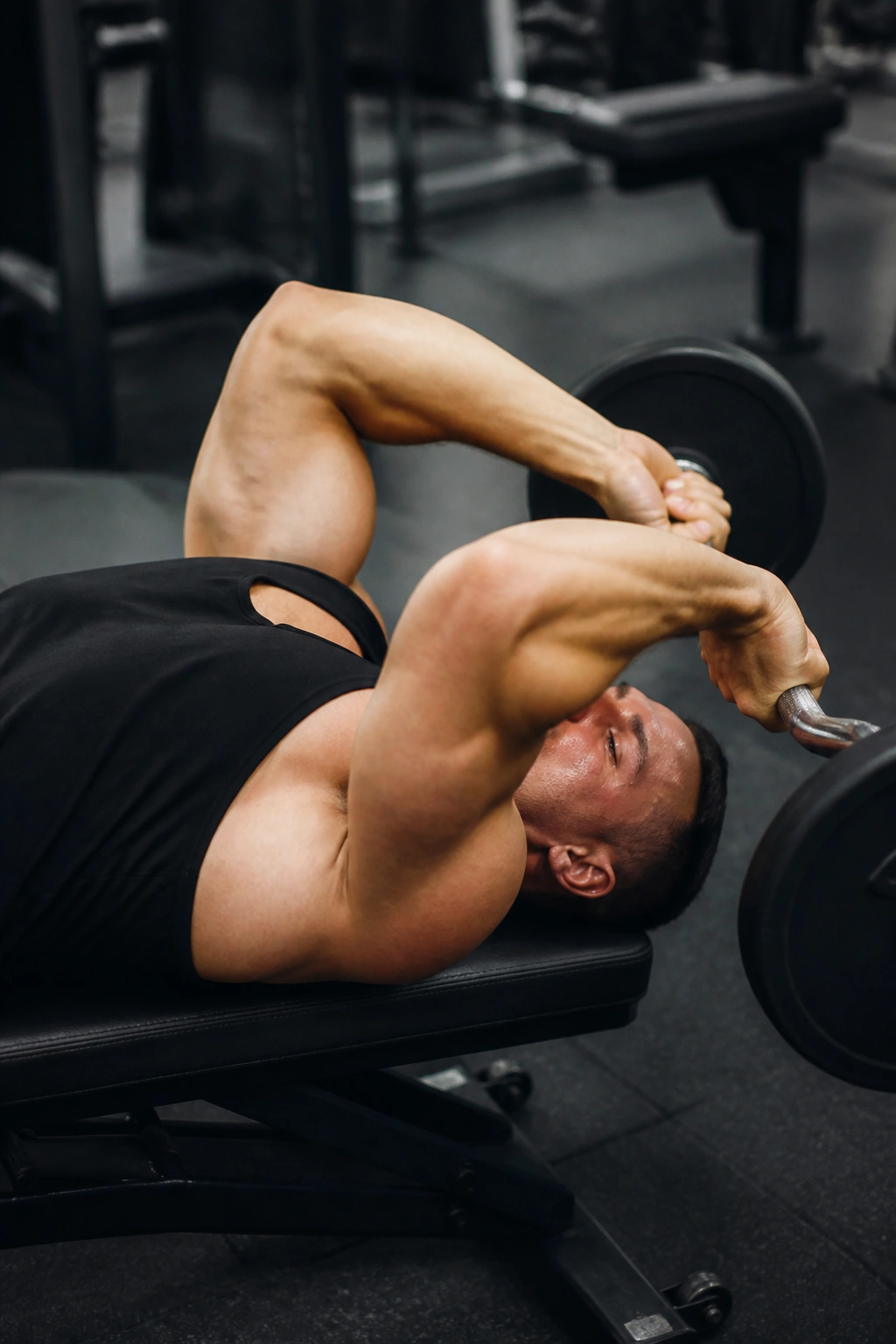
Skull crushers have a reputation, and some of it is deserved. Done badly, they can irritate the elbows. Done well, they’re one of the cleanest ways to load the triceps through a big range of motion.
The usual setup is an EZ-bar or dumbbells over a bench. Lower the weight by bending only at the elbows until it comes near your forehead or slightly behind it, then press back up. The elbows should stay mostly pointed up, not drifting open like wings. Keep the upper arms still.
How to Keep Your Elbows Happy
- Use an EZ-bar if a straight bar feels harsh.
- Don’t chase the deepest possible range if your elbows complain.
- Lower the bar to just behind the forehead if that feels smoother.
- Stay in the 8 to 12 rep range before going heavier.
The exercise name sounds dramatic. The actual movement should look controlled and almost boring.
10. Cable Curl 21s
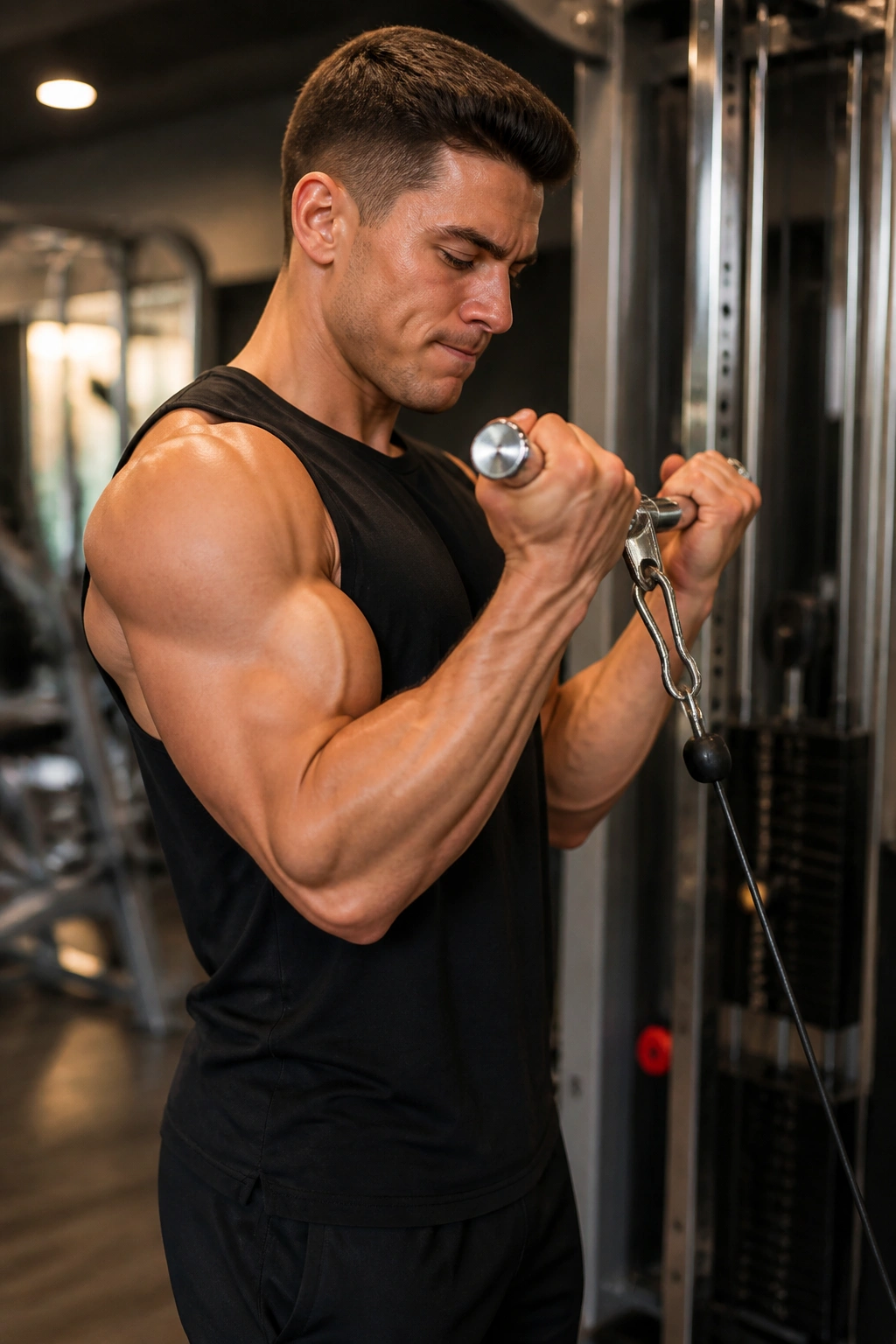
There’s something old-school about 21s. Seven partial reps from the bottom, seven from the top, then seven full reps. It’s a miserable little formula, and it works.
Using a cable instead of a barbell keeps tension on the biceps through the whole sequence, which makes the burn come on faster. That’s why this is better as a finisher than a main lift. By the time you get to the middle seven, your arms are already talking back.
What Makes It Different
You’re not chasing max load here. You’re chasing time under tension and a deep pump. Keep the movement strict, avoid shoulder sway, and use a weight that feels manageable for the first seven reps but starts to get rude by the end.
This is a good pick when your biceps have gone a little numb to standard curls. The change in rep structure wakes them up.
11. Bench Dips
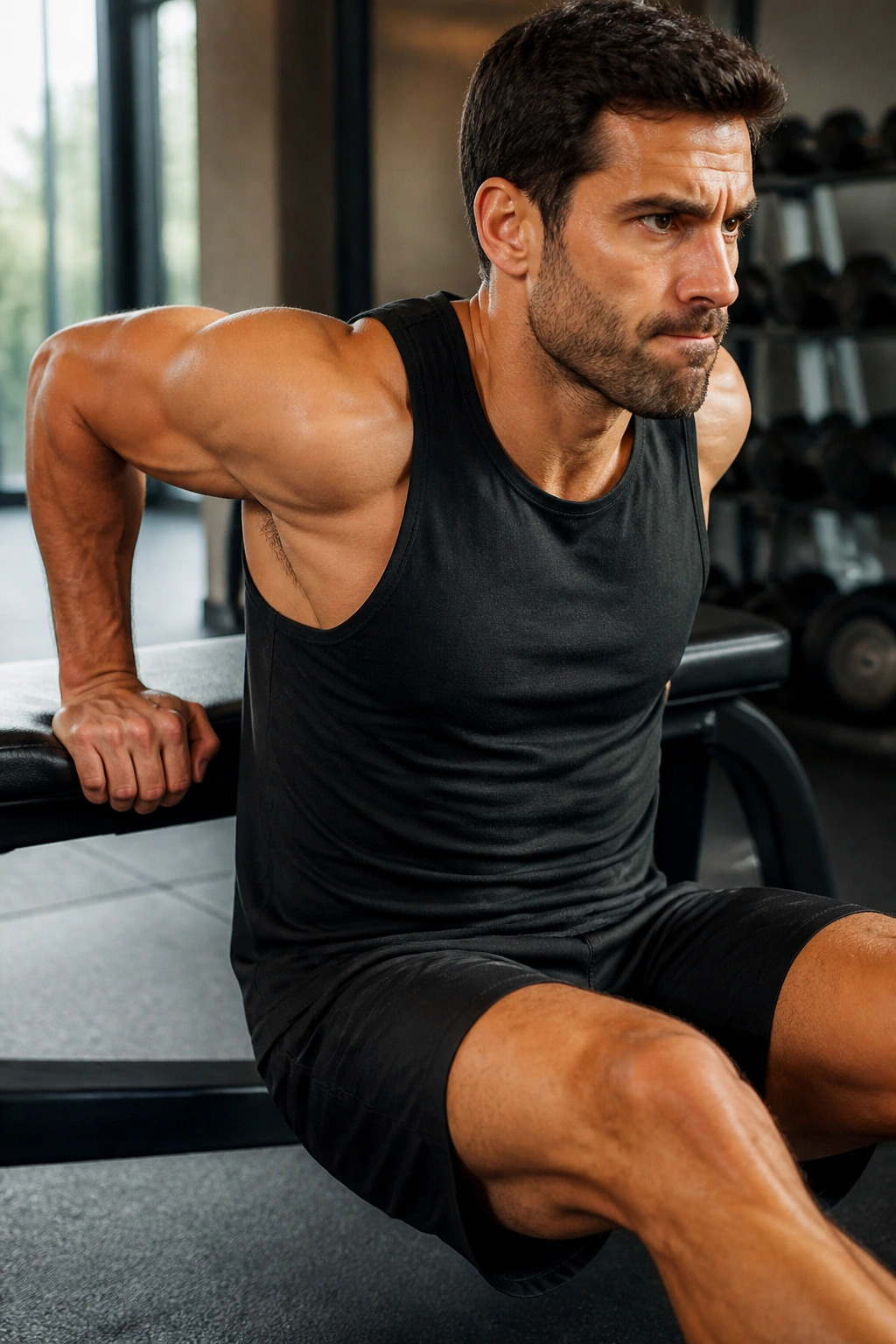
Bench dips are one of those exercises people love to oversell and underrate at the same time. They’re useful, but they’re not magic, and they’re not for everyone. The basic move is simple: hands on a bench or box behind you, feet out front, lower your body by bending the elbows, then press back up.
The caution part matters. If you sink too deep, the front of the shoulder can get irritated. Keep the descent controlled and stop when your upper arm is about parallel to the floor. That range is usually enough to hit the triceps without turning the front of the shoulder into a complaint department.
If bodyweight is too easy, slide a plate or dumbbell onto your lap. If it’s too hard, bend your knees. Tiny changes make a big difference here.
Not glamorous. Effective anyway.
12. Preacher Curls
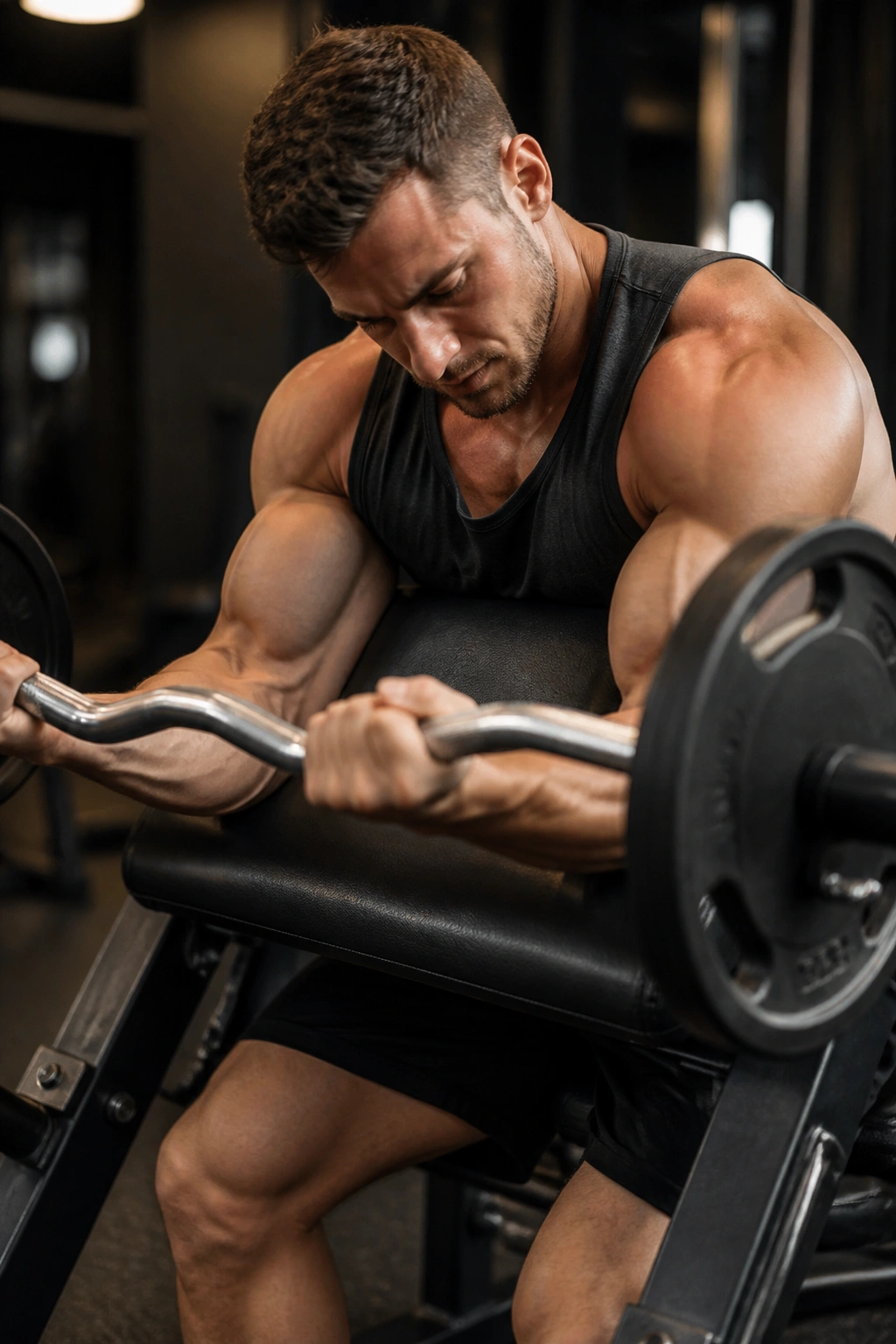
Preacher curls are the anti-cheat curl. The bench pins your upper arm in place, which strips away most of the body swing that sneaks into standing curls. If you’ve ever watched yourself in a mirror and realized your lower back was doing half the lift, this is the fix.
The slope of the bench changes the curl angle and makes the bottom portion of the rep feel longer and harder. Use an EZ-bar, straight bar, dumbbells, or a preacher machine if you have one. Lower slowly, stop just before the elbow locks out, then curl back up without bouncing off the bottom.
What They’re Best For
Preacher curls are a smart pick when you want strict form and steady biceps work. They’re also useful if your standing curl form gets sloppy as the set goes on.
Go moderate on the load. Heavy preacher curls look impressive for about six seconds, then the shoulders start helping and the whole point vanishes.
13. Diamond Push-Ups
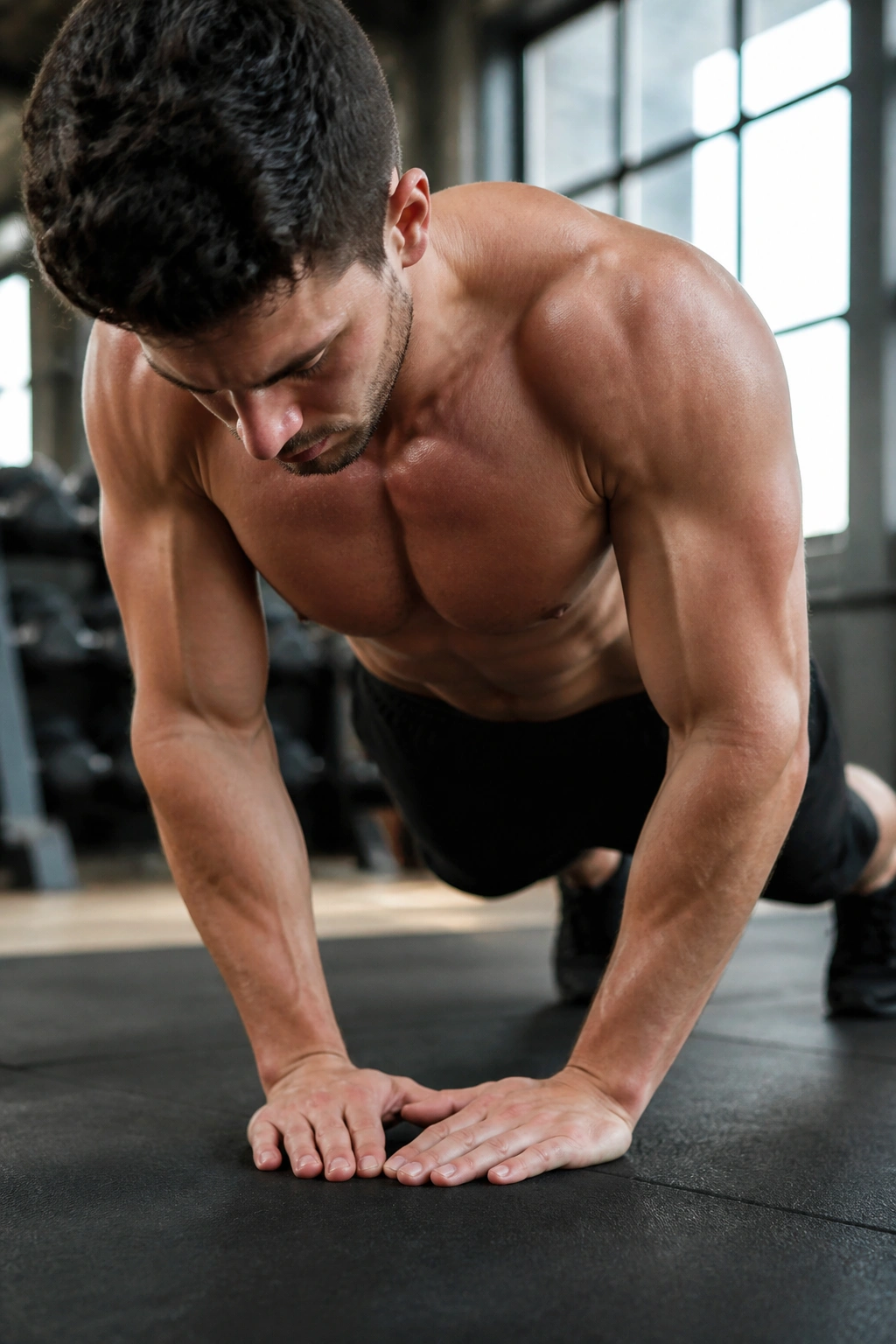
Diamond push-ups ask more of the triceps than a standard push-up does, and they do it without any gear at all. Put your hands close together under the chest so the thumbs and index fingers form a diamond shape, then lower with control and press back up.
The narrower hand position shifts the work toward elbow extension, which is exactly what you want when the back of the arm needs extra attention. That said, the wrist angle can feel awkward. If the floor version bothers your hands, do them on dumbbells, push-up handles, or a bench.
How to Scale Them
- Use a bench for easier reps.
- Slow the lowering to 3 seconds.
- Pause one second near the bottom.
- Stop the set when your hips sag.
They’re a cleaner triceps builder than most people expect. And they travel well, which is nice when the gym is crowded and the dumbbell rack looks like a parking lot.
14. Zottman Curls
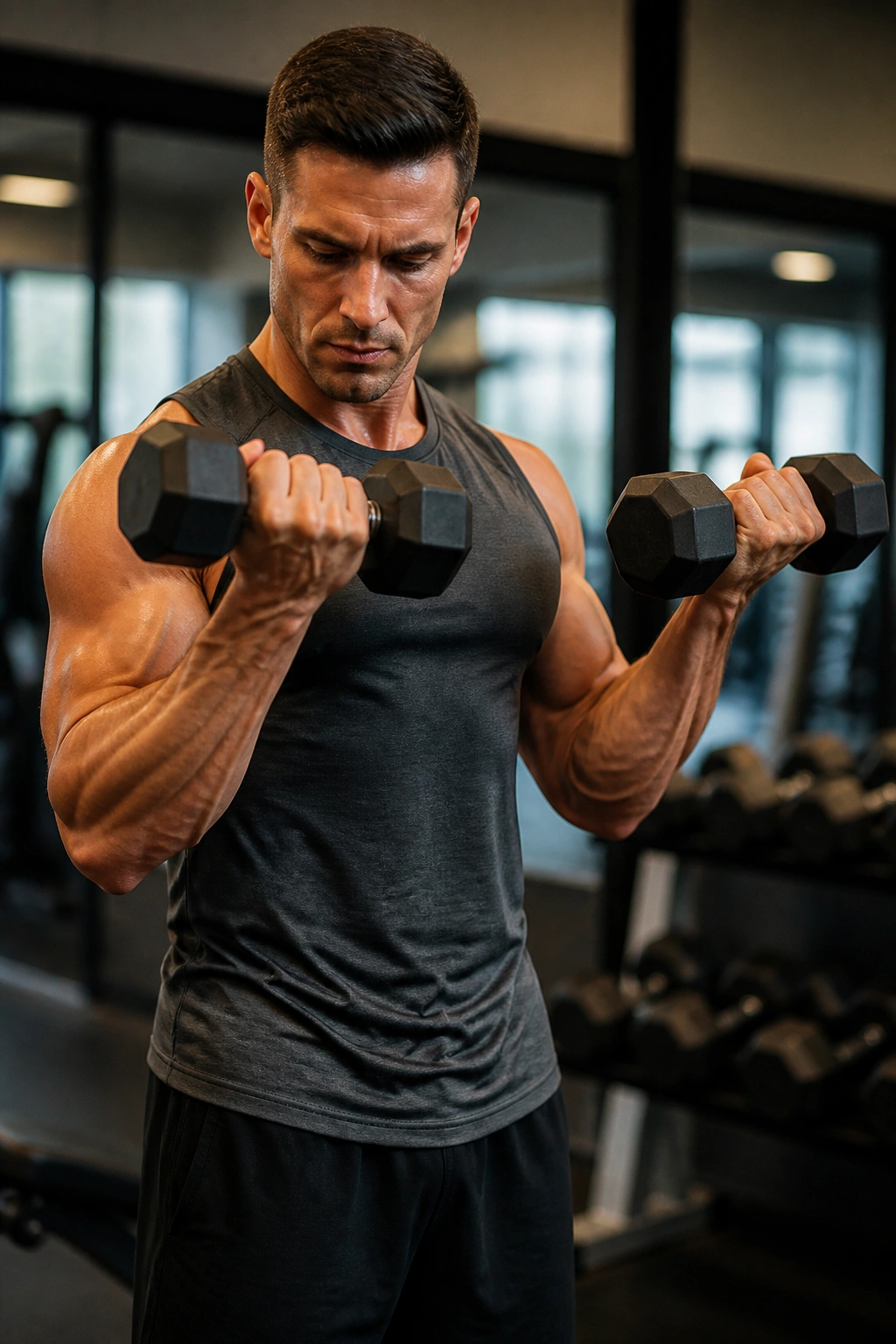
Zottman curls are one of those exercises that sounds made up until you do them. Curl the dumbbells up with palms facing forward, rotate at the top, then lower with palms facing down. The biceps handle the lift; the forearms and brachioradialis work hard on the way down.
That eccentric lower is the part I like most. It makes the exercise feel different from standard curls and gives the arms a bit more total work in one rep. Use lighter dumbbells than you would for a regular curl, because the lowering phase gets brutal fast.
If your forearms tend to lag behind your biceps, this is a sharp little fix. If your wrists get cranky, keep the range smooth and don’t force the rotation.
Good form matters more here than load.
15. Single-Arm Cable Pushdowns
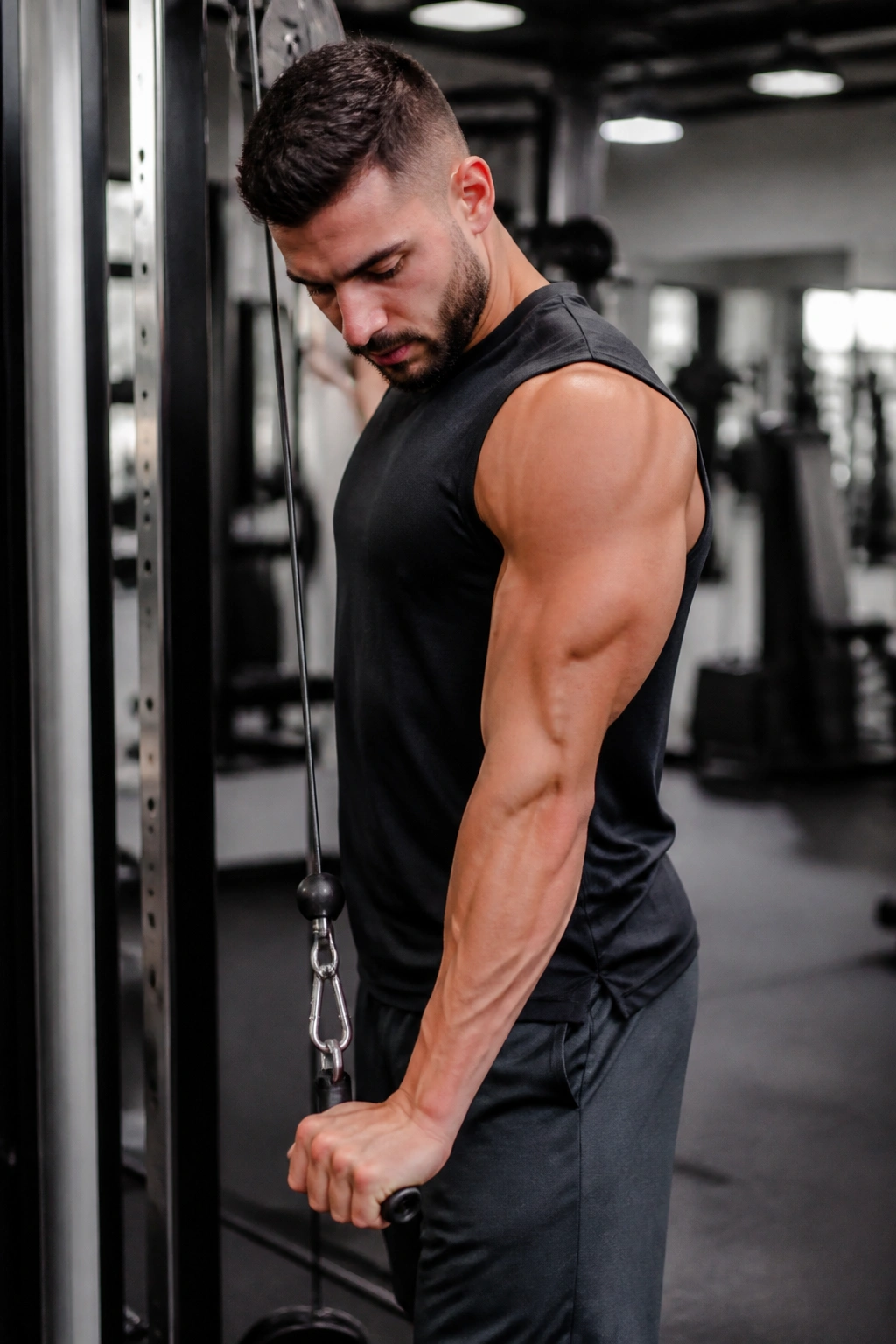
Why use one arm at a time on a cable pushdown? Because your weaker side can’t hide. That’s the short answer. The longer answer is that single-arm work usually helps you keep the elbow lined up and feel the triceps contract without the stronger side taking over.
Set the handle at the top, pin your elbow by your side, and press down until the arm straightens. Don’t twist your torso to finish the rep. The shoulder should stay quiet, and the wrist should stay neutral. If you feel the cable pulling you off balance, lower the weight.
How to Use It
This is a good choice for 12 to 15 reps per arm. It’s also a nice second triceps movement after a heavier press or skull crusher, because the cable keeps tension constant and lets you finish with clean reps instead of sloppy grinders.
Small detail. Big payoff.
16. Resistance Band Curls
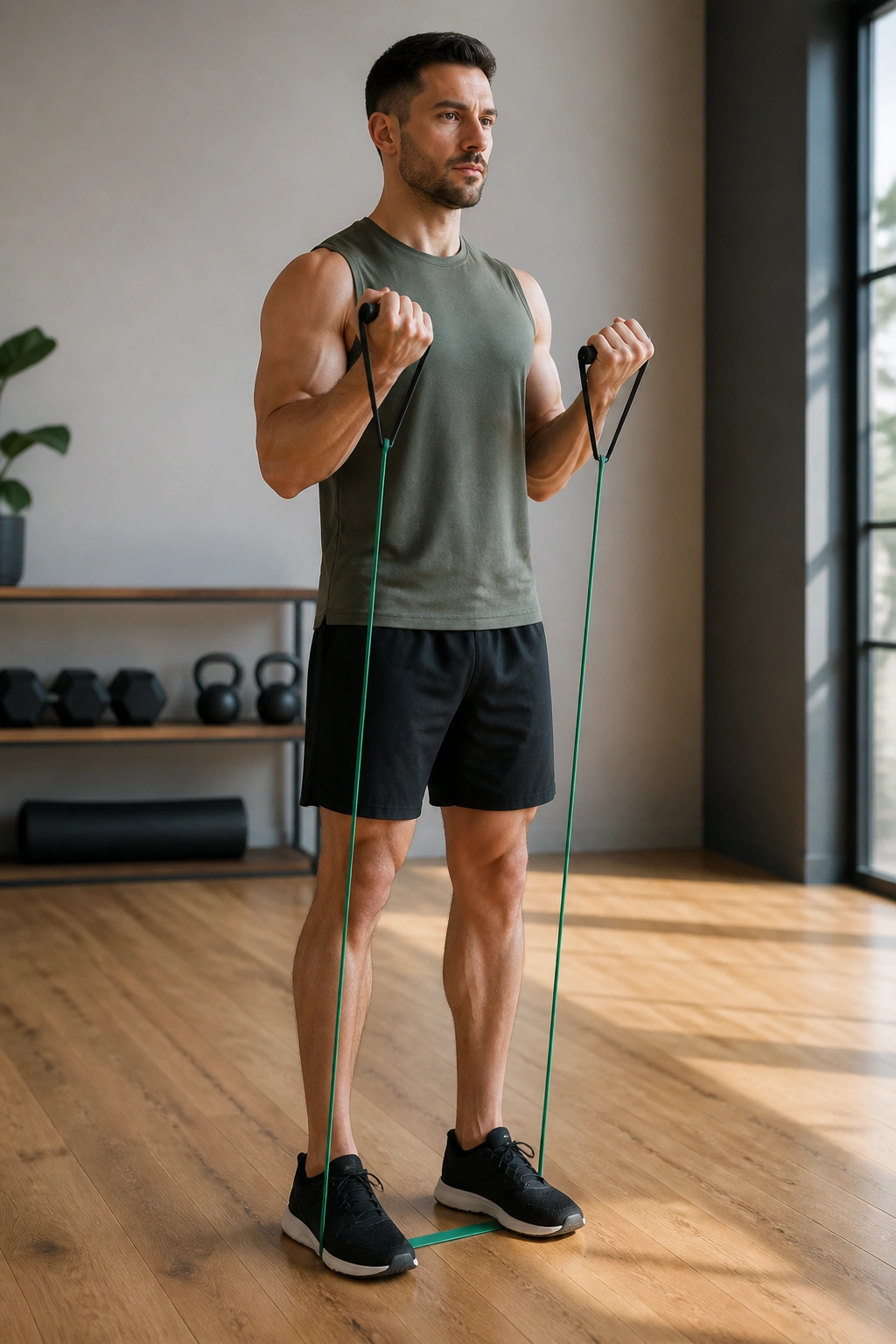
Resistance band curls belong in more arm plans than they get credit for. They’re cheap, portable, and weirdly effective because the band gets harder as it stretches, which means the top of the curl asks for more effort than the bottom.
That changing resistance makes the set feel different from free weights. Stand on the band, grab the handles or ends, and curl up without letting the shoulders creep forward. The farther the band stretches, the more the biceps have to fight. If you want a home workout that still gives a decent pump, this is one of the easiest ways to get there.
- Choose a band that lets you hit 15 to 25 reps with good form.
- Stand with feet hip-width apart.
- Keep the wrists straight.
- Stop if the band snaps you out of position.
The best use for band curls is steady volume. They’re not flashy. They are useful.
17. Tate Press
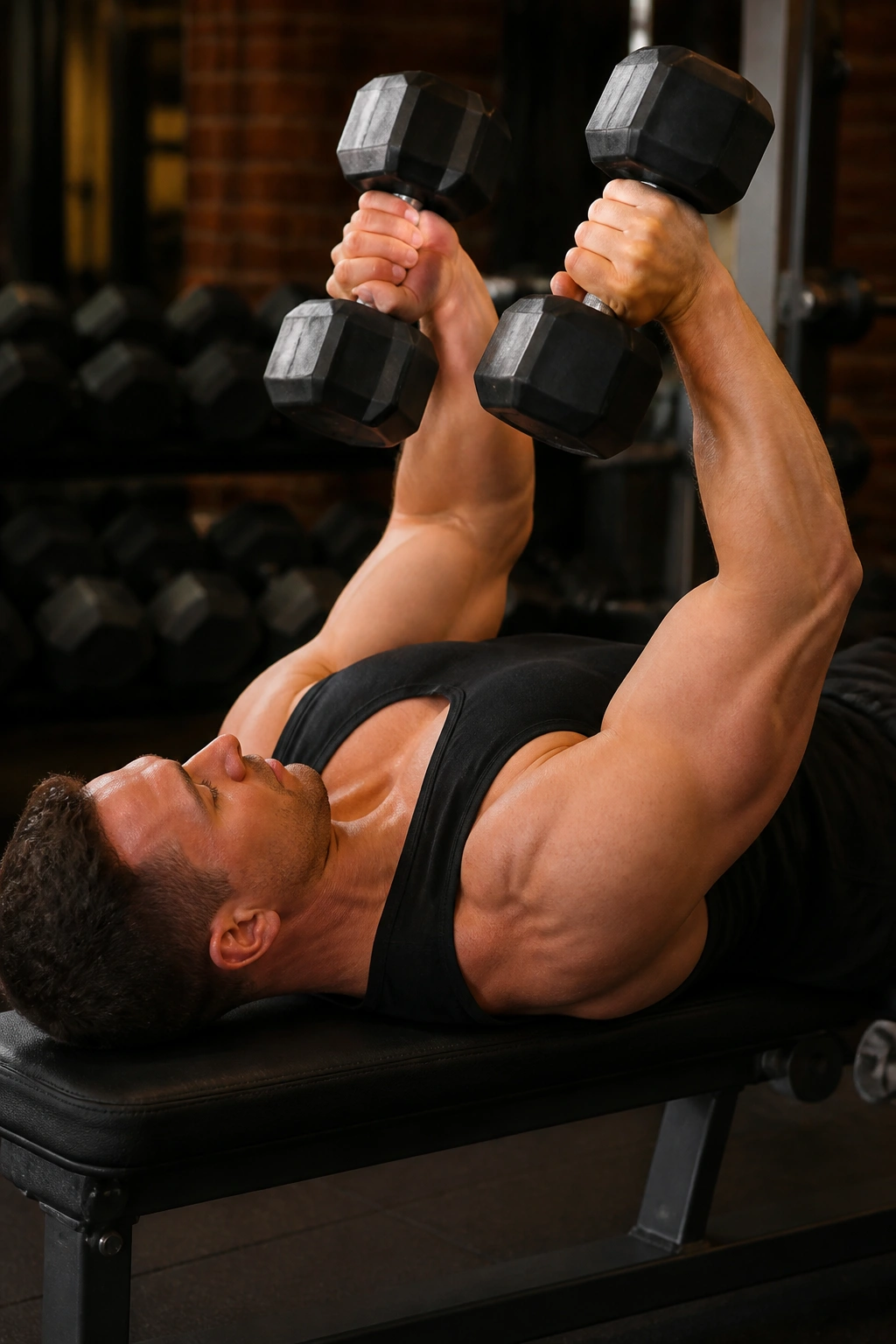
The Tate press is a little odd-looking, and that may be why it gets skipped. On a flat bench, hold two dumbbells above your chest with palms facing each other. Lower the dumbbells by bending the elbows and letting them drift outward a bit, then press them back up by straightening the arms.
The angle changes the triceps line of pull in a way that feels different from skull crushers or pushdowns. I like it because it can be easier on the wrists and elbows for some lifters. The motion is short, but the triceps still work hard, especially if you control the lower phase and don’t bounce the dumbbells off your chest.
Use moderate weight and keep the reps clean. 10 to 12 reps is a smart place to start.
Odd-looking. Worth it.
18. Bodyweight Triceps Extensions
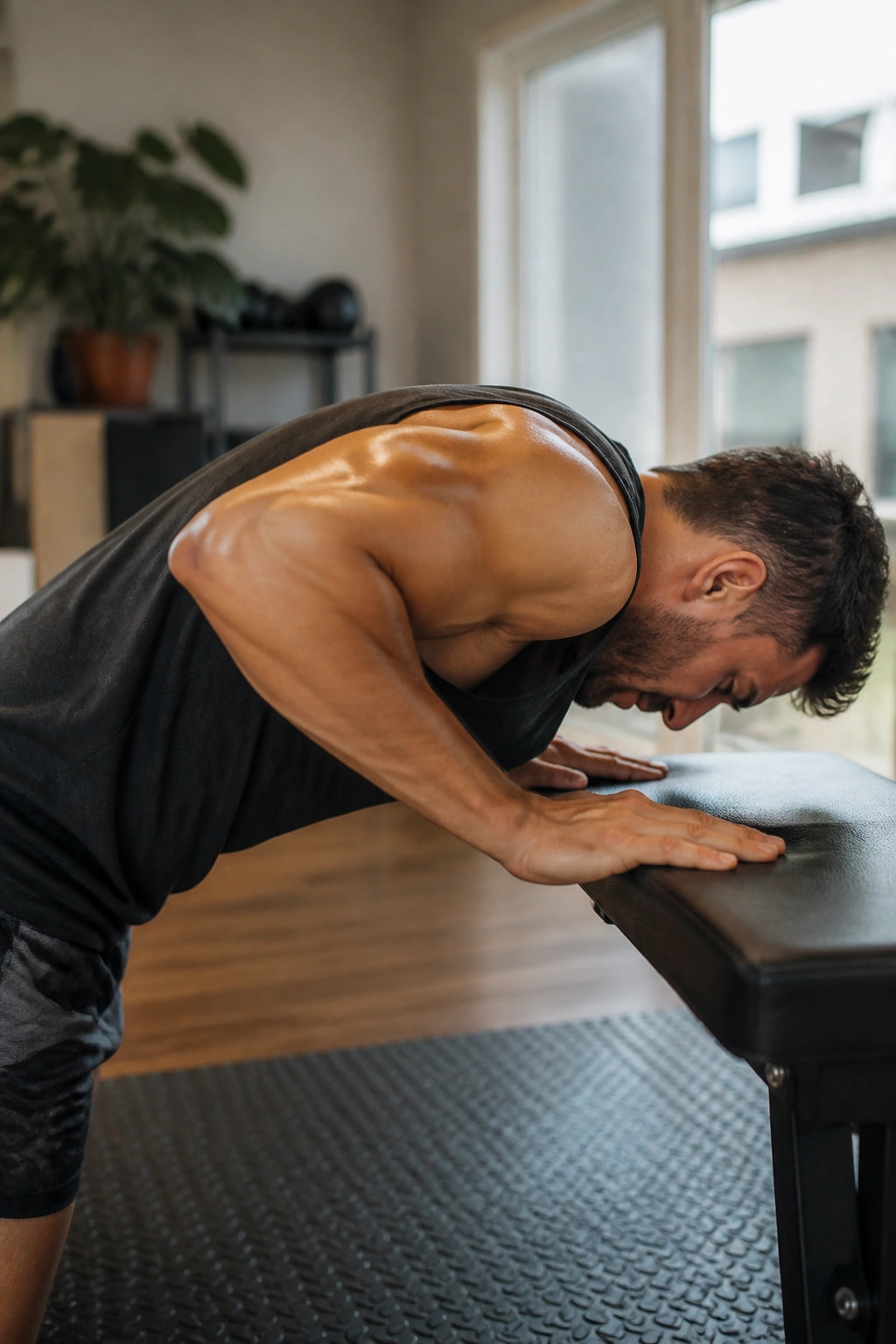
Bodyweight triceps extensions are the finisher I keep coming back to when I want an arm session to end with a little sting. You set your hands on a bench, bar, or sturdy surface, lean your body forward, bend the elbows to lower your head and chest, then press back to the start.
Unlike bench dips, this move gives you more control over the shoulder angle, which makes it easier to adjust if your joints are fussy. The body angle also changes the difficulty fast; the more upright you stay, the easier it feels. The more you lean, the more the triceps have to work. That makes it a clean bodyweight option for home workouts or hotel gyms.
If you want defined arms, this is the kind of exercise that earns its place by being repeatable. You can do it after pressing work, after pushdowns, or as a final burnout set when the arms are already pumped and tired. Keep the elbows tucked, lower under control, and stop a rep before your lower back starts taking over.
A good arm session does not need gimmicks. It needs enough tension, clean reps, and a little patience. This move gives you all three.
