



A beginner on a budget does not need a gym membership, a row of machines, or a shelf full of supplements. A sturdy pair of shoes, a chair, and fifteen to thirty minutes can do a lot more than people think. The best workout plans for beginners on a budget are the ones you can repeat on a tired Tuesday, not the ones that look heroic on paper.
That matters because most people do not fall off track from lack of effort. They get buried by cost, complexity, or soreness that makes the next workout feel like punishment. Public-health guidance has long pointed to about 150 minutes of moderate activity each week plus a couple of strength sessions, and you can get there with simple tools, short sessions, and a little patience.
I like budget training because it strips away the fluff. No fancy rules. No room full of equipment. No need to wait for the “right” month to begin. What you need is a plan that fits your space, your knees, your schedule, and your wallet — and one that does not make you dread the next session.
So the real question is not which workout looks the toughest. It is which one you can keep doing long enough to breathe better, move easier, and stop getting winded on the stairs.
1. The No-Equipment Walking and Bodyweight Plan
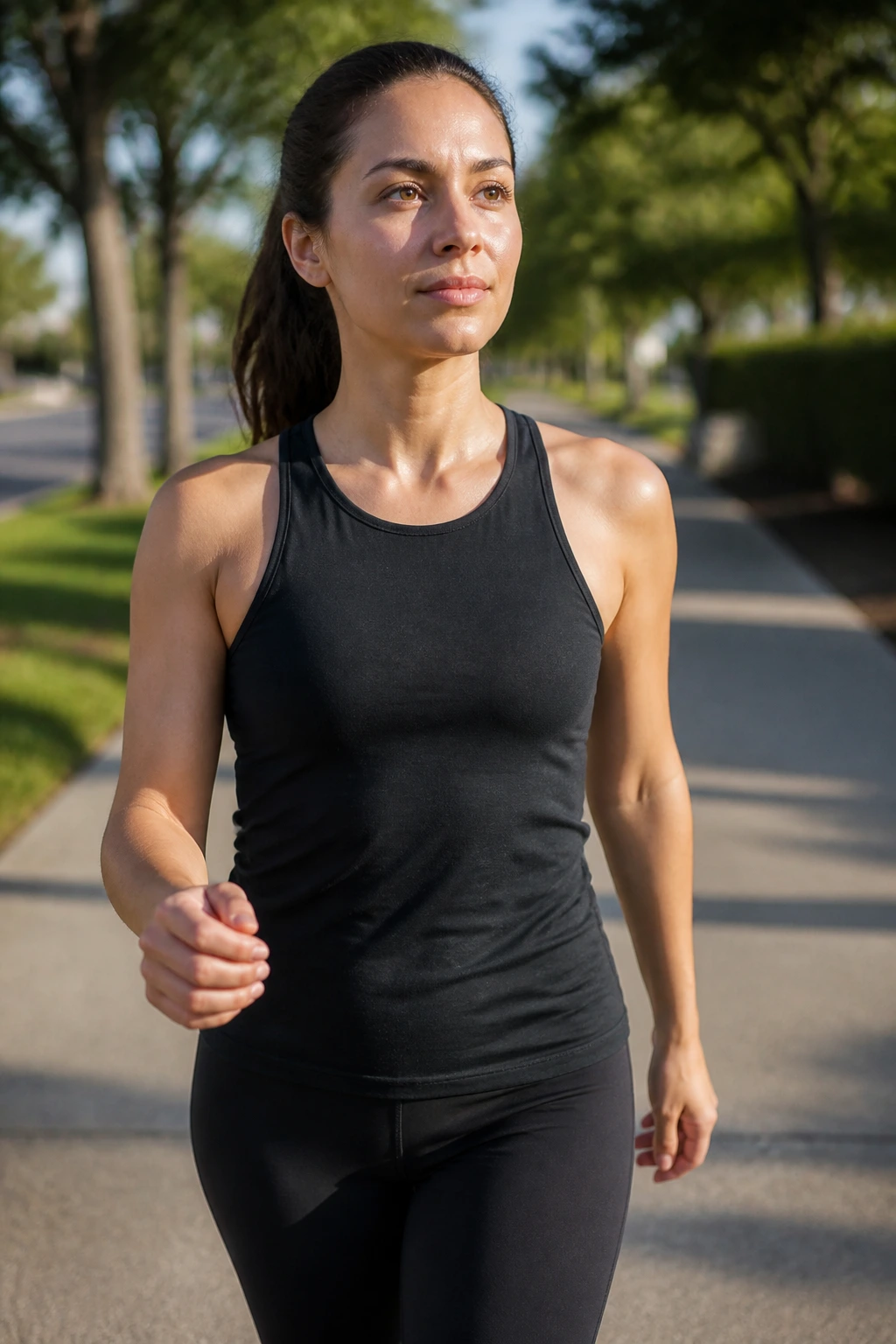
This is the cleanest place to start. If you have shoes and a floor, you already have enough to build a real beginner routine.
I like this plan because it keeps the first few weeks almost insultingly simple. Walk briskly for 20 minutes, then do a short circuit of squats, incline pushups, glute bridges, and a plank. That is it. No complicated setup. No expensive gear. And, honestly, no room for excuses.
A simple weekly rhythm
- Monday: 20-minute brisk walk, then 2 rounds of 8 chair squats, 6 incline pushups, 10 glute bridges, and a 20-second plank.
- Wednesday: Same format, but keep the walk a little easier if your legs are still waking up.
- Friday: Repeat the circuit and add a third round only if your form still looks neat.
The walk should feel brisk enough that you can talk in short sentences, but not sing. The strength work should stop a rep or two before your shape falls apart. That little gap matters. Beginners often chase exhaustion and call it effort. It isn’t.
What to watch for
Keep the squats shallow at first if your hips feel stiff. Use a chair as a target so you do not drop too low. For pushups, a counter edge or wall is fine. Lower the plank time before you turn the movement into a back-arching mess.
Cheap training gets better when it is boring enough to repeat. This plan is boring in the best way.
2. The Budget Resistance-Band Full-Body Plan
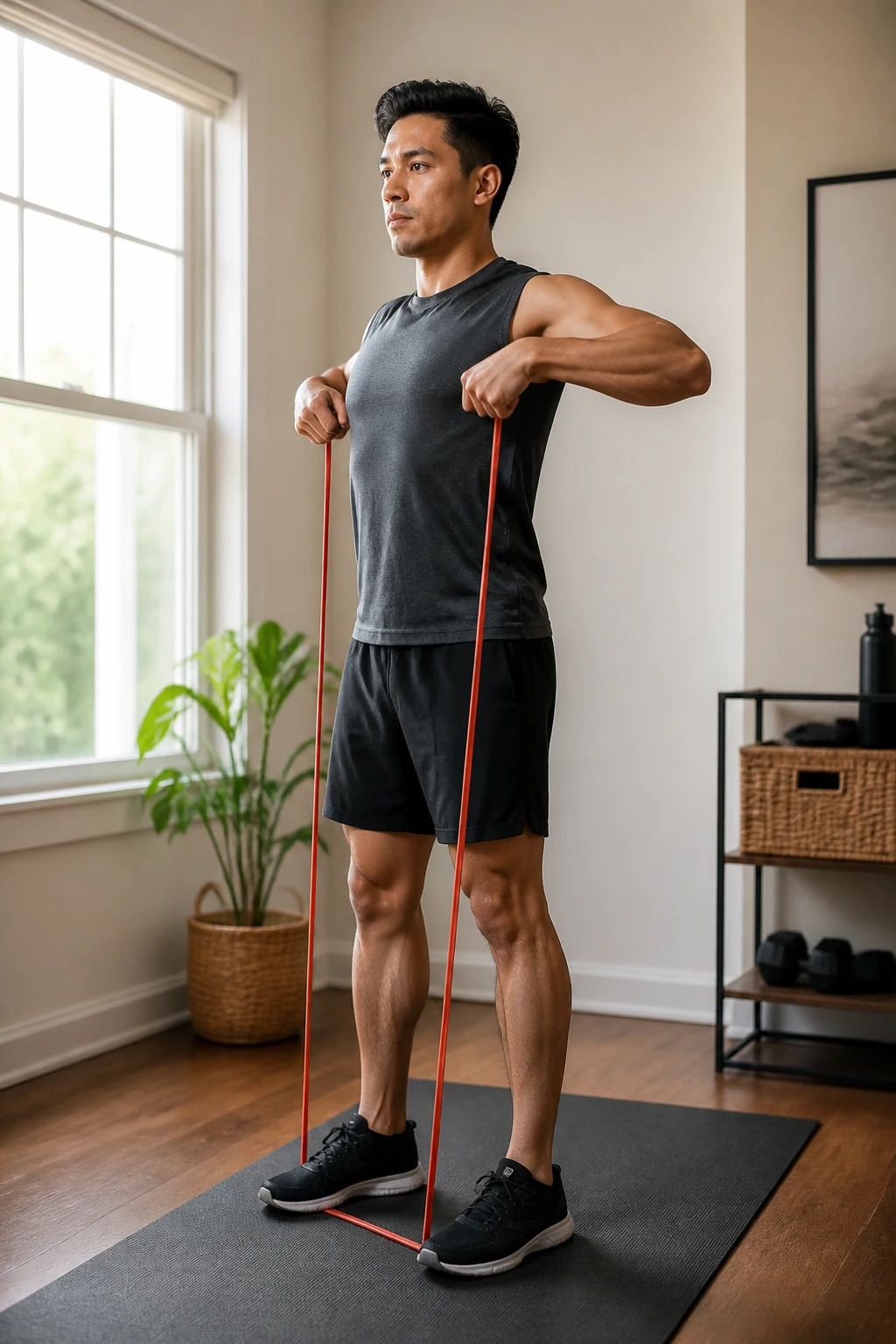
Can one long band really replace a lot of gym equipment? Yes, if you use it with some discipline and do not expect magic from a tiny loop that cost less than dinner.
A resistance band gives beginners a clean way to learn pushing, pulling, squatting, and hinging without loading the joints too hard. That matters if you are nervous about weights or if your space is small and you want something you can toss in a drawer.
Starter setup
- 1 long loop band for rows, presses, squats, and deadlifts.
- 1 mini band for glute work and side steps.
- Optional door anchor if you want rows and chest presses from a fixed point.
A basic three-day session
- Band squats — 2 to 3 sets of 10 to 12.
- Band rows — 2 to 3 sets of 10 to 15.
- Standing chest press — 2 sets of 8 to 12.
- Band Romanian deadlift — 2 to 3 sets of 10 to 12.
- Mini-band lateral steps — 2 sets of 10 steps each way.
The band should feel hard by the last few reps, but not sloppy. If you can do 20 smooth reps without much effort, move to a stronger band or shorten the band length.
One detail people miss: bands are sneaky. The tension rises fast near the end of each move, so you do not need huge reps to get a solid workout. That makes them excellent for beginners who want a little muscle work without a lot of noise, weight, or cost.
3. The One-Dumbbell Strength Plan
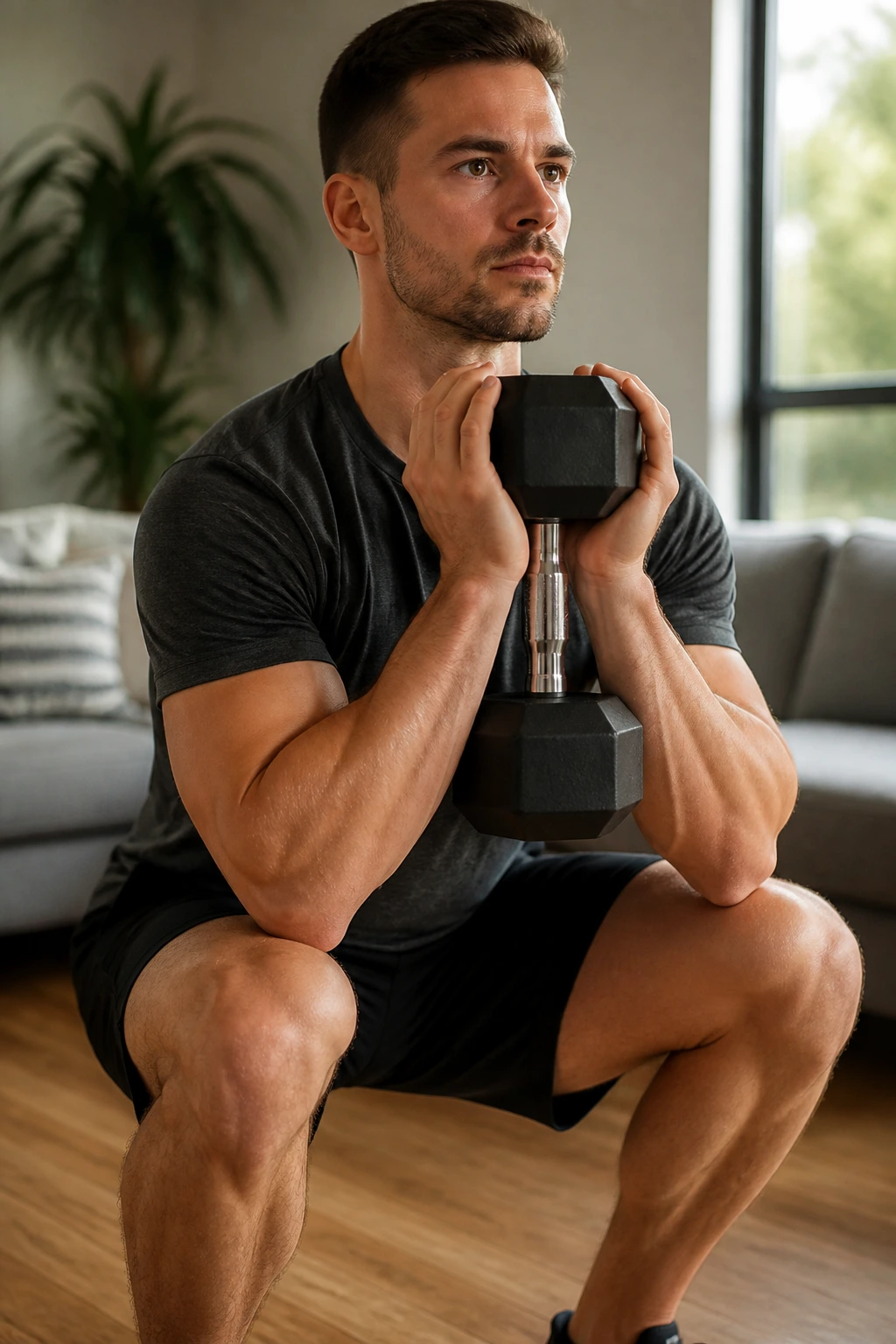
One adjustable dumbbell tucked beside the couch can carry a lot more training than most people think. One. Not a matching pair. Not a rack of shiny gear.
I’m fond of this setup because it forces you to slow down and use each side of your body on its own. That is useful. A beginner often discovers one side is weaker, shakier, or just lazier, and one-dumbbell work makes that obvious fast.
How a session looks
Day A
- Goblet squat — 3 sets of 8 to 10.
- One-arm row — 3 sets of 8 to 12 each side.
- Floor press — 2 to 3 sets of 8 to 10 each side.
- Suitcase carry — 3 walks of 20 to 30 steps each side.
Day B
- Romanian deadlift — 3 sets of 8 to 10.
- One-arm overhead press — 2 to 3 sets of 6 to 8 each side.
- Split squat — 2 sets of 8 each leg.
- Dead bug or plank — 2 short sets.
Why it works so well
The load can grow with you, which is the whole point. Start light enough that your last two reps are honest, not ugly. When the weight feels too easy, add 2 to 5 pounds instead of inventing a new routine every week.
A single dumbbell also takes up almost no space. If your budget only stretches to one piece of equipment, this is one of the smartest buys you can make. It is plain, a little boring, and very effective.
4. The Backpack Strength Plan
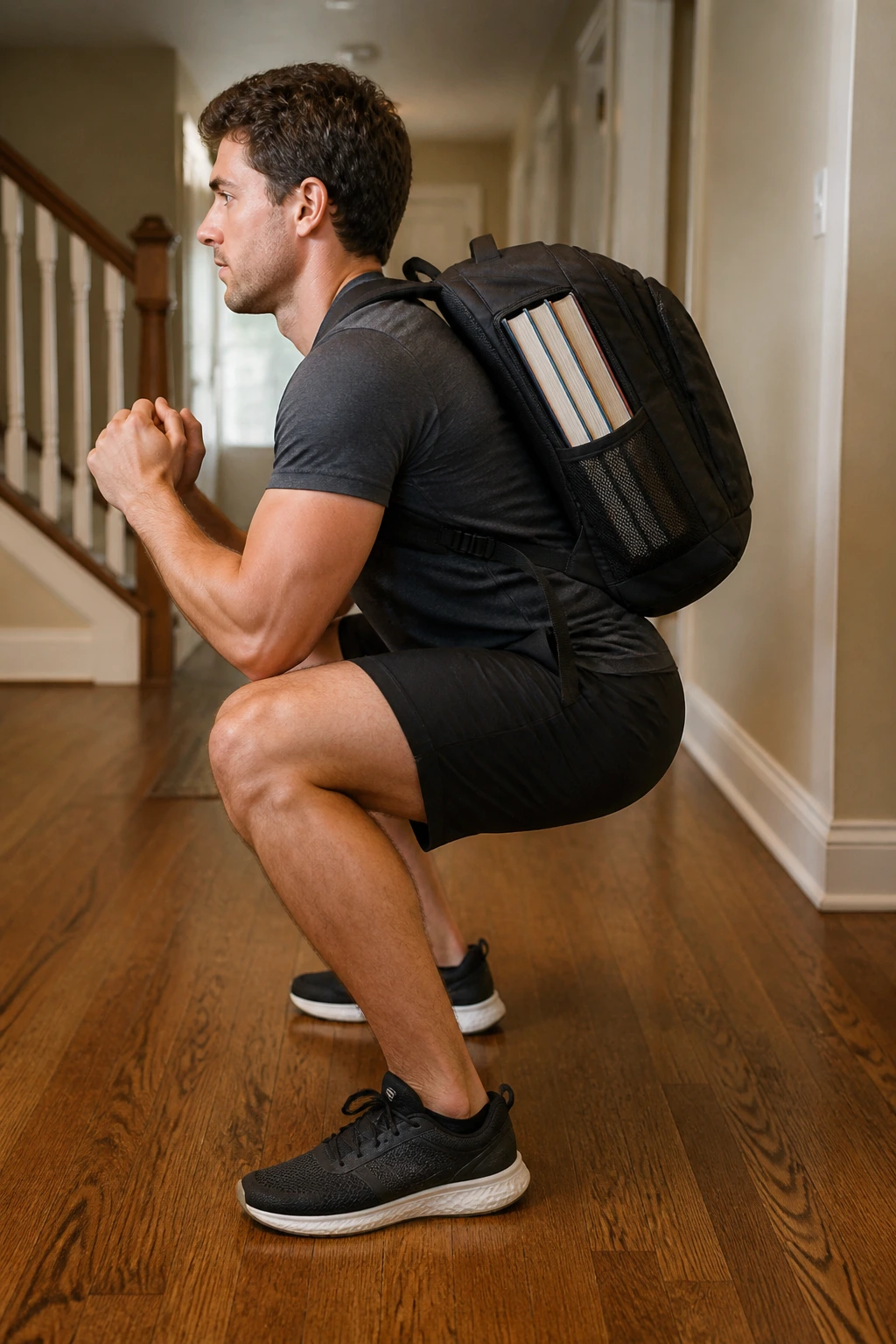
A backpack is clunky. That is exactly why it works.
Fill it with books, water bottles, or canned goods, and you have an adjustable weight you can carry, squat, and hold. I prefer this to random household tricks because the backpack keeps the load close to your body instead of wobbling around like a shopping bag with a grudge.
What to pack
- 2 to 6 books for basic loading.
- 1 or 2 water bottles if you want smaller jumps in weight.
- A towel or sweatshirt to keep the contents from sliding.
- A tight zipper and, if needed, a second strap looped through the top for security.
Best moves
- Backpack squats
- Split squats with the pack held at the chest
- Bent-over rows
- Marching carries
- Good mornings or hip hinges
Start with 2 sets of 8 to 10 on each move. If the backpack rubs your shoulders or pulls you forward, reduce the load and keep the reps clean. The goal is not to turn your hallway into a boot camp. The goal is to give your muscles a little more work than bodyweight alone.
This plan is especially useful for people who want to train at home without buying anything new. A backpack already exists in most homes. It just needs some books and a job.
5. The Chair-and-Wall Starter Plan
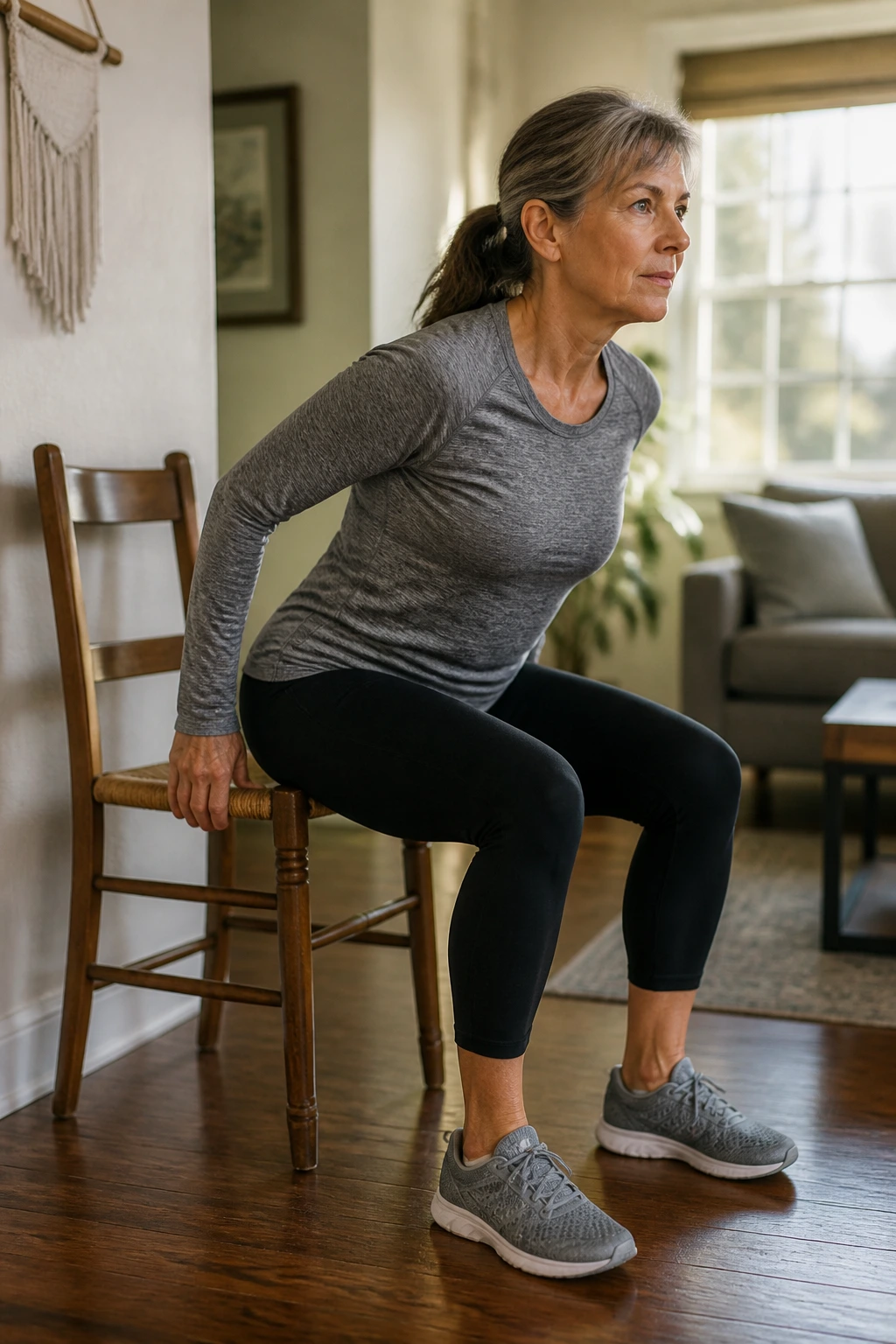
If the floor feels like too much, start here.
A sturdy chair, a wall, and a small patch of space are enough to build confidence for someone who is brand new, returning after a long break, or dealing with a body that complains early and often. I like this plan because it removes the most annoying barrier in beginner training: getting down and up from the floor over and over.
Core moves
- Chair sit-to-stands — 2 sets of 8 to 12.
- Wall pushups — 2 sets of 8 to 10.
- Standing knee raises — 2 sets of 10 each side.
- Calf raises holding the chair — 2 sets of 12 to 15.
- Standing side leg lifts — 2 sets of 10 each side.
The pace should be slow enough that you feel your legs working on the way down and the way up. If a chair sit-to-stand feels too hard, raise the chair with a cushion. If wall pushups feel too easy, move your feet farther back.
Nope. You do not need to “earn” harder exercise before starting with these. These movements still train the legs, chest, hips, and balance. They are simply kinder on the body, which makes them easier to repeat three times a week.
A plan like this also works well in short bursts. Ten minutes in the morning. Ten at lunch. Another ten before dinner. That can add up faster than people expect.
6. The Brisk-Walk Interval Plan
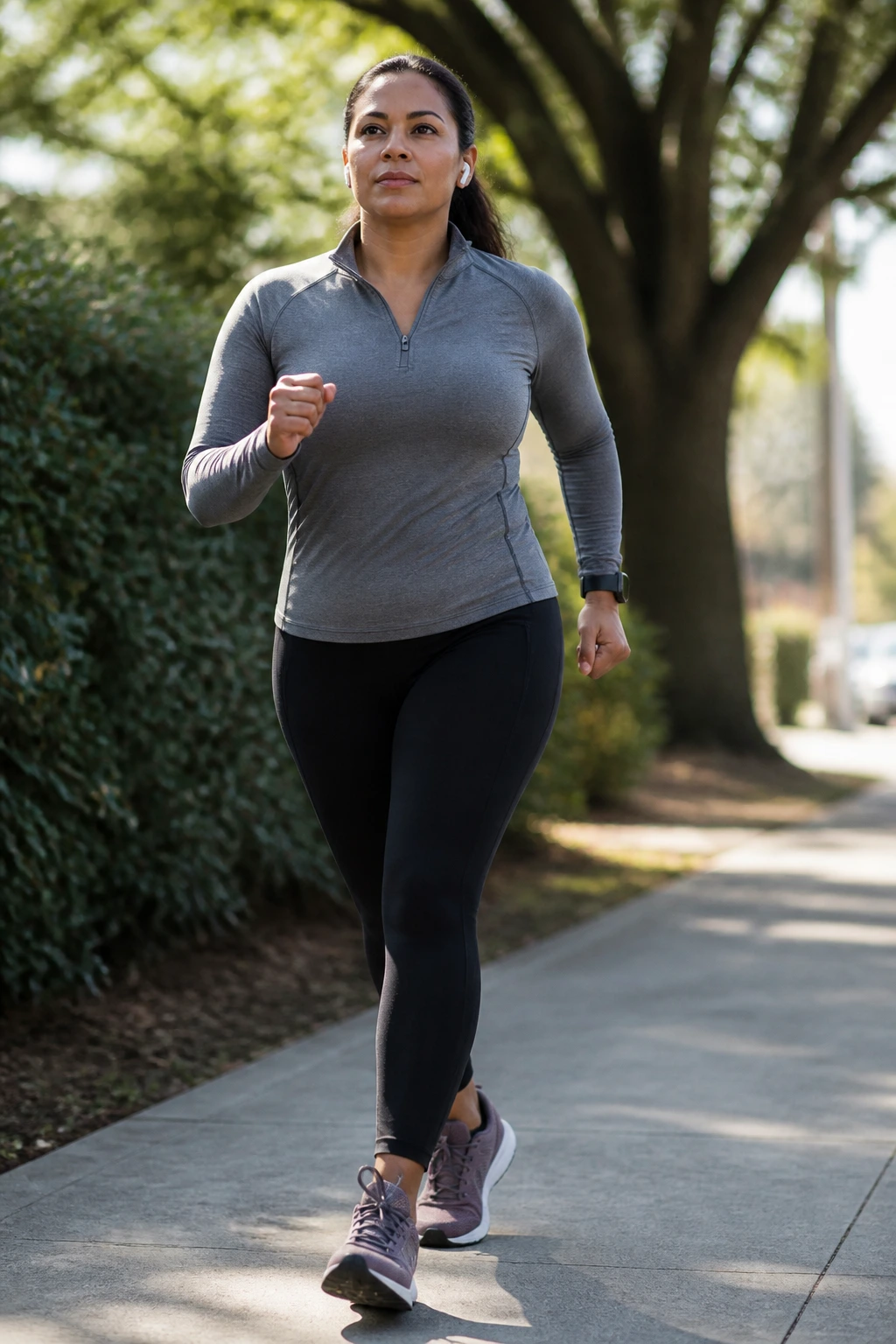
Thirty minutes, one hard minute, two easier minutes. That little formula can carry a beginner for a long stretch.
Intervals make walking feel less flat without turning it into running. You get your heart rate up, then back off, then push again. The beauty here is that you can do it outside, in a mall, on a track, or up and down a quiet block. It costs nothing.
A simple interval session
- Walk easy for 5 minutes.
- Walk fast for 1 minute.
- Walk easy for 2 minutes.
- Repeat that cycle 6 to 8 times.
- Cool down for 5 minutes.
The fast minute should feel purposeful. Swing your arms. Take shorter, quicker steps. Breathe harder, but keep your posture tall. If you can speak in a short sentence, you are in the right zone.
This plan is excellent for beginners who want better endurance without pounding their knees. It also pairs well with a little strength work on the side. A walk like this can happen on Monday, Wednesday, and Saturday, with two light strength sessions tucked in on the other days.
The best part is that you can scale it in tiny ways. Add one interval. Add five minutes. Make the fast minute a hill. Small changes are enough.
7. The Low-Impact Cardio and Core Plan
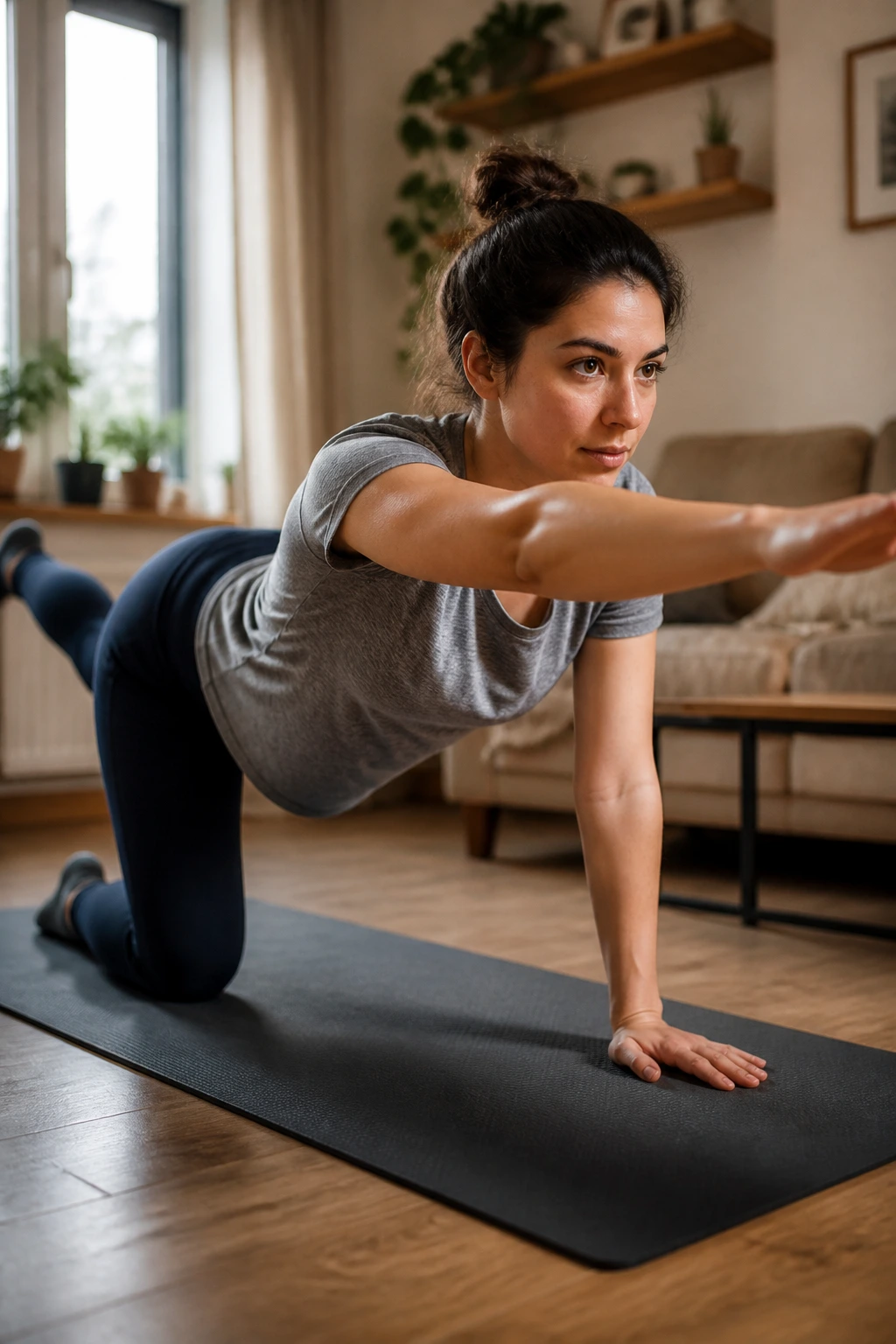
If jumping leaves your shins angry, stop forcing it.
A lot of beginners assume cardio must mean burpees, jumping jacks, and other things that sound fun for exactly twelve seconds. It does not. Low-impact work can still raise your heart rate, wake up your core, and leave you sweaty without making the floor shake.
A quiet 25-minute circuit
- March in place — 45 seconds
- Side steps with arm swings — 45 seconds
- Shadow boxing — 45 seconds
- Bird dog — 8 reps each side
- Dead bug — 8 reps each side
- Glute bridge — 12 reps
Run that circuit 2 to 4 times, with 30 to 45 seconds of easy breathing between moves. You can do it barefoot on a mat or in regular sneakers, depending on what feels better for your feet.
The core work matters here. Beginners often chase cardio and ignore the trunk, which is a mistake. A stronger core makes walking, lifting groceries, and sitting at a desk feel less sloppy.
I like this plan for apartment living, tired joints, and anyone who wants a workout that does not sound like furniture being dropped. It is quietly hard. That’s the sweet spot.
8. The Stair-Climb Strength Plan
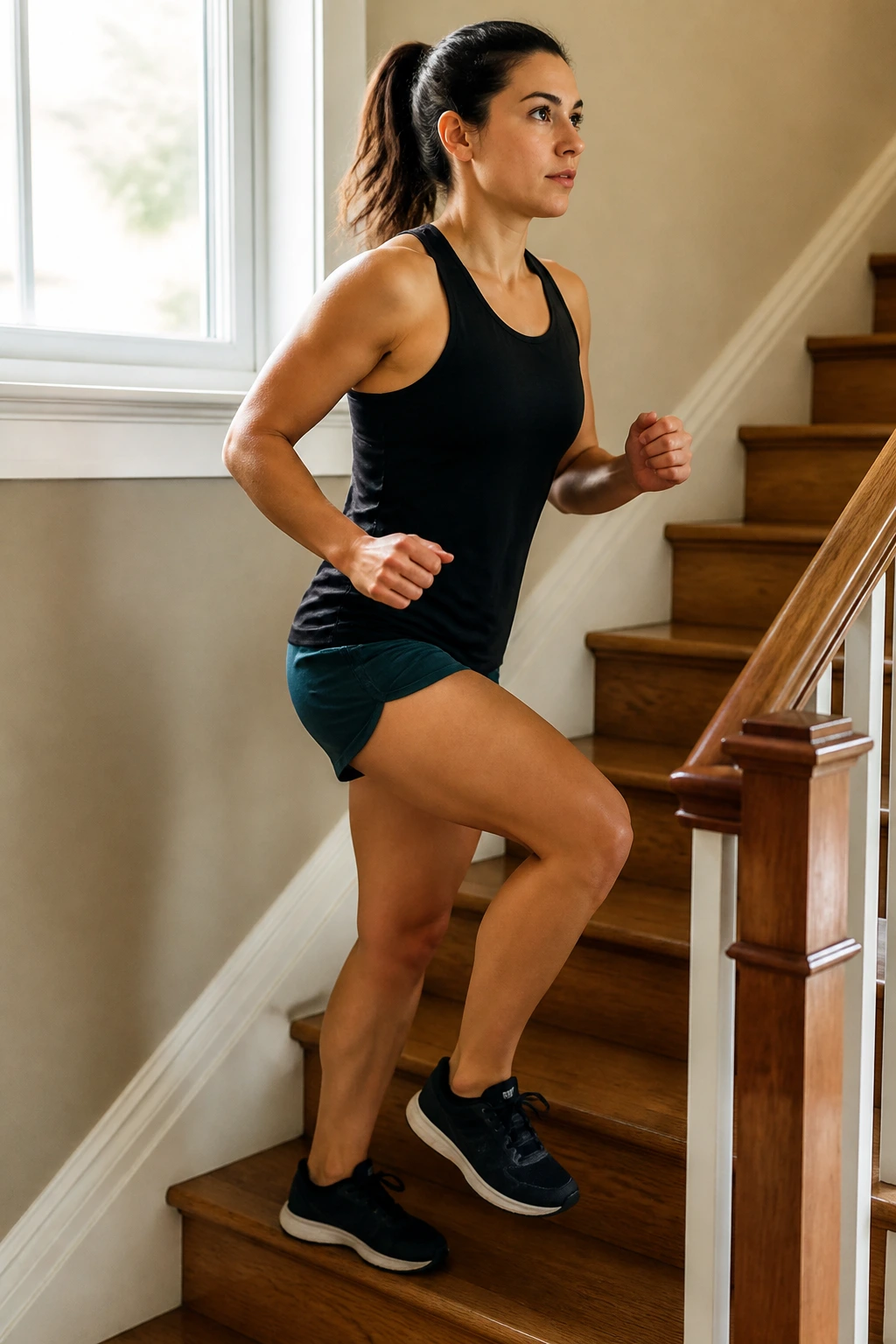
Got stairs? That is a gym card with no monthly fee.
Stair work is one of the cheapest ways to train the legs and lungs at the same time. You do not need to sprint. In fact, you should not sprint at first. A controlled climb is enough to make your thighs light up and your breathing sharpen.
A beginner stair session
- Walk up 1 flight at an easy pace.
- Walk down slowly and hold the rail if needed.
- Repeat for 6 to 10 rounds.
- Add 2 sets of 10 step-ups per leg on the bottom step.
- Finish with 2 sets of 12 calf raises.
The descent is the part that catches people. Going down loads the knees more than the climb, so keep it slow and careful. If your knees are unhappy, shorten the range or skip the extra step-ups and stick to easier climbs.
Stairs are great because they scale fast. One flight can be enough for a beginner. Three flights can become a solid cardio block later. The cost is the same either way.
I also like stair work for people who hate the feel of a treadmill. Stairs feel more honest. A little rude, even. But useful.
9. The Gentle Yoga and Mobility Plan
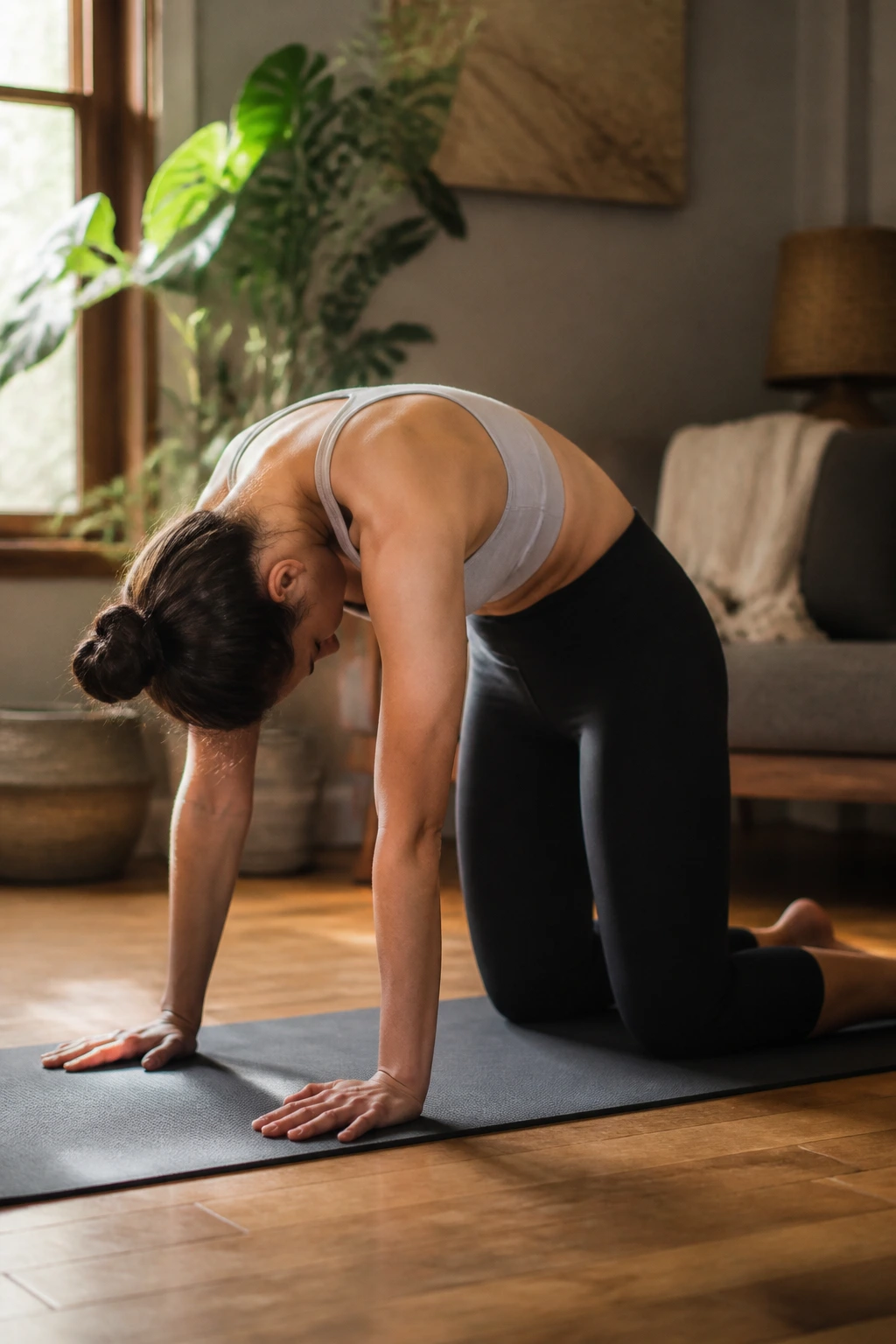
If your body feels stiff before you even start, this plan probably belongs in your week.
Yoga and mobility do not replace every other kind of training, but they fix a real problem: a body that has forgotten how to move without grumbling. A beginner with tight hips, a cranky upper back, or a desk job can get a lot out of twenty quiet minutes on the floor.
A simple flow
- Cat-cow — 6 slow rounds
- Child’s pose — 30 to 45 seconds
- Low lunge — 30 seconds each side
- Downward dog — 20 to 30 seconds
- Thoracic openers on the floor — 5 each side
- Hamstring fold or seated reach — 30 seconds each side
Keep the breathing slow. No heroic stretching. No forcing your knees into positions they clearly hate. You should feel warmth, not a warning sign.
Where it fits
Use it on rest days, after walks, or as a stand-alone session when your energy is low. It is also a smart warm-up before the strength plans above, especially if your ankles and hips feel rusty.
A lot of people skip this because it looks too gentle. Then they wonder why squats feel awkward. Mobility work pays rent whether you like it or not.
10. The Budget Jump-Rope and March Plan
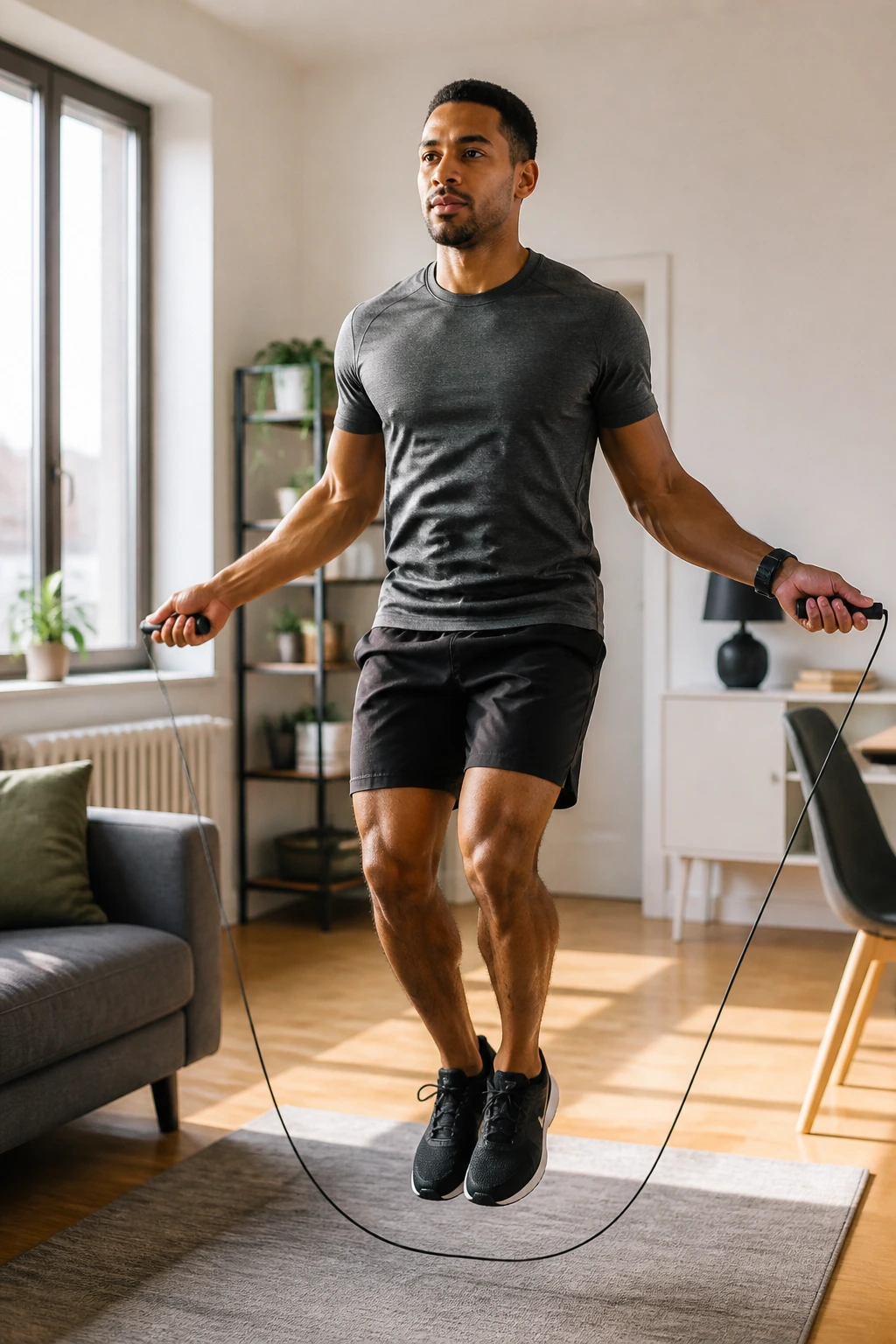
A rope the size of a shoelace can spike your heart rate fast.
Jump rope is one of my favorite budget tools because it is tiny, cheap, and annoying in all the right ways. It makes your calves, feet, and coordination wake up. If actual jumping feels rough, do shadow rope with the same hand rhythm and marching feet.
A beginner interval setup
- 20 seconds of jumping
- 40 seconds of marching or easy stepping
- Repeat 8 to 10 rounds
After that, add:
- 2 sets of 10 air squats
- 2 sets of 8 incline pushups
- 2 short planks
The first mistake beginners make is trying to jump too high. Don’t. Barely leave the floor. The rope should skim under you, not launch you into the air. If your shins or calves complain the next day, cut the rounds in half and build back slowly.
This is a brilliant plan for people who want short cardio sessions and do not have a lot of room. It also teaches timing, which sounds small until you realize how much smoother other movements feel when your feet are awake.
Tiny tool. Big return.
11. The Two-Day Strength Split
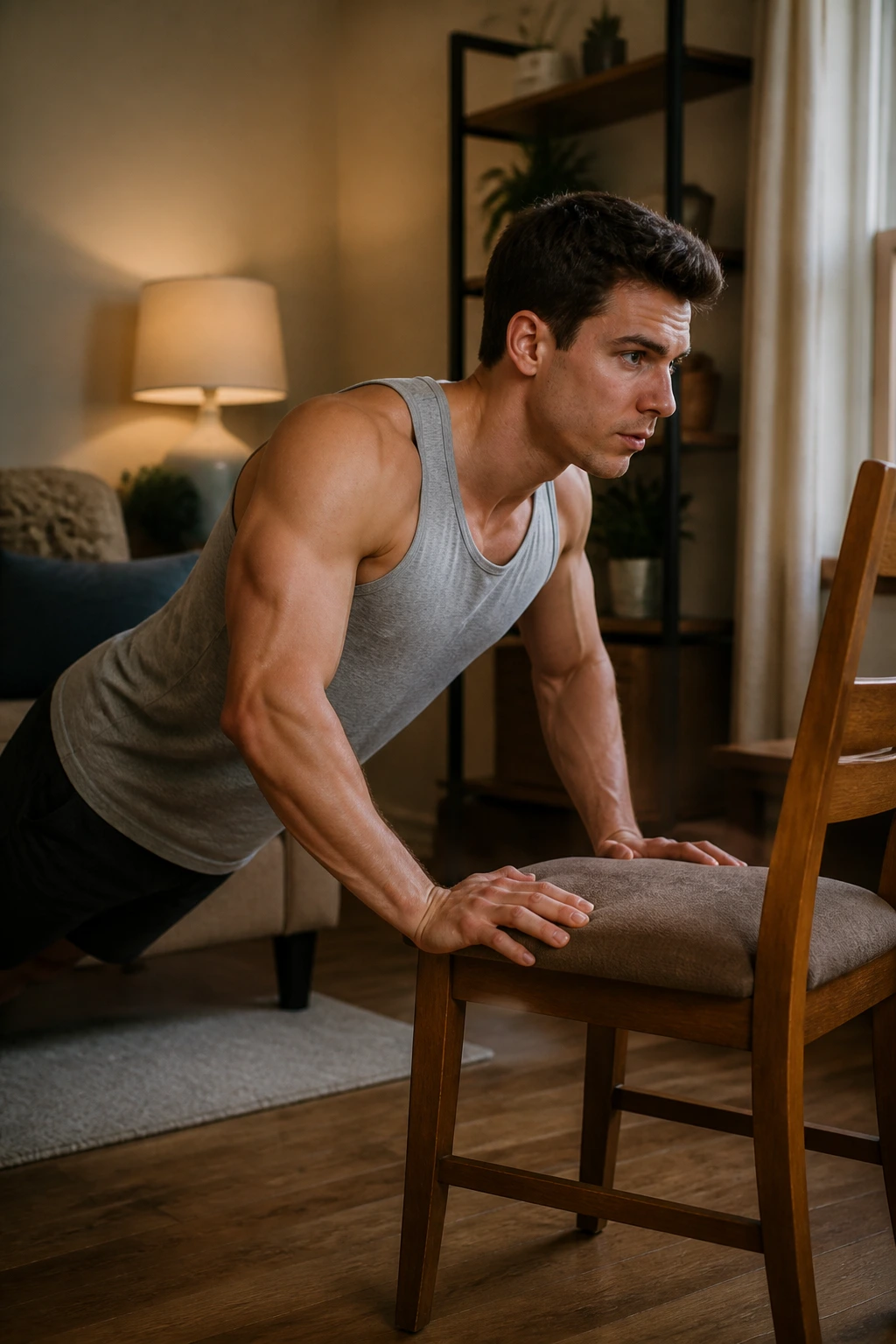
Only have two real training days? Good. Use them well.
A two-day split keeps the plan simple enough to survive a busy week. One day is upper body, one day is lower body. That structure works because beginners do not need five different gym days to make progress. They need enough work, repeated often enough, with enough rest to recover.
Day 1: Upper body
- Incline pushups — 3 sets of 6 to 10
- One-arm rows with a band, dumbbell, or backpack — 3 sets of 8 to 12 each side
- Overhead press or pike hold — 2 sets of 6 to 8
- Dead bug — 2 sets of 8 each side
Day 2: Lower body
- Chair squats or goblet squats — 3 sets of 8 to 12
- Romanian deadlifts with a backpack or dumbbell — 3 sets of 8 to 10
- Split squats — 2 sets of 6 to 8 each leg
- Glute bridges — 2 sets of 12
Keep at least two days between sessions. The goal is not to leave the gym floor wrecked. The goal is to show up fresh enough to move well.
This split is a nice fit for people with limited energy, limited time, or limited equipment. It is spare and practical. Nothing fancy.
12. The Three-Day Full-Body Plan
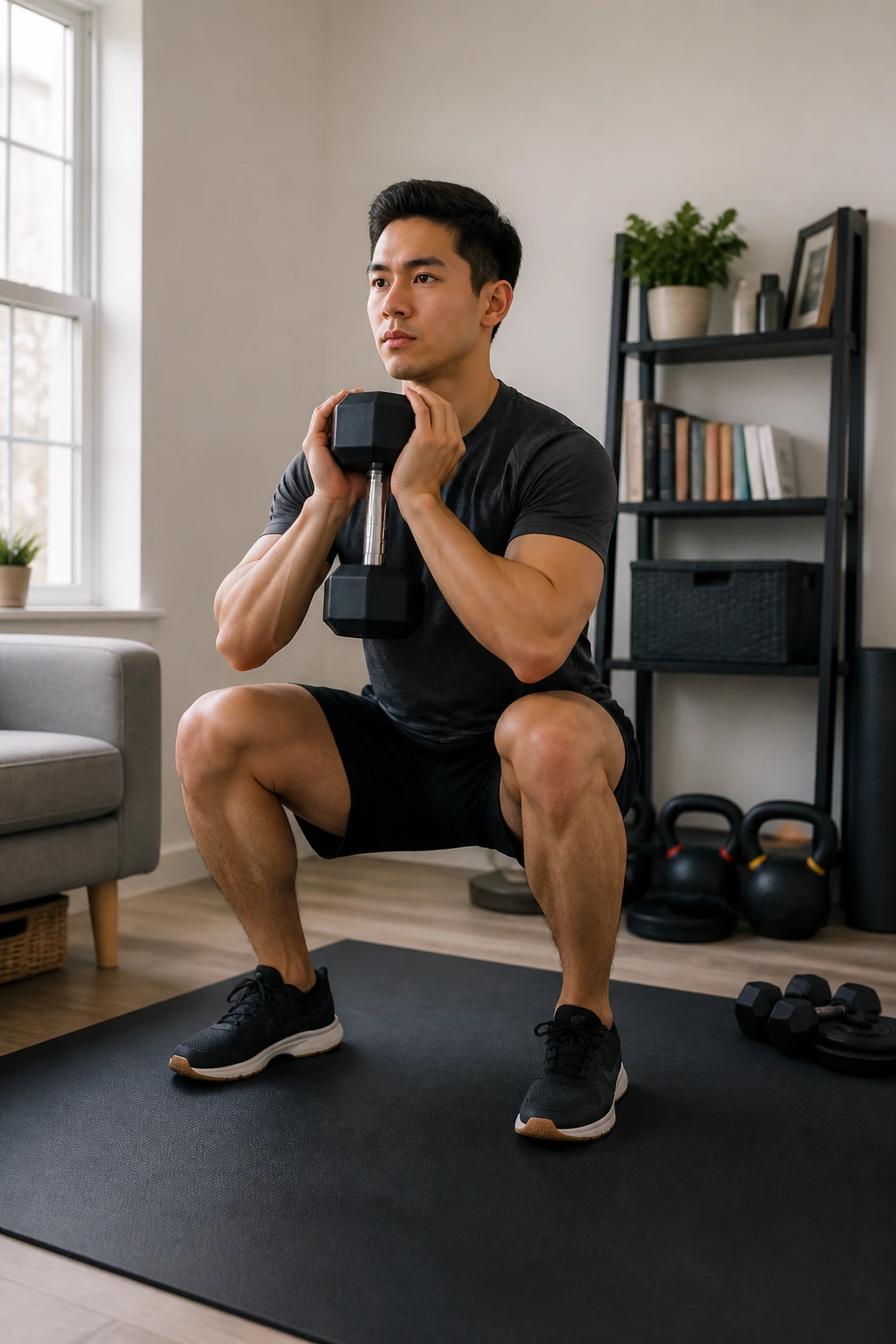
More days are not always better.
A three-day full-body plan is often easier for beginners to stick with than a more fragmented routine. Each session hits the whole body, which means you practice the same movement patterns often enough to improve without needing a dozen exercises. That kind of repetition is friendly to learning.
Each workout should include:
- One squat or lunge
- One hinge
- One push
- One pull
- One core move or carry
A sample week
Monday
- Squat
- Row
- Incline pushup
- Glute bridge
- Plank
Wednesday
- Split squat
- Backpack deadlift
- Floor press or wall pushup
- Band pull-apart
- Side plank
Friday
- Goblet squat
- One-arm row
- Overhead press
- Hip hinge
- Carry or dead bug
If you are brand new, start with 2 sets on each move. If you recover well, move to 3. That little jump is enough for a beginner.
I like this plan because it gives structure without making training feel like a second job. It also lines up well with the old, plain advice that keeps working: train the body a few times each week, move a little every day, and do not skip the boring basics.
13. The 10-Minute Workout Snack Plan
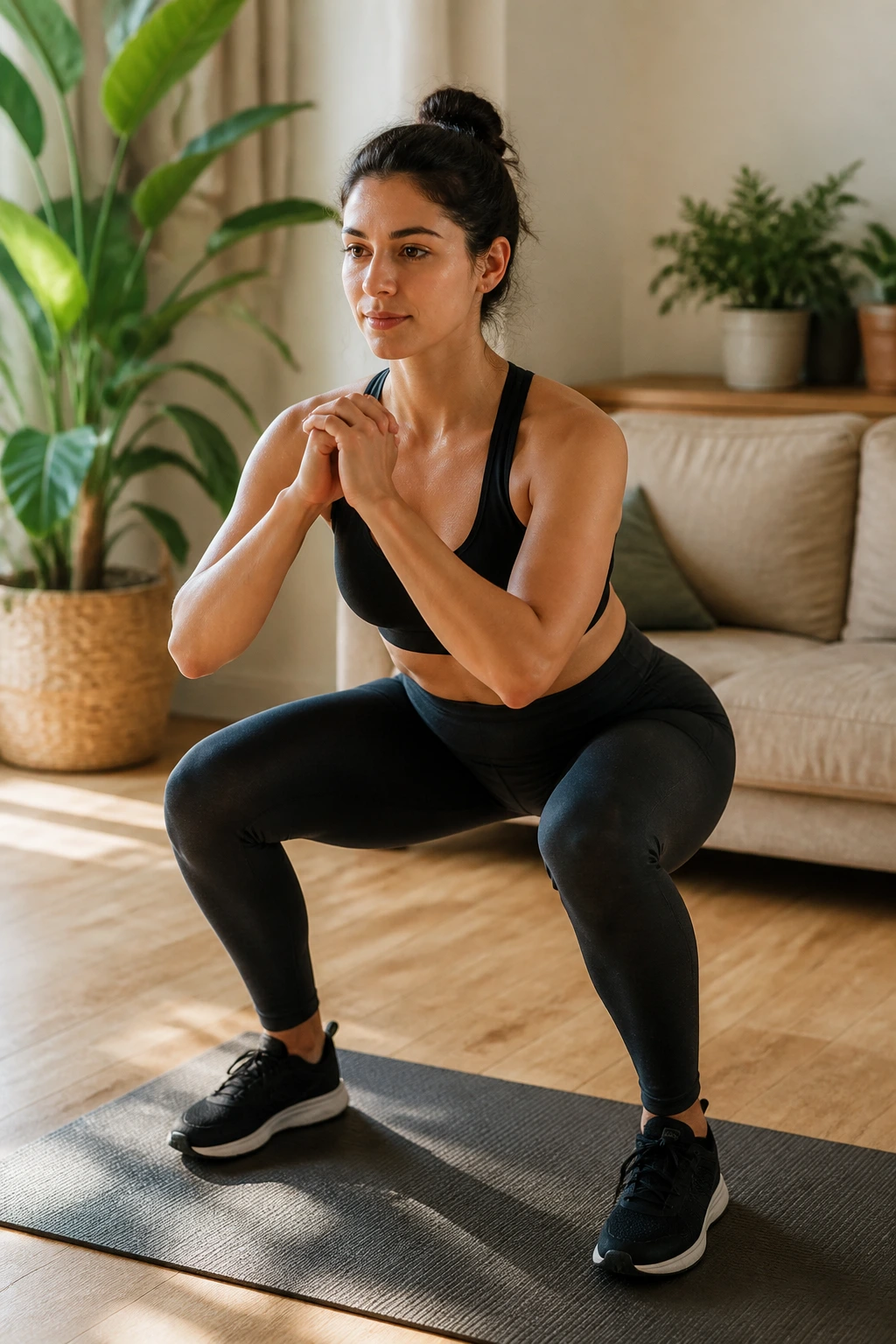
Short. Frequent. Surprisingly useful.
A workout snack is exactly what it sounds like: a tiny session you can drop into the day without changing clothes twice or psyching yourself up for an hour. Ten minutes is enough to keep momentum alive, especially for beginners who freeze when workouts feel too big.
Where to put the snacks
- Morning: 10 squats, 8 incline pushups, 20-second plank, repeated twice.
- Midday: 10 backpack rows, 10 glute bridges, 20 marching steps each side.
- Evening: 1-minute brisk walk, 10 calf raises, 5 slow lunges each side.
You do not need to crush yourself. The point is to build a habit that sticks. A few short efforts spread across the day can feel easier than one long session, and for some people that matters more than training perfection.
What makes this plan work
It lowers the friction. There is no big warm-up. No mental debate. No “I’ll start Monday” nonsense. Ten minutes is small enough to feel manageable, which is often the missing piece.
This plan is also easy to pair with the others here. Add a snack on your off days, or use it as a starter plan until longer sessions feel normal. Either way, it keeps you moving.
14. The Quiet Apartment Plan
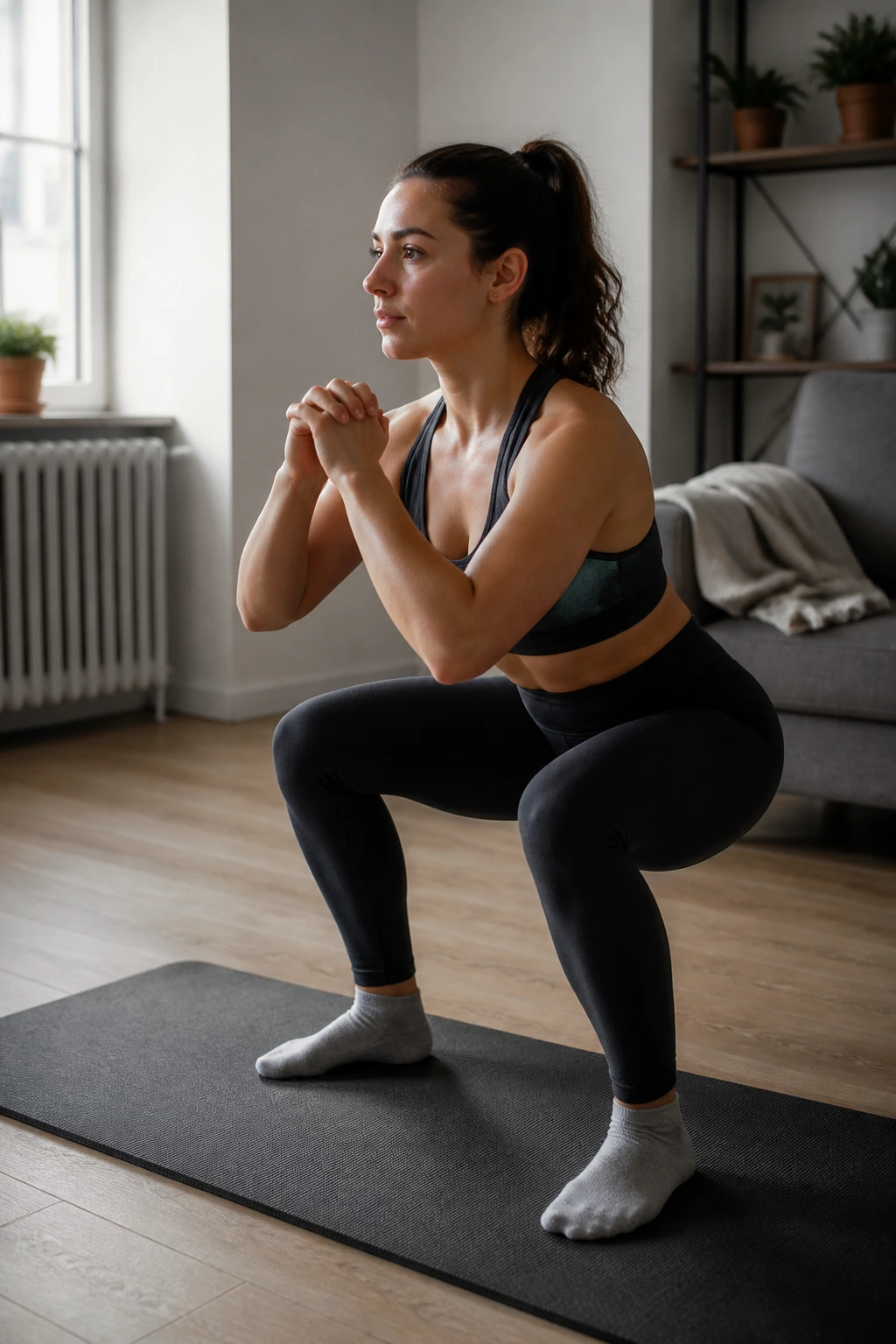
No jumping. No dropping weights. No complaints from downstairs.
That constraint is a blessing in disguise. When you remove noise, you usually end up with slower, more controlled movement, and beginners tend to benefit from that. Slower reps make cheating harder. They also make the muscles work a bit longer.
A quiet session
- Tempo squats — 2 sets of 8, lowering for 3 seconds
- Split squats — 2 sets of 6 to 8 each side
- Slow incline pushups — 2 sets of 6 to 10
- Glute bridges — 2 sets of 12
- Side plank — 2 short holds each side
- Backpack carry — 2 walks across the room
Use a mat if the floor feels harsh, and keep your feet soft when you step. That small change makes a surprising difference in noise. You can also wear socks with grip so you are not stomping around like a confused horse.
This is a strong fit for apartment dwellers, parents with sleeping kids, and anyone who trains early or late. It is calm, but not easy. There is a difference.
15. The Mixed-Tool Budget Starter Plan
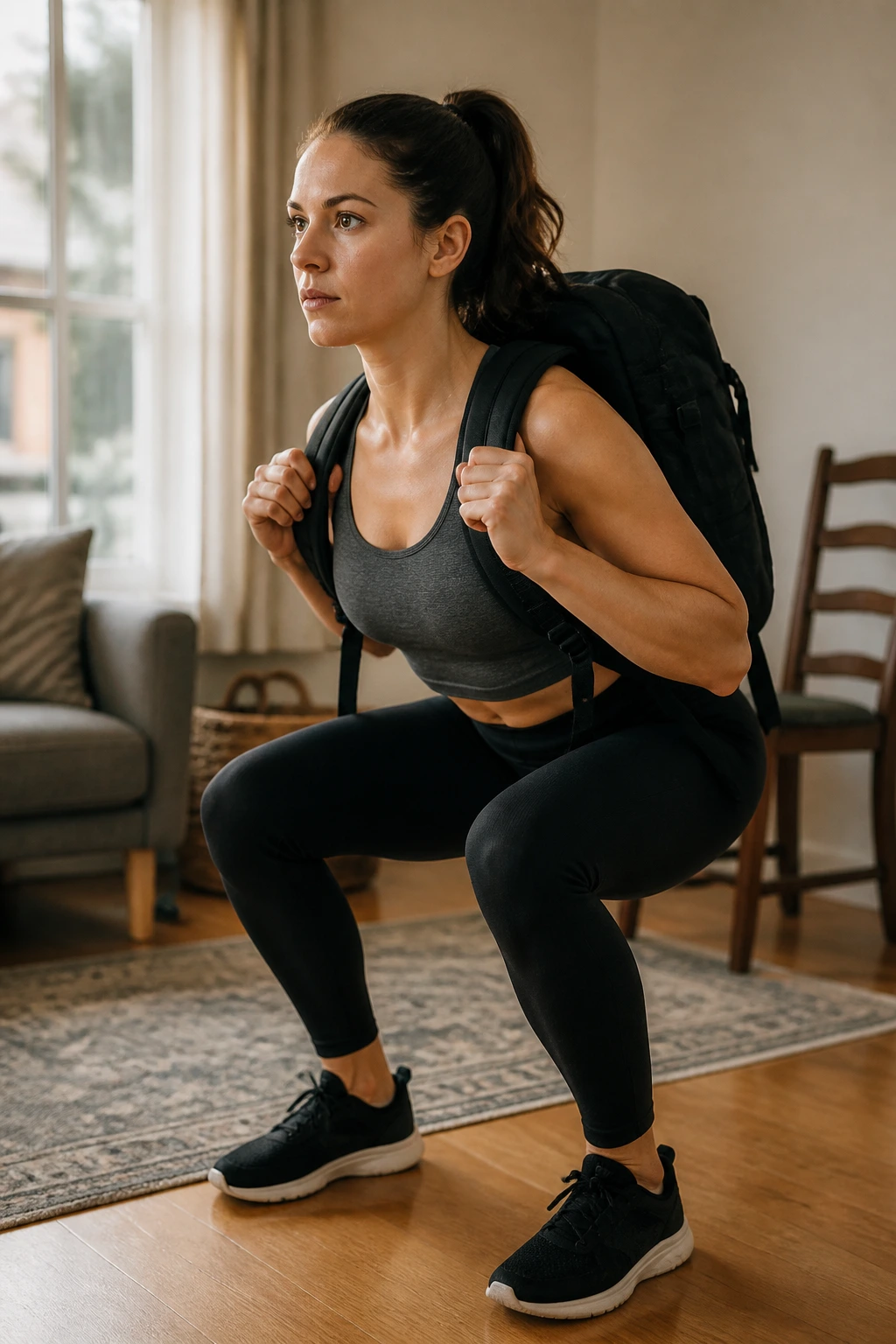
If I had to pick one budget setup from scratch, I’d mix walking, bodyweight work, and one cheap tool — probably a resistance band or a backpack.
That gives you a plan that covers cardio, strength, and recovery without asking for much money or space. The walking handles the heart and lungs. The bodyweight work keeps the routine honest. The band or backpack adds load when the basic moves get too easy.
A simple weekly template
- Monday: Brisk walk + bodyweight circuit
- Tuesday: Mobility or yoga flow
- Wednesday: Band or backpack strength session
- Thursday: Easy walk
- Friday: Full-body circuit
- Saturday: Stair work, jump rope, or another walk
- Sunday: Rest or light stretching
This is the kind of plan that survives real life. Miss a day? Fine. Pick up the next one. Feel low on energy? Do the walk and the mobility work. Have a good day? Add a third round or a longer walk.
The best budget plan is not the one with the most clever exercises. It is the one that keeps showing up when your schedule gets messy and your motivation takes a nap. That is where progress lives.
Final Thoughts
A beginner does not need to spend much to start getting stronger, steadier, and less winded. The cheapest tools are often the most useful ones because they are easy to keep using: shoes, a chair, a backpack, a band, a stairwell, a patch of floor.
Pick one plan and run it for a few weeks before you keep tinkering. The body likes repetition more than novelty, and the wallet usually does too.
