



A flatter stomach after 40 usually has less to do with punishing ab workouts than with the boring habits that actually change your shape. The best flat tummy tips for women over 40 tend to attack two problems at once: stubborn body fat around the middle and the bloat that can make your waist feel bigger by dinner than it did at breakfast.
That shift matters. Muscle tends to slip away a little faster with age, sleep gets lighter for a lot of women, stress hangs around longer than it used to, and digestion can turn fussy about salt, alcohol, giant late meals, or a stack of foods that never bothered you before. None of that means your waistline is doomed. It means the old “just do more crunches” advice was always thin, and after 40 it becomes even less useful.
The smarter path is less dramatic and more effective. Strength training, protein, walking, better sleep, and a calmer gut all pull in the same direction. Some of those habits help fat loss. Some reduce bloating. A few do both, which is why they matter so much.
Start with the changes that make you feel different by noon, not the ones that only sound good in a gym mirror. The first move is probably the least glamorous one — and the one most people skip.
1. Build Muscle With Dumbbells and Machines
If you only change one workout habit, make it this one. Muscle is the tissue that gives your body shape, and it also helps you burn more energy at rest than you do when you’re carrying less lean mass.
That does not mean you need to become a bodybuilder. It means two to four strength sessions a week can do more for a flatter midsection than hours of random cardio. Squats, lunges, rows, presses, deadlifts, and loaded carries hit the big muscles that change how your whole body looks and feels.
What strong looks like in real life
A solid session can be simple:
- 2 lower-body moves
- 2 upper-body moves
- 1 core move
- 1 carry or finisher
Heavier over time matters. If the last two reps never feel like work, the weight is probably too light. You want that last set to feel like you had two clean reps left in the tank, not ten.
One more thing. Strong legs and glutes help your waist look smaller by comparison. That sounds cosmetic, and it is, but it also changes posture and how you carry yourself.
2. Put 25 to 35 Grams of Protein on Each Plate
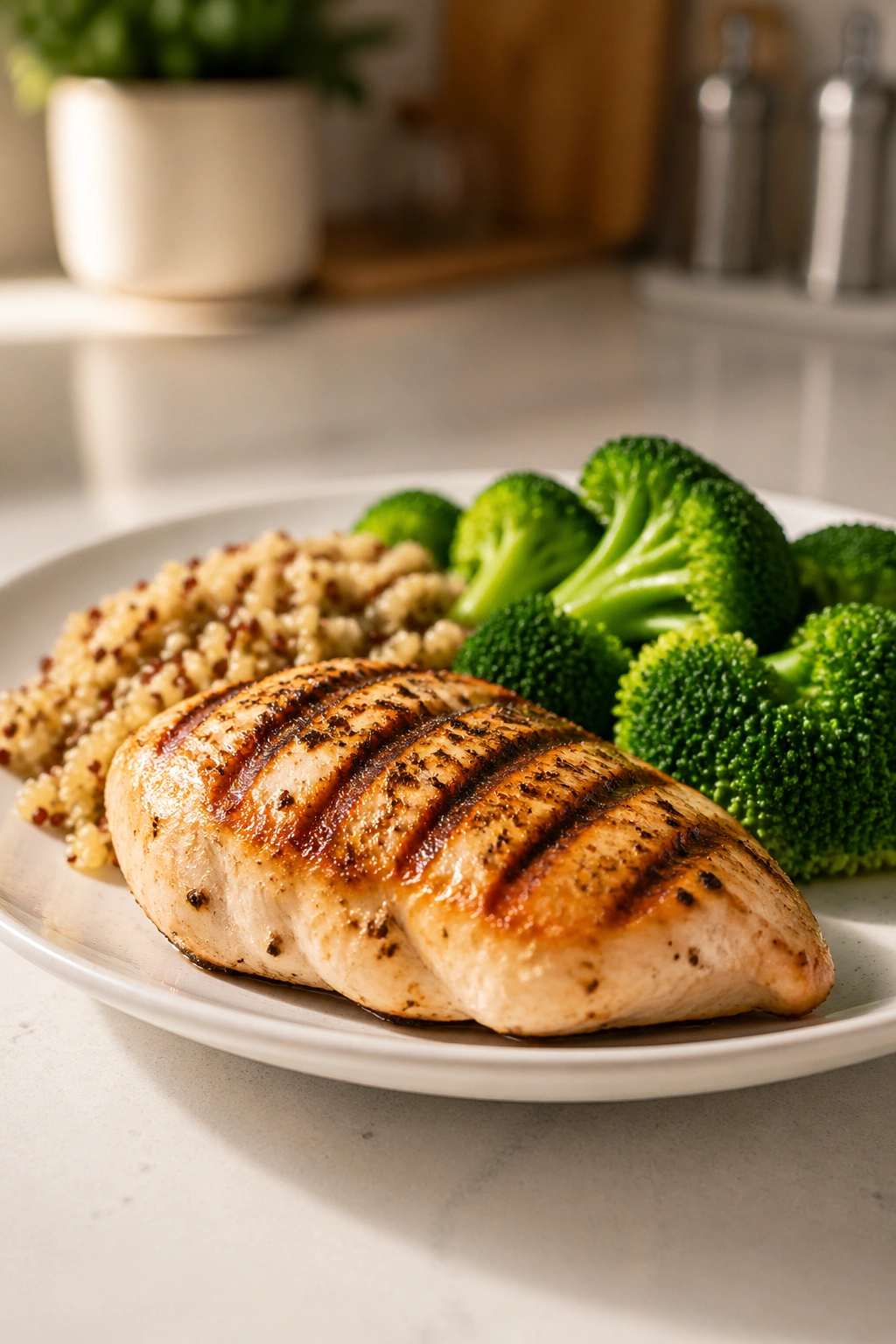
Why does protein matter so much for a flatter waist? Because it helps you stay full, protects muscle while you lose fat, and makes snacky afternoons less of a battle.
A lot of women eat a light breakfast, a modest lunch, and then spend the evening grazing. That pattern is rough on body composition. A better move is to build each meal around 25 to 35 grams of protein. Eggs, Greek yogurt, cottage cheese, chicken, tofu, fish, lentils, turkey, and protein shakes can all get you there.
How to use it
- Breakfast: Greek yogurt with berries and chia
- Lunch: Chicken salad with beans and olive oil
- Dinner: Salmon, potatoes, and vegetables
- Snack: Cottage cheese with cucumber or a protein shake after training
The exact number does not need to be perfect. If you are getting 20 grams at breakfast, 30 at lunch, and 30 at dinner, you are in a far better place than someone nibbling on toast and hoping for the best.
Front-load protein earlier in the day. That one change often cuts down on evening overeating without feeling like a diet.
3. Walk After Meals Instead of Sitting Down

A ten-minute walk after dinner often does more for your waistline than another promise to “start tomorrow.” It helps move food along, calms the blood sugar spike from a meal, and keeps you from sliding into the sofa immediately after eating.
The pace does not need to be intense. Brisk enough that you are aware of your breathing. Easy enough that you could still talk. The point is consistency, not suffering.
A small habit with a big payoff
Try this pattern:
- 10 to 15 minutes after lunch
- 10 to 15 minutes after dinner
- A short loop around the block, a mall lap, or walking indoors
- No phone scrolling for the first few minutes
That last part matters. The walk works better when you are actually walking, not doing a slow wander while reading messages.
This habit is especially useful if your stomach feels puffy late in the day. It won’t erase body fat by itself. It will make your body handle meals better, and that is a useful place to start.
4. Tame Bloating So Your Waist Feels Smaller by Evening

A stomach that looks bigger at 8 p.m. is not always a fat problem. Sometimes it is water, gas, constipation, or one stubborn meal that sat heavier than expected.
Salt-heavy takeout, fizzy drinks, sugar alcohols, and giant raw salads can all make the midsection feel stretched. So can eating too fast. The swallow-air part is annoying, but it is real. Your gut does not care that the meal was “healthy” if you inhaled it in six minutes.
The fix is less about cutting food and more about noticing patterns. If your waist looks flatter on days with simpler meals and smaller amounts of sodium, that tells you something useful. If you feel tight after sparkling water and a protein bar sweetened with sugar alcohols, that is useful too.
Bloating is separate from fat gain. People mix those up all the time, then start chasing the wrong solution. The scale may not move, but your stomach can still look and feel different by changing a few daily triggers. That’s a better use of effort than starving through lunch and hoping your jeans forgive you.
5. Increase Fiber Without Creating Gas
Fiber helps, but only when you bring it in at a sane pace. A lot of women hear “eat more fiber” and swing hard into giant salads, raw vegetables, beans at every meal, and a bran cereal that hits the gut like a brick.
Slow down. That approach backfires fast.
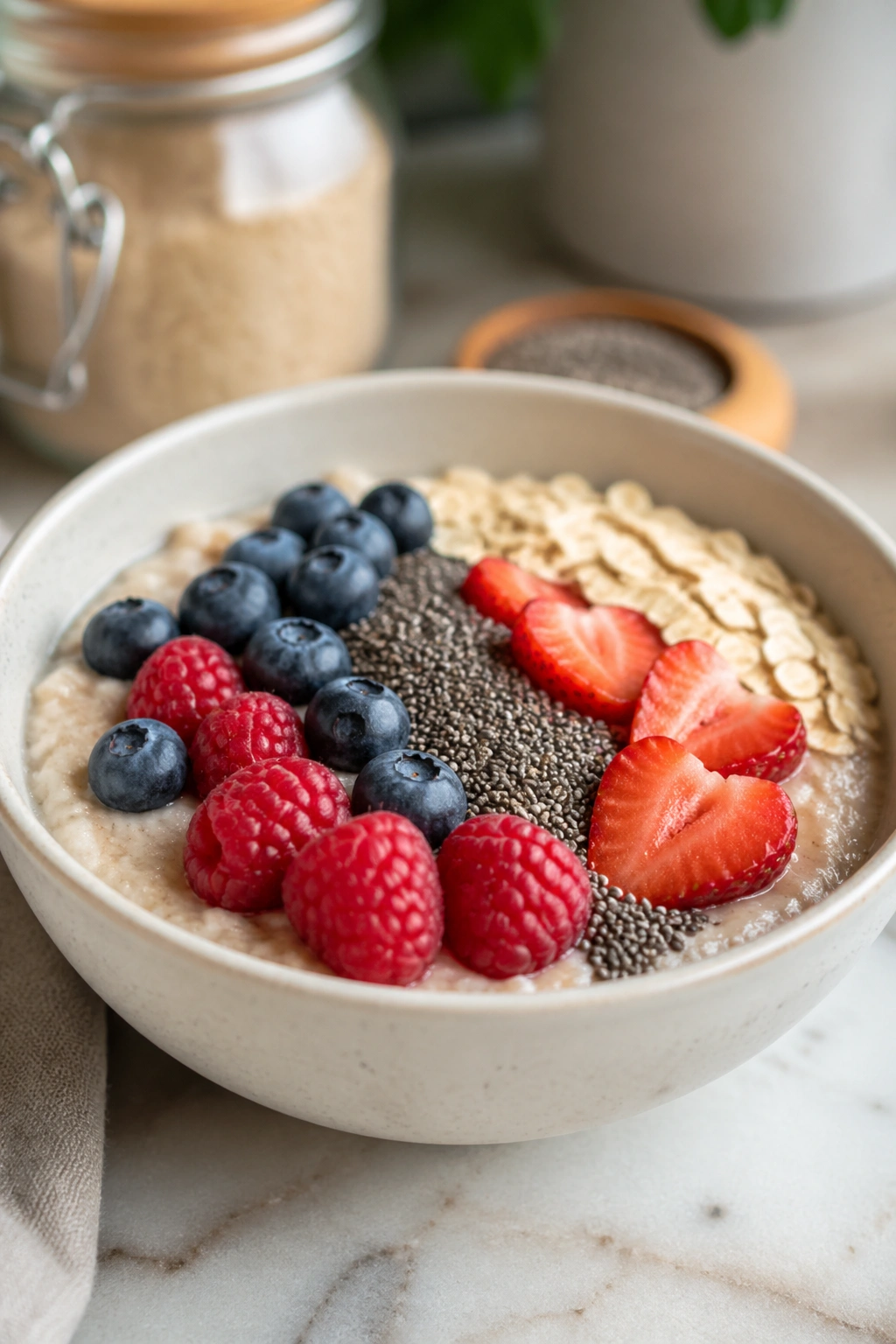
Aim for a mix of soluble fiber and rougher plant foods, then raise the amount gradually. If you are nowhere near 25 to 30 grams a day, add 5 grams at a time and give your body a few days to settle. Oats, berries, chia seeds, flax, cooked vegetables, apples, lentils, and avocado are all friendly places to begin.
Good first choices
- Oatmeal with berries
- Chia pudding
- Roasted carrots or zucchini
- Lentil soup in a modest serving
- A small apple instead of a giant raw salad
Slow is better.
The mistake most people make is thinking more fiber automatically means a flatter stomach. Sometimes it means more gas for three days. The win comes from building tolerance, drinking enough water, and choosing foods that your gut handles well.
6. Drink More Water, Especially If Constipation Creeps In
Water sounds boring until you notice how much better your body handles food when you’re not running dry. Constipation can make your belly feel hard and full, even when you have not eaten much. Dehydration can make that worse.
Coffee does not replace water. Neither does a sparkling drink with a wedge of lime. Those are fine things, but they do not do the same job. If your urine is dark, your mouth feels dry, or your stools are hard and infrequent, you probably need more fluid.
A simple hydration rhythm
- Drink a full glass on waking
- Have water with meals
- Keep a bottle near your desk or bag
- Add extra on training days and hot days
You do not need to chug gallons. You do need enough. Many people feel less bloated when they are well hydrated because the digestive system moves more smoothly and the body does not cling to fluid the same way. It sounds backward, but it happens all the time.
7. Cut Back on Alcohol and Sugary Drinks

Alcohol is sneaky. It adds calories, lowers food judgment, messes with sleep, and can leave your face and belly looking softer the next morning. Sugary drinks do a similar thing without the sleepy bonus.
Wine, cocktails, sweet coffee drinks, soda, and bottled “healthy” juices can all add up fast. None of them fill you up much. That is the problem. You can drink 300 calories in a few gulps and still want chips afterward.
A cleaner approach is to choose your drinks on purpose, not out of habit.
- Swap soda for sparkling water with citrus
- Keep cocktails to one and make the rest nonalcoholic
- Pick dry wine over sweeter mixes if you drink at all
- Treat sweet coffee drinks like dessert, not a daily thing
There is no need to become rigid. There is a need to notice that liquid calories tend to work against a flatter stomach in a way that feels unfair. They are easy to overdo and hard to feel. That combination is rough.
8. Train the Deep Core That Holds You Up
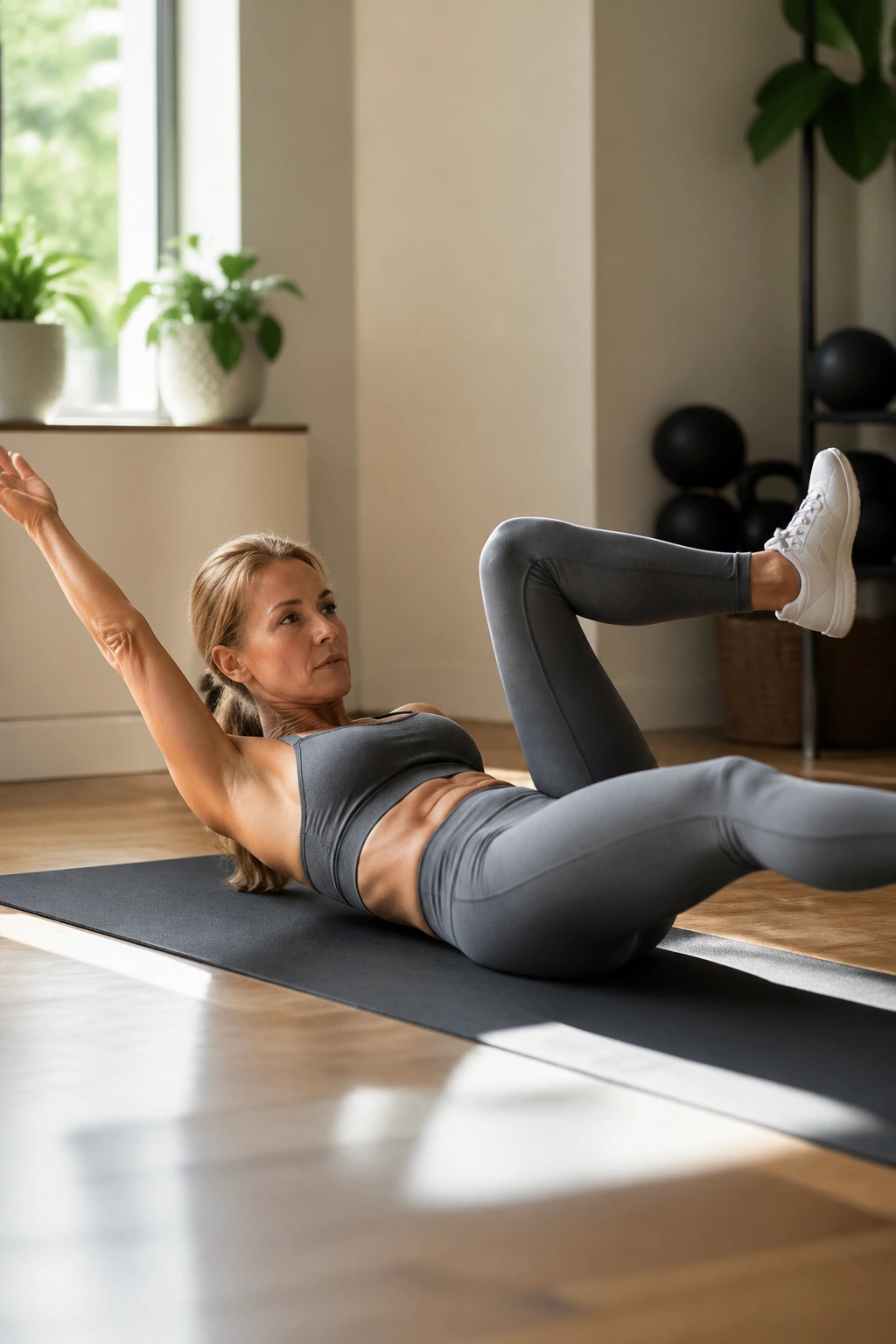
Why does your stomach look better when your core is stronger, even before you lose much fat? Because the deepest abdominal muscles help support your spine, pelvis, and ribcage. They are not the same thing as endless sit-ups.
The moves worth learning are the ones that teach your torso to brace and stay steady. Dead bugs, bird dogs, side planks, Pallof presses, and farmer carries all ask your core to work without a bunch of neck strain.
How to use it twice a week
Pick 3 moves and do 2 to 3 rounds:
- Dead bug, 6 to 8 slow reps per side
- Side plank, 20 to 30 seconds per side
- Pallof press, 8 to 10 reps per side
- Farmer carry, 30 to 45 seconds
Breathe out as you brace. That tiny detail matters. Holding your breath like you are trying to win a forklift contest is not the goal. You want support without tension spilling into your neck, jaw, or lower back.
A better core feels firmer when you stand, not just when you flex in a mirror.
9. Quit Chasing Hundreds of Crunches
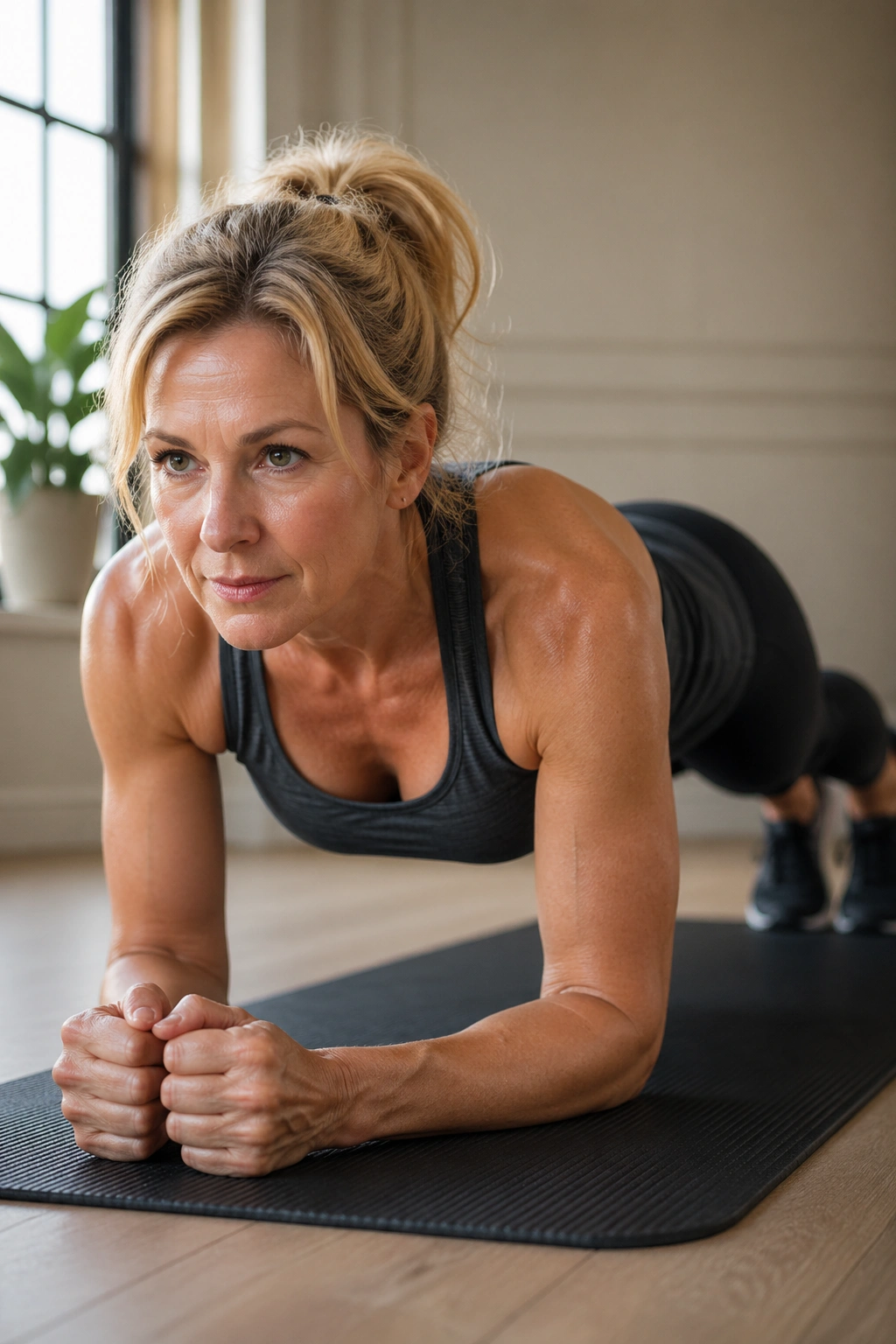
A lot of routines still sell the same tired fantasy: do enough crunches and your belly will flatten. That is not how fat loss works.
Crunches can strengthen the front of your trunk, sure. They do not burn belly fat off the exact place you want it gone. And if you crank through them with sloppy form, your neck and hip flexors often do more work than your abs.
A better trade is to swap quantity for better movement.
- Planks instead of endless crunches
- Reverse crunches with control
- Cable chops or band rotations
- Loaded carries for the whole trunk
The point is not to hate crunches. The point is to stop making them the center of the plan. If your entire ab routine is floor flexion, your core is missing the part where it learns to resist movement and keep you stable. That part is the one that shows up in daily life — standing, carrying groceries, reaching, lifting, twisting.
10. Protect Sleep Like It Matters to Your Waist

Short sleep shows up in the mirror.
When you do not sleep enough, hunger tends to feel louder, cravings feel more urgent, and the body hangs onto fluid more easily. You may also recover worse from workouts, which means you train hard but get less from the effort. That is a bad deal.
A simple sleep routine beats a fancy one. Keep the room cool. Shut down bright screens a bit earlier. Stop caffeine in the early afternoon if it keeps you wired. Go to bed and wake up at close to the same time most nights.
Small habits that help
- Dim lights an hour before bed
- Keep the room dark
- Use a fan or lighter bedding if you run hot
- Put the phone across the room
- Eat dinner a little earlier when you can
If sleep is broken by hot flashes, snoring, pain, or waking to pee multiple times, that deserves attention. Don’t wave it off. A flatter tummy is much harder to get when the body is running on scraps of rest.
11. Lower Stress Before It Turns Into Snacking

Stress doesn’t just live in your head. It changes how you breathe, how you eat, and how tightly your midsection holds itself. Some women notice they snack more under pressure. Others get constipated, tense, or both. The belly is often the first place it shows.
That does not mean you need a perfect zen routine. It means you need a few reliable off-ramps.
Pick two and use them daily
- A 10-minute walk outside
- Slow breathing with a long exhale
- Journaling the next three tasks before dinner
- Phone-free coffee or tea
- A stretch session after work
Stress management will not melt fat by itself. It can make every other habit easier to keep. That part is underrated. When you are less wound up, you are more likely to cook, walk, sleep, and stop eating when you’re satisfied instead of when the bag is empty.
A calmer nervous system also makes your stomach feel less clenched. That is not imaginary. It is part of the same picture.
12. Keep a Small Calorie Deficit You Can Actually Live With
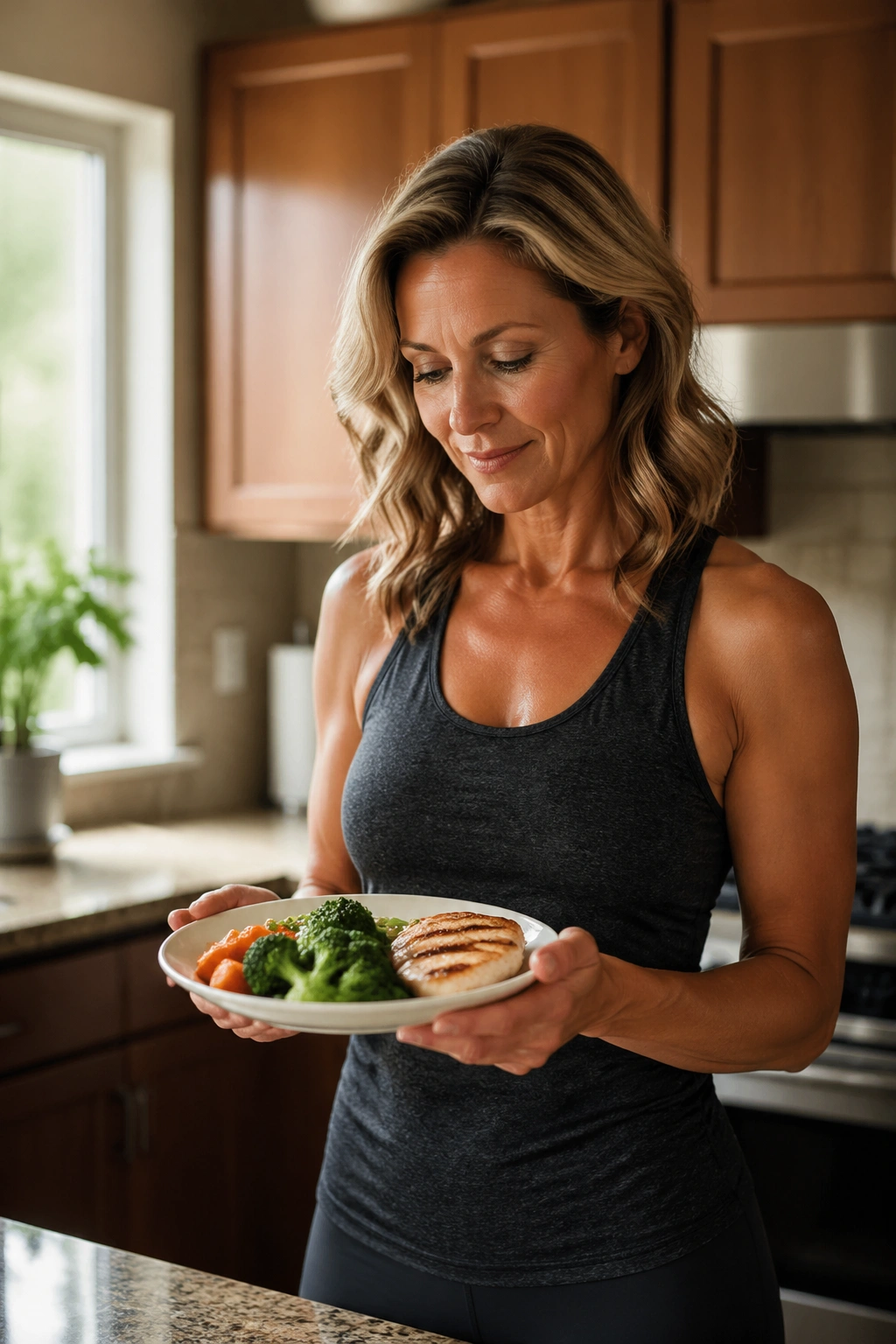
Big cuts sound efficient. They also backfire for a lot of women because they leave you hungry, tired, and annoyed at everyone in the house.
A smaller deficit works better. Think about 250 to 400 calories a day, not a crash diet that turns every meal into a negotiation. That gap is enough to move body fat over time without crushing energy or making workouts feel like a chore.
What a real deficit looks like
- Protein at every meal
- Starches in sensible portions
- Vegetables or fruit at most meals
- Fewer snack foods eaten by accident
- No “I blew it, so I might as well keep going” spiral
You do not need to count forever. You may need a few weeks of honest tracking to see where calories sneak in. Oil, nuts, cheese, wine, and big portions of “healthy” food can still push you over.
A small deficit feels almost too gentle. That is the point. Gentle is easier to repeat. Repeated is what works.
13. Add Weight, Reps, or Sets Over Time
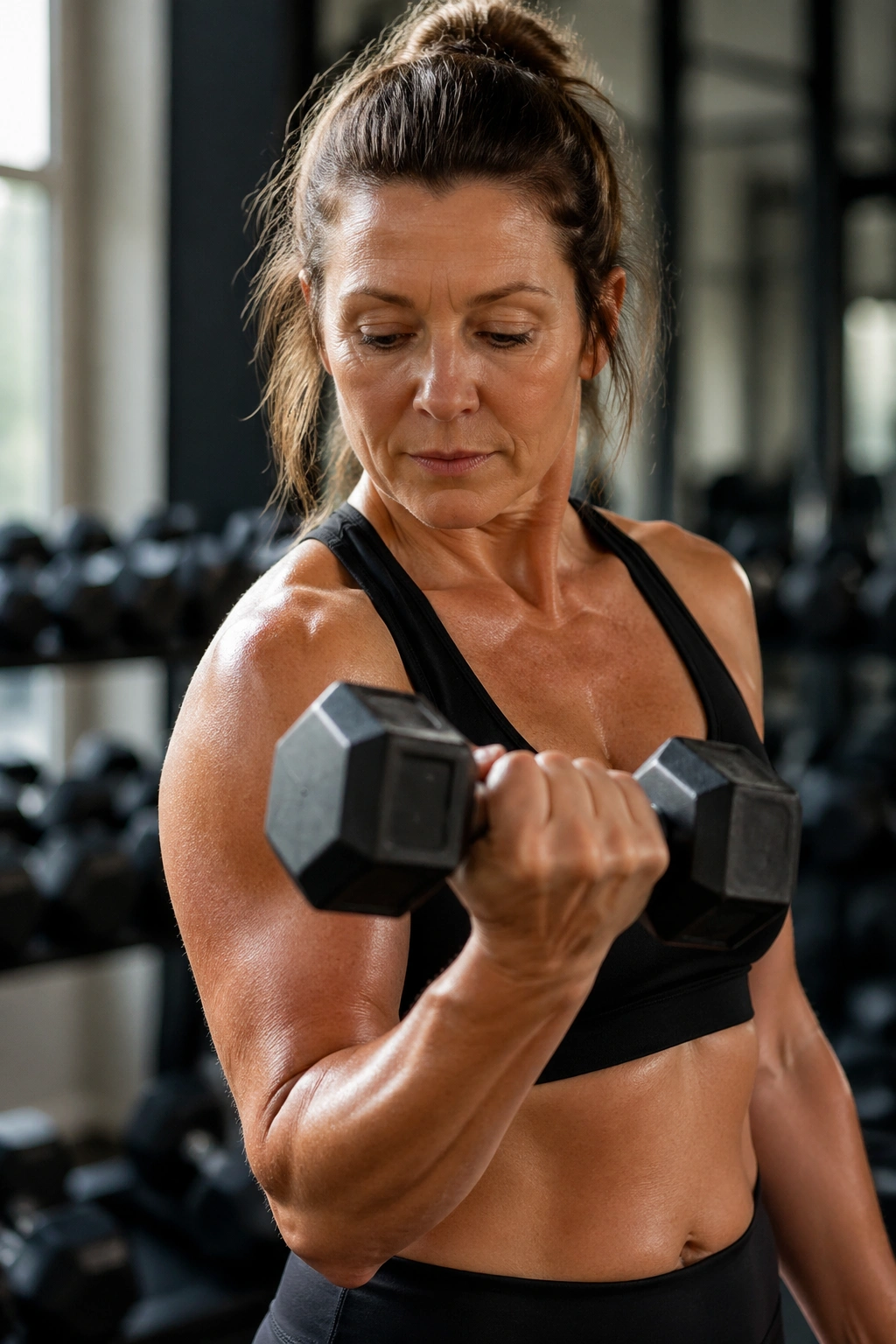
If your workouts look the same every week, your body has no reason to change. Progressive overload is the plain, unglamorous fix.
That can mean adding 5 pounds to a lift, adding one or two reps, slowing the lowering phase, or doing one extra set. Pick one. Do not stack every change at once or the workout gets messy.
A simple way to progress
- When you hit the top of your rep range with clean form, raise the weight next time
- If the weight stays put, add 1 rep per set
- If the exercise feels too easy, add a set before you add more variety
You want enough challenge that your muscles have to adapt. Not chaos. Not random soreness. Just steady, measurable progress.
This matters after 40 because muscle does not hold on by accident. It responds to demand. Give it the same light dumbbells forever and it politely stops changing. Push a bit harder over time and the body has a reason to reshape itself.
14. Pay Attention to Menopause and Hormone Changes

A lot of women blame themselves for changes that have a bigger biological piece than they want to admit. Sleep gets patchy. Hot flashes show up. Appetite shifts. The waist can feel softer even when habits have not changed much.
That does not mean hormones are the whole story. They are not. It does mean perimenopause, menopause, thyroid issues, iron problems, blood sugar changes, and some medications can all affect weight, bloating, energy, or where fat tends to sit.
If your body changed fast, or the change came with fatigue, heavy bleeding, mood shifts, hair loss, constipation, or a big sleep problem, get it checked. That is not overreacting. That is being smart.
Sometimes the fix is lifestyle. Sometimes it’s a medical issue that needs sorting. Sometimes it’s both. A flat tummy plan works better when you are not trying to outrun a health problem with more salad and less sleep.
15. Stack Your Ribs Over Your Hips
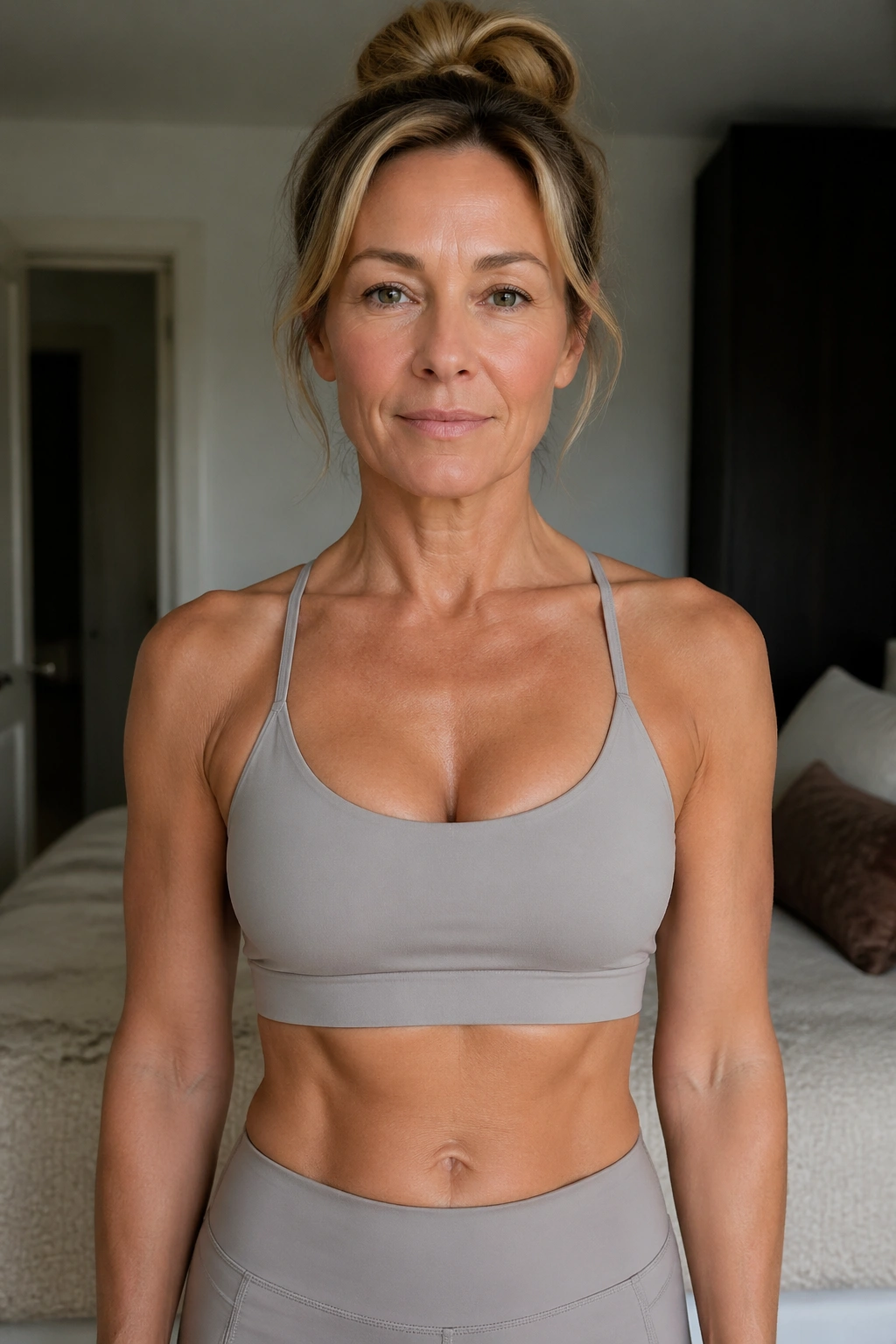
Stand in front of a mirror and watch what happens when you slump. The lower belly often pushes forward, the ribs flare up, and the whole torso looks softer than it really is. Posture is not a miracle. It is not nothing either.
A stacked position — ribs over pelvis, shoulders relaxed, chin neutral — helps your core engage the way it’s meant to. That can make your stomach look flatter instantly, and it often takes pressure off the low back.
Quick posture reset
- Stand with feet under hips
- Exhale gently until the rib cage settles
- Lightly tighten the lower belly
- Keep the glutes awake, not clenched
- Let the shoulders drop
That tiny reset is useful during walking, lifting, and even sitting at a desk. If you spend the day collapsed over a laptop, your midsection tends to hang forward. If you stand and move with a little more stack, your waist usually looks cleaner and your breathing gets easier.
It’s a small thing. Small things add up.
16. Choose Carbs That Don’t Blow Up Your Midsection
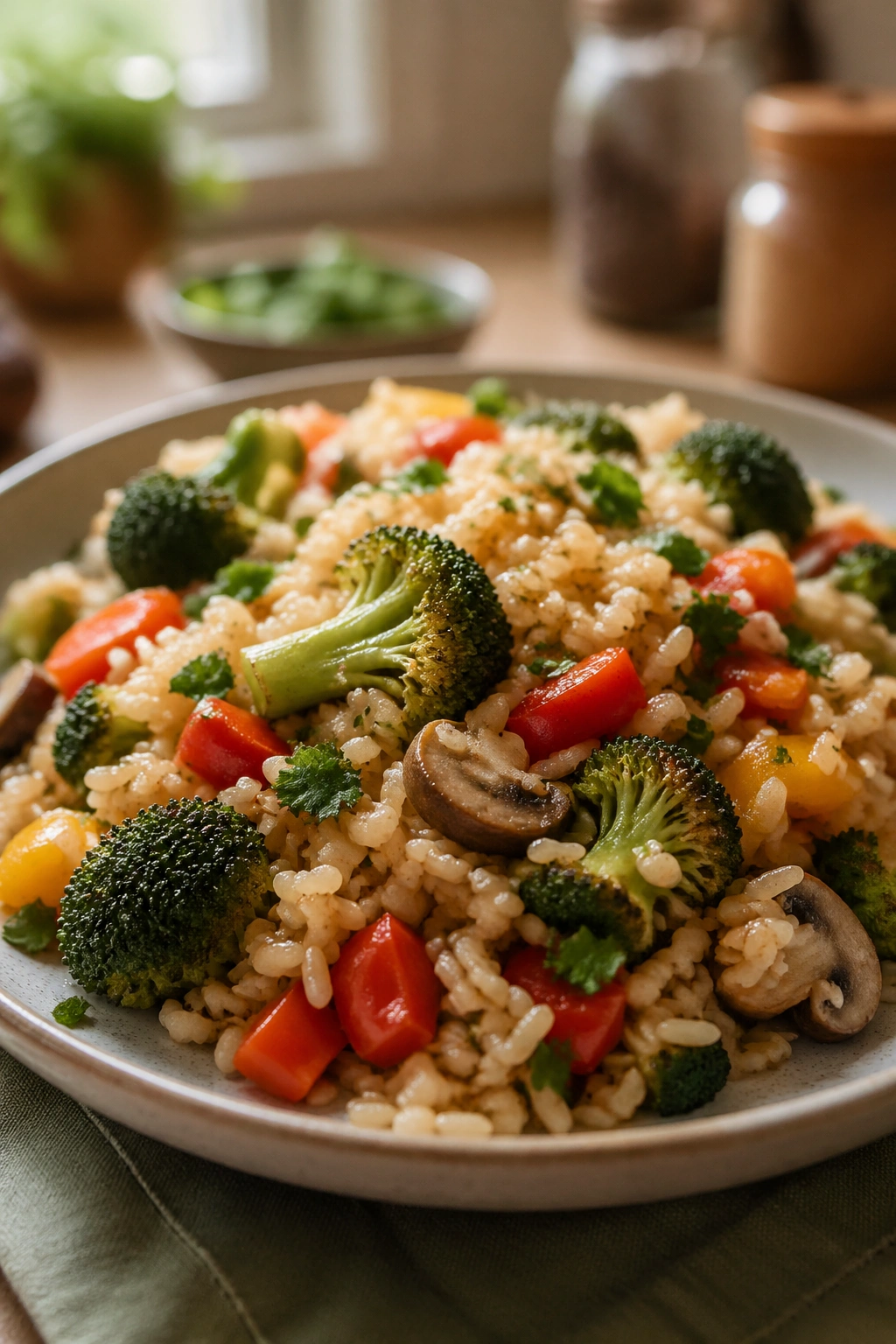
Carbs are not the enemy. Some sit well, fuel workouts well, and leave you feeling normal. Others leave you gassy, sluggish, or bloated enough to make your waistband feel tighter by lunch.
Rice, potatoes, oats, bananas, berries, and sourdough bread tend to sit better for many people than huge portions of garlic-heavy pasta, rich bakery treats, or giant bowls of mixed high-fiber grains. That does not mean you should fear grains or bread. It means digestion matters.
Better carb choices when your stomach is touchy
- Rice with protein and cooked vegetables
- Potatoes with olive oil and salt
- Oats with berries
- Bananas before training
- Sourdough if regular bread bothers you less than dense loaves
Timing matters too. A lot of women handle carbs better around workouts and earlier in the day than in a massive late-night serving. You do not need to cut them. You need to match them to your gut and your activity level.
That is a much calmer plan than swinging between carb fear and carb overload.
17. Spot Food Triggers That Swell Your Belly

Some foods are not “bad.” They are just noisy in your body.
A two-week note on your meals can tell you a lot. Write down what you ate, how your stomach felt a few hours later, and whether the issue was gas, tightness, reflux, or plain heaviness. Common offenders include dairy, onions, garlic, beans, sugar alcohols, carbonated drinks, and huge raw-veg bowls.
That does not mean you must ban those foods forever. It means you get to see patterns instead of guessing.
What to watch for
- Belly distension after certain meals
- Gas and cramping
- Needing to unbutton pants by afternoon
- Reflux after rich or spicy food
- A pattern that repeats with the same ingredients
If symptoms are severe, painful, or tied to weight loss, blood, vomiting, or diarrhea, that is a medical conversation, not a DIY puzzle. For ordinary bloating, though, pattern-spotting can save you months of random food cutting. That alone is worth the ten minutes of tracking.
18. Use Low-Impact Cardio You Can Repeat
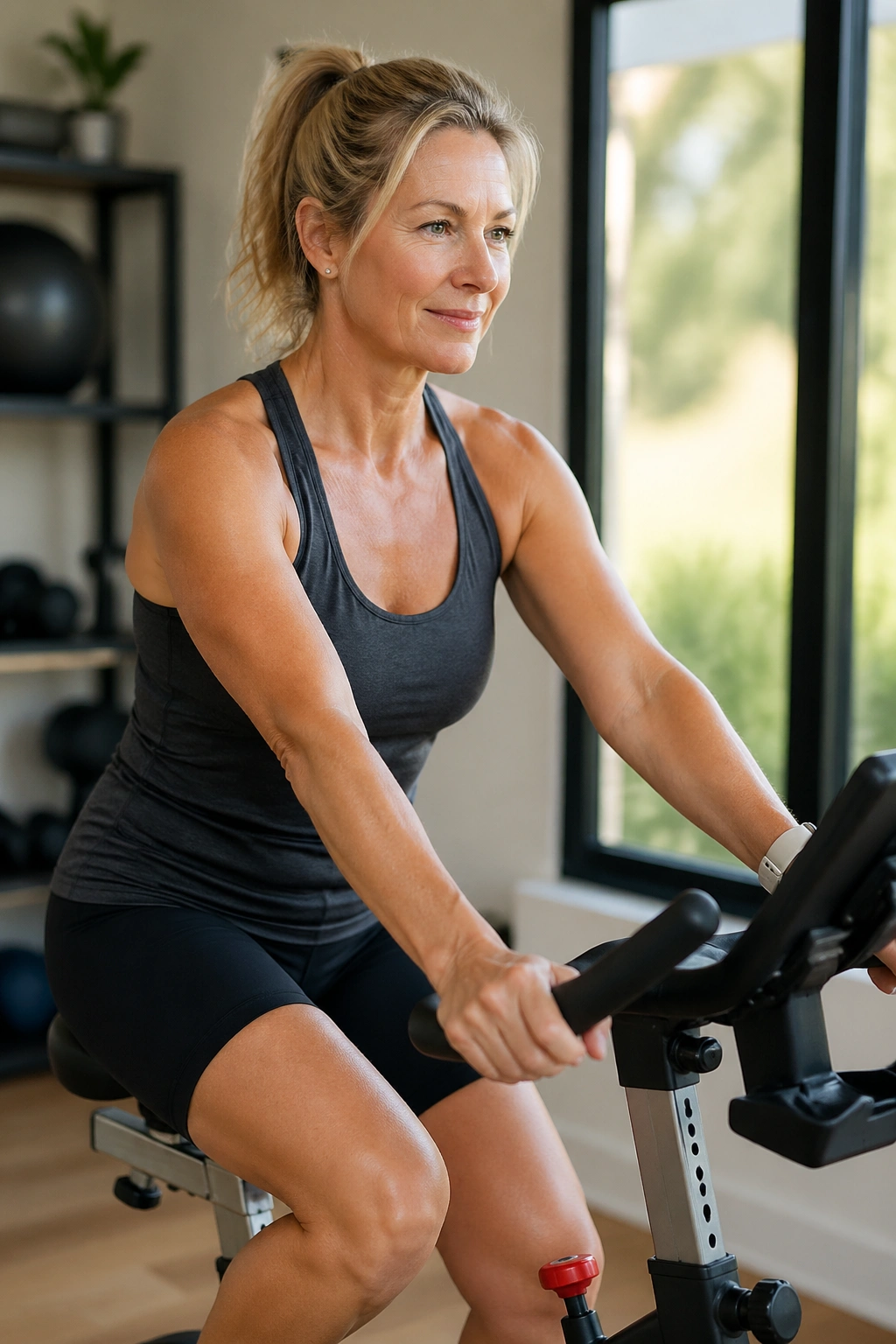
You do not need brutal cardio to lose fat. You need cardio you can keep doing.
Incline walking, cycling, rowing, swimming, and the elliptical all work. The best one is the one you will actually return to three times a week without dreading it. Harder is not always better. Repeatable is better.
A good target
- 20 to 40 minutes per session
- 2 to 4 sessions a week
- A pace where you can talk in short sentences
- Enough effort to warm you up, not flatten you
This kind of cardio helps create the calorie gap you need without beating up your joints or making you ravenous afterward. It also supports recovery from strength work. That is a nice combo.
A lot of women over 40 do better with steady work than with punishing bursts they hate. If the plan keeps ending after two weeks, it was too aggressive. If you can picture yourself doing it next month, that’s the one.
19. Measure Your Waist, Not Just Your Scale Weight
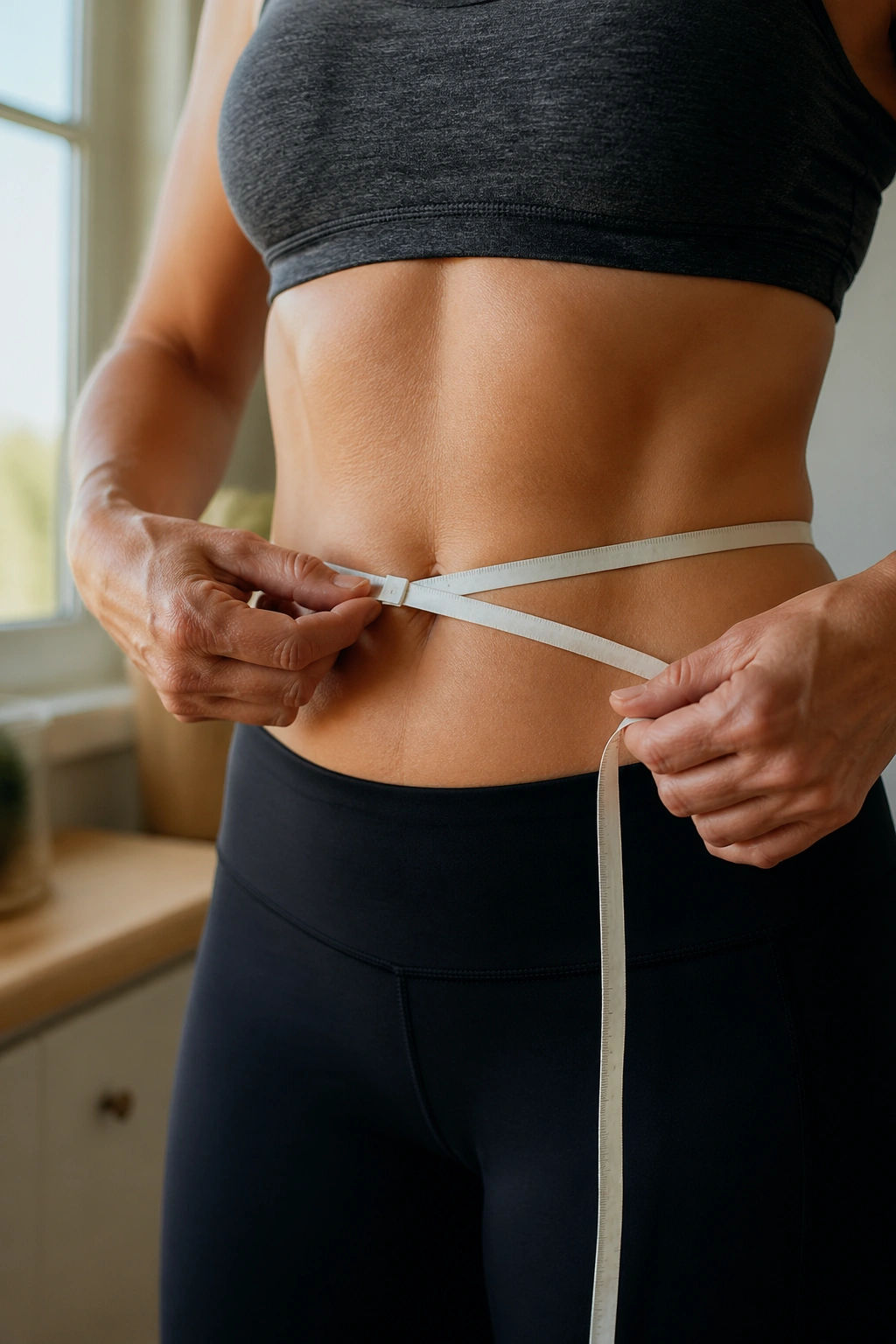
Scale weight tells one story. It is also a noisy story. Water, sodium, digestion, workouts, and hormones can all move it around enough to drive you nuts.
A waist measurement gives you a cleaner read. Measure at the navel and, if you want, at the narrowest point too. Do it once a week, same time of day, same tape position. Then watch the trend instead of obsessing over one number.
Better ways to track progress
- Waist measurement
- Front and side photos
- How jeans fit at the button
- Weekly average weight, not one random day
- Energy in workouts
This matters because a flatter stomach is partly visual and partly mechanical. If your clothes fit looser but the scale barely moved, that is still progress. If the scale dropped but your waist did not, you may have lost water or muscle in a way that does not help your look much.
Use the tape. It is less dramatic than the scale and usually more honest.
20. Make Your Flat Tummy Routine Simple Enough to Repeat
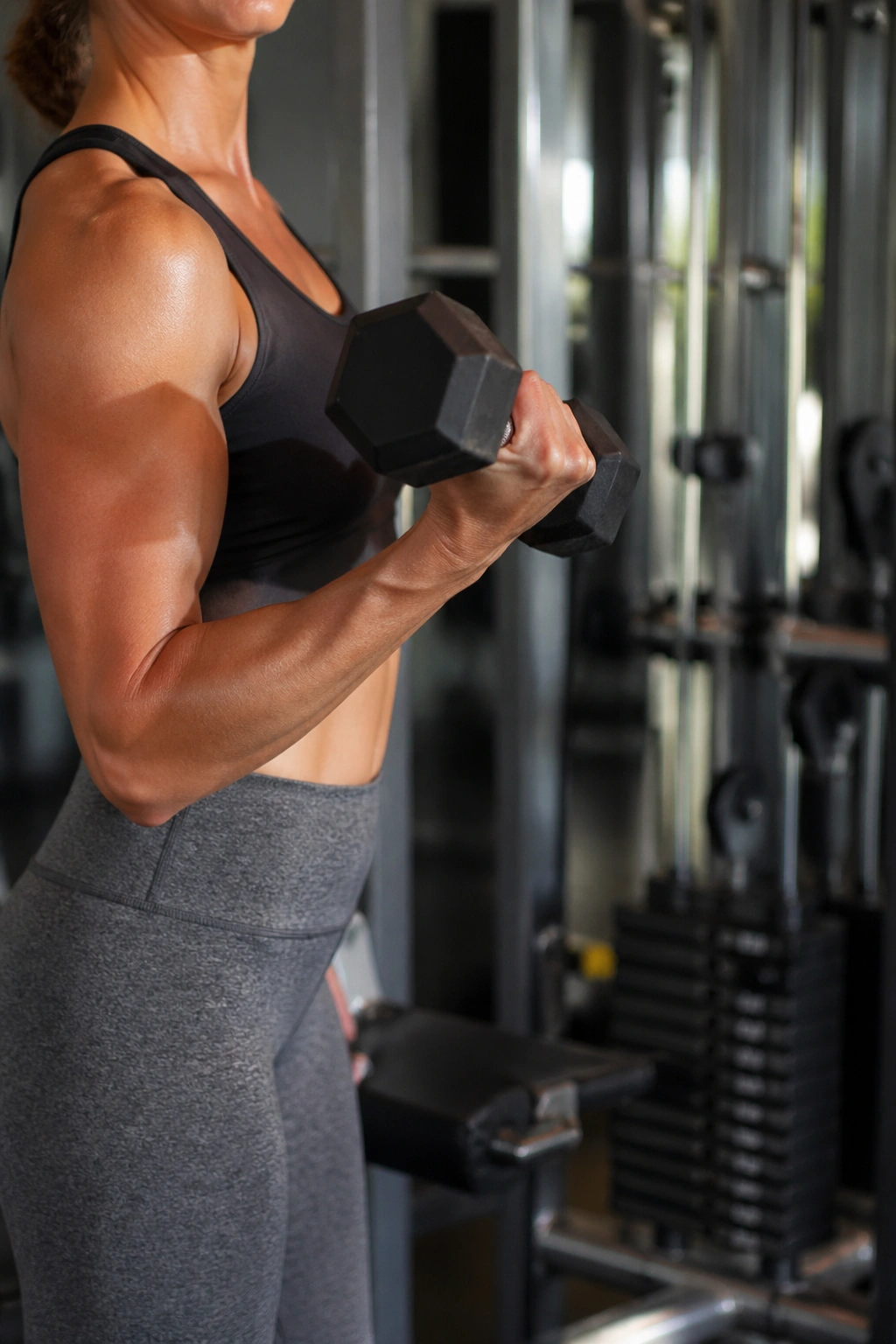
A routine works when it is plain enough to live with on your busiest week, not your ideal week. That means a few strong habits, not a pile of rules that collapse the moment dinner runs late.
A simple weekly setup might look like this: three strength sessions, daily protein at meals, a walk after dinner, decent sleep, and one or two days where you pay extra attention to bloating triggers. That is enough to move the needle for a lot of women.
Boring works. Really.
The women who keep their midsections tighter over time usually are not doing everything. They are doing the same useful things often enough that their body can respond. That is the whole trick. Less drama, more repetition, better results that stay put longer than a hard reset ever does.
A flatter waist is often the side effect of a body that lifts, walks, sleeps, digests, and eats in a calmer way. Build that, and the mirror tends to cooperate.
