



Walk into almost any gym, and you will see the same pattern. Rows of treadmills occupied by people running at a steady, moderate pace, staring blankly at the wall or a television screen. Then, you see the weight room—often sparsely populated, dominated by a few regulars, and sometimes intimidating for newcomers. If your goal is lasting fat loss, this split is usually backwards. While cardiovascular health is vital, the most effective way to change your body composition is to spend more time under a barbell or holding a dumbbell than you do on the elliptical.
Resistance training does something cardio simply cannot: it builds muscle tissue. Muscle is metabolically active, meaning it requires energy from your body just to exist. When you increase your lean muscle mass, your basal metabolic rate rises. You begin burning more calories while you are sitting at your desk, sleeping, or running errands, not just while you are sweating in the gym. This shift in body composition is the secret to getting leaner, stronger, and more resilient. It is not about shrinking; it is about building a body that works for you.
The Reality of Fat Loss Through Resistance Training
Many women come to the gym fearing that lifting weights will make them look bulky. Let me be clear: that is a persistent, stubborn myth. Gaining significant muscle mass takes years of specific, high-volume training, strategic nutrition, and recovery protocols that most people do not accidentally stumble into. What actually happens when you lift is that you create a shape, definition, and strength that makes your clothes fit differently. You lose fat, but you keep the muscle underneath, which gives your body curves and tone.
Fat loss happens when you are in a caloric deficit—consuming less energy than your body burns over time. But the quality of that weight loss matters. If you only reduce calories and do endless hours of steady-state cardio, your body will eventually start burning muscle for fuel to save energy. This leads to the “skinny-fat” look where the scale goes down, but your body composition feels soft or undefined. Resistance training sends a survival signal to your body: “I need this muscle to lift heavy things, so burn the fat instead.”
Focusing on strength training allows you to protect your lean mass. It turns the gym from a place of punishment—where you go to “burn off” what you ate—into a place of construction. You are there to build a better engine. Every set you complete, every pound you add to the bar, and every rep you grind out is an investment in your future metabolism. It is a slow, steady process, but it is one that yields permanent results rather than temporary fixes.
Why Your Gym Program Needs Compound Movements

If you want the most efficient path to fat loss, you have to prioritize compound movements. These are exercises that involve multiple joints and muscle groups working in unison. A bicep curl is an isolation exercise; it is fine for building your arms, but it does very little for your overall energy expenditure or functional strength. A squat, however, requires your ankles, knees, hips, and core to all fire at once. That is a massive demand on your system.
Because compound lifts recruit more muscle fibers, they burn more calories during the session and create a larger “afterburn” effect, known as excess post-exercise oxygen consumption. This is the physiological state where your body continues to repair and recover long after you have racked the weights. It is not a magic calorie burner that lets you eat whatever you want, but it is a distinct advantage of heavy lifting over isolated movements.
When designing your gym sessions, aim for a foundation of squats, deadlifts, lunges, overhead presses, and rows. These movements mimic how you move in daily life—picking things up off the floor, reaching overhead, pushing doors open, carrying groceries. Mastering these patterns builds a foundation of strength that carries over into every aspect of your life. When you get stronger in the gym, you get more capable in the world.
Building Your Foundation: Weeks 1–4

The first month of any program is not about setting personal records or pushing yourself to the point of exhaustion. It is about establishing the habit and learning the movement patterns. If you rush into heavy weights before you understand how to control the movement, you increase your risk of injury and likely won’t hit the muscles you are trying to target. Use this phase to get comfortable with the gym environment and the specific exercises.
During these four weeks, focus on the “mind-muscle connection.” You want to feel the target muscle working. If you are doing a back row, feel your shoulder blades coming together. If you are squatting, feel your glutes stretching at the bottom of the movement. Do not worry about how much weight is on the bar. You can add weight later; you cannot add back the time you lose to a preventable injury.
Aim for three full-body sessions per week, with at least one rest day in between each. This frequency is perfect for beginners because it allows you to practice the movements often enough to learn them, but gives you plenty of recovery time to prevent burnout. Keep your reps in the 10-12 range. This is a “sweet spot” for building stability and motor control without putting excessive strain on your central nervous system.
Increasing Intensity: Weeks 5–8

Once you have mastered the basic movements, it is time to turn up the heat. In this second phase, the goal is hypertrophy—building muscle tissue. You will likely feel more confident in the gym by now, and that confidence should translate into heavier weights. You are no longer just practicing; you are pushing. Aim to increase the weight on every major lift, even if it is just by a few pounds.
This phase is where you start to feel the “burn” more consistently. Your rest periods should remain relatively short—60 to 90 seconds—to keep your heart rate elevated. This adds a cardiovascular component to your lifting, which helps with overall energy expenditure. You are essentially doing two things at once: building strength and conditioning your system to handle stress.
Think about your RPE (Rate of Perceived Exertion) during these weeks. On a scale of 1 to 10, your sets should feel like a 7 or an 8. You should finish a set feeling like you could have maybe done two more reps, but not much more. That is the threshold for growth. If you finish a set and feel like you could have done ten more, the weight is too light. Don’t be afraid to add weight to the bar; it is the primary driver of progress.
Advanced Metabolic Conditioning: Weeks 9–12

In the final phase of this program, we introduce intensity techniques to maximize fat loss and muscle retention. You have the foundation and the strength. Now, we use density—getting more work done in less time. We do this through supersets, where you perform two exercises back-to-back with no rest between them. For example, you might do a set of squats followed immediately by a set of push-ups.
This approach keeps your heart rate significantly higher than traditional straight sets. It forces your body to recover quickly and improves your work capacity. It is intense, and you will be sweating, but it is incredibly effective for leaning out. You don’t need to do an hour of cardio after your workout; the workout itself becomes the cardio.
Don’t let the intensity fool you into dropping your form. When you are tired, your technique is the first thing to degrade. If you find your squat form breaking down because you are winded from the superset, lower the weight. Maintaining perfect form under fatigue is the mark of an advanced lifter. Finish these final weeks with everything you have, but always keep your technique sharp.
Mastering the Squat Pattern

The squat is arguably the most important movement in your gym arsenal. It is the ultimate test of lower body strength and core stability. To perform it well, start by standing with feet about shoulder-width apart, toes pointed slightly outward. As you begin to sit back, imagine you are trying to close a door behind you with your glutes. Keep your chest up and your gaze forward—don’t look down at your feet.
Many people make the mistake of letting their knees cave inward during the lift. This puts unnecessary stress on your joints. Instead, think about “spreading the floor” with your feet. Imagine you are standing on a piece of paper and trying to tear it in half by pushing your knees out. This simple mental cue activates your glutes and keeps your knees tracking safely over your toes.
Depth is also a common point of confusion. You want to squat deep enough that your hip crease drops below your knee, but only if you can maintain a neutral spine. If your back rounds or your heels lift off the ground, you have gone too deep for your current mobility. Start with box squats if you struggle with depth; simply sit back onto a bench or box and then stand back up. It helps you gauge your position and builds confidence.
Perfecting the Hinge Movement

If the squat is about sitting down, the hinge—most commonly seen in the deadlift—is about bending at the hips. The hinge is essential for developing your posterior chain: your glutes, hamstrings, and lower back. Start by standing with a slight bend in your knees. Keep your spine perfectly straight, as if you have a steel rod running from the back of your head to your tailbone.
Push your hips backward. This is the “hip hinge” motion. Think of it as a horizontal movement, not a vertical one. Your hands should slide down your legs until you feel a stretch in your hamstrings. If you feel this in your lower back instead, you have likely rounded your spine or gone too far. Stop right at the point where your glutes are fully stretched and your hamstrings are engaged.
The deadlift is not a squat; do not try to sink your hips too low. You are not lifting the weight with your quads. You are lifting it by extending your hips—snapping them forward to the starting position. When you reach the top, squeeze your glutes hard. That squeeze is the finishing touch of the movement. Avoid leaning backward at the top of the lift; just stand tall.
Push and Pull Mechanics for Upper Body Development

Upper body strength often gets neglected in fat loss programs because people focus too much on legs or abs. That is a mistake. Your back, shoulders, and arms are crucial for posture and daily function. Balance your programming between “push” movements—like overhead presses, bench presses, and push-ups—and “pull” movements—like rows, lat pulldowns, and pull-ups.
For a row, focus on pulling from your elbow, not your hand. If you think about pulling with your hand, you will inevitably use your bicep. If you think about driving your elbow back, you engage the large muscles of your back. This is more efficient for strength building. Keep your shoulders down and away from your ears throughout the motion.
When pushing, keep your shoulder blades tucked into your back pockets. This stabilizes your shoulder joint. Whether you are pressing a barbell or dumbbells, the path of the weight should be controlled on the way up and on the way down. The eccentric (lowering) portion of the lift is where a lot of muscle damage and subsequent growth occurs. Don’t just drop the weight; own the movement in both directions.
How to Actually Apply Progressive Overload
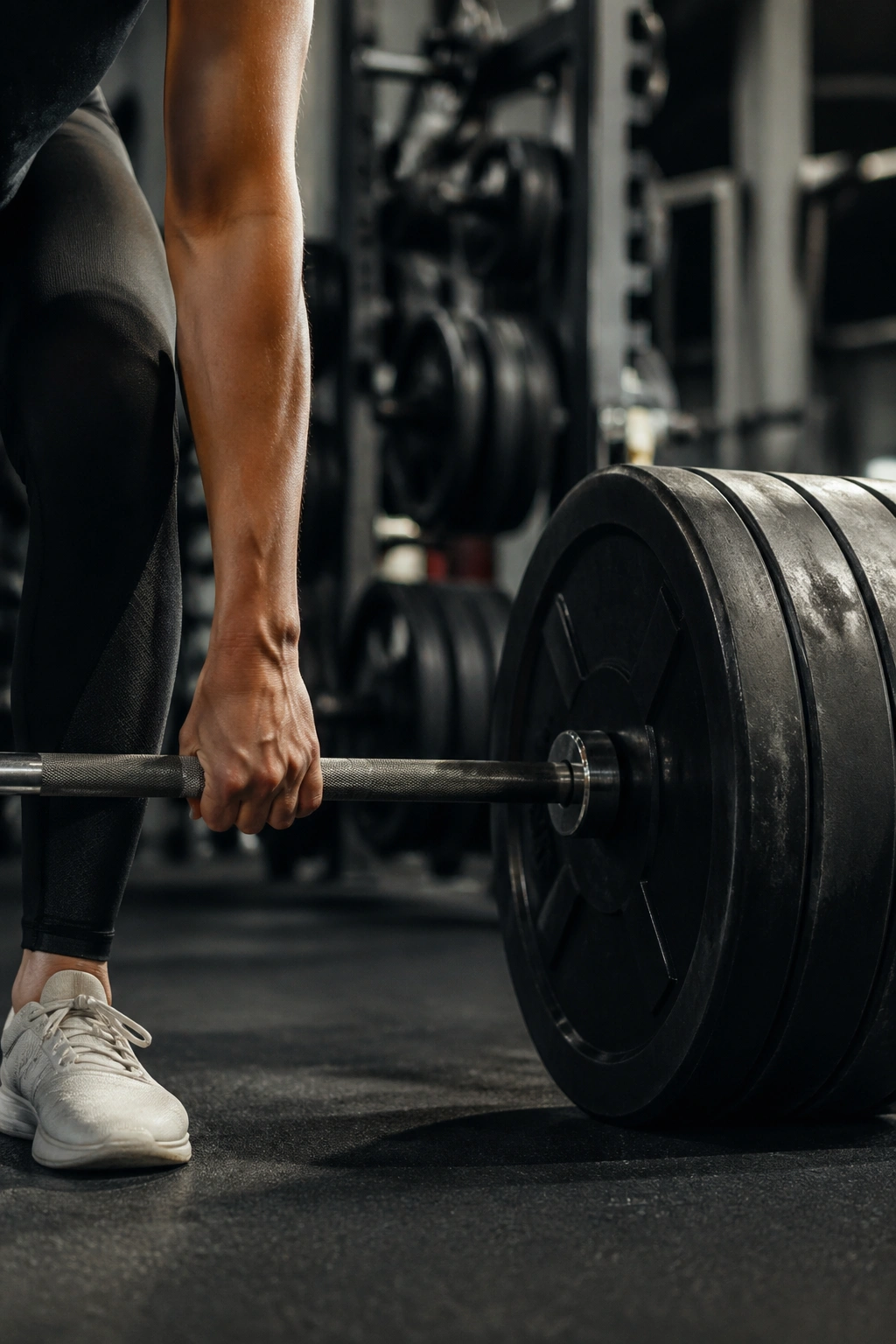
Progressive overload is the most important concept in fitness, and it is frequently misunderstood. It doesn’t just mean adding more weight to the bar every single week. That is a fast track to injury and frustration. Progressive overload is simply doing more over time than you did previously. It is a way of forcing your body to adapt.
There are many ways to achieve this beyond just adding weight:
- Increase the reps: If you did 10 reps last week, try for 11 this week with the same weight.
- Decrease rest times: Shaving 10 seconds off your rest period makes the same workout harder.
- Improve your form: Controlling a weight better is a form of progression.
- Increase the volume: Doing an extra set adds total work to the session.
- Improve tempo: Taking three seconds to lower a weight makes it significantly more challenging than dropping it quickly.
Keep a training log. Write down your lifts, the weight you used, and the reps you completed. If you don’t track it, you can’t manage it. Humans are notoriously bad at remembering exactly what they lifted last week. A simple notebook or an app on your phone will prevent you from plateauing and give you a clear roadmap of your progress.
Managing Recovery and Dealing with Soreness

Soreness, or Delayed Onset Muscle Soreness (DOMS), is a natural response to new or intense stimulus. It usually peaks 24 to 48 hours after a workout. Many people take this as a sign they had a “good workout.” While soreness is common, it is not a direct measure of workout quality. You can have a very effective workout and not be crippled the next day.
However, if you are so sore that you cannot maintain your posture or perform your daily tasks, you might be overdoing it. Recovery is where the actual changes happen. When you lift, you are creating micro-tears in your muscle fibers. When you rest and eat, your body repairs those tears to be stronger and more resilient than before. If you never rest, you never repair.
Prioritize your sleep. Aim for 7 to 9 hours of quality rest. If you are sleep-deprived, your body produces more cortisol, a stress hormone that can make fat loss more difficult and impede recovery. Hydration also plays a massive role in muscle function and recovery. Drink water throughout the day, not just while you are at the gym. If you are training hard, electrolytes—sodium, magnesium, and potassium—become even more important.
Why the Scale Lies About Your Progress
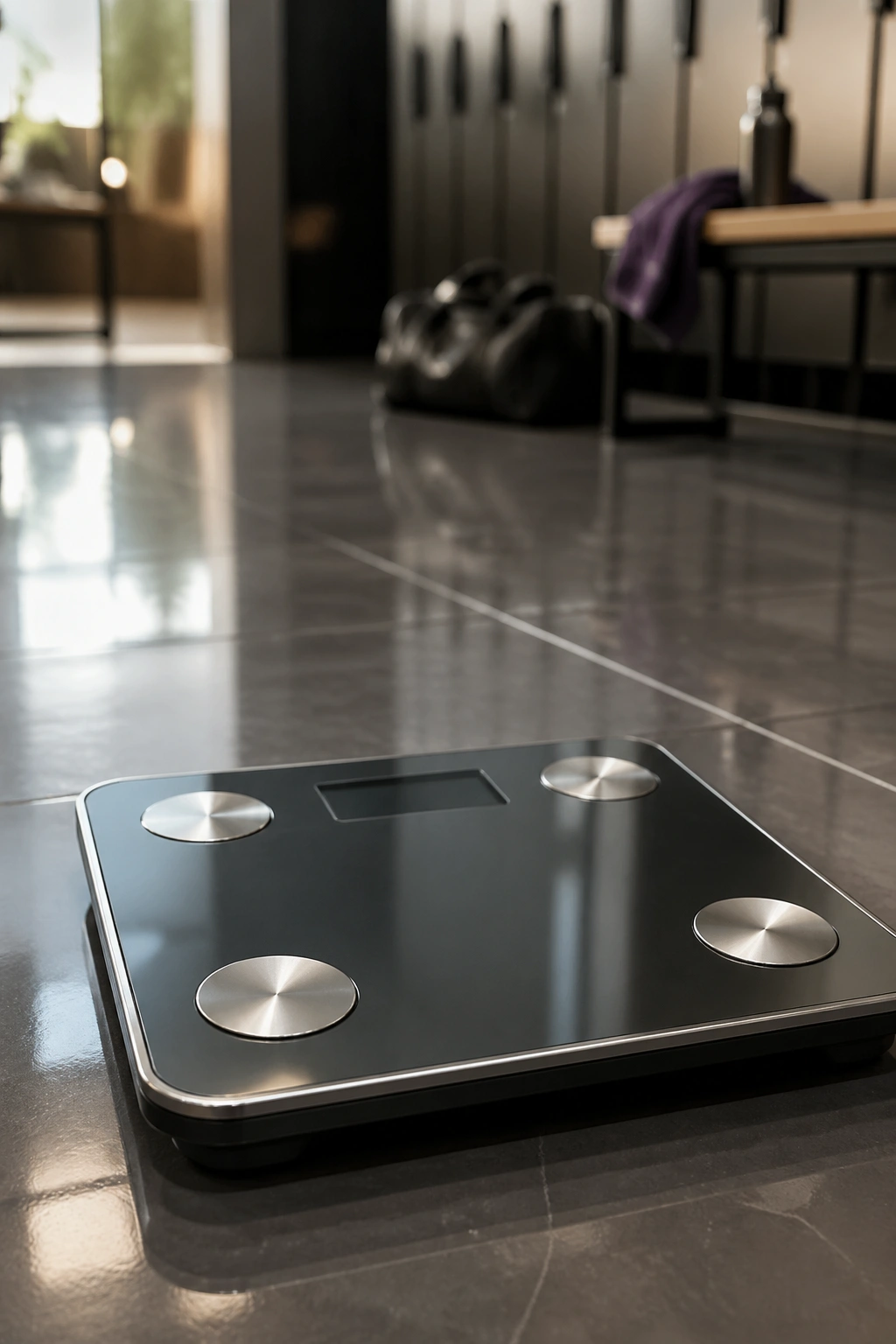
The bathroom scale is a terrible metric for fat loss, especially when you are lifting weights. Muscle is denser than fat, meaning it takes up less space for the same weight. You could lose two pounds of fat and gain two pounds of muscle, and the scale would say your weight hasn’t changed. But your body would look completely different. Your clothes would fit looser, and you would be physically stronger.
Use other tools to track your success. Take progress photos in the same lighting, at the same time of day, once a month. Use a tape measure to check your waist, hip, and arm measurements. Pay attention to how your clothes feel—that is often the best indicator. Do you feel stronger? Do you have more energy? Are you sleeping better?
The scale only tells you your relationship with gravity. It doesn’t tell you about your body fat percentage, your hydration levels, or your muscle retention. If you focus only on the number on the scale, you are going to get discouraged when the fluctuations happen, and they will happen. Water weight, salt intake, and stress can cause the scale to swing by several pounds in a single day. Ignore it. Focus on the mirror and your performance in the gym.
Fueling Your Workouts Without Obsession
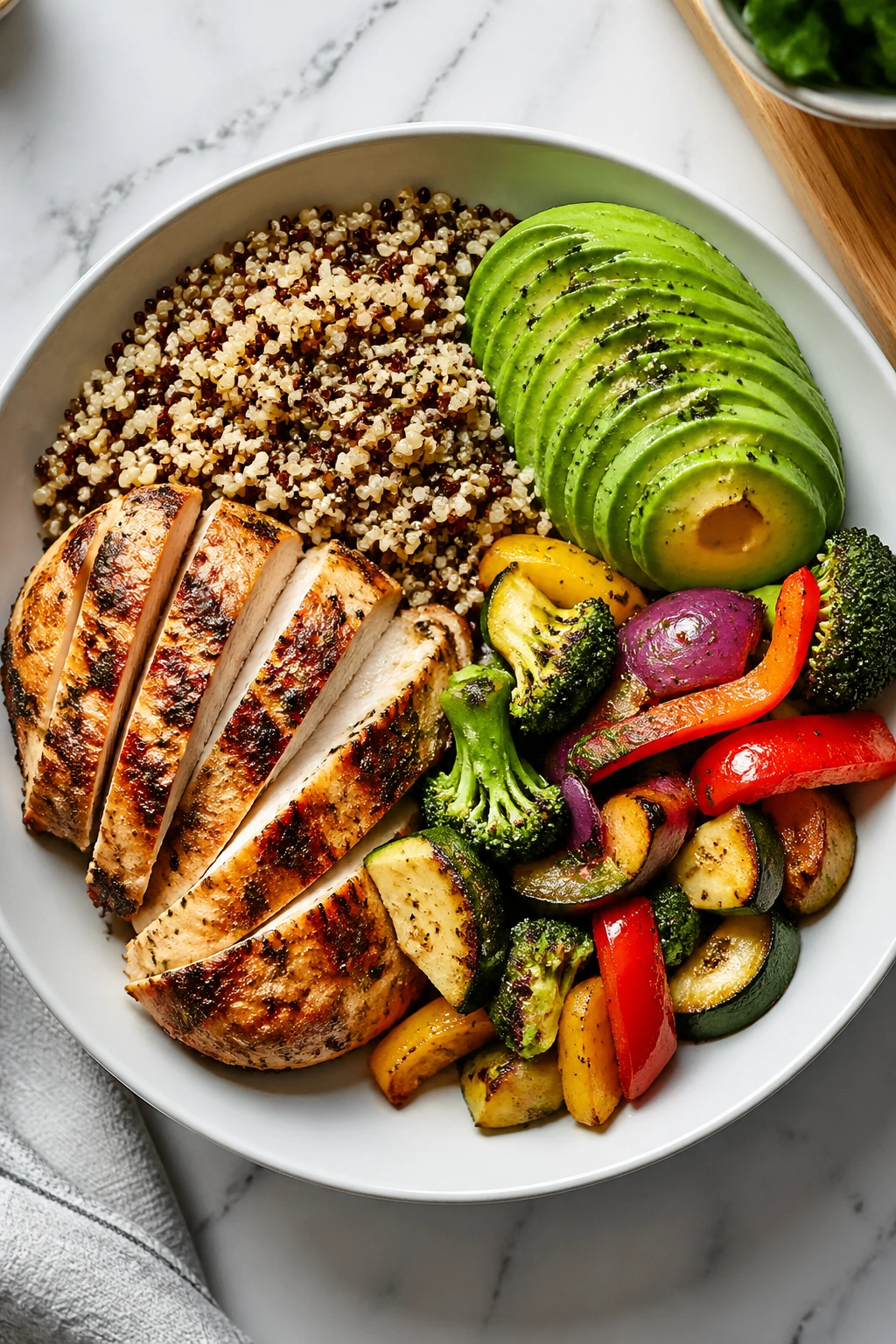
Nutrition is the engine for your training. You cannot out-train a poor diet, but you also shouldn’t starve yourself. If you are lifting heavy, you need fuel. Protein is non-negotiable; it is the building block of muscle tissue. Aim for a consistent intake throughout the day. You don’t need to overcomplicate it with powders and pills if you can get enough from whole foods like chicken, fish, eggs, beans, and Greek yogurt.
Carbohydrates are not the enemy. They are the primary fuel source for high-intensity gym sessions. If you cut your carbs too low, you will feel flat, lethargic, and weak during your workouts. Eat your complex carbs—like oats, rice, potatoes, and fruit—around your training window to ensure you have the energy to perform.
Healthy fats are essential for hormone production. Don’t fear them, but be mindful of portion sizes as they are calorie-dense. The key is balance, not perfection. If you hit your protein goals and eat a variety of whole foods most of the time, you will have the energy to crush your workouts. Stop looking for the “perfect” diet and start looking for a sustainable way of eating that supports your training.
Dealing with Plateaus and Gym Frustration

Every trainee hits a plateau. You will have days where the weights feel heavier than usual, or weeks where the scale doesn’t budge. This is part of the process, not a failure. When this happens, look at your variables. Have you been consistent with your sleep? Have you been eating enough protein? Are you actually pushing yourself, or are you just going through the motions?
Sometimes, a plateau is just a sign that your body needs a break. If you have been grinding for 12 weeks, take a “deload” week. Reduce the weight on all your lifts by 30-40% and keep your intensity low. This allows your nervous system to recover and your joints to rest. Often, after a deload week, people come back stronger and smash through their previous plateaus.
Also, be patient. Fat loss and muscle building are slow processes. We live in a world that demands instant gratification, but your body doesn’t work that way. It values consistency over intensity. If you are doing the work, the results will come. They might not show up on your timeline, but they will show up. Trust the process and stay in the gym.
Adjusting the Plan for Your Schedule

Life is messy. You might have a week where you can only make it to the gym twice instead of three times. Do not quit the program just because you missed a session. If you are short on time, prioritize the compound lifts. If you only have 30 minutes, skip the accessories and just do the squats, presses, and rows. You get 80% of the benefit from those main movements anyway.
If your schedule is erratic, try to maintain a “minimum viable” workout. Even a 20-minute session where you focus on big movements is better than doing nothing at all. Keep your intensity high, keep your rest periods short, and get in and out. The goal is to build a habit that fits into your life, not to build a life that revolves entirely around your gym schedule.
Finally, listen to your body. If you are genuinely sick or exhausted, taking a day off is the smart, strategic choice. One missed workout will not ruin your progress, just as one salad won’t make you thin. It is the aggregate of your habits over months and years that determines your success. Be kind to yourself, adjust when necessary, and keep moving forward.
Final Thoughts

You now have a framework for twelve weeks of hard, effective work. The program is straightforward, but it requires effort. It requires you to show up even when you don’t feel like it, to add weight even when it is uncomfortable, and to track your numbers even when you would rather not.
Remember that this journey is yours alone. You are not competing with the person on the treadmill next to you or the people you see on social media. You are competing with who you were yesterday. Focus on being one percent better each session. That is how you build a body that is not only leaner but stronger, more capable, and healthier for the long haul. Now, lace up your shoes and go get to work.
