



Your first few gym visits can get tangled up in tiny problems. A shirt that holds sweat like a sponge. Shoes that rub your heel raw. A bottle that leaks into your bag and soaks your spare clothes. None of that is dramatic, but it can make a workout feel longer, messier, and more annoying than it needs to be.
That’s why the smartest gym items for beginners are usually plain, sturdy, and boring in the best way. You do not need a trunk full of gear. You need a few things that keep you dry, keep you organized, and keep you from spending your whole session fighting avoidable hassles.
A good pair of shoes matters more than a flashy accessory. So does a water bottle that closes properly, a towel that actually absorbs sweat, and a way to remember what weights you used last time. Those are the things that help your first month in the gym feel smoother.
Start with the bag itself. Everything else has to live somewhere.
1. A Gym Bag That Fits Your Routine
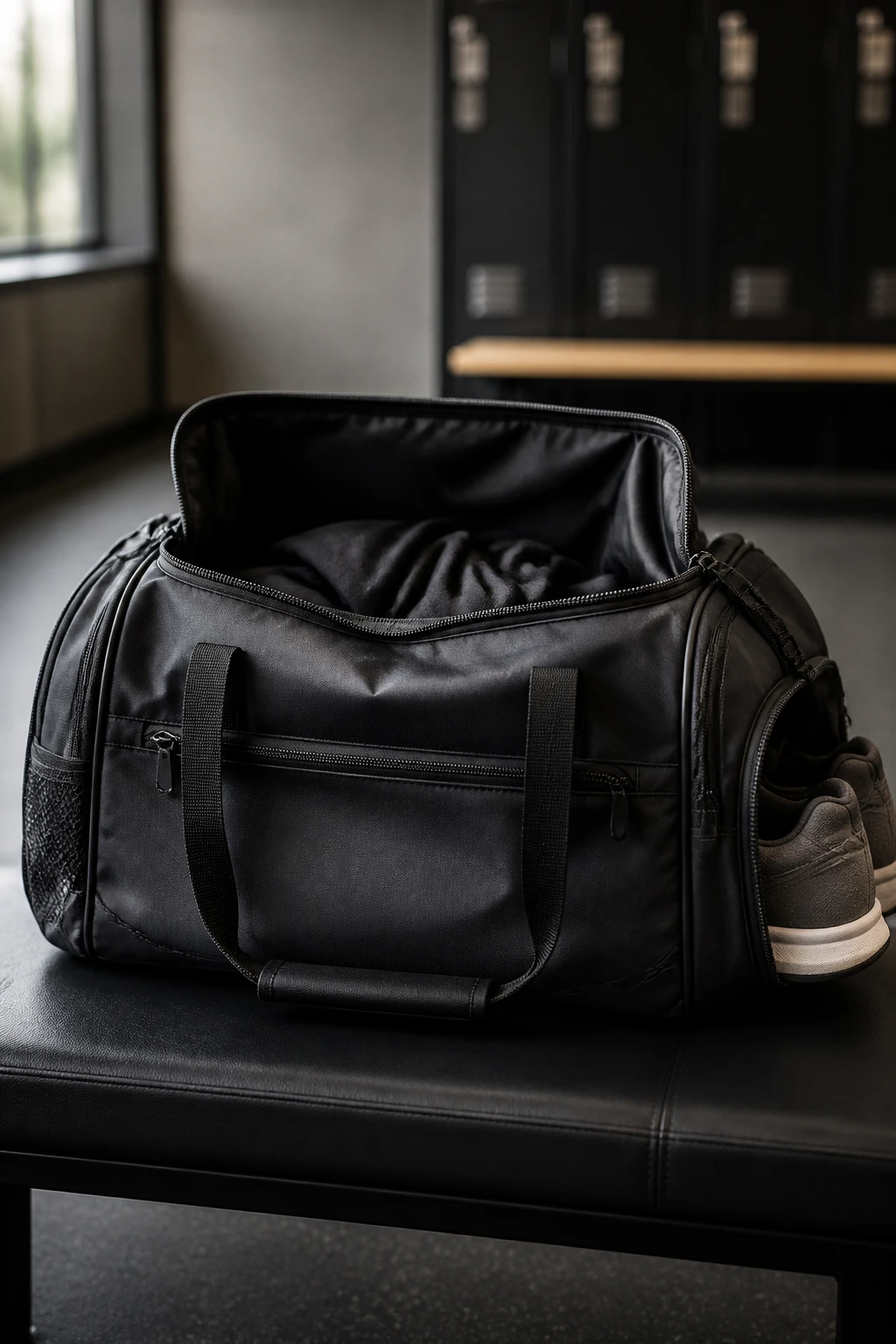
A good gym bag is less about style and more about not making a fool of yourself on the way in. If you’re carrying shoes, a towel, a bottle, headphones, and a change of clothes, a floppy tote gets messy fast. A decent duffel or backpack in the 25-35 liter range usually handles the basics without turning into a black hole.
What to Look For
Look for a wide opening, one pocket for sweaty gear, and one side pocket for a bottle. If you commute, a backpack keeps your hands free. If you drive to the gym, a duffel is easier to throw in the trunk and dig through at the bench.
The little details matter. A water-resistant bottom saves you from damp locker-room floors, and a separate shoe compartment keeps your clean shirt from smelling like old sneakers. No, you do not need ten pockets. Two or three useful ones beat a bag stuffed with pointless zippers.
My rule: if you can’t find your keys in under ten seconds, the bag is already too clever.
2. A Water Bottle You Can Refill Without Thinking
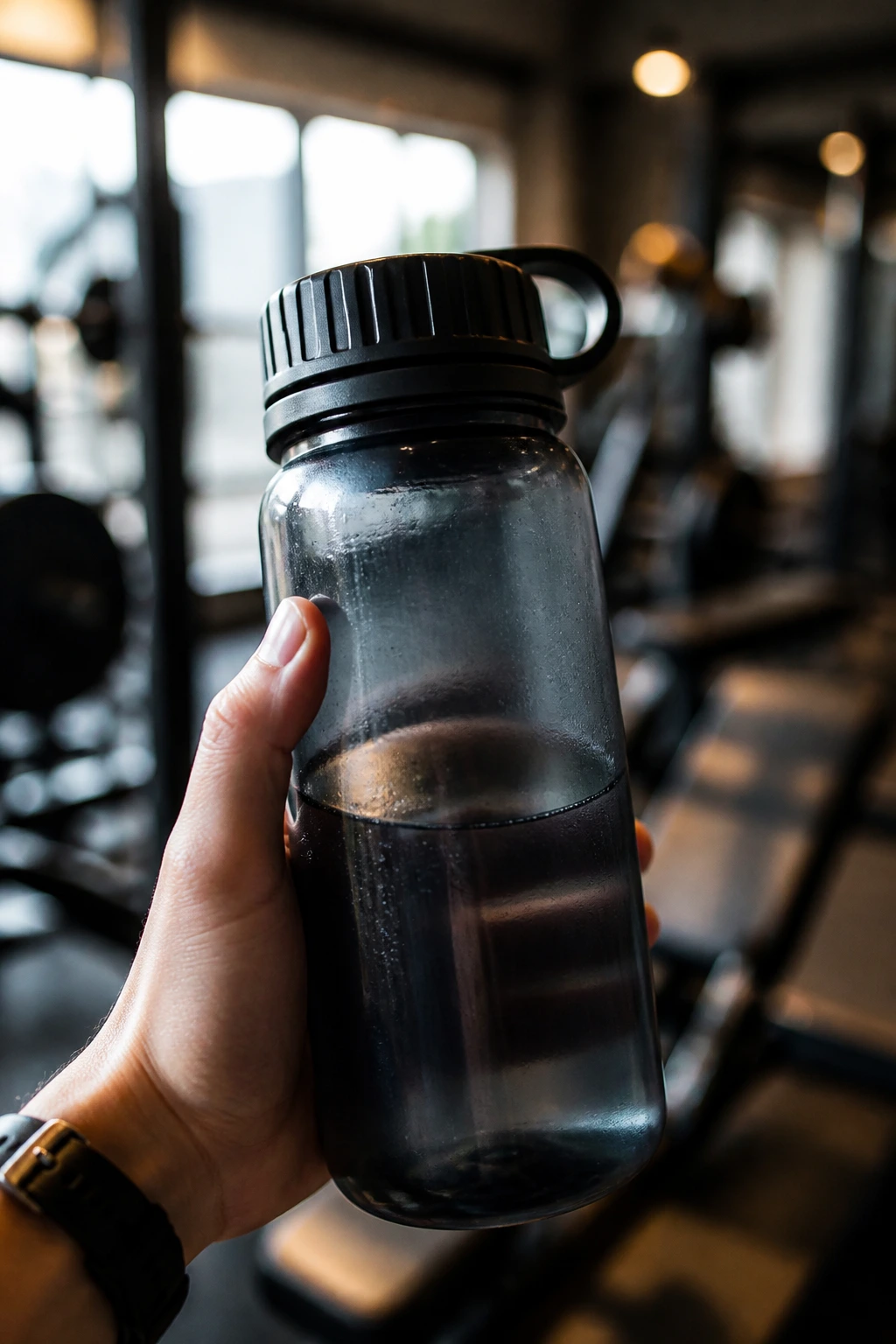
A dry mouth ends more workouts than sore muscles do. That sounds dramatic, but it’s true enough when you’re new and distracted. A 500 to 750 mL bottle works for most sessions, and a 1-liter bottle makes sense if you sweat a lot or train for more than an hour.
A bottle that leaks is worse than useless. It’ll soak your socks, smear your headphones, and make you wonder why you bothered packing clean clothes at all. Choose one with a tight screw cap or a strong flip-top that stays shut in a bag.
Wide-mouth bottles are easier to clean and easier to fill with ice. Narrow-mouth bottles spill less when you’re half awake at 6 a.m. Pick the one that fits your routine, not the one that looks cool on a shelf.
And wash it. Often. Stale bottle smell is a small tragedy.
3. Training Shoes Chosen for Your Main Workout
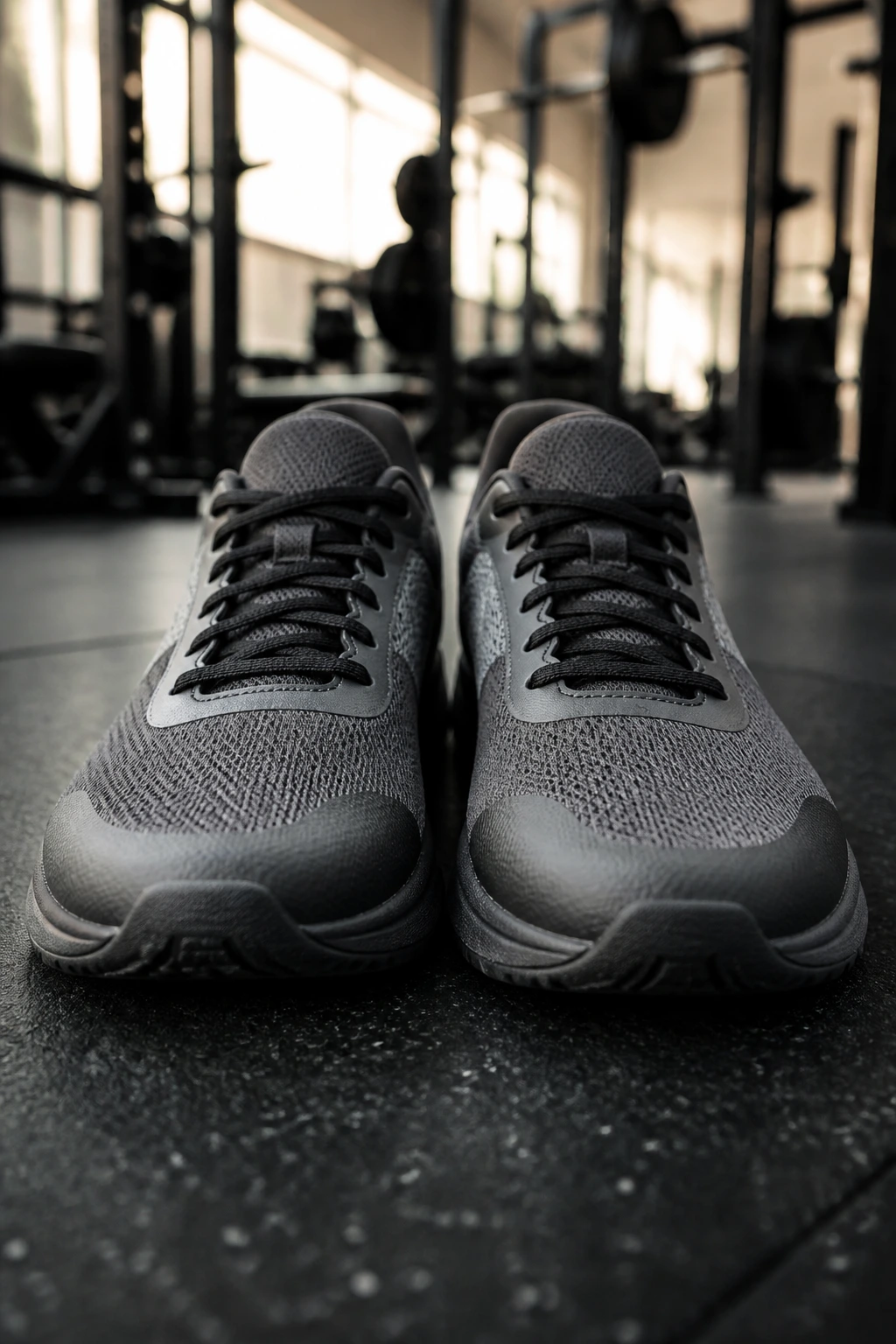
Shoes matter more than people want to admit. A beginner who wears old running shoes for squats, deadlifts, and rowing usually feels wobbly without knowing why. Running shoes are built to cushion forward motion. Gym shoes for mixed training should feel more stable under your whole foot.
Fit Trumps Brand Names
You want a thumb’s width of space at the toe, a heel that doesn’t slip, and a midfoot that holds your foot in place without pinching. Try them on later in the day if you can, because feet swell a bit after walking around. That tiny difference matters.
If your training is mostly treadmill walking and light cardio, a running shoe makes sense. If you’ll do machines, free weights, and a little cardio, a cross-trainer or stable all-purpose gym shoe usually works better. I’d take a steady sole over fancy cushioning almost every time.
Barely movable feet are no fun. Neither are feet sliding inside the shoe on your first squat set.
4. Moisture-Wicking Workout Tops
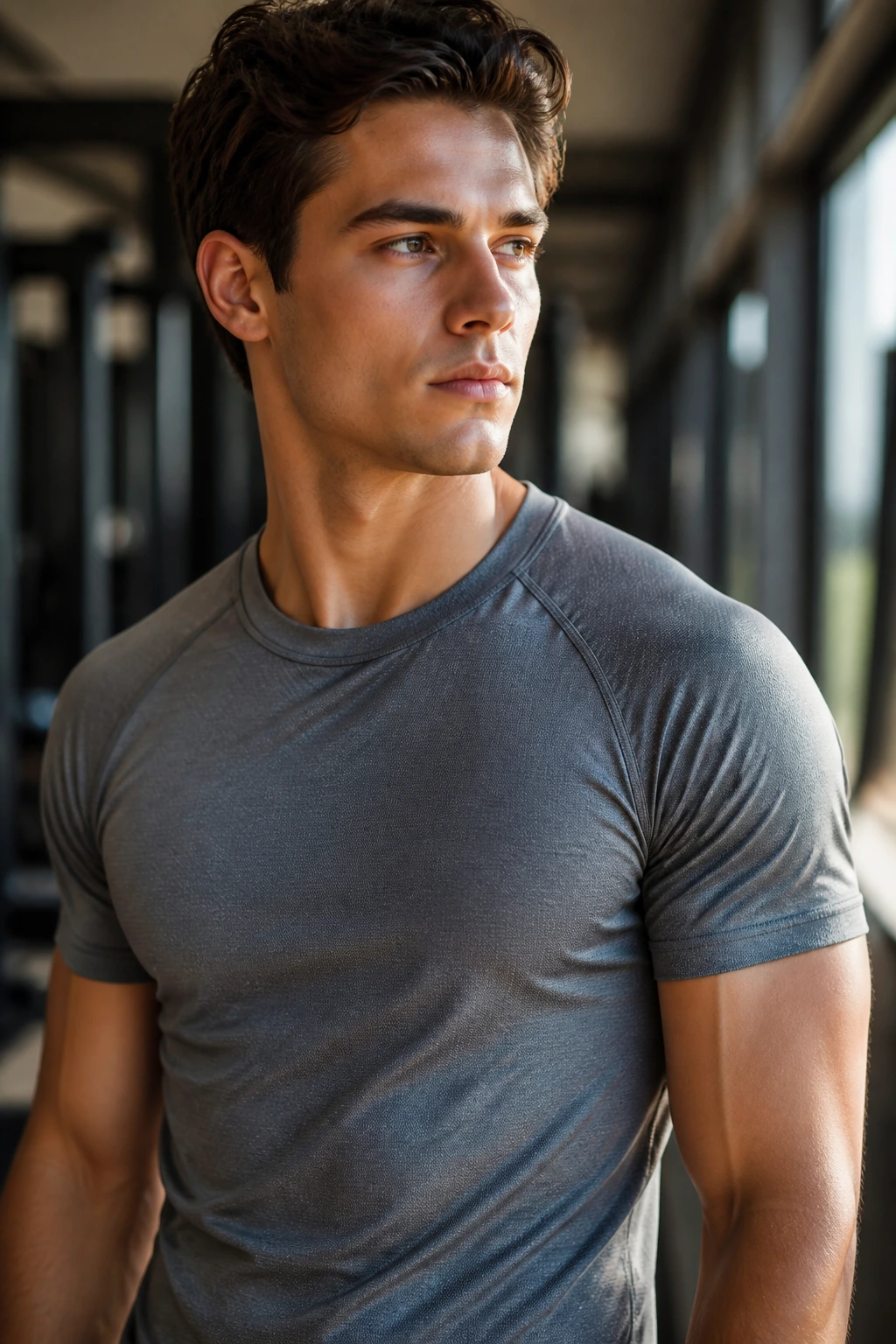
Cotton feels fine when you’re dry. Then you sweat, and it turns heavy, clingy, and cold. A polyester or nylon blend pulls moisture away from the skin faster, which means you stay more comfortable during warm-ups and between sets.
A good beginner top doesn’t need to fit like compression gear. It should skim your body, move when you reach overhead, and not stick to your back the second you start breathing hard. If the sleeves bind when you press overhead, the shirt is too tight in the wrong spots.
Why Cotton Usually Fails
Cotton holds water. That’s the whole problem. Once it’s wet, it stays wet, and that wet fabric starts rubbing at the underarms and lower back. One shirt can make a whole workout feel longer than it is.
Keep one clean extra shirt in your bag if you’re heading somewhere after training. That small swap can save you from spending the rest of the day in a sweaty top.
5. Stretchy Shorts, Leggings, or Joggers
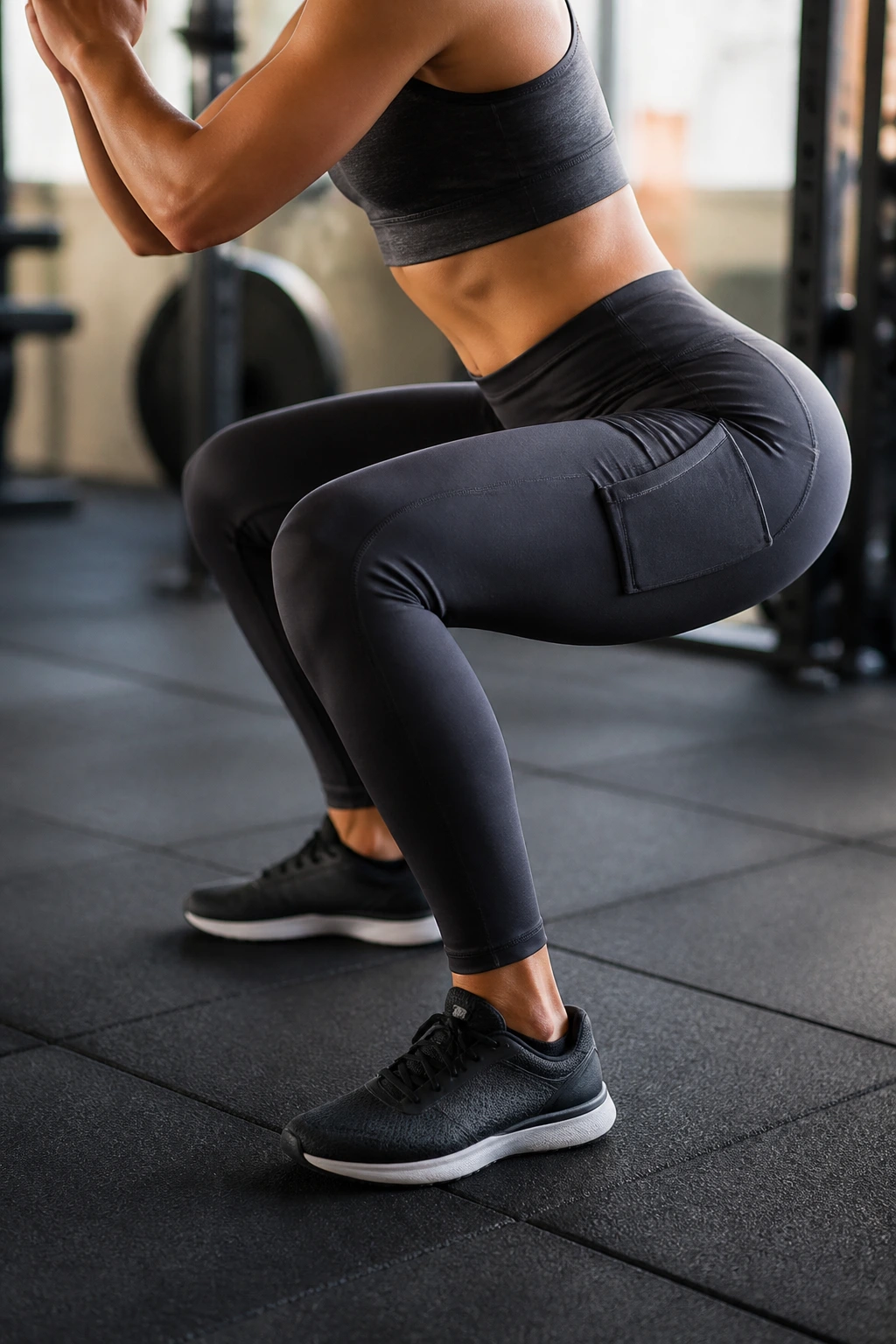
Your bottoms should let you squat, lunge, hinge, and sit on a rower without fighting the seams. That sounds basic, but a lot of beginners learn the hard way that cheap waistbands roll down, stiff fabric pinches, and tight pockets dig into your hip when you bend.
A good pair of shorts, leggings, or joggers with a drawstring or secure waistband is worth far more than a pair that only looks decent in the mirror. Try the squat test at home: sit low, reach forward, and step onto a chair. If the fabric pulls hard or the waistband slides, keep looking.
I’m partial to bottoms with at least one real pocket. Not a decorative slit. A pocket that holds a locker key or phone without bouncing around.
If you sweat a lot, darker colors hide stains better. Plain truth. Nothing deep there.
6. Socks That Stop Blisters Before They Start
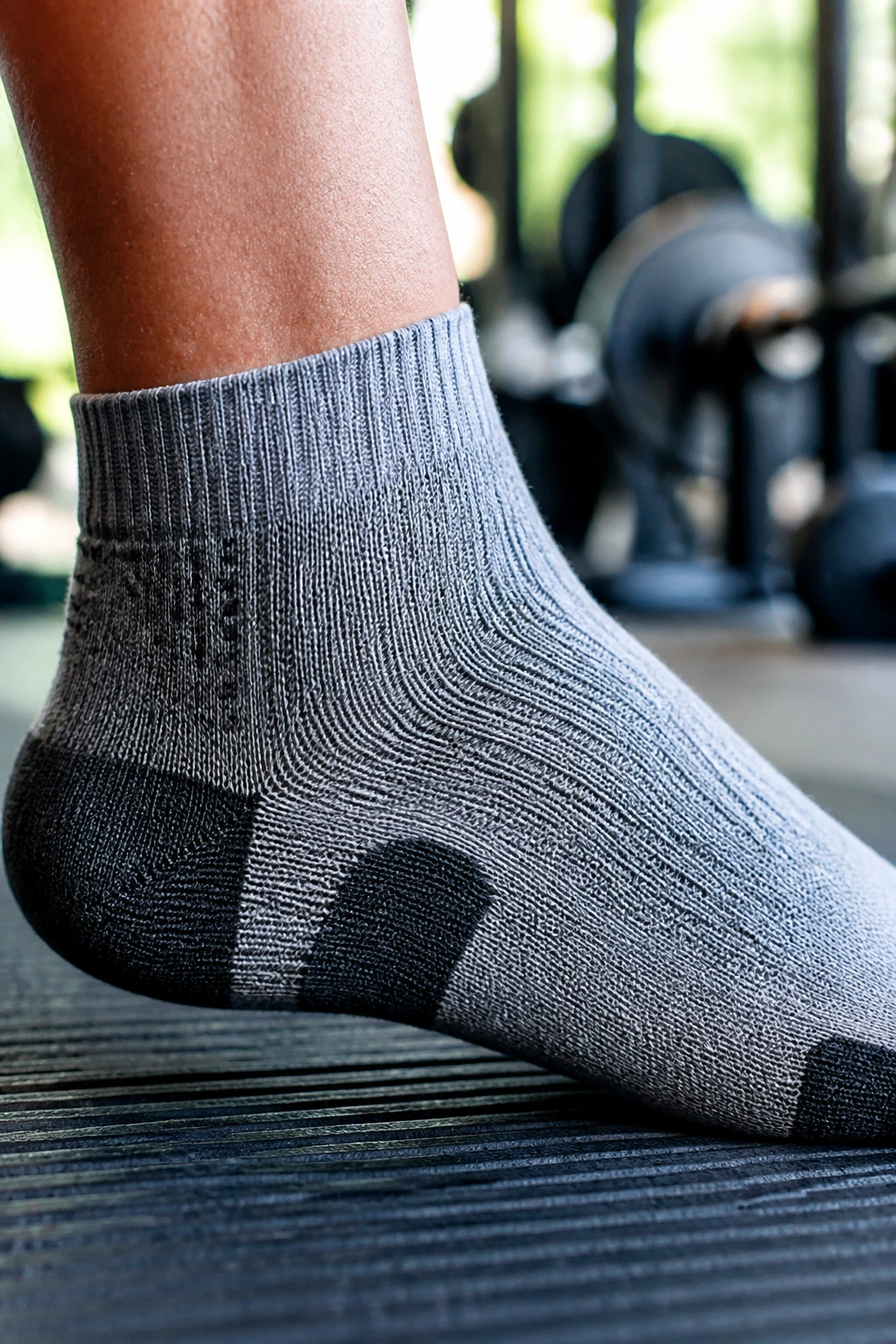
A cheap sock can ruin a perfectly fine shoe. The problem is friction. Cotton socks soak up sweat, get soggy, and start rubbing at the heel and toe until you feel that hot spot that turns into a blister an hour later.
Choose moisture-wicking socks with light cushioning at the heel and ball of the foot. You do not need thick, padded hiking socks unless your feet demand it. Most beginners do fine with ankle or crew socks that stay in place and don’t bunch up inside the shoe.
The Blister Test
Put the socks on, walk around the house, then do ten bodyweight squats. If the sock slides, twists, or folds under your arch, it’s a bad match. That tiny wrinkle becomes a pain point fast once you’re sweating.
Pack one spare pair in your bag. It takes almost no space, and it can save the day when a spill, storm, or long commute goes sideways.
7. A Small Towel for Sweat and Etiquette
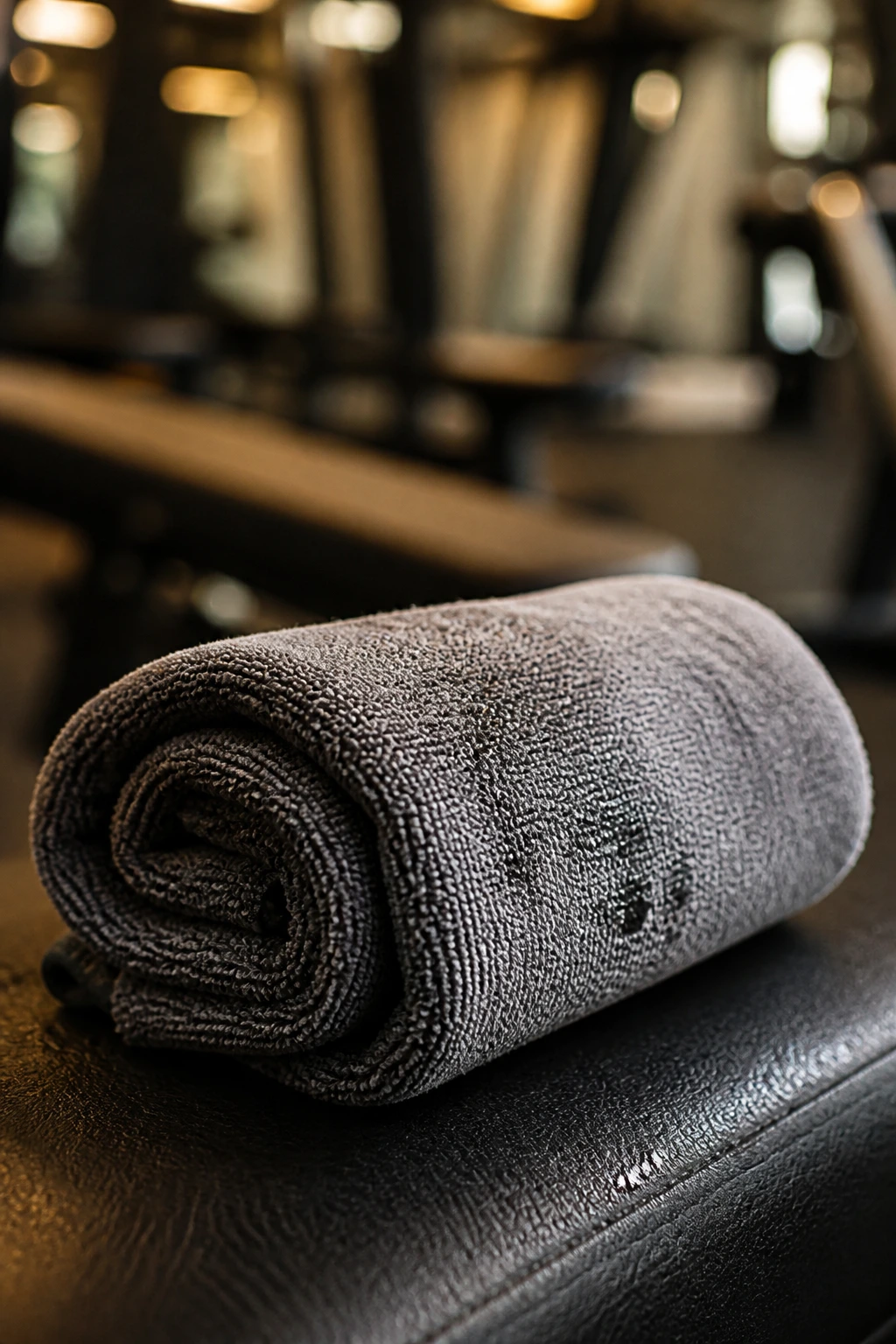
A gym towel is one of those items that looks optional until you forget it. Then every bench feels questionable and every machine leaves a damp mark on your shirt. A microfiber or thin cotton towel around 12 x 24 inches is usually enough for wiping sweat off your face, neck, and hands.
Some gyms expect you to wipe down equipment after use. Even if they don’t say it out loud, people notice. A towel lets you clean up after yourself without hunting for paper towels or waiting for a disinfectant wipe dispenser that’s empty.
Keep it separate from your clean clothes. That matters more than people admit. A sweat-soaked towel thrown on top of your shirt makes the whole bag smell like the locker room by day two.
A small mesh pocket or side compartment is perfect. Nothing fancy. Just contained.
8. A Simple Locker Lock
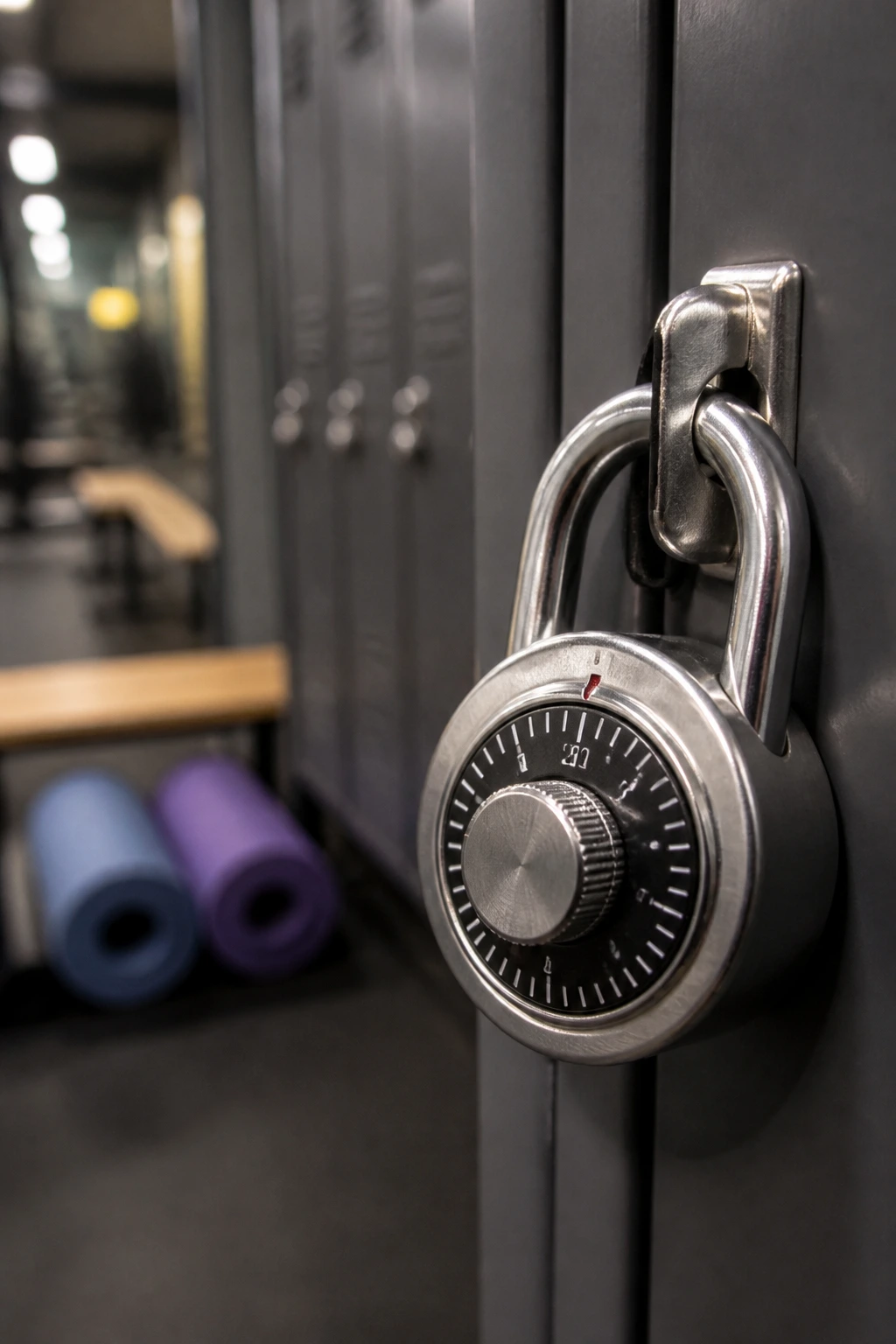
If your gym has lockers, bring a lock even if the front desk says they have plenty. You do not want to be standing around in socks, carrying your phone, wallet, and keys, while someone else grabs the last usable locker. A combination lock with a clear dial is usually easier than a tiny key lock you can lose.
What to Check Before You Buy
Make sure the shackle fits the locker latch. That sounds obvious, but some cheap locks are too thick, too short, or annoyingly stiff. Open and close it a few times before your first trip so you’re not trying to figure out the dial while half-dressed.
I prefer combination locks for gyms because there’s nothing to misplace. If you like key locks, keep the spare key at home, not buried in the same bag as the lock itself. That defeats the point.
This is not exciting gear. It is useful gear. Those are different things.
9. Earbuds or Headphones That Stay Put
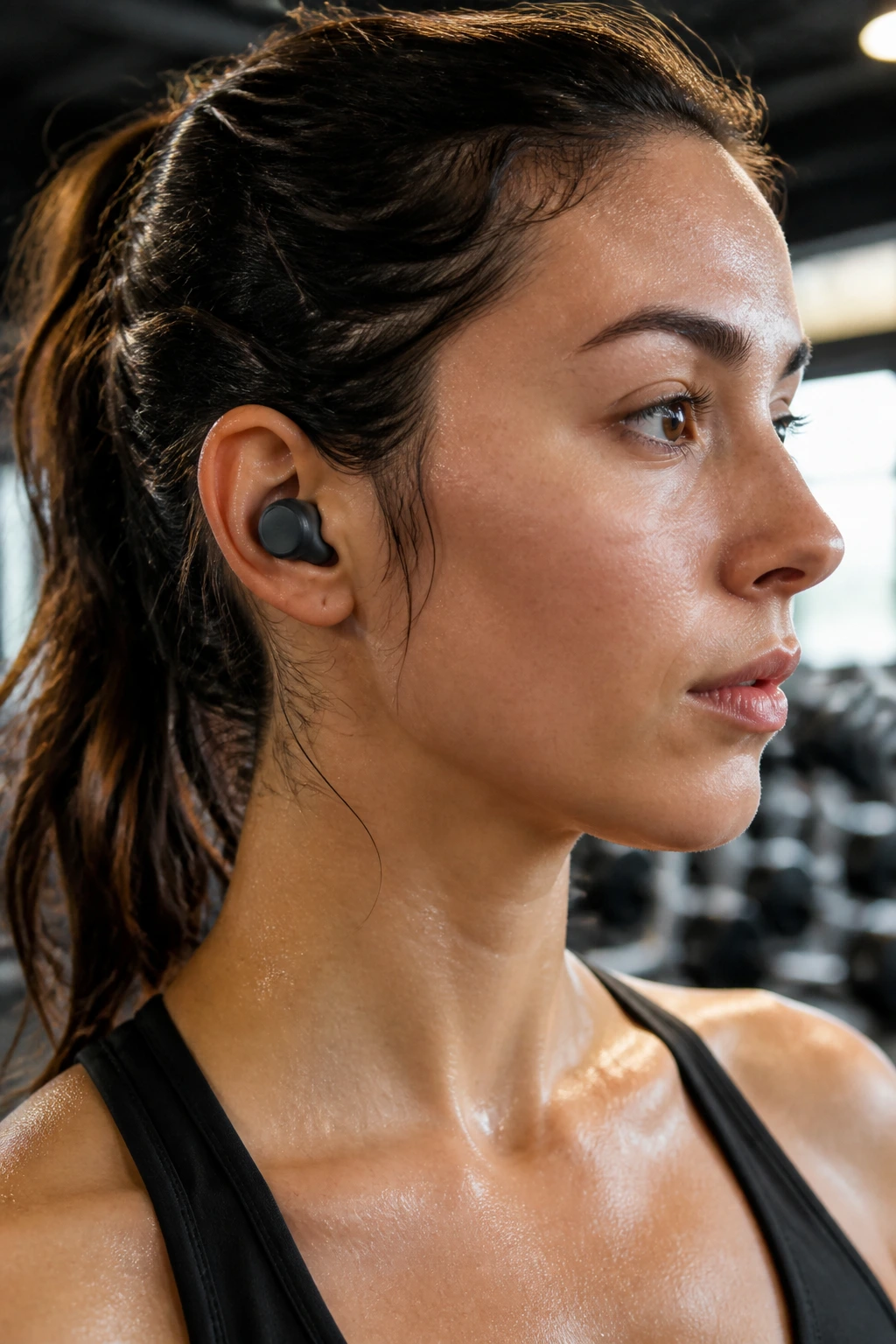
Music can help, but only if your headphones aren’t sliding off every time you lean forward. Beginners often buy whatever is cheap, then spend the workout pushing earbuds back into place between sets. That gets old fast.
For most people, wireless earbuds with a snug fit are the easiest gym option. If you hate the feel of earbuds, a compact over-ear pair with a sweat-resistant band can work, but it takes up more room in your bag. The right choice depends on whether you want quiet focus or a lighter carry.
Battery life matters more than fancy sound. If a pair dies halfway through your session, the novelty disappears fast. A charging cable in your bag helps, too. So does a habit of putting the buds back in the case the minute you’re done.
One warning: keep the volume low enough that you can still hear what’s happening around you. A busy gym is not the place to disappear into a bubble.
10. A Workout Log or Notes App
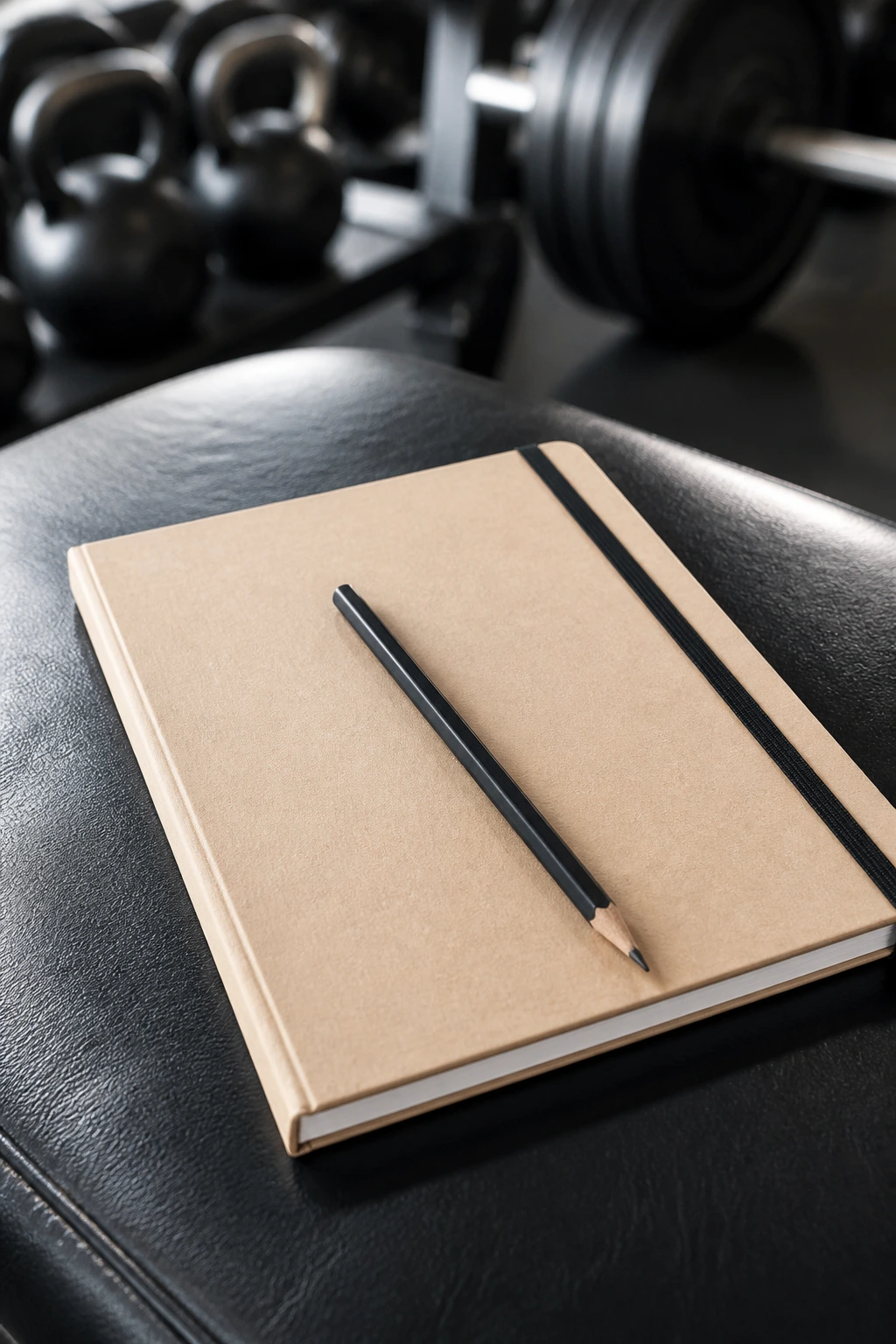
The gym punishes guesswork. If you cannot remember what weight you used last time, you end up starting over, guessing again, or wandering from machine to machine without a plan. A small notebook or a notes app solves that problem fast.
How to Track a Simple Session
Write down the exercise, the weight, the reps, and the number of sets. That’s enough. You do not need a spreadsheet full of charts unless that makes you happy. A line like “Leg press — 90 lb — 3 sets of 10” tells you what to beat next time.
A paper notebook works even when your phone dies or you want to keep your screen away from the floor. A phone note is quicker if you’re already using your device for a timer. Pick one method and stick to it for a few weeks.
Tiny detail, big payoff. Progress becomes visible when you can point to the page.
11. Resistance Bands for Warm-Ups and Light Work
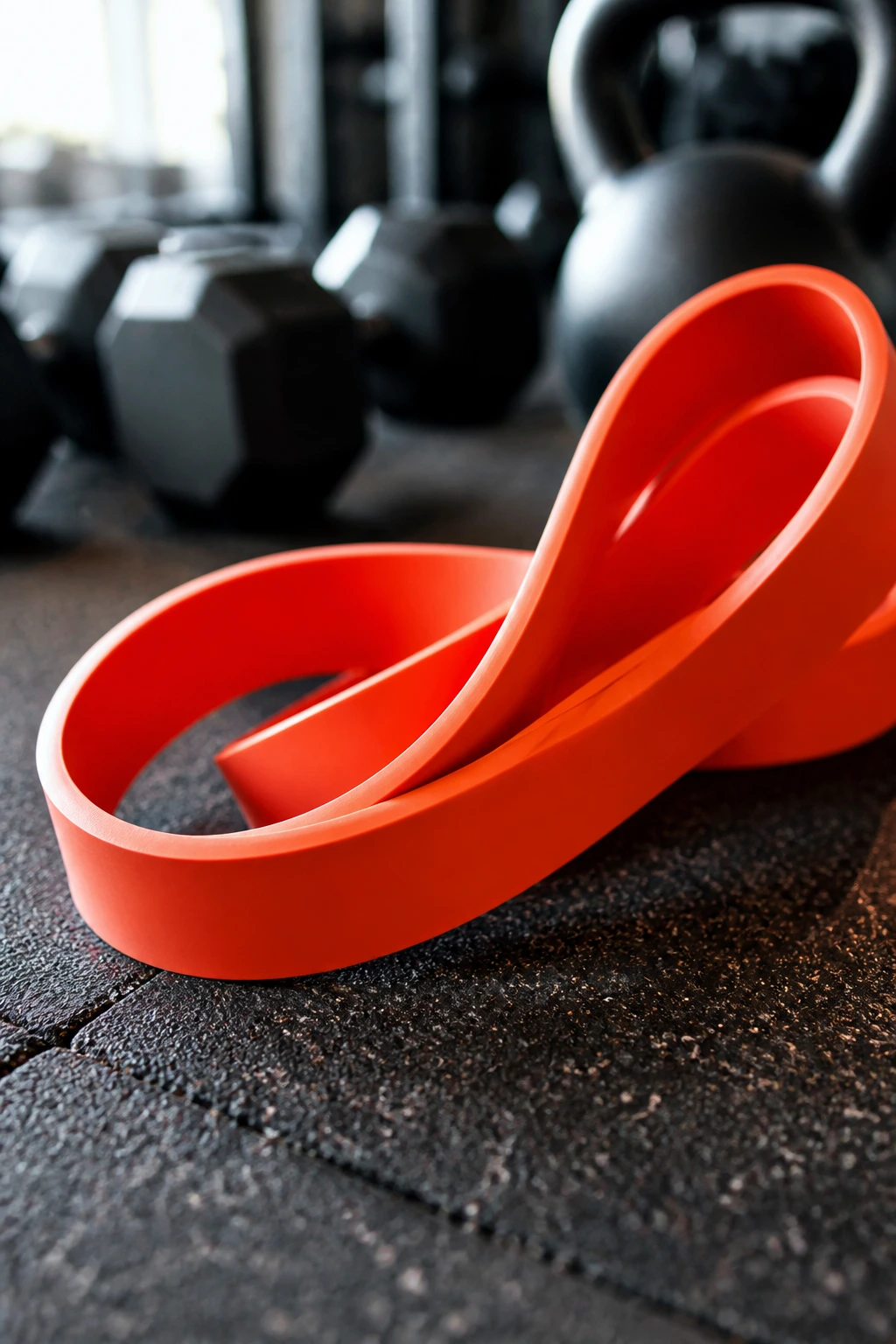
Resistance bands are one of the cheapest pieces of gym gear that actually earn their spot. A light loop band and one medium band cover a lot of useful ground: warm-ups, glute activation, shoulder work, and light assistance on pull movements. They take almost no space, which is handy if your bag already feels crowded.
Unlike machines, bands travel well. Unlike dumbbells, they don’t need rack space. That makes them perfect for beginners who want a little extra work without making the workout feel complicated.
Use them for two to three minutes before lifting, not as some magical replacement for weights. A band is a tool, not a full program. Loop bands work well around the thighs for side steps and glute bridges. Long flat bands help with rows and assisted pulls.
If a band snaps because it’s old or cracked, toss it. Cheap gear is fine. Broken gear is not.
12. A Jump Rope for Easy Cardio Warm-Ups
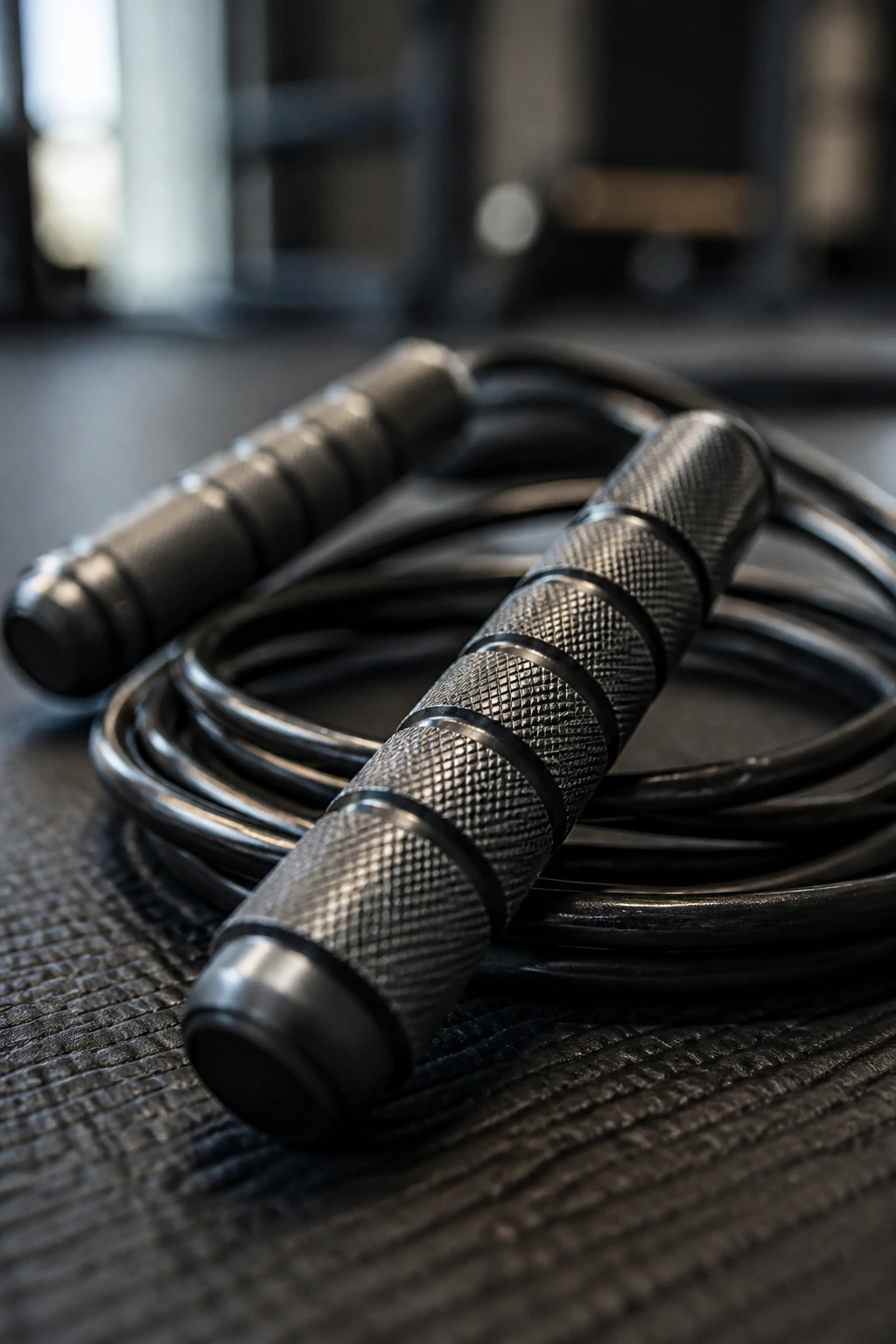
Why bother with a rope when the gym has treadmills and bikes? Because a jump rope gives you a fast warm-up in a tiny amount of space, and you can keep it in your bag without thinking about it. Ten good minutes can get your heart rate up and wake your calves, shoulders, and feet all at once.
A rope should reach about your armpits or lower chest when you stand on the middle of it. Too long, and it slaps around. Too short, and you trip over it every third jump. Adjustable ropes are easier for beginners because you can trim the length or move the handles.
How to Use It Without Getting Frustrated
Start with thirty seconds on, thirty seconds off. Keep your jumps small, almost lazy. You are not trying to look like a boxer in a movie. You’re just warming up and building rhythm.
A rubber mat or smooth floor makes the rope quieter and easier on the joints. If your coordination is rough at first, that’s normal. Most people miss a few jumps before it feels natural.
13. A Shaker Bottle for Smooth Mixes
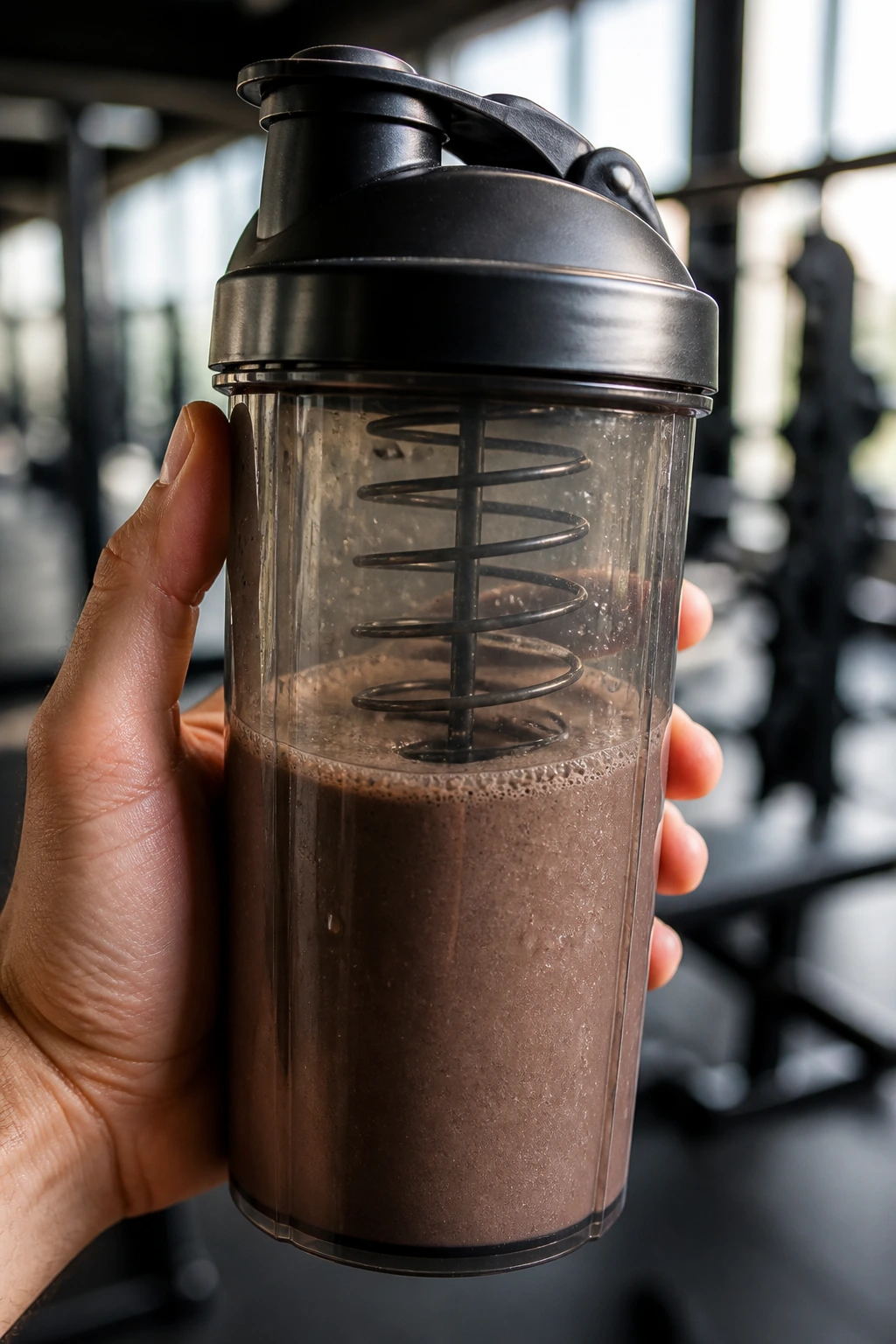
A shaker bottle is not essential for every beginner, and I’d rather say that plainly than pretend everyone needs one. If you use protein powder, electrolyte mix, or meal replacements, though, a leakproof shaker with a screw-on lid and mixing insert saves a lot of shaking frustration.
The real value is consistency. Powder clumps in a regular water bottle, especially if you add it after the bottle is already half full. A shaker breaks that up better and makes post-workout drinks easier to down.
Rinse it right away. Seriously. Dried powder smell gets strange fast, and no one enjoys opening a bag to find a bottle that smells like sour milk and old vanilla. If you know you’ll forget, keep a tiny bottle brush at home and wash it the same day.
If you never use powder drinks, skip this one. No guilt. Gear should earn its place.
14. A Foam Roller or Massage Ball
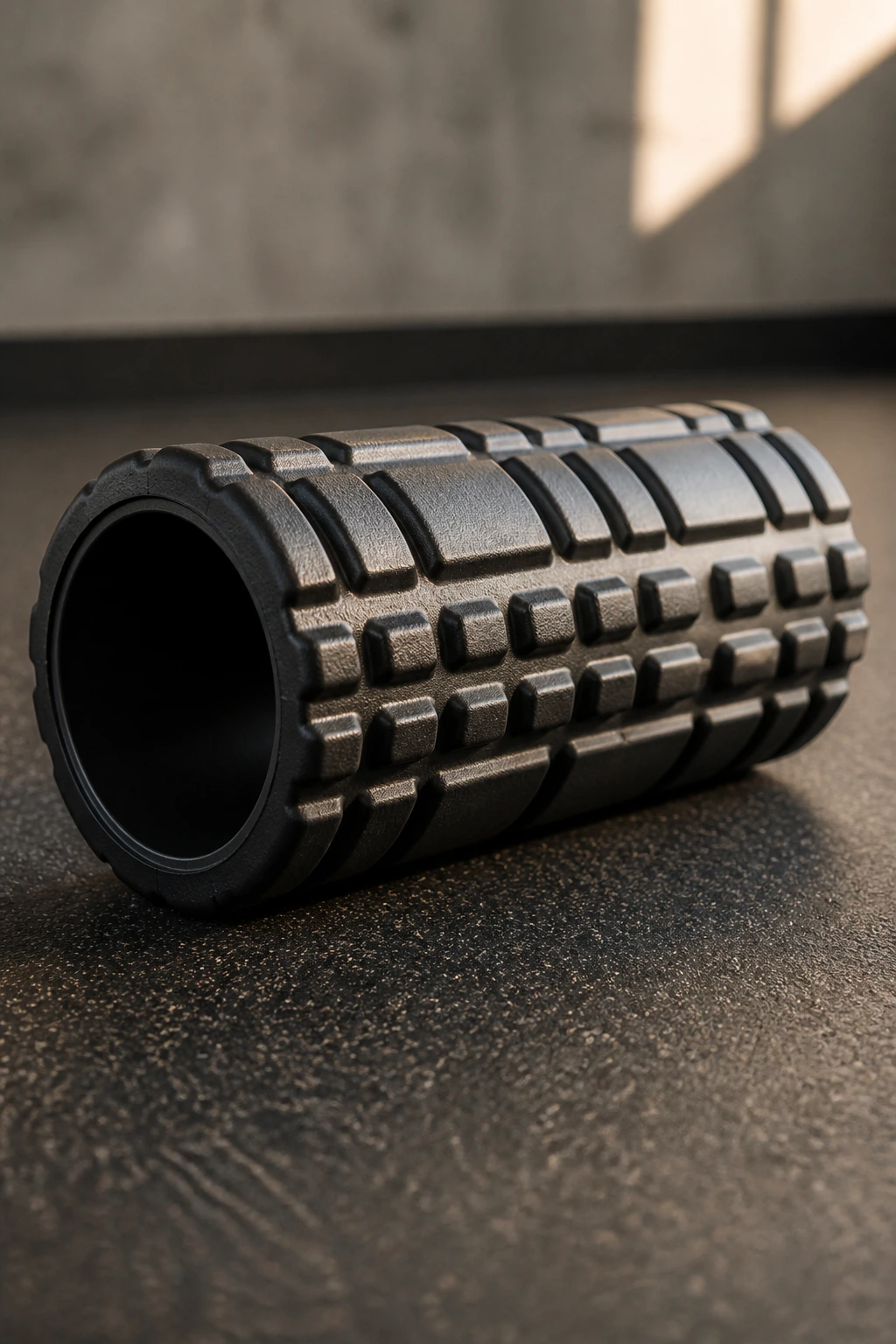
A foam roller looks like one of those things fitness people buy and then leave in a corner. Fair enough. But when your quads feel tight after squats or your upper back feels stiff from desk work, a foam roller or a firm massage ball can make recovery feel less clunky.
What to Roll and What to Skip
Use the roller on quads, calves, glutes, upper back, and the sides of your legs. Spend 30 to 60 seconds per area and move slowly enough to find the tight spots. A ball works better for smaller areas like the glutes, feet, and shoulder blades.
Do not roll directly on your lower back. That area tends to hate it, and there’s no reason to poke it that way when your hips or upper back are usually the real issue.
I like the simple medium-density rollers best. The super-soft ones collapse. The super-hard ones can feel like punishment. You want pressure, not a grudge.
15. A Small Toiletries Kit
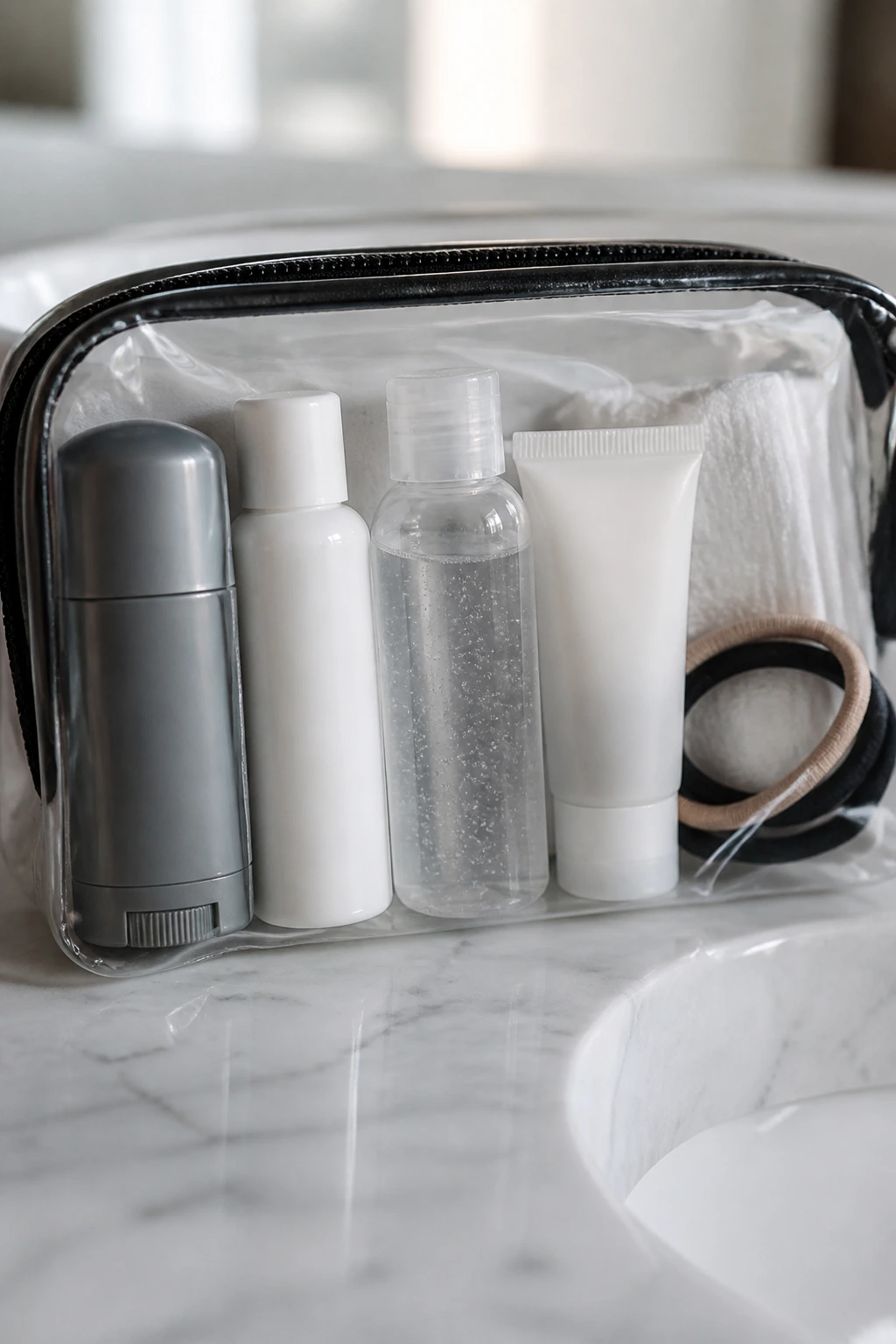
A gym toiletry kit keeps the rest of your bag from turning into a sweaty disaster zone. Put deodorant, body wipes, hair ties, a small hand towel, and travel-size face wash in a zip pouch, then leave it packed. The whole point is not having to remember every item on every trip.
If you train before work or before running errands, this kit matters more than it sounds like it should. Wipes help when a full shower isn’t possible. Deodorant matters even if you think you “don’t sweat that much.” And face wash stops that gross film of salt and dust from sticking around until bedtime.
A clear pouch is nice because you can see what’s missing at a glance. That saves time. A tiny bottle of dry shampoo can help some people too, though not everyone needs it.
There’s nothing glamorous here. Good. Glamour is not the job.
16. A Spare Change of Clothes
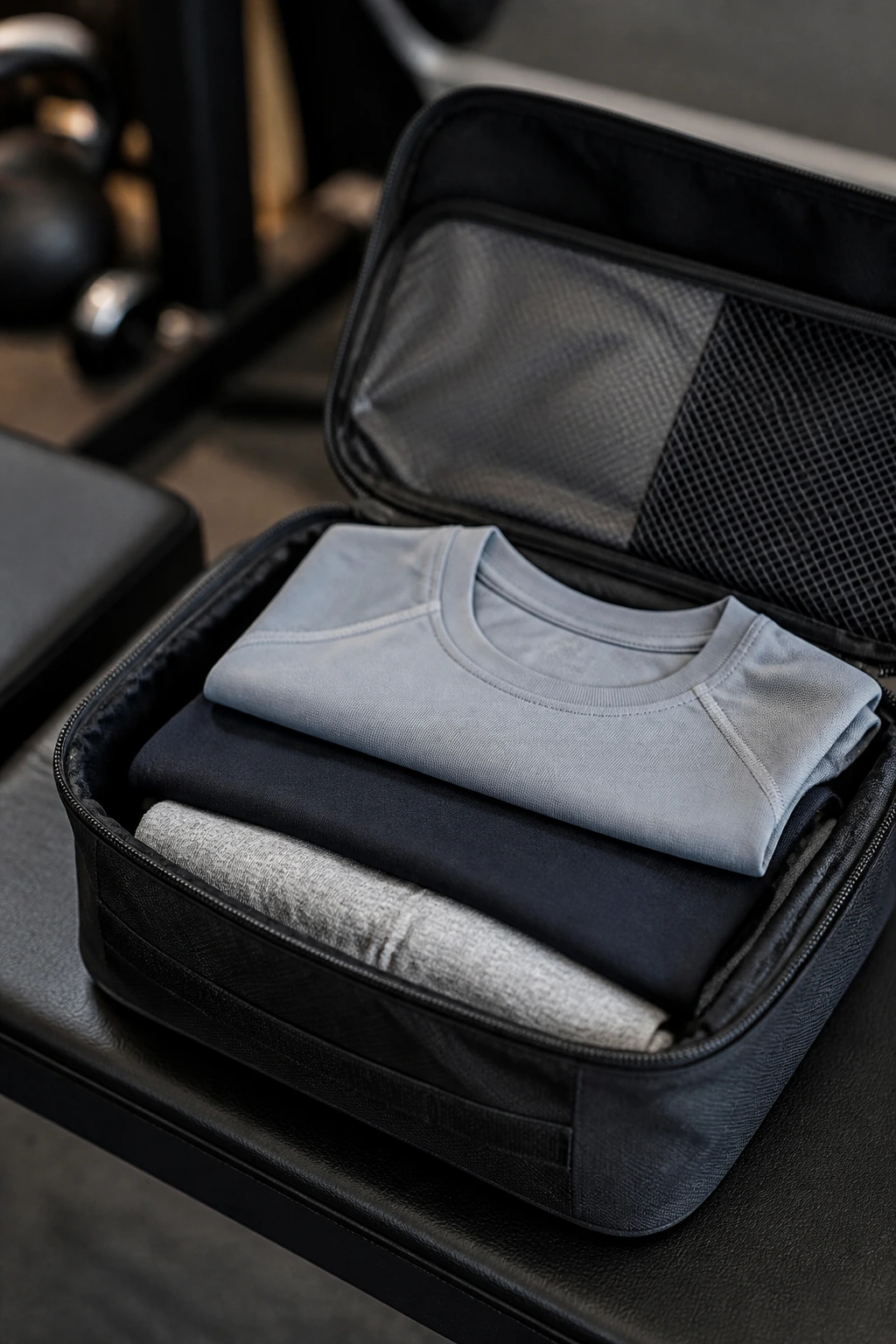
A full extra outfit is one of the smartest things you can keep in a gym bag, especially if you train before work, before class, or before seeing actual human beings. Pack one clean shirt, one pair of underwear, one pair of socks, and, if you can, a fresh bottom layer.
The clean shirt matters more than people think. A sweaty top clinging to your back on the drive home is one thing. Wearing that same shirt to a café or office is another. You do not have to pack a perfect second wardrobe. You just need enough to stop the day from feeling sticky.
A small packing cube or a separate zip pouch keeps the clean clothes from touching your dirty towel and shoes. That little separation makes the bag smell better, too.
If your gym has showers, this becomes even more useful. If not, it still saves you from sitting in damp clothes longer than necessary.
17. Hair Ties, Headbands, or a Cap
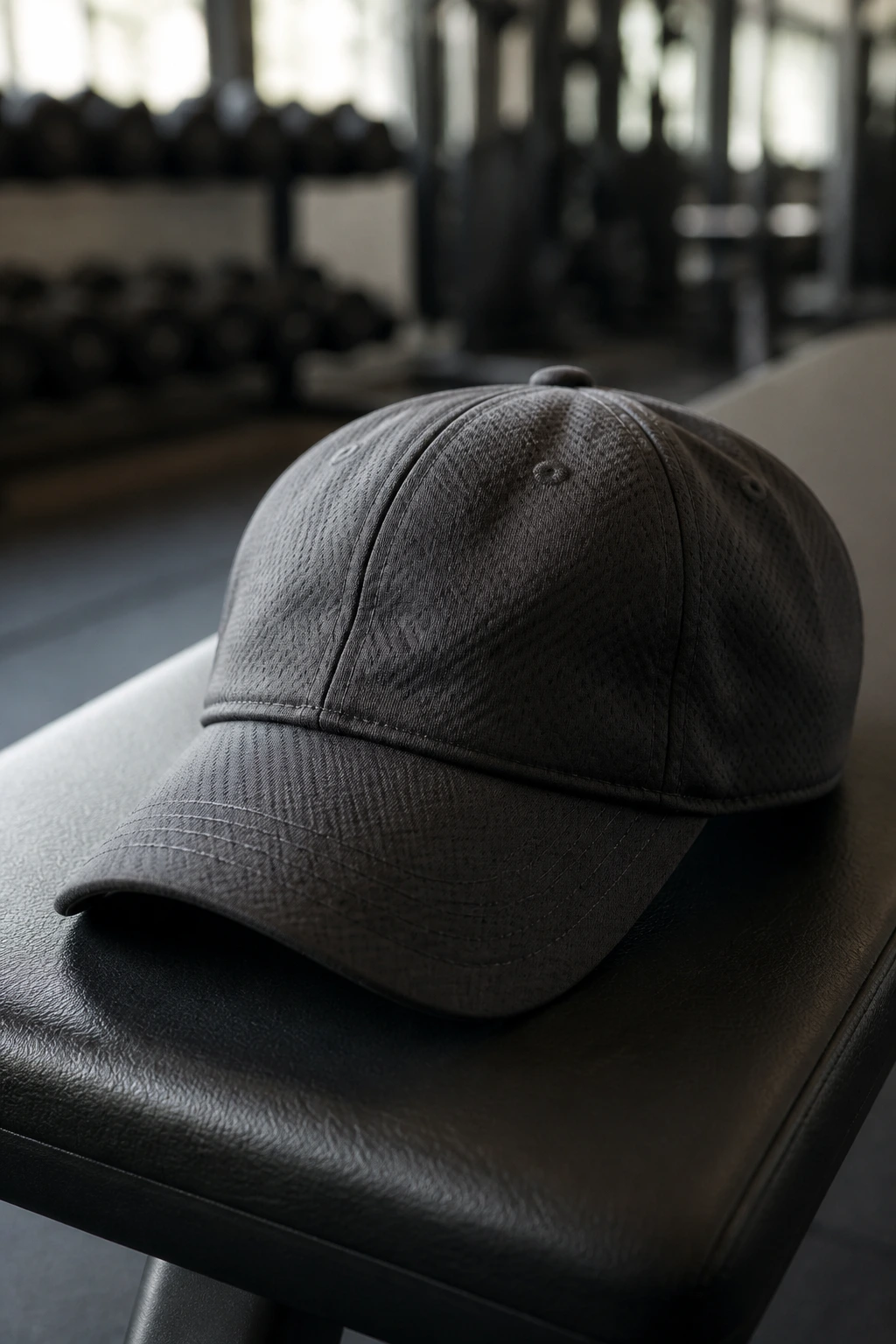
If your hair gets in your face, this one moves from optional to essential pretty fast. A few snag-free hair ties, a soft headband, or a simple cap keep sweat out of your eyes and stop you from constantly flicking hair away during sets.
Hair ties should be gentle enough not to yank or break strands every time you remove them. Keep two or three extras in your bag because they vanish like socks. It’s one of the great mysteries of gym life.
A headband helps if you dislike tying your hair back or want something that catches forehead sweat. A cap works well for outdoor walks, runs, or bright rooms, though not everyone likes the heat. I’d avoid anything with hard seams that dig in after twenty minutes.
Small thing. Huge annoyance when you forget it.
18. A Basic Timer or Fitness Watch
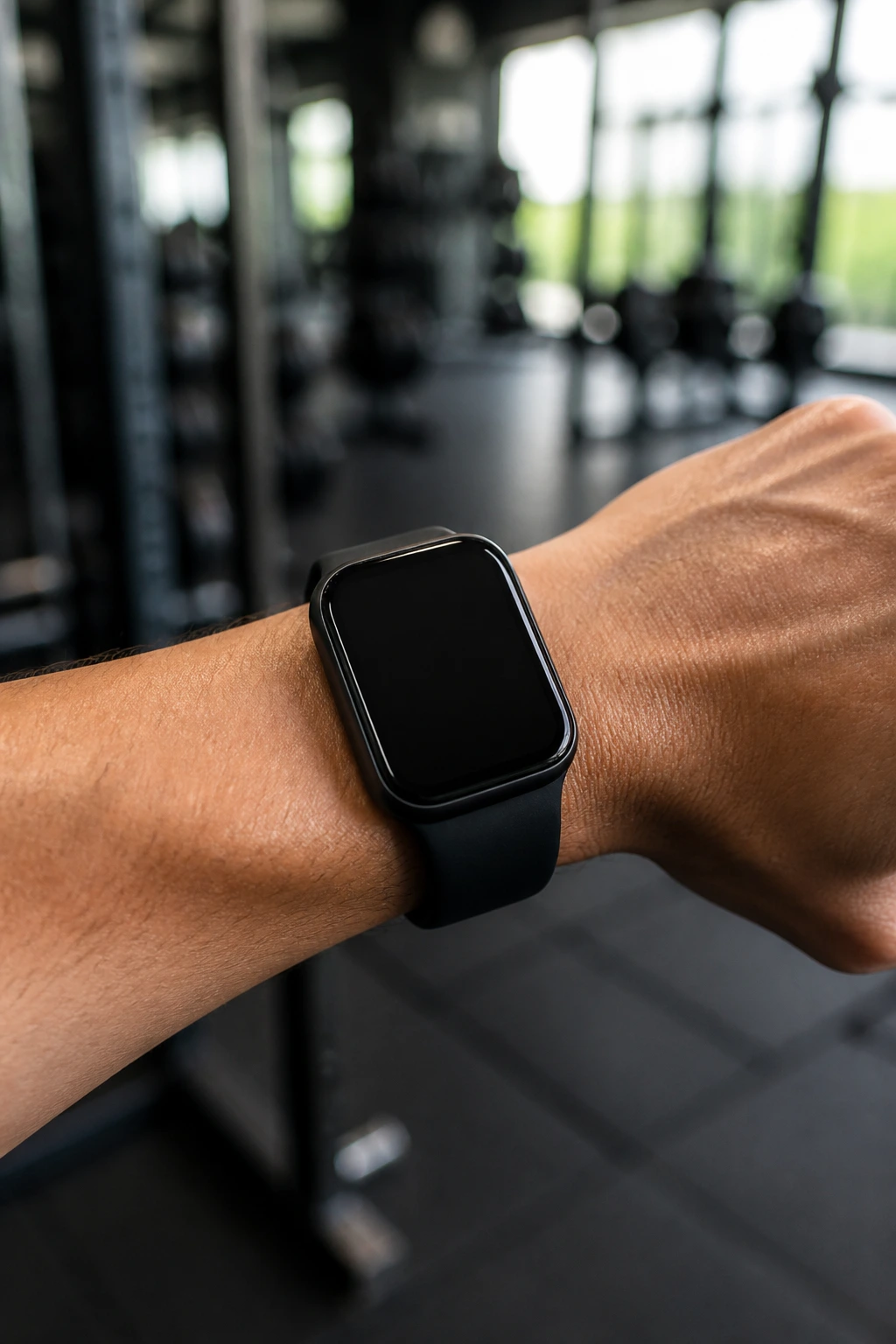
A beginner often spends too long resting between sets or starts the next one too soon. A basic timer solves that without making the whole workout feel fussy. A simple fitness watch, interval timer, or phone timer works fine as long as you can see it quickly.
Watch or Phone?
A watch is easier to glance at while your phone stays in the bag. A phone timer is cheaper and does the job if you already use your phone for music and notes. What matters is the habit of timing rest periods so you don’t drift.
Most beginners do well with rest periods in the 45 to 90 second range for lighter work and a bit longer for hard sets. You do not need to obsess over the exact number. You do need some number, though. Otherwise you end up scrolling, chatting, and forgetting what exercise comes next.
A screen that’s easy to read under gym lights saves time. Tiny black digits on a dark face are a pain.
19. A Post-Workout Snack Container
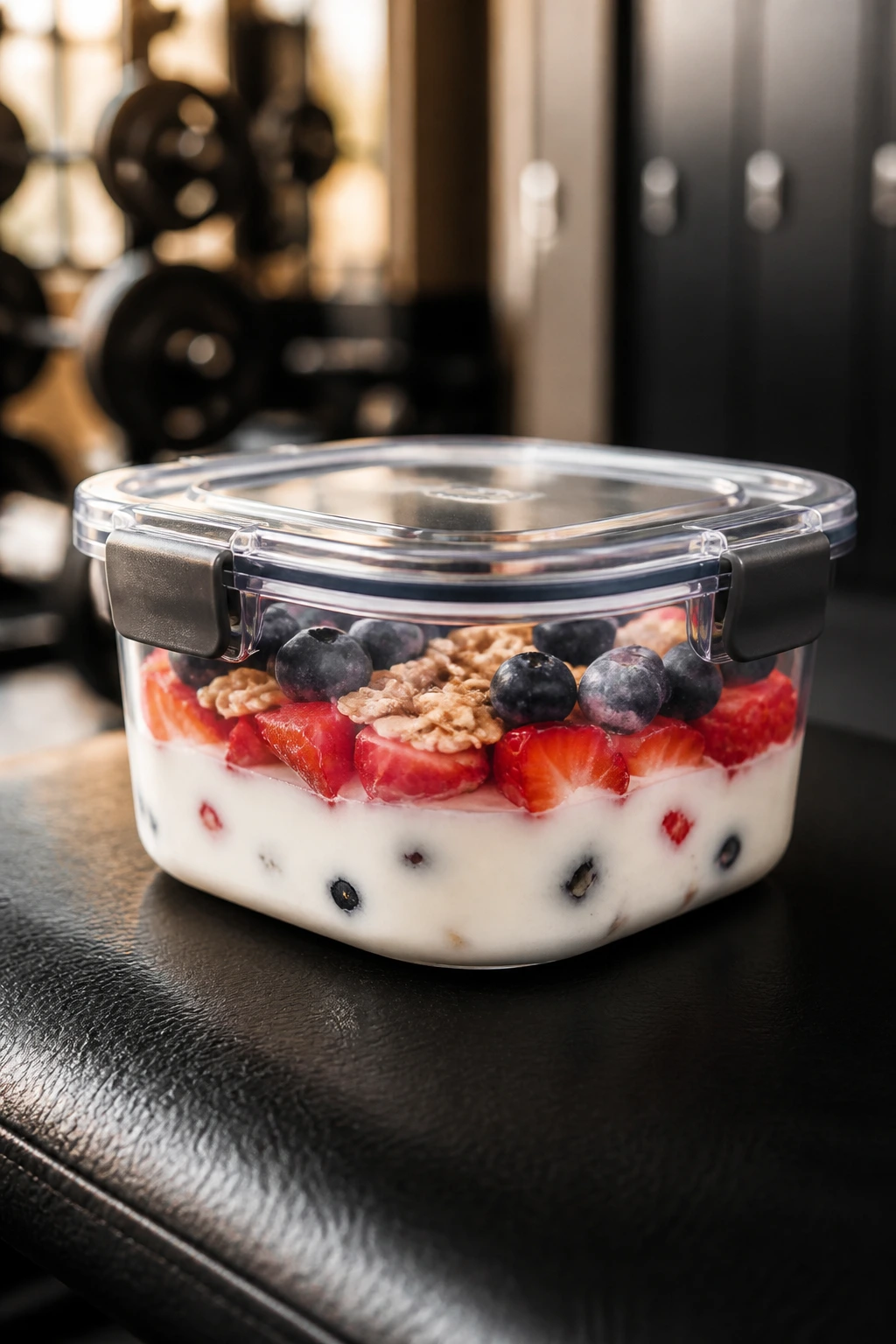
Leaving the gym hungry is fine. Leaving the gym so hungry that you grab the first greasy thing you see is less useful. A small food container or snack box gives you a place to stash something simple: yogurt, fruit, nuts, a sandwich, or a protein-rich snack you already planned.
The point is convenience. If your next stop is work, class, or a long drive, a prepared snack can stop the crash that hits an hour later. Keep it easy to eat with one hand. No one wants a fussy meal in the car.
A leakproof container matters if you pack anything soft. Yogurt and cut fruit do not belong in a flimsy box with a loose lid. That lesson tends to arrive once, then never again.
If you prefer to eat at home, skip this item. But if your schedule is tight, it’s a small piece of sanity.
20. A Wet Bag or Laundry Bag for Sweaty Gear
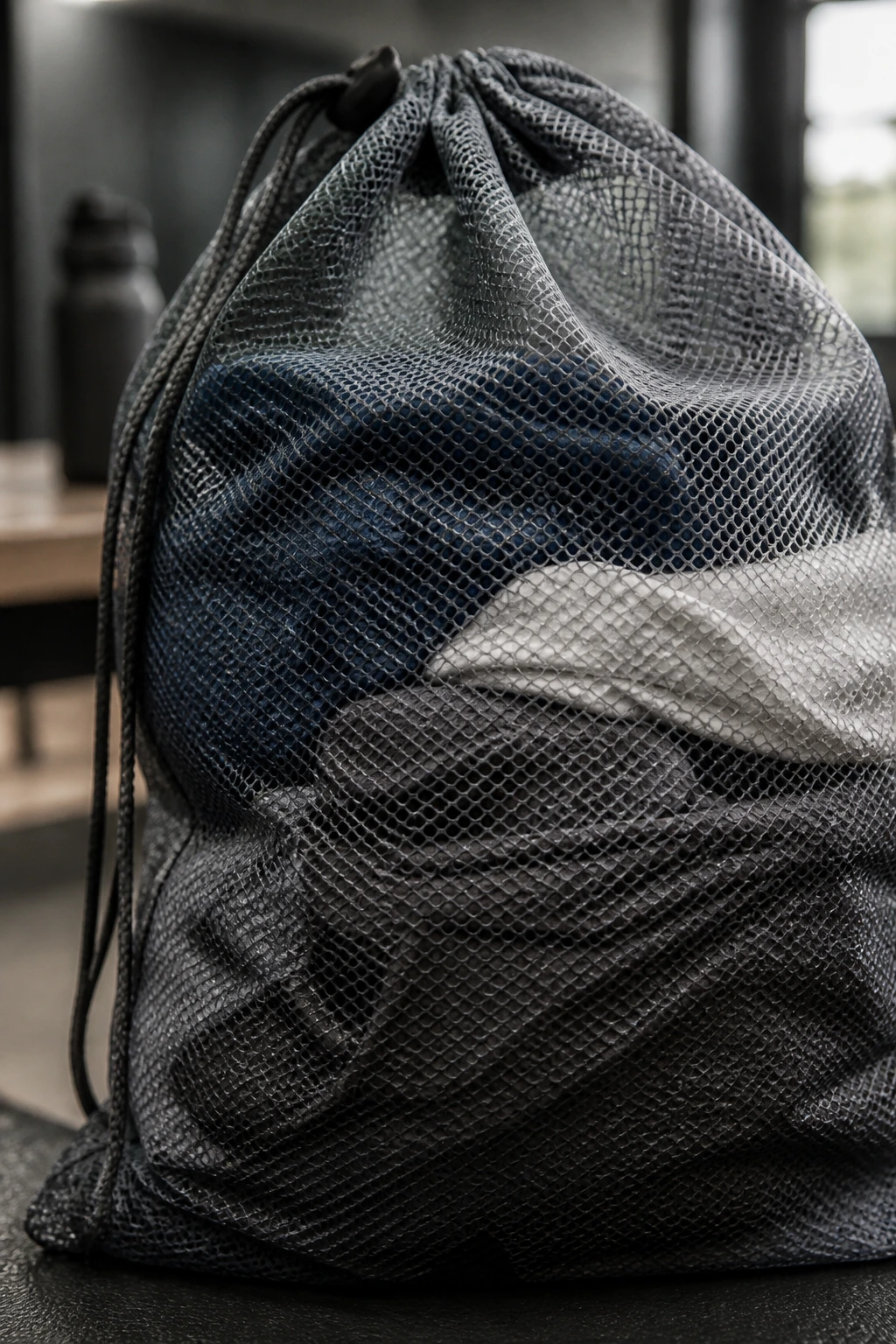
The item nobody brags about is often the one that saves the whole bag. A wet bag, mesh laundry bag, or simple drawstring pouch keeps sweaty clothes, towels, and muddy shoes separate from everything clean. If you take public transit, carry your bag to work, or just hate the smell of mixed sweat and soap, this is worth packing.
Why It Matters More Than It Sounds
Sweaty gear needs air. Cramming it next to a clean shirt traps the smell and makes your whole bag sour by the second or third trip. A separate bag gives dirty clothes a place to sit until you get home and wash them.
Mesh works well if you want airflow. Waterproof lining works better if the gear is soaked. I like having one of each, but one decent pouch is enough to start. Toss the wet bag straight into the laundry when you unload your gym stuff.
This is not the fun buy. It’s the smart one.
Final Thoughts
The best beginner gym setup is rarely the fanciest one. It’s the one that keeps your shoes from rubbing, your clothes from soaking through, and your bag from turning into a swamp of random stuff.
Start with the pieces that solve real problems: a decent bag, shoes that fit, a bottle that stays shut, and a way to track what you’re doing. Add the smaller items once you know how you train. That approach saves money and keeps the clutter down.
And if one item seems boring, that’s usually a good sign. Boring gear tends to be the stuff you reach for every single time.
