



If the phrase strength training still makes you picture only a loaded barbell and a squat rack, you’re missing most of the useful tools in the room. Resistance can come from steel, cables, bands, sandbags, your own bodyweight, or the brutal honesty of holding a position until your legs shake. The body does not care where the load comes from. It cares about tension, control, range, and whether you can recover from the work.
That’s why the 20 different types of strength training to try matter. Some build raw force. Some clean up weak links. Some help you train around cranky joints. Some are better for size, speed, or work capacity than they are for a true one-rep max.
I’ve always liked variety here, not because novelty is fun for its own sake, but because the same stimulus gets stale fast. A lifter who can squat heavy and still gets smoked by split squats has a gap. So does the person who can do push-ups for days but has never touched a sled, a sandbag, or a heavy carry.
You do not need all 20 in the same week. Most people do better with one main style and one or two support styles, then they rotate based on the goal. That’s where the good stuff is.
1. Barbell Strength Training
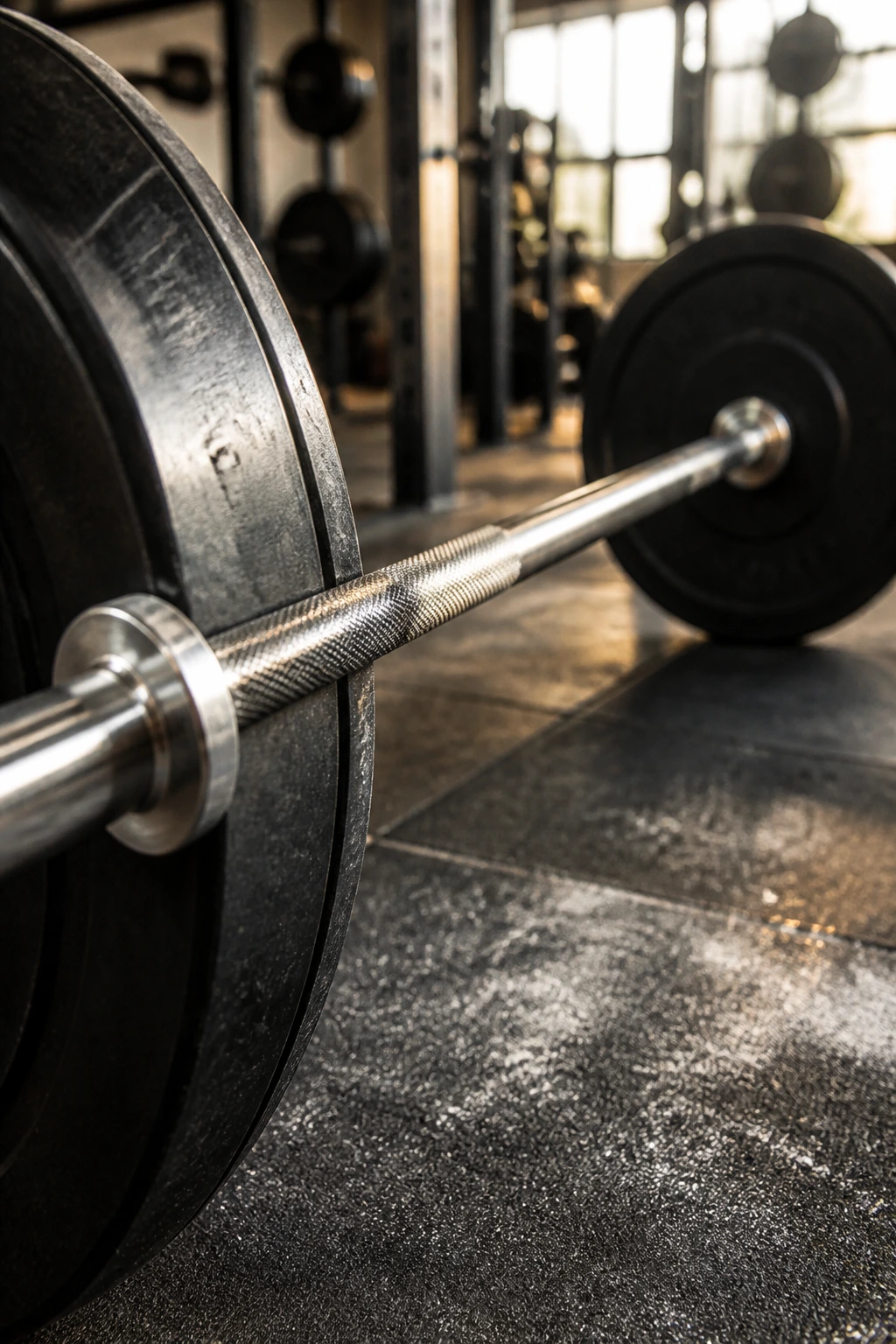
Barbells are still the cleanest way to build measurable strength. You can load them in small jumps, repeat the same movement under the same conditions, and know exactly whether you’re getting stronger. That level of control is hard to beat.
The barbell shines on big compound lifts: squat, bench press, deadlift, overhead press, and their close cousins. If you want a style that rewards steady progression, this is the classic. Most serious strength programs lean on 3 to 6 reps, longer rests, and a lot of attention to setup. Small changes matter here. A sloppy brace on a barbell squat is not a tiny problem. It changes the whole rep.
Why Barbells Keep Winning
- They make progression easy to track with exact weight jumps.
- They teach you to brace hard and move under load.
- They’re ideal for low-rep strength work and peaking phases.
- They expose bad technique fast, which is annoying and useful.
One hard truth: barbells are less forgiving than most tools. If your mobility is poor or your technique is messy, the bar will tell on you. That’s not a flaw. It’s part of the deal.
2. Dumbbell Strength Training
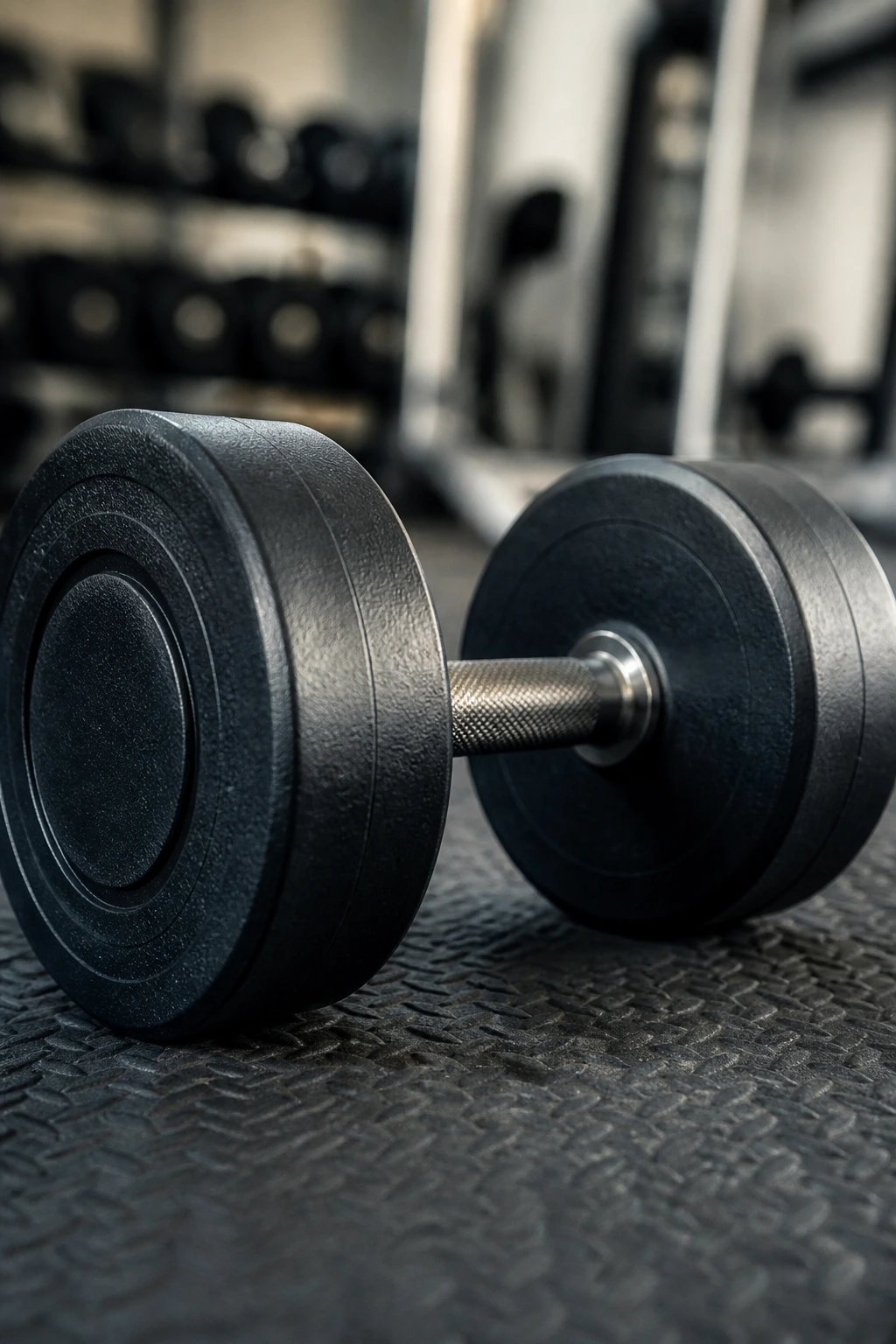
Why do dumbbells humble strong people so fast? Because each arm has to earn its own way. There’s no hiding a weaker side behind a fixed bar path, and that alone makes dumbbells useful.
They’re a smart choice for presses, rows, lunges, split squats, and floor work. A neutral grip often feels kinder on the shoulders, and the extra range of motion can make a movement feel cleaner. Dumbbells also fit home gyms well. You do not need much floor space, and you can build a serious session with a single pair if the loading is high enough.
A 50-pound dumbbell press can feel easier to own than a barbell press at the same total load, because your shoulders and elbows can settle where they want. That freedom is a gift and a trap. It helps you move naturally, but it also lets sloppy reps sneak in if you rush.
Dumbbells are excellent when you want control, balance, and joint-friendly pressing without giving up real resistance. I like them as the main event for upper-body work and as the finishing tool for lower-body training. They do a lot, and they do it without much fuss.
3. Kettlebell Training
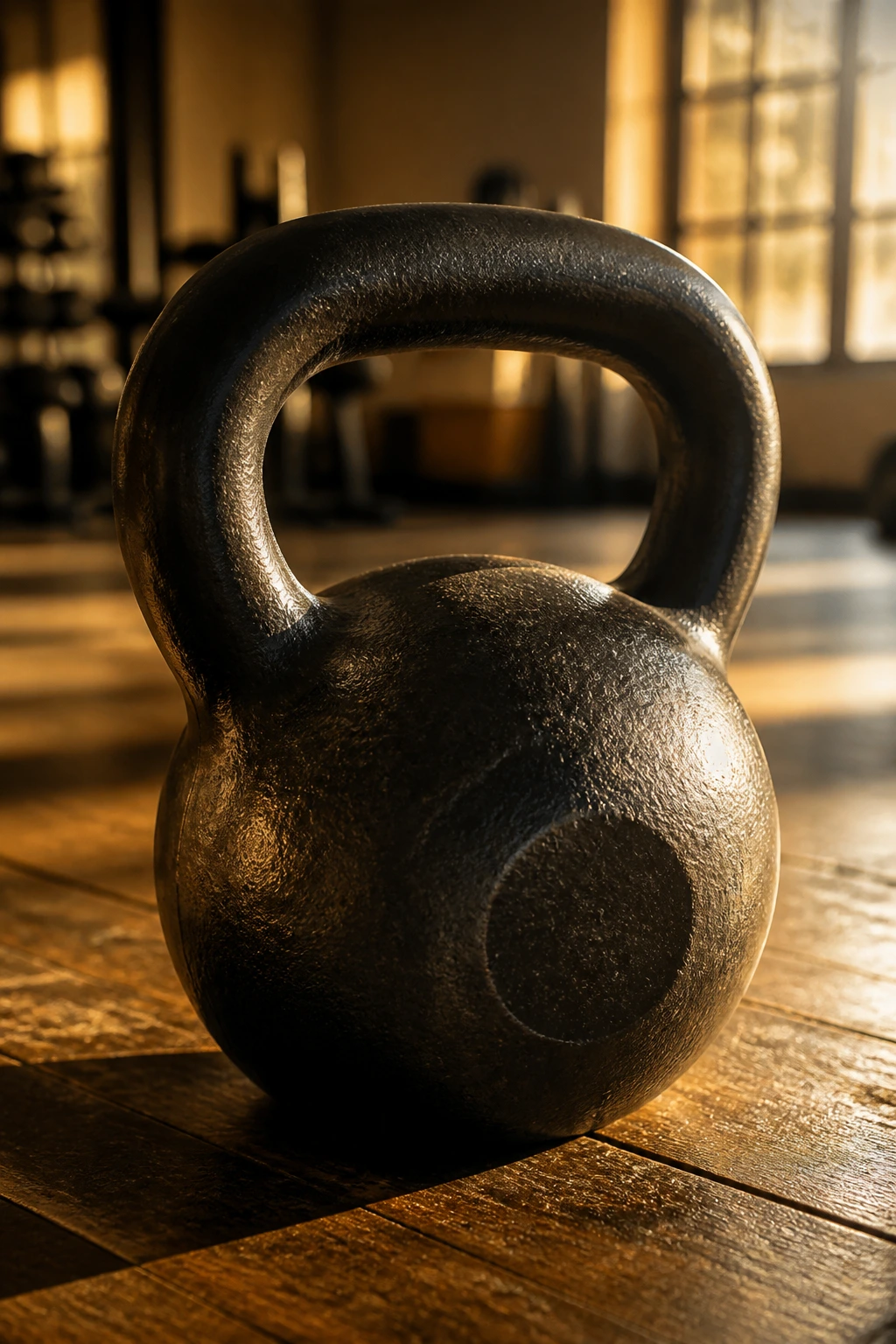
A kettlebell feels simple until it starts moving. Then the offset weight wants to swing, rotate, and pull your grip off line. That’s the whole charm of it.
Kettlebells are especially good for hinges, swings, cleans, presses, rack carries, and goblet squats. The bell teaches bracing in a slightly rude way. You cannot coast through a swing with loose abs and a lazy back. The shape of the implement demands sharp hip drive and a solid midsection. That makes kettlebell work a nice bridge between pure strength and conditioning.
What Makes It Different
- The weight sits off-center, so grip and forearm strength get taxed early.
- Swings and cleans build hip snap, not just leg drive.
- Goblet squats are excellent for learning depth and torso position.
- Carries and presses punish sloppy posture fast.
Kettlebells are not magic. They are a tool with a very specific feel. Light bells can be too easy, and too many people treat them like cardio toys. Bad move. A well-chosen bell—often 16, 20, or 24 kilograms for many trainees—can make a short session feel dense and heavy without needing a full rack of plates.
4. Bodyweight Strength Training

Bodyweight training is not the poor cousin of “real” strength work. That idea is lazy. Your own body can be a heavy load, especially when you change leverage and slow the tempo down.
Push-ups, pull-ups, dips, split squats, pistol squats, handstand work, and ring variations can build serious strength. The trick is progression. More reps help for a while, but harder leverage matters more once the easy versions stop challenging you. A decline push-up is not the same animal as a floor push-up. A ring row is not the same as a bar row.
Bodyweight work has one huge advantage: it tends to teach control. You feel where the ribs flare, where the hips drift, where the shoulder blade stops moving the way it should. That feedback is immediate.
A vest, a slower lowering phase, or a deeper range can keep bodyweight training hard long after basic versions feel comfortable. If you want strength without much equipment, this one deserves a permanent slot.
5. Resistance Band Training
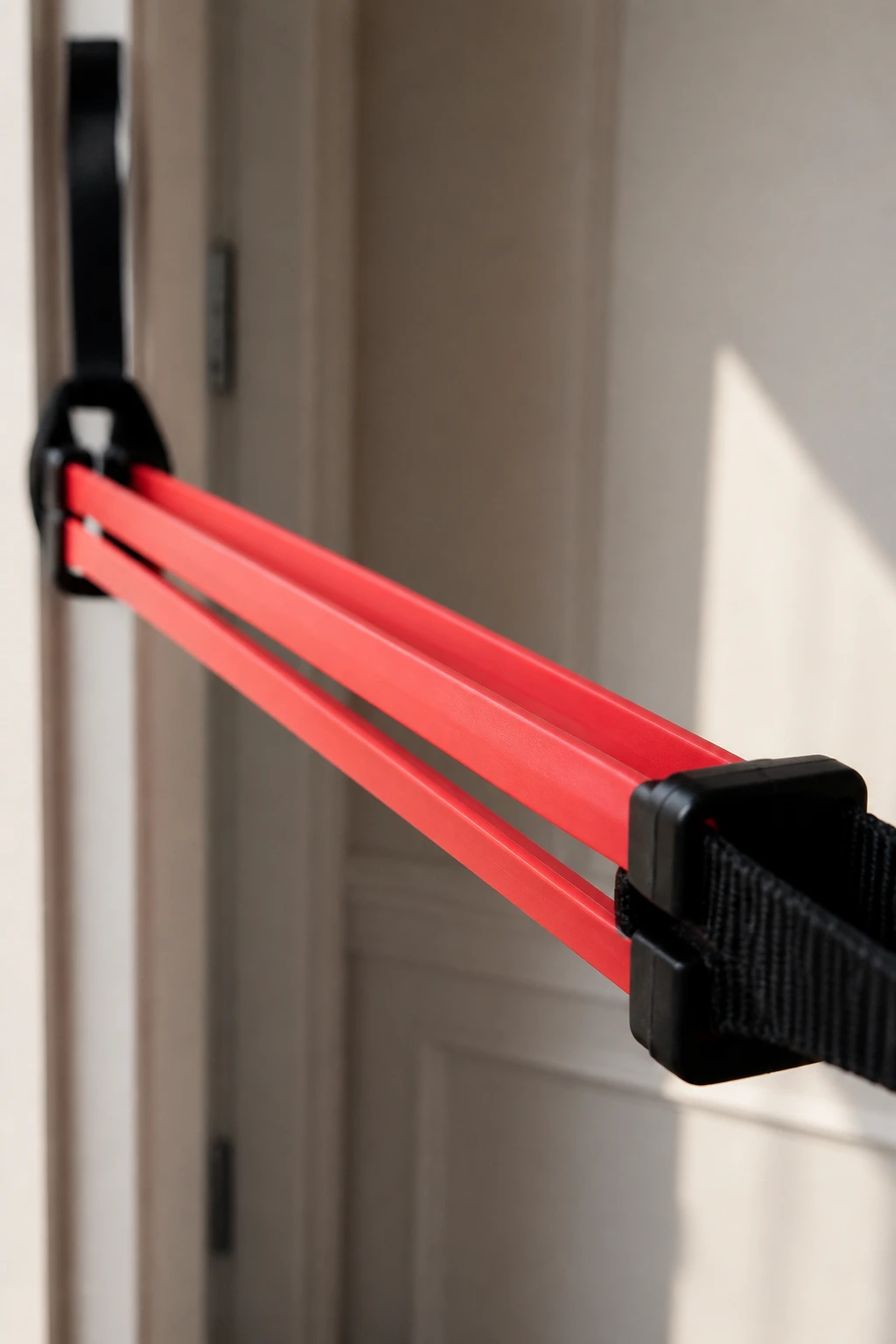
A band feels polite for the first inch, then it starts getting rude. That’s the useful part. Resistance bands add tension as they stretch, so the hardest point of the rep comes near the end instead of at the start.
They work well for warm-ups, shoulder care, glute activation, home workouts, and assistance work like banded pull-aparts, face pulls, presses, and squats. Bands are also easy to pack. They take almost no space, and that makes them handy when you’re traveling or training in a cramped room.
Best Uses for Bands
- Warm up shoulders before pressing.
- Add extra tension to push-ups or squats.
- Practice clean technique on lighter days.
- Train small muscles that often get ignored.
The big caution is quality. Cheap bands can snap, and old bands get dry and weak. Check them before each session. If the rubber looks cracked or chalky, toss it. That sounds fussy until a band flies apart near your face.
Bands are not a full replacement for heavy loading, but they are excellent for filling gaps. I like them more than most people do, mainly because they make a light workout feel honest.
6. Machine-Based Strength Training
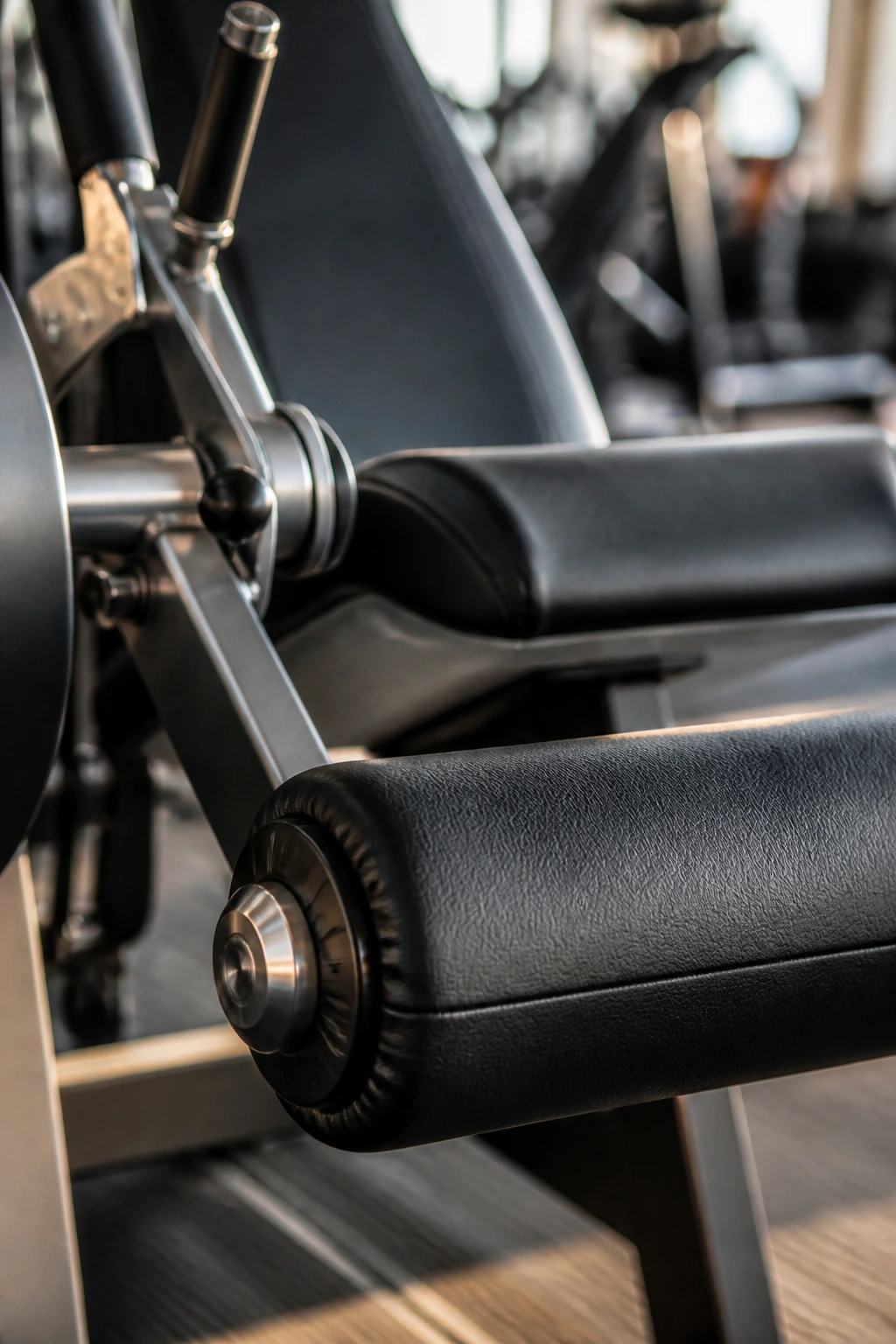
Machines are not cheating. They are a way to push a muscle hard without spending half the set keeping the weight from tipping, drifting, or wobbling.
That fixed path can be a gift. It lets beginners learn where a muscle should work without the chaos of balancing a free weight, and it lets experienced lifters take a set close to failure with less setup stress. Leg press, hack squat, chest press, pulldown, seated row, and leg curl machines all deserve respect.
I’m especially fond of machines after heavy free-weight work. A barbell squat taxes the whole body. A leg press lets you keep hammering the quads when the back and grip are already tired. That is a smart trade.
Machines also help after a layoff or injury, when stability is the last thing you want to fight. The downside is obvious: they can hide movement problems that free weights would expose. Fine. Use both. The machine gives you clean fatigue. The barbell gives you skill.
7. Cable Machine Training
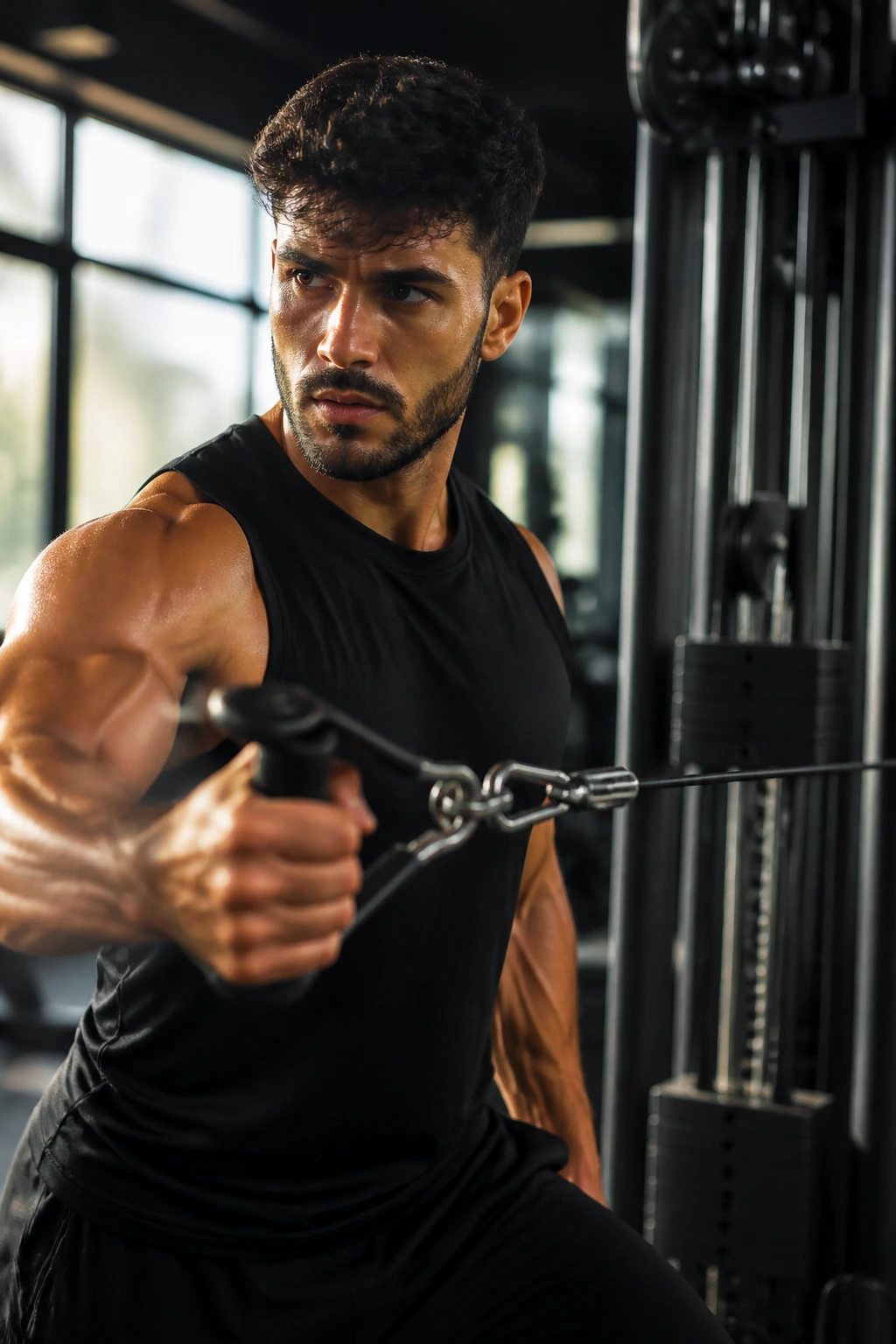
What makes cables feel different from machines? The line of pull stays smooth, and the resistance doesn’t disappear at the top of the rep. That changes the whole feeling of the movement.
Cable work is excellent for flyes, rows, triceps pressdowns, biceps curls, face pulls, wood chops, and anti-rotation drills. The handles move where your body needs them to move, which makes cables useful for joints that dislike a rigid path. You can also change the angle in seconds. High-to-low, low-to-high, across the body, straight out in front. Small setup change, big shift in stimulus.
Where Cables Beat Dumbbells
- They keep tension on the muscle through more of the rep.
- They’re easier to fine-tune with small weight jumps.
- They’re strong for single-arm work and core control.
- They’re good for training at odd angles that free weights don’t cover cleanly.
A cable chest fly feels different from a dumbbell fly because the tension never really drops off. That can be a blessing when you want a smoother, more constant challenge. It can also be annoying, which is part of why cable work is so effective.
8. Isometric Strength Training
Hold it. Don’t move.
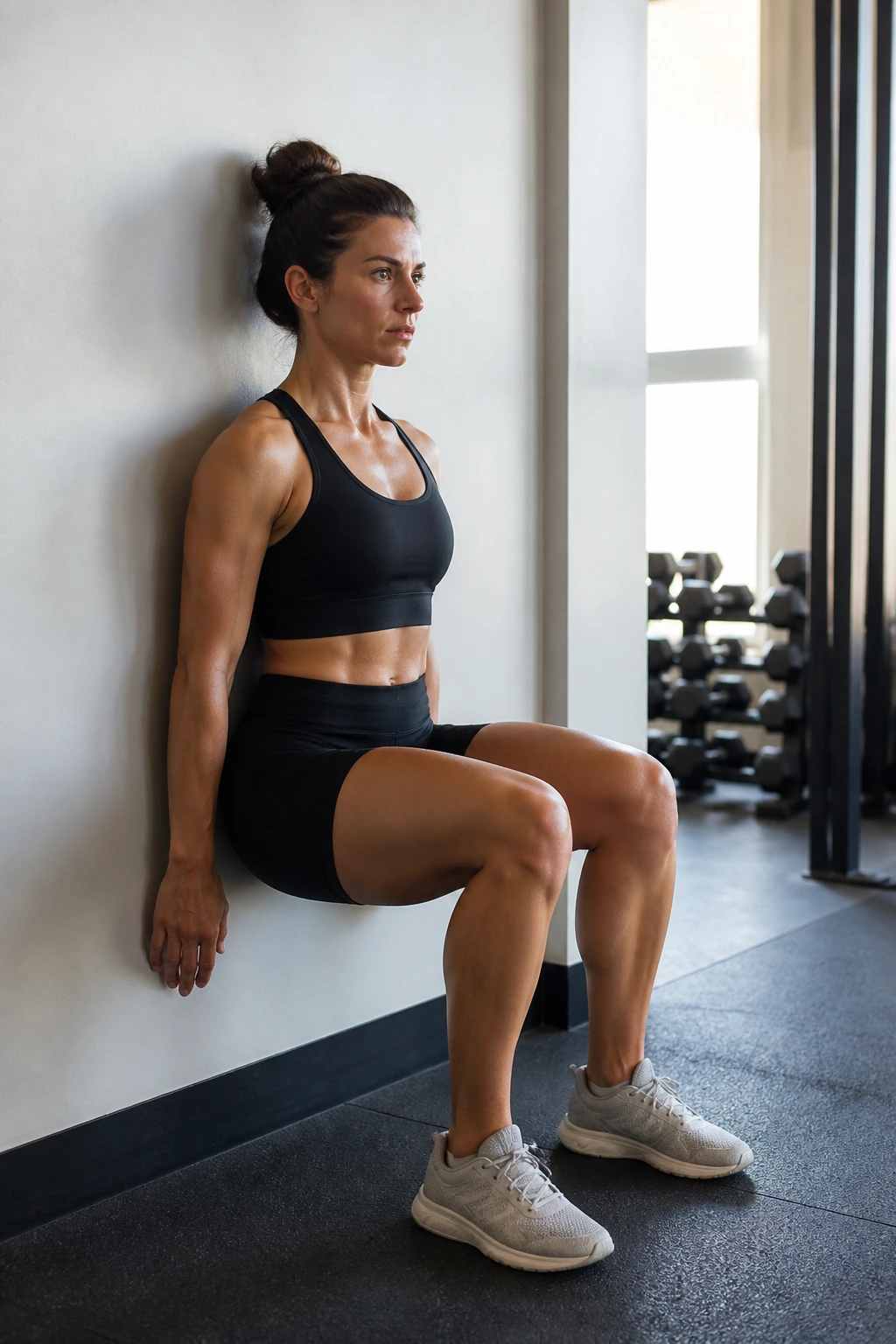
That’s the whole point, and it’s harder than it sounds. Isometric training means you create force without changing joint angle. Wall sits, split squat holds, plank variations, paused pulls, and mid-thigh holds all fall into this bucket.
The weird thing about isometrics is how specific they are. A hard hold at one angle can improve strength right there, but it does not magically transfer to every position. A paused squat in the hole helps you own the bottom. A wall sit builds quad tolerance in that bent-knee position. A plank teaches you to stop your ribs from flaring while the trunk is under tension.
Good Places to Use Isometrics
- Rehab or return-to-training blocks.
- Weak points in a lift.
- Tendon loading work.
- Core bracing practice.
They can also be a sneaky way to make a workout brutal without heavy joint stress. A 30-second split squat hold can light up your quads faster than a lot of people expect.
9. Unilateral Strength Training
One side always tells the story first.
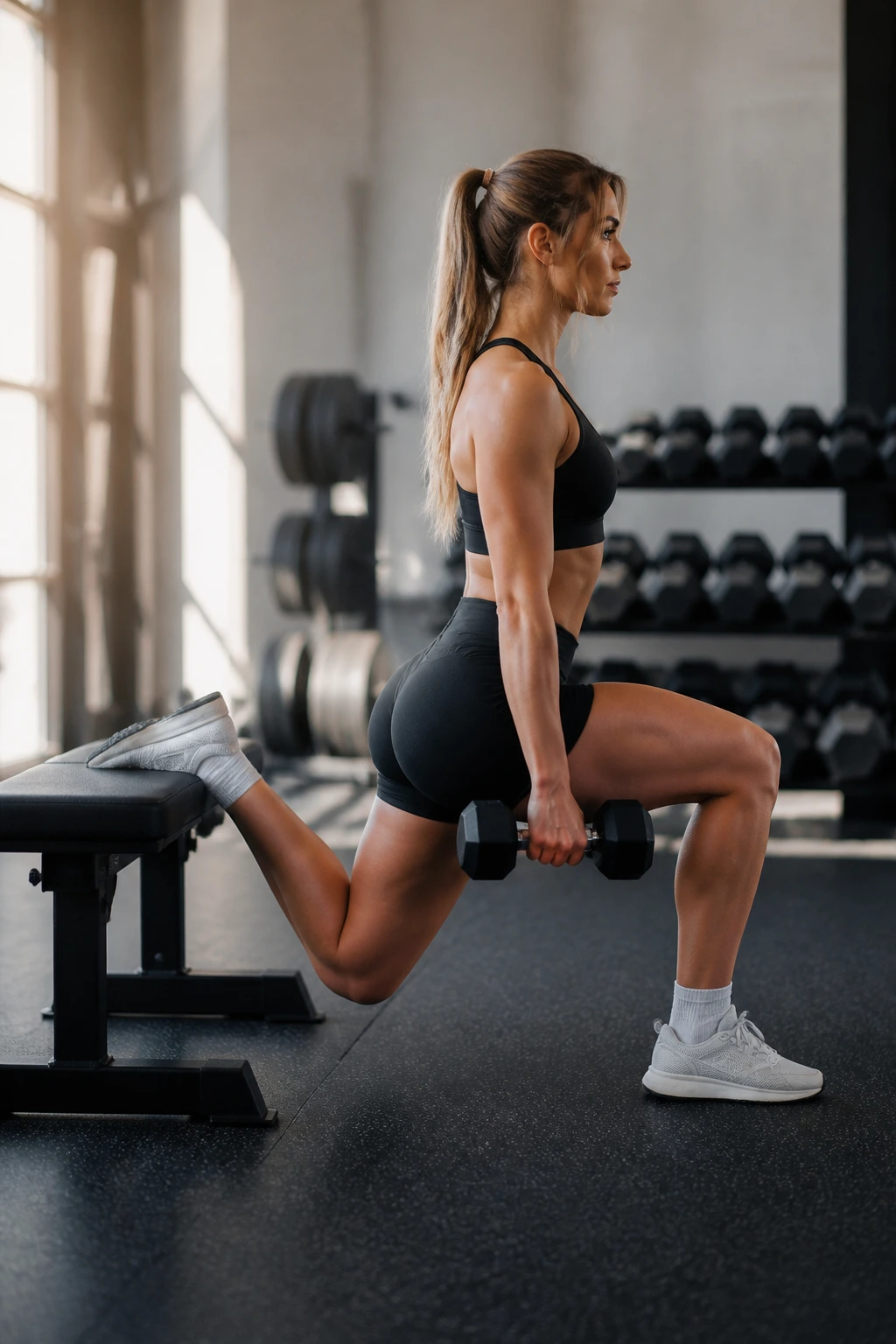
That is why unilateral training matters so much. Split squats, single-leg deadlifts, one-arm rows, one-arm presses, step-ups, and suitcase carries force each side to work on its own. If one leg is weaker or one hip is unstable, you find out fast. There’s nowhere to hide.
The payoff is not only symmetry. Unilateral work also makes your core work harder because your torso has to resist twisting and leaning. A suitcase carry, in particular, is a small lesson in posture. You feel the obliques, the glute on the standing side, and the foot working to keep you from tipping over.
If a barbell squat lets you quietly favor one side, a Bulgarian split squat does not. That is the beauty of it. You can load less and still get a nasty training effect.
My bias: every serious strength plan should include at least one unilateral lower-body lift and one unilateral upper-body pull or press. The balance pays for itself.
10. Tempo Training
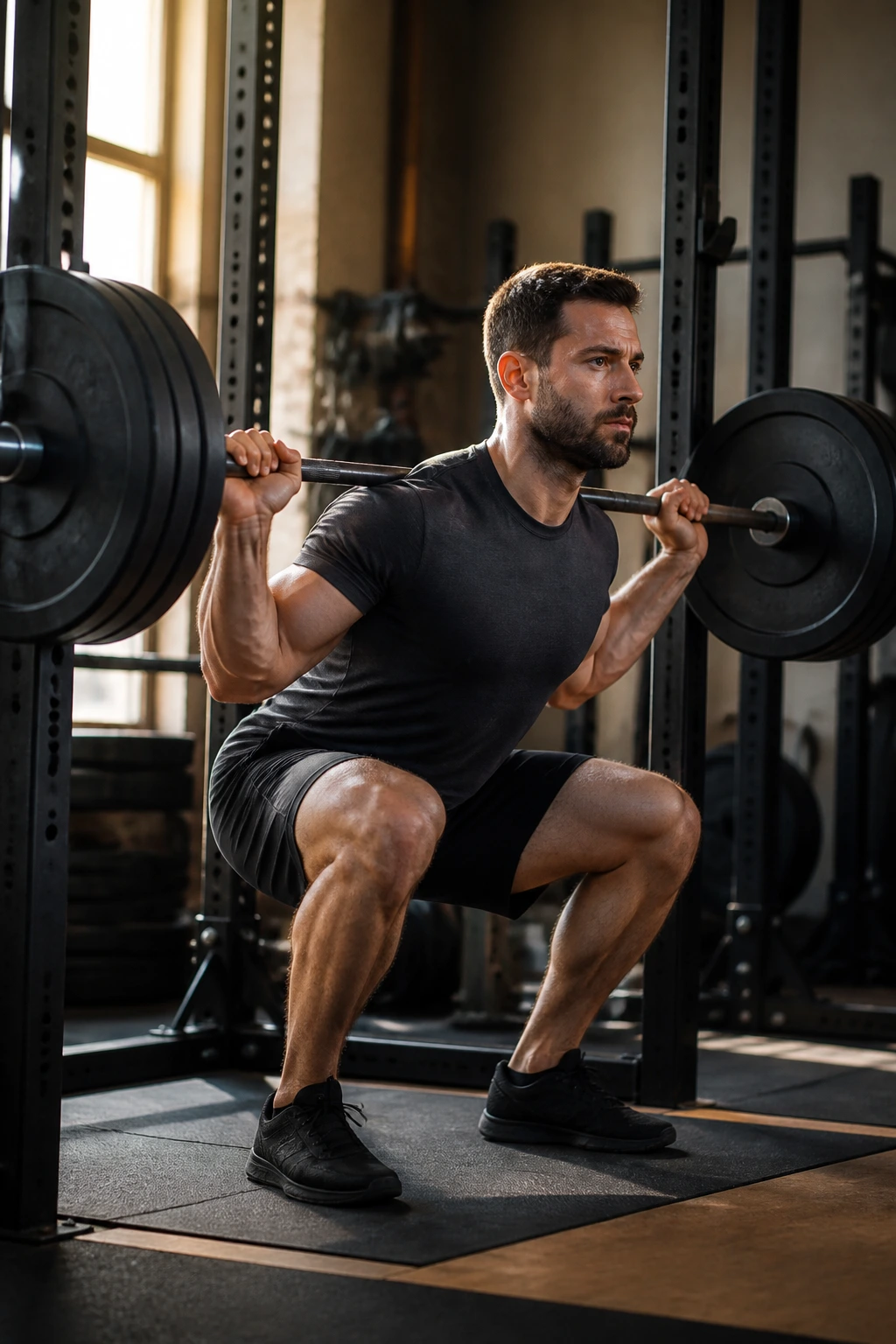
Tempo changes the rep you thought you were doing. A squat with a 4-second lowering phase and a 1-second pause is not the same squat as a quick bounce out of the bottom.
Tempo work is simple: slow down the lowering phase, pause where needed, and control the lift on the way up. A common pattern is 3-1-1, which means 3 seconds down, 1 second pause, 1 second up. You can use it on squats, presses, rows, push-ups, and lunges.
Why Tempo Matters
- It cuts down on cheating and momentum.
- It makes light loads feel much heavier.
- It improves control in the joint positions people rush through.
- It gives you more honest feedback on strength.
Tempo training is especially useful when your equipment is limited or when a joint gets cranky with fast descents. It’s also a good way to clean up technique without adding more weight. The catch is that too much slow work can blunt power. So use it on purpose, not as a permanent replacement for everything else.
11. Circuit Strength Training
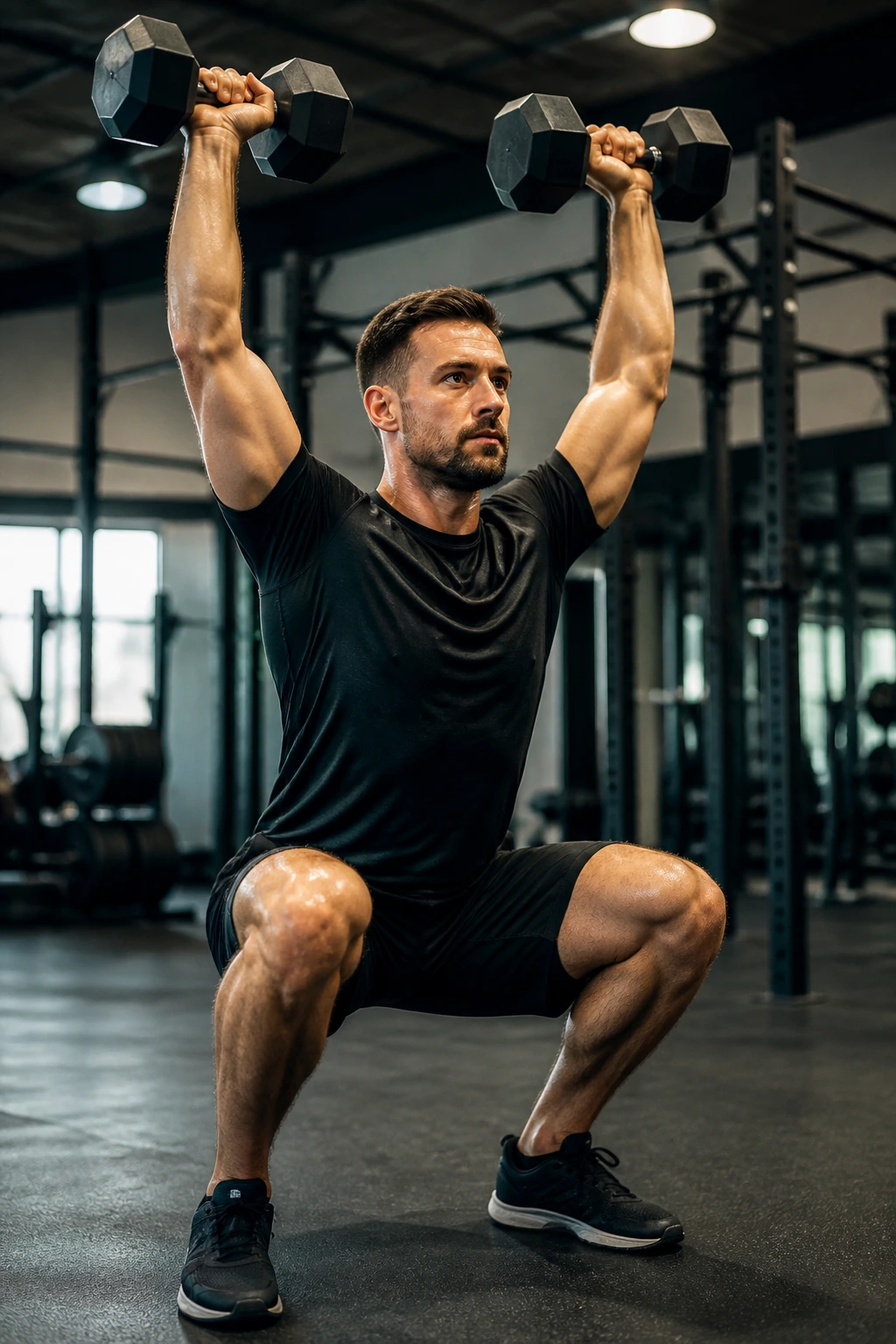
A squat, a row, a carry, then a short rest. That’s the feel of circuit strength training.
This style strings together several strength moves with limited recovery between them. The load is often moderate, the exercise order matters, and the goal is usually to build strength while keeping your heart rate up. That makes circuits useful when you want both muscle and work capacity without spending an hour grinding through one lift at a time.
Circuits can be built around dumbbells, kettlebells, cables, bodyweight, or even barbells if the loading stays sensible. A simple setup might be 4 to 6 movements, 3 rounds, and 30 to 90 seconds between stations. It’s not the best style for absolute max strength, because fatigue piles up fast. That part is obvious. Still, for general fitness and dense sessions, it works well.
A good circuit should feel tough by the second round, but not chaotic. If your form falls apart, the rest periods are too short or the load is too high. Simple fix. Lower one, raise the other.
12. Powerlifting-Style Training
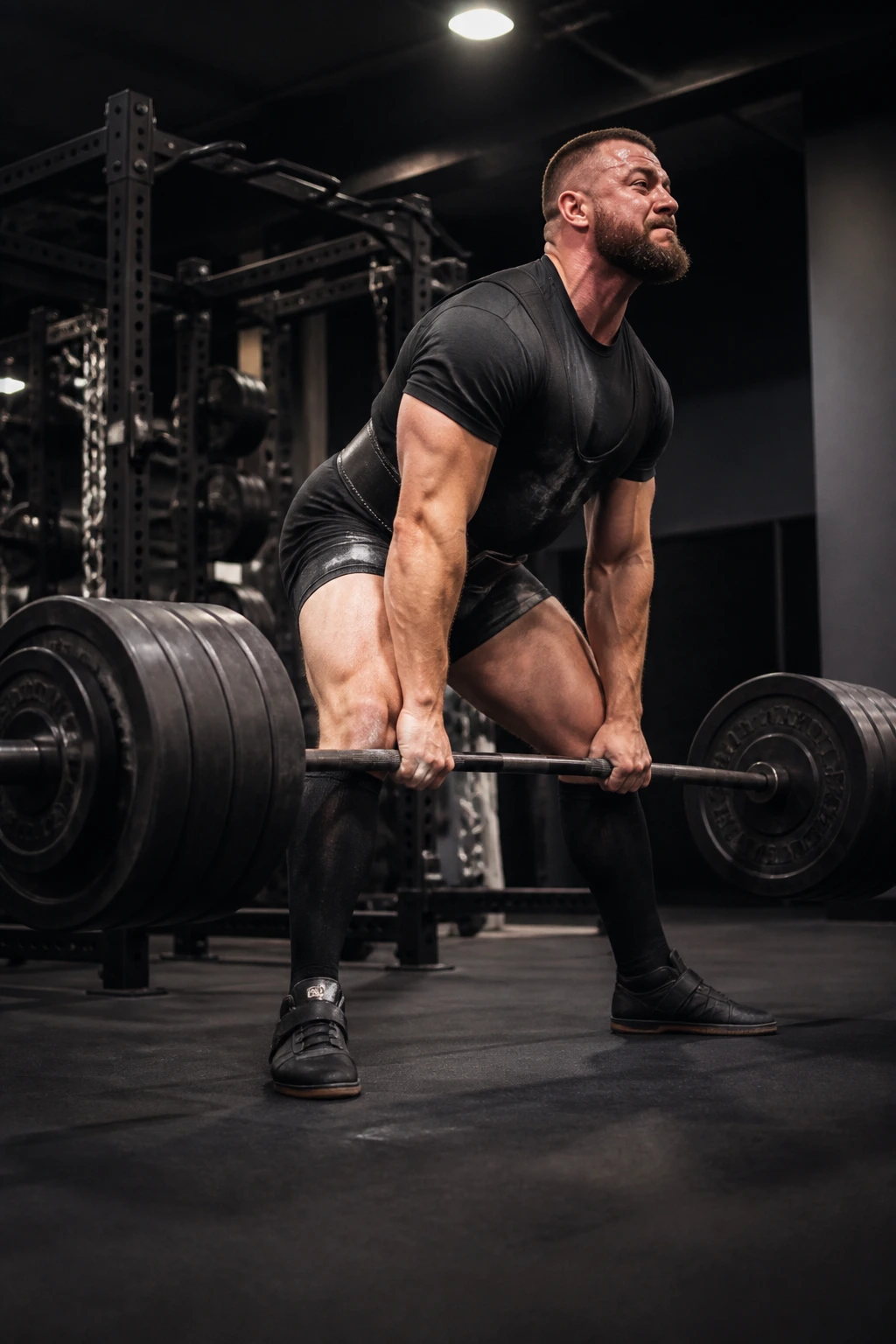
If bodybuilding chases shape, powerlifting chases the total on three lifts. Squat, bench press, deadlift. That is the whole game, and the rest of the program is built around making those three lifts go up.
Powerlifting-style training uses low reps, long rests, and a lot of specificity. You practice the competition lifts, plus close variations that shore up weak points. Paused benches, deficit deadlifts, tempo squats, and pin presses all show up here because they teach strength where the lift tends to fail.
The good part is clarity. You know exactly what you’re training for. The hard part is that it can get narrow if you let it. Plenty of people spend all their time chasing numbers and forget to build muscle, mobility, or work capacity around the main lifts.
This style suits people who like measurable progress and do not mind long rests between heavy attempts. It also rewards patience. Rush the setup, skip the pause, or turn every set into a max-out and the whole thing gets sloppy fast.
13. Olympic Weightlifting Style Training
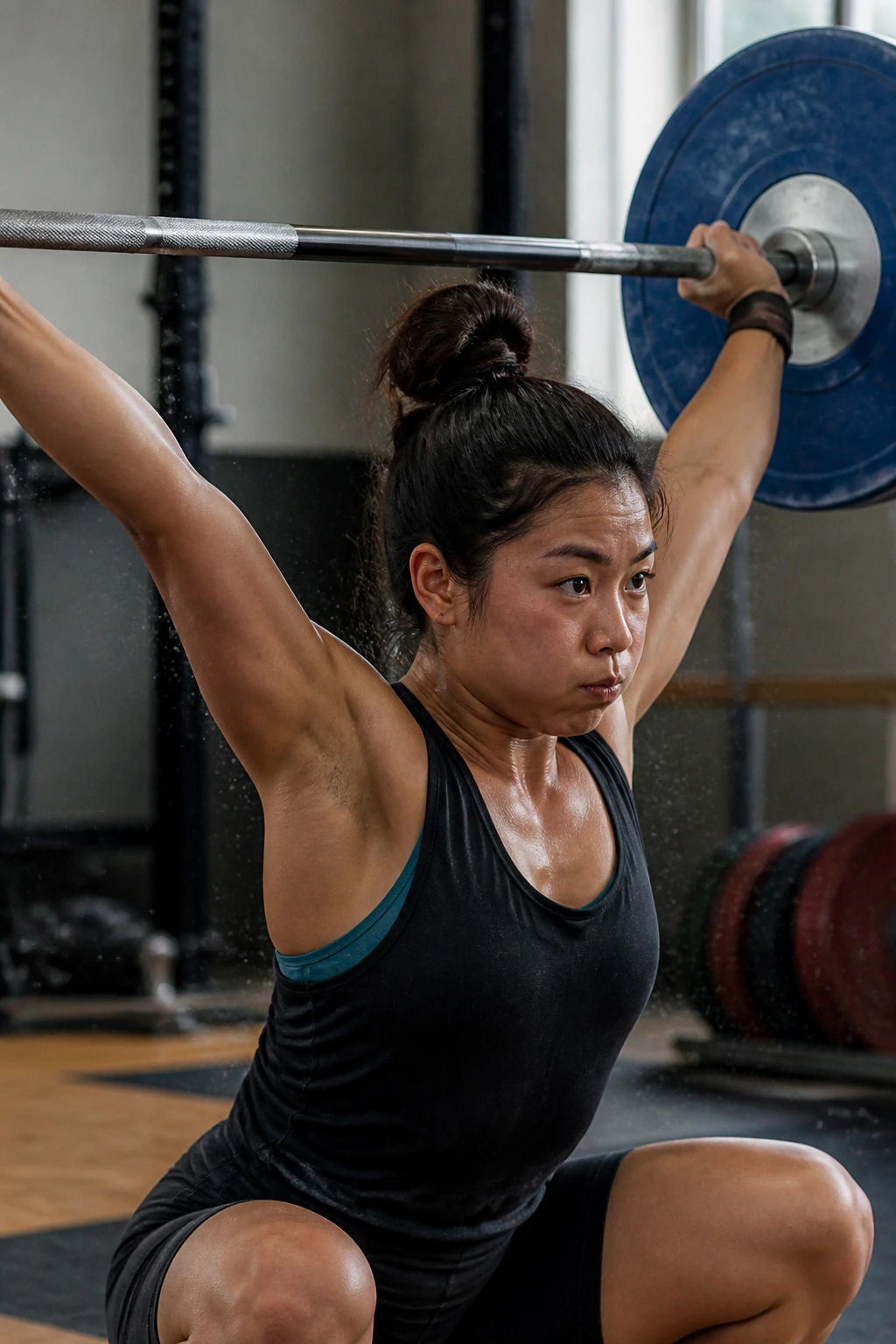
Olympic weightlifting style training is fast, technical, and a little unforgiving. The clean and jerk, the snatch, pulls, and front squats ask for speed under the bar, not just brute force against it.
The big difference is intent. A deadlift is about moving the weight. A snatch is about moving the weight fast enough to catch it well. That means the bar path has to stay close, the hips have to drive at the right time, and the athlete has to be ready to get under the load, not just lift it from the floor.
One short sentence here: Technique comes first.
If you ever watch a skilled lifter, the reps look almost calm until the catch. Then the whole lift snaps into place. That is why this style is loved by people who care about speed, athletic power, and coordination. Even if you never compete, the pulls and power variations can help you become more explosive. Just don’t treat it like a casual strength session. It punishes sloppy timing.
14. Hypertrophy-Focused Bodybuilding Training
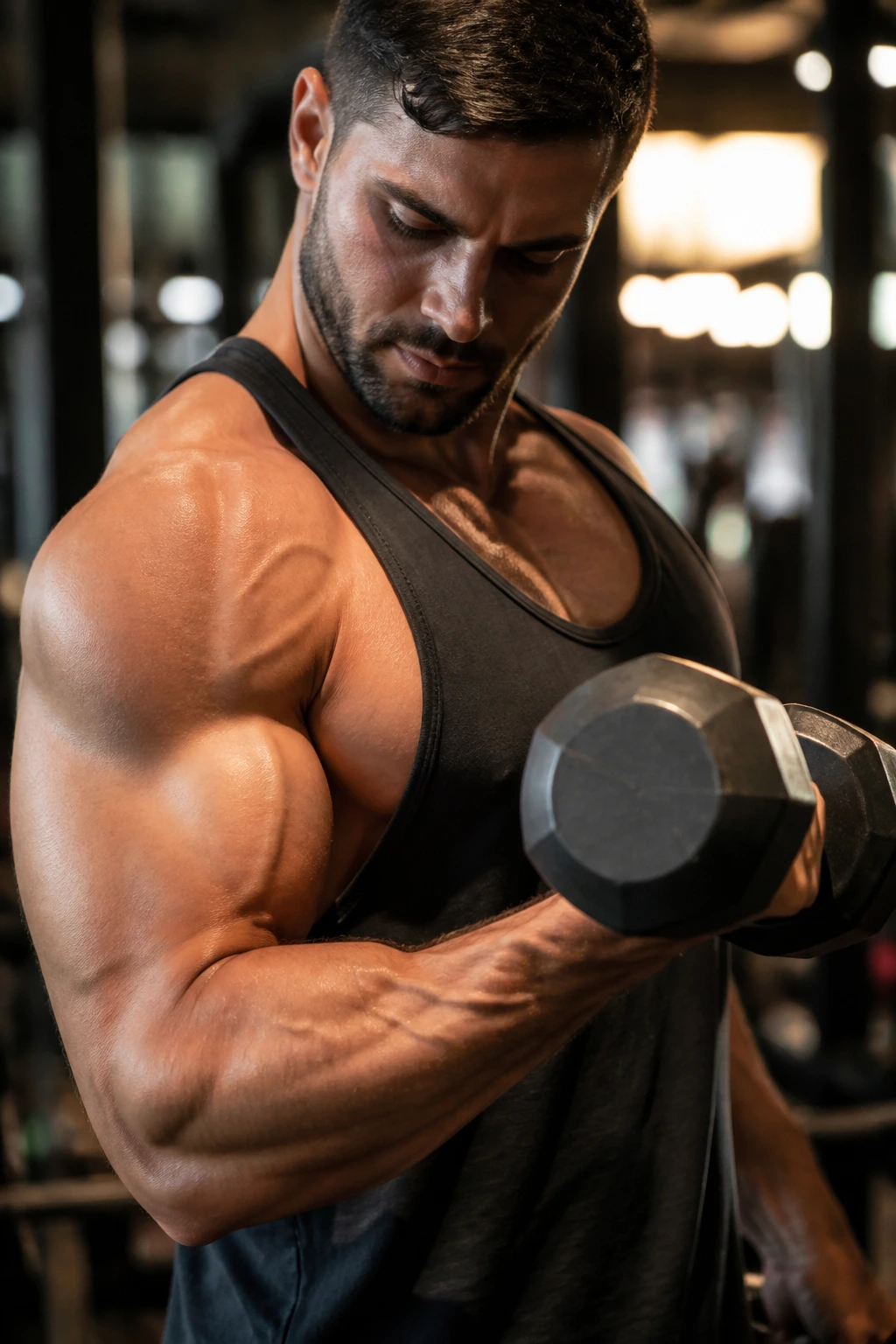
Size training looks modest from the outside and feels sneaky-hard in the gym. A lot of the best hypertrophy work happens with moderate loads, controlled reps, and enough weekly volume that the muscle has no choice but to adapt.
Bodybuilding-style training uses machines, dumbbells, cables, and bars, but the goal is different from pure strength work. You are chasing muscle growth, not just a bigger one-rep max. That means 6 to 15 reps shows up a lot, and the last few reps usually need to be close to failure if you want the set to matter.
What It Does Well
- Builds visible muscle size.
- Makes it easier to target lagging areas.
- Lets you use a mix of angles and tools.
- Works well when strength goals are not the only goal.
What People Get Wrong
- Too much junk volume.
- Too little effort on the hard sets.
- Turning every session into a pump chase with no progression.
I’m a fan of bodybuilding work when it’s honest. If the set ends with five easy reps still in the tank, it was probably too light. If every set is an all-out disaster, recovery gets ugly fast. The sweet spot is effort with enough control that you can repeat the session next week.
15. Strongman Training
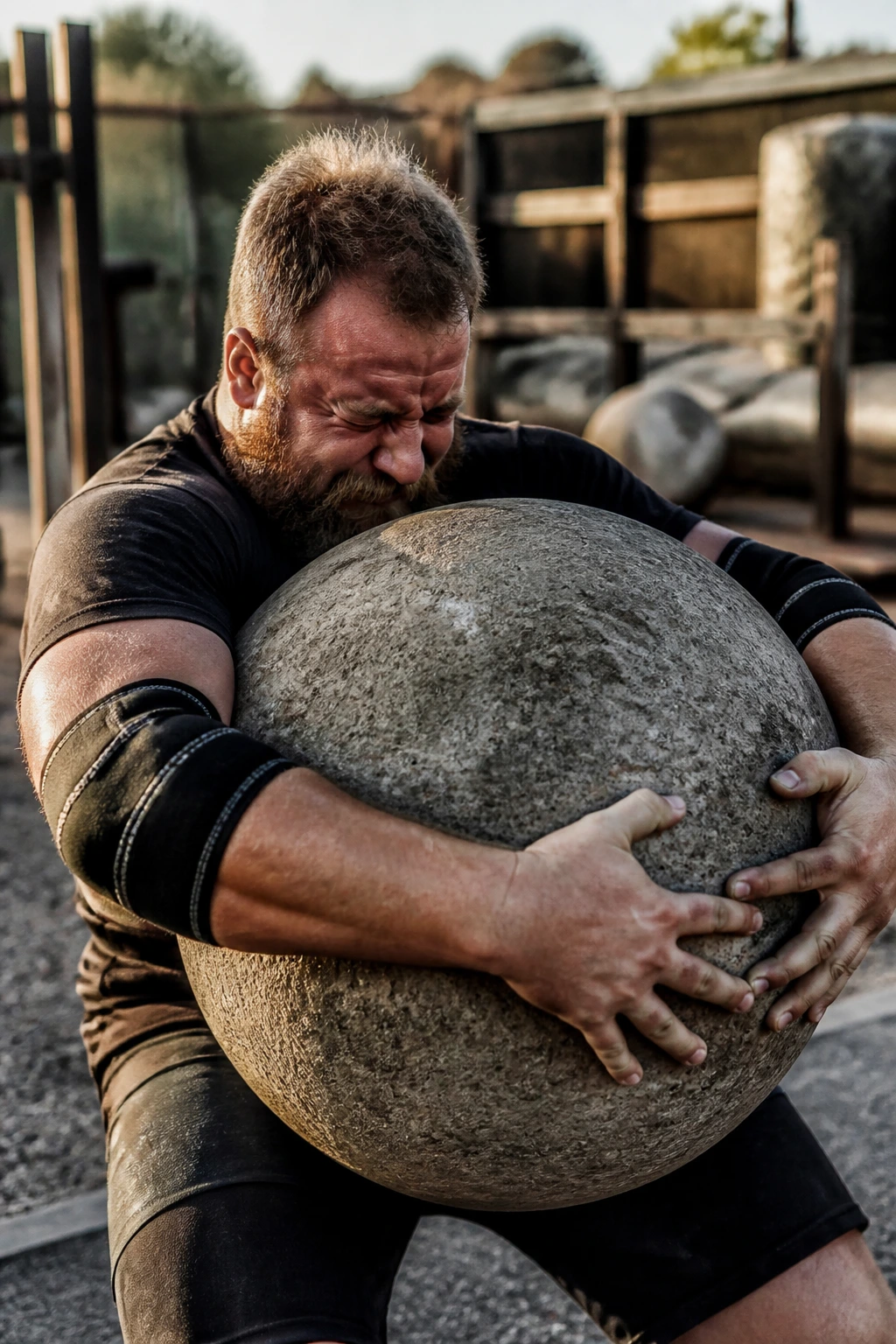
Strongman training looks messy because it is messy. That is part of the appeal.
Logs, atlas stones, sandbags, yokes, farmers handles, tires, sleds, and odd objects all force the body to deal with awkward loads. The grip has to work. The trunk has to brace. The upper back has to stop collapsing when the object shifts halfway through the rep. A 200-pound sandbag that slumps in your lap is a different problem from a 200-pound barbell, and anyone who has tried both knows it.
Strongman training builds a kind of strength that feels useful outside the gym. Carrying, lifting from the floor, and loading awkward objects teach you how to keep moving when the load is not polite. That’s a real skill.
It’s also a humbling style. The first time a stone rolls away from your forearms or a yoke drags your posture down, you learn fast. No glamour. Just work.
16. Sandbag Training
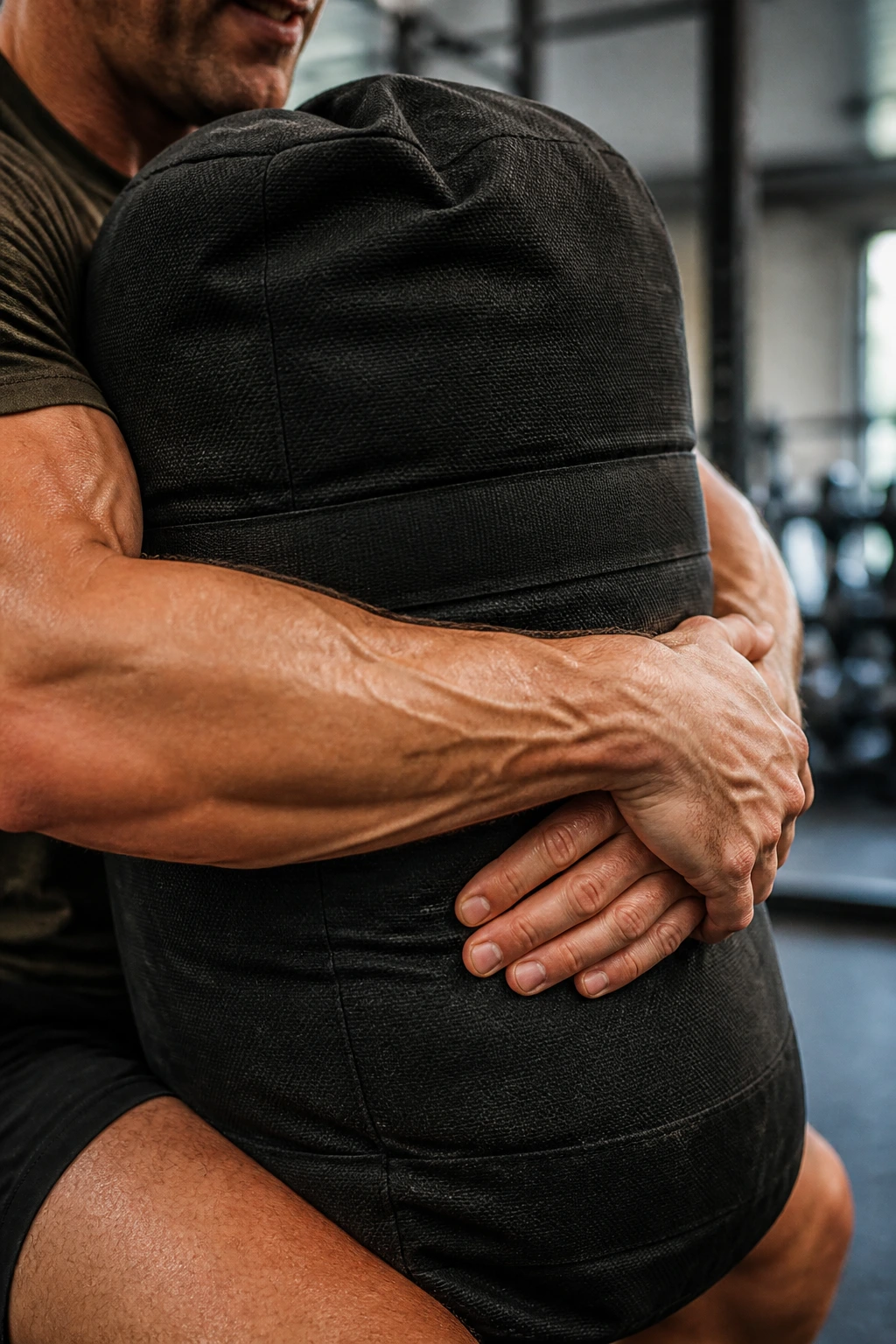
Why does a sandbag feel worse than a dumbbell of the same weight? Because it shifts, slumps, and smears your grip every time you move it.
That makes sandbag training one of the best tools for building ugly, practical strength. Bear-hug carries, shouldering drills, front-loaded squats, cleans, and ground-to-shoulder lifts all force your body to fight for position. The load is unstable in a way that reveals whether your brace is real or just decorative.
Easy Ways to Start
- Bear-hug carry for 20 to 40 meters.
- Sandbag front squat for 5 to 8 reps.
- Ground-to-shoulder for 3 to 5 reps a side.
- Sandbag carry up stairs if the floor space is limited.
Sandbags are cheap compared with a full rack of specialty equipment, and they can be brutally effective. They also punish bad technique. If you round your back, the bag folds you. If you rush the lift, the bag slides. That feedback is useful, even if it is not flattering.
17. Suspension Training
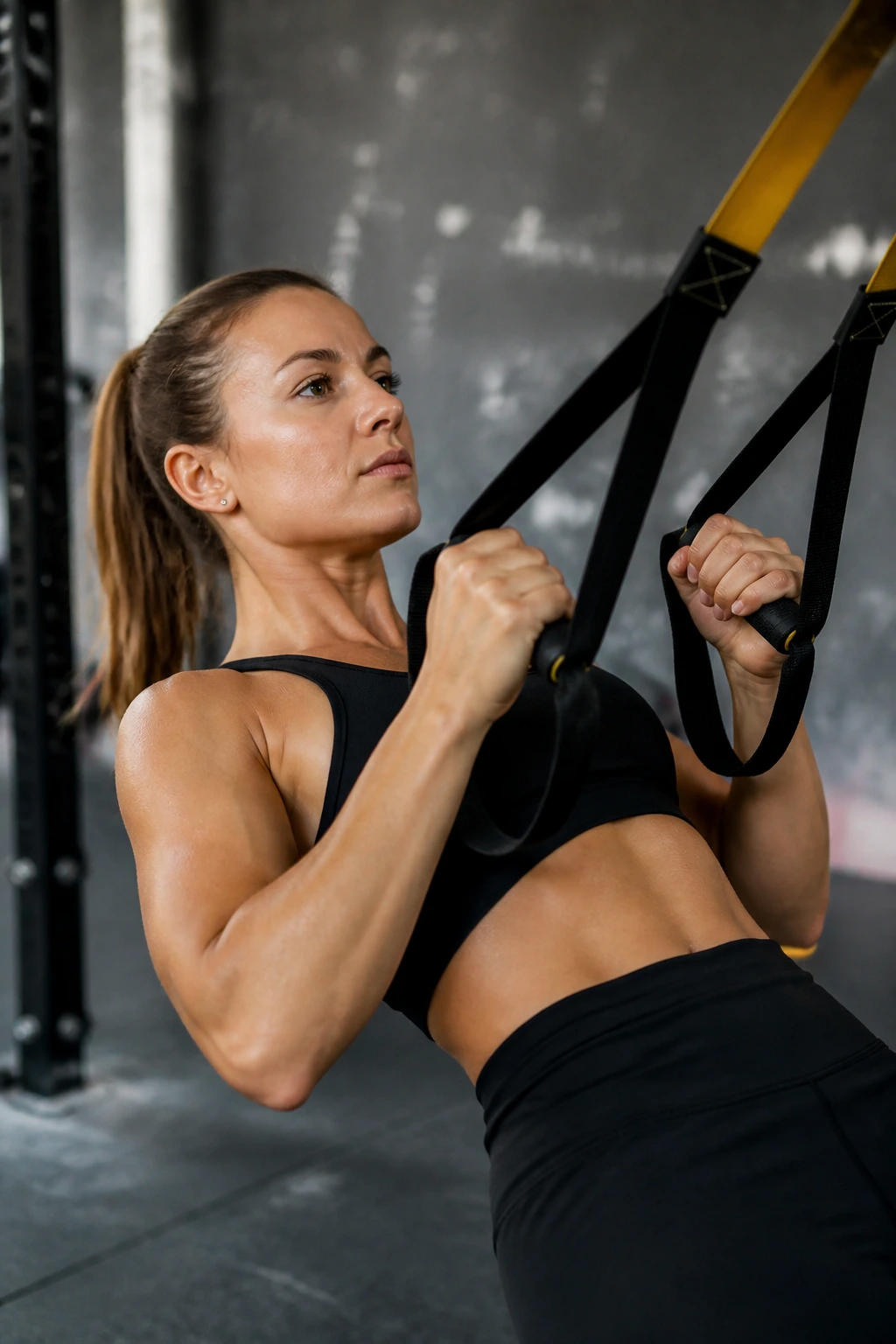
Suspension straps make bodyweight work honest.
The instability is not the point by itself. The point is that your body has to keep the ribs, hips, and shoulders lined up while the handles hang in space. Rows, push-ups, fallouts, fallout presses, hamstring curls, and pikes all get harder because the base of support keeps moving.
That makes suspension work a smart choice for core strength and shoulder control. A row on straps is not just a back exercise. It is a lesson in not twisting. A push-up on straps asks your chest and triceps to work while your torso refuses to wobble all over the place.
I like suspension training for people who need a joint-friendly option that still feels athletic. It travels well, it scales by foot position, and small changes in angle can change the challenge a lot. Move your feet forward six inches and the set changes. Not subtle. Useful.
18. Plyometric Strength Training
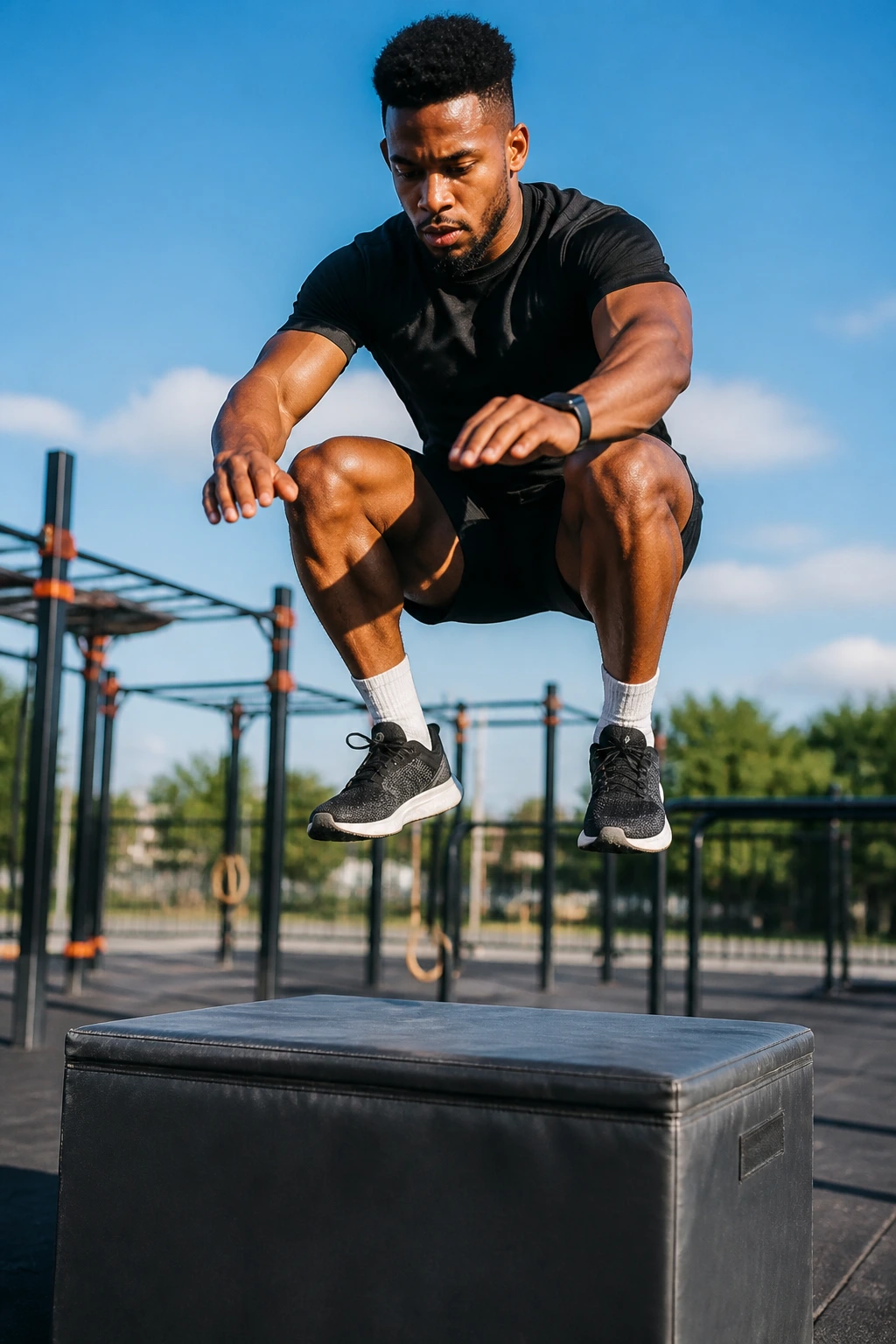
A jump squat is not a high-rep leg day in disguise.
Plyometric strength training is about producing force fast. Box jumps, bounds, jump squats, medicine ball throws, clap push-ups, and repeated hops all train power, not just raw muscle force. The reps stay low on purpose. Full recovery matters. If you turn plyos into a gasping endurance drill, the quality drops and the point gets lost.
Landing mechanics matter a lot here. Soft knees, stable hips, quiet feet. The rep is not done when you leave the ground; it ends when you stick the landing and keep the position clean. That’s where people get careless, and that’s where the knees tend to complain later.
This style works well for athletes, but it also helps general trainees who want more snap in their movement. Medicine ball throws are a nice entry point because they’re simple and less punishing than repeated jumps. Clean reps. Full intent. Then rest.
19. Eccentric Strength Training
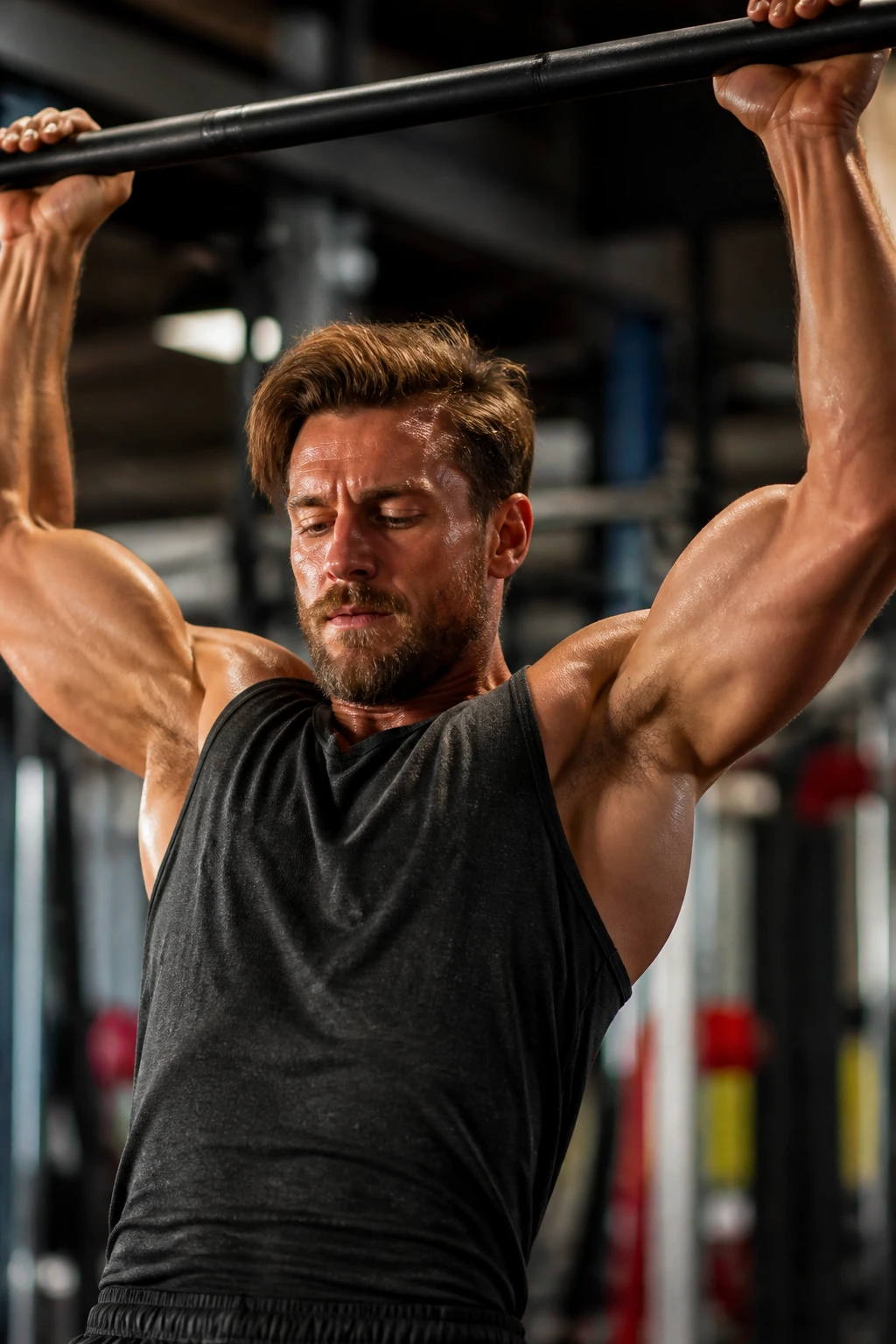
The lowering phase is where a lot of the work happens.
Eccentric training focuses on the part of the lift where the muscle lengthens under load. Slow negatives, assisted pull-up lowers, Nordic hamstring lowers, and controlled descents on presses or squats all fall into this category. People tend to underrate it because the lift’s “up” phase gets all the glory. That’s a mistake.
Eccentrics can build strength, tendon tolerance, and control. They also create soreness fast, especially when you load them hard or add too much volume too soon. That part is not glamorous. It is, however, real.
Use this style carefully. A few slow lowers can make a normal workout more productive. Too many can bury your legs for days. If you’re new to it, start with 3 to 5 second lowers and modest volume. The goal is not destruction. It’s control under load.
20. Contrast and Complex Training
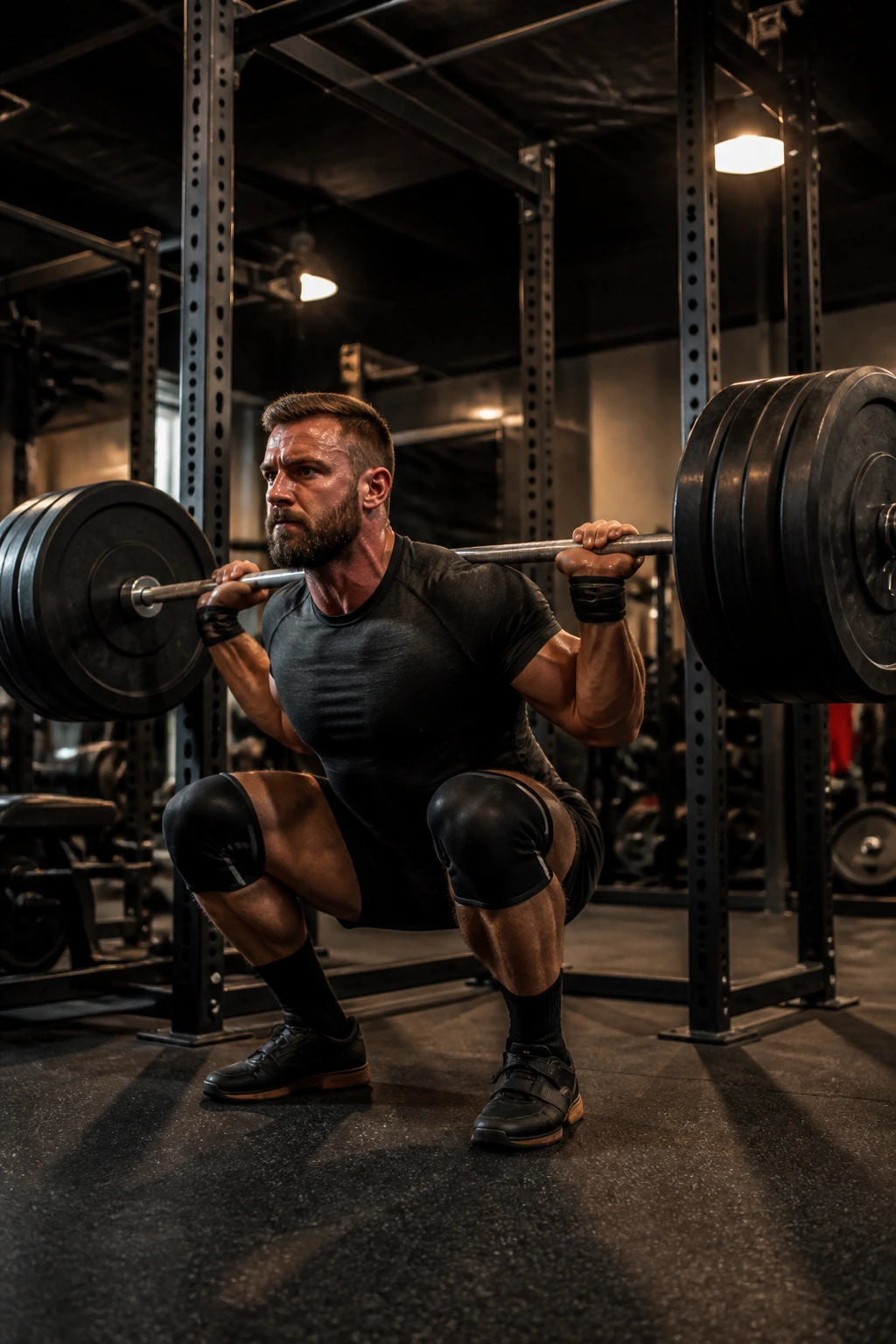
Contrast training pairs a heavy lift with an explosive one. A heavy squat set, then a set of jumps. A heavy bench, then a medicine ball throw. A hard pull, then a fast movement that borrows from the same pattern.
The reason people like this style is simple: the heavy set wakes up the nervous system, and the lighter explosive move uses that fresh drive while fatigue is still low. Timing matters. Rest matters more than people think. If you rush the transition, you just get tired. If you rest too long, the pairing loses its edge.
A Simple Pairing Pattern
- Heavy squat: 2 to 3 reps.
- Rest: 2 to 4 minutes.
- Jump squat or box jump: 3 to 5 crisp reps.
- Rest again before the next round.
This is a more advanced method than it looks. The quality has to stay high, or the session turns into a messy hybrid of strength work and tired jumping. Used well, though, it’s a sharp way to build power without abandoning heavy lifting.
Final Thoughts
The best strength training style is the one that matches the job in front of you. If you want raw numbers, barbells still earn their place. If you want cleaner joints, more balance, more speed, or a better work capacity base, the other tools matter more than people like to admit.
I’m partial to mixing one “main” style with one or two support styles. Heavy barbell work plus dumbbells. Or machines plus unilateral work. Or a power session early in the week and a carry or sandbag day later on. That combination tends to age better than doing the same thing forever.
And that’s the part most lifters figure out late: strength isn’t one quality. It has edges, weak spots, and useful weird corners. Train a few of them, and the whole picture gets better.
