



Belly fat does not care how many crunches you did yesterday. It changes when your daily habits line up — what you eat, how you move, how you sleep, and how much stress you carry around all day.
For women, that can feel especially annoying. Hormone shifts, desk work, skipped meals, late-night snacking, and all the usual life chaos can leave the waist looking softer even when the rest of the body seems unchanged.
The habits that help are not flashy. Protein at breakfast, a walk after meals, strength work that actually challenges you, fewer liquid calories, and sleep that does not bounce all over the place. Boring? Maybe. Effective? Yes.
1. Start the Day With Protein to Burn Belly Fat
A breakfast built around protein can calm the rest of the day. When you eat enough protein early, hunger tends to settle down, and you are less likely to wander into the kitchen an hour later looking for something crunchy, sweet, or both.
Aim for 25 to 35 grams of protein at breakfast if you can swing it. Eggs, Greek yogurt, cottage cheese, tofu scramble, smoked salmon, turkey sausage, and protein oats all work. The exact food matters less than the fact that it gives your body a real anchor instead of a sugar hit.
What a Real Protein Breakfast Looks Like
- 2 eggs plus ¾ cup Greek yogurt and berries
- A tofu scramble with vegetables and a slice of whole-grain toast
- Cottage cheese with sliced apple, cinnamon, and walnuts
- A protein smoothie with milk, protein powder, frozen fruit, and peanut butter
Coffee alone does not count. Neither does a muffin that disappears in five bites.
If you train early, protein breakfast gets even more useful. You will usually feel steadier in the gym and less likely to crash midmorning. That steady feeling matters more than people think, because random hunger is where a lot of waistline trouble starts.
2. Take a 10-Minute Walk After Meals to Burn Belly Fat
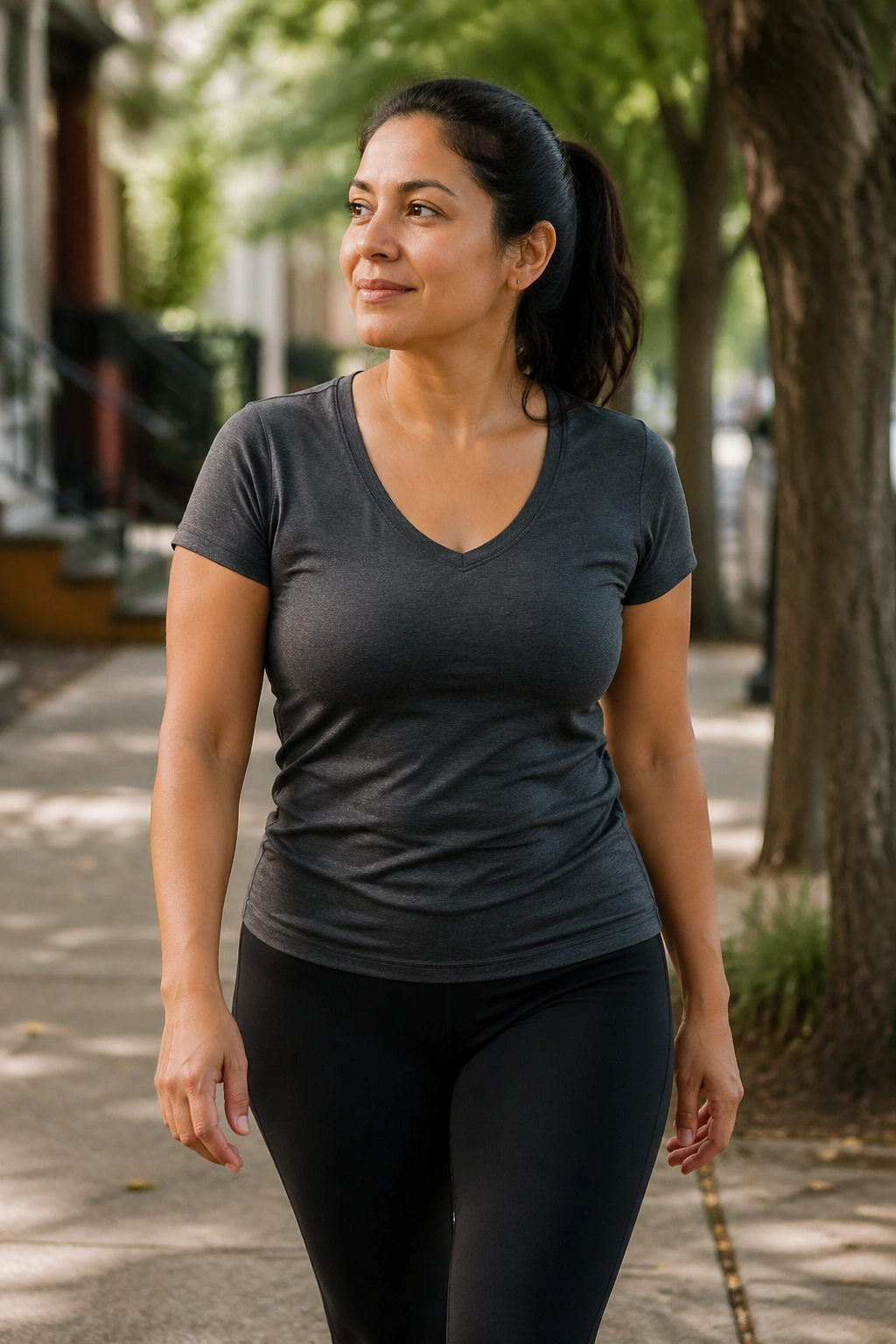
A short walk after eating is one of those habits that looks too plain to matter. Then you do it for a while and notice your afternoon energy is better, your digestion feels lighter, and the whole day stops feeling so sluggish.
You do not need a power walk. Ten minutes at an easy pace is enough. A loop around the block, a slow stroll with a phone call, a few laps inside the house during bad weather — all of it counts.
The reason this works is simple: moving after meals helps your muscles use some of the glucose you just ate, instead of leaving that job to your couch. It also puts a small dent in total daily movement, which is where fat loss often gets won or lost.
No gym clothes required.
If dinner is your biggest meal, protect that walk like it matters. It does.
3. Keep Your Step Count High Without Treating It Like a Workout
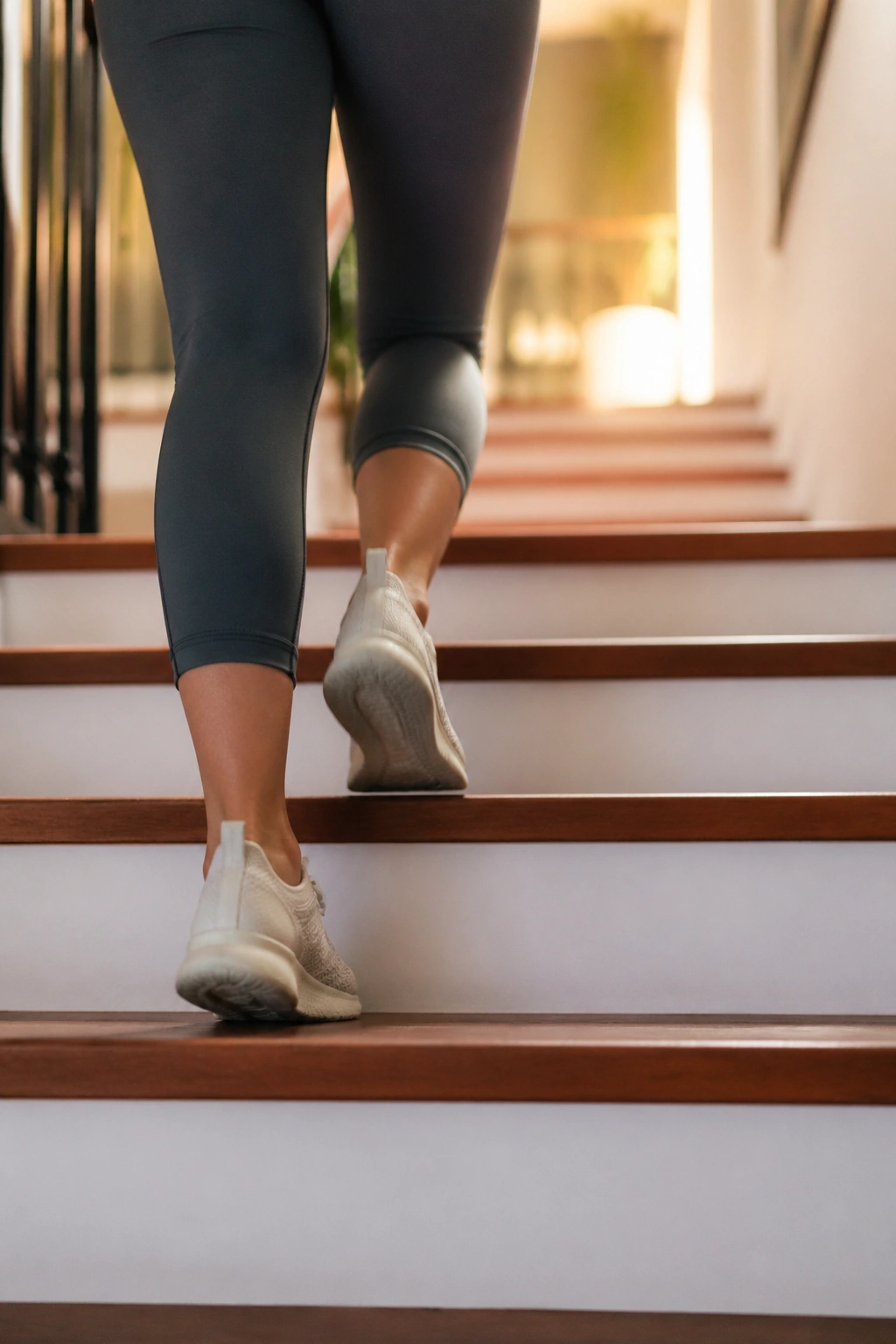
Why do steps matter so much if you already train? Because workouts are only part of the picture. The rest of the day — the walking, standing, pacing, errands, and little bits of movement — can swing calorie burn more than another hard session ever will.
A realistic target for many women sits around 8,000 to 12,000 steps a day, but the number matters less than the habit of not staying parked for hours. If your current average is low, add 1,500 to 2,000 steps first and build from there.
How to Get More Steps Without Making It a Project
- Park at the far end of the lot.
- Take phone calls while walking.
- Do a five-minute lap after each meal.
- Walk during one TV commercial break, or between episodes.
- Take the stairs for one or two floors when it makes sense.
The nice thing about steps is that they do not usually wreck recovery. You can add them without draining yourself the way another hard workout might. That makes them one of the most useful daily habits for trimming stubborn belly fat over time.
4. Lift Weights That Make the Last Two Reps Hard

Two women can do the same 30-minute gym session and get very different results. The one who uses a weight that actually challenges her body is the one who usually changes shape faster.
Strength training builds and keeps muscle, and muscle makes fat loss look better. It also helps you stay strong enough to keep moving outside the gym, which is where a lot of the calorie burn happens anyway. The mistake I see most often is people using weights that feel nice, not weights that ask anything real of the body.
Think squats, deadlifts, lunges, rows, presses, and hip hinges. Pick 4 to 6 big movements, do 2 to 4 sets of 6 to 12 reps, and choose a load that makes the last two reps slow but still clean.
A few solid reps beat a pile of fluffy ones.
If your form falls apart, the weight is too heavy. If you could chat through the whole set, it may be too light. The sweet spot is that awkward middle where you know the work is real.
5. Add Short Cardio Bursts That Push Your Heart Rate Up

Steady cardio has its place. So do short bursts that leave you a little breathless. The point is not to destroy yourself; the point is to give your body a reason to adapt.
A clean setup looks like this: 20 to 30 seconds hard, then 60 to 90 seconds easy, repeated for 6 to 10 rounds. You can use a bike, rower, incline walk, sled, hill, or even a fast bodyweight circuit if your joints like it. Once or twice a week is enough for most people.
The hard part should feel hard. Your breathing gets loud. Your legs notice. But you should still be able to recover before the next round starts.
Too many women turn interval work into a punishment session and then dread it. Bad trade. A focused burst is better than a sloppy marathon of misery.
Save these for days when you have energy in the tank. If you slept badly, had a stressful day, or already did heavy lifting, a brisk walk may be the smarter play.
6. Put Fiber on the Plate Before the Starch
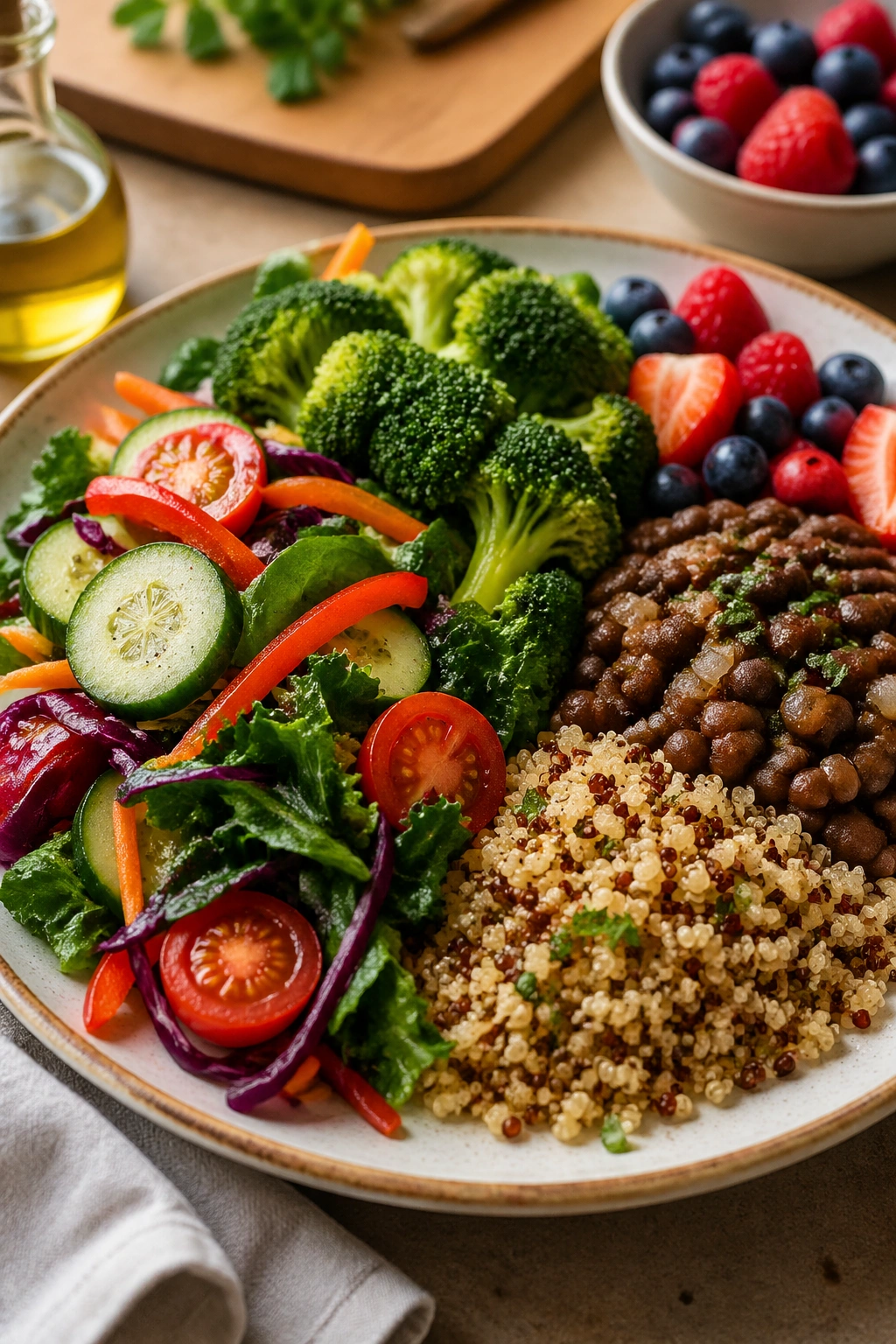
A plate built around fries, pasta, or bread tends to disappear fast. A plate that starts with vegetables, beans, fruit, and a decent piece of protein sits in the stomach longer and keeps hunger from clawing at you an hour later.
That is why fiber matters so much for belly fat loss. It slows down eating, helps meals feel more satisfying, and makes a calorie deficit easier to hold without white-knuckling every evening. You do not need a perfect macro plan to feel this effect. You just need a little more bulk from plants.
A Simple Plate Formula
- Half the plate: non-starchy vegetables
- One quarter: protein
- One quarter: starch or grain
- Add fruit or beans when the meal needs more staying power
Beans, lentils, chia seeds, berries, apples, broccoli, cabbage, and leafy greens do a lot of work here. They are not exciting in the flashy sense. They are useful, and useful wins.
If you tend to snack at night, check your dinner first. A meal that is too small on fiber often sets up the exact hunger spiral you are trying to avoid.
7. Drink Water Before You Reach for a Snack
Thirst and hunger blur together more than people like to admit. A dry mouth, a long afternoon, or a salty lunch can make you think you need food when you mostly need fluid.
Try 12 to 16 ounces of water before a snack, especially in the afternoon when energy dips and your brain starts talking about crackers. Wait ten minutes. Then decide. A lot of the time, the urge softens.
That does not mean water is magic fat loss juice. It isn’t. It just helps you slow down long enough to make a real decision instead of reacting to a random cue.
Plain water works fine. Sparkling water works too, if the bubbles help. If you hate it cold, drink it room temp. The habit matters more than the temperature.
Some women also do better with water before a workout, because being even a little behind on fluids can make the session feel harder than it should. Hard sessions are useful. Unnecessary drag is not.
8. Keep Sleep Times Steady, Even on Busy Nights

Can poor sleep affect belly fat? Yes, and not in a mystical way. Bad sleep tends to make you hungrier, more snacky, and less willing to move. It also makes hard workouts feel harder, which is a sneaky way to reduce consistency.
A useful target is 7 to 9 hours with a wake time that does not swing wildly from day to day. The exact bedtime matters less than the pattern. A body that knows when to expect sleep tends to cooperate better.
What a Workable Sleep Routine Looks Like
- Dim lights an hour before bed.
- Keep the room cool and dark.
- Stop scrolling when your brain starts feeling sticky.
- Cut caffeine in the early afternoon if sleep is fragile.
- Use the last 10 minutes for something boring: stretching, reading, or a shower.
A steady sleep schedule is not glamorous. Fine. Neither is watching your appetite wobble all over the place because you went to bed at wildly different times for half the week.
If your evenings are messy, protect the wake time first. That one move often makes the rest easier to clean up.
9. Cut Liquid Calories That Don’t Fill You Up
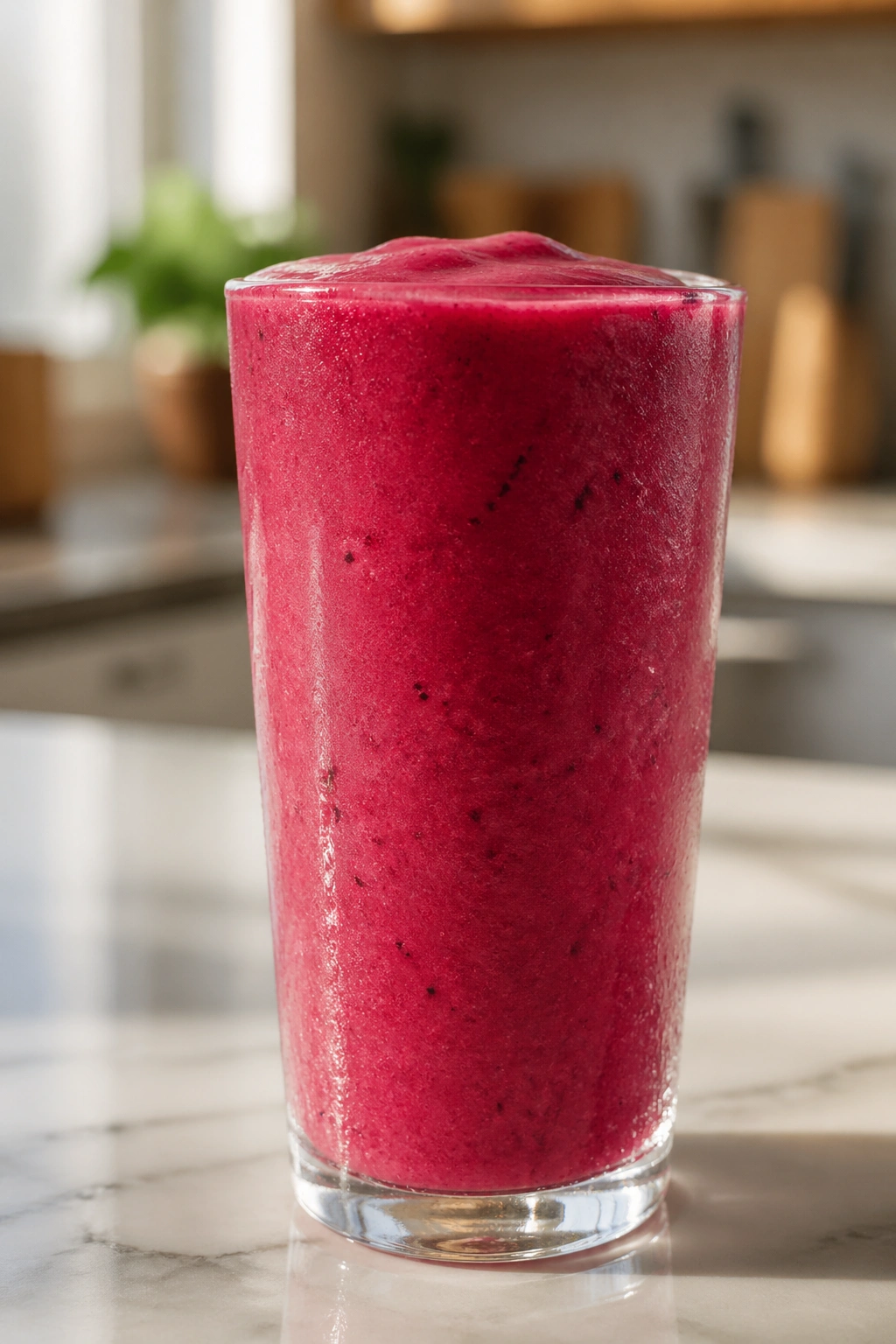
A latte with syrup, a big juice, a smoothie packed with extras, a few drinks at dinner — these are the calories that slip past fullness and land straight on the waistline if they show up often enough.
That does not mean you have to ban every fun drink. It means you pay attention to what is actually in the glass. A drink that takes 30 seconds to finish can carry the same calories as a full meal, and your stomach will not send you a thank-you note for it.
Easy Swaps That Save Real Calories
- Black coffee or coffee with a splash of milk instead of sugary coffee drinks
- Sparkling water with lime instead of sweet soda
- Unsweetened iced tea instead of bottled sweet tea
- A smaller pour of alcohol, or a few nights a week without it
- A protein smoothie with measured ingredients instead of a free-pour blender situation
Alcohol deserves its own warning. It can loosen food restraint fast, which is why a couple of drinks often turns into takeout or dessert. No drama, just physics and lowered judgment.
If your waist is stubborn, this is one of the first places I would look.
10. Use Stress Relief to Keep Belly Fat From Hanging On

Stress does not magically create belly fat overnight. That story gets told too casually, and it is sloppy. What stress does do is nudge appetite, sleep, recovery, and emotional eating in the wrong direction, which is enough to make fat loss feel stuck.
For women juggling work, family, social stuff, and everything else, the stress piece often hides in plain sight. You may not even feel “stressed” in a dramatic way. You just feel tired, wired, and weirdly hungry at 9 p.m. That counts.
Your nervous system is part of the fat-loss plan.
A five-minute downshift can help more than a complicated routine you never do. Try a slow walk with no phone, a breathing drill with long exhales, a quick journal dump, prayer, stretching, or sitting in the car for two quiet minutes before walking inside.
If the evening is where you fall apart, build a buffer there. A calmer close to the day often stops the snack spiral before it starts.
11. Stand Up and Move for Two Minutes Every Hour

Sitting for hours on end is brutal for daily energy burn. It also makes your lower back stiff, your hips cranky, and your brain slow enough to reach for snacks you did not need ten minutes earlier.
You do not need a giant movement break. Two minutes is enough to change the pattern. Do that eight times in a day and you have moved for 16 extra minutes without carving out a workout slot.
A No-Excuses Hourly Reset
- 10 bodyweight squats
- 20 calf raises
- A short hallway walk
- 30 seconds of marching in place
- A quick stretch for chest and hips
I like this habit because it feels almost too small to matter. Then you stack it with the rest of the day and realize it matters a lot. Small movement keeps the body awake, and an awake body handles fat loss better than a shut-down one.
If your job pins you to a chair, set a quiet timer. No need to make it a big event. Just move.
12. Make Core Work About Bracing, Not Endless Crunches
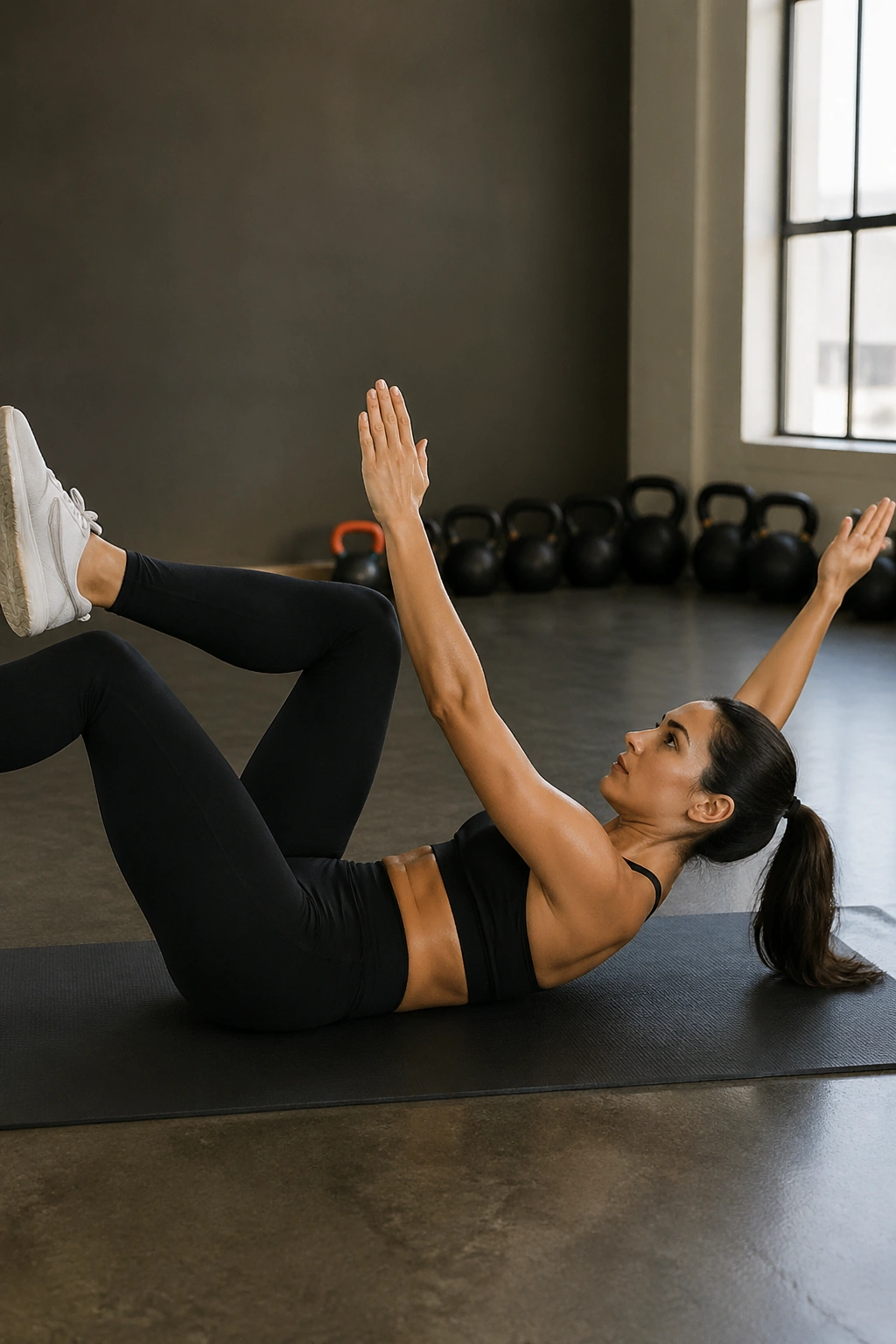
A stronger core is useful. A flatter stomach from a hundred crunches is not how this works. Those are not the same thing, and a lot of people waste time chasing the wrong one.
The core’s job is to stabilize your spine, brace under load, and help you move well in everyday life and in the gym. That means planks, dead bugs, bird dogs, suitcase carries, Pallof presses, and controlled side planks usually earn their place faster than endless sit-ups.
Moves That Punch Above Their Weight
- Dead bug: slow, controlled, back flat on the floor
- Plank: ribs down, hips level, no sagging
- Suitcase carry: one heavy dumbbell, tall posture
- Pallof press: resist rotation instead of twisting through it
Do core work two to four times a week, for 8 to 12 minutes, and move on. That is plenty for most people. The point is support, not punishment.
A stronger midsection can make your waist look tighter because you stand and move better. The fat loss still comes from the bigger habits, though. Crunches are not the main event.
13. Stop Eating When the Meal Still Feels Good

Most people wait too long to stop. By the time the plate is empty, they are past satisfied and into that heavy, sleepy, slightly annoyed zone where overeating starts feeling normal.
A better target is to stop when the meal still feels good, not when you are stuffed. That means the food tastes satisfying, your hunger is gone, and you could keep going only because it is there, not because you need it.
A Simple Stop-Eating Check
- Put the fork down halfway through and breathe once.
- Ask whether you are still hungry or just still eating.
- Wait 10 minutes before seconds.
- Notice when food starts tasting flat.
This habit sounds small because it is small. But small stops save a lot of calories over a week, and they do it without turning meals into a moral test.
Women who grew up cleaning their plates often need a little practice here. That is fine. You are not wasting food by stopping when your body has had enough. You are listening to it.
14. Plan Tomorrow’s Meals Before the Kitchen Gets Chaotic

The messiest eating often happens when the day goes sideways and there is no plan. Suddenly it is late, you are hungry, and every option sounds either boring or too much work. That is when random calories sneak in.
A three-minute evening plan fixes a lot of that. Pick breakfast, lunch, one snack, and the rough shape of dinner before bed. Write it down if that helps. The point is not perfection. The point is fewer decisions when you are tired.
The 3-Minute Check-In
- What will breakfast be?
- Where will lunch come from?
- What is the protein for dinner?
- Is there a snack that keeps me from raiding the pantry?
If you meal prep, great. If you do not, you can still pre-decide. A grocery list, a packed lunch, or even a note on the fridge can save you from eating whatever is easiest at 7:30 p.m.
This habit feels almost too ordinary to matter. It matters because tired brains make expensive choices.
15. Warm Up Long Enough to Train Hard

Skipping the warm-up often turns a good workout into a half-workout. The body feels stiff, the first few sets feel awful, and the session loses its edge before you get to the good part.
A decent warm-up does three things: raises body temperature, opens the joints you are about to use, and rehearses the movement with lighter load. That can take 5 to 8 minutes if you stay focused.
A Warm-Up That Earns Its Keep
- Walk, bike, or row for 3 minutes.
- Do 5 to 8 reps of hip hinges, arm circles, or bodyweight squats.
- Take 1 to 3 lighter practice sets before your working weight.
That is enough for many workouts. You do not need a marathon of foam rolling unless something is genuinely cranky.
A good warm-up often gives you better lifting numbers and cleaner form, which means more useful work in less time. That is the sort of boring efficiency that helps fat loss because it makes training repeatable.
16. Keep Recovery Days Active Instead of Parking on the Couch

Recovery day does not need to mean collapse. If you go from hard training to total stillness, your body can feel stale and your next session often starts with more resistance than it should.
Light movement is the sweet spot. Think 20 to 40 minutes of easy walking, gentle cycling, mobility work, or a relaxed yoga session. You should be able to talk in full sentences. If you are puffing, it is too much.
The goal here is not calorie burn in the dramatic sense. It is keeping the habit alive, helping blood flow, and making it easier to show up for the next real workout without feeling rusty.
There is a trap here, too. Some people turn recovery into another hidden workout and wonder why they never feel fresh. Skip that. Easy is the point.
If your schedule is packed, even two 10-minute walks can work. The body likes repeated low-stress movement more than people give it credit for.
17. Use a Simple Food Check-In Instead of a Perfect Log

Do you need to track every bite forever? No. But a short daily check-in can show you why belly fat is hanging on when you feel like you are “doing everything right.”
The best check-ins are plain. Write down what you ate, whether you got enough protein, how many steps you hit, whether alcohol showed up, and how hungry you felt in the evening. That is enough to spot patterns without turning dinner into homework.
What to Notice Each Night
- Did breakfast have protein?
- Did I get a real lunch, or did I graze all afternoon?
- Did I move after meals?
- Did stress push me into snacking?
- Was I short on sleep?
Patterns beat guesswork. That is the whole game.
You may notice that the days with the strongest cravings line up with the worst sleep. Or that your “healthy” snacks are bigger than you thought. Or that you eat fine all day and then fall apart after 8 p.m. That kind of honesty is useful. It lets you fix the real problem instead of blaming your willpower.
18. Make Post-Workout Protein a Habit, Not an Afterthought

After a hard workout, your body is ready for repair. Protein helps with that, and it also tends to keep appetite steadier later, which is handy if evenings are where you usually drift off plan.
A solid target is 25 to 35 grams of protein within a couple of hours after training. A shake, a chicken wrap, skyr with fruit, eggs, tuna, tofu, tempeh, or a turkey sandwich all fit the bill.
If you train hard and then wait six hours to eat, you may come home feeling twice as hungry as you expected. That is when a little planning helps. Keep something ready so you do not end up standing in front of the fridge picking at random things.
Protein after training is not a fat-burning trick. It is a recovery habit. Recovery keeps training better, and better training tends to help body composition over time. That chain matters.
Carbs can belong here too, especially after interval work or lifting. They help refill muscle fuel, which is one reason a balanced post-workout meal usually feels better than a pure protein-only snack.
19. Trim the Little Extras That Add Up Fast
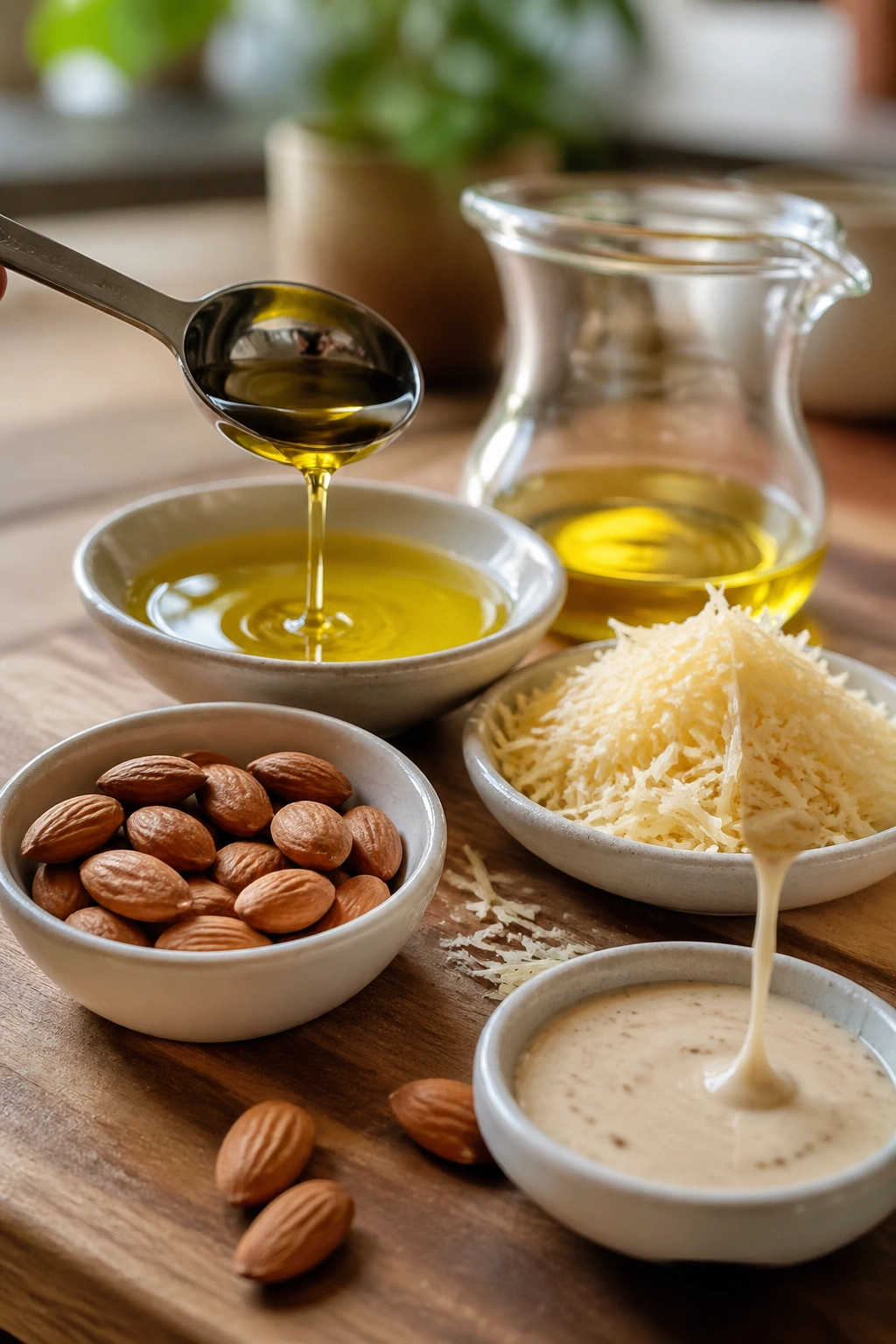
The weird thing about fat loss is that the obvious meals are not always the problem. It is the little extras — a splash of oil here, a handful of nuts there, bites from your kid’s plate, sauces poured without measuring, cheese sprinkled like confetti.
Those things matter because they are easy to ignore. A tablespoon of oil, a heavy pour of dressing, or a double serving of peanut butter can turn a tidy meal into a calorie bomb without making you feel any fuller.
Where Calories Hide
- Cooking oil used “by eye”
- Creamy dressings
- Nuts and trail mix eaten straight from the bag
- Cheese added on autopilot
- Taste-testing while cooking
- Finishing food that was meant for someone else
The fix is not to become obsessive. It is to be aware for a couple of weeks. Use a measuring spoon. Put snacks in a bowl. Keep sauces on the side. Pre-portion nuts instead of eating from the bag in the car.
This is boring work. I know. It also works because it trims the stuff you barely notice, which is exactly where a lot of stubborn belly fat hangs around.
20. Measure Your Waist and Watch Belly Fat Loss in Real Life

The scale is noisy. Water, sodium, soreness, sleep, and the normal ups and downs of a woman’s cycle can all push it around without telling you much about actual fat loss.
A waist measurement gives you cleaner feedback. Use a soft tape measure once a week, at the same spot each time, relaxed and after a normal exhale. Many people use the navel or the narrowest point of the waist. Pick one and stay consistent.
The real win is not a single number. It is the pattern. Jeans fit a bit easier. Your midsection feels less puffy. Your lifts improve. You can walk farther before feeling winded. Those signs usually matter more than a random weigh-in that got hit by salt or a rough night of sleep.
For women especially, that steadier view can save a lot of frustration. Some weeks the waist changes before the scale does. Some weeks the opposite happens. If you only look at one number, you miss the story.
Keep the habits simple enough to repeat. That is where belly fat loss happens — not in perfect days, but in ordinary ones stacked one after another.
