



The belly that shows up after 40 is stubborn for a reason. It is not a moral failure, and it is not proof that your body has stopped cooperating. More often, it is the result of slower muscle loss, less movement, sleep that has slipped a little, stress that keeps hanging around, and habits that used to be harmless but now add up fast.
Crunches do not fix that. Neither does eating like a bird all day and then raiding the kitchen at 9 p.m. If you want to lose belly fat for women over 40, the real levers are boring in the best possible way: enough protein, heavier strength work, better sleep, fewer liquid calories, and a tighter grip on the snacks that sneak in between meals.
Your waist also tells a better story than the scale. Clothes fit, belly softness, afternoon energy, and how you feel when you bend, twist, or climb stairs all matter. Some of the changes below are small. Small is fine. Small is often what sticks.
1. Stop Trying to Spot-Reduce Your Belly
Crunches can build a stronger midsection. They do not pull fat off your stomach in a straight line.
That one idea saves a lot of wasted effort. Belly fat loss for women over 40 works the same basic way as fat loss anywhere else: your body taps stored energy when your intake and output line up over time. If your waist is the main goal, the workout has to support the whole system, not just torch your abs until they burn.
What actually changes the waist
A smaller waist usually comes from a mix of overall fat loss, better muscle retention, and more daily movement. A strong core still matters. It helps you stand taller, brace better, and avoid that slumped look that makes the middle seem softer than it is.
- Keep strength training in the plan.
- Walk more than you think you need.
- Eat in a way you can repeat on ordinary Tuesdays.
- Sleep enough that hunger does not run the house.
One sentence version: your belly shrinks when the rest of your routine starts pulling in the same direction.
2. Put Protein on the Plate Early
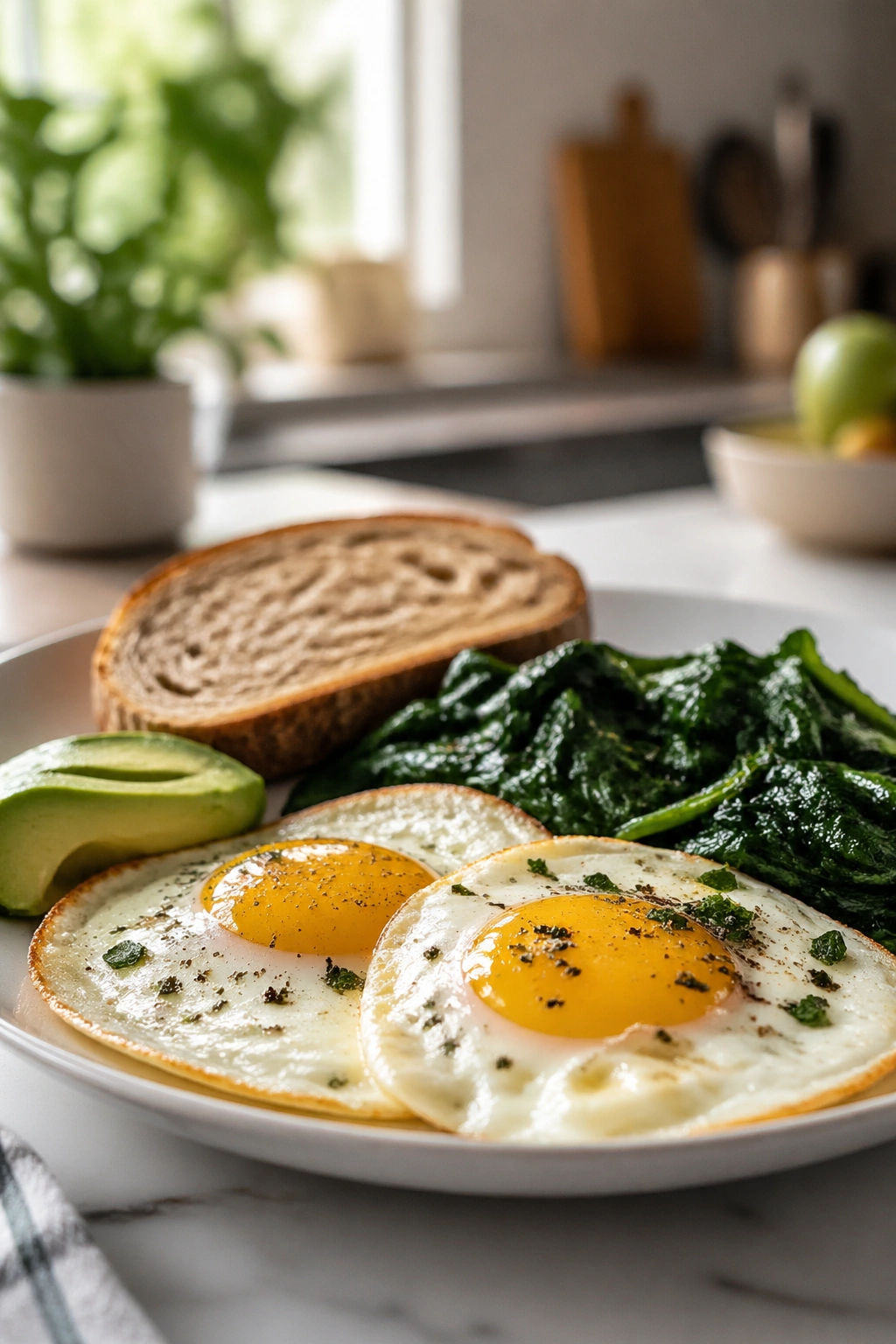
A protein-poor breakfast is one of the fastest ways to get dragged into snack chaos later.
Women over 40 often do better when breakfast gives them a real anchor: eggs, Greek yogurt, cottage cheese, turkey, tofu, or a protein smoothie with enough substance to count. Aiming for 25 to 35 grams of protein at breakfast is a useful target for many people, and it tends to calm the mid-morning raid on the pantry.
That does not mean breakfast has to be huge. It just has to do a job.
A few easy ways to build it:
- Two eggs plus egg whites, sautéed greens, and toast
- Greek yogurt with berries, chia, and walnuts
- Cottage cheese with sliced peach or tomato
- Protein oats made with milk and topped with seeds
If mornings are rushed, pick one breakfast and repeat it for a week. Boring beats chaotic. Every time.
3. Lift Weights That Feel Heavy Enough

If the dumbbells feel cute, they are probably too light.
That sounds blunt because it is. After 40, losing belly fat gets easier when you protect muscle, and you protect muscle by asking it to do something hard. You do not need to train like a bodybuilder. You do need to squat, hinge, push, pull, and carry weights that make the last two reps feel honest.
Why muscle matters after 40
Muscle helps burn more energy at rest than fat does, and it also changes how your body looks as the weight comes off. A woman with more muscle around the shoulders, back, glutes, and legs often looks leaner at the same body weight because the frame holds better.
Focus on movements like:
- Squats or sit-to-stands
- Romanian deadlifts
- Rows
- Overhead presses
- Farmer carries
Two to four strength sessions a week is a solid range. If you leave every workout feeling fresh enough to chat for an hour, you may want a little more challenge.
4. Walk After Meals
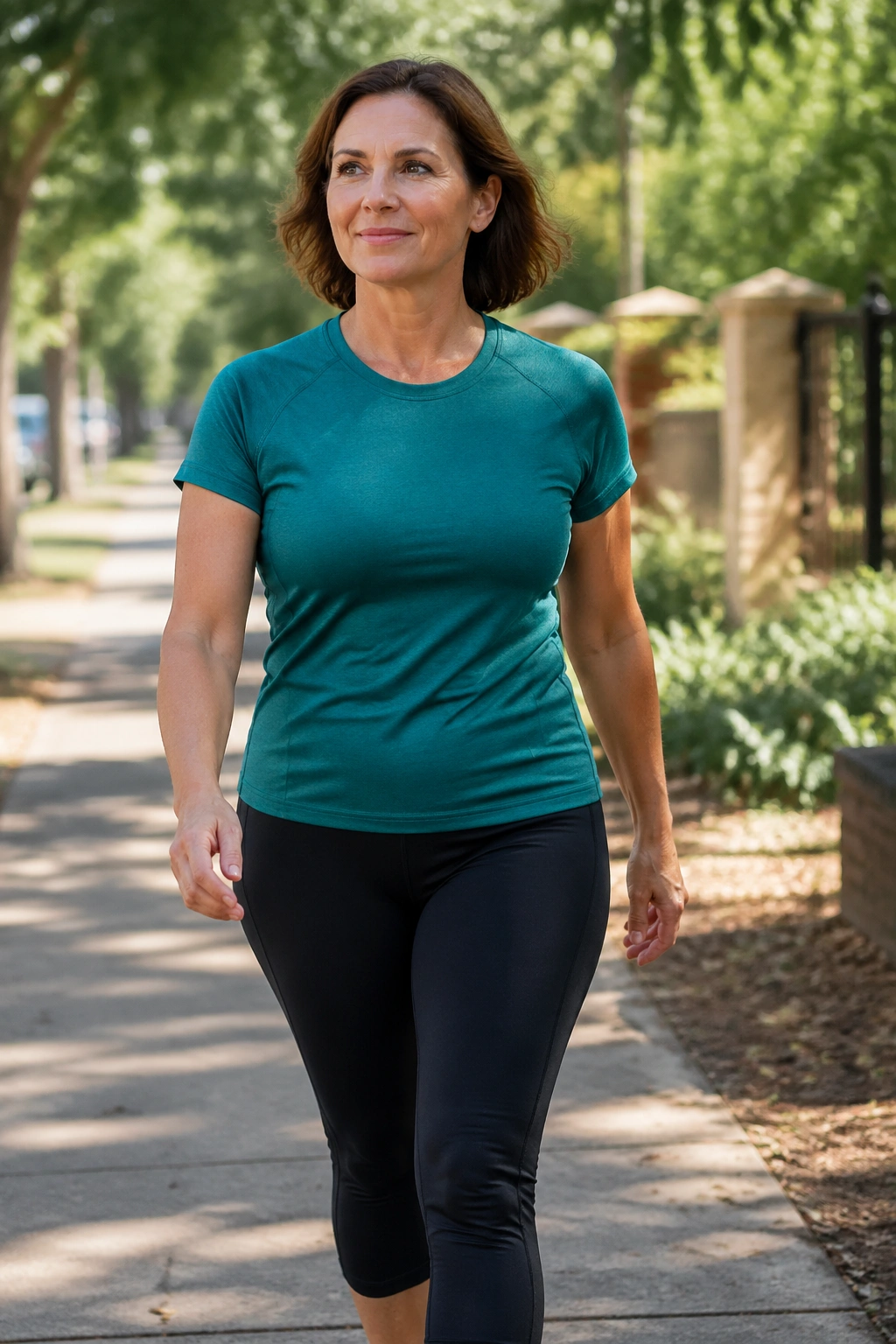
A 10-minute walk after lunch or dinner is almost comically simple, which is part of why people skip it.
Then they wonder why the middle stays sticky. Post-meal walking helps use the glucose from that meal, and it adds movement without the stress spike that can come from trying to “work off” dinner with a punishing workout. It also gives your brain something else to do besides hunt for dessert.
I like this habit because it fits real life. You can walk the block. You can pace the driveway. You can do laps around the office building if your day is parked at a desk.
Make it easy to repeat
- Walk for 10 to 15 minutes after your biggest meal.
- Keep the pace brisk, not breathless.
- Use a phone call if the walk feels dull.
- If the weather is ugly, march indoors while you fold laundry or tidy the kitchen.
A small walk done five days a week beats a heroic workout you dread.
5. Cut Liquid Calories First
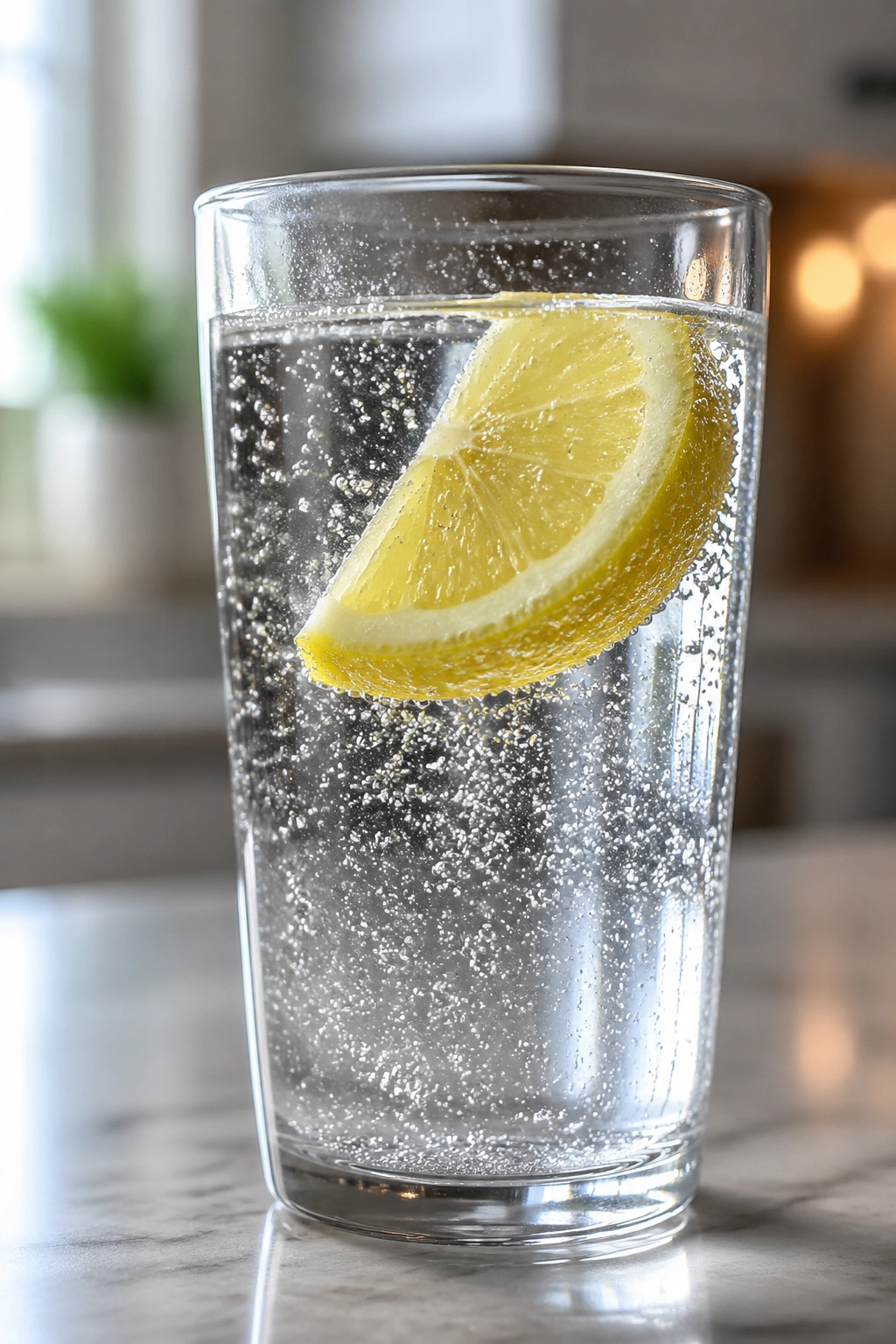
Liquid calories are sneaky because they do not look like much. They go down fast, taste good, and leave almost no trace in your stomach.
That’s why sweet coffee drinks, juices, fancy cocktails, and big pours of wine can quietly stall belly fat loss for women over 40. Solid food usually gives you some chewing time and a little fullness. Drinks rarely do. A 400-calorie beverage can disappear in four minutes and leave you hunting for a snack an hour later.
Start here if your drinks are doing damage:
- Swap soda for sparkling water with lemon
- Switch creamy coffee drinks to coffee with milk and cinnamon
- Keep juice for small servings, not giant glasses
- Choose one cocktail instead of a running tab of them
You do not need to ban every drink forever. Just stop pretending drinks are free.
6. Keep Fiber High
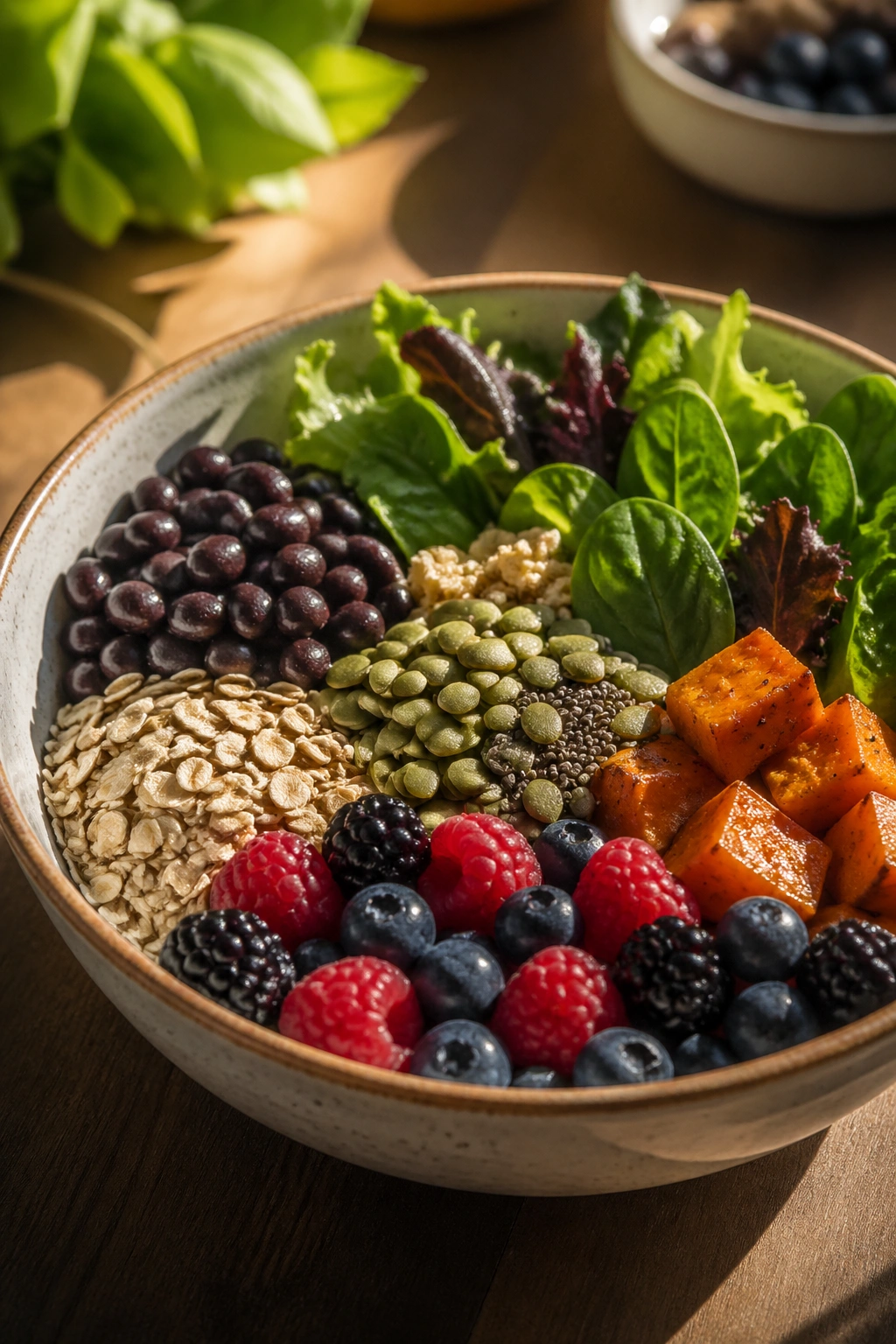
Fiber is one of the easiest ways to make a calorie-controlled day feel less miserable.
It slows digestion, helps meals feel more satisfying, and gives your plate some volume without piling on energy. A lot of women do well aiming for 25 to 35 grams a day, but the exact number matters less than the habit of building meals around vegetables, beans, berries, oats, seeds, and whole grains.
Easy ways to get there
- Add chia or flax to yogurt
- Put beans in soups, salads, and chili
- Use berries instead of juice
- Start dinner with a vegetable side
- Choose oats or whole grain toast when they fit the meal
Go up gradually. A sudden jump can leave you bloated and annoyed, and nobody sticks with a plan that makes jeans feel tighter in the wrong way.
7. Sleep Like It Matters to Fat Loss

Short nights make the waistline harder to manage.
One bad night is annoying. Several short nights in a row can crank up hunger, lower patience, and make the drive-thru look spiritually necessary. Sleep affects appetite, training quality, and the kind of snacking that happens because you are tired, not because you are hungry.
A decent target for many adults is 7 to 9 hours. The exact sweet spot varies, but the pattern matters. If you go to bed late, wake early, and lean on caffeine to stay upright, your body usually starts asking for fast energy somewhere else.
A few fixes that actually help:
- Keep the bedroom cool and dark
- Stop screens a little earlier if they keep your brain buzzing
- Cut caffeine late in the day
- Get daylight in your eyes soon after waking
The boring sleep habits are the ones that pay the rent.
8. Treat Stress Like a Waistline Issue

High stress does not magically create belly fat, but it absolutely makes fat loss harder to live with.
Stress changes behavior before it changes biology. You skip meals, then overeat. You sleep badly, then crave sugar. You sit more, move less, and feel too fried to cook. That is where the waist starts to drift.
You do not need a perfect life. You need a pressure-release valve.
A few fixes that calm the system
- Take 5 slow minutes to breathe before dinner
- Walk without your phone once a day
- Put one small boundary around work or family chaos
- Write down the food problem before it turns into a binge
The goal is not to eliminate stress. That is fantasy. The goal is to stop letting stress run your hands, your plate, and your sleep.
9. Use a Modest Calorie Deficit
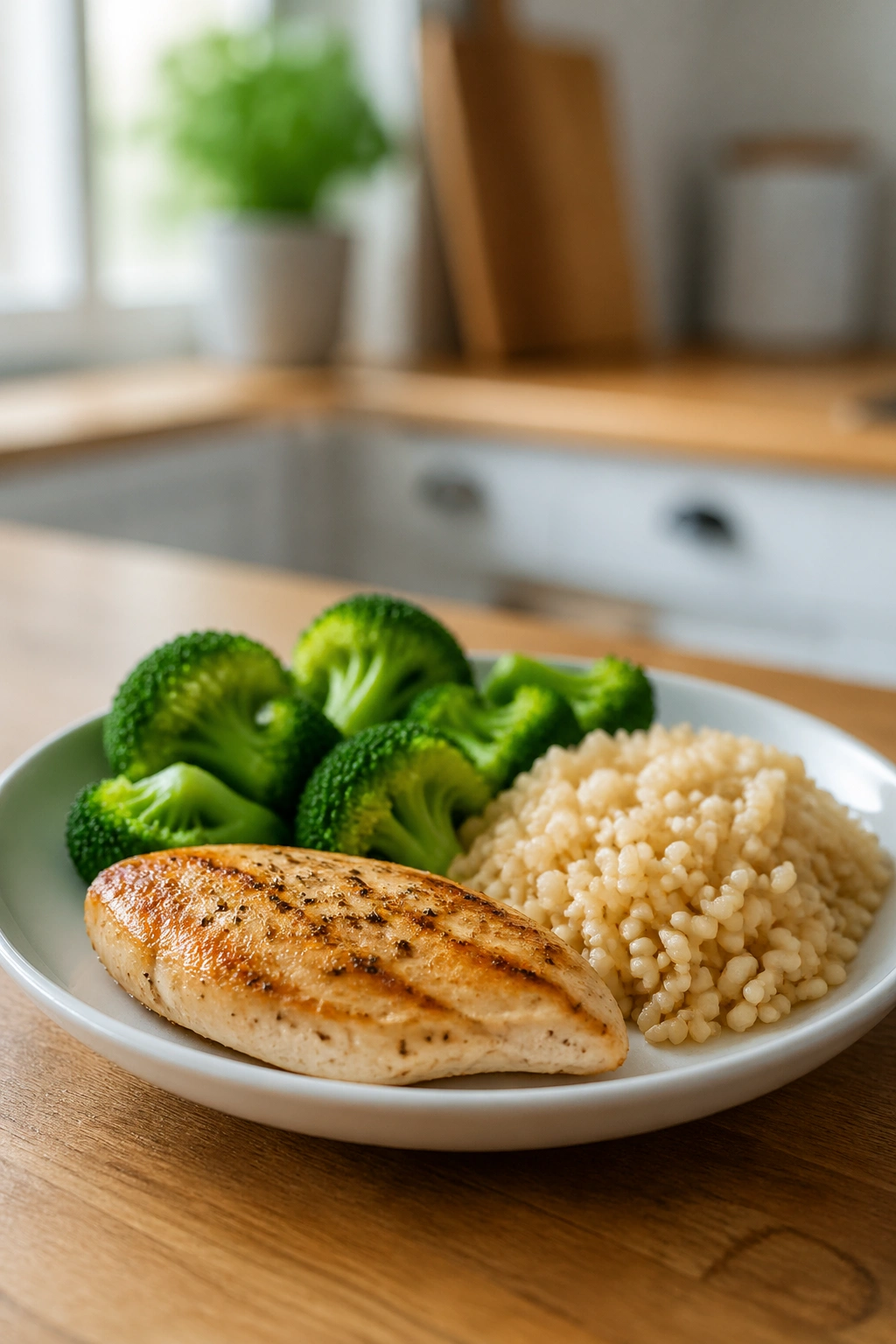
Crash diets are a bad bargain.
They can strip water, flatten energy, and make you look smaller for a minute before hunger catches up and everything rebounds. A modest deficit — think small enough to live with, large enough to matter — is usually the more useful approach for women over 40 who want to lose belly fat and keep their muscle.
If your calories are too low, your workouts suffer, your mood gets chippy, and every snack starts sounding like a rescue mission. That is not a fat-loss plan. That is a short fuse.
A good deficit usually feels like this:
- You are a little hungry before meals, not ravenous
- You can still train
- You are not fantasizing about bread by 3 p.m.
- Your waist trends down over weeks, not days
If the plan feels punishing, it is probably too aggressive. Trim a little, not a lot.
10. Stop Grazing All Day
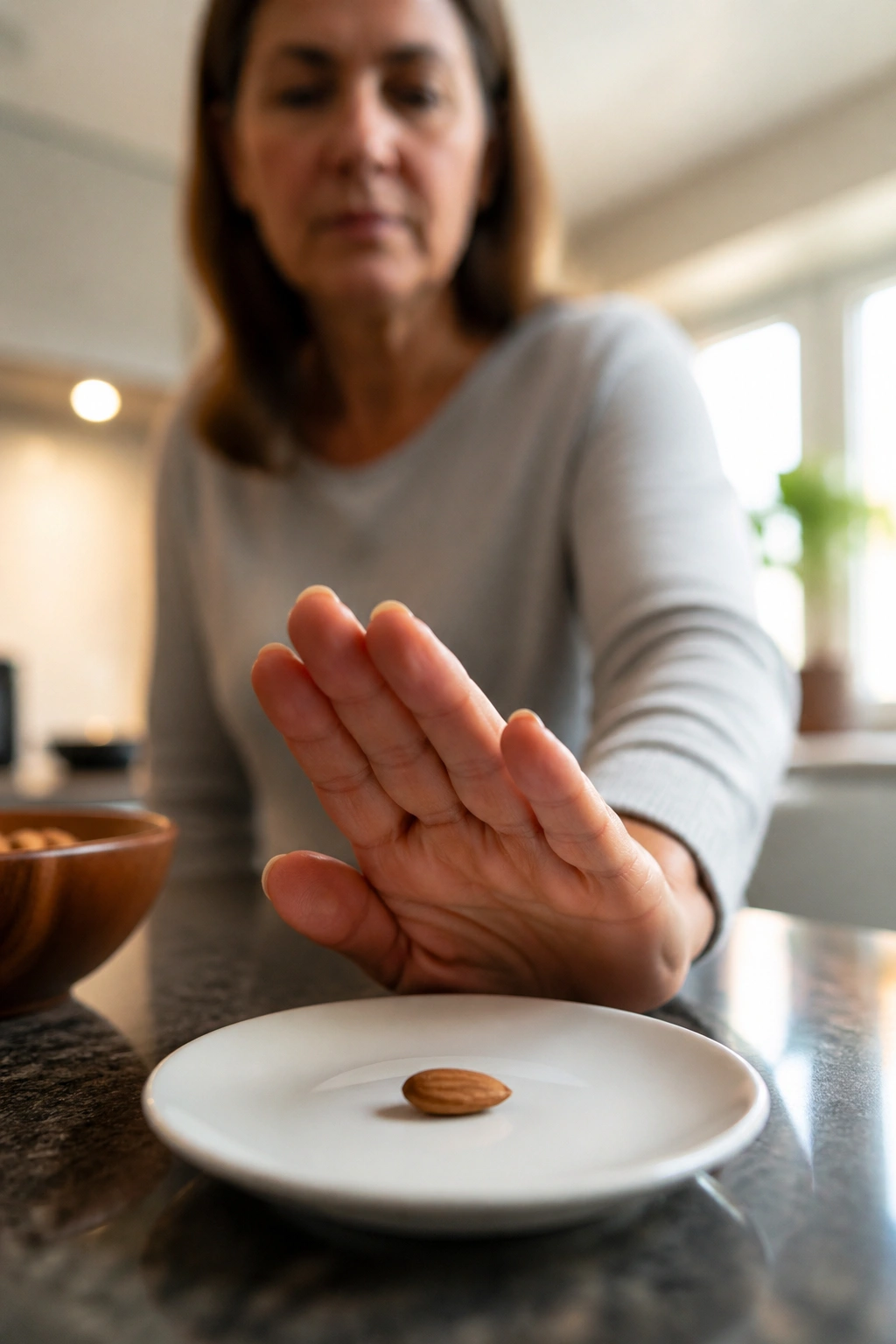
Grazing is how a “healthy” day turns into a calorie fog.
A few almonds here, a slice of cheese there, a spoonful of peanut butter while you wait for dinner — none of it feels dramatic. Then the total is a mess. Women over 40 often do better when eating is a little more intentional and a little less automatic.
Make snacks a decision, not a reflex
- Eat from a plate or bowl, not the bag
- Choose one planned snack instead of five random bites
- Put high-calorie foods out of sight
- Ask whether you are hungry, tired, or bored
I’m not anti-snack. I’m anti-mindless snack. That habit alone can shave off enough energy to matter at the waist.
11. Choose Carbs on Purpose
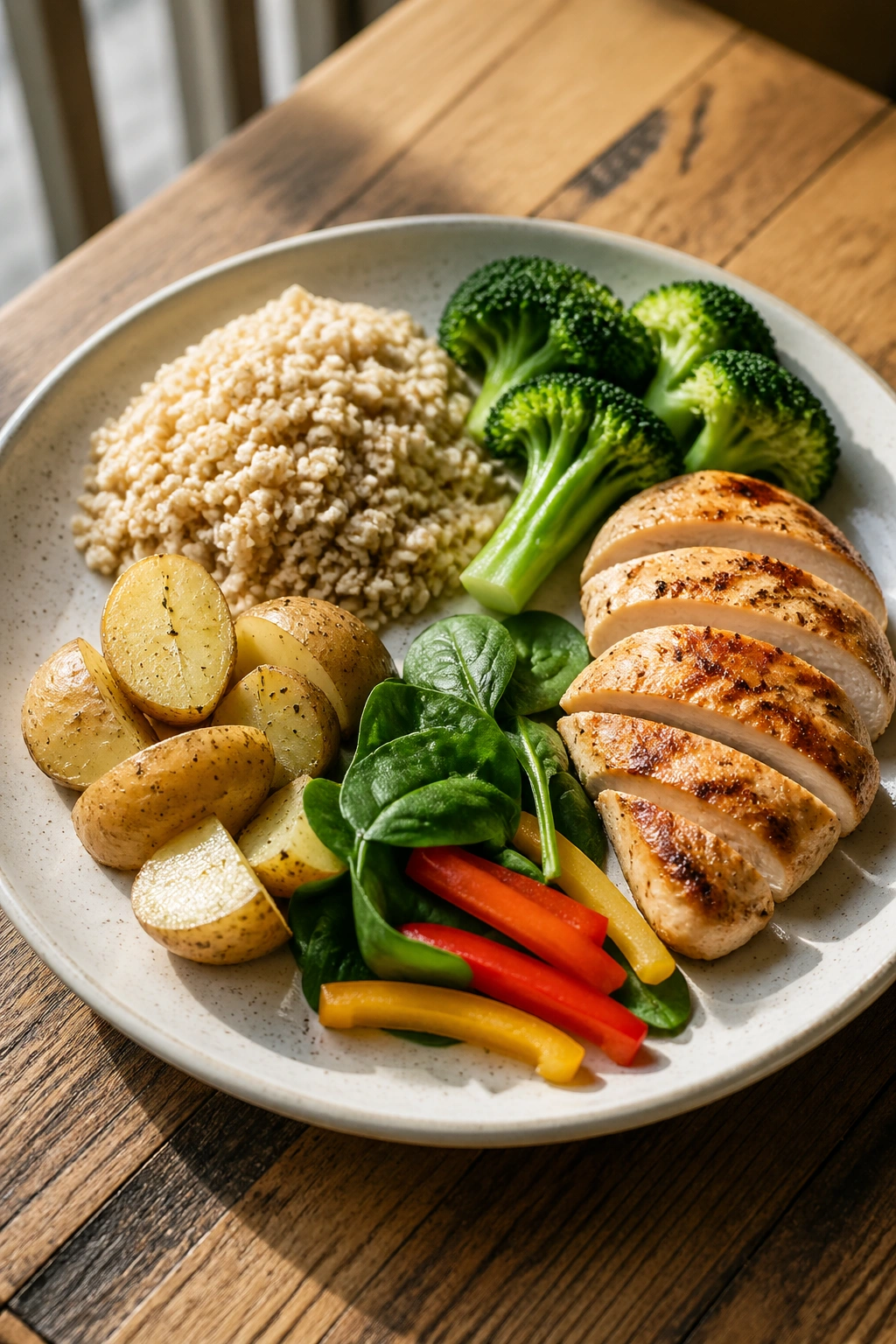
Carbs are not the enemy. Random carbs are the problem.
A cinnamon bun at 10 a.m. and a bowl of oats after a workout are not the same thing, even if both are technically carbs. For belly fat loss, carbs work better when they support training, provide fiber, and come with some staying power. Think potatoes, oats, fruit, rice with protein, beans, and whole grains in reasonable portions.
The mistake is not eating carbs. The mistake is eating them without a plan, then acting surprised when you are hungry again an hour later.
A smarter plate looks like this:
- Protein first
- Vegetables or fruit next
- Carbs added for energy, not just habit
- Sauce and toppings measured instead of guessed
You do not need to fear bread. You do need to stop letting bread drive the bus.
12. Use Intervals Sparingly

Do you need brutal HIIT sessions to lose belly fat? No.
Intervals can help with fitness and calorie burn, but they are not magic, and they are not the right tool every day. If you are already stressed, sleeping badly, or lifting hard, too much high-intensity work can leave you hungrier and more tired than you started.
When intervals help
Use them when you recover well and actually like the format. A 10- to 20-minute bike interval session, a few hard stair bursts, or short run-walk intervals can fit nicely once or twice a week.
If you hate them, skip the drama. Brisk walking, strength training, and steady movement work better than a workout you dread and then avoid.
The best cardio is the kind you will repeat next week.
13. Train Your Core for Posture and Bracing

A flat-looking midsection is not only about fat. It is also about how you hold yourself.
Core training does not melt belly fat, and anyone promising that is selling you something. What it can do is help you brace, stand taller, and keep your ribs and pelvis stacked better. That makes the waist look neater and the back feel less cranky.
Try movements that teach control instead of endless sit-ups:
- Planks
- Dead bugs
- Bird dogs
- Pallof presses
- Farmer carries
A woman who can brace well under load often moves better everywhere else too. That matters more than chasing a burn in the abs for 12 straight minutes.
14. Measure Your Waist Weekly
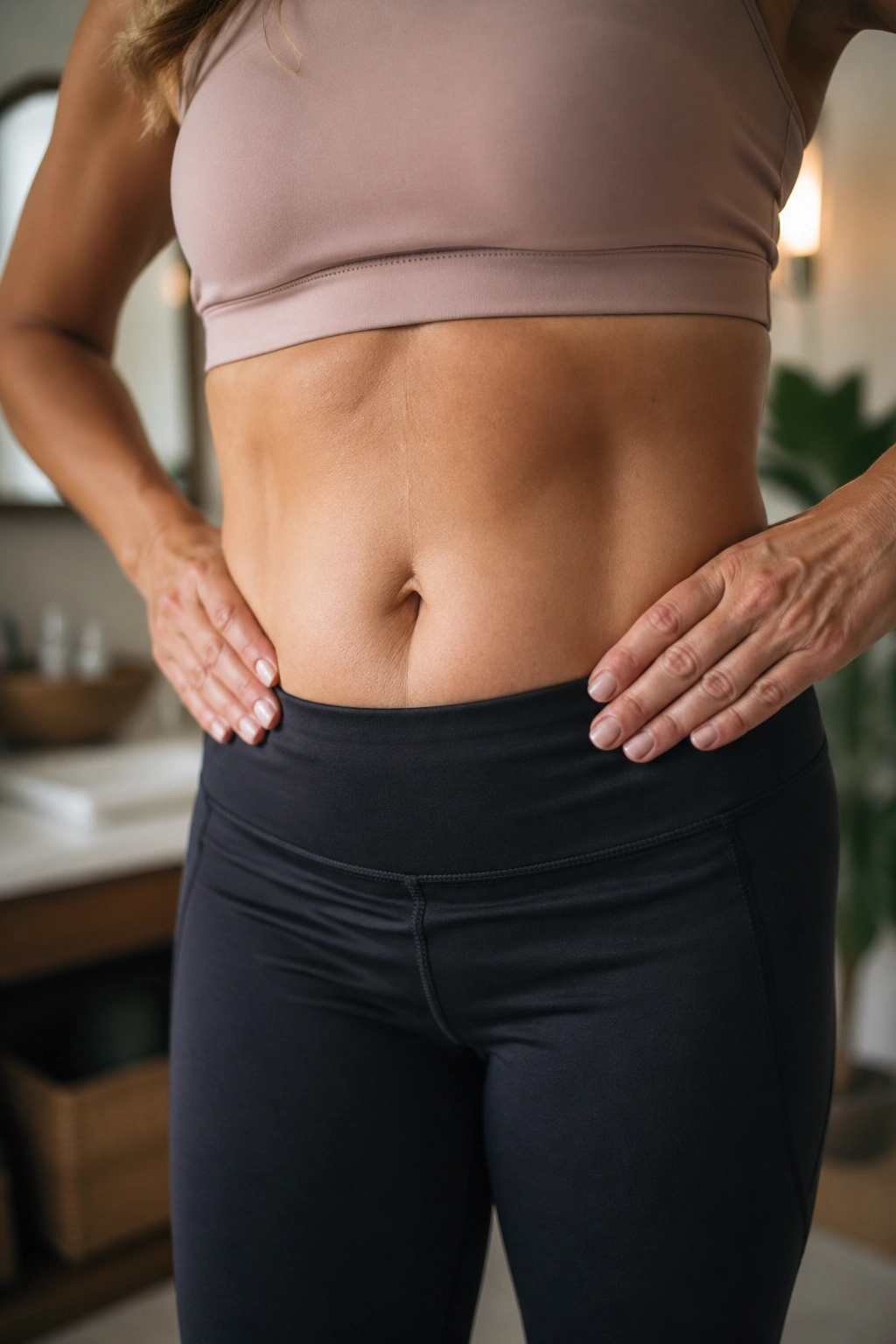
The scale has a talent for telling half the story.
Water, hormones, sodium, sore muscles, and bowel movements can all push your body weight around. Your waist measurement gives you a cleaner read on whether belly fat is moving. Measure once a week, in the same spot, under the same conditions, and stop eyeballing it from three different angles in bad lighting.
Take the tape at the navel, or use the same spot every time if you prefer the narrowest point. Do it in the morning, after the bathroom, before breakfast.
Small changes matter here:
- Half an inch down is a real win
- Clothes fitting looser counts
- Progress that looks slow on the scale may still show up in the waist
Your body is not a spreadsheet, but a tape measure is still useful.
15. Make Alcohol the Rare Event

Alcohol is not just empty calories. It tends to lower restraint and invite extra snacking.
That’s the nasty little combo. A glass of wine can turn into cheese, chips, dessert, and the shrug that says the day is gone anyway. If you are trying to lose belly fat for women over 40, alcohol is one of the first places to trim because it often affects both intake and sleep.
A few clean rules help:
- Pick one drink before you go out
- Alternate every alcoholic drink with water
- Save alcohol for occasions, not default evenings
- Keep the pour smaller than the glass
I’m not telling you to live like a monk. I am saying that regular drinks often cost more than people think, especially around the middle.
16. Eat Earlier and Lighter at Night

A giant late dinner can sit like a brick.
It is not just about calories. Big late meals often mess with sleep, and bad sleep makes the next day harder to manage. If your schedule allows it, shifting dinner earlier — or at least making it lighter — can help your waist and your energy at the same time.
Aim for a plate that feels done, not stuffed. Protein, vegetables, and a moderate carb portion usually work better than a pile of everything.
If you get home late, use this pattern:
- Protein first
- Cooked vegetables or salad
- A smaller starch portion
- Dessert only if it is planned, not automatic
Heavy, greasy, late-night eating has a way of showing up the next morning as bloating and regret. No mystery there.
17. Build a Better Snack List

A bad snack list is how the fridge wins.
When hunger hits at 4 p.m., you need options that are fast, filling, and not loaded with calories you did not mean to eat. Women over 40 often do well with snacks that lean protein-heavy and do not require a lot of brainpower.
Think in pairs and portions:
- Greek yogurt plus berries
- Apple slices with string cheese
- Boiled eggs and carrots
- Cottage cheese and cucumber
- Edamame with salt
- Tuna on whole-grain crackers
The point is not to snack more. The point is to stop treating snacks like a scavenger hunt. If the good stuff is ready, you are far less likely to wind up standing in the kitchen with a spoon and a jar.
18. Don’t Let Healthy Fats Run Wild
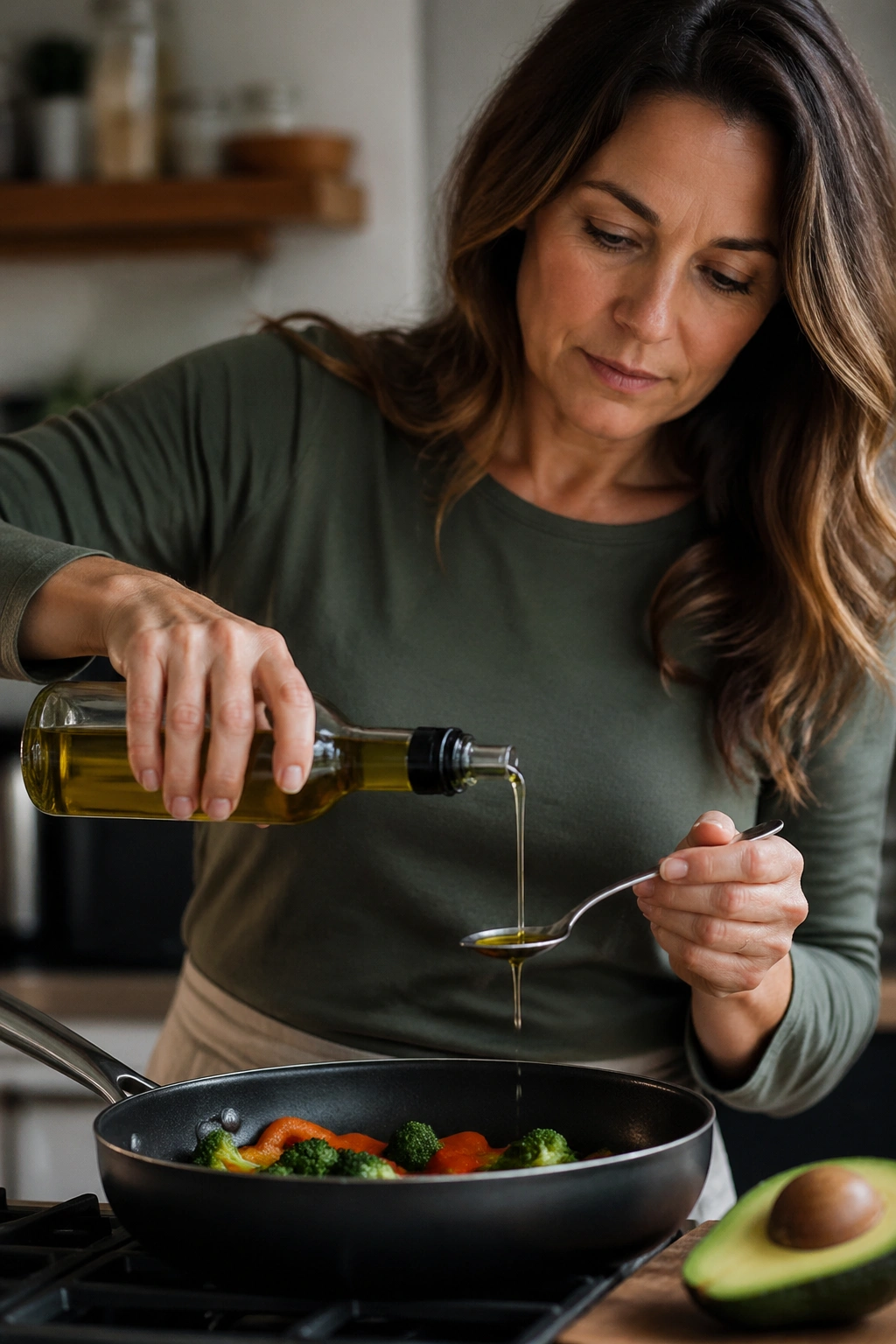
Avocado is healthy. Olive oil is healthy. Nuts are healthy.
And all three can blow through calories fast if you pour, scoop, and “just add a little more” without measuring. Fat loss does not care how virtuous the food label feels. It cares about the total.
Use fats like accents, not background noise:
- Measure olive oil with a spoon
- Keep nuts to about 1 ounce
- Use half an avocado, not the whole thing every time
- Pick one rich add-on per meal
This is one of those places where a kitchen scale or a measuring spoon earns its keep. A tablespoon of oil looks tiny in the pan and huge on the waist if you do it three times a day.
19. Talk to Your Doctor About Medications and Hormones

Sometimes belly fat is not just about habits.
Certain medications, thyroid problems, insulin resistance, menopause-related changes, or chronic sleep issues can make fat loss harder than it should be. That does not mean you are stuck. It means it is worth asking better questions if your usual routine stopped working.
Bring specifics to the appointment:
- Fatigue that does not make sense
- Irregular periods
- Hair shedding
- Feeling cold all the time
- Sleep that keeps falling apart
- Weight gain that showed up with a medication change
Do not self-diagnose from a comment thread. Do ask whether labs, medication adjustments, or a closer look at hormones makes sense. That conversation can save months of guessing.
20. Plan for Perimenopause and Menopause Shifts

Perimenopause can make the middle feel like a different neighborhood.
Appetite may change. Sleep may get lighter. Recovery can slow. Some women notice more belly softness even when they are doing many of the same things that worked before. That shift is frustrating, but it is common enough that pretending it is not happening is a mistake.
What usually helps
- Keep lifting weights
- Eat enough protein
- Use more walking and less punishment
- Avoid extreme dieting that trashes sleep and recovery
- Pay attention to stress and hot-flash triggers if they affect rest
Hormones do not make fat loss impossible. They do make sloppy habits cost more. That is a useful distinction.
21. Hydrate in a Way You Can Keep

Thirst often shows up as fake hunger.
A dry mouth, a dull headache, or that weird afternoon slump can push you toward snacks when you actually need water. Chugging a giant bottle once a day is not the answer. Sipping steadily through the day works better for most people.
Make hydration visible:
- Keep a bottle where you can see it
- Drink a glass before meals if you tend to snack mindlessly
- Use sparkling water or herbal tea if plain water bores you
- Add broth or electrolyte drinks after sweaty workouts if needed
You do not need to live on lemon water and rituals. Just stop being surprised when dehydration makes cravings louder.
22. Keep Weekend Calories from Erasing Weekday Work

A lot of belly fat plans get wrecked on Friday night.
The weekend feels loose. Meals drift. Portions get bigger. Alcohol shows up. Desserts get casual. By Monday, the weekly deficit is gone and nobody can explain why because the weekdays looked so disciplined on paper.
You do not need a strict social life to fix this. You need a few guardrails.
Try this:
- Keep breakfast the same on weekends
- Pick one meal or one treat to loosen up
- Do not turn every outing into a food festival
- Hold protein steady, even when the schedule changes
The women who keep losing fat are not perfect on weekends. They are just less chaotic than everyone else.
23. Use Plateaus as Data, Not Drama

A flat week is not a failure. It is information.
Scale plateaus happen for normal reasons: water retention, sodium, sore muscles, menstrual cycle shifts, poor sleep, or a deficit that quietly shrank because portions grew. The mistake is changing five things at once and then not knowing which one mattered.
What to check first
- Did protein drop?
- Did steps drop?
- Did alcohol creep up?
- Did sleep get worse?
- Did sodium spike after restaurant meals?
Pick one variable and adjust it for 10 to 14 days. Then look again. Random panic changes burn energy and rarely fix the real problem. Calm, boring troubleshooting works better.
24. Protect Recovery Days

More workouts are not always better.
If your body is sore, your sleep is broken, and your appetite is weirdly intense, you may need recovery more than another hard session. That does not mean becoming sedentary. It means choosing movement that leaves you better than it found you.
Active recovery can look like:
- A 30-minute walk
- Light cycling
- Mobility work
- Stretching hips, shoulders, and back
- An easy yoga session
The goal is to lower stress, not add more of it. A midsection that feels bloated and puffy sometimes calms down when the training plan stops acting like every day is a test.
25. Stay Consistent Long Enough to See the Shape Change
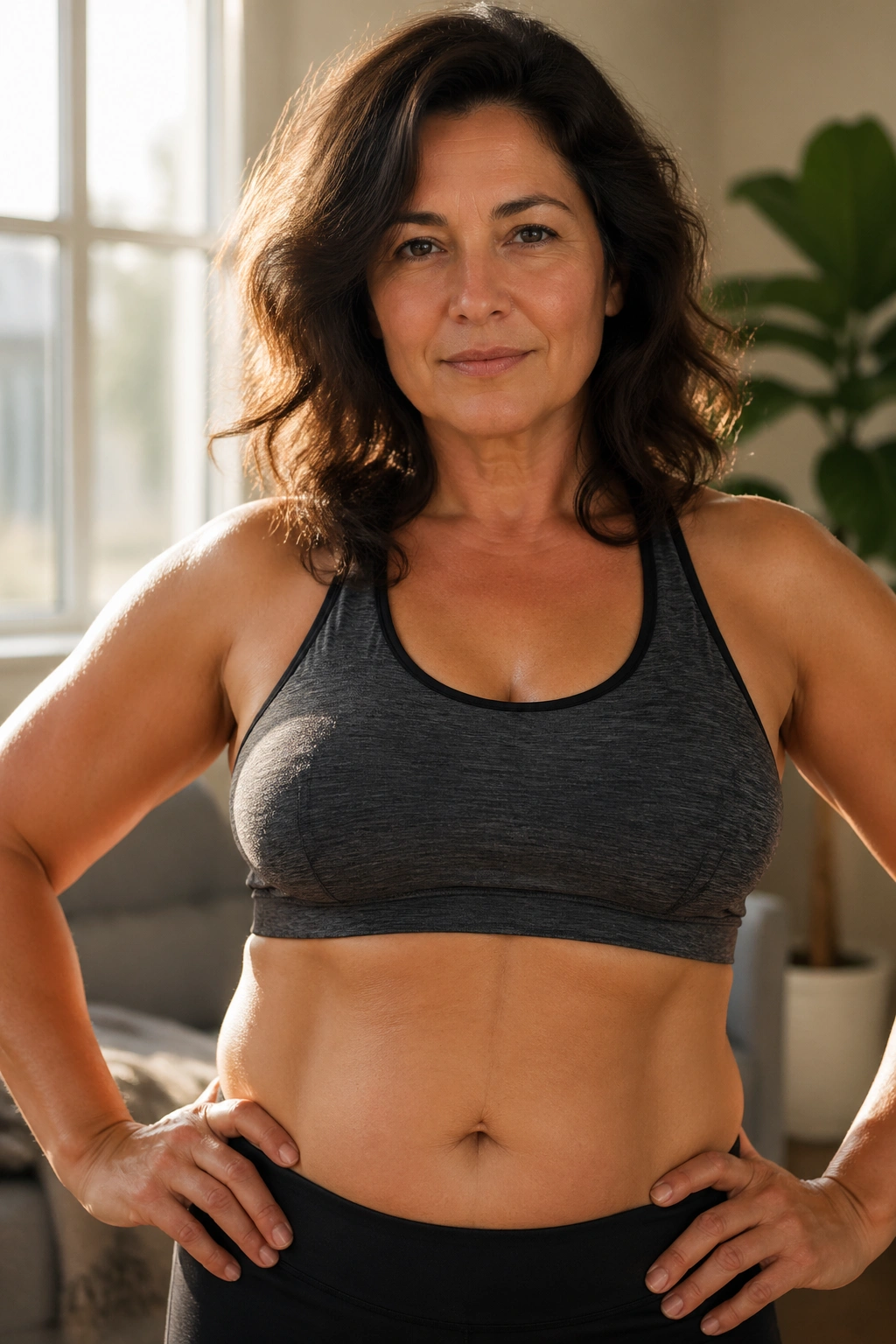
The women who lose belly fat over 40 usually do not do one magical thing. They do a few ordinary things long enough for the body to notice.
That part is annoyingly plain. Protein shows up. Steps go up. Strength training stays on the calendar. Drinks get trimmed. Sleep gets guarded a little better. Then, after a stretch of repetition, the waist starts to answer back.
Pick a small group of habits and keep them steady for a month:
- Protein at most meals
- Three strength sessions a week
- Daily walking
- One or two simple food limits you can keep
Not perfect. Just steady. That is usually what changes the shape of the middle, and it tends to work better than dramatic resets that burn out before they get anywhere.
