



A leg day built around kickbacks and half-hearted machines looks busy. It does not build the kind of strength that makes stairs feel smaller.
Compound leg exercises for women do something far more useful. They train the hips, knees, ankles, and trunk together, which means you get more work done in fewer sets, and the carryover shows up everywhere: getting out of a chair, loading groceries, sprinting for a train, standing up from a deep lunge without wobbling like a baby giraffe.
There’s another reason they matter. Big lower-body lifts load the muscles and bones in a way tiny isolation moves usually don’t. That matters for everyone who wants stronger glutes, sturdier knees, and legs that can handle real-life force without feeling fragile. Machines and accessories have their place. They just should not be the whole show.
The list below starts with the squat pattern, then moves through hinges, lunges, step-ups, machine work, and a couple of power moves that earn their keep fast. Some are beginner-friendly. Some are humbling in a hurry. All of them deserve a spot in a serious lower-body routine if you want more than a pump.
1. Back Squat
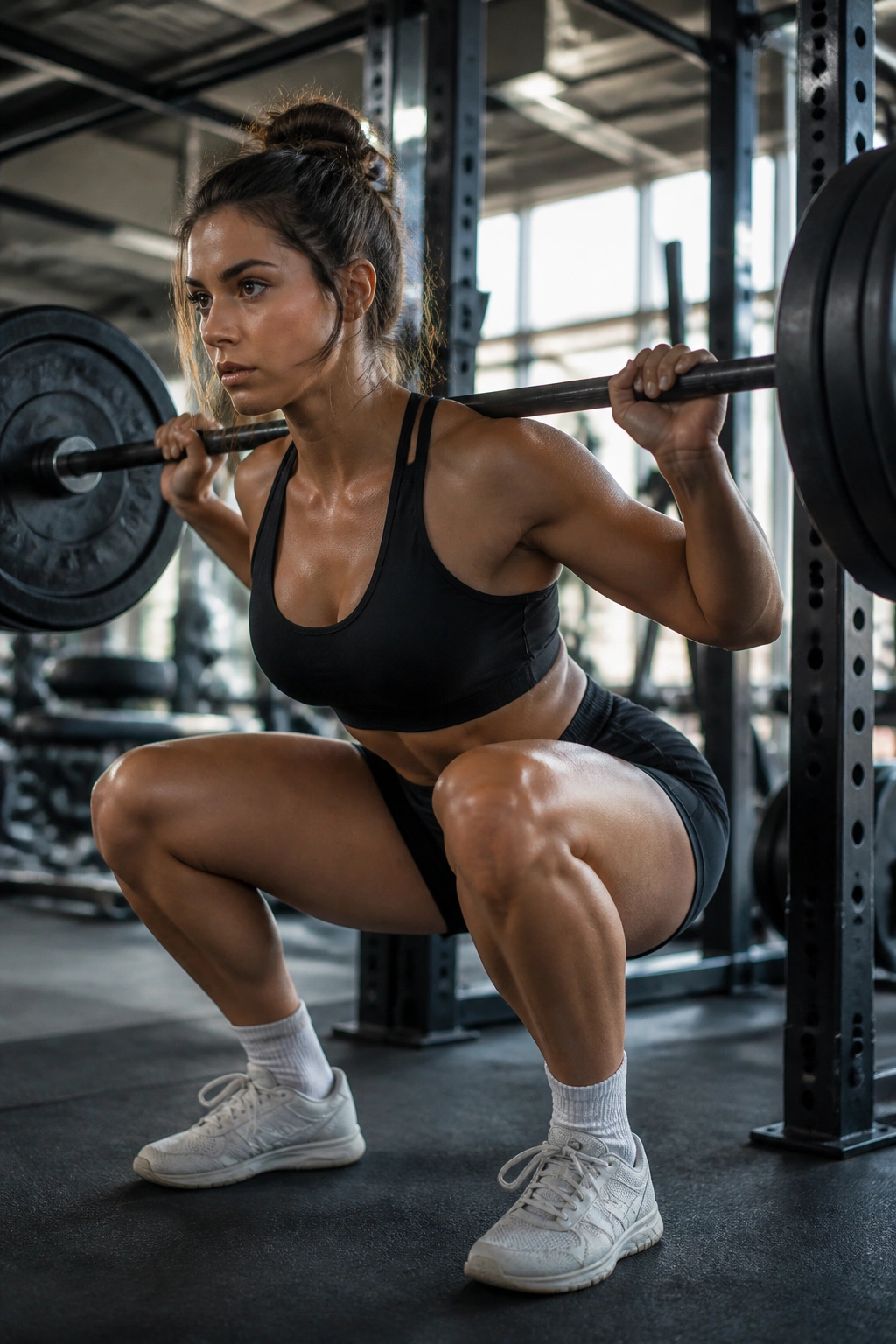
The back squat is still the king for a reason. It loads the entire lower body at once — quads, glutes, hamstrings, adductors, and core — and it teaches you how to brace under real weight.
Why It Belongs in a Leg Day
A good back squat starts with a solid stance, a controlled descent, and a drive up through the middle of the foot. The bar sits across the upper back, not the neck, and your chest stays proud without flaring the ribs. That difference matters. A lot.
What makes this lift so useful is the way it rewards good mechanics. When you get the setup right, the squat tells you immediately. The torso stays tight, the knees track over the toes, and the hips and knees rise together instead of turning the whole lift into a good-morning disaster.
- Use a stance that lets you hit depth without your heels peeling up.
- Keep your rib cage stacked over your pelvis.
- Think “sit between the hips,” not “fold forward and hope.”
- Stop the set if your lower back is taking over.
Tip: If you’re new to squatting, use a weight that leaves 2 clean reps in the tank. Ugly grinders teach bad habits fast.
2. Front Squat
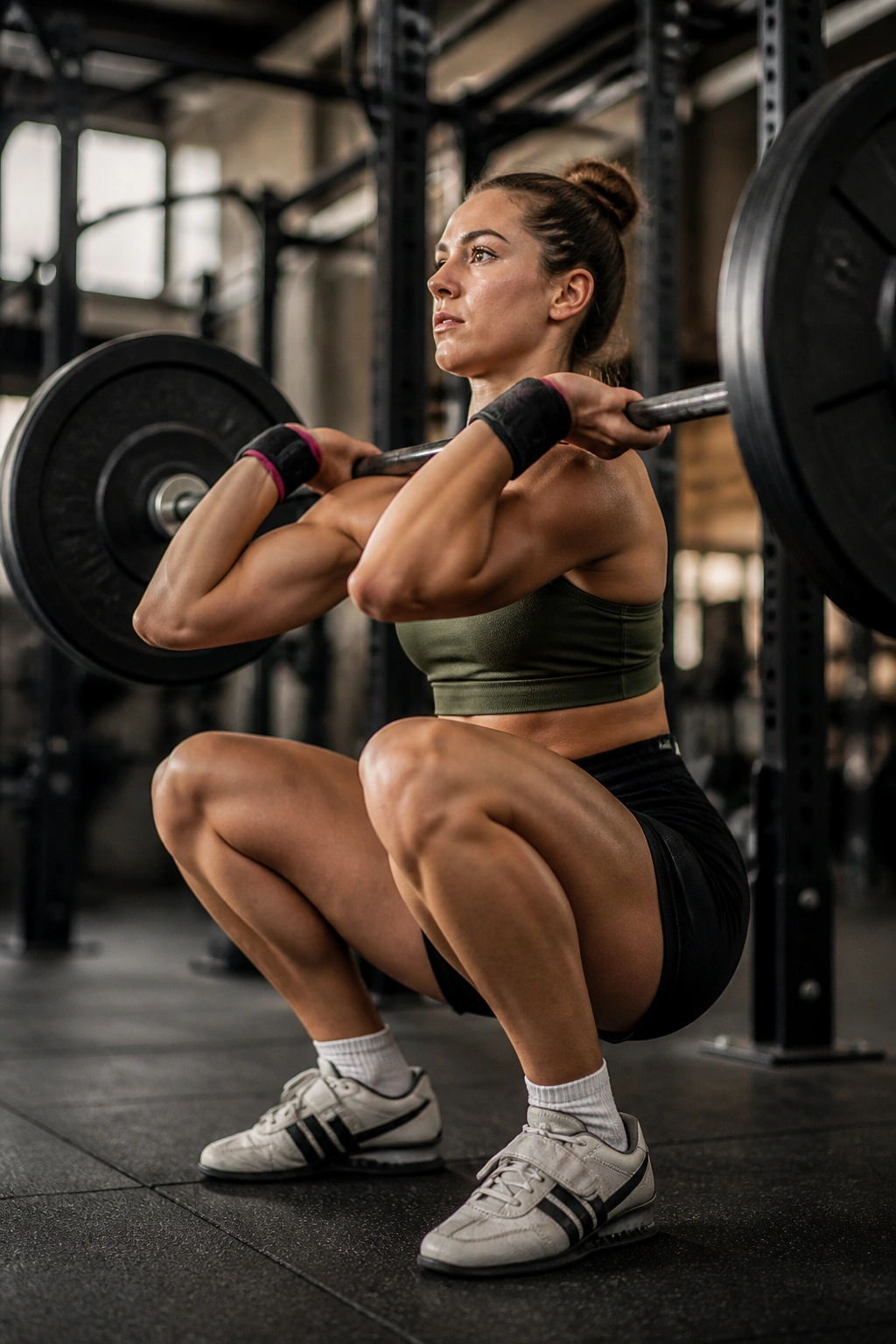
Why does the front squat feel so different from the back squat? Because the bar sits in front, your torso has to stay more upright, and your quads get called into the meeting a lot earlier.
What Makes It Stand Out
The front squat is one of the best compound leg exercises for women who want strong quads without turning every set into a lower-back test. The front rack position forces you to stay tall, which usually means less forward lean and more knee bend. That is exactly why the lift feels so honest.
The bar can rest on the shoulders with crossed arms, a clean grip, or straps if wrist mobility is limited. Do not fight the front rack so hard that your wrists ache for two days. That is pointless suffering, and it does not make the rep better.
Where People Get Messy
A lot of lifters drop the elbows as soon as the set gets hard. That’s the moment the bar starts drifting, the chest caves, and the whole rep turns into a slow collapse. Keep the elbows high enough that the upper back stays proud, and descend under control.
Front squats usually work well in the 4 to 6 rep range when load is the goal, or 6 to 8 reps when you want a little more volume and cleaner practice. Either way, they reward discipline. Sloppy reps get punished quickly.
3. Goblet Squat
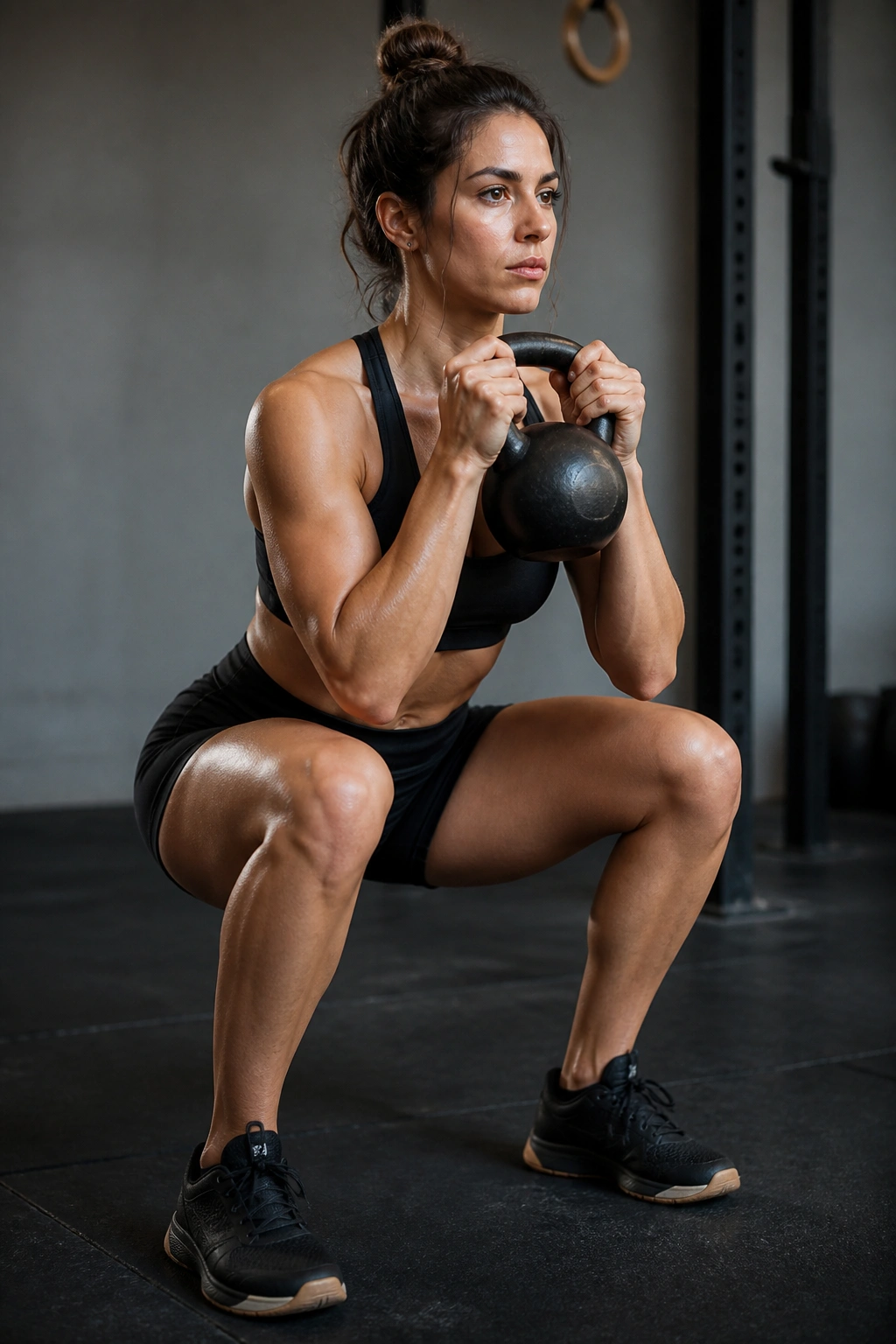
A goblet squat is what I hand people when I want a squat pattern to click without a circus of setup cues. Hold the weight in front of your chest and the counterbalance helps you stay upright. Simple. Effective.
Make the Goblet Squat Pull Double Duty
This move does a sneaky amount of work. It trains the quads and glutes, yes, but it also teaches posture, brace timing, and depth. That makes it a smart entry point for beginners and a useful warm-up for experienced lifters who need to find their positions again before the heavy work starts.
Use a dumbbell or kettlebell close to the chest, with elbows pointing down between the knees as you lower. Keep the heels planted and let the knees travel forward if your ankles allow it. That forward knee travel is not a problem by itself. The problem is losing the arch and dumping the whole foot.
One sentence version? If your squat looks better with a goblet load, use it. There’s no prize for making a hard lift harder than it needs to be.
Small Fixes That Help
- Elevate the heels slightly if ankle mobility is tight.
- Pause for 1 second at the bottom to kill the bounce.
- Use 8 to 12 reps if the goal is pattern practice plus muscle.
- Add a second dumbbell only after your torso stays steady.
4. Bulgarian Split Squat
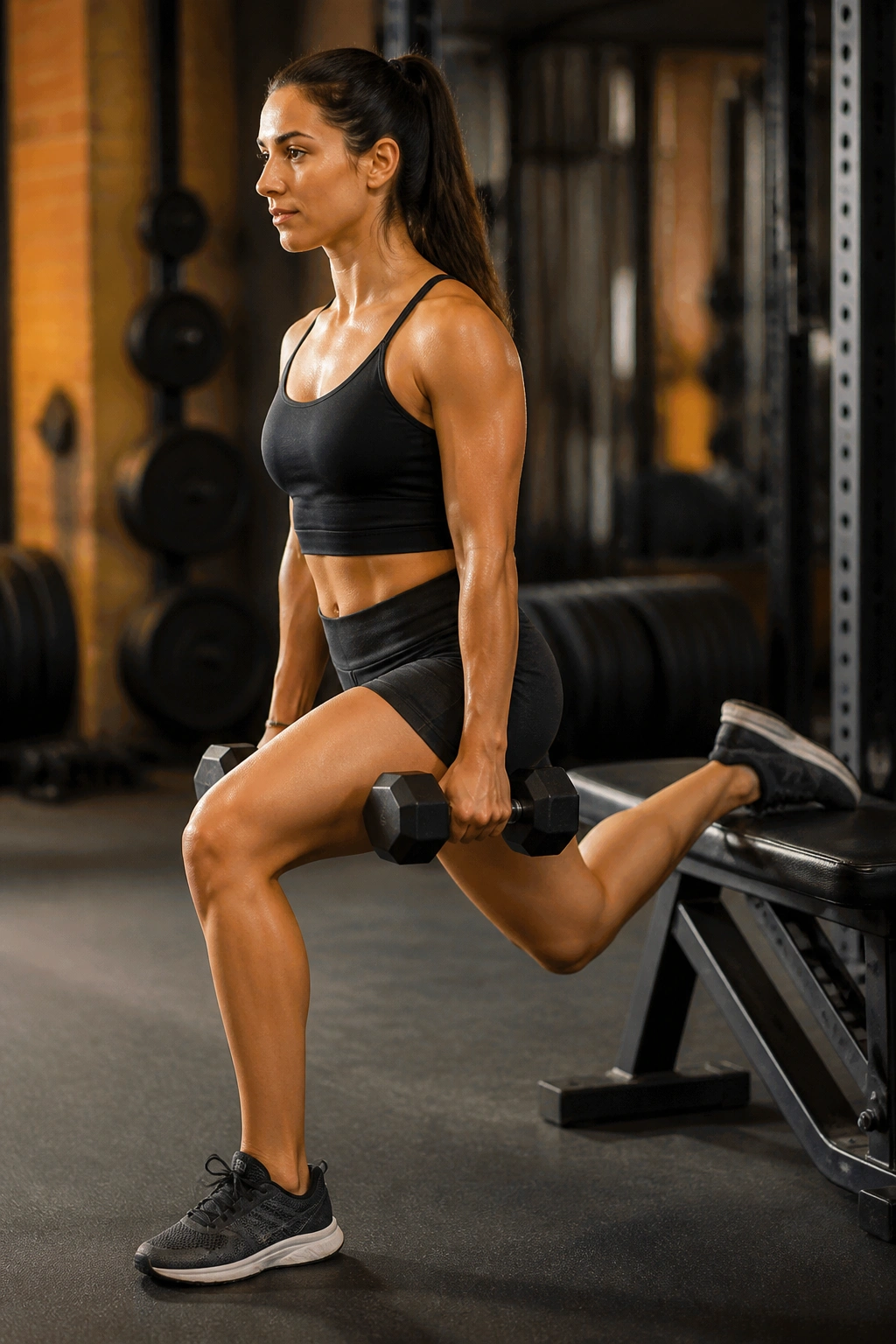
The Bulgarian split squat is the exercise people hate right before they start respecting it. One leg works, the other leg gets parked on a bench, and suddenly every weak link in your hips and quads shows up in the same set.
The beauty of this movement is that it exposes side-to-side differences without needing a massive load. You can work each leg separately, which is useful if one side always feels a little less stable or a little less strong. That’s common. Annoying, but common.
Keep the front foot far enough forward that the front heel stays down and the knee can bend without you feeling jammed in the hip. A slight forward torso lean is fine. Often, it helps the glute do more work. What you do not want is a tiny stance that forces the knee straight forward while the back leg does all the fake balancing.
5. Reverse Lunge
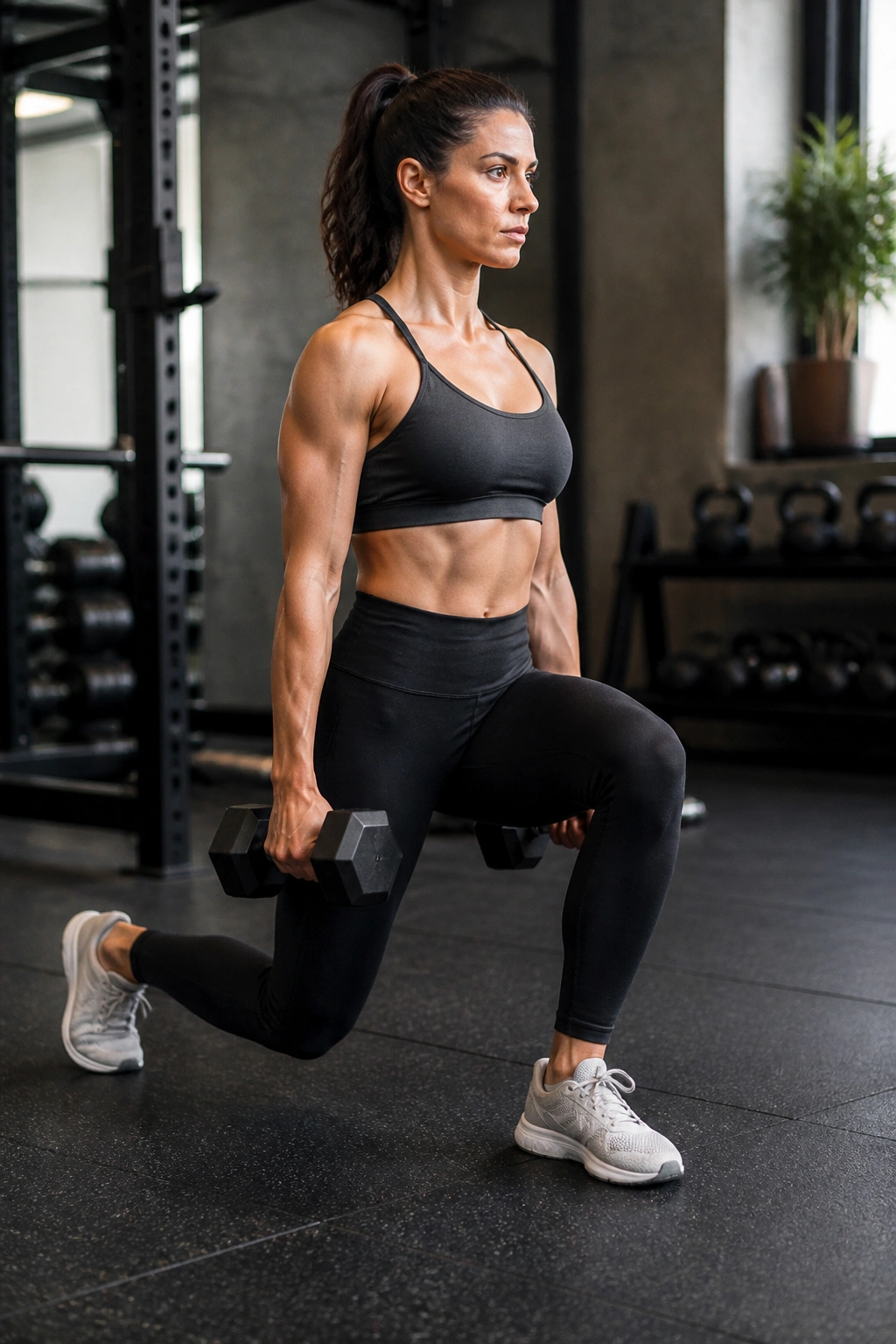
A reverse lunge is usually kinder than a forward lunge, and I mean that in the nicest possible way. Step back, not forward, and the front leg has a better chance to stay stable while the knee takes a more controlled path.
Why Most People Learn This One Faster
The reverse lunge puts less shock through the front knee than a forward step for many lifters, and the motion feels easier to control. That does not make it easy. It just means the mechanics are often cleaner. You still get a real compound pattern, with the glutes, quads, and adductors working together.
Think of the back step as a quiet landing. Then drop straight down, keep the front foot flat, and drive back to standing through the heel and midfoot. Short, choppy steps turn the movement into a balance drill. A longer step gives the working leg room to do its job.
Best use: moderate dumbbells, 6 to 10 reps per side, and a controlled tempo. Fast reps have their place later. Not here, not if your form is still shaky.
Watch For This
If your front heel pops up every rep, your stance is probably too short or your ankle mobility needs help. Fix the setup before you blame the exercise.
6. Walking Lunge
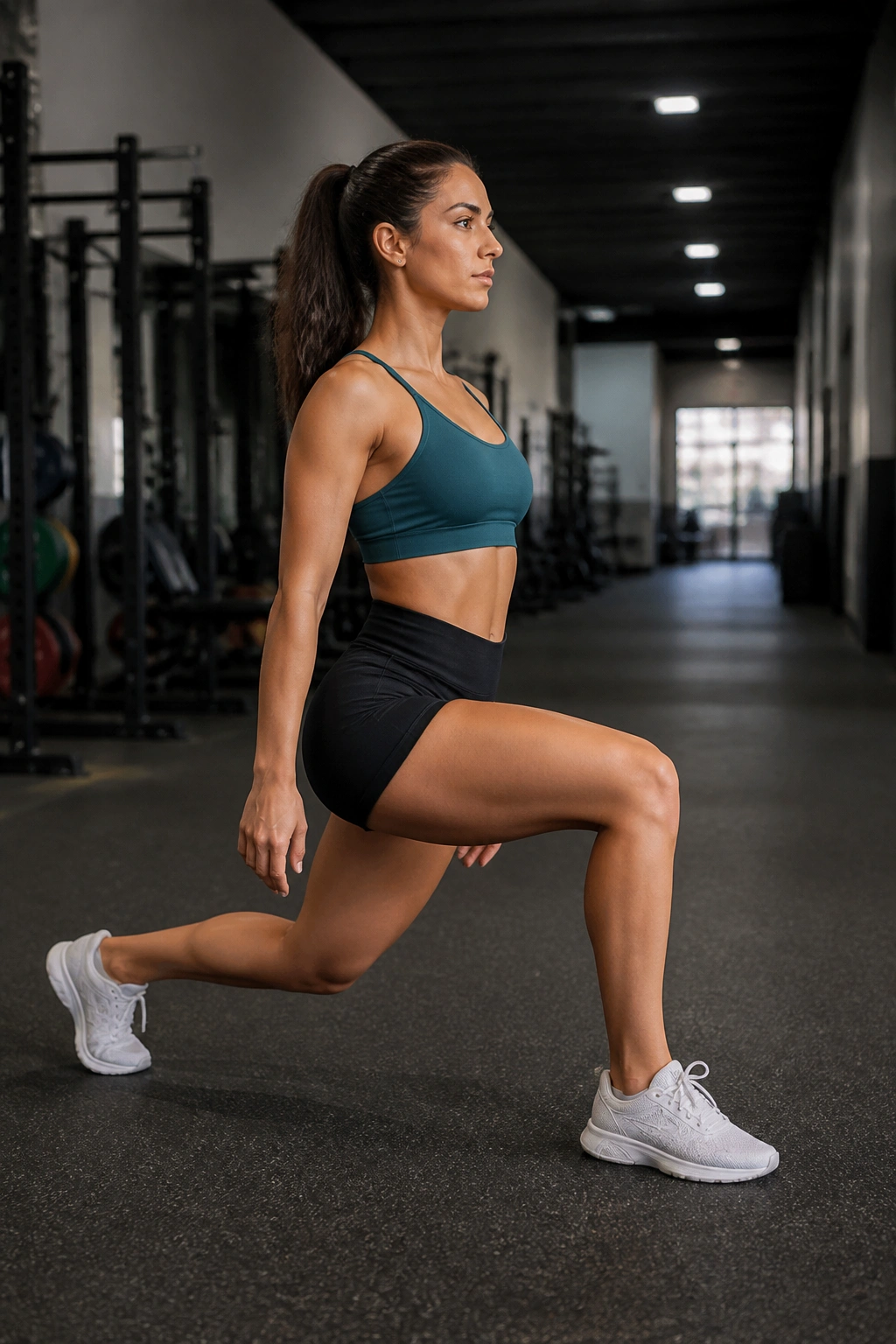
Walking lunges look simple until you try to keep your balance, stay tall, and not drift all over the floor by rep six. Then they become the honest little monster they always were.
The walking lunge is a compound lower-body exercise that keeps the tension moving. It asks the glutes and quads to stabilize while you change position, which is a different challenge from standing in one place. That matters if you want your legs to be strong in motion, not only on a stable platform.
Use a long enough stride that both knees can bend without the front shin shooting wildly forward. Keep the torso quiet. Swinging your upper body around to help the legs is a fast way to cheat the work away from the lower body. If you want a conditioning hit too, this move gives it to you without any drama.
Quick Form Notes
- Take smooth, deliberate steps.
- Keep the front knee aligned with the toes.
- Hold dumbbells at your sides or go bodyweight first.
- Stop before your steps get sloppy and short.
7. Step-Up
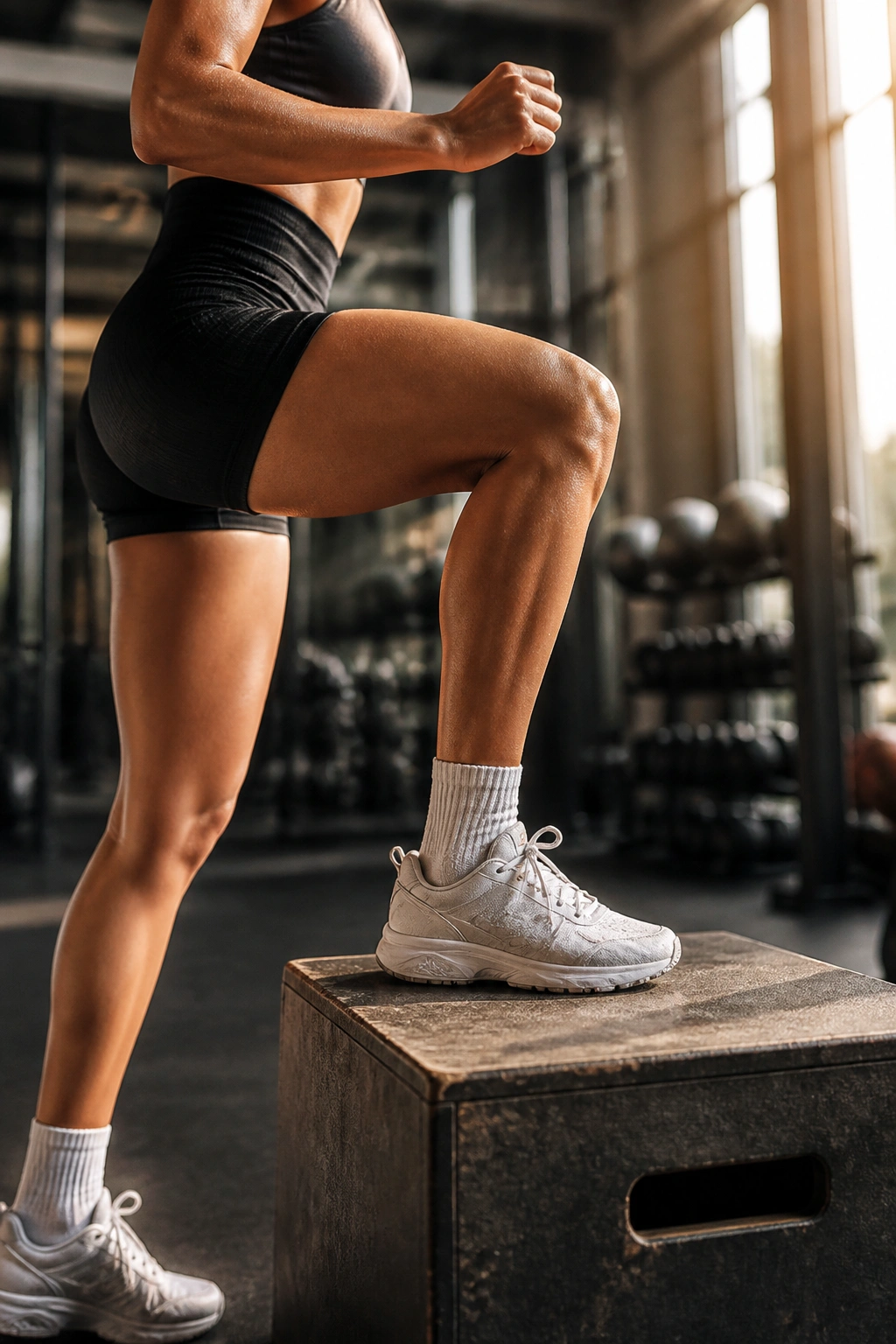
A step-up is just a loaded stair climb, and that plain description is part of its charm. It teaches leg drive, balance, and control without asking your spine to carry a massive barbell.
Box Height Matters More Than People Think
If the step is too high, the back leg starts helping too much and the front leg stops doing the work. If the step is too low, the range of motion gets so small that the exercise loses some of its point. Aim for a box or bench around knee height or a bit below for most lifters, then adjust from there.
Press through the whole foot on the working leg and stand tall at the top instead of launching off the trailing leg. That little cheat is common. It looks harmless. It isn’t. You can feel the difference immediately when the lead leg actually earns the rep.
Step-ups are especially useful when you want unilateral work without the soreness that sometimes follows Bulgarian split squats. They’re also a solid choice if your knees like controlled movement and hate surprise drops.
8. Romanian Deadlift
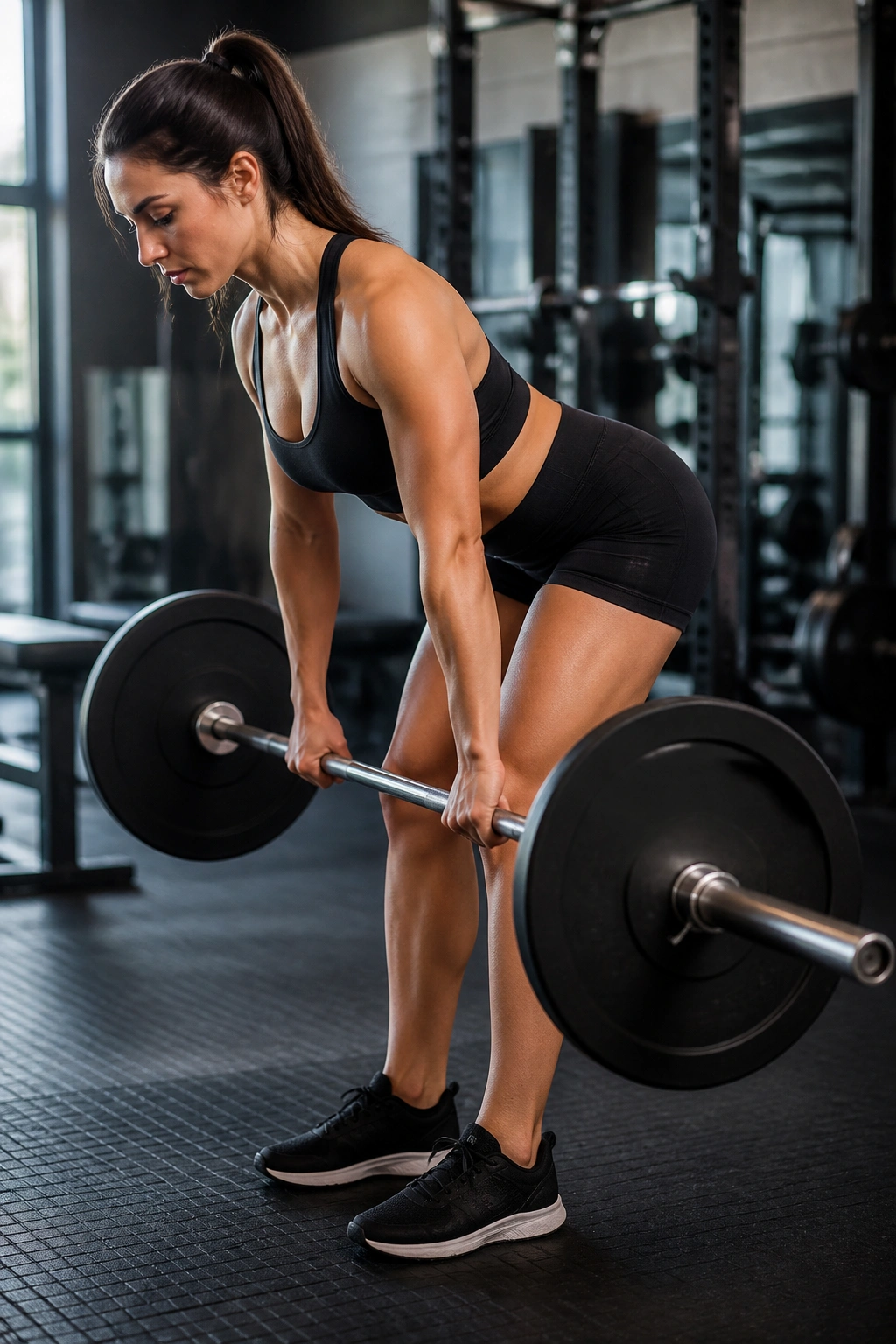
Why do hamstrings seem to light up so fast on a Romanian deadlift? Because the lift keeps them under tension while you hinge at the hips, and that stretch matters more than people expect.
How to Hinge Without Turning It Into a Back Exercise
The Romanian deadlift is one of the best compound leg exercises for women who want stronger hamstrings and glutes without a ton of knee bend. Start standing tall, soften the knees, then push the hips back while the bar or dumbbells travel close to the legs. The weight should feel like it is sliding down a rail.
Your spine stays long, not rigid like a statue and not rounded like a question mark. When the hamstrings get a strong stretch and your torso is roughly parallel or a bit above parallel, you’ve probably gone far enough. You do not need to touch the floor. You are not trying to impress a paint can.
What to Feel
- Stretch in the hamstrings on the way down.
- Glutes engaging hard on the way up.
- A quiet lower back, not a cranky one.
- Controlled tempo, especially on the descent.
Use 6 to 10 reps and keep the bar close. The farther it drifts away from your legs, the more your lower back pays for it.
9. Conventional Deadlift
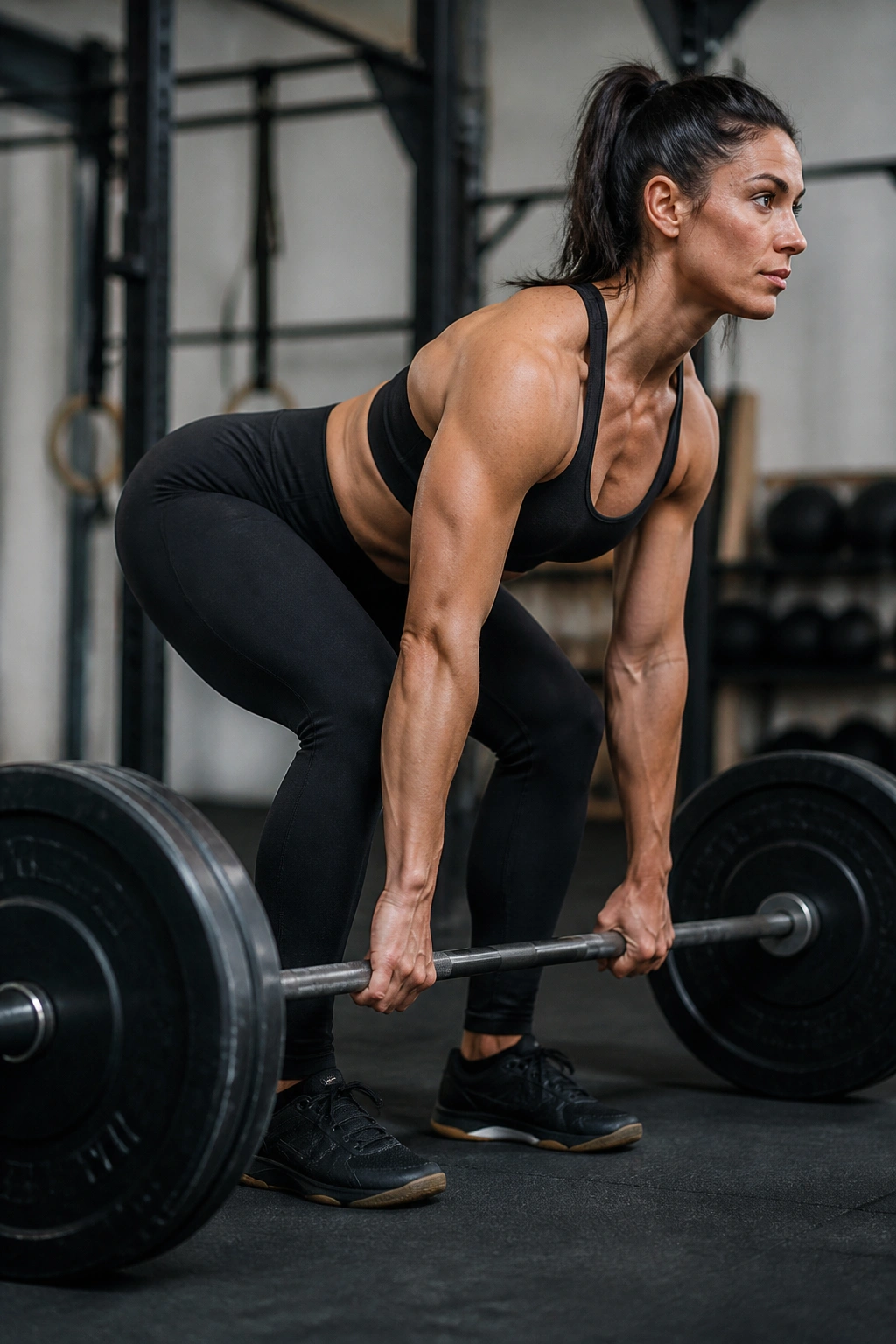
The conventional deadlift is the blunt instrument of lower-body strength. It is heavy, direct, and a little rude. That is exactly why it belongs in a serious leg program.
The deadlift trains the hips, glutes, hamstrings, quads, and trunk in one brutal pull from the floor. The bar starts dead still, which means you have to create force from nothing. No bounce. No shortcut. Just tension, position, and a hard push through the floor.
Set the bar over midfoot, grip it outside the knees, and wedge yourself into position before the plates leave the ground. That wedge matters. If you yank the bar without building tension first, the first inch gets ugly fast. Keep the lats tight so the bar does not drift forward. That drift is where a lot of lower-back complaints begin.
One sentence: deadlifts are not optional fluff. They are one of the cleanest tests of lower-body force you can do.
10. Trap Bar Deadlift
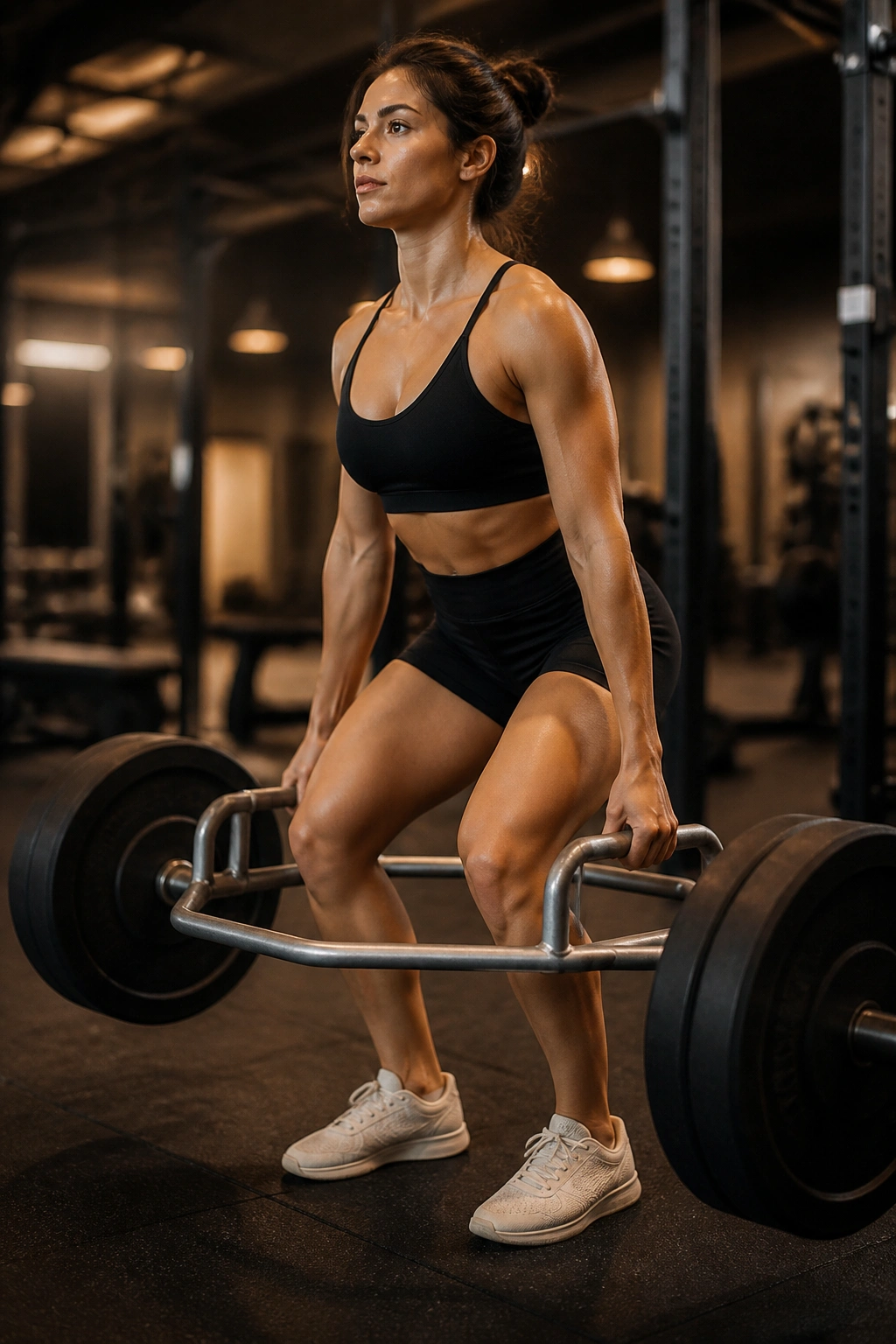
The trap bar deadlift is the friendlier cousin of the straight-bar deadlift, and there is nothing wrong with liking the friendlier version. You still get heavy leg work, but the handles sit at your sides, the torso stays more upright, and the setup is easier to learn.
Who Gets the Most Out of It
This is a smart pick for lifters who want a strong posterior chain without as much technical noise. It can feel easier on the lower back for many people because the load stays centered. It also tends to let the quads do more of the work than a conventional deadlift, especially if you use the lower handles and keep the heels planted.
Drive the floor away, stand tall, and finish with the hips, not a dramatic lean-back. That last part is common. The rep does not need a victory pose. It needs control.
If you’re building a leg day around strength plus confidence, the trap bar is a useful bridge between squats and deadlifts. It’s also a good choice after a long break from lifting, when the idea of a straight bar feels like too much.
11. Sumo Deadlift
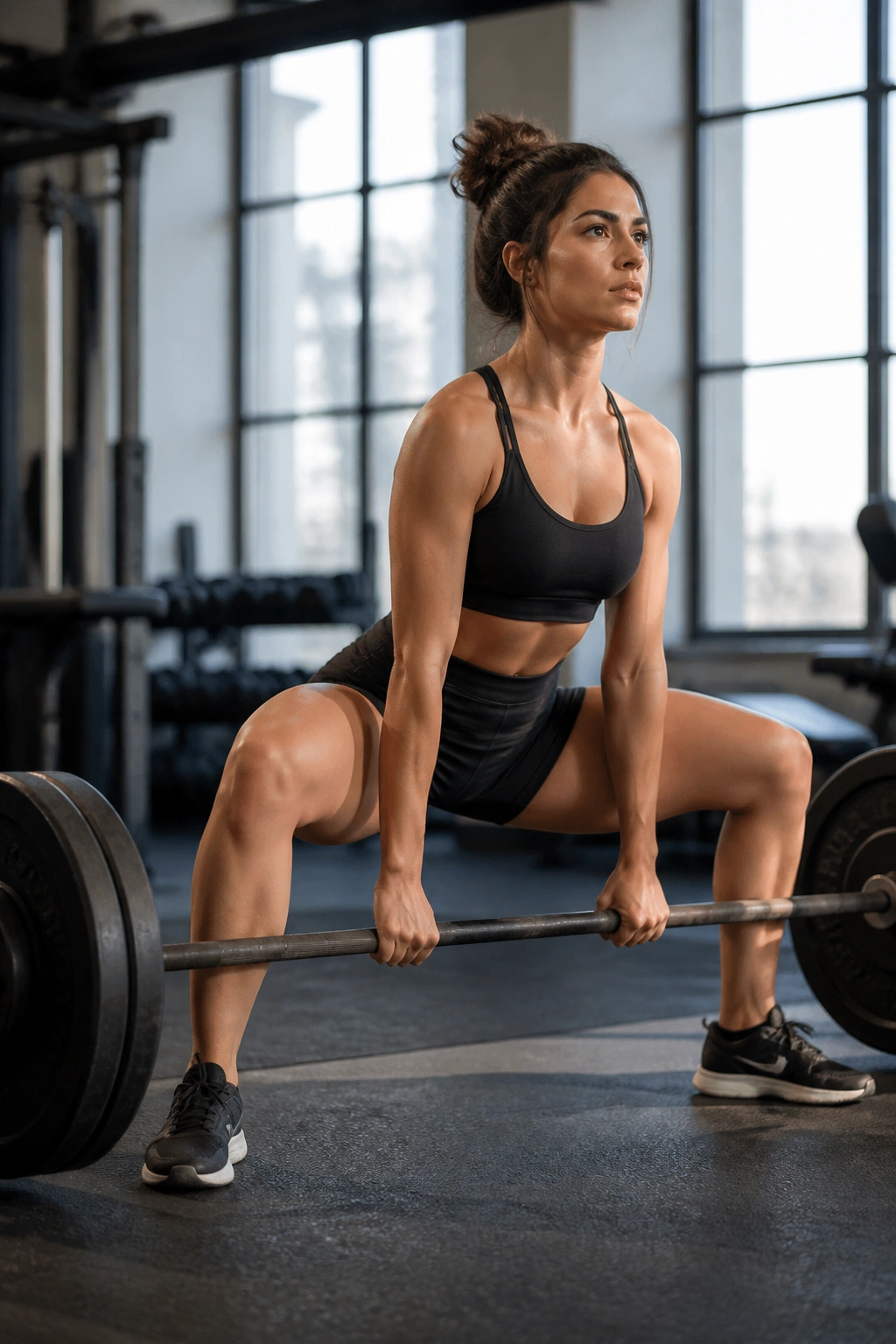
A sumo deadlift changes the whole feel of the pull. The stance is wider, the toes turn out more, and the torso can stay more upright than in a conventional deadlift.
The wider setup shortens the distance the bar has to travel and puts more of the work into the inner thighs, glutes, and quads. People often assume it is “easier” because the range is shorter. Not really. It just asks for a different kind of force and a different hip shape to feel natural.
Set the feet wide enough that your shins stay close to vertical, then push the knees out and keep the chest from collapsing. If your hips feel pinched or your knees are angry, do not force this stance because someone on the internet says sumo is better. It isn’t better for everyone. It is better for some bodies, and that’s enough.
12. Hip Thrust
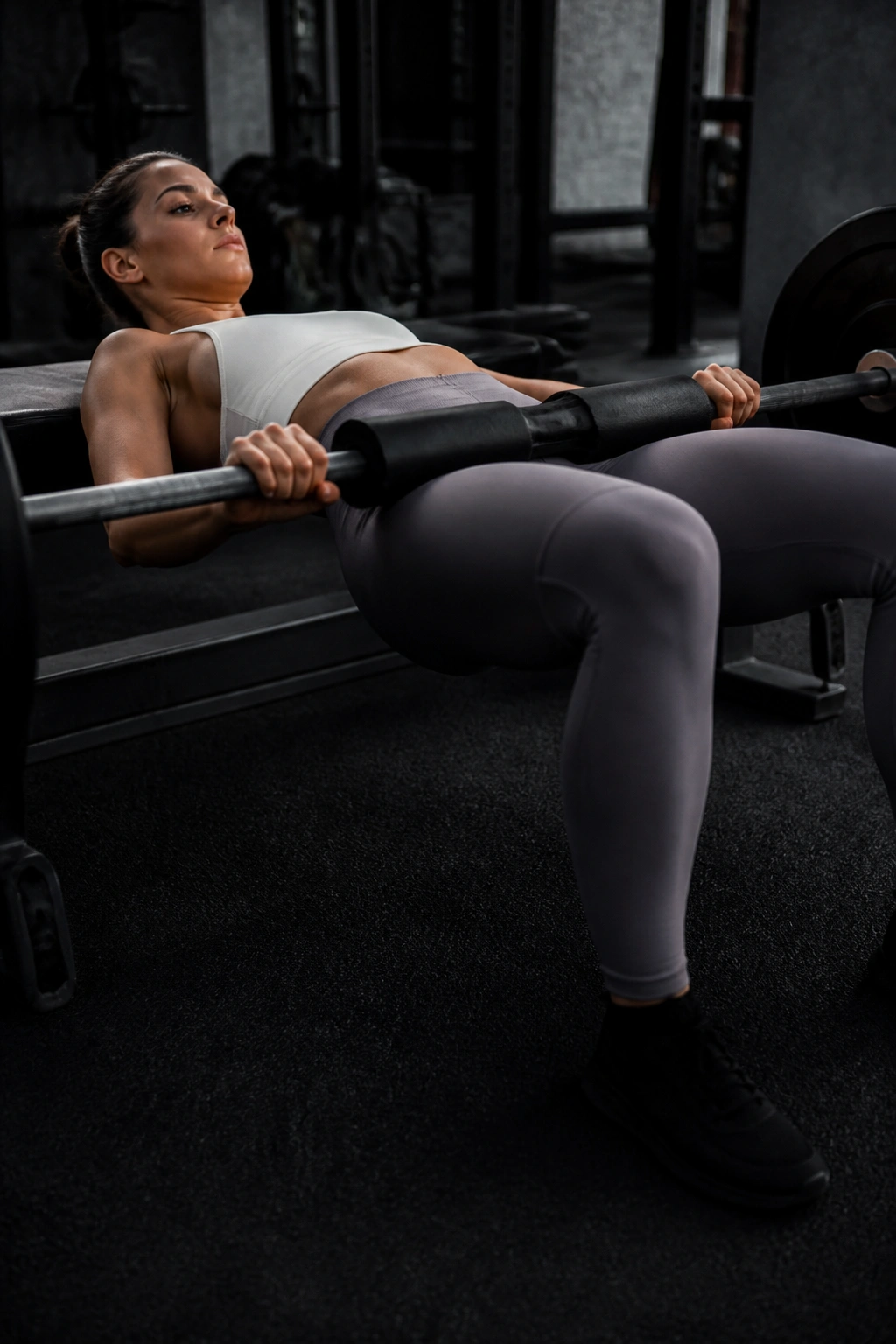
Hip thrusts hit the glutes hard, and they do it with less spinal loading than a heavy squat or deadlift. That makes them a staple for a lot of lower-body programs.
What the Top Lockout Should Feel Like
Set your upper back on a bench, roll the barbell into the crease of the hips, and plant the feet so your shins are roughly vertical at the top. Then drive the hips up until the torso and thighs make a straight line. The ribs should stay down. Do not turn the lockout into a low-back arch contest.
The upper position is where the glutes do the most work. Squeeze there for a beat, then lower with control. The bottom should not feel like you’re dropping off a cliff. A smooth descent keeps the tension where you want it.
Hip thrusts are useful because they let you load the glutes hard without a deep knee bend. That can be a relief if squats bother you, or if you already get plenty of quad work elsewhere. 8 to 12 reps is a solid home base here.
13. Leg Press
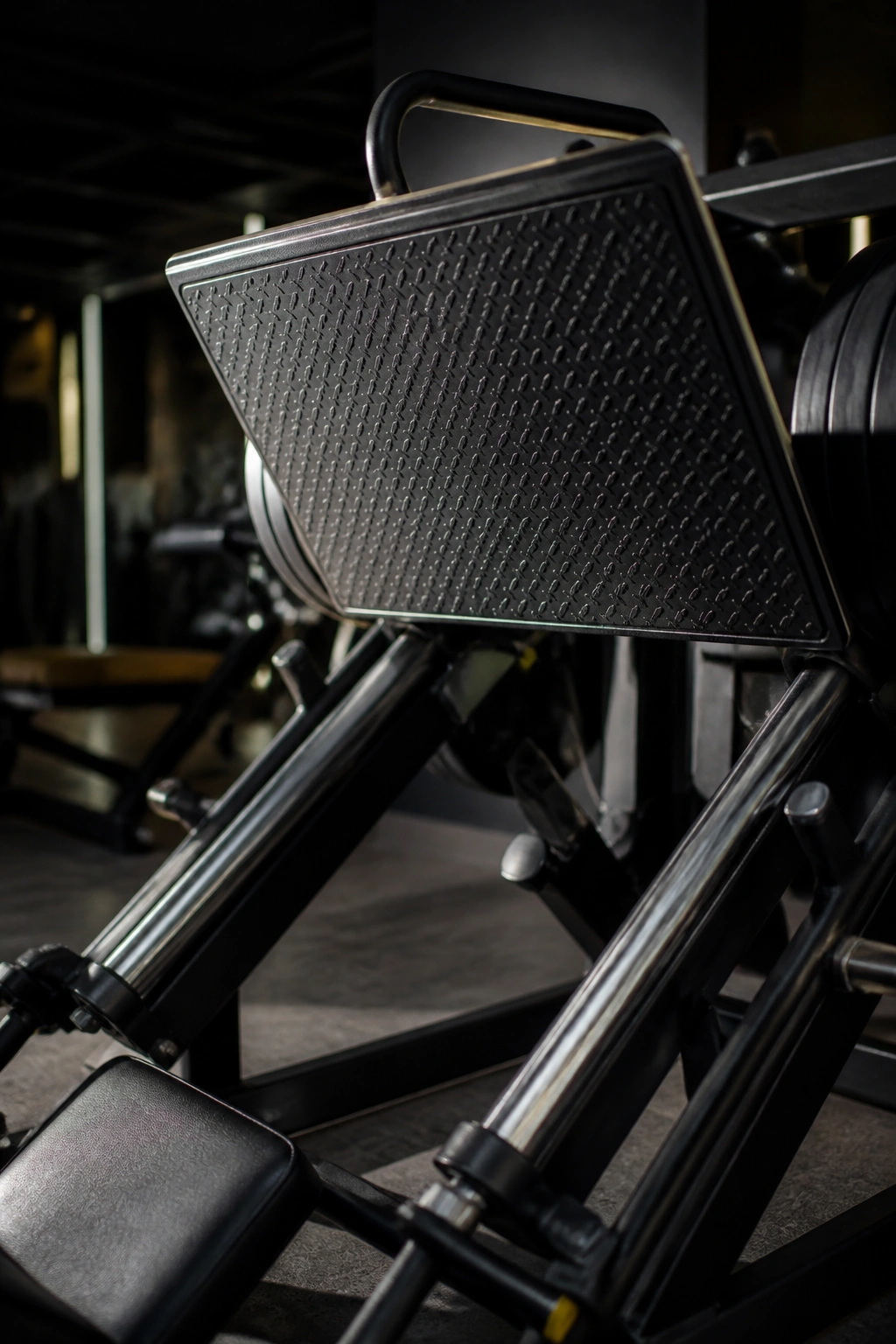
The leg press gets dismissed by people who seem to think only free weights count. That take is lazy. If you use the machine well, it can be a very solid compound leg exercise.
You’re still moving through hip and knee extension, and you can load the quads and glutes without worrying about balance. That makes the leg press useful for higher-volume work, especially when the lower back needs a break after squats or deadlifts. It also lets you push hard in a way that feels more contained, which some lifters appreciate more than they admit.
Foot placement changes the emphasis. Higher on the platform shifts more work toward the glutes and hamstrings. Lower on the platform asks more of the quads. Either way, keep the lower back glued to the pad and avoid letting the knees slam into full lockout.
Quick Rules
- Use a depth you can control without the pelvis curling off the seat.
- Lower the sled slowly.
- Do not bounce out of the bottom.
- Try 10 to 15 reps for volume.
14. Hack Squat
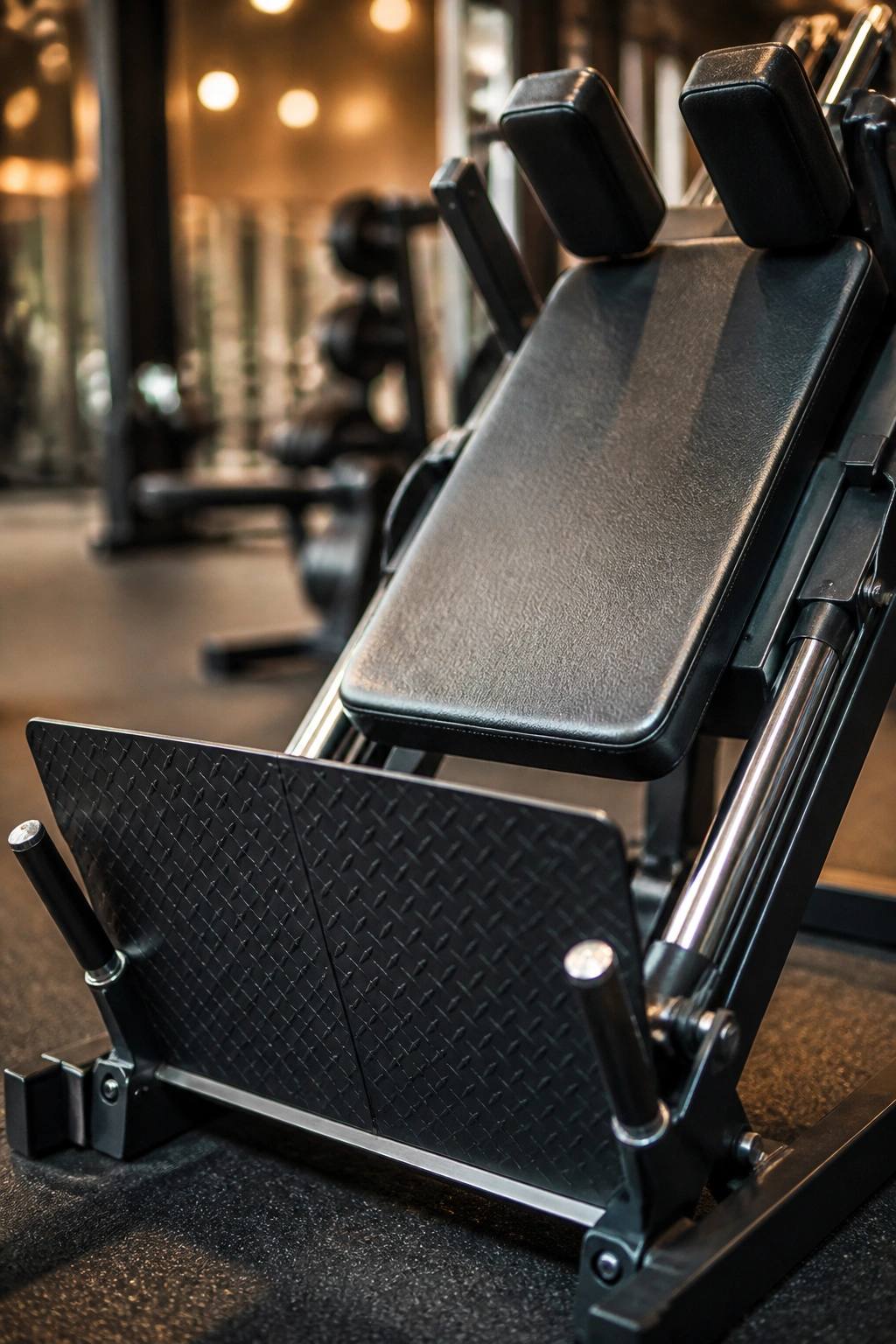
Hack squats are brutally honest quad work. The machine path keeps you locked in a controlled groove, which means you can focus on pushing hard instead of balancing the bar.
That fixed path is the whole point. Some lifters hate it. Others love it because the quads get hammered without the upper back limiting the set. If your goal is strong, visible thigh development and you want a movement that’s easier to load than a free squat, this one earns a place.
Set your feet in a stable stance, keep the heels down, and lower under control until your hips stay tucked into the pad. A slow descent matters here. Drop too fast and the bottom position gets sloppy. Then the knees and lower back start filing complaints.
Hack squats pair well with a hinge or a split squat in the same session. They bring the quad volume. You bring the patience.
15. Lateral Lunge
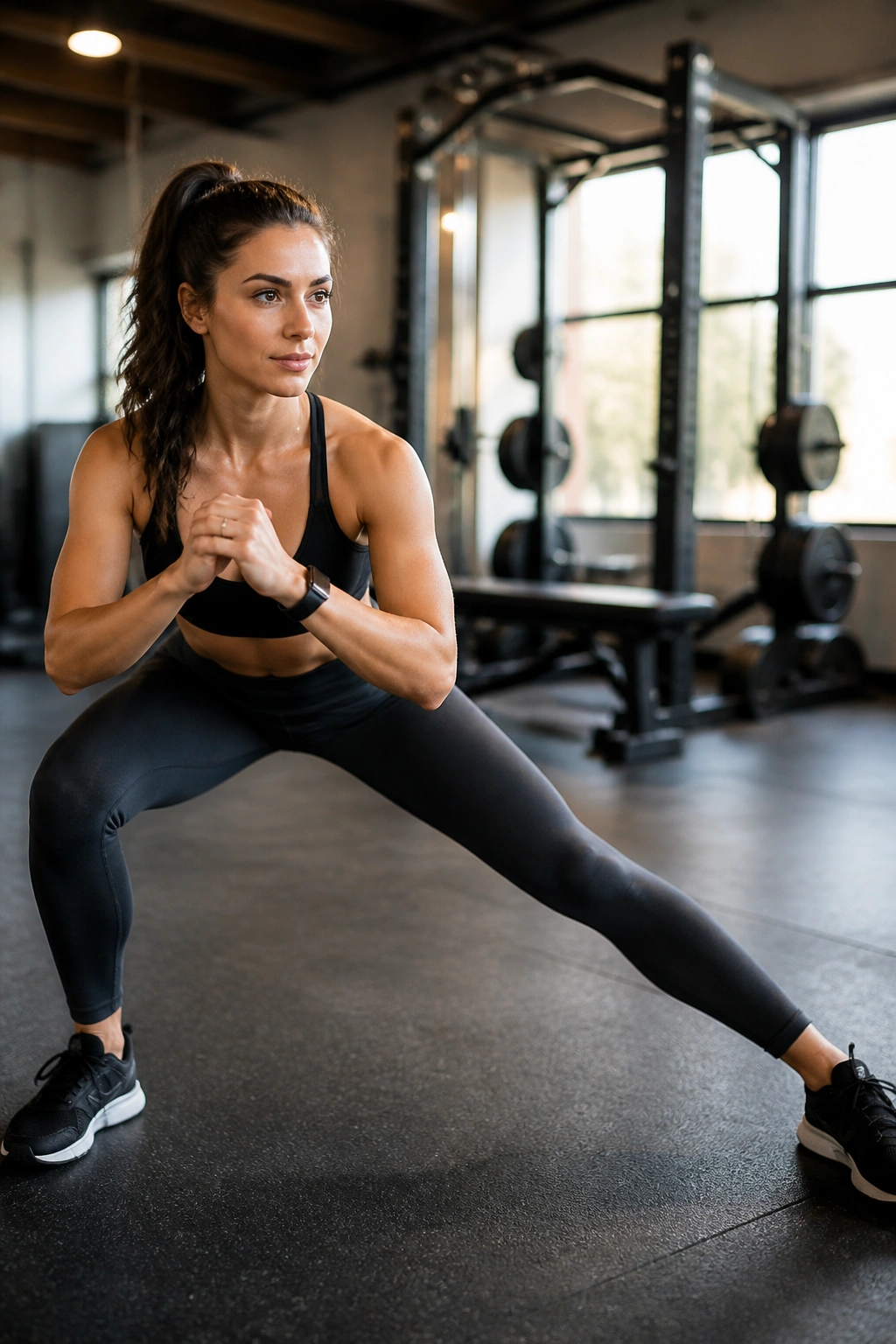
A lateral lunge is the move that reminds your body it lives in more than one plane. Side-to-side work matters, and not enough people train it.
Step out to the side, sit the hips back over the working leg, and keep the other leg straight as you shift your weight. The inner thigh of the bent leg gets a serious stretch, while the glute med and quads help control the descent and drive back up. That combination is useful for changing direction, skating, side-stepping, and just moving with a little more confidence.
Key Details to Keep
- Keep the working foot flat.
- Push the hips back, not down straight away.
- Let the non-working leg stay long.
- Use bodyweight first if the balance feels wobbly.
A lot of people rush lateral lunges and turn them into weird half-steps. Slow down. The side load is where the value lives.
16. Curtsy Lunge
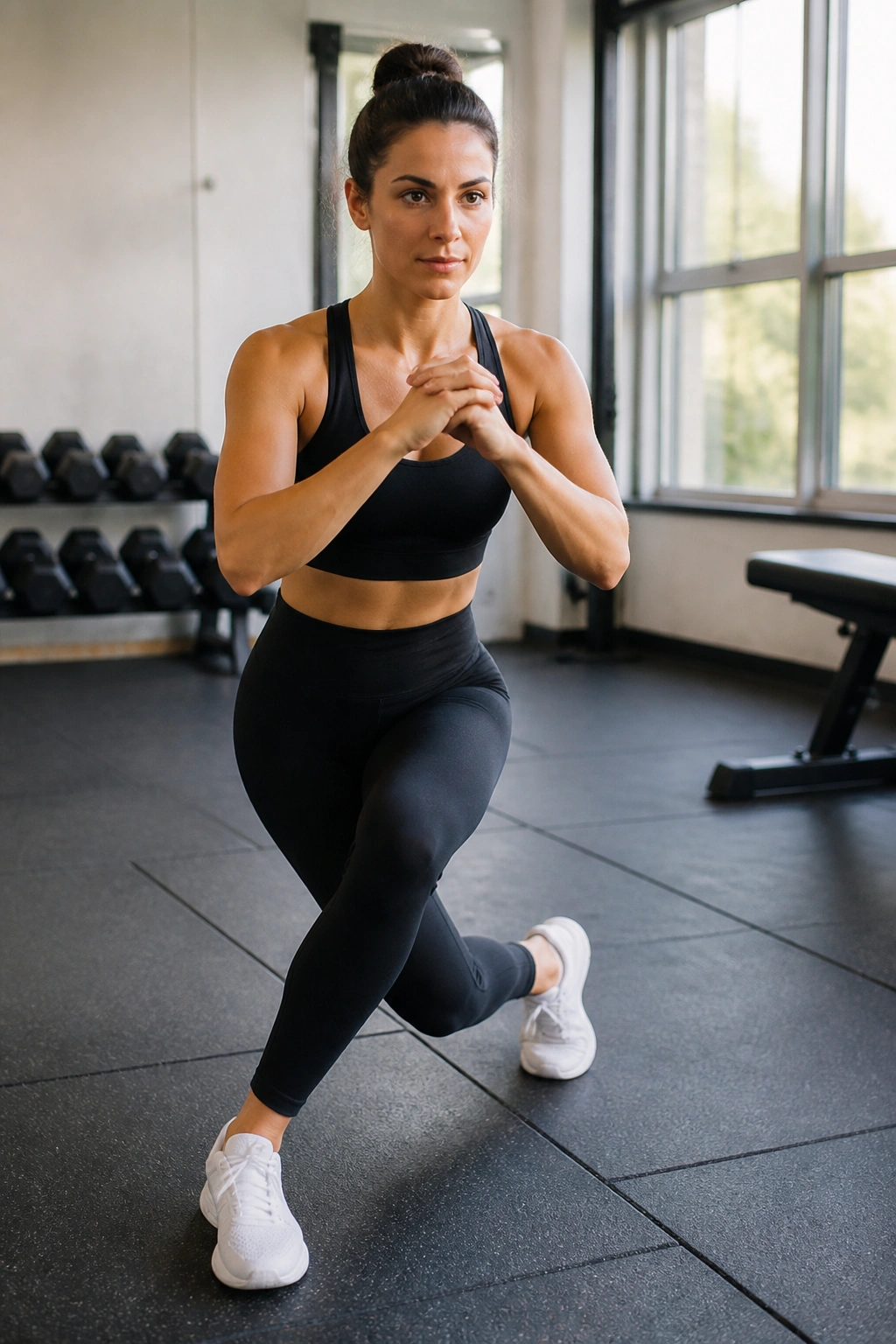
The curtsy lunge is useful, but it is not a movement I’d throw at every body without a little caution. The crossover step can light up the glute med and adductors, but it can also feel awkward if your knees dislike twisting.
The basic shape is simple: step one leg back and across the body, lower with control, then drive back to standing. Done lightly and cleanly, it can train hip stability in a way a straight-ahead lunge won’t. Done too deep, too fast, or too heavy, it can turn into knee noise for people who are not built for that angle.
Use a short range at first. Keep the front knee tracking in line with the toes, not collapsing inward. If you feel a pinch in the knee joint, skip it and choose a reverse lunge or lateral lunge instead. There’s no trophy for forcing an exercise your joints hate.
Best use: light dumbbells, controlled tempo, and a small step across. That’s enough.
17. Single-Leg Romanian Deadlift
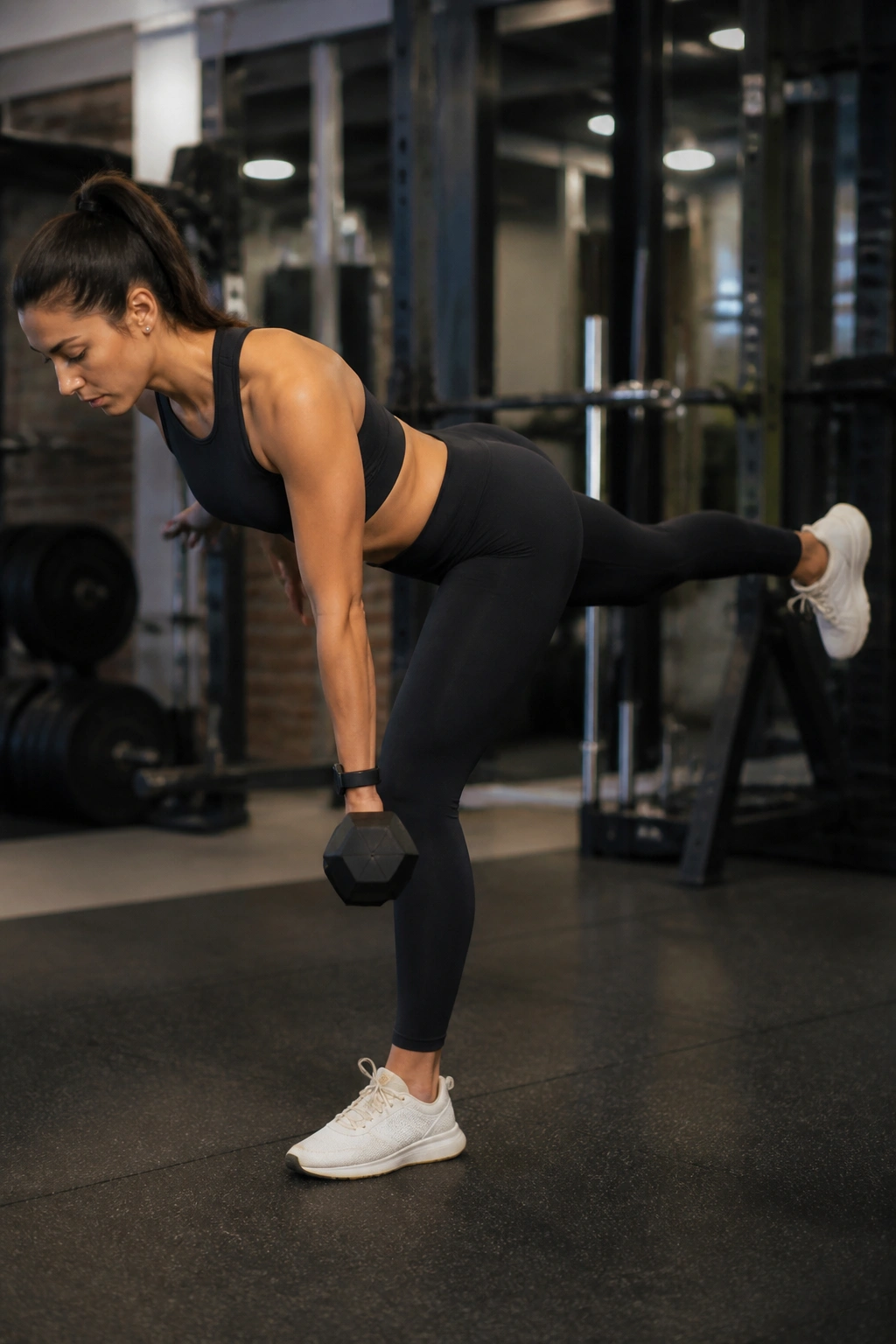
A single-leg Romanian deadlift is a balance test disguised as a hamstring exercise. The standing leg does the work, the back leg floats behind you, and your pelvis has to stay square or the whole thing gets messy.
Why It Works So Well
This movement teaches the glutes and hamstrings to stabilize one side at a time, which is useful if one leg always feels weaker, or if your running, hiking, or court sport demands a lot of single-leg control. It also shows you quickly whether your hip hinge pattern is actually good or only looks good when both feet are on the floor.
Reach the free leg back as the torso tips forward, but keep the weight close to the standing leg. The motion should feel like a long hinge, not a round-back reach for the floor. If balance is a problem, one hand can lightly touch a wall or rack. That is not cheating. It is a useful way to keep the pattern honest.
How to Get More Out of It
- Pause for 1 second at the bottom.
- Keep the hips level.
- Use a dumbbell in the opposite hand first.
- Think about loading the standing heel and outer foot.
18. Box Squat
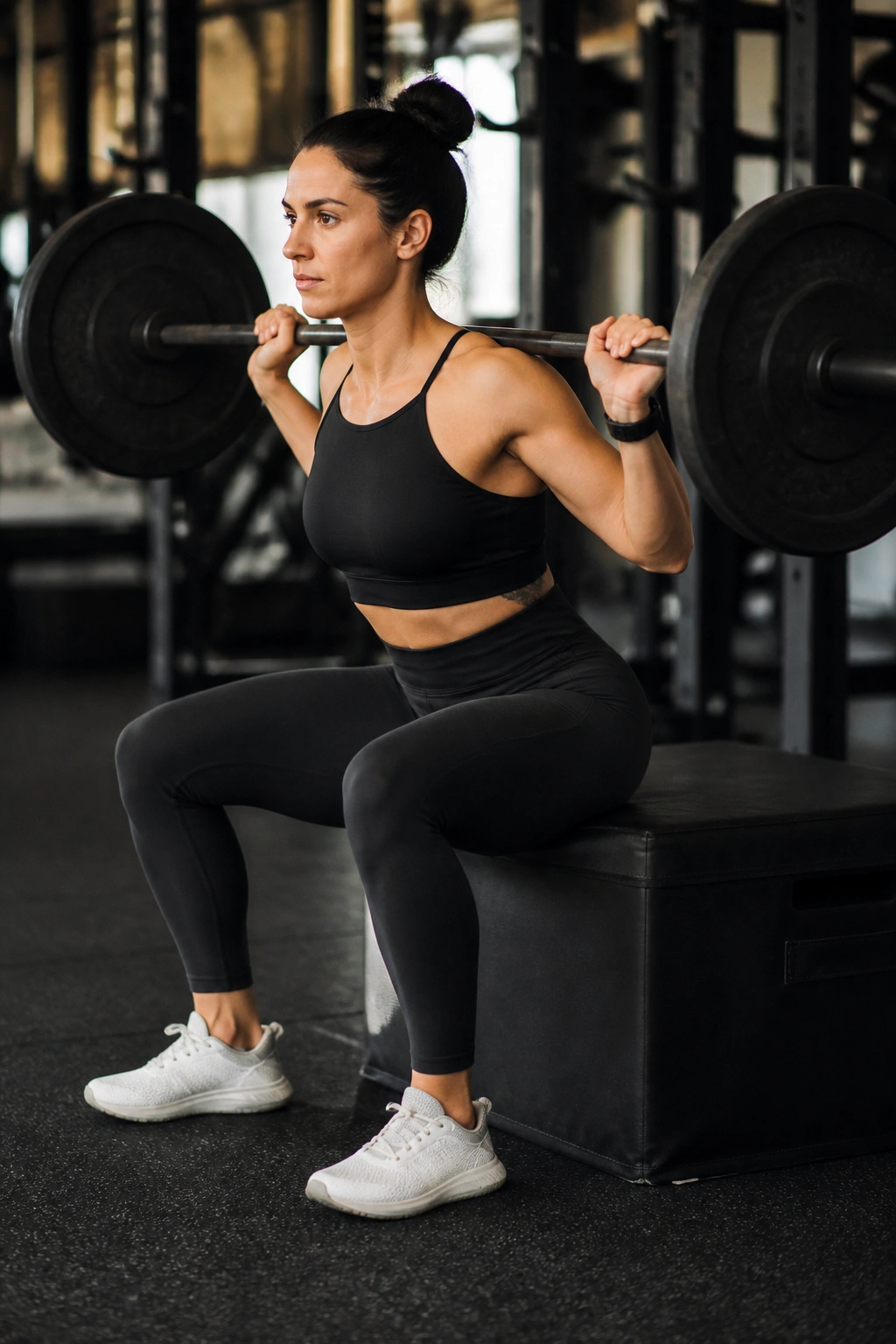
Box squats are a smart way to clean up squat depth and build confidence under the bar. They teach you to sit back under control, touch the box, and stand up without collapsing into it like a tired folding chair.
The box gives you a depth target, which is useful if your squats are all over the place. It also encourages a little more posterior chain work because the hips have to travel back before the knees bend hard. That does not mean you should completely ignore knee travel. It means the pattern gets more disciplined.
Pick a box height that lets you hit consistent depth without rounding hard at the bottom. Then lower with control, tap the box lightly, and drive up. Do not plop down and rock off the box like you’re trying to launch a rocket. That habit steals tension and teaches the wrong thing.
Box squats work well for lifters who need repeatable reps, not pretty-looking guesses.
19. Sled Push
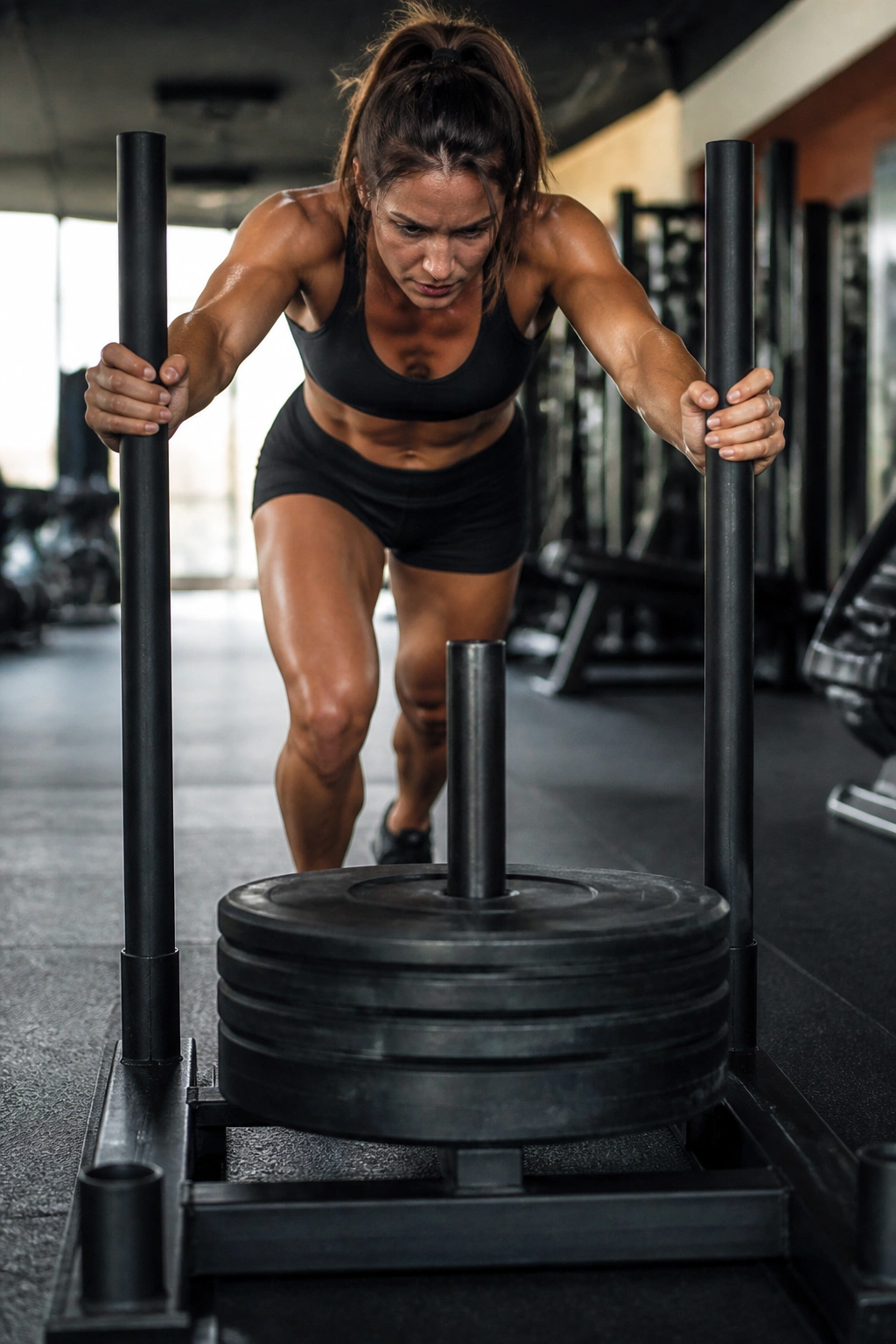
A sled push is one of those exercises that looks almost too simple until you finish it and have to stare at the ground for a minute. The legs are doing real work here. Quads, glutes, calves, and even the trunk get dragged into the effort.
The best part is the lack of eccentric stress. You push hard, but there’s no lowering phase fighting you on the way back down. That makes sled work a useful finisher when you want a brutal lower-body hit without the same soreness you might get from heavy squats or lunges.
Good Ways to Use It
- Push 20 to 40 meters per trip.
- Keep the torso angled forward, not folded in half.
- Drive through the balls of the feet and the hips.
- Take 4 to 6 hard trips with enough rest to keep output high.
If you do not have a sled, don’t fake the movement with sloppy treadmill nonsense. Find a hill, push a prowler, or save this one for a gym that actually has the equipment.
20. Kettlebell Swing
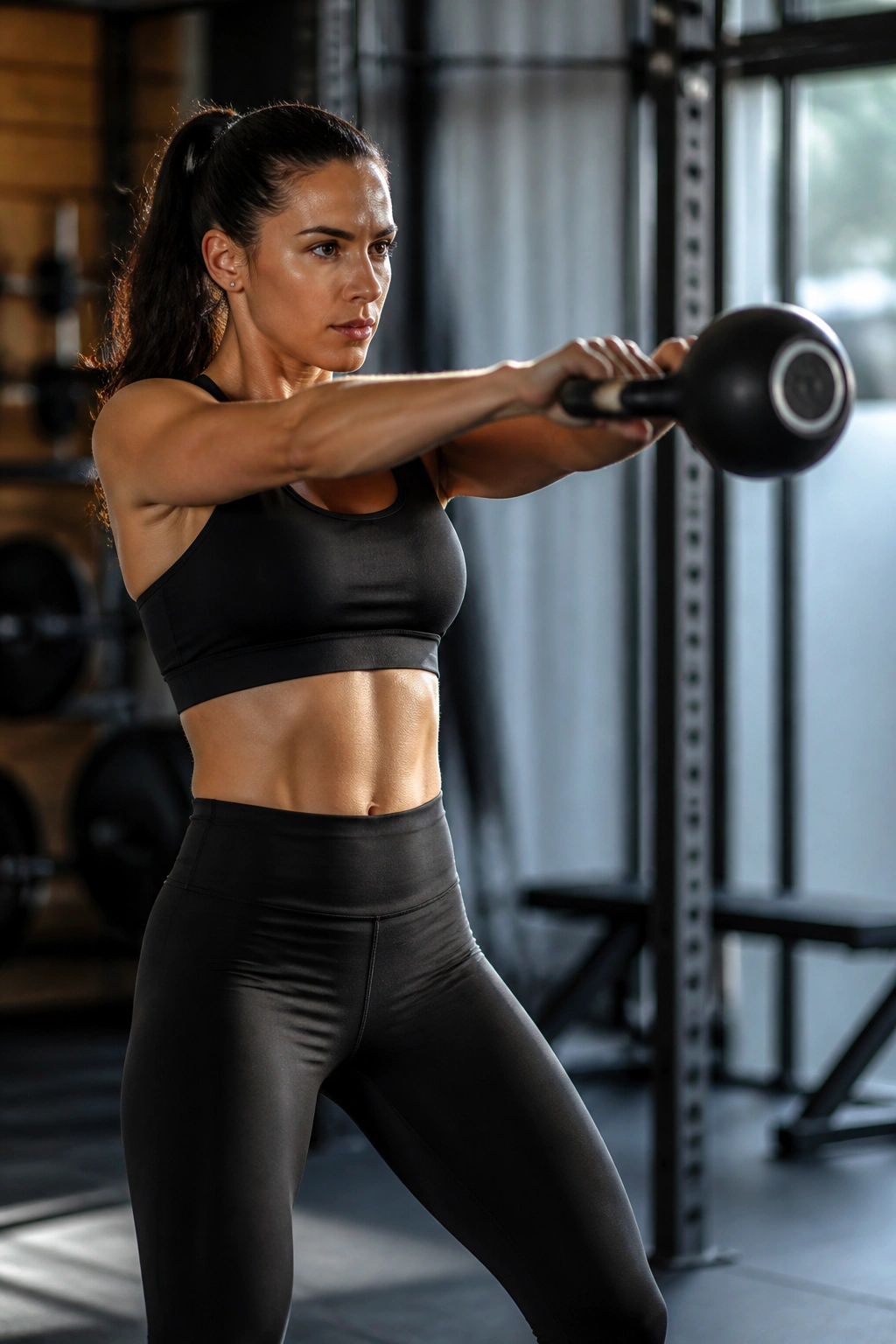
The kettlebell swing is not a squat. It is not a front raise with a cute little hip wiggle either. It is a violent hinge, and when you do it well, the glutes and hamstrings have to fire hard and fast.
The bell starts between the legs on a hike pass, then the hips snap forward and send it floating up to about chest height. Your arms stay relaxed. They guide the bell, but they do not lift it. If your shoulders are doing the work, the swing has already gone off the rails.
This move is useful for power, conditioning, and posterior-chain endurance. It also teaches a clean hip snap, which carries over to deadlifts and jumps. Beginners usually swing too high or squat the bell instead of hinging. Keep the shins almost vertical, load the hips, and let the bell rise because of the snap, not because you heaved it there with your arms.
A final thought worth keeping: the strongest leg programs usually mix squat, hinge, single-leg work, and one hard conditioning move. That mix beats endless random leg machines every time.
