



After a hard squat session, the walk from the rack to the locker room can feel longer than the workout itself. Your quads are humming, your glutes are cooked, and stairs suddenly seem like an unfair piece of architecture. That is exactly why the foods to eat after leg day matter more than people think.
Lower-body training tends to chew through more fuel than a casual upper-body pump. Heavy squats, Romanian deadlifts, leg presses, split squats, walking lunges—stack enough of those into one session and you have asked a lot from your muscles. What helps afterward is not mysterious: protein for repair, carbs for glycogen, fluids, and enough sodium and potassium to stop feeling like a dried-out raisin.
A useful target for many lifters is 25 to 40 grams of protein and 50 to 100 grams of carbs in the meal after training, with bigger athletes or brutal high-volume sessions leaning toward the higher end. That does not mean you need a stopwatch and a spreadsheet. It does mean that a tiny protein shake with no carbs often falls short after a serious leg workout.
One more thing—this part gets missed all the time. Some post-workout meals look smart on paper and feel awful in real life. After high-rep squats, your stomach may want cold yogurt, drinkable calories, or soft rice instead of dry chicken breast and raw broccoli. Eat like someone who has actually done leg day, not like someone posing next to a meal-prep container.
1. White Rice and Chicken Thighs for a Classic After Leg Day Meal
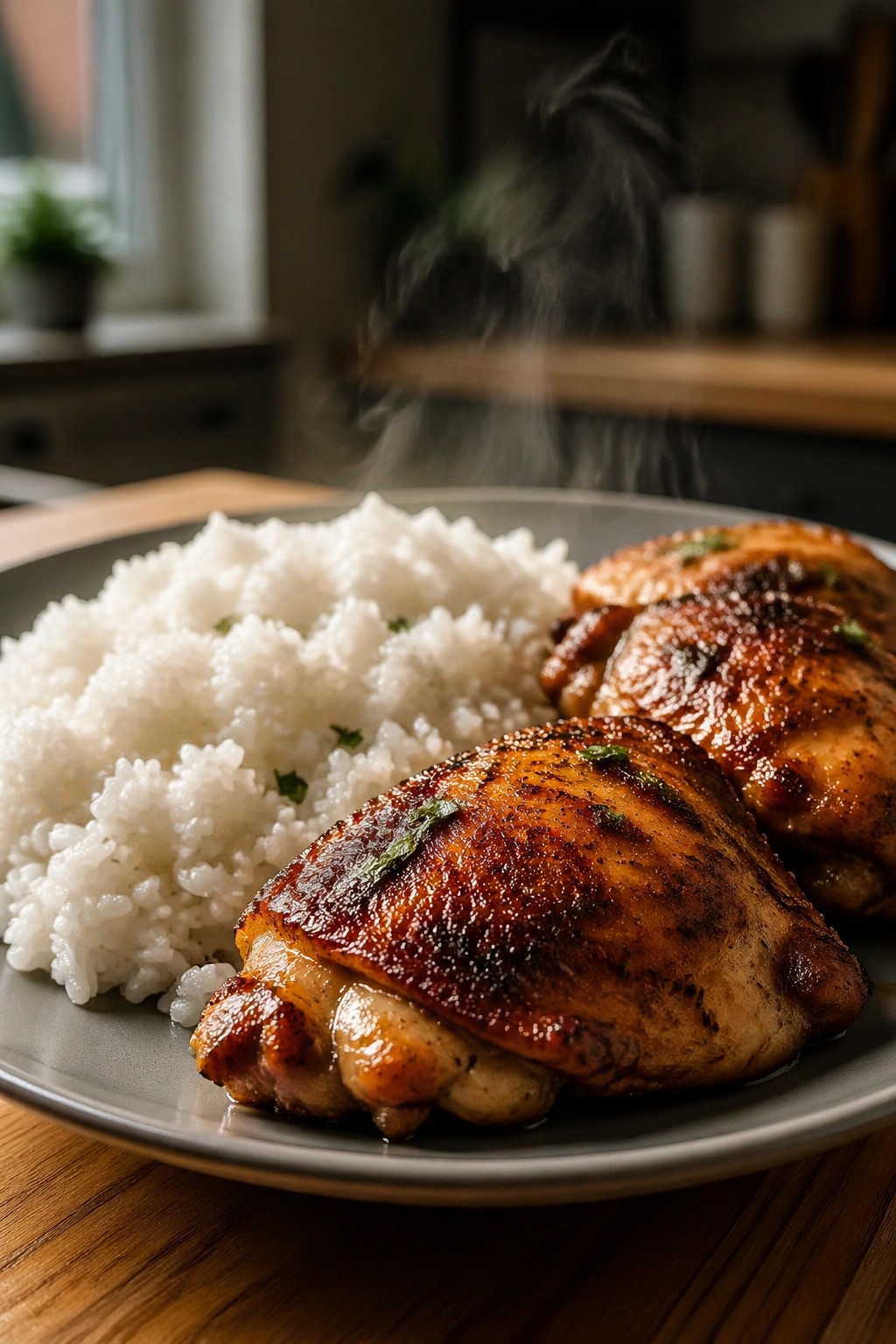
If you asked me to name the most dependable post-leg-day plate, white rice and chicken thighs would be near the top without much debate. Rice digests fast, tastes good even when your appetite is shaky, and gives you a clean shot of carbs without a pile of fiber slowing things down. Chicken thighs bring protein, a bit of fat, and a lot more flavor than the usual sad chicken breast routine.
Why this combo works after squats
A big leg session burns through muscle glycogen, and white rice is one of the easiest ways to refill it. One and a half to two cups of cooked rice gives you roughly 65 to 90 grams of carbs, which is right in the zone many people need after training legs hard. Add 5 to 6 ounces of cooked chicken thighs, and you are looking at around 35 to 40 grams of protein.
Taste matters here. It sounds small, but it is not. Food you will gladly eat beats the “cleanest” meal you keep poking with a fork.
Fast ways to build the plate
- Use 1½ to 2 cups cooked white rice for a full post-workout serving.
- Add 5 to 6 ounces cooked chicken thighs, chopped or shredded so they are easier to eat.
- Salt the rice on purpose, especially if you sweat hard or trained in a warm gym.
- Add fruit on the side if the session ran long and your legs feel drained two hours later.
Best move: keep frozen rice packs and pre-cooked thighs in the fridge. Leg day is not the moment for a 45-minute cooking project.
2. Greek Yogurt with Berries, Honey, and Granola
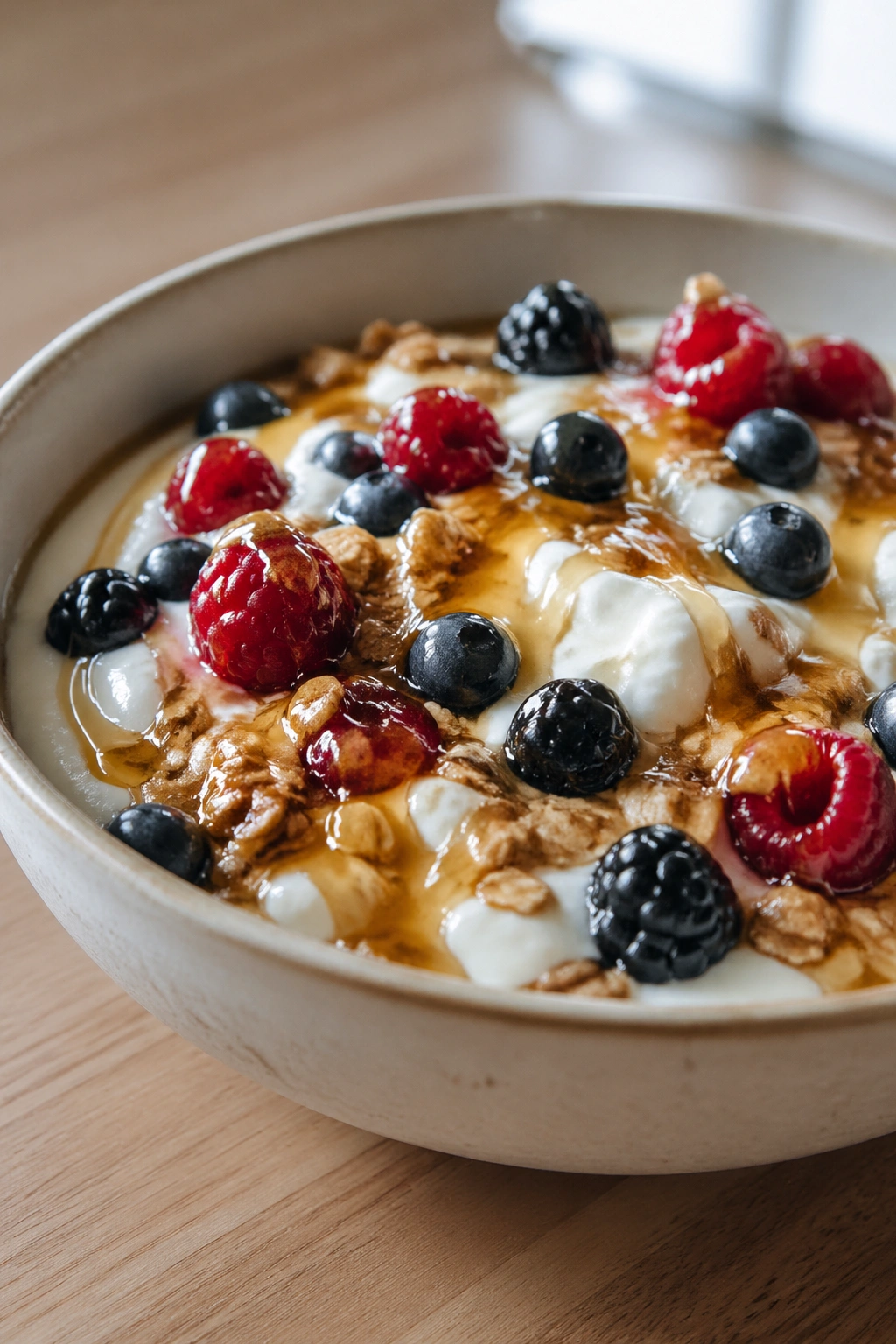
This is one of the smartest “I need food soon, but a full meal sounds like work” options on the list. Thick Greek yogurt brings high-quality dairy protein, berries add color and carbs, honey gives quick energy, and granola makes it feel like actual food instead of a recovery chore.
Two cups of plain Greek yogurt usually land around 30 to 40 grams of protein, depending on the brand. Stir in 1 cup of berries, 1 to 2 tablespoons of honey, and ½ cup of granola, and you have a bowl that covers a lot of ground without feeling heavy. If you trained early in the day and lunch is still an hour away, this works as a bridge meal. If you trained late and need something cold and easy, it can be dinner with a banana on the side.
Cold food often wins after leg day.
There is also a practical muscle-building reason dairy shows up so often in sports nutrition. Greek yogurt is rich in leucine, the amino acid that helps flip on muscle protein synthesis. You do not need to obsess over biochemistry at the kitchen counter, though it helps to know why this bowl keeps showing up in lifters’ fridges.
A pinch of salt on top may sound odd. Try it once. The fruit tastes brighter, and the whole bowl lands better after a sweaty session.
3. Eggs and Roasted Potatoes
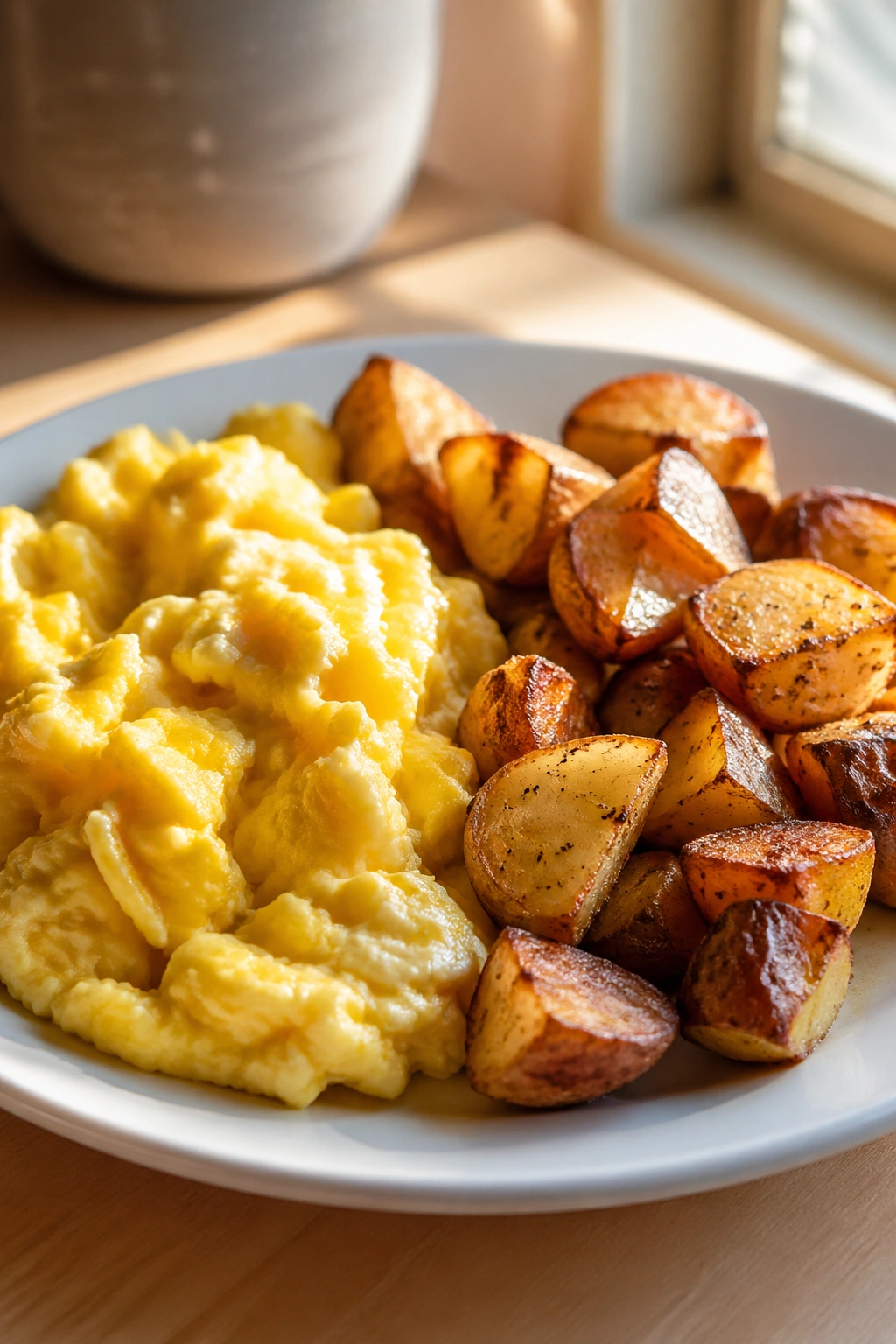
Can eggs carry a post-leg-day meal on their own? Yes—if you give them enough carb support. Eggs are loaded with protein and useful fats, but four eggs alone will not do much for glycogen after a workout built around squats, lunges, and machine volume.
The fix is easy: pair them with 10 to 12 ounces of roasted potatoes. Potatoes are one of the best recovery carbs in a real kitchen because they bring potassium, vitamin C, water, and enough starch to refill the tank. They also taste good with salt, which matters more than fitness culture likes to admit.
How to build the plate
If you want a bigger protein hit without making the meal greasy, use 3 whole eggs plus 200 grams of egg whites. That gives you close to 30 grams of protein while keeping the meal light enough to digest well. Add roasted or air-fried potatoes, a bit of ketchup, salsa, or hot sauce, and you have one of the most satisfying meals on this list.
Leftover potatoes work even better than fresh ones when you are hungry now. Slice them, throw them in a hot pan for 5 minutes, and dinner is handled.
4. Salmon and Sweet Potatoes
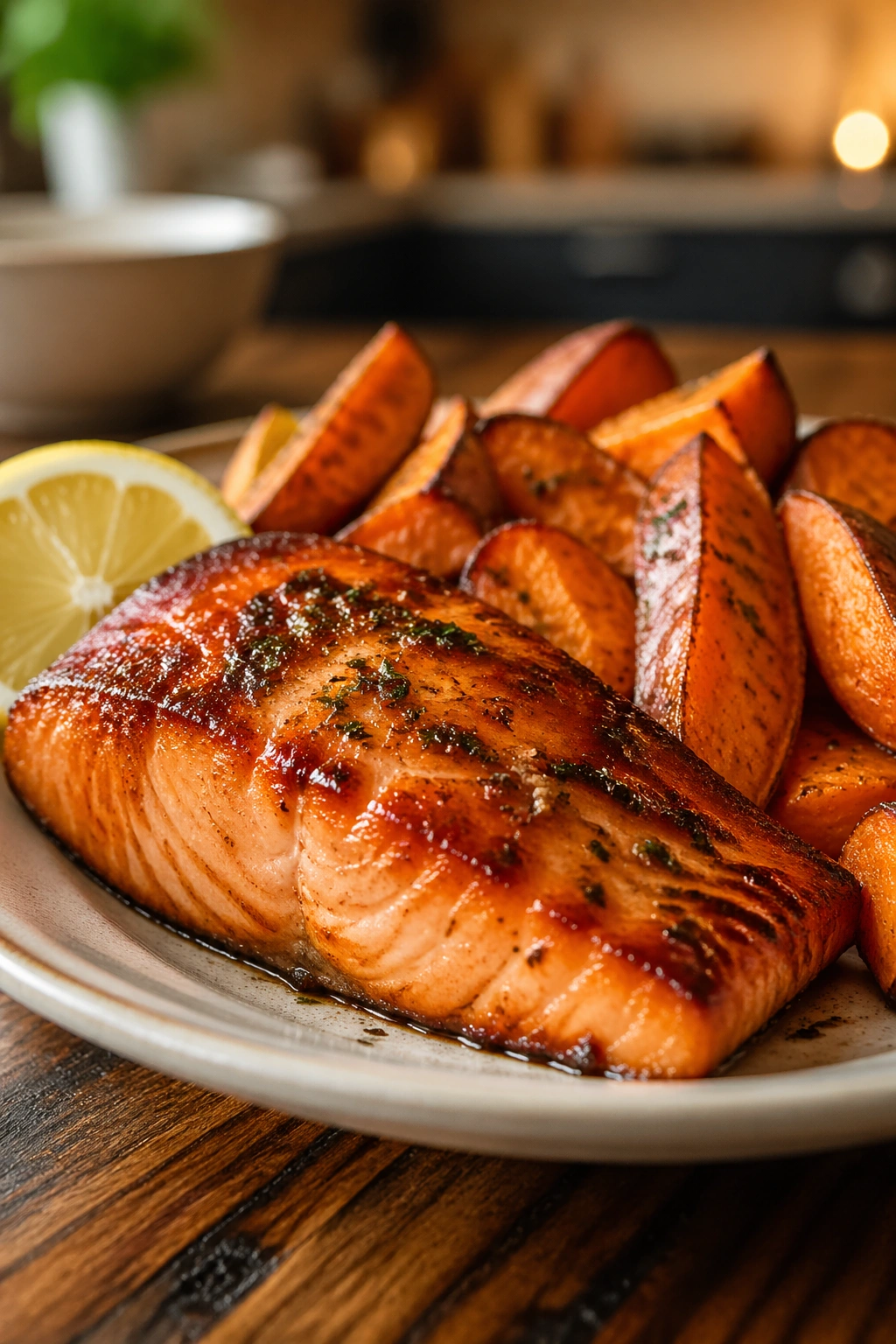
Picture the kind of leg day that leaves your hips tight and your lower back reminding you it was invited too. On nights like that, salmon and sweet potatoes hit a nice middle ground: filling, not brick-heavy, and easy to turn into a solid dinner.
Salmon gives you around 34 to 40 grams of protein in a 6-ounce serving, plus omega-3 fats that support recovery and general health. I would not sell omega-3s as some magical soreness cure, because they are not. Still, lifters who eat fatty fish a couple of times a week tend to do themselves a favor, especially when training volume stays high.
A medium-large sweet potato or 300 grams roasted gives you 50 to 60 grams of carbs, and it is an easy carb source when rice fatigue sets in. Sweet potatoes also bring potassium and a softer, slightly sweet flavor that pairs well with salty salmon.
A plate that works well:
- 6 ounces baked or pan-seared salmon
- 300 grams roasted sweet potato
- A squeeze of lemon and a good pinch of salt
- Cooked greens or green beans, not a mountain of raw salad
That last point matters. After leg day, giant raw salads can feel like punishment.
5. Chocolate Milk
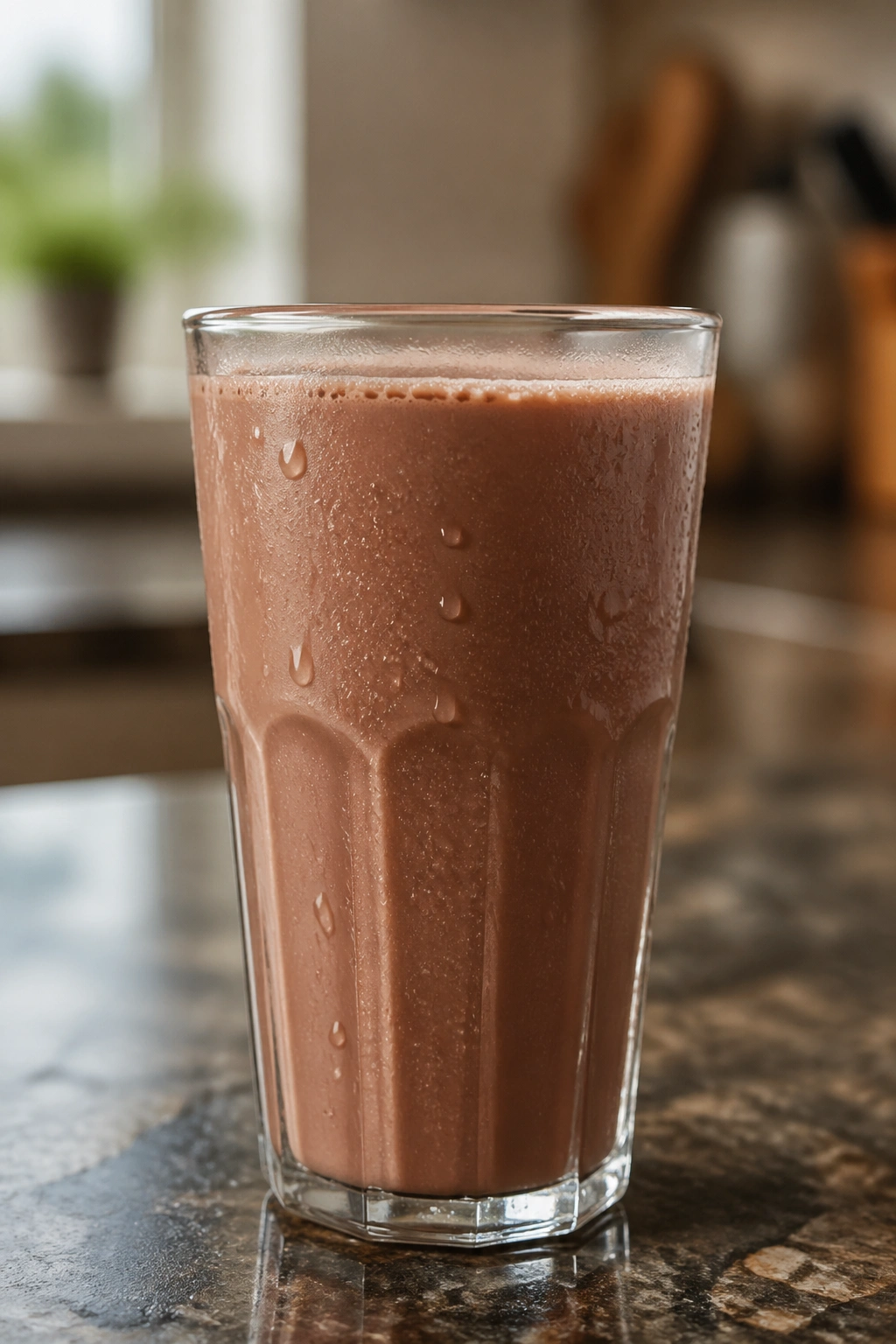
Chocolate milk keeps earning its spot because it solves three problems at once: carbs, protein, and fluids. And when your appetite is flat after high-rep squats, drinkable calories can save the day.
A 16- to 20-ounce bottle usually gives you 16 to 20 grams of protein and 30 to 50 grams of carbs, depending on the brand. That is not enough protein for every lifter as a full recovery meal, though it is enough to be useful. Pair it with a banana, a bagel, or a turkey sandwich and it turns into a proper post-workout setup.
Cold chocolate milk also goes down fast. That matters when you have a long drive home, a second job after the gym, or one of those sessions where chewing sounds like extra training volume.
There is a catch. If you are a bigger athlete or your session was huge—say heavy squats, then leg press, then lunges, then hamstring curls—chocolate milk alone is probably too small. Add another 15 to 25 grams of protein from whey, Greek yogurt, or deli turkey and you are in better shape.
Cheap matters too.
This is one of the least glamorous recovery foods on the list, and I like it for that reason. No one needs a special powder with neon branding when the grocery store fridge already has a solid option.
6. Lean Beef and White Rice
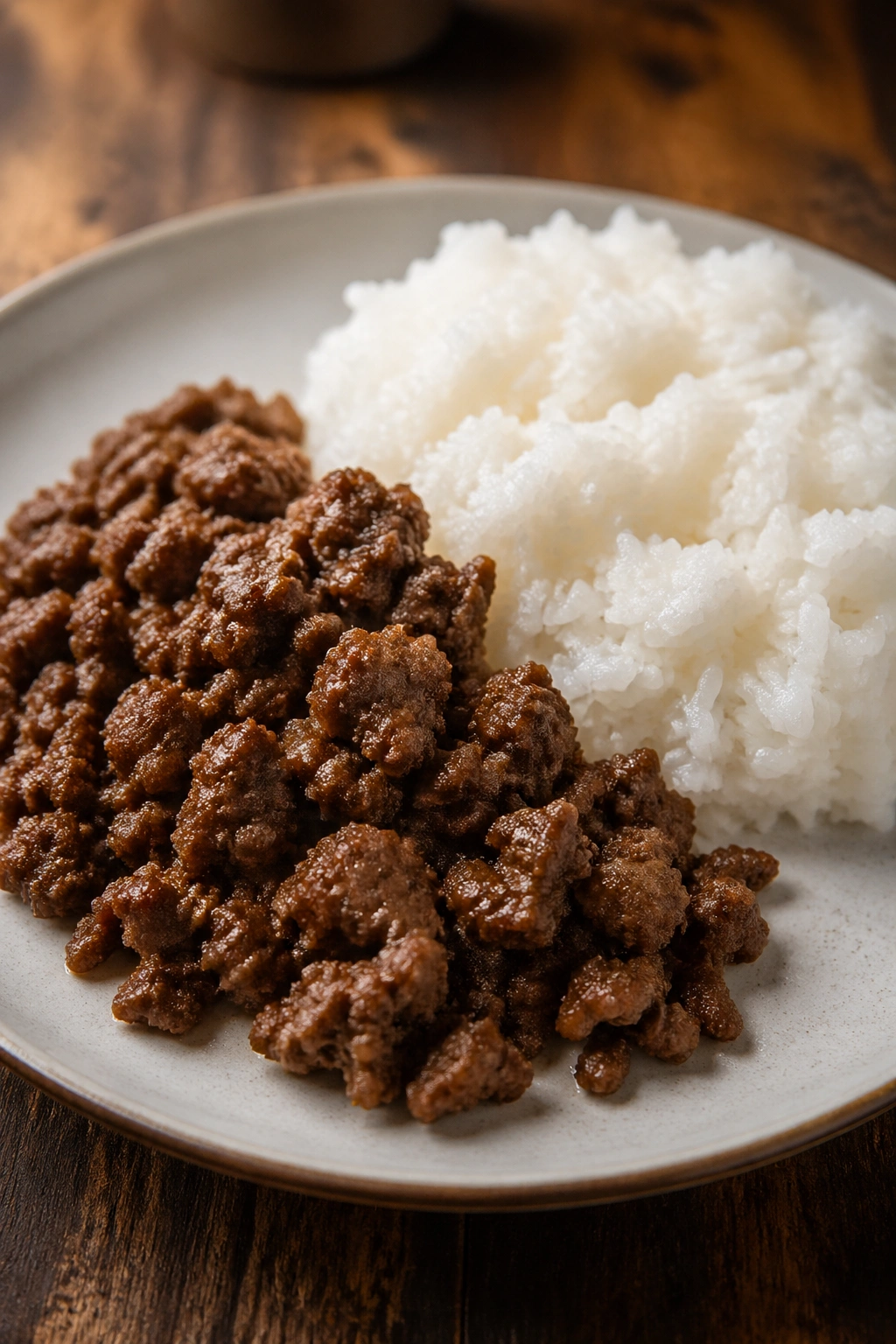
Unlike chicken, lean beef brings creatine, iron, zinc, and a deeper, more satisfying flavor, which makes it a smart pick after hard lower-body work. If your leg day includes heavy hinge patterns—deadlifts, Romanian deadlifts, good mornings, hip thrusts—beef can feel more substantial in a good way.
Use 5 to 6 ounces of 90/10 ground beef with 1½ cups cooked white rice and you have a meal that lands around 35 grams of protein and 65 grams of carbs. Add soy sauce, taco seasoning, or a little teriyaki and it becomes something you will make again rather than once out of duty. That repeat factor counts.
This meal suits people with a stronger appetite after training. Hard gainers tend to do well with it. Lifters trying to bring body weight up without stuffing themselves on junk food also have a friend here.
If your stomach gets touchy after training, drain the beef well and keep the extras simple. No need for half a skillet of onions, beans, cheese, and sour cream right after front squats. Good food does not need a food challenge attached to it.
7. Cottage Cheese and Pineapple
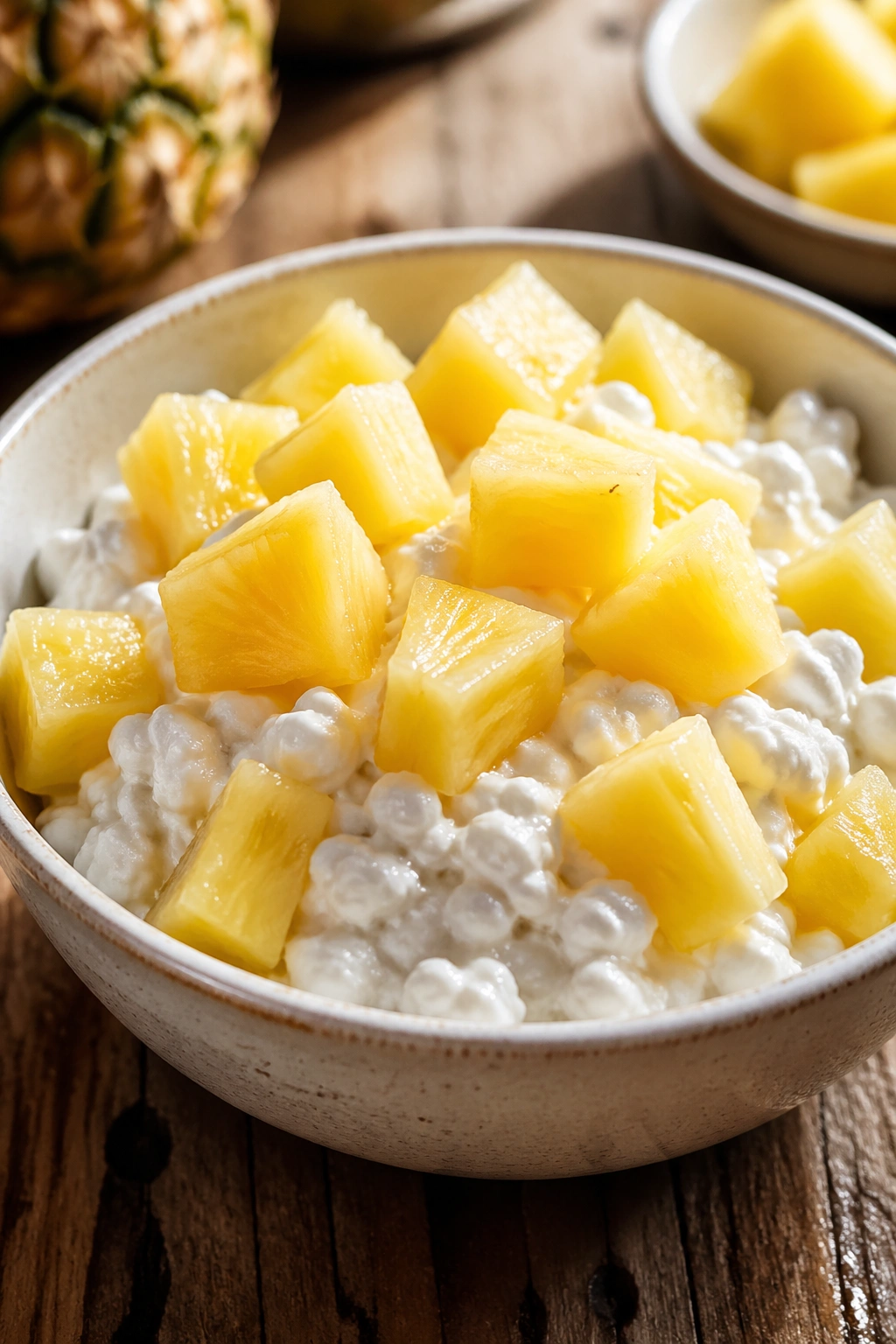
Cottage cheese has an old-school bodybuilding reputation, and for once the old-school crowd had a point. It is high in protein, easy to portion, and works well when you train late and want something cold before bed. Pineapple keeps it from tasting like fridge punishment.
What makes it useful
A 1½-cup serving of low-fat cottage cheese can give you 35 to 40 grams of protein with barely any prep. Pineapple adds moisture, sweetness, and a modest carb hit. The texture is not for everyone, I know. If you hate it, you hate it. Still, for people who like it, this is one of the fastest high-protein meals you can assemble.
How to turn it into a stronger recovery meal
- Add 1 cup pineapple chunks for quick carbs and better flavor.
- Pair it with 2 to 4 rice cakes, pretzels, or toast if the workout was demanding.
- Use low-fat cottage cheese if you want the meal to feel lighter after training.
- Sprinkle cinnamon or a pinch of salt on top, depending on whether you want sweet or more savory.
Smart tweak: if you are eating this after an evening workout, the slower-digesting casein in cottage cheese can be a nice fit before sleep.
8. Oatmeal with Whey and Banana When You Need a Fast Food to Eat After Leg Day
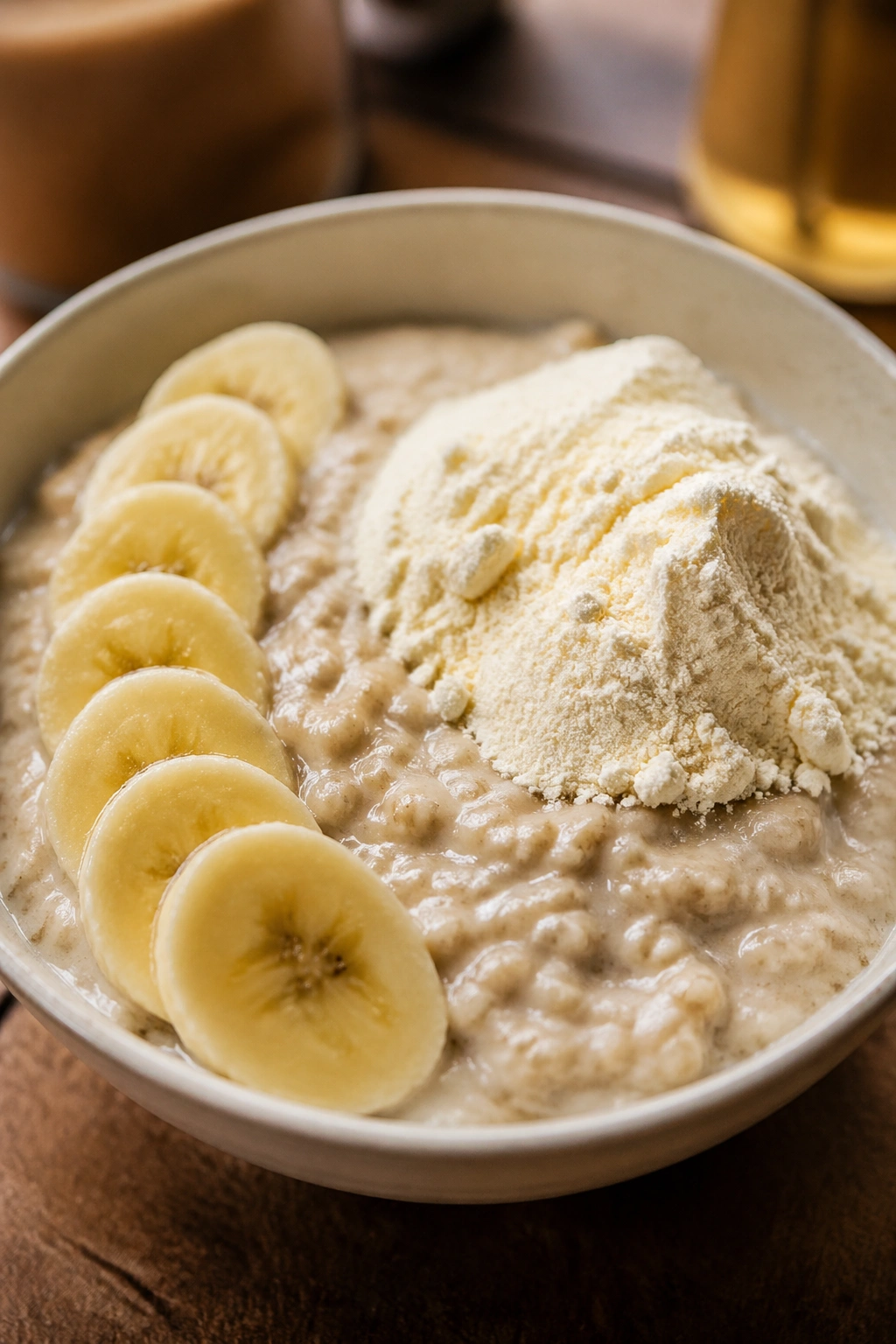
A bowl of oats after leg day sounds like breakfast, and that is fine. Breakfast foods often make better recovery meals than “fitness” foods do. Oatmeal gives you carbs, banana adds potassium and easy sweetness, and whey fills the protein gap fast.
The trick is getting the texture right. Cook 1 cup dry oats with more liquid than you think you need so the bowl stays soft. Let it cool for a minute, then stir in 1 scoop of whey protein. If you add whey over direct heat, you can end up with a weird clumpy paste, which nobody is excited to eat after Bulgarian split squats.
One medium banana adds 25 to 30 grams of carbs. The oats add another 50-plus grams. A scoop of whey lands around 20 to 25 grams of protein, and if you mix the oats with milk instead of water, the numbers climb a little more. Toss in cinnamon, peanut butter, or maple syrup if you need extra calories.
This meal works best when you want comfort food with decent macros. It also travels poorly, which is why I like it more at home than in a shaker bottle on a bus.
9. Turkey, Avocado, and Fruit Wrap
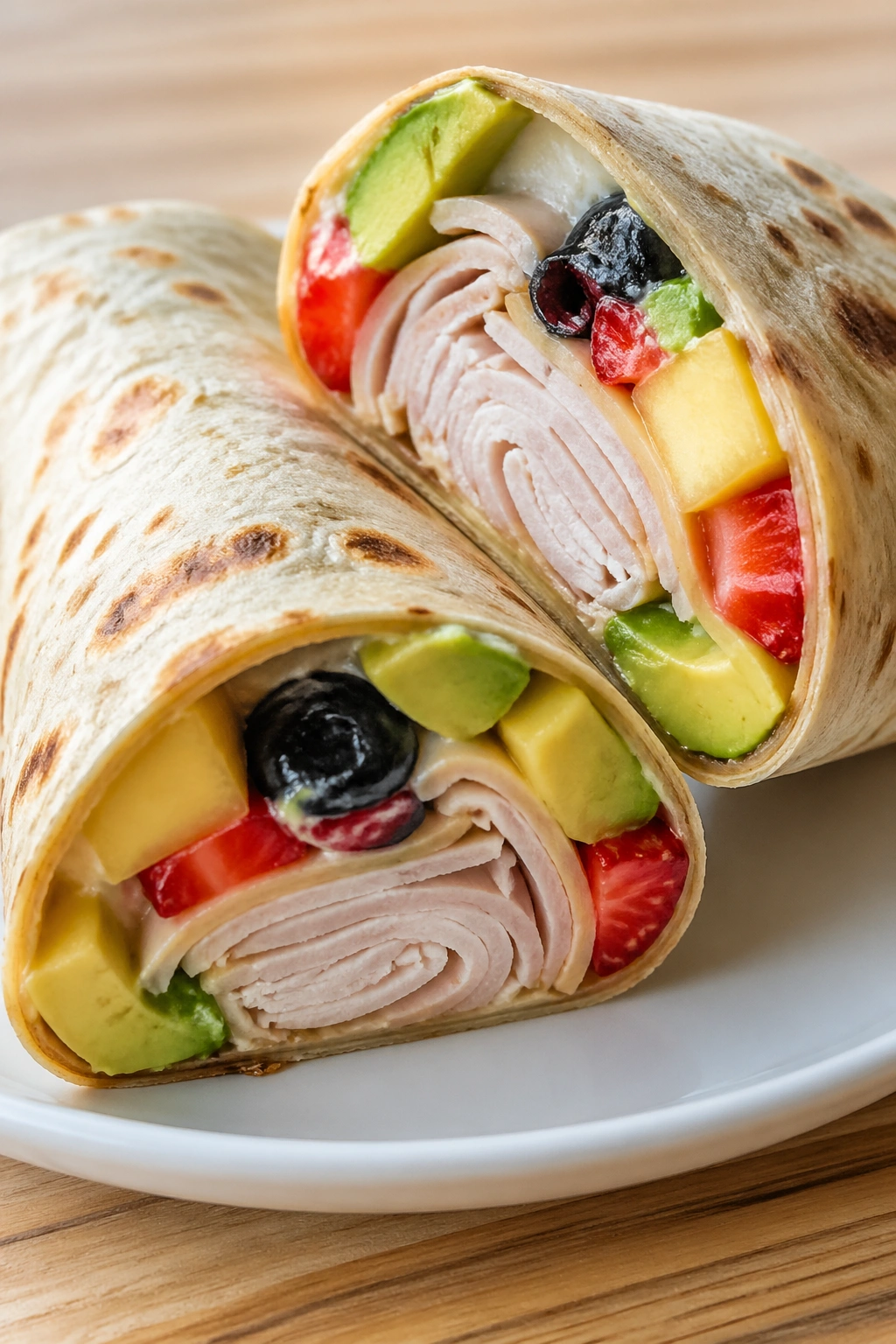
Need something you can eat in a car, at your desk, or on a bench outside the gym without balancing a plate on your knees? A turkey wrap with fruit on the side handles that job well.
The wrap itself should pull its weight. Use a large tortilla, not the tiny low-carb one that tastes like office supplies. Fill it with 5 ounces of sliced turkey, mustard, lettuce or spinach, and ¼ to ½ avocado. That gives you a portable meal with around 30 grams of protein and enough fat to make it satisfying.
Make it recovery-friendly
The fruit is not decoration. Add a banana, orange, apple, or a cup of grapes so the meal has a stronger carb side. A wrap with turkey and avocado alone can be too light after heavy leg training, especially if the workout ran longer than an hour.
This is one of the easiest “I forgot to meal prep” fixes on the list. Grocery-store deli turkey, a pack of tortillas, and fruit from the produce section can rescue the entire afternoon. No shaker cup required.
10. Tuna and Sourdough Toast

There is a certain kind of post-gym evening where the fridge looks empty until you remember you have a can of tuna and a loaf of bread. That is enough. Tuna and sourdough toast can make a sharp, cheap recovery meal with almost no cooking.
One can of tuna gives you 25 to 30 grams of protein, depending on size. Two thick slices of sourdough add 35 to 45 grams of carbs, and if the bread is toasted, the crunch helps the whole meal feel more like real food and less like emergency rations. Mix the tuna with a spoonful of mayo or Greek yogurt, lemon juice, black pepper, and chopped pickles if you have them.
A few easy upgrades:
- Add tomato slices or cucumber if you want freshness without much prep
- Eat fruit alongside it when your legs got hit with high volume
- Use sourdough, white, or potato bread if you want easier digestion than dense grain bread
- Salt it enough—canned tuna can still taste flat without help
Shelf-stable protein has a place in a strong nutrition plan. Fancy does not recover you; enough food does.
11. Tofu Stir-Fry with Rice Noodles
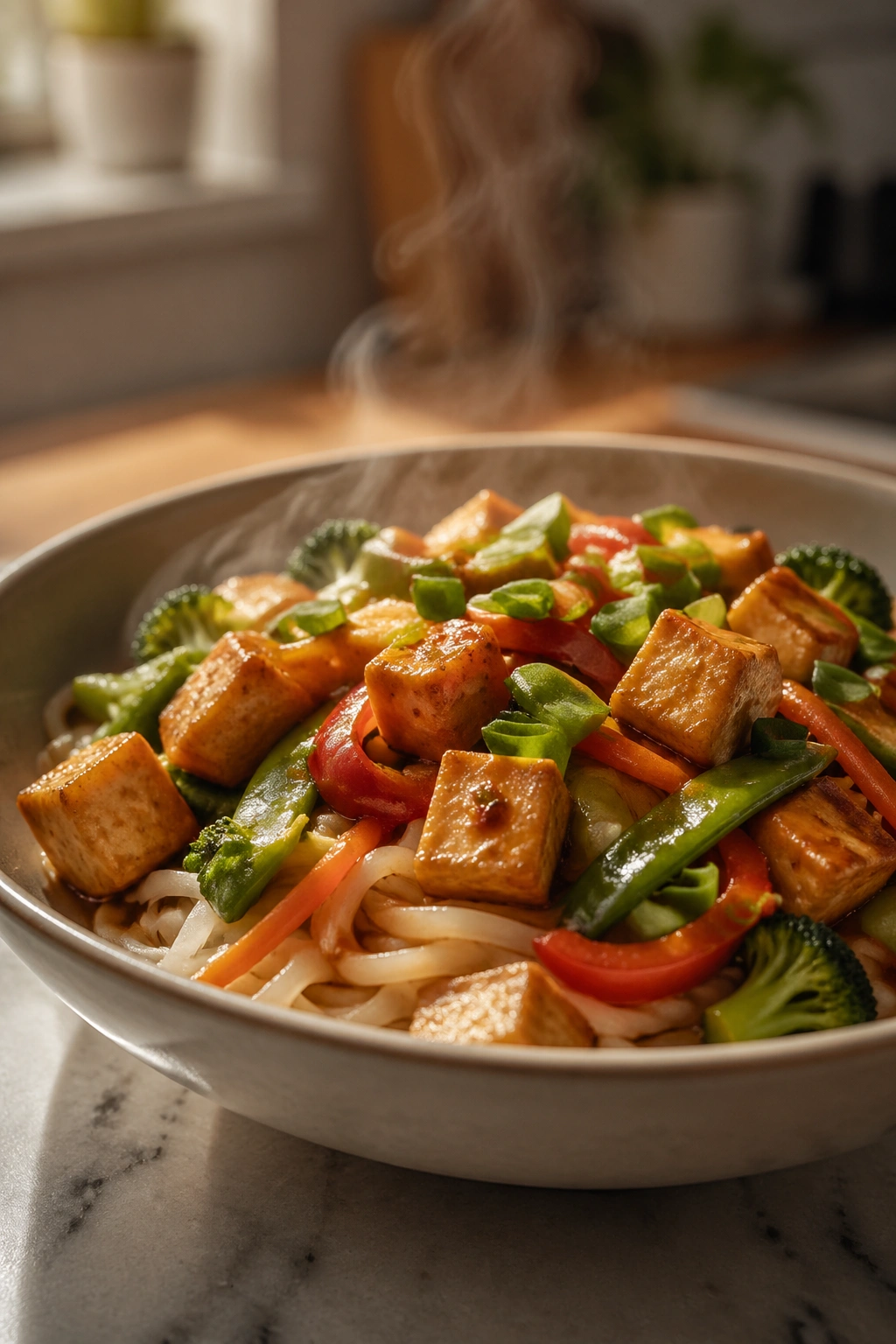
Plant-based lifters do not need a separate rulebook after leg day. They need the same things everyone else needs: enough protein, enough carbs, and a meal they will actually finish. Tofu with rice noodles gets you there without trying to imitate meat.
Use 200 to 250 grams of extra-firm tofu and 2 cups cooked rice noodles. Press the tofu, brown it well, and season with soy sauce, garlic, ginger, and a little sesame oil. Rice noodles are a smart choice here because they are softer and lower in fiber than a giant bowl of brown rice plus raw vegetables. After a hard workout, that gentler texture can make a difference.
Do not bury the meal under a mountain of broccoli slaw and cabbage right after training. Save the fiber festival for another time. Softer vegetables—bok choy, mushrooms, zucchini, snap peas cooked until tender—sit better for a lot of people after leg sessions.
Soy protein is complete protein. It does the job. That point still needs repeating because old gym myths die slowly.
If you want to push the protein higher, add shelled edamame or pair the meal with a soy yogurt cup later in the evening. Easy.
12. Kefir Smoothie with Mango and Oats
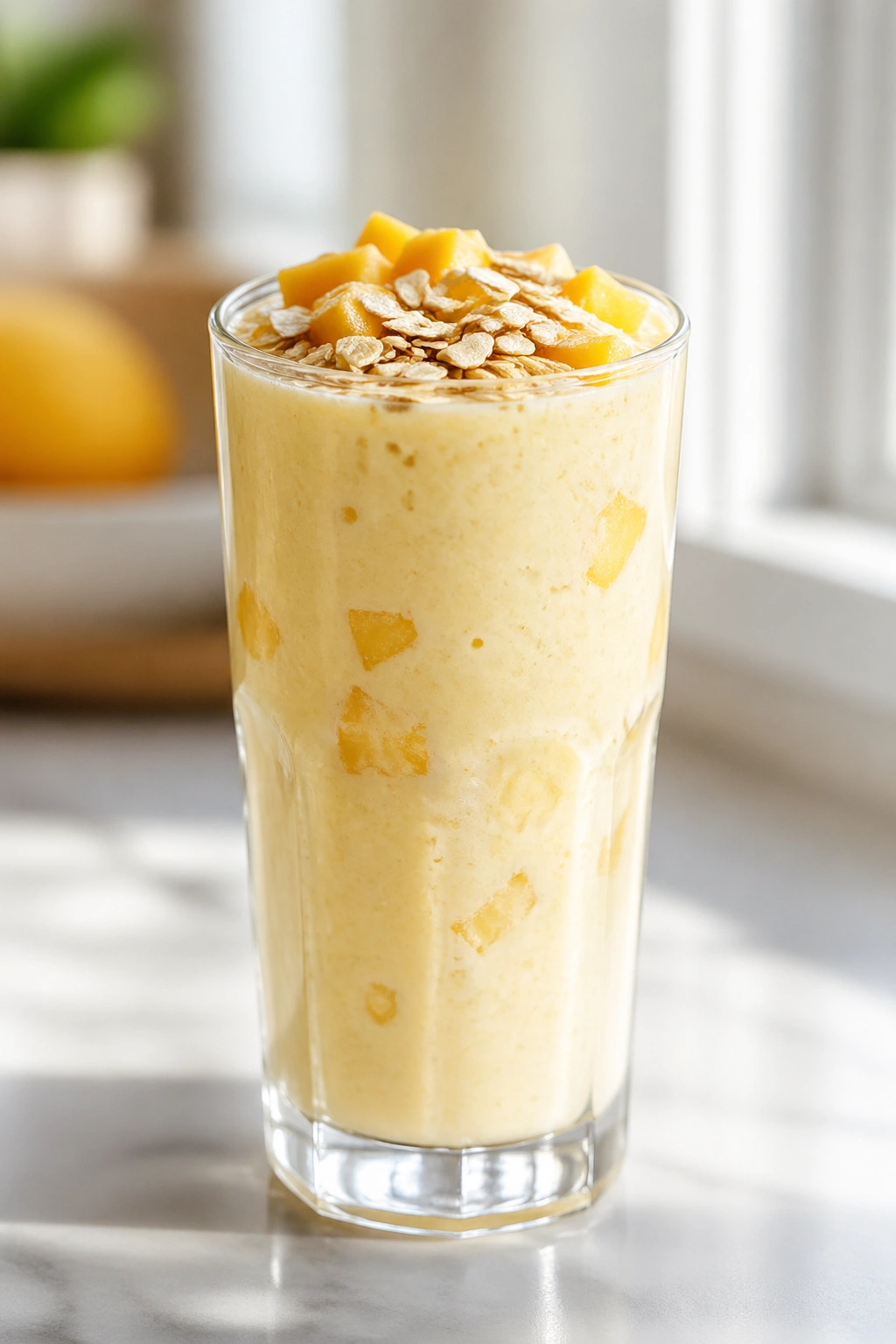
Unlike a thick solid meal, a kefir smoothie can slide in when your stomach still feels like it is doing walking lunges. That alone earns it a spot here. Kefir gives you protein and fluid, mango brings fast carbs, oats make it stick longer, and the whole thing takes about 2 minutes to blend.
A strong version looks like this: 12 to 16 ounces kefir, 1 cup frozen mango, ½ cup oats, and 1 scoop whey if you need a bigger protein hit. Add ice and a pinch of salt. Blend until smooth. That can land around 35 to 45 grams of protein and 60 to 80 grams of carbs, depending on the ingredients you choose.
This works well for morning trainers who have to head straight to work, parents who finish a session and go right back into family life, or anyone who trains hard but loses appetite for an hour afterward. Drink part of it on the ride home, finish the rest while your shower is running.
If dairy is a problem, lactose-free kefir or a cultured drinkable yogurt can be easier to tolerate. The idea is not kefir at all costs. The idea is a cold, easy meal that helps you recover without picking a fight with your stomach.
13. Lentils and Rice
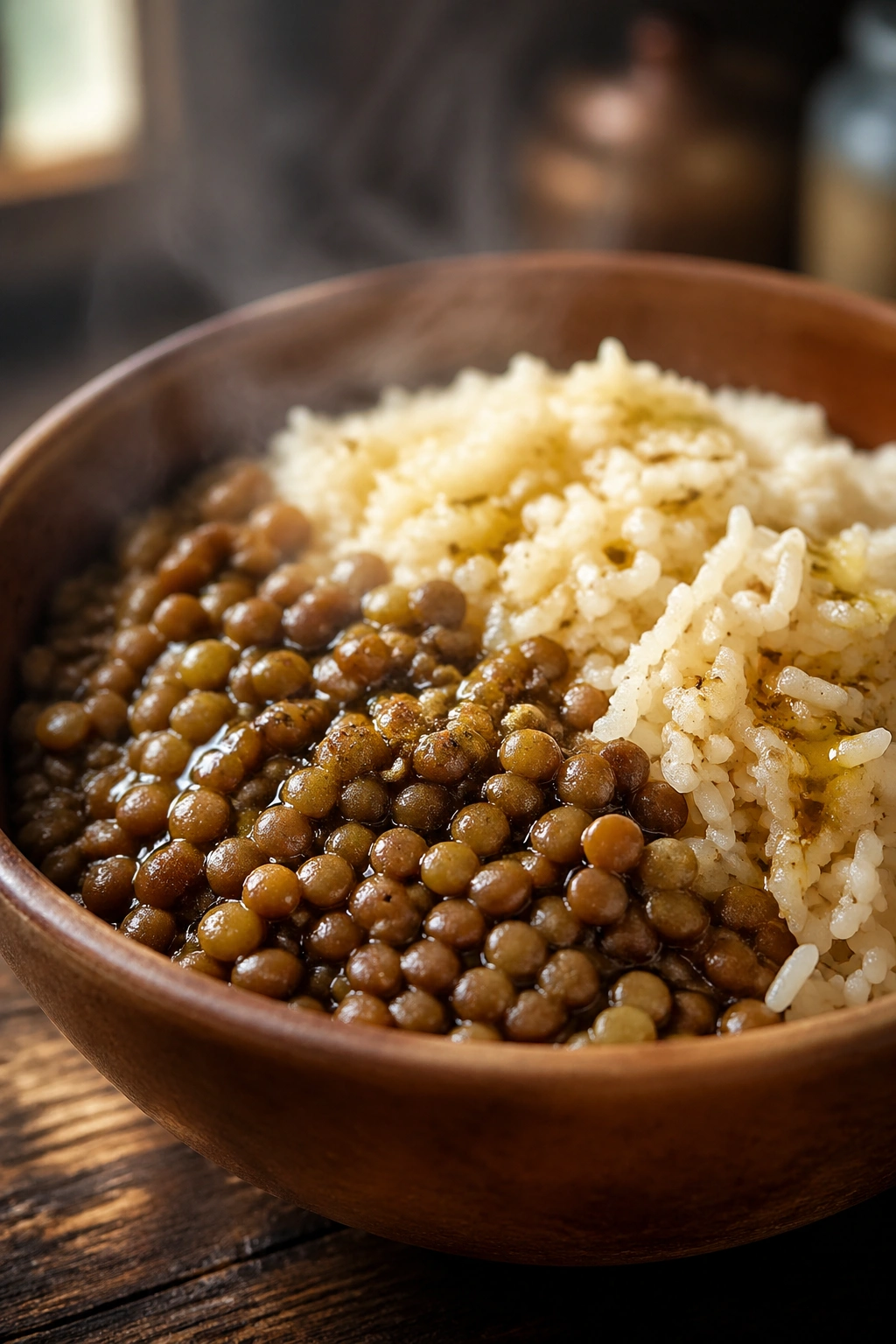
Lentils and rice are not flashy, and that may be why people underestimate them. This combo is cheap, filling, and much better for recovery than its humble reputation suggests. If you batch-cook both, you can have four post-workout meals ready in less time than it takes to scroll through supplement ads.
Why this staple keeps working
One cup of cooked lentils plus 1 to 1½ cups cooked rice gives you a solid mix of carbs, plant protein, iron, magnesium, and fiber. It is not as protein-dense as chicken and rice, so portion size matters. If your goal is muscle gain and you want the meal to hit harder, go bigger or add another protein source.
Easy ways to strengthen it
- Use 1 cup cooked lentils and 1½ cups rice after a tougher session
- Add 4 to 6 ounces tofu or tempeh if you want more protein
- Season with cumin, garlic, and olive oil so it tastes like dinner, not homework
- Top with salsa or a fried egg if you are not eating fully plant-based
Budget food can still be athlete food. I wish more people understood that sooner.
14. Shrimp and Jasmine Rice for a Light Meal After Leg Day
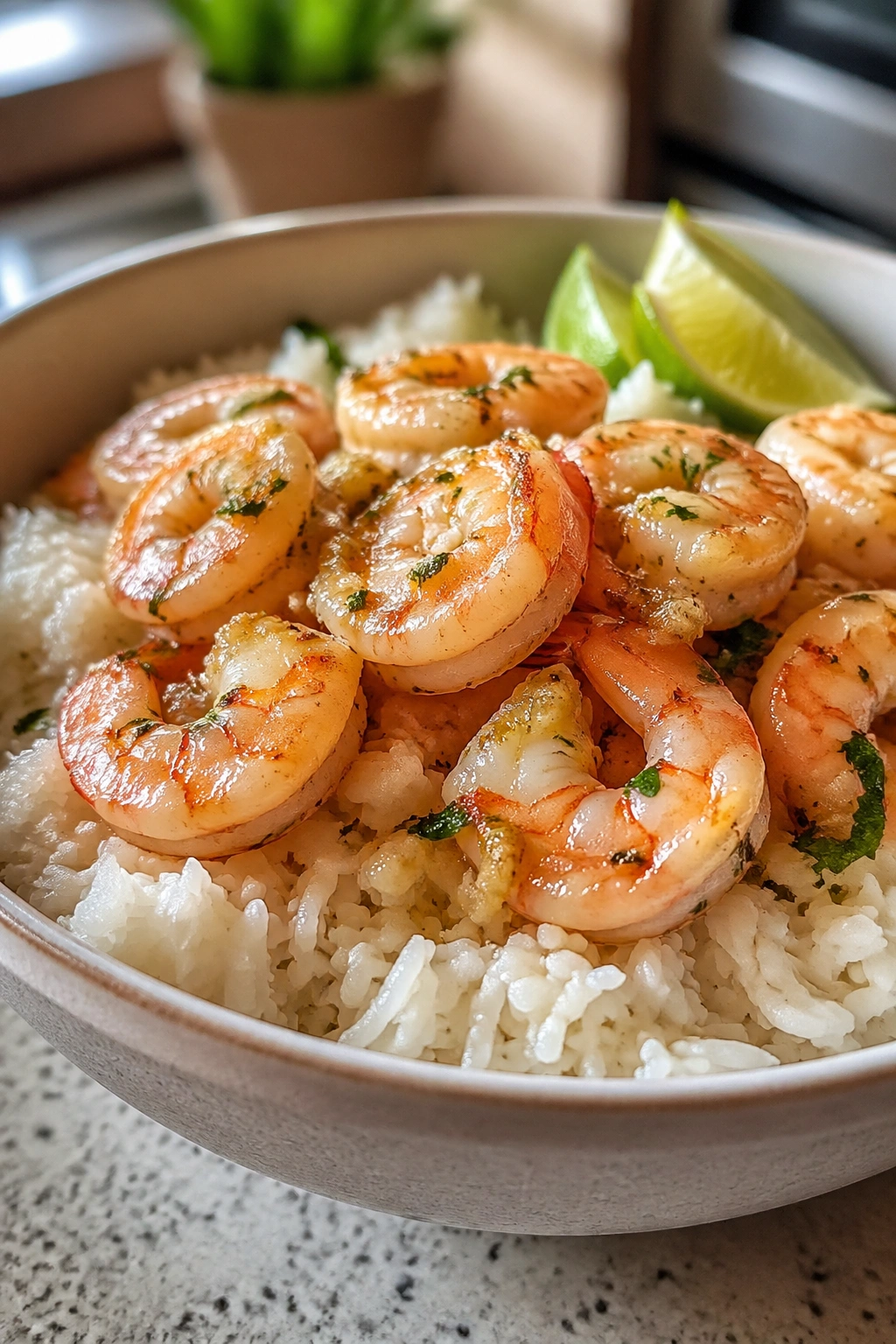
Shrimp cooks fast—often in 4 to 5 minutes—which makes it one of the best late-night recovery meals around. When you get home from training and do not want a heavy plate sitting in your stomach, shrimp and jasmine rice can feel almost effortless to eat.
Shrimp is lean, so you can get 35 to 40 grams of protein from 7 to 8 ounces without much fat slowing digestion. Jasmine rice is soft, quick, and easy to scale up. Use 1½ cups cooked rice as a starting point, then add more if the session was brutal or you have another workout the next day.
A little butter, garlic, chili flakes, lime, and salt carry the whole meal. Keep the vegetables light—a few sautéed peppers, zucchini, or spinach is enough. Huge stir-fries can turn a recovery meal into a chewing contest.
This one is also freezer-friendly. Bag of shrimp, bag of rice, pantry seasonings. Done.
If you want a restaurant-style shortcut, shrimp rice bowls from takeout spots can work fine too. Watch the protein portion, because the rice is often generous and the shrimp can be stingy.
15. Pasta with Turkey Meat Sauce
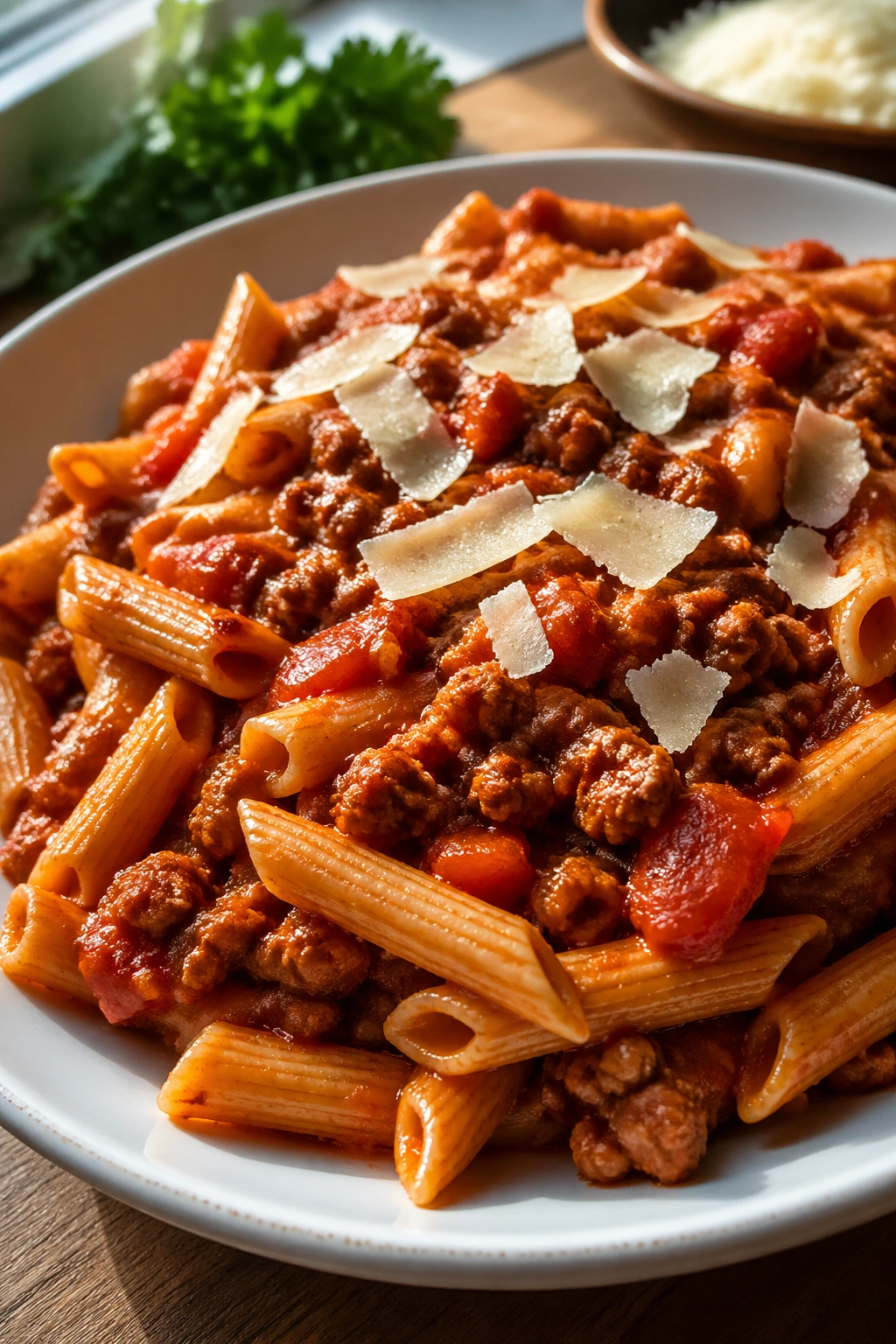
Some leg days call for a bigger answer. Pasta with turkey meat sauce is that answer. If you trained with real volume—multiple squat sets, accessories piled on top, maybe calves at the end because you like making life harder than it needs to be—pasta makes sense.
Two cups of cooked pasta give you 75 to 90 grams of carbs, depending on shape and brand. Add 5 to 6 ounces of turkey meat sauce and you have another 30-plus grams of protein with enough sodium to help you feel human again. Parmesan on top is not a nutritional sin. It is protein, calcium, and flavor.
Regular pasta often works better here than high-fiber bean pasta if your stomach is tender after training. Bean pasta has its place. Post-leg-day comfort is not always that place.
Make a big pot and you have recovery meals for days. And yes, leftovers taste better. That is not sports science; that is kitchen science.
Final Thoughts
The best post-leg-day meal is usually the one that covers protein, carbs, fluids, and digestion without making you force-feed yourself. After lower-body training, tiny snacks dressed up as recovery meals rarely cut it. Your legs asked for more than that.
Go bigger on carbs after the sessions that leave your gait looking strange. Lean on cold, easy foods when appetite drops. Use bigger hot meals when you are hungry enough to handle them. That is a more useful way to think than chasing one “clean” answer.
Pick three or four foods from this list and keep them in rotation. When leg day stops being a nutrition scramble, recovery gets easier—and your next workout usually feels less like payback.
