



Most buff arm workouts fail for one dull reason: they chase the burn and skip the load. If you want stronger arms, you need exercises that let you progress, not just sweat.
The upper arm is a funny place. The biceps get all the attention, but the triceps make up most of the size, and forearm work matters more than people admit because a thick forearm makes the whole arm look heavier. A sleeve doesn’t care how pretty your pump felt.
Pick a few moves you can repeat for months: one heavy curl, one stretch-based curl, one overhead triceps move, one press, and one finisher that leaves your elbows talking back. The trick is not doing twenty exercises in one day. It’s loading the right ones hard enough to force change.
Now the list. Some are old-school, some are cable work, and one or two are a little mean on purpose.
1. Heavy Barbell Curls
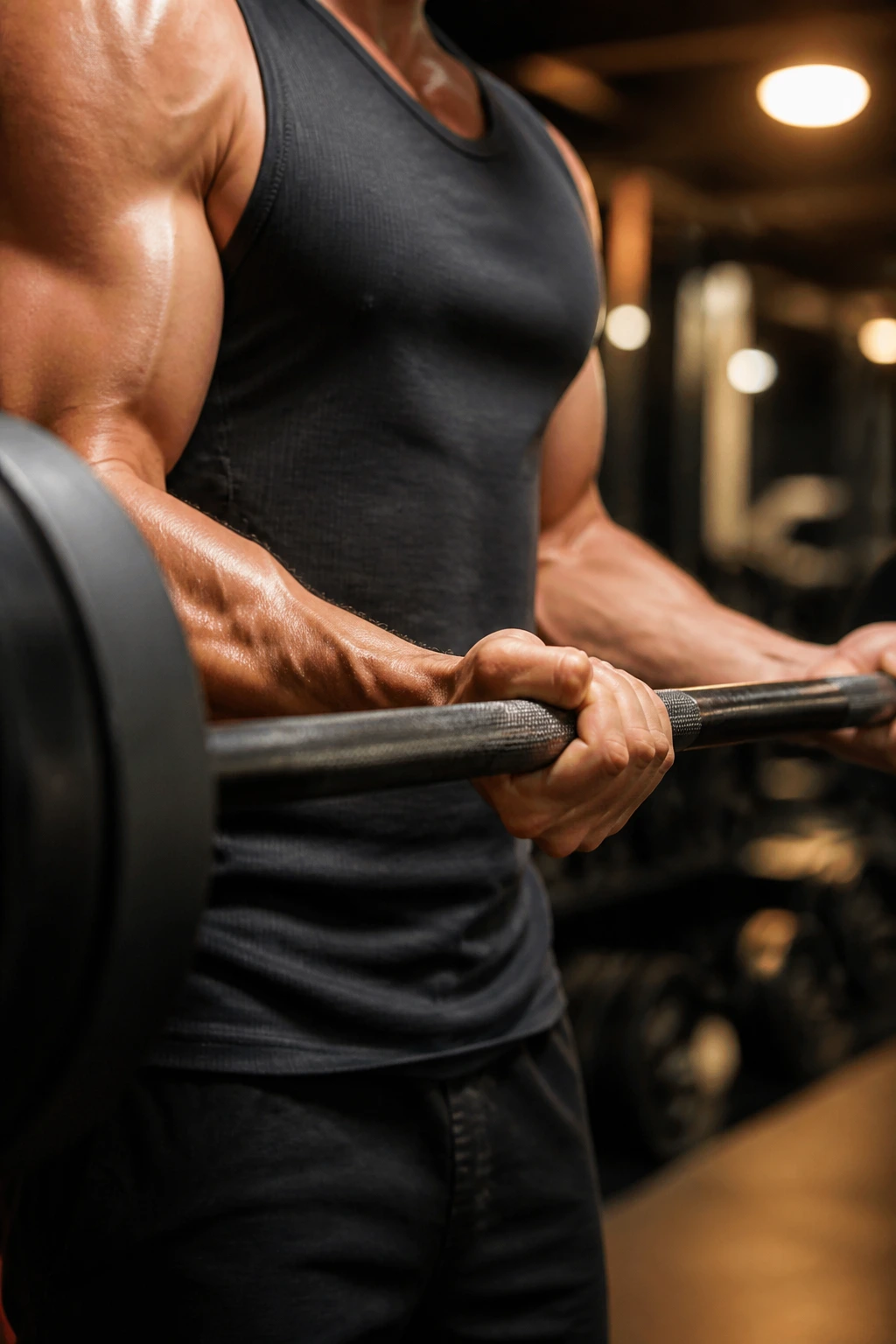
If you want a straight-up strength anchor for arm training, start here. Barbell curls let you load both arms evenly and make cheating obvious, which is exactly why they’re so useful.
The temptation is to turn them into a hip hinge with a bar attached. Don’t. Keep the ribs down, squeeze the glutes, and let the elbows stay just in front of the body instead of drifting all over the place. A little body English is normal when the set gets hard. A full-on swing is not.
How to make it count
- Use 3 to 4 sets of 6 to 8 reps.
- Take a shoulder-width grip on a straight bar or EZ bar.
- Lower for 2 to 3 seconds on every rep.
- Stop one rep before the lower back starts helping.
Best for lifters who want a heavier curl they can track over time. If the bar speed drops, that’s fine. If your torso starts dancing, the set is over.
2. Incline Dumbbell Curls
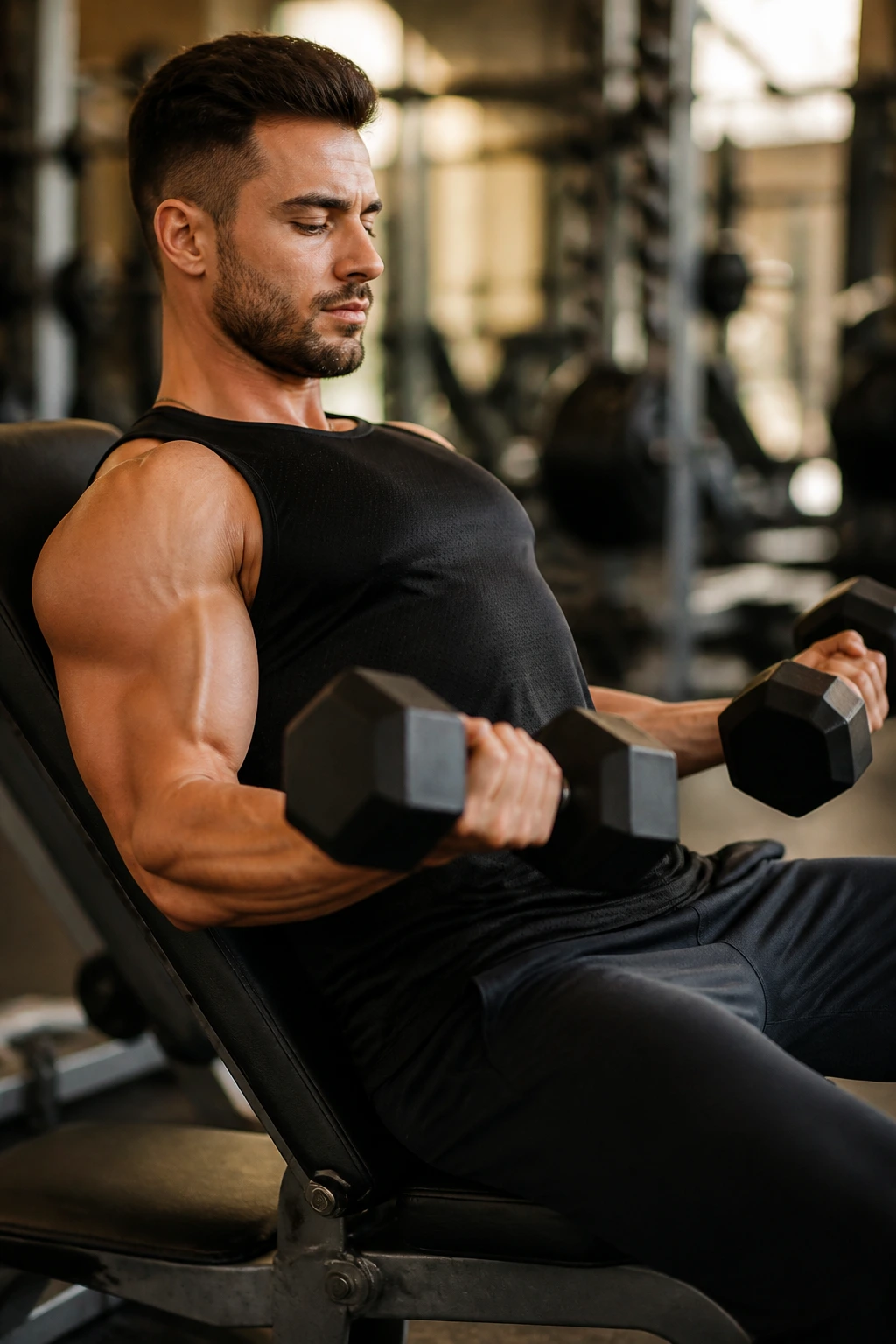
Why do incline curls light up the biceps so fast? Because they put the arm in a stretched position before you even start moving.
That stretch matters. With the bench set around 45 to 60 degrees, your elbows sit a bit behind your torso, which gives the biceps a longer working range than a standard standing curl. It feels awkward for the first few reps, and that’s part of the appeal. Awkward usually means the exercise is doing something useful.
What the stretch changes
Hold the dumbbells with your palms turned up, keep your shoulders pinned back, and let the arms hang almost fully straight at the bottom. Do 3 sets of 8 to 12 reps with a slow lower. The last inch of the descent should feel controlled, not dumped.
Pro tip: if you can’t keep your upper arms still, the bench is probably too steep or the dumbbells are too heavy. Both fixes work fast.
3. Hammer Curls
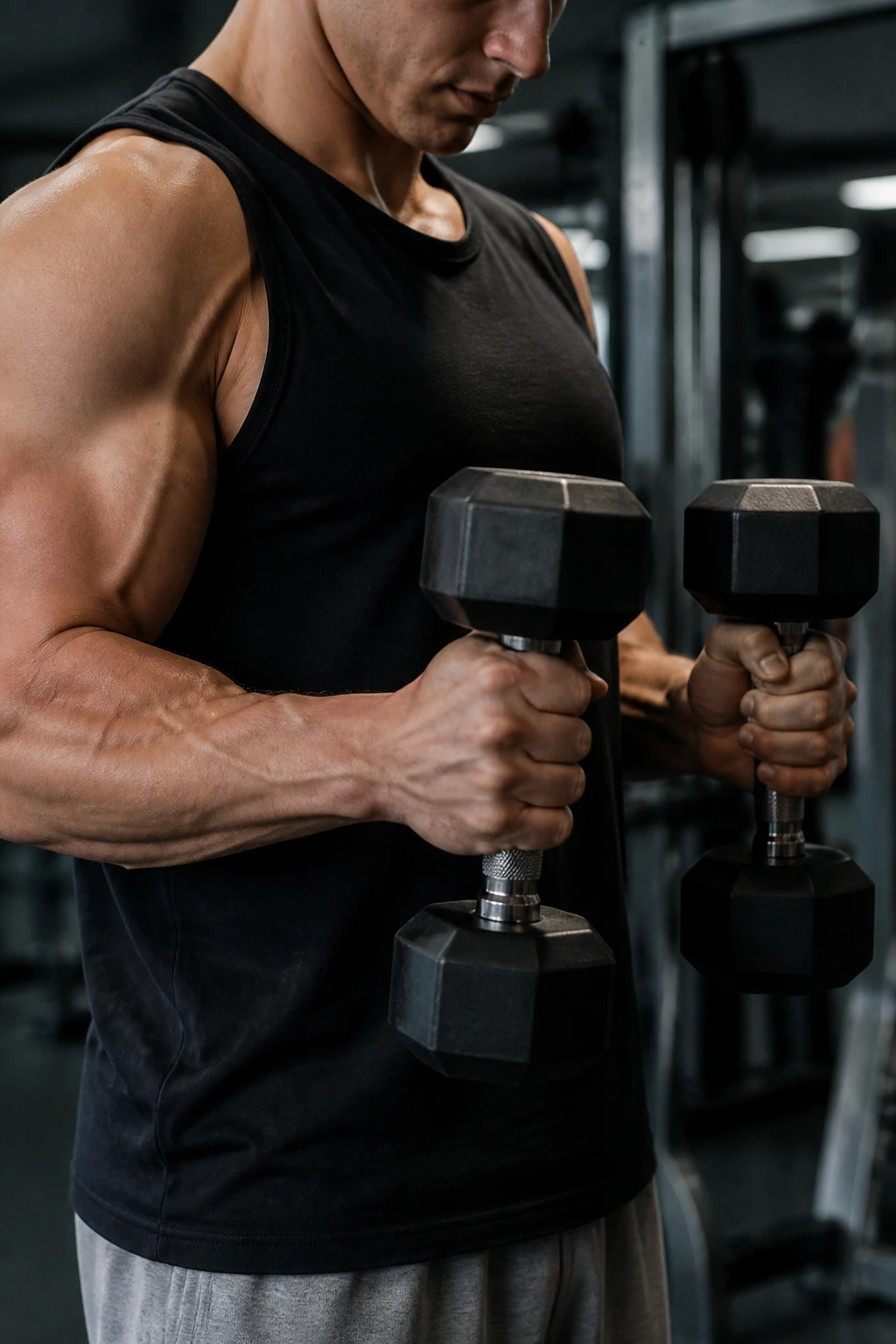
You can spot a good hammer curl set by the forearms before you can see the biceps. That neutral grip hits the brachialis and brachioradialis hard, which is one reason this lift makes the whole upper arm look thicker from the side.
A lot of people use hammer curls as a warm-up by mistake. Then they wonder why their arms never look dense. Treat them like a real lift. Use a load that makes the last two reps honest, and keep the wrist stacked over the elbow the whole way.
- 3 sets of 8 to 10 reps works well.
- Try both alternating and simultaneous reps.
- Keep the dumbbells close to the body.
- Pause for a count at the top when the forearm meets the upper arm.
This is one of the few arm moves that also pays off in pulling strength. Carryover matters.
4. Preacher Curls
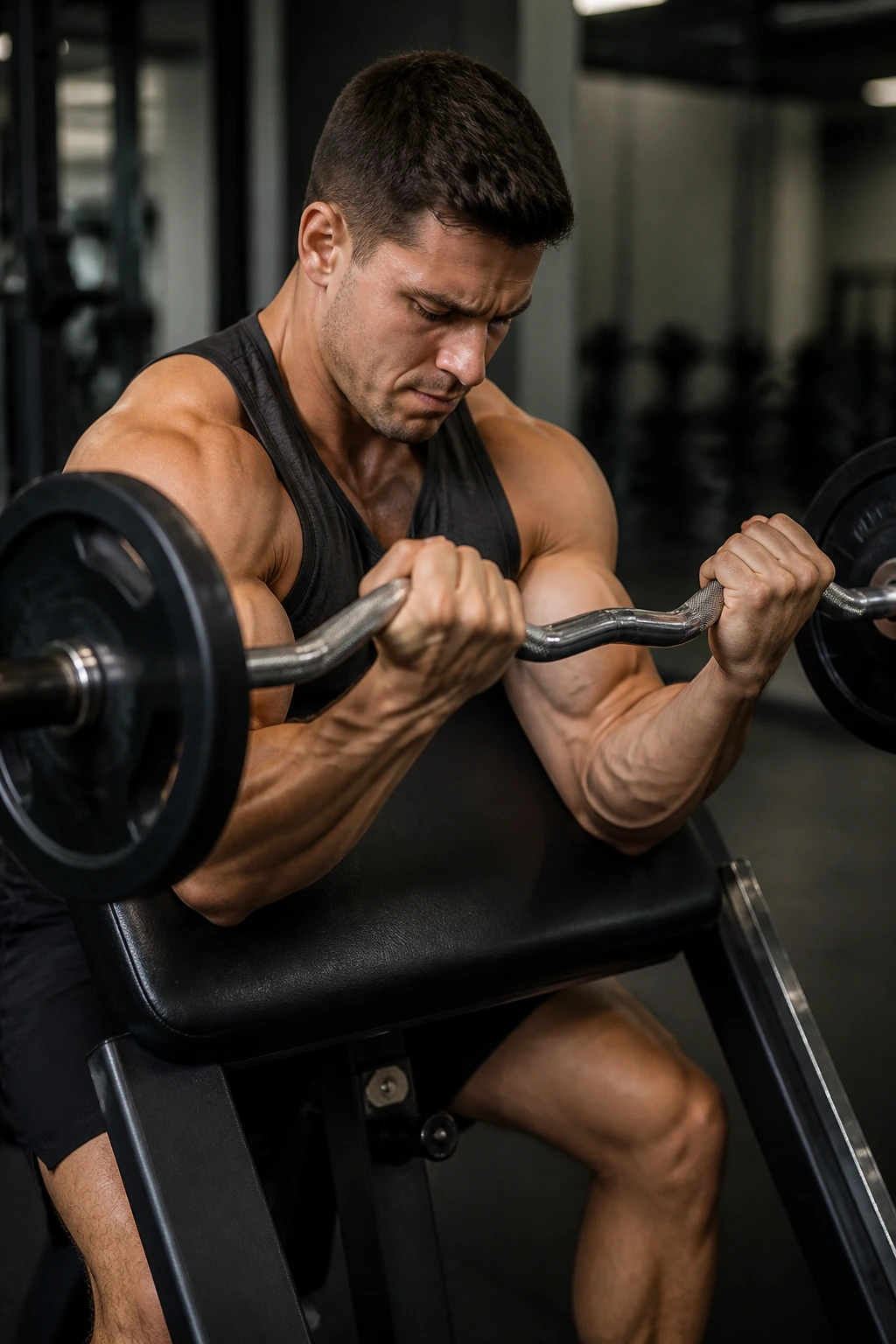
Preacher curls are brutal in the cleanest possible way. The pad removes most of the cheating room, so the biceps end up doing the work instead of the shoulders, hips, and lower back stealing the show.
I like preacher curls because they expose lazy reps immediately. If you drop too fast, you feel it in the elbow. If you fling the bar off the bottom, the bar tells on you. A good rep here has a very specific feel: smooth on the way up, controlled on the way down, and no frantic bouncing off the pad.
Use an EZ bar for most people, since the wrist angle is friendlier than a straight bar. Three sets of 10 to 12 reps is plenty. I’d rather see a lifter do clean medium-weight preacher curls than chase a load that turns the last five reps into a shrug contest.
Short version: strict wins here.
5. Spider Curls
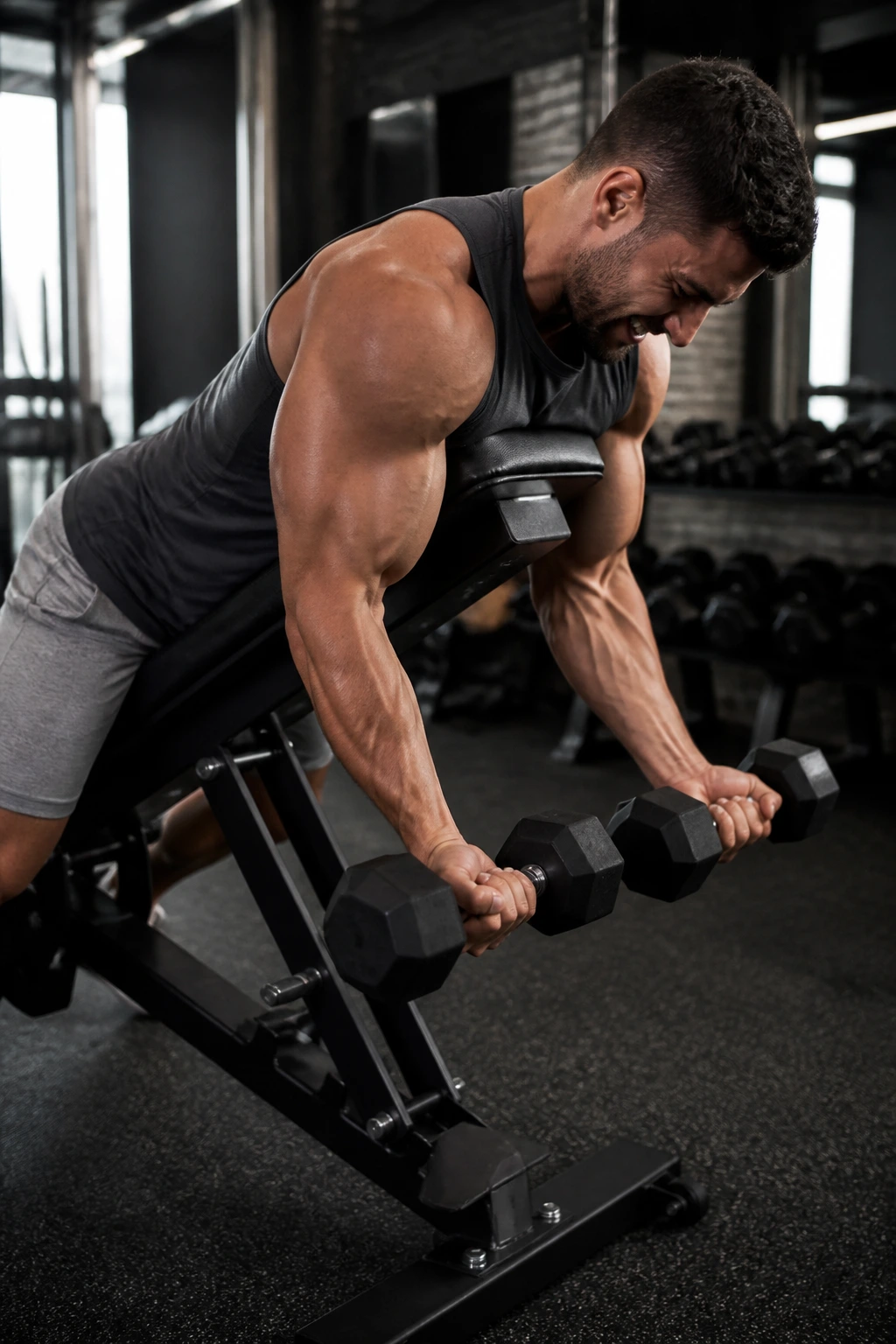
Unlike standing curls, spider curls take the body out of the equation almost completely. That makes them a sneaky good choice when you want a hard squeeze at the top and less temptation to heave the weight around.
Set an incline bench to about 45 degrees, lie chest-down, and let the arms hang straight toward the floor. The curl path is short, but it burns fast because the biceps stay loaded the whole time. That’s the part people miss. A shorter motion is not a weaker motion when the tension stays high.
What makes them different
- Great for 10 to 15 rep sets
- Easy to pair with preacher curls or hammer curls
- Harder to cheat than standing dumbbell work
- Very useful when you want a cleaner peak contraction
If your gym has a preacher bench that feels too awkward, spider curls are the easier cousin. Same idea. Less fuss.
6. Reverse Curls
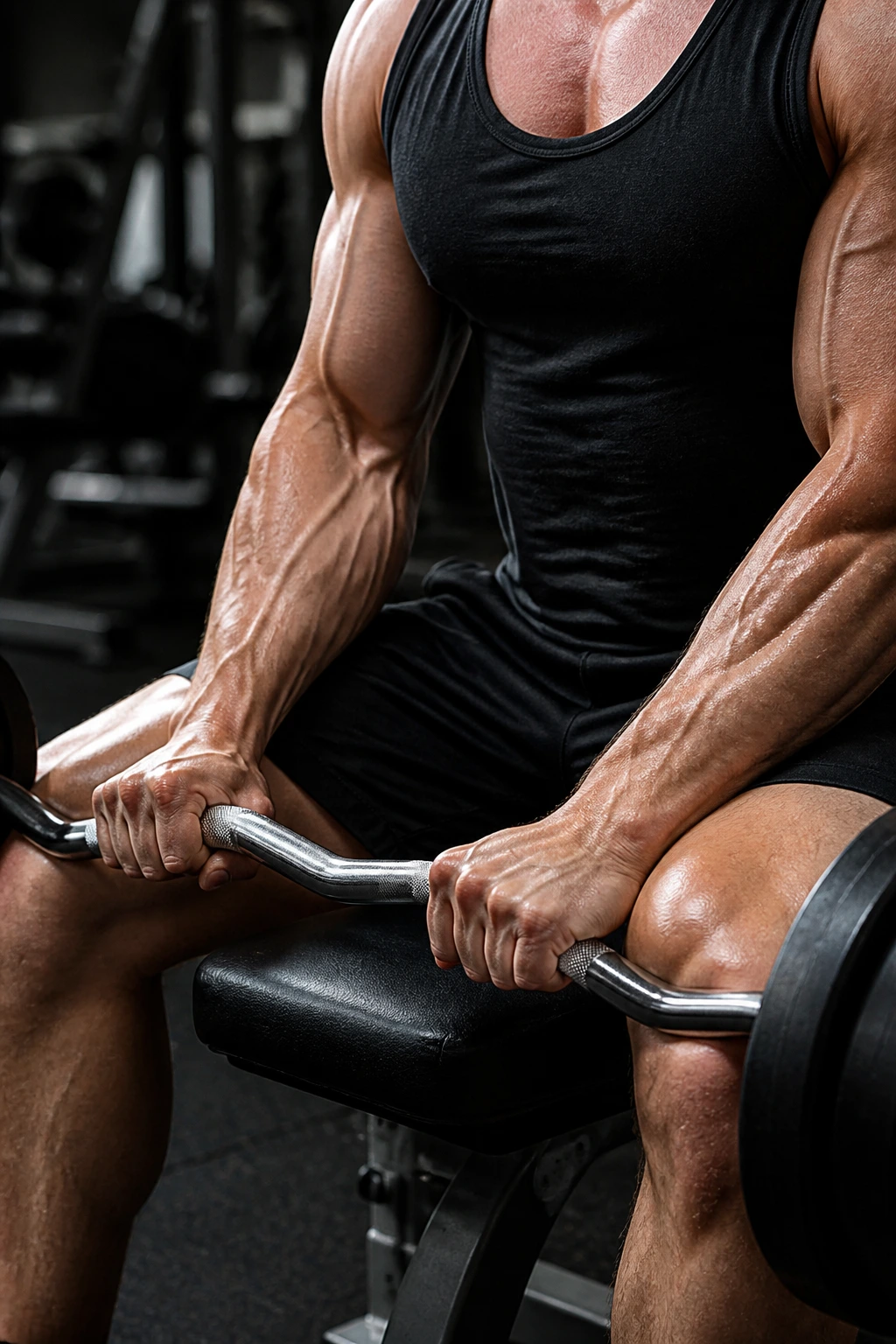
Reverse curls are where arm day stops being just an arm day and starts helping your grip, wrists, and forearms too. The pronated grip shifts the load away from the biceps and into the brachioradialis and forearm extensors, which is why this movement looks plain but does a lot.
Use an EZ bar if a straight bar bothers your wrists. Keep the knuckles up, wrists straight, and elbows fixed near the ribs. The motion should feel measured, not snappy. If the bar starts drifting forward, the forearms lose tension fast.
- Go with 3 sets of 8 to 12 reps
- Start lighter than you think
- Use a slow lower for 2 to 3 seconds
- Stop if the wrists start feeling cranky
That last part matters. Forearm work should build durability, not irritate the joints for the next three days.
7. Zottman Curls
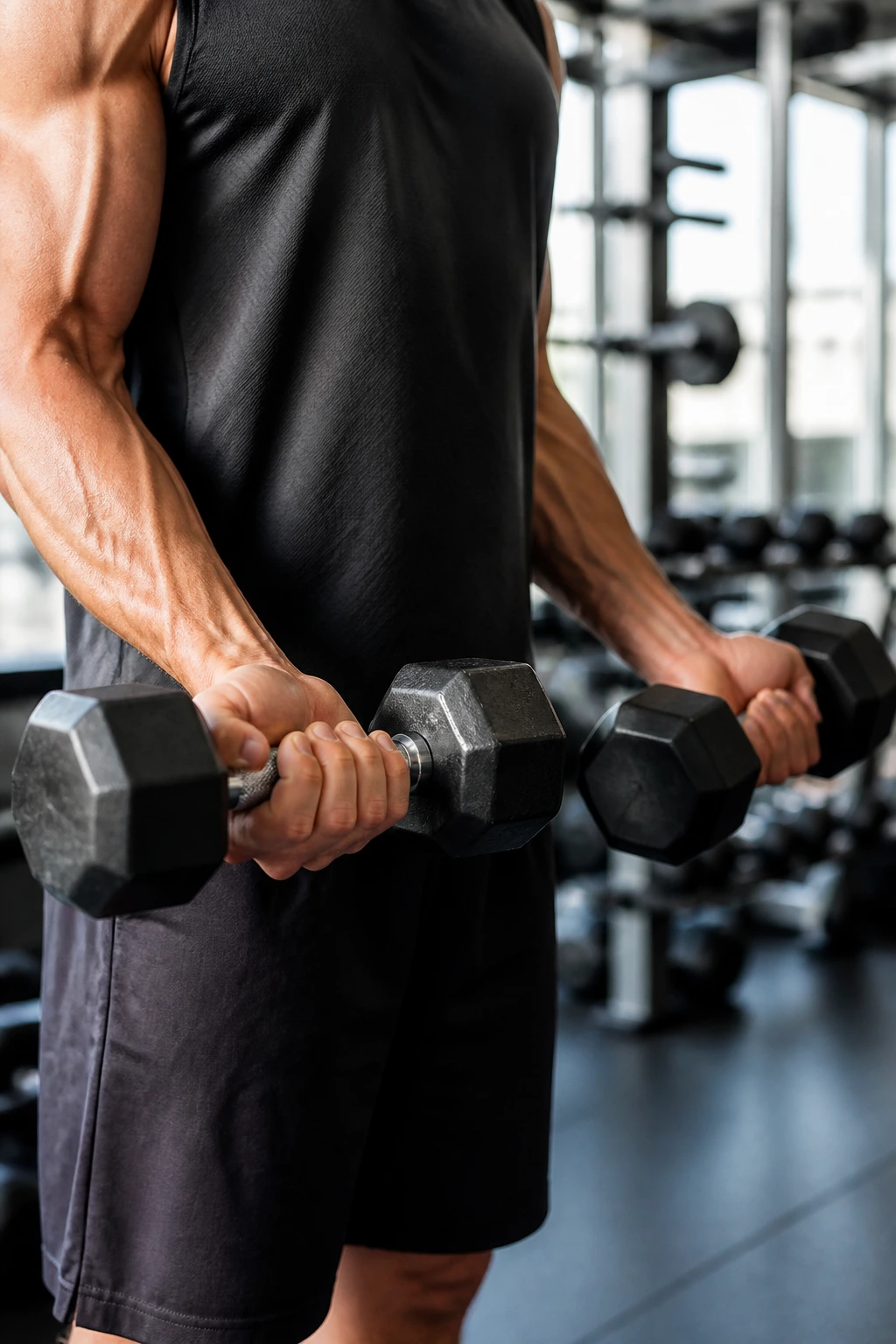
Why mix grips on the way up and down? Because one lift can train the biceps on the curl and the forearms on the return without needing another machine.
The Zottman curl looks odd the first time you do it. Curl up with your palms facing you, rotate at the top, then lower with your palms facing down. The eccentric lowering phase lights up the forearms in a way most people don’t expect, and it’s one of the cleaner arm-builders if you like dumbbells more than bars.
How to use it
- Do 3 sets of 8 reps
- Keep the dumbbells moderate, not heavy
- Rotate smoothly; don’t jerk the wrists
- Lower for 3 seconds on every rep
This is the lift I use when a straight curl feels stale. It’s still simple. Just less boring.
8. Chin-Ups
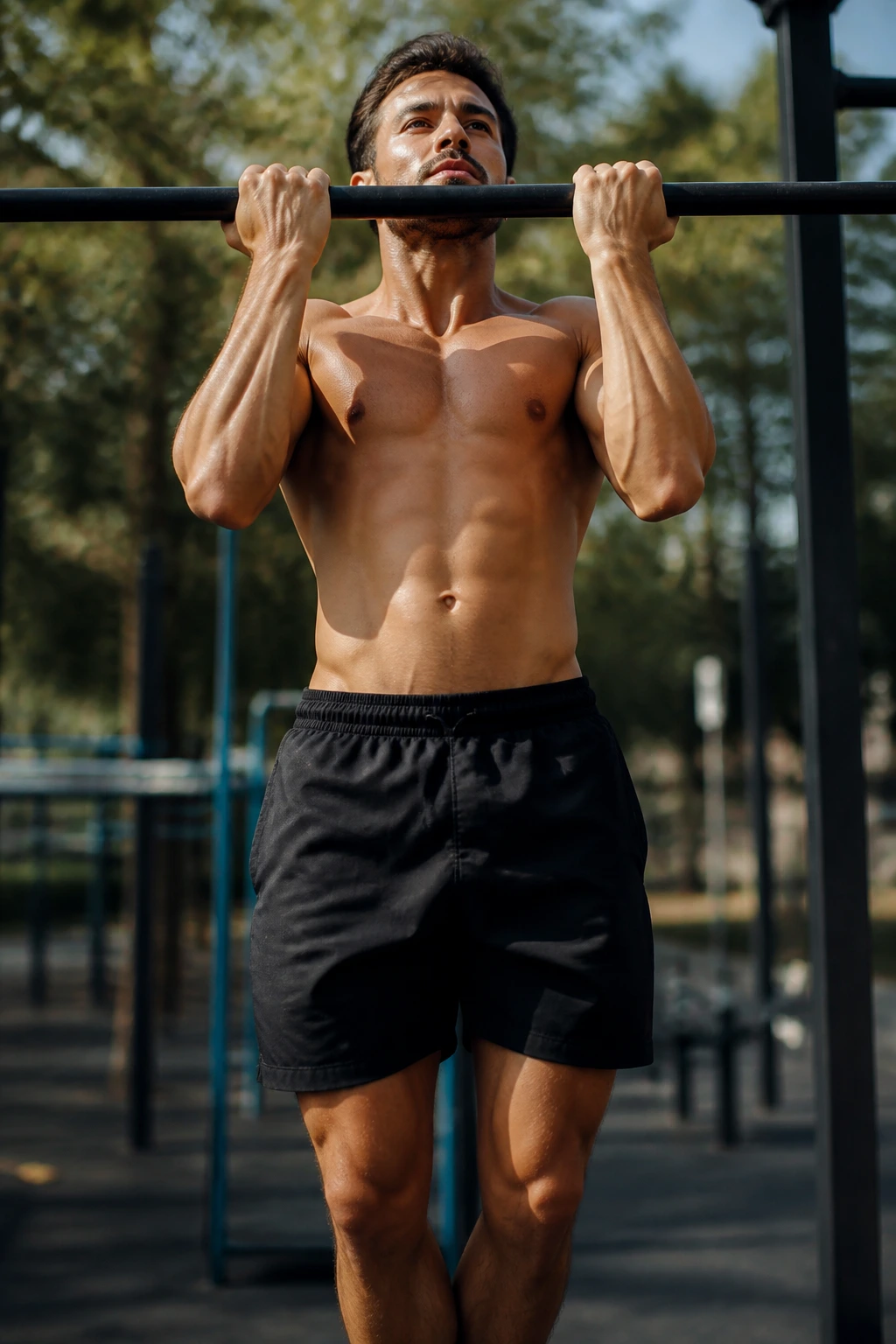
A good underhand chin-up is one of the best bang-for-your-buck arm moves around, and I’ll happily argue with anyone who says it’s only a back exercise. The biceps have to earn every inch, especially near the bottom where the elbows are opening up and the shoulders are working to stay stable.
If you can only do a few reps, that’s fine. Use bands, an assisted machine, or slow negatives. The important part is the quality of the pull. Full hang, chest proud, no flailing kick, no chin-jutting marathon. When the rep gets ugly, the arms stop being the driver.
You can use chin-ups as your first movement on an arm-heavy upper-body day, or as a heavy second exercise after a press. Four sets of 4 to 8 reps is a smart target if strength is the goal.
And yes, these still count as an arm workout. Big time.
9. Close-Grip Bench Press
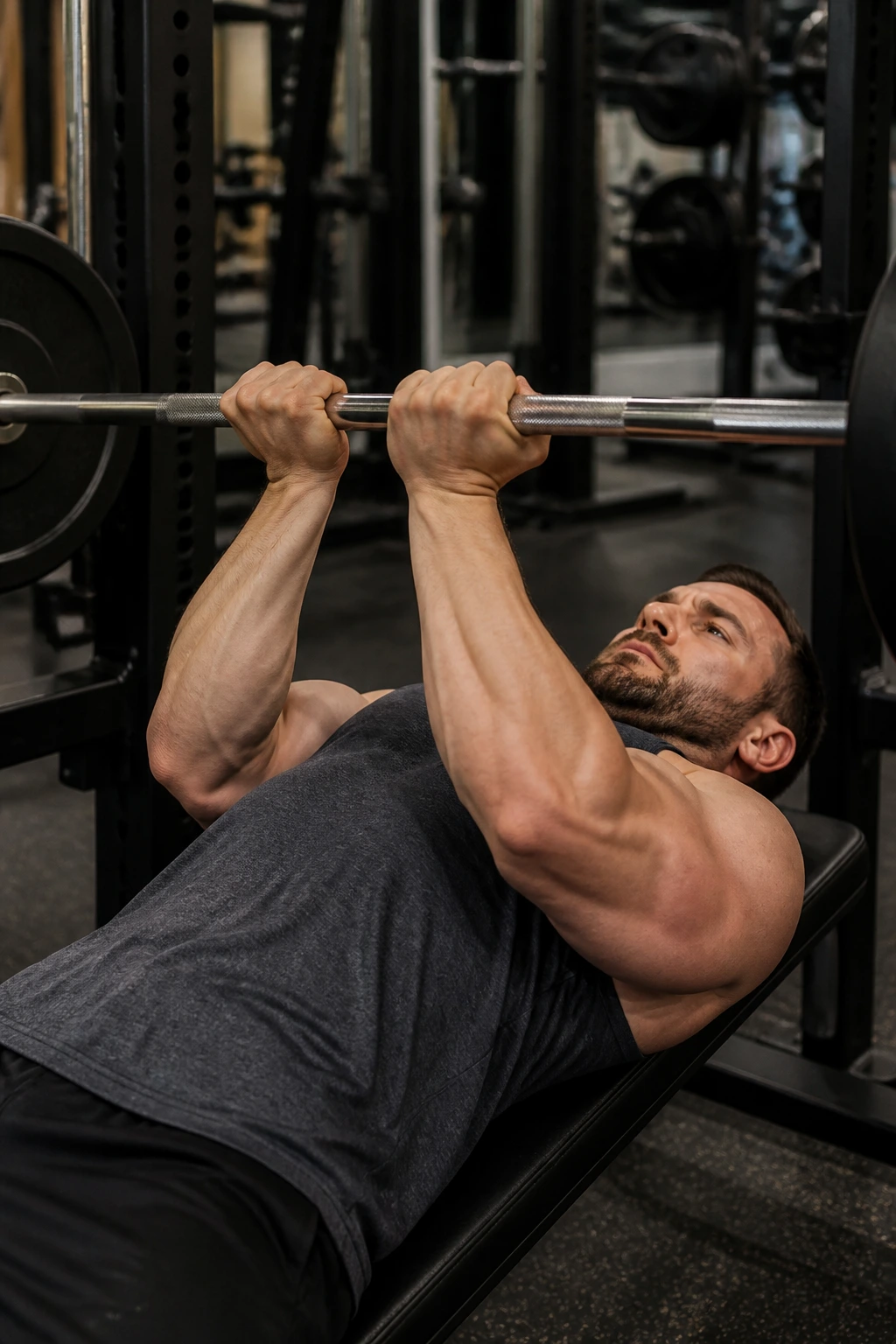
A close-grip bench press is what happens when you want triceps size without pretending isolation work is the whole story. It’s a pressing pattern, but the triceps take a huge share of the load, especially when you keep the grip snug and the elbows tucked.
Set your hands just inside shoulder width. Not glued together. Not wide. Lower the bar under control to the lower chest or sternum, then drive it up without bouncing off the rib cage. The wrists should stay stacked over the forearms; if they bend back hard, the set gets messy fast.
Setup cues that matter
- Feet flat and planted
- Upper back tight on the bench
- Elbows about 30 to 45 degrees from the torso
- Bar path smooth, not rushed
Use 4 sets of 5 to 8 reps. Heavier than a pressdown, lighter than a max bench. That middle zone is where this lift earns its keep.
10. Weighted Dips
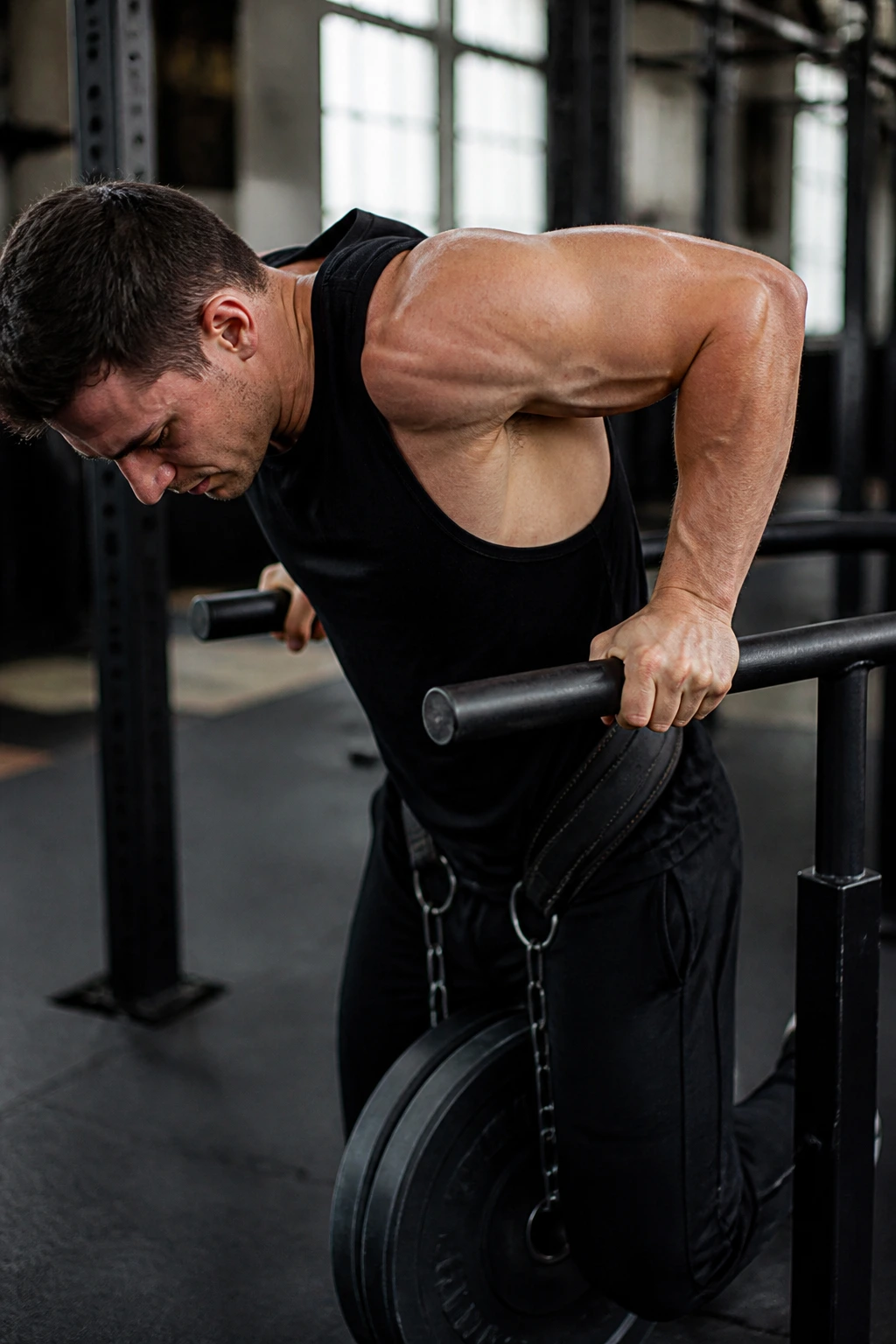
Weighted dips are a little rude, which is why they work. Unlike close-grip bench press, dips put the body in a deeper stretch and force the triceps to stabilize while the shoulder joint holds the bottom position.
The upright you stay, the more the triceps get hit. Lean forward a lot and the chest takes over. A little forward lean is fine; a big lean changes the exercise completely. If your shoulders feel pinchy in the bottom, skip the ego and use an assisted dip machine or a lighter range of motion.
This is a strong choice for people who already have decent pressing control. Three to four sets of 6 to 10 reps is plenty. Too many lifters turn dips into a joint test. Better to keep the motion crisp and leave one rep in reserve.
Hard, yes. Reckless, no.
11. Skull Crushers
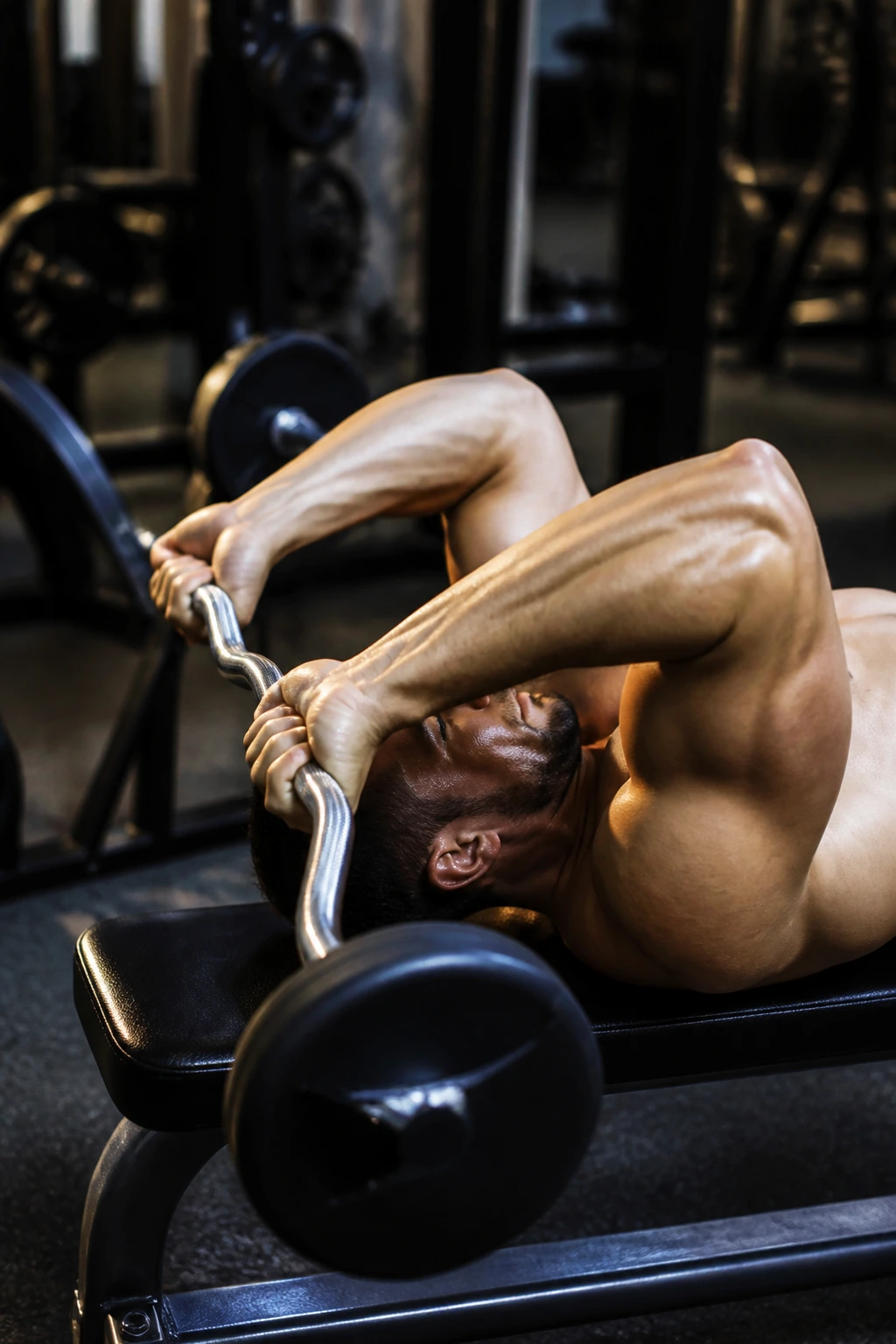
Skull crushers get a bad reputation because people rush them and then blame the exercise. Fair enough. Done poorly, they’re a mess. Done well, they load the triceps in a long range and hit the long head in a way pushdowns can’t match.
Use an EZ bar or dumbbells, lower the weight slightly behind the forehead, and let the elbows stay mostly fixed. The lower arm should move like a hinge, not a door swinging on bad hinges. If the elbows flare wide, the tension slides away from the triceps and into everything else.
Bring the bar to your forehead and your elbows will complain. Bring it just behind the head and the set usually feels better.
I’d keep these in the 8 to 12 rep range and stay honest with the lowering phase. If your elbows hate straight-bar skull crushers, switch to dumbbells. Small change. Huge difference.
12. Overhead Dumbbell Extensions
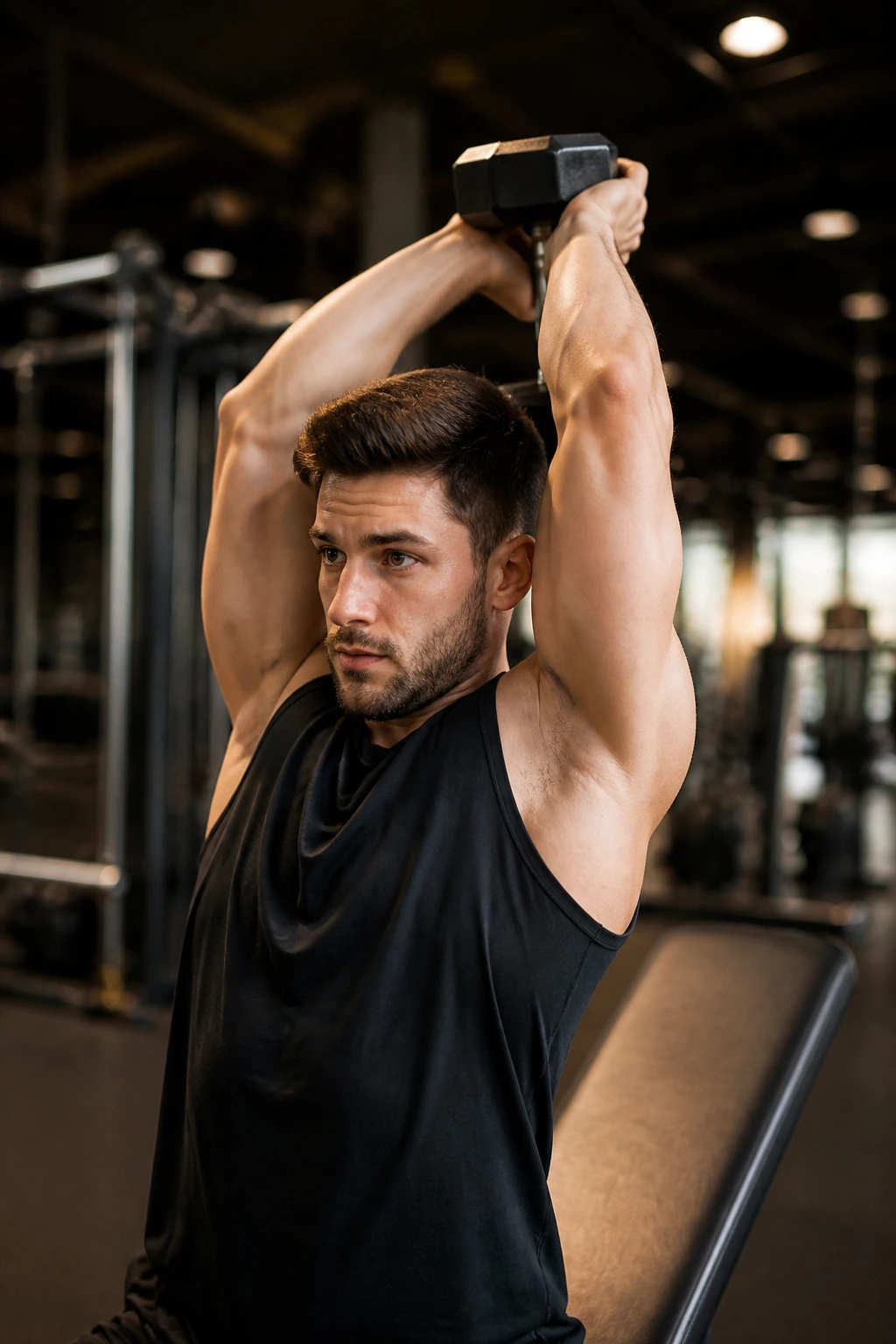
Why do overhead extensions feel so different from pushdowns? Because the triceps, especially the long head, work from a stretched position when your arms go overhead.
That stretch is the point. Hold one dumbbell with both hands, or use a single-arm version if you want to work side to side. Keep the ribs from flaring, let the elbows point mostly forward, and lower the dumbbell until you feel a deep pull without losing control. If the lower back arches, the weight is too heavy.
How to use it
- Aim for 3 sets of 10 to 15 reps
- Move slowly through the bottom
- Pause for a beat at full extension
- Use a bench back if standing bothers your balance
This is a great triceps move when you want size, not just a pump. It’s also a sneaky good one for lifters who get bored with the same old cable stack.
13. Rope Pushdowns
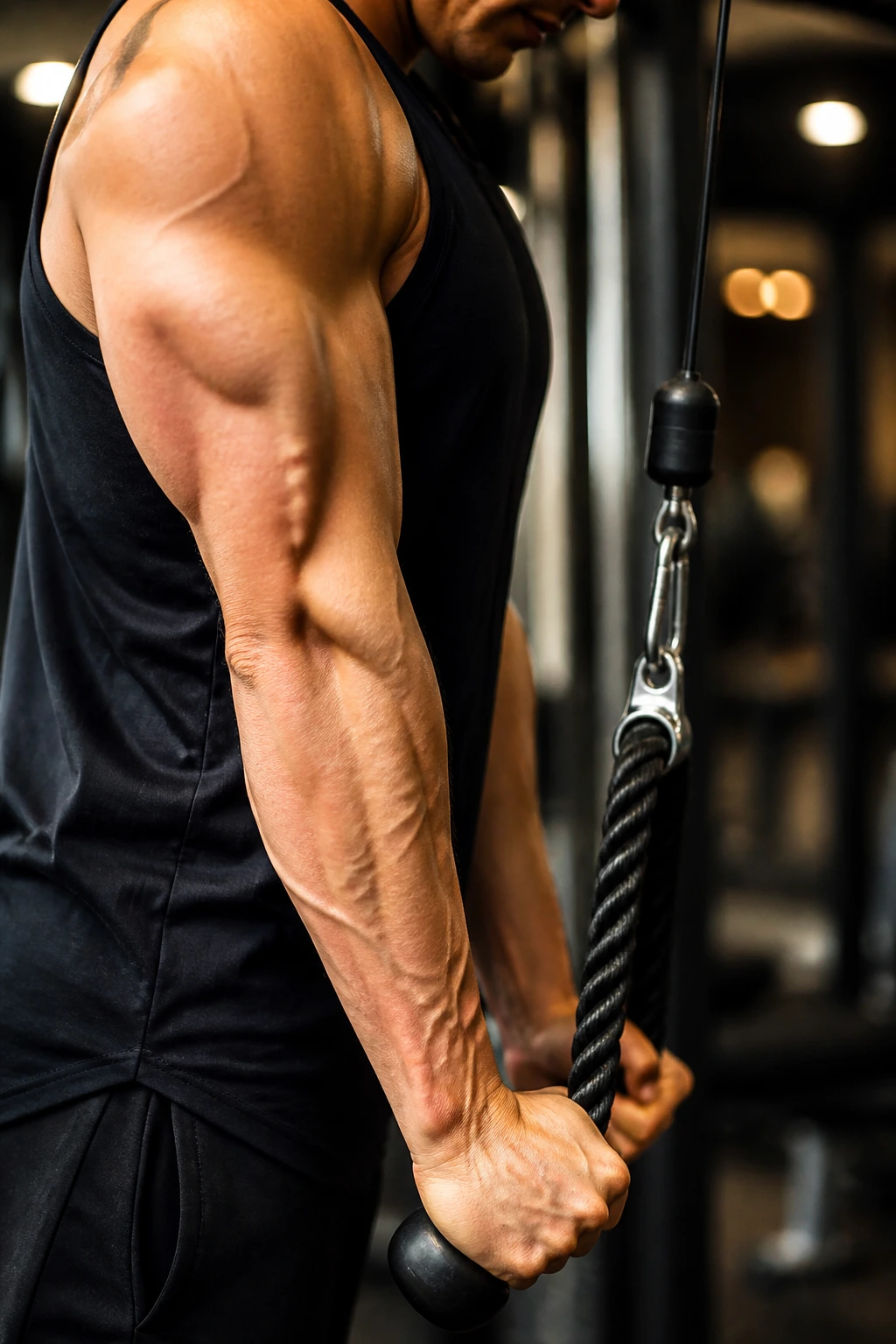
A rope pushdown looks simple. That’s the trap. The stack keeps tension on the triceps almost the whole time, which makes this one of the cleanest finishers for arm work if you do it with discipline.
Keep the elbows pinned to the sides and press the rope down until the hands split slightly at the bottom. That little flare at lockout helps squeeze the triceps without turning the rep into a shoulder movement. The upper arm should stay quiet. If it swings, the load is too heavy.
The little details
- Use 10 to 15 reps
- Stand close enough to keep tension through the whole arc
- Don’t let the shoulders roll forward
- Finish with a hard squeeze for 1 second
This is one of those lifts that feels better with a controlled burn than with a showy stack of plates. I’d choose it for volume work almost every time.
14. Cable Curls
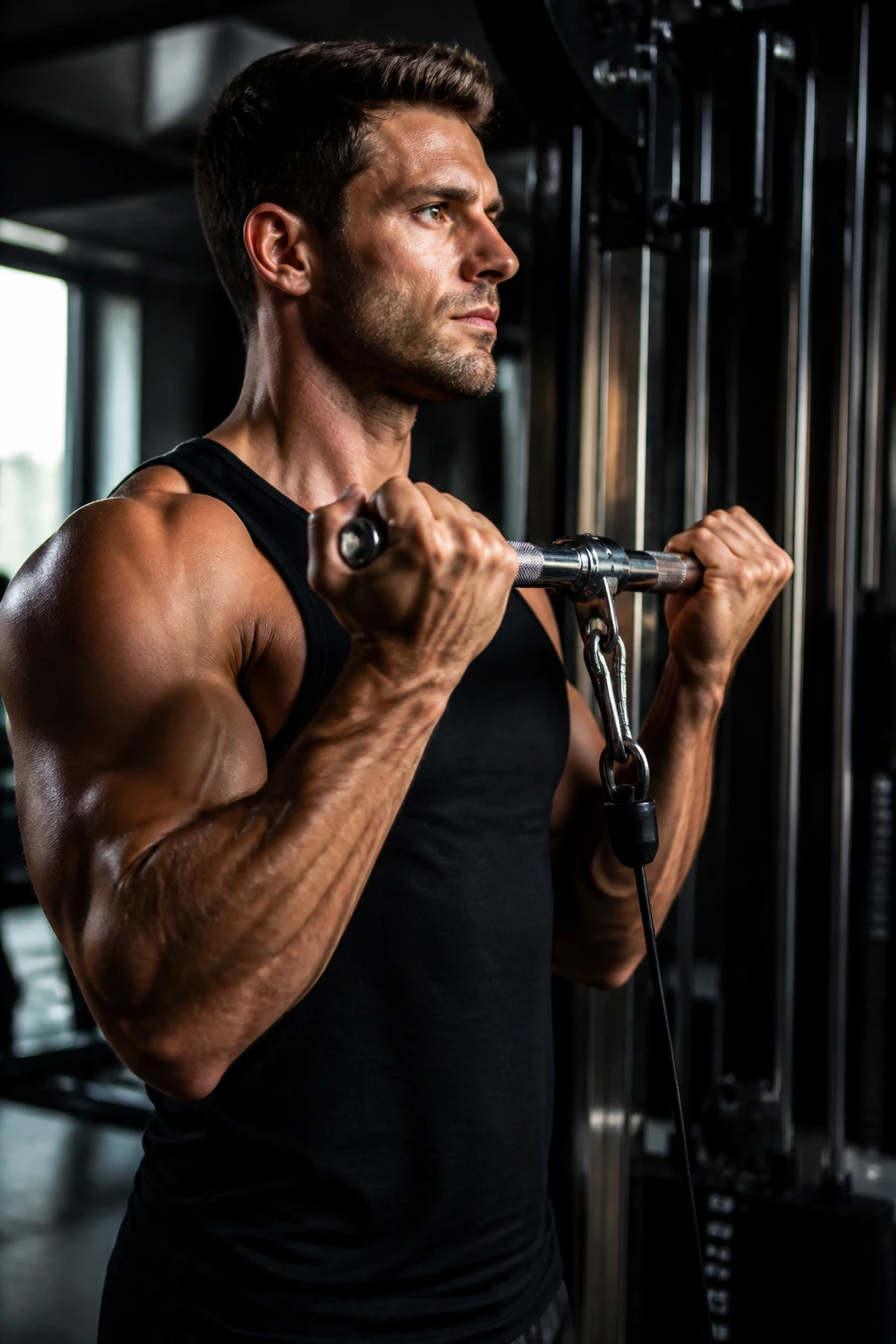
Unlike dumbbell curls, cable curls keep tension on the biceps from the bottom all the way to the top, which is why they feel smoother and more continuous. There’s less of that dead spot where the weight seems to disappear for half a second.
Use a straight bar, EZ attachment, or single handle. Stand tall, keep the elbows close, and resist the urge to lean back as the set gets hard. The movement should look almost boring from the side. Boring is fine. Boring often means strict.
This is one of my favorite higher-rep arm moves because it’s easy to feel the target muscle without beating up the joints. Three sets of 12 to 15 reps works nicely here, especially after a heavier curl earlier in the workout.
If you want a pump that still feels controlled, this one belongs.
15. Cross-Body Cable Curls
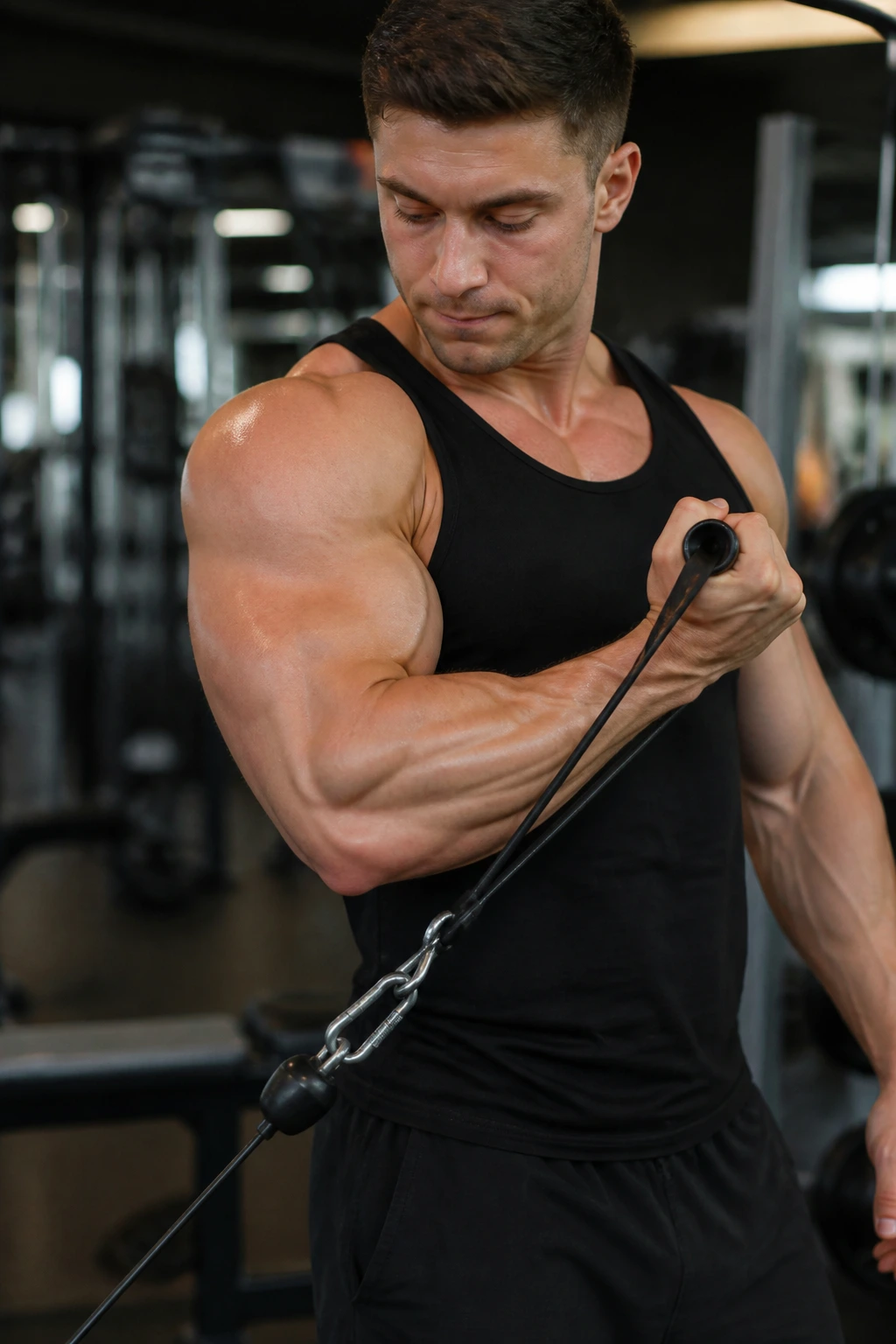
Cross-body cable curls feel strange the first time because the pull line goes across your torso instead of straight in front of it. That angle changes the job a bit and gives the biceps a different kind of squeeze, especially when you keep the shoulder quiet.
Set the pulley low, grab a single handle, and curl across your body toward the opposite shoulder. The elbow stays mostly fixed, the wrist stays neutral, and the cable should stay under tension the whole rep. It’s a tidy way to give each arm equal attention without letting one side dominate.
- Work 10 to 12 reps per side
- Keep the torso square
- Use a controlled lower
- Match the speed on both arms
This is a smart choice if one arm tends to do more work than the other. Small asymmetries show up fast on unilateral cable work.
16. Diamond Push-Ups
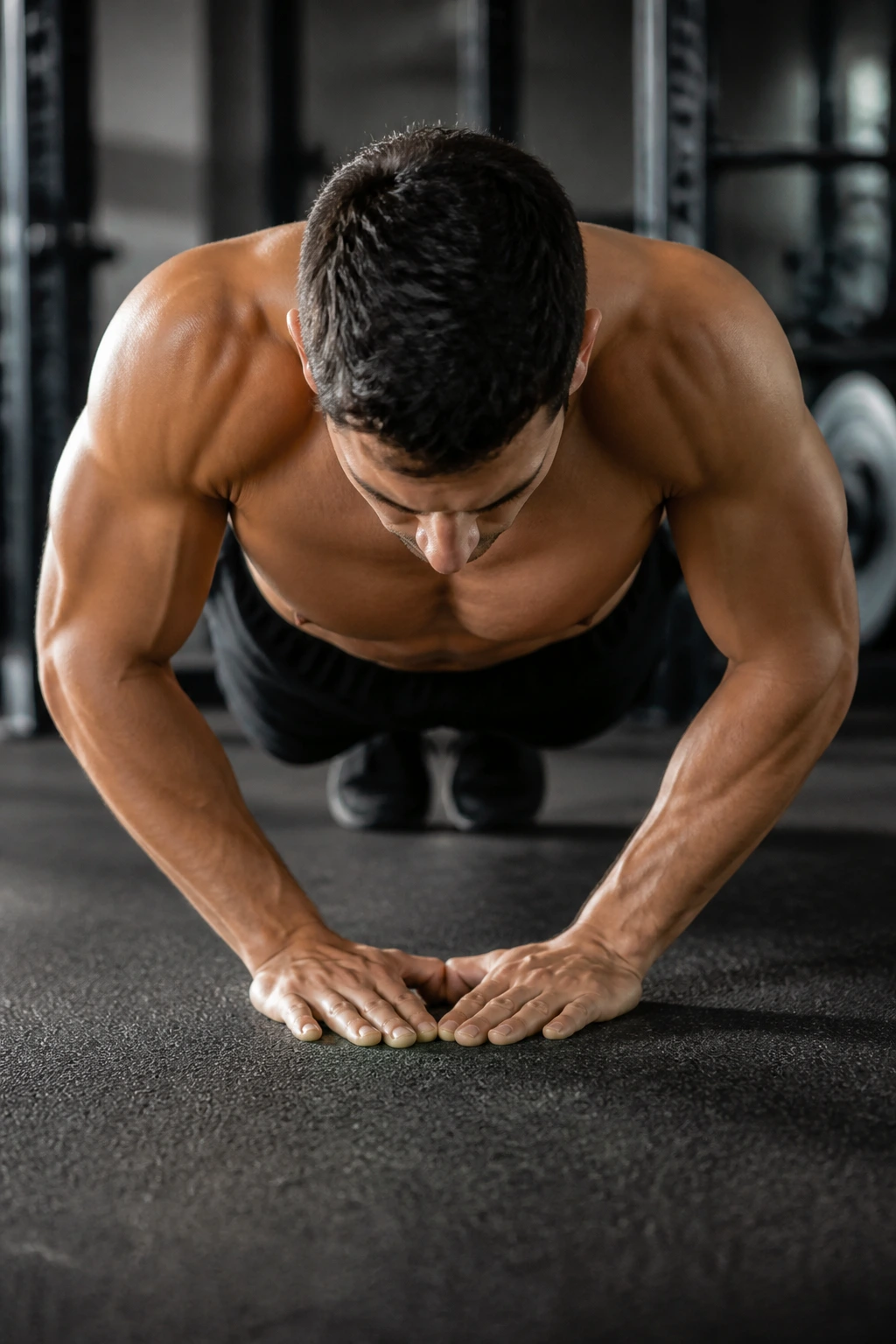
Diamond push-ups are the home-gym answer to triceps work when you don’t want to deal with a bench, a bar, or a cable stack. Put the hands close together under the chest, form a diamond shape if your wrists allow it, and keep the body in one long line.
The closer hand position shifts a lot of the load to the triceps, though the chest and shoulders still help. If the wrists hurt, use push-up handles or place the hands on dumbbells so the angle feels better. Don’t force the diamond shape if it turns the movement into a joint complaint.
This move works best when you treat it like a strength drill, not a cardio joke. Do 3 to 4 sets of 8 to 20 reps, depending on where your strength is. Stop the set when the hips sag or the elbows start flaring wide.
Simple. Brutal. Useful.
17. TRX Curls
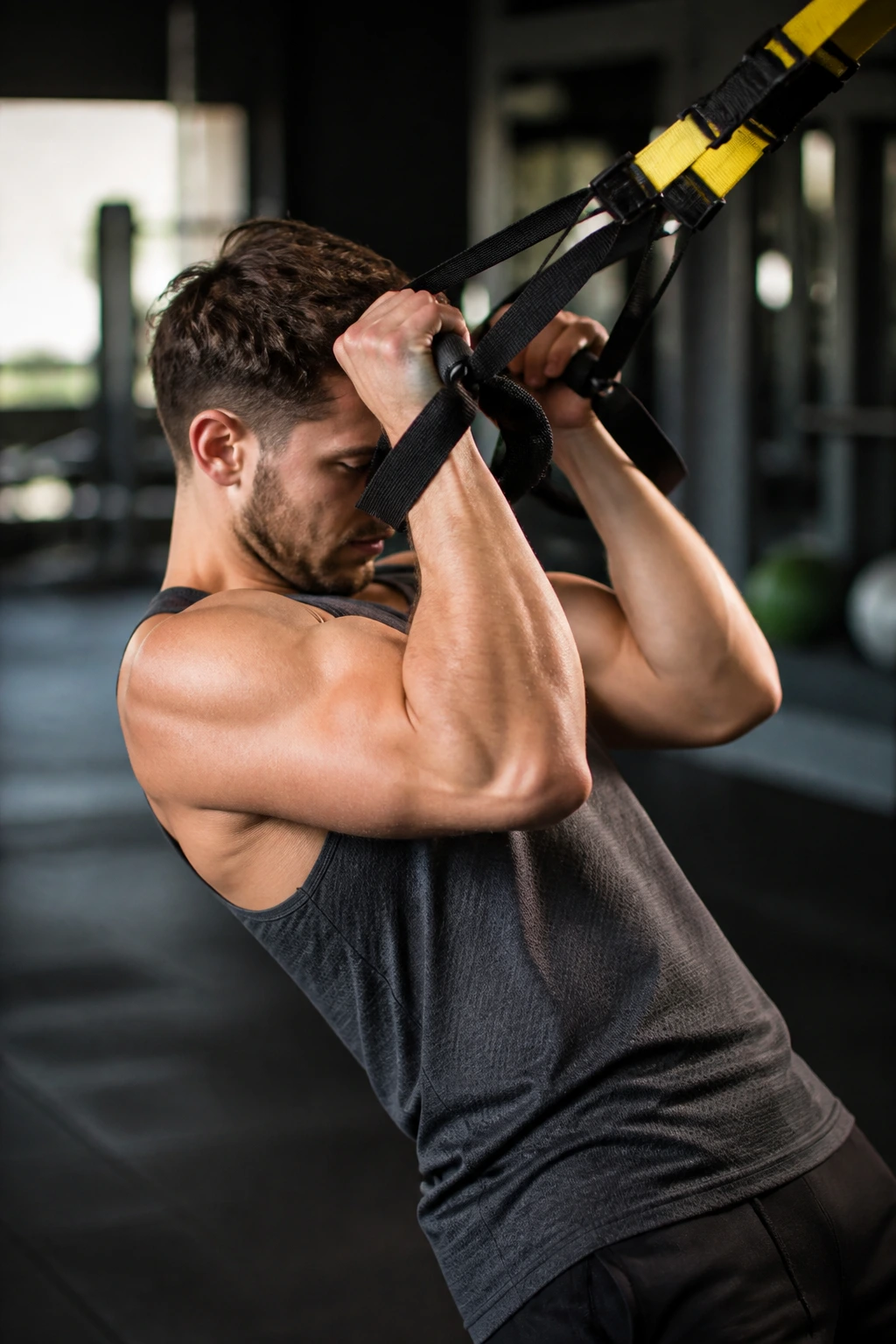
Can bodyweight curls really build arms? Yes, if you set them up correctly. TRX curls turn your body angle into the load, which means you can scale the difficulty just by walking your feet forward or back.
Keep the body rigid, palms facing up, and curl the handles toward your forehead while letting the elbows stay high. The unstable straps make the movement feel more demanding than the number on the stack would suggest. That extra stability work is not magic, but it does force cleaner reps.
How to get the most from it
- Lean farther back to make it harder
- Keep the hips from sagging
- Pause briefly at the top
- Use 8 to 12 controlled reps
This is a strong option for home workouts, travel setups, or anyone who wants a biceps move that doesn’t need a full rack of iron.
18. Banded Pressdowns
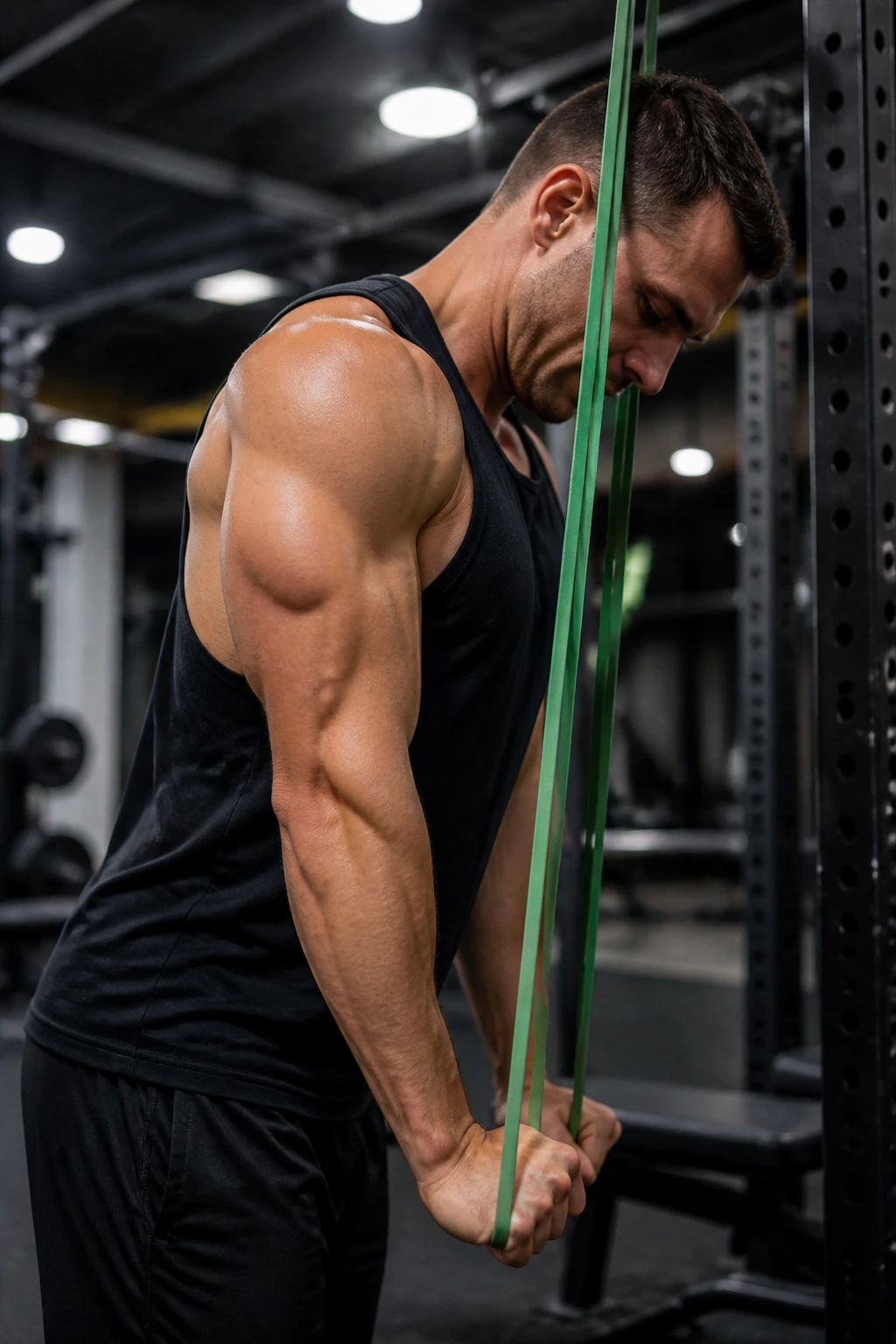
Banded pressdowns are cheap, fast, and nasty in the right way. If you’ve got a solid anchor point, you can hammer the triceps with a long set that keeps tension high without loading the elbows as hard as some free-weight moves do.
Anchor the band overhead, grab it with both hands or one at a time, and lock the elbows to your sides before pressing down. The resistance climbs as the band stretches, so the top of the rep usually feels hardest. That makes the squeeze feel more dramatic than a cable stack in some setups.
If your elbows are irritated from heavy skull crushers or dips, band work often feels friendlier. Fifteen to 30 reps is the sweet spot. I like it as a finisher after a heavier press or extension.
It’s not glamorous. It works.
19. 21s Curls
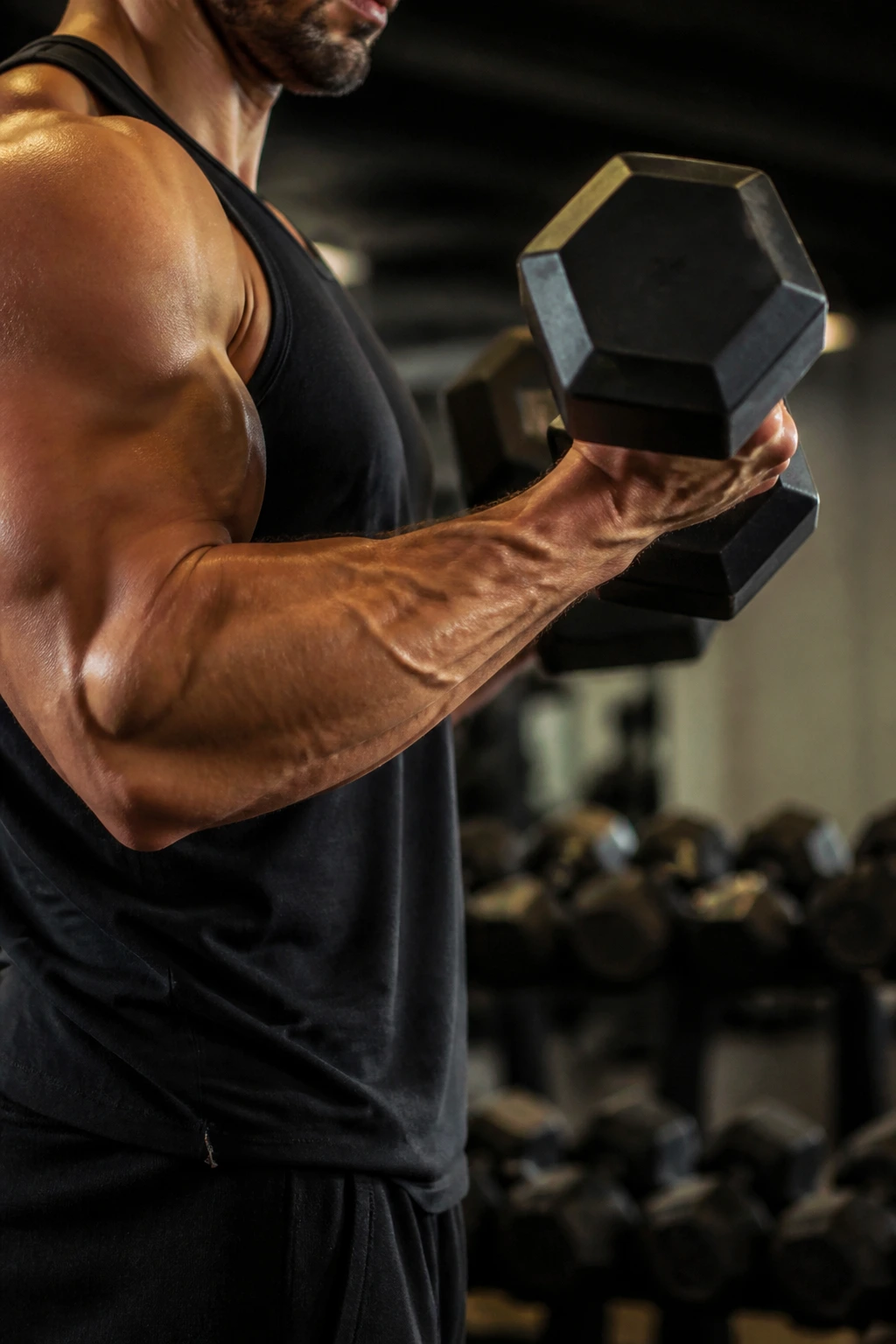
21s are old-school for a reason: they punish weak sticking points without needing fancy gear. You do 7 partial reps from the bottom half, then 7 from the top half, then 7 full reps. The whole thing lasts maybe a minute and feels longer than it should.
Use an EZ bar or dumbbells, but don’t go heavy. The point is tension and density, not ego. By the time you reach the full reps, the biceps have already been under load twice, and the final seven feel like they’re happening in slow motion.
This is a good way to end a biceps-focused session or to add a nasty pump after your main lifts. The key is keeping the motion clean even when the arms are on fire. If the shoulders start taking over, drop the weight and try again.
Tiny cheat. Huge burn.
20. Arm Finisher Ladder
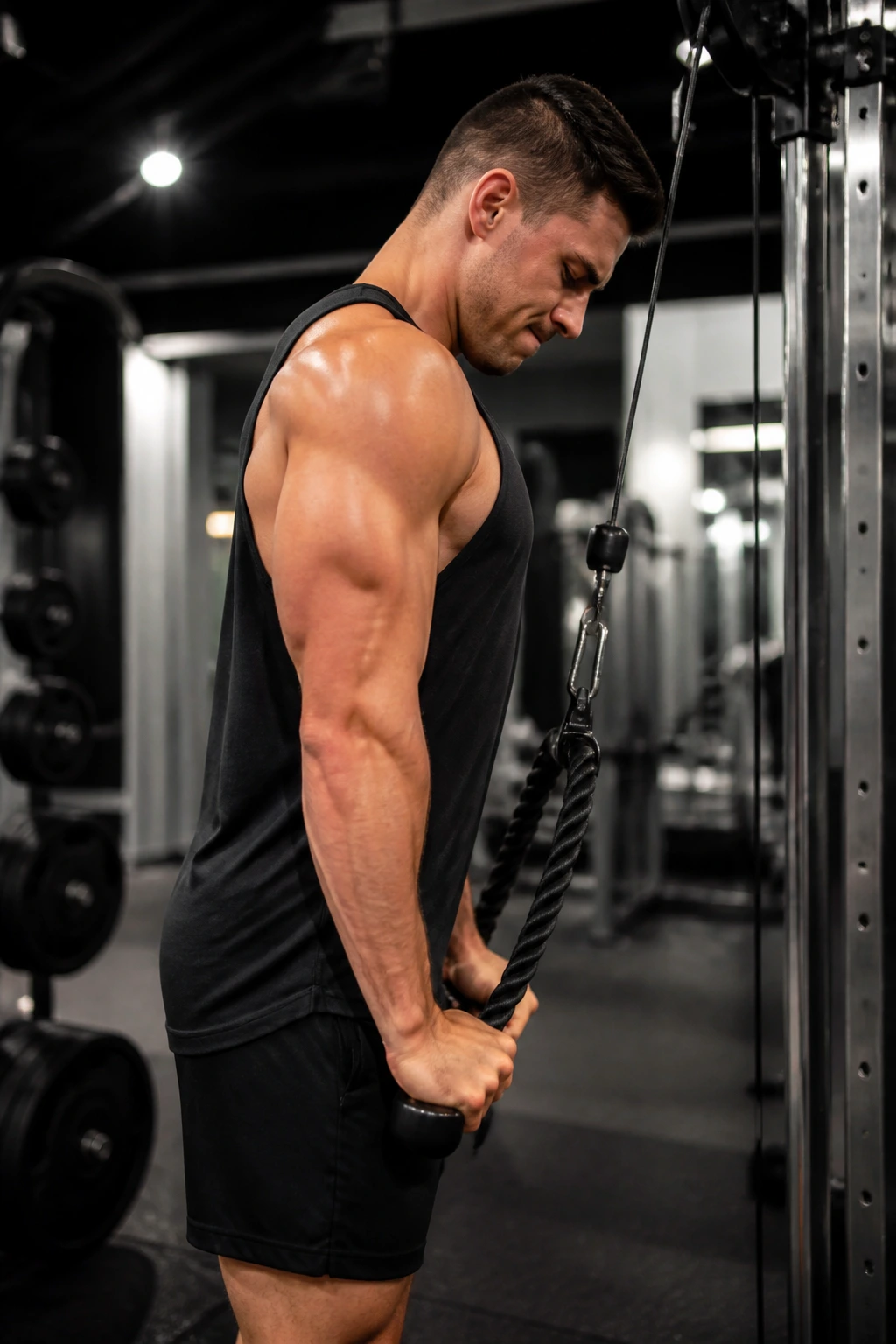
A finisher ladder is a nice way to close an arm session without turning the whole workout into junk volume. You get a tight dose of curls and triceps work, the pump is real, and the session ends while the muscles still feel sharp instead of sloppy.
The 5-minute ladder
- Do 10 alternating dumbbell curls.
- Do 10 rope pushdowns.
- Rest for 20 seconds.
- Drop to 8 reps on each.
- Rest 20 seconds again.
- Continue with 6, 4, and 2 reps on each movement.
Keep the load moderate enough that every round stays clean. The first round should feel almost too easy. That is the point. If round three turns into a grind, you picked weights that belong somewhere else.
Use this once or twice a week at the end of an upper-body day, not after every session. Arms grow from repeatable work, not from getting wrecked so hard you can’t straighten your elbows for two days. The best arm training is the kind you can recover from, beat again, and actually improve on next time.
