



Toned muscle is built, not faked. The fastest way to get there is not endless tiny movements with light weights; it’s body toning workouts that challenge the big muscle groups, force good control, and give your body a reason to adapt.
That’s where people get tripped up. A hard burn feels productive, sure, but burn alone does not carve out lean shape. What changes your arms, legs, back, and midsection is a mix of load, range of motion, tension, and enough recovery to let muscle actually grow.
The best sessions usually look a lot less glamorous than the ones that fill a screen. Squats. Hinges. Pushes. Pulls. Carries. A few core drills that make your torso work instead of merely flexing. The payoff is better posture, firmer legs, stronger shoulders, and a body that looks more defined because it’s doing more work under load.
Start with the squat pattern. It tells you almost everything about the rest.
1. Goblet Squat for Lean Muscle
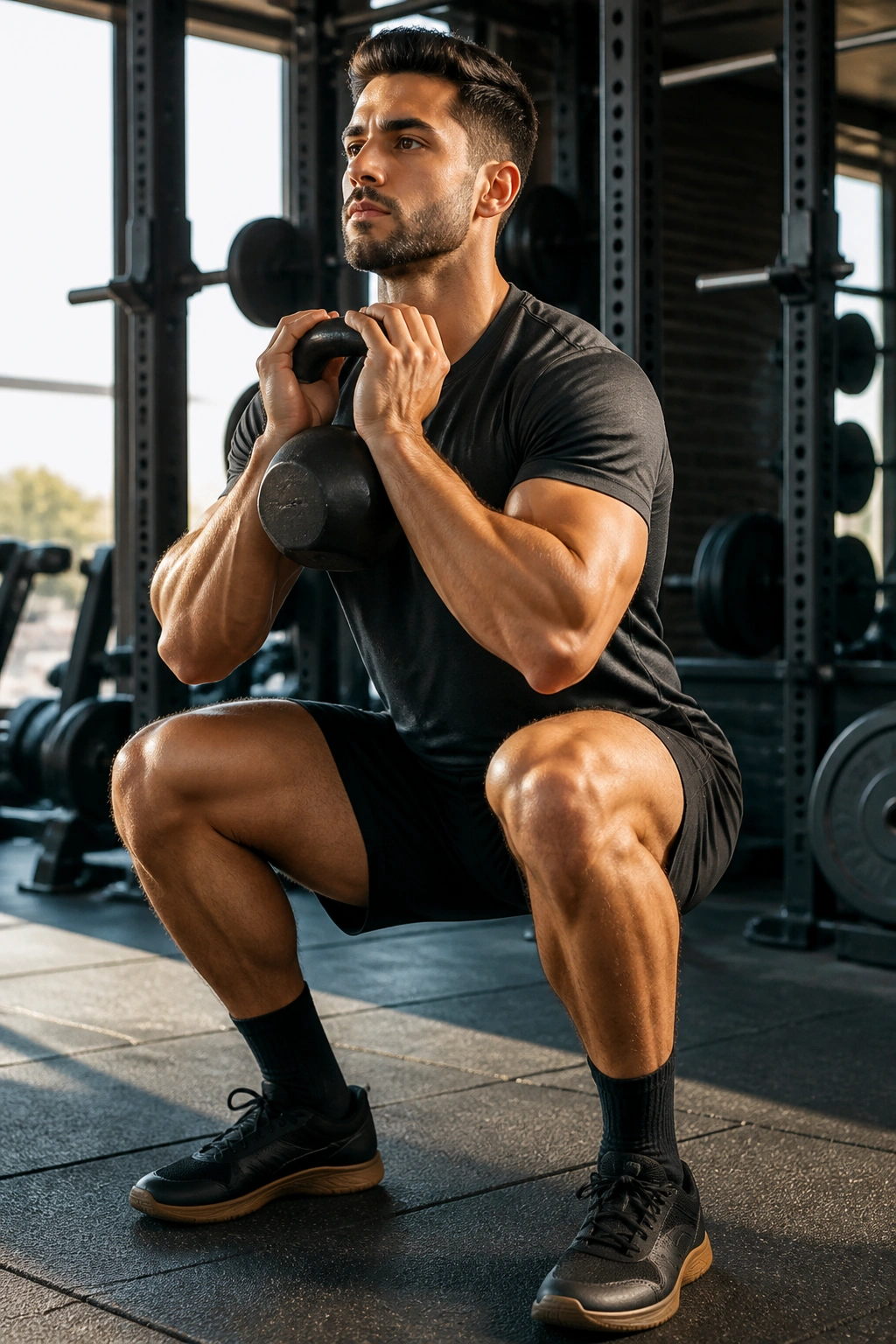
If you want one lower-body move that earns its keep fast, this is it. The goblet squat lights up the quads, glutes, and upper back at the same time, and the front-loaded position keeps most people honest about posture.
Why It Works
Holding the weight at chest height forces your torso to stay upright, which usually means better squat depth and cleaner reps. That matters. A sloppy bodyweight squat often turns into a hip hinge with a shrug, while the goblet version gives you a clear target and a strong brace.
- 3 to 4 sets of 8 to 12 reps works well for most lifters.
- Hold a dumbbell or kettlebell close to the chest, not out in front.
- Let your elbows travel between your knees at the bottom if mobility allows.
- Rest 60 to 90 seconds between sets.
Tip: keep your heels planted the whole way down. If they lift, the load is too heavy or your stance is too narrow.
2. Romanian Deadlift for the Back of Your Legs
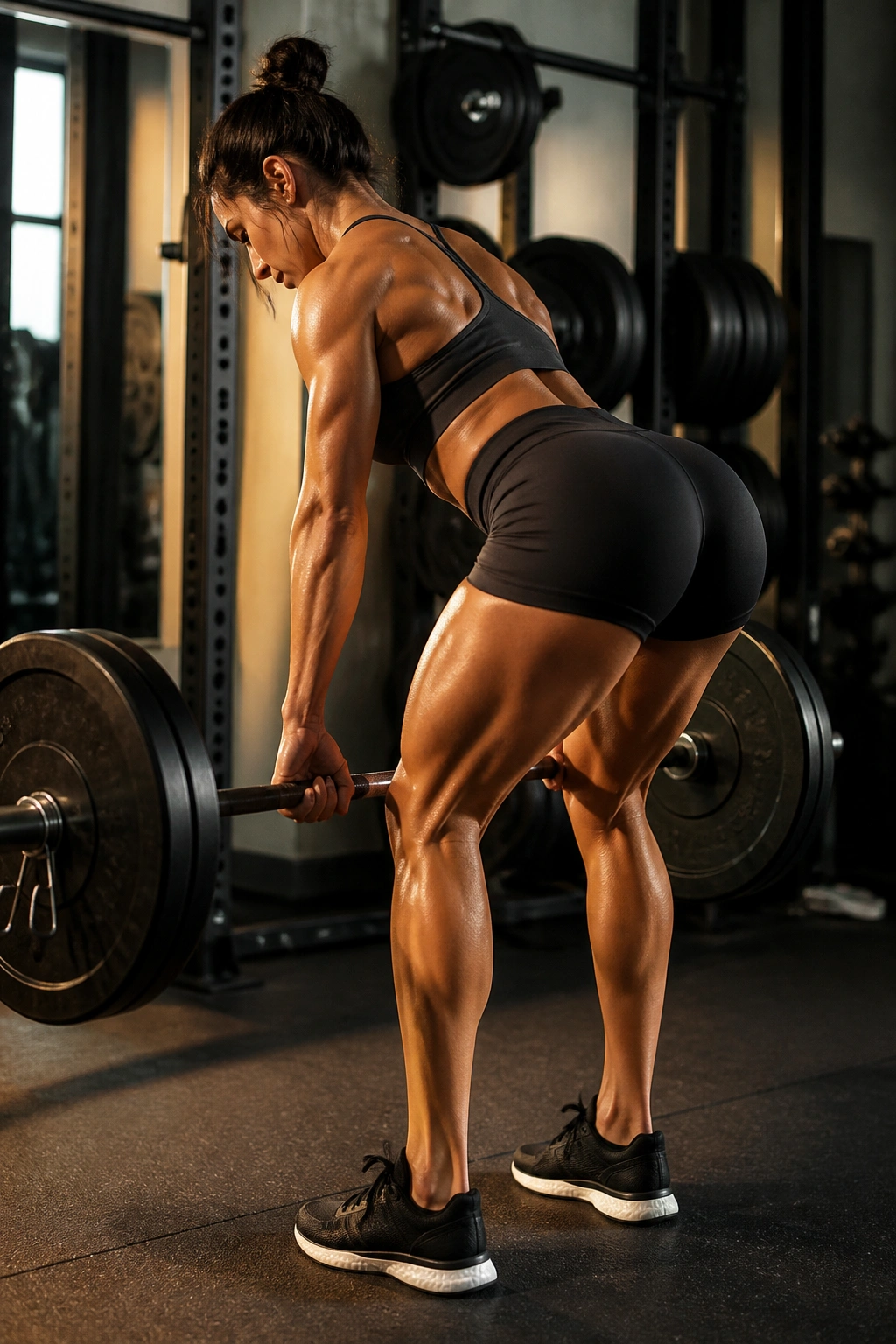
If your hamstrings and glutes are not getting stronger, the back of your legs will never look finished. The Romanian deadlift fixes that with a simple rule: push the hips back and keep the weight close.
Hips back. Not down.
That tiny difference changes everything. You should feel the stretch in the hamstrings before the plates or dumbbells reach mid-shin, and the bar or weights should skim the thighs on the way up. If the lower back starts doing the job, the load is too heavy or you’ve lost your brace.
The sweet spot is 3 to 4 sets of 6 to 10 reps with a slow lower of about 3 seconds. A slight knee bend is fine. A deep knee bend turns it into a squat, and that misses the point. Keep the ribs tucked, the chin neutral, and the movement smooth enough that you could repeat it without yanking.
3. Push-Ups for Chest, Shoulders, and Triceps
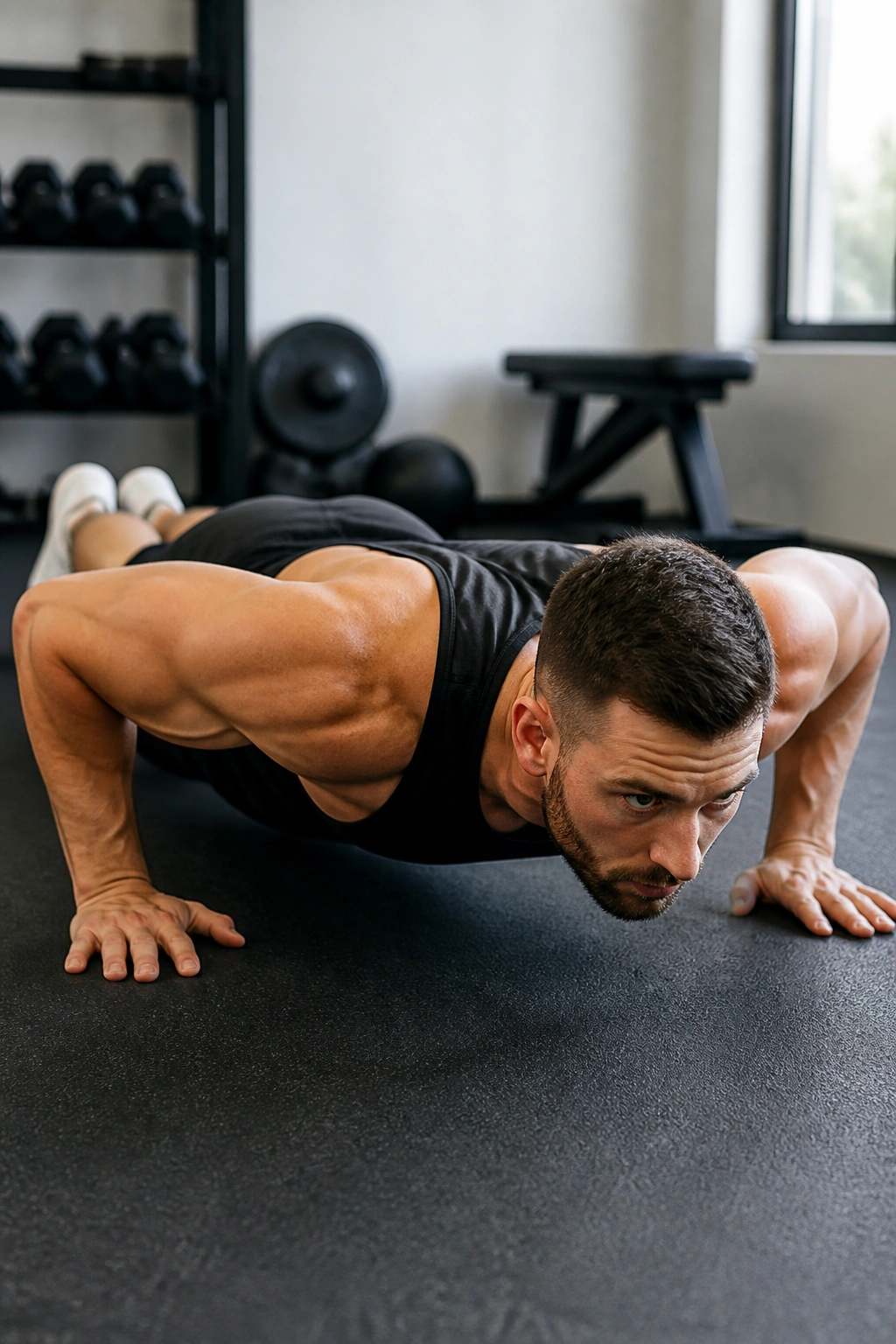
Why do push-ups stay on every serious list? Because they’re honest. They reward body control, and they punish ego fast.
How to Use It
A good push-up is a moving plank with a press built in. Your hands should sit under or just outside the shoulders, your body should stay in one line, and your chest should travel close to the floor without the hips sagging. If full push-ups are ugly, use an incline on a bench, box, or sturdy step first.
- Start with 3 sets of 6 to 15 reps.
- Pause for 1 second near the bottom on the last rep of each set.
- Keep the elbows at about a 30- to 45-degree angle from the body.
- Raise the hands on a bench if you lose shape before 6 clean reps.
How to get more from it: slow the lowering phase to 2 or 3 seconds. That alone can turn a plain push-up into a much tougher strength exercise.
4. One-Arm Dumbbell Row for a Firmer Back
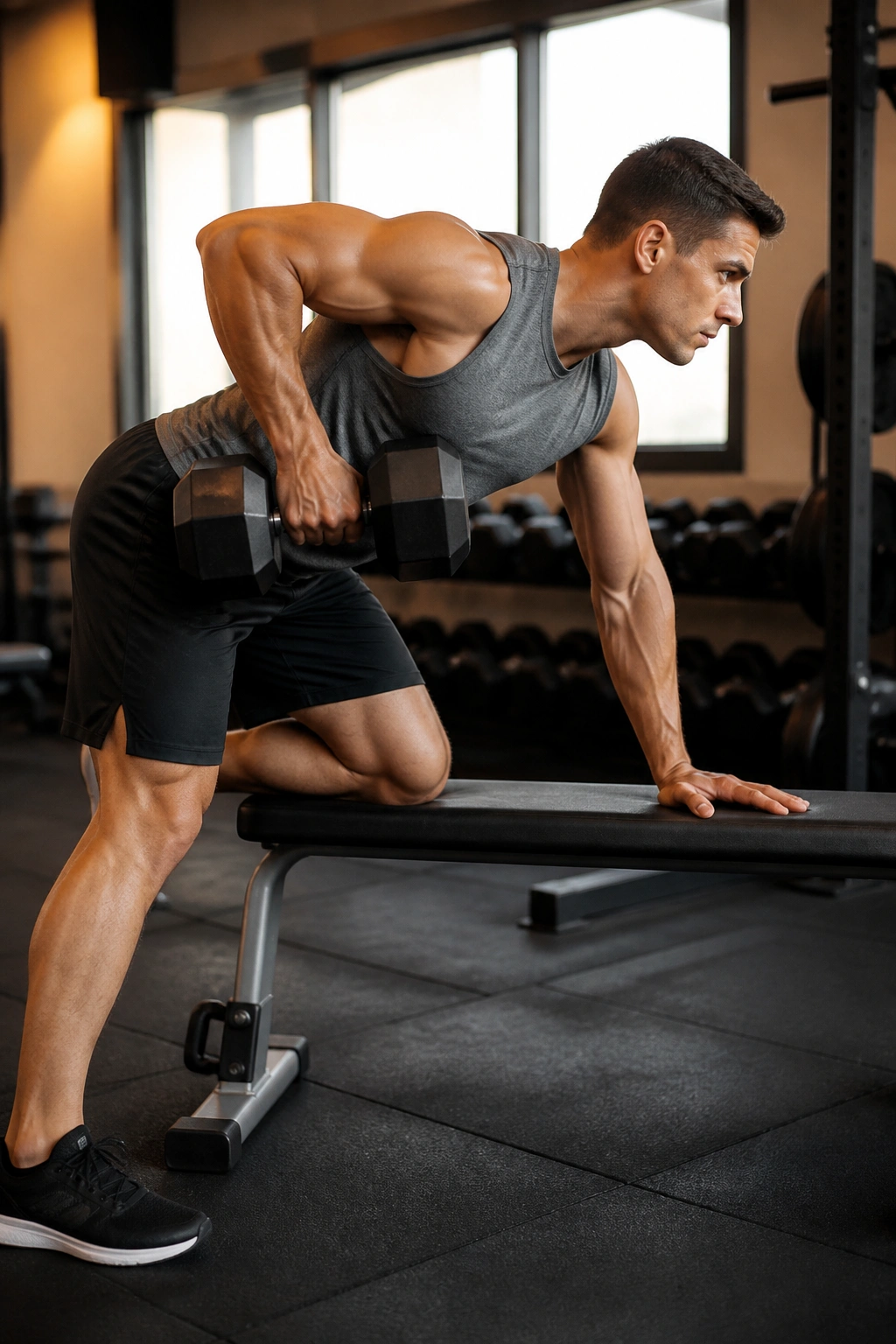
A lot of people want toned arms and shoulders, then ignore the back. That’s a mistake. A strong upper back makes the waist look tighter, the posture look taller, and the whole torso look more put together.
Picture this: one hand on a bench, one foot planted, and the dumbbell starting from a dead hang. You pull the elbow toward the hip, not straight up toward the ribs, and you keep the torso from twisting into a half-hearted rotation. That little control matters more than the weight number.
- Use 3 to 4 sets of 8 to 12 reps per side.
- Squeeze at the top for 1 second.
- Keep the neck long instead of craning toward the floor.
- Let the shoulder blade move, but don’t shrug the rep.
Key detail: if your torso swings, the dumbbell is too heavy. Drop the load and make the back do the work.
5. Reverse Lunge for Legs That Look Athletic
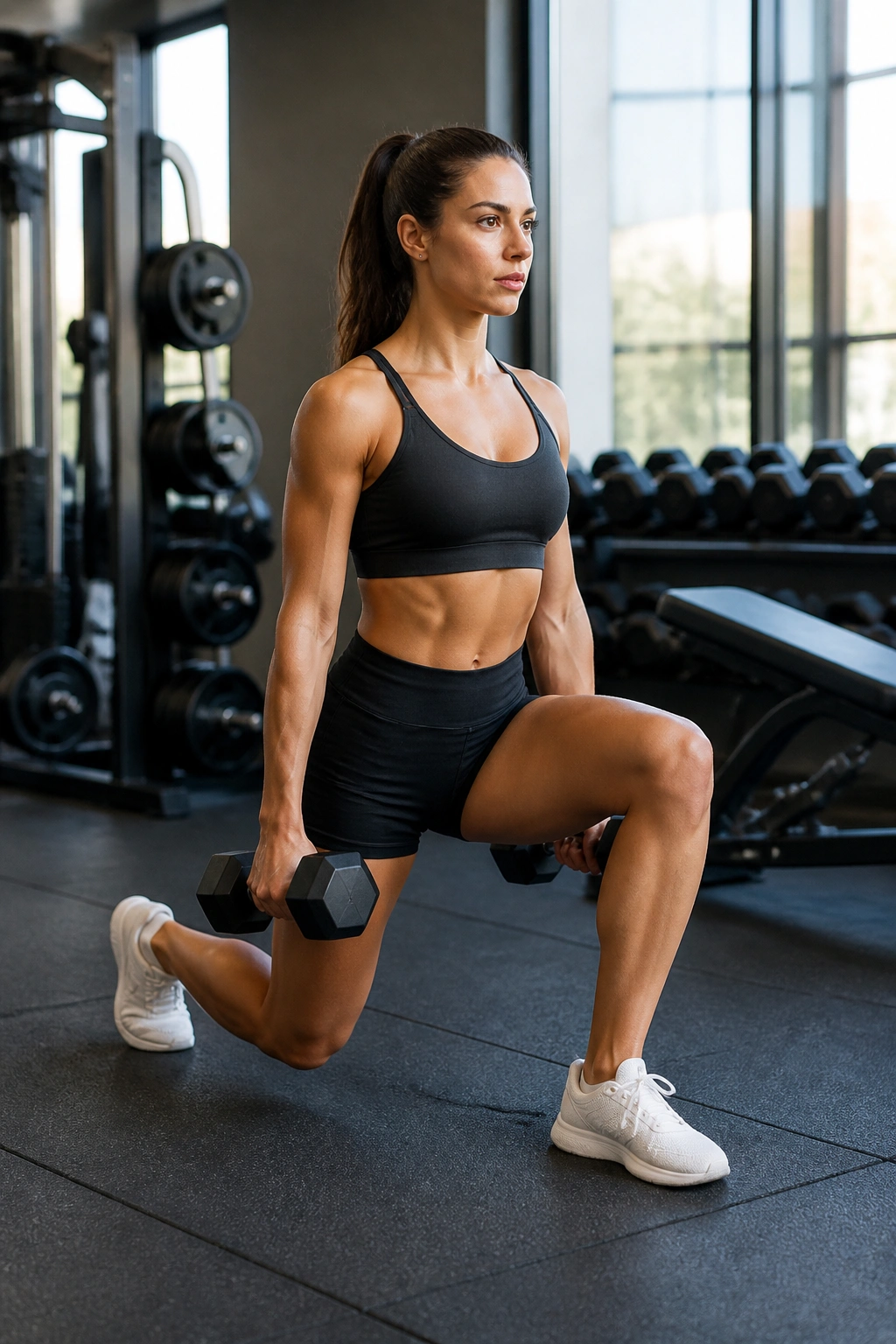
The reverse lunge is one of those moves that looks simple right up until your legs start shaking. It builds the glutes, quads, and balance at the same time, which is a nice little combo if you care about shape and not just gym numbers.
Step back far enough that the front heel stays down. That’s the part people miss. A tiny step forces the front knee to take over, and then the whole thing turns awkward. A longer step lets the hip do its share, which is what gives the movement its look and its payoff.
I like reverse lunges for people who want leg work without the joint sting that some forward lunges create. Use dumbbells at your sides or hold one weight at your chest. Three sets of 8 to 10 reps each leg is a solid starting point.
Short steps cheat you. So do rushed reps.
6. Pull-Ups or Assisted Pull-Ups for Real Upper-Body Shape
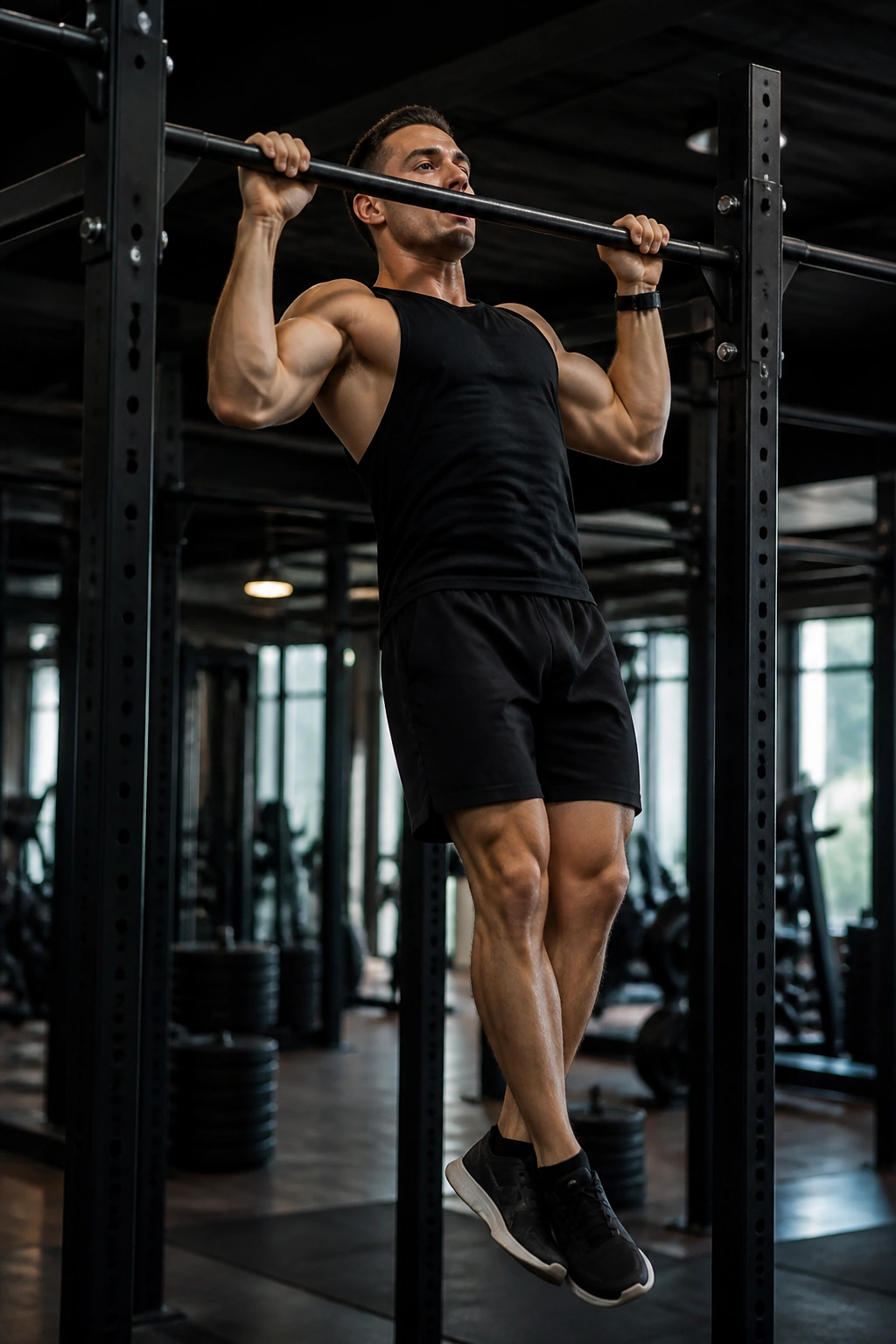
Unlike a lat pulldown, a pull-up asks your whole body to stay tight while you move yourself through space. That makes it a little rude, and also very useful.
The pull-up hits the lats, biceps, forearms, and the muscles that keep your shoulders from collapsing forward. If you can do full reps, great. If you can’t, use a band or an assisted machine and keep the movement clean. The goal is not to kick and scramble to the top. The goal is to own the pull.
A good target is 3 to 5 sets of 3 to 8 reps, stopping with one rep left in the tank. If your shoulders climb toward your ears, pause and reset. If you can’t lower yourself under control, the set is over.
For beginners, the best path is usually:
- band-assisted pull-ups
- slow negatives
- scapular pull-ups
- dead hangs for grip and shoulder tolerance
7. Dumbbell Overhead Press for Strong Shoulders
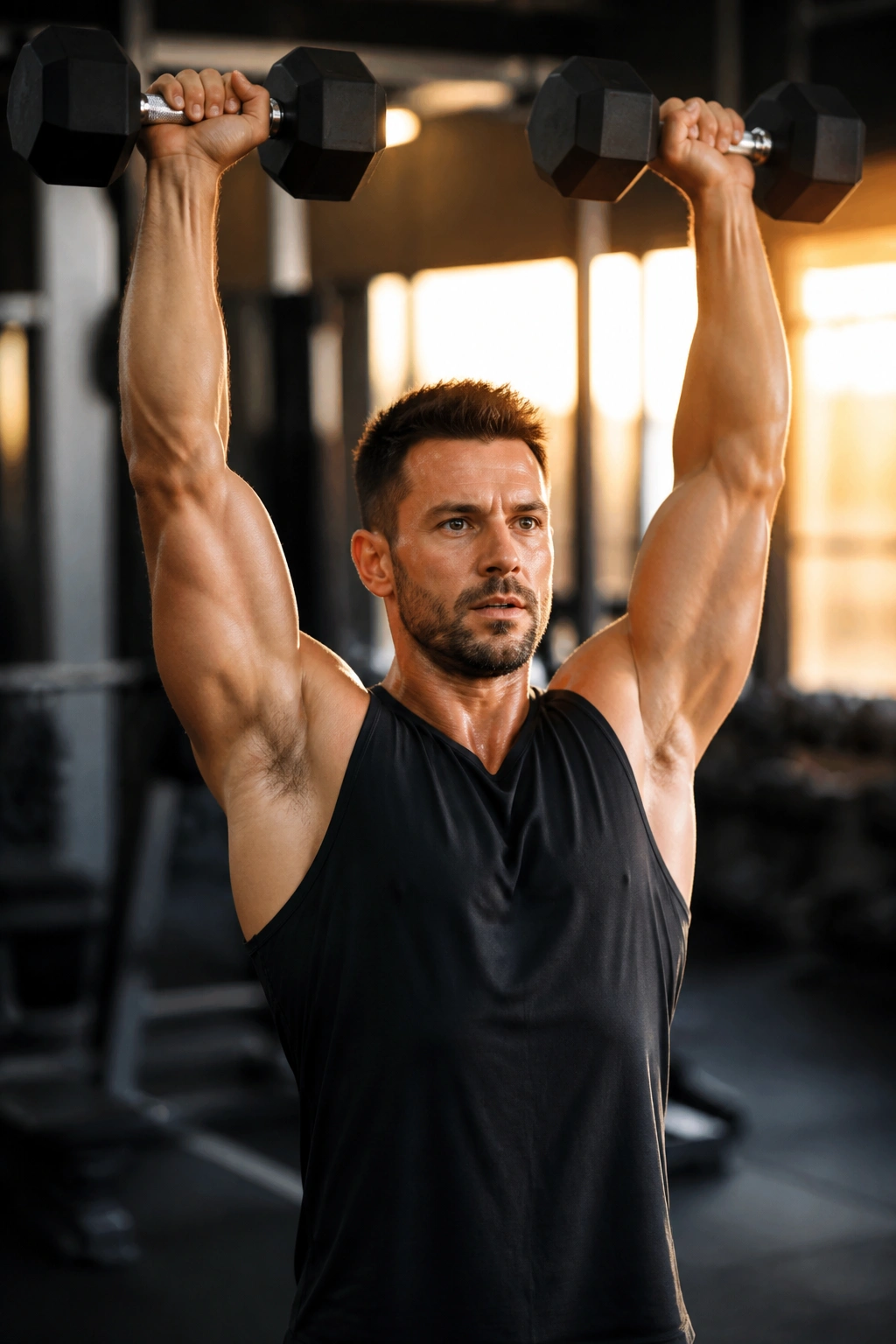
If you want shoulder shape that shows in a shirt, press overhead. It’s that direct.
The Shoulder Shape People Notice First
The overhead press trains the delts, upper chest, triceps, and the muscles that keep your ribs from flaring into a mess. A seated or standing dumbbell press works well because the dumbbells let each shoulder move on its own path, which is kinder on many joints than a fixed bar.
Keep the wrists stacked over the elbows. Press in a slightly curved path so the weights finish over the middle of the foot, not way in front of you. 3 to 4 sets of 6 to 10 reps is a solid range for muscle and strength.
- Brace the glutes and abs before each rep.
- Stop if you have to lean back to finish the press.
- Lower the dumbbells until the upper arms reach about parallel to the floor.
- Use a neutral grip if your shoulders prefer it.
Tip: if your lower back feels the press more than your shoulders do, you’re turning it into a standing backbend. Fix that first.
8. Hip Thrust for Glute Growth That Actually Shows
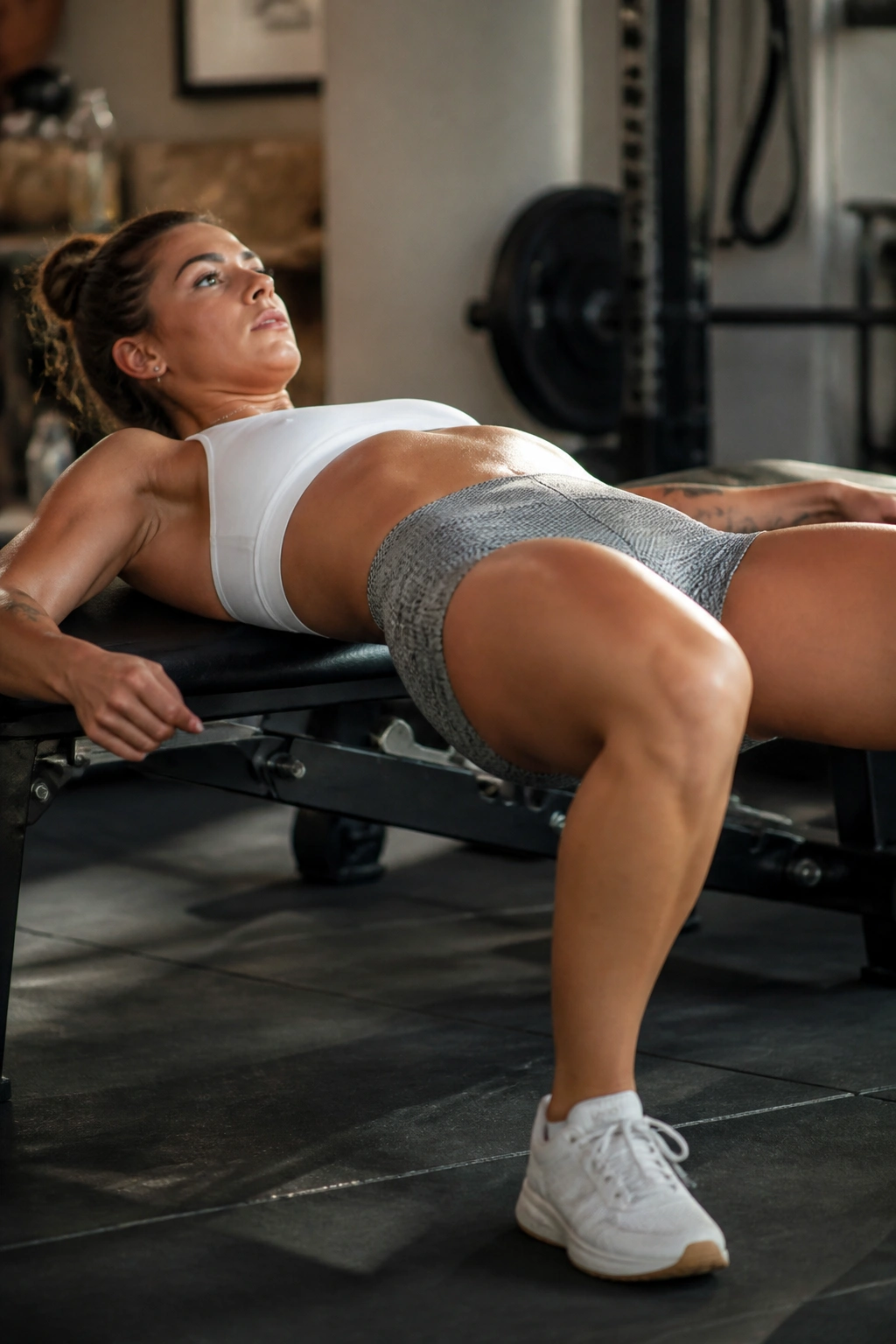
Hip thrusts have a simple reputation for a reason: they work. Hard.
The setup is straightforward. Upper back on a bench, feet planted, load across the hips, chin tucked, ribs down. Then drive through the heels until the hips reach full extension and the glutes finish the rep, not the lower back. The top position should feel strong and locked, not loose and hyperextended.
A lot of people try to turn this into a shrug for the pelvis. Bad idea. The real magic is the pause at the top, usually 1 full second, with the pelvis level and the shins close to vertical. That makes the glutes do the bulk of the job.
Use 4 sets of 8 to 12 reps if you want growth without turning the workout into a marathon. Dumbbell, barbell, or machine all work. If you feel this mostly in the hamstrings, bring the feet a little closer to the body.
9. Bulgarian Split Squat for Single-Leg Strength
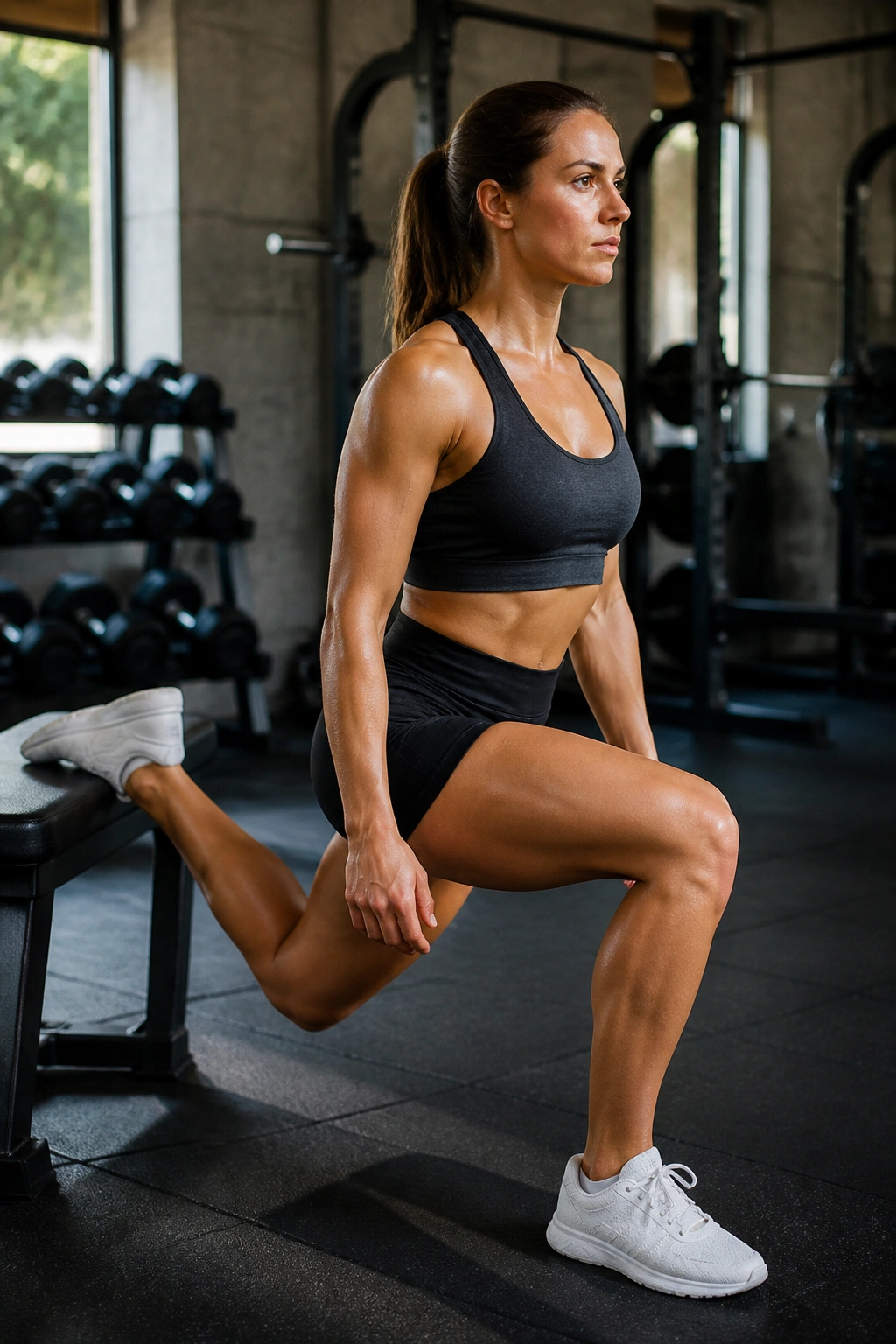
Why do these hurt so much? Because each leg has to deal with the work on its own, and there is nowhere to hide.
The Bulgarian split squat is a brutally useful move for shaping the quads and glutes while cleaning up side-to-side weakness. Rear foot up on a bench or box, front foot planted far enough forward to keep the front heel grounded, then lower under control until the back knee gets close to the floor. The front leg should feel like the engine.
How to Keep It From Turning Into a Balance Contest
The trick is not speed. It’s foot placement and a steady torso. Too narrow and you wobble. Too short and the knee does too much. Too long and the glute takes over before the quad gets much of a say.
- Use 3 sets of 6 to 10 reps per leg.
- Hold dumbbells at your sides once bodyweight feels easy.
- Keep the front knee tracking over the middle toes.
- Stop the descent if your pelvis twists.
This one is humbling. Good.
10. Kettlebell Swing for Glutes, Hamstrings, and Power
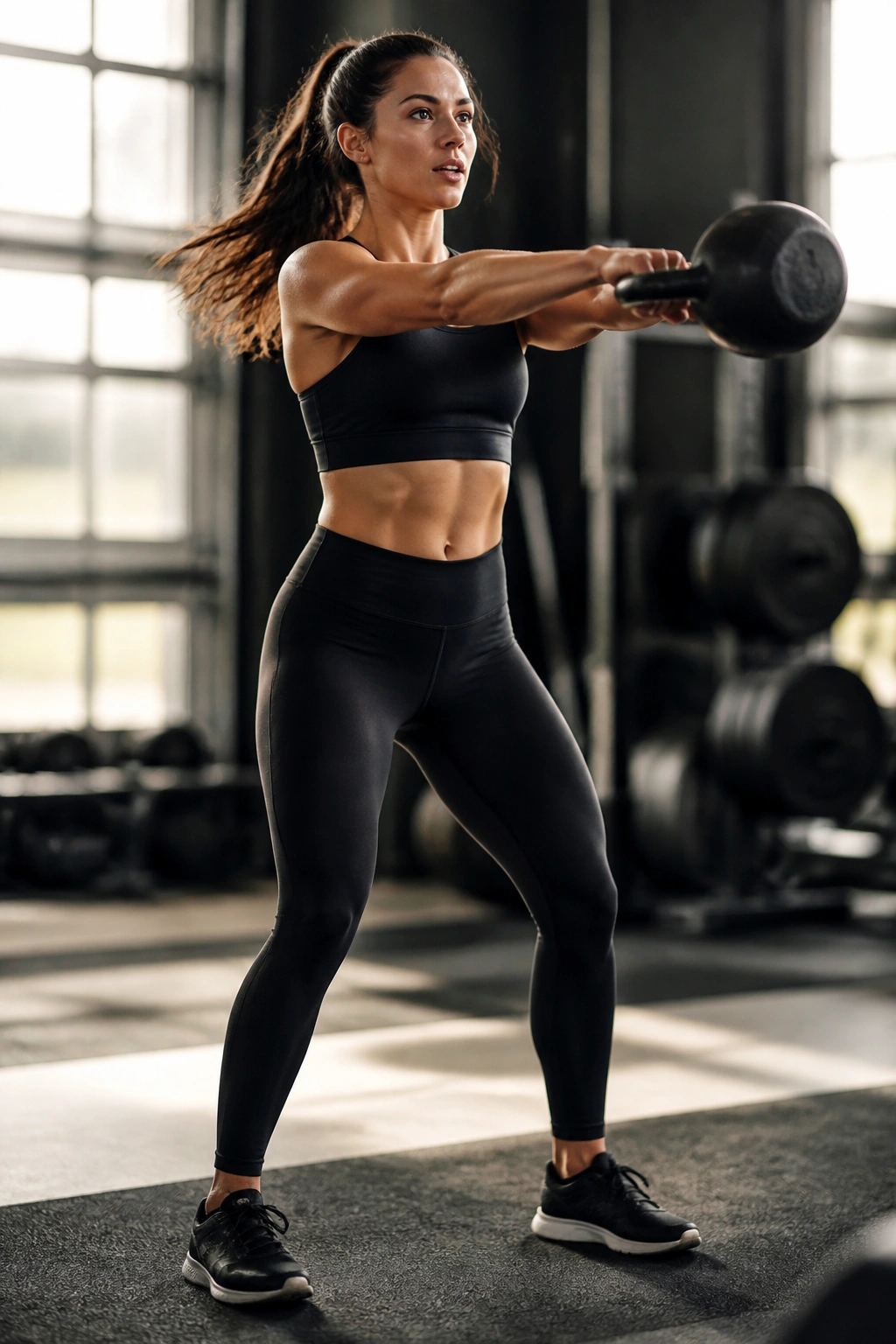
The bell should feel like a snap, not a front raise. That’s the whole game.
A proper kettlebell swing is a hip hinge with speed. The arms guide the bell, but the hips launch it. If you squat the bell up, you’ve changed the exercise. If you lift with the shoulders, same problem. The swing should feel explosive at the bottom and almost weightless at the top.
Use a bell that lets you stay crisp for 10 to 15 reps per set. The right weight usually feels light in the hands and heavy in the hips. That’s not a contradiction; it’s a sign the movement is working the way it should.
- Hike the bell back between the thighs like a football snap.
- Keep the spine neutral.
- Snap the hips forward, then let the bell float.
- Stop the set when the snap turns into a squat.
For lean muscle, swings work best as a finisher or on a separate power day, not as a sloppy cardio scramble.
11. Incline Dumbbell Bench Press for the Upper Chest
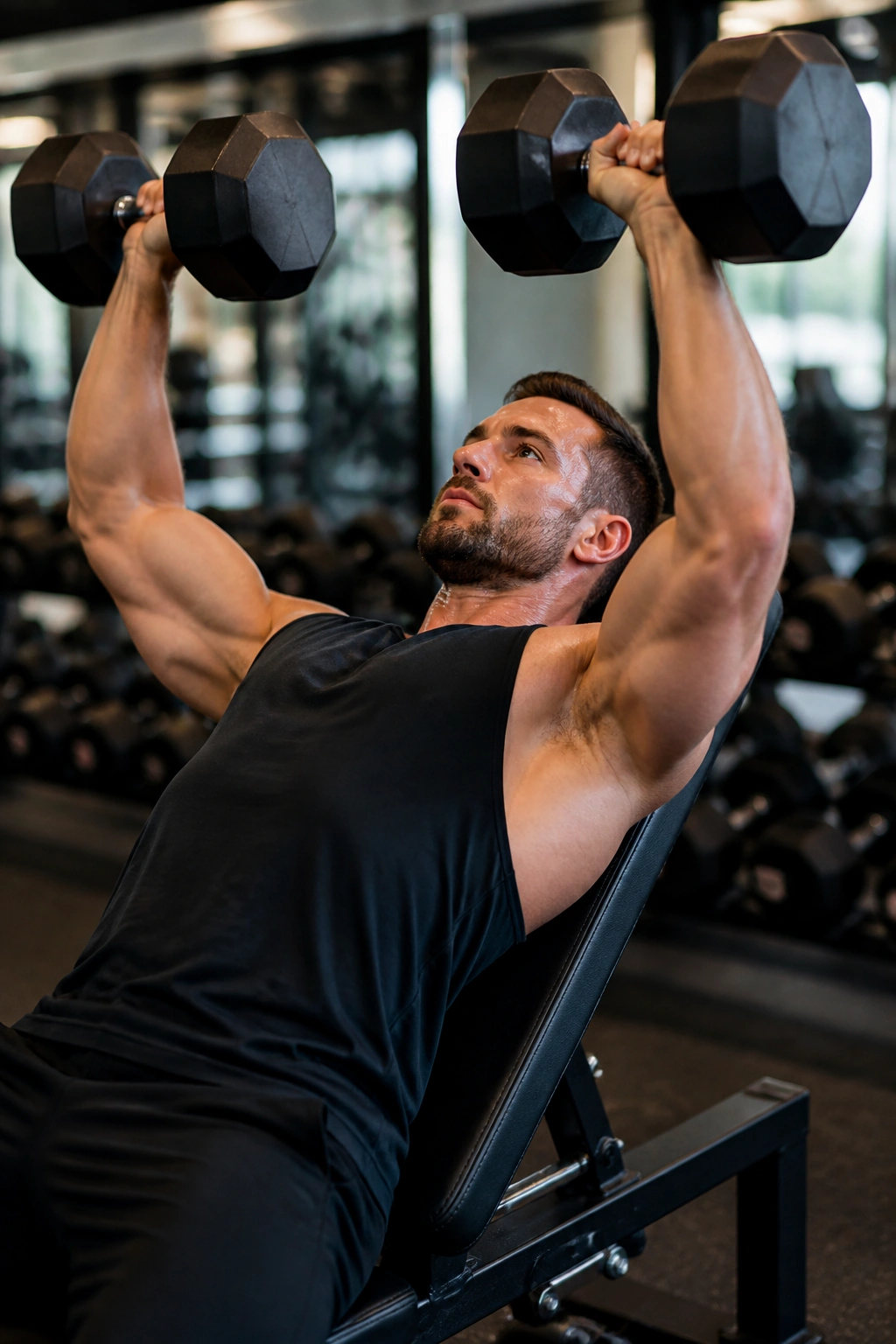
Flat pressing gets plenty of attention, but the incline bench is the one many people need more. A mild incline—about 20 to 30 degrees—keeps stress on the upper chest and front delts without cranking the shoulders into a steep angle that feels annoying.
The dumbbells matter here because each arm works on its own path. That usually gives a cleaner press and a more natural descent than a bar for people with cranky shoulders. Lower the bells until the elbows sit just below the bench line, then press up and slightly inward.
Don’t chase an exaggerated arch. Keep the feet planted, ribs stacked, and shoulder blades set. 3 sets of 8 to 12 reps is a good muscle-building range. If the last reps turn into a bounce off the chest, the load is too heavy or the tempo is too fast.
Neutral grip. Slight incline. Clean reps. That combo is hard to beat.
12. Farmer’s Carry for Grip, Core, and Posture
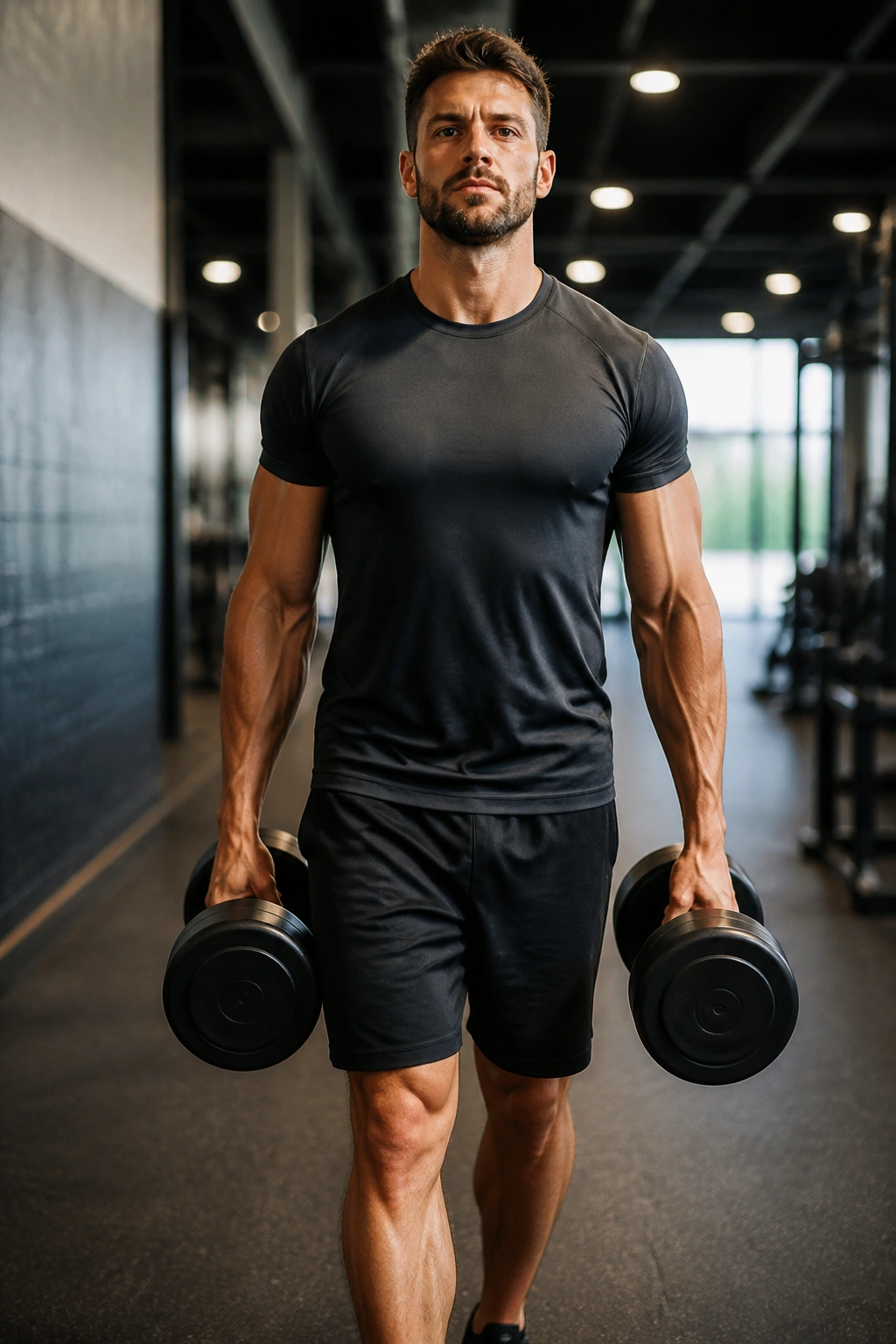
A carry looks simple because it is simple. Then you try it with real weight and discover how quickly your grip, traps, and side body start complaining.
Farmer’s carries build a dense, athletic look because they force the whole torso to stay tall under load. No crunching, no swaying, no lazy shoulders. You pick up heavy dumbbells or kettlebells, walk a set distance, and keep the body from leaking energy all over the floor.
Why It Stands Out
This is one of the few exercises where the hold matters as much as the movement. Your hands, forearms, upper back, and deep core all have to agree on the same job: don’t collapse.
- Walk 20 to 40 meters per set.
- Use a load that makes the last 10 meters honest.
- Keep the ribs down and the chin level.
- Take short, controlled steps.
If you want one carry that helps almost everything else, this is the one. It makes deadlifts feel tighter, presses feel steadier, and everyday posture feel less like a battle.
13. Step-Ups for Quads and Glutes Without the Drama
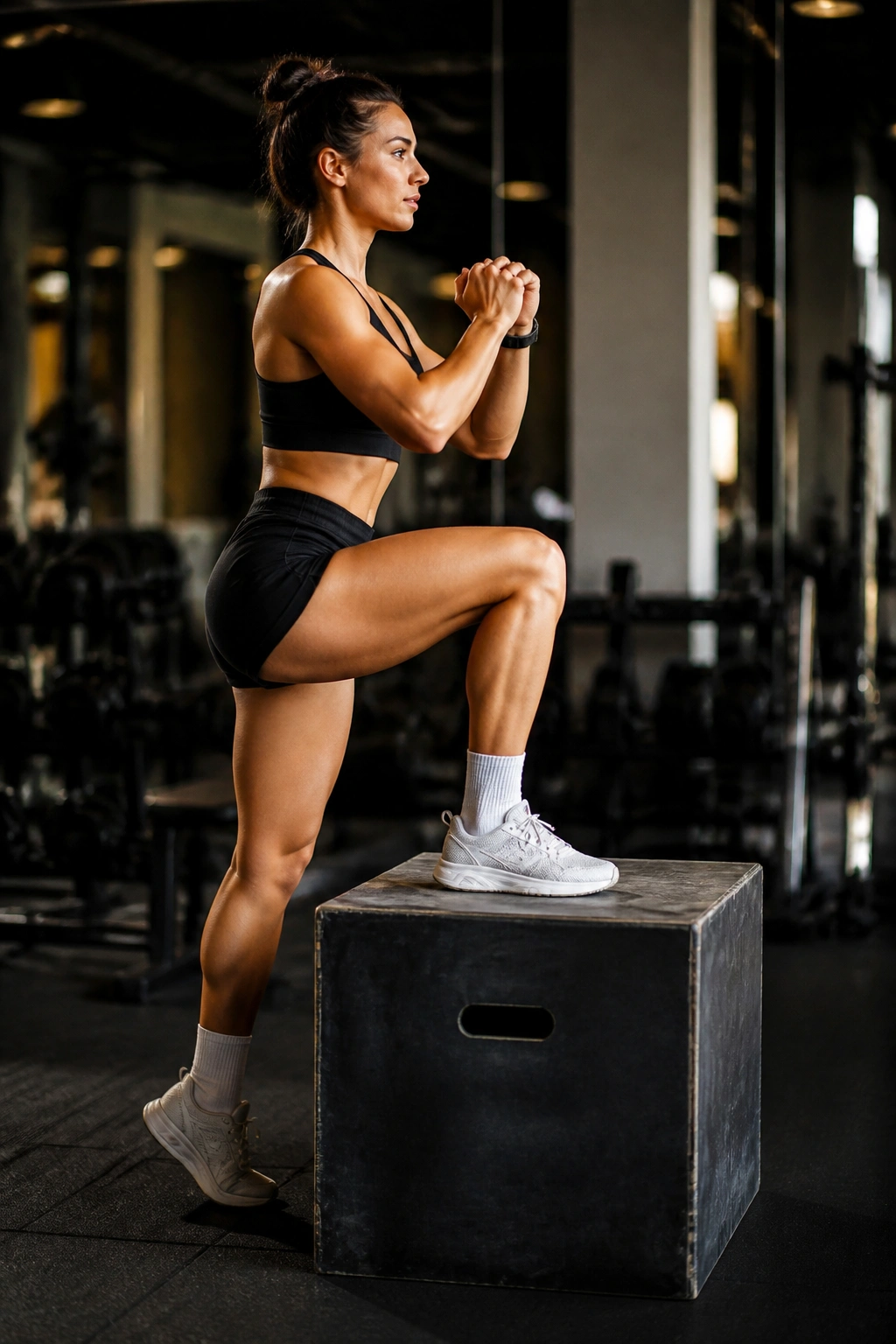
A good step-up gives you leg work, balance, and a better hip drive all at once. It also tells on cheating fast.
How to Make the Box Work for You
Choose a box or bench that puts the working thigh roughly at parallel or a touch below. Too high and the movement turns into a weird knee lift. Too low and the legs barely have to work. Step all the way onto the box with the full foot, then drive through the working heel to stand tall.
- Use 3 sets of 8 to 10 reps per leg.
- Keep the trail leg light; it should help only a little.
- Avoid pushing off the floor with the back foot.
- Hold dumbbells once bodyweight feels easy.
Tip: slow the lowering phase. The descent teaches control and keeps the working leg from stealing every rep with momentum.
14. Chest-Supported Row for a Thick Upper Back
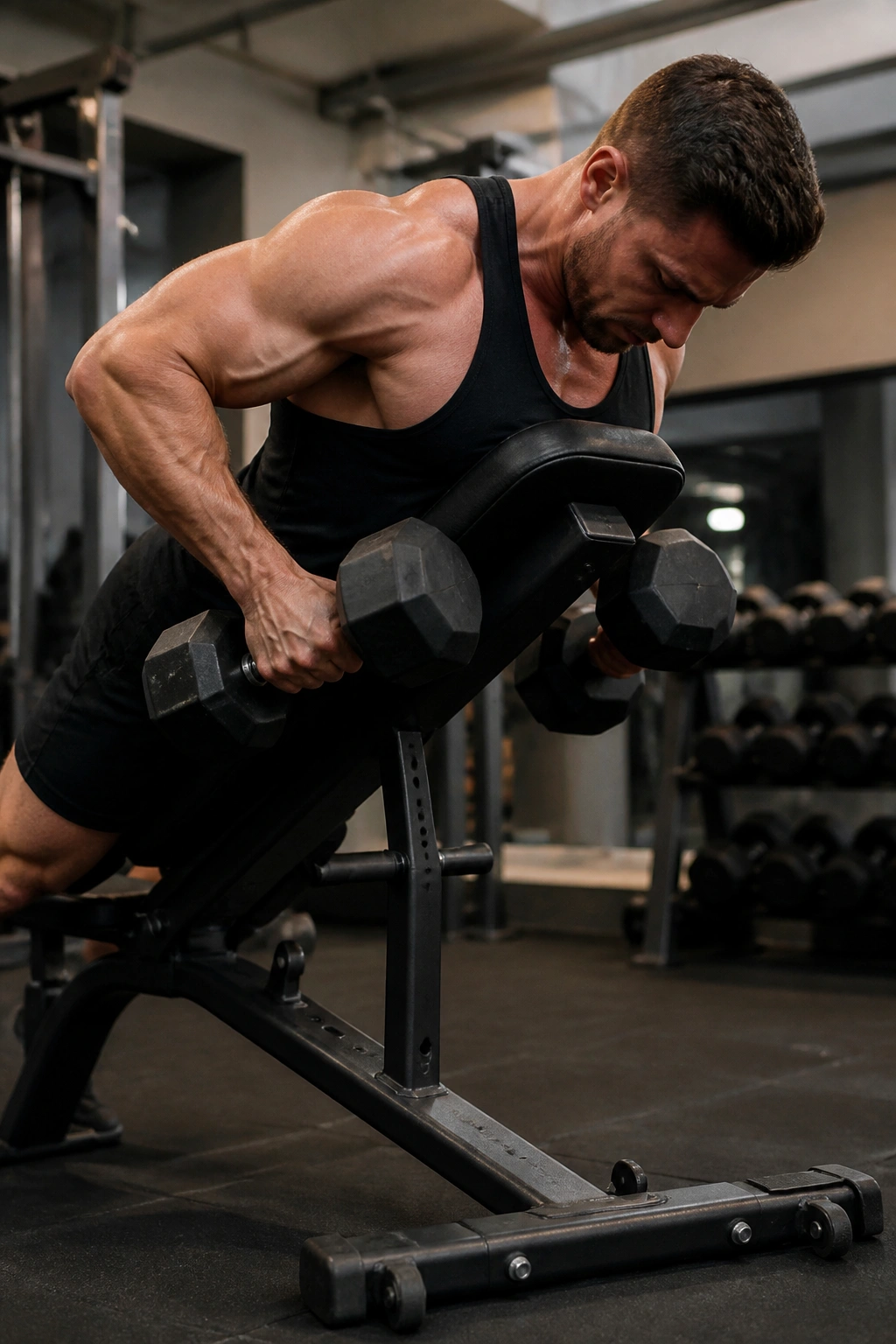
If your lower back gets tired before your upper back does, chest-supported rows are a gift. They take the hinge and balance demands off the table so the lats, rhomboids, and rear delts can do their job without interference.
That makes them a smart choice after deadlifts, squats, or any day when your torso is already cooked. Set an incline bench around 30 to 45 degrees, lie face down, and row dumbbells, a bar, or a machine handle toward the lower ribs. The chest stays planted. No heaving.
The pause at the top should feel deliberate. If the weights slam down, the set is too fast. 3 to 4 sets of 10 to 12 reps works well here because the support removes a lot of wasted effort and lets you load the back more cleanly.
This is not flashy. It is effective.
15. Dumbbell Thruster for Full-Body Tension
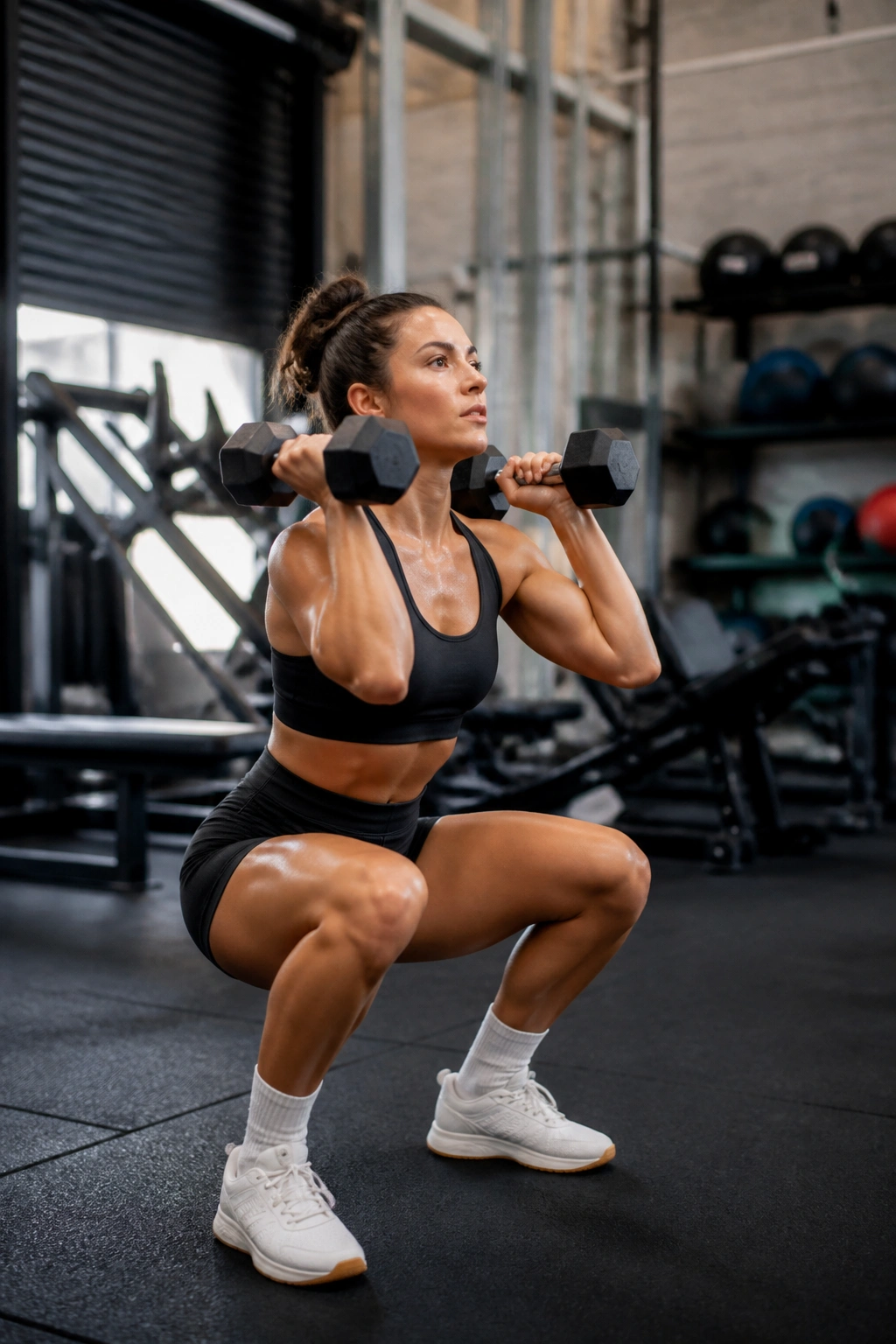
Can one movement hit legs, shoulders, and conditioning in the same set? Yes. That’s the whole point of the thruster.
How to Keep It Clean
The thruster is a front squat into an overhead press, usually done with dumbbells. The squat loads the quads and glutes; the press finishes the shoulders and triceps. If you rush the transition, the rep turns messy fast. If you stay smooth, it becomes one of the best body toning workouts for people who want full-body work without wandering through ten exercises.
- Keep the dumbbells at shoulder height between reps.
- Squat down with the heels flat and chest tall.
- Drive up hard from the legs before pressing.
- Use 3 sets of 8 to 12 reps or 30-second intervals.
The cleanest thrusters feel rhythmic. The ugliest ones feel like panic. Pick the lighter weight. Your form will thank you.
16. Plank Shoulder Tap for a Tight, Useful Core
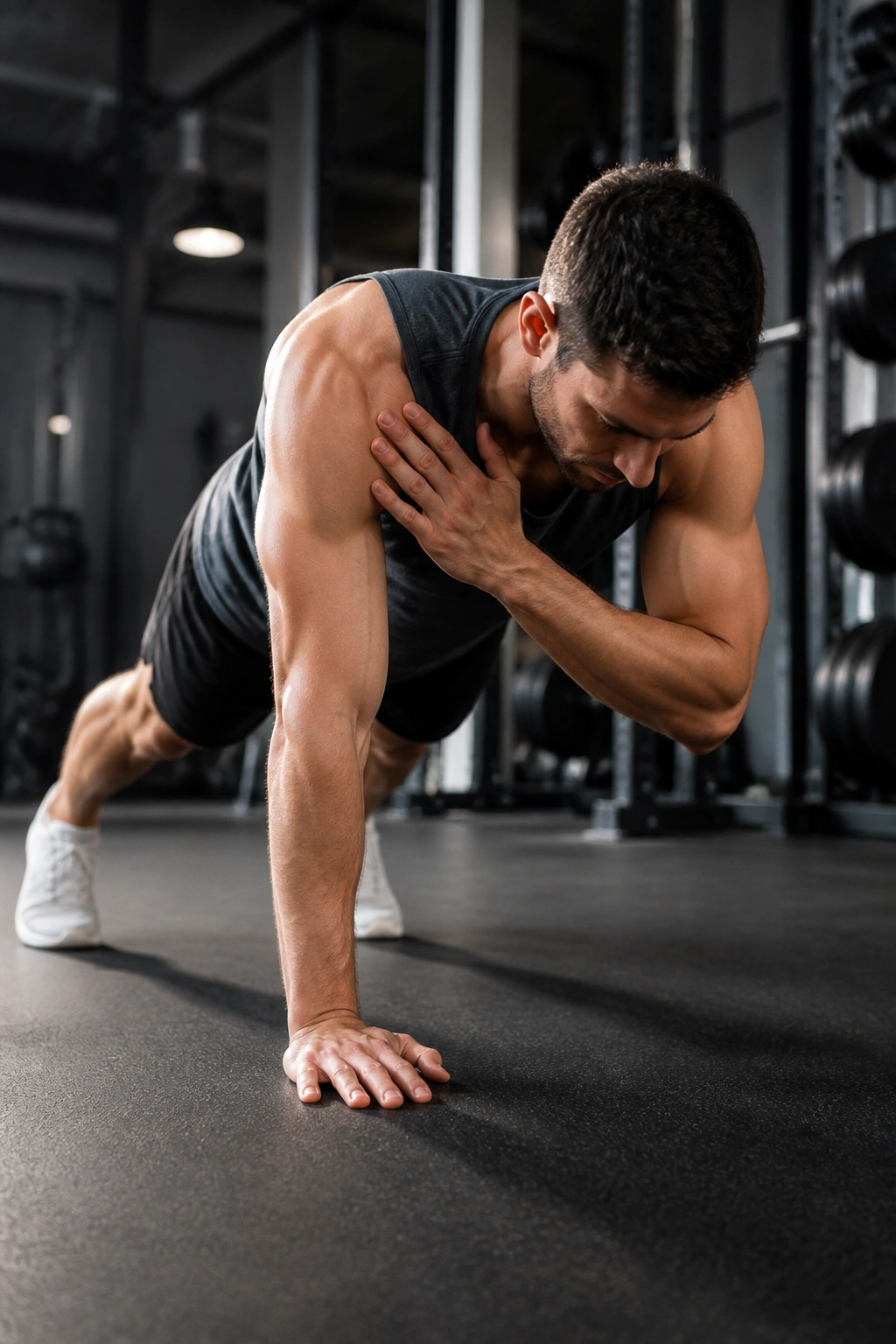
The floor starts to feel unfair halfway through. That’s the correct feeling.
Plank shoulder taps train anti-rotation, which is a fancy way of saying your torso has to stop itself from twisting while the arms move. That skill shows up in almost every other lift. It also makes the midsection work in a way that goes beyond endless crunches.
Start in a high plank with feet a little wider than hip-width. Tap one shoulder, then the other, and keep the hips from rocking side to side. If the body shifts every time a hand leaves the floor, widen the stance or slow down.
- Aim for 20 to 30 total taps per set.
- Keep the neck in line with the spine.
- Move slowly enough that you can actually stop the sway.
- Breathe behind the brace instead of holding your breath forever.
A small range done well beats a big range done badly. Every time.
17. Sumo Deadlift for Glutes, Inner Thighs, and Back Strength
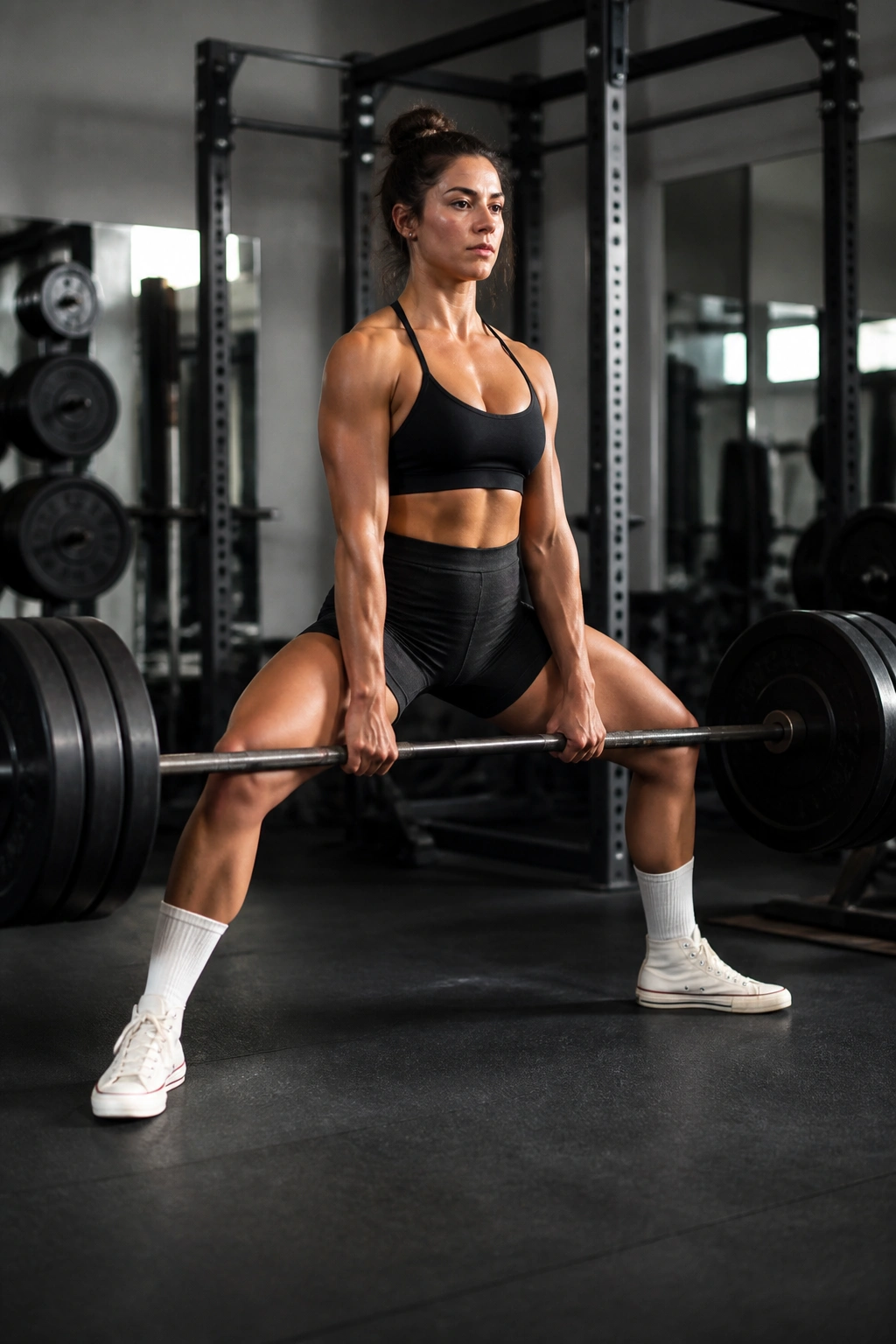
The sumo deadlift asks for a wider stance, turned-out toes, and a more upright torso than the conventional version. That changes the muscle mix in a useful way, especially if you want more glute and inner-thigh work without losing the strength payoff.
Set the feet wide, grab the bar inside the legs, and pull the chest tall before the weight leaves the floor. The knees should track over the toes, not cave in. If the hips shoot up first, the lift becomes a back pull with a bad attitude.
Heavy. Controlled. Clean.
That’s the standard here. 3 to 5 sets of 5 to 8 reps is plenty for strength and muscle. Some people love the wider stance right away. Others need a little time to learn where their hips should sit. A small wedge under the heels can help some lifters, though it is not mandatory.
If conventional deadlifts irritate your back, sumo is worth trying. If your hips hate the stance, skip it and keep your chin up.
18. Band Face Pull for Rear Delts and Upper-Back Balance
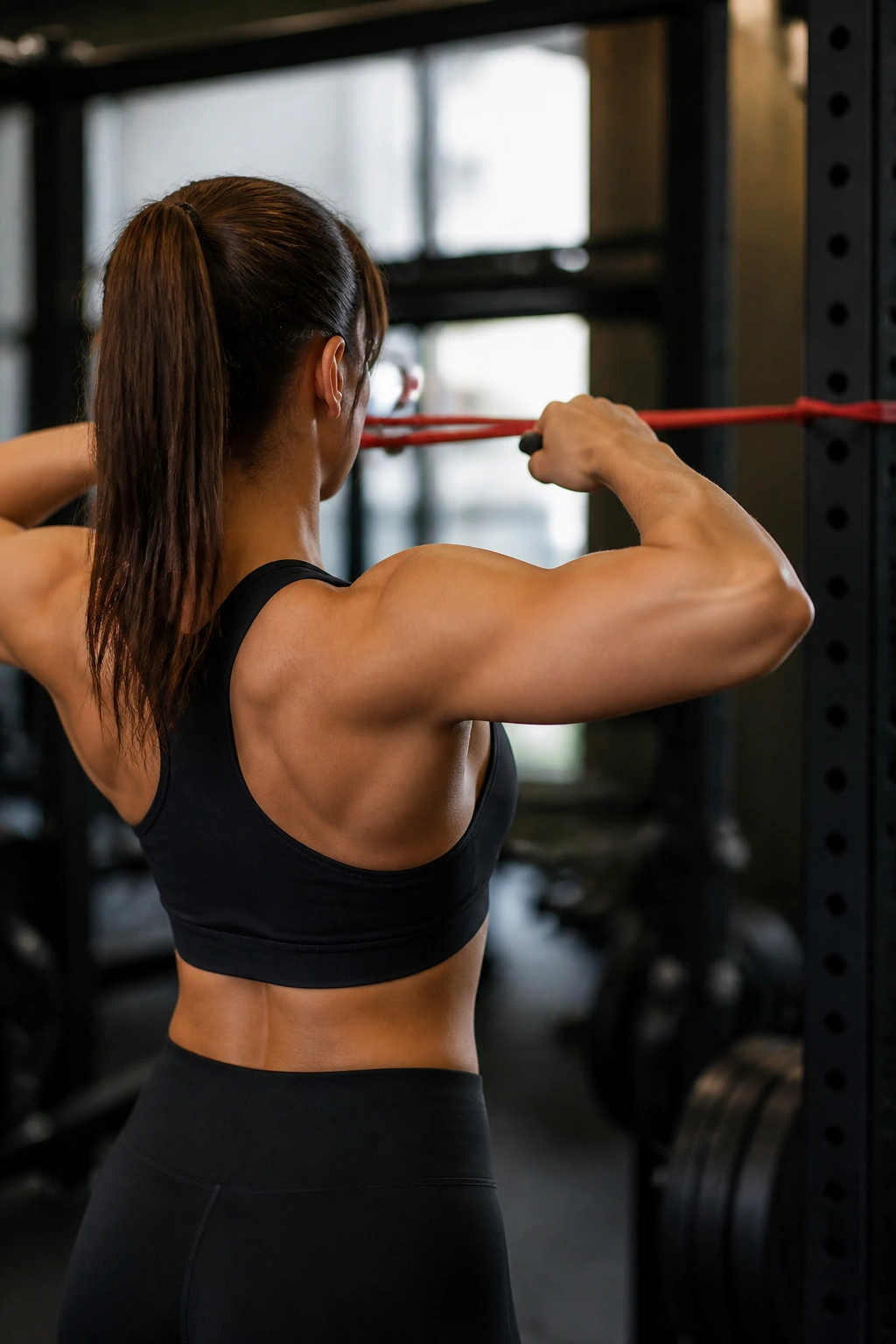
A face pull is not the move people brag about. Good. It does its best work quietly.
This pull trains the rear delts, upper back, and the small muscles that help keep the shoulders from rolling forward under all the pressing most people do. It also pairs well with push-ups, presses, and bench work because it balances the front-of-body dominance that creeps in fast.
Use a light to medium band, attach it around eye level, and pull the handles toward the face while finishing with the hands just outside the temples. The elbows should stay high. The shoulders should stay down. 2 to 4 sets of 12 to 20 reps is usually plenty.
If you yank through the lower back, the band is too heavy. If the movement feels like a shrug, reset your position and pull with the upper back instead. This one is small, but it cleans up a lot.
19. Glute Bridge March for Core and Hip Stability
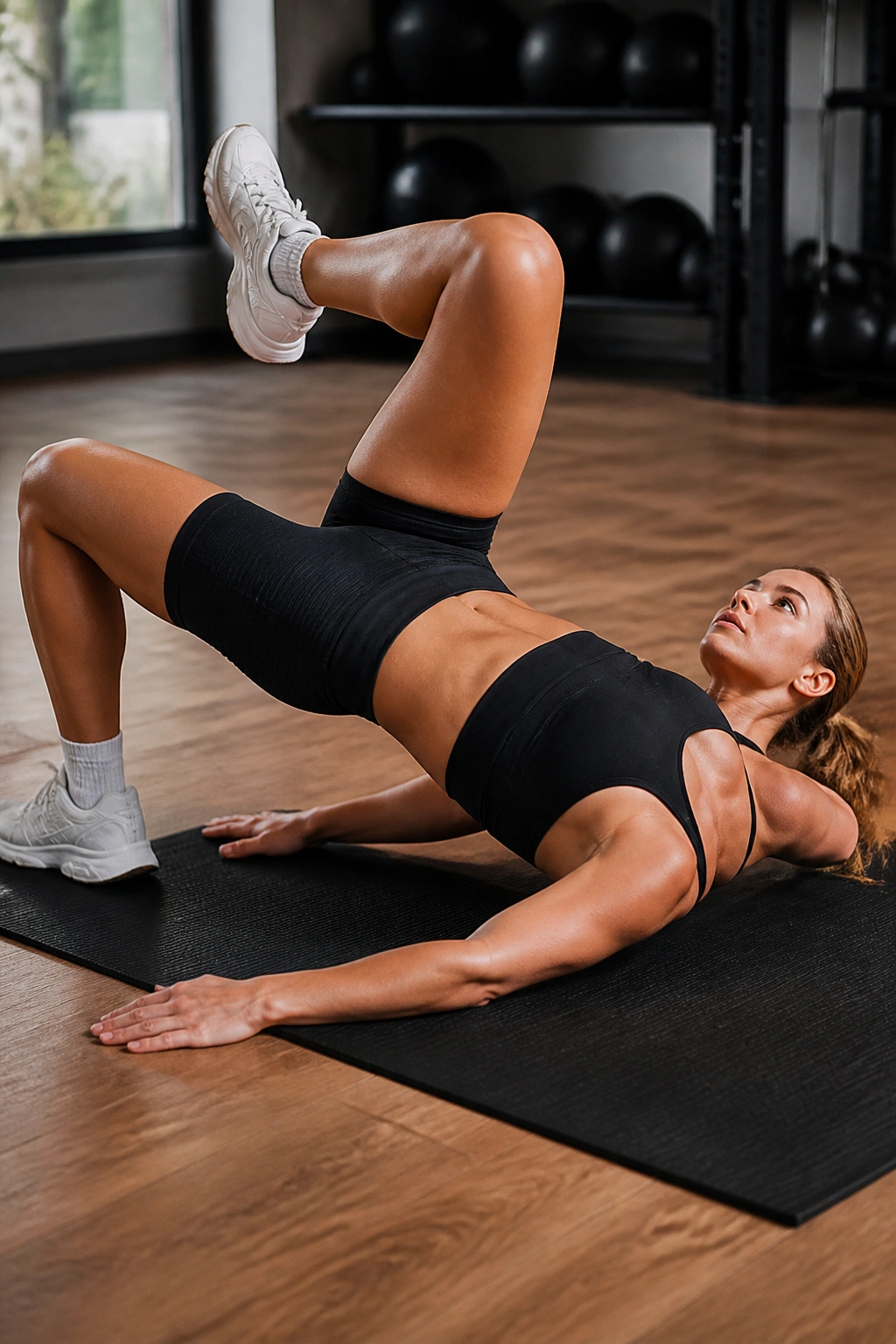
A bridge that only lifts is one thing. A bridge that marches is another.
Why It Outperforms Endless Crunches for Many People
The glute bridge march keeps the hips high while one leg lifts at a time, which forces the pelvis to stay level and the core to resist wobble. That makes it a smart choice for people who want firmer glutes and a midsection that behaves better under load.
- Set up with shoulders on the floor and feet close to the hips.
- Lift into a strong bridge first.
- March one knee up slowly, then lower it without dropping the hips.
- Work for 8 to 12 marches per side.
The movement should feel controlled and a little sneaky. If the hips bounce every time a foot leaves the ground, shorten the range and tighten the brace. This is not about speed. It is about keeping the pelvis steady while the legs take turns.
Best use: put it after heavier lower-body work when you still want core work without frying your back.
20. Renegade Row for Total-Body Tension
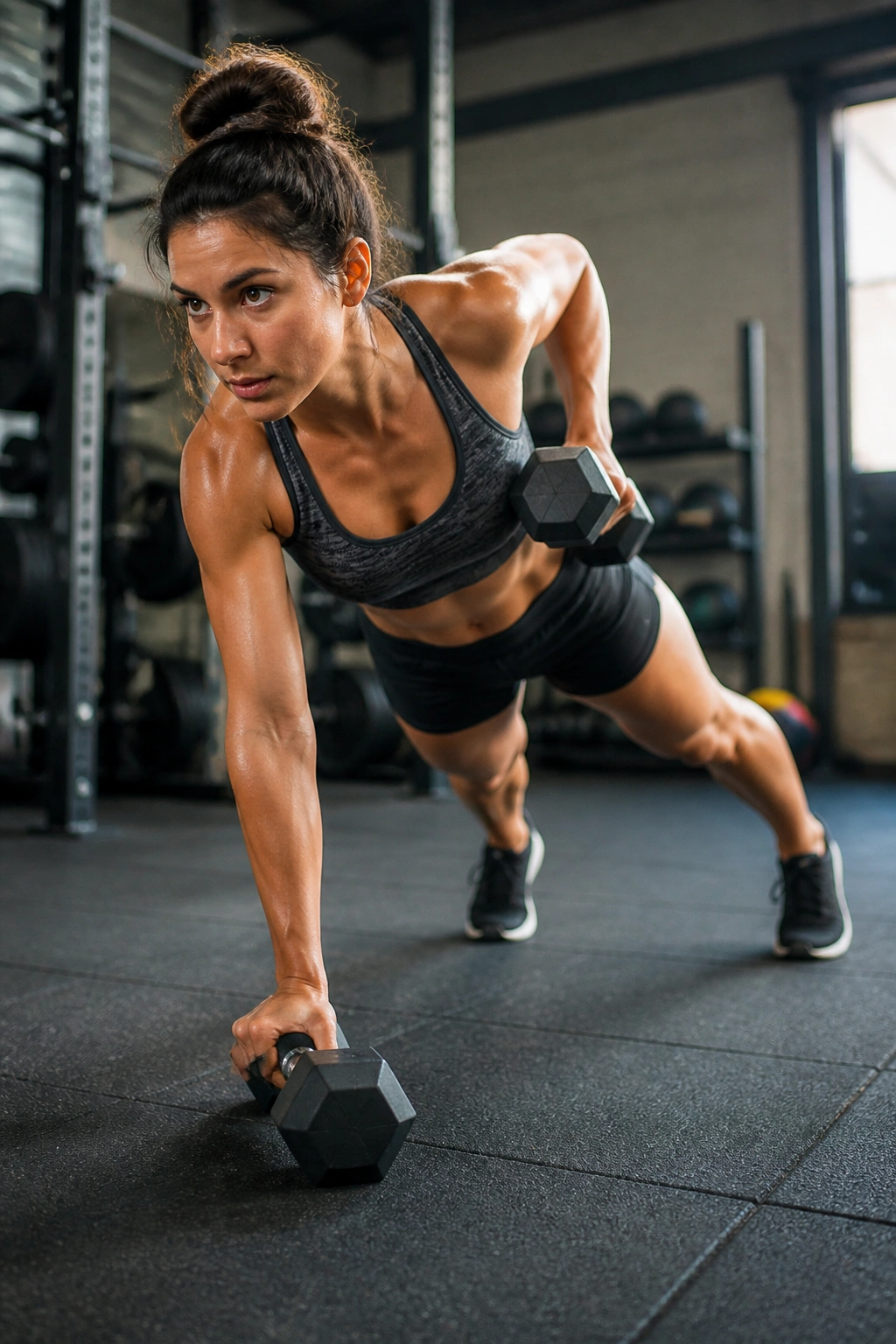
If a workout had to prove it can build muscle and expose weak spots at the same time, this would be one of the first picks. The renegade row combines a plank, a row, and a bracing test that gets loud fast.
Start in a high plank with dumbbells under the shoulders and feet wider than usual. Row one dumbbell without letting the hips swing open, set it down, and switch sides. The weight should be light enough that your torso stays still. If the body rolls hard every rep, you are training wobble, not strength.
A clean target is 3 sets of 6 to 8 reps per side. The row itself should feel controlled, and the planted hand should stay firm enough that the shoulder doesn’t collapse into the floor. Wide feet help. So does patience.
This is not the easiest move on the list. It is also one of the most useful if you want lean muscle that looks athletic instead of delicate. Pick six or seven of these movements, keep adding a little load or a rep here and there, and let the work stack up. That part is not glamorous. It is the part that changes you.
