



The best lean workouts for long defined muscle are rarely the sweaty chaos people expect. The work that actually changes shape is usually calmer, more controlled, and a lot less glamorous than people want to admit.
Muscle does not get “longer” from magic. What you’re chasing is a look built from a few things at once: enough muscle to show shape, enough control to keep the lines clean, and enough conditioning to keep body fat from sitting over the work you’ve done. That’s the boring truth. It’s also the useful one.
I’ve always liked training that makes the body look athletic instead of puffy. Slow eccentrics, unilateral work, full range of motion, carries, intervals, and a little bit of grit go a long way when you want definition without chasing sloppy volume. You do not need to live under a barbell for that.
The sessions below are built around that idea. Some hit strength. Some hit posture. Some burn through calories without trashing your joints. A few do both at once, which is why they earn a place in a real plan and not just a nice-looking spreadsheet.
1. Tempo Dumbbell Supersets for Shoulders, Back, and Arms
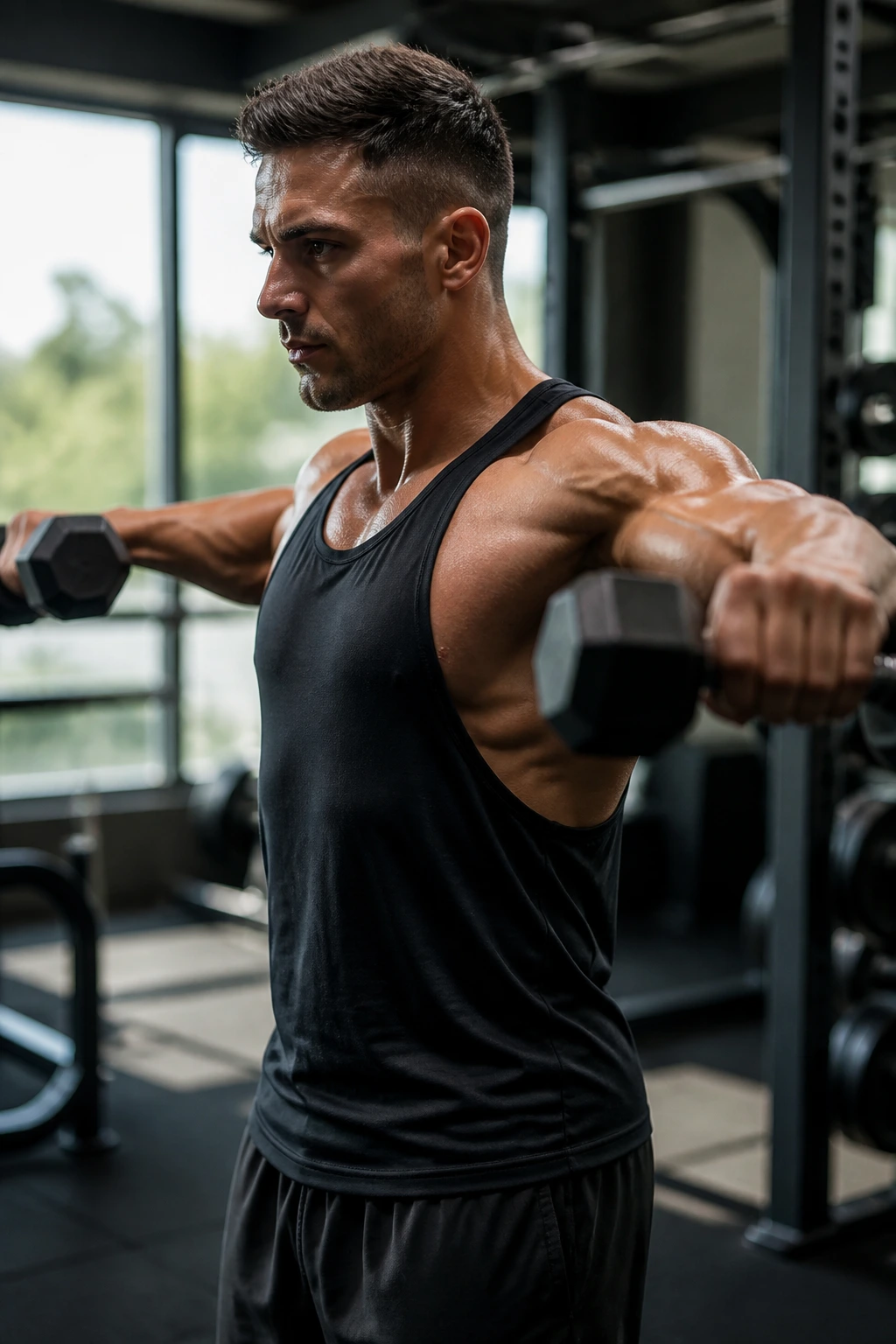
Tempo work is one of the cleanest ways to make the upper body look sharper without chasing stupidly heavy weights. A slow lower, a brief pause, and a crisp lift put tension where you want it, and tension is what teaches the muscle to stay visible and firm.
I like this style for shoulders and arms because it keeps the movement honest. No swinging. No hip toss. No half reps. A set of lateral raises or rows done with a 3-second lower and a 1-second squeeze will light up a muscle faster than a sloppy set twice as heavy.
Why the tempo matters
Use a pair of dumbbells and match one upper-body pull with one push or raise. A clean pairing looks like 12 chest-supported rows, then 12 lateral raises, followed by 10 hammer curls and 10 overhead triceps extensions. Rest 30 to 45 seconds after each superset, then repeat for 3 to 4 rounds.
- Keep the lowering phase slow and smooth.
- Stop each rep before your shoulders shrug.
- Choose a load that leaves 2 clean reps in reserve.
- Move with the same speed on every rep.
The best part is how little equipment you need. A bench, a pair of dumbbells, and 15 focused minutes are enough to make a session feel productive. That matters more than people think.
Tip: if the last two reps look ugly, the weight is too high.
2. Bodyweight Push-Pull Pairings for a Clean Upper-Body Line
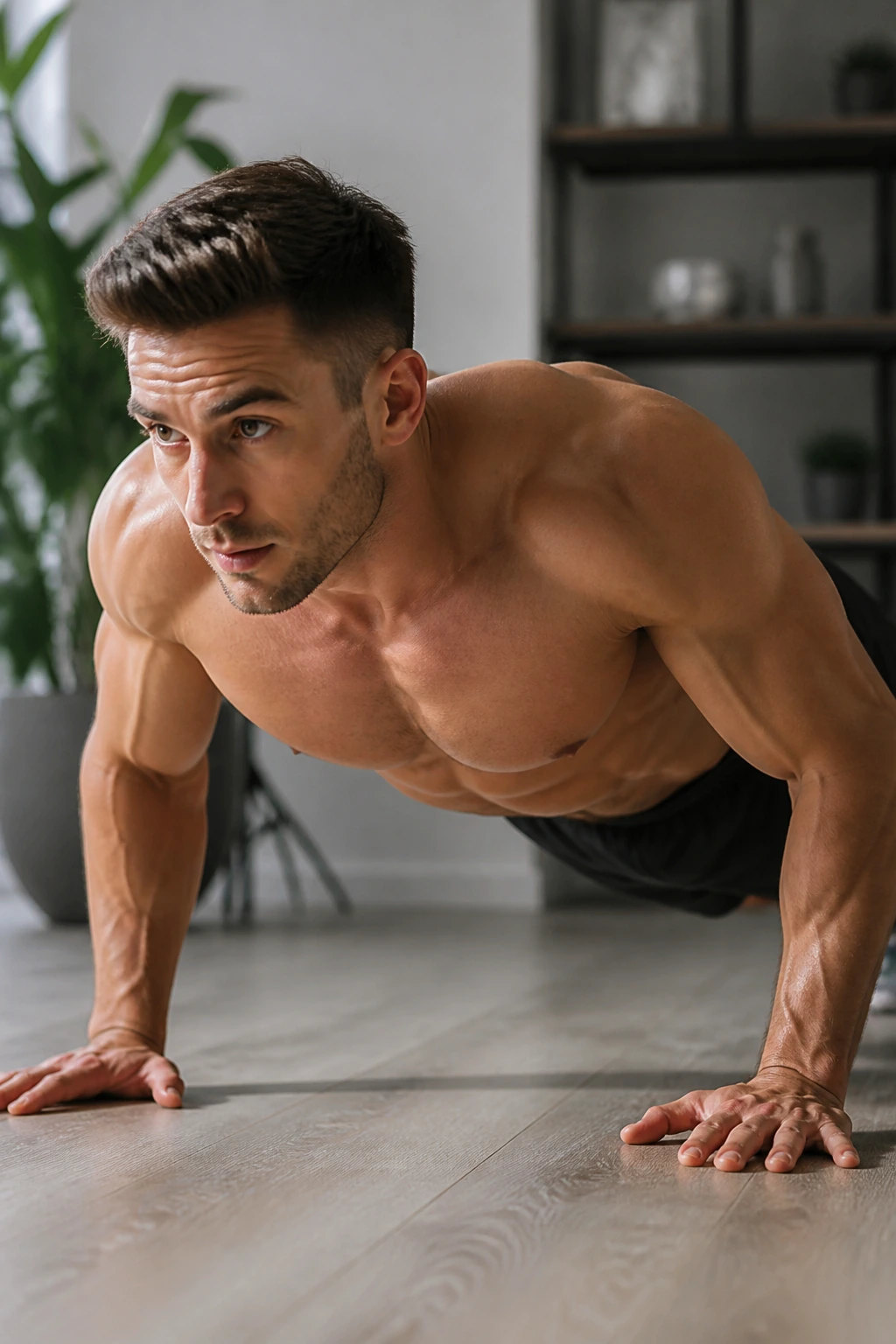
Bodyweight does not mean easy. It usually means you have to earn the range, the control, and the position all by yourself, which is exactly why it works so well for a lean look.
The upper body responds nicely to push-pull pairings because they keep the shoulders balanced. A set of push-ups followed by inverted rows hits the chest, triceps, lats, and rear delts without letting any one part dominate. That balance helps the torso look cleaner, not just bigger.
I like this style for people who want shape without feeling beat up. Start with 8 to 15 push-ups, then go straight into 8 to 12 body rows under a bar, TRX, or sturdy rings. Rest 45 seconds and repeat for 4 rounds. If standard push-ups are too rough, elevate the hands on a bench. If rows are too easy, walk the feet forward and make the body angle steeper.
No fluff. Clean reps matter here.
Add a second pair if you want more work: close-grip push-ups and scapular pull-ups are a nice combo because they bring the triceps and upper back into the same session. Keep the ribs down, keep the neck long, and stop the set the moment your hips sag or your shoulders start rolling forward.
I prefer this kind of training when someone wants the look of definition more than the feeling of destruction. It’s plain, direct, and hard to fake.
3. Kettlebell Swings and Goblet Squats for Athletic Legs
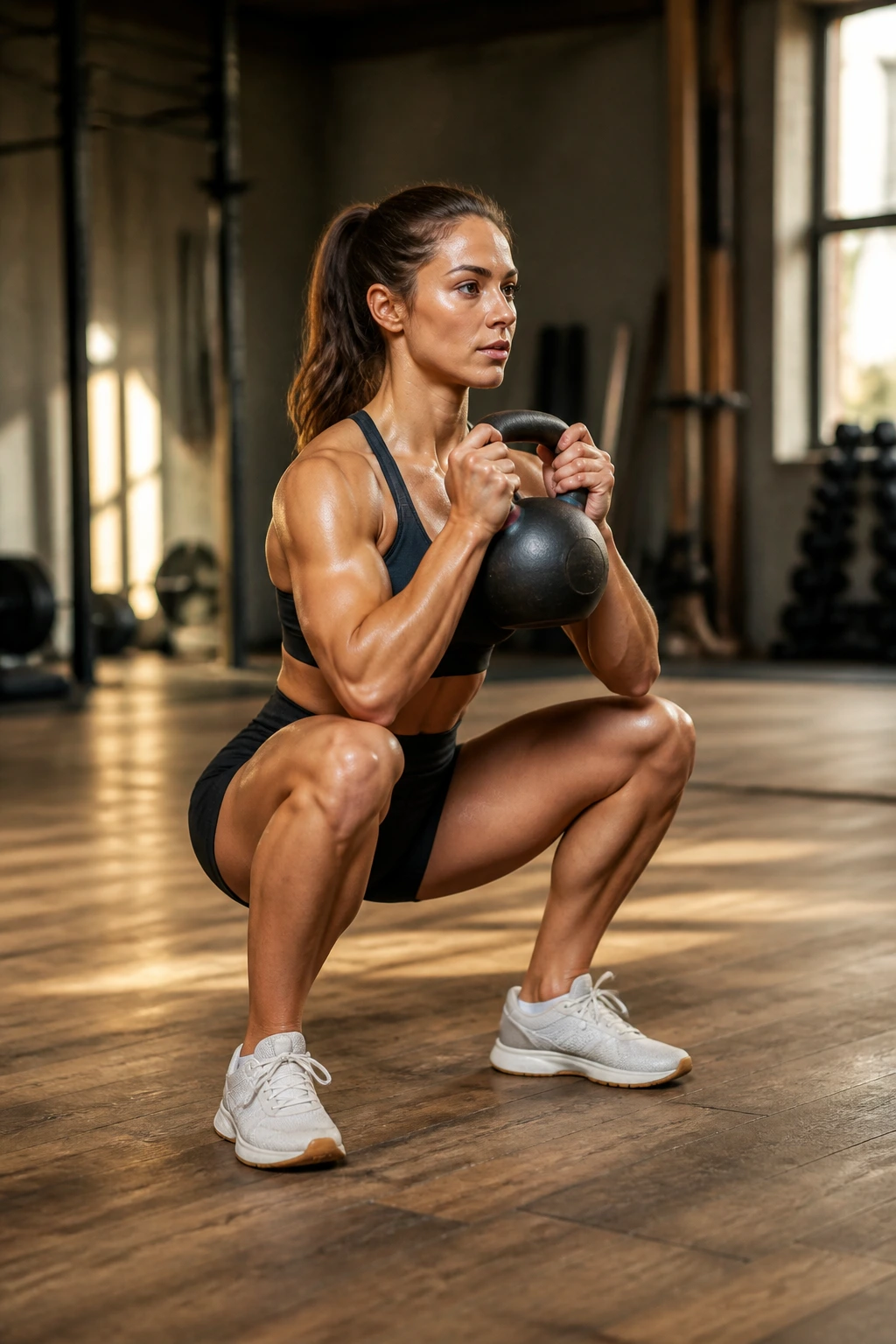
Can one kettlebell handle both power work and leg shaping? Yes, and this pairing is one of the best places to start if you want lower-body muscle that looks firm rather than bloated.
The swing gives you a fast hinge pattern. The goblet squat gives you a controlled squat pattern. Together they hit the glutes, hamstrings, quads, and core in a way that feels athletic instead of slow and grinding. That mix matters when the goal is lean strength with visible shape.
How to run it
- 15 two-hand kettlebell swings
- 10 goblet squats
- 8 reverse lunges per side
- Rest 30 to 45 seconds
- Repeat for 4 to 5 rounds
The swing should feel snappy, not like a front raise with a bell. The bell hikes back between the legs, the hips snap forward, and the arms stay loose. With the goblet squat, drop down under control and keep the elbows inside the knees at the bottom. If your heels pop up, the bell is too heavy or your stance is too narrow.
A lot of people rush kettlebell work and end up using the lower back to do the job the hips should handle. That is a bad trade. Keep the spine quiet, brace before each rep, and let the hips do the work.
This one makes the legs look athletic. Not puffy. Not soft. Athletic.
4. Pilates-Style Mat Flow for a Steady Core and Better Posture
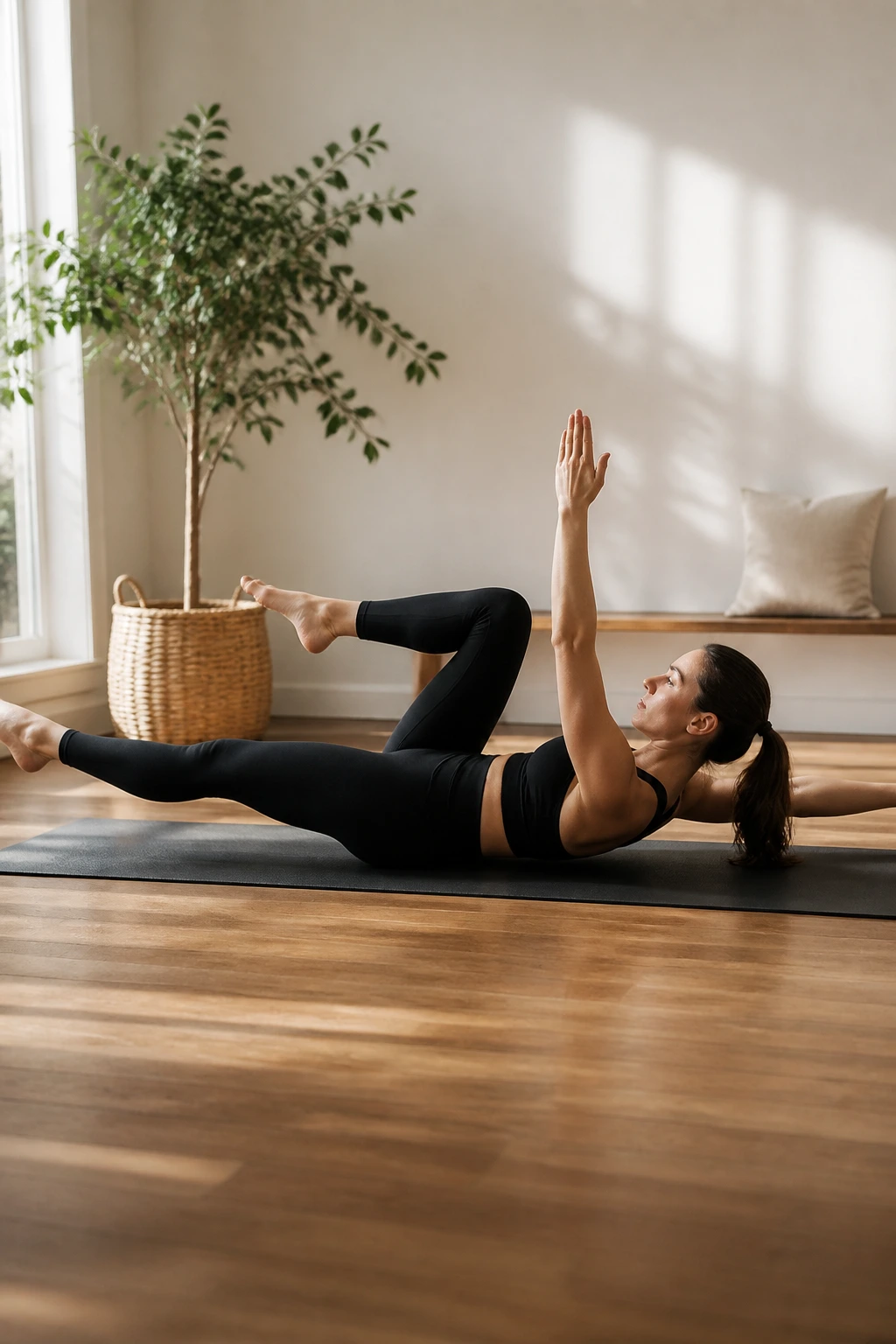
A mat session can look gentle and still do a serious job. In fact, the slower the movement, the more obvious your weak spots become, which is why Pilates-style flows fit the idea of long, defined muscle so well.
What usually changes first is posture. When the core stops leaking energy, the ribs sit better over the pelvis, the shoulders settle down, and the whole body looks tidier. That is not a small thing. It changes how every outfit sits, and it changes how you move in the gym too.
A solid flow might include dead bugs, side planks, glute bridges, bird dogs, and slow mountain climbers. Run each move for 30 to 40 seconds, or use 8 to 12 slow reps per side if that feels easier to track. Keep the exhale long on the hardest part of each rep. That little detail keeps the abs from flaring out.
A simple mat sequence
- 10 dead bugs per side
- 30-second side plank per side
- 15 glute bridges with a 2-second squeeze
- 8 bird dogs per side
- 20 slow mountain climbers per side
The workout should feel controlled, almost annoyingly controlled. That’s the point. You are training the body to hold shape under tension, and that skill shows up everywhere else.
One clean mat session can do more for your silhouette than a messy hour of random ab work.
5. Rowing Intervals That Train Legs, Back, and Breath
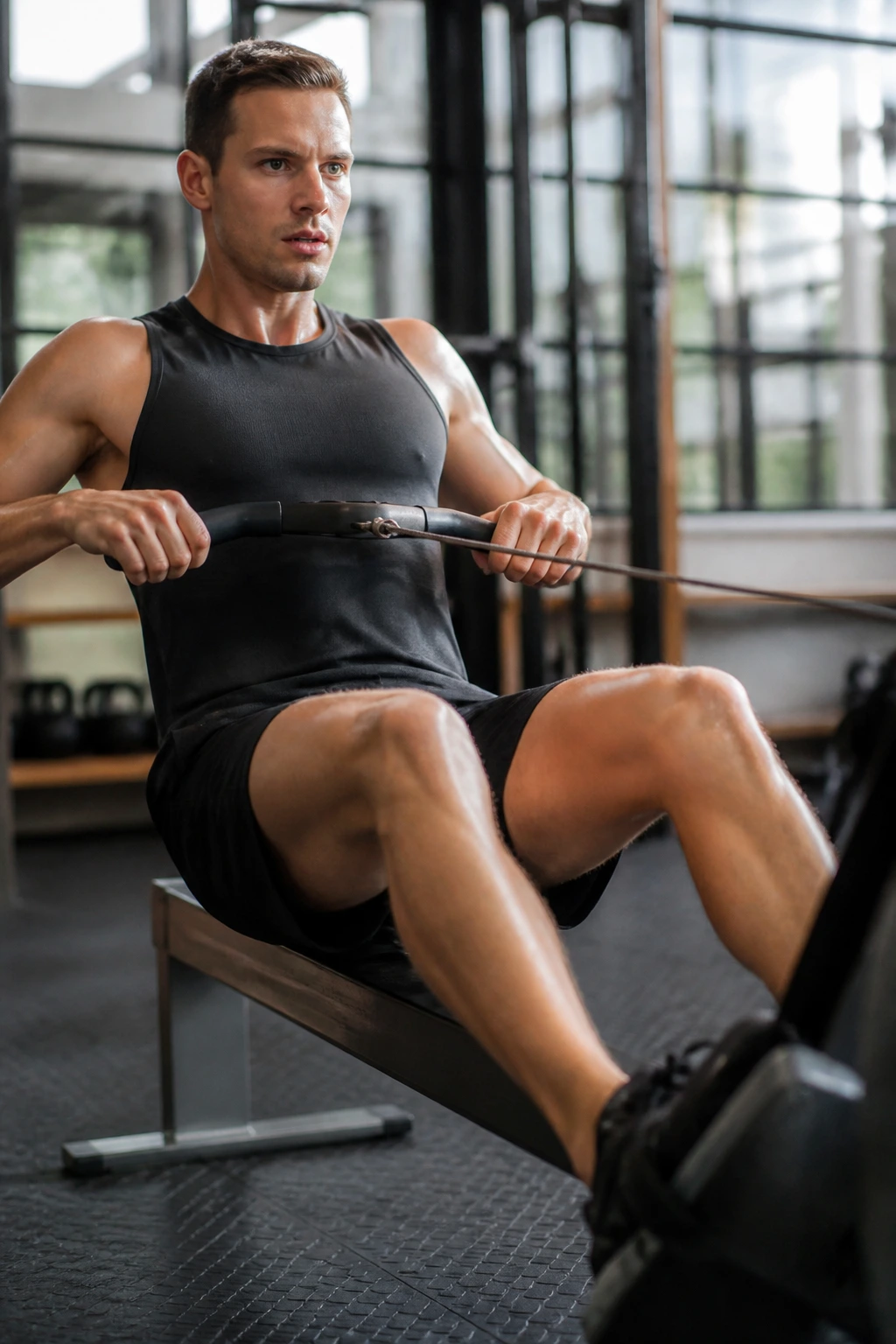
The rower is one of the few machines that actually earns its place in a lean training plan. It hits the legs first, the back second, and the arms last, which means you get a full-body effort without turning the session into a joint-beating circus.
A lot of people treat rowing like seated cardio and then wonder why it feels flat. That usually comes from pulling too early with the arms or cranking the damper so high that each stroke turns into a stiff tug. Keep the damper around 4 to 6, drive through the legs, and let the handle finish near the lower ribs.
Your breathing gets loud fast.
A simple interval set works well: 10 rounds of 30 seconds hard, 60 seconds easy. If that feels too aggressive, use 6 rounds of 250 meters with full recovery between each effort. The goal is strong, repeatable work, not a one-time death march. The best strokes feel smooth at the front, sharp through the legs, and quiet on the return.
What to watch for
- Chest tall at the catch
- Shins near vertical
- Legs drive before the arms
- Handle path stays straight
The rower is especially good when you want definition through the back and shoulders without pounding the knees or ankles. It leaves you cooked in a useful way. You finish tired, but not wrecked.
6. Split-Stance Lower-Body Circuits for Glutes and Hamstrings
Unlike two-legged squats, split-stance work exposes the left-right mismatch you’ve probably been ignoring. That is the part I like most about it. It is honest.
Bulgarian split squats, reverse lunges, and single-leg RDLs force each leg to earn its own share of the load. The glutes light up fast, the hamstrings stay involved, and the torso has to keep you from wobbling all over the place. You get shape work and stability work in the same session.
A useful circuit is 8 Bulgarian split squats per side, 10 reverse lunges per side, and 8 single-leg Romanian deadlifts per side. Do 3 rounds, resting 45 to 60 seconds between exercises if needed. Keep the front foot planted like a tripod: big toe, little toe, heel. That one cue solves a surprising amount of sloppy movement.
What this style does better than regular squats
- It reduces the need for very heavy loading.
- It keeps the hips from cheating.
- It builds the glutes without always smashing the spine.
- It makes side-to-side differences obvious.
A slight forward lean is fine on the lunge and split squat. In fact, it often helps the glutes do more work. Just keep the back flat and the front knee tracking over the toes.
If you want legs that look strong from every angle, this is the kind of work that gets you there.
7. Suspension Trainer Rows, Pushes, and Core Holds
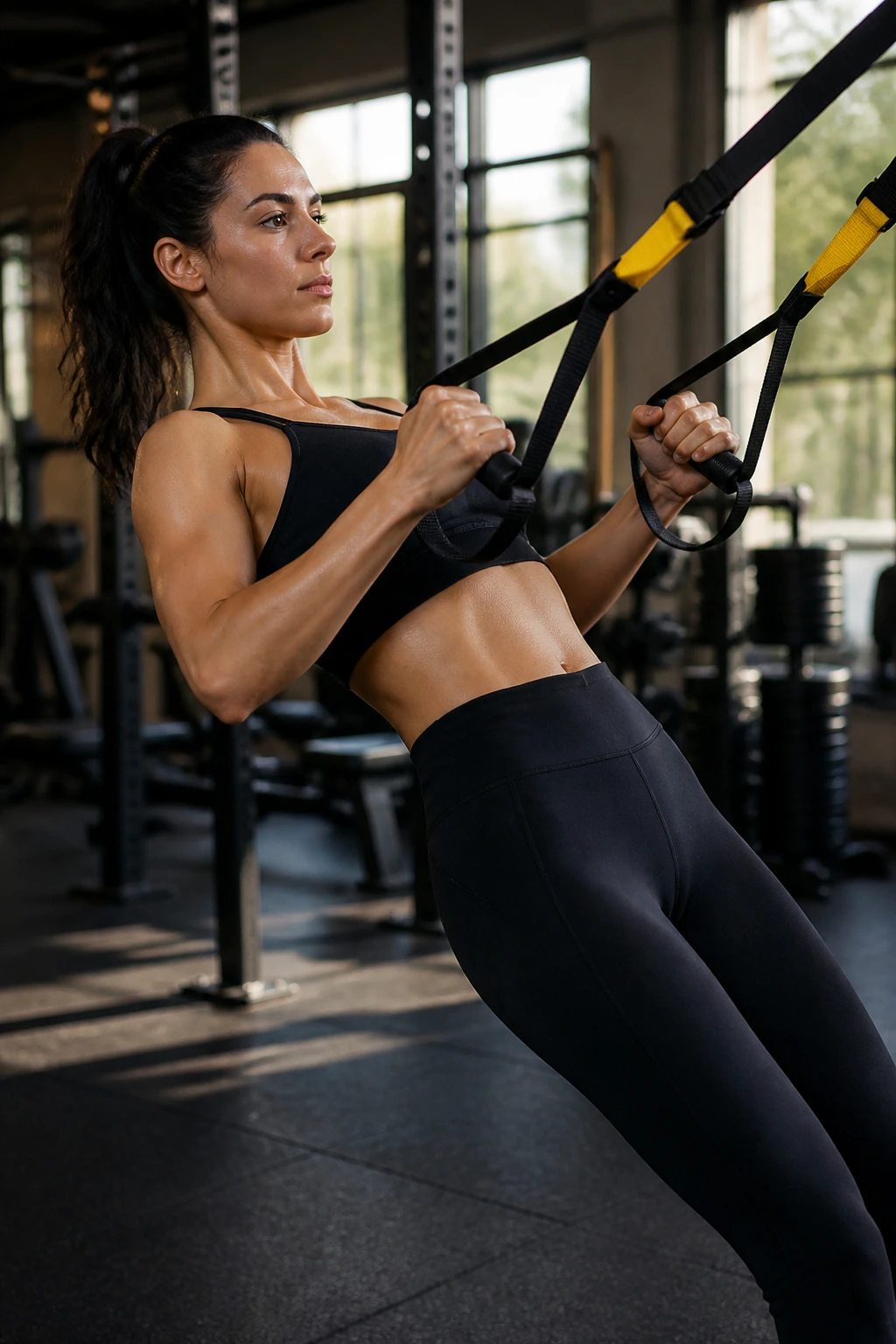
The suspension trainer is the sneaky tool in the room. It looks light. It isn’t. Once the handles start moving, your trunk has to wake up and stay awake, or the whole body starts to drift.
What makes it useful for a lean look is the mix of upper-body work and core control. Suspension rows build the back. Suspended push-ups challenge the chest and triceps. Body saws and fallouts teach the midsection to resist extension, which is the fancy way of saying your ribs stop flaring every time you get tired.
What changes when the straps move
- The handles force a stable grip.
- The torso has to stay square.
- The core has to keep the pelvis from dumping forward.
- Small setup changes make the exercise much harder.
Try 3 rounds of 12 rows, 8 to 10 push-ups, 10 body saws, and a 20-second plank hold. Rest 45 seconds between rounds. Walk your feet forward to make the angle tougher. Walk them back when form starts to slip. That one adjustment keeps the session clean.
The biggest mistake is letting the hips sag on the push-up. The second biggest is shrugging into the shoulders on every row. Keep the ribs down, keep the neck long, and let the lines of the body stay neat. The exercise gets harder, but the payoff does too.
I like this more than people expect. It’s awkward at first, then brutally effective.
8. Incline Treadmill Power Walks for Calves, Glutes, and Stamina
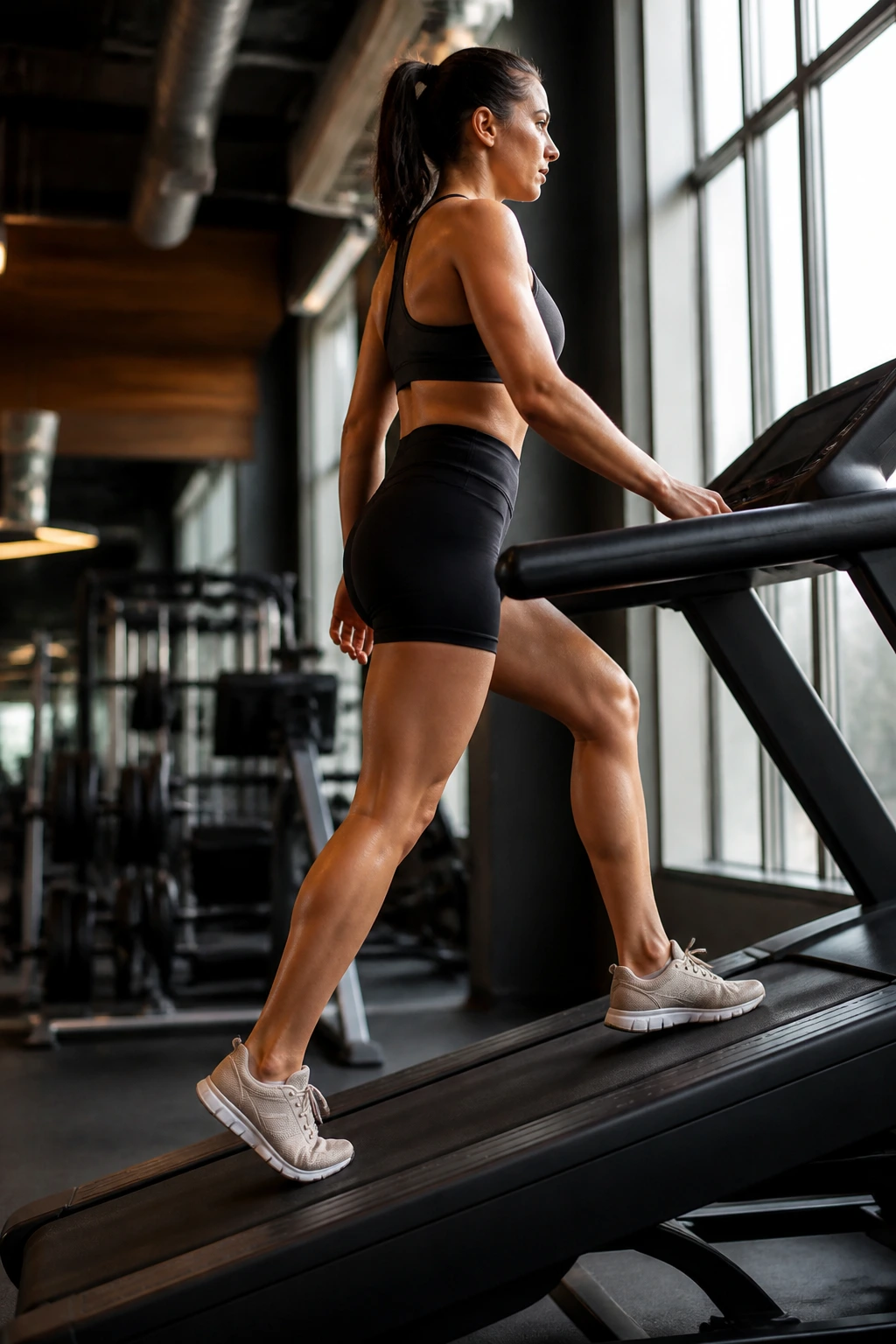
What does a hill on a treadmill do that flat walking doesn’t? Quite a lot, actually. It turns a simple walk into a lower-body workout that asks more from the glutes, calves, and hamstrings while keeping the impact low.
This is one of the best options for people who want conditioning without the bounce of running. Set the incline around 8 to 15 percent, keep the speed between 3.0 and 4.0 mph, and walk for 20 to 30 minutes. You should feel your breathing pick up, but not feel like you’re chasing the belt. If you have to hold the rails, the incline is too steep or the pace is too fast.
The posture cue matters here. Chest tall. Slight forward lean from the ankles, not the waist. Short, strong steps. No shuffling. No leaning on the console like you’re trying to negotiate with the machine.
A nice interval version looks like this:
- 5-minute easy warm-up
- 2 minutes brisk at 12 percent incline
- 1 minute easy at 8 percent incline
- Repeat 6 to 8 times
The shape benefit comes from the repeated work through the hips and calves, plus the calorie burn that does not trash your joints. That combination is hard to beat when the goal is definition.
Calves and glutes do the talking here.
9. Barbell Complexes for Full-Body Density
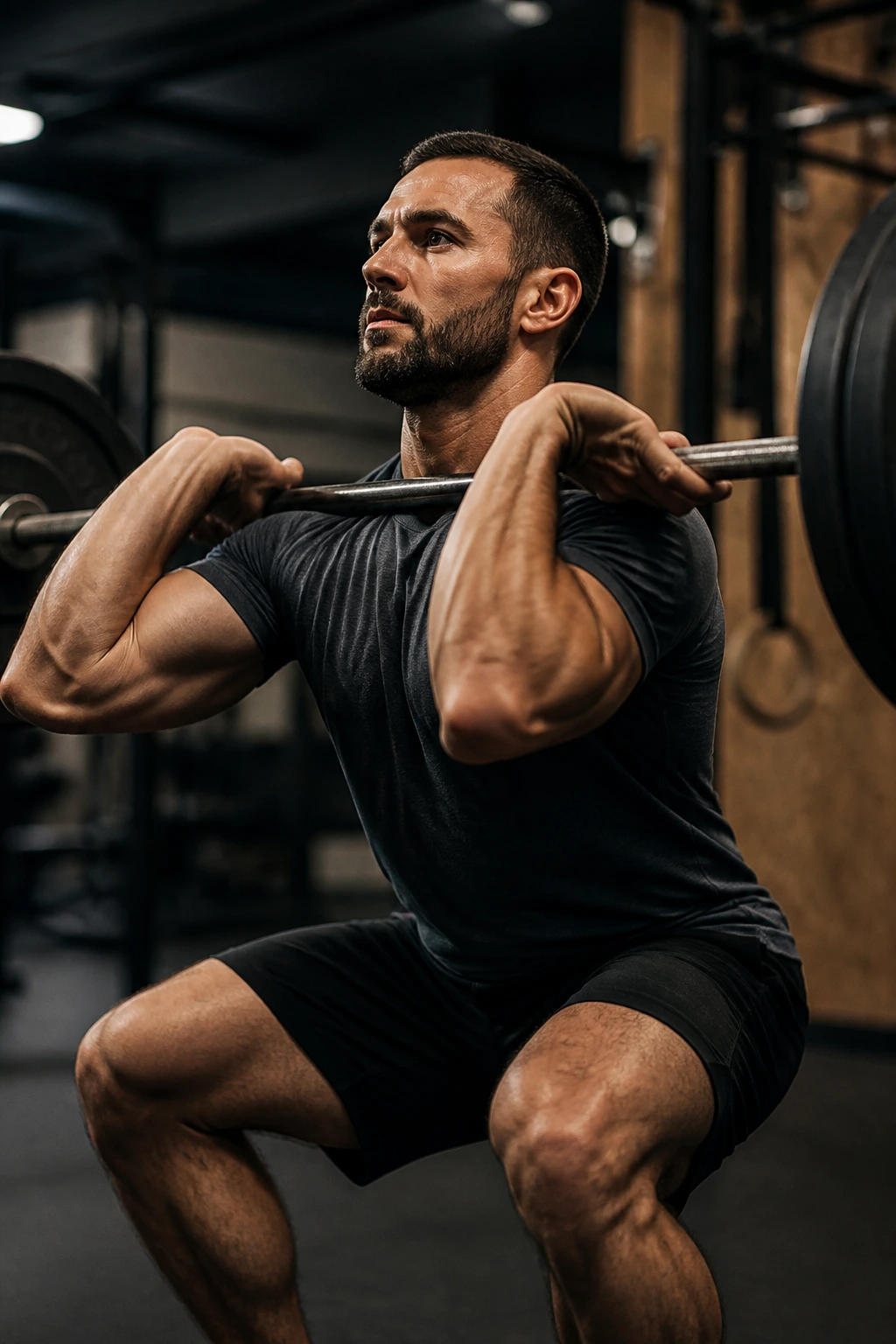
The barbell complex is ugly in the best way. You load one bar, do a series of movements without setting it down, and let the whole body get dragged into the work whether it wants to or not.
This style is useful because it stacks tension, breathing, and coordination in the same block. A well-run complex hits the hinge, the pull, the squat, and the press. That’s a lot of territory for one bar and a few minutes of effort.
A clean complex to try
- 6 Romanian deadlifts
- 6 bent-over rows
- 6 hang high pulls or hang cleans
- 6 front squats
- 6 push presses
- 6 reverse lunges per side
Use a load you can keep smooth from the first move to the last. That is more important than chasing a number. If the bar speeds up wildly on the first two lifts and turns into a grind by the press, you went too heavy. Rest 2 minutes after each round and do 3 to 4 rounds total.
The bar should move cleanly. If it doesn’t, the complex stops being useful and starts being messy.
I like this for lifters who want a hard session without the dead space between exercises. It keeps the heart rate up, but it still feels like strength work, which is a nice sweet spot for a lean, defined look.
10. Battle Rope and Med Ball Rounds for Sharp Conditioning
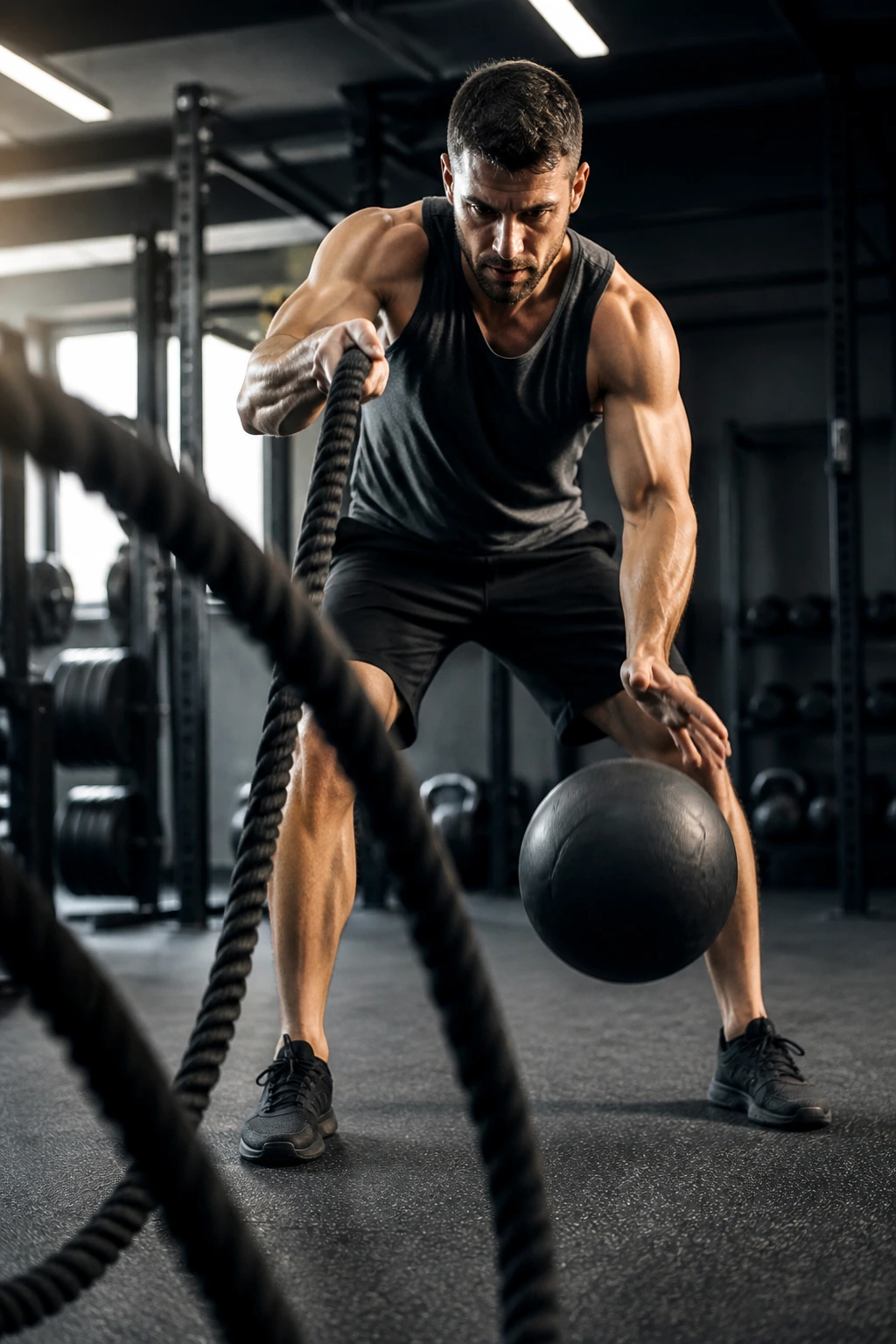
If you want shoulders that look worked and a core that stays braced, battle ropes plus med ball slams are a very good pairing. They are fast, loud, and direct. No mystery.
Battle ropes hit the shoulders, upper back, and trunk while making you breathe like you just ran up a hill. Med ball slams add a full-body snap that teaches you to drive force down through the floor instead of floating through the rep. The combo is ugly fast, which is part of why it works.
A clean round can be 20 seconds of alternating rope waves, followed by 10 med ball slams, then 20 seconds of double waves, then rest 40 seconds. Repeat 6 to 8 times. If the shoulders burn by minute two, that is not a problem. That is the session doing its job.
One useful detail: keep the knees soft and the ribs stacked. People love to overarch on ropes and overextend on slams, then act surprised when the lower back complains. Don’t do that. Stay braced, stay tall, and let the force come from the whole body.
This is the kind of conditioning that leaves a visible mark without requiring a long session. Short, mean, and useful.
11. Single-Leg Strength Ladders for Balance and Shape
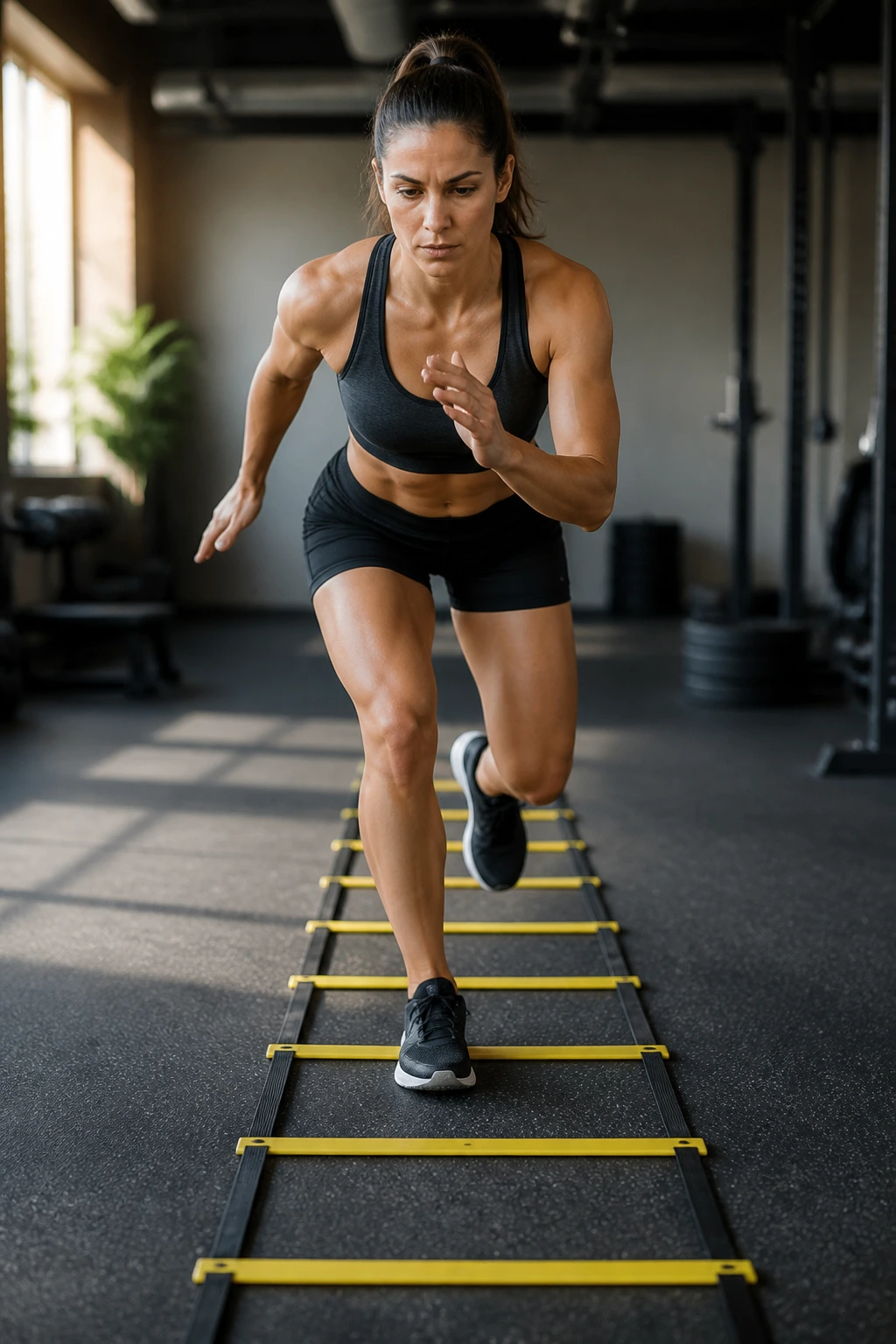
Two-legged lifts look efficient. Single-leg ladders look honest. The side that is weaker shows up fast, and that is exactly why the work matters.
A ladder format is simple: do 6 reps per side, then 8, then 10, then walk back down. You can use reverse lunges, step-ups, or single-leg RDLs. Pick one movement per session rather than trying to do everything at once. That keeps the quality high and your brain less annoyed.
Why the ladder works
The early sets feel easy enough to focus on form. By the time you hit the higher rung, the glutes and quads have to hold the line while fatigue climbs. That makes the finish cleaner than a random high-rep burn set, and cleaner reps usually mean better shape.
A practical version looks like this:
- Reverse lunge: 6, 8, 10, 8, 6 per side
- Rest: 20 to 30 seconds between rungs
- Load: dumbbells light enough to keep the torso stable
- Finish: 30-second wall sit or plank
Watch the front knee. It should track over the foot, not cave inward. Watch the pelvis too. If one hip keeps dropping, slow the descent and shorten the step until control improves.
This style is especially good for runners, desk workers, and anyone who gets one hip tighter than the other. It irons out a lot of little problems before they turn into bigger ones.
12. Cable Machine Circuits for Delts, Lats, and Triceps
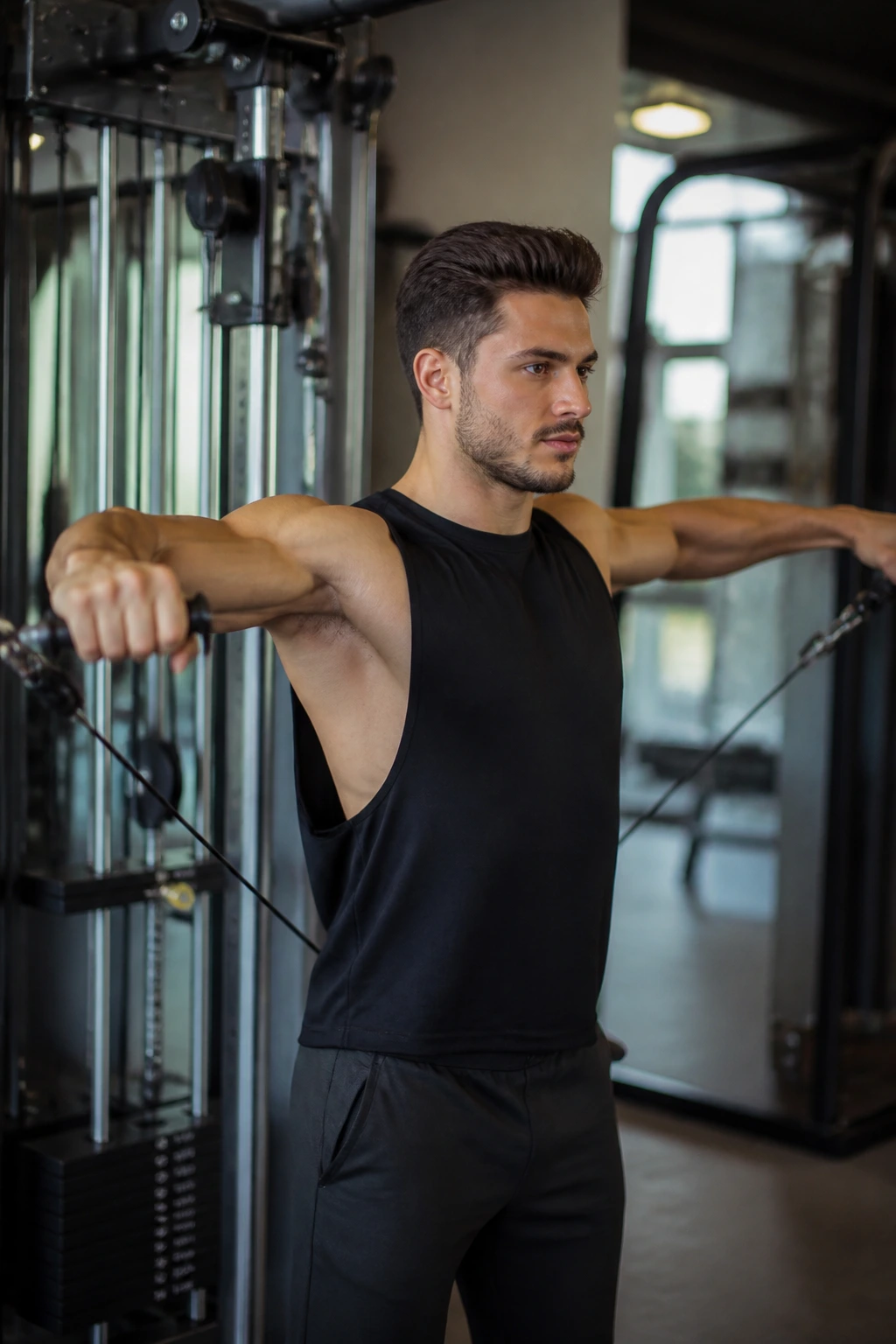
If I had to pick one machine for upper-body definition, I’d take cables. The constant tension is useful. The angles are useful. And the joint feel is usually kinder than chasing free weights to the ceiling.
Cables are especially good for shoulders and back because they keep tension on the muscle where dumbbells sometimes go soft. A lateral raise with a cable feels different from a dumbbell raise for a reason: the line of pull stays active through more of the range. That matters when you care about the look as much as the load.
The one-cable rule
Run 3 rounds of the following:
- 12 cable lateral raises per side
- 12 face pulls
- 12 straight-arm pulldowns
- 12 rope pressdowns
- 10 cable chops per side
Rest 30 to 45 seconds between moves. Keep the stack honest. If the weight slams down and the cable jerks, it is too heavy. The rep should feel smooth enough that you could pause for a beat at the hardest part and hold position without cheating.
A nice thing about cables is the way they let you work smaller muscles without turning every set into a fight. That makes them perfect on days when you want definition, not destruction.
Cables are boring to look at and excellent to train with. I respect that.
13. Jump Rope and Shadow Boxing for Fast Feet and Lean Shoulders
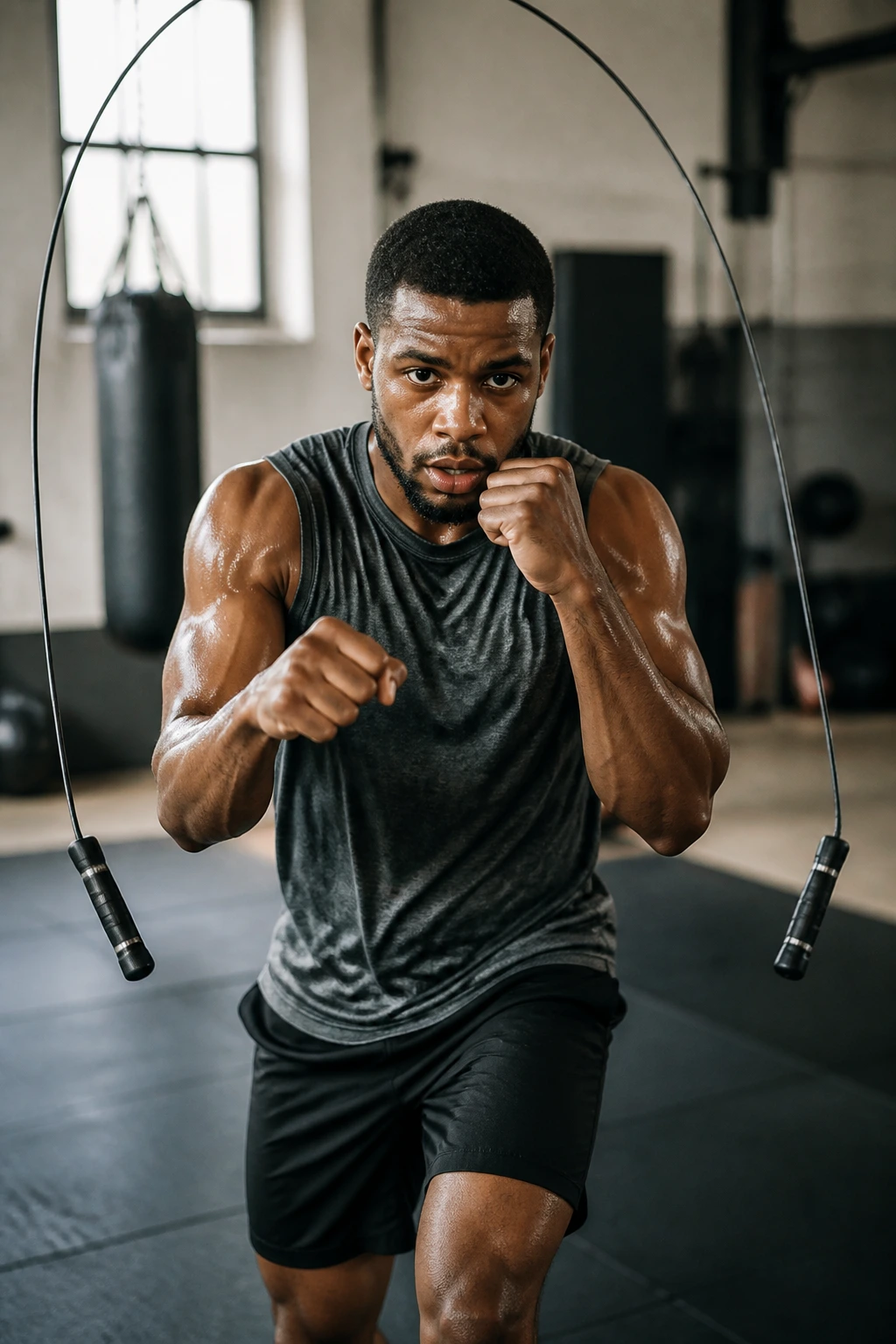
Why do jump rope and shadow boxing work so well together? Because they hit the exact mix that lean, defined training needs: foot speed, shoulder endurance, trunk rotation, and a little bit of grit.
Jump rope wakes up the calves and ankles fast. Shadow boxing keeps the shoulders moving without locking them into one plane. Put them together and you get a session that feels light at first, then sneaks up on your lungs in a hurry. The pace stays athletic, not heavy.
A simple round structure looks like this:
- 60 seconds jump rope
- 60 seconds shadow boxing
- 60 seconds footwork drills
- 45 seconds rest
Repeat that for 4 to 6 rounds. Keep the hands loose, chin tucked, and shoulders low. If your wrists get tense or your traps start climbing toward your ears, slow down and reset.
A short, sharp session like this is a nice break from heavy loading without turning into aimless cardio. You get coordination work too, which people forget about. Good footwork changes how the body looks when it moves, and honestly, it changes how it feels to move.
It wakes you up. Fast.
14. Swim Intervals for Low-Impact Conditioning
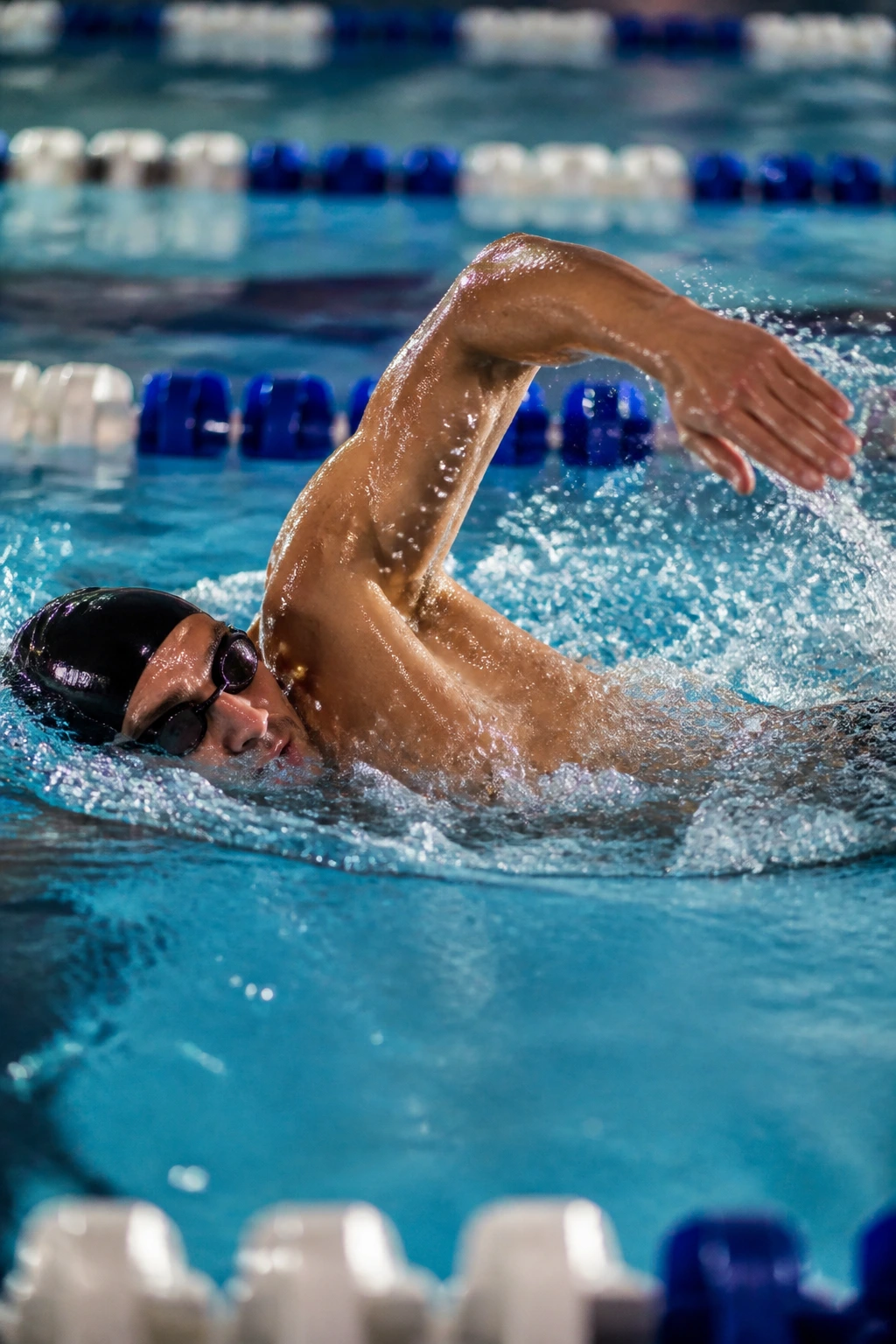
A pool session can be brutal in a quiet way. You step in feeling fresh, push off the wall a few times, and thirty minutes later your shoulders, lungs, and legs have all been asked to work without the pounding that comes with running.
Swimming is a good fit for long, defined muscle because it keeps the body under continuous tension while staying easy on the joints. Freestyle trains the lats and shoulders. Kick sets wake up the hips and glutes. Backstroke is kind to tired shoulders and gives the chest a break while still asking for real effort.
How to pace the laps
- 8 x 50 meters at strong, smooth pace
- Rest 30 to 45 seconds between repeats
- Or 12 x 25 meters fast with 20 to 30 seconds rest
- Finish with 4 easy lengths for recovery
A clean stroke matters more than speed. Reach long, catch the water, and exhale underwater instead of holding your breath. If you’re thrashing through each lap, the set turns sloppy and your shoulders start doing extra work they don’t need.
If the shoulders are a weak spot, use backstroke or mix in short kickboard sets. That keeps the work broad without forcing one pattern over and over.
You leave the pool worked, not banged up. That is a useful trade.
15. The Full-Body Density Ladder for Busy Weeks
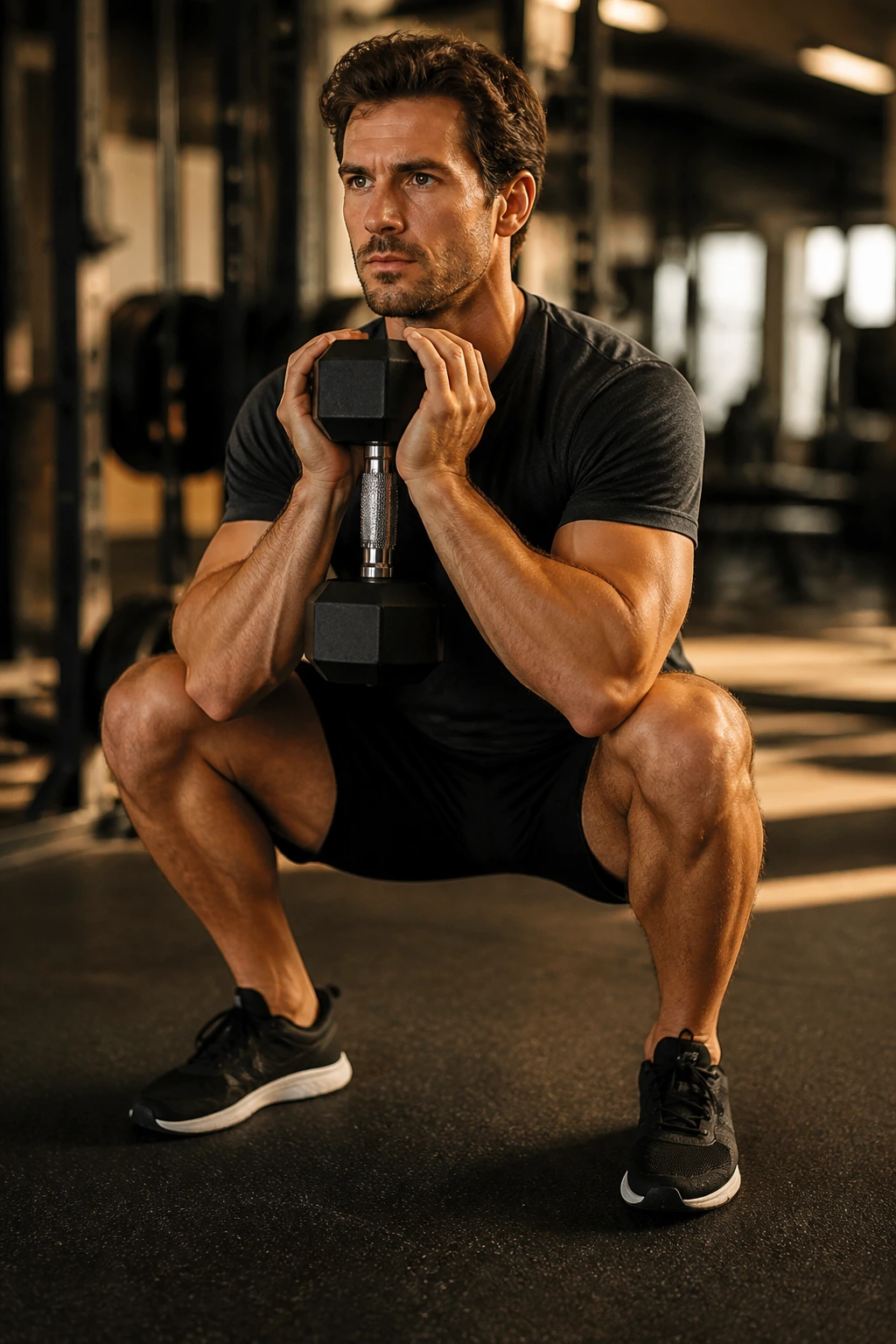
Busy weeks do not need a new excuse. They need a session that covers the basics, respects your time, and still leaves the body looking like it was trained on purpose.
This ladder is the one I’d keep if I had to strip things down. It blends a squat, a push, a pull, a hinge, and a carry into one circuit that feels clean and practical. Nothing fancy. Just solid work.
Run it like this
- 10 goblet squats
- 10 incline push-ups
- 10 dumbbell rows per side
- 10 dumbbell Romanian deadlifts
- 30 to 40 seconds farmer carry
- Rest 60 seconds
- Repeat for 4 rounds
On the next round, drop to 8 reps per move. Then 6. Then 4. That descending shape keeps the session moving and gives you a clear end point without dragging the workout into nonsense. If you have time for a fifth round, go back up to 6 instead of chasing failure.
A few details matter. Keep the rows strict. Keep the Romanian deadlifts slow on the way down. Keep the carry tall, with ribs stacked over the pelvis and the shoulders doing their job instead of creeping upward. Those small fixes keep the whole session in the “lean, defined” lane instead of the “tired and sloppy” lane.
If you want the body to look trained, not merely exhausted, this is the kind of session that earns its place. Run it hard, keep the form tight, and repeat it often enough that your body starts to recognize the pattern. That familiarity is where the shape shows up.
