



Belly fat has a nasty habit of hanging on when everything else seems to be moving in the right direction. After 40, that middle can feel less forgiving because muscle is easier to lose, appetite signals get louder, sleep can be choppy, and a few extra calories seem to stick around longer than they used to. That does not mean your body has turned against you. It means your food choices matter a little more now.
No food melts stomach fat on its own, and anyone selling that idea is selling fantasy. What does work is a pattern: enough protein to protect lean tissue, enough fiber to keep you full, and enough healthy fat to stop cravings from running the show. The best belly fat burning foods for women over 40 do those jobs quietly, without drama, and without asking you to live on rabbit food.
I like foods that pull their weight. Eggs at breakfast. Greek yogurt when the afternoon gets weird. Salmon when dinner needs to feel satisfying instead of punishing. The point is not to eat like a bird; it’s to stop getting ambushed by hunger at 9 p.m. and to make calorie control feel less like a fight. Start with the first few foods below and build from there.
1. Eggs
Eggs earn their spot because they are one of the easiest ways to get a solid dose of protein without making breakfast complicated. Two large eggs give you about 12 grams of protein, plus fat that helps keep you full for longer. That matters when you are trying to keep late-morning snacking under control.
They also pair well with almost anything. A couple of eggs with sautéed spinach and salsa works. So does a hard-boiled egg with fruit, or an omelet stuffed with mushrooms and peppers. The fiber has to come from somewhere else, though. Eggs are a strong anchor, not the whole meal.
Best way to use them
- Make a two-egg scramble with vegetables and one slice of whole-grain toast.
- Keep peeled hard-boiled eggs in the fridge for fast snacks.
- Use egg muffins if mornings are chaotic.
One good habit: keep the breakfast protein at the center, then build around it. That simple shift often changes the rest of the day.
2. Plain Greek Yogurt
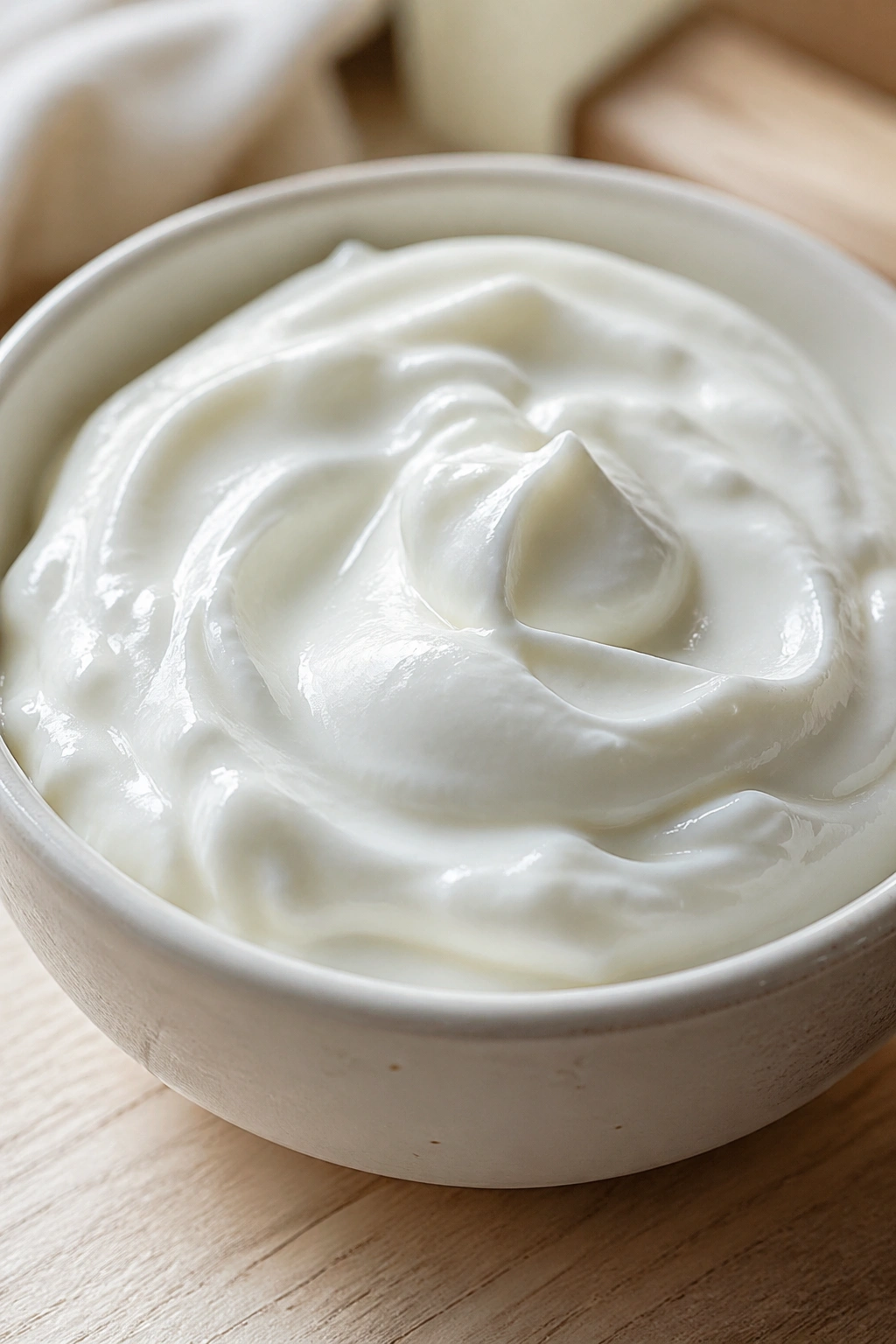
Why does plain Greek yogurt show up in so many weight-loss friendly meal plans? Because it packs a lot of protein into a small bowl. A single serving can give you 15 to 20 grams, depending on the brand and fat content, and that kind of protein load helps take the edge off hunger fast.
Choose plain, unsweetened yogurt if belly fat is the goal. Flavored cups often sneak in a dessert-level amount of sugar, and they do not keep you full any better. Add berries, cinnamon, chopped nuts, or chia seeds instead. The texture is thick, cold, and satisfying in a way that regular yogurt often is not.
A cup in the afternoon can save you from random grazing. So can a breakfast bowl with walnuts and raspberries. For women over 40, that steady protein intake matters more than a lot of people realize, especially on days when lunch gets delayed and dinner is still far away.
3. Salmon
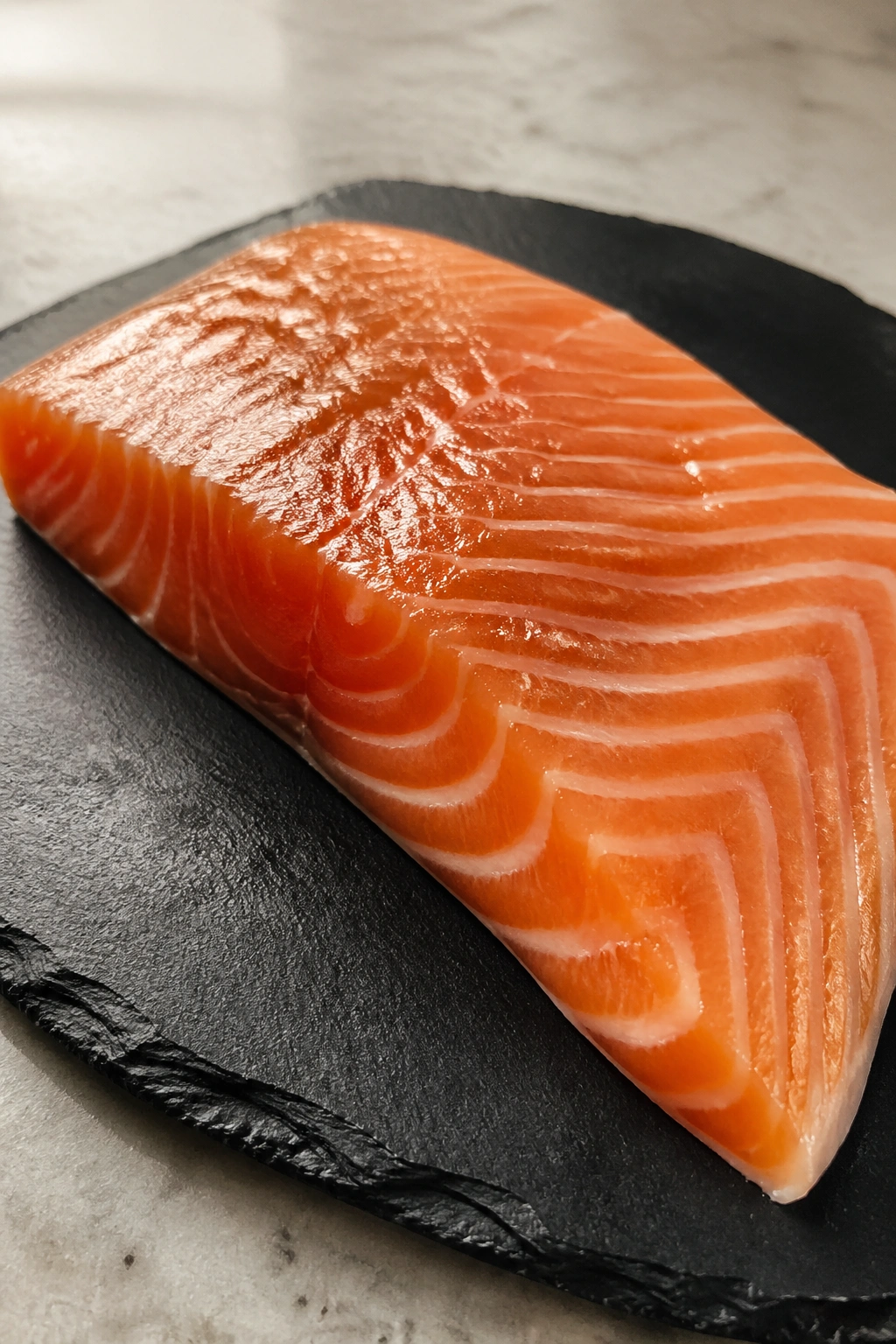
A piece of salmon feels like a real meal, not a diet trick. That matters. When food tastes good and leaves you satisfied, you are far less likely to hunt for snacks an hour later.
Salmon gives you high-quality protein and omega-3 fats, which are useful when you want meals that actually keep you full. A 4- to 6-ounce portion is a smart place to start. Roast it, pan-sear it, or bake it with lemon and dill. You do not need much else if the side dishes are doing their job.
What I like most is how easy it is to build a plate around salmon: a pile of greens, some roasted vegetables, maybe half a cup of brown rice or quinoa if you need more staying power. That balance tends to work better than tiny “diet” meals that leave you prowling the kitchen an hour later.
4. Oats
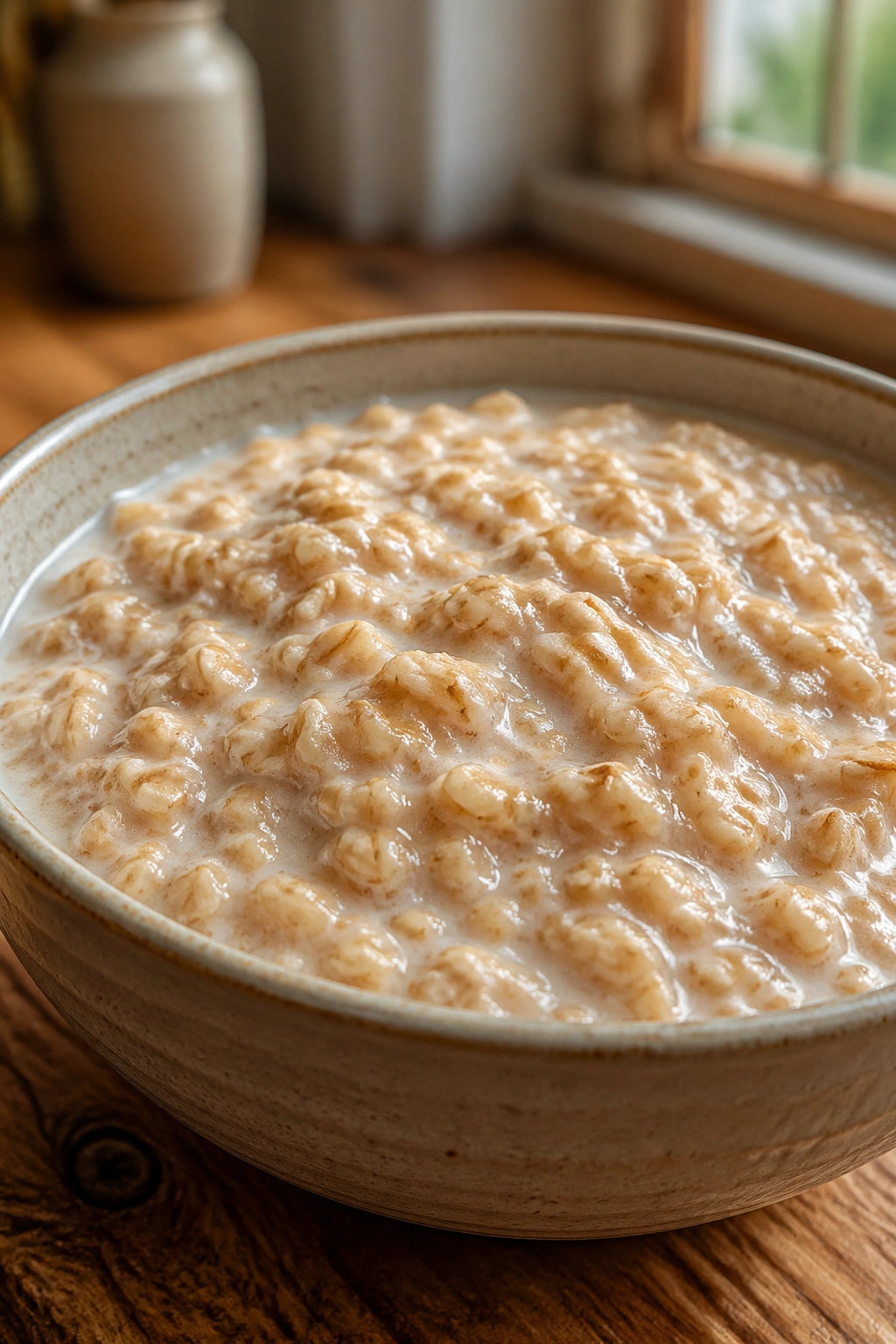
Oats are not glamorous. Fine. They do not need to be. Rolled oats and steel-cut oats are rich in soluble fiber, especially beta-glucan, which helps slow digestion and makes breakfast sit a little heavier in the best way. That slower pace can help blunt the sharp hunger swings that push people toward mid-morning snacks.
The trick is to cook them like a real meal, not a sugar bomb. A bowl of oats made with milk, topped with berries and a spoonful of nut butter, is a very different animal from the flavored packets with syrupy add-ins. One keeps you full. The other tastes good for about five minutes and then disappears.
How to make oats work
- Use ½ cup dry oats as a base.
- Add protein: Greek yogurt, egg whites, or a scoop of protein powder.
- Add texture: walnuts, chia seeds, or flaxseed.
That last part matters. Oats alone are solid. Oats built like a meal are better.
5. Chia Seeds
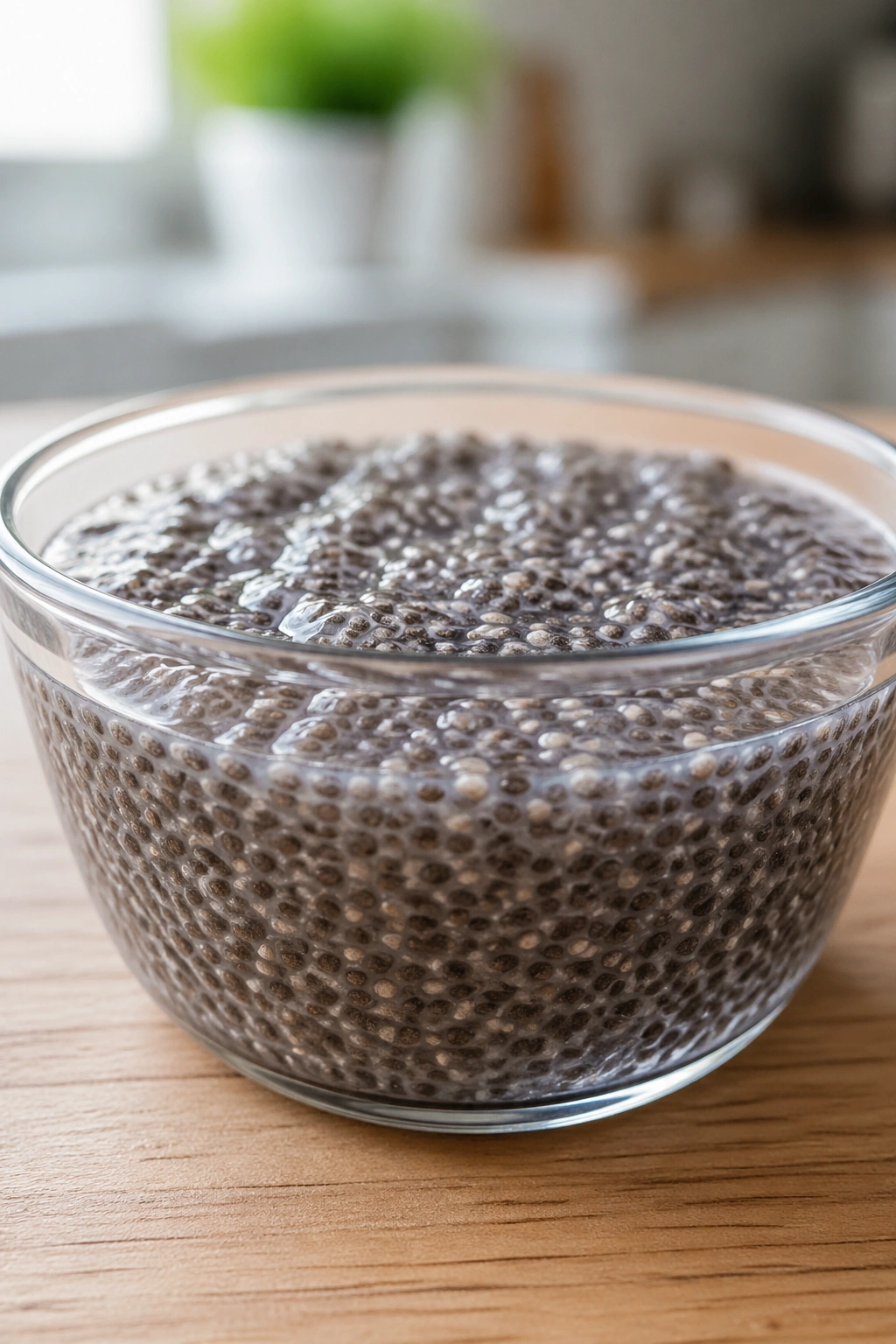
Tiny seeds. Big payoff. Chia seeds swell when they sit in liquid, which is part of why they help with fullness so well. Two tablespoons give you a surprising amount of fiber, and that gel-like texture slows things down in your stomach.
They work best as a support food. Stir them into yogurt, blend them into smoothies, or make chia pudding with milk and a little vanilla. You can also add them to oatmeal for extra thickness. They do not need to dominate a dish to make a difference.
If you are new to them, start small. A full serving can be a lot of fiber if your diet has been light on it. Drink enough water, too. That part is not optional. Chia without enough fluid can feel heavy instead of helpful, and nobody wants that.
6. Lentils
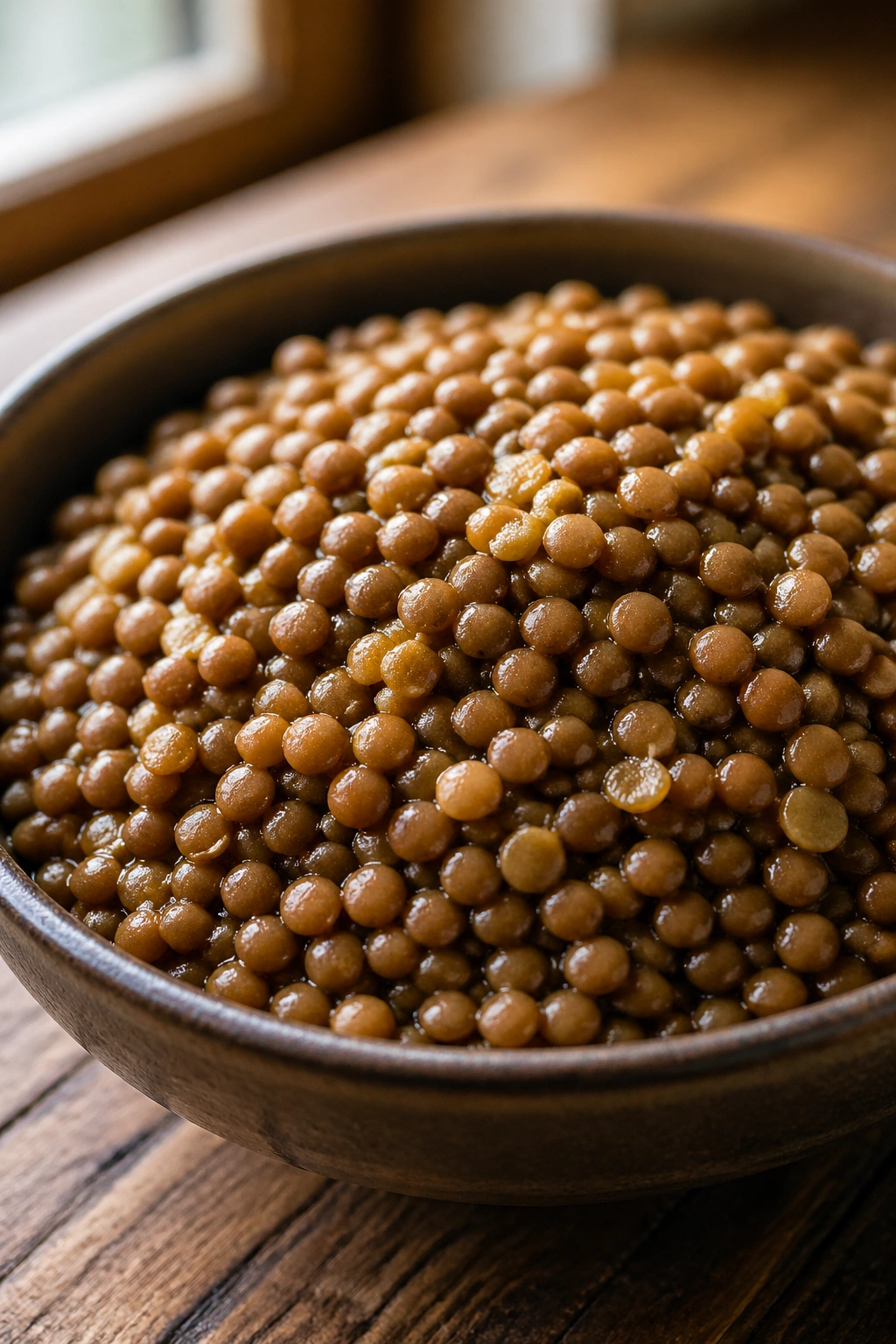
Lentils are one of the smartest budget foods on this list. A half-cup of cooked lentils gives you fiber, protein, and a steady kind of fullness that white rice or pasta does not offer. They are especially useful if lunch tends to turn into a sandwich-and-snack situation by midafternoon.
A bowl of lentil soup can be ridiculously satisfying. So can a lentil salad with cucumbers, tomatoes, feta, and olive oil. They also hold their shape better than many beans, which makes them nice for meal prep. You can cook a pot, portion it out, and not think about lunch for a few days.
For women over 40, that kind of meal matters because it keeps the day from becoming a long chain of tiny decisions. Fewer decisions usually means fewer snacks.
7. Black Beans
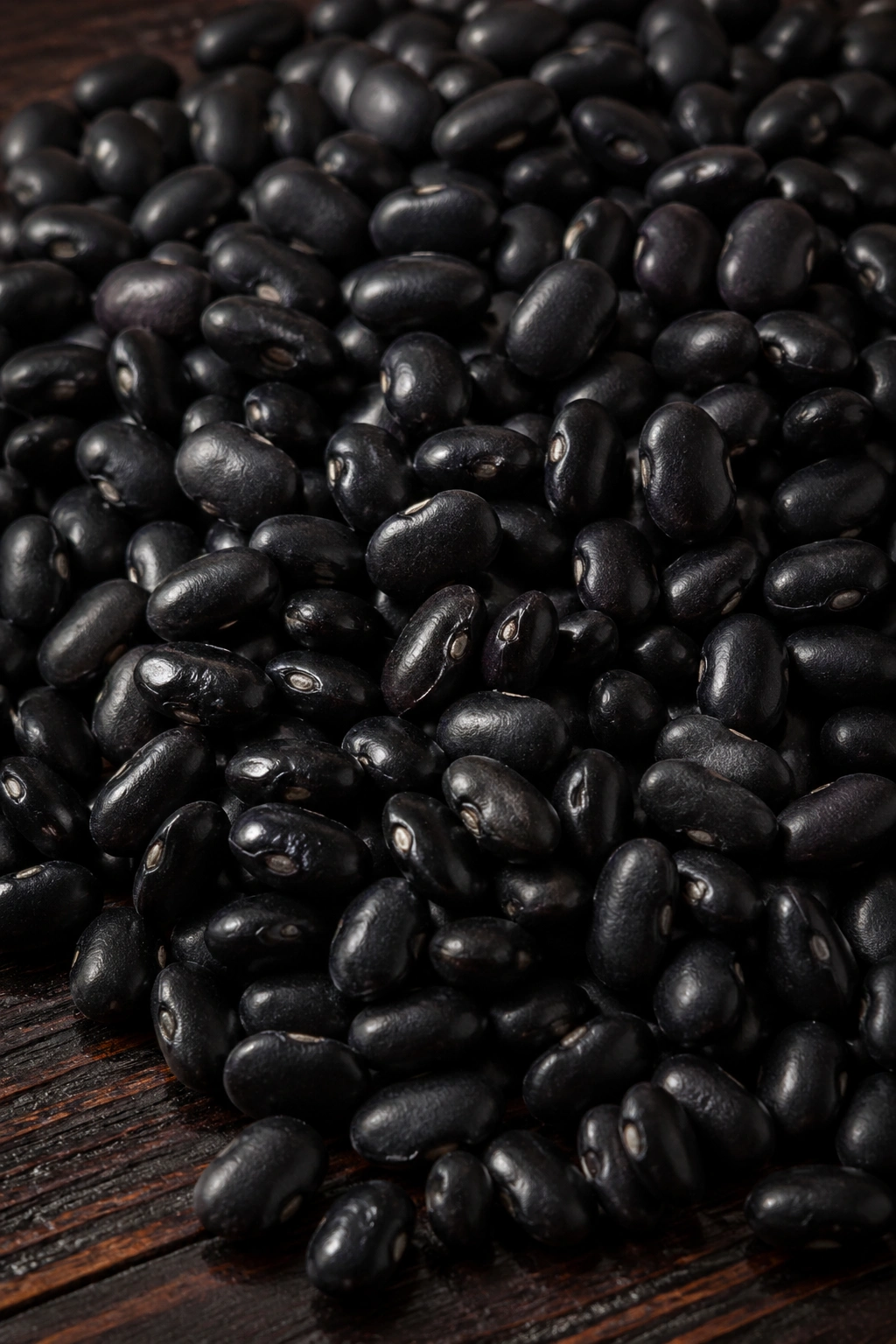
Black beans do a lot of quiet work. They bring fiber, plant protein, and resistant starch, which helps make a meal feel more substantial than a pile of refined carbs ever will. A half-cup is enough to start changing how full a plate feels.
They also play nicely with food that is already familiar. Tacos, burrito bowls, chili, salads, even eggs at breakfast if you like savory food. Rinse canned beans before using them to cut down on sodium and get rid of the odd canned taste.
What makes black beans especially useful is how cheap and repeatable they are. You do not need a fancy recipe. You need a can, a spoon, and a few vegetables. That is often enough to keep dinner from becoming takeout.
8. Leafy Greens
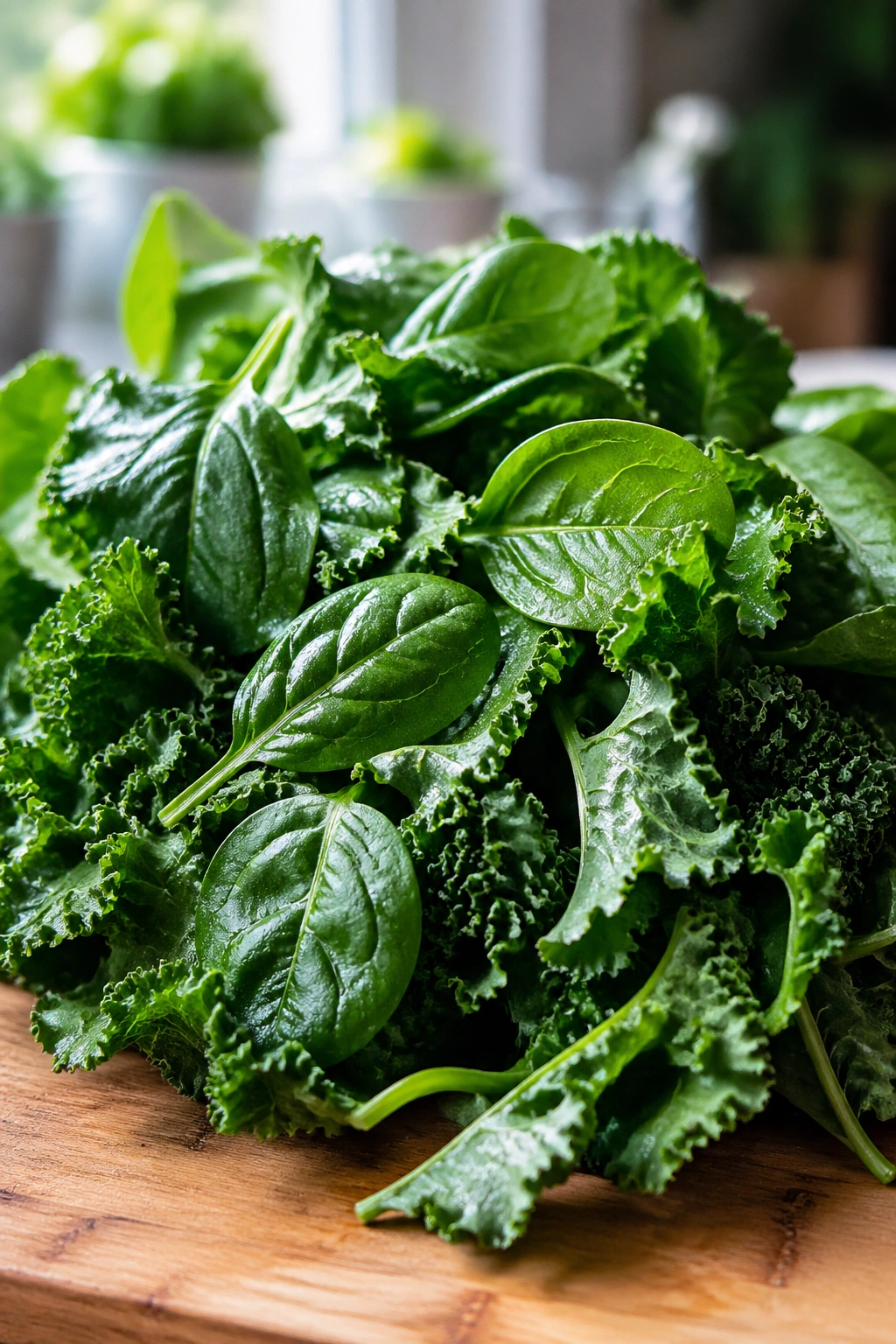
Spinach, kale, arugula, romaine — all of them deserve more respect than they get. Leafy greens are low in calories but high in volume, which means you can eat a big plate without driving up energy intake very much. That is useful when you want to feel full without overshooting your day.
They also make other foods stretch further. A handful of spinach in eggs, a bed of greens under salmon, kale folded into soup, arugula tossed with beans. You can build meals around them almost without thinking. That makes them one of the easiest fat-loss foods to keep around.
Simple ways to eat more greens
- Toss two big handfuls into a morning omelet.
- Build salads with a protein source, not just lettuce.
- Sauté greens with garlic and olive oil until they collapse.
Cooked greens shrink a lot, so do not be shy with the amount. A pan full becomes a modest side fast.
9. Avocado
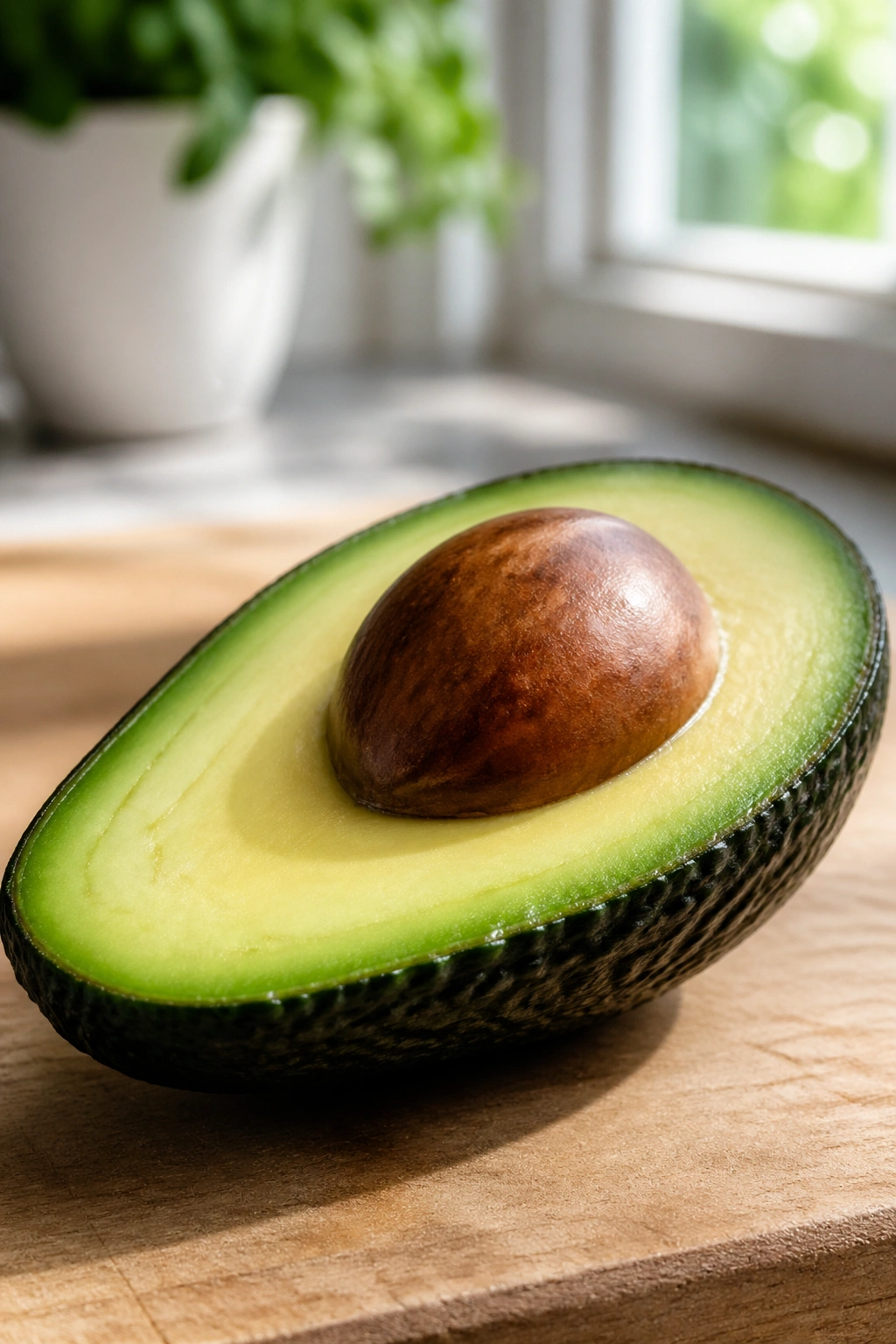
Avocado is not a free food. It is, however, a very useful one. The fat in avocado helps meals feel richer and more satisfying, which can make it easier to stick to a reasonable eating pattern without feeling deprived.
A quarter to half an avocado is usually enough. More is not always better, because calories add up fast. Slice it onto eggs, mash it on toast, or cube it into a salad with tomatoes and grilled chicken. It gives food a creamy, almost buttery feel that makes vegetables much easier to eat.
Women over 40 often do better when meals include some fat, some protein, and some fiber. Avocado fits that setup neatly. It is not magic. It just helps meals feel finished.
10. Berries
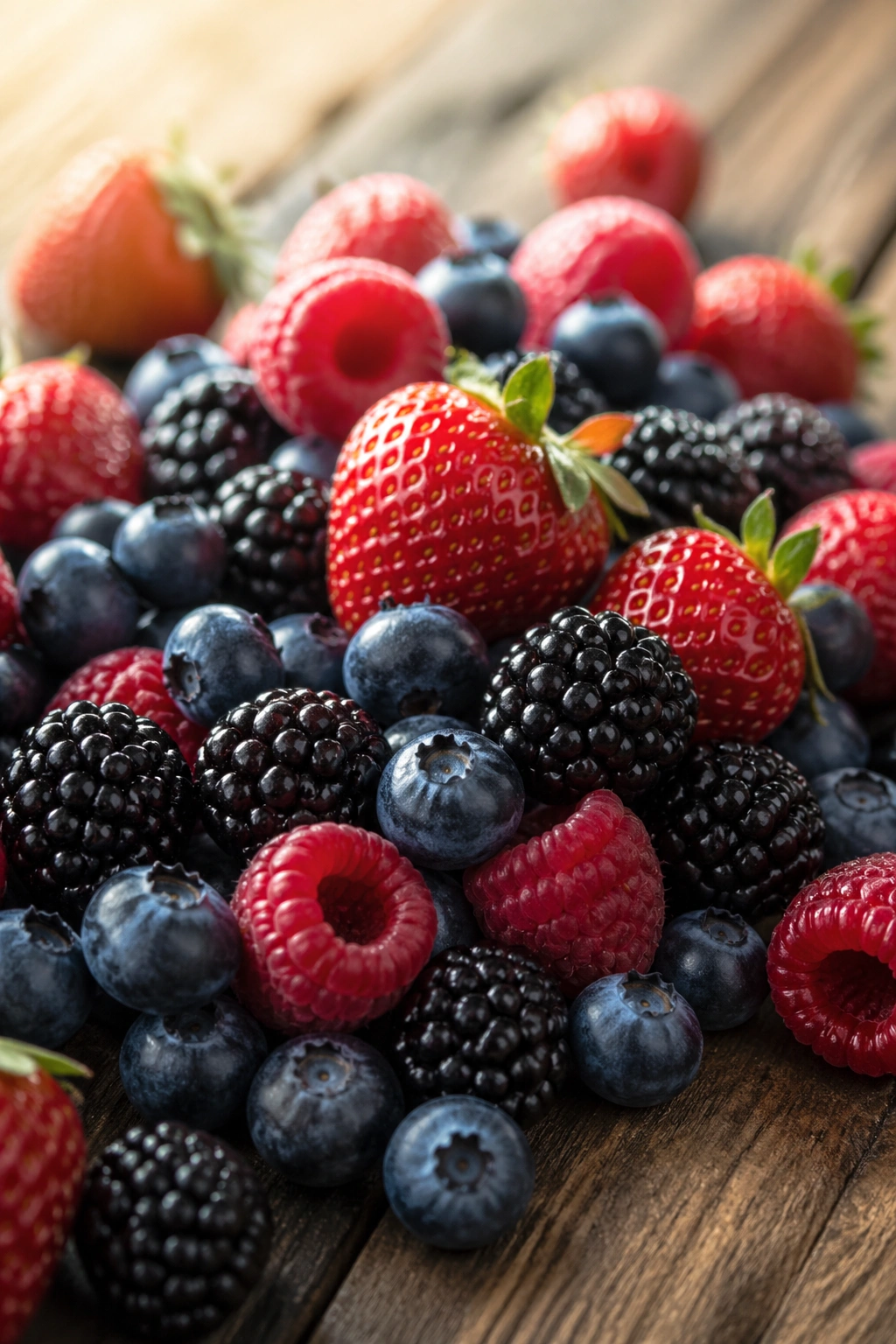
Berries are one of the few sweet foods that still make sense when belly fat loss is the goal. Strawberries, blueberries, raspberries, and blackberries give you fiber and water with a lot less sugar than cookies, cereal bars, or desserts.
A cup of berries can scratch the sweet itch without kicking off a snack spiral. That is the real value. Put them on Greek yogurt, fold them into oats, or eat them plain after dinner when you want something cold and sweet but do not want to wander into full dessert territory.
Raspberries deserve special mention because they are packed with fiber for their size. Blueberries are easy to keep in the freezer. Strawberries go with almost anything. None of them are complicated, and that is part of the appeal.
11. Cottage Cheese
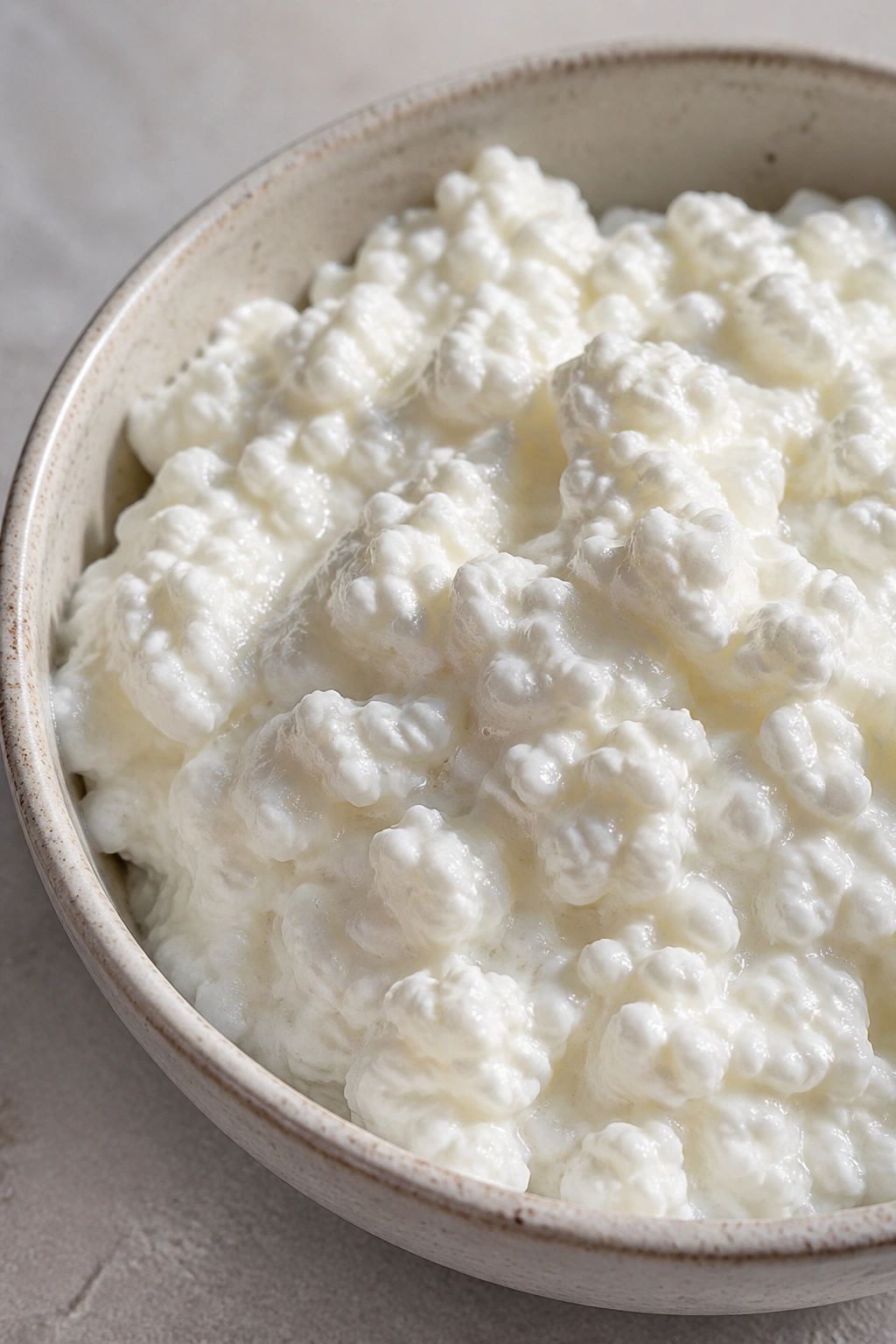
Cottage cheese has a very specific job: keep you full when you need protein without much prep. A half-cup to one cup can give you a hefty hit of protein, and that makes it a useful snack or light meal, especially later in the day when cravings tend to get louder.
The texture turns some people off. Fair. If you are one of them, try it with cucumber and pepper, or blend it smooth with berries and cinnamon. The savory version works well if you want something more like a dip. The sweet version behaves almost like a creamy dessert.
It is one of the better late-night options, too. If you get hungry after dinner, a small bowl of cottage cheese is a lot smarter than crackers or sweets. Protein before bed tends to help more than people expect.
12. Apples
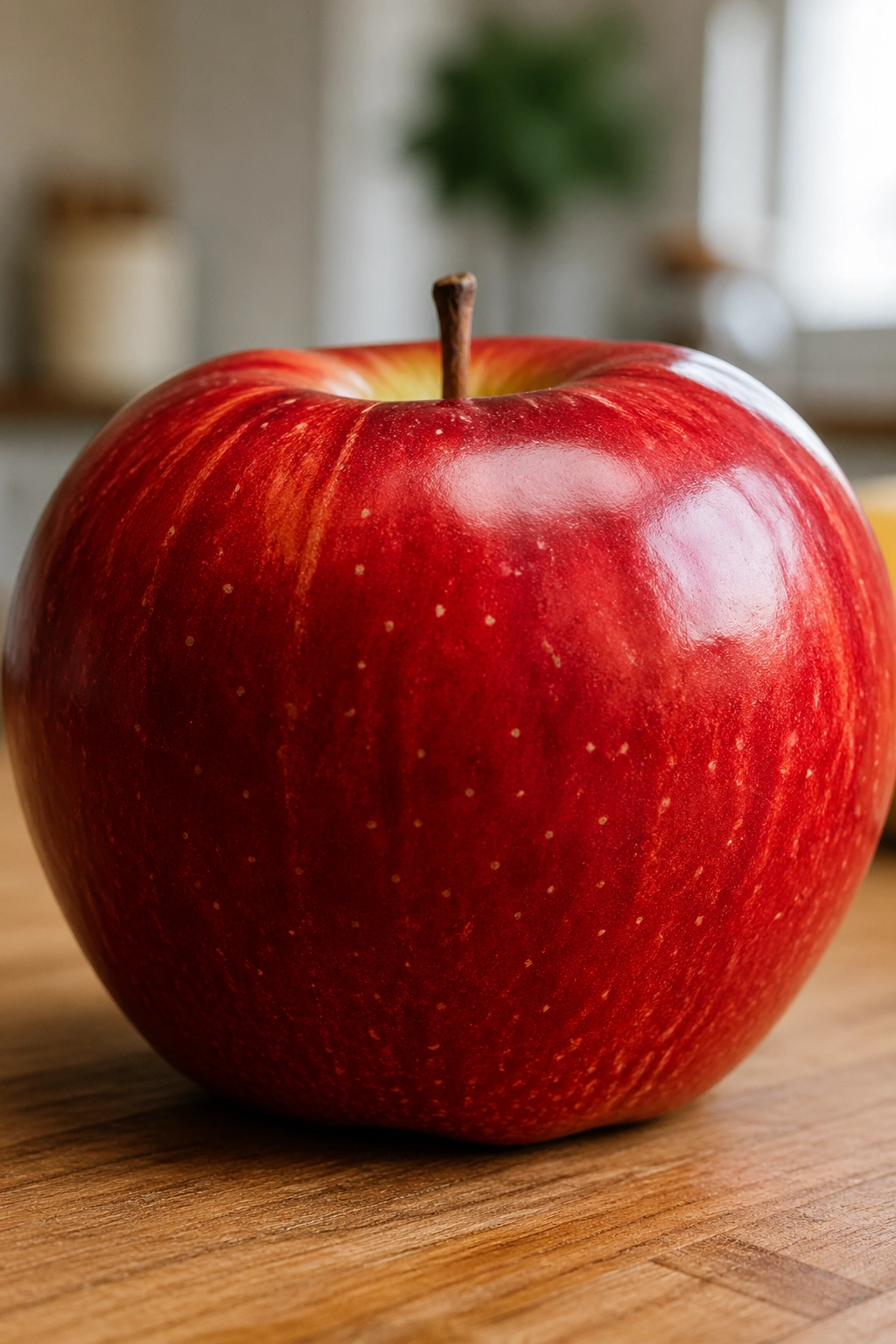
Apples are boring in the best possible way. You can throw one in a bag, wash it quickly, and eat it anywhere. That portability matters because the most dangerous snack is often the one you grab when you are half-hungry and in a hurry.
The fiber, especially pectin in the skin and flesh, helps slow digestion and makes the fruit more satisfying than juice or applesauce. A medium apple with a tablespoon of peanut butter is a good combination if you need something that lasts. The crunch also helps. Sounds small, but it makes the eating experience feel more complete.
This is one of those foods that works because it is easy to repeat. If a snack is easy, filling, and not messy, you are more likely to choose it again tomorrow.
13. Almonds and Walnuts
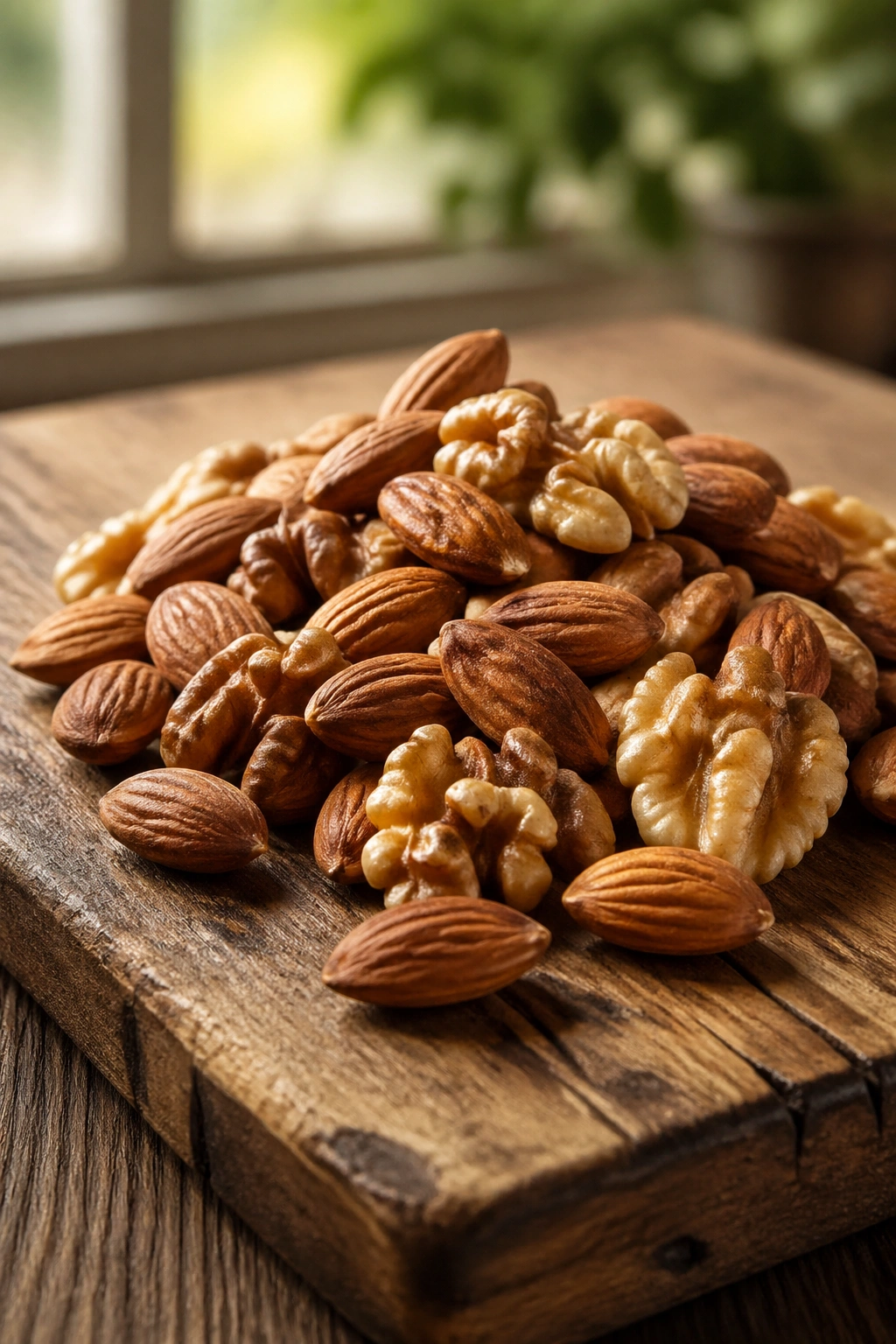
Nuts can be a trap if you eat them from the bag. They can also be one of the best hunger-control tools in the kitchen if you portion them correctly. One ounce — about a small handful — is enough to get protein, fiber, and fat without turning a snack into a calorie flood.
Almonds are crisp and easy to portion. Walnuts bring a softer texture and a little more omega-3 fat. Both work well with fruit or yogurt, and both are better when you pre-measure them into small containers. That extra step sounds dull. It is also the difference between a smart snack and a mindless one.
I like nuts most when they are part of a bigger snack, not the whole thing. Apple plus almonds. Greek yogurt plus walnuts. Salad plus a small sprinkle. That keeps the calories in check and makes the meal feel less snacky.
14. Tofu
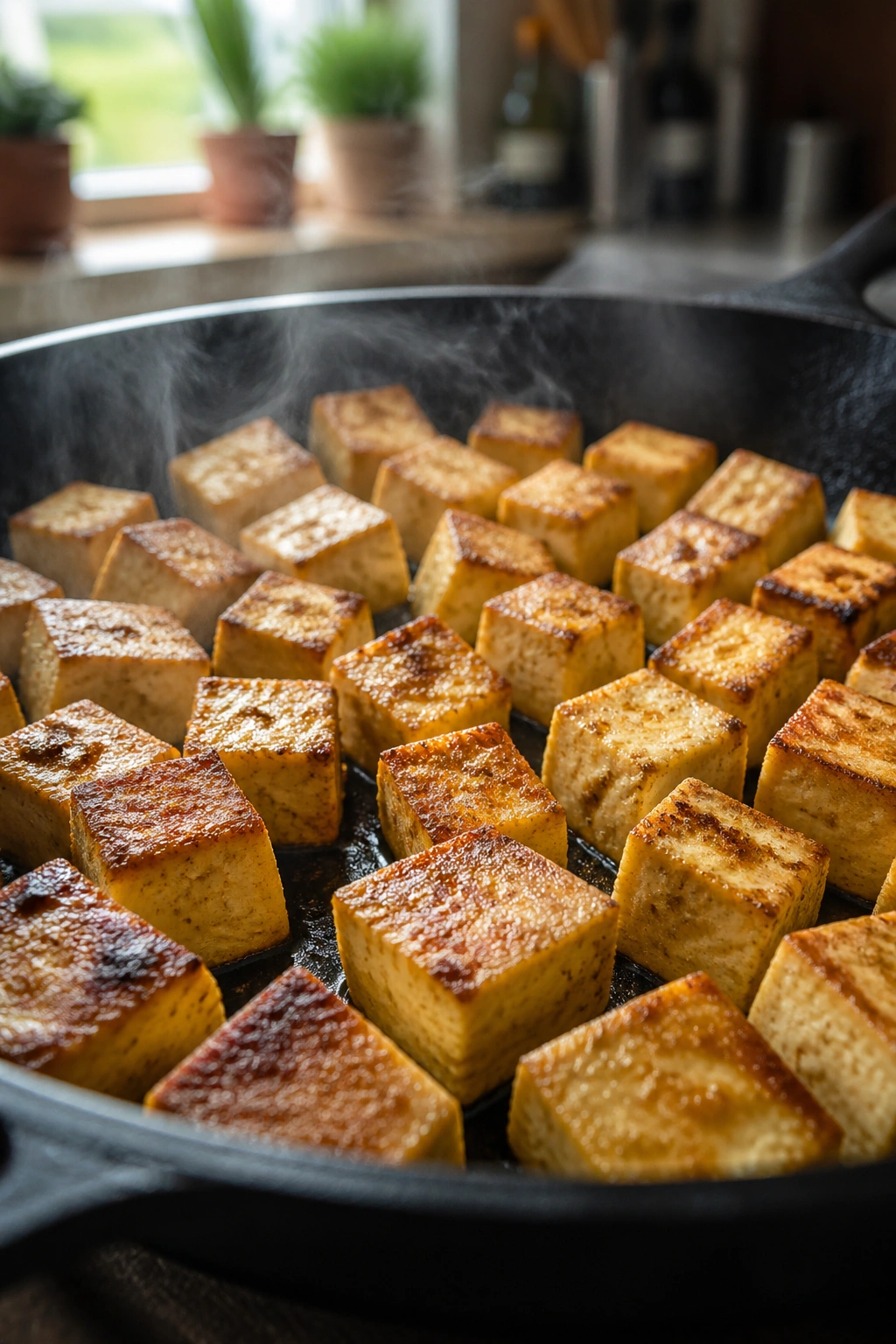
Tofu is one of the most underrated protein foods for women over 40. Firm tofu gives you protein without a lot of saturated fat, and it takes on flavor well if you cook it properly. Press it, cube it, season it, and let it get some color in a hot pan.
That last part matters. Pale tofu is fine. Golden tofu is better. A little browning gives you a firmer texture and a much better bite. Toss it into stir-fries, grain bowls, or scrambled with turmeric and vegetables. If you eat less meat, tofu makes it easier to keep protein where it needs to be.
Soy foods also come up a lot in menopause conversations. The honest answer is simple: for many women, tofu fits well in a balanced diet and gives you an easy protein option. That is enough reason to keep it around.
15. Edamame
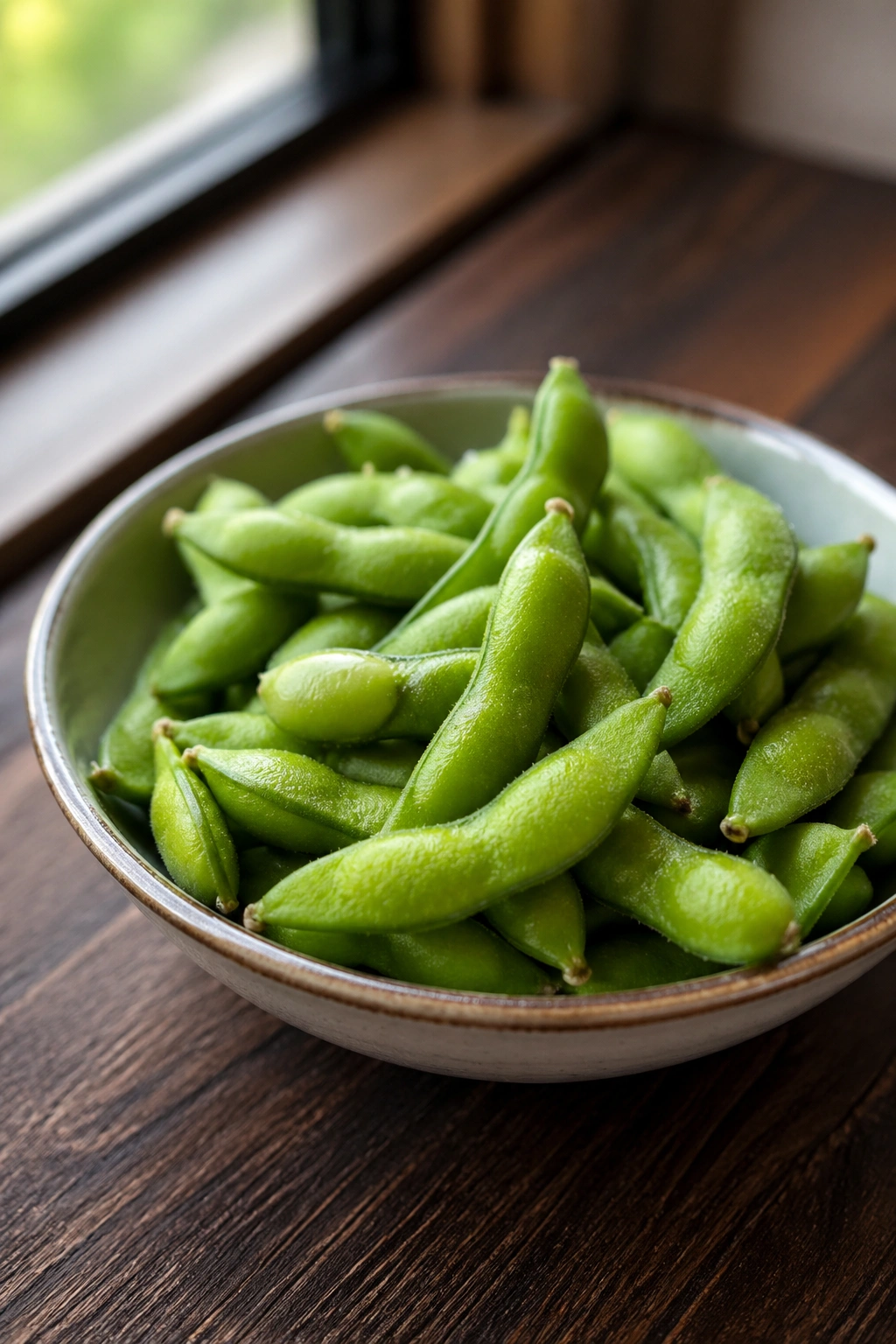
Edamame is basically snackable tofu’s more fun cousin. These young soybeans give you protein and fiber together, which is a helpful combo when you want something that feels like a snack but behaves more like a meal.
Frozen edamame is the best kind to keep on hand. Steam it, microwave it, sprinkle it with salt, and eat it warm. You can also toss it into salads or grain bowls. A half-cup portion is usually enough to make a dent in hunger without feeling heavy.
Why it works so well
- It is fast.
- It is filling.
- It tastes better than most packaged snacks.
- It gives you something to chew, which matters more than people think.
That chew factor is real. A snack that takes a little effort tends to satisfy more than one you can inhale in three bites.
16. Broccoli
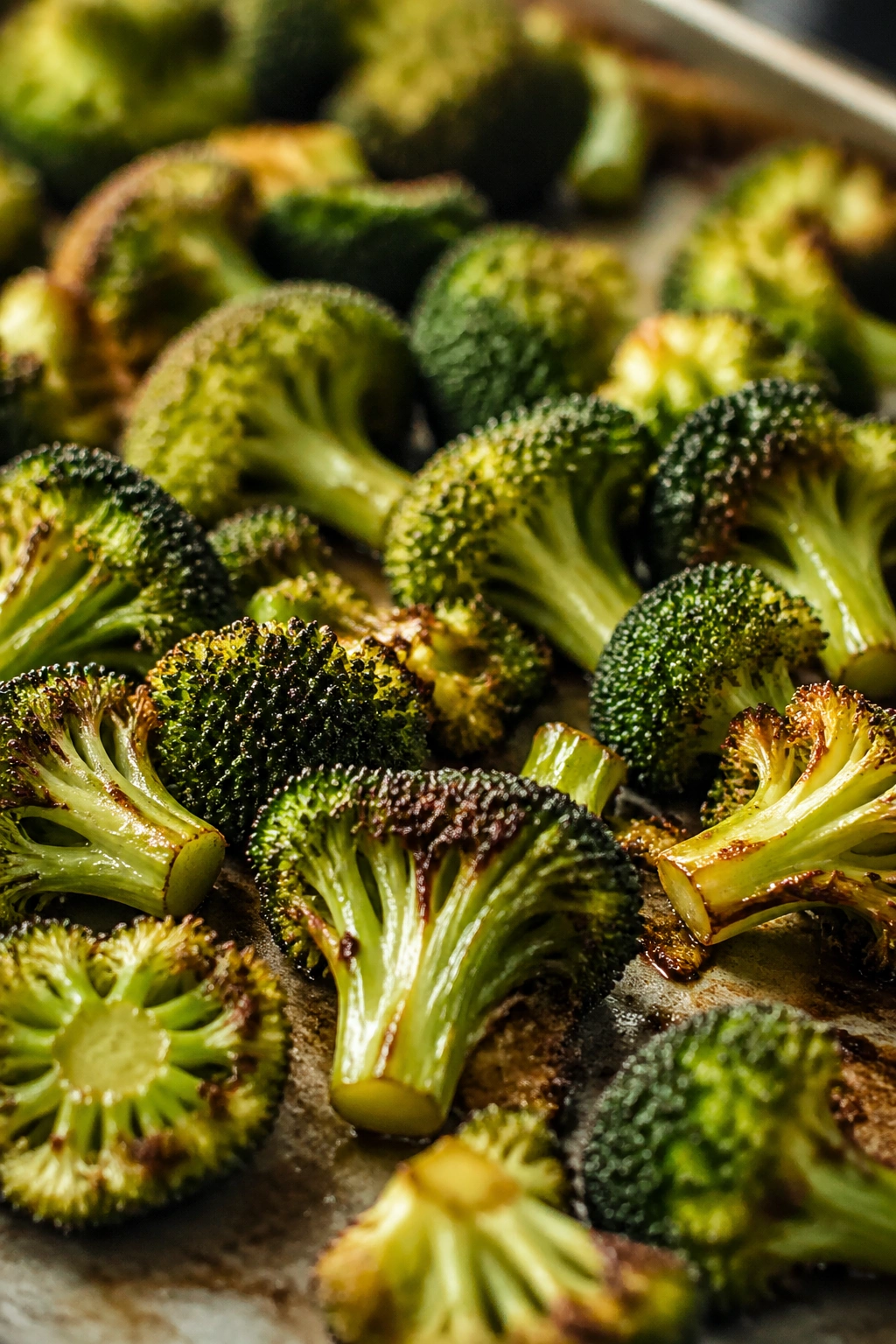
Broccoli does not win points for glamour, but it earns respect on the plate. It gives you a large volume of food for very few calories, and that is exactly the kind of math that helps with fat loss. Roasted broccoli with crispy edges is especially good because it feels more like a side dish and less like a punishment.
The trick is to cook it enough. Steamed broccoli is fine. Roasted broccoli with olive oil, salt, and a hot oven is better. The edges brown, the stems soften, and the whole thing stops tasting like a chore. Add garlic, lemon, or chili flakes if you want more flavor.
Broccoli also pairs well with protein foods on this list: eggs, salmon, tofu, even cottage cheese if you are making a savory plate. That is where it shines — filling space, adding fiber, and making the meal look bigger.
17. Extra-Virgin Olive Oil
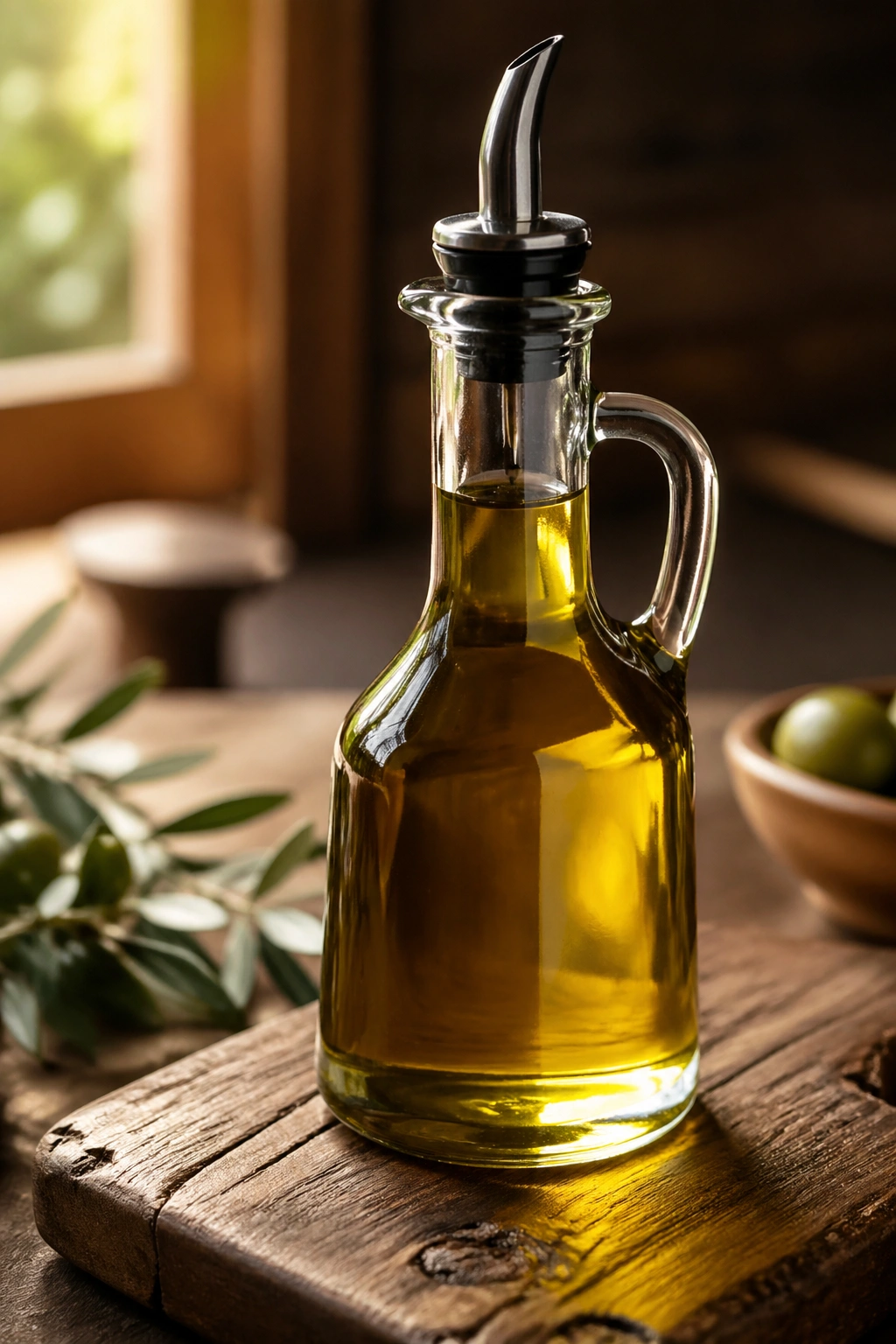
Olive oil is one of those foods that helps by replacing worse choices, not by doing magic on its own. A tablespoon of extra-virgin olive oil adds flavor and satiety, especially when you use it on vegetables or salads instead of drowning food in creamy dressings.
The portion matters. Oil is calorie-dense, so pouring freely can backfire fast. Measure it when you can, at least for a while. A tablespoon over broccoli, greens, or beans is usually enough to make the dish feel finished. That is the sweet spot.
What I like about olive oil is how it helps people keep eating vegetables. A plain salad gets old. A salad with olive oil, vinegar, salt, and a few seeds feels like lunch. That little upgrade can make a big difference in whether healthy eating sticks.
18. Green Tea
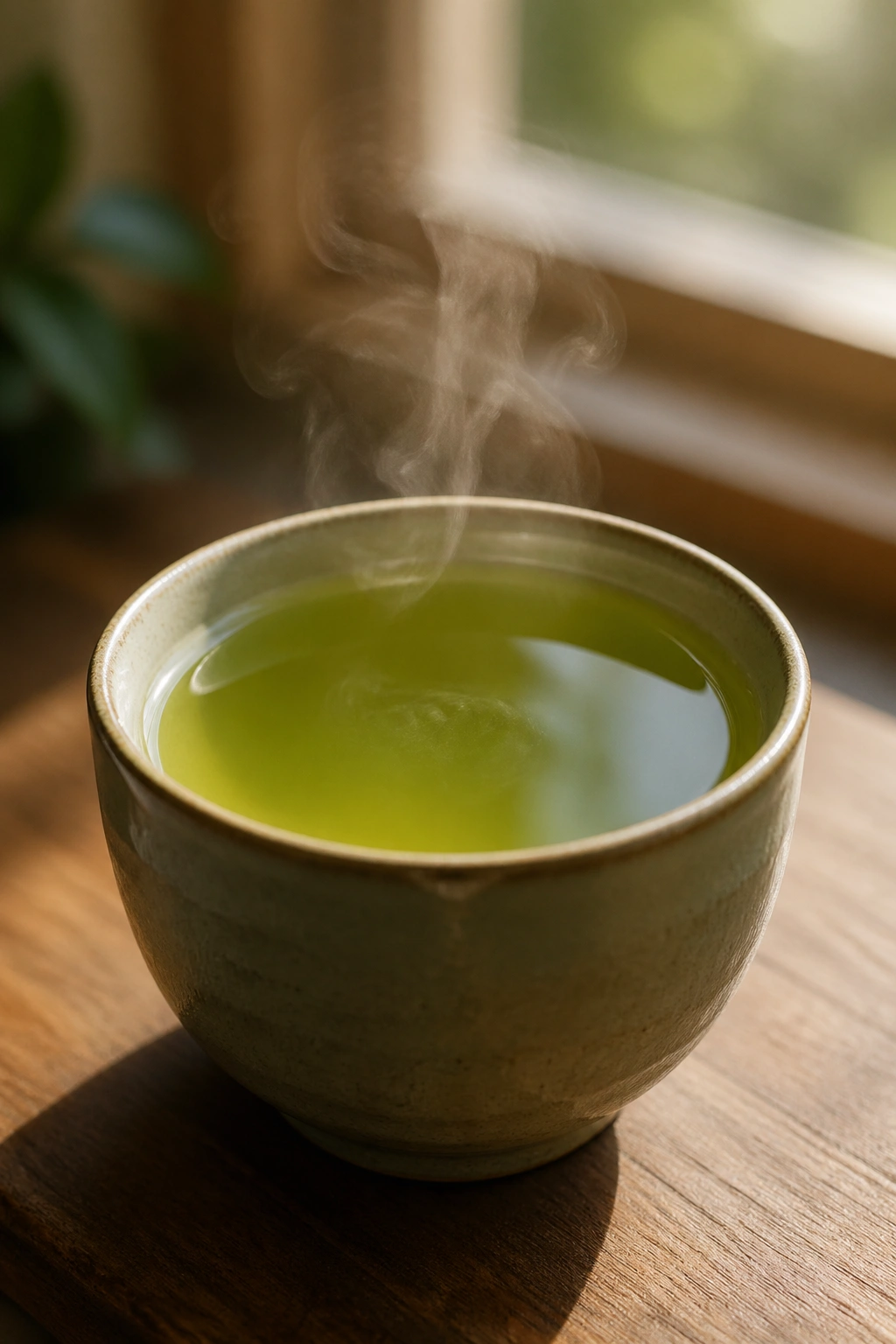
Green tea is not a miracle. Good. It does not need to be. It is a low-calorie drink with a small amount of caffeine and compounds called catechins, which may give your metabolism a mild nudge and help with appetite control for some people.
What green tea does best is replace the things that quietly add calories — fancy coffee drinks, sugary sodas, random snack runs. Drink it plain, or with a squeeze of lemon if you like. A cup in the morning or early afternoon is enough for most people. Too much caffeine later in the day can wreck sleep, and poor sleep is not your friend when belly fat is the problem.
This is a side player, not the star. Still, side players matter when you repeat them every day.
19. Kefir
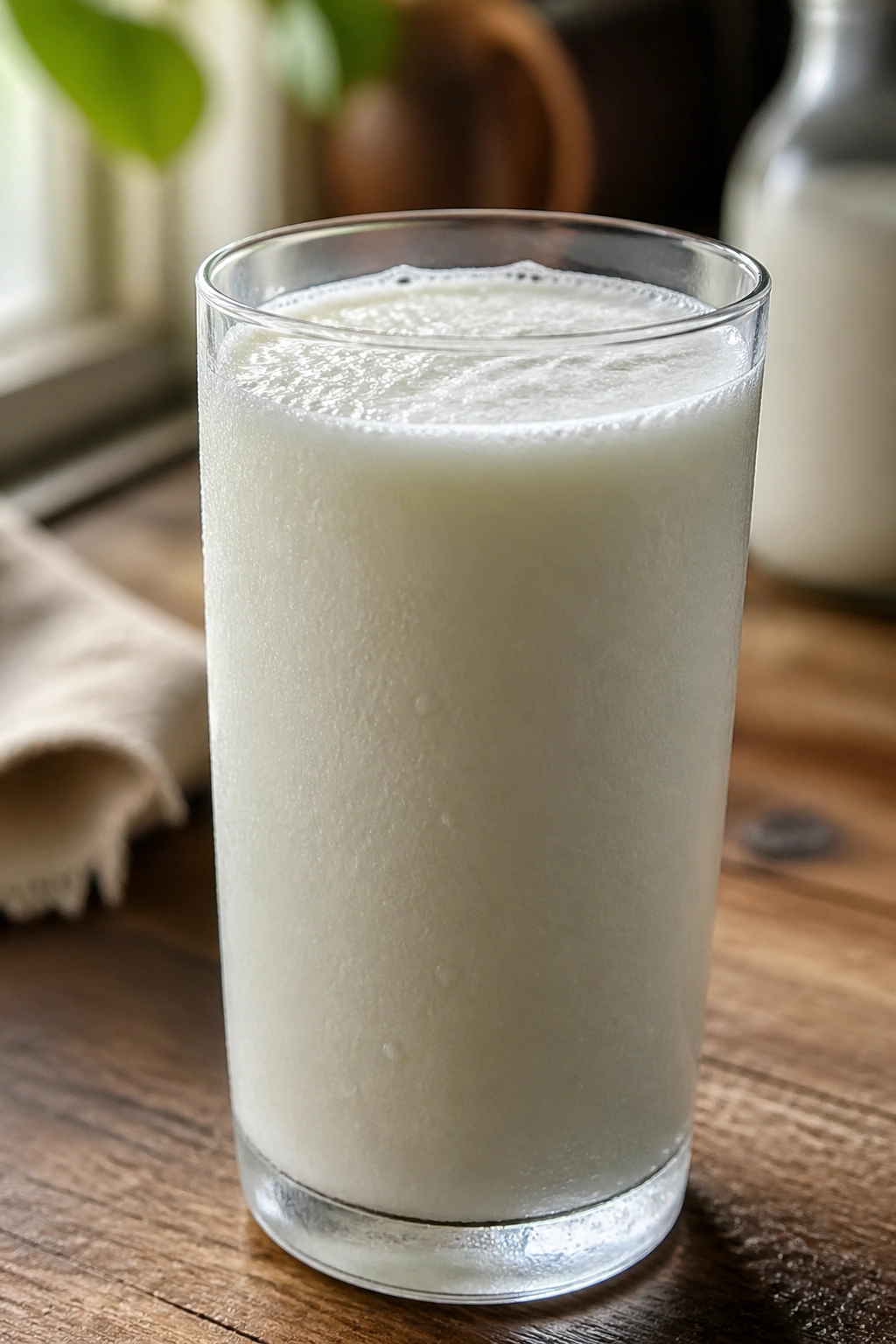
Kefir is a smart choice when you want something cold, drinkable, and more filling than juice or sweetened yogurt drinks. It usually has protein, live cultures, and a tangy taste that works well in smoothies or poured over berries.
If your stomach handles dairy, unsweetened kefir can be a nice breakfast base or afternoon snack. If dairy gives you trouble, start with a small amount or look for a lactose-free version. That part matters more than trendiness. A food is useful only if you can tolerate it.
I like kefir because it is easy. No cooking, no prep drama. Pour, drink, move on. When people are trying to lose belly fat, convenience is not a small thing — it is often the whole game.
20. Sardines
Sardines are one of the most overlooked foods for women over 40, and that is a shame. They are high in protein, rich in omega-3 fats, and often contain calcium when the soft bones are eaten. That combination makes them useful for both fullness and bone support.
The flavor is stronger than salmon, so sardines are not for everyone. Fair enough. But if you can handle them, they are extremely practical. Mash them on toast with mustard and lemon, toss them into a salad, or eat them with crackers and sliced cucumber. A single can goes a long way.
They also make an honest dinner when you are tired and tempted to order takeout. That matters more than most food lists admit. The best belly fat friendly foods are the ones you can actually eat on a random Tuesday when your energy is low and your willpower is not exactly glowing.
The bigger pattern is simple: build meals around protein, add fiber wherever you can, and stop treating every snack like a free-for-all. If you stack a few of these foods through the day — eggs in the morning, Greek yogurt or fruit midafternoon, salmon or beans at dinner — you make fat loss far less chaotic, and a lot more livable.
