



Foods that burn belly fat for men sound like a cheat code, but the useful part is simpler: the right foods make it easier to stay full, keep protein high, and stop the late-night snack drift that puts inches on the waist.
That matters because belly fat is usually the fat men notice first and lose last. A lot of the time, the issue is not one dramatic food choice. It is the slow leak — skipped breakfast, weak lunches, random snacks, oversized dinners, too little protein, not enough fiber. Stack that up for a few weeks and the belt loop tells the story.
No food burns belly fat on contact. That part needs to be said out loud. What these foods do is help you eat in a way that makes fat loss more realistic: fewer calories without feeling punished, better blood sugar control, more protein for muscle, and meals that hold up after a hard workout or a long workday.
Portion size still matters. A lot. But some foods make good portions easy, and some make them miserable.
1. Eggs
Eggs are one of the simplest tools for men who want a tighter waist without living on salad. Two or three eggs give you a solid protein hit, a bit of healthy fat, and enough staying power to keep you out of the vending machine before lunch.
Why They Work
Eggs are small, but they pull their weight. A breakfast with 2 to 3 eggs usually lands better than cereal or toast because it slows hunger down instead of waking it up. If you train in the morning, that matters even more.
They also pair well with other low-calorie foods. Scramble them with spinach, onions, or mushrooms and you’ve got a plate that looks bigger than it is. That visual trick helps more than people think.
- Best serving size: 2 to 3 eggs
- Easy add-ins: spinach, salsa, tomato, mushrooms
- Smart cooking method: nonstick pan, light olive oil, medium heat
- Watch out for: turning them into a 600-calorie breakfast with heaps of cheese and bacon
Tip: If you want more volume, make a 3-egg omelet with a handful of chopped vegetables and keep the cheese to 1 tablespoon.
2. Greek Yogurt
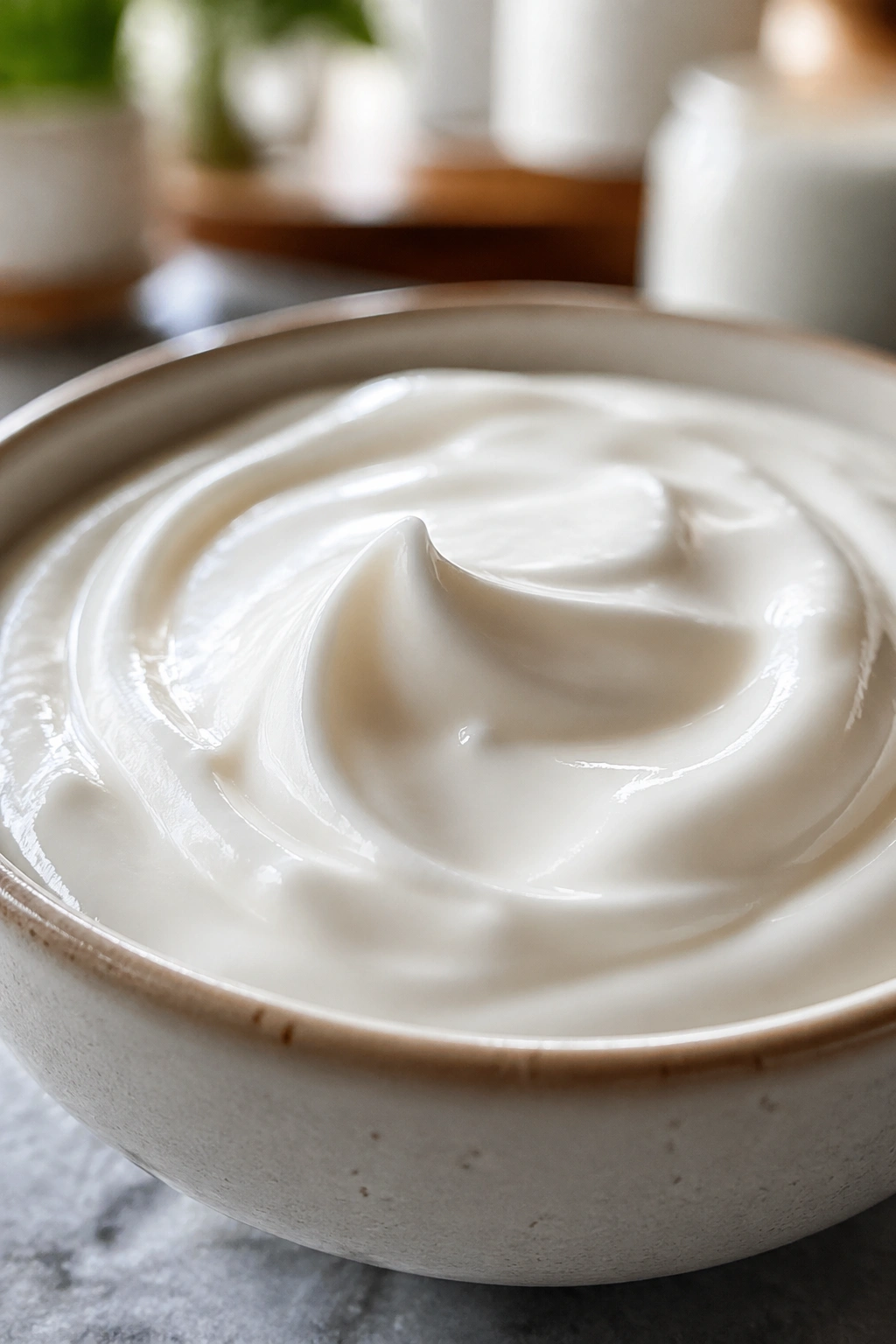
Plain Greek yogurt is one of those foods that looks ordinary and works harder than it has any right to. A single serving can deliver 15 to 20 grams of protein, which is a clean way to calm appetite between meals.
What makes it useful for belly fat loss is the combo of protein and texture. It feels like a real snack. Not a tiny one. Add cinnamon, berries, or a spoon of chia seeds and you get something that tastes like you cheated, even though you didn’t.
The key is plain yogurt, not the sugary fruit cups that act more like dessert. Those can sneak in a lot of sugar for very little fullness. Buy the plain tub and build your own bowl.
A good move is a 170-gram serving with berries and a tablespoon of chopped walnuts. That’s enough substance to matter, especially on days when lunch gets delayed.
3. Salmon
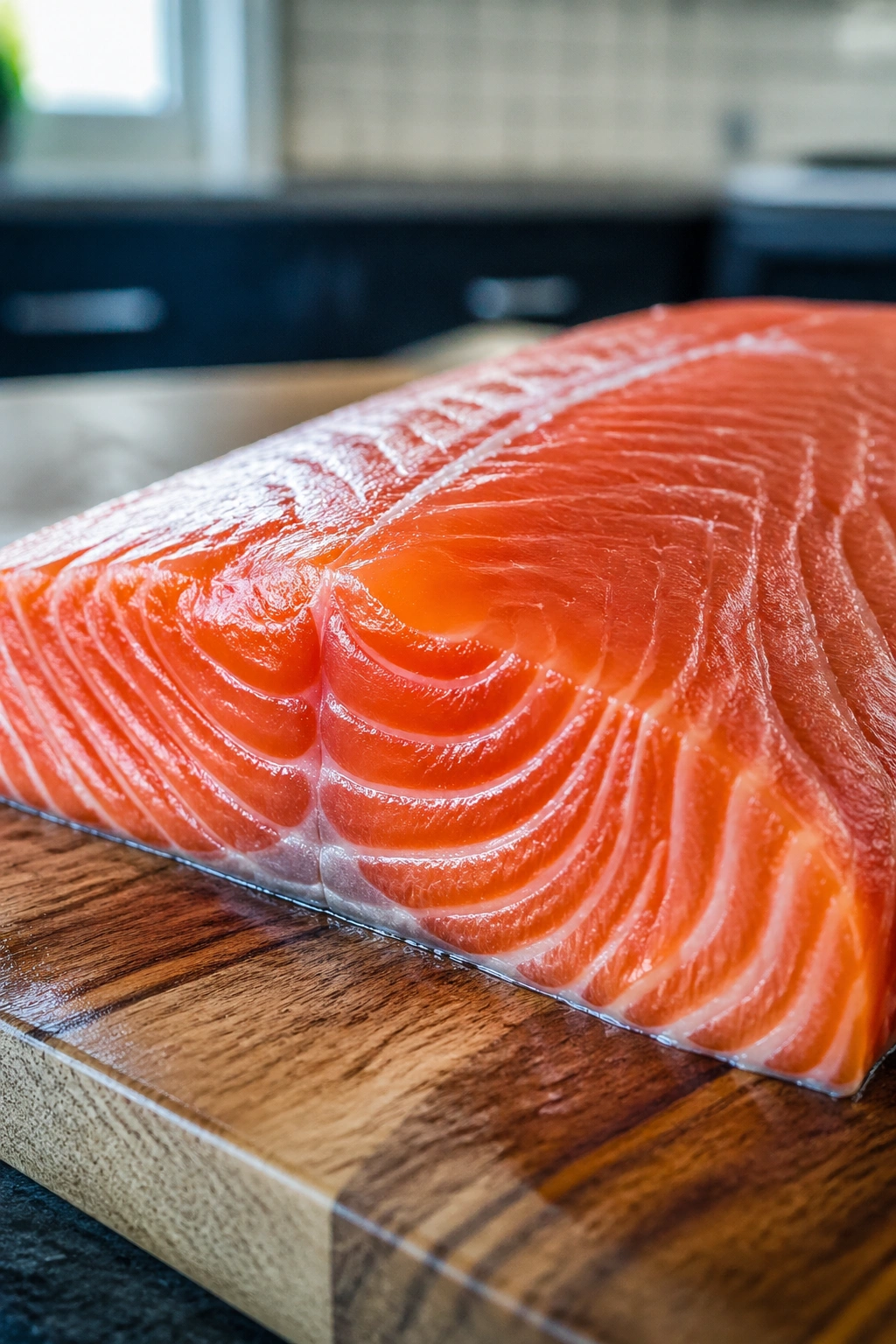
Salmon is a strong choice for men trying to lean out because it brings protein and fat in a form that actually keeps you satisfied. A 4- to 6-ounce fillet gives you a meal that feels serious, not skimpy.
What Makes It Different
The fat in salmon is the kind that tends to keep meals from feeling dry and empty. That’s useful. People stick to meals they enjoy. They do not stick to sad plates forever.
Salmon also works well after lifting or a tough conditioning session because it pairs easily with potatoes, rice, or roasted vegetables without turning into a calorie bomb. Bake it at 400°F for 12 to 15 minutes until the flesh flakes and turns opaque.
How to Use It
- Serve with broccoli and a medium sweet potato
- Use lemon, dill, garlic, or black pepper instead of heavy sauces
- Buy fillets with firm flesh and a fresh, clean smell
- Rotate it with other fish so dinner does not get boring
A plate like that lands hard in the best way. Filling, clean, and not fussy.
4. Oats
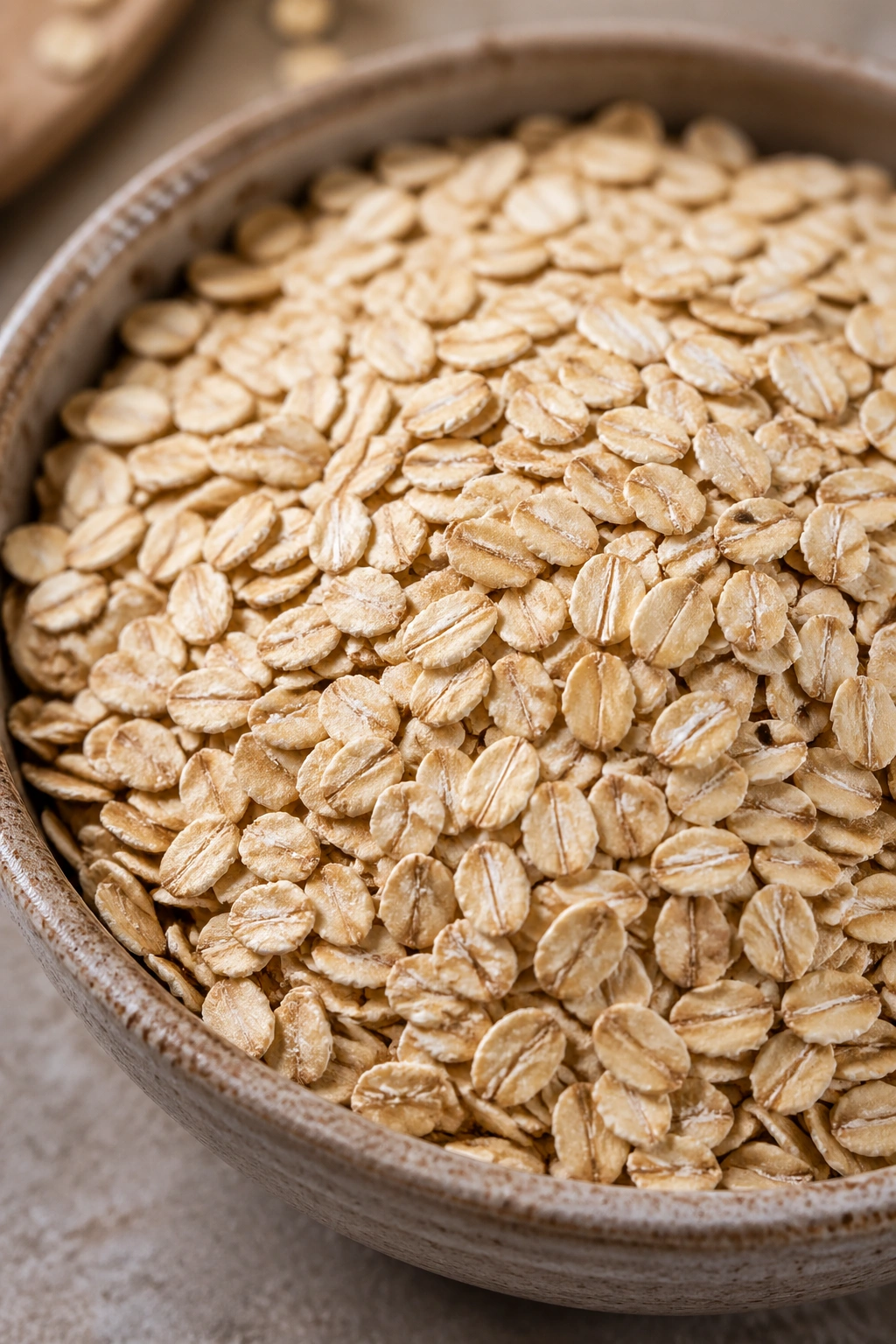
Why do oats show up in so many fat-loss meals? Because they slow things down. The soluble fiber in oats, especially beta-glucan, helps a bowl of breakfast feel bigger and last longer than something sweet and airy.
A half-cup of dry oats cooks into a respectable serving, and you can push it in two directions. Go sweet with berries and cinnamon, or go savory with eggs on the side. Either way, you get a meal that holds its shape in your stomach for hours instead of vanishing in twenty minutes.
How to Eat Them Well
Overnight oats are easy, but hot oatmeal can be better if you want that full, warm, stick-to-your-ribs feeling. Stir in protein powder, Greek yogurt, or egg whites if you want a higher-protein bowl without changing the basic texture too much.
The mistake is turning oats into a sugar bowl. Brown sugar, honey, sweetened granola, dried fruit, and flavored syrup can turn a smart breakfast into a dessert.
Plain oats are boring. That is also their strength.
5. Lentils
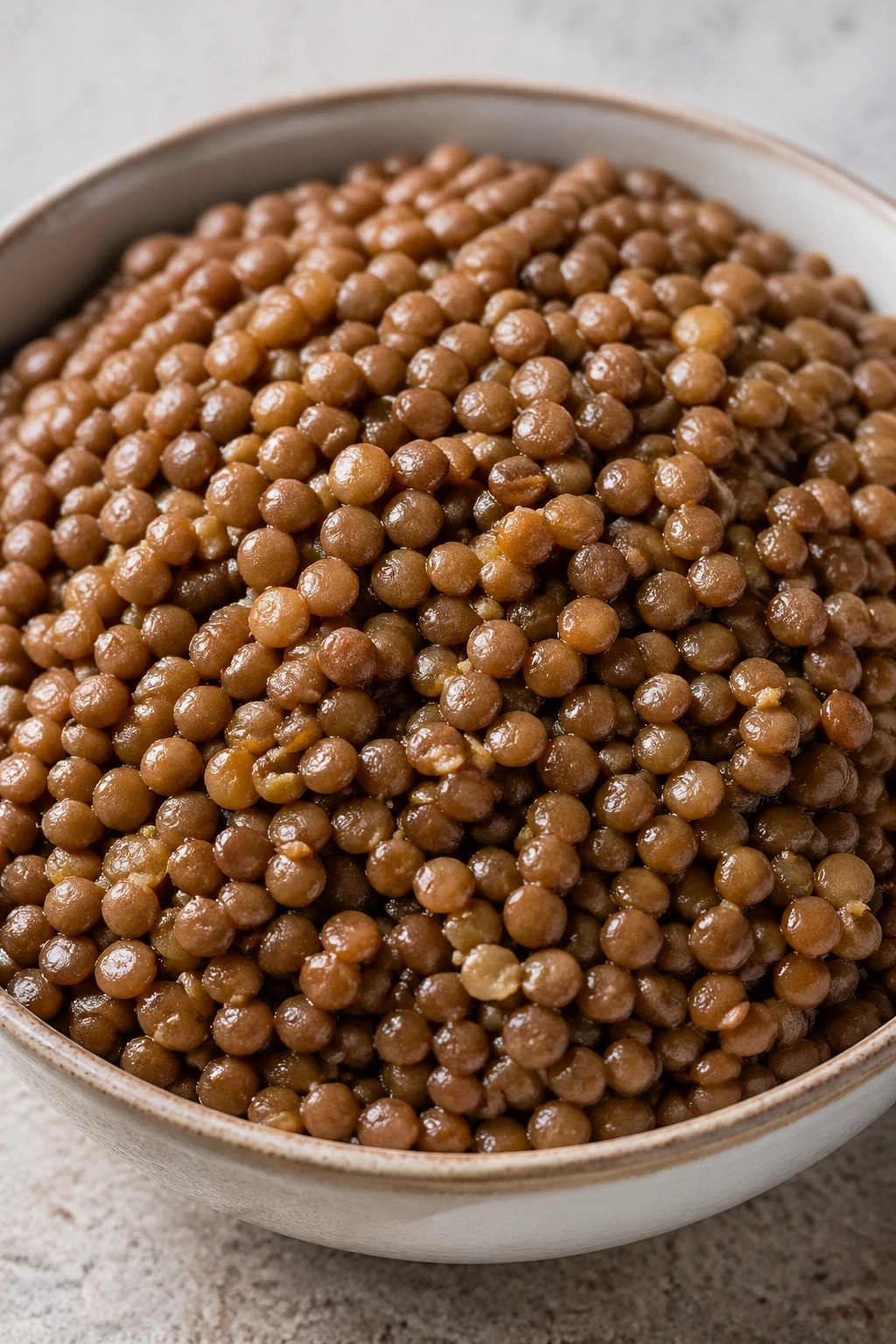
Lentils are one of the cheapest ways to make a meal feel thick and complete. A cup of cooked lentils brings a lot of fiber and a useful amount of protein, which is why they work so well for men trying to shrink their waistlines without starving.
They also hit that rare sweet spot between cheap, filling, and easy to cook. Red lentils break down into soups. Green and brown lentils hold their shape in salads, chili, and grain bowls. They are useful in a way that flashy foods are not.
What I like most is how they stretch a meal. Toss lentils into ground turkey chili or mix them into roasted vegetables and you get more volume per bite, which usually means less snacking later.
One quiet advantage: they store well. A bag in the pantry is easier to use than a bunch of produce you forgot in the fridge.
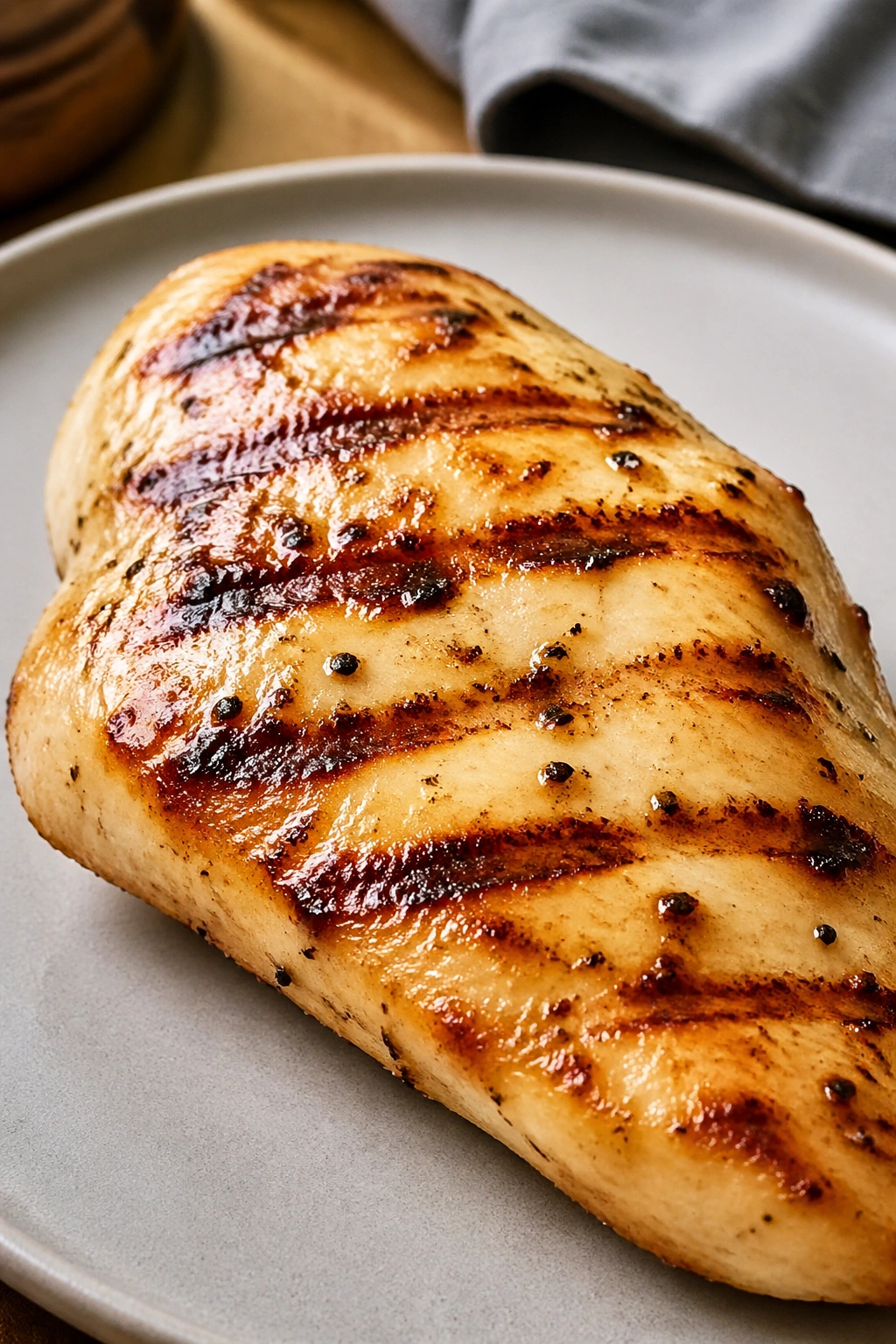
6. Chicken Breast
Chicken breast is not exciting, and that is part of the reason it works. If you want a high-protein staple that does not drag too many calories into the meal, this is the blunt instrument.
Unlike fattier cuts, chicken breast gives you a clean protein base that fits almost anywhere. A 4- to 6-ounce serving works in salads, wraps, rice bowls, and meal prep containers. It is especially good for men who lift because it helps support muscle while cutting calories.
The catch is dry cooking. Overdo it and the texture goes chalky fast. Keep the heat moderate, use a thermometer, and pull it when the thickest part hits 165°F. Let it rest for a few minutes before slicing.
Chicken breast is not dinner by itself. It is a foundation. Build on top of it with vegetables, beans, salsa, or a measured sauce.
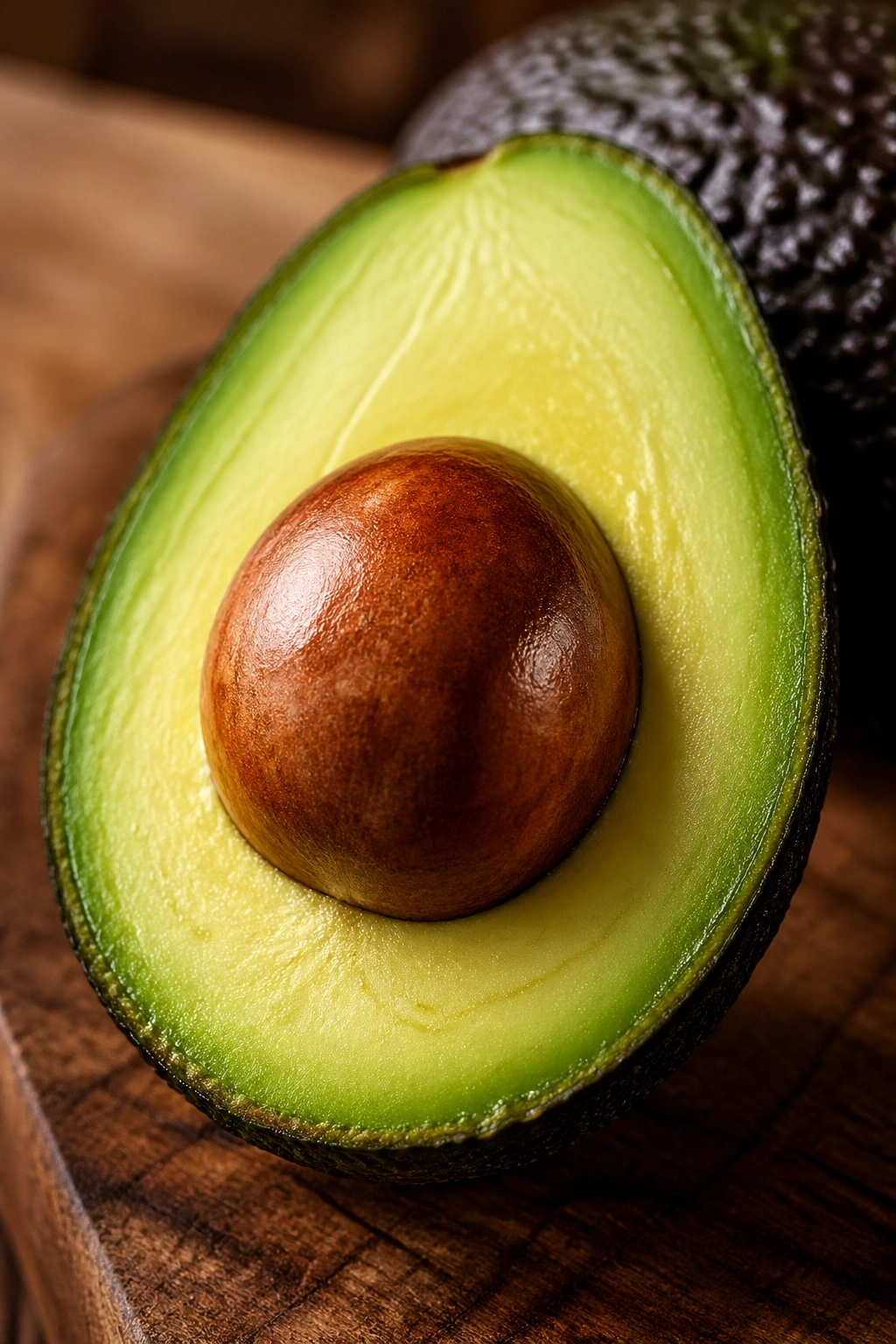
7. Avocados
Avocados help more with appetite control than with magic. That is the real reason they belong here. Half an avocado adds fiber and creamy fat, and that combination can make a meal feel finished instead of flimsy.
They are calorie-dense, so the portion matters. A half avocado goes a long way. Slice it onto eggs, mash it into tuna, or put it on a salad with chicken and tomatoes. You get better satisfaction from a small amount than from a pile of something empty.
A lot of men skip avocado because they hear “fat” and assume it is a problem. Not really. The problem is eating too much of anything without noticing. Avocado is more useful than most spreadable fats because it slows you down at the table.
The texture does a lot of work here. Creamy foods tend to feel richer than their calorie count suggests.
8. Berries
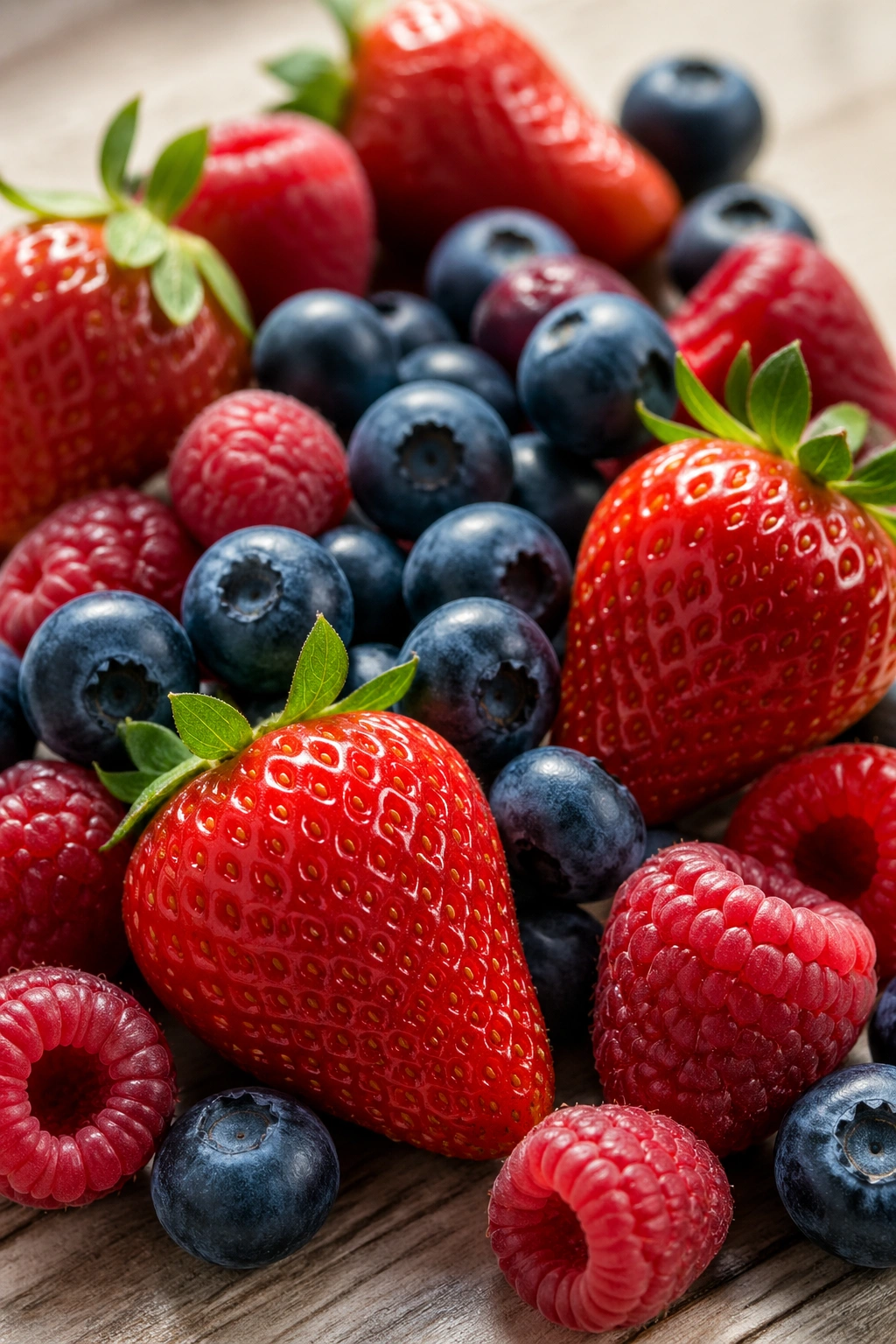
Berries are one of the easiest sweet foods to fit into a fat-loss plan. They taste like dessert, but they are mostly water, fiber, and color. That matters when you want a snack that does not behave like candy.
What to Notice
A cup of berries can change a whole meal. Strawberries are easy, blueberries are convenient, blackberries are especially high in fiber, and raspberries pack a lot of chew for the calories. Frozen berries are fine too. Thaw them and they turn into a syrupy topping for yogurt or oats.
How to Use Them
- Add 1 cup to plain Greek yogurt
- Stir them into oatmeal instead of sugar
- Blend them into a protein smoothie
- Eat them after dinner when you want something sweet
The main advantage is that berries slow you down. You cannot inhale them the way you can a handful of chips. That pause helps.
9. Spinach and Other Leafy Greens
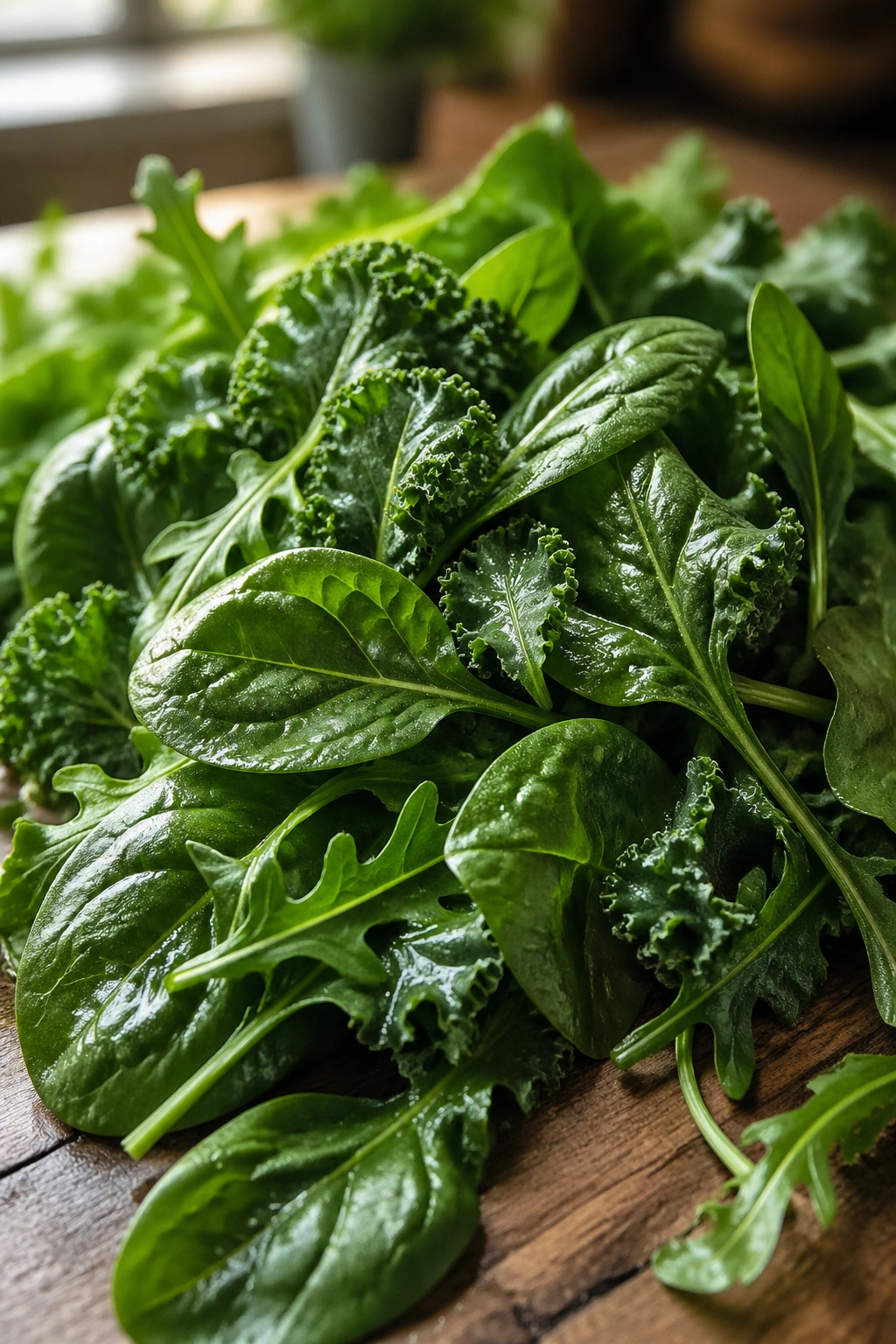
Can a pile of greens actually matter for belly fat loss? Yes, because volume counts. Spinach, kale, arugula, and romaine give you a lot of food on the plate for very few calories.
A 2- to 3-cup raw serving shrinks in the pan or bowl, which is why men who hate “diet food” often do better when greens are mixed into omelets, wraps, and soups instead of served as a sad side salad. Cooked spinach disappears fast, but it still softens into eggs, pasta, or rice bowls in a useful way.
Best Ways to Use Them
Throw spinach into scrambled eggs. Use kale under salmon. Build a big salad with chicken and beans so the greens are not the whole meal. That last part matters. Nobody sticks to plain leaves for long.
Greens do not feel dramatic. They do something better: they make the rest of the meal easier to control.
10. Cottage Cheese
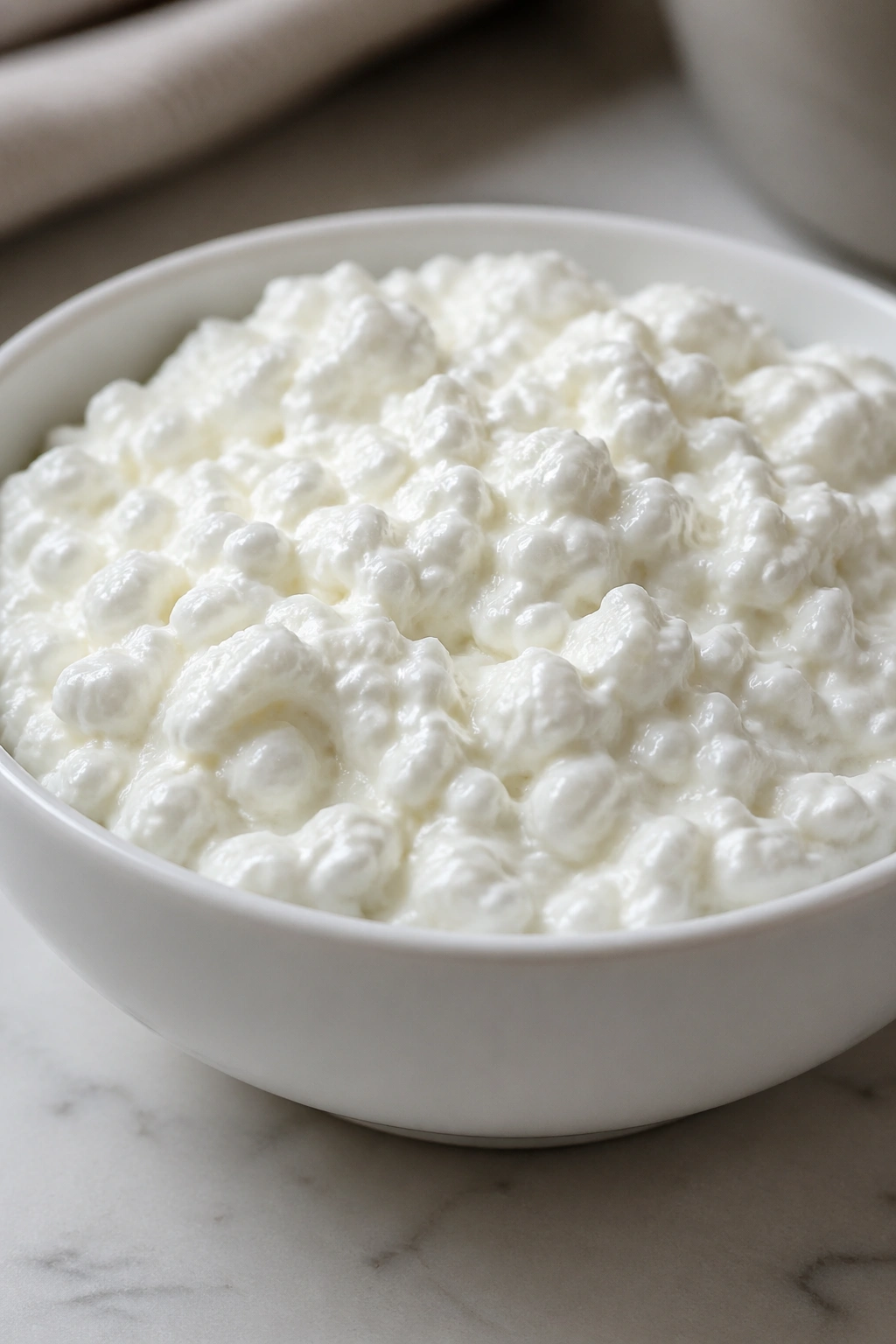
Cottage cheese is one of the best late-night foods for men who get hungry after dinner. The reason is simple. It is high in protein, especially casein, which tends to digest slowly.
A 1-cup serving can feel surprisingly filling, especially if you add cucumber, berries, or a few tomato slices. Some people like it sweet with cinnamon. Others like it salty with pepper. Both work. The important thing is that it gives you a real snack without the sugar rush of ice cream or the emptiness of crackers.
Pick the texture you can actually live with. Low-fat cottage cheese is a bit drier, while fuller-fat versions taste creamier. Either can fit, depending on your calorie target.
It is not glamorous. It is effective. There’s a reason people keep coming back to it.
11. Beans
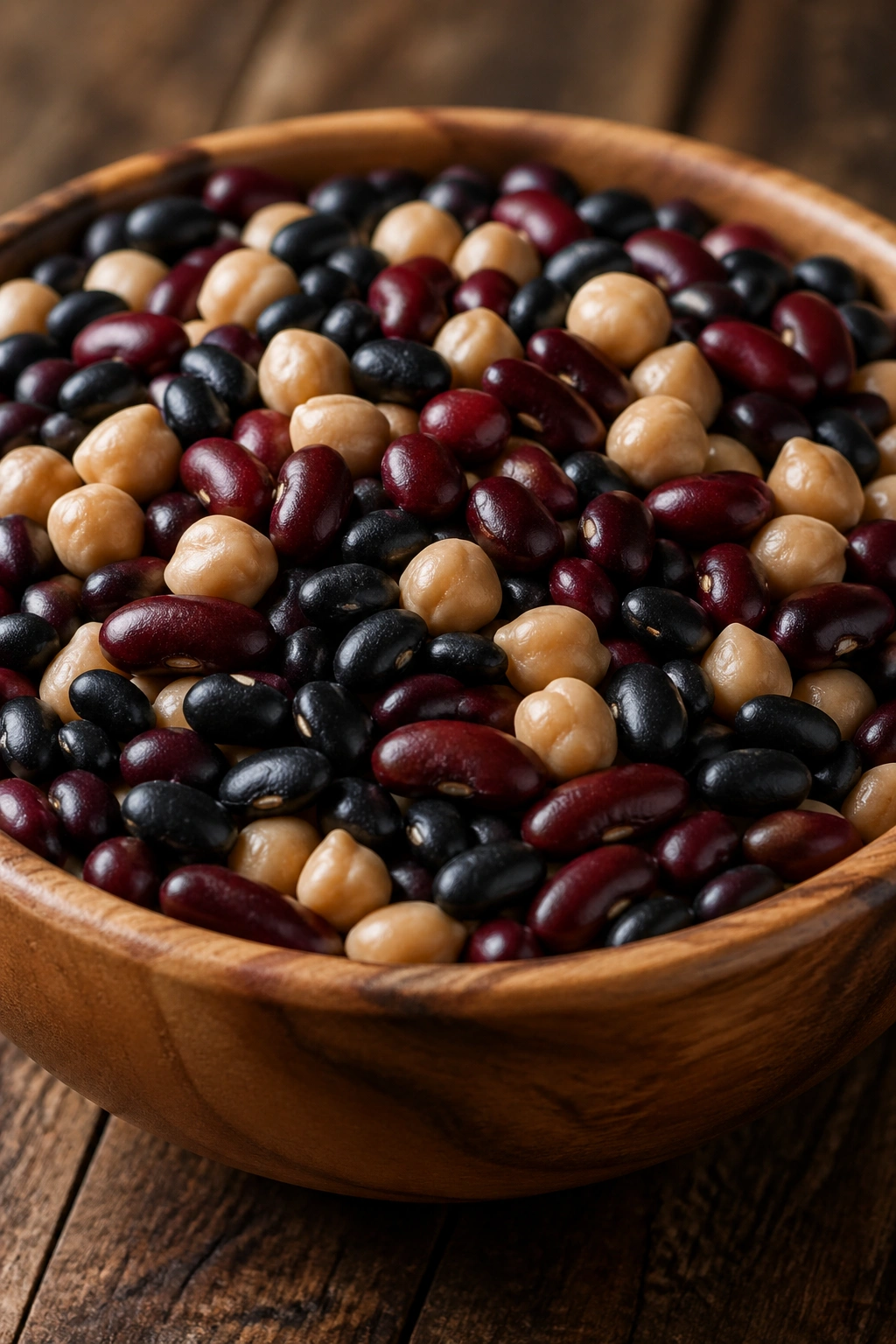
Beans are one of the best belly-fat foods because they do a little of everything. They bring fiber, protein, and enough heft to make a bowl of food feel like a meal instead of a side dish.
Black beans, chickpeas, kidney beans, and white beans all work. A half-cup to 1-cup serving adds serious staying power to chili, rice bowls, soups, and salads. If you want cheaper groceries and fewer snack attacks, beans are hard to beat.
What to Watch For
Canned beans are fine, but rinse them first. That cuts down the salt and gets rid of some of the starchy liquid that can make dishes heavy. Dry beans are even cheaper if you are willing to soak and cook them.
Beans also give you a slow burn of energy that works well earlier in the day or around training. They are not the food for a tiny, delicate meal. They are the food for a meal that needs to last.
12. Tuna
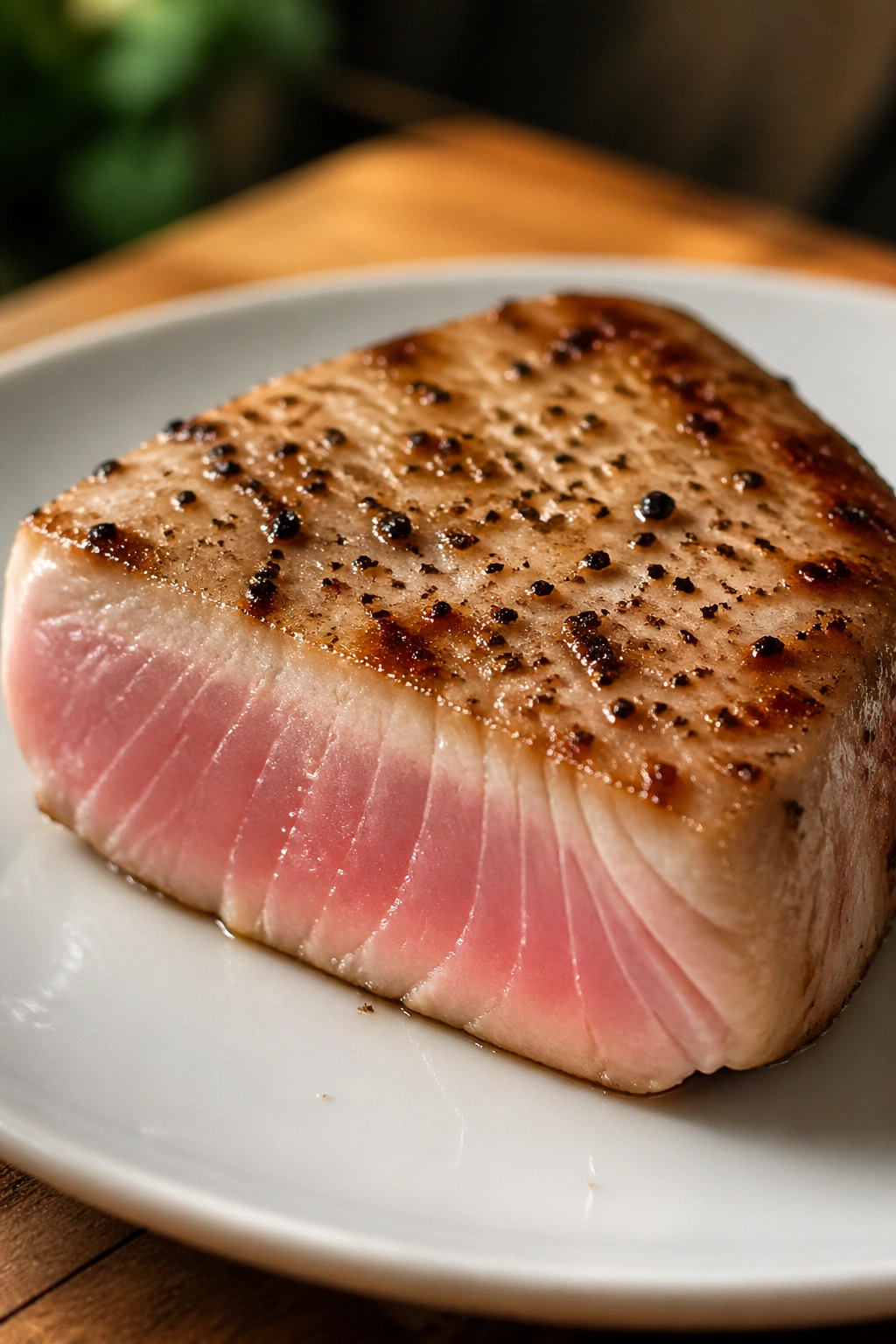
Canned tuna is one of the cleanest protein-to-calorie trades in the pantry. That is the short version, and it matters if you want lean meals without spending half your week cooking.
A standard can can deliver 20 to 25 grams of protein with very few calories. Mix it with mustard, Greek yogurt, chopped celery, or diced pickles and you have a lunch that works on a real schedule, not a fantasy one. Tuna salad on whole-grain toast is still a good lunch. Just skip the mountain of mayo.
Nope, it does not have to be fancy.
Tuna is useful because it keeps well and cooks itself, which is more than can be said for most foods. Rotate it with salmon or sardines, though. You do not want to live on tuna forever.
13. Almonds
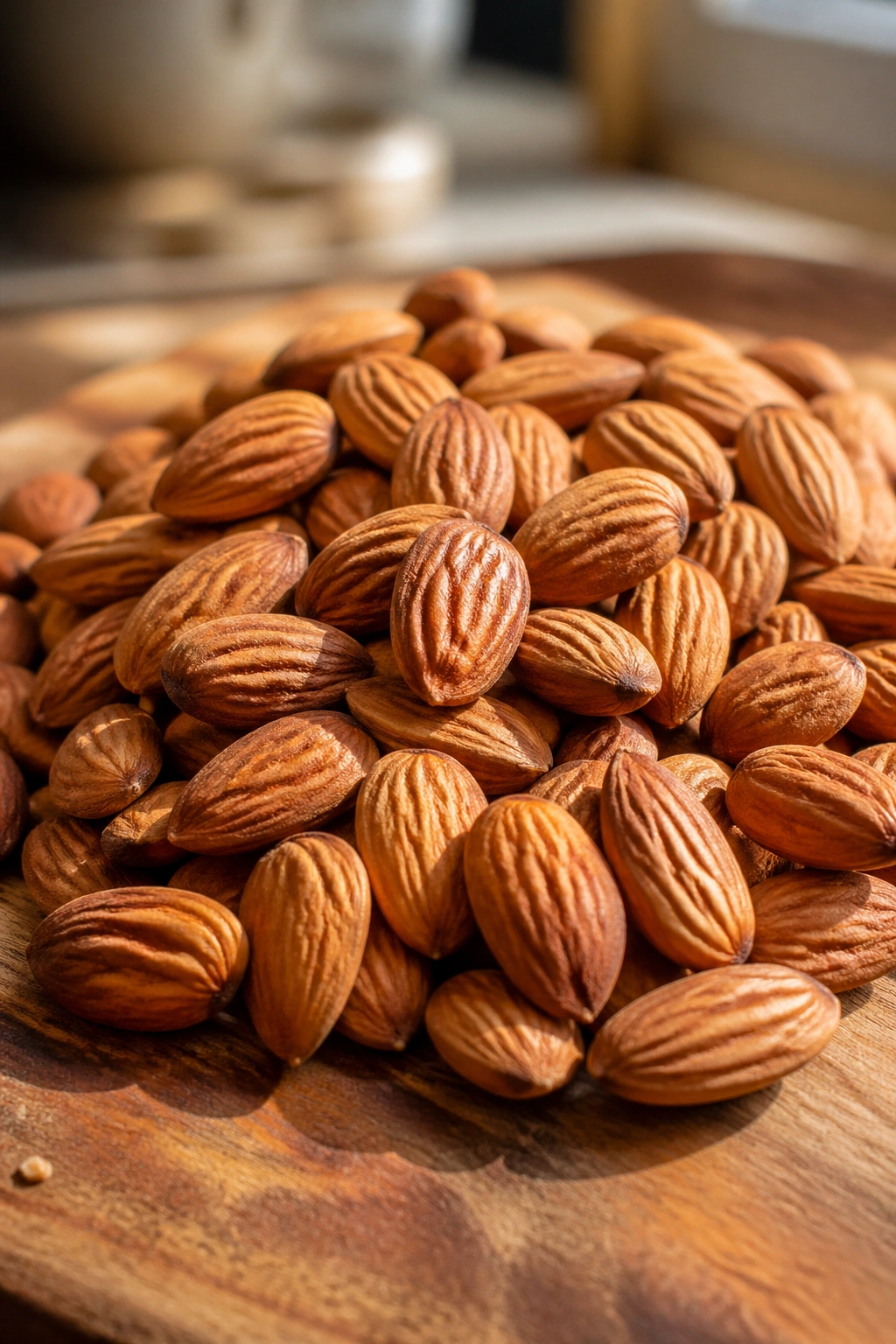
Almonds are a snack with friction, and that friction helps. You have to chew them. You have to slow down. That alone makes them better than a bag of crackers or chips when hunger hits hard.
Why They Beat Most Snack Foods
An ounce of almonds is about a small handful, and that portion gives you fat, some protein, and a crunchy texture that feels like a real break. The catch is portion size. A whole canister disappears faster than most people expect, so pre-portioning matters.
How to Use Them Well
- Pack 1-ounce bags instead of eating from the jar
- Combine them with an apple for a better afternoon snack
- Use them as a topping for oatmeal or yogurt
- Choose dry-roasted or raw, not heavily salted versions
Almonds work best when they replace something worse. They are not magic. They are a better choice that still needs a limit.
14. Chia Seeds
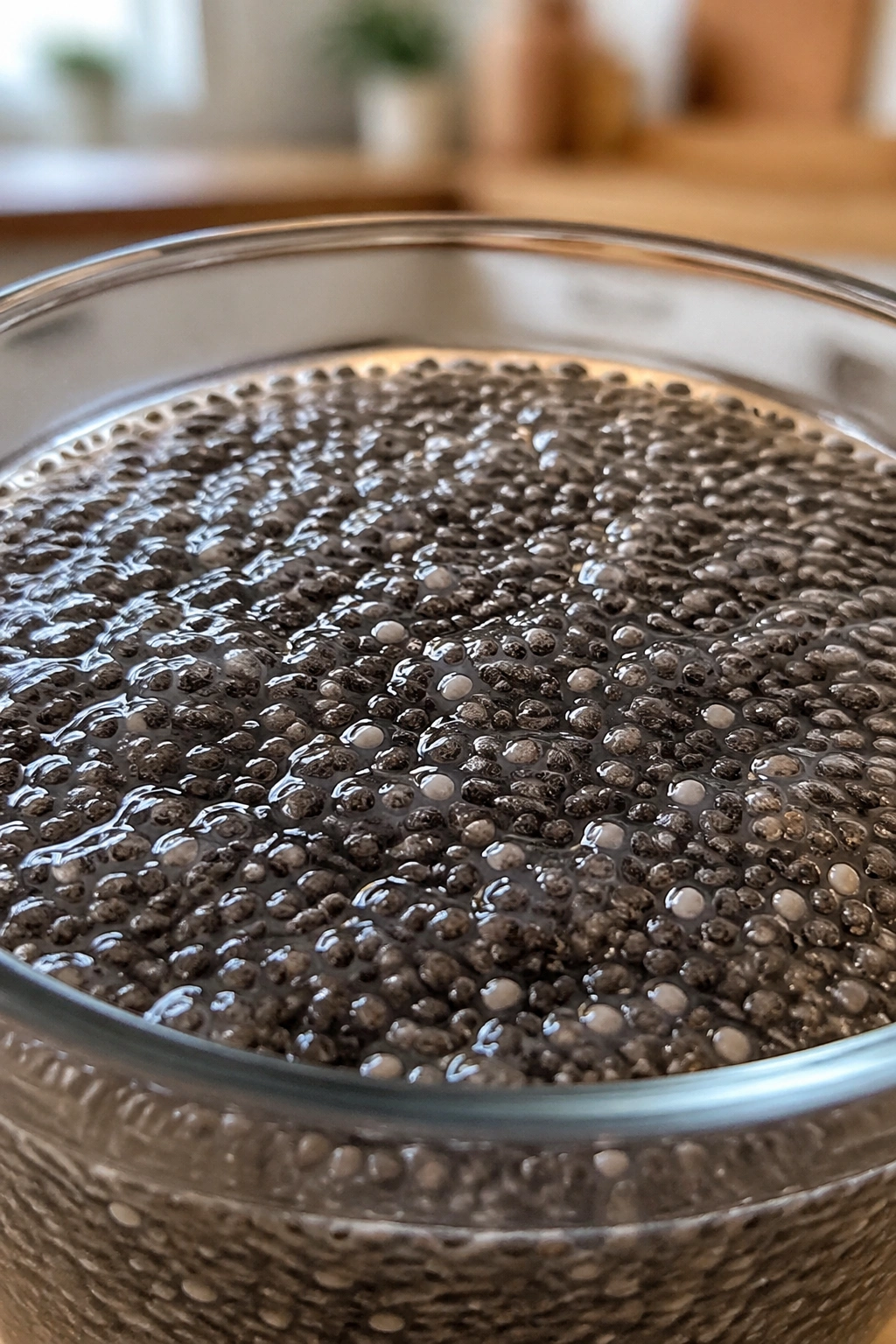
Why do chia seeds get so much attention? Because they swell. Two tablespoons in liquid turn into a thick, pudding-like mix that sits in the stomach longer than a spoonful of something dry and crunchy.
That makes them a good tool for men who tend to get hungry fast. A 2-tablespoon serving adds fiber without a huge calorie hit, and the gel texture makes a bowl of yogurt or oats feel more substantial. You can stir them into almond milk, regular milk, or Greek yogurt and let them sit for 10 to 15 minutes.
How to Get the Most From Them
The important bit is liquid. Dry chia seeds are not the move. Soak them first, or they can be awkward to eat and do not give you the same texture.
Make a simple chia pudding with vanilla, berries, and a little cinnamon. That works for breakfast or as a dessert replacement when you want something cool and spoonable.
15. Apples
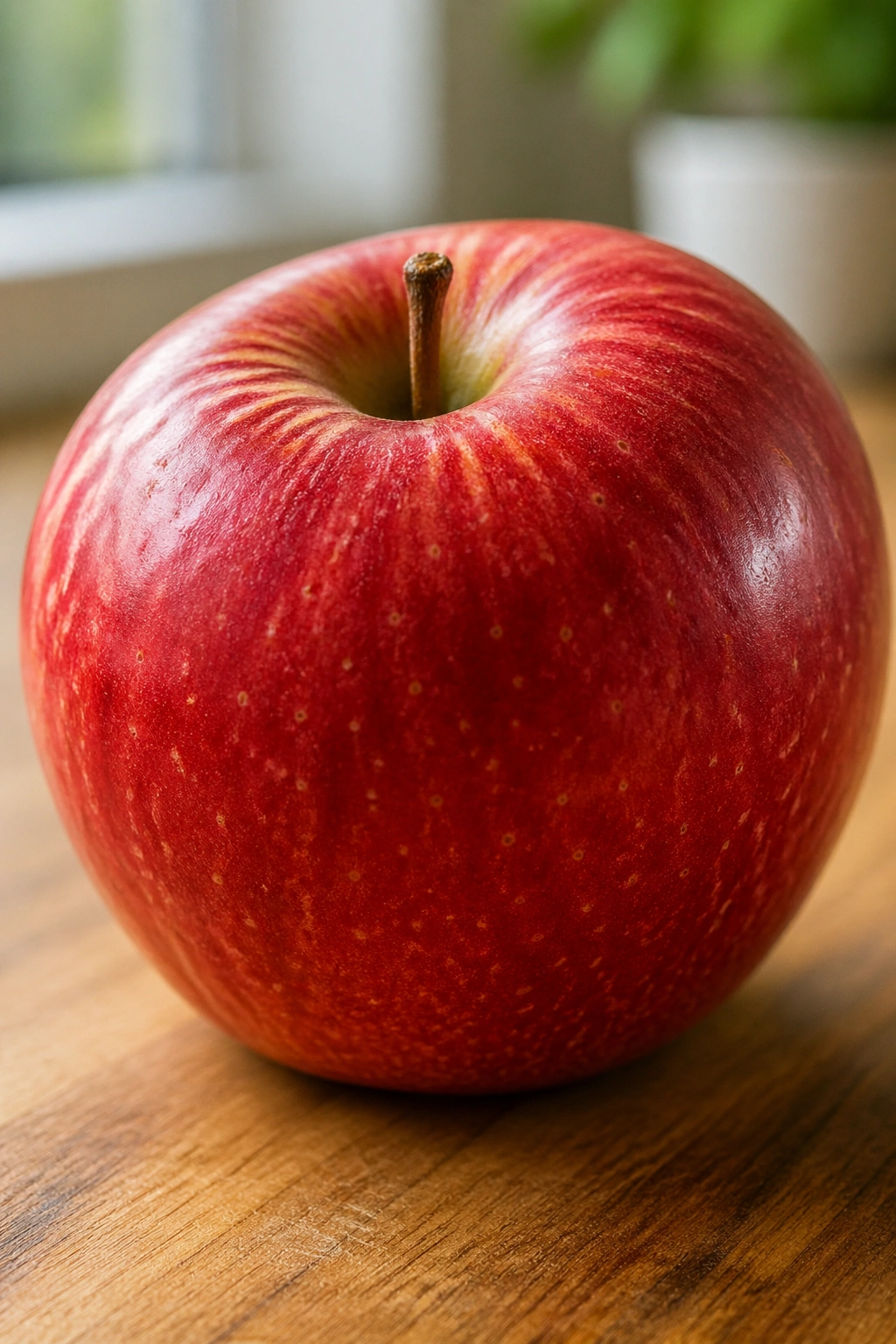
An apple is boring in the best possible way. It is portable, cheap, and sturdy enough to survive a commute, a gym bag, or a desk drawer without turning into mush.
The fiber, especially pectin, helps slow digestion and makes the fruit feel more filling than juice or applesauce. Eat the whole apple. That part matters. Juice strips out the chew, and chew is part of the point. A medium apple also gives you a snack that takes time to finish, which helps when you are trying not to inhale food out of habit.
A Better Snack Pattern
- Eat an apple before a drive home if you tend to raid the pantry at night
- Pair it with 1 tablespoon of peanut butter
- Slice it and eat it with cottage cheese
- Keep the skin on for the extra fiber
That small pause between bites can matter more than people expect. It gives your brain time to catch up.
16. Broccoli
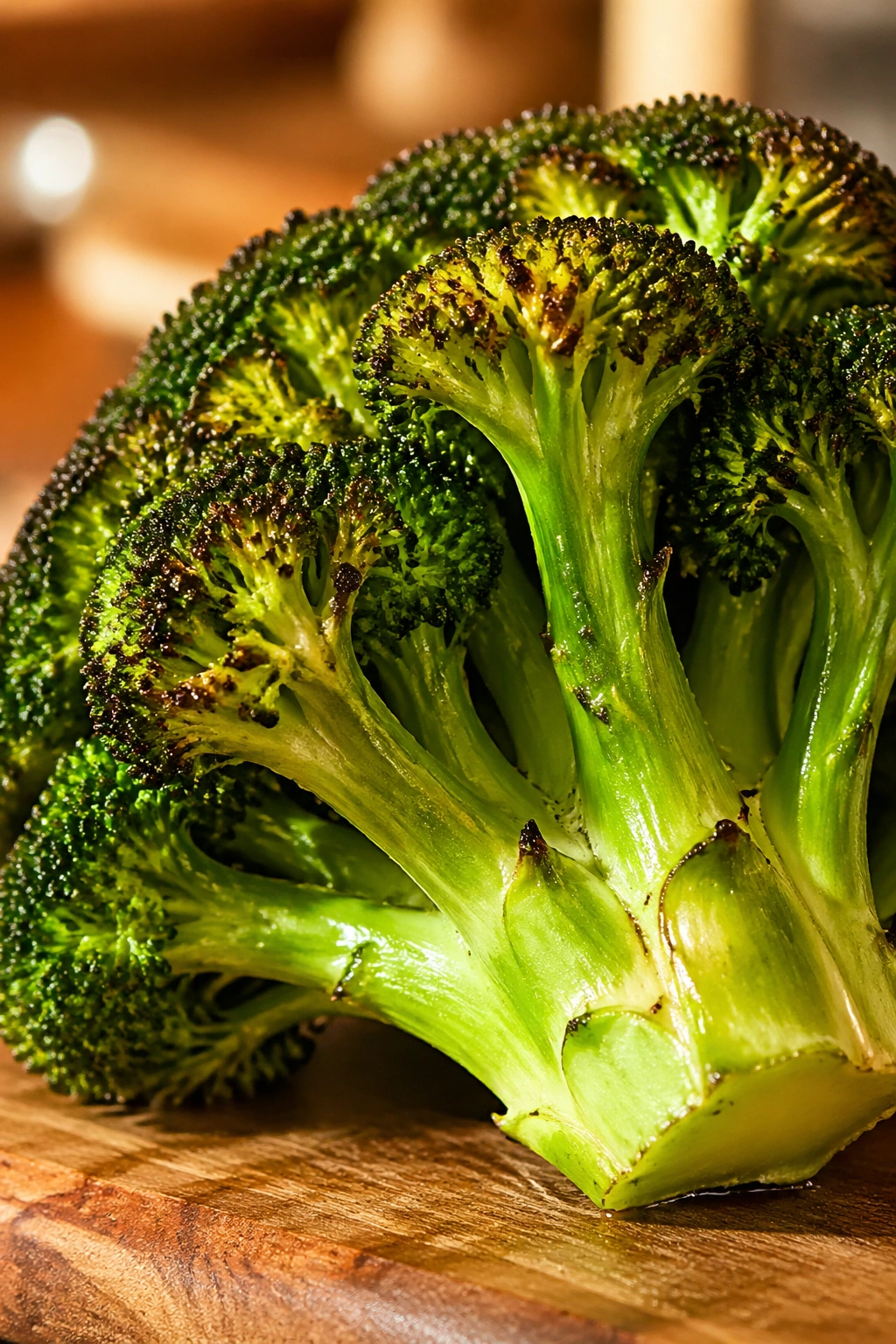
Broccoli is not the sexiest vegetable, and that is fine. It is one of the easiest ways to add a lot of food to a plate without adding many calories, which is exactly the kind of quiet help belly fat loss needs.
Steam it until it is bright green and tender-crisp, or roast it at 425°F until the edges turn brown and a little crunchy. Roasting changes the whole mood of the vegetable. It stops feeling like diet filler and starts tasting like actual food.
Broccoli also works well with strong flavors. Garlic, lemon, chili flakes, parmesan, soy sauce — all of them help. If plain broccoli has never done much for you, try it roasted with a little olive oil and salt first. That is usually the version people keep eating.
A big plate of broccoli under salmon or chicken makes dinner feel bigger without wrecking your calorie budget.
17. Quinoa
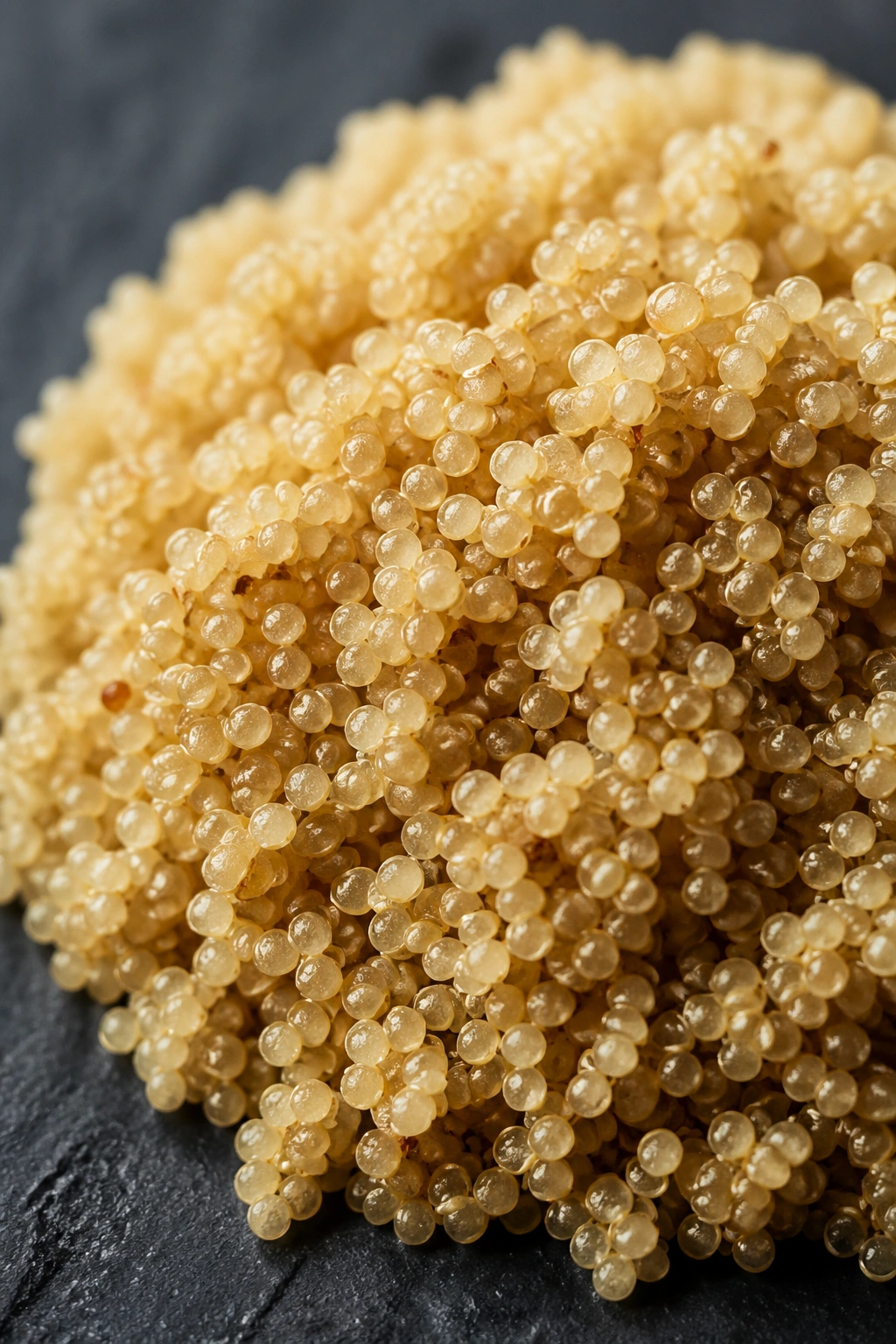
Quinoa is a better carb than white rice when you want a little more protein and a bit more chew. It is not a miracle grain. It is just a practical one.
A cup of cooked quinoa fits into bowls, salads, and meal prep boxes without making the meal too heavy. It works especially well for men who train hard and need some carbs that do not leave them crashing an hour later. The texture is slightly nutty and holds up better than mushy rice if you cook it right.
How It Stands Apart
Unlike plain pasta or white rice, quinoa brings a little more structure to a bowl. That can help with satiety. Rinse it first to remove the bitter coating, then cook it until the little spiral tail pops out.
Use it under grilled chicken, roasted vegetables, or a fried egg. It is also a decent base for lunch if you want a meal that keeps you from hunting for snacks all afternoon.
18. Lean Beef
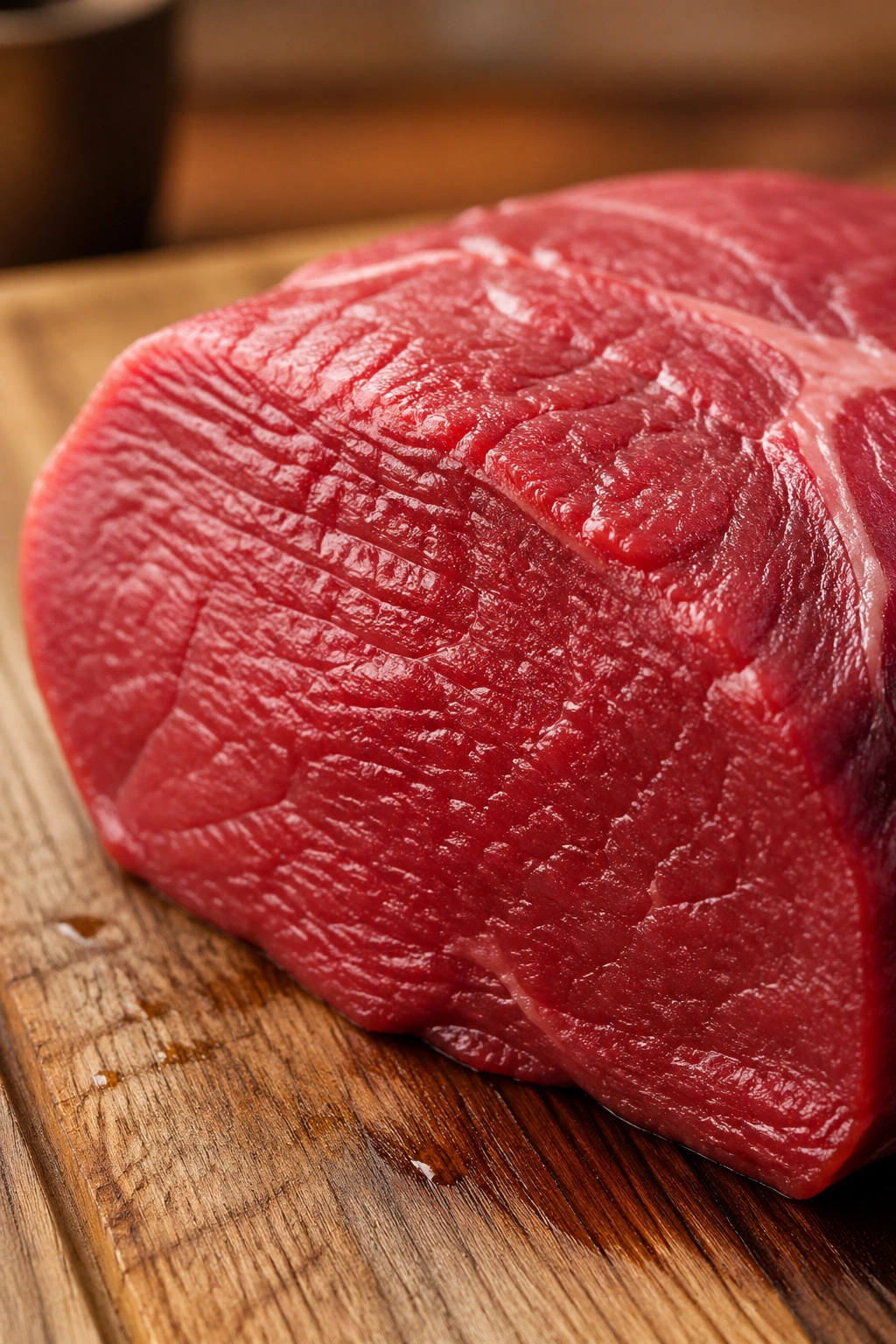
Lean beef earns its place because it gives you protein, iron, and a meal that feels substantial. For men who lift or spend long days on their feet, that matters more than people admit.
Choose 90/10 or 93/7 ground beef, or a lean steak portion around 4 to 6 ounces. That keeps the calories in check while still giving you the rich flavor beef is known for. Grill it, sear it, or make a skillet bowl with peppers and onions. Just do not drown it in cheese and call it health food.
The iron content can be useful if you feel flat during training, and the protein helps keep hunger under control. A lean beef dinner also tends to satisfy the urge for something hearty, which is where a lot of diets fall apart.
You do not need beef every day. Once or twice a week can make a big difference in how sustainable the whole thing feels.
19. Kefir
Kefir is a drinkable fermented dairy food that works well when you want protein without another fork-and-knife meal. That alone makes it useful for men who are tired, rushed, or not in the mood to cook.
A 1-cup serving of plain kefir gives you a tangy drink that can be sipped on its own or poured into a smoothie with berries and spinach. The texture is thinner than yogurt, which some people prefer. It is easier to get down fast after a workout, too.
The probiotic angle gets talked about a lot. Fair enough. Gut comfort matters. But the bigger win for fat loss is still the protein and the fact that plain kefir replaces sweet drinks that do nothing for fullness.
Buy the unsweetened version if you can. Flavored kefir often carries more sugar than people realize.
20. Tofu
Tofu is one of those foods men dismiss too fast, usually because they think it is bland or too soft. That misses the point. Tofu is a protein sponge. It takes on the flavor of whatever you cook with it.
Press a block for 15 to 20 minutes, cube it, and bake, pan-fry, or air-fry it until the edges are firm and golden. That texture matters. Soft tofu can feel awkward in a stir-fry, but browned tofu is a different story.
What It Brings to the Table
- A useful protein base for bowls and stir-fries
- A lower-calorie swap for fattier meats in some meals
- A fast way to stretch vegetables into something more filling
- A good fit for soy sauce, garlic, ginger, and chili paste
If the soy myth bugs you, put it aside. What matters for belly fat is total calories, protein, and whether you can keep the meal on repeat. Tofu answers that test pretty well.
21. Sardines
Sardines are small, oily, and packed with more nutrition than their size suggests. They are also one of the cheapest shelf-stable proteins around, which makes them oddly useful for fat loss.
A tin of sardines gives you protein, omega-3 fats, and, if you eat the bones, calcium too. The flavor is strong, so they are not a universal favorite. But on toast with mustard and lemon, or flaked into a salad, they work.
They are a smart pantry backup for nights when you were going to order takeout. That alone makes them valuable. A tin of sardines is faster than delivery and easier on the waistline.
If you have never liked them straight from the can, start with a more dressed-up version. Tomatoes, capers, red onion, black pepper. That helps.
22. Sweet Potatoes
Sweet potatoes are a better carb choice than fries because the form matters. Roast, bake, or boil them and you get a filling starch that fits neatly into a fat-loss plan. Fry them and the calorie count jumps fast.
A medium sweet potato gives you enough substance to anchor lunch or dinner without turning the plate into a carb flood. It pairs well with chicken, salmon, lean beef, or tofu. That combination of carb plus protein tends to work better than either one alone when you are trying to stay full.
Why They Help
Sweet potatoes also have enough natural sweetness to scratch the craving for something rich. That can reduce the urge to follow dinner with dessert. Bake one with the skin on, split it open, and add cinnamon or a small pat of butter if you need the meal to feel complete.
The key is portion and cooking method. A baked sweet potato is food. A basket of sweet potato fries is a different story.
23. Brussels Sprouts
Brussels sprouts become a different vegetable when you roast them hot enough. At 425°F for about 20 to 25 minutes, the outer leaves crisp, the centers soften, and the whole pan smells nutty instead of bitter.
That matters because men are more likely to keep eating vegetables that taste like food, not punishment. Brussels sprouts bring fiber and volume, so a serving can fill a big gap on the plate without adding many calories. Slice them in half, toss with a little olive oil, salt, and pepper, and roast until the cut sides are browned.
A small amount of oil is enough. Too much and the calories climb without adding much more satisfaction. That’s the trap with vegetables that people “improve” too aggressively.
These are excellent with salmon or lean beef. Strong flavor, crisp edges, good bite. Hard to argue with that.
24. Plain Popcorn
Can popcorn help with belly fat loss? Surprisingly, yes — if you keep it plain. Air-popped popcorn gives you a lot of volume for a modest calorie hit, which is the same reason high-fiber foods work so well.
A 3-cup serving can feel like a real snack, especially when you want something crunchy in front of the TV. That is where popcorn earns its keep. It replaces chips without making you feel like you are eating rabbit food. Use a light sprinkle of salt, maybe smoked paprika, and stop there.
How to Keep It Useful
- Air-pop it instead of soaking it in oil
- Skip the caramel and kettle versions
- Measure the portion before you start eating
- Use it as a planned snack, not a free-for-all
It is not a protein food, so do not pretend it is. It is a better snack shape than most snack foods, and that still matters.
25. Pumpkin Seeds
Pumpkin seeds are easy to overlook because they are small and quiet. That is almost the point. A 1-ounce serving gives you crunch, a little protein, magnesium, and enough fat to make a snack feel finished.
They work well on salads, yogurt, and roasted vegetables. You can also eat them straight, though the portion goes fast if you are not paying attention. Like nuts, they are calorie-dense enough to deserve a measured scoop. The upside is that you do not need many to get a lot of flavor.
Men who train hard often do well with foods that bring a bit of magnesium and zinc into the day, and pumpkin seeds fit that bill without much fuss. They are also useful when you want a crunchy topping but do not want croutons or chips stealing the show.
A small handful can keep you from reaching for worse snacks later. That is the real game here. Not magic. Just better choices that are easy to repeat.
