



Belly fat tips get oversold all the time, and most of the noisy advice misses the boring stuff that actually changes a waistline: fewer liquid calories, more walking, better sleep, and a little less food chaos.
Seven days is not enough to melt a whole layer of body fat. It is enough to feel less puffy, get more movement into the day, and kick-start a routine that keeps working after the week is over. That matters more than any promise wrapped in gym slang.
Crunches won’t carve fat off your stomach by themselves. A hundred sit-ups can leave your abs tired and your waist unchanged, which is why the smarter move is to combine weight loss workouts with food changes, recovery, and a few habits that lower bloating fast.
Small, repeatable changes win here. Not flashy ones. The next few sections lean hard on that idea, because the fastest way to waste a week is to chase some dramatic fix and ignore the habits that actually move the needle.
1. Start With a Small Calorie Deficit for Belly Fat
Cranking up workouts while eating the same way is a classic stall. You can absolutely train hard and still keep belly fat hanging around if your food intake stays too high.
What a Real Deficit Looks Like
A useful deficit is small enough that you can keep it going for seven days without feeling wiped out. For most people, trimming 250 to 500 calories a day is a cleaner target than trying to starve through meals and then raiding the pantry at night.
That can look ordinary. Skip one sweet coffee drink, shave a half-cup of rice from dinner, or swap a heavy snack for Greek yogurt and berries. None of that feels dramatic, and that is the point.
- Cut one sugary drink, which can save 150 to 250 calories fast.
- Reduce starch portions by about one fist at one meal.
- Keep protein steady so hunger doesn’t spike two hours later.
- Stop eating from packages. Plate the food.
Best move: start by removing one thing you barely notice and one thing you eat out of habit. That is usually easier to hold than a huge food overhaul.
2. Take a 10-Minute Walk After Each Meal
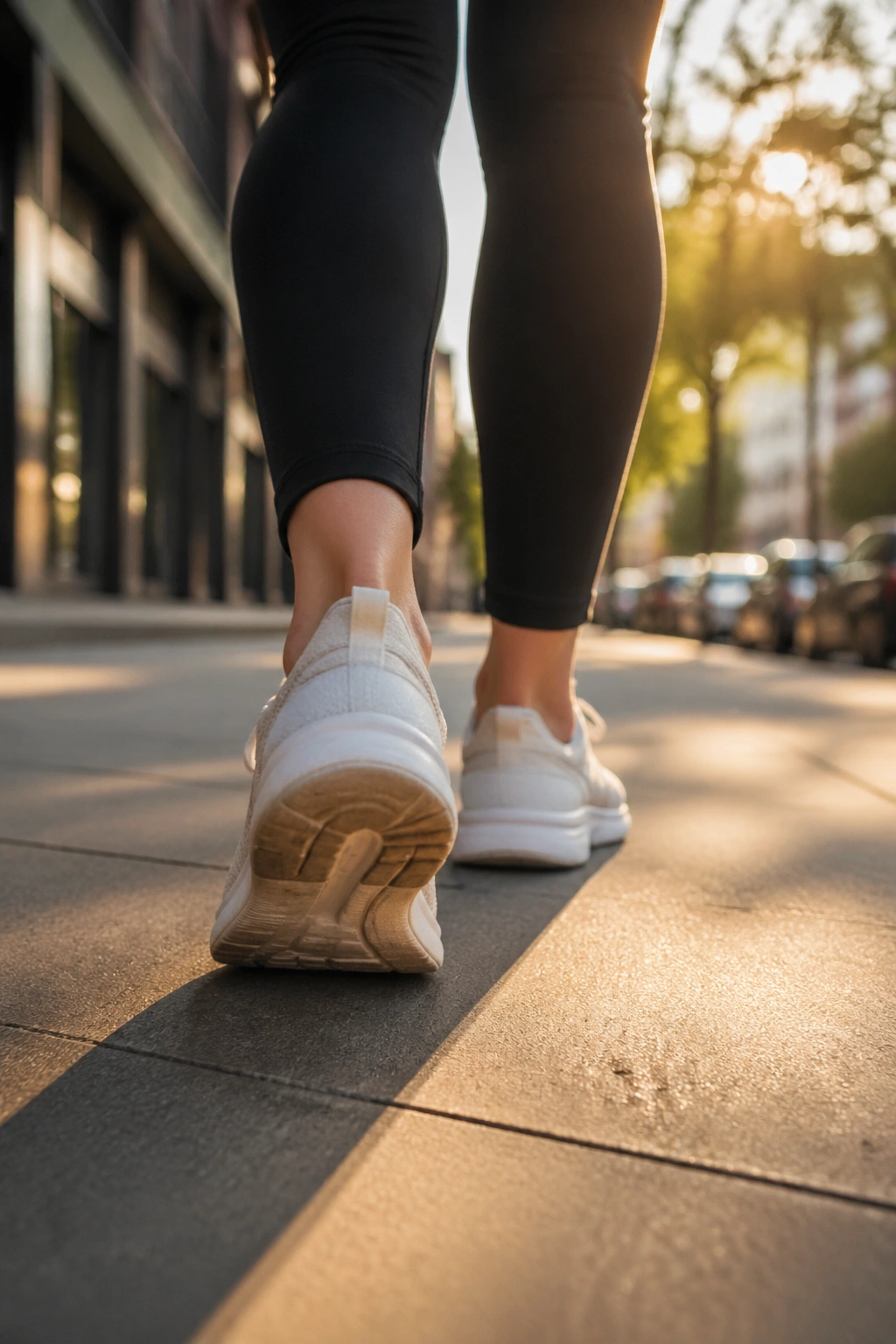
Why does such a tiny walk matter so much? Because it is easy to repeat, and easy wins tend to beat heroic plans that fall apart by day three.
A brisk 10-minute walk after breakfast, lunch, or dinner helps you stack movement without needing a gym window. It also keeps you from sinking into the couch right after eating, which is when a lot of mindless snacking starts.
How to Use It
- Walk at a pace that makes talking easy but not lazy.
- Aim for 10 to 15 minutes after meals.
- Keep the route simple: around the block, stairs in the building, or a loop through the office.
- If dinner is late, even 7 minutes is better than nothing.
The best part is how little friction it has. You do not need shoes, a playlist, or a change of clothes. You just need to stand up and go.
3. Build a Step Floor You Can Actually Hit
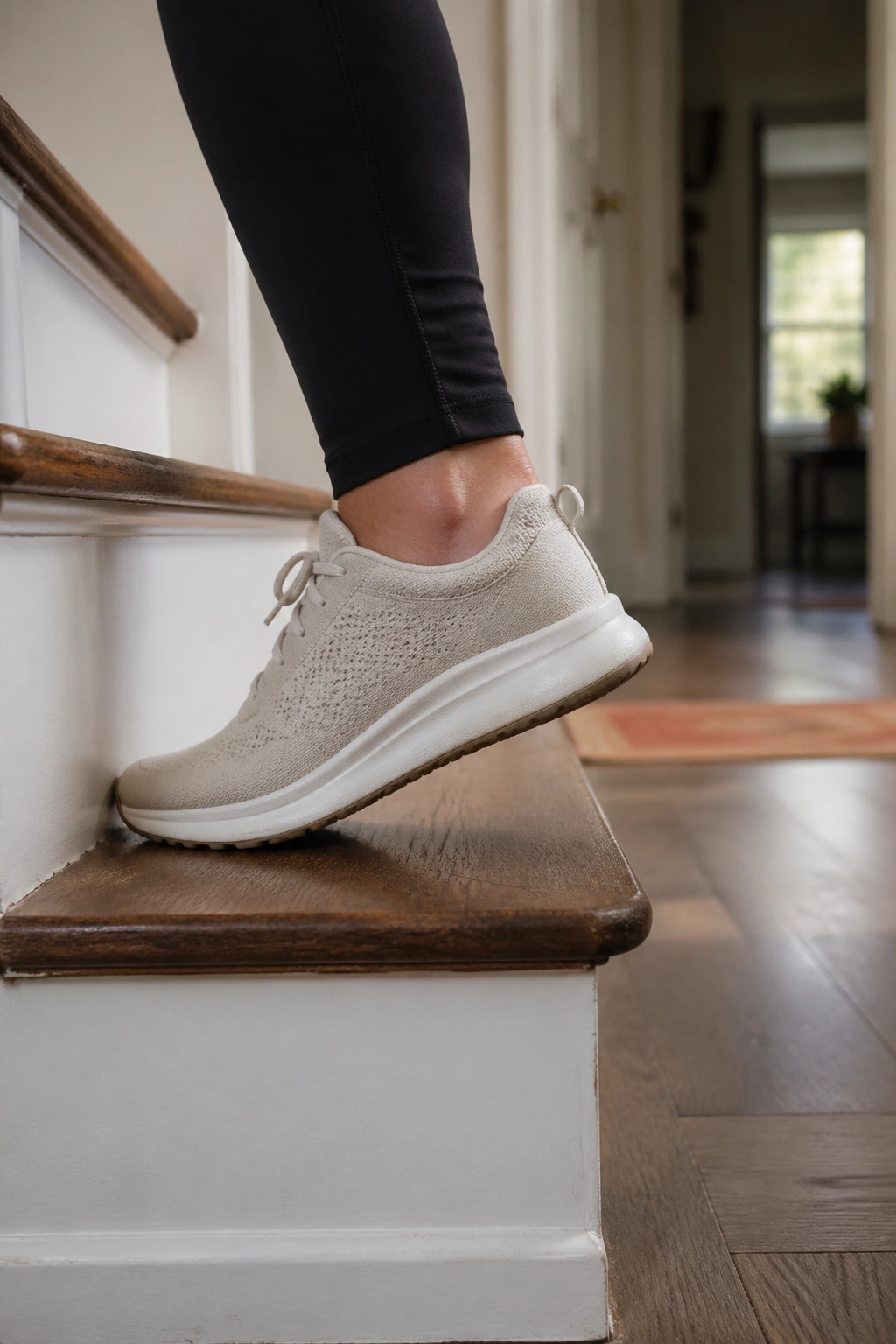
Picture a normal day: a desk, a car, a few errands, and a whole lot of sitting. That kind of day can feel productive and still leave your body moving almost none.
A step floor fixes that. Instead of treating steps like a bonus, set a number you expect to hit even on an average day. For many people, 7,000 to 10,000 steps is a useful range, but the real target is the one you can repeat without groaning about it.
The trick is to spread the steps around. Take calls while pacing. Park farther away. Walk the long way to the restroom. Nothing fancy.
- 5-minute walks before work and after lunch.
- Stairs for one or two trips a day.
- A loop after dinner while the kitchen is still closed.
- Standing and pacing during phone calls.
That daily movement burns more than people think, and it helps the rest of the week feel less rigid. Boring? Sure. Effective? Also yes.
4. Lift Weights on Three Nonconsecutive Days
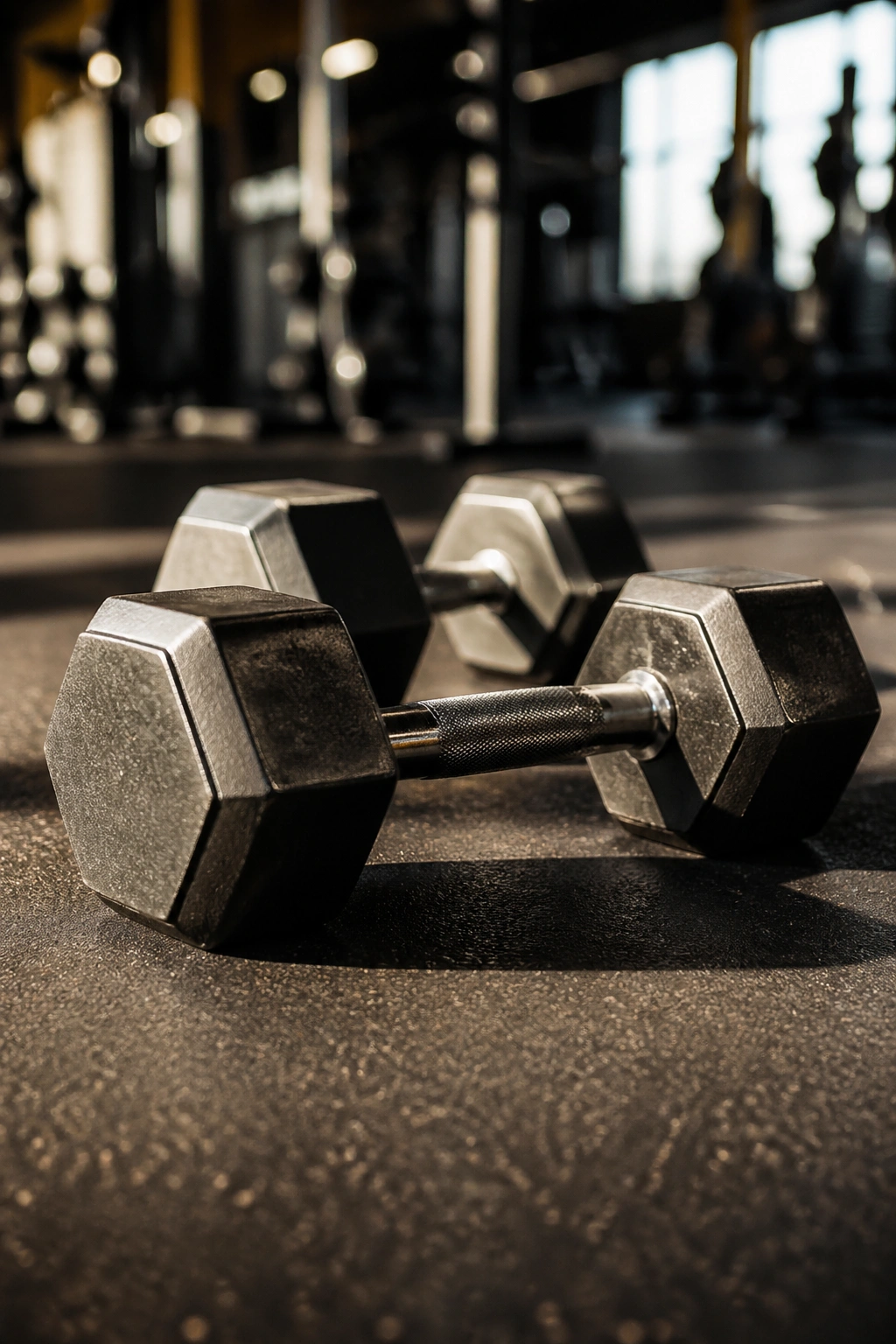
Strength training is one of the best belly fat tips because it changes what happens while you lose weight. You are not just shrinking. You are trying to keep muscle, which helps your body look firmer as fat comes off.
Three full-body sessions across a week is enough for a strong start. Think squats or leg presses, rows, presses, and a hip hinge like a deadlift pattern. You do not need a marathon in the gym. Thirty to 45 minutes done with purpose beats wandering around for an hour.
The rep range matters less than people make it sound. Most beginners do well with 2 to 4 sets of 6 to 12 reps on the big lifts, using a weight that feels challenging by the last few reps. If you can chat through the whole set, it is too light.
I’d rather see you do three real sessions than seven half-hearted ones. That is the blunt version. Your waistline does not care how many machines you touched.
5. Do One Short Interval Session
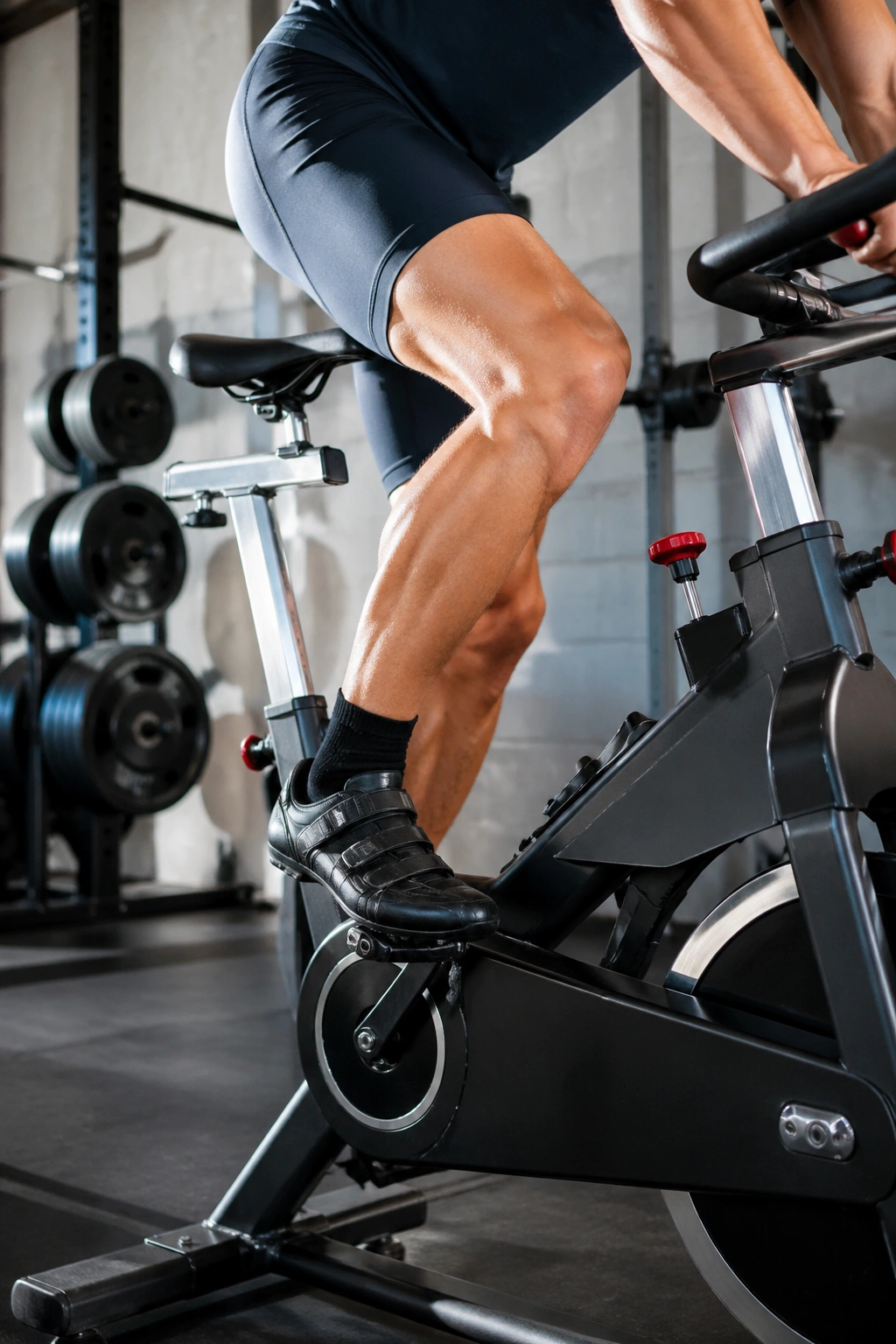
Short intervals beat long promises. A single hard session can raise your breathing rate, burn a decent chunk of calories, and leave you with a clearer sense of what effort feels like.
You do not need a punishing setup. Try 30 seconds hard, 90 seconds easy, repeated for 8 to 10 rounds on a bike, rower, incline walk, or even hills outside. The hard parts should feel sharp, not sloppy. The easy parts should let your breathing come back down.
Keep the session short enough that you can recover from it. If it wrecks your legs for two days, it was probably too much for a seven-day reset.
The practical move is simple: pick one day, do one interval workout, and keep the rest of the week easier. That way the session adds momentum instead of stealing it.
6. Train Your Core for Bracing, Not Just Burn

Unlike endless crunches, smart core work trains the trunk to hold position while you move, lift, walk, and stand. That can make your midsection look tighter even before major fat loss shows up.
What Makes This Different
Bracing is the skill of tightening your midsection like you are about to get bumped. It is not about squeezing your abs until your neck hurts. It is about teaching your torso to stay stable when your arms and legs do the work.
Good choices include dead bugs, side planks, bird-dogs, and farmer carries. Those moves ask your core to resist motion, which is closer to how the body works in real life than a pile of fast sit-ups.
How to Get the Most From It
- Do 2 to 3 rounds after a workout.
- Hold planks for 20 to 40 seconds, not forever.
- Carry weights for 30 to 60 seconds while standing tall.
- Stop each rep before form breaks.
If your lower back takes over, back off. If your neck starts doing the work, reset. The goal is tension with control, not suffering for show.
7. Put Protein on Your Breakfast Plate
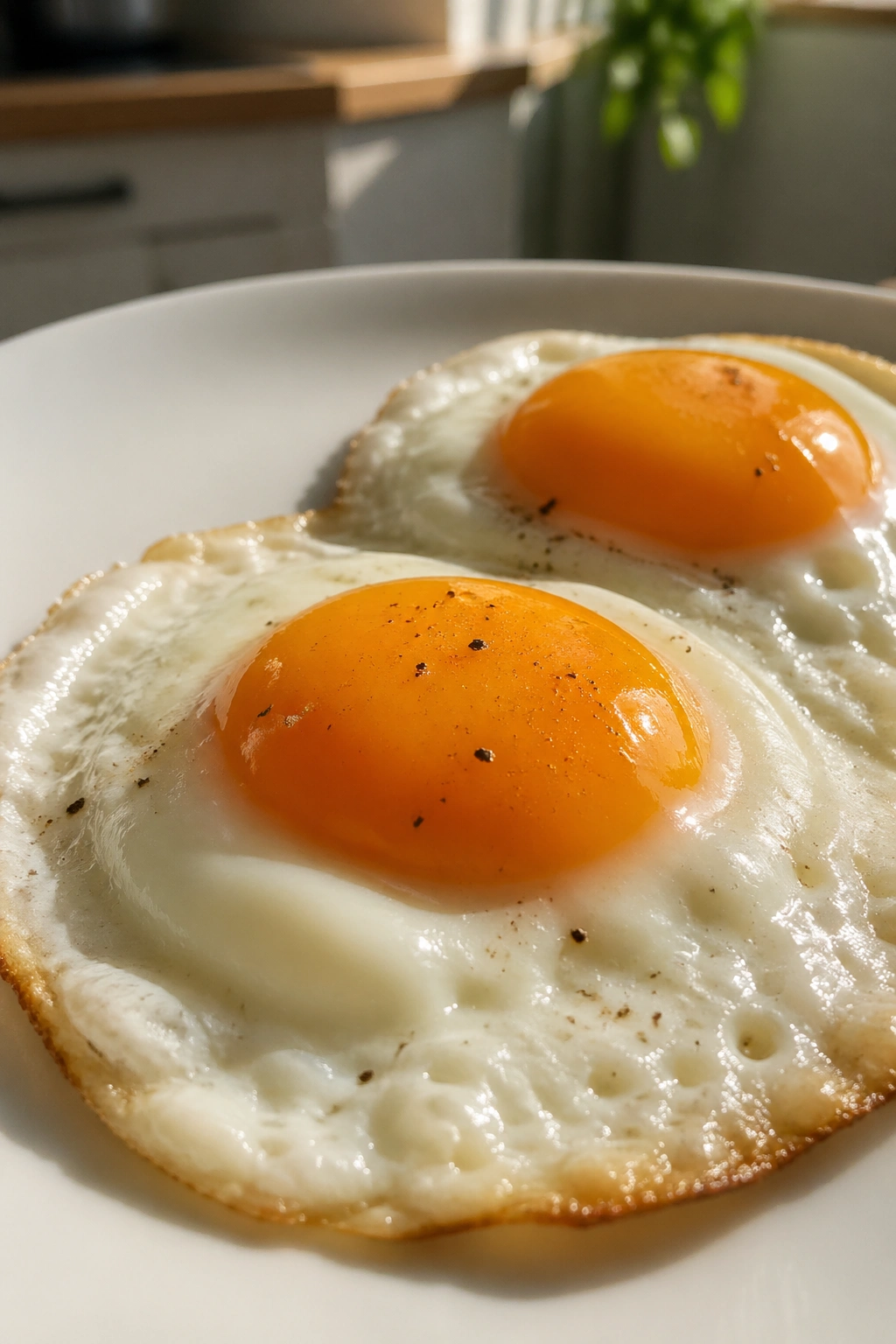
Why start with breakfast? Because a shaky morning often turns into a snack-heavy afternoon, and that is where a lot of calorie creep sneaks in.
Protein helps with fullness, and it also gives your first meal more staying power. Aiming for 25 to 35 grams at breakfast is a useful target for many adults. That might be eggs and cottage cheese, Greek yogurt with seeds, tofu scramble, or a protein shake paired with fruit.
The details matter here. A bowl of cereal can be fine, but a bowl of cereal plus some milk is not the same as a breakfast that keeps hunger quiet until lunch.
How to Use It
- 2 to 3 eggs plus Greek yogurt on the side.
- Cottage cheese with berries and chia seeds.
- Tofu scramble with vegetables and toast.
- Protein oats made with milk, not water.
If breakfast usually disappears, start small. A plain yogurt cup and a boiled egg is enough of a shift to change the rest of the day.
8. Put Fiber on Every Plate
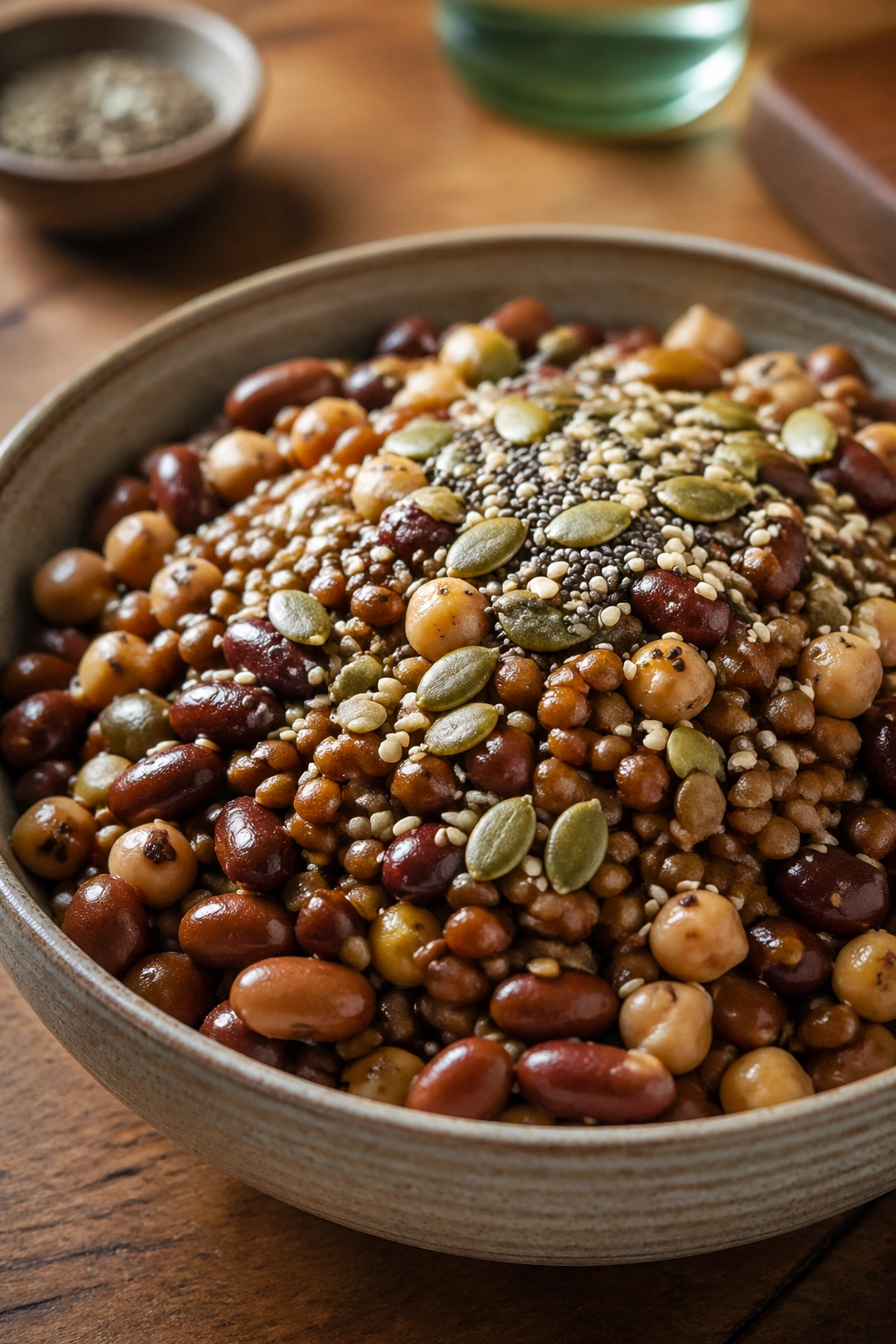
A lot of people think belly fat tips mean eating less all the time. I’d rather see you eat smarter. Fiber gives you volume, slows digestion, and helps meals feel like meals instead of snacks with a fork.
Beans, lentils, berries, oats, chia, vegetables, and whole grains all pull their weight here. The target that gets tossed around most often is 25 to 38 grams a day, though even moving up by 5 to 10 grams can make a week feel different.
Do not jump from low fiber to a giant salad bar overnight if your stomach is touchy. That can backfire with gas and bloating, which is the opposite of what you want.
- Add one cup of vegetables at lunch.
- Use beans in one dinner meal.
- Eat berries instead of a pastry once a day.
- Drink water with high-fiber meals.
That last part matters. Fiber without fluids can leave you feeling stuffed in the wrong way.
9. Cut Sugary Drinks for Seven Days
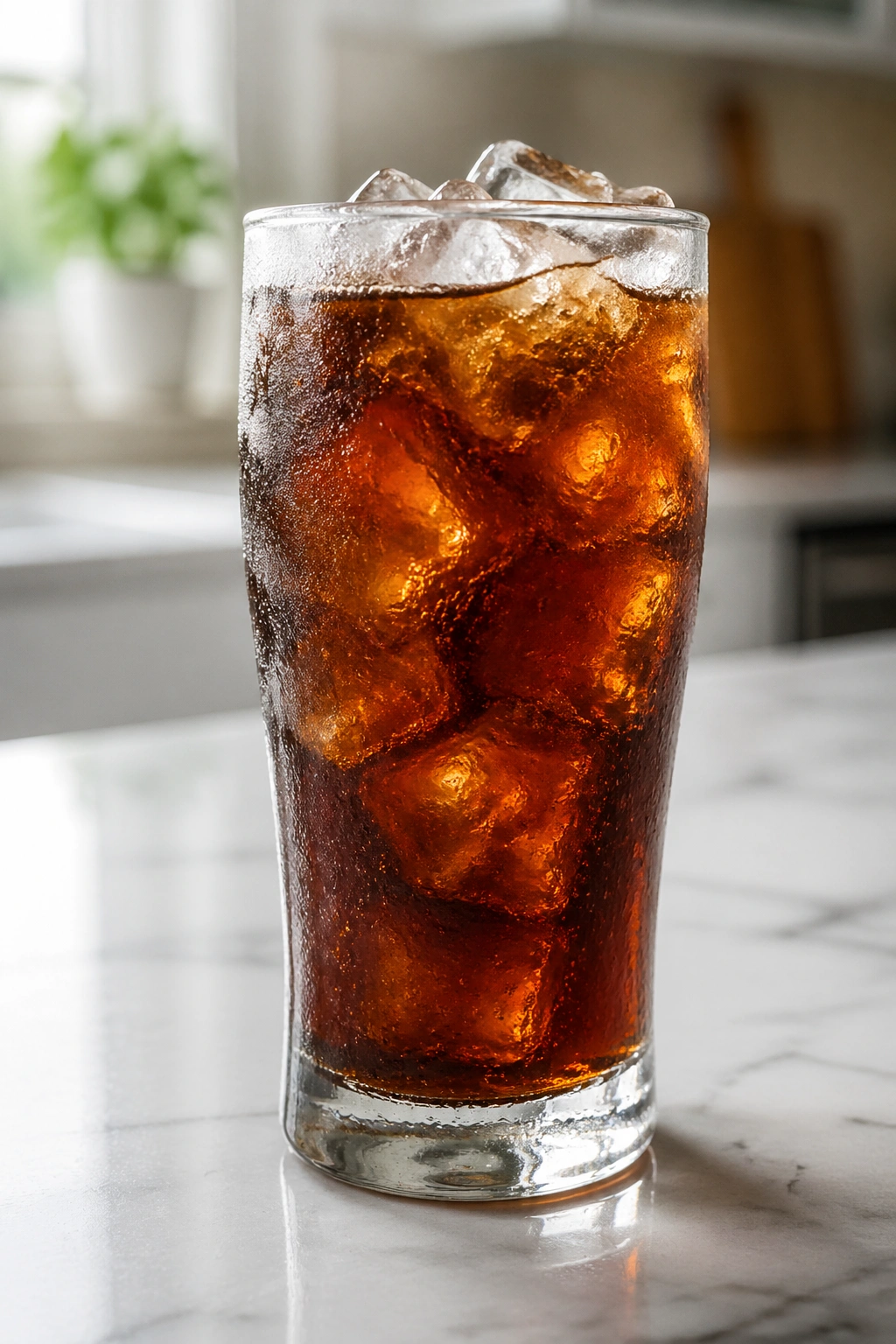
This is one of the fastest fixes available. A regular soda, sweet coffee drink, bubble tea, juice, or energy drink can pack calories fast, and those calories do not fill you up the way food does.
A 12-ounce soda can carry around 35 to 40 grams of sugar. That is a lot of sugar to swallow in ten seconds. Swap that habit for sparkling water, unsweetened tea, black coffee, or plain water with lemon, and you create room for actual food.
The best part is that this change does not ask for much discipline during the day. You either order the drink or you do not. That makes it easier than changing every meal.
If you hate plain water, fine. Use ice, citrus, mint, or a splash of juice. Keep it boring enough that you can repeat it.
10. Keep Alcohol Out of the Week

Alcohol sneaks in calories, loosens food control, and tends to mess with sleep quality. That trio is rough on belly fat goals, even if the drinks themselves do not look huge on paper.
A glass of wine, a beer, or a mixed drink can seem harmless until the snack platter appears and the evening stretches out. Then the total climbs fast. A week off gives your body a cleaner shot at lower calorie intake and better recovery.
There is also the water-retention piece. Some people wake up looking and feeling puffier after drinking, even when the scale does not move much. That can be discouraging if you are checking your waist every morning.
Skip alcohol for seven days and see what changes. Energy, sleep, and appetite often look better before the scale does.
11. Sleep 7 to 9 Hours and Treat It Like Training

Can sleep really change belly fat progress? Yes, because a short night tends to make food decisions worse, workouts feel harder, and cravings louder.
You do not need a perfect bedtime ritual. You need enough dark, quiet time to get 7 to 9 hours most nights. If your usual pattern is six hours and a scrambled morning, that alone can drag down the whole week.
What to Change Tonight
- Put the phone away 30 to 60 minutes before bed.
- Keep the room cool and dark.
- Stop caffeine late in the day.
- Set a regular wake-up time.
A one-night fix is not the point. The point is giving your body a week where hunger feels less feral. That makes every other tip easier to hold.
12. Cut Late-Night Grazing
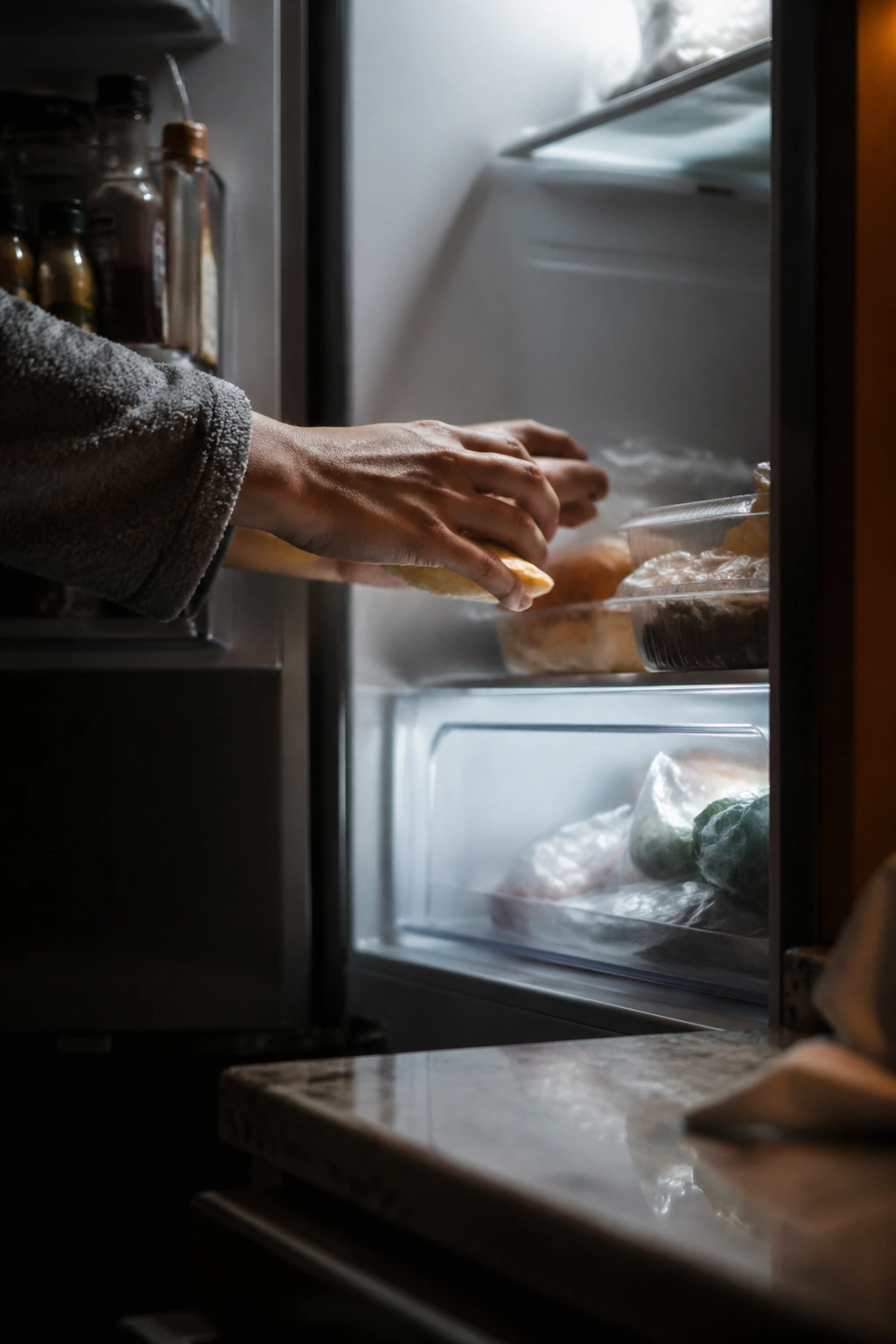
Late-night eating usually has less to do with hunger and more to do with habit, boredom, or the need for one more little hit of comfort. That is why the habit is sneaky.
A useful trick is to give the evening a finish line. Brush your teeth after the last meal. Make tea. Put the kitchen in “closed” mode and keep snacks out of reach. Small rituals matter because they interrupt autopilot.
What to Watch For
- Eating because the TV is on.
- Standing in front of the fridge without a plan.
- Picking at food while cleaning up.
- Telling yourself you are “just having a bite” three times.
If you are genuinely hungry, have something small and protein-rich. If you are not, end the kitchen drift. That one boundary can save more calories than another hard workout burns.
13. Use Smaller Plates and Pre-Portion Snacks
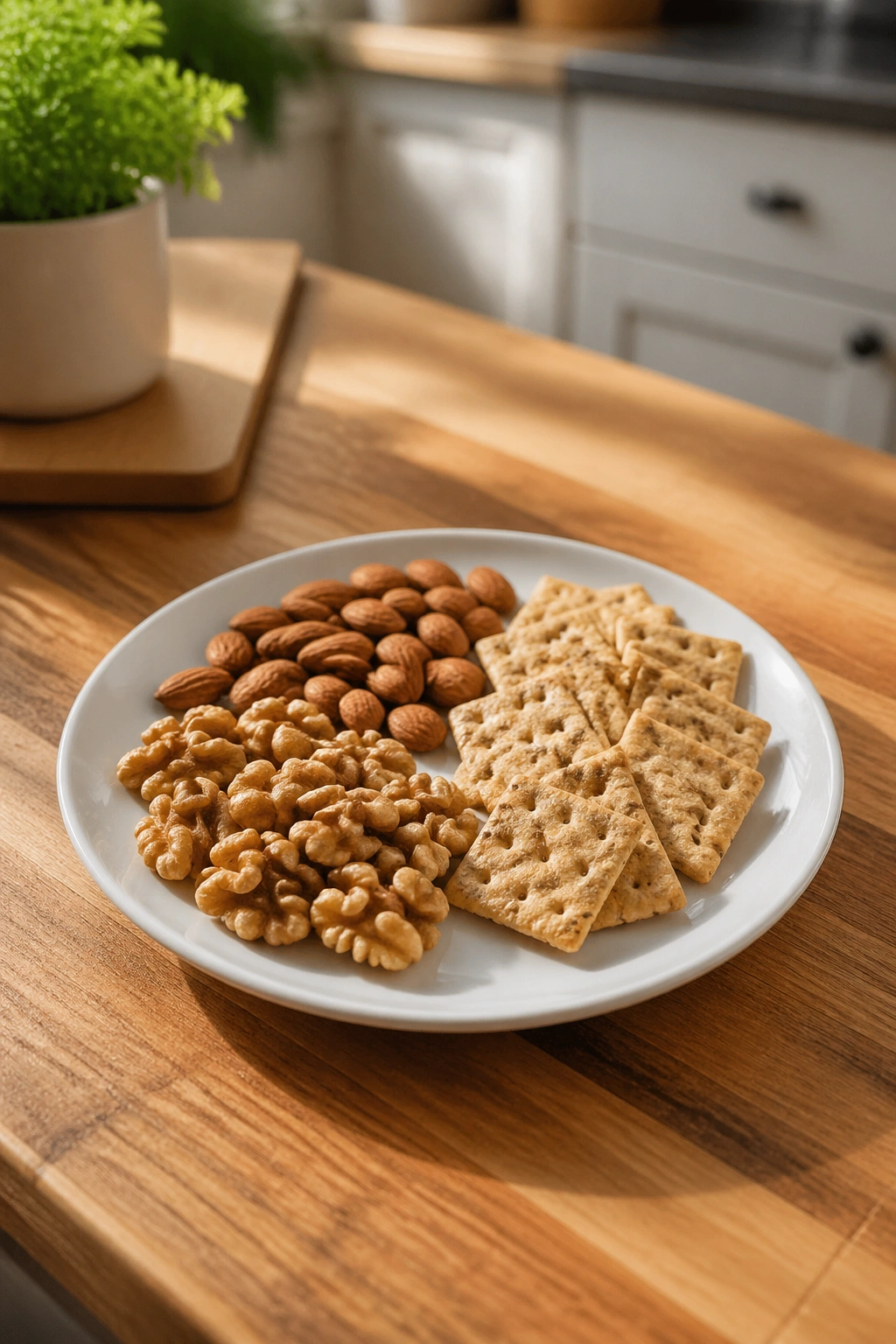
A giant bowl can make a normal portion look tiny. A smaller dish does the same food with less visual pressure, and that weirdly matters more than it should.
This is one of those cheap tricks that works because humans eat with their eyes first. A 9-inch plate often feels more satisfying than a 12-inch plate loaded the same way. Pre-portioning snacks into a bowl or small container does the same job with nuts, chips, crackers, or trail mix.
Unlike eating from the bag, pre-portioned food gives you a stopping point. That is the whole game.
Use this especially with foods that are easy to overdo:
- Nuts.
- Cheese.
- Crackers.
- Granola.
- Dried fruit.
No need to ban them. Just stop asking your willpower to fight a giant bag on the couch.
14. Break Up Long Sitting Every 30 to 45 Minutes

Sitting for hours at a time makes the day feel sticky. Your body gets stiff, your energy dips, and it becomes easier to treat a sugary snack like a reward.
The fix is not a fancy mobility routine. Stand up every 30 to 45 minutes and move for 2 to 5 minutes. Walk to refill your water. Climb a flight of stairs. Do 10 bodyweight squats. That tiny break helps keep the day from turning into one long sitting contest.
A standing desk can help, but it is not a magic answer. Moving more often is the real point. Sitting less and walking a little more can be enough to make the week feel different.
If your job pins you to a chair, set a timer. Human memory is sloppy. Timers are better.
15. Use 5 Minutes of Slow Breathing to Lower Stress Snacking

Why does breathing matter for belly fat? Because stress often shows up as food noise, and food noise leads to extra bites that do not count as meals.
Try 5 minutes of slow breathing before dinner or right after work. Inhale for 4 counts, exhale for 6 counts, and keep the shoulders soft. That longer exhale helps your body shift out of the day’s push-pull rhythm.
You do not need incense, a mat, or a quiet studio. A chair and a door that closes are enough.
How to Do It
- Sit with both feet on the floor.
- Breathe through the nose if you can.
- Keep the exhale longer than the inhale.
- Stop when your jaw and shoulders feel less tight.
That small reset can keep stress from turning into a snack raid. It is not glamorous. It works.
16. Choose Slower Carbs Over White-Flour Snacks
A croissant and a pile of crackers do not behave like the same food group once they hit your afternoon hunger. One tends to disappear fast and leave you looking for more.
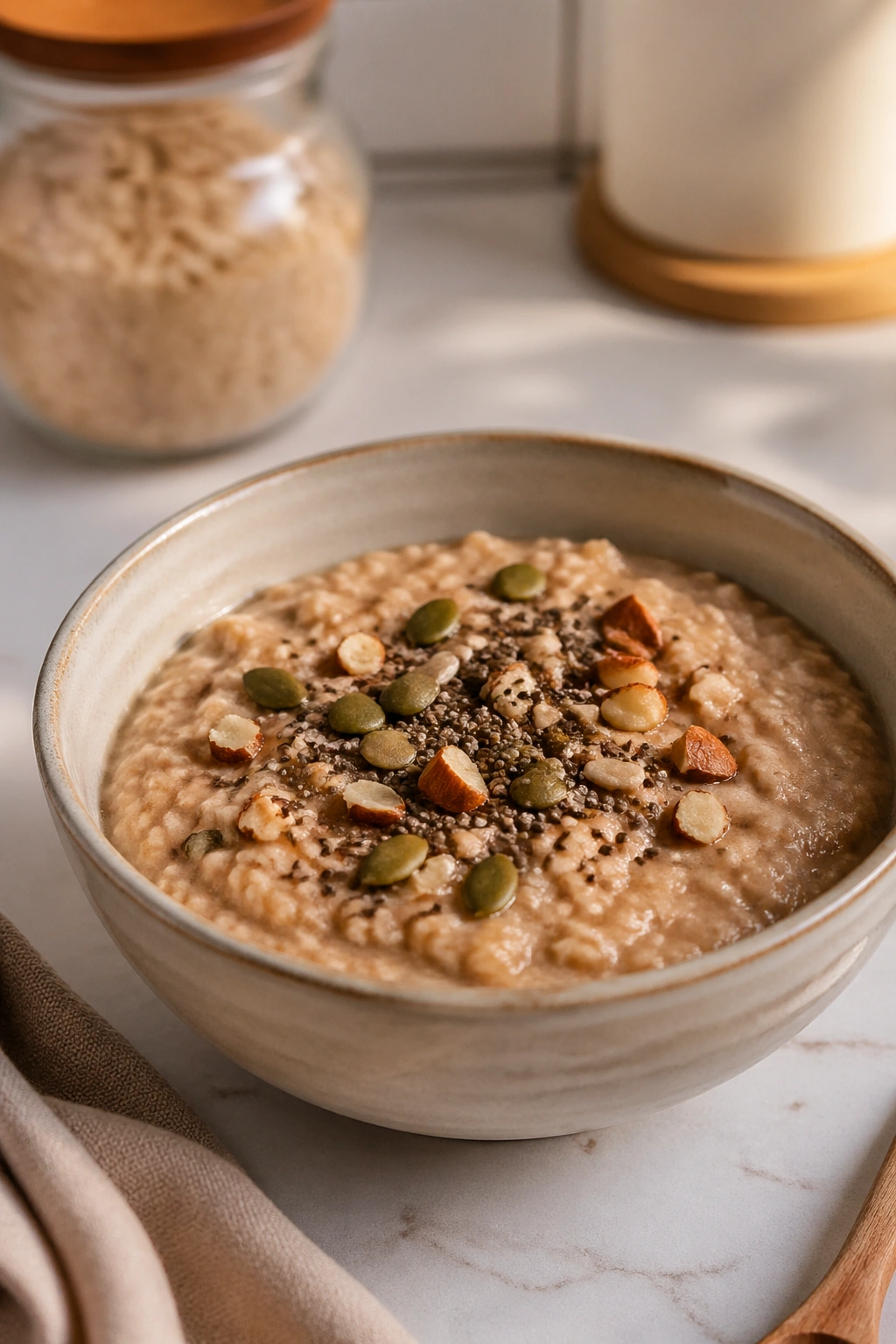
Choose carbs that come with fiber and a little structure: oats, potatoes, beans, brown rice, fruit, whole-grain bread, or corn tortillas. These foods usually sit better in a meal because they bring more chew, more volume, and more staying power.
What to Watch For
- White bread that turns into two sandwiches.
- Pastries that leave you hungry an hour later.
- Crackers eaten straight from the box.
- Rice or pasta without protein and vegetables.
Pairing matters too. Slower carbs work best with protein and fiber, not alone. A potato with chicken and broccoli is a different animal from a bowl of chips at 4 p.m.
That one detail can turn a vague “eat better” goal into something you can actually do.
17. Eat Vegetables First at Lunch and Dinner
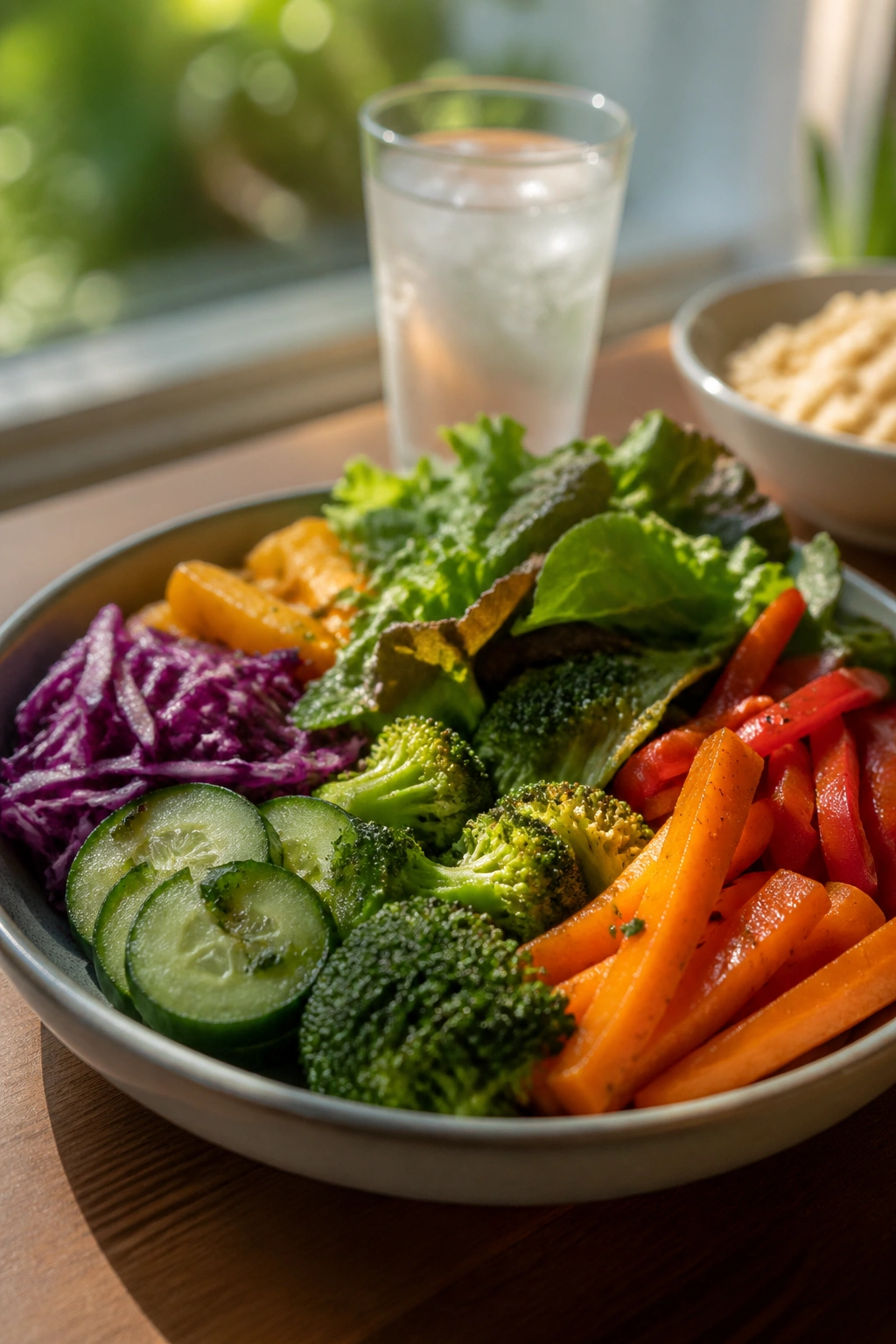
A simple order change can help more than people expect. Start the meal with vegetables, then move to protein, then eat the starch or richer part last.
That sequence gives your stomach volume early, which can make the rest of the plate feel less urgent. A salad, roasted broccoli, cucumber slices, sautéed greens, or plain vegetables with seasoning all work. The texture does not need to be fancy.
I like this tip because it does not ask you to eat less food in the abstract. You are still eating the meal. You are just changing the order, and that tiny shift often trims mindless overeating.
If you eat out, ask for vegetables first or split the entrée into two parts on the plate. Not glamorous. Very useful.
18. Watch Salt-Heavy Meals and Ultra-Processed Foods
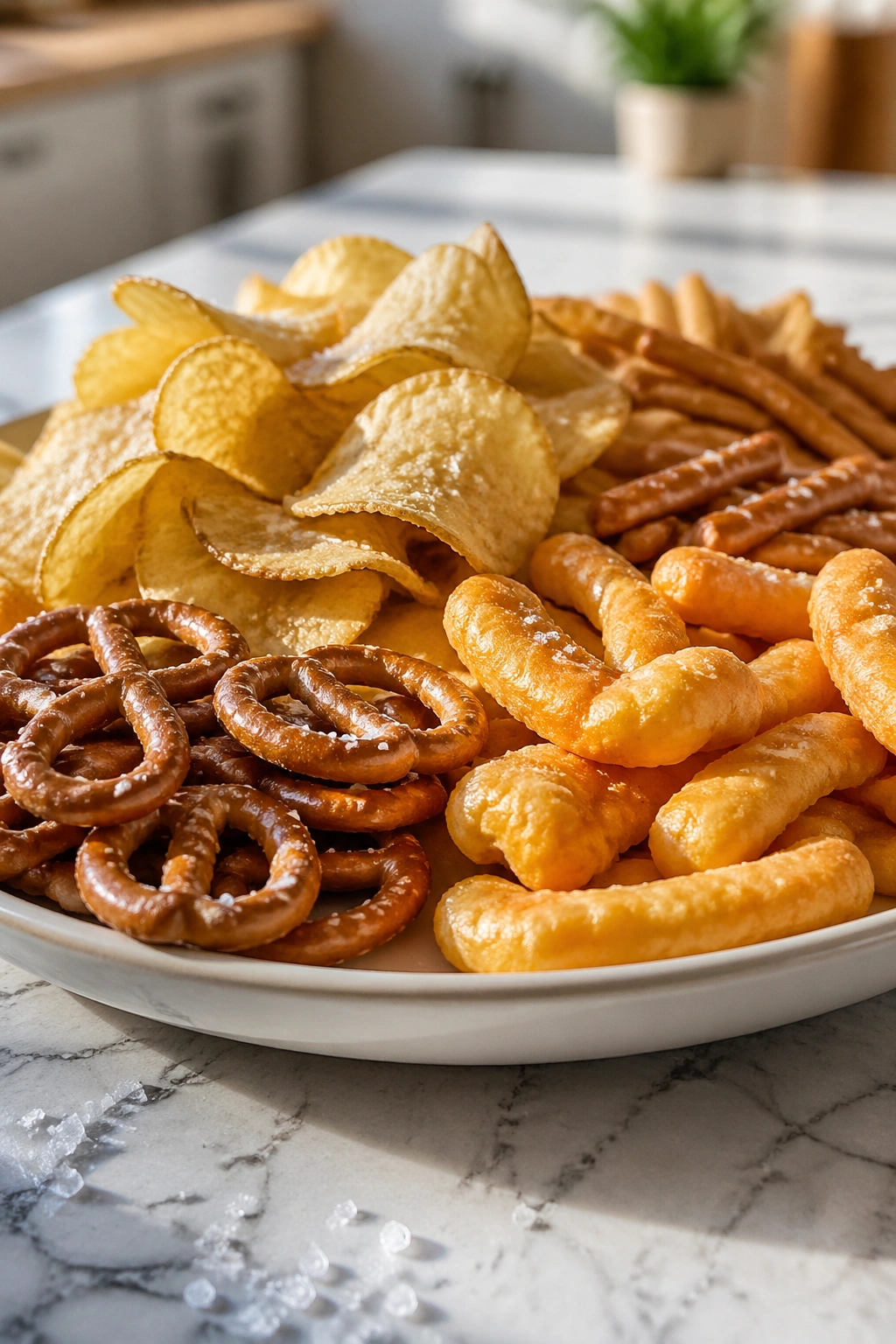
A salty restaurant meal can leave your waist feeling tighter the next morning, even if you did not gain fat overnight. That is water retention, not magic.
Where the Puffiness Comes From
Frozen dinners, deli meats, chips, pizza, fast food, sauces, and packaged snacks tend to carry a lot of sodium. None of those foods is forbidden. Still, stacking them all week can make you feel bloated and sluggish, which is a bad combo when you are watching belly fat.
A smarter move is to keep at least one meal a day simple: grilled protein, vegetables, fruit, potatoes, rice, or another plain side. Home cooking makes sodium easier to control because you can season food yourself instead of guessing.
- Choose fresh or frozen vegetables over heavily sauced sides.
- Keep packaged snacks to one portion.
- Rinse canned beans if they are very salty.
- Ask for sauces on the side when eating out.
That kind of cleanup can change how your stomach looks and feels in just a few days.
19. Track Waist, Bloat, and Scale Weight Separately
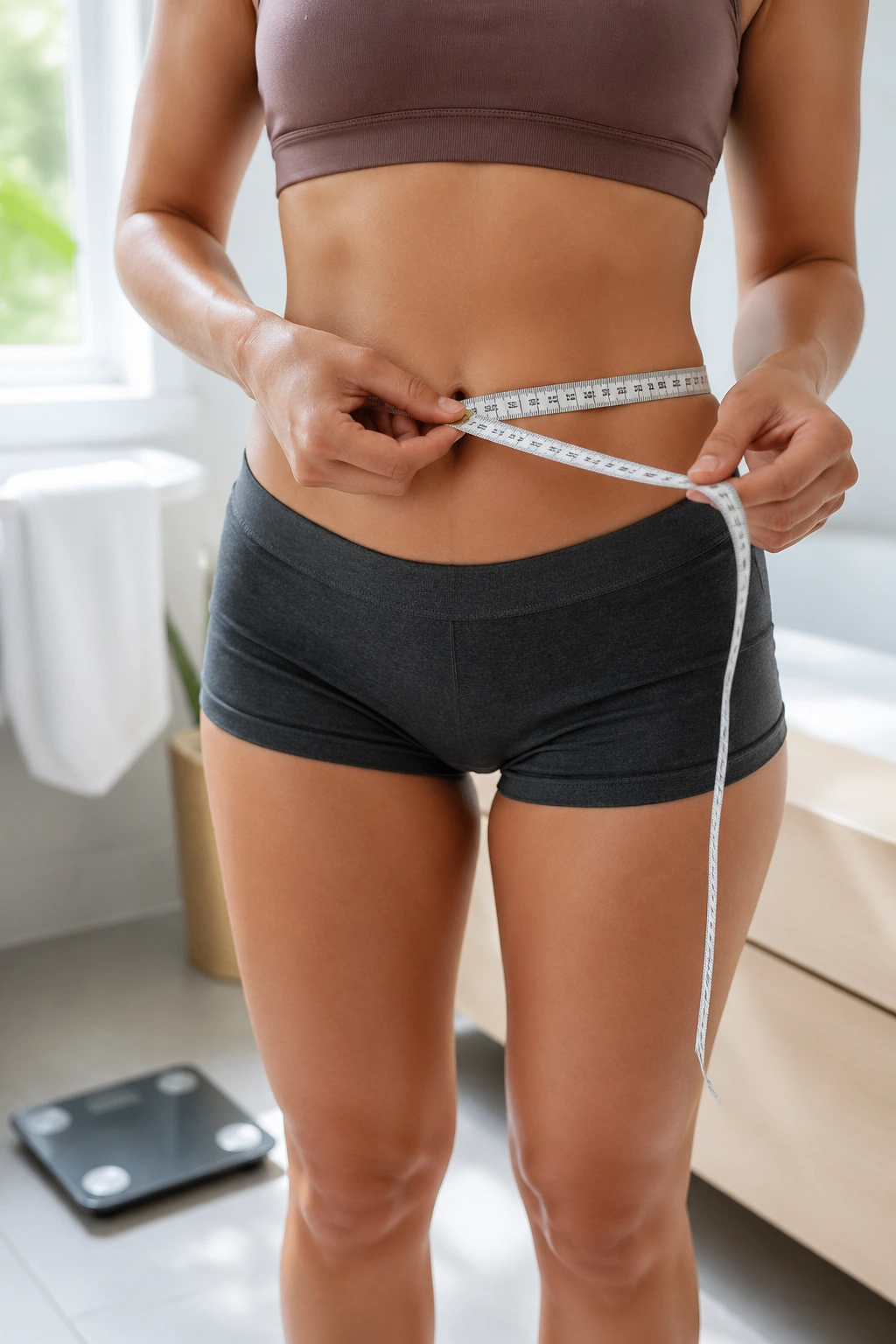
A scale alone tells a rough story. It does not tell you whether you are losing fat, holding water, or just carrying more food in your system than usual.
Use a tape measure at the navel, preferably in the morning after using the bathroom and before eating. Track the number once or twice across the week, not six times a day. Pair that with how your pants fit and how bloated your stomach feels after meals.
Unlike the scale, waist and bloat give you a better read on what the week is doing. If the scale stalls but your belt feels looser, that still counts. If the scale drops but your midsection feels puffy after salty meals, that is useful too.
Write the numbers down. Memory lies. Notes do not.
20. Repeat What Worked
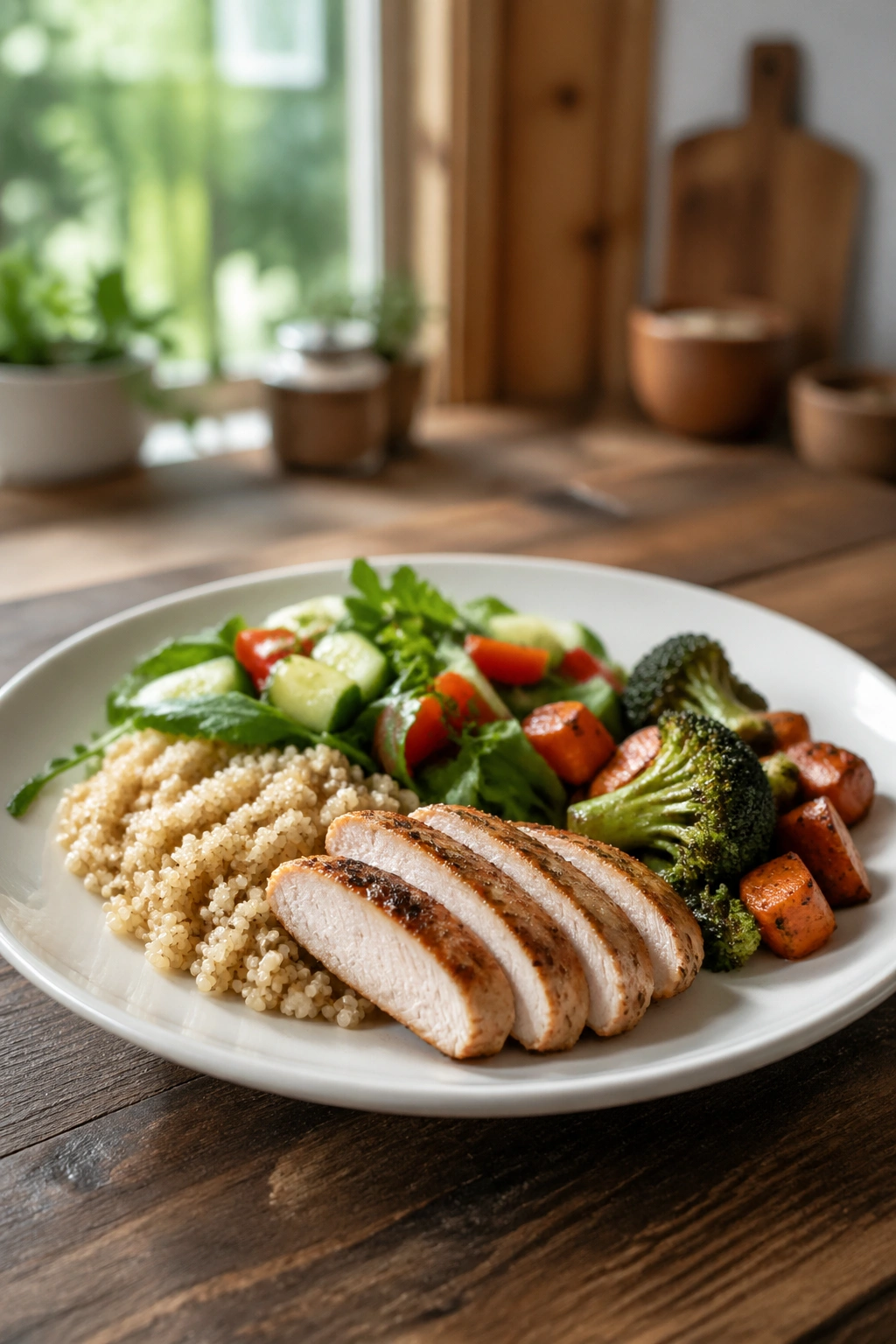
Do not rebuild the whole week from scratch. Pick the pieces that felt easiest and keep them in the next round.
Maybe it was the post-meal walks. Maybe it was the no-alcohol stretch. Maybe you nailed breakfast protein, hit the step floor, and slept better because you shut the phone off earlier. Keep those. That is how a seven-day push turns into real belly fat progress instead of a one-off burst of effort.
The biggest mistake is chasing a dramatic reset every week. That gets old fast. A smaller, repeatable plan is more useful, and it usually looks less exciting on paper. Good. Excitement is overrated when the goal is a smaller waist and better energy.
Pick three habits, maybe four, and run them again. If the week felt lighter, less snacky, and a little easier to control, you already found enough to build on.
