



Most beginner workout plans fail for a boring reason: they ask for too much, too soon.
A plan that looks impressive on paper can still fall apart by Thursday. Too many exercises. Too much soreness. Too many rules. Then real life shows up — a late meeting, bad sleep, a stiff back, a rainy morning — and the whole thing gets shoved aside. A plan that survives those moments is almost always simpler than people expect.
The sweet spot is usually unglamorous. Thirty minutes. Two or three times a week. A little walking. A little strength work. Nothing that leaves you afraid of the stairs the next day. The CDC’s general activity targets line up with that kind of rhythm anyway: enough movement to matter, not so much that you start negotiating with yourself every morning.
And that is the real test of any beginner workout routine. Not whether it sounds hard. Whether you can keep doing it when motivation disappears, which it will. Start with the plan that fits your calendar, your joints, your budget, and your patience. The rest gets easier once the habit exists.
1. Three-Day Full-Body Dumbbell Plan
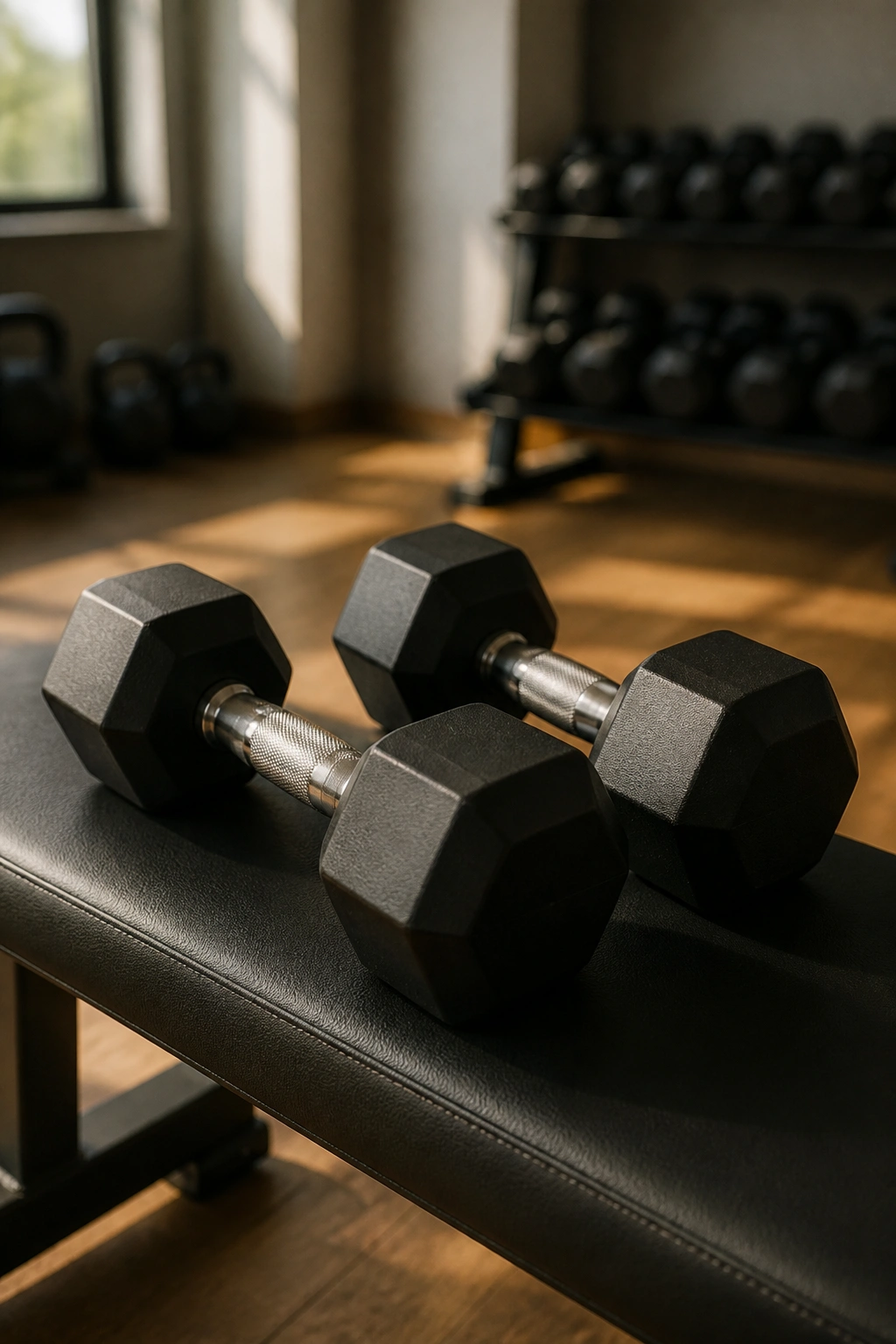
This is the plan I’d hand to most true beginners first. It’s plain, repeatable, and hard to mess up if you keep the weights modest and the movements simple.
Weekly rhythm
- Monday: squat, press, row
- Wednesday: hinge, push, carry
- Friday: squat, pull, core
Each session takes about 30 to 40 minutes. You only need a pair of dumbbells and a bench or sturdy chair. Keep the reps in the 8 to 12 range and stop with a couple of clean reps left in the tank. That keeps the work honest without turning every set into a demolition.
What makes this one stick is the lack of drama. You’re not splitting your body into five parts. You’re just showing up, doing the basics, and leaving. That’s underrated. Simple full-body training also makes missed days easier to recover from, because the whole body gets trained every time.
If you want one tiny rule that helps a lot, use the same three lifts for four weeks before changing anything. Boring? Sure. Effective? Also yes.
2. Two Walks and Two Strength Days Plan

Why does this work so well for beginners? Because it doesn’t turn every day into a workout day.
You walk on two or three days, then lift on two other days, and you keep one or two days open for life. That balance matters more than people think. A lot of new exercisers don’t quit because the workouts are hard. They quit because the schedule feels like a second job.
What to do on each walk
- 20 to 30 minutes at a pace where you can still talk
- Pick a route with one small hill if you want a bit more effort
- Finish with 5 minutes of slower walking so your breathing settles
- If you’re tired, cut the walk to 10 minutes and keep the habit alive
The strength days can be short: squats, wall push-ups, dumbbell rows, glute bridges, planks. Nothing fancy. The whole point is to make movement part of the week without making every day feel like a test.
I like this plan for people who have a history of starting hard and stopping fast. It gives your body room to recover, and your brain room to stop arguing.
3. 20-Minute Beginner Workout Plan for Busy Days
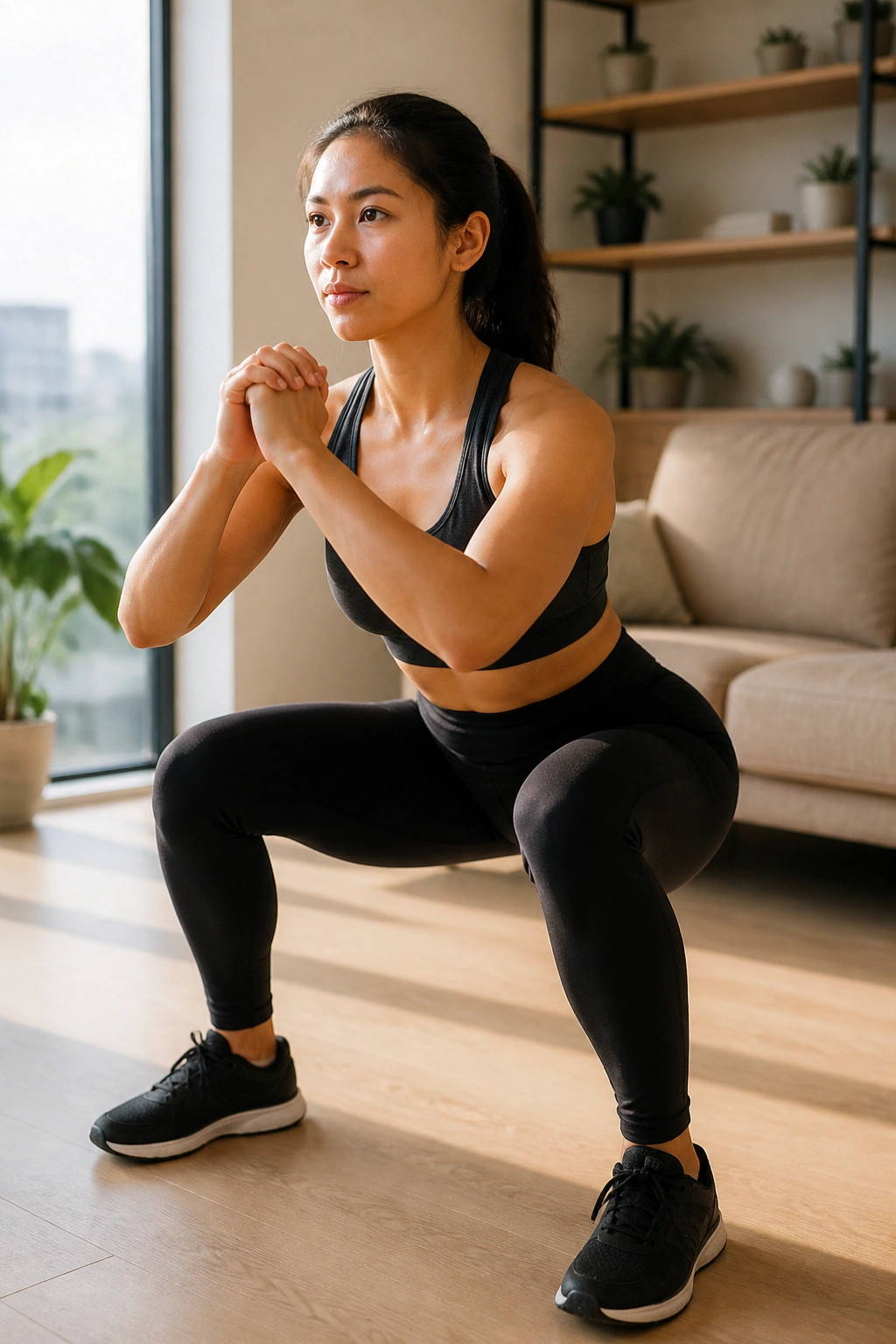
A short workout can be enough if you stop pretending every session needs to be long.
This plan is for apartment living, lunch breaks, and mornings where you have exactly zero interest in putting on a production. Set a timer for 20 minutes and move through a small circuit: bodyweight squats, incline push-ups against a counter, dead bugs, and marching in place or step-ups on a low stair. Repeat the circuit until time runs out.
The trick is not intensity. The trick is consistency. Two good circuits beat one heroic workout that leaves you wrecked for the next three days.
Keep the pace brisk but controlled. If your form starts to slip, slow down. If your shoulders are burning from push-ups, shorten the set and keep moving. That’s a better beginner move than chasing failure.
This is also a sneaky-good plan for confidence. You finish, you sweat, and you do not need a shower that feels like a military operation afterward. Small win. Real win.
4. Beginner Gym Machine Plan

Machines are not “less serious.” They’re just easier to learn.
For a lot of beginners, that’s the point. A machine plan removes the balance issue, cuts down on technique anxiety, and lets you focus on the feel of the movement. Use the leg press, seated row, chest press, lat pulldown, leg curl, and a cable or machine for abs if your gym has one. Two sets of 10 to 12 reps each is enough at the start.
You can walk into the gym with this list and not wander around pretending to know what you’re doing. That alone is worth something. I also like that machines make progression obvious: add a small amount of weight when the last two reps feel clean and controlled.
Don’t rush the pin changes. Don’t slam the weights. And don’t let the seat settings stay random from one session to the next. Same setup, same routine, better learning.
For someone who feels awkward around free weights, this plan is often the bridge that makes the gym feel usable instead of intimidating.
5. Walk-Run Plan for Absolute Beginners

The best run-walk plan starts with humility.
You are not trying to prove you can run a half hour straight on day one. You’re teaching your legs, lungs, and joints to tolerate impact in small bites. A simple start looks like this: 1 minute of easy jogging, 2 minutes of walking, repeated for 20 to 25 minutes. Do that two or three times a week.
How the progression works
- Week 1: 1 minute jog / 2 minutes walk
- Week 2: 90 seconds jog / 2 minutes walk
- Week 3: 2 minutes jog / 90 seconds walk
- Keep the jog easy enough that you can speak in short phrases
That small step-up is the whole magic. It sounds almost too easy, and that is why it works. If you make the jogging hard, you spend the next day staring at the floor and wondering why your shins hate you.
Choose soft ground when you can. A track, packed dirt path, or smooth sidewalk is kinder than slamming every stride on concrete. And if you miss a week, go back one step instead of trying to “catch up.” Pride causes more sore knees than running itself.
6. Resistance Band Plan for Home or Travel
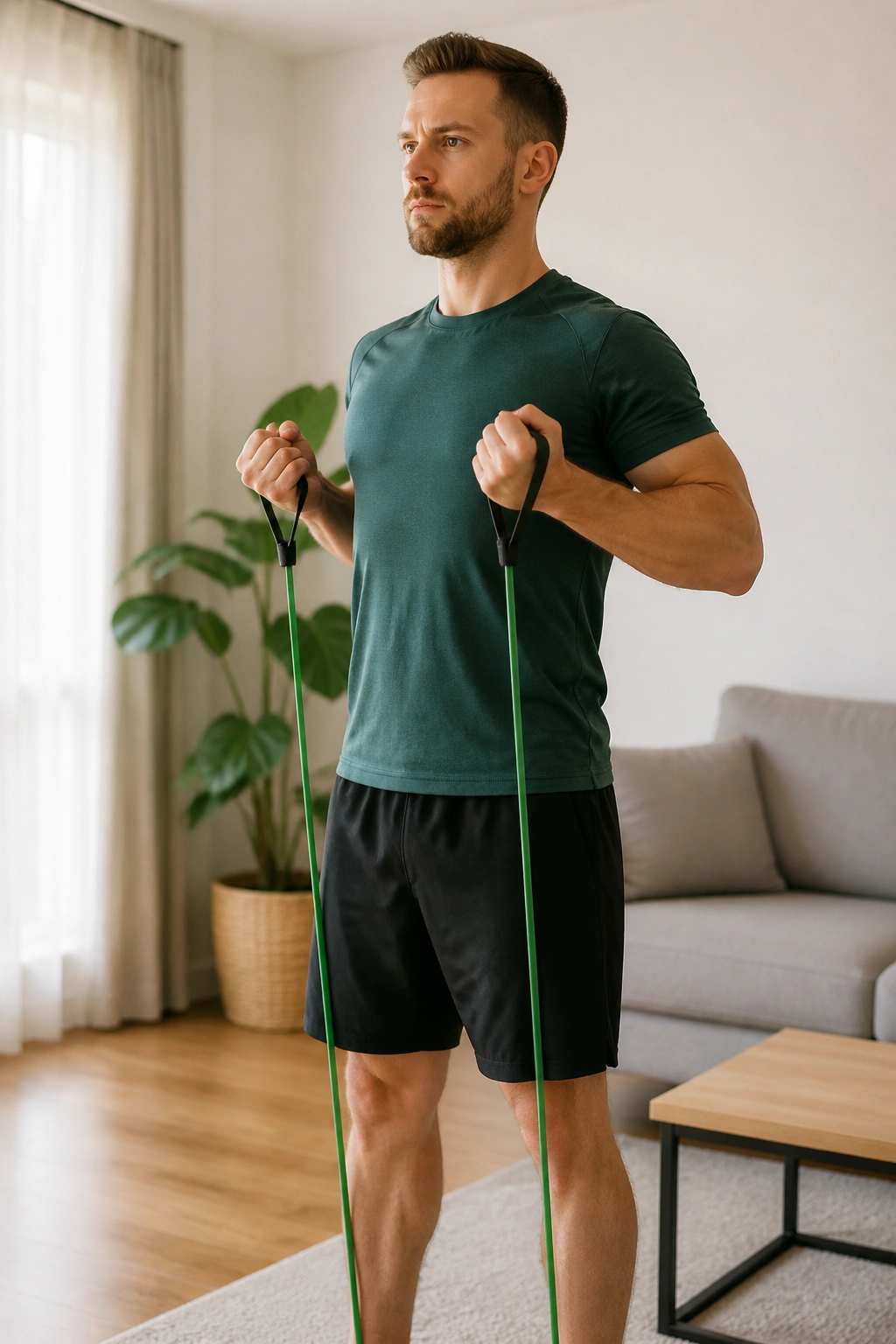
A good band plan lives in a drawer, a suitcase, or the back seat of your car.
That portability matters. If your biggest problem is getting to the gym, bands remove the excuse without asking for much in return. You can train your back, chest, glutes, shoulders, and core with one light band and one medium band. Start with rows, band squats, chest presses, pull-aparts, and glute bridges.
The nicest thing about bands is the feel. Tension rises smoothly, and the work is easy to control. You do not need to load your spine with a heavy barbell just to make a session count.
Use slow reps. That’s the part people skip. A band flinging you back to the start is not the same as a controlled rep. Aim for 12 to 15 reps and make the last few feel honest.
Traveling often? This is the plan to keep. It’s light, cheap, quiet, and it won’t wake up the entire apartment building.
7. Low-Impact Cardio Plan for Sore Joints
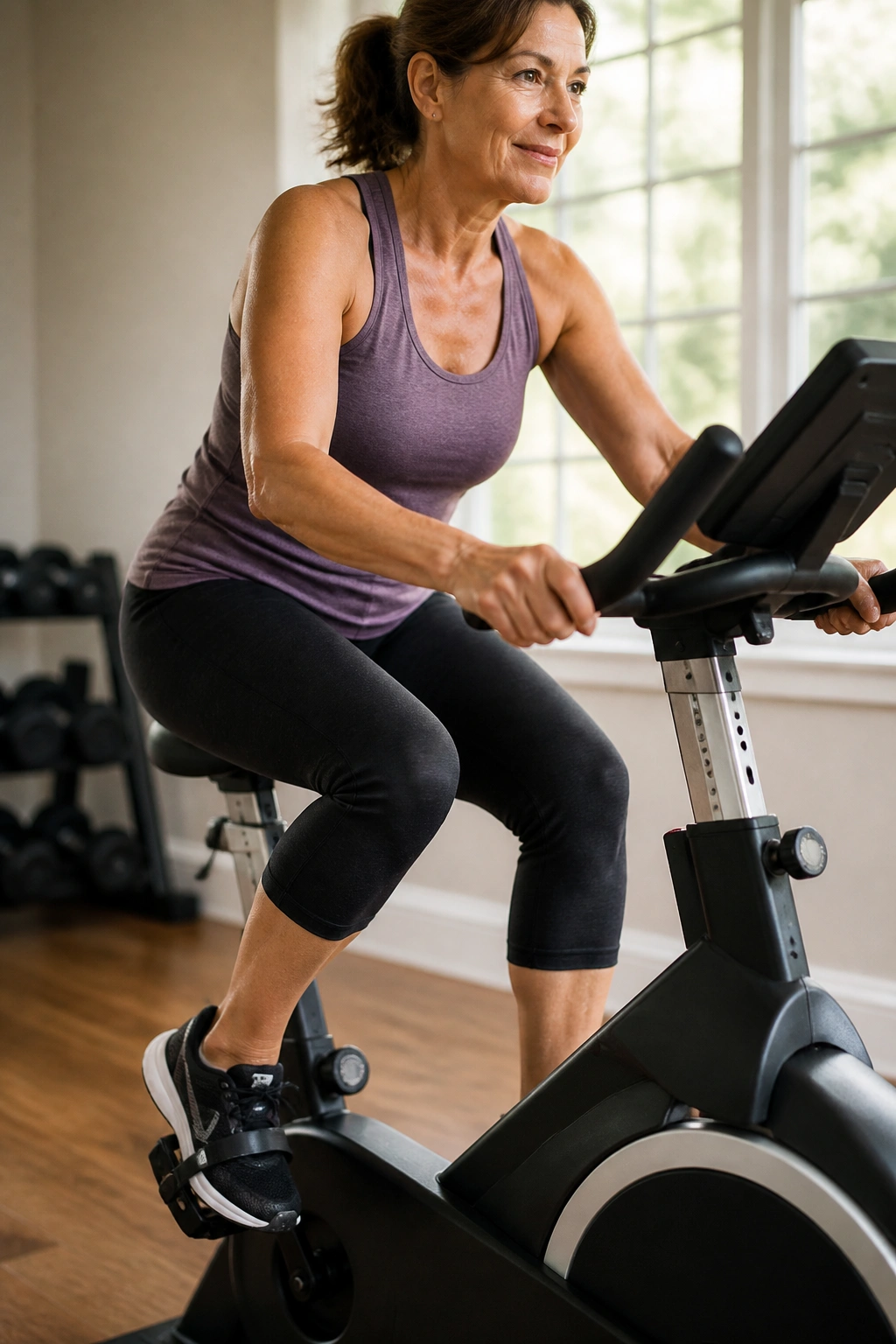
If your knees, hips, or lower back get cranky, low-impact cardio is not a consolation prize.
It’s smart training. Stationary bike, elliptical, brisk incline walking, rowing, or swimming all give you breathing work without repeated hard pounding. A very workable beginner setup is 25 minutes, three times a week, at a pace that feels moderate but manageable.
The goal is to leave the session a little better than when you started. Not trashed. Not gasping. Better.
What I like about low-impact cardio is how easy it is to recover from. You can do it on a rough day and still function. That makes consistency easier, which makes progress easier. A simple cadence on a bike or a steady incline walk can build a lot of aerobic base without lighting up every joint in your body.
If you need a rule, use this one: if your stride gets sloppy or your pedal stroke turns ugly, slow down a notch. Smooth beats heroic every time.
8. Kettlebell Basics Plan
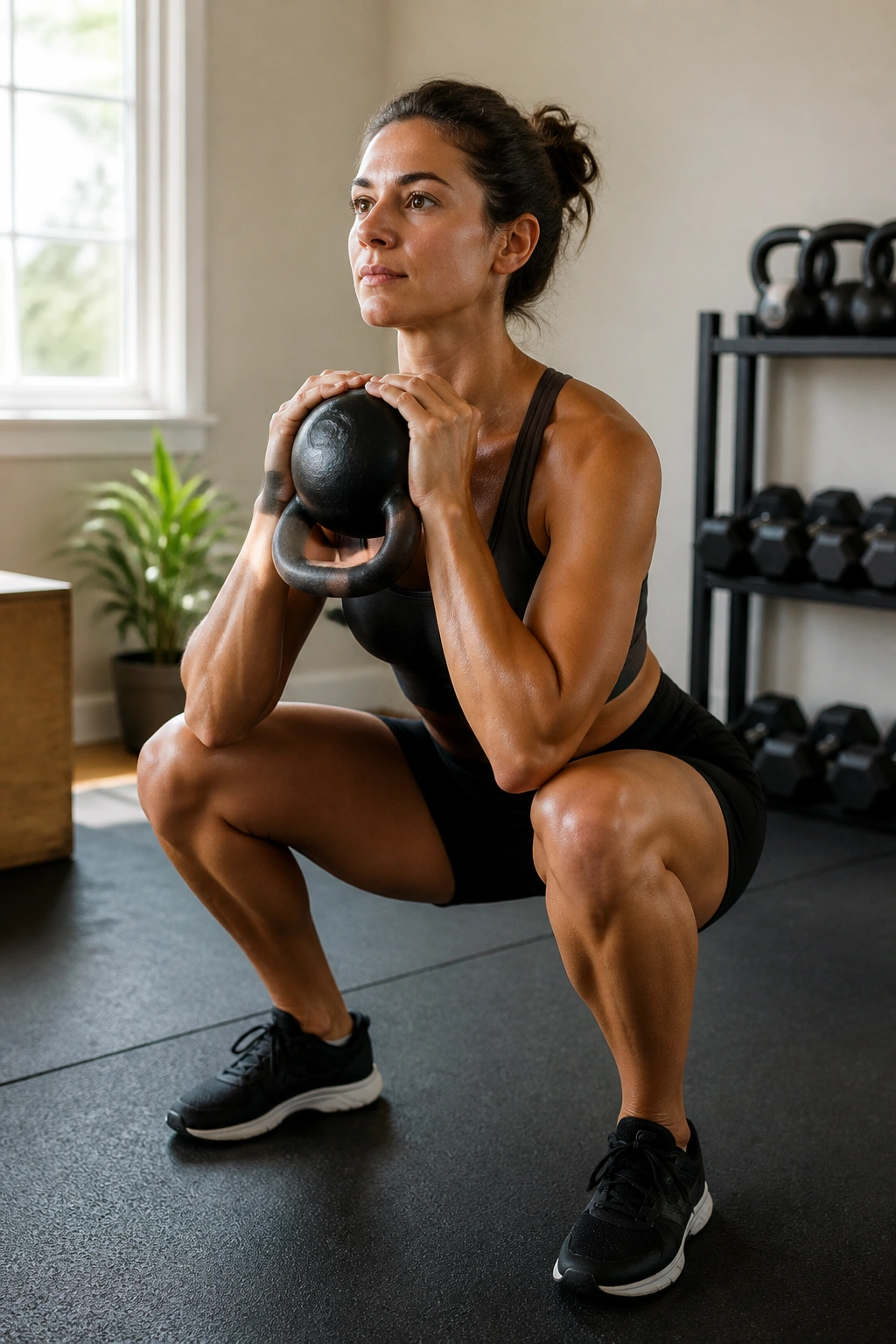
A single kettlebell can do more than people expect, as long as you start with the right moves.
Skip the flashy stuff at first. No need to race into swings if you haven’t learned the hinge. Start with the kettlebell deadlift, goblet squat, suitcase carry, and one-arm overhead press if your shoulders tolerate it well. Two sessions a week is enough in the beginning.
What makes one bell enough
A beginner-friendly kettlebell plan works because the weight is easy to move from one exercise to the next. You can train strength, grip, and posture without setting up half a room of equipment. That’s handy when space is tight or your attention span is short.
The deadlift teaches you to hinge at the hips. The carry wakes up your core. The goblet squat builds leg strength and gives you a clear front-loaded position, which many people find easier than a barbell on the back.
Start lighter than your ego wants. Then stay there long enough to learn. A clean set of 8 reps is worth more than a messy set of 15.
9. Yoga and Walking Plan
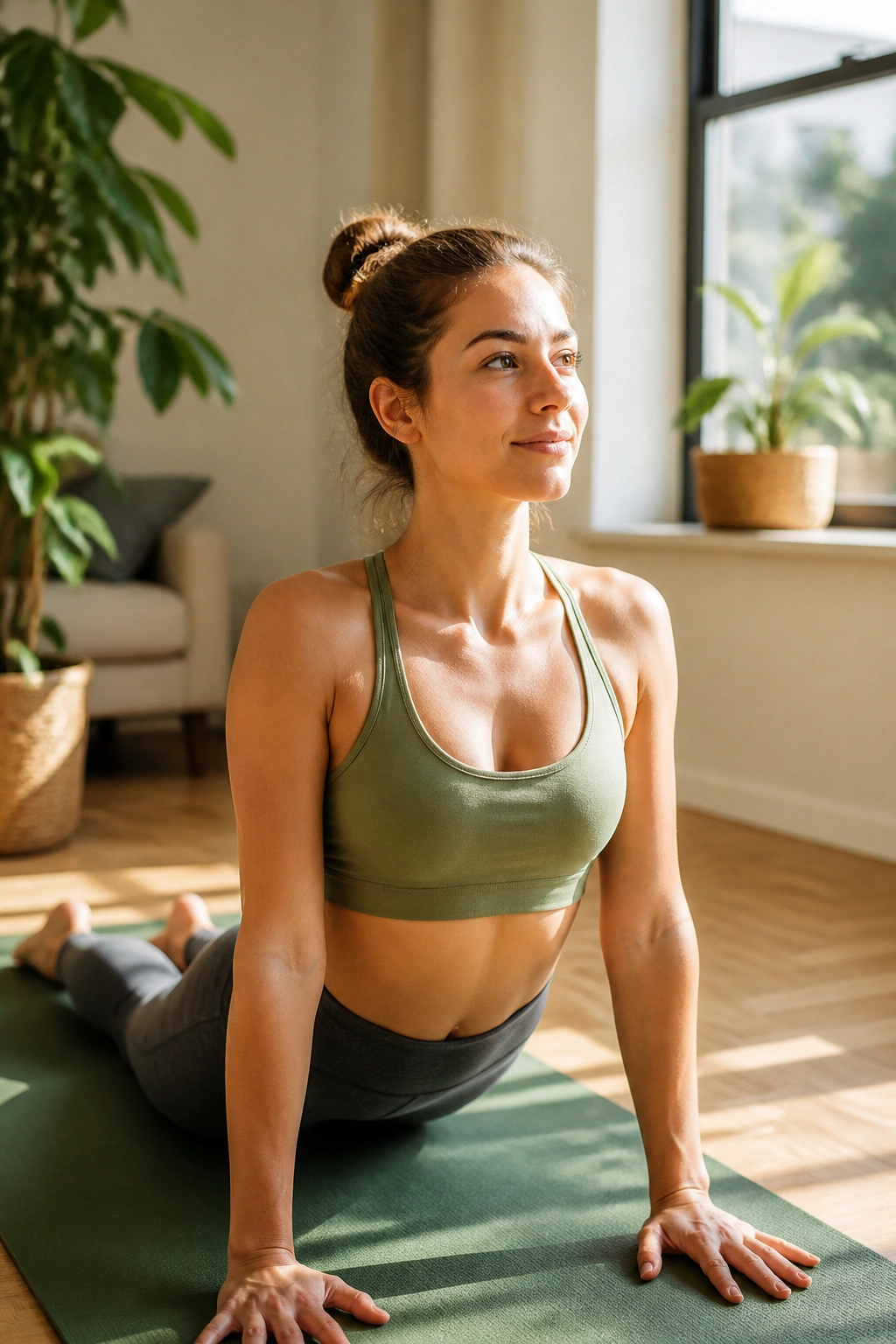
Some people need less pushing and more steadiness.
This is the plan for the stiff, stressed, sleep-deprived beginner who wants movement to feel like relief. Two short yoga sessions and three walks a week can change how your body feels without demanding much equipment or mental energy. Think 20 minutes of yoga and 20 to 30 minutes of walking.
The yoga part does not need to be fancy. Cat-cow, downward dog, low lunge, child’s pose, seated twist. A basic flow repeated often works better than a complicated sequence you can’t remember. Walking fills in the cardio side and keeps the plan from becoming all stretching and no effort.
I like this combination because it respects real life. Some days you’ll want the walk. Some days your back will ask for floor work. Both count.
If you’re the kind of person who gets overwhelmed by “fitness,” this is an easy place to start. Calm body, clear head, low friction.
10. Core and Glutes Plan
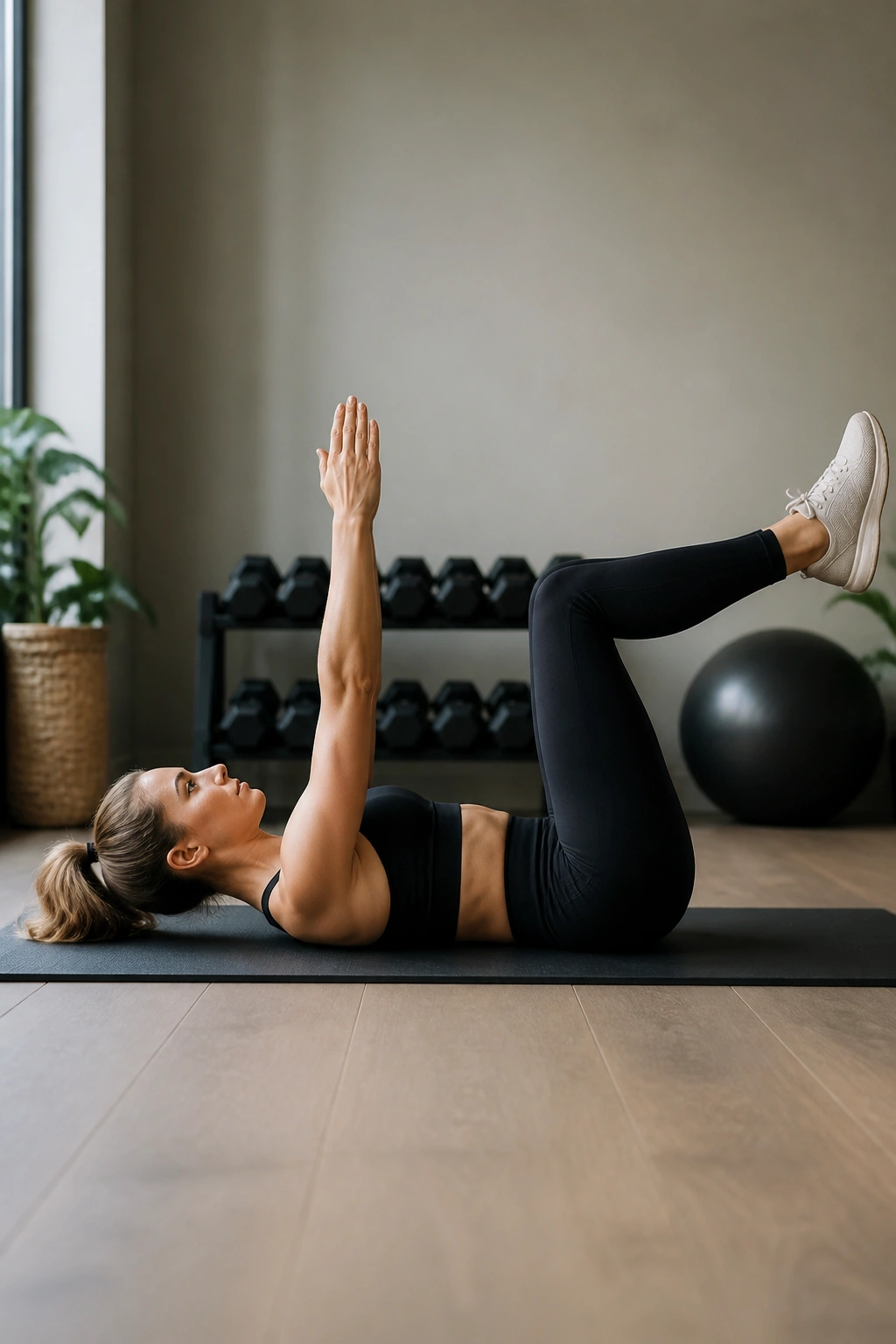
People chase abs and forget that the middle of the body needs control, not punishment.
A beginner core-and-glutes plan is useful because it helps with posture, balance, and plain old comfort when you sit too much. Do dead bugs, bird dogs, glute bridges, side planks, and bodyweight hip hinges two or three times a week. Keep each session around 15 to 25 minutes.
A simple sequence
- Dead bug: 6 to 8 slow reps per side
- Glute bridge: 10 to 15 reps
- Bird dog: 6 to 8 reps per side
- Side plank: 15 to 25 seconds per side
The pace matters. Slow reps force control. Fast reps let your lower back do the work your abs were supposed to handle.
This plan is a good match for anyone coming off a long stretch of sitting. You’ll feel the work in places that are often ignored. That’s the point.
A little soreness in the sides of your hips or deep in your core is normal. Sharp pain is not. Different thing entirely.
11. Push-Pull-Legs Lite Plan
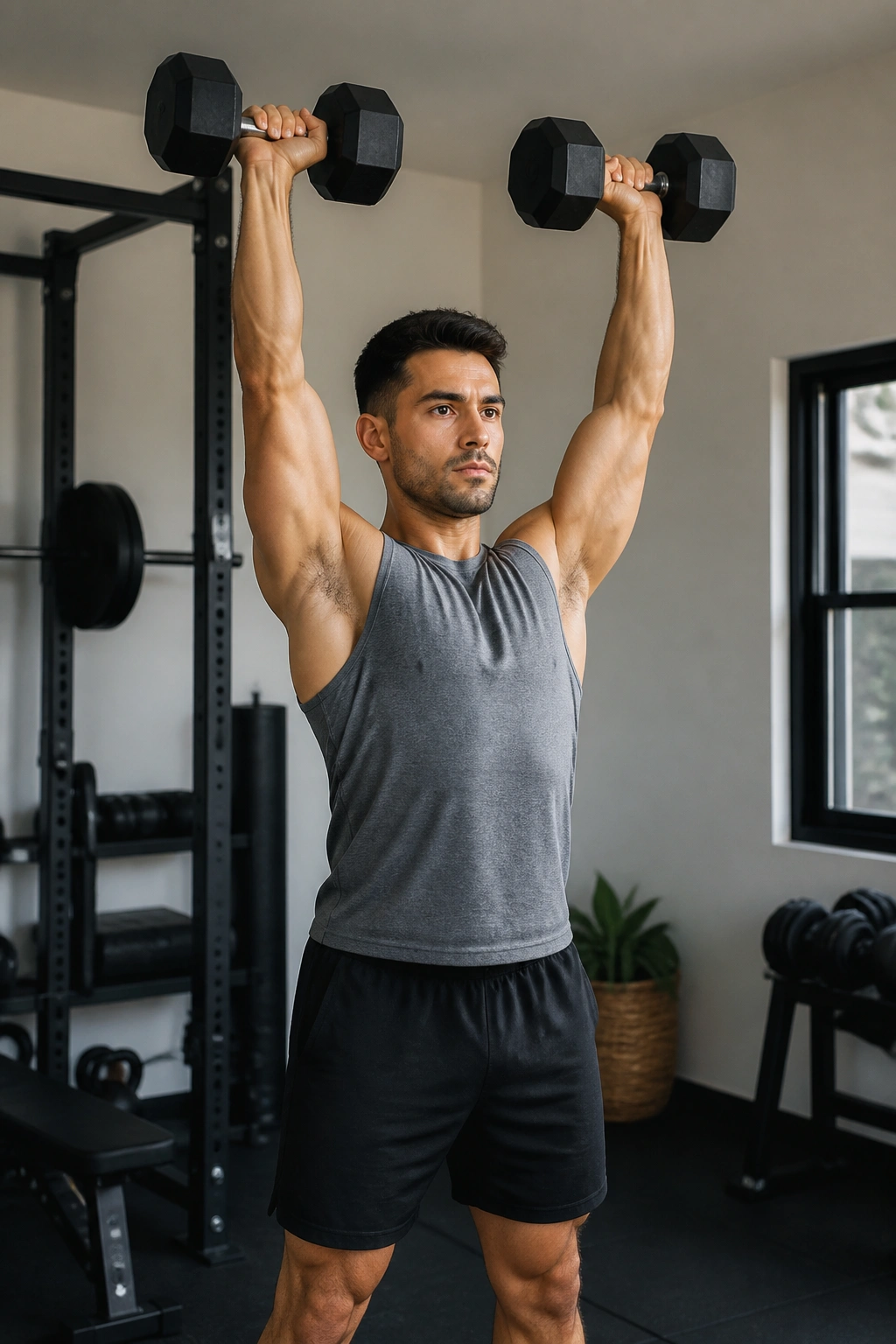
This split gets overcomplicated fast, which is exactly why the beginner version should stay small.
One day is push — chest, shoulders, triceps. One day is pull — back, biceps, rear shoulders. One day is legs — quads, glutes, hamstrings, calves. That structure gives you a clean mental map without asking you to train six days a week like a bodybuilder with no commute.
Use two exercises per day, maybe three if you’re moving well. On push day, try dumbbell press and shoulder press. On pull day, row and lat pulldown. On leg day, squat and Romanian deadlift. Keep it to 2 sets of 8 to 10 reps at first.
This plan works best for people who like order. If random full-body sessions bore you, a split can make the week feel organized. Just don’t turn it into a marathon. The beginner version is supposed to be tidy, not theatrical.
And yes, you can still repeat the same exercises for weeks. That’s part of the deal.
12. Lunch-Break Micro-Workout Plan

Can ten minutes matter? Absolutely.
A micro-workout plan is built for days when your schedule is a mess and your energy is low, but you still want the habit to stay alive. Set a timer for 10 minutes and cycle through squats, incline push-ups, standing rows with a band, and marching or step-ups. Move briskly. Rest only when you need it.
The 10-minute template
- 30 seconds squats
- 30 seconds incline push-ups
- 30 seconds band rows
- 30 seconds marching in place
- Rest 30 to 45 seconds
- Repeat until the timer ends
The win here is not the calorie burn. It’s identity. You’re the person who still trains on a busy day. That changes how you think about exercise.
This kind of session also keeps the first week from becoming a dramatic all-or-nothing event. You can do something tiny and still stay in the groove. That matters more than people admit.
If you work from home, this is the plan that keeps your back from turning into a question mark.
13. Stair Climb Plan

Stairs are rude, honest, and free.
That makes them useful. A stair climb plan gives you leg work and cardio in one place, which is handy if you want a short session without driving anywhere. Start with 5 to 10 minutes of easy stair walking, then add short bursts of faster climbs: 20 to 30 seconds up, slow walk down.
The first time, keep your pride out of it. The goal is smooth steps, not a scene from a sports movie. If your breathing gets ragged too quickly, shorten the burst. If your knees feel off, switch to a lower step or stop after a few rounds.
This plan is best for people who have access to a safe staircase but hate treadmills. It also works well when you want variety without needing a lot of gear. There’s a built-in limit, too. Most people cannot fake their way through stair work for long.
That honesty is part of why it sticks.
14. Swim Plan for Zero-Pounding Cardio

Swimming is a rare thing: hard work that can still feel kind to your body.
If you have pool access, a beginner swim plan can build cardio without the pounding that comes with running or jump-heavy workouts. Start with 10 to 15 easy lengths, resting as needed, then build toward 20 to 30 minutes of mixed easy laps and short intervals. Even water walking counts.
Pool specifics that help
- Use the wall to rest between lengths
- Breathe every two or three strokes if that feels smooth
- Keep the first week easy enough that you could do a little more
- Wear goggles that don’t leak; bad goggles ruin the whole mood
The water gives you resistance in every direction, which is why even short swims can leave you pleasantly tired. Not crushed. Just worked.
This is a strong choice if your joints dislike impact or you get bored with gym walls. Pools also force a pace change. You can’t sprint forever. The water will make sure of that.
15. Stationary Bike Plan

A stationary bike is one of the easiest ways to build a cardio habit without dreading it.
Sit down, pedal, finish. Simple. That simplicity is exactly why many beginners stick with it. Start with 20 minutes at a pace where your breathing is deeper but still under control. On one or two days a week, add a tiny interval block: 1 minute faster, 2 minutes easy, repeated five times.
The best part is how adjustable the bike is. You can keep the resistance low on tired days and crank it a little when you feel better. No need for perfect weather. No need for fancy shoes.
Do not mash the pedals like you’re trying to break them. Smooth circles are better. If the seat is too low, your knees will complain. If it’s too high, your hips will rock. A small fit adjustment can make a big difference.
This is one of the most forgiving beginner cardio plans around. Low drama. Good return.
16. Shadow Boxing Plan

Shadow boxing is for people who hate the idea of “working out” but like the idea of moving hard.
No bag needed. No gloves needed. Just a little space and a timer. Set up 3-minute rounds with 1 minute of rest, then throw basic punches in the air: jab, cross, hook, guard up, step, reset. Start with four rounds and build from there.
The reason this works is simple: your feet, shoulders, core, and lungs all have to pay attention at once. It’s cardio, coordination, and a little bit of balance work wrapped together. And it does not feel as repetitive as a treadmill.
Keep your punches smooth. Don’t windmill your arms. Tight fists, relaxed shoulders, short steps. That makes the movement cleaner and easier to repeat next time.
If you need variety to stay interested, this one has it baked in. You can change the sequence, the tempo, or the rest time and still keep the same basic plan.
17. EMOM Starter Plan

EMOM means “every minute on the minute,” and yes, the name sounds more intense than the workout has to be.
A beginner EMOM plan is one of my favorites for people who get lost when the structure gets too loose. Pick two moves, like squats and incline push-ups, and do a small number of reps at the start of each minute. Rest for the rest of that minute. Repeat for 10 to 12 minutes.
Timer rules that keep it sane
- Choose a rep count you can finish in 20 to 30 seconds
- Leave the rest of the minute untouched
- If you’re rushing, the reps are too high
- If you’re done in 10 seconds, add a rep next time
The built-in clock keeps you honest. You don’t have to wonder when to rest. You don’t have to negotiate with yourself mid-set. The timer does the annoying part.
This plan suits beginners who like clear edges. Start, work, breathe, repeat. That structure is comforting, and honestly, sometimes comfort is what gets the habit going.
18. Two Strength Days and Two Cardio Days Plan

Some beginners want balance more than they want specialization.
This plan gives you that. Two days are for strength, two days are for cardio, and the remaining days are open for walking, stretching, or plain rest. A simple week might look like Monday strength, Tuesday cardio, Thursday strength, Saturday cardio. Nothing fancy. Easy to remember.
Strength days can use dumbbells, bands, or machines. Cardio days can be walking, biking, swimming, or an incline treadmill. Keep each session around 25 to 40 minutes so the plan stays realistic.
What I like here is the rhythm. You’re not stacking hard days back to back unless you choose to. That keeps fatigue manageable, and manageable fatigue is what beginners need most.
If you’ve ever quit a plan because every day felt like punishment, this setup will feel calmer. It lets you build fitness from both sides without forcing you into one camp or the other.
19. No-Equipment Home Plan
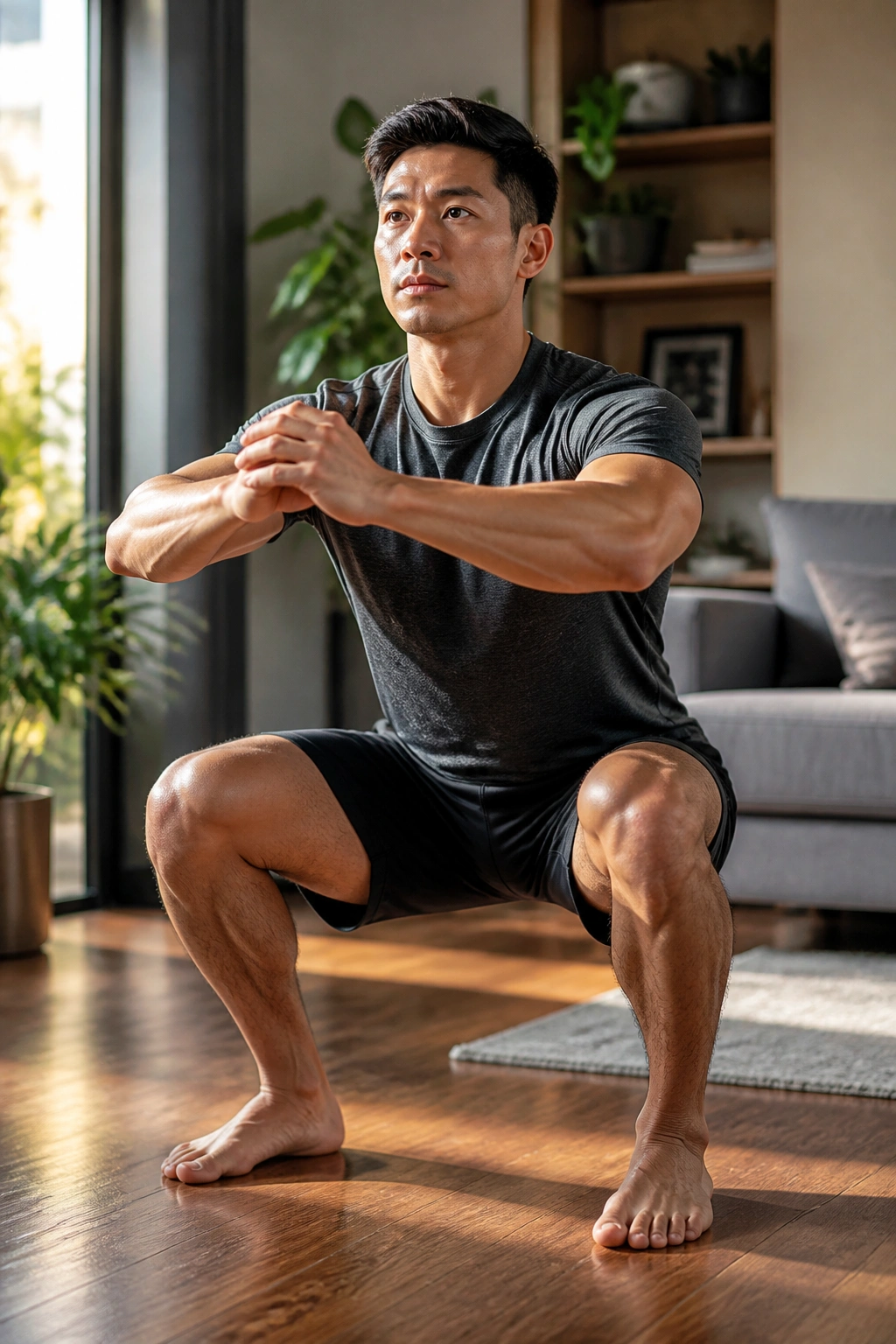
A no-equipment plan is useful for hotel rooms, small apartments, or days when you refuse to deal with the gym.
Start with four moves: bodyweight squats, incline push-ups on a counter or sturdy table, reverse lunges, and planks. Do 2 to 4 rounds depending on time and energy. Add marching in place between exercises if you want a little cardio.
This style of plan is more practical than people give it credit for. You can do it anywhere, and that makes the barrier to entry tiny. Tiny barriers matter. They’re the reason habits survive bad weather and weird schedules.
A simple rule
Pick a level where the last two reps feel hard but clean. If your knees cave inward on squats or your hips sag in planks, the set is too long. Shorten it. Better form today means more training tomorrow.
I like this plan for anyone rebuilding after a long break. It’s quiet, cheap, and honest. You know exactly what you’re doing.
20. Weekend Warrior Plan

This is for the person whose week is chaos but whose weekend is slightly more civilized.
One longer session on Saturday or Sunday, plus one shorter reset session, can be enough to get the habit moving. You might do a 45-minute walk, hike, bike ride, or swim on one day, then a 15-minute mobility and core session on the other. That’s it.
The reason this plan belongs on the list is simple: not everyone can train Monday through Friday in neat little blocks. Some people can’t. The weekend version gives you a place to begin without pretending your life is neat and tidy.
Make the long session feel enjoyable, not punishing. A trail, park loop, or easy bike path works better than an all-out grind. The shorter session keeps your body from stiffening up and helps the week ahead feel less abrupt.
If you’ve been waiting for the perfect schedule, stop. Use the one that already exists.
A plan you can stick to is often the one that looks a little too easy on paper. That’s fine. Easy to start is the whole point. Once the habit is there, you can add more weight, more minutes, or a harder route without having to rebuild the whole thing from scratch.
And that’s the part most people miss. The best beginner workout plan is not the one that burns you out in seven days. It’s the one that still feels possible after a bad night’s sleep, a long meeting, and a completely ordinary Wednesday.
