



Beginner gym programs work best when they look almost boring. That is the part people fight at first. They want variety, sweat, and a feeling of doing something hard, but the body usually responds better to a small set of movements done often enough that they stop feeling strange.
Most new lifters do not need a complicated split. They need a plan that makes the first month easy to repeat: squat or leg press, press, row, hinge, carry, rest. Track the numbers. Add a little when the last set starts to feel tame. That plain formula beats the random-exercise trap every time.
If you’ve ever stood near a cable stack with no idea where to begin, you already know the real problem. The issue is not effort. It’s decision fatigue. A smart starter routine removes the guesswork so you can focus on form, breathing, and leaving the gym with enough energy to come back two days later.
Some people want strength. Others want fat loss, confidence, or a way back after a long break. Different goals, same truth: the right beginner gym program is the one you can keep doing when the novelty wears off, and the plans below are built with that in mind.
1. Three-Day Full-Body A/B Split

A three-day full-body split is the most dependable place to start because it teaches you the same movement patterns without burying you in options. You train on Monday, Wednesday, and Friday, then alternate between two sessions. Simple. Repeating the same pattern is what helps the lifts settle into your body.
A straightforward weekly layout
Workout A
- Goblet squat — 2 to 3 sets of 8 reps
- Machine chest press — 2 to 3 sets of 8 to 10 reps
- Lat pulldown — 2 to 3 sets of 8 to 10 reps
- Dumbbell Romanian deadlift — 2 sets of 8 reps
- Front plank — 2 rounds of 20 to 30 seconds
Workout B
- Leg press — 2 to 3 sets of 10 reps
- Seated cable row — 2 to 3 sets of 8 to 10 reps
- Dumbbell shoulder press — 2 sets of 8 reps
- Split squat — 2 sets of 6 to 8 reps per leg
- Dead bug — 2 rounds of 8 reps per side
The trick is staying a little shy of failure. Leave 2 reps in the tank on most sets. That keeps your form cleaner, and it means the next workout does not feel like punishment.
Use this setup for 4 to 8 weeks before changing anything. If a lift feels awkward, swap the barbell version for a machine or dumbbell version and keep going.
2. Machines-Only Confidence Builder
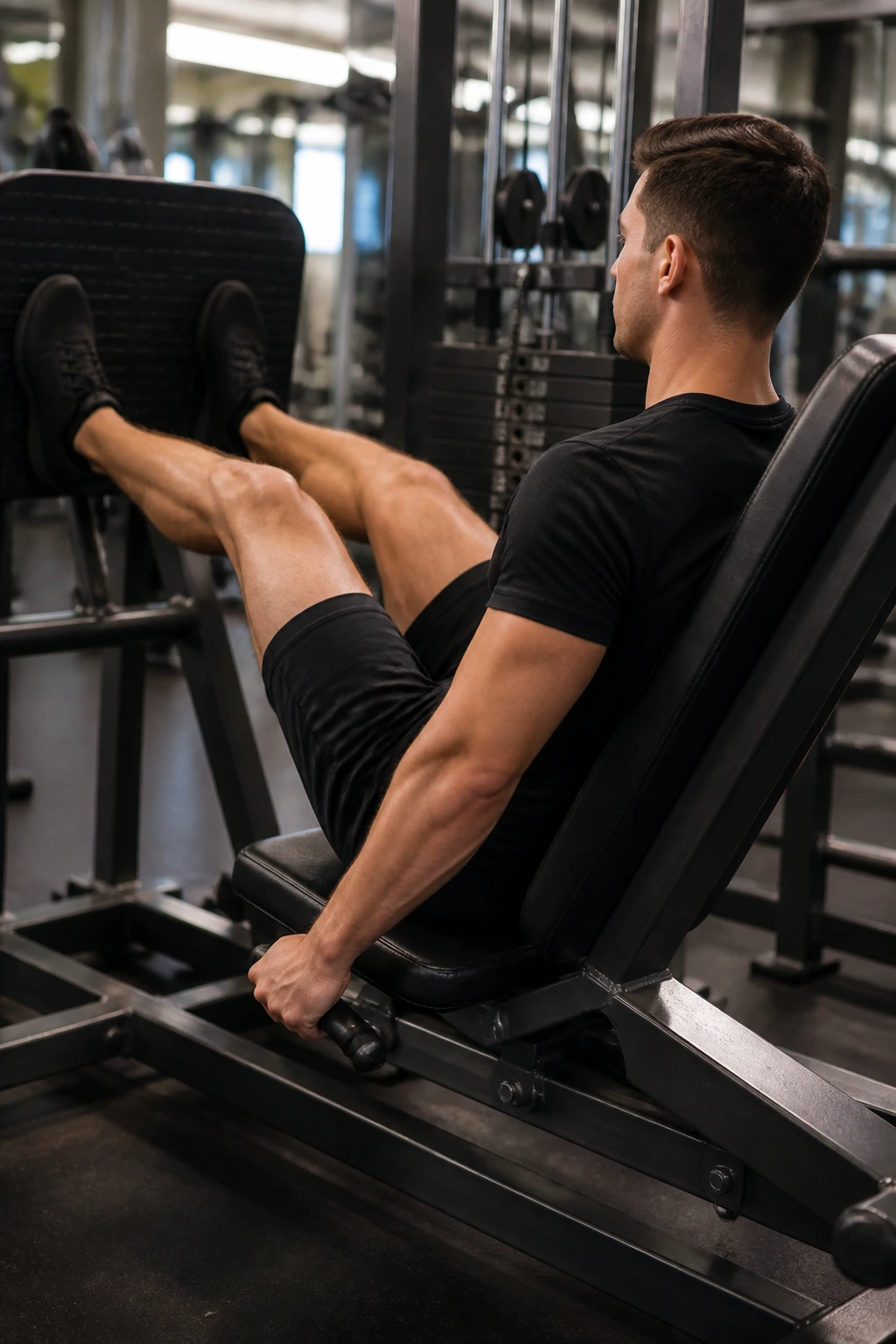
If the free-weight area feels like a test you didn’t study for, machines are a smart first stop. The path is fixed, the setup is usually obvious, and you can focus on the parts that matter most in the beginning: learning tension, learning control, and learning what a hard set actually feels like.
A machine-based beginner gym program is not lazy. It is practical. The leg press, chest press, row, pulldown, and shoulder press each give you a stable path, which means balance is not stealing attention from the muscle you are trying to train. That matters more than people admit. A shaky first session can scare a new lifter off for weeks.
The setup still matters. Adjust the seat so the handles line up with your chest, shoulders, or knees in a natural way, not a jammed-up one. Lower the weight slowly for 2 to 3 seconds. That pause on the way down builds control fast. If the stack slams, the load is too heavy or you are rushing.
I like this style for people who need a low-friction start. Walk in, pick five machines, write down the weights, and try to beat one number next time. That is enough.
3. Dumbbell-Only Starter Plan

A dumbbell-only plan is useful when you want a clean setup and fewer moving parts. You can use it in a busy commercial gym, a small apartment space, or a corner with one bench and a rack of dumbbells. The exercises stay familiar, and the load jumps are easy to understand.
The core moves
- Goblet squat
- Dumbbell bench press or floor press
- One-arm dumbbell row
- Dumbbell Romanian deadlift
- Farmer carry
Start with 2 sets of each move. Use 8 to 10 reps on the first four lifts, then walk 20 to 40 yards for the carry. Rest 60 to 90 seconds between sets. Keep the weight light enough that you can control the lowering phase without wobbling your torso.
The carry is the sneaky star here. It teaches bracing, grip strength, and posture in a way that feels more useful than a lot of flashy core work. Your shoulders should stay down, your ribs should not flare, and your steps should feel steady, not rushed.
This plan works well for people who like a little freedom inside a simple structure. You are not trapped under a fixed bar, but you are still doing real work. That balance helps.
4. Push-Pull-Legs Lite

Unlike a full bodybuilding split, a beginner-friendly push-pull-legs plan does not ask for six training days or a mountain of exercises. It gives each muscle group a clear job, then gets out of the way. Three days is enough. Four can work too, but three is easier to live with when life gets messy.
Push day covers chest, shoulders, and triceps.
Pull day covers back and biceps.
Leg day handles quads, hamstrings, glutes, and calves.
A sample setup looks like this:
- Push: machine chest press, incline dumbbell press, shoulder press, rope triceps pressdown
- Pull: lat pulldown, seated row, rear-delt fly, dumbbell curl
- Legs: leg press, split squat, hamstring curl, standing calf raise
Keep the first few weeks light. Two sets per exercise is enough to learn the groove. Once the movements stop feeling clumsy, move to 3 sets. The mistake I see most often is piling on extra arm work because it feels fun while skipping the leg work that actually matters.
Who is this best for? People who want a clean gym rhythm and like knowing exactly what day means what. It feels organized, which helps a lot when you are still figuring out where everything is.
5. Two-Day Gym Habit Builder
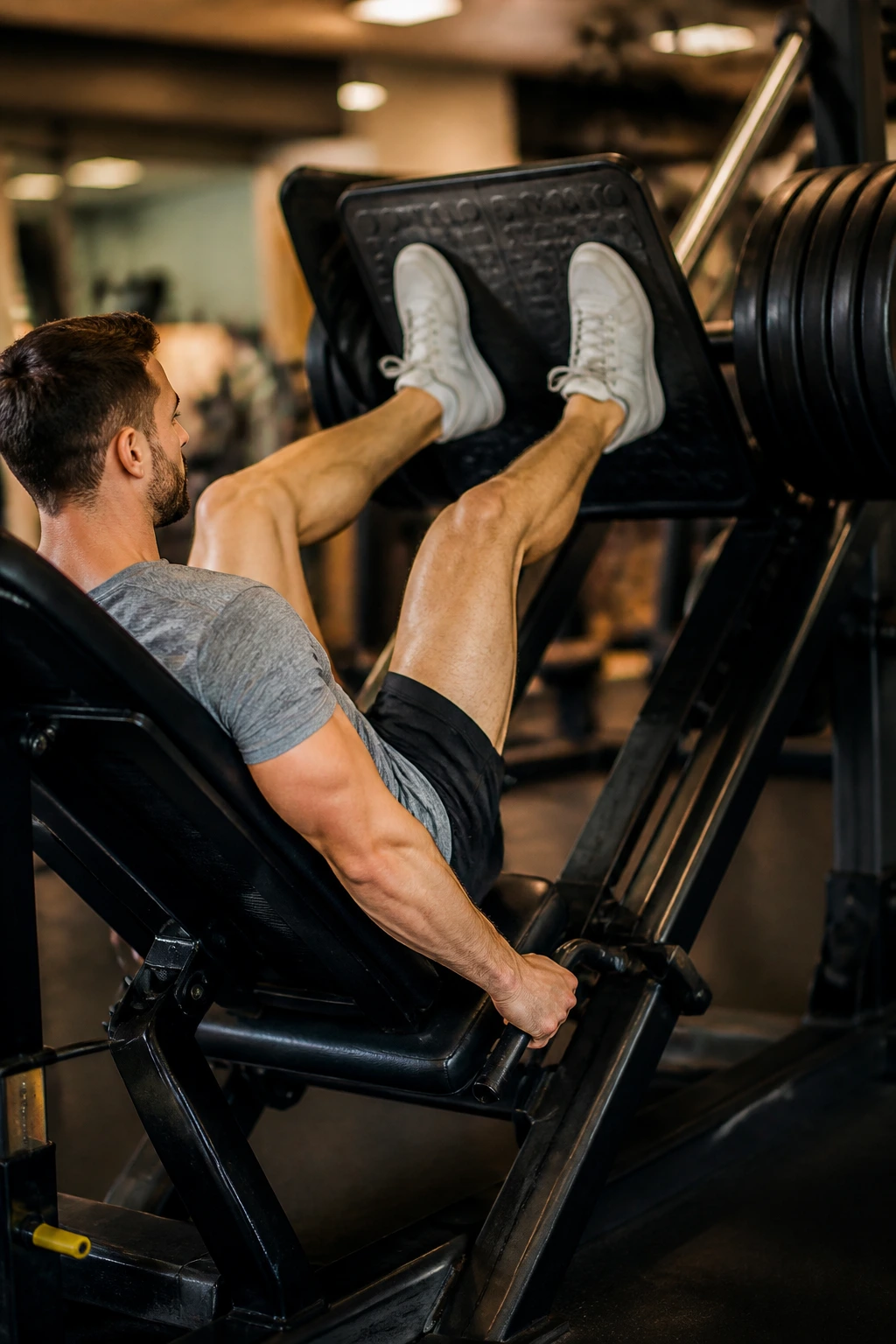
Two days is enough when your real problem is consistency, not ambition. A lot of beginners quit because the plan feels too large before they even start. A two-day program removes that pressure. You walk in, do the work, and leave without turning gym time into a life project.
Each session should be full-body and short, around 35 to 45 minutes. Think 5 or 6 exercises, 2 sets each, and a pace that stays calm. You do not need to empty the tank. You need a win that repeats.
A simple pair of workouts might look like this:
Day 1: leg press, chest press, seated row, dumbbell RDL, plank
Day 2: goblet squat, lat pulldown, dumbbell shoulder press, hamstring curl, dead bug
That is enough. Really.
The real trick is making the gym feel easy to enter. Pack the bag the night before. Put the workout in your phone. Walk in with zero debate. When people say they need motivation, often they need fewer choices and a plan small enough to survive a bad Tuesday.
6. Upper/Lower Split for New Lifters
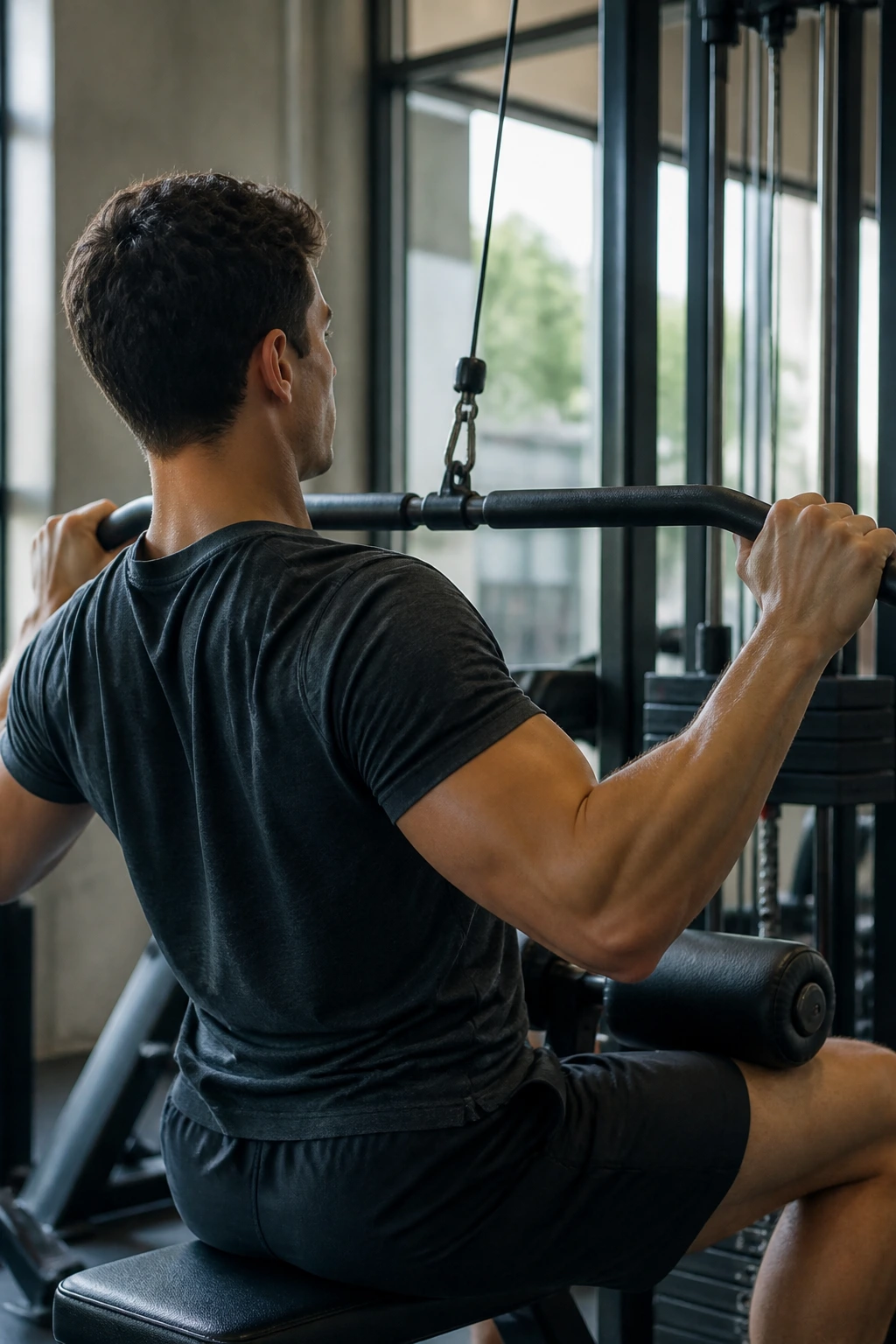
What if three days starts to feel cramped? Then an upper/lower split is the next clean step. It gives you more practice than a two-day plan, but it does not have the clutter of a body-part split built for advanced lifters. Four sessions a week, two upper and two lower, is a nice middle ground.
How to use it
Upper A
- Machine chest press
- Seated row
- Dumbbell shoulder press
- Lat pulldown
Lower A
- Leg press
- Romanian deadlift
- Leg curl
- Plank
Upper B
- Incline dumbbell press
- Cable row
- Rear-delt fly
- Dumbbell curl
Lower B
- Split squat
- Hip thrust
- Calf raise
- Dead bug
Keep each workout to 4 moves and 2 to 3 sets. Rest 60 to 120 seconds depending on the lift. Main lifts should feel smooth, not frantic.
This split suits people who recover well and want to train a bit more often without turning every session into a marathon. It also makes logging easy. Upper or lower. That’s it. No drama.
7. Treadmill Plus Machines for Fat Loss

A treadmill-and-machines program is a tidy fit for people who want a fat-loss focused beginner gym routine without getting lost in the free-weight side of the room. It is not magic. The food side still matters. A lot. But the workout piece can absolutely support the goal if you keep it steady.
A session might start with 10 minutes of incline walking at a pace that lets you talk without gasping. Then you move to 3 machines: leg press, chest press, lat pulldown. Finish with 8 to 12 minutes on the treadmill again, either steady or broken into short faster intervals.
Here’s the part people skip: do not turn the lifting into cardio slop. Keep the weights controlled, rest long enough to breathe, and then use the treadmill for the conditioning piece. Mixing both into one muddy blur usually makes you worse at both.
If you like seeing sweat and leaving the gym feeling worked, this style delivers that without requiring a lot of technical skill. It is also easy to repeat. Same machines. Same incline. Same structure. That kind of predictability helps more than flashy programming ever does.
8. Strength-and-Cardio Alternating Days

You do not need to lift and do cardio in the same session. In fact, separating them is often cleaner for beginners because each day has one job. Less mental juggling. Less wandering around the gym wondering what comes next.
Strength days can focus on 3 main lifts: a squat pattern, a press, and a pull. Cardio days can stay simple with a bike, rower, treadmill, or elliptical for 20 to 30 minutes. Use a pace that feels steady, or do 6 rounds of 1 minute faster and 2 minutes easy if you like intervals.
A week might look like this:
- Monday: strength
- Tuesday: cardio
- Wednesday: strength
- Thursday: cardio
- Friday: strength
- Weekend: rest or an easy walk
That kind of split works well for people who hate long sessions. It also keeps your joints happier than pounding everything into one day. Shorter workouts are easier to keep showing up for, and showing up is the whole game early on.
If you get bored, swap the cardio machine. If you get tired, cut one interval. Keep the shape of the plan intact.
9. One Main Lift Plus Accessories
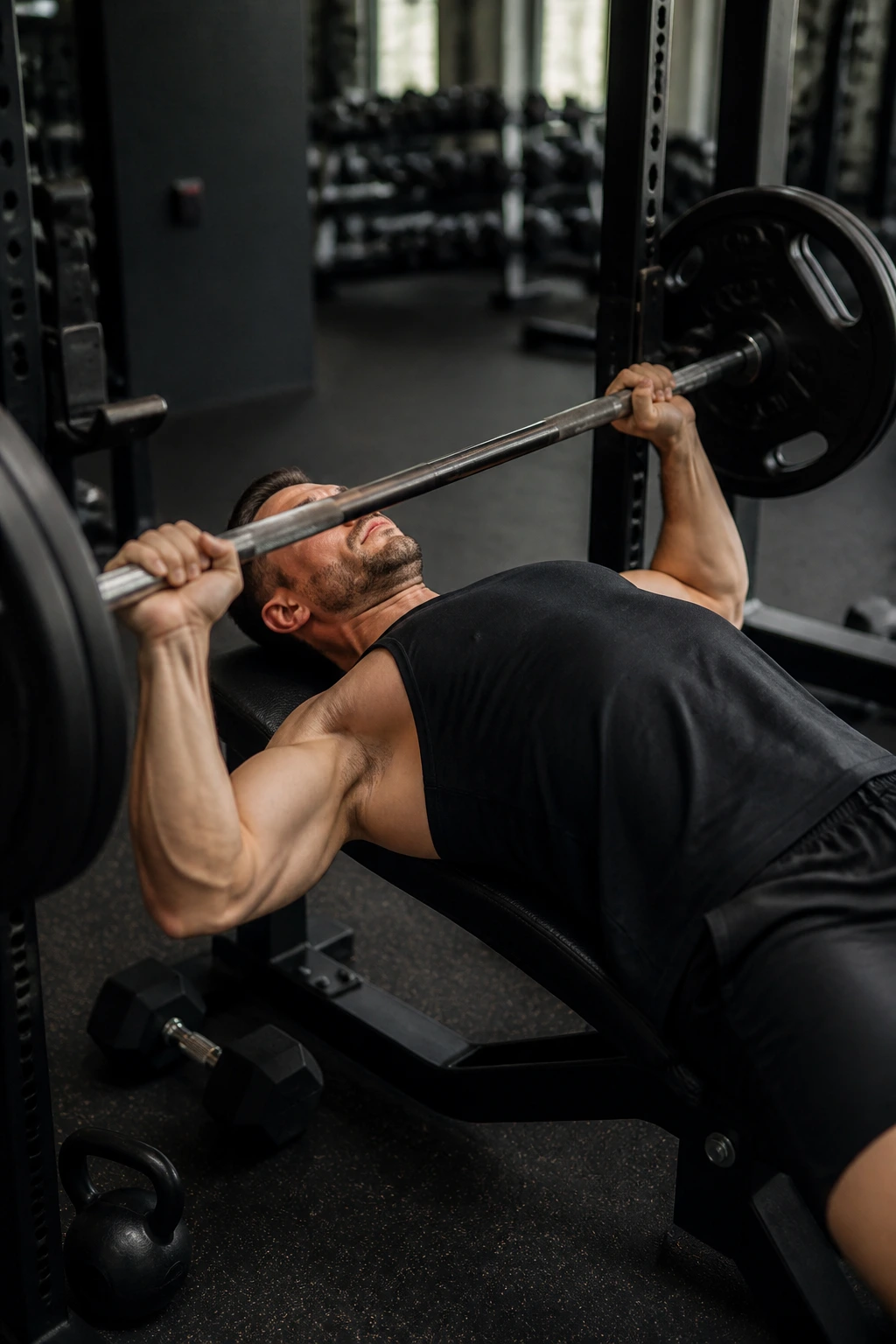
The room gets quieter when you stop trying to do everything at once. A one-main-lift program asks you to focus on one big movement per session, then adds a couple of smaller exercises around it. That focus is useful. Beginners learn faster when they are not juggling six priorities.
A weekly version might look like this:
- Day 1: squat or leg press, then leg curl and plank
- Day 2: bench press or chest press, then row and triceps pressdown
- Day 3: deadlift variation or Romanian deadlift, then pulldown and carry
- Day 4: overhead press, then split squat and face pull
Keep the main lift at 3 sets of 5 to 8 reps. Use the accessory work for 2 sets of 8 to 12. You want enough volume to practice, not so much that your form unravels halfway through.
How to get the most from it
Write down the top set weight every time. That single number matters. If the bar or machine moves better than last week, you are on track. If it feels sloppy, hold steady and clean it up before loading more.
This is one of the best beginner gym programs for people who like structure and want to get better at a few lifts instead of dabbling in everything.
10. Circuit Training Gym Program
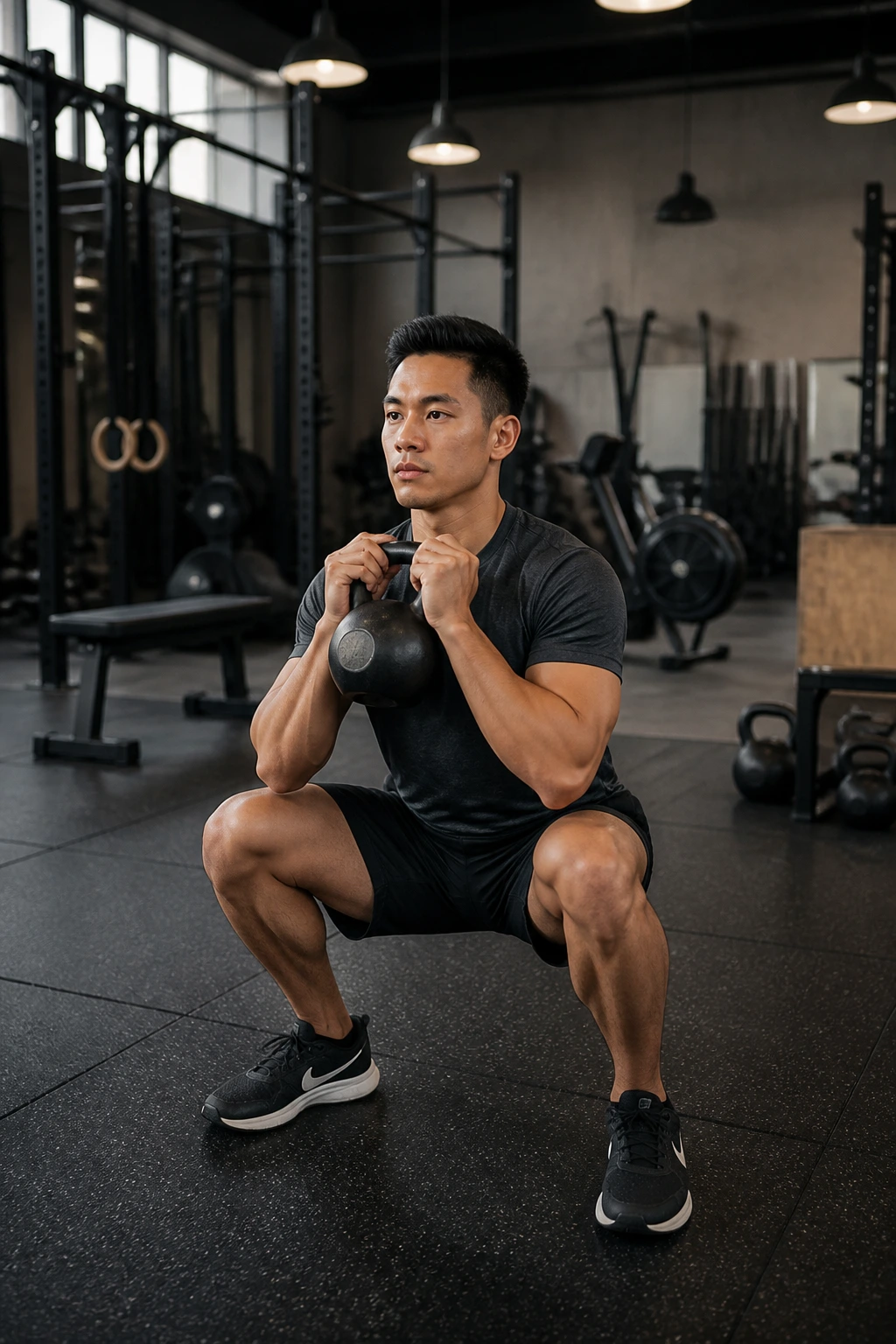
Circuit training is for the beginner who wants movement, sweat, and a simple clock to follow. You move from one station to the next with limited rest, usually 45 seconds of work and 75 seconds of recovery, or just 10 controlled reps at each station before you move on.
A solid circuit can include goblet squats, machine chest press, seated row, kettlebell deadlift, and a plank. Do 2 to 4 rounds. Keep the pace steady enough that your form stays clean. If your shoulders creep up toward your ears or your lower back starts to arch, slow down.
The downside is obvious. Circuits can get sloppy if you chase speed too hard. That is the trap. A beginner does not need to turn every lift into a race. The goal is consistency with a touch of conditioning, not a gasping sprint through bad reps.
Still, I like this format for people who get bored easily. There is always something happening. The room never feels static. And because the rest periods are built in, you can walk out feeling like you worked without needing a separate cardio block.
11. Cable Machine Beginner Plan
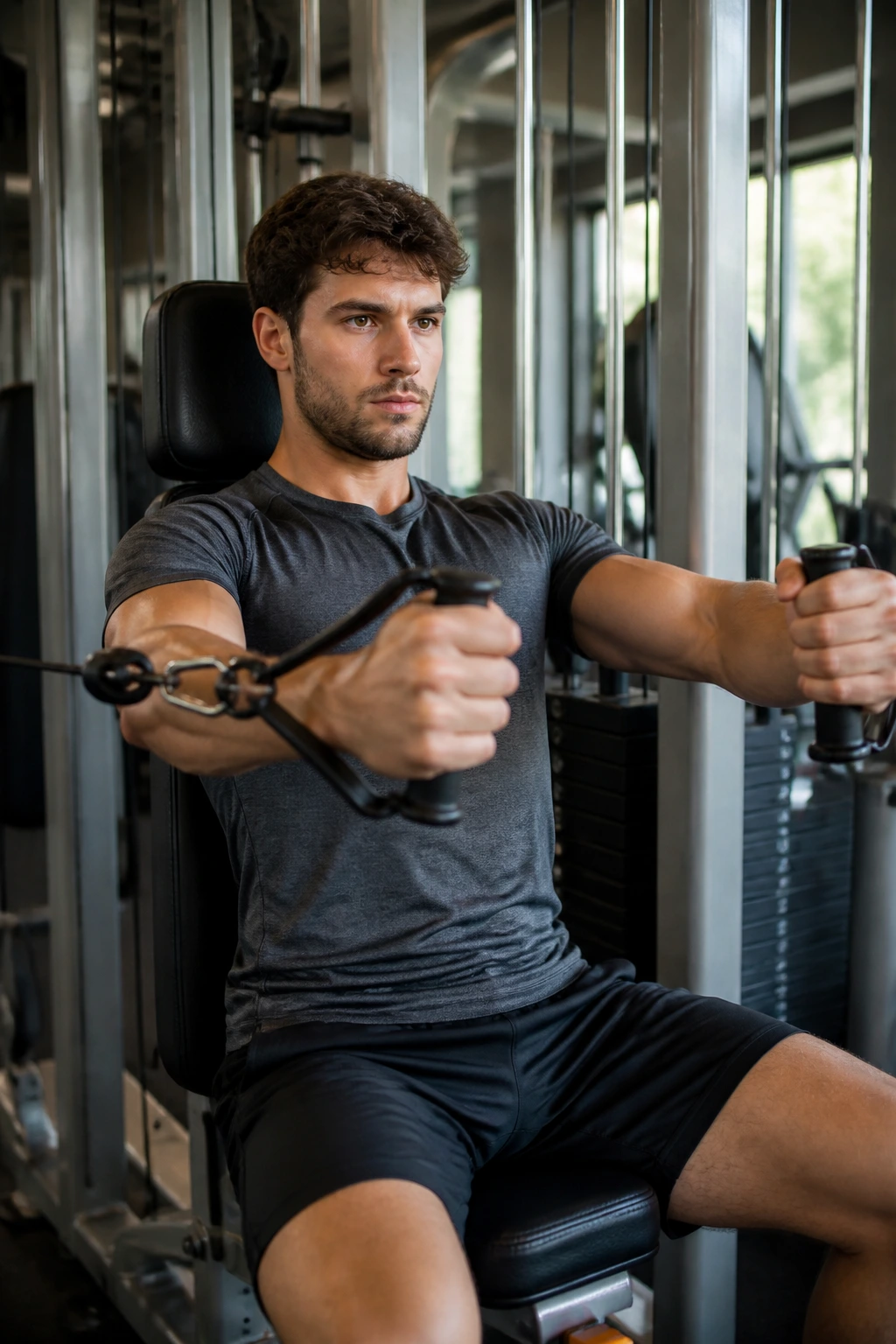
Cables are underrated. They feel smooth, they let you stand, kneel, or split your stance, and the resistance stays on the muscle through a bigger chunk of the motion than a lot of machines do. That makes them a nice teaching tool for beginners.
A cable-based program might use these moves:
- Cable squat or pull-through
- Cable chest press
- Seated cable row
- Face pull
- Woodchop
- Rope pressdown
Use 2 to 3 sets of 10 to 12 reps. Keep the weight moderate and move slowly enough that the stack does not slam. You should feel steady tension, not a jerky tug. If the movement feels weird, shorten the range a little and clean up the path before adding load.
Cables also work well in crowded gyms because they do a lot of jobs without requiring much setup. One station, multiple angles, easy weight changes. That convenience matters when you are new and still building confidence on the floor.
12. Smith Machine Starter Program
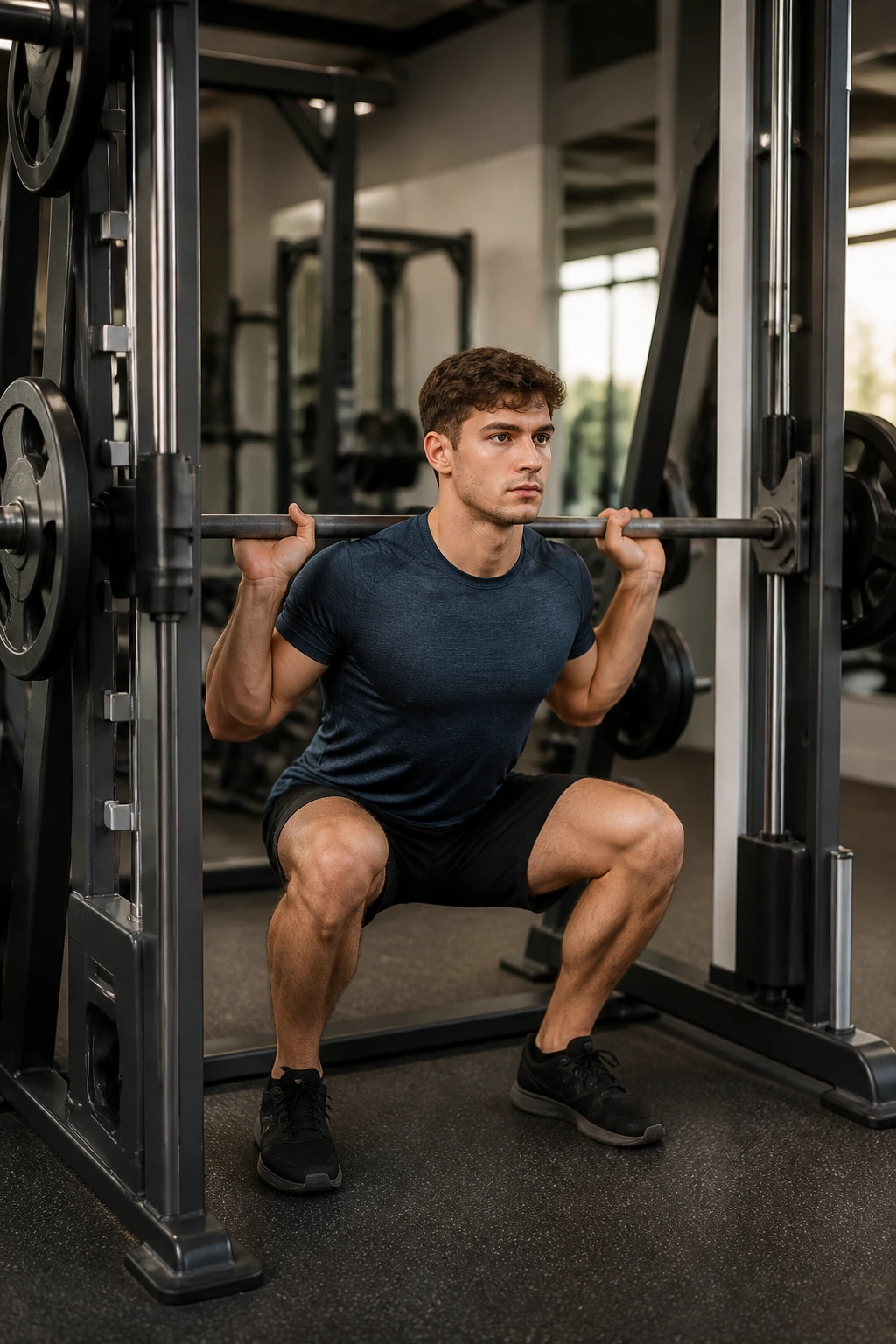
If balance is what keeps tripping you up, the Smith machine can be a useful crutch. That fixed bar path reduces the coordination load, which leaves you free to learn how hard a set should feel and how your muscles should work together.
A beginner Smith machine day can include:
- Box squat or squat to a bench
- Incline press
- Split squat
- Hip thrust
- Calf raise
Use 2 to 3 sets of 8 to 10 reps. Keep your feet planted where the bar path feels smooth, not jammed. The machine should feel stable, not forced. If your knees or shoulders have to twist around it, adjust your stance rather than muscling through.
The catch is simple. Do not live there forever. The Smith machine is helpful because it takes balance out of the equation. Free weights teach balance, bracing, and control in a different way, and at some point you want that practice too. The Smith is a bridge, not a house.
13. Barbell Basics Program
The barbell does not have to be scary. It just needs a little respect and a slow start. For beginners who want to learn the big lifts, a barbell basics program keeps the exercise list short and the jumps small.
A clean version uses:
- Barbell squat or box squat
- Barbell bench press
- Barbell row
- Romanian deadlift
- Overhead press
Start with an empty bar or the smallest useful load. Use 3 sets of 5 reps on the main lifts, then 2 sets of 8 on the accessory work. Rest 2 to 3 minutes when the exercise asks for real effort. That rest is not wasted time. It is part of the work.
The biggest beginner mistake here is trying to look like you know what you are doing before you actually know what you are doing. Ask for a quick rack check. Use the safeties. Film one set if the gym allows it. The bar should travel cleanly, and the lift should feel controlled from start to finish.
If you like measurable progress, this is a good lane.
14. Low-Impact Joint-Friendly Program
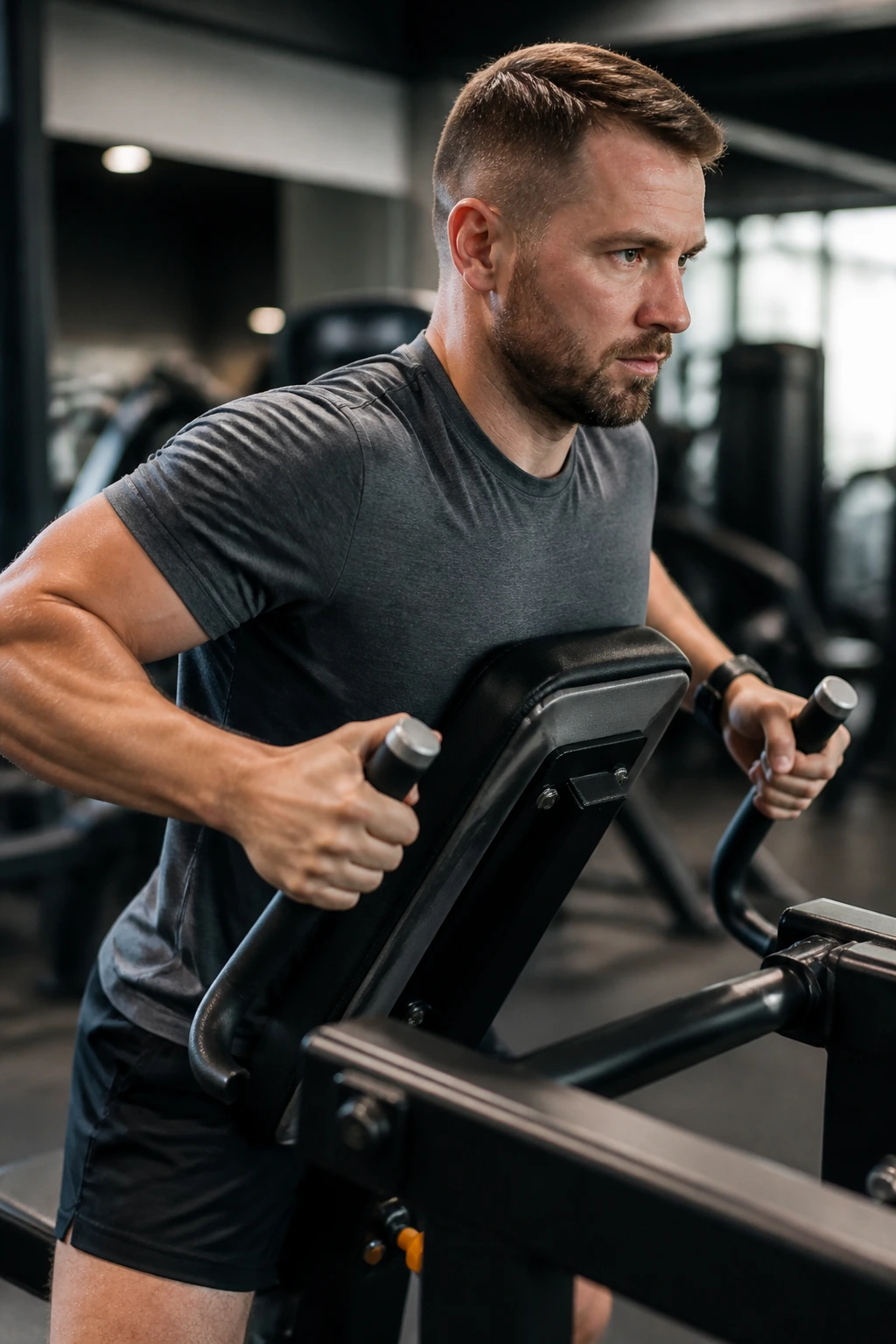
A good joint-friendly workout should feel smooth, not like a fight. If your knees, hips, shoulders, or lower back get cranky when you rush into heavy free weights, a low-impact program gives you room to train without poking at the sore spots.
A simple session might include:
- Elliptical or bike warm-up for 5 to 8 minutes
- Leg press with a shorter range if needed
- Chest-supported row
- Machine chest press
- Glute bridge or hip thrust
- Pallof press
Use 2 sets of 10 to 12 reps and move at a pace where nothing jerks. Keep the range of motion pain-free. Not timid. Pain-free. Those are different things. A shorter squat depth or a lighter press is fine if it lets you train with control.
This style is useful for older beginners, people coming back after a long break, or anyone whose joints complain when sessions get too aggressive. The point is to build momentum without setting off the alarm bells.
15. Busy Schedule 30-Minute Plan

Thirty minutes is enough if the plan is narrow. That is the part people resist, usually because they picture a serious workout as something long and punishing. It does not have to be. It has to be focused.
A compact session shape
- Warm up for 5 minutes on a bike, rower, or treadmill.
- Superset 1: machine chest press and seated row for 2 rounds of 8 reps each.
- Superset 2: leg press and dumbbell shoulder press for 2 rounds of 8 reps each.
- Finish: plank or dead bug for 2 rounds.
- Cool down for 3 to 5 minutes with easy walking.
The timer matters here. If you let the session drift, the whole point disappears. Keep transitions tight. Move when the rest is over. If a lift needs more recovery, add 30 seconds, not 5 extra minutes of wandering.
I like this plan for lunch-break lifters and people whose day is already crowded. It removes excuses without pretending you have infinite time. Short, crisp, repeatable. That’s the whole deal.
16. Fat-Loss Focused Beginner Plan
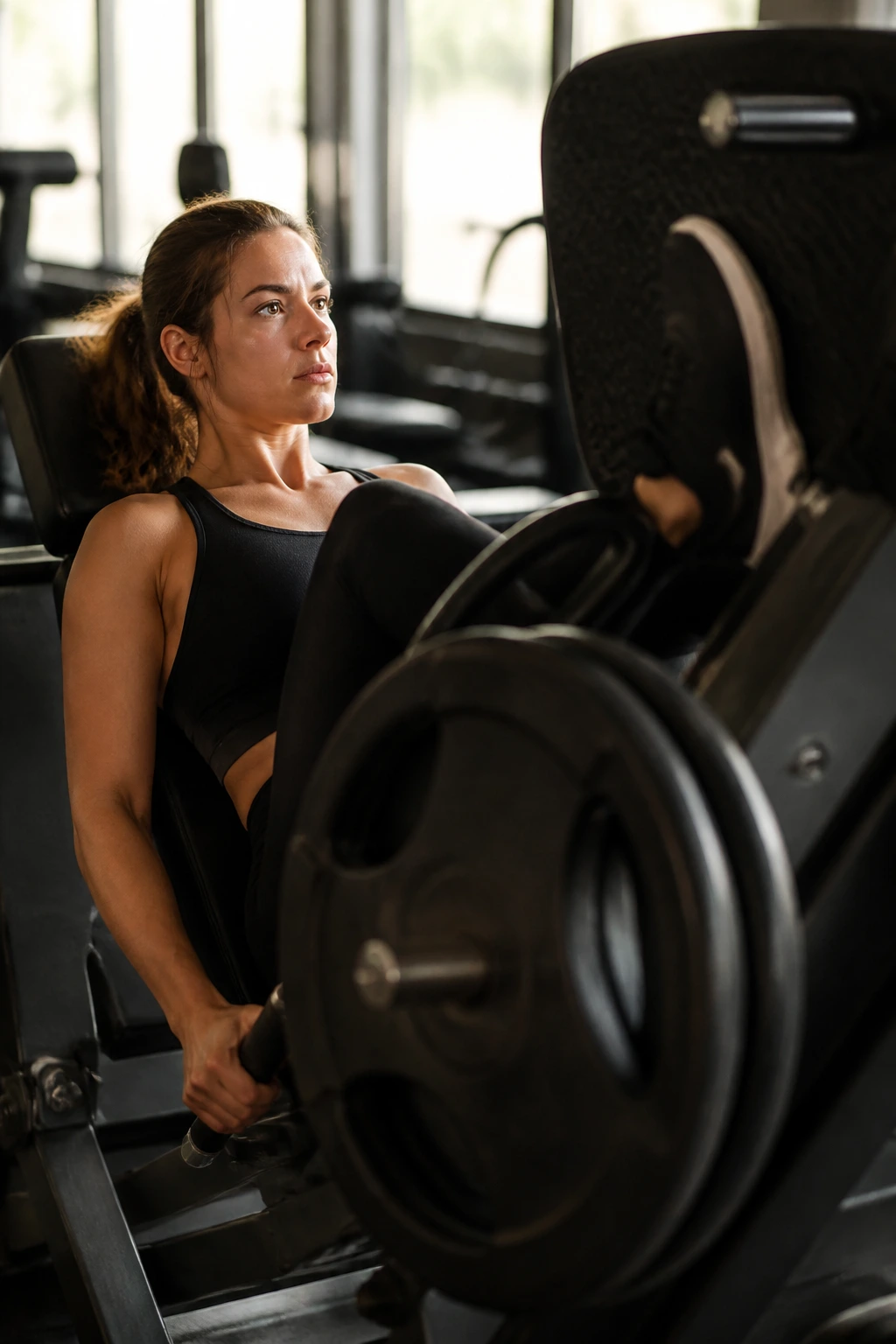
A fat-loss focused beginner gym program should do two jobs at once: build muscle and help you move more. People often want the second part to do all the work. It won’t. Strength training, walking, and eating in a way you can repeat matter more than any sweaty finish.
A smart setup is 3 full-body sessions a week plus daily walking. Each lifting session can include leg press or squat, chest press, row, hinge, and a core drill. Keep the rest modest, around 60 to 90 seconds, so the workout has a little density without turning into a slog.
Cardio can stay simple. A brisk 20-minute walk on a treadmill after lifting, a bike ride, or a few incline intervals is enough. The goal is to increase total weekly movement without making you dread the plan.
The honest part? Fat loss gets messy when the workout is the only thing people want to change. If you sleep badly, snack without thinking, and skip half the week, the program cannot save you. But a steady beginner routine does make the whole process less chaotic, and that counts for a lot.
17. Muscle-Gain Beginner Plan
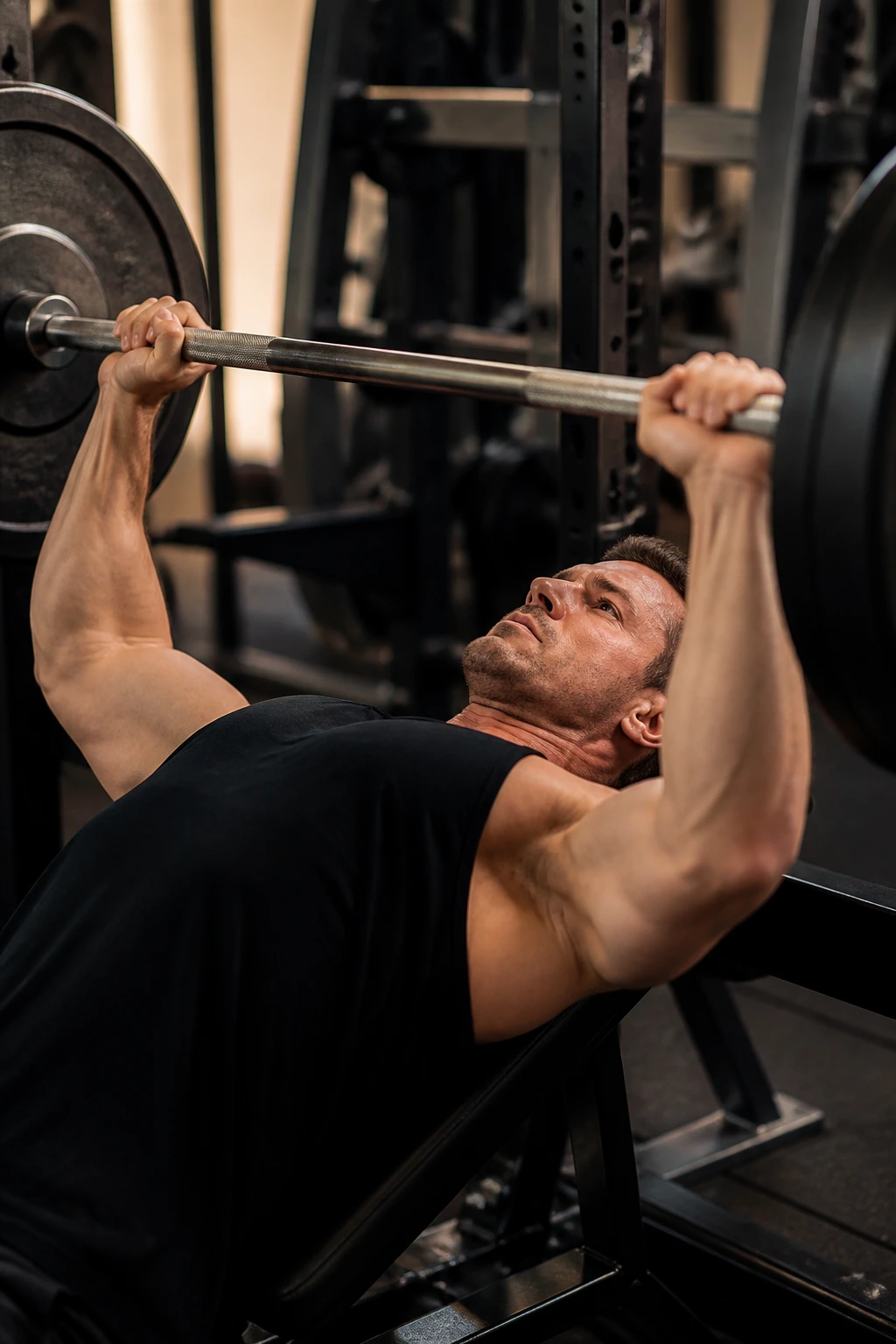
Muscle grows from repeatable tension, not heroic sessions. That is why a beginner muscle-gain plan should be built around exercises you can load a little more over time, not fancy movements that look impressive and teach you very little.
A strong version uses 3 to 4 training days with 6 to 12 reps on most lifts:
- Squat or leg press
- Bench press or chest press
- Row or lat pulldown
- Romanian deadlift
- Shoulder press
- Curl or triceps pressdown
Rest 90 seconds on smaller lifts and up to 3 minutes on the big ones. That extra breathing room matters because strength drives growth when the sets stay hard enough to matter. You are not trying to win a sweat contest. You are trying to give the muscles a reason to adapt.
Track each workout in a notebook or phone note. Write the weight, reps, and one short line about form. That tiny habit helps more than people expect. If you want size, feed it with enough food and enough sleep, then keep showing up. Nothing glamorous. Very effective.
18. Home-and-Gym Hybrid Program
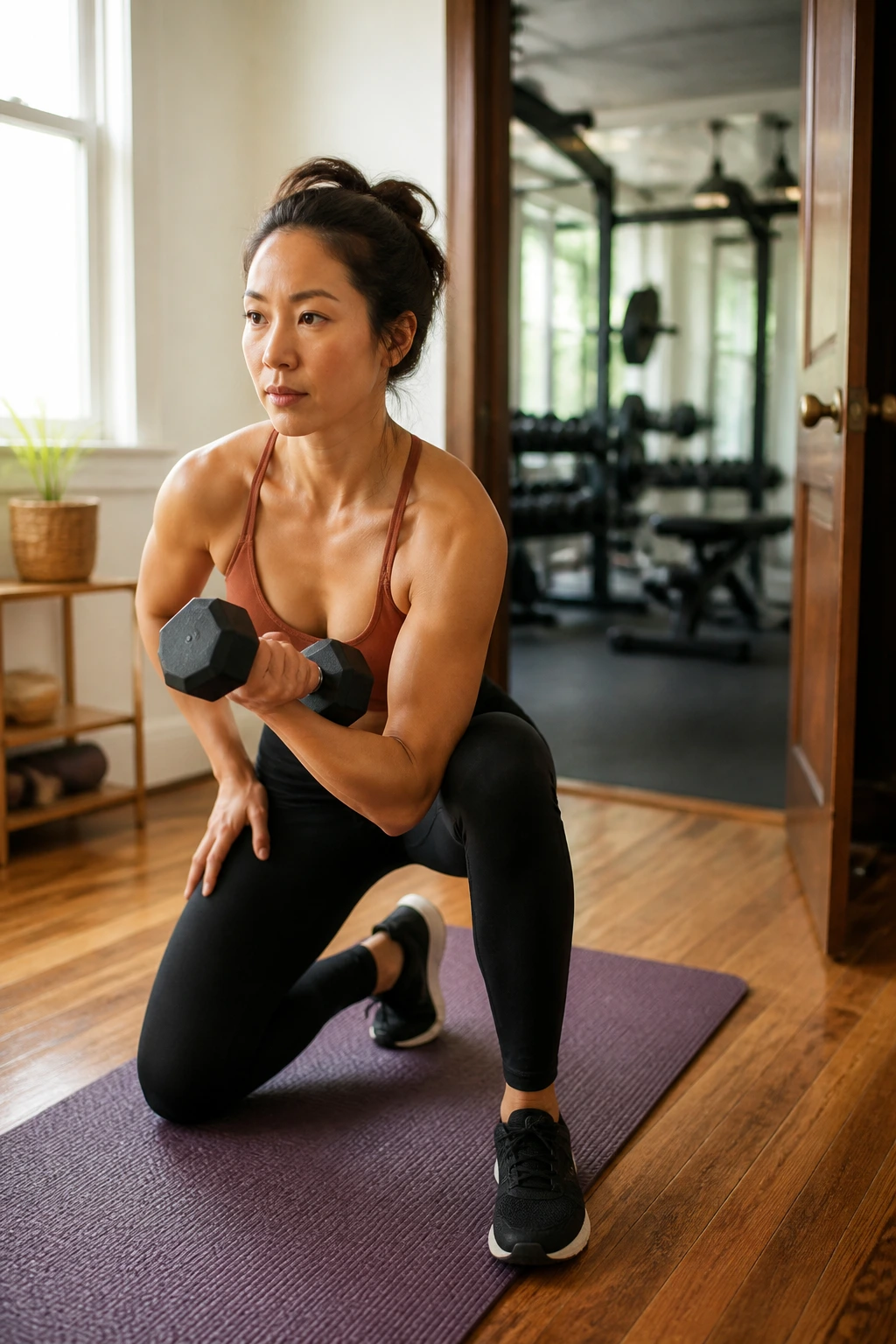
If gym access is inconsistent, a hybrid program can save the month. You use the gym for the heavy stuff and home for the filler work, which keeps the routine alive when travel, work, or family stuff gets in the way.
A simple hybrid week might look like this:
- Gym day: leg press, chest press, row, hamstring curl
- Home day: push-ups, band rows, goblet squats, carry or march in place
- Gym day: pulldown, dumbbell press, split squat, cable crunch
The home session does not need to copy the gym session. It just needs to keep the habit alive. Even 20 to 25 minutes at home can protect your momentum, especially when the alternative is skipping the whole week because you cannot make it to the club.
This setup is underrated for beginners who do not yet know what kind of training they love. You get enough variety to stay interested, but the structure stays simple enough that you do not drift.
19. Return-to-Gym Reset Program
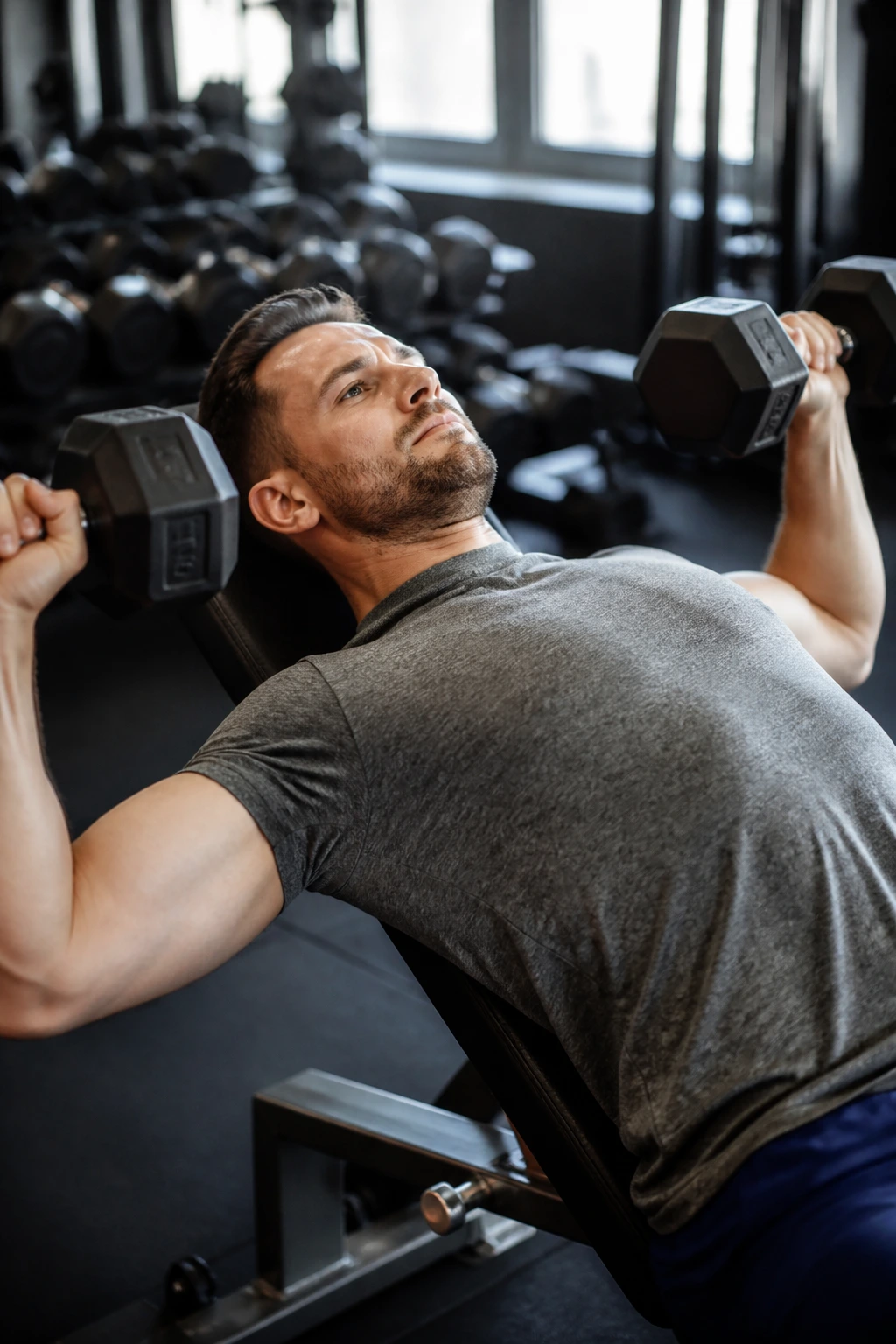
The first week back should feel almost too easy. That is not a sign you are weak. It is a sign you are smart. A return-to-gym reset program helps you rebuild the habit without turning every session into a soreness festival.
Start with 1 to 2 sets per exercise and keep 3 reps in reserve. Choose familiar moves: leg press, chest press, row, hip hinge, and a light core drill. Rest a little longer than you think you need. The goal is to leave the gym feeling like you could have done more.
What to focus on
- Smooth reps, not grinding
- Short sessions, around 30 to 40 minutes
- Light soreness the next day, not deep fatigue
- A simple log so you can see the weights climbing again
This program is useful after travel, a long break, or a stretch where life pulled your attention somewhere else. The body often remembers faster than the mind expects, but only if you give it an easy re-entry. Pushing too hard too soon is the fastest way to make the gym feel like a bad idea again.
20. Four-Week Repeat-and-Add-Weight Plan

Pick almost any beginner gym program above and run it through a clean four-week progression. That part matters more than the fancy label on the plan. Beginners often think the workout itself is the secret. The real secret is repeating it long enough to get better at it.
Week 1 is for learning the setup, the seat height, the bar path, and the weight that feels challenging but not messy. Week 2 is for repeating the same loads and making the reps look cleaner. Week 3 is where you add 1 rep to one or two sets, or tiny weight jumps if the exercise feels solid. Week 4 is where you either add another small bump or keep the weight and tighten the form again.
A simple progression rule
- If you hit the top of the rep range with clean form, add weight next time.
- If your form slips, keep the same load and repeat it.
- If the last set feels brutal, the weight is probably too high.
- If you finish every set smiling, it is probably too light.
That is the whole loop. No drama.
A beginner gets stronger by collecting small wins, not by chasing a different workout every time the mood changes. Repeat. Log. Add a little. That slow climb is what makes a gym program actually work.
