



Three minutes of scrolling between sets is not a training plan. It’s a pause button.
If your workouts feel long but your body is not changing the way you want, supersets for women who want faster results can make a huge difference because they trim dead time and keep useful work moving. You spend less time standing around, more time training, and usually finish with a little more sweat and a little less boredom. That is not magic. It is density.
I like supersets for one blunt reason: they expose wasted time. A smart pair of exercises can hit different muscle groups, save ten or fifteen minutes, and still leave you fresh enough to lift hard on the next round. But the pairing matters. Put the wrong moves together and you just get sloppy reps, cranky shoulders, and a lower back that files a formal complaint.
One thing I would never do is pair two maximum-effort lifts and pretend that is clever. Heavy deadlifts need room to breathe. So do hard squats. The sweet spot is usually a pair that challenges you without turning the second exercise into a mess.
These fifteen pairings lean on what actually works in real gyms: push with pull, squat with hinge, core with load, and a few finishers that leave no doubt you earned your shower. Use them as written, or steal the structure and swap in your own favorite moves when the equipment is busy.
1. Goblet Squat + Romanian Deadlift
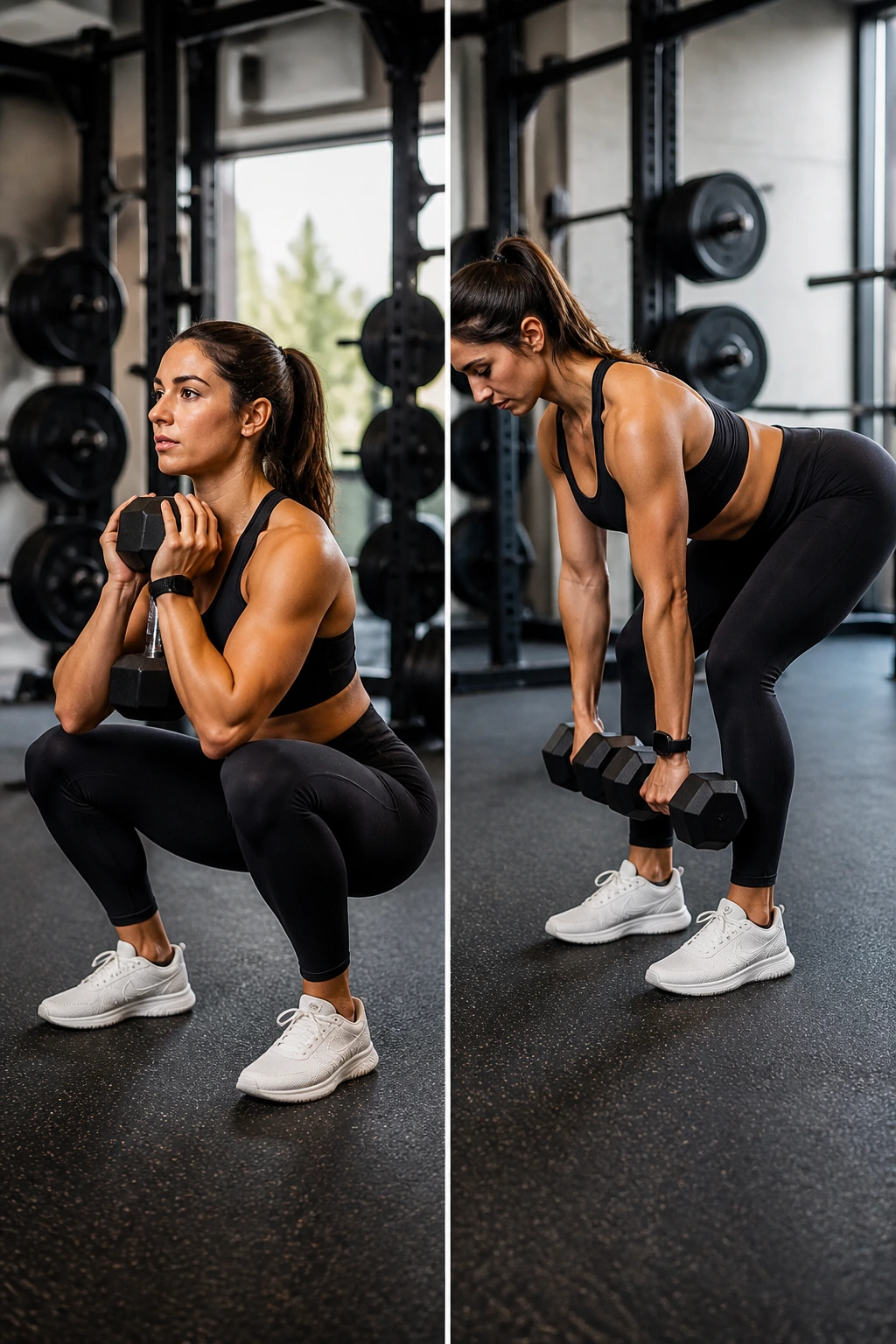
This is the pair I hand to people who want a lower-body superset that makes sense from the first rep. The goblet squat hits quads, glutes, and core bracing; the Romanian deadlift shifts the work toward hamstrings and the back side of the body. Together, they cover a lot of ground without beating up the same joints twice in a row.
Why It Works
The squat lets your knees do the main job. The hinge lets your hips do it. That split keeps the second exercise from feeling like a repeat of the first, which is why this pairing usually feels tough in a useful way instead of just annoying.
Use 3 to 4 rounds of 8 to 10 reps on each move. A dumbbell or kettlebell in the 20-45 pound range is enough for many lifters, but the real test is simple: you should finish each set with clean form and maybe 1 or 2 good reps left in the tank.
What to Watch For
- Keep the chest proud on the squat, but do not lean so far back that your ribs flare.
- On the Romanian deadlift, slide the hips back and keep a soft bend in the knees.
- Stop the hinge when your hamstrings start to tug and your back still feels flat.
- Rest 45 to 75 seconds after the pair.
Tip: If your lower back feels the work more than your hamstrings, the dumbbell is probably drifting too far from your legs.
2. Dumbbell Bench Press + One-Arm Row
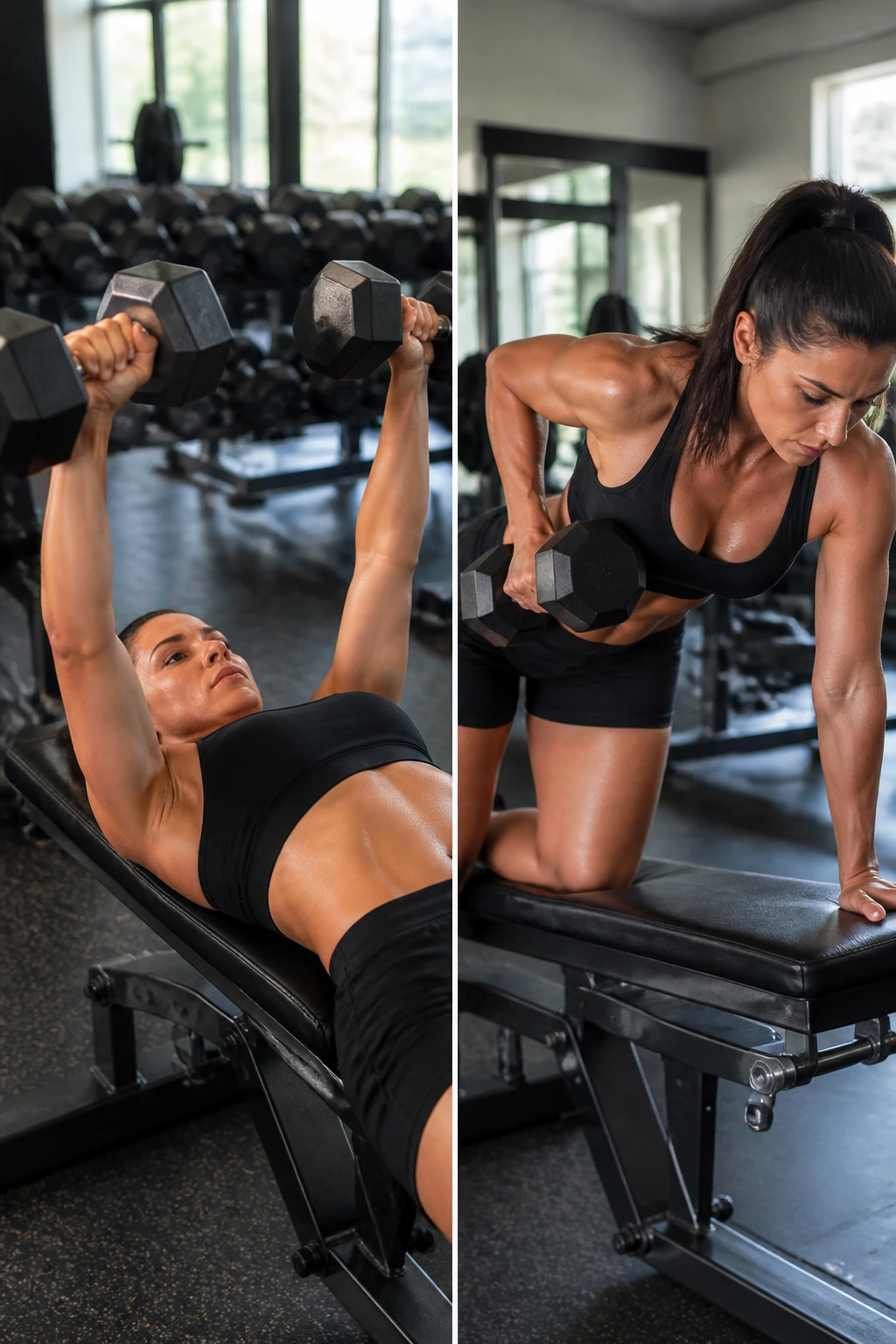
Push and pull belongs together. That is the whole story here, and it is a good story. The dumbbell bench press trains chest, shoulders, and triceps, while the one-arm row balances it out with upper-back work that most people desperately need anyway.
This pairing is especially useful if you sit a lot or spend most of your week hunched over a keyboard. Rows help pull the shoulders back into a better position, and bench press gives you the pressing strength people like to notice. You get both in one tight block.
I would use 8 to 12 reps per side on the row and 8 to 10 reps on the press for 3 to 4 rounds. Keep the row strict. No twisting. No heaving the weight up with a shrug and calling it “momentum.” That’s a shortcut to nowhere.
If you want a simple rule, here it is: the bench should feel strong, and the row should feel clean. When those two things happen in the same session, progress tends to show up in the mirror and in the gym log.
3. Reverse Lunge + Dumbbell Overhead Press
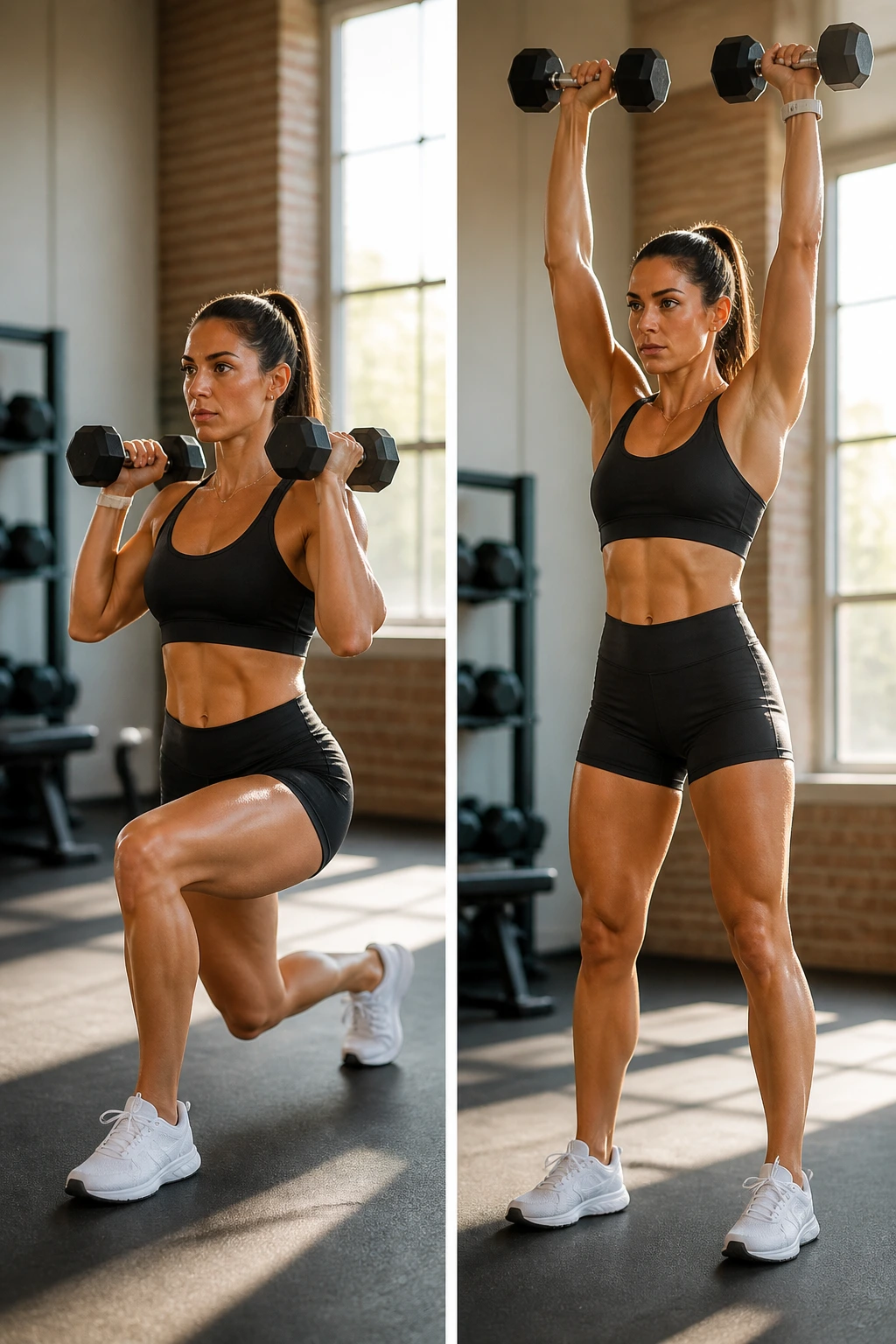
A reverse lunge is a little kinder to the knees than a forward lunge, which is one reason I like it so much in supersets. Pair it with an overhead press and you get legs, glutes, shoulders, and core all working without turning the workout into a circus act.
Best Loading
Start lighter than your ego wants. Seriously. The lunge already asks for balance, and the press asks for stability above your head. Put those together and a sloppy weight choice shows up fast. 3 rounds of 6 to 8 reps per leg and 8 to 10 presses is plenty for most people.
A nice detail here is the breathing. Step back, lower under control, drive up, then press once you are standing tall. If you rush the sequence, the second half gets messy. If you stay patient, the whole thing feels athletic instead of chaotic.
Watch the Setup
- Keep the front foot planted like you mean it.
- Lower until the back knee nearly brushes the floor.
- Press in a straight line over the shoulder, not out in front.
- Brace your ribs before each press.
This one earns its place because it teaches coordination, not just effort. That matters more than people think.
4. Lat Pulldown + Incline Push-Up
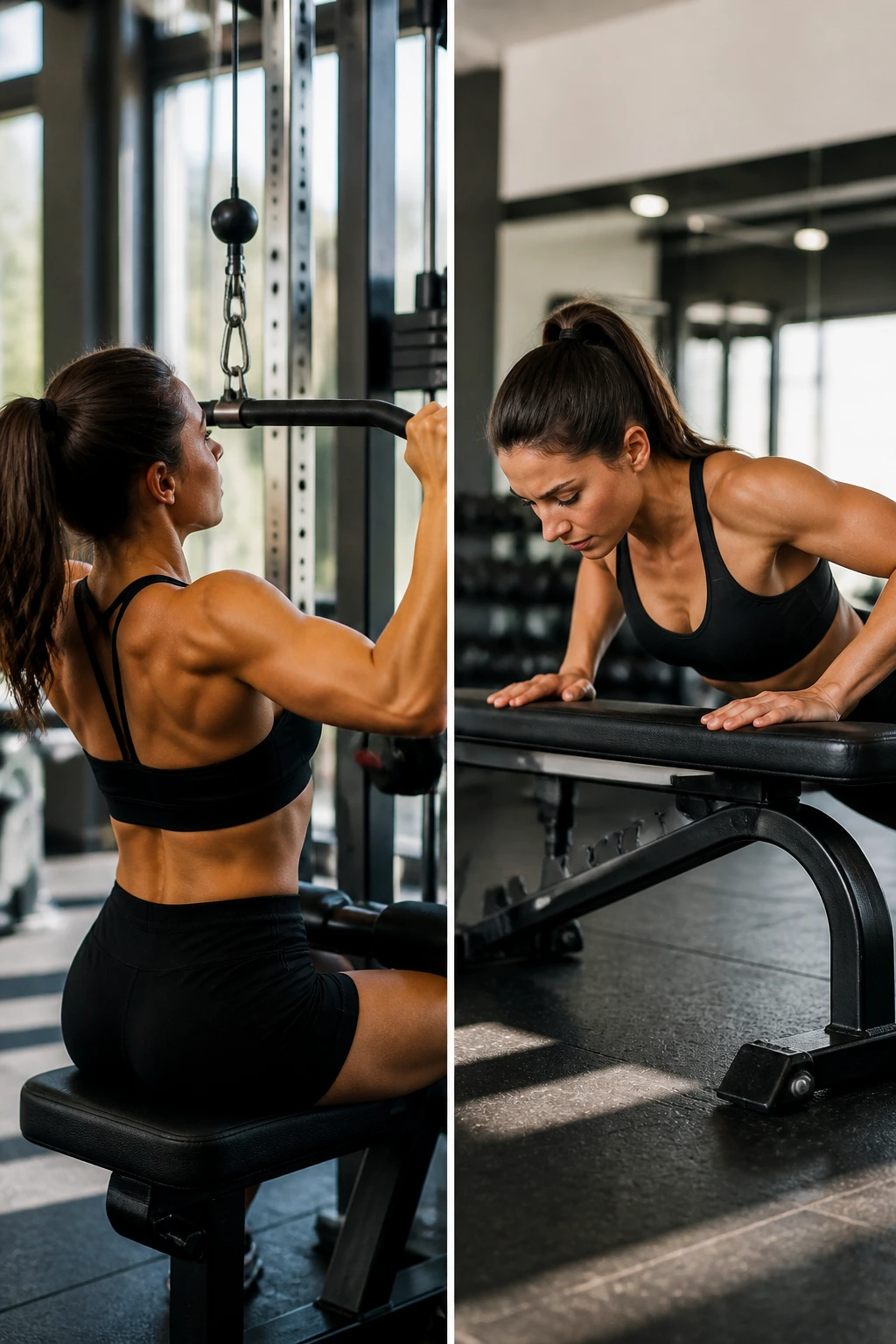
Here is a pairing that looks simple and works because it respects the shoulder joint. The lat pulldown pulls the upper body down and back, while the incline push-up gives you pressing work with a friendlier angle than a floor push-up. Together, they build upper-body strength without needing a barbell or a fancy setup.
What I like most is how forgiving this is for beginners. A higher bench or Smith machine bar makes the push-up easier to scale, and the pulldown machine lets you choose a load that feels challenging without wrecking form. For a lot of lifters, that is where progress starts.
Use 10 to 12 reps on both moves for 3 or 4 rounds. Pause briefly at the bottom of the pulldown. On the push-up, keep your body straight from head to heels and lower until the chest nearly touches the bench or bar.
A lot of people chase arm work and ignore pulling. Bad trade. This pair keeps the front and back of the upper body in better balance, and that tends to show up in posture first, then in strength.
5. Hip Thrust + Dead Bug
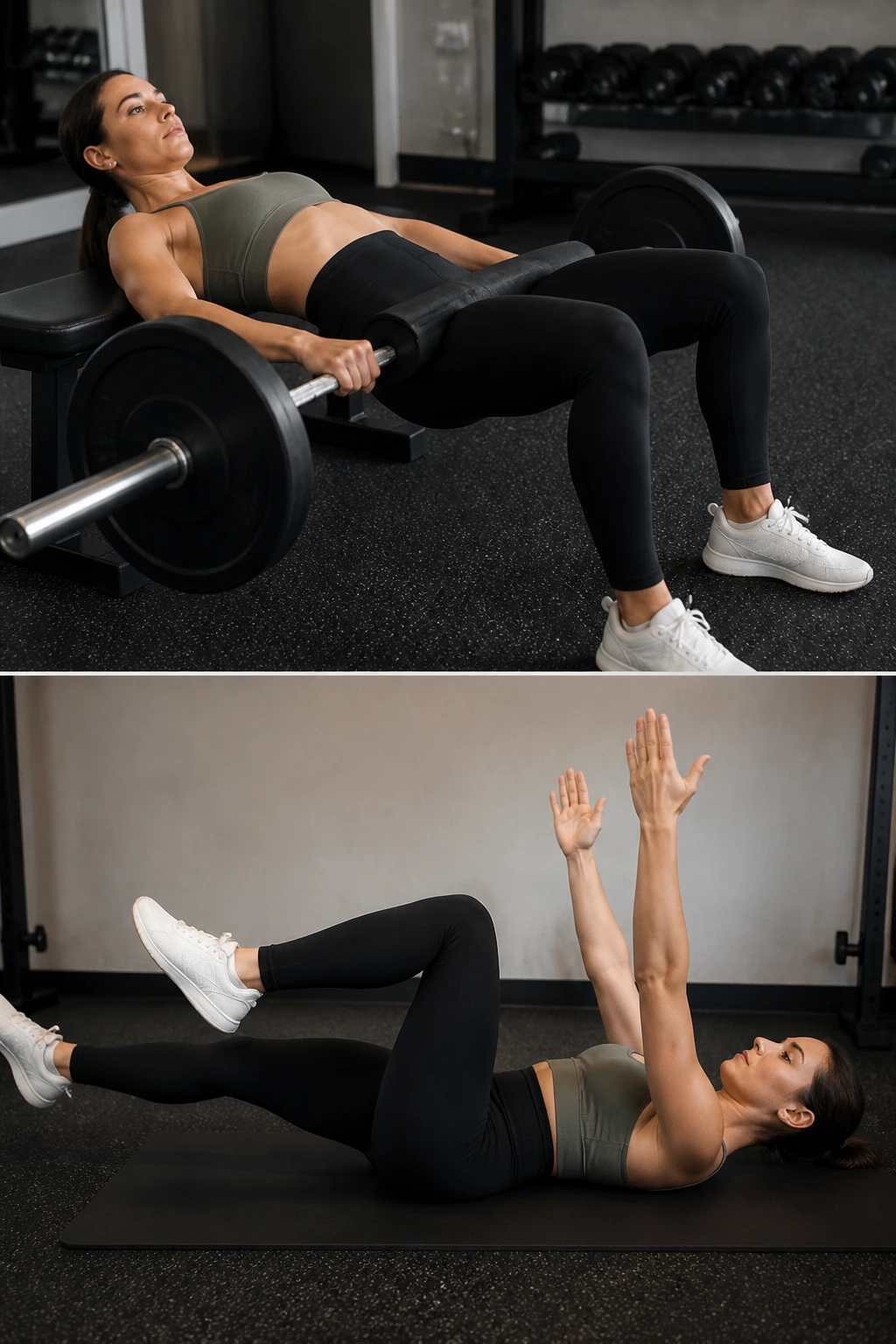
This is one of my favorite combinations for people who want better glutes without ignoring the part that stabilizes them. The hip thrust gives you a hard glute squeeze at the top of each rep. The dead bug teaches the ribs, pelvis, and deep core to stay quiet while the limbs move.
Why It Works
A strong glute means little if your torso folds every time the load gets heavier. That is where the dead bug earns its keep. It is not flashy. It is not meant to be. It keeps the core honest so the hip thrust can do what it is supposed to do.
Try 10 to 12 hip thrusts followed by 8 to 10 dead bugs per side for 3 to 4 rounds. On the thrust, pause for a full second at the top. On the dead bug, move slowly enough that your lower back stays glued to the floor.
A tiny detail makes a big difference here: tuck the chin slightly during the dead bug so the neck does not take over. Small fix. Big payoff.
6. Kettlebell Swing + Plank Shoulder Tap
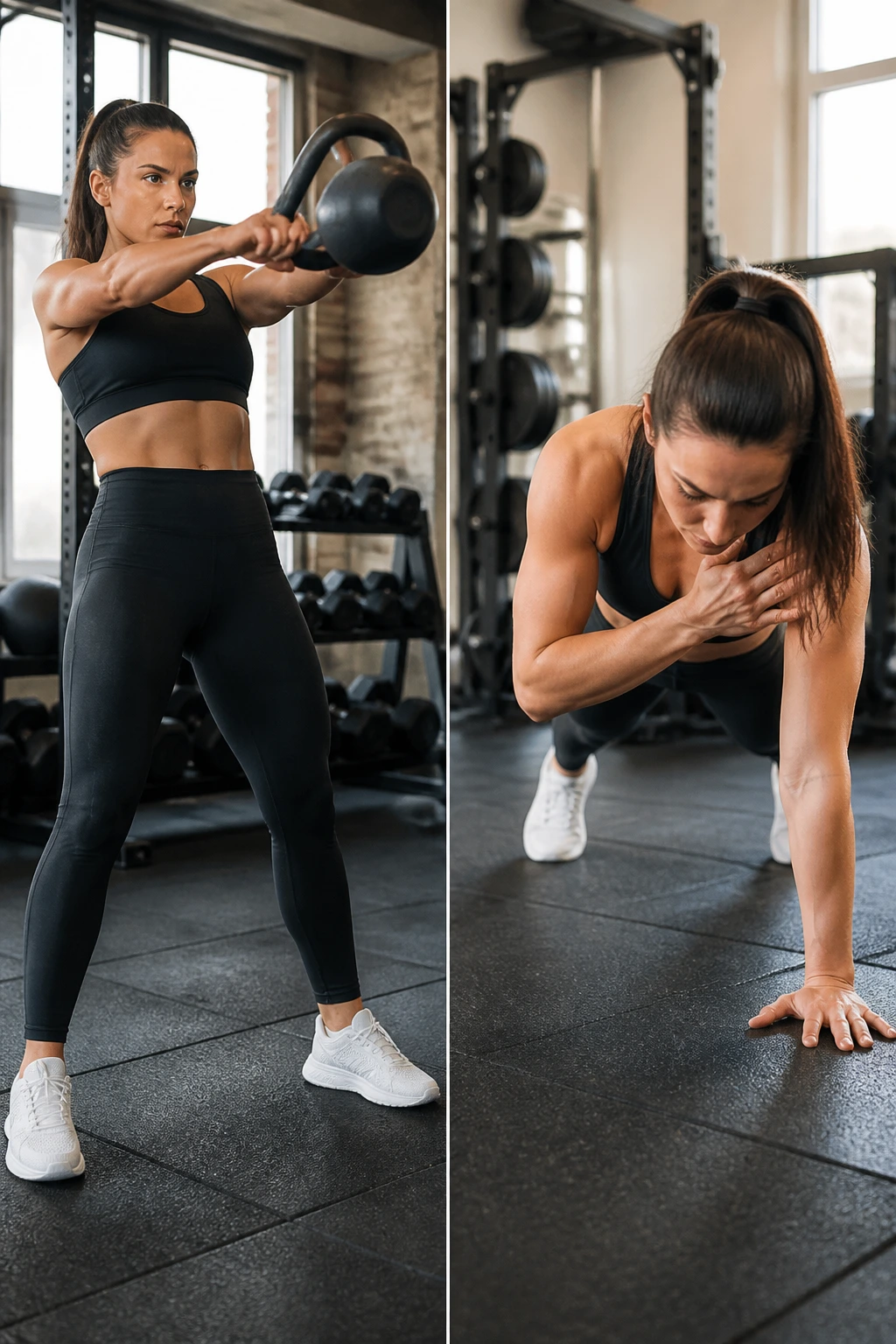
Short. Sharp. A little rude. That is this superset.
The kettlebell swing is a power move built on a hip snap, not a squat. The plank shoulder tap adds core demand by forcing your body to resist twisting while your hands shift. Put them together and you get a conditioning block that lights up the back side of the body and the midsection in one go.
I like this pair when a workout needs a faster pulse without drifting into pointless cardio. 15 to 20 swings followed by 20 shoulder taps — 10 per side — for 5 to 6 rounds can leave you breathing hard without needing an hour on a treadmill. The key is keeping the swing explosive and the plank steady.
Don’t turn the swing into a front raise. The bell should travel because your hips drive it. If your shoulders are doing all the work, the set is wrong before it even starts.
7. Dumbbell Curl + Rope Pressdown
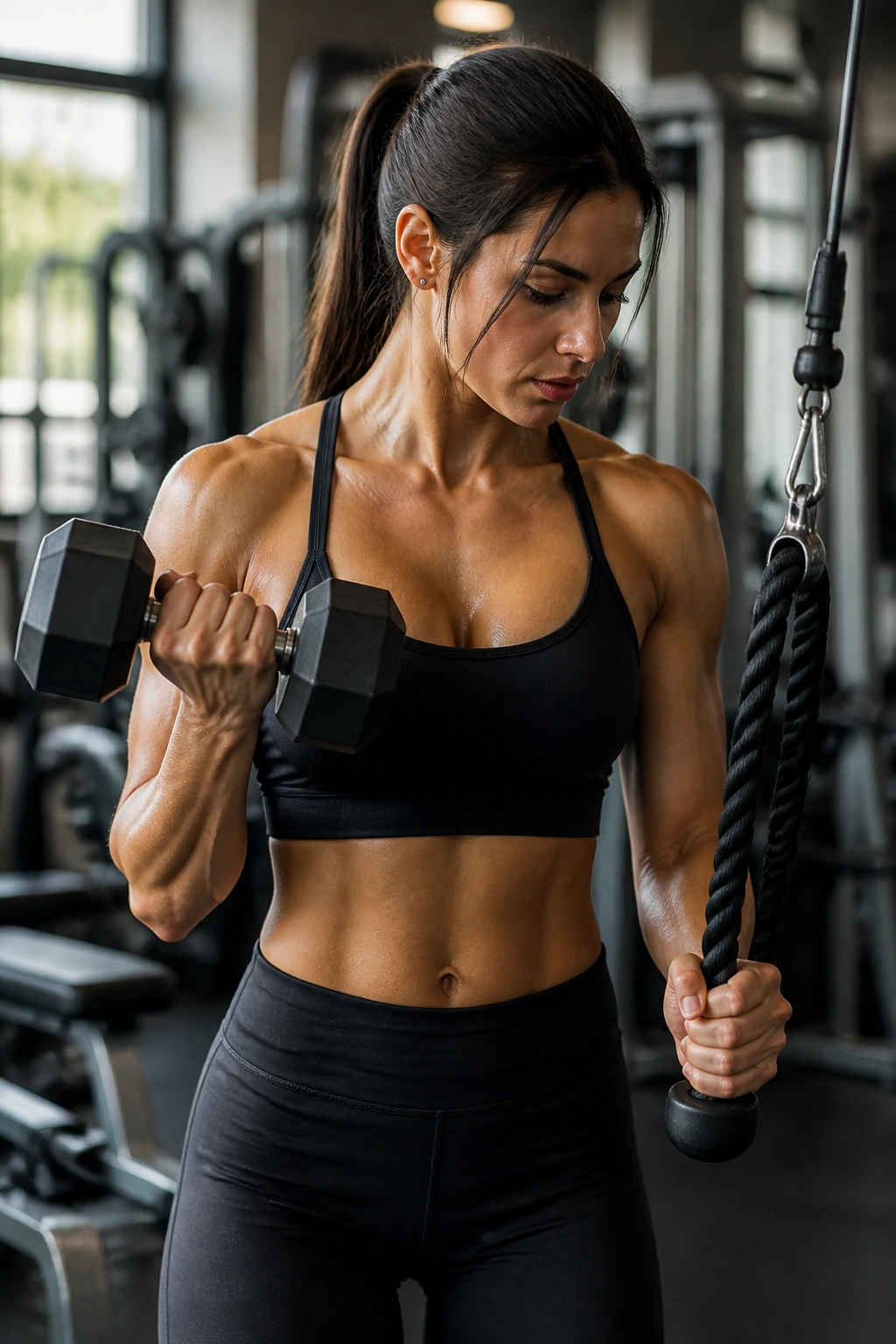
Some people call arm work “extra.” I call it the part most people secretly enjoy. This superset keeps it clean: a dumbbell curl for the biceps, then a rope pressdown for the triceps. No wasted setup. No complicated angle changes. Just direct work.
Quick Form Notes
- Curl with your elbows pinned near your sides.
- Do not swing the dumbbells up with your hips.
- On the pressdown, split the rope at the bottom and squeeze for a second.
- Keep the upper arms still on both exercises.
Use 10 to 15 reps on each move for 3 to 4 rounds. A moderate load is enough; you are not trying to win a circus strongwoman contest here. You are trying to create enough tension that the last few reps slow down but still look tidy.
What makes this pair useful is the simplicity. When your main lifts are done, this is a fast way to finish the arms without stealing energy from everything else. It also works well on upper-body days when you want a little more volume and do not want to stay in the gym all evening.
8. Bulgarian Split Squat + Standing Calf Raise
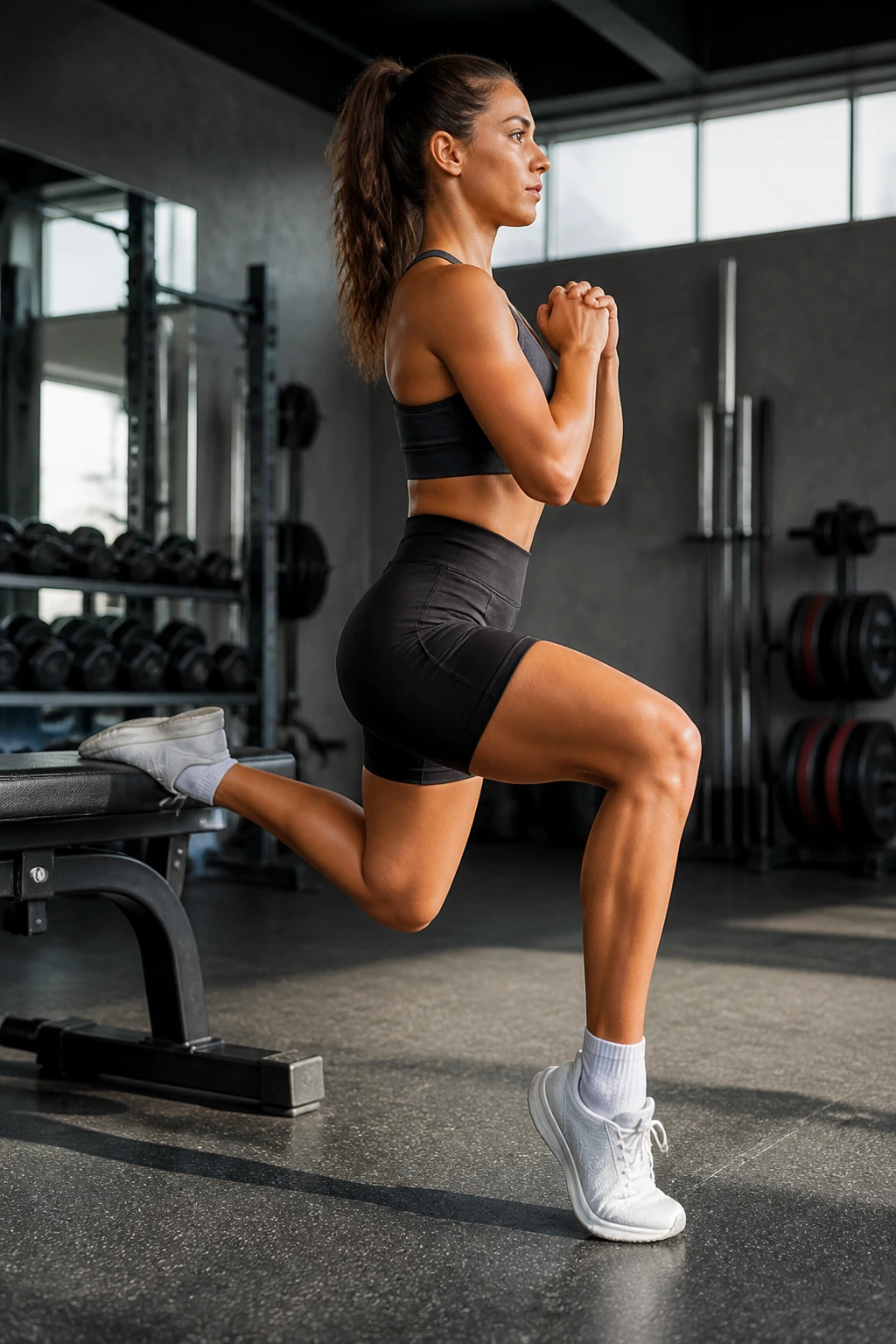
The Bulgarian split squat is one of those exercises people avoid until they realize how good it is for building single-leg strength. Add a standing calf raise right after it and you get a lower-body superset that attacks the legs from the thigh all the way down to the ankle.
This pair is sneaky hard. The split squat makes the front leg do almost all the work, and the calf raise gives the lower leg a direct hit after that. I like it because it fills in the gaps that big bilateral lifts sometimes miss. It also exposes side-to-side differences fast, which is useful even if it is mildly annoying.
Use 8 to 10 reps per leg on the split squat and 12 to 15 calf raises for 3 rounds. Hold the top of the calf raise for a full second. That pause matters more than people think.
If balance is shaky, place one hand on a rack or wall. No shame in that. Better balance usually means better reps.
9. Chest-Supported Row + Lateral Raise
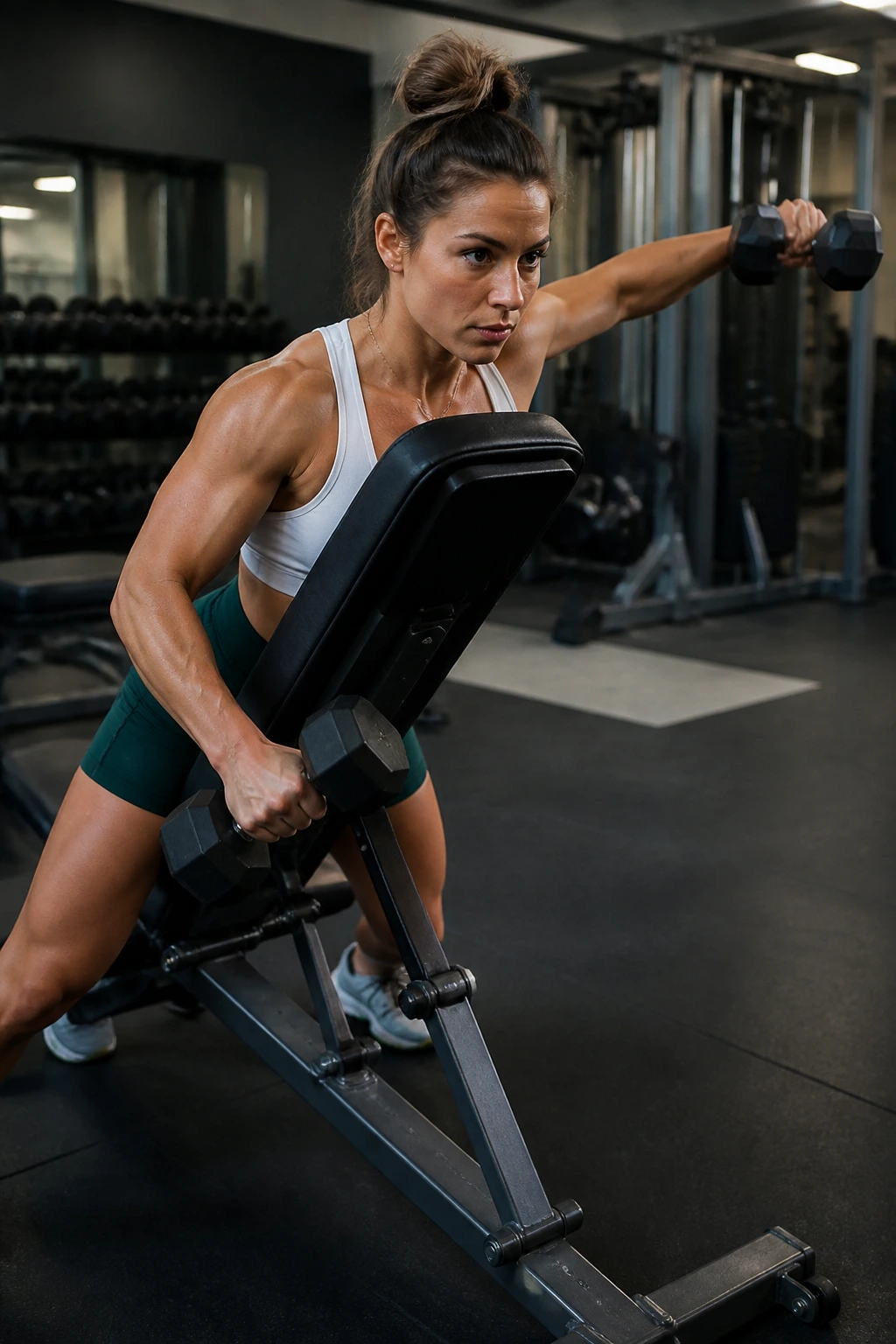
This is one of the cleaner upper-body pairings on the list because it lets the back work hard without your lower back getting dragged into the drama. The chest-supported row handles the big pulling pattern. The lateral raise targets the side delts, which are the part of the shoulder that gives the upper body a broader look.
What Makes It Different
Unlike bent-over rows, the chest-supported version removes a lot of cheating. That sounds harsh, but it is useful. You can actually feel the upper back doing the work instead of your hips trying to save the set.
Use 10 to 12 rows and 12 to 15 lateral raises for 3 to 4 rounds. On the raises, keep a slight bend in the elbows and lift until the arms are about parallel to the floor. Higher is not better. Higher usually means the traps took over.
If your gym has an incline bench, that is all you need. Set it around 30 to 45 degrees and keep the chest glued down. The clean setup makes a big difference. Messy rowing turns into momentum fast.
10. Step-Up + Glute Bridge
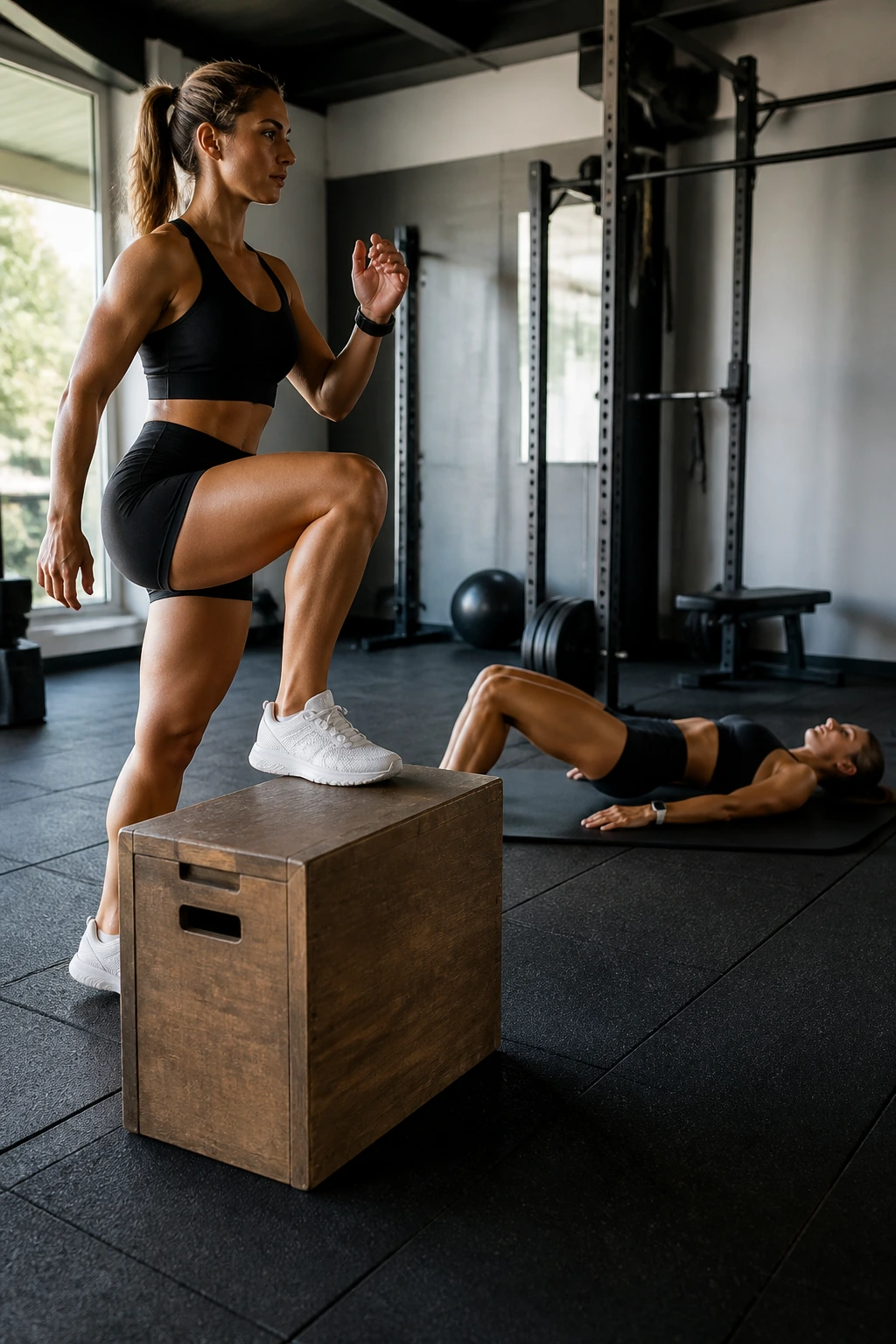
A step-up looks plain until you do a real set of them. Then it gets serious. Pairing it with a glute bridge gives you a lower-body block that hits one leg at a time and then asks the glutes to finish the job on the floor.
I like this one for people who want practical strength and do not want to spend forever chasing complicated lifts. Step-ups train balance, knee drive, and glute power. Glute bridges let you stay grounded and finish the posterior chain without loading the spine too much.
Try 8 to 10 reps per leg on the step-up and 12 to 15 bridges for 3 rounds. Choose a box or bench height where the working thigh is close to parallel, not so high that you have to launch yourself. Controlled is the goal.
A small forward lean on the step-up is fine. It often helps the glute take more of the load. Just do not collapse through the torso.
11. Front Squat + Walking Lunge
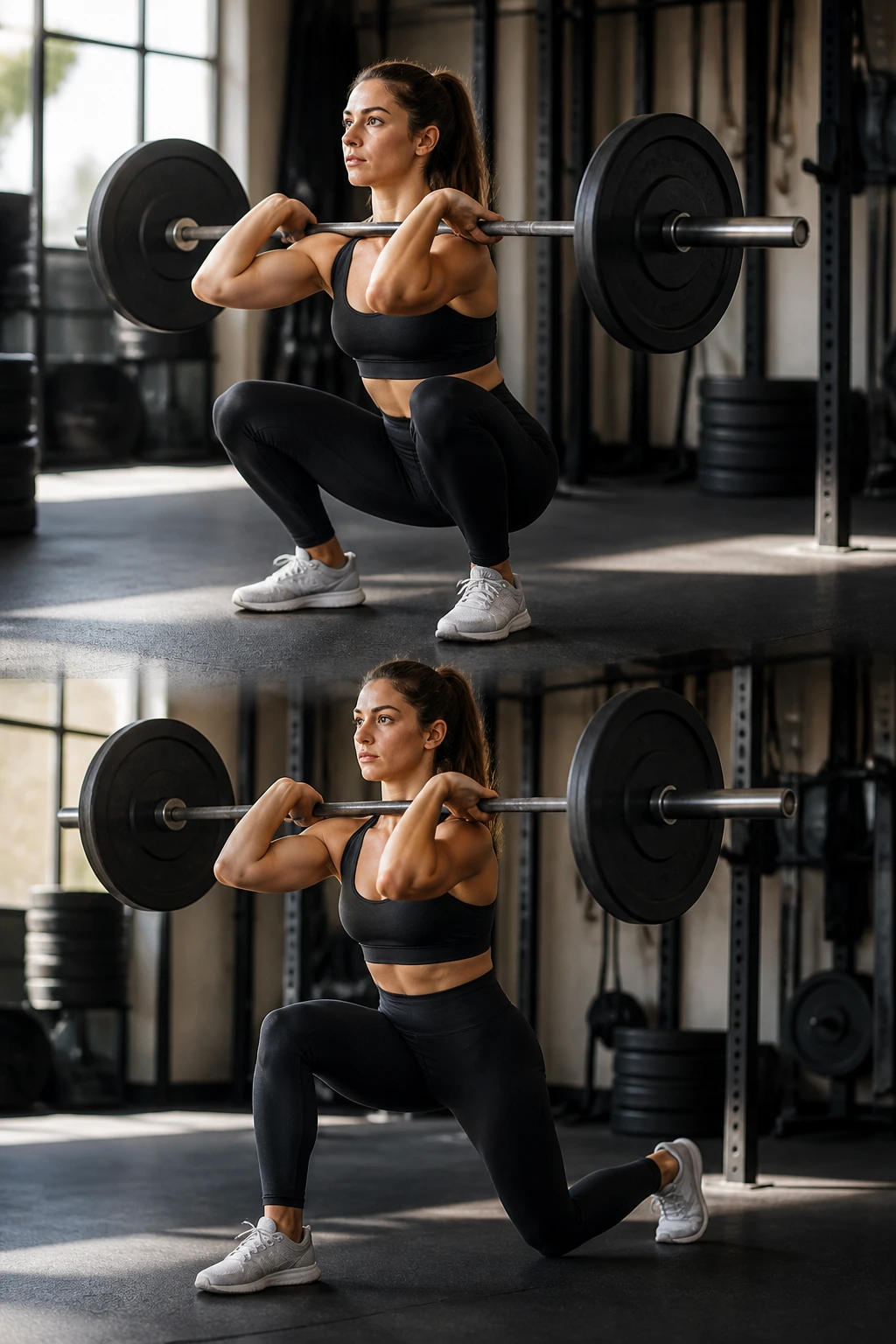
This is not a casual pair. If you want your legs to know they were trained, front squats followed by walking lunges will make the point. The front squat loads the quads hard and forces the torso to stay upright, while the walking lunge keeps the work going through range, balance, and fatigue.
Why It Hits So Hard
Front squats are demanding because the bar or dumbbells sit in front of the body. That position makes the core brace harder and the quads light up faster. Walking lunges then turn the whole lower body into a moving machine, which is why the heart rate climbs along with the burn in the legs.
Use 6 to 8 front squats and 10 to 12 walking lunges per leg for 3 rounds. This is one of the few pairings where a slightly longer rest, maybe 75 to 90 seconds after the superset, makes sense. You want quality.
If your technique starts to wobble, drop the load. Fast progress comes from repeatable reps, not one heroic set followed by three ugly ones. That’s not a workout. That’s a story you tell badly later.
12. Push-Up + Dumbbell Reverse Fly
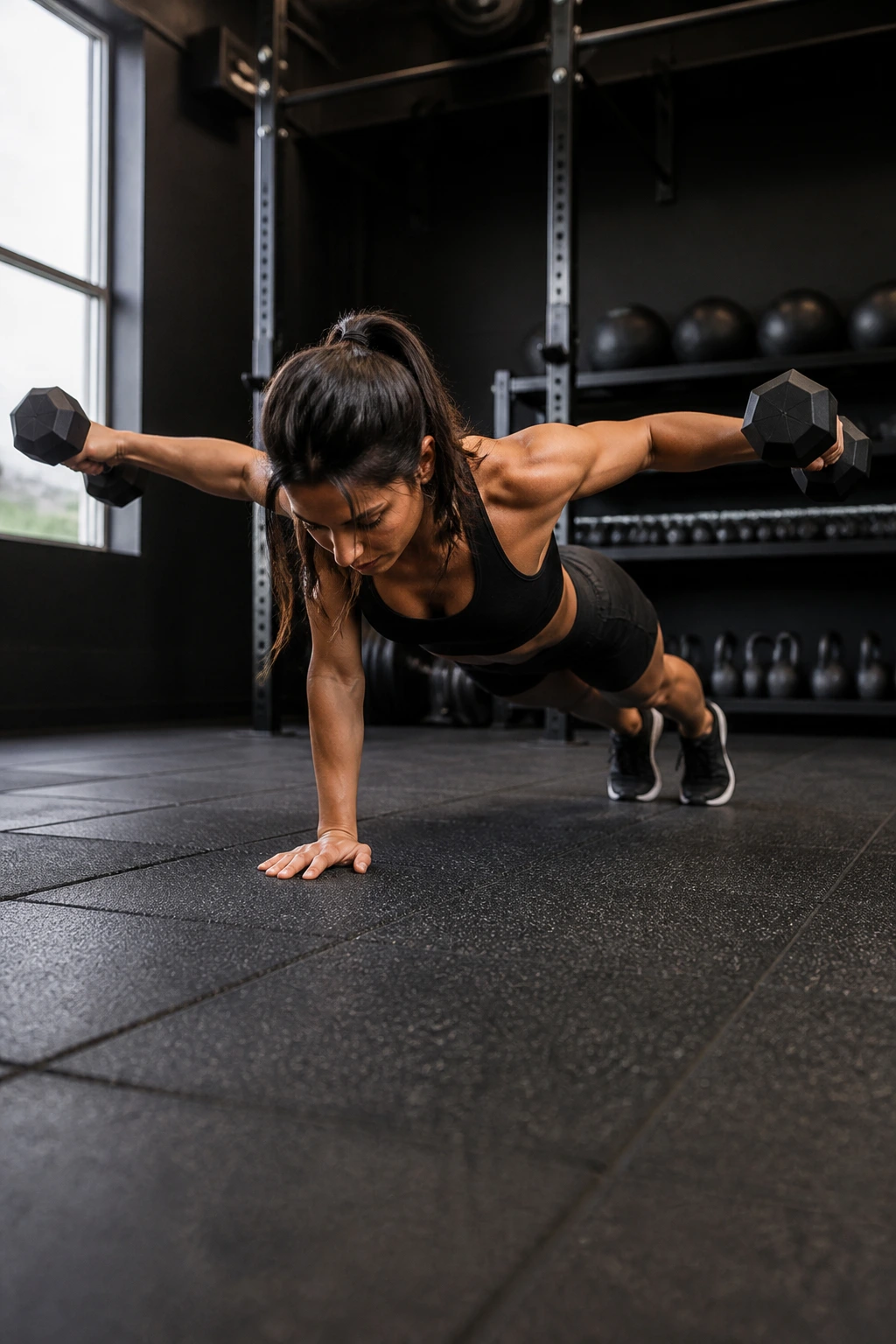
The push-up handles the pressing. The reverse fly takes care of the rear delts and upper back. Put them together and you get a shoulder-friendly upper-body superset that helps counter the rounded posture so many people carry around all day.
This one works especially well if you spend a lot of time at a desk, because the reverse fly opens up the back side of the shoulders that often gets ignored. The push-up brings the chest and triceps in, so you are not building only one half of the picture.
Use 8 to 15 push-ups depending on your level, then 12 to 15 reverse flys with light dumbbells for 3 rounds. The reverse fly should feel smooth and controlled, almost like you are drawing a wide arc with your hands. If the weights are jerking, they are too heavy.
One clean trick: on the push-up, stop one rep before failure on the first two rounds. That leaves a little gas for the shoulder work, which keeps the whole superset useful instead of sloppy.
13. Hamstring Curl + Single-Leg Romanian Deadlift
If your hamstrings need more attention, this pairing does the job without a lot of fluff. The hamstring curl trains knee flexion, while the single-leg Romanian deadlift trains hip hinge and balance. Different angle. Same back-side payoff.
How to Use It
Do 10 to 12 hamstring curls followed by 8 to 10 single-leg Romanian deadlifts per side for 3 rounds. Machines, stability balls, or sliders all work for the curl. Use the one that lets you keep control through the last few inches of each rep, where people often cheat.
The single-leg hinge is where this pair gets interesting. One leg stays planted, the other reaches back, and the torso tips forward under control. If your hips open to the side or the free leg flails around, slow down. A lot. Balance is the point here.
I like this superset because it catches weak spots that two-legged work can hide. It is also a good reminder that the hamstrings do more than bend the knee. They help with hip control, sprinting, and keeping the pelvis steady when life gets messy.
14. Sled Push + Battle Rope
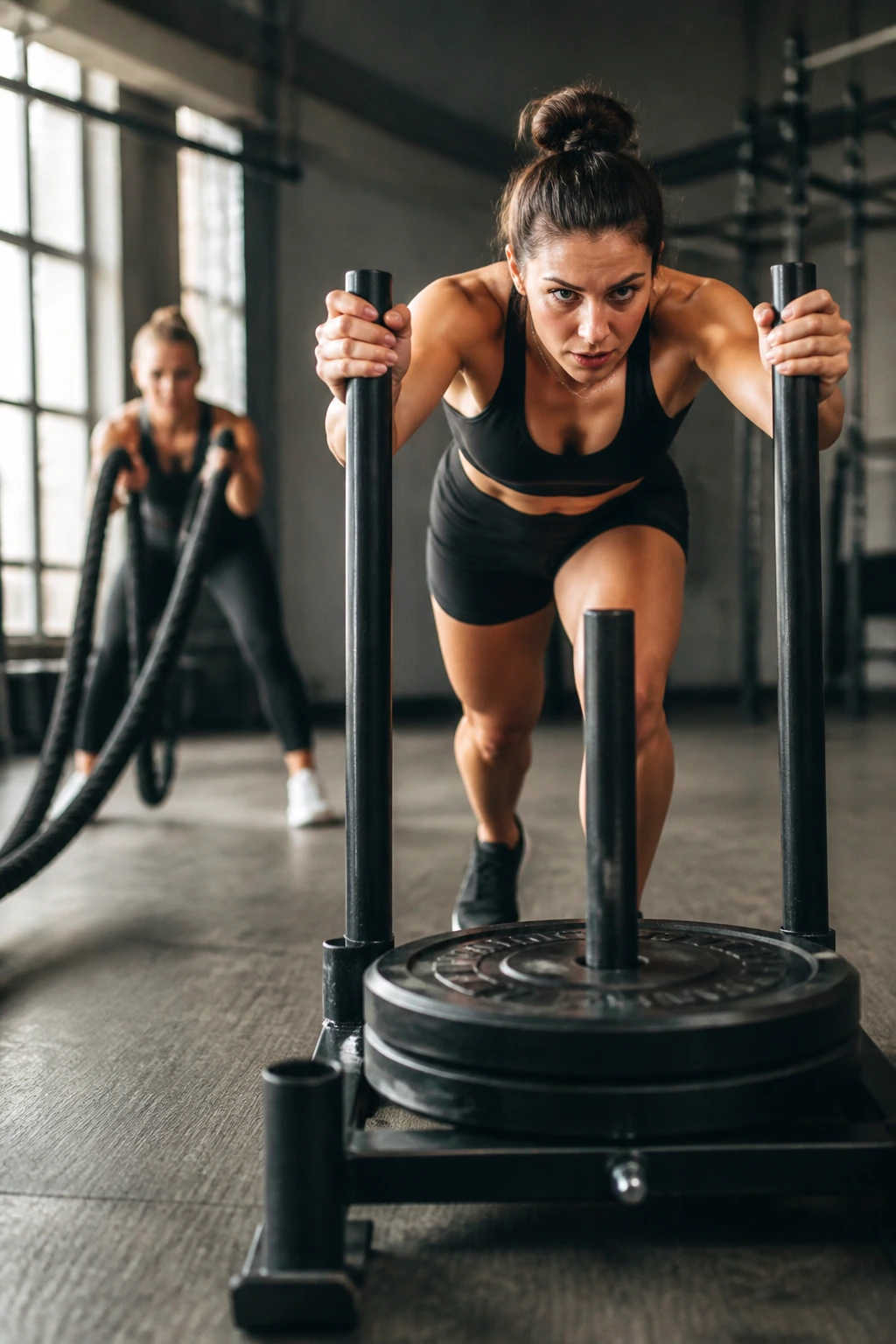
This is the conditioning superset that people both love and dread. The sled push is raw leg drive. The battle rope is upper-body conditioning with a heavy breathing tax. Together, they make a short session feel much bigger than it looks on paper.
Do 20 to 30 meters of sled pushing and then 20 to 30 seconds of rope waves for 5 to 8 rounds. Keep the sled load challenging but not stuck to the floor. If you have to grind every step, the pace dies and the quality drops. You want continuous effort.
The rope work should not turn into flailing. Brace the midsection, soften the knees, and keep the waves rhythmic. Fast hands matter, but only if the rest of you stays organized.
This pairing is useful on days when you want a hard finish without adding more lifting volume. It also works as a standalone conditioning block if time is tight. Brutal? A little. Effective? Yes.
15. Dumbbell Thruster + Band Pull-Apart
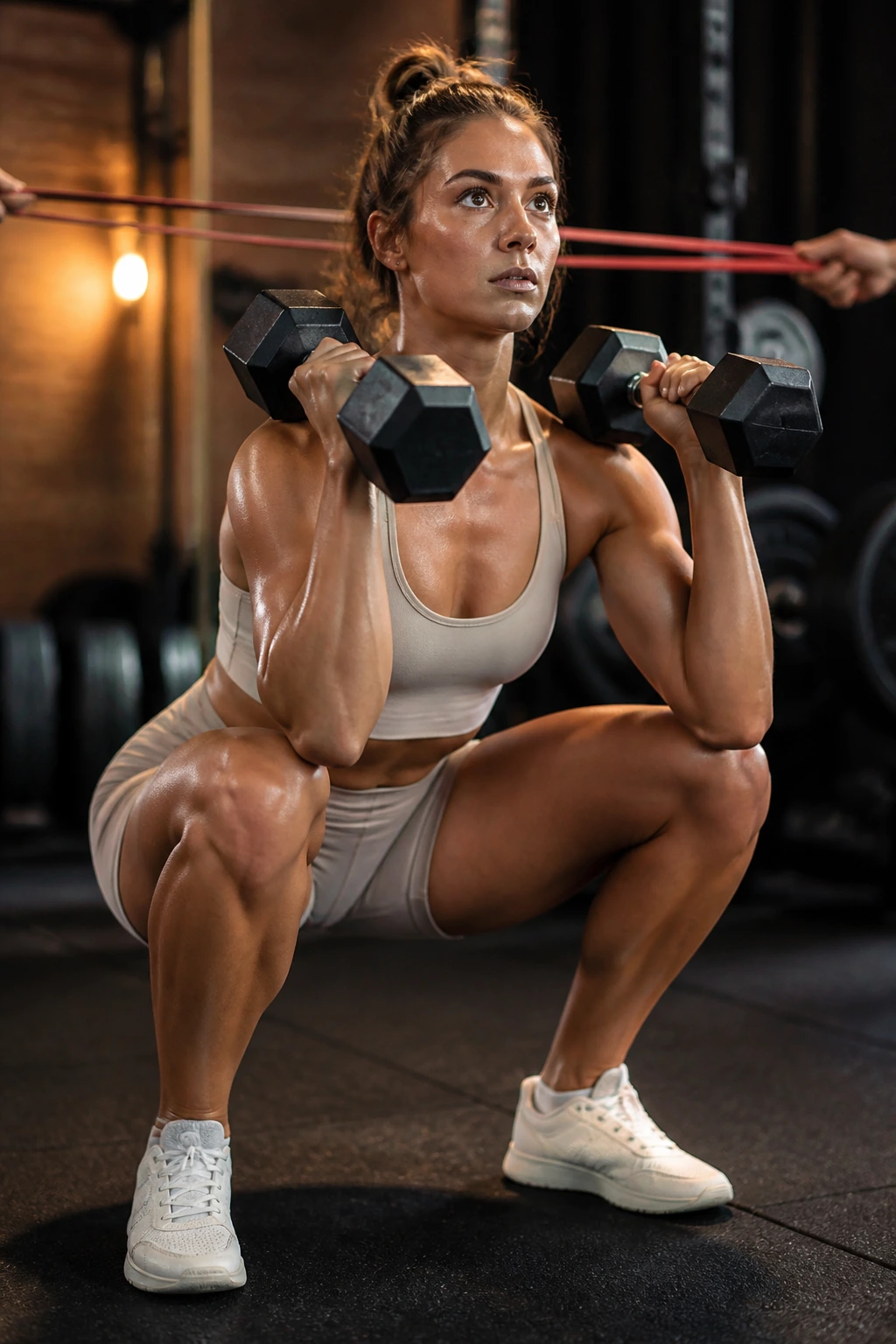
A thruster is a squat that turns into a press, which means it already asks a lot from the body. Pair it with a band pull-apart and you get a finisher that taxes the legs, shoulders, and lungs while still giving the upper back a little love at the end.
The Finisher I Actually Like
A lot of finishers are random. This one is not. The thruster drives output and gets the heart rate moving; the pull-apart helps keep the shoulders from rounding forward after all that pressing. It is a smart way to close a session because it feels athletic instead of chaotic.
Try 8 to 10 thrusters followed by 15 to 20 pull-aparts for 3 to 5 rounds. Keep the dumbbells moderate. If the squat gets shallow or the press turns into a push with one bent elbow drifting high, the load is too much. The band should feel firm, not like a tug-of-war with your rotator cuff.
If you only steal three pairings from this list, I would start with #2, #5, and #14. That gives you upper-body balance, glute-and-core work, and a conditioning block that does not waste time. Strong, tidy, and hard enough to matter. That is the formula worth repeating.
