



If you have ever spent an hour at the barre, you know the feeling. It starts as a subtle tremor in your quads, usually about ten minutes in. By the twenty-minute mark, that tremor turns into a full-body vibration that makes even holding a water bottle feel like a Herculean task. That shaking isn’t a sign that you are doing something wrong; it is the physical manifestation of muscle fiber fatigue, and it is exactly what you are chasing.
Barre is deceptively simple. It looks like ballet-inspired graceful movement, but underneath the surface lies a high-repetition, small-range-of-motion training style that targets fast-twitch muscle fibers in a way that traditional weightlifting often misses. Whether you are working at a studio with a traditional wooden ballet barre or holding onto the back of a sturdy kitchen chair in your living room, the principles remain identical. It is about precision, endurance, and finding that tiny, uncomfortable pocket of movement where the muscles really begin to change.
Consistency is the secret sauce here. You can do the hardest workout in the world once a month and see very little change, but doing a focused, efficient barre routine three to four times a week will shift your posture, tighten your core, and build lean muscle definition. The following twenty routines are designed to be rotated, mixed, and matched. Some focus on heavy endurance, others on flexibility, and a few on high-intensity cardio. Pick the one that fits your day, commit to the form, and embrace the shake.
1. The Classic Full-Body Burn
This is your bread-and-butter routine. If you have forty-five minutes and want to ensure every major muscle group is addressed, this is where you start. It focuses on the traditional barre structure: a warm-up, a significant standing series, glute work, and floor core.
The Anatomy of the Sequence
Start with a three-minute warm-up focusing on spinal articulation and calf raises. Move directly into wide second-position pliés—heels together, toes apart, knees tracking over the second and third toes. Hold the lowest point of your plié and pulse for sixty seconds. Then, shift into parallel squats, keeping your chest lifted and your weight in your heels.
How to Stay Engaged
- Keep your shoulders stacked directly over your hips.
- Do not lock your knees at the top of the movement.
- Keep the abdominal wall knit together, as if you are wearing a tight corset.
Pro tip: When you reach the widest part of your plié, imagine you are trying to slide your heels together on the floor. This activates the inner thighs instantly.
2. Lower Body Sculpt (Glute & Thigh Focus)
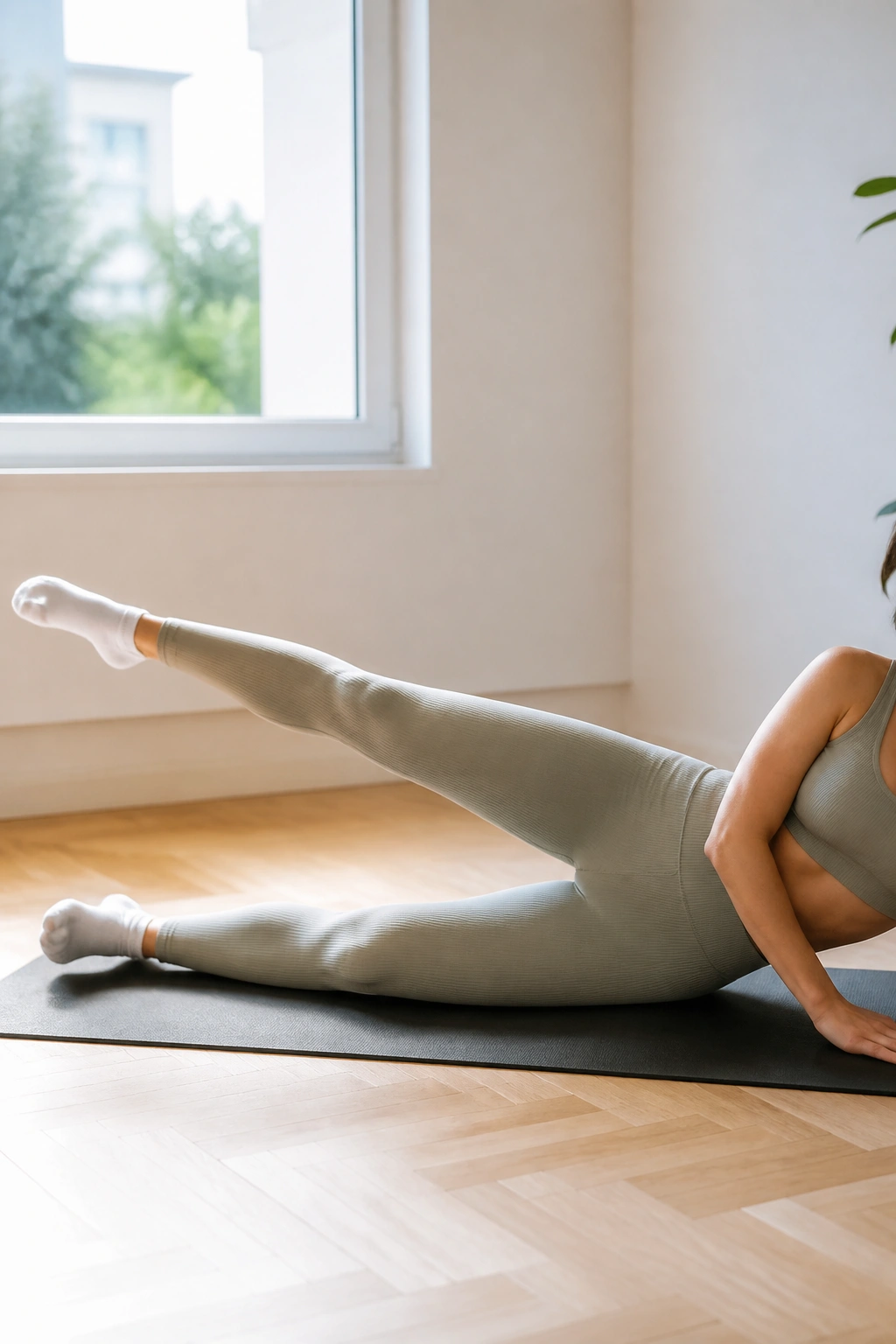
If your goal is to build strength in the posterior chain, this routine bypasses the upper body entirely to maximize fatigue in the legs and glutes. This is the routine for those days when your arms are tired from a previous workout, but your legs feel ready to work.
Why This Works
The lower body contains the largest muscle groups. By targeting them with high-repetition, low-impact movements, you boost metabolic demand without putting undue stress on your joints. This sequence uses lateral movements, like side-lying leg lifts and standing side-leg extensions, to hit the gluteus medius—the muscle responsible for hip stability.
The Routine Breakdown
- Standing side-leg lifts (3 sets of 30 reps per leg).
- Clamshells on the floor with a resistance band (optional).
- Standing arabesque pulses (keep the standing leg slightly bent).
- Prone leg lifts (lying on your stomach, lifting straight legs off the floor).
3. Core & Ab-Specific Barre
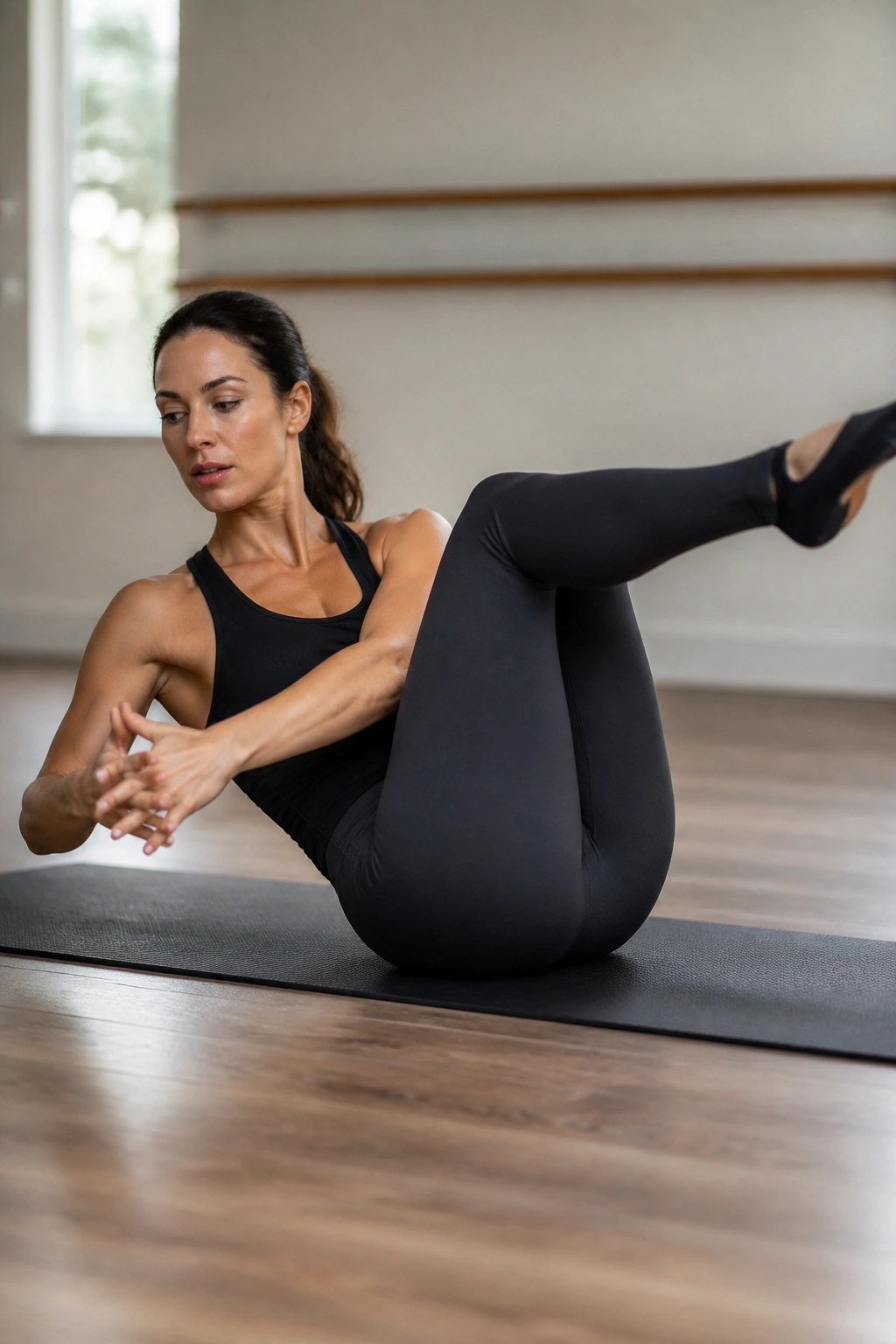
Barre is inherently a core workout, but this sequence is designed to isolate the abdominals even further. We move away from the barre for the majority of this routine, focusing on the “c-curve”—the hollowed-out abdominal position that is the hallmark of effective barre-pilates fusion.
The C-Curve Explained
Sit on your mat with your knees bent and feet flat. Roll your pelvis back, hollowing out your stomach, until you feel your lower abs engage. You are essentially creating a letter “C” with your spine. Once in this position, keep your collarbones open. Do not let your shoulders hunch forward.
Key Exercises
- Oblique twists: In the c-curve, twist your torso side to side, keeping your hips glued to the mat.
- Tabletop leg extensions: From the same position, extend one leg at a time, keeping the lower back anchored to the floor.
- The “Hundred” variant: Pump your arms vigorously while holding the c-curve and legs in tabletop.
4. Upper Body Toning (Arms & Back)
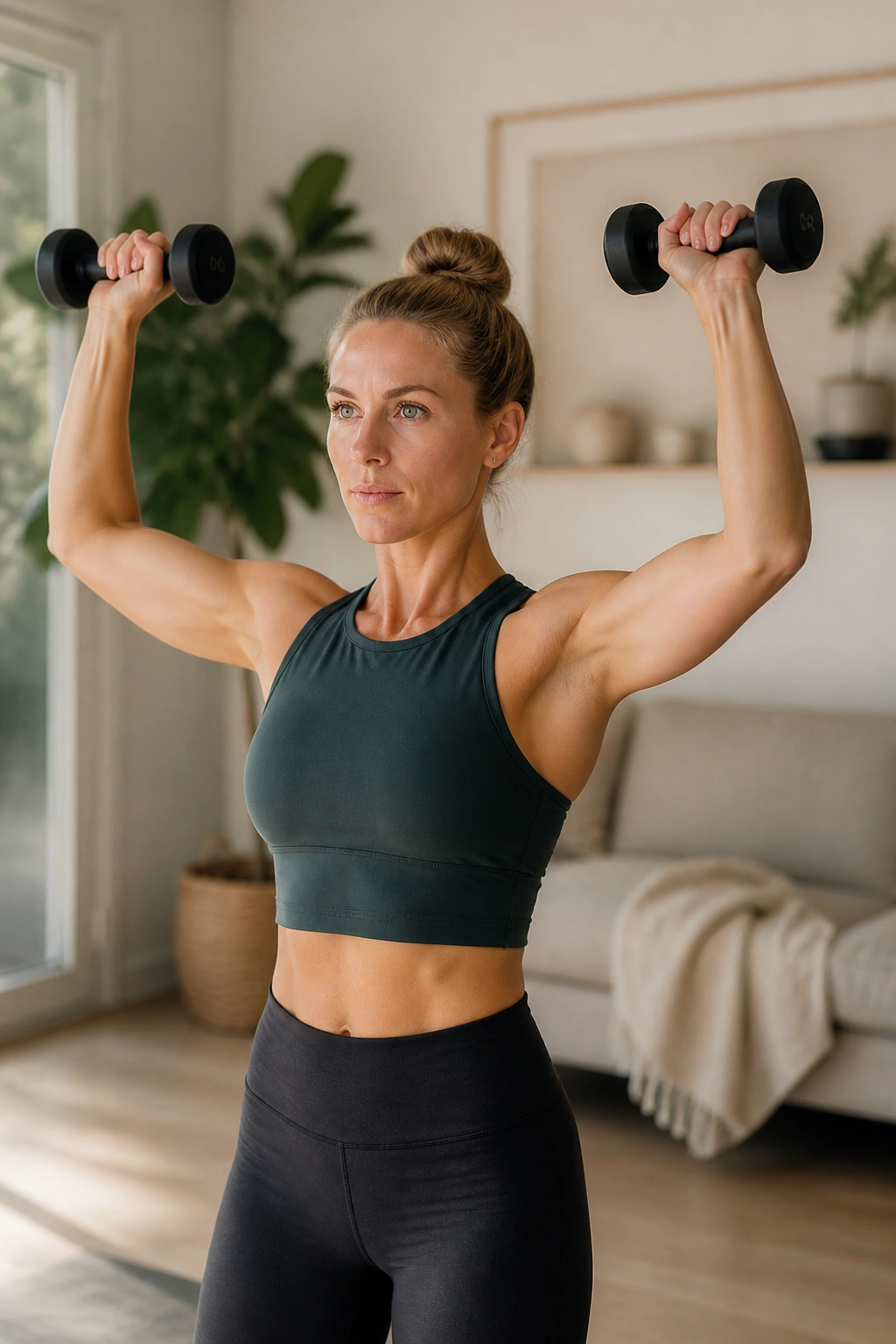
Many people assume barre is only for the legs, but the arm series is famously difficult. This routine uses very light weights—two-pounders are usually plenty—to exhaust the smaller muscles in the shoulders and upper back.
The “Light Weight” Philosophy
You do not need heavy dumbbells to see results. The endurance style of barre relies on fatigue through repetition. If you are using heavy weights, you will likely compensate with your trapezius muscles (the neck muscles) rather than your deltoids and lats.
Essential Moves
- Shoulder presses: Keep your elbows in line with your shoulders; do not let them drop.
- Tricep pulses: With arms extended behind you, palms facing the ceiling, pulse upward. Focus on the squeeze behind the arm.
- Lat pulls: Reach your arms overhead and pull your elbows down, squeezing your shoulder blades together.
Warning: If your neck starts to hurt, drop the weights. You are likely holding tension where you should be relaxing.
5. Cardio Barre (High-Intensity Intervals)
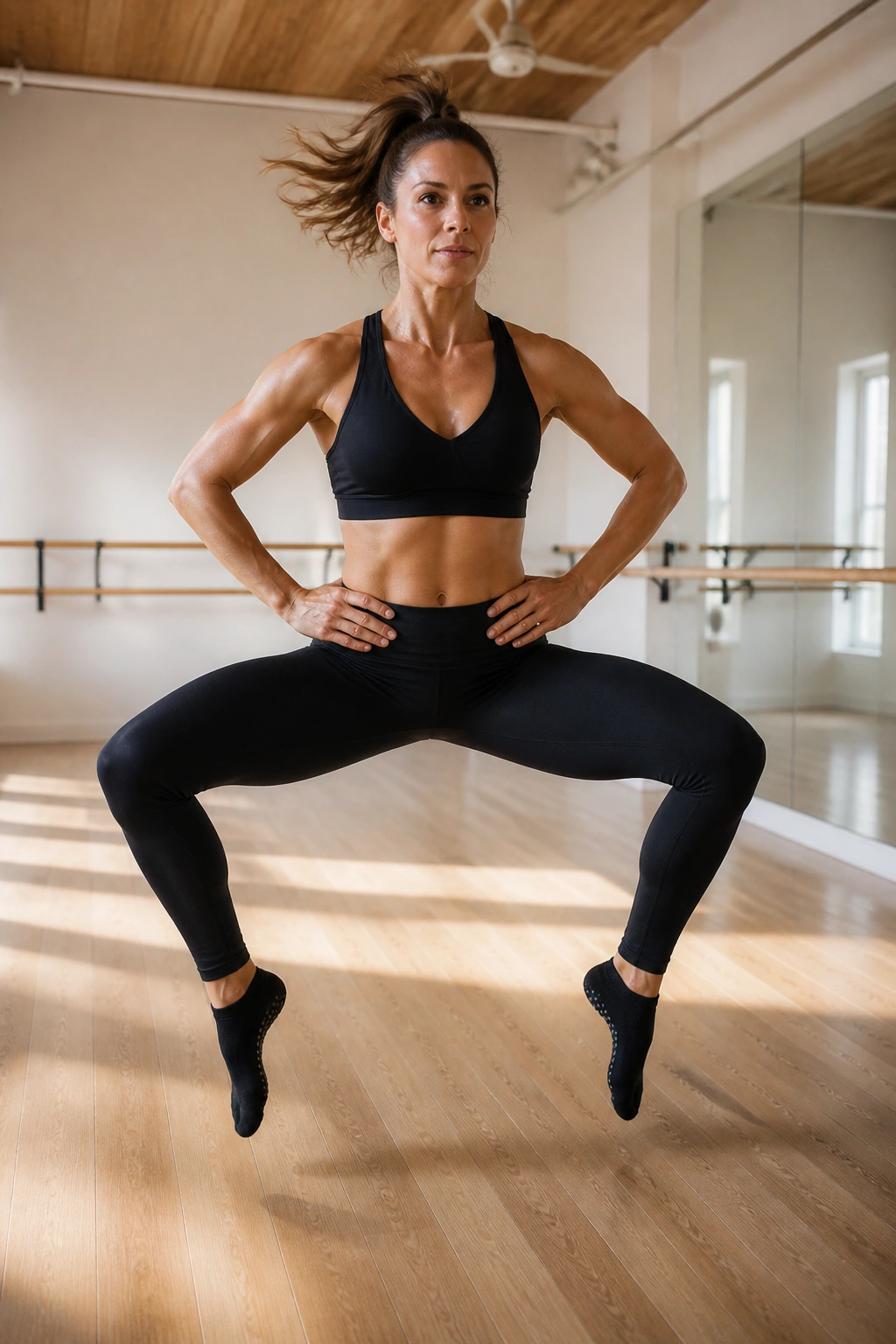
Barre is usually low-impact, but you can absolutely elevate your heart rate. This routine swaps the slow pulses for quick, explosive movements to get you sweating within the first five minutes.
How to Execute
Combine 45 seconds of intense movement with 15 seconds of active recovery (like a slow march). Keep the tempo high.
Sample Circuit
- Plié jumps: Perform a wide plié and jump upward, landing softly in the plié.
- High-knee runs: Use your arms as you would in a ballet port-de-bras to maintain form.
- Speed skaters: Leap side to side, landing in a deep curtsy lunge.
- Mountain climbers: Maintain a flat back; do not let your hips pike toward the ceiling.
6. Posture-Correcting Alignment Routine
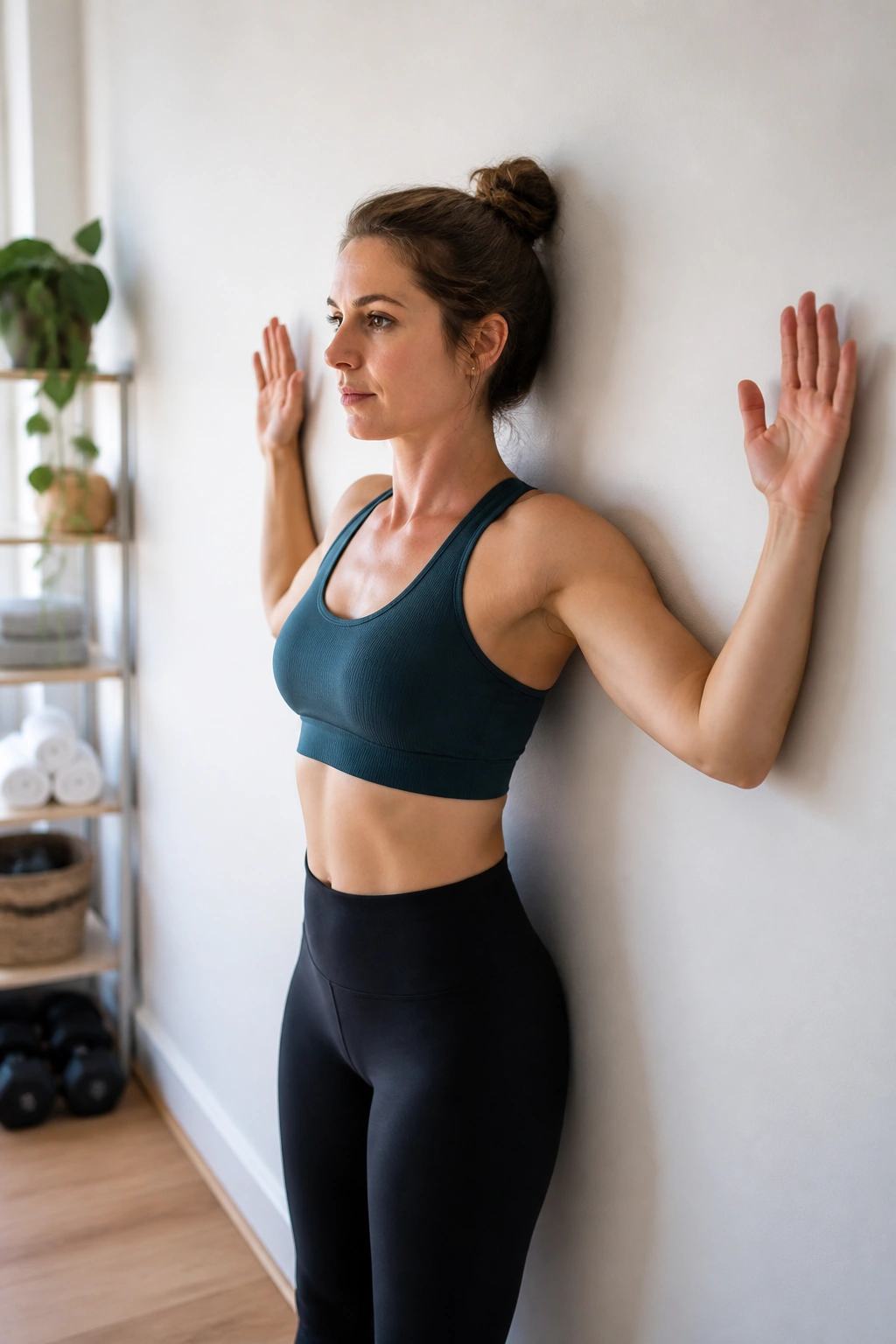
We spend so much of our time hunched over computers or phones. This workout is strictly about opening the chest, engaging the rhomboids, and aligning the spine. It feels more like physical therapy than a traditional workout.
Focus Areas
The priority here is “scapular retraction”—pulling your shoulder blades down and back. Think about trying to tuck your shoulder blades into your back pockets.
The Sequence
- Wall Angels: Stand with your back against a wall, arms in a “W” shape, and slide them up and down without losing contact with the wall.
- Reverse Flys: Hinge forward at the hips, keeping a flat back, and open your arms wide to the sides.
- Neck Release: Gently tilt your head side to side while reaching the opposite hand toward the floor to stretch the trapezius.
7. The “No-Equipment” Floor Barre
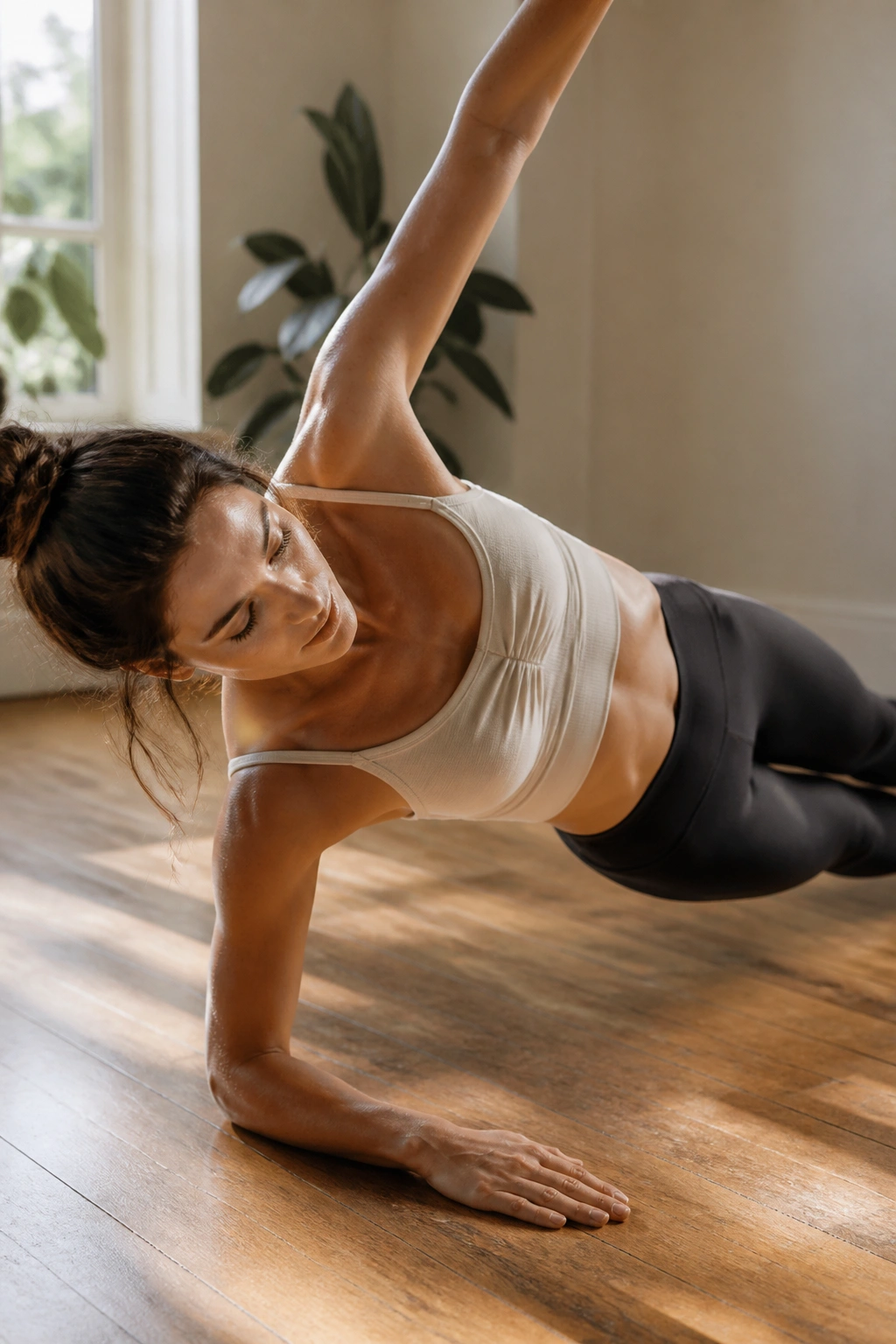
Traveling? No space for a chair or barre? This routine requires nothing but your body weight and a small patch of floor. It focuses on the floor-work aspect of barre, which mimics traditional ballet conditioning.
Why Floor Work Is Harder
You cannot rely on the barre for balance or support, which means your core must work overtime just to keep you upright.
Moves to Master
- The Mermaid: Sit with legs tucked to one side, leaning into the floor with one forearm, and lift your hips. This is a massive oblique workout.
- Prone Swimming: Lie on your stomach and flutter your arms and legs simultaneously.
- Leg Circles: Lie on your side and trace the alphabet with your top foot. It is brutal on the hip flexors.
8. Stability & Balance Challenge
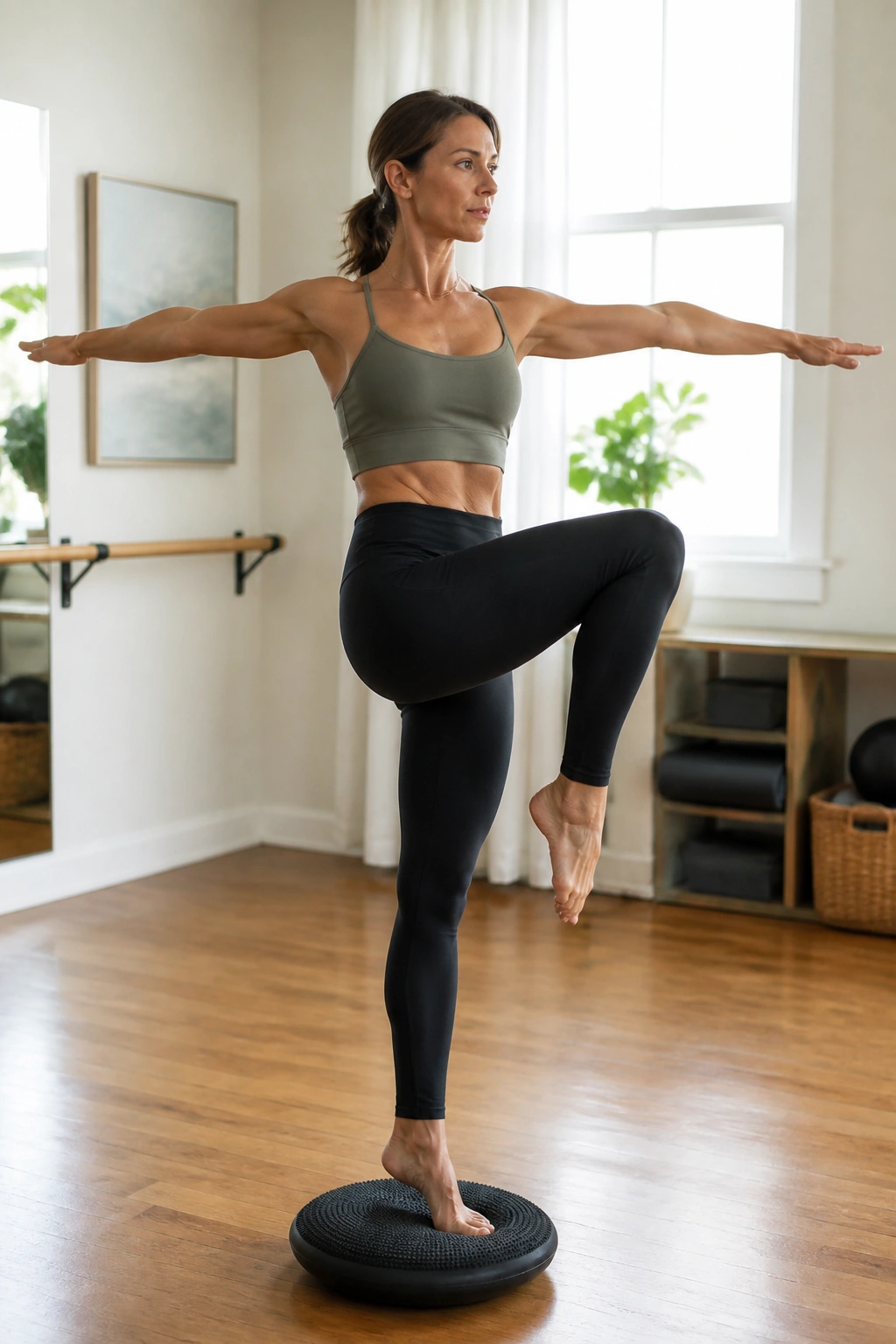
Balance requires constant, micro-adjustments in the stabilizing muscles—the ones we rarely think about. This routine involves single-leg work that forces your brain to constantly “check in” with your body.
The Principle of Unstable Surfaces
You can make this even harder by closing your eyes for short intervals. When you lose your visual point of reference, your body has to work ten times harder to maintain balance.
Suggested Movements
- Single-leg balance: Stand on one leg, lift the other knee to hip height, and hold for one minute.
- Attitude balance: Lift one leg behind you with a bent knee (an “attitude” position in ballet) and hold while you extend the opposite arm forward.
- Relevé hold: Stand on the balls of your feet and hold while moving your arms through different positions.
9. Flexibility & Lengthening Flow
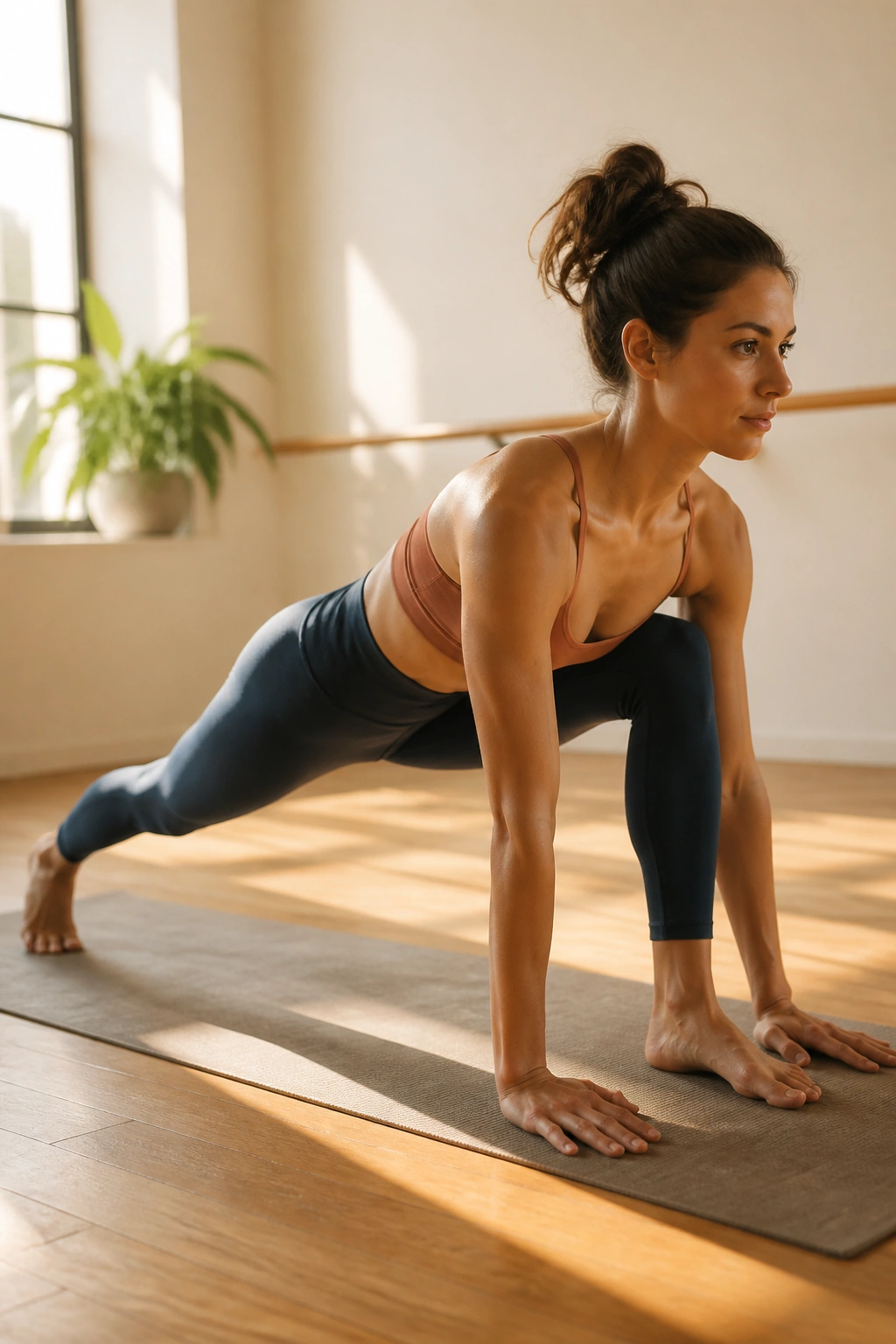
Sometimes, you need to prioritize length over contraction. This workout focuses on dynamic stretching—moving through ranges of motion rather than holding static poses for long periods.
The Benefit
Dynamic stretching increases blood flow to the muscles and improves active range of motion, which is crucial for preventing injuries and achieving those deep barre positions.
The Flow
- Cat-Cow: Mobilize the spine.
- Downward Dog to Lunge: Step one foot forward, drop the back knee, and sink into the hip flexor.
- Pigeon Pose: Open up the glutes.
- Leg Extensions: Lie on your back and gently pull one leg toward your chest, using a strap if needed.
10. Quick 15-Minute “Barre Express”
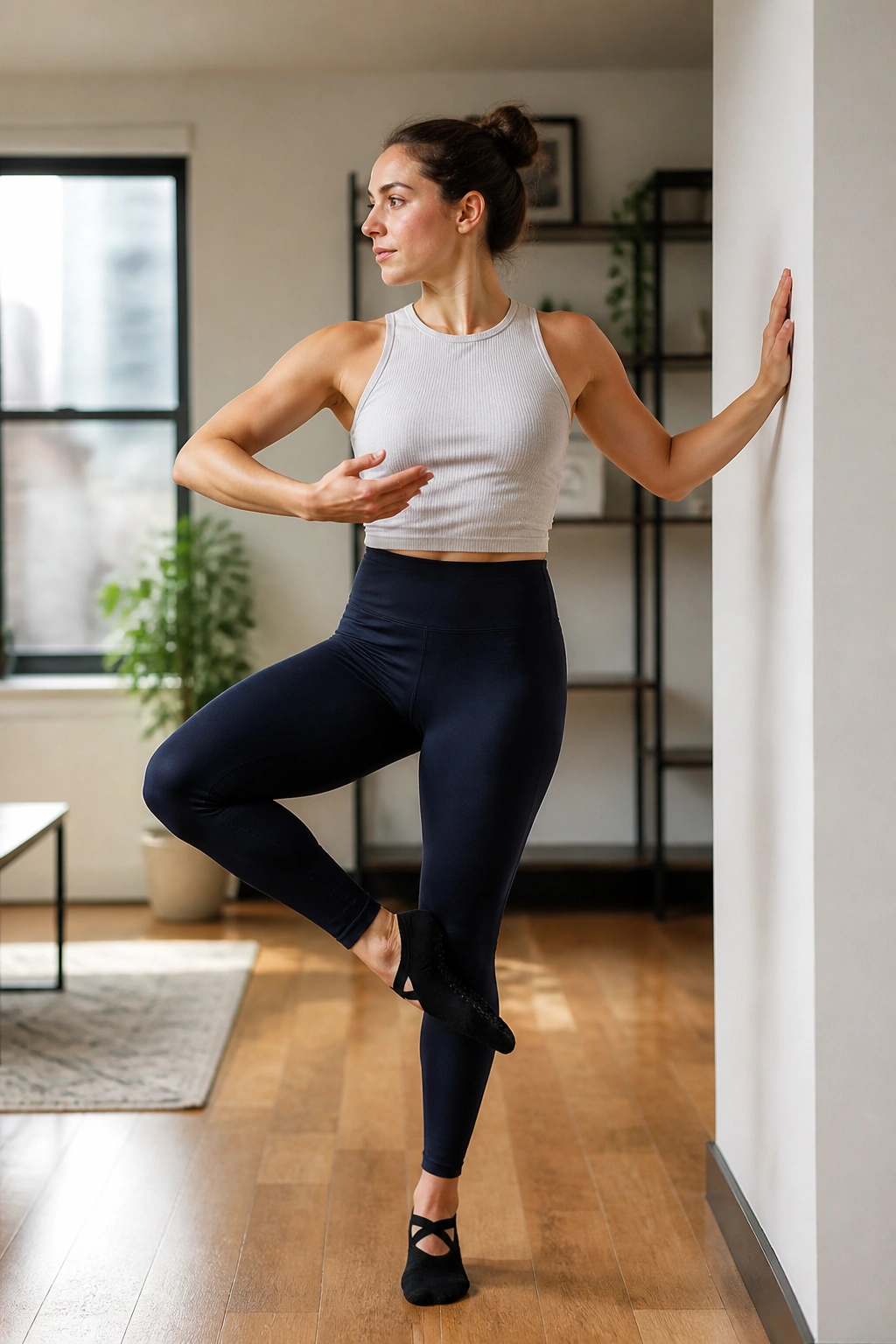
You do not need an hour to get a great workout. This routine is designed for when your schedule is packed. It is high-energy, high-efficiency, and designed to get your heart rate up and muscles burning in a short window.
Structure
Break it down into three 5-minute blocks:
- Block 1: Standing leg series (Pliés and lunges).
- Block 2: Upper body (Push-ups and triceps).
- Block 3: Core (C-curve and obliques).
Rule: Keep rest periods to absolute zero. If you need a break, just slow your pace slightly, but keep moving.
11. Inner Thigh Intensity
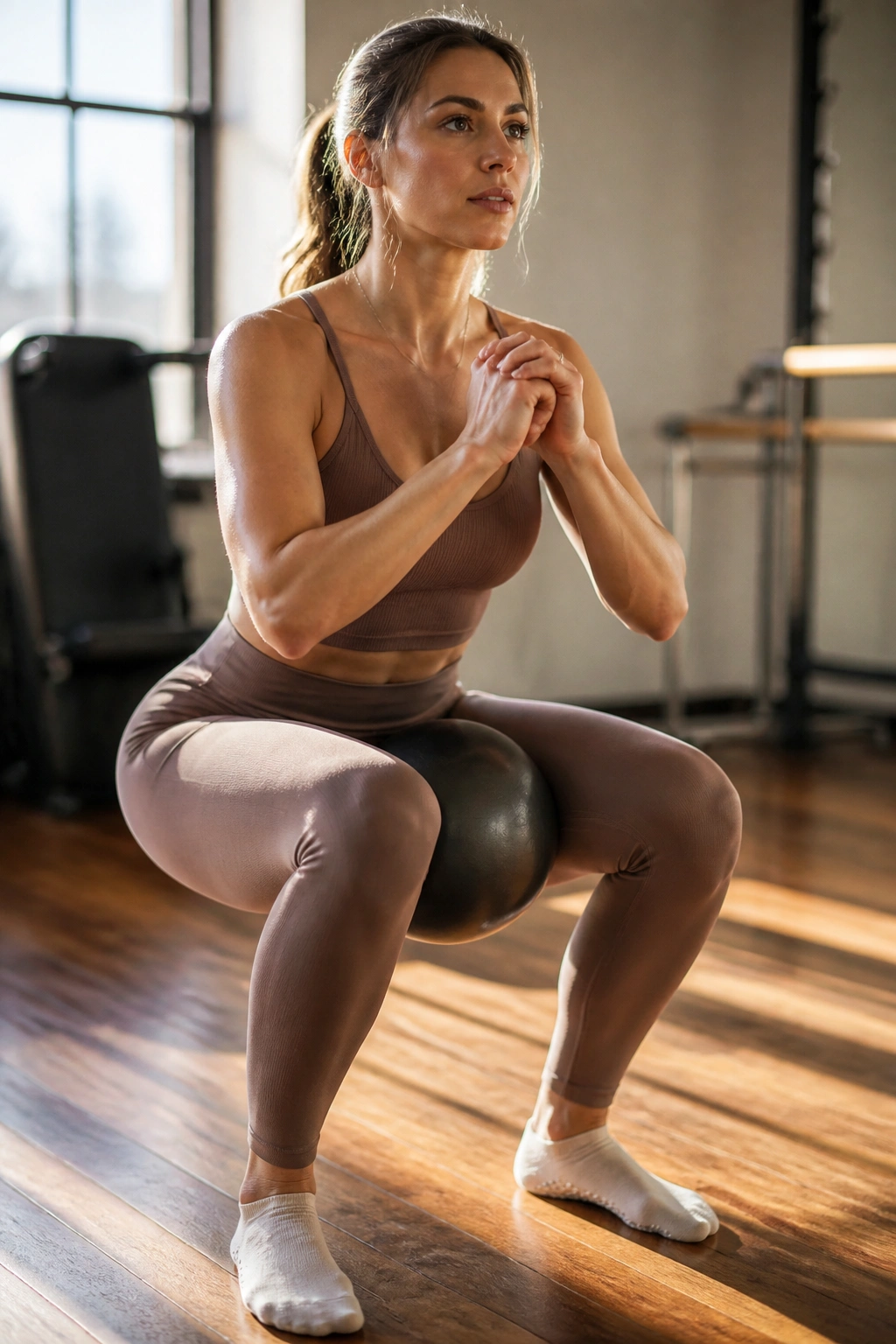
The inner thighs are notoriously difficult to target. This routine is dedicated to the adductor muscles—the muscles that run along the inside of your thigh.
The “Squeeze” Technique
The most effective way to hit the inner thighs is to incorporate isometric holds with a small prop, like a playground ball or a thick cushion, placed between the knees.
Routine Highlights
- Squeezes: Place a ball between your knees while in a squat and pulse, focusing entirely on the inward squeeze.
- Frog legs: Lie on your back, knees wide, feet together, and extend your legs out to a 45-degree angle.
- Wide second-position pulses: Stay low and focus on squeezing the inner thighs together on every single pulse upward.
12. The “Barre-Pilates” Hybrid Fusion
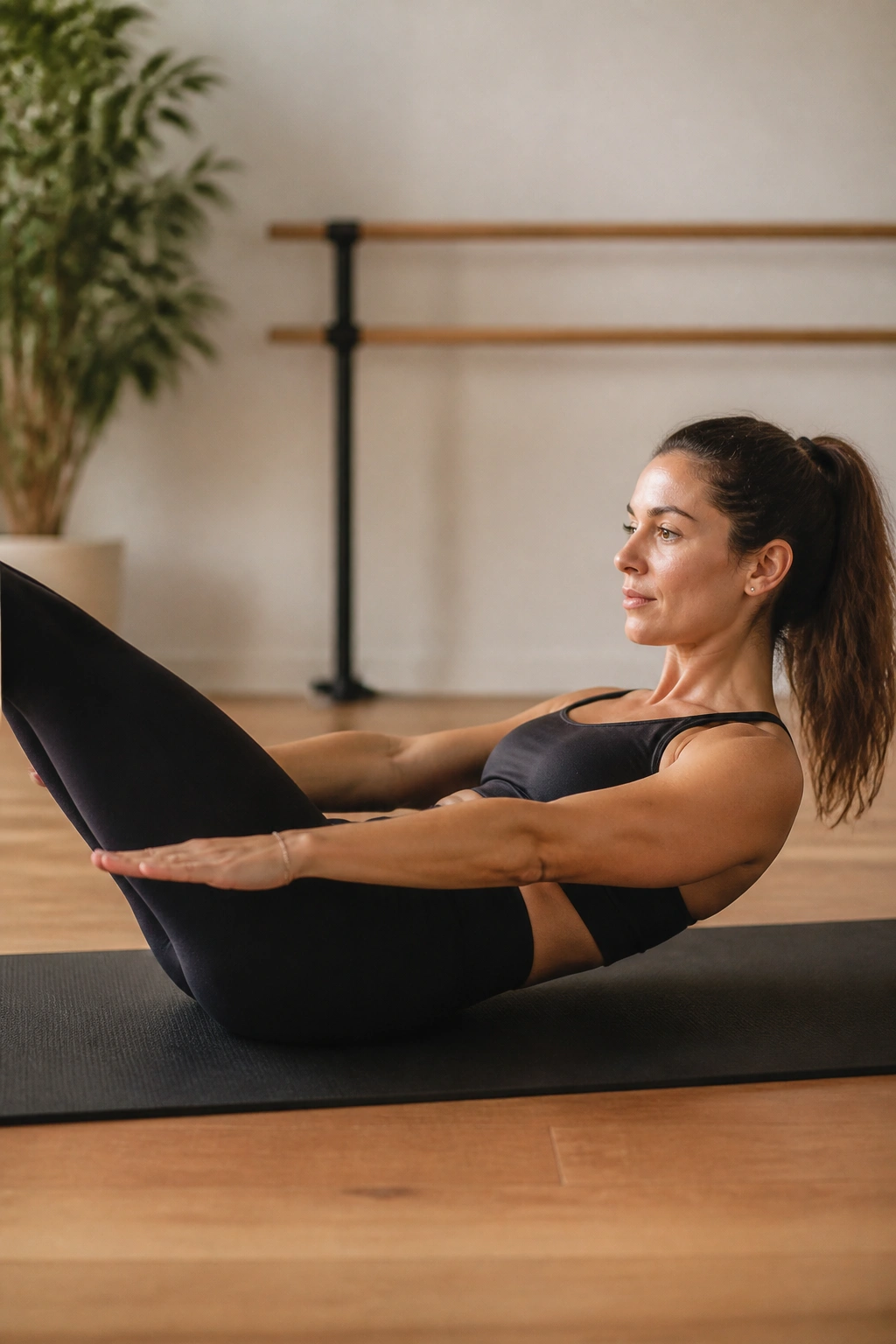
Pilates and barre share a foundation of deep core engagement. This routine blurs the lines between them, utilizing Pilates-style precision with barre-style endurance.
Key Concepts
- Breathing: Emphasize lateral ribcage breathing. Inhale through the nose, expanding the ribs, and exhale through the mouth, knitting the ribs together.
- Controlled movement: Do not use momentum. Every motion should be slow and intentional.
Recommended Moves
- The Hundred: Classic Pilates.
- Single-leg stretch: Alternate legs while curling the head and shoulders off the mat.
- Side-lying leg series: Controlled, slow kicks that focus on the hip stability.
13. Glute Bridge Extravaganza
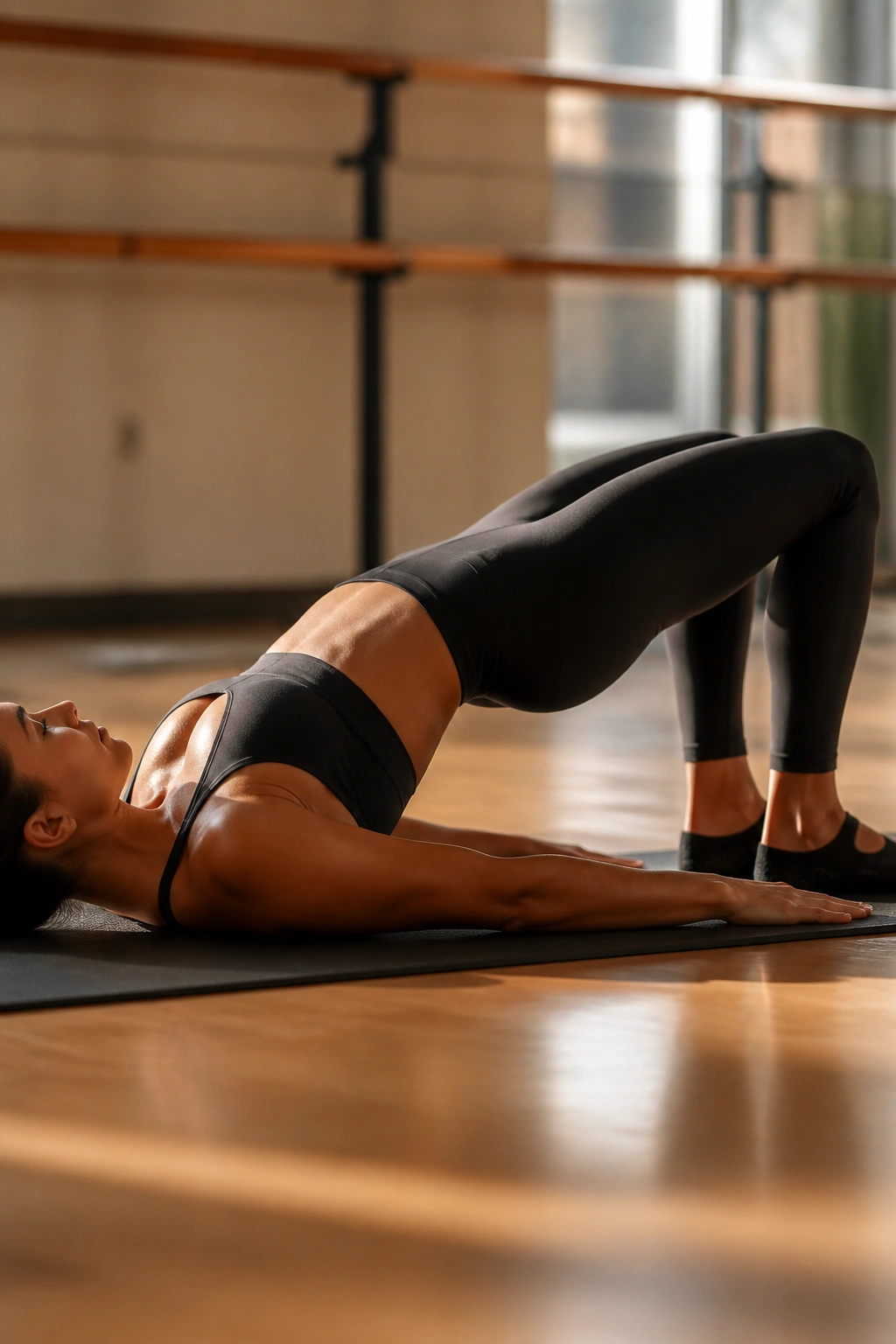
The glute bridge is the single best exercise for the posterior chain. This routine turns it into a full workout by varying the foot positions, adding pulses, and performing single-leg versions.
Different Bridges
- Feet wide: Targets the outer glutes.
- Feet narrow: Targets the center glutes.
- Heels lifted: Increases the load on the hamstrings.
Warning: Do not hyperextend your lower back at the top of the bridge. Focus on tucking your tailbone under to engage the glutes rather than arching your spine.
14. Shoulder & Neck Release Sequence
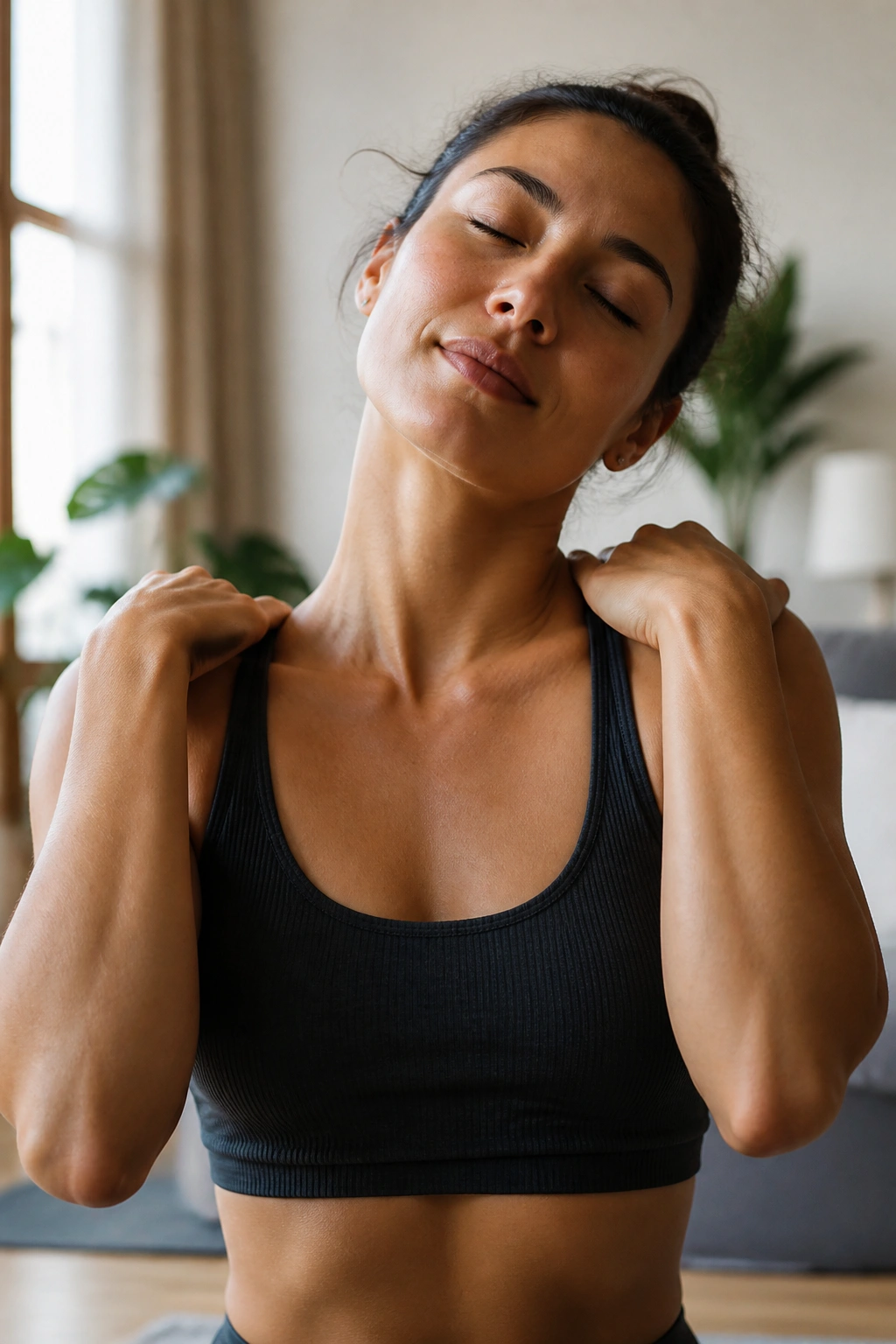
If you hold all your stress in your neck and shoulders, this is the routine for you. It isn’t about “working out” in the traditional sense; it is about releasing tension that builds up through daily life.
The Approach
Use small, slow movements. Think about lengthening your neck, dropping your shoulders away from your ears, and breathing deeply.
Sequence
- Shoulder rolls: Big, slow circles.
- Arm circles: Start with small, tight circles and gradually expand them.
- Chest openers: Clasp your hands behind your back and gently lift your arms.
15. Standing Series Endurance
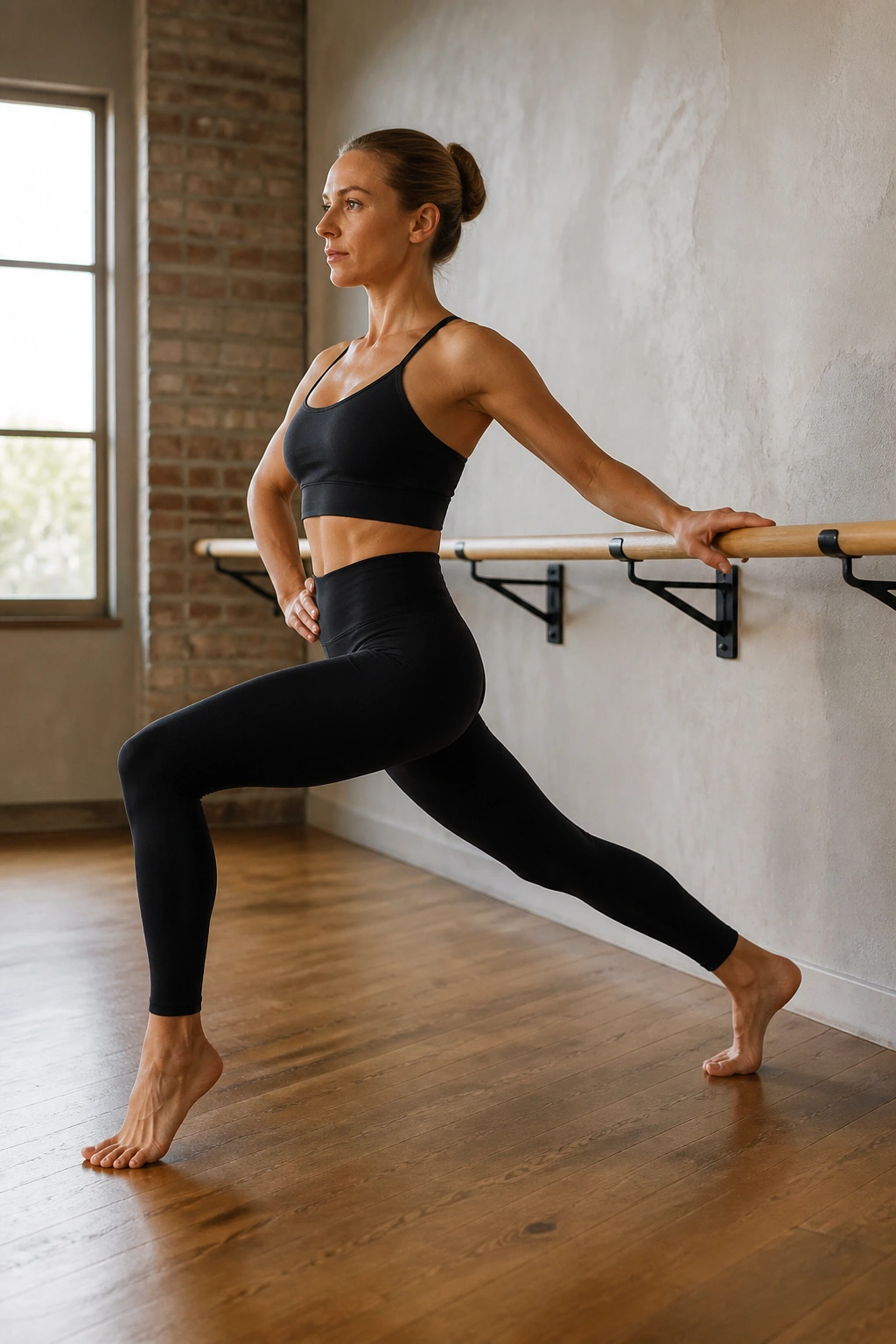
This routine is a mental game. It involves standing at the barre (or holding a chair) and performing long, unbroken sets of lunges, pliés, and leg lifts.
Why Endure?
Muscular endurance is what allows you to hold your posture throughout the day. By forcing your legs to work for extended periods without a break, you train them to handle the demands of daily activity without fatigue.
The Mental Trick
Count your reps in sets of ten. If you have to do 50 reps, tell yourself you only have to do five sets of ten. It makes the impossible feel manageable.
16. The “Barre Burnout” (High Reps, Low Weight)
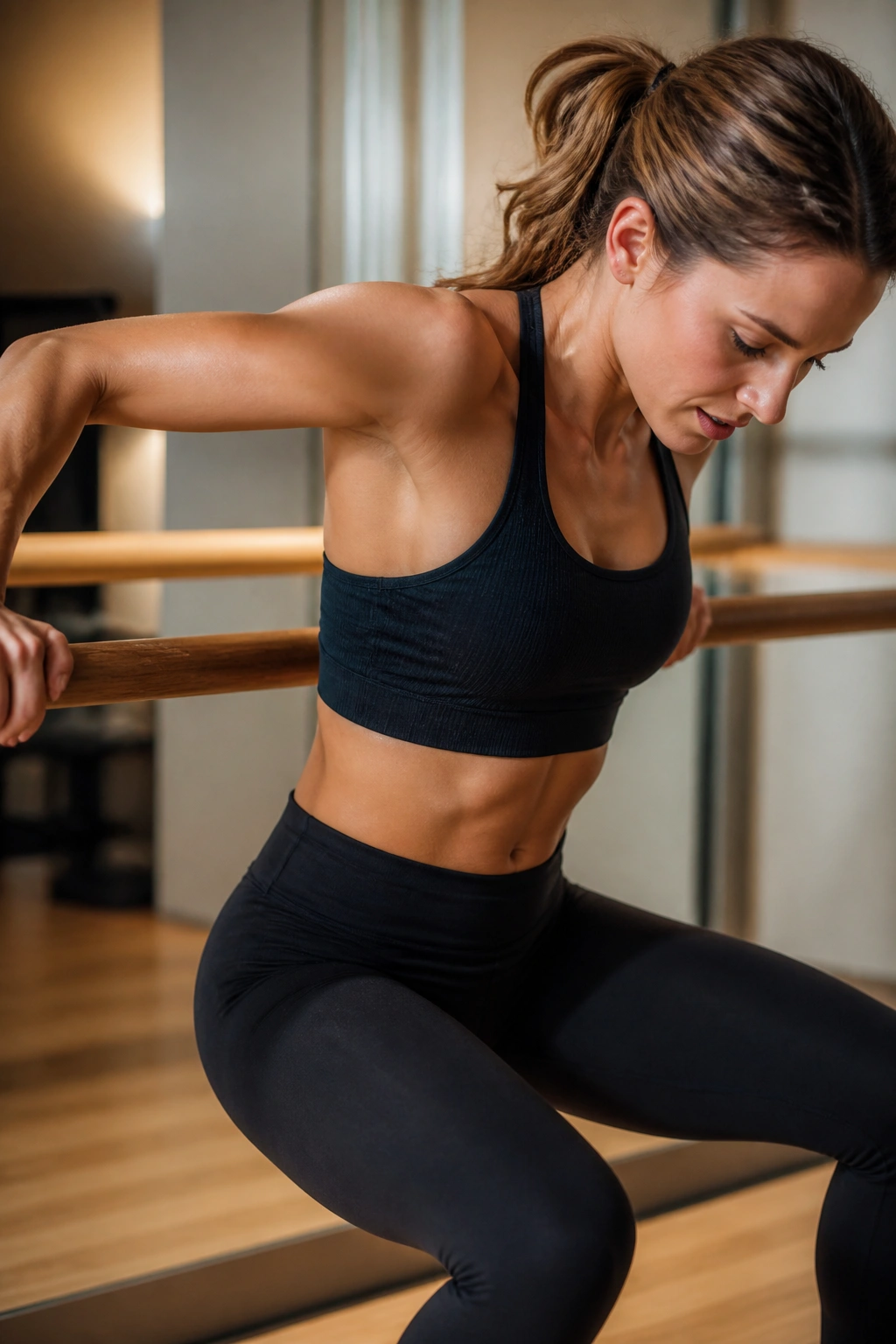
This is a finisher. If you have done a few light sessions this week and want to leave it all on the floor, do this. It is about speed and volume.
The Strategy
Use no weights or very light ones. Perform each exercise for one full minute without stopping.
- Pulse, pulse, hold. (Pulse down for two counts, hold for two counts).
- Full range, full range, pulse. (Two full reps, two pulses).
- Speed pulses. (As fast as you can).
17. Mat-Based Oblique Focus
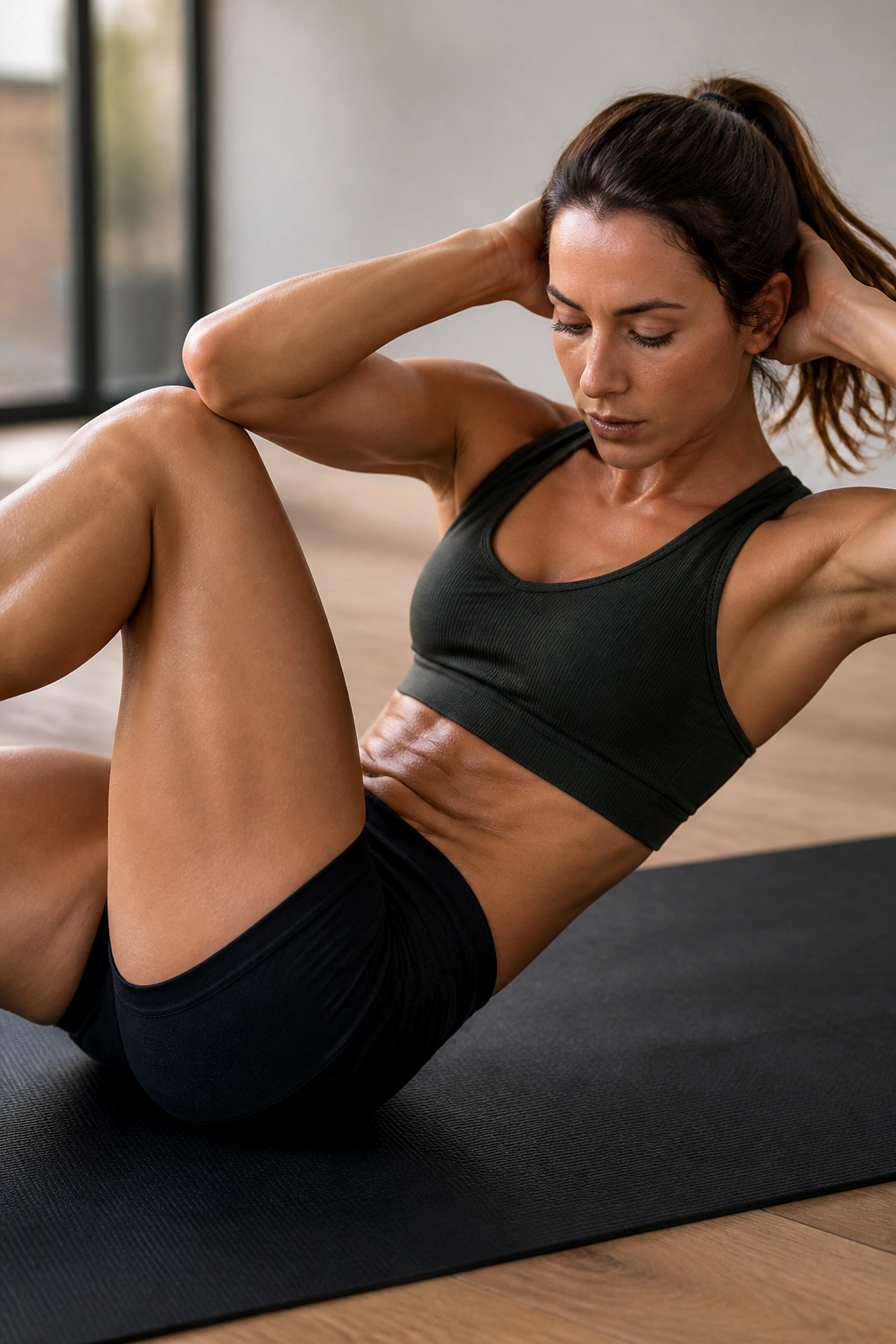
The obliques are essential for spinal rotation and overall core strength. This routine is entirely mat-based and requires no props, just your focus and control.
Why Obliques Matter
Strong obliques support your lower back and help maintain a neutral spine. They are the “waist cinchers” that provide that toned look while actually making your torso more functional and stable.
The Moves
- Bicycle crunches: Slow and controlled.
- Side planks: Hold for 30 seconds, then pulse the hips.
- Russian twists: Feet can be hovering or touching the floor.
18. Calf & Ankle Strengthening
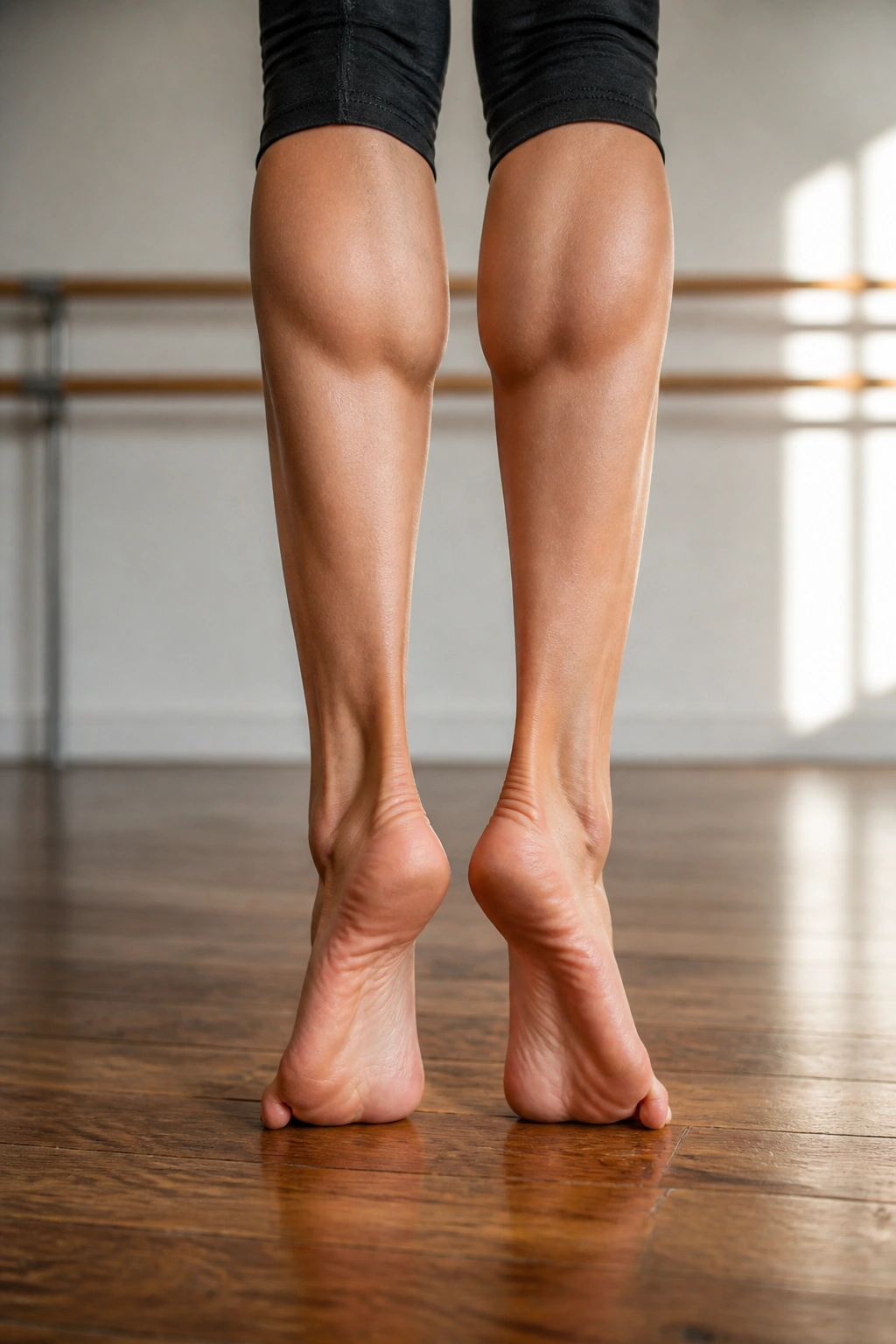
The calves are often forgotten in fitness routines, but they are vital for balance, walking gait, and ankle stability. This routine is all about the “relevé”—the rise onto the balls of the feet.
How to do a proper Relevé
Keep your ankles straight. Do not let your heels roll outward (sickling) or inward (pronating). Keep the weight distributed evenly across the big toe and the second toe.
The Routine
- Parallel calf raises: Feet hip-width apart.
- Turned-out calf raises: Heels together, toes apart.
- Single-leg raises: Do these with a bent knee to target the soleus muscle, then with a straight knee for the gastrocnemius.
19. The “Deep Burn” Slow-Motion Routine
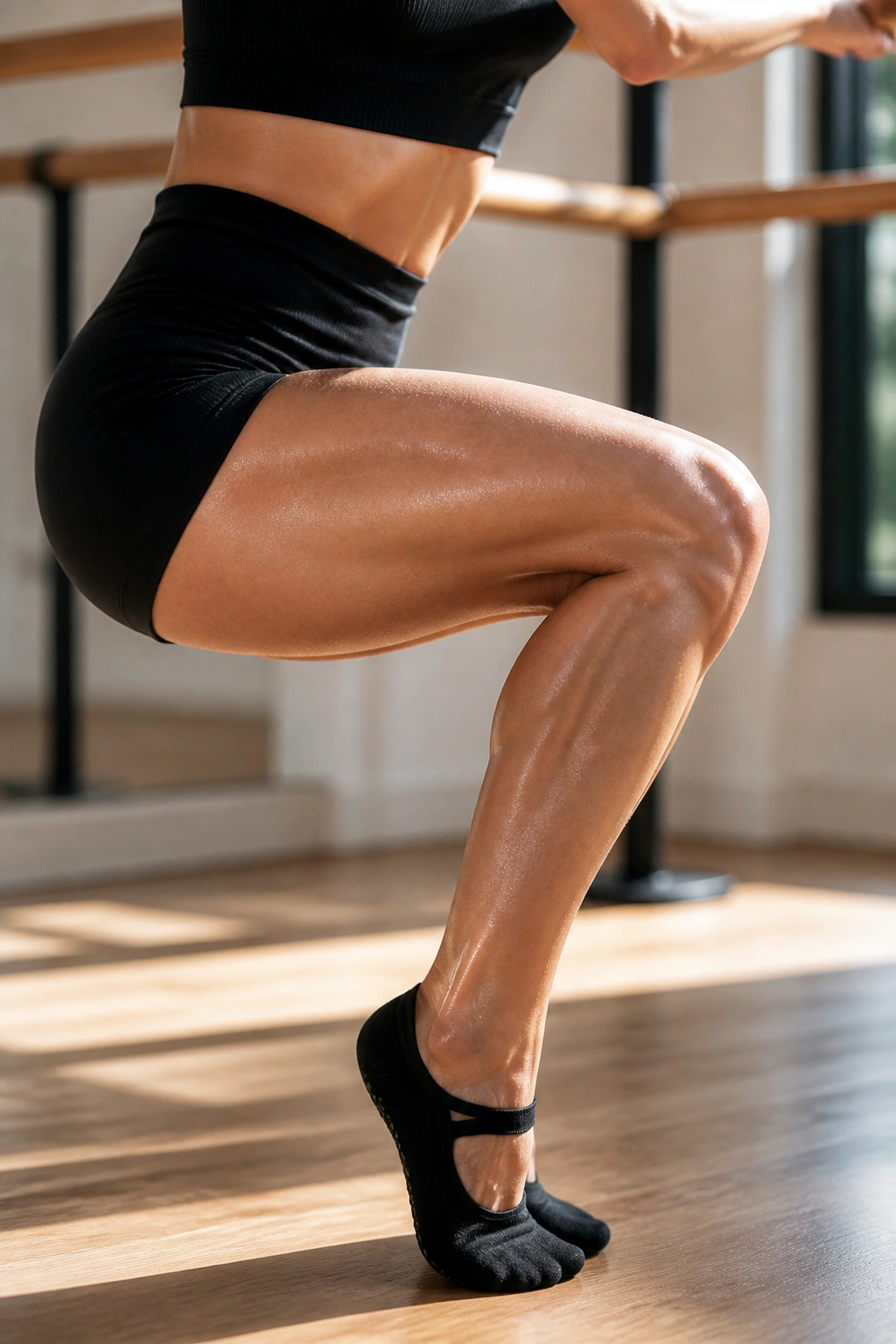
If you usually move through barre exercises quickly, this will be a shock to your system. This routine is about moving at half-speed. You should feel like you are moving through water.
The Science of Slow
Moving slowly eliminates the use of momentum. When you use momentum, your muscles take a “break” during the movement. By moving slowly, you force the muscle to stay engaged through the entire range of motion, from the beginning to the end.
Execution
Take 4 seconds to lower into a squat and 4 seconds to rise. If you are doing a leg lift, take 4 seconds to lift and 4 seconds to lower. It is harder than it sounds.
20. Mind-Body Connection Flow
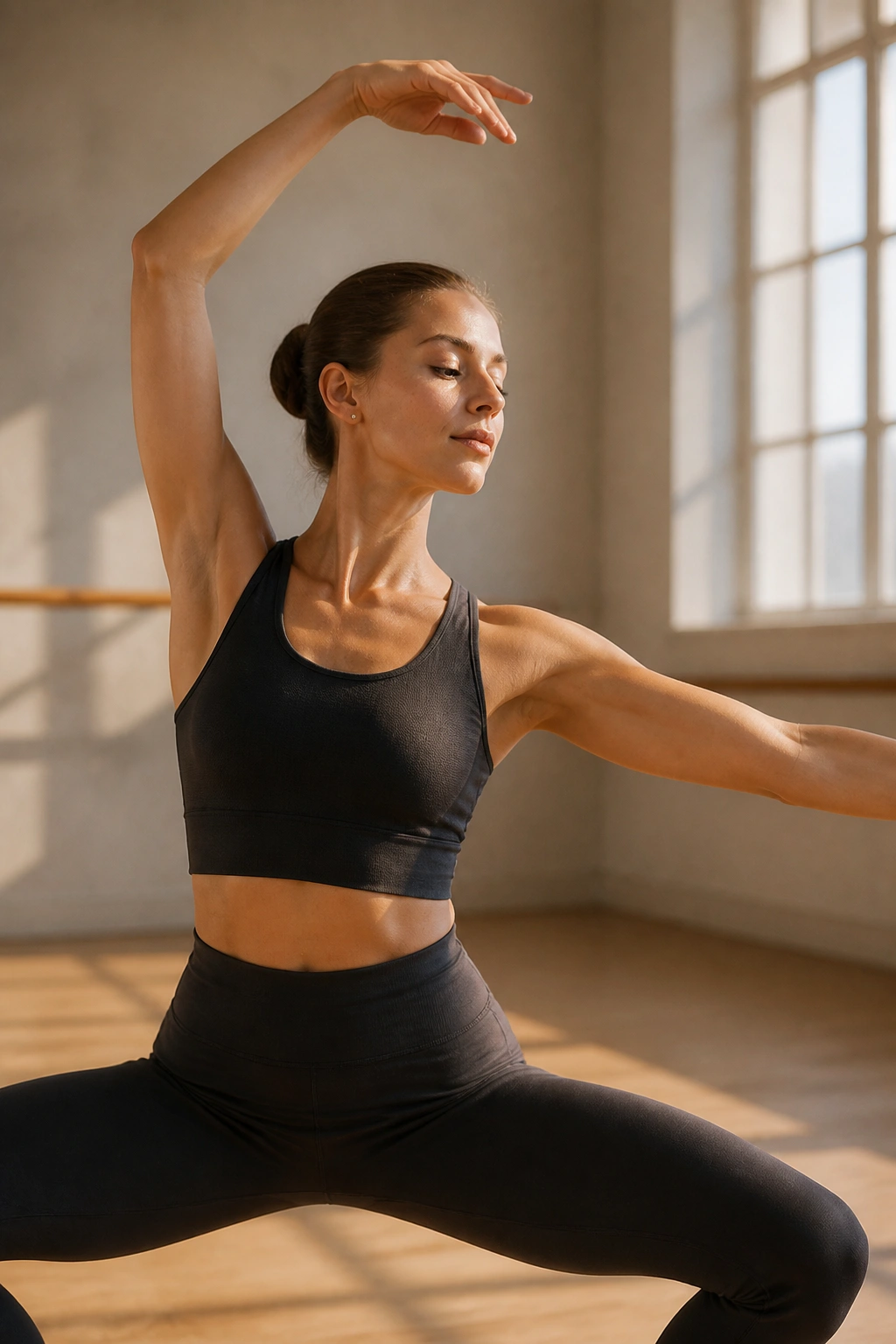
The final workout is about integrating everything. It is a slow, rhythmic flow that combines elements of yoga, pilates, and ballet. It is designed to be calming, focusing on breath and movement synchronization.
Why it Matters
Fitness is as much about the brain as it is about the body. Spending time in a routine where you are hyper-aware of where your limbs are in space—a concept known as proprioception—will make every other workout you do more effective.
The Session
- Breath work: Start with three minutes of focused deep breathing.
- Slow Port-de-bras: Move your arms through ballet positions slowly while standing in a wide plié.
- Controlled transitions: Move from one exercise to the next without rushing, maintaining perfect form the entire time.
Final Thoughts
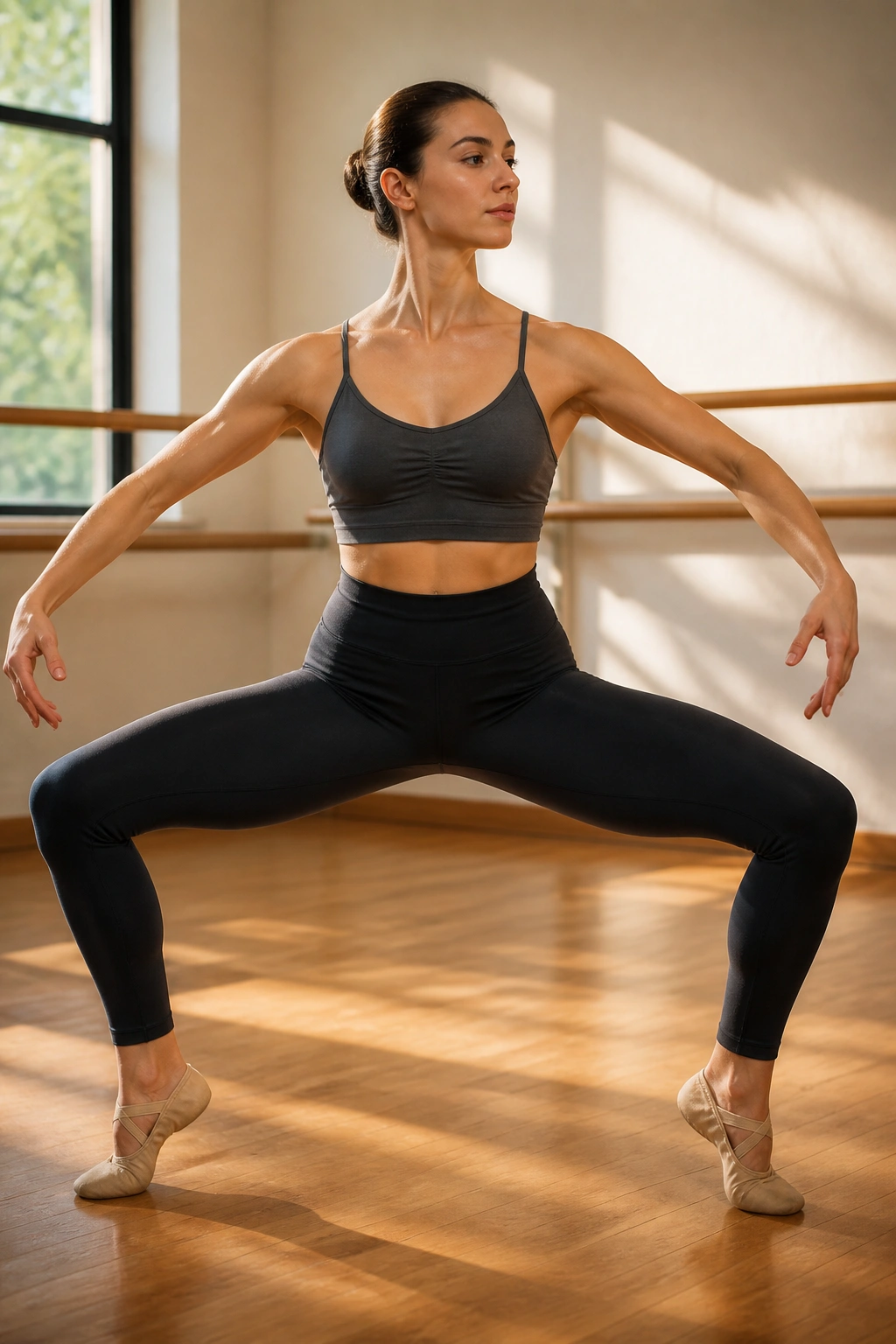
The beauty of barre is that it adapts to you. It does not matter if you are doing these movements in a high-end studio or your kitchen; the muscles do not know the difference. The equipment is secondary to the quality of the contraction. If you find your attention wandering, bring it back to your core. If you find yourself holding your breath, force a deep inhale.
Remember that progress in barre is rarely about doing “more.” It is about doing “better.” One perfectly executed, deep, shaking plié is worth twenty sloppy ones. Listen to your body, rotate these routines based on how you feel that day, and stay consistent. The strength you build on the mat will inevitably spill over into everything else you do.
