



The burn starts deep in the thighs, usually about three minutes into the first set of pulses. It is a specific, unmistakable sensation—a vibrating, shaky fatigue that makes you want to drop your heels and stand up straight. This is exactly why barre blend workouts continue to draw such a loyal following. By combining the precision of ballet-inspired movements with the core-centric philosophy of Pilates and the functional intensity of strength training, these routines target muscles that standard weightlifting often ignores.
You are not just working the large muscle groups; you are engaging the tiny, stabilizing muscles deep in your hips, glutes, and shoulders. These workouts are essentially an exercise in controlled endurance. When you hold a position and perform micro-movements, you force your body to build stability and definition without needing a gym full of heavy machinery. Whether you have twenty minutes or an hour, the effectiveness lies in the isometric holds and the high-repetition sets that keep your heart rate up while keeping the impact low on your joints.
Transitioning into these routines requires a shift in mindset. It is not about how much weight you can move, but rather how well you can control the movement you are making. Achieving that elusive “long and lean” look isn’t magic; it is the result of thousands of tiny, focused contractions performed with impeccable alignment. Before you step into your first session, remember that form beats speed every single time. If your hips are out of alignment or your ribs are flared, you aren’t getting the full benefit of the contraction. Let’s look at twenty distinct approaches to barre blend training that you can integrate into your weekly routine.
1. The Full-Body Sculpt
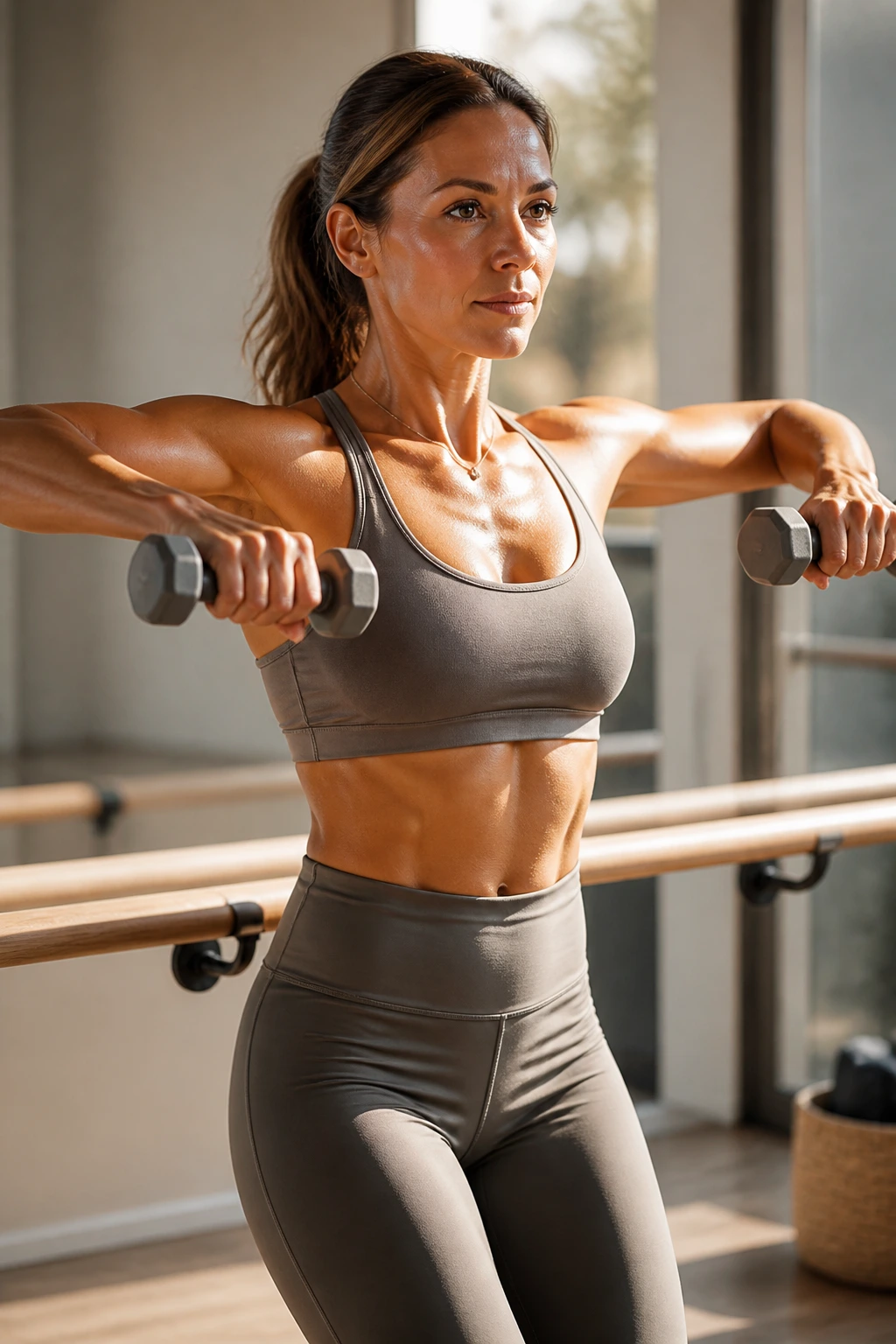
This plan focuses on hitting every major muscle group in a single forty-five-minute session. We start with a standing warm-up that transitions into arm work using light weights—think one to three pounds. You should spend the first fifteen minutes on the upper body, specifically targeting the deltoids and triceps with pulses and small circles.
Why It Works for Total Definition
By keeping the heart rate elevated throughout the arm segment, you create a metabolic demand that persists through the lower body section. When you move to the barre for glute work, your body is already warmed up, allowing for deeper engagement in the standing leg. Consistency is the mechanism here. You are not looking to build bulk, but rather to create muscular endurance and definition through high-repetition volume. Focus on keeping your shoulders depressed and away from your ears throughout the entire arm series.
2. The Glute and Hamstring Isolation
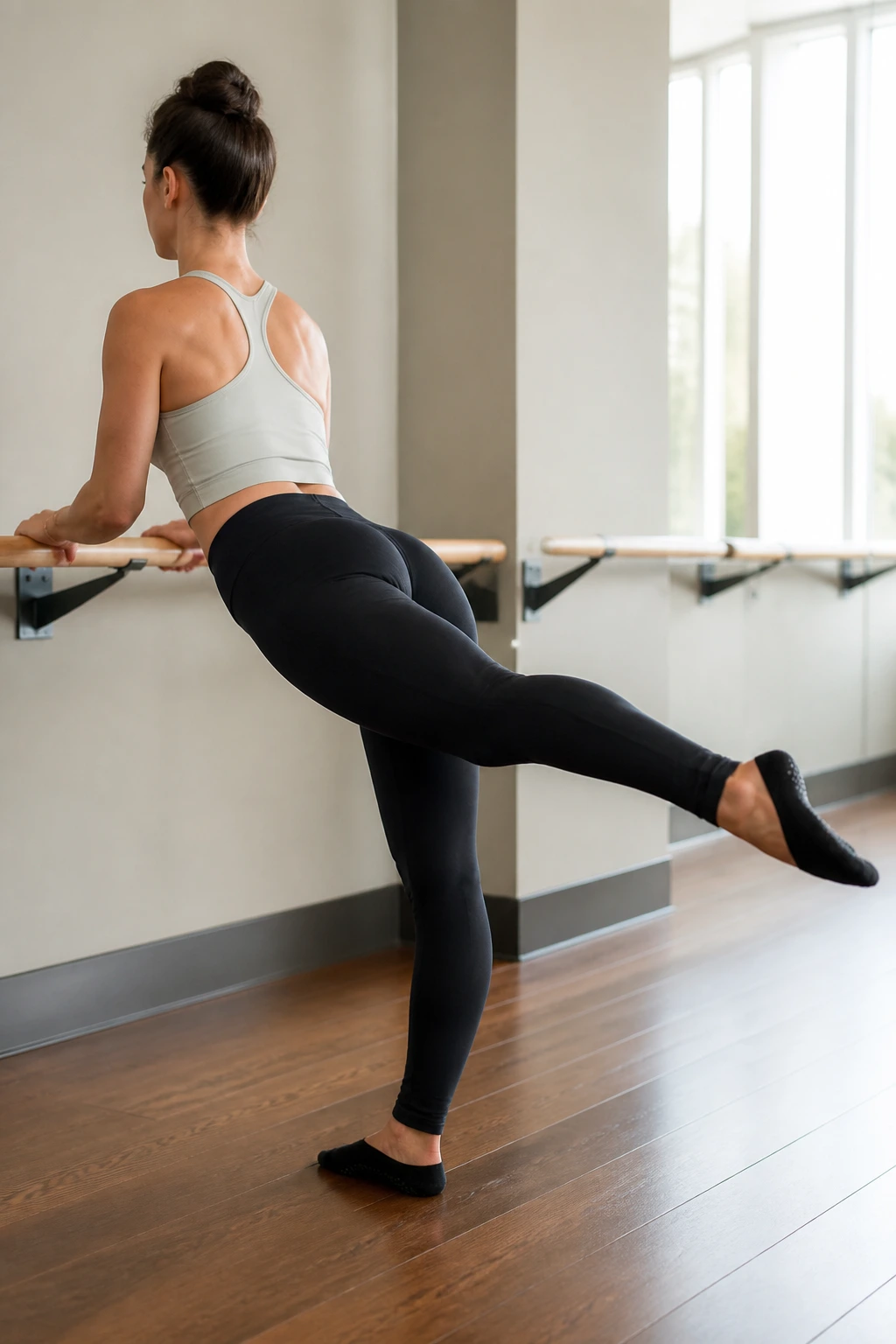
If you are looking for a routine that specifically targets the posterior chain, this is the one. You will spend roughly twenty minutes of this thirty-minute plan at the barre or using a sturdy chair. The focus here is entirely on the gluteus medius and the connection between the glute and the hamstring.
How to Execute the Movements
- Keep your standing knee slightly bent at all times to protect the joint.
- Maintain a neutral pelvis by engaging your lower abs; do not arch your back.
- Use a slow, controlled tempo for every lift and lower. Pro Tip: If your lower back starts to ache, you are likely using your lumbar spine to lift your leg rather than your glute. Tilt your pelvis forward slightly to re-engage the core.
3. The Posture-Perfect Upper Body
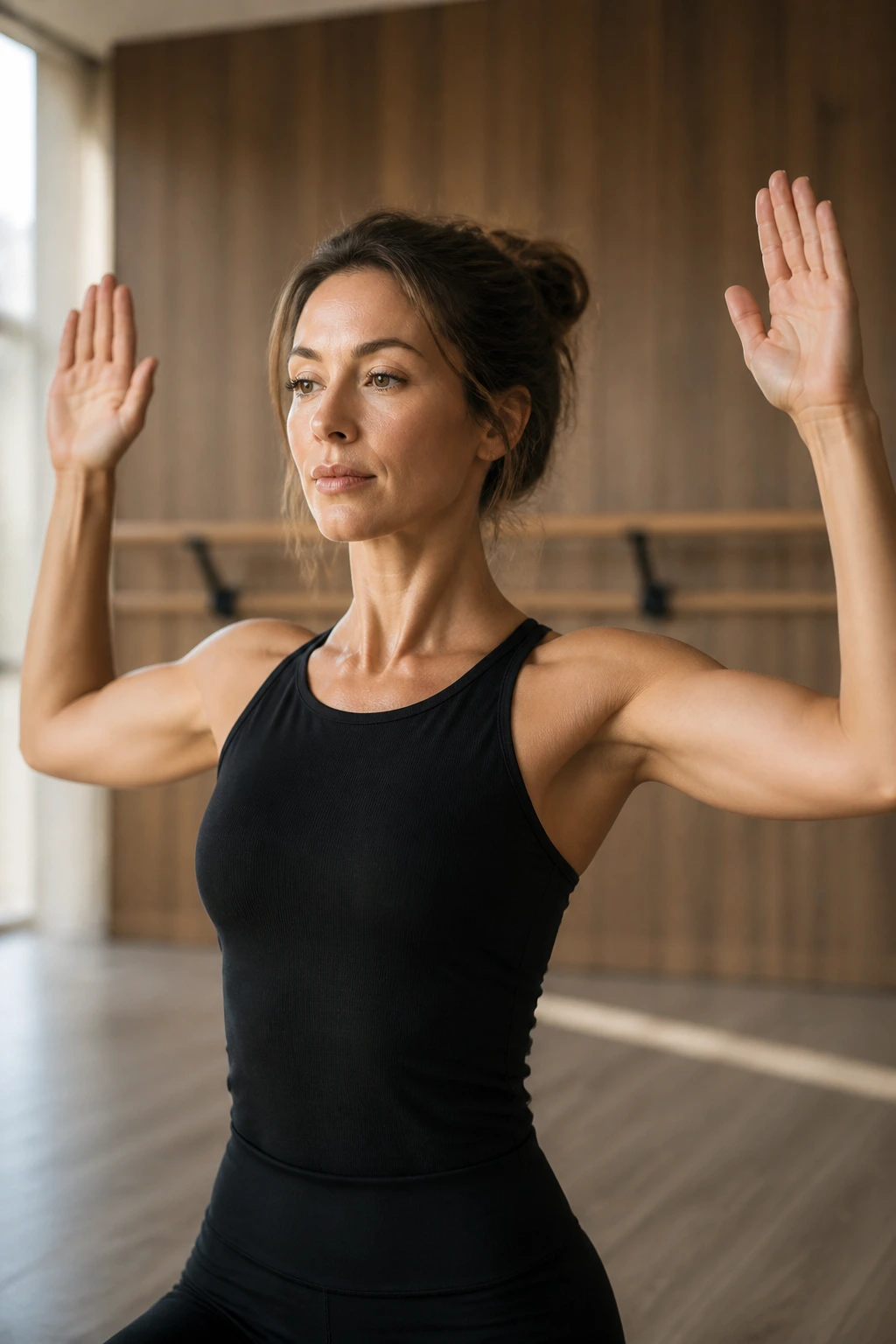
We often overlook our posture, yet it is the single most effective way to look taller and more confident. This plan uses isometric holds to strengthen the muscles between the shoulder blades—the rhomboids and middle trapezius. You will spend a significant amount of time in “goalpost” arm positions, pulling the elbows back to engage the back muscles.
Strengthening the Posterior Chain
Your chest muscles are naturally prone to tightening, which pulls the shoulders forward. By emphasizing the pulling motion over the pushing motion, you reverse that tension. Perform sets of twenty pulses with your arms in a “w” shape. You should feel the burn not just in your arms, but right between your shoulder blades.
4. The Core Stability Foundation
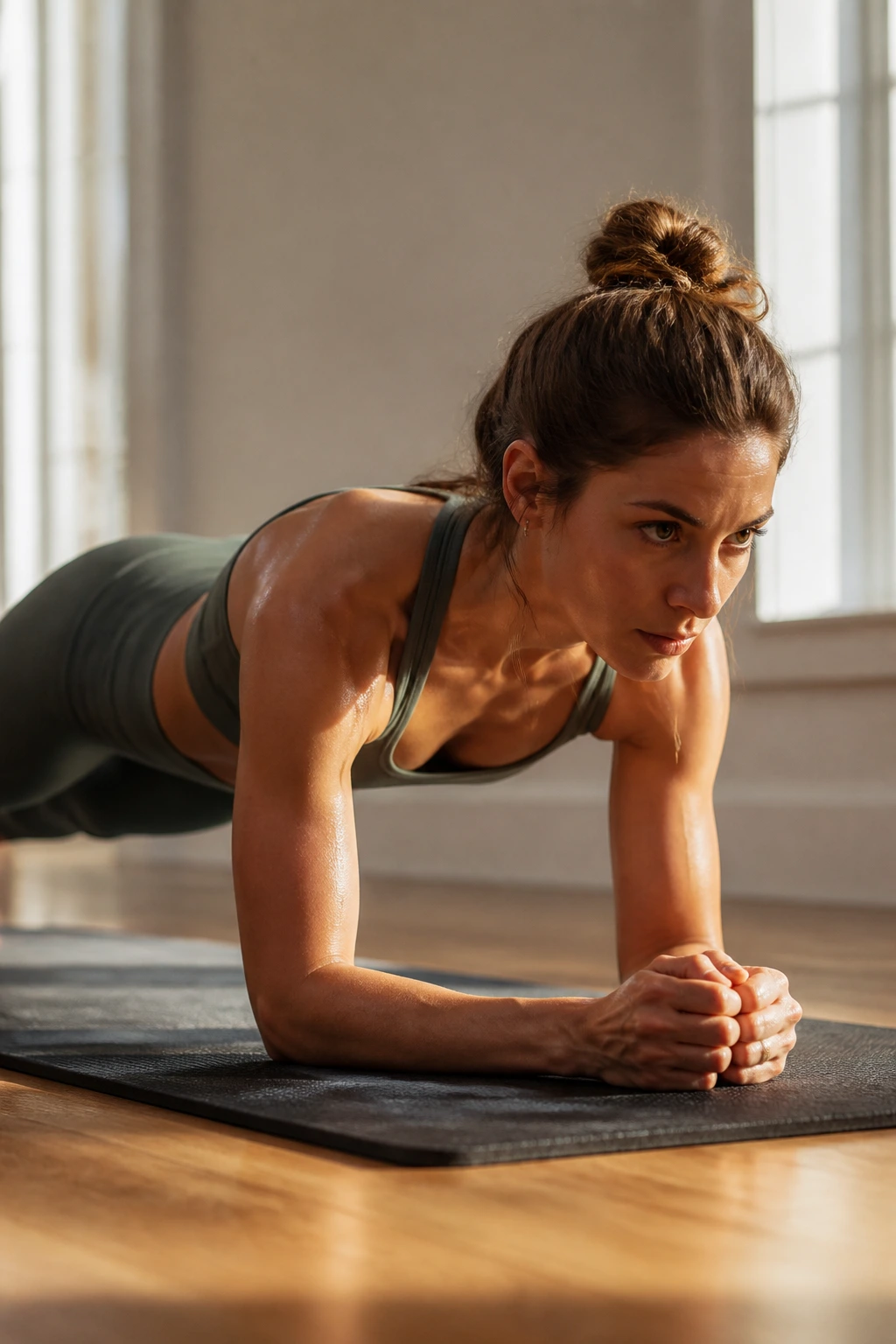
This routine skips the standing work and goes straight to the floor for deep abdominal engagement. It focuses on the transverse abdominis, which acts like a corset for your waist. You will integrate movements like tabletop extensions, plank variations, and controlled leg lowers.
Engaging the Transverse Abdominis
Do not just suck your stomach in; imagine you are pulling your belly button back toward your spine. Keep your ribs knit together. If you find your neck straining during crunches, place one hand behind your head for support, but keep the elbow wide. The goal is to feel the work in the center of your torso, not in your hip flexors or neck.
5. The Cardio-Barre Fusion
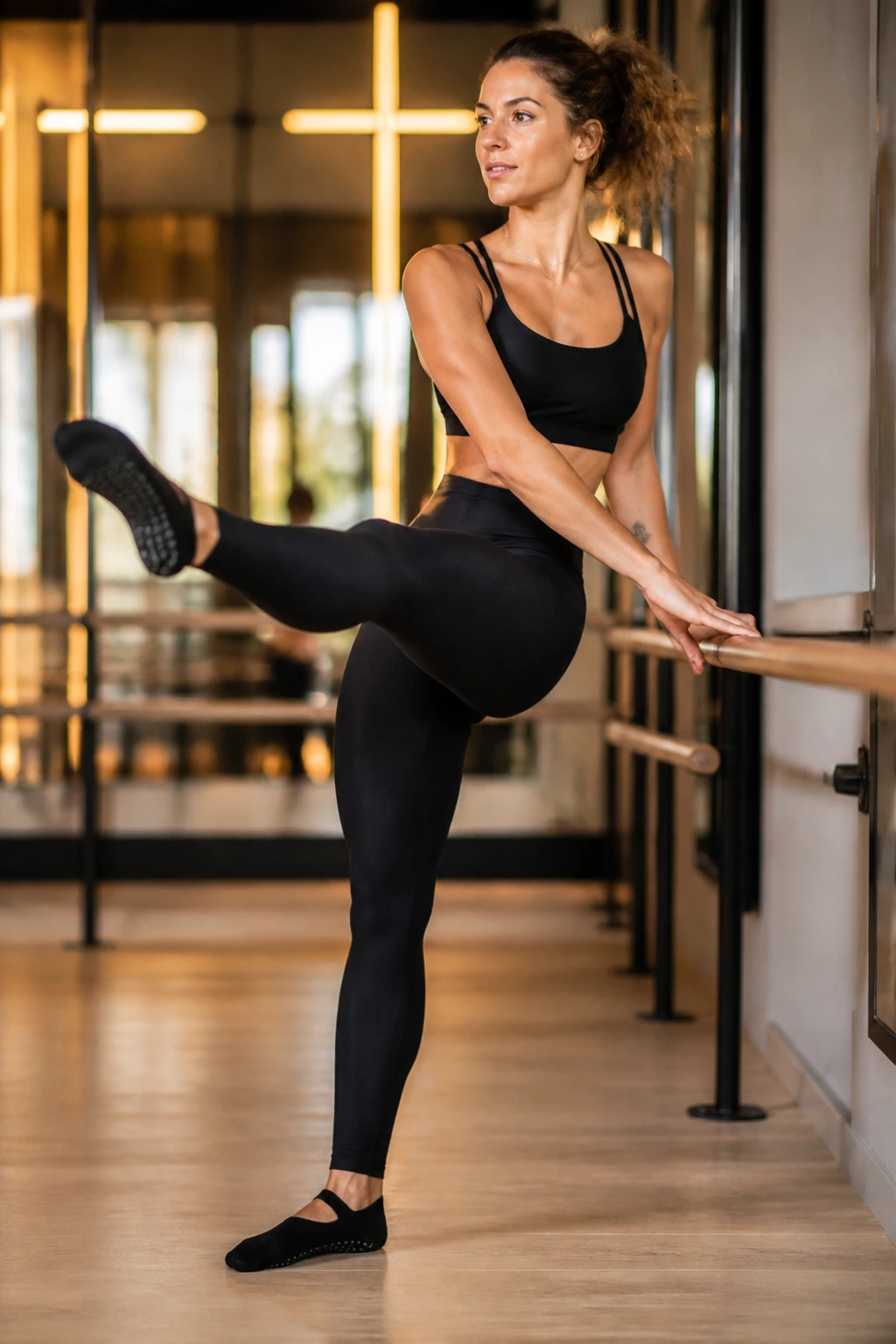
High-impact cardio can be hard on the joints, but this plan offers a way to get your heart rate up without the pounding. We integrate “barre-cardio” moves, such as fast-paced leg lifts, side-to-side skaters at the barre, and plank-to-pike transitions that keep you moving quickly.
Keeping the Intensity High
Because there is no heavy jumping, the intensity comes from the speed of the movement and the lack of rest periods. You will perform each set for sixty seconds, followed by only ten seconds of transition time. This keeps your heart rate in the aerobic zone for the entire duration of the workout. Expect to sweat, even if you are not jumping around the room.
6. The Low-Impact Joint Recovery
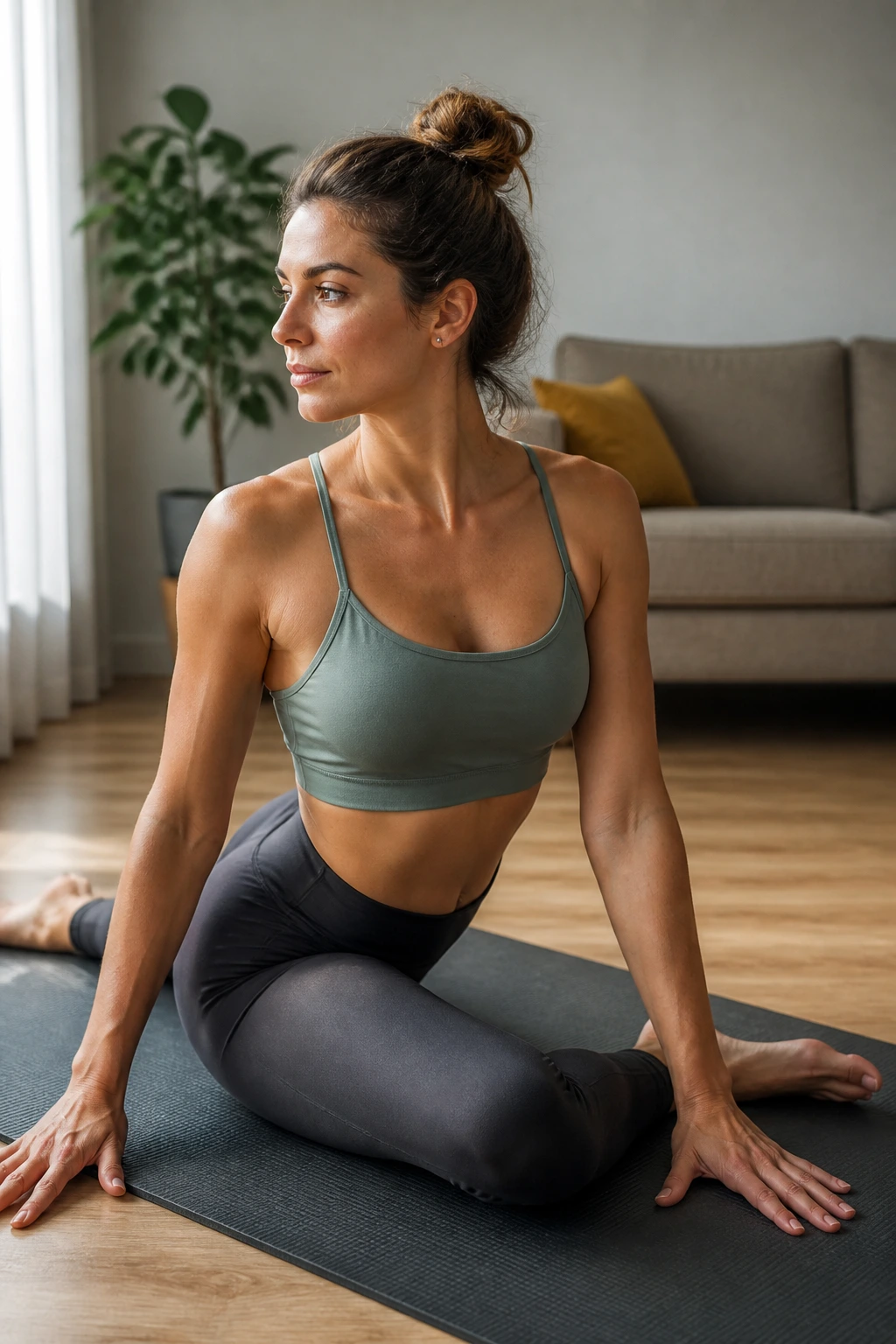
Sometimes your body just needs movement without the stress. This session focuses on mobility and range of motion. We incorporate slow, deliberate extensions and deep, supported stretches. This is not a “burn” workout; it is a “feel-good” workout designed to wake up stagnant joints.
Why Mobility Matters
Your joints require synovial fluid to stay lubricated. Through slow, controlled movements, you encourage blood flow to the connective tissues. Spend extra time in the pigeon pose and deep lunges, ensuring your breath is steady and deep throughout. You might find that your range of motion increases significantly after just two weeks of this restorative practice.
7. The Resistance Band Intensifier
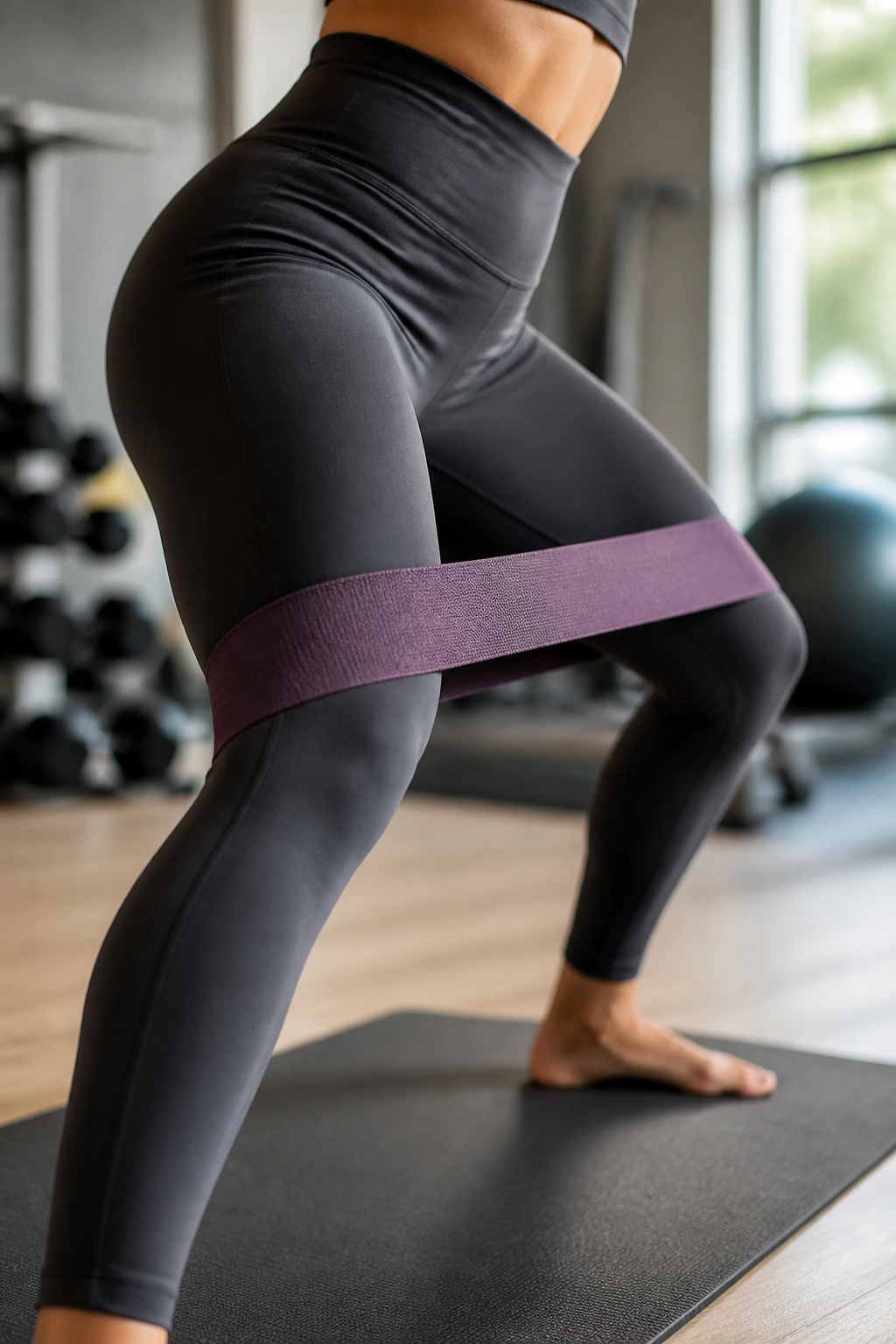
Adding a looped resistance band above the knees or around the ankles changes everything. This plan utilizes the added tension to force the glutes to work harder on every abduction move. The band creates a constant need for stabilization, which lights up the outer glutes almost immediately.
Working with Tension
- Choose a band with medium tension; you should not be struggling so much that you lose your form.
- Keep the tension on the band throughout the entire range of motion—never let your knees collapse inward.
- The pulses should be small, controlled, and precise. Observation: You will likely feel a deeper “fire” in the side of your hips with this routine compared to bodyweight-only movements.
8. The Desk-Worker’s Relief Routine
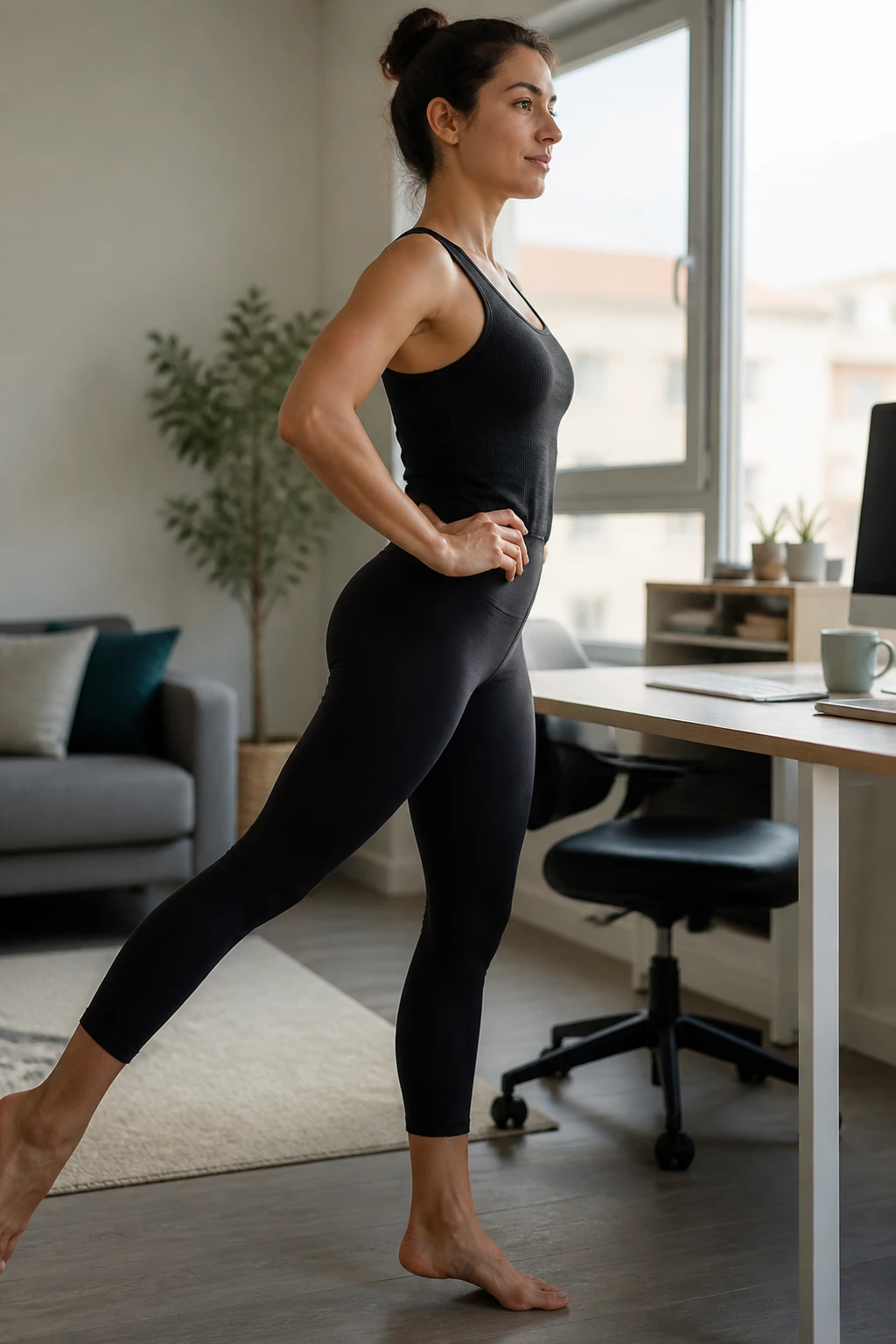
Designed specifically for those who spend hours sitting, this plan targets the hip flexors, which tend to get chronically tight, and the glutes, which tend to “go to sleep.” We prioritize hip openers and glute activations to reverse the rounding of the shoulders and the shortening of the hip musculature.
Reversing the Effects of Sitting
Start with standing hip openers, move into glute bridges on the floor, and finish with a series of chest-opening stretches. This routine acts as a reset button for your body. Do not rush the transitions; let your muscles acclimate to the new position before moving into the next phase of the exercise.
9. The Weighted Arm Definition
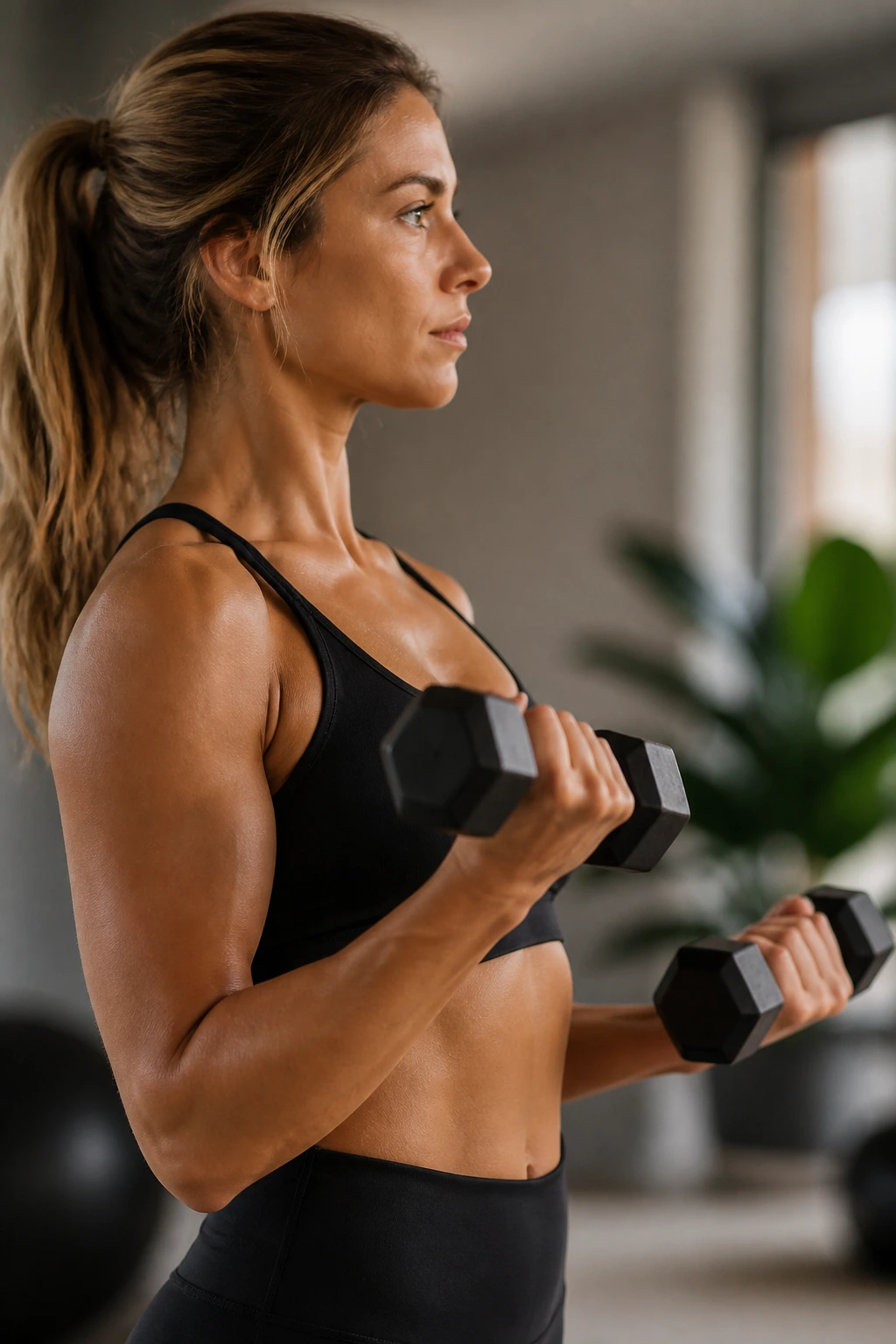
Most barre classes use two-pound weights, but this plan allows you to go slightly heavier—three or five pounds—for shorter bursts. The key is to keep the moves very slow. You will perform standard bicep curls, lateral raises, and overhead presses, but with a barre-style twist: isometric holds between every five repetitions.
Focusing on Time Under Tension
By pausing and holding the weight at the top of the movement, you force the muscle fibers to stay engaged without a break. This builds endurance quickly. If you feel your form breaking down—if your back starts to sway or your neck starts to tense—drop the weight or take a five-second break.
10. The Floor-Based Pilates Fusion
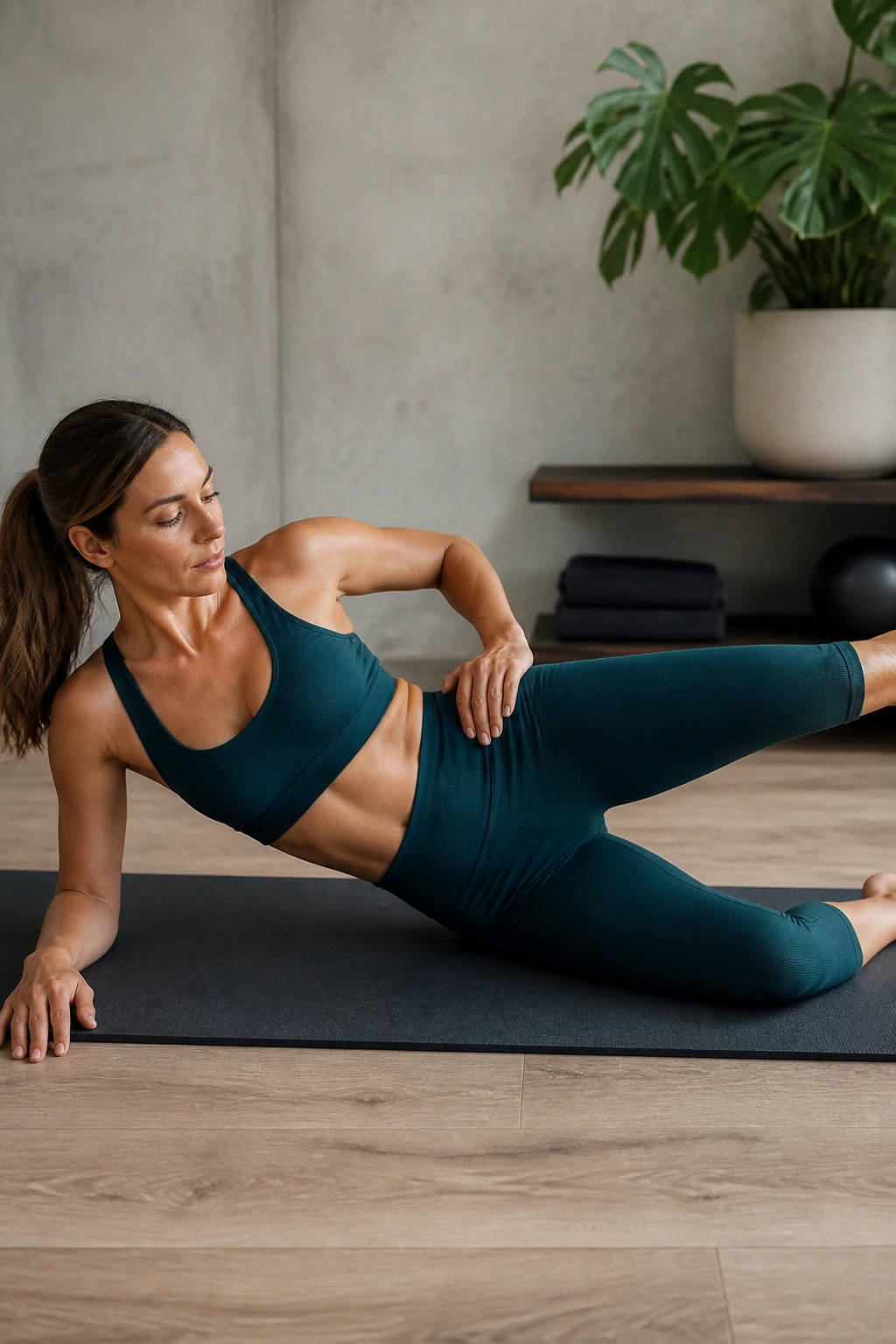
This is for days when standing at the barre feels like too much work. We stick entirely to the mat, using floor-based exercises like leg circles, side-lying clam shells, and “hundreds” variations. This routine relies heavily on mind-muscle connection.
Precision Over Power
Since you are on the floor, you cannot use momentum. Every leg lift must be powered by the muscle, not by swinging. Imagine your leg is being pulled out of the socket to create length. Keep your core locked tight to ensure that your lower back remains imprinted against the mat.
11. The Standing Balance Challenge
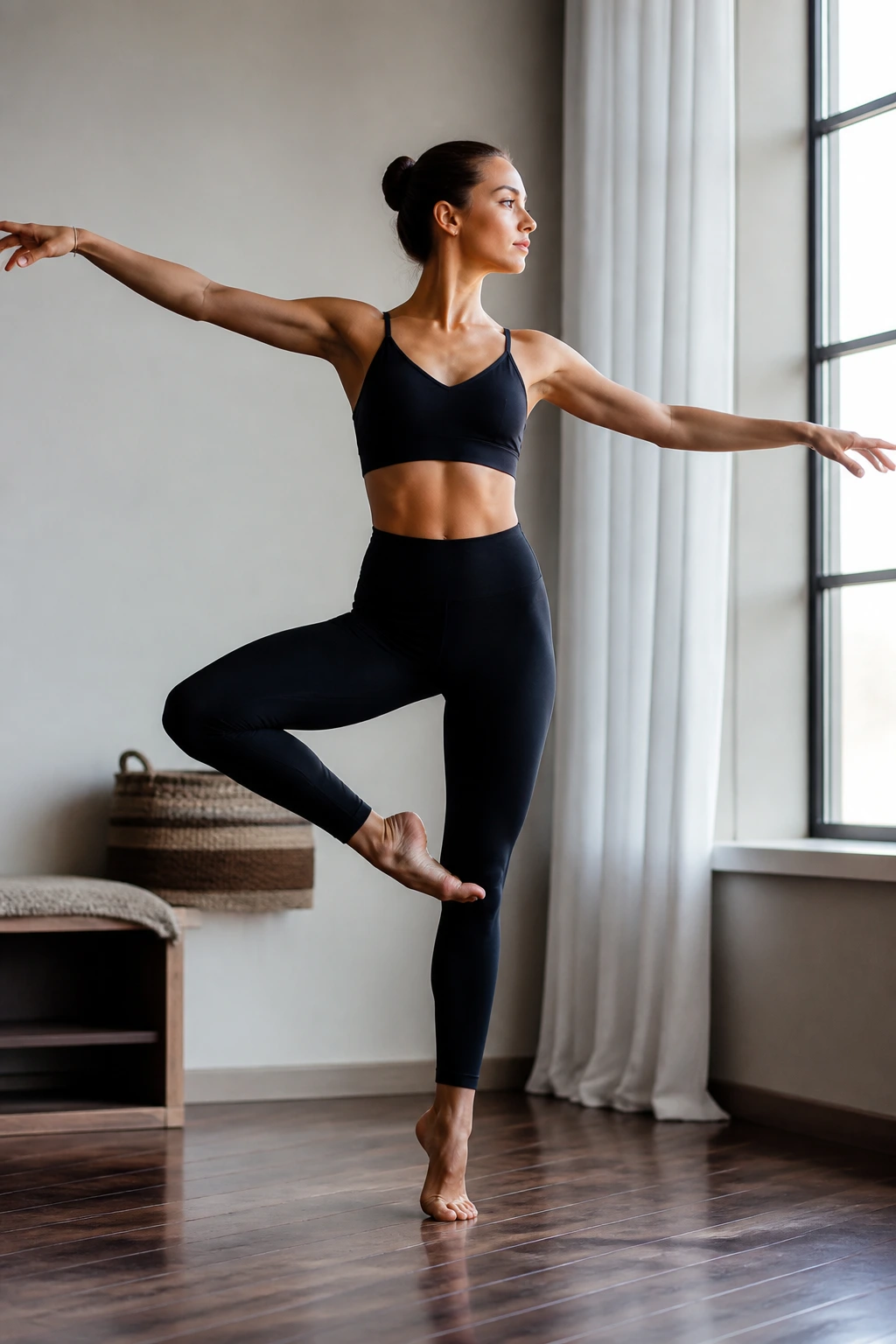
Balance work is essentially core work in disguise. In this routine, we perform moves like single-leg arabesques and holding a “relevé” (up on the toes) for extended periods. This engages the tiny stabilizing muscles around the ankles and knees.
Finding Your Center
Pick a focal point on the wall at eye level and do not look away. If you wobble, that is actually a good thing—it means your stabilizers are firing to keep you upright. Embrace the shakes. If you need to keep one toe lightly touching the floor for stability, that is perfectly fine; the goal is to gradually rely on it less over time.
12. The 15-Minute Express Burn
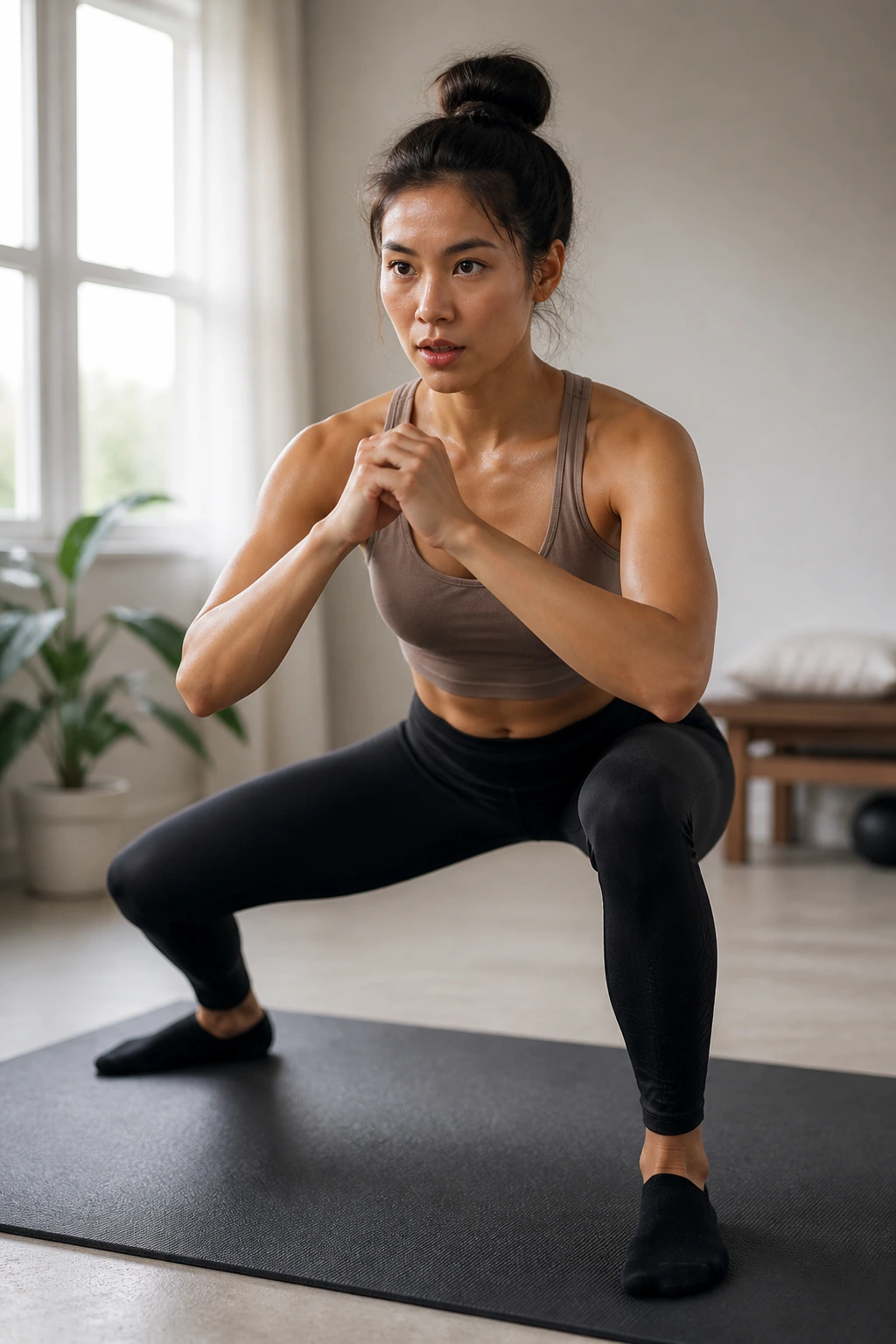
For when time is tight, this routine is designed to hit the biggest muscle groups with maximum efficiency. It is a rapid-fire sequence of squats, lunges, and plank variations with zero transition time between exercises.
Maximizing Efficiency
Do not waste time setting up; have your mat ready before you start. You will move through four three-minute circuits. Because the session is so short, you need to push yourself to 85% of your maximum effort for the entire duration. Treat it like a sprint, not a marathon.
13. The Glute-Hamstring Burnout
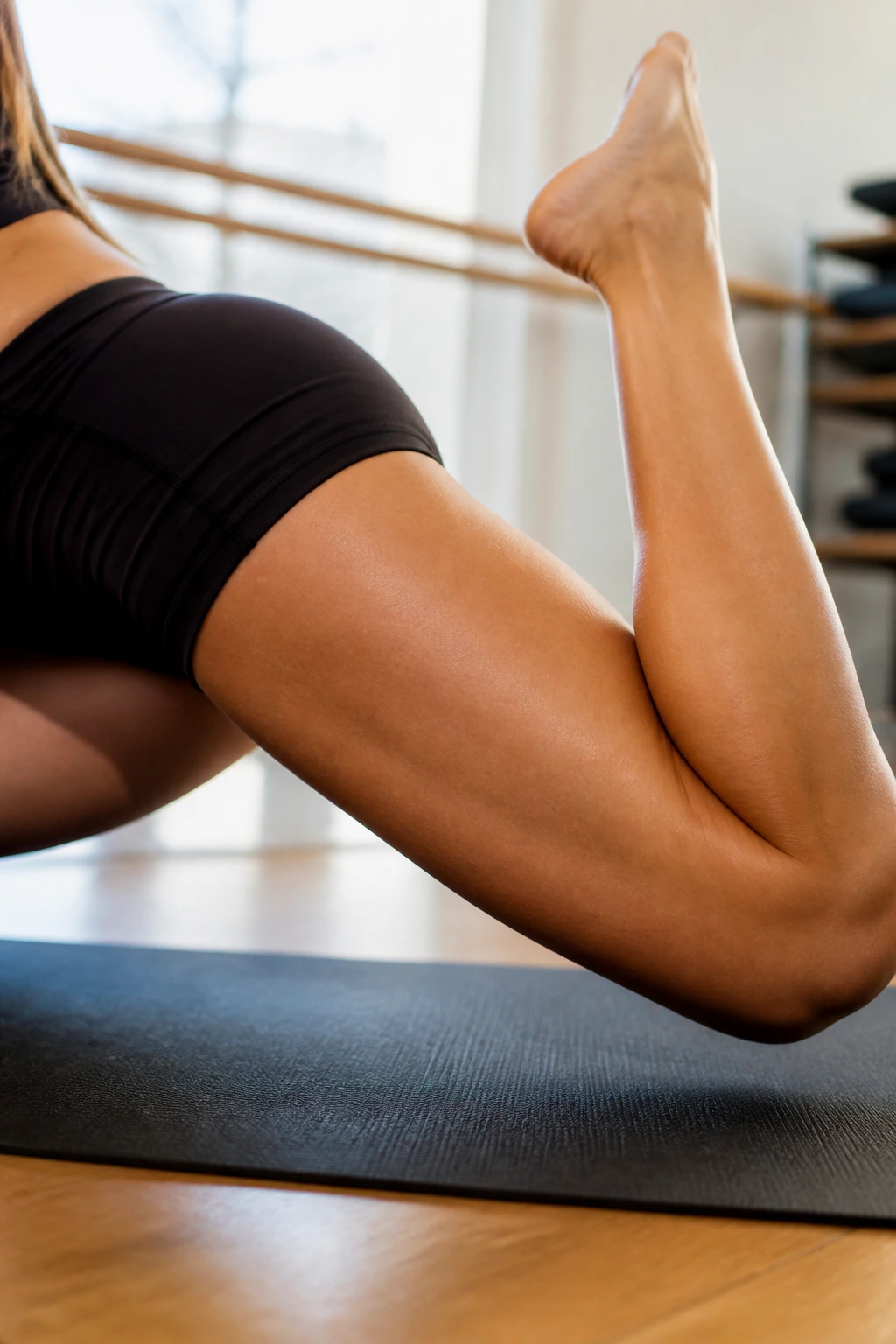
This is a focused, twenty-minute lower body session that uses high-repetition leg extensions and pulses. You will spend the entire time focusing on the back of the legs. This is ideal for pairing with an upper-body day or a cardio day.
Avoiding Common Pitfalls
Many people forget to engage their hamstrings during these moves, letting their quads take over. To fix this, think about pulling your heel toward your glute before you start the extension. This pre-activates the hamstring, ensuring it does the heavy lifting rather than the thigh muscle.
14. The “Long and Lean” Stretch
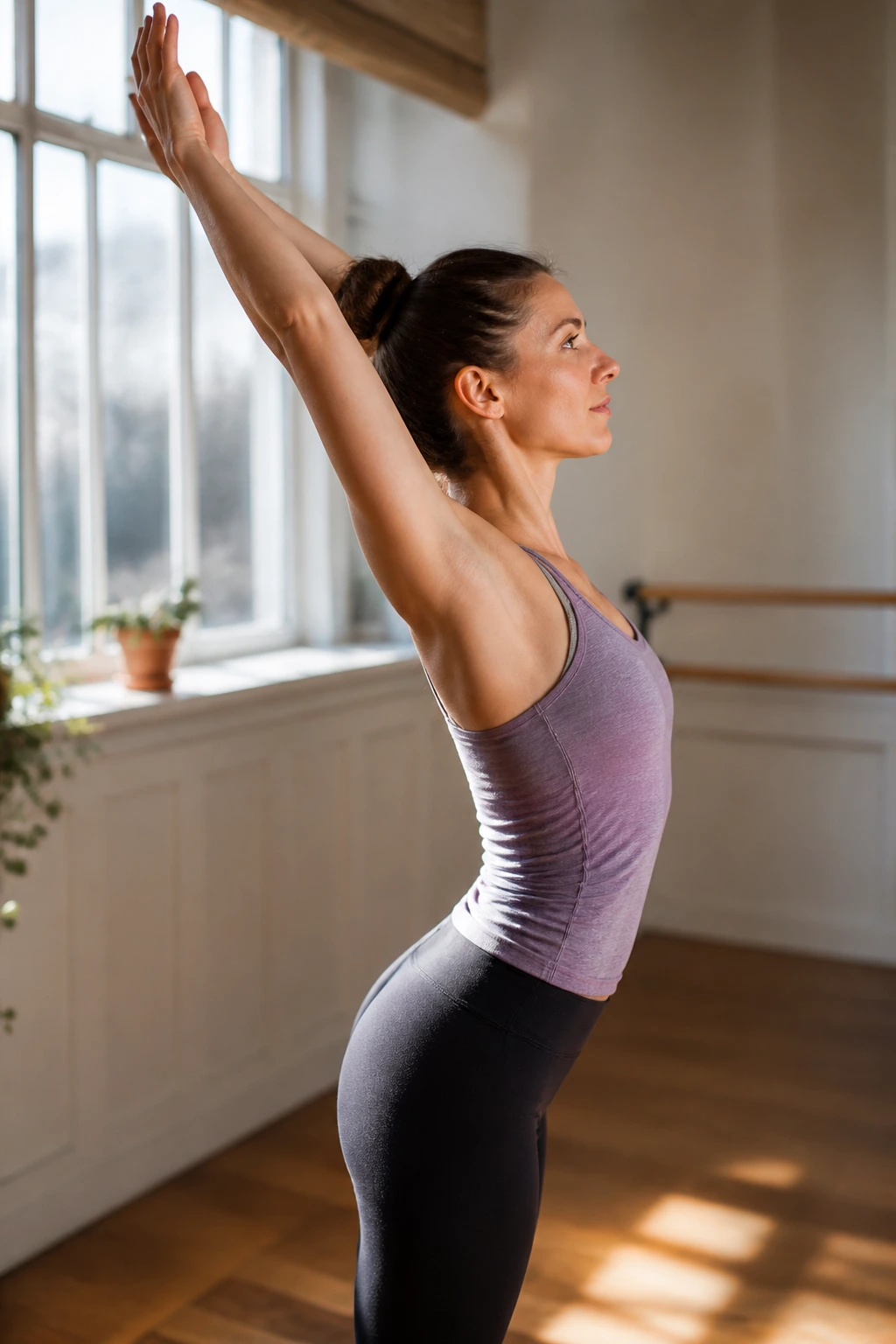
Barre is famous for producing a specific aesthetic of muscle tone. A huge part of that is the active stretching we do between sets. This plan is entirely focused on lengthening the muscles you just worked, holding each stretch for thirty to forty-five seconds.
Why We Stretch
Active stretching after an intense contraction allows the muscle to recover in a lengthened state. It is not just about flexibility; it is about muscle health. Breathe deep into the stretches. If you hold your breath, your body will naturally fight the stretch; exhalations signal to your nervous system that it is safe to release tension.
15. The Inner Thigh Focus
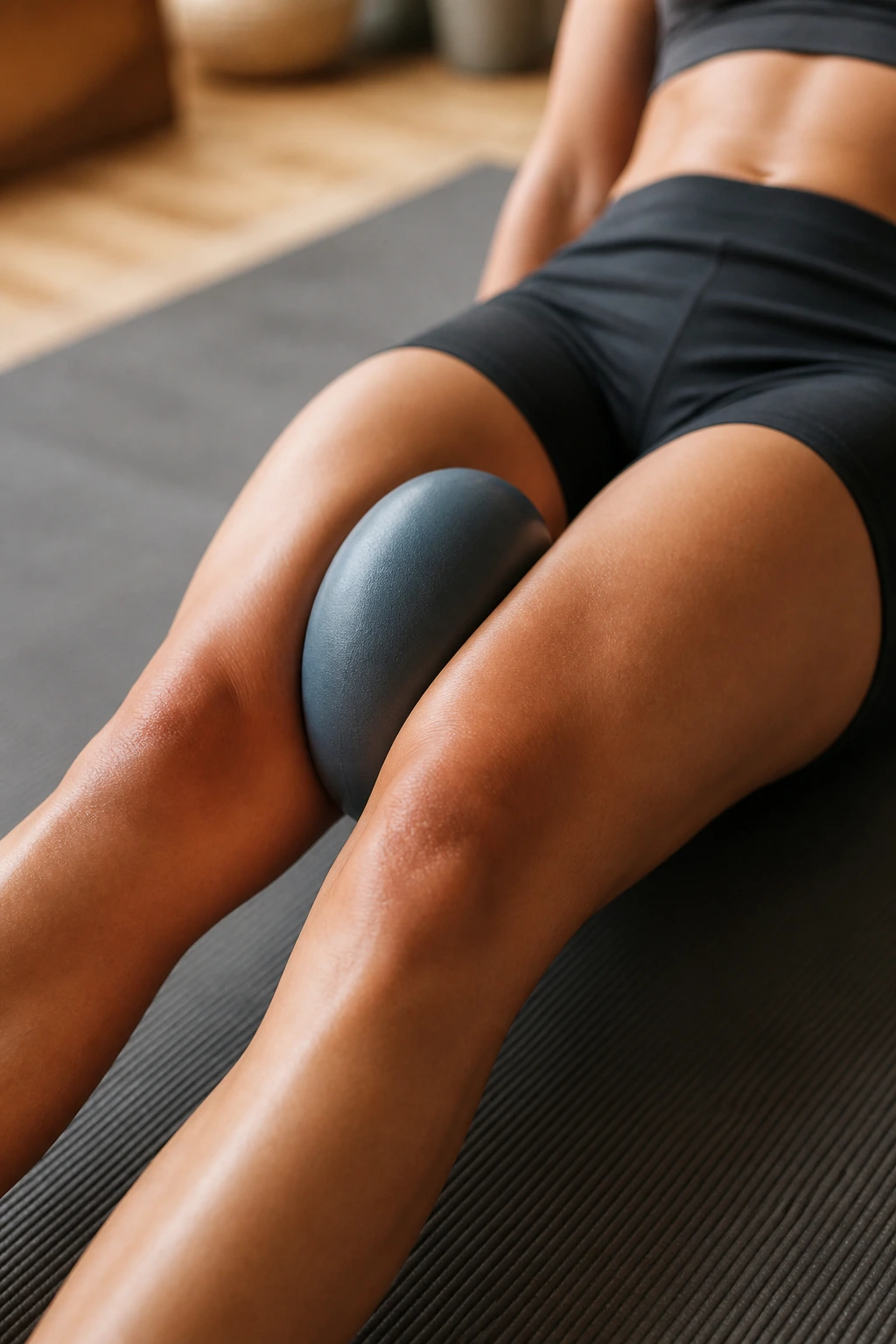
The inner thighs are notoriously difficult to target, but this plan uses a small squishy ball (or a thick folded towel) between the knees to force engagement. You will do pulses, squeezes, and small lifts while maintaining that constant pressure on the ball.
Squeezing for Results
The secret here is to squeeze the ball with your adductors, not your knees. If you only squeeze with your knees, you will put unnecessary pressure on the joint. Think about using the entire length of your inner thigh muscle. Your legs should be shaking within the first sixty seconds.
16. The Stability and Coordination Workout
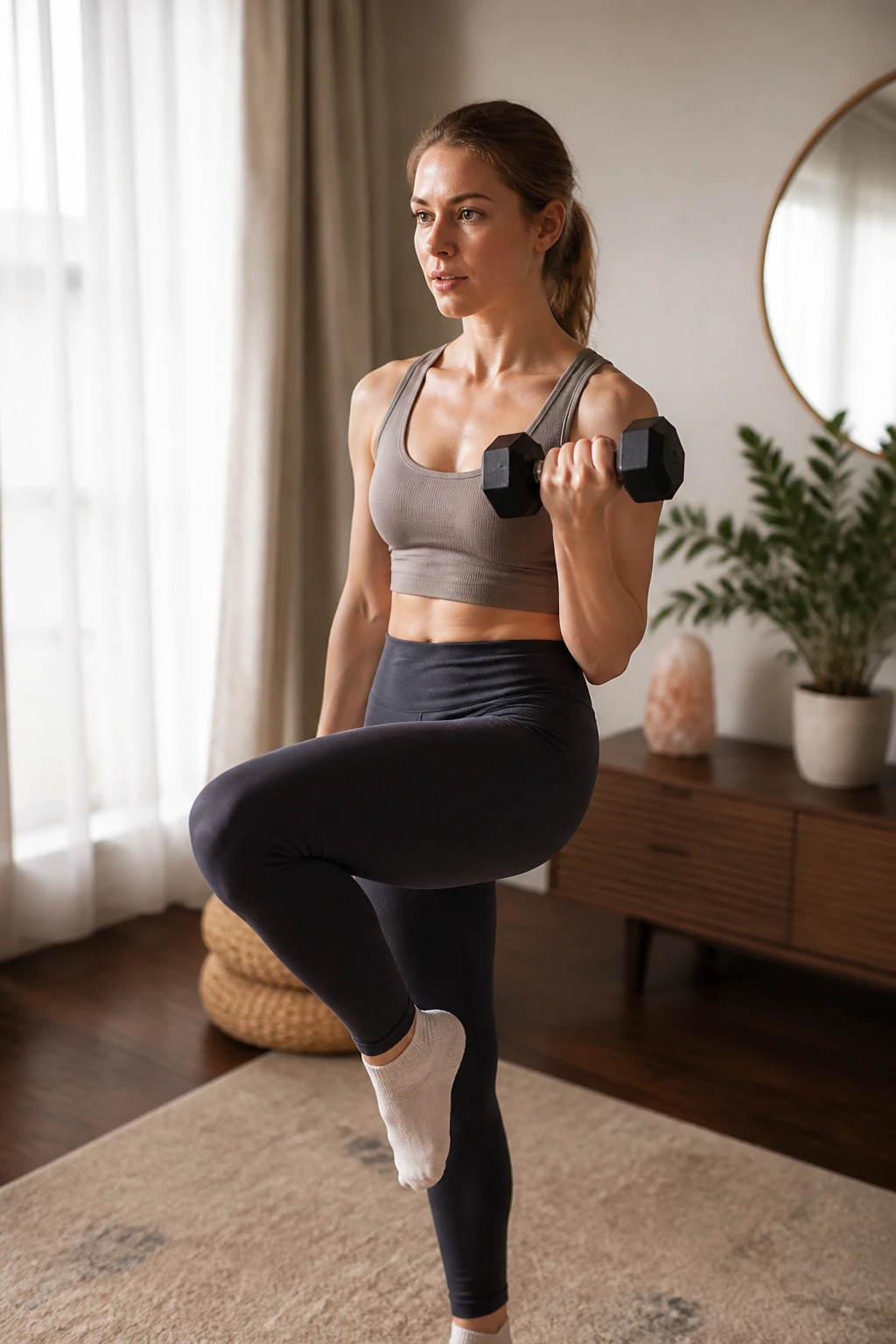
This routine introduces more complex movement patterns—combining an arm move with a leg move. For example, doing a bicep curl while holding a balance on one leg. This forces the brain to coordinate multiple muscle groups simultaneously.
Developing Functional Strength
Life rarely requires us to move in isolation. By challenging your coordination, you are building functional strength that translates to real-world movement. Go slow at first. It is better to do three reps with perfect coordination than ten reps that feel clunky and disjointed.
17. The Advanced Intensity Plan
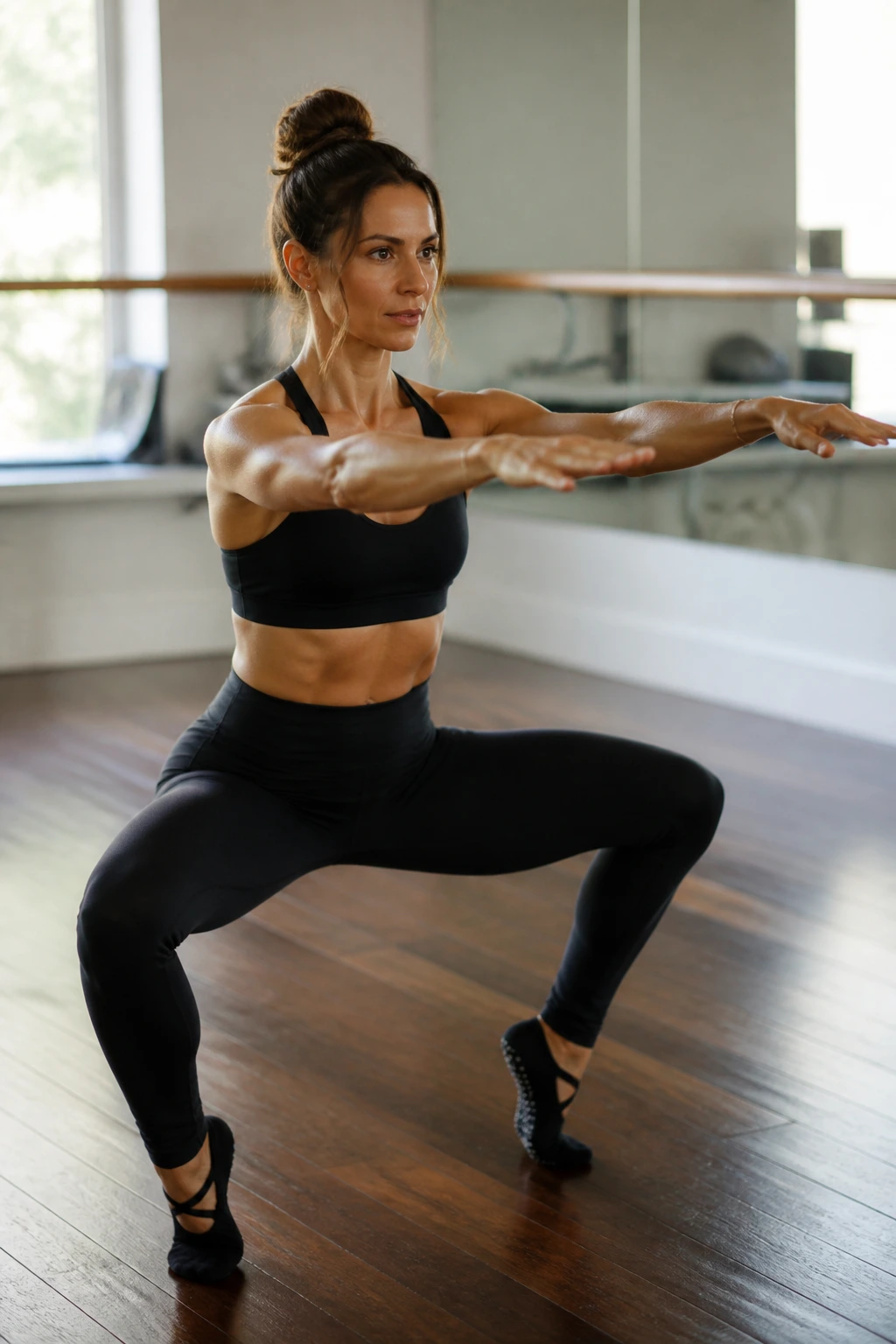
Only try this once you are comfortable with the basics. We take standard barre moves and add “tempo changes”—hold for three, pulse for one, hold for three. It is relentless, and it forces your muscles to adapt to constantly changing tension.
Pushing Past the Plateau
The human body adapts quickly. If you have been doing the same routine for months, you might stop seeing the results you want. This tempo-based routine shocks the muscles into responding again. Be prepared for a higher level of soreness the next day; your muscle fibers are working through a much higher degree of mechanical stress.
18. The Post-Workout Mobility Flow
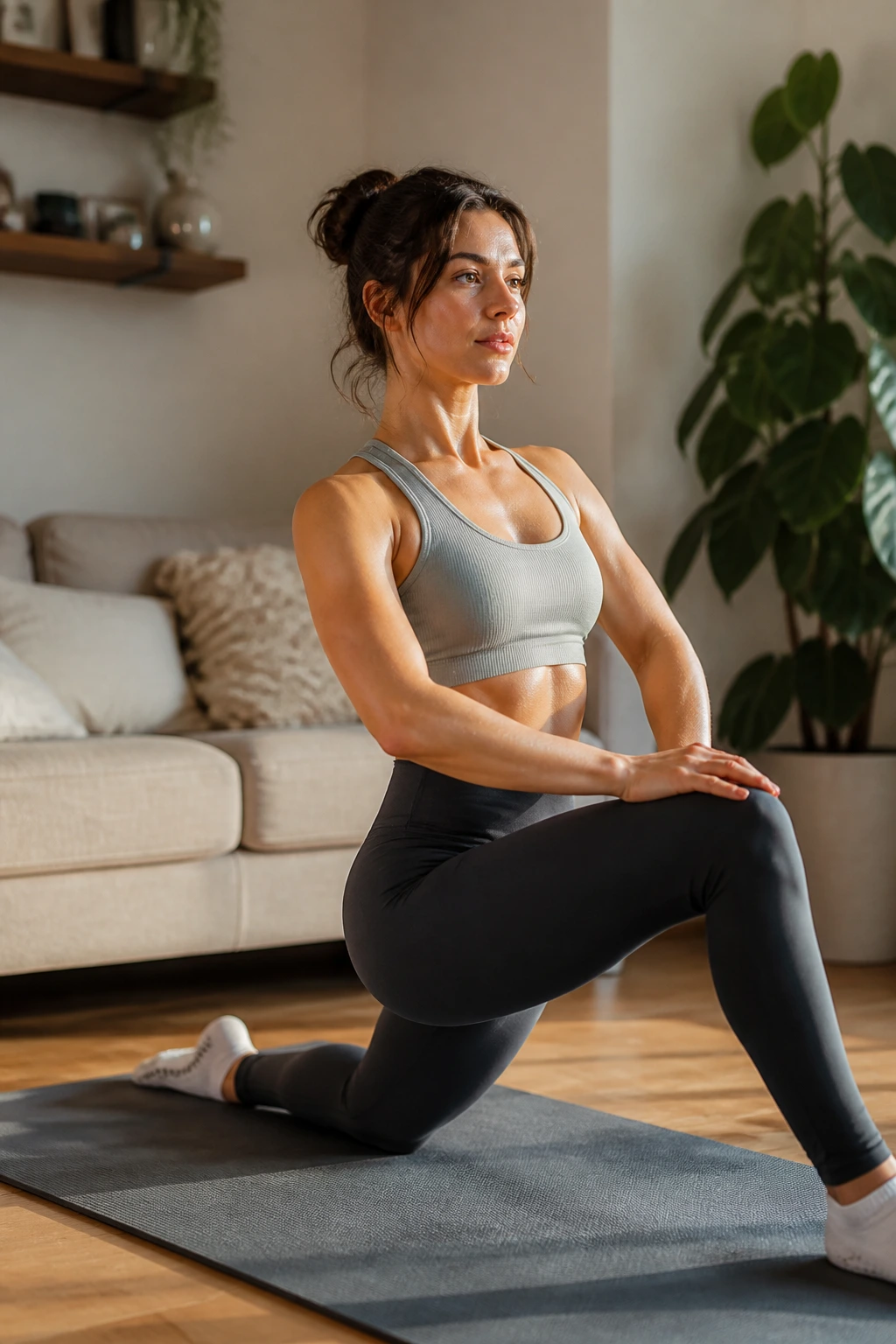
This is a gentle, ten-minute sequence that you can do immediately after any of the other workouts. It focuses on releasing the tight areas that barre work tends to create—the hip flexors, the calves, and the chest.
Closing the Gap
Do not skip this. Your muscles are warm, pliable, and ready to be lengthened. Taking ten minutes here is equivalent to thirty minutes of stretching later in the evening when your muscles are cold. It is the best insurance policy against stiffness the following morning.
19. The “No-Barre” Barre Class
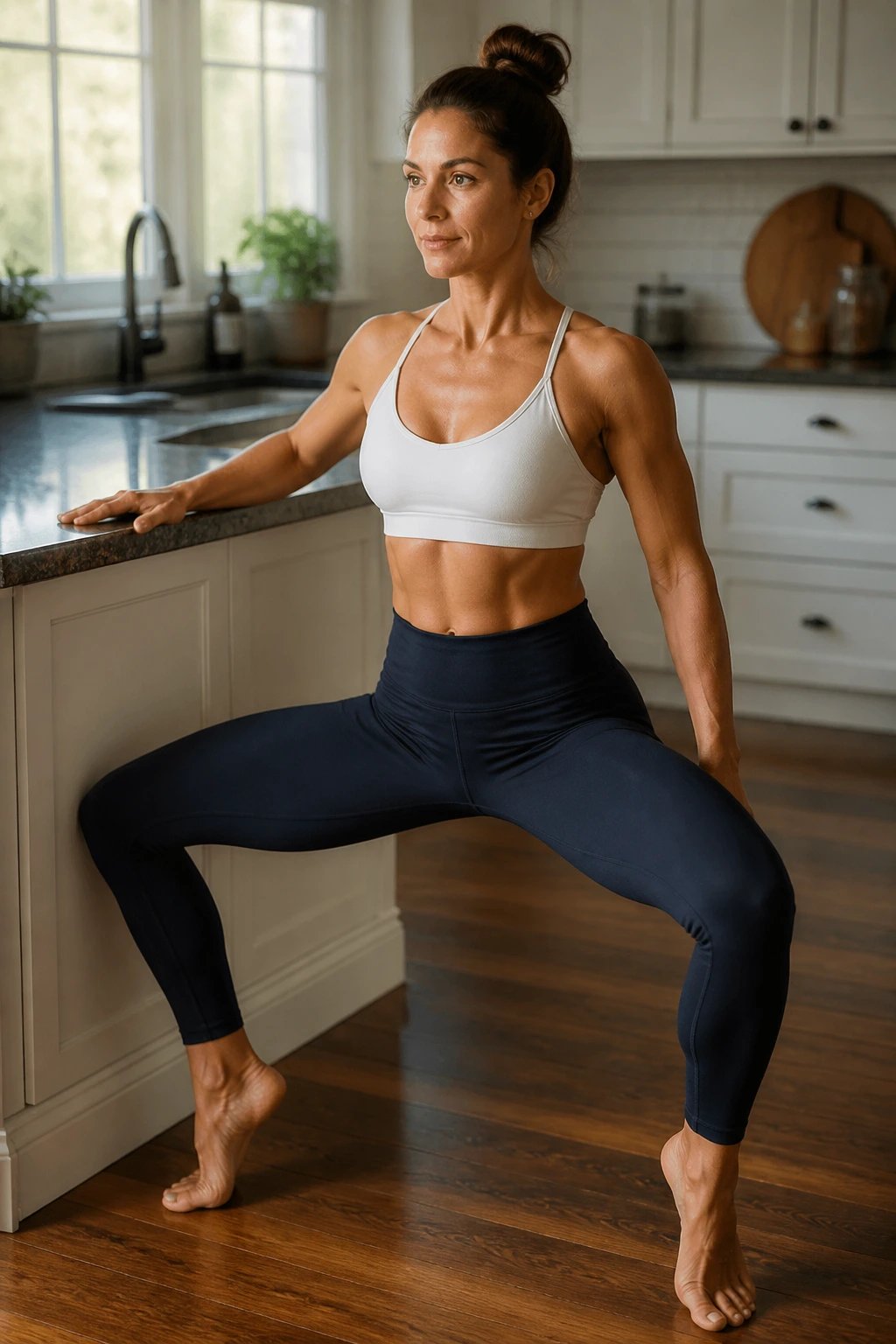
You don’t need a ballet barre to do barre. This entire routine is done using the wall for balance or a countertop. It is perfect for home practice where space is limited. We focus on movements that rely on your own body weight for resistance.
Using Household Items
A kitchen counter or the back of a sturdy chair works perfectly. Ensure it is stable before you start; you need to feel confident that you can lean into it without it tipping over. This version is often more challenging because it forces you to engage your core even more to maintain balance without the full support of a dedicated barre structure.
20. The Beginner Foundation Sequence
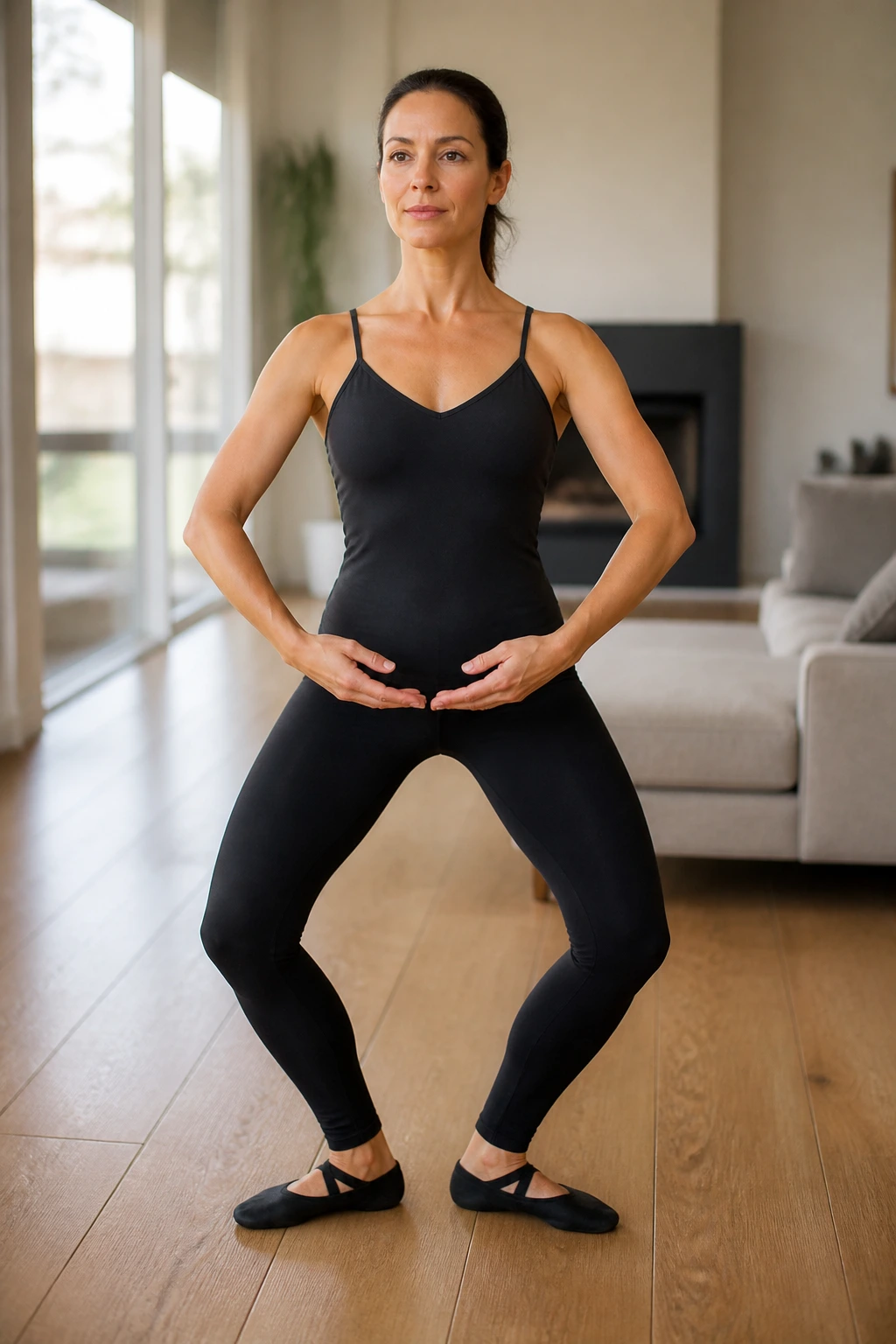
If you are new to the discipline, start here. This plan breaks down the most important positions: First Position, Second Position, and Parallel. It emphasizes the “tuck”—the subtle pelvic tilt that protects your lower back—and the “pulse,” which is the heartbeat of all barre work.
Mastering the Basics
Don’t worry about how deep your squat is or how high your leg goes. Focus on your alignment. If your knees are caving in or your shoulders are creeping up toward your ears, you are losing the form. Spend time in front of a mirror if you can. Once the foundation is solid, the intensity can always be increased later.
Final Thoughts
The effectiveness of any barre blend program boils down to consistency and attention to detail. It is easy to breeze through the movements, going through the motions without truly engaging the target muscles, but that approach rarely yields the results you are after. The magic happens when you focus on the quality of every single pulse, every hold, and every transition.
Your body will tell you when you are doing it right—it will shake, it will burn, and it will occasionally protest. That is not a sign to stop; it is a sign that you are challenging your limits. Stick with these routines, adjust your effort based on how you feel on any given day, and trust the process of slow, incremental progress. You do not need a fancy studio to get a world-class workout; you just need the floor, a bit of focus, and the willingness to push through the shake.
