



You have likely seen them plastered across social media feeds: infographics showing a simple list of squat counts that escalate from twenty on day one to a daunting number by the final week. These thirty-day challenges promise dramatic results for your glutes, often with the allure of a simple, no-equipment-needed commitment. While the idea of a fixed plan is undeniably appealing for structure, most people jump into these programs without understanding the mechanics required to actually build muscle. A squat is not just about moving up and down; it is a complex movement pattern that relies on specific muscle engagement, proper joint alignment, and enough intensity to trigger physiological adaptation. If you approach a month of squats by mindlessly checking boxes, you might end up with tired knees rather than stronger, more sculpted glutes.
The truth about muscle growth is that it requires more than just high-volume repetition. If you perform the same movement for weeks without changing the intensity, load, or tempo, your muscles will quickly adapt and eventually stop responding. This is where many of these generic thirty-day challenges fail; they treat the body like a machine that simply needs more input, rather than a biological system that needs progressive stress. True glute development comes from understanding how to recruit the gluteus maximus, medius, and minimus, and then challenging those muscles in ways that force them to grow. By adjusting your technique and layering in smarter programming, you can turn a basic month-long challenge into a legitimate foundation for a stronger lower body.
The Anatomy of a Successful Glute-Focused Squat
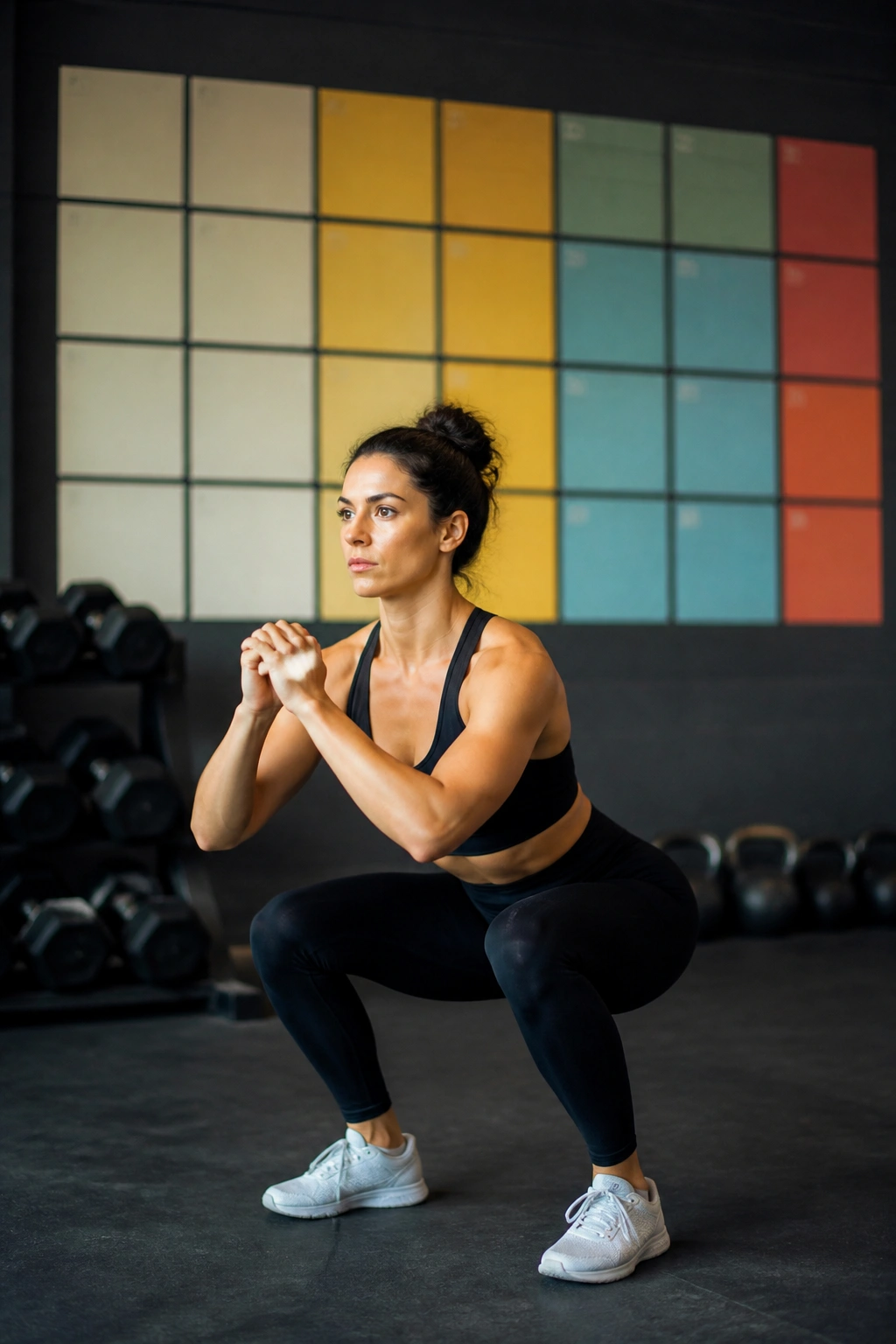
To build stronger glutes, you must first understand what you are actually trying to trigger. The gluteus maximus is the largest muscle in the human body, and it is responsible for hip extension—the primary movement of a squat. However, many people squat using mostly their quadriceps, leaving the glutes underutilized. When you squat, you want to shift your focus to the posterior chain. This involves sitting back into the hips rather than just bending at the knees. Imagine you are reaching your glutes toward an imaginary chair positioned a few inches behind you. This subtle shift in mechanics changes the entire load distribution, moving the focus away from the knee joint and placing it squarely on the muscles you want to target.
The gluteus medius and minimus play a crucial role in stabilization. These muscles, located on the sides of your hips, are often neglected in standard squat routines. You can engage them by intentionally pushing your knees outward as you perform the movement. This technique, often called “spreading the floor,” prevents the knees from collapsing inward and forces the side glutes to fire in order to stabilize your pelvis. When you feel that slight burning sensation on the sides of your hips, you know those stabilizer muscles are working. Incorporating this cue is essential, as it protects your joints while maximizing the efficiency of every repetition.
Why Consistency Matters More Than Volume

High-volume squat challenges often push for hundreds of repetitions as the days pass. This approach is rarely sustainable for the average person, and it often leads to burnout or overuse injuries. Muscle growth occurs during the recovery phase, not while you are performing the exercise. If you are squatting every single day without adequate rest, your muscles do not have time to repair the micro-tears created during the workout. This lack of recovery leads to systemic fatigue, which diminishes your performance and increases the risk of injury. Instead of aiming for an arbitrary, high number of squats, aim for a consistency that allows for high-quality movement.
Think of your thirty-day plan as a series of work-to-rest cycles. You might choose to perform your squat sessions four or five times a week, leaving specific days for total recovery or light mobility work. This structure ensures that when you do perform your squats, you are fresh enough to use proper form and maintain intensity. Consistency in this context means showing up at your scheduled times, not grinding your body into the ground daily. A well-planned week of four intense, high-quality squat sessions will almost always yield better results than seven days of low-effort, high-volume repetition that leaves you feeling drained and stiff.
Essential Squat Variations for Well-Rounded Growth

Relying on one type of squat for an entire month will lead to a plateau. Your body is incredibly efficient at adapting to repetitive stress. To keep your glutes stimulated, you should rotate through different squat variations that challenge the muscles from slightly different angles. The basic bodyweight squat is a great starting point, but it should not be the end goal. As you progress, introduce movements that shift the center of gravity or require more stability. Each variation offers unique benefits for the posterior chain, making your thirty-day period far more productive.
Consider incorporating these variations into your routine:
- Goblet Squats: Holding a weight against your chest forces you to maintain an upright torso, which naturally helps you sit deeper into your hips.
- Sumo Squats: By taking a wide stance and pointing your toes outward, you shift more of the workload to the glutes and adductors.
- Bulgarian Split Squats: This single-leg variation is perhaps the most effective for glute isolation. Placing one foot on a bench behind you forces the front leg to do the work, significantly increasing the challenge on the glute.
- Pause Squats: Regardless of the variation, pausing for two seconds at the bottom of the movement removes momentum and forces the muscles to work harder to initiate the ascent.
- Tempo Squats: Lowering yourself slowly—taking three to four seconds to reach the bottom—increases the “time under tension,” which is a primary driver of muscle hypertrophy.
Proper Form: The Difference Between Results and Injury

Form is non-negotiable. If you find your form breaking down toward the end of a set, stop immediately. It is far better to do ten perfect squats with full control than fifty sloppy ones. The most common form error is “butt wink,” where the lower back rounds at the bottom of the squat. This happens when you lack the necessary hip or ankle mobility to reach full depth, causing your pelvis to tuck under. To fix this, stop your squat at the point where your back begins to round, even if that is not as low as you might like. Over time, you will gain the mobility to go deeper while keeping your spine neutral.
Another critical form cue involves foot placement. Everyone has a different hip anatomy, so the “correct” stance width can vary. Some people find that a slightly wider stance with toes turned out provides better glute activation and a deeper squat. Experiment with your stance during your first week. If you feel a sharp pain in your hips or knees, adjust your width or angle slightly. You want to feel the work in your muscles—specifically the glutes and thighs—not in your joints. If your knees consistently cave inward, focus on pushing them out against a resistance band or simply focusing on the “spreading the floor” cue mentioned earlier.
Progressive Overload: Beyond Just Increasing Reps

Progressive overload is the fundamental principle of strength training. It means you must gradually increase the difficulty of your workouts over time to force the body to adapt. In a standard thirty-day challenge, the “progression” is usually just adding more reps every day. While that works for a short time, you will eventually hit a wall where you are doing so many reps that you spend an hour squatting, which is neither practical nor efficient for growth. A better approach to progressive overload is to change the variables of the exercise itself.
After the first week, instead of just adding more reps, try adding resistance. If you do not have heavy gym equipment, use household items like a backpack filled with books or a heavy water jug. Once you have mastered the movement, slow down your tempo. A squat that takes five seconds to perform is significantly more difficult than one that takes two. You can also manipulate rest periods, keeping them short—between thirty and sixty seconds—to increase the metabolic demand. By focusing on increasing the intensity rather than just the volume, you provide a much stronger stimulus for your glutes to grow while keeping your workout time reasonable.
Structuring Your 30-Day Calendar
A structured calendar takes the guesswork out of your daily routine. Avoid the trap of simply escalating the number of reps daily. Instead, organize your month into four distinct weeks, each with a different focus. Use the first week to master form and establish your baseline. The second week should focus on increasing the difficulty—perhaps by adding a tempo element. The third week is the peak, where you might use weights or challenging variations like Bulgarian split squats. The final week serves as a taper, reducing the total volume but keeping intensity high to allow your muscles to recover and show their definition.
Your schedule might look something like this:
- Monday: Squat Focus (e.g., Goblet Squats, 3 sets of 10-12)
- Tuesday: Mobility and Active Recovery (walking, hip stretches)
- Wednesday: Unilateral Focus (e.g., Bulgarian Split Squats, 3 sets of 8 per leg)
- Thursday: Rest
- Friday: Tempo Focus (Slow bodyweight squats, 4 sets of 10)
- Saturday: Full Body or Active Recovery
- Sunday: Rest
This rotation ensures you are hitting the muscles with enough stimulus to grow but giving them the essential downtime to actually build the tissue. By planning your rest days in advance, you prevent the temptation to “push through” when your body is begging for a break.
Nutrition and Recovery for Glute Hypertrophy
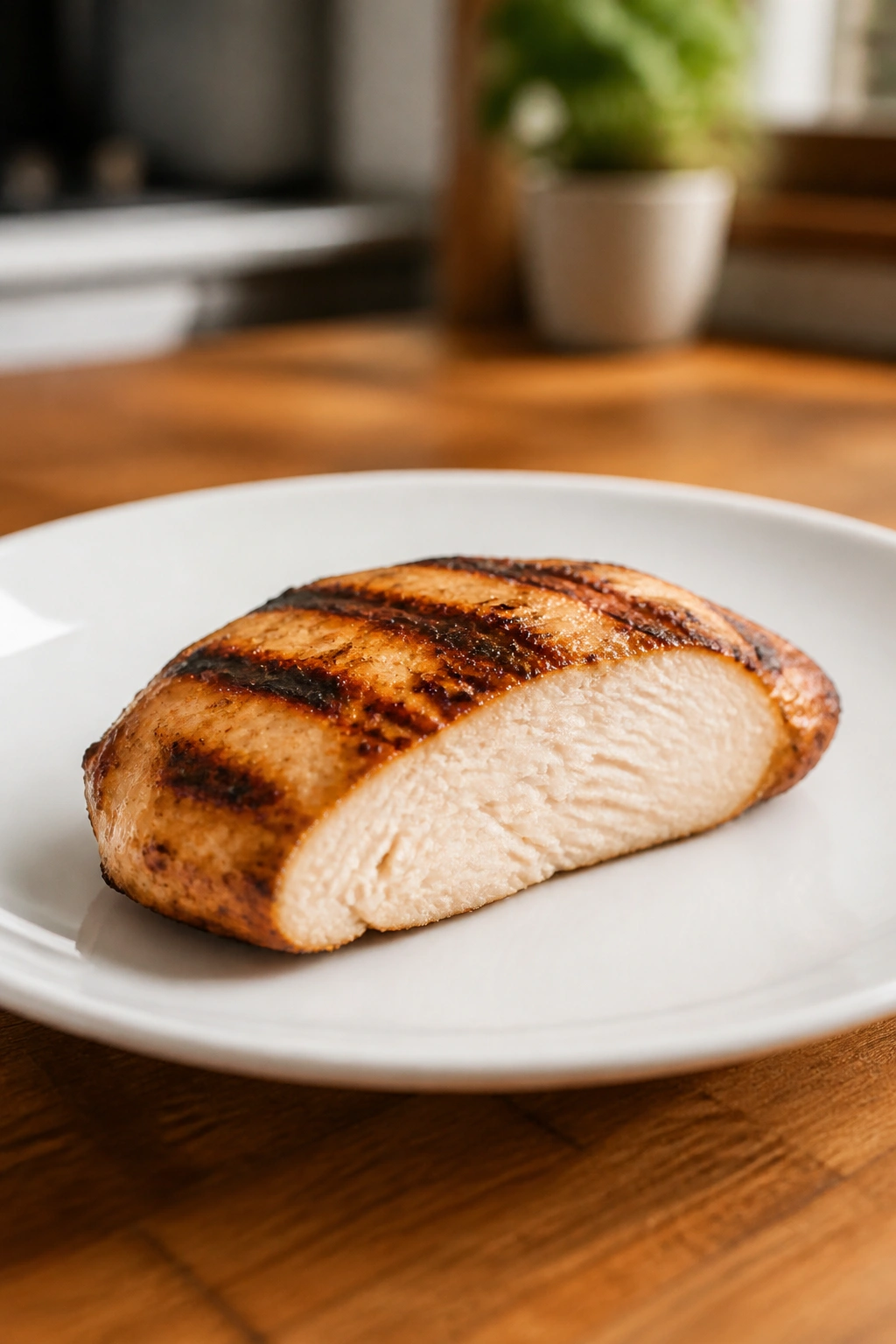
Training is only half the battle. Your glutes are not going to get stronger on training alone; they need the building blocks to repair and grow. Protein is the primary nutrient required for muscle synthesis. You do not need to overcomplicate this with expensive powders if you do not want to, but you should ensure you are getting a reliable source of protein at most of your meals. Lean meats, eggs, beans, lentils, and dairy are all excellent choices. If you are training hard, your body needs those amino acids to repair the fibers you are breaking down during your squat sessions.
Hydration and sleep are the often-overlooked pillars of progress. When you are dehydrated, your muscles become prone to cramping and fatigue, which makes every rep harder than it needs to be. Aim for consistent water intake throughout the day, not just during your workout. Regarding sleep, seven to nine hours of quality rest is when the real transformation happens. It is during deep sleep that your body releases hormones responsible for muscle recovery and fat loss. If you are cutting your sleep short, you are effectively robbing yourself of the gains you worked for in the gym. Treat your recovery as seriously as you treat your squats.
Common Squat Mistakes and How to Fix Them

Identifying mistakes early prevents them from becoming habits. Many people suffer from “knee dominance,” where they allow their knees to travel too far forward, taking the load off the glutes and putting it entirely on the quadriceps. To correct this, focus on initiating the movement by pushing your hips back first. It should feel like you are closing a door with your backside. Another common error is shallow squatting. Many people sacrifice depth for weight or repetition count. A shallow squat barely engages the glutes. You need to descend until your thighs are at least parallel to the floor, or slightly lower, to achieve full glute activation.
Another frequent issue is the lack of core engagement. Many people forget that the core stabilizes the entire body during a squat. If your core is loose, your spine is vulnerable. Before you begin your descent, take a deep breath into your belly and brace your midsection as if you are about to be punched. This creates intra-abdominal pressure that stabilizes your spine and allows you to transfer force more efficiently from your legs. If you find yourself holding your breath or arching your back, reset and focus on that firm, braced core before you start the movement.
Listening to Your Body: Knowing When to Stop

The distinction between “good” soreness and “bad” pain is something every trainee must learn. Delayed Onset Muscle Soreness, or DOMS, is normal. It is that dull, aching feeling in your muscles twenty-four to forty-eight hours after a challenging workout. It means you stimulated the muscle fibers successfully. However, sharp, shooting, or localized pain in a joint—like your knee, hip, or lower back—is a red flag. If you feel this kind of pain, stop the exercise immediately. Pushing through joint pain is the fastest way to turn a temporary setback into a long-term injury.
If you find yourself feeling excessively drained, irritable, or unable to sleep after a week of squatting, you may be overtraining. This is your body telling you that the stress you are placing on it is exceeding your ability to recover. In this scenario, take an extra day off. One day of rest will not derail your progress, but a week-long injury certainly will. Listen to the feedback your body provides. If your performance is dropping—meaning you can’t hit the reps or weight you hit the previous week—your body needs more fuel or more rest. Adjusting your plan mid-month is a sign of intelligence, not weakness.
Stretching and Mobility for Better Range of Motion

If you cannot reach a deep squat position, the problem is often not your muscles—it is your mobility. Tight hip flexors and stiff ankles are the two most common culprits for limited squat depth. If your hip flexors are chronically tight from sitting too much, they will pull your pelvis forward, making it difficult to maintain a neutral spine. Incorporate daily hip flexor stretches, such as the kneeling lunge stretch, to open up the front of your hips. This simple addition can immediately improve your squat depth.
Ankle mobility is equally critical. If your ankles are stiff, your heels will lift off the ground when you try to squat deep, shifting all your weight forward onto your toes and knees. To test your ankle mobility, stand facing a wall with your toes about four inches away. Try to touch your knee to the wall without your heel lifting. If you cannot do it, your ankles are likely limiting your squat. Daily calf stretches and ankle rolls can improve this mobility over time. A more mobile body is a more capable body, allowing you to get deeper into your squats and achieve greater muscle engagement.
Maintaining Your Gains After the 30 Days

Once your thirty-day period concludes, the goal should be to transition into a sustainable long-term routine. Do not fall into the trap of quitting altogether or expecting your results to last without maintenance. Once you have built a foundation of strength and improved your form, you can move toward a less restrictive schedule. You do not need to do high-volume squat challenges for the rest of your life. Instead, treat squats as a staple exercise in your weekly routine. You might maintain your glute strength by performing heavy squats twice a week as part of a balanced training program.
Focus on variety and continued progression. If you feel like your glutes are not being challenged enough, look into other posterior chain exercises like glute bridges, hip thrusts, or deadlifts. These movements complement the squat and help build a well-rounded physique. The habits you built during your thirty days—the attention to form, the focus on recovery, and the understanding of progressive overload—are the real long-term gains. If you apply those same principles to whatever exercise you choose to do next, you will continue to see progress for years to come.
Final Thoughts

Embarking on a dedicated squat routine for a month is an excellent way to jumpstart your physical fitness. By moving past the generic, high-volume challenge structure and focusing on the mechanics of glute engagement, proper recovery, and progressive intensity, you set yourself up for genuine success. Remember that strength is not built in a single month of frantic effort; it is built through the disciplined application of effort over time. Pay attention to how your body responds to the work, prioritize your recovery just as much as your training, and stay patient with the process.
True results are found in the details—the slight shift of your hips, the control of your tempo, and the commitment to showing up consistently, even on the days when motivation is low. Use the habits you have refined to create a lasting relationship with exercise that extends far beyond a thirty-day window. If you keep these principles at the center of your routine, the stronger, more resilient physique you are working toward is inevitable. Trust the work you put in, respect the needs of your body, and keep moving forward with purpose.
