



Pregnancy hormone changes can feel less like a neat biological adjustment and more like someone quietly rewiring the house while you’re still living in it. One week you’re fine. The next, food smells different, your sleep is choppy, your breasts ache, and your emotions seem to have developed a short fuse.
That’s not one hormone misbehaving. It’s a whole stack of them. hCG, progesterone, estrogen, relaxin, prolactin, oxytocin, and a few hormonal side players all start shifting in their own lanes, and those shifts touch nausea, mood, digestion, skin, blood sugar, joints, and even the way your lab work looks on paper.
The part people often miss is how interconnected the changes are. Progesterone slows the gut. Estrogen changes blood vessels and tissue growth. Placental hormones alter glucose handling so the baby has enough fuel. None of that is random, and none of it feels small when you’re the one living through it.
1. hCG Rises Fast After Implantation
hCG is the hormone that tends to announce pregnancy before anything else does. It rises quickly after implantation, and early on it can climb roughly every 48 to 72 hours, which is why home tests can go from faint to unmistakable in a short stretch of time.
Why hCG feels so loud
That steep rise is also part of why early pregnancy can feel so abrupt. hCG is tied to nausea, food aversions, and that odd “I’m exhausted but also weirdly alert” feeling some people get in the first weeks. It does more than one job, but nausea is the piece most people notice first.
A lot of people assume morning sickness means the stomach is the problem. Not really. The hormone signal is doing the talking, and the stomach is just one of the places that hears it. If smells suddenly bother you, that is not weakness or imagination.
- hCG is made by the developing placenta after implantation.
- Early blood tests can pick it up before home tests are strongly positive.
- It often peaks around the end of the first trimester, then settles into a lower rhythm.
- Very strong nausea or vomiting deserves a call to a clinician, especially if you cannot keep fluids down.
One practical tip: bland food, small meals, and fluids sipped slowly usually help more than trying to “push through” on an empty stomach.
2. Progesterone Rises to Keep Everything Calm
Progesterone is the hormone I blame for half the classic pregnancy complaints, and honestly, it earns the blame. It relaxes smooth muscle, which helps the uterus stay calm early on, but that same calming effect slows digestion, adds constipation, and can leave you feeling heavier after meals.
Your gut notices. Your bladder does too. So does your sleep.
The odd thing about progesterone is that it can make you sleepy and restless at the same time. That sounds contradictory until you live it. One hour you want a nap on the sofa. The next, you’re awake at 3 a.m. because your body feels warm, full, and slightly off. That slow, heavy feeling after eating is classic progesterone territory.
People also notice more bloating because food moves through the digestive tract more slowly. A lot of pregnancy “mystery” symptoms turn out to be this hormone doing its job a little too well. Fiber, water, and ordinary walking help more than fancy fixes.
And yes, progesterone is useful. Without it, pregnancy would not hold together well in the early stretch.
3. Estrogen Climbs and Changes Blood Flow
Estrogen is the hormone that makes pregnancy look busy on the outside. It supports uterine growth, breast tissue changes, and blood vessel expansion, which is why some people notice flushes, congestion, gum bleeding, or a more sensitive nose long before they feel obviously pregnant.
It’s also the hormone most likely to make skin and circulation act a little dramatic. Some people get a healthy glow. Some get melasma, darker nipples, or nosebleeds from extra blood flow in delicate tissue. Same hormone. Different outcome.
What estrogen does well is support growth. What it does badly, from a comfort point of view, is make tissues a touch more reactive. If your rings feel tighter or your nose gets stuffy for no clear reason, estrogen is often part of the story.
What you may notice
- More visible veins in the breasts and abdomen
- Gum sensitivity when brushing
- A stuffy nose even without a cold
- Skin darkening in patches, especially on the face
Not every symptom is caused by estrogen alone. But it is usually standing near the center of the room.
4. Relaxin Makes Joints Feel Looser

Relaxin has a name that almost sounds cute until your hips start making strange little comments every time you stand up. Its job is to loosen ligaments and soften connective tissue, especially around the pelvis, so the body has room to adapt as pregnancy goes on.
That looseness is useful. It is also why some people feel wobbly on stairs, unstable in yoga poses they used to do easily, or sore around the pubic bone after walking too long. Relaxin does not mean you are fragile, but it does mean your body is handling load differently.
I see this hormone show up most clearly in the wrists, hips, sacroiliac joints, and feet. The arch can flatten a bit. Knees can feel less locked in. Even turning over in bed can feel weirdly clumsy. Do not assume a stretch is always a good idea just because it feels easy right now.
Where relaxin tends to show up first
- Pelvis and pubic symphysis
- Hips and low back
- Wrists, especially if you hold a baby or do repetitive hand work
- Feet and ankles
Gentle strength work and steady movement usually help more than aggressive stretching. Overstretching loose joints is a bad trade.
5. Prolactin Starts Preparing the Breasts for Milk
Prolactin is the hormone that gets breasts ready for feeding, and it starts doing that job long before delivery. The tissue changes can feel annoying at first: tenderness, fullness, tingling, and a level of sensitivity that makes a shirt seam feel rude.
The breast changes are not cosmetic. They’re structural. Ducts grow, gland tissue enlarges, and the nipples and areolas often darken. Montgomery glands can become more obvious too — those small bumps around the areola that help lubricate and protect the area.
Milk production itself is still held back by the high levels of estrogen and progesterone during pregnancy. That’s an easy detail to miss. The breasts are building the hardware, but the full “turn on” signal usually waits until after birth.
What prolactin-related changes can look like
- Sore or swollen breasts
- Colostrum leakage in late pregnancy
- Darker areolas
- More visible veins across the chest
Colostrum, the thick early milk, can show up as a yellowish drop or a tiny crust on the nipple. It’s normal. Messy, yes. Normal, too.
6. Oxytocin Gets Ready for Labor and Feeding
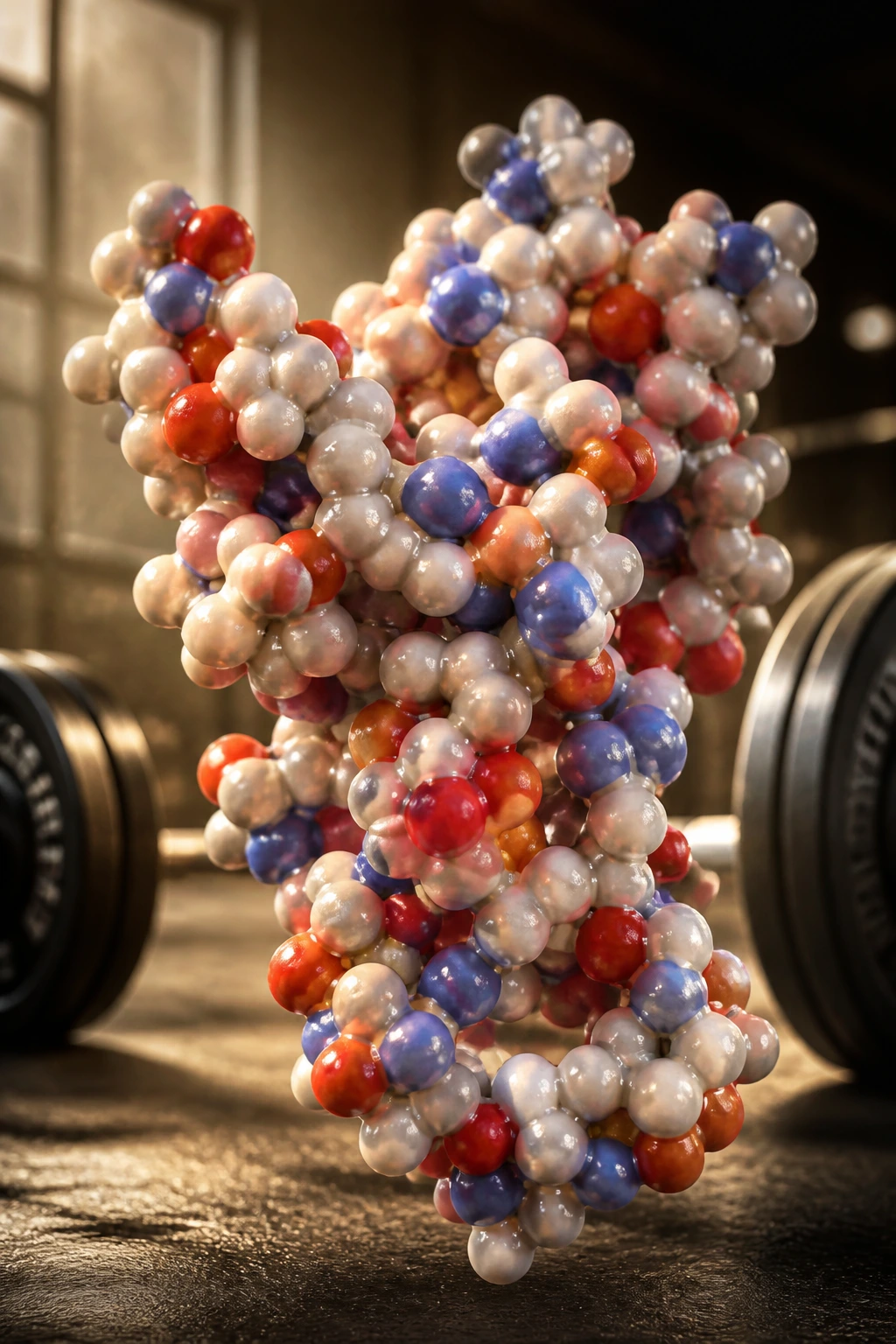
Does oxytocin start labor by itself? Not really. The story is messier than that. Oxytocin becomes more important as pregnancy moves toward labor, and the uterus becomes more responsive to it. That sensitivity matters as much as the hormone level.
Oxytocin is the one people associate with bonding and breastfeeding, but its job list is wider than that. It helps trigger uterine contractions, supports milk let-down after birth, and is part of the warm, relieved feeling many people describe when they hold their baby skin-to-skin.
The interesting thing is that the body does not treat oxytocin like a light switch. It works in pulses, and the uterus listens more closely near labor. A rising oxytocin response is one reason contractions become more coordinated instead of random.
If you’ve ever wondered why touch, calm, and privacy matter so much in labor rooms, this is part of the answer. The hormone system is sensitive to stress and environment. Harsh light, noise, and constant interruptions can make it harder for the body to settle into the pattern it wants.
That is not poetry. It’s physiology.
7. Human Placental Lactogen Changes Blood Sugar Handling

Human placental lactogen, or hPL, is one of the most pregnancy-specific hormones on the list. The placenta makes it, and its main job is to help direct nutrients toward the developing baby by changing how the mother’s body uses fuel.
That sounds tidy. It isn’t.
hPL nudges the body toward using more fat and conserving glucose, which means your blood sugar handling can get trickier as pregnancy goes on. Some people notice this only on lab work. Others find they feel hungrier, more tired after meals, or less steady if they skip food. This hormone is one reason pregnancy can uncover blood sugar problems that were quiet before.
The placenta is not being mean. It is being efficient. But the side effect is that insulin has to work harder to keep glucose where it needs to be. If the pancreas keeps up, fine. If not, blood sugar can drift higher than it should.
The practical part
- hPL rises as the placenta grows.
- It makes the body less sensitive to insulin.
- It helps shift calories toward the baby.
- It is one reason glucose screening matters later in pregnancy.
That screening is boring in the best possible way. Boring is good here.
8. Insulin Has to Work Harder

Pregnancy insulin resistance is one of those changes that sounds abstract until you sit there staring at a glucose test result. Then it becomes very concrete. As placental hormones rise, the body’s response to insulin gets less efficient, especially in the second half of pregnancy.
Your cells still need glucose. They’re just less eager to take it up. So the pancreas usually compensates by making more insulin. Many people never feel this directly. Others notice more thirst, more frequent peeing, or energy crashes after meals. And some feel nothing at all, which is exactly why screening exists.
A lot of people hear “insulin resistance” and panic. Not helpful. In pregnancy, a certain amount of resistance is expected. The issue is whether the body can keep up with the extra demand. That is the line clinicians are watching, not some moral score about sugar.
What usually gets watched
- Routine glucose screening later in pregnancy
- Family history of diabetes
- Prior pregnancy glucose issues
- Weight gain patterns and lab results
If blood sugar needs extra attention, treatment can be very straightforward. Food timing, movement, monitoring, and sometimes medication do the job. No drama required.
9. Cortisol Tends to Run Higher

Cortisol gets called the stress hormone so often that people think any rise must mean emotional stress. Pregnancy makes that label too simple. Cortisol usually increases during pregnancy because the whole system is adjusting to support fetal growth, metabolism, and later labor.
That said, higher cortisol can still feel like stress. Sleep gets lighter. Skin can feel more reactive. Some people get more vivid dreams or that wired-at-night, flattened-in-the-morning pattern. The hormone does not cause every rough mood day, but it can make the nervous system feel more exposed.
There’s a useful distinction here: higher cortisol in pregnancy is often normal; feeling run down, panicky, or unable to sleep for long stretches is not something to ignore. Those are different things.
I also think cortisol gets blamed for every bad feeling because it’s a convenient target. Real life is messier. Poor sleep, low iron, nausea, pain, blood sugar swings, and anxiety all stack together. Cortisol is part of the picture, not the whole painting.
If fatigue starts feeling out of proportion, it’s worth checking more than one possible cause.
10. Thyroid Hormones Need More Support

Your thyroid does not get to sit this one out. Pregnancy changes thyroid hormone needs because estrogen raises thyroid-binding globulin, which changes how much hormone is carried in the blood, and because the growing fetus depends on a stable maternal supply early on.
People with thyroid disease often need closer lab monitoring. People without a thyroid diagnosis can still feel the effects if their levels drift off balance. Fatigue, constipation, feeling too hot, feeling too cold, palpitations, and shaky hands can all overlap with ordinary pregnancy symptoms, which makes this one slippery.
That overlap is exactly why thyroid testing matters if symptoms look off. A tired pregnant person is not automatically “just pregnant.” Sometimes the thyroid is quietly underperforming.
A few clues clinicians pay attention to
- Unexplained fatigue that feels extreme
- Heart rate changes
- Weight changes that seem out of step with food intake
- A history of hypothyroidism, hyperthyroidism, or autoimmune thyroid disease
If you already take thyroid medication, pregnancy often changes the dose needs. That’s not rare. It’s expected enough that many prenatal visits include a look at the numbers.
11. Blood Volume Expands and Lab Numbers Shift
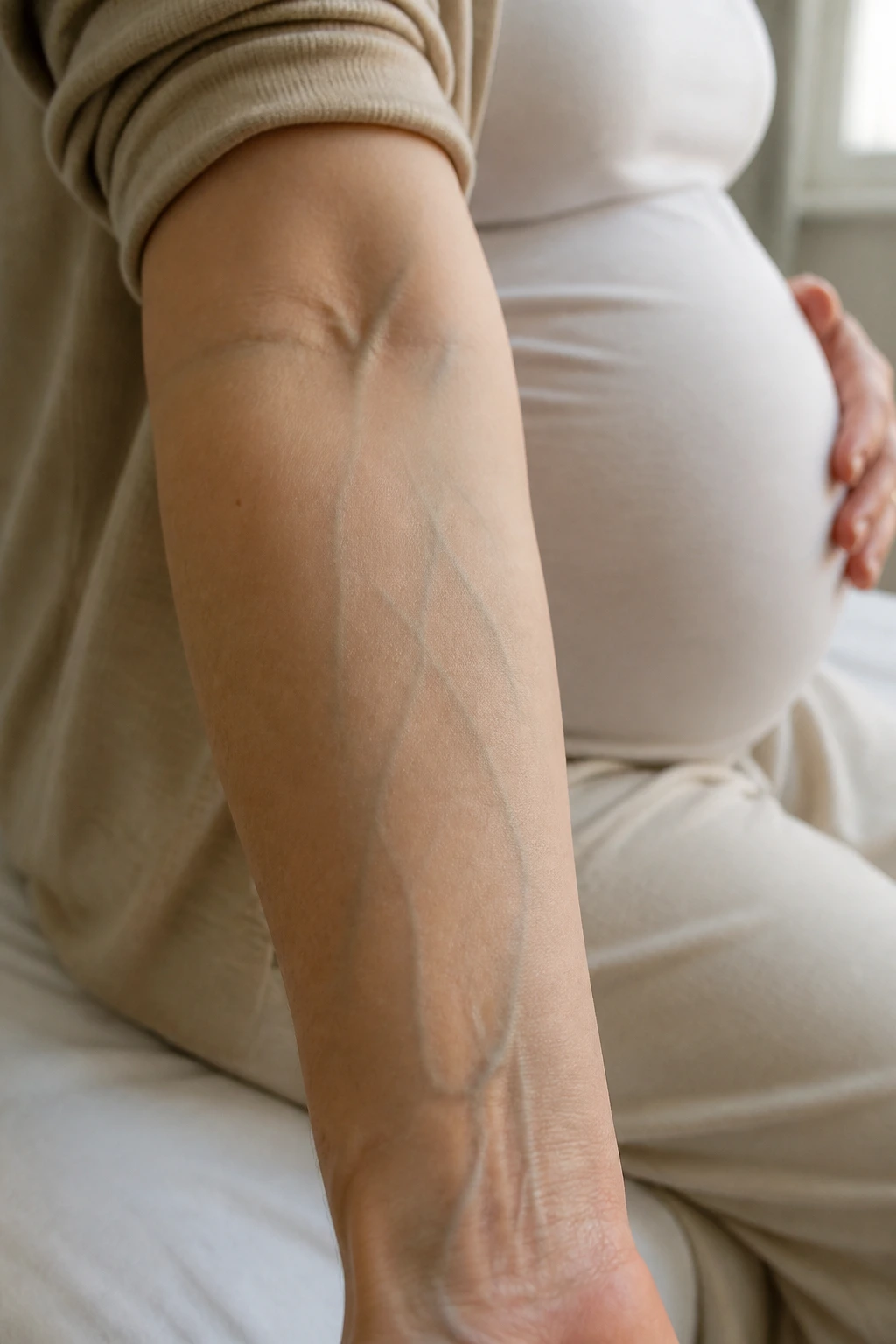
Pregnancy changes blood volume more than most people realize. Plasma volume rises a lot — often around 40 to 50 percent — while red blood cell mass rises too, but not as fast. That’s why hemoglobin and hematocrit can look lower even when nothing is truly “wrong” with the blood.
This is one of those changes that sounds boring until you feel dizzy standing up or see a lab result that seems a bit low. Then it becomes the center of the conversation. The body is making room for the placenta, supporting circulation, and preparing for blood loss at birth. Dilution is not the same thing as deficiency, though the two can look similar on paper.
What this can change in real life
- Mild dizziness when standing quickly
- More visible veins
- A feeling of pulse awareness
- Lab values that need pregnancy-specific interpretation
The trick is not to dismiss low numbers blindly. Iron deficiency still happens. So does anemia. The point is that pregnancy changes the baseline, and regular non-pregnant lab ranges can be misleading if they’re read with no context.
That context matters a lot.
12. Aldosterone Makes You Hold on to More Salt and Water

Aldosterone rises in pregnancy because the body wants to keep enough fluid on board for circulation, blood volume, and the placenta. The renin-angiotensin-aldosterone system gets more active, and the result is a careful, deliberate shift in sodium and water handling.
You may feel that as mild swelling in the feet or hands, a little puffiness around the ankles, or rings that stop sliding on easily. Nighttime bathroom trips can also increase because the body is moving fluid around all day and then processing it later. That swollen-ankle look after a long day is often hormonal, not a sign that you’ve done something wrong.
The catch is that not all swelling is harmless. Sudden puffiness in the face, severe headache, visual changes, or swelling paired with high blood pressure is a different story and needs medical attention. I’m saying that plainly because people wave off symptoms too easily when they’ve heard swelling is “normal.”
Normal-ish versus not-so-normal
- Mild ankle swelling after standing or heat
- Ring tightness by evening
- Face or hand swelling that appears suddenly
- Swelling with headache or vision changes
The body can hold extra fluid and still be fine. The pattern is what matters.
13. Skin Pigment Can Change in Patchy, Obvious Ways
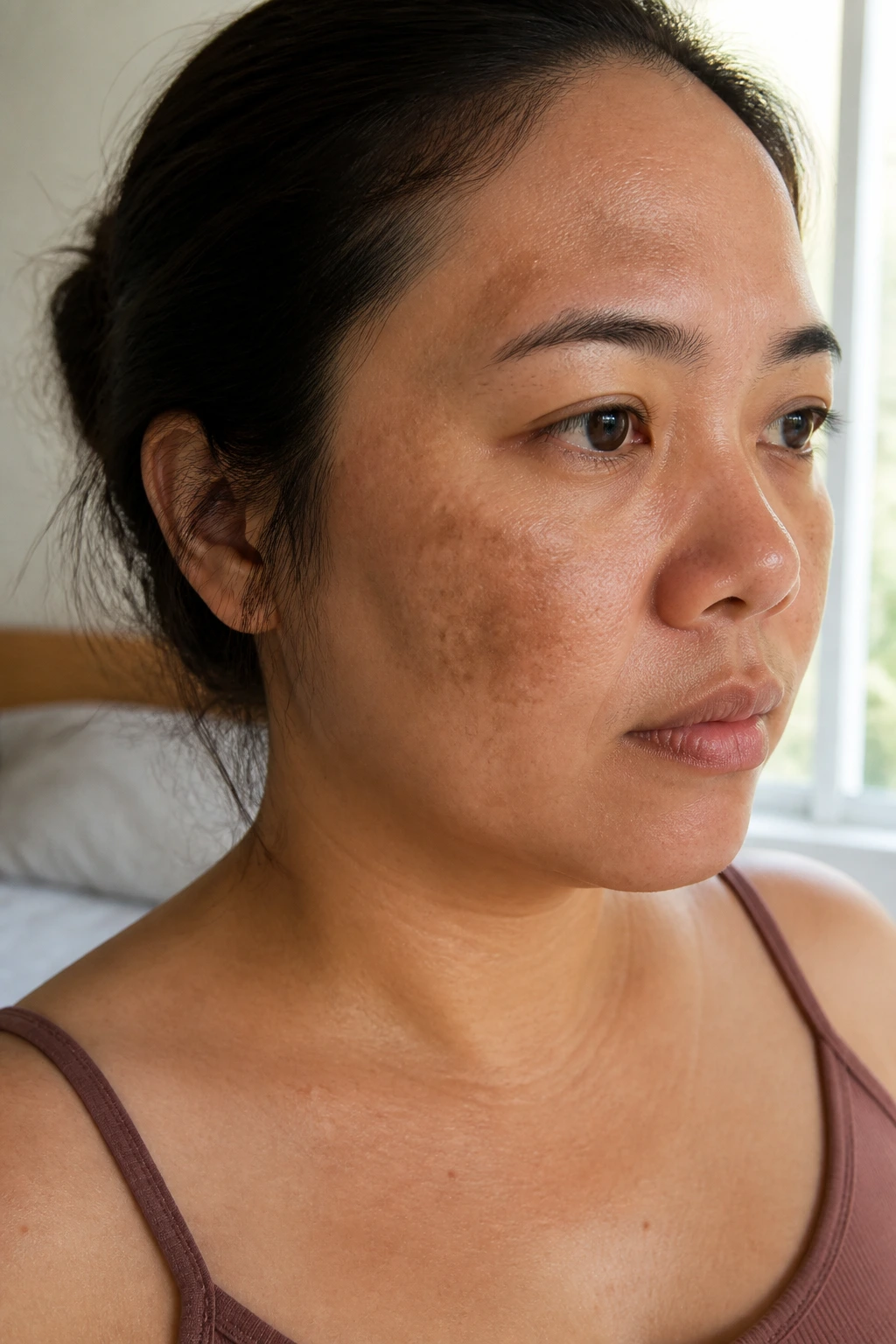
Why does the dark line appear down the belly? Why do nipples darken? Why do some people get a brown patch on the face that seems to ignore sunscreen and good behavior? Pregnancy hormones are tugging at pigment cells.
Melanocyte-stimulating hormone gets more attention here, but estrogen and progesterone also play a part. The result is extra pigment in places that already had some, especially the areolas, the linea nigra, freckles, and sun-exposed skin. This is why melasma gets nicknamed the mask of pregnancy.
It’s common enough that it shouldn’t be surprising, but it can still catch people off guard. The skin is not “dirty” or damaged; it’s responding to a hormone shift.
Some of these changes fade after birth, slowly. Some linger longer than people expect. Sunscreen helps, but it is not a magic eraser. If your face changes shape in color rather than texture, that’s usually pigment, not inflammation.
A quick note: sudden darkening with other symptoms is worth a closer look, but ordinary patchy pigment changes are one of pregnancy’s most visible hormone stories.
14. Androgen Balance Can Change Acne and Hair
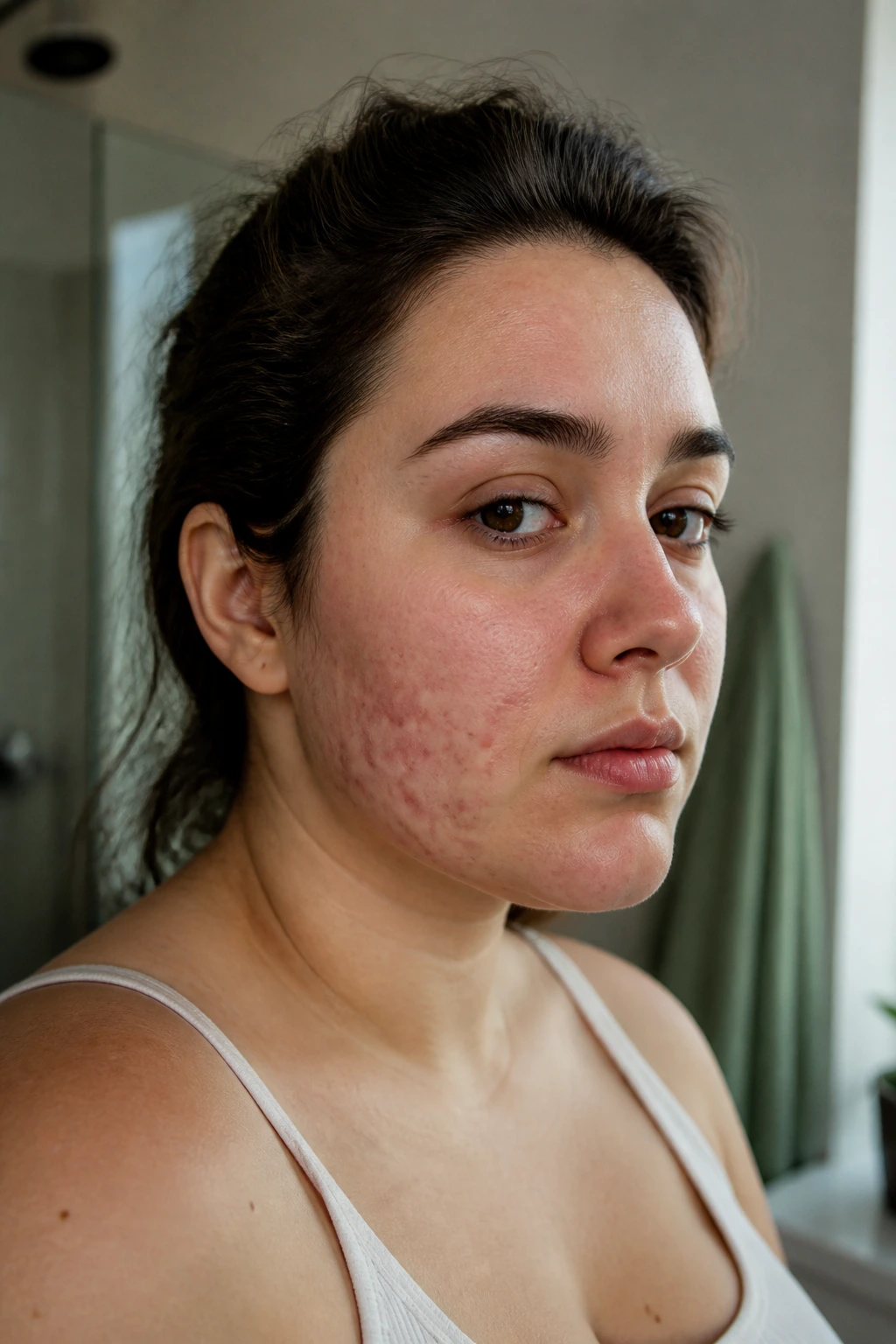
Androgens are often described like they only belong to teenage acne, which is lazy shorthand. Pregnancy changes androgen balance too, and the effects can show up in oilier skin, breakouts, body hair changes, or a scalp that feels either fuller or greasier than usual.
Some people actually like the hair changes. Others absolutely do not. The same hormone environment can make one person’s hair look lush and make another person’s jawline break out like clockwork. Nature has a sense of humor, apparently.
If acne flares, it is usually because oil glands got louder. If body hair seems to increase, that can be part of the hormone mix too. A few stray chin hairs are common enough that they should not cause a spiral. Sudden, heavy hair growth in a male-pattern distribution is different, though, and deserves a conversation with a clinician.
What to watch
- New or worse acne on the face, chest, or back
- Greasier scalp
- More body hair in some areas
- Hair shedding that feels sudden or patchy
This section is one of those places where “normal” has a wide range. The key is change plus severity, not change alone.
15. Appetite Hormones Stop Behaving So Predictably

Pregnancy appetite is not a clean hunger signal. It’s a negotiation between ghrelin, leptin, nausea, blood sugar, smell sensitivity, and whatever your body is demanding that week. That is why one person can feel ravenous at 10 a.m. and unable to look at chicken by noon.
Ghrelin pushes hunger. Leptin helps with fullness. During pregnancy, that balance can feel wobbly. Some people get food aversions so strong they seem almost reflexive. Others get deep cravings that are oddly specific — salty chips, tart fruit, ice, cereal, cold citrus. There’s no single script.
I’ve always thought this is one of the more misunderstood pregnancy hormone changes. People treat appetite as a willpower issue. It usually isn’t. If the smell of coffee suddenly turns your stomach, your nervous system is part of the conversation.
Small, frequent meals often beat big ones because they’re easier on nausea and blood sugar. Plain crackers, fruit, yogurt, toast, soup — not glamorous, but often useful. And if eating becomes hard enough that weight drops or fluids are impossible, that is not a “wait it out” situation.
16. Endorphins Change the Way Pain Feels

Pregnancy does not lower pain in a neat, universal way. Endorphins can rise and shift pain perception, which means some people feel a little more buffered against discomfort while others still get hit hard by headaches, pelvic pain, or back pain.
This is one of those changes that sounds nice on paper and feels inconsistent in real life. A higher endorphin tone can help with resilience, sleep, and even the emotional edge of stress. But it does not erase the mechanical strain of carrying extra weight or the hormone-driven looseness in joints.
The sensible takeaway is simple: pain is not “all in your head,” and pain sensitivity can change from one trimester to the next.
If a headache is severe, one-sided, paired with vision changes, or comes with swelling, that needs attention. Same goes for pain that feels sharp, constant, or clearly outside your usual pattern. I dislike vague reassurances here because they waste time. Pain deserves specifics.
Sometimes the body is adapting. Sometimes it is signaling trouble. Those are not the same thing.
17. Placental Growth Hormone and CRH Help Time the Whole Process
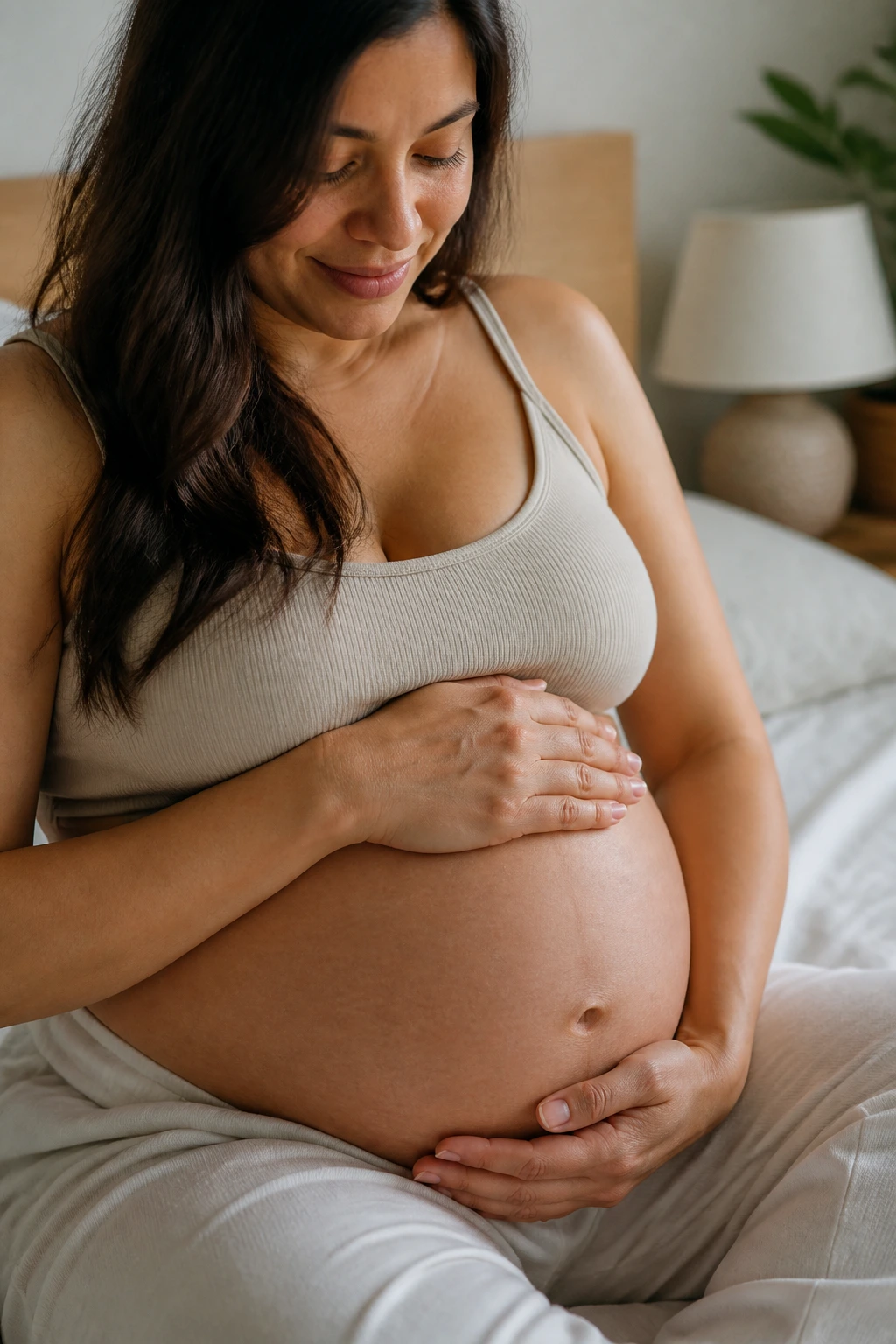
The placenta is not passive. It is an endocrine organ, which means it makes hormones on purpose, in serious amounts, and with a clear job. Two of the less talked-about ones are placental growth hormone and placental CRH.
Placental growth hormone gradually takes over part of the growth hormone role during pregnancy and helps adjust maternal metabolism so more nutrients are available to the baby. At the same time, placental CRH rises as pregnancy advances and is thought to play a part in timing labor. The exact choreography is complicated, because biology prefers a layered system over a clean one.
That’s why pregnancy can feel as if one system is quietly passing the baton to another. The pituitary’s job changes. The placenta steps in. Fuel use shifts. Labor timing gets closer. This is the point where pregnancy stops looking like a simple hormone story and starts looking like a relay race.
Most people never hear these hormone names, but they matter. They help explain why pregnancy is not just “more estrogen and progesterone.” The placenta is running a long, demanding program behind the scenes.
18. Estrogen and Progesterone Drop Hard After Birth

The hormone drop after birth is abrupt. Estrogen and progesterone fall fast once the placenta is delivered, and that sudden shift is one reason the first days after birth can feel raw, shaky, emotional, sweaty, and strange all at once.
If breastfeeding begins, prolactin stays active to support milk production, and oxytocin keeps helping with let-down and uterine contraction. But the big pregnancy hormones are no longer there in the same way, and the body notices immediately. Some people cry at small things. Some sweat through shirts. Some feel a weird emotional hollow after all the buildup of labor is done. That is chemistry, not failure.
A short-lived mood dip is common. A deep, lasting low mood is not something to shrug off. If sadness feels heavy, sleep disappears completely, or scary thoughts show up, get help fast. No tough-guy routine. No waiting for it to “pass” on its own.
The body does not glide out of pregnancy. It changes gears hard. And once you understand that, a lot of the strange first postpartum days make more sense than people usually admit.
