



A happy pregnancy rarely looks like constant glowing calm. More often, it feels like waking up with enough energy to eat breakfast, make it to an appointment, and still have a little left for the afternoon. The pregnancies that seem easiest to live inside are usually not the most glamorous ones; they’re the ones built on small habits that keep the day from getting away from you.
That matters because pregnancy can stack ordinary annoyances into a heavier load. Sleep gets lighter. Smells get stronger. Hunger shows up at odd times. Then the advice starts pouring in from relatives, coworkers, strangers online, and the woman in the checkout line who thinks she is being helpful. A few steady habits can soften all of that. Not magic. Just fewer bad hours, fewer spirals, and a body that feels cared for instead of constantly managed.
The habits that help most are usually plain ones: regular prenatal care, enough water, meals with protein, movement that doesn’t leave you wiped out, and some guardrails around stress. They work because they’re small enough to repeat on an off day, not only on the polished ones. A lot of prenatal wellness is built that way.
Some of these habits are physical. Some are emotional. Some are about saying no to things that drain you. Start with the ones that make the next 24 hours feel easier, because that is usually where a happy pregnancy begins. Then keep going from there.
1. Keep Your Prenatal Visits on a Steady Schedule

Routine prenatal visits are not glamorous. They are a quiet habit that catches small problems before they turn into bigger ones.
A good visit does more than measure blood pressure and listen for a heartbeat. It gives you a place to ask the small questions that are easy to ignore at home: Is this cramp normal? Should this headache worry me? Why does my back hurt after standing for 20 minutes? Those questions matter. They are the stuff of a calm pregnancy.
Small problems are easier to handle when they’re still small.
I like the simple trick of keeping one running note on your phone with questions, symptoms, and odd little things you want to mention. Bring the list. Use it. No need to trust your memory when pregnancy brain is turning your brain into soup. If getting to appointments is hard, set reminders a week ahead and again the night before so the visit doesn’t get buried under the rest of life.
A partner, friend, or family member can come if that makes you feel steadier. Not because you need a chaperone, but because another set of ears helps. The habit is less about checking a box and more about making sure your care stays active, not accidental.
2. Build Meals Around Protein and Fiber
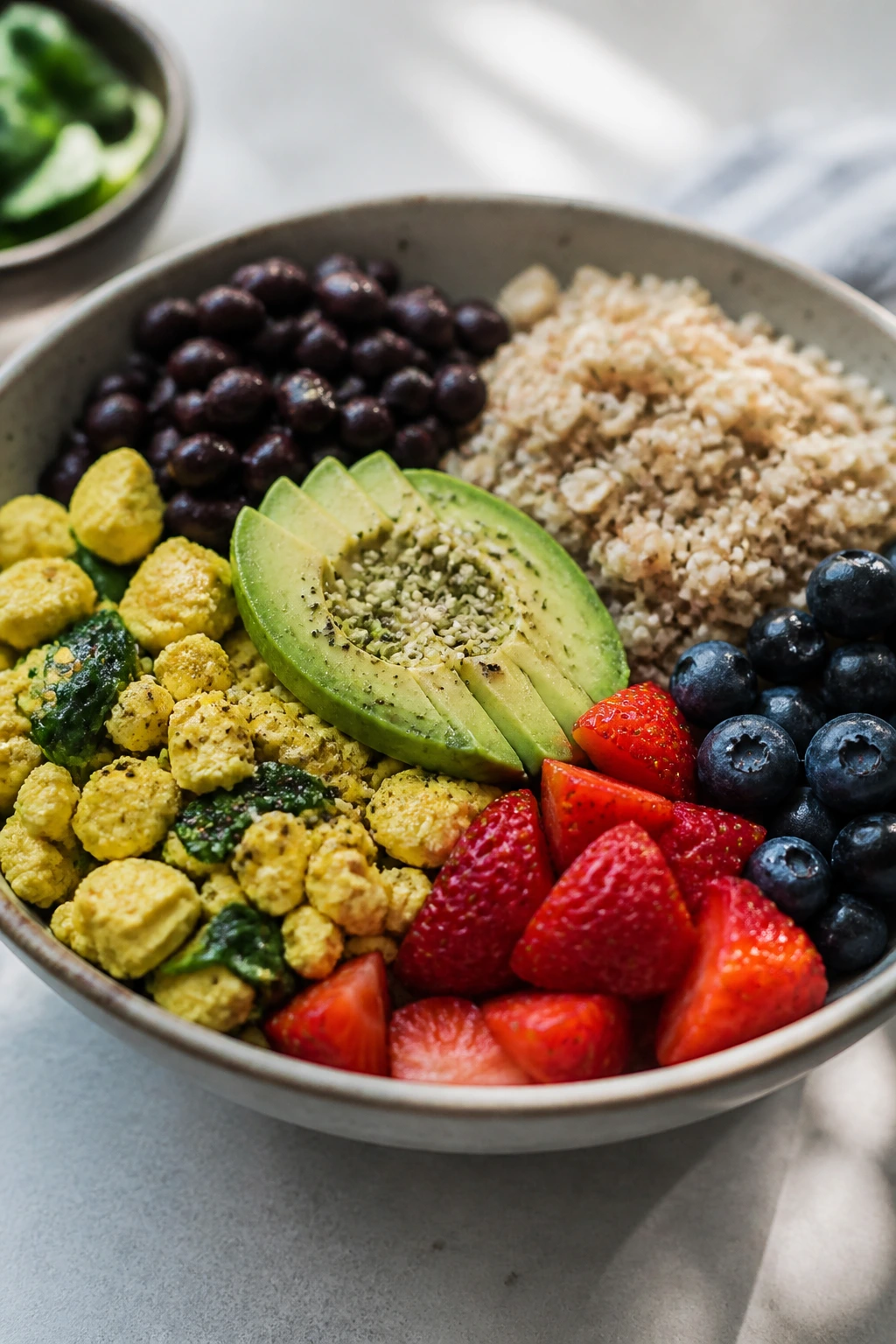
A plate that holds you is better than a plate that merely fills you.
When pregnancy hunger hits, it can push you toward crackers, toast, cereal, and whatever sits closest to the couch. Nothing wrong with a simple carb when your stomach is grumpy. But if most meals leave you hungry again in 45 minutes, your energy will bounce around all day and your mood often follows. Protein and fiber slow that down in a very real, very practical way.
What belongs on the plate
- Protein first: eggs, Greek yogurt, chicken, tofu, beans, lentils, cottage cheese, fish that your clinician says is fine.
- Fiber next: berries, pears, apples, oats, brown rice, whole-grain bread, vegetables, beans.
- Healthy fat for staying power: avocado, nuts, nut butter, olive oil, seeds.
- Easy carbs when your stomach wants them: toast, rice, potatoes, pasta, tortillas.
That mix does not have to be fancy. A turkey sandwich, an egg wrap, oatmeal with peanut butter, or rice with salmon and vegetables can carry you through a lot of pregnancy days. If morning sickness is hanging around, build the meal in smaller pieces. Half an English muffin with peanut butter may be enough for now.
One thing I tell people often: a meal does not need to be beautiful to be useful. If it gets you steady and keeps the nausea from creeping back in, it has done its job.
3. Keep Water Within Reach All Day
Why does plain water matter so much when pregnancy already sends you to the bathroom every hour? Because dehydration can make everything feel louder.
Headaches get sharper. Constipation gets worse. Fatigue feels heavier. Even mild dehydration can leave you feeling flat and cranky, and that is a miserable way to spend a day that already has enough going on. Sipping through the day works better than trying to “catch up” with a giant glass at dinner.
Easy ways to drink more
- Keep a bottle where you can see it, not tucked in a cabinet.
- Add ice, lemon, lime, cucumber, or a splash of juice if plain water feels dull.
- Drink a few sips every time you change rooms.
- Pair water with fixed moments: after brushing your teeth, before lunch, after a walk.
- If vomiting or heavy nausea is making fluids hard, call your clinician sooner rather than later.
You do not need a perfect number on a chart to make this habit useful. You need enough that your mouth doesn’t feel dry, your urine stays pale yellow, and you’re not running on fumes by midafternoon.
One sentence is enough here: consistency beats heroic chugging.
4. Move Most Days, Even If It’s Just a Walk

A 20-minute walk after lunch can do more for a pregnant body than an hour of guilt about not exercising.
Gentle movement helps with back stiffness, constipation, mood swings, and the strange heavy feeling that can settle into your hips after too much sitting. It also tends to improve sleep, which is a gift worth protecting. If your clinician has given you the green light, modest regular activity is usually a better friend than long stretches of complete stillness.
Good movement choices
- A brisk or easy walk
- Prenatal yoga
- Swimming or water walking
- Light strength work with controlled form
- Stretching that opens the hips and upper back
The point is not to train like nothing has changed. The point is to keep your body from getting stiff and grumpy. If you’re dizzy, bleeding, having pain, or told to avoid exercise, that changes the plan. Pregnancy is not the time to push through warning signs because you’re trying to be disciplined.
A lot of people do better with movement “snacks” than with one big workout. Ten minutes here. Fifteen there. That counts. It really does.
5. Guard Your Sleep Like It Matters

Sleep gets weird fast.
You may be tired all day and still wake up at 2 a.m. because your mind has decided that the laundry situation is urgent. Or the baby starts kicking like a tiny drummer the moment you lie down. Or your hips complain the second you roll onto one side for too long. None of that means you’re failing at rest. It means your body is changing.
The habits that help are usually boring, which is exactly why they work. Keep roughly the same bedtime. Dim the lights an hour before sleep. Put your phone across the room if scrolling keeps you wired. Use pillows between your knees or under your bump if that takes pressure off your back. If you’re hungry at night, a small snack can help more than lying there annoyed about it.
What helps on rough nights
- A cool, dark room
- A consistent wind-down routine
- A side-sleeping setup with pillows
- A small protein snack if hunger wakes you
- Less screen time in the last half hour before bed
If sleep is collapsing because of snoring, restless legs, or constant waking, bring it up at a prenatal visit. Poor sleep can snowball into a miserable week, and you do not need to just absorb that.
A half-decent night changes everything.
6. Take Your Prenatal Vitamin Without the Chaos

A prenatal vitamin is not a cure-all. It is insurance.
The useful ones usually include folic acid, iron, and other nutrients your body needs more of during pregnancy, and some also include vitamin D, iodine, or DHA depending on the formula. The problem is not that the bottle exists. The problem is remembering it, tolerating it, and actually taking it in a way that doesn’t make your stomach revolt.
Gummy prenatals are easy to swallow, which is why many people like them, but they often leave out iron. That matters. If your clinician wants you on a formula with iron, check the label instead of assuming the soft, candy-like one does the whole job. If the vitamin makes you nauseated, try taking it with food or at night. Some people do better when they split the dose.
A good label usually gives you
- Folic acid
- Iron
- Iodine
- Vitamin D
- DHA, if your clinician recommends it
Set the bottle next to something you already do every day. Coffee maker. Toothbrush. Nightstand. The habit sticks better when it has a hook.
7. Learn What Your Body’s Normal Signals Feel Like

What feels normal and what deserves a call?
That question gets more important during pregnancy, because there are plenty of harmless sensations that can still feel strange. Mild cramping, round-ligament tugs, extra discharge, fatigue, and a belly that sometimes feels tight are all things many pregnant people notice. The trick is learning your own baseline so you know when something shifts.
Write down what your day usually feels like. That sounds almost too simple, but it helps. If your back pain is steady every evening, that’s different from a pain that suddenly starts one-sided and sharp. If your baby is usually active after lunch, a long stretch of unusual quiet gets your attention faster when you know your normal pattern.
Call your clinician sooner if you notice
- Bleeding
- Fluid leaking
- Severe headache
- Vision changes
- Fever
- Painful swelling
- Sharp or one-sided pain that doesn’t ease
- A big change in fetal movement patterns
You are not being dramatic by asking about symptoms. You are being observant. There’s a difference, and it matters.
8. Build Rest Into the Middle of the Day

By midafternoon, even a good day can start to feel too loud.
That is usually when the body starts sending smaller signals that get ignored: shoulders creeping up, patience thinning out, eyes feeling sandy, legs going heavy. A short rest break can stop the slide before it turns into a full collapse. Not a grand nap if you don’t have time. Just a pause that gives your system a chance to catch up.
Rest before you’re drained.
What rest looks like in real life
- Sitting with your feet up for 10 minutes
- Lying on your side in a dim room
- Closing your eyes and breathing slowly for 3 minutes
- Eating a small snack instead of powering through
- Leaving one non-urgent task for later
This is not laziness. It is load management. Pregnancy asks a lot from a body that is also doing invisible work every minute of the day. The women who feel better often aren’t the ones who never stop; they’re the ones who stop early enough to matter.
If your schedule allows it, make one rest point part of the day the way brushing your teeth is part of the day. Not fancy. Just reliable.
9. Keep Gentle Core and Pelvic Floor Work in the Mix

Pregnancy does not mean your core should disappear.
It means your core needs different work. Crunches and aggressive ab routines are usually not the star here. Gentle core stability, breathing, and pelvic floor awareness tend to serve you better because they support posture, reduce the sense of strain in the low back, and help you move with more control as your center of gravity changes.
Useful moves to ask about or try
- Diaphragmatic breathing
- Pelvic tilts
- Bird dog variations
- Side-lying leg lifts
- Gentle pelvic floor contractions and full relaxation
That last part matters. A lot of people hear “pelvic floor” and think squeeze, squeeze, squeeze. Sometimes the tighter thing is not weak at all; it is overworked and needs release, not just more tension. A pelvic floor physical therapist can be a game-changer if you have leaking, heaviness, pain, or pressure.
A small dose done well beats a hard session done badly. Pregnancy rewards control more than intensity.
10. Use Smart Snacks to Avoid Energy Crashes

Unlike trying to eat “perfectly,” smart snacking is about timing.
Pregnancy hunger can hit with no warning. One minute you’re fine, the next minute you’re shaky, short-tempered, and weirdly nauseated because you waited too long between meals. That crash can make the whole day feel harder than it needed to be. A handful of the right snacks on hand changes that.
Good snack combos
- Apple slices with peanut butter
- Crackers with cheese
- Greek yogurt with berries
- Hummus with carrots or pita
- Nuts with a piece of fruit
- Toast with avocado and salt
Keep one or two snacks in the car, one in your bag, and one where you spend the most time at home. That sounds a little excessive until you are standing in a grocery line feeling faint and annoyed. Then it feels smart.
If you wake up hungry at night, or if nausea gets worse when your stomach is empty, a small bedtime snack can help. It does not need to be elaborate. It needs to exist.
11. Choose Shoes, Bras, and Clothes That Stop the Constant Tugging

The wrong shoes can turn a simple grocery run into a slow complaint.
A good pregnancy habit is not just about what you eat or how you move. It is also about what you put on your body every morning. Shoes with a wide toe box, cushioning, and a low heel can save your back and feet from a surprising amount of strain. Bras with wider straps and a forgiving band can make the chest and ribcage feel less bossed around. Clothes that stretch where you need them save energy you would rather spend elsewhere.
What to look for
- Shoes that don’t pinch the toes
- A sole that supports, not a flat sole that slaps the pavement
- Bras with soft seams and straps that don’t dig
- Waistbands that sit low or stretch easily
- Fabrics that breathe when body temperature runs warm
A belly band can help some people, especially when the lower belly feels heavy. It should support, not squeeze. If it makes breathing harder or leaves you feeling pinched, it is the wrong fit.
I know this sounds unglamorous. It is. And it works.
12. Use Small Stress-Rituals Every Day

Tiny routines calm the edges.
You do not need a two-hour self-care plan to make stress softer. You need a few repeatable things that tell your nervous system, in plain language, that you are safe enough to slow down. That could be five minutes of slow breathing, a warm shower, a short walk outside, a cup of tea you actually sit down to drink, or jotting three messy lines in a notebook before bed.
The trick is repetition. Not perfection. A ritual works because your body recognizes it.
One sentence can carry the point: choose two or three calming habits and keep them boringly consistent.
Maybe it is a song you play every evening while the kitchen gets cleared. Maybe it is standing barefoot on the porch for two minutes before work. Maybe it is prayer, stretching, or sitting in the car for a minute before going inside. The form matters less than the rhythm.
When stress is high, complicated coping plans usually collapse. Simple ones survive.
13. Stay Close to People Who Feel Safe

Support is more than company.
It is the person who checks in without turning your morning sickness into a debate. It is the friend who brings soup and leaves when you’re tired. It is the partner who handles the grocery run without needing a speech about why you’re too wiped out to do it yourself. Safe people lower the volume in the room.
What support can look like
- A weekly text check-in
- A ride to an appointment
- Help with laundry or dishes
- Someone who listens without fixing
- A calm voice when you’re spiraling over a symptom
The flip side matters too. Some people mean well and leave you more tense after five minutes than you were before they called. You are allowed to limit that. Pregnancy can make your tolerance for nonsense much lower, and honestly, that may be a mercy.
Keep the people who settle your nervous system closer. Keep the people who stir it up a little farther away.
14. Make Room for Joy in the Pregnancy Routine

Pregnancy can turn into a project fast. That is a boring way to live nine months.
Appointments, laundry, vitamins, books, bags, decisions, and checklists can swallow the whole experience if you let them. Joy is not fluff here. It is part of what makes a pregnancy feel like yours instead of a series of tasks to complete. A happy pregnancy usually has at least a few moments that have nothing to do with preparation.
Joy is not a waste of time.
Maybe that means keeping a playlist you love. Maybe it means a weekly coffee date, a walk in a park, a photo of your growing belly when you actually feel like taking one, or a dessert you look forward to on Thursdays. Some people like nesting. Others need beauty, music, and one or two small indulgences that remind them they are still a whole person.
Easy ways to add joy
- Save one favorite snack for a rough day
- Take a slow walk somewhere pleasant
- Light a candle during dinner
- Put on music that changes your mood
- Keep one small thing in the nursery that makes you smile
The goal is not to be cheerful on command. The goal is to keep life from becoming only logistics.
15. Put Limits on Advice That Makes You Anxious

Unsolicited pregnancy advice is usually louder than it is useful.
People will tell you what they ate, what they feared, what they banned, what they swore by, and what they think you should ban too. Some of it is harmless. Some of it is old, confusing, or plain wrong. A happy pregnancy gets easier when you decide what kind of advice gets a seat at the table.
Ask three questions before you let advice in:
- Is this coming from a trained source I trust?
- Does it fit my own body and my own pregnancy?
- Does it leave me calmer, or more scared?
If the answer is “more scared” and there is no real reason behind the tip, it may not deserve your time. You do not need to answer every family opinion with a long explanation. You can smile, change the subject, and keep moving.
The internet is useful for a few things and terrible for others. Pregnancy is one of the places where random horror stories can take up far too much rent in your head. Protect the space.
16. Prepare for Birth in Bite-Sized Pieces

A birth class marathon can leave you more nervous than prepared.
The better habit is to break labor prep into small pieces that you can digest without going into full panic mode. Learn one topic at a time. Pain relief options. Signs that labor has started. What to pack in the hospital bag. Who to call first. How to get the car seat installed. That kind of thing.
Start with the basics
- Know your provider’s phone number and after-hours instructions
- Pack a simple bag early, not perfectly
- Talk through pain relief options with your clinician
- Learn the signs that mean labor may be starting
- Decide who gets the first phone call when things change
Save the rest for later
- Detailed birth preferences
- Baby gear rabbit holes
- Every possible complication story someone wants to tell you
You do not need to know everything right away. You need enough to feel less caught off guard. A little readiness is calming. Too much digging can become fear dressed up as preparation.
A folder, a note on your phone, and one trusted person who knows the plan can carry a lot of weight.
17. Keep Intimacy and Affection on the Table

Does pregnancy have to push affection off the table? Not unless you want it to.
Bodies change. Desire changes. Energy changes. Some people feel more interested in sex; others feel less interested and that can last for stretches. Both are normal. Affection does not have to mean intercourse. It can be a back rub, a long hug, a hand on your shoulder, cuddling on the couch, or a kiss before bed that lasts a little longer than usual.
If sex still feels good and your clinician has not given you restrictions, gentle communication matters more than performance. Talk about what feels comfortable, what does not, and what needs to change when the bump gets in the way. A little humor helps too. So does lube. Frankly, a lot of couples forget that part.
Pain, bleeding, or a strong sense of discomfort means stop and ask your clinician what’s going on. No one wins extra points for pushing through misery.
A happy pregnancy often includes tenderness, not pressure.
18. Ask for Help Before You Hit the Wall

The hardest part for a lot of pregnant women is not doing too little. It is waiting too long to say they need help.
By the time exhaustion is obvious, the load has usually been building for a while. That is why this habit matters so much. Ask early. Ask specifically. “Can you bring dinner on Thursday?” works better than “Let me know if you can help.” “Can you drive me to the appointment?” is better than hoping someone notices you need it.
Good things to ask for
- Meal drop-offs
- Laundry help
- A grocery run
- Childcare for older kids
- A ride to appointments
- Someone to sit with you when you feel worried
You do not need to earn support by reaching your limit first. The people who care about you usually want a way to show up; they just need to know what would help.
A happy pregnancy is easier to protect when other people carry a few things. That’s not weakness. It’s good planning, and it leaves more room for the part of pregnancy that should be felt, not just managed.
