



By the time your waistband starts feeling personal, a good bottle of oil can do more for daily comfort than a drawer full of fancy creams. Belly oils during pregnancy are mostly about easing that tight, stretched, slightly itchy feeling that shows up after a shower, after a long walk, or right when you’re trying to sleep and your skin has decided to complain.
Not every oil earns its spot on the bathroom shelf. Some smell loud. Some sit greasy. Some look lovely in the bottle and then feel like cooking oil on skin. The ones worth trying tend to be plain, fragrance-light, and smooth enough to spread in a thin layer without tugging on already-sensitive skin.
No oil is going to erase stretch marks. That promise belongs in the trash. What a good belly oil can do is soften the skin, reduce that parched, papery feel, and make massage feel like a small ritual instead of a chore. That matters more than marketing ever admits.
If you’re standing in front of a shelf wondering where to begin, start with texture. Do you want something featherlight, something rich and protective, or something that feels almost like a massage oil the second it touches warm skin? The bottles below cover the options that actually make sense to try.
1. Sweet Almond Oil
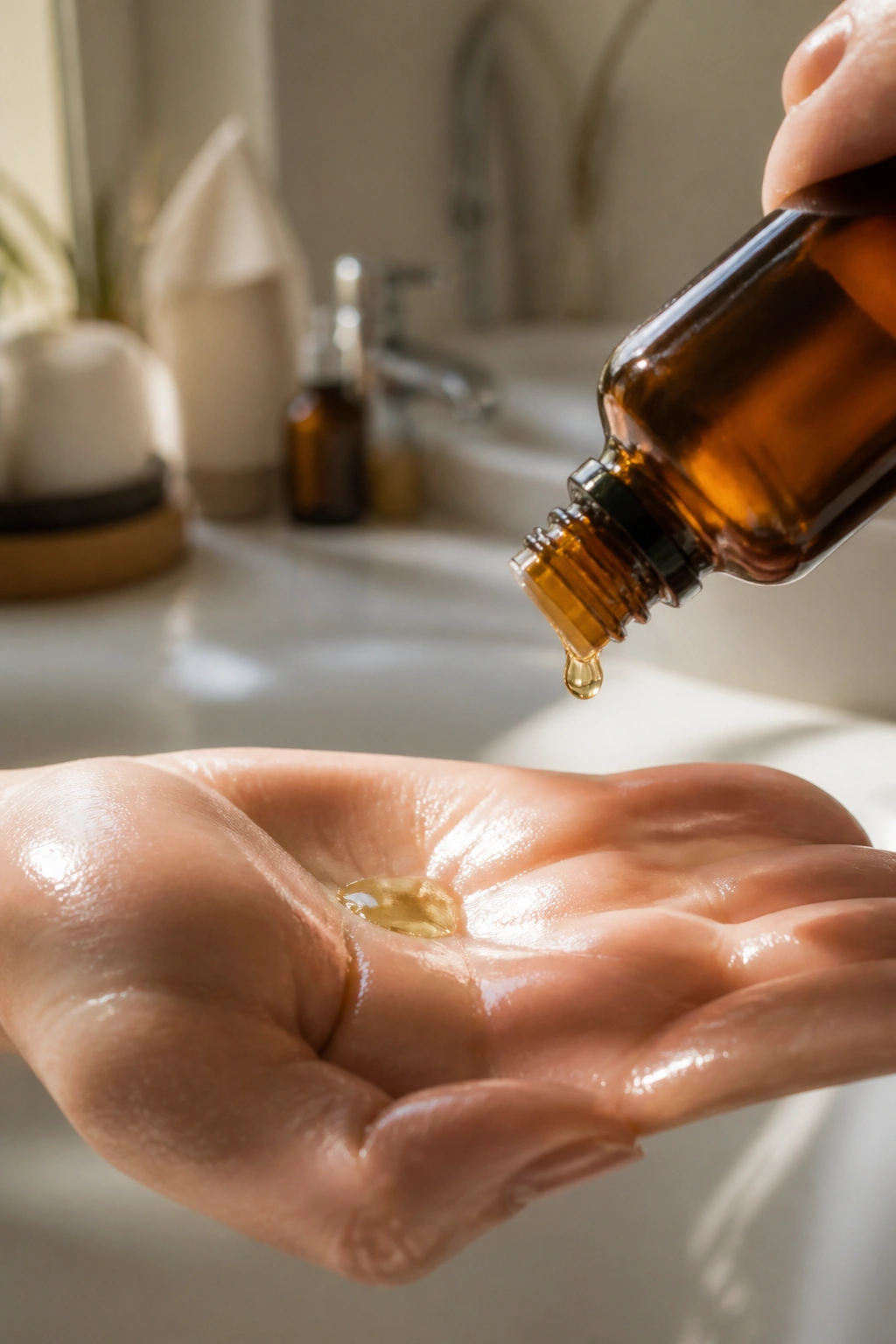
Sweet almond oil is the easiest place to start. It glides on fast, smells faintly nutty, and leaves skin soft instead of sticky. That combination is exactly why it shows up in so many body oils and massage blends.
Why It Feels Good on a Growing Belly
Sweet almond oil sits in that middle zone between lightweight and nourishing. It spreads easily over damp skin after a shower, which means you don’t have to work hard to cover a larger belly. The finish is smooth and a little silky, not waxy.
One thing I like about it: it plays well with a plain moisturizer. A few drops over lotion give you more slip without turning everything into a slippery mess. That makes it useful if your skin feels dry in patches but you still want something you can dress over quickly.
Quick Facts That Matter
- Texture: Medium-light with a soft glide.
- Best use: After a shower, while skin is still slightly damp.
- Scent: Mild and nutty, not perfume-heavy.
- Watch for: Skip it if you have a tree nut allergy or if your skin reacts easily to nut-derived ingredients.
Best tip: Warm 2 to 3 pumps between your palms first. Cold oil feels harsher than it should.
2. Jojoba Oil
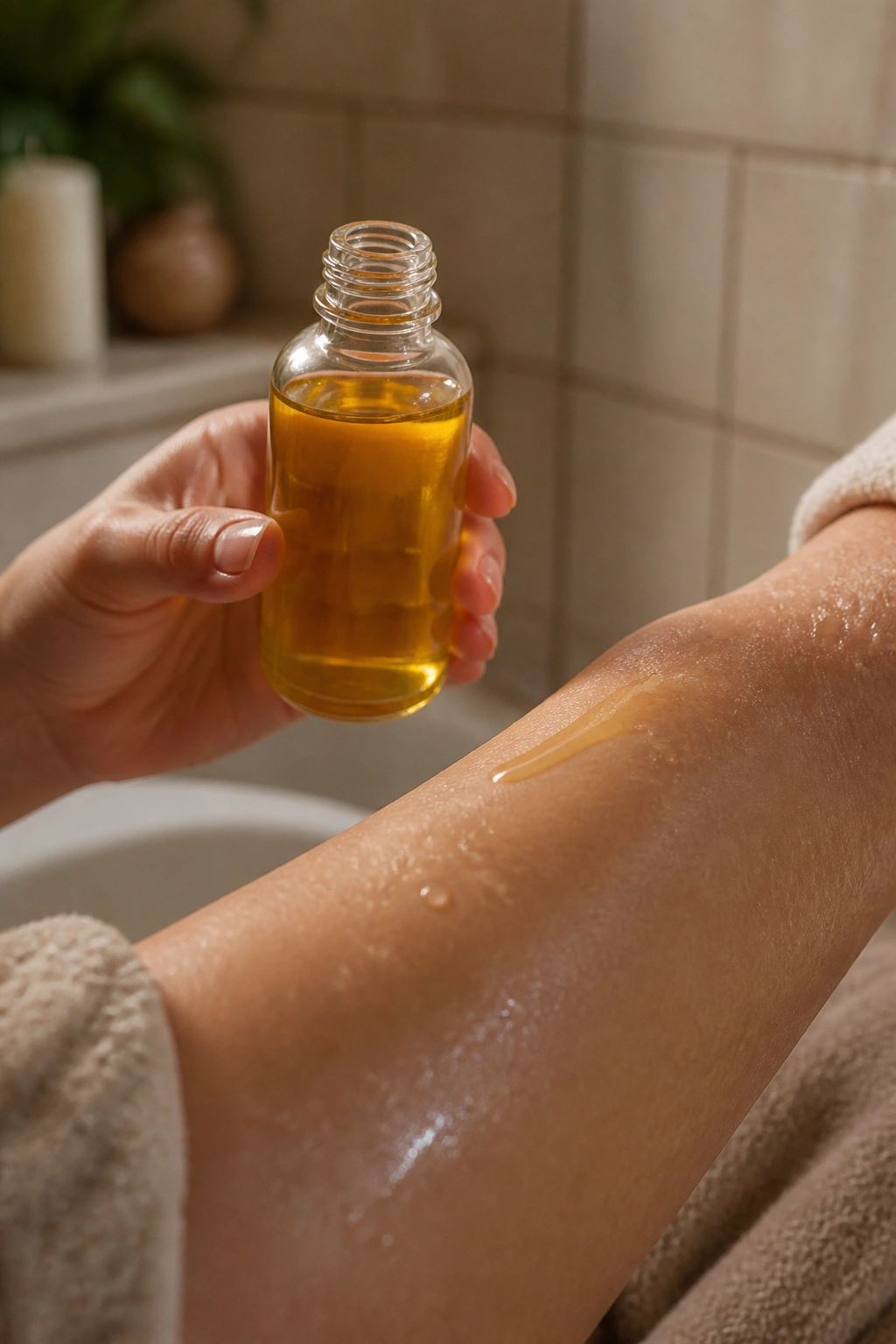
Why do so many people end up liking jojoba oil during pregnancy? Because it behaves differently from most plant oils. It’s technically a wax ester, and that gives it a feel that’s close to skin’s own natural oil without the heavy, lingering slickness.
That matters when your belly is stretching fast and the skin feels fussy. Jojoba tends to sink in cleanly, so it’s a good choice if you hate that coated feeling some richer oils leave behind. It also holds up well in a warm bathroom, which sounds minor until you’ve tossed a bottle that went cloudy or smelled off.
How to Use It
Use jojoba oil on slightly damp skin and stop at a thin layer. You do not need much. Two or three drops can cover a smaller area, and a little more than that handles a belly, hips, and sides without feeling swampy.
It’s also a smart pick for morning use because it dries down faster than heavier oils. If your maternity jeans already fit snugly, that faster finish can be the difference between “nice and soft” and “why does my shirt cling to everything.”
3. Fractionated Coconut Oil
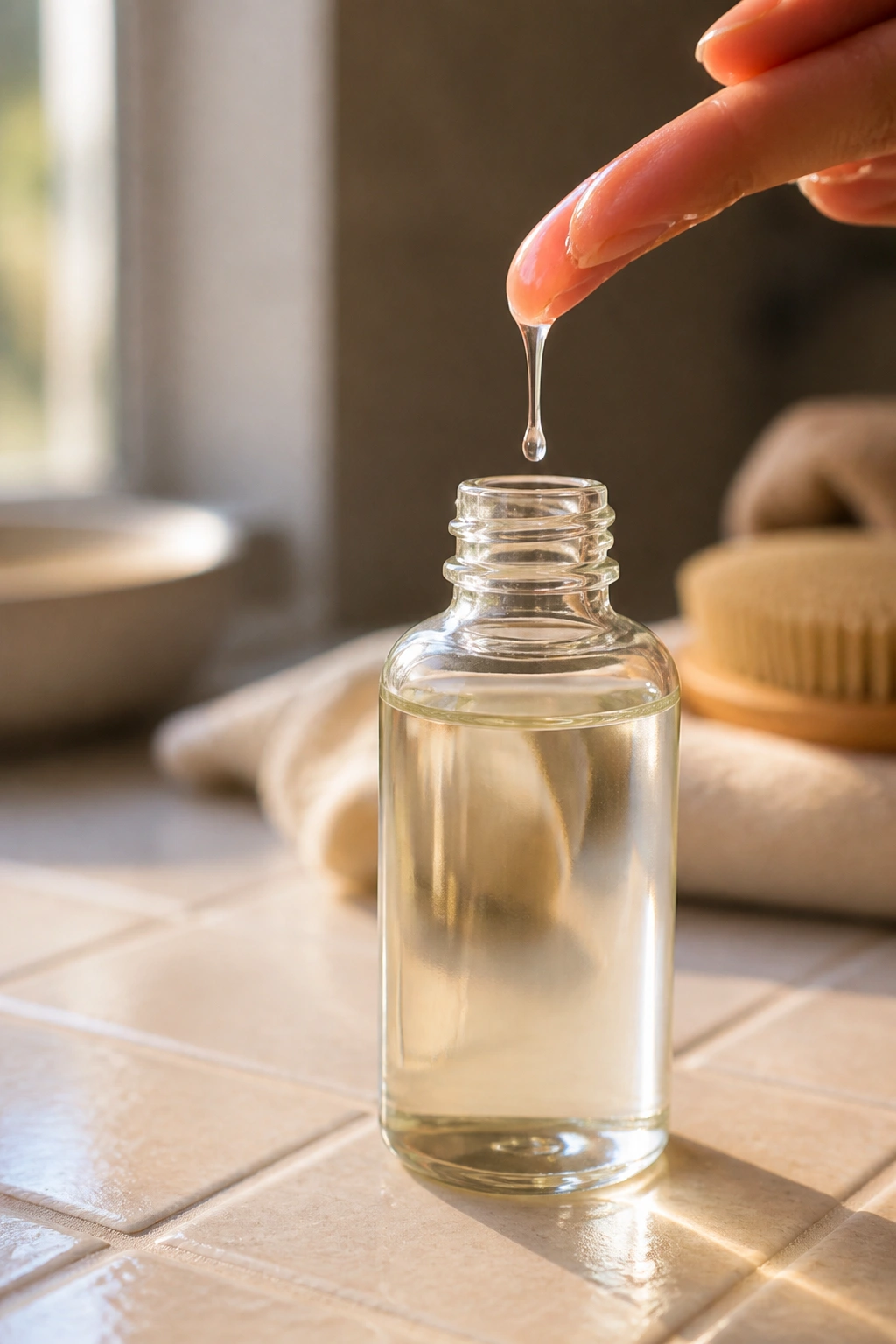
Regular coconut oil can be a mess in the bathroom. It gets solid in cool rooms, melts too fast in warm ones, and sometimes leaves you waiting for it to warm up before you can spread it. Fractionated coconut oil fixes that annoyance.
This version stays liquid all the time, which makes it far easier to use when you’re tired and standing in socks on a tile floor. It has a very light feel, a smooth slip, and usually little to no coconut smell. That last part is a blessing if pregnancy has turned strong scents into a bad joke.
What to Know Before You Buy
- Liquid at room temperature: No need to melt it.
- Massage-friendly: Excellent if you like a longer belly rub.
- Neutral scent: Helpful for sensitive noses.
- Texture: Slippery at first, then soft.
It’s not the richest oil on this list, so it may not be enough by itself if your skin is truly dry. But for easy, no-fuss daily use, it’s a solid bottle to keep on hand. There’s a reason massage therapists like it. It behaves.
4. Sunflower Seed Oil
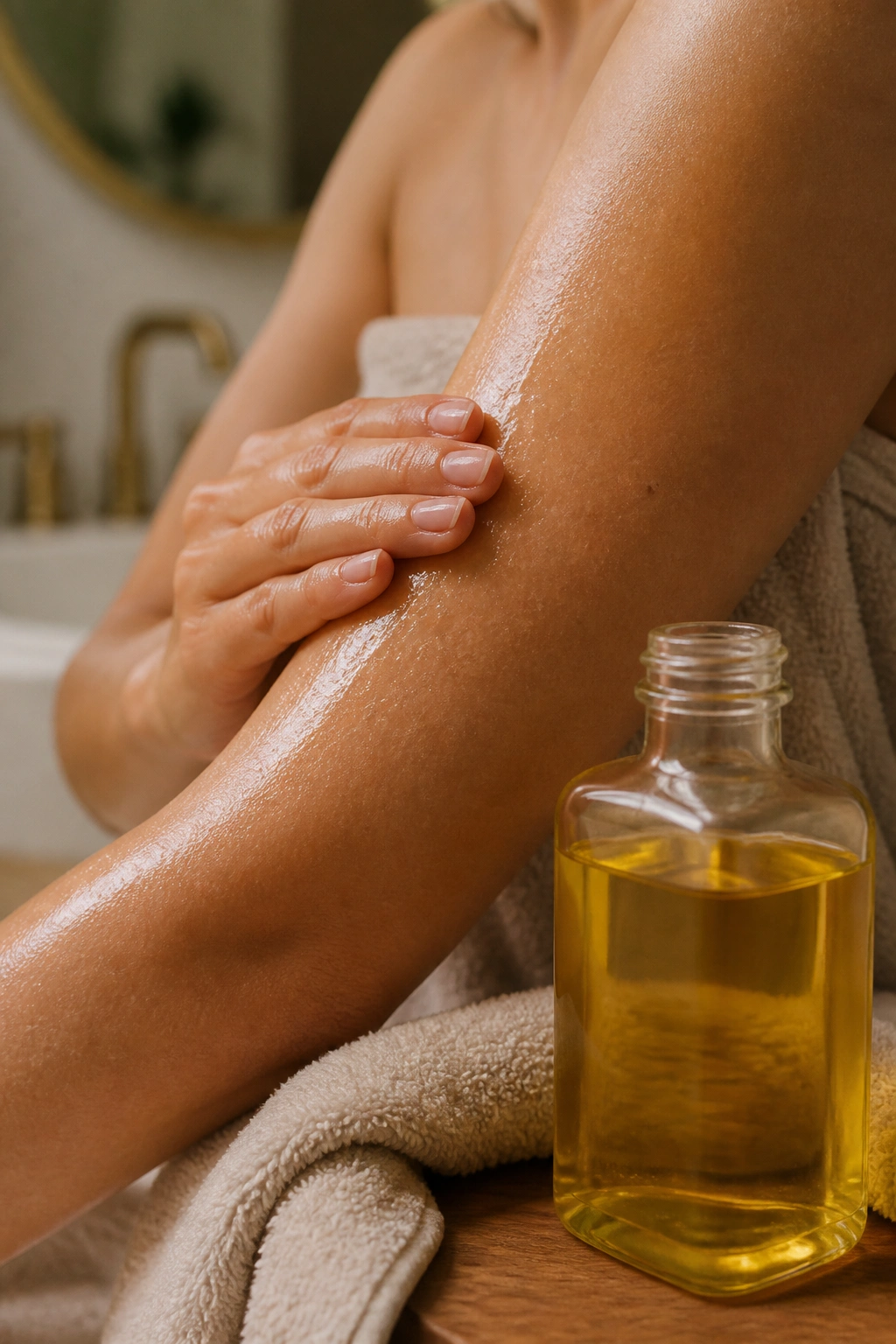
Sunflower seed oil is one of those quiet, practical choices that never gets enough credit. It’s cheap, easy to find, and usually gentle enough for skin that gets irritated by scented body products. If you want a no-drama oil, this is one of the first bottles I’d reach for.
The best versions are high in linoleic acid, which gives the oil a lighter feel and makes it work nicely on skin that wants moisture without heaviness. It’s a good fit for daily use because it does not sit on the skin like a blanket. It spreads, softens, and gets out of the way.
I also like sunflower seed oil for people who are simply tired of fussy body care. There’s no ritual required beyond pouring a little into your hand and smoothing it over damp skin. That’s it. No waiting around, no elaborate layering, no candlelit bathroom nonsense.
If your belly is dry but not angry, sunflower seed oil is one of the best plain options you can buy. Boring in the best way.
5. Grapeseed Oil
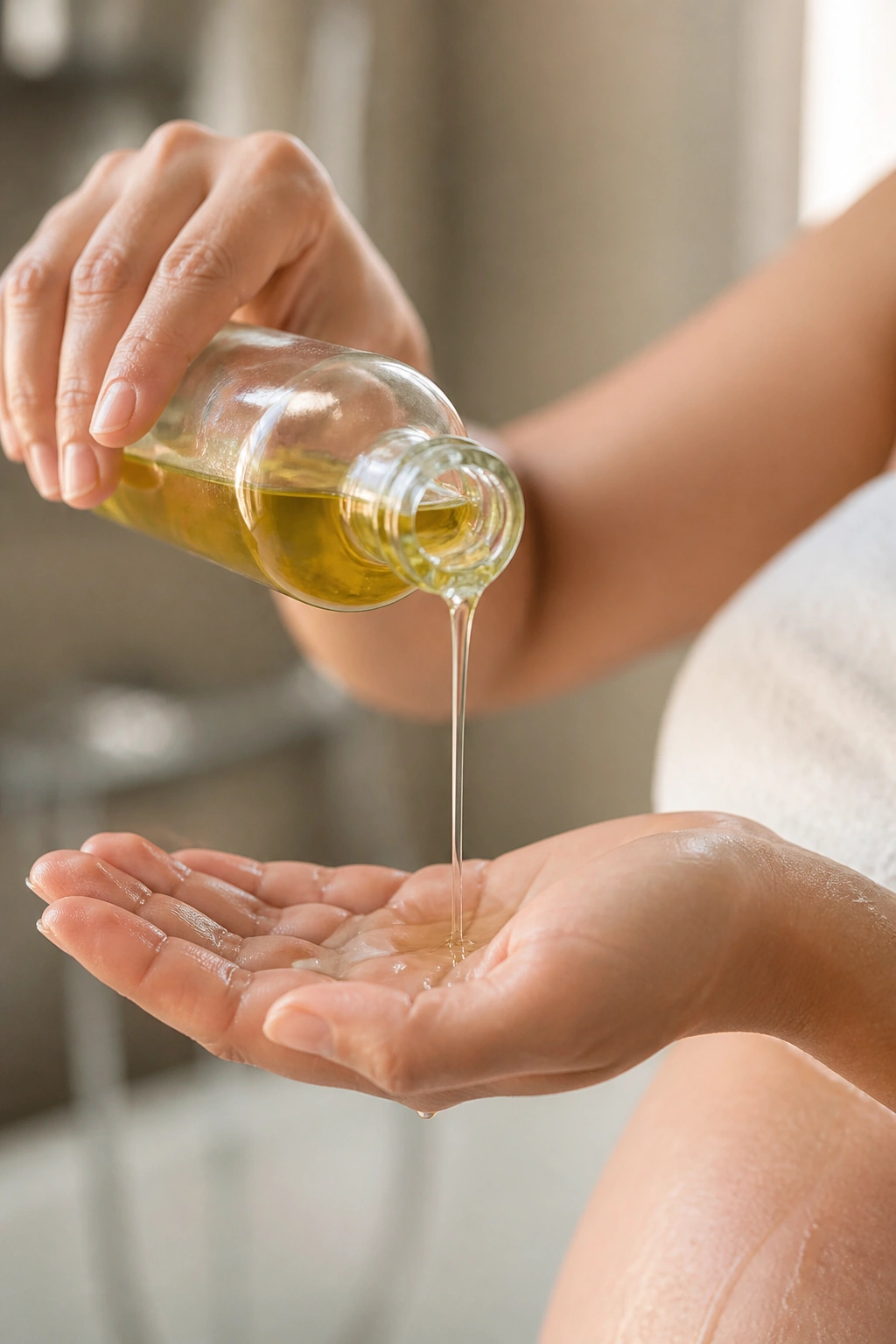
Unlike heavier body oils, grapeseed oil disappears fast. That’s the whole appeal. If you can’t stand residue on your hands, clothes, or sheets, grapeseed is the kind of oil that earns its keep immediately.
It has a light texture and a clean finish, which makes it useful during the day or under fitted clothes. Some people find that it feels almost too thin at first, but that’s also why it layers nicely with a simple fragrance-free lotion. You get the slip from the oil and the extra cushion from the cream.
What Makes It Different
Grapeseed oil is a good match for people who like body care to feel invisible after application. It won’t give you the plush, protective coat that olive oil does, and that’s not a flaw. It’s a different job.
Best for: morning application, quick dressing, or anyone who hates a shiny finish.
One catch: grapeseed oil can go stale faster than some other oils if it sits in heat or sunlight. Buy a smaller bottle and keep it out of the window. That’s not fussy; it just keeps the oil smelling fresh.
6. Avocado Oil
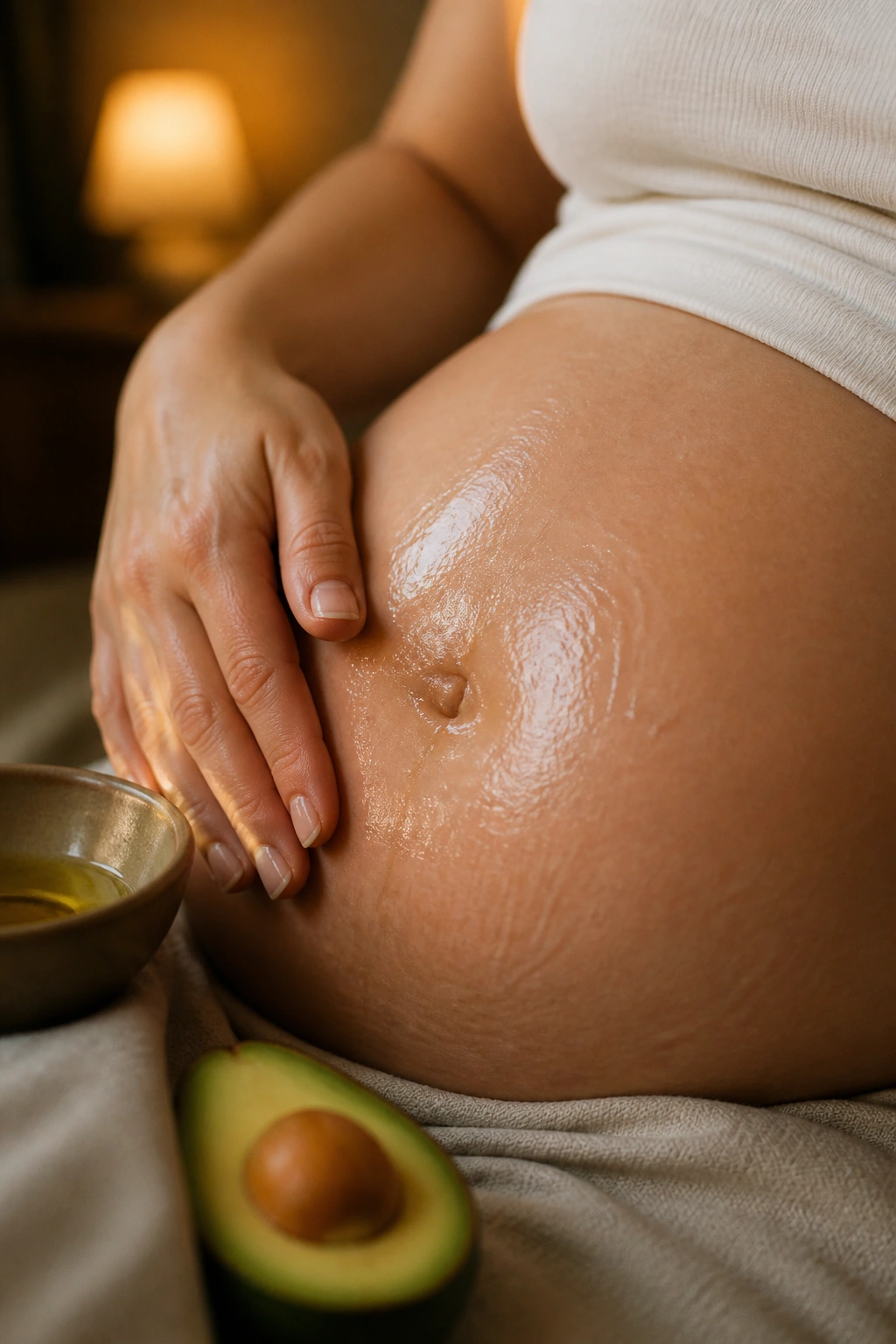
Avocado oil is the one I’d pick for skin that feels papery and angry. It’s richer than grapeseed or jojoba, and that extra weight shows up in the way it coats dry skin with a thicker, more protective layer.
That does mean it can feel heavier. Fine. Not every belly oil needs to vanish in ten seconds. When the skin across your bump feels stretched tight after a shower, a richer oil can be the thing that keeps you from scratching at your shirt hem all evening.
Use avocado oil in a thin layer, especially at night. If you overdo it, it can leave fabric with that slightly oily feel that nobody wants. Start with a little, rub it between your palms, and press it into the skin instead of scrubbing it around.
It’s also a decent option for colder, drier indoor air, or for anyone who likes a more cushioned finish under pajamas. Heavy? Yes. Useful? Also yes.
7. Argan Oil
Is argan oil worth the price? Sometimes, yes. If you want something that feels a little more polished than basic grocery-store oil but still behaves well on sensitive belly skin, argan sits in a nice middle spot.
It has a soft, slightly nutty scent and a finish that feels smoother than avocado oil but richer than grapeseed. That makes it handy if your skin wants comfort but you do not want the full slickness of an oil that hangs around all night. It’s one of those bottles that feels calm rather than flashy.
What It Feels Like
Argan oil tends to absorb well enough for daytime use, especially if you apply it over damp skin. It gives a soft, conditioned feeling without turning your belly into a slip-and-slide. That’s a real plus when you’re getting dressed in a hurry.
I like argan oil mixed into a fragrance-free body lotion, too. One pump of oil with a dollop of cream can feel nicer than either product alone. If you’ve got a growing bump and a limited amount of patience, that shortcut matters.
8. Rosehip Seed Oil
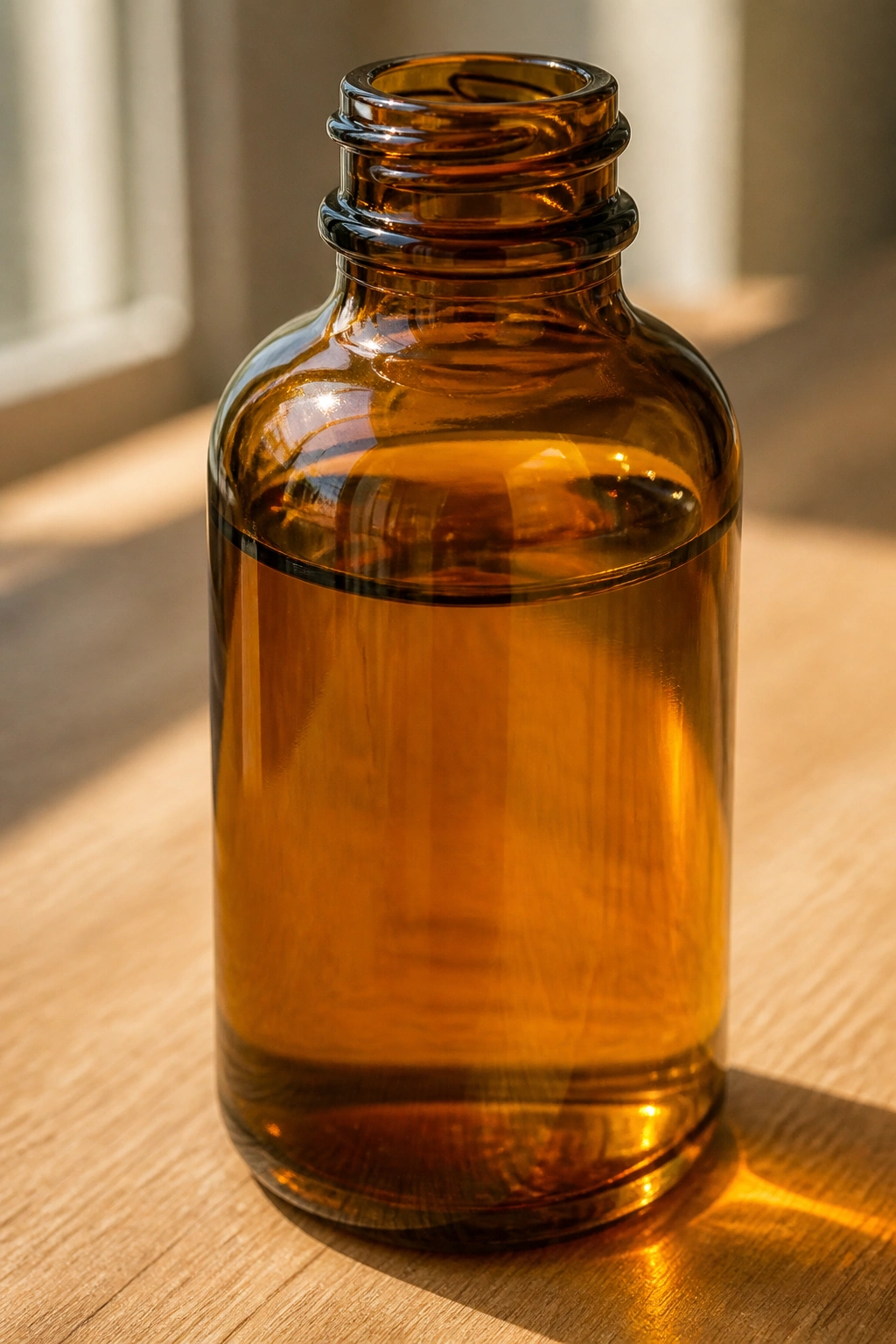
Rosehip seed oil is more of a treatment oil than a big-body oil, and that’s exactly why some people love it. It has a lighter feel than many people expect, plus a distinctive scent and a rich, orange-gold color that can stain light fabric if you use too much.
Why It Earns a Spot
Rosehip oil is often chosen for its skin-care reputation, but for pregnancy belly use, the real attraction is the texture. It feels silky, absorbs fairly well, and works nicely in blends. A few drops mixed into a neutral lotion or a milder oil can make a belly routine feel less basic without getting complicated.
It is not the best choice if you hate scent. It’s also not the best if you want the richest possible barrier on dry skin. But if you like a slightly more elegant feel and you don’t mind a stronger natural aroma, it can be lovely.
Quick Guide
- Texture: Light to medium, with a silky finish.
- Best use: Mixed into lotion or used sparingly on damp skin.
- Scent: Noticeable and earthy.
- Watch for: Oxidation and fabric staining if the bottle sits open too long.
Small tip: Keep the bottle capped tightly and use it faster than you would a heavier oil.
9. Apricot Kernel Oil
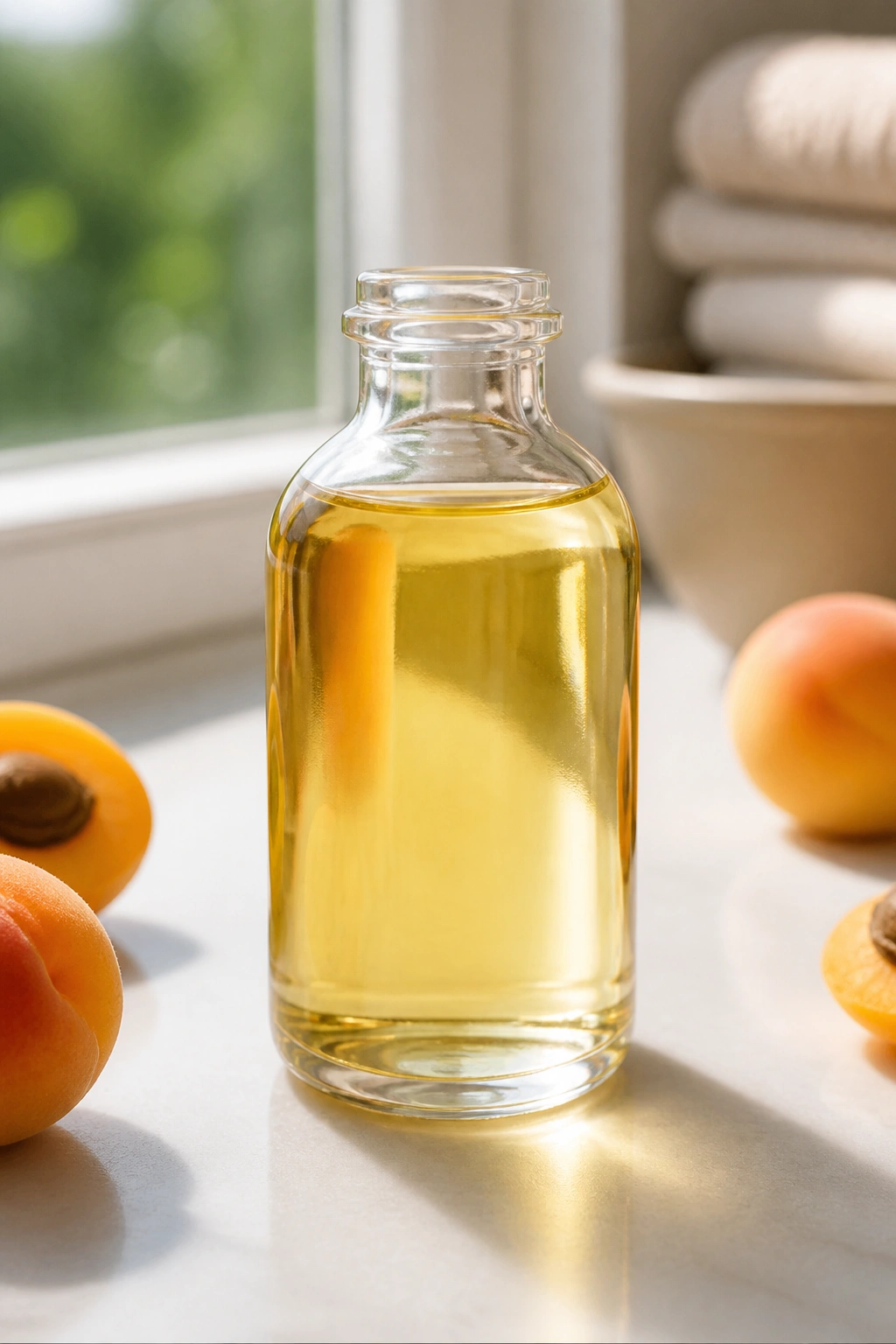
Apricot kernel oil is one of those massage-room staples that makes sense on a pregnancy belly, too. It has a soft glide, a light-to-medium feel, and a mild scent that stays out of the way. That matters more than people think. A belly oil should not compete with everything else in the room.
This oil sits close to sweet almond in texture, but many people find it a touch lighter and a little less nutty. It spreads nicely, which makes it good for bigger areas like the belly, breasts, hips, and lower back if you’re doing a slow, end-of-day rub.
If your skin is very dry, you may want to layer a simple cream underneath. Apricot kernel oil gives pleasant slip, but it is not the heaviest shield on the list. That can be a feature, though, if you want comfort without a greasy finish.
One caution: if stone fruit products make your skin grumpy, patch test first. The bottle may be gentle. Your skin may disagree.
10. Olive Oil
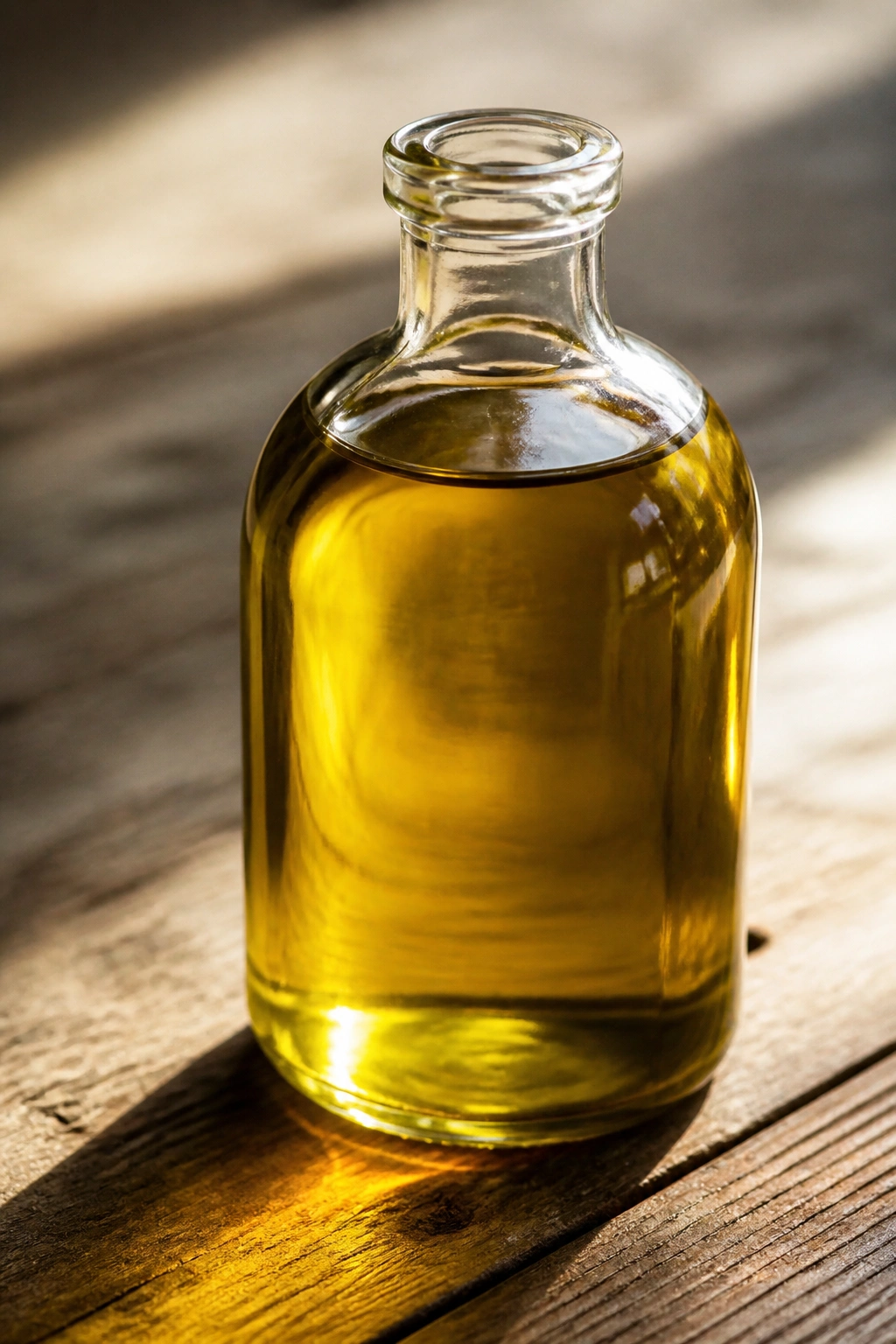
Olive oil is blunt. It’s not glamorous, and it does not pretend to be. What it does have is weight, and that can be useful when your belly skin feels tight enough to complain every time you roll over.
This is one of the richest, most protective-feeling oils you can use. It sits more on top of the skin than grapeseed or jojoba, which means it’s better for bedtime or for very dry skin that needs a longer-lasting coat. If your skin feels flaky by afternoon, olive oil can be a decent no-frills fix.
I prefer a plain, fragrance-free version for body use. Extra-virgin olive oil has a stronger kitchen smell, which some people don’t mind and some people absolutely do. If the scent bugs you, you’ll stop using it, and that defeats the point.
Use it sparingly. A little goes a long way, and too much can cling to clothes or sheets. But as an old-school, dependable option, olive oil has survived for a reason.
11. Squalane
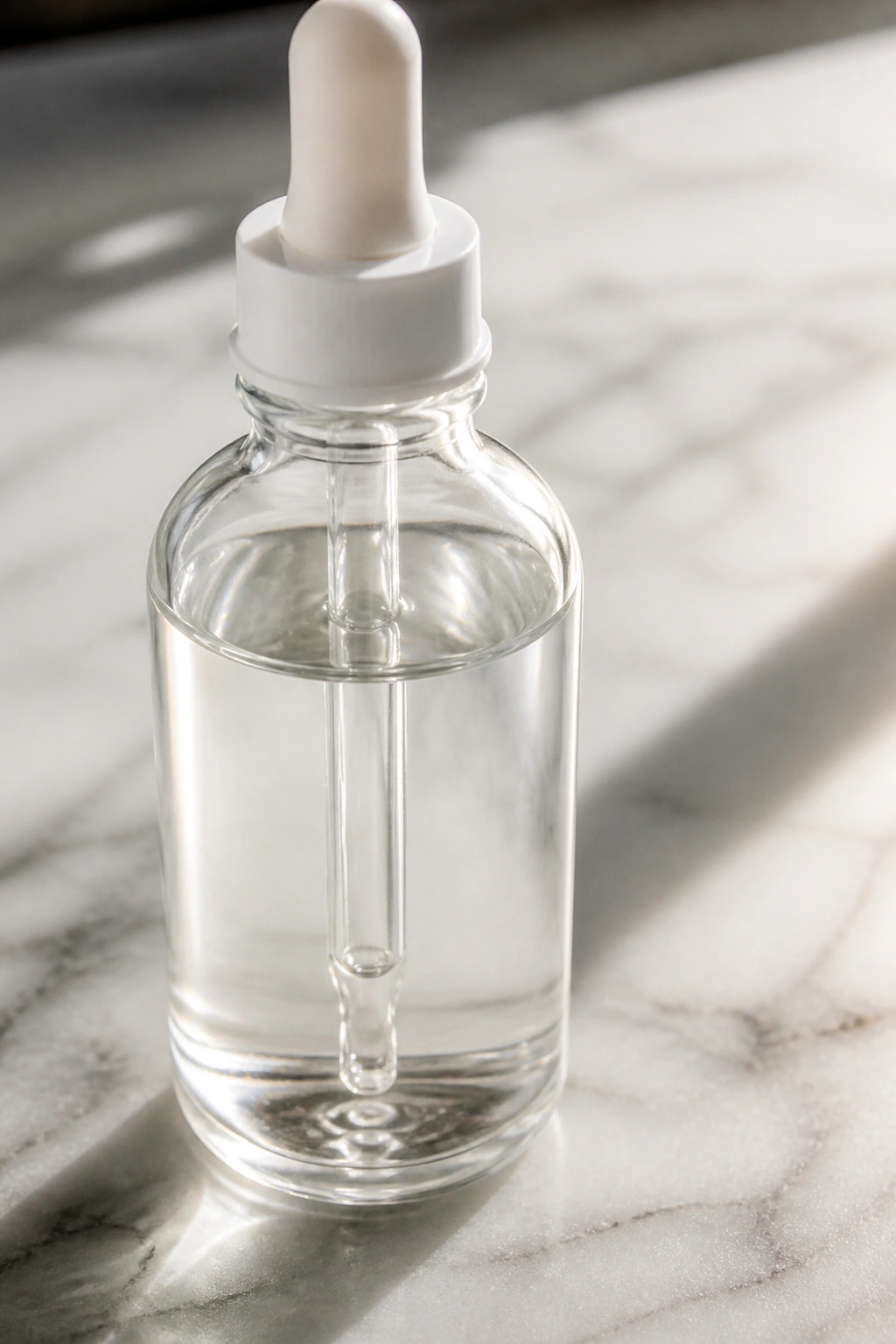
Squalane is the sleeper hit for people who hate feeling oily. It sounds fancy, but the appeal is simple: it spreads fast, feels light, and leaves behind a soft finish instead of a greasy one.
That makes it especially good if pregnancy has made your skin more reactive than usual. Squalane tends to behave politely. It doesn’t usually smell strong, it layers well under lotion, and it doesn’t make clothing feel coated. For belly care, that’s a huge win.
Why It Works So Well
Squalane is often derived from olives or sugarcane, and it has a very stable, shelf-friendly feel. It’s not a magic cure, and it won’t feel as rich as avocado or olive oil. But if your priority is comfort with almost no residue, it’s one of the nicest options around.
Use it on damp skin or mix it with a cream if you want a little more cushion. If your belly is itchy but not cracked, squalane can feel exactly right: soft, quiet, and done.
12. Shea Oil Blend
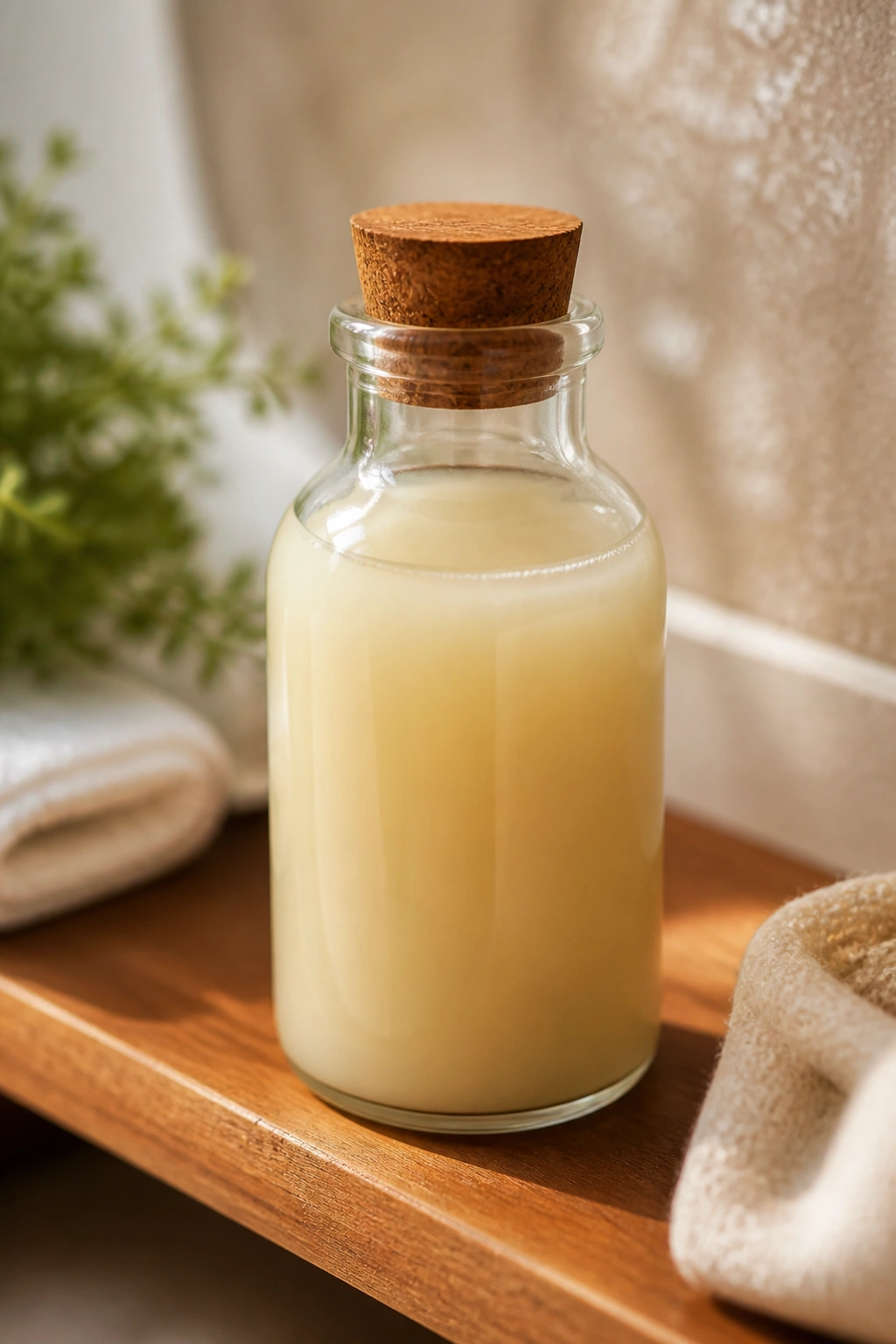
Shea oil blends are for people who want a little more body than a plain lightweight oil gives them. They usually combine shea butter with liquid oils, which means you get a more cushiony feel without the full effort of warming a solid balm in your hands.
That combo can be a lifesaver at night. When your belly feels tight, your skin wants something that sits there for a while and keeps the moisture from evaporating too fast. Shea-based blends do that well. They don’t disappear instantly, and that is the point.
Best Time to Use It
Use a shea oil blend after a warm shower or before bed. The skin feels a little softer, the texture spreads more easily, and you can apply it in slow, circular strokes without feeling like you need to hurry. It’s a more tactile, comforting kind of product.
A small amount goes far. If the blend feels waxy, warm it between your palms first. If it feels too heavy for daytime, save it for evening and pick a lighter oil for mornings. No rule says you need to love the same texture all day long.
13. Calendula-Infused Oil
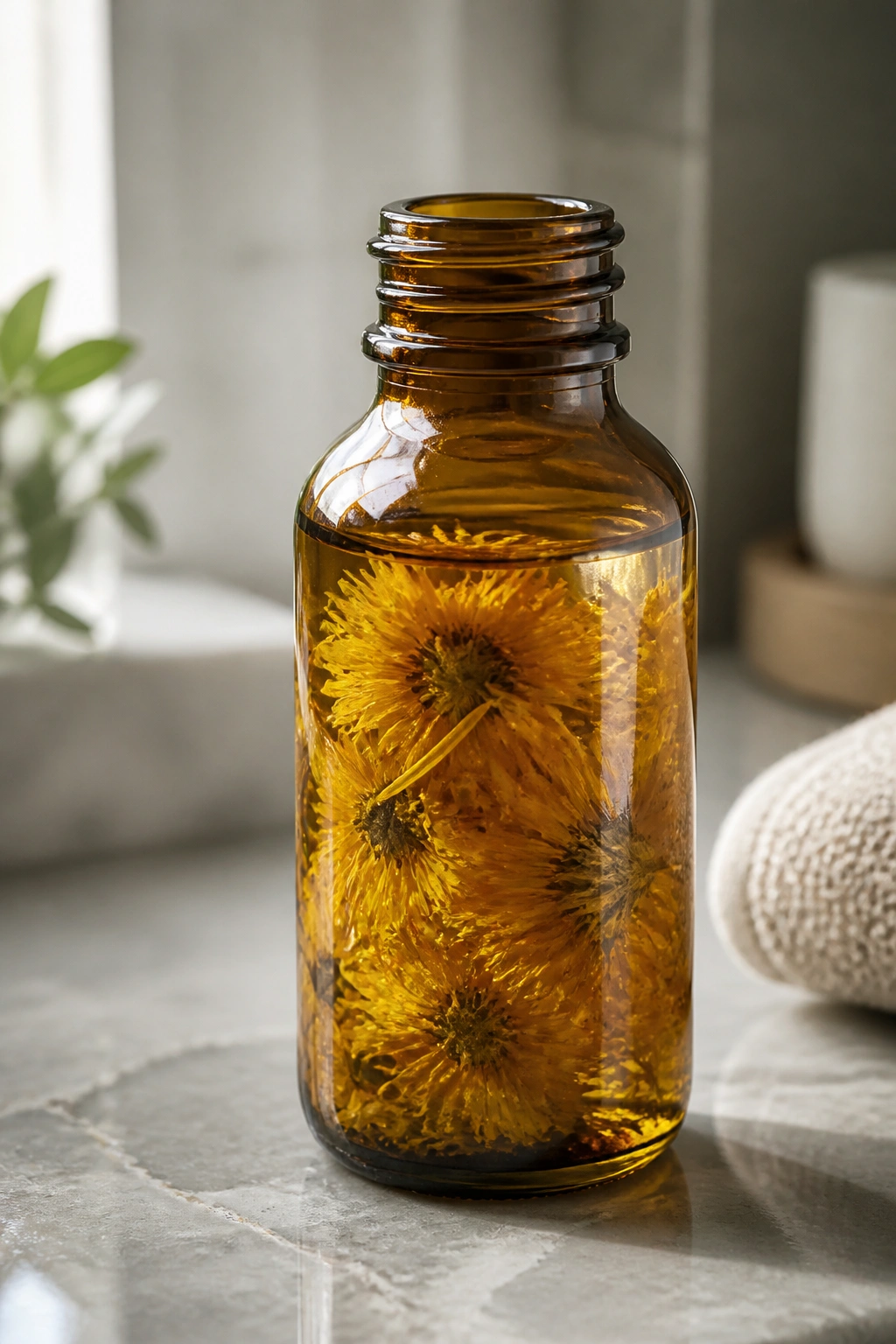
A calendula-infused oil is what I’d call a comfort bottle. It usually has a soft herbal smell, a gentle look, and a calm feel that suits skin that’s a little cranky but not broken out or rashy.
Calendula shows up a lot in products made for sensitive skin because people associate it with soothing care. That doesn’t mean every skin type will adore it. Botanicals can still irritate. But when the formula is simple and fragrance-free, it can be a nice option for a belly that feels tender after a long day.
What to Look For
- Base oil: Sunflower or olive oil are common.
- Scent: Mild herbal, sometimes almost grassy.
- Use: Good for slow massage on dry skin.
- Caution: Patch test if you react to ragweed or other plants in the daisy family.
Calendula oil is less about slickness and more about the ritual. If you like products that feel gentle and a little old-fashioned, this one has charm.
14. Oat Oil
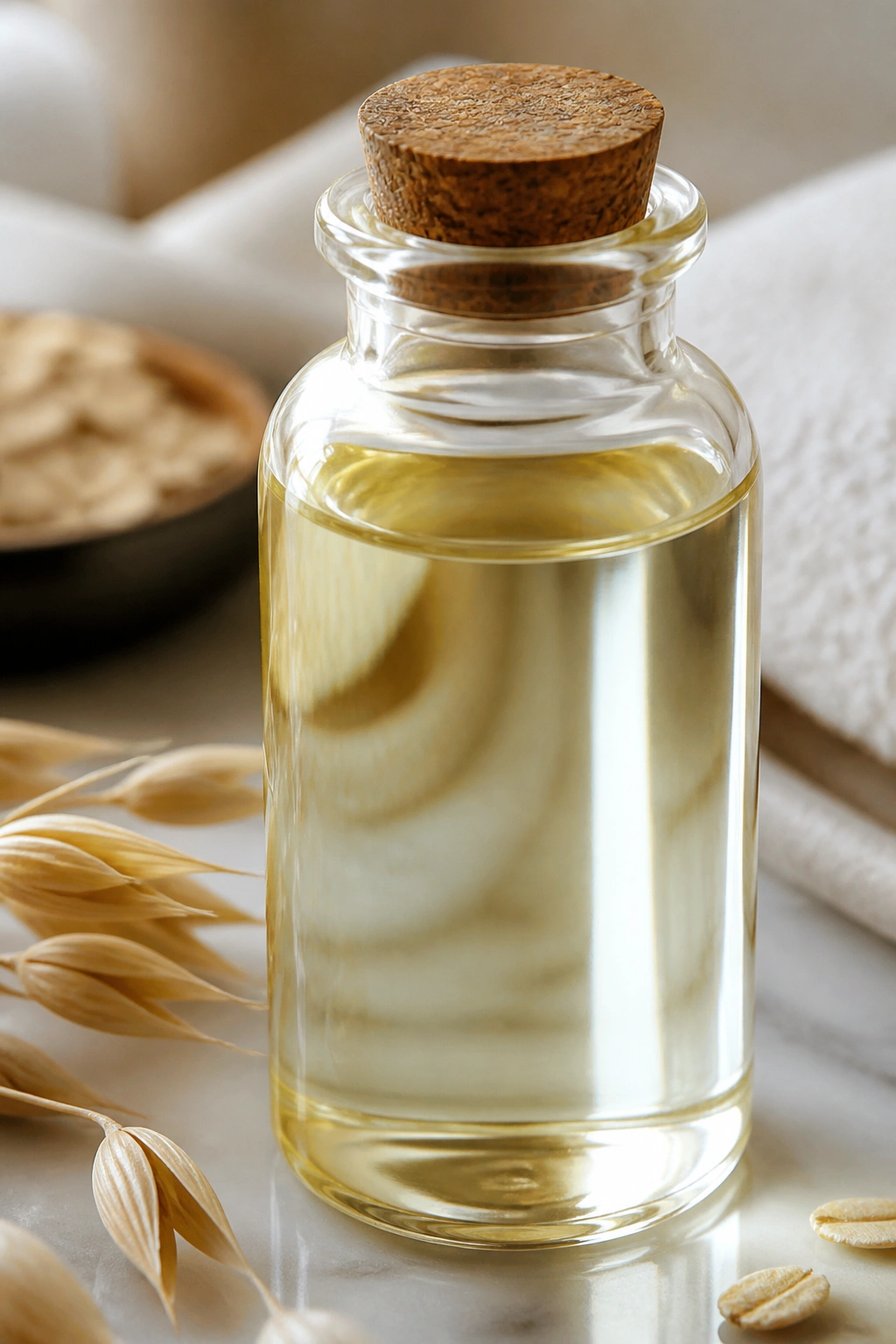
Oat oil doesn’t get enough love. It’s one of the most quietly useful belly oils because it tends to suit skin that gets dry, itchy, or irritated without a lot of drama. If your skin has become fussy, oat oil is the kind of ingredient I’d pay attention to.
Unlike oils that make a big entrance with a strong smell or glossy finish, oat oil tends to feel calm and understated. That sounds boring, and sometimes boring is exactly what you want when your body is already doing enough. It spreads smoothly, softens the skin, and pairs well with a plain moisturizer.
It’s also a nice pick if you’ve already had luck with oatmeal baths, oat lotions, or other barrier-friendly products. The texture is a bit richer than grapeseed but lighter than olive oil, so it fits in a useful middle ground.
If your belly skin feels prickly by evening, oat oil is one of the gentlest places to start. It’s not flashy. It works.
15. Mineral Oil
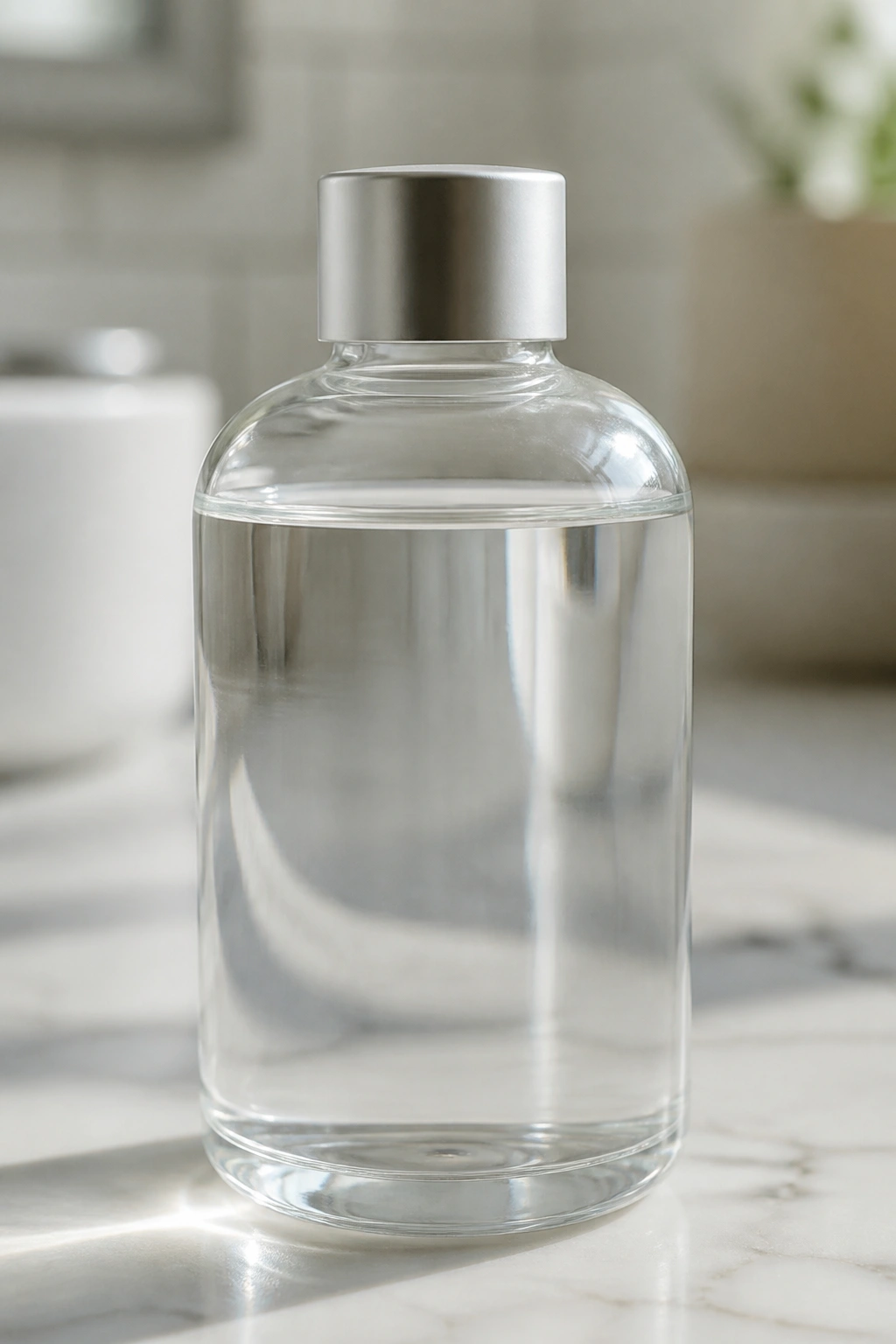
People have opinions about mineral oil. I get it. It does not have the plant-based romance of almond or argan oil, and it won’t smell like a spa. But if you strip away the marketing noise, plain mineral oil is one of the most effective ways to lock moisture onto skin.
That matters on a belly that feels stretched, dry, and a little itchy. Mineral oil sits on top of the skin and slows water loss. It is not trying to sink in and disappear. It is trying to hold the good stuff in place. That can be exactly what you need after a shower.
It’s also very stable, which means it tends to stay fresh for a long time. No grassy smell. No short shelf life drama. Just a slick, straightforward barrier.
The downside is the feel. Some people hate it. It can feel slippery at first and may cling to fabric if you use too much. Use a thin layer, wait a few minutes before dressing, and see whether your skin likes the simple approach.
16. Marula Oil
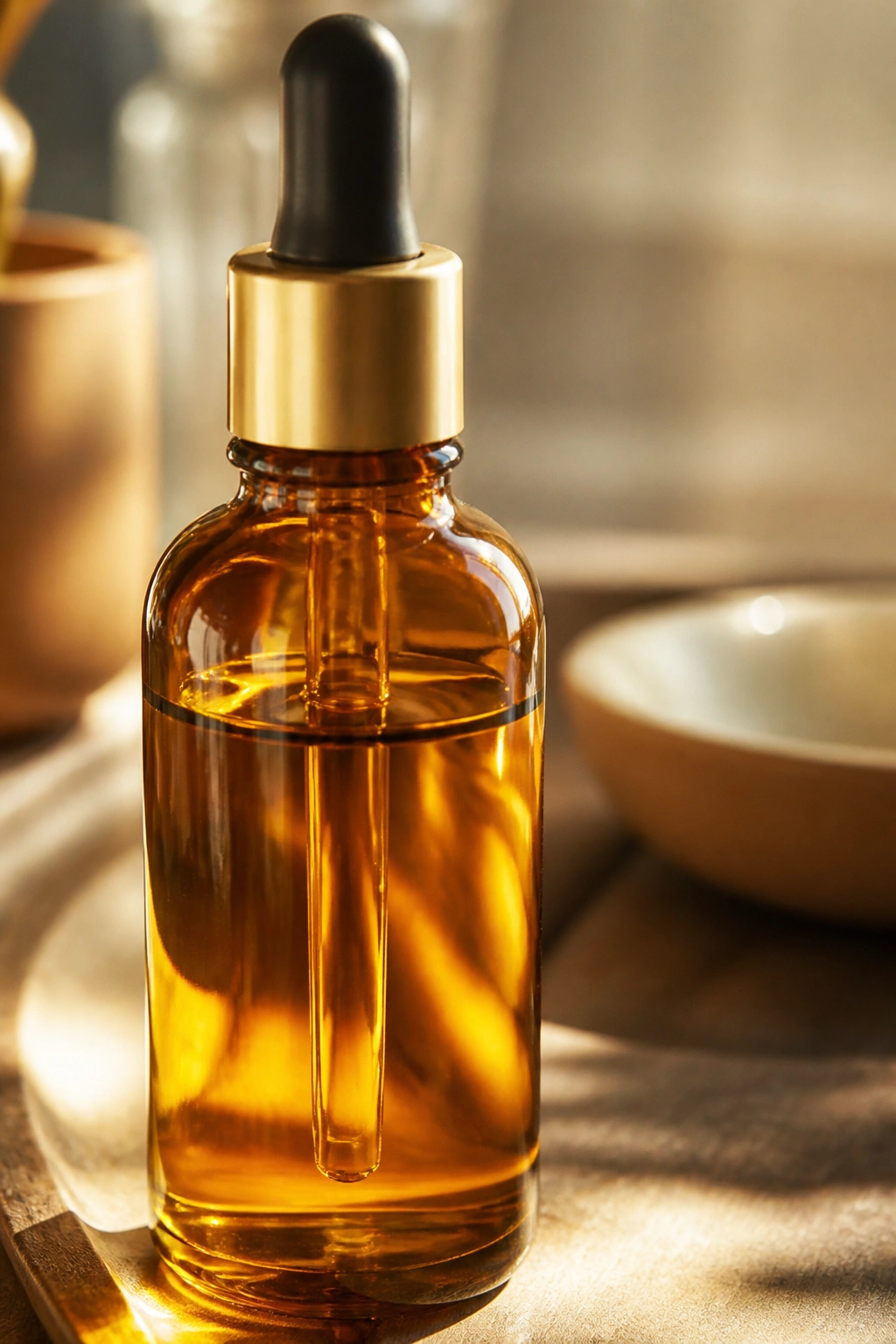
Marula oil has a soft, elegant feel without being fussy. It is richer than squalane, smoother than olive oil, and less heavy than avocado. That middle ground is exactly why it works so well on pregnancy skin that wants comfort but not sludge.
The texture is what people notice first. It glides easily, then settles into a finish that feels plush instead of oily. If you’ve tried body oils that either vanish too fast or sit on the skin forever, marula can feel like a better compromise.
What Makes It Stand Out
Marula oil usually has a mild scent and a polished texture that makes it pleasant for nightly use. A few drops warmed in your hands can cover a belly in one pass. It’s also easy to mix with unscented lotion if you want a richer blend.
- Feel: Soft, cushiony, and medium-light.
- Best use: Evening routine or post-shower application.
- Match for: Normal to dry skin.
- Watch for: Higher price than basic oils, so don’t overdo it.
If you like your body care to feel a little more refined but still practical, marula earns its shelf space.
17. Meadowfoam Seed Oil
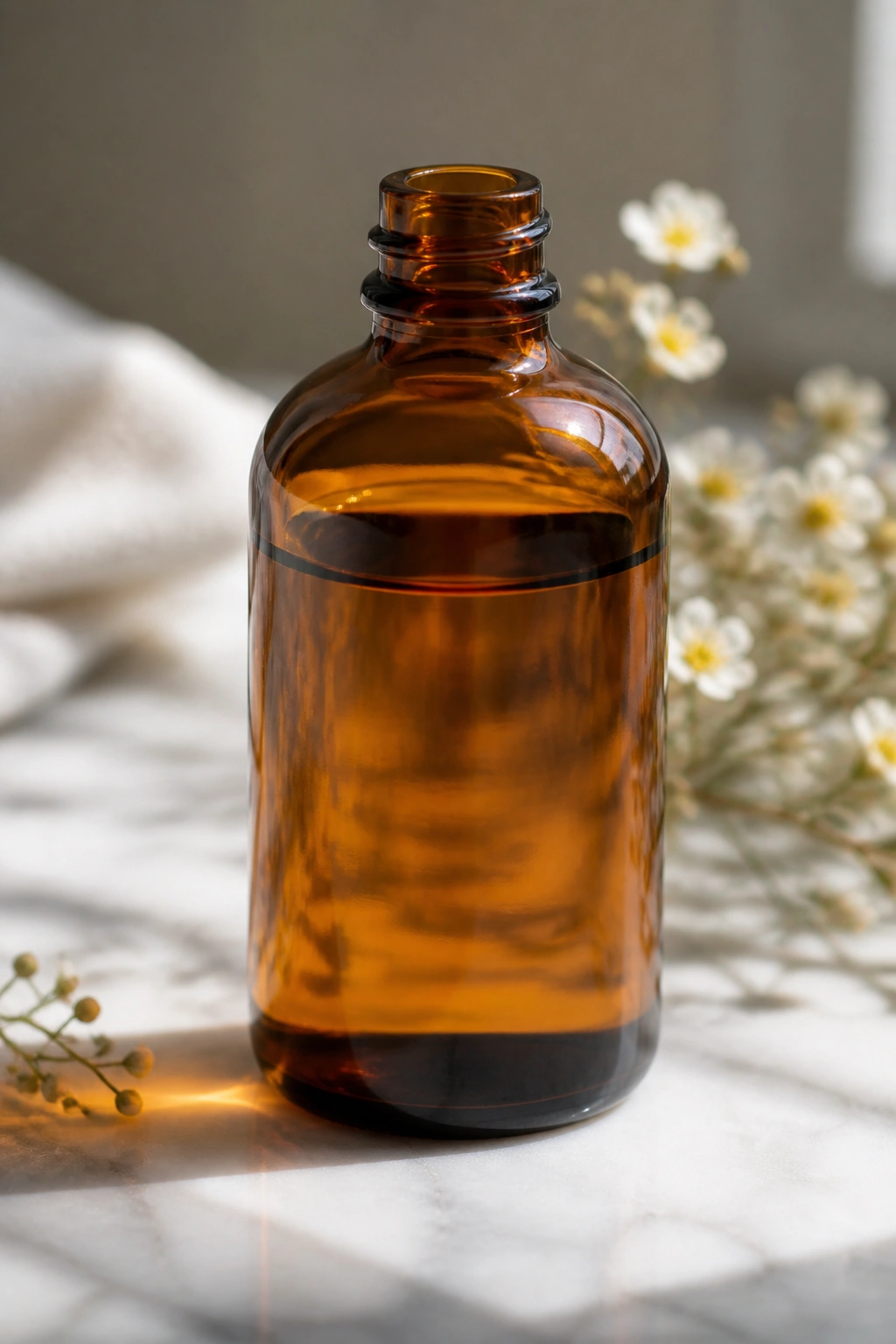
Meadowfoam seed oil is one of the most underrated pregnancy belly oils because it feels silky and holds up well over time. It has a slightly waxy, cushiony slip that makes it pleasant to massage into tight skin, and it tends to resist going off as fast as some lighter oils.
That stability matters more than people realize. A bottle that sits on a warm shelf and starts smelling stale is annoying enough when you’re not pregnant. When your nose is sensitive and your skin is picky, it’s worse. Meadowfoam gives you a little more peace of mind there.
It also works well in blends. If you want to make a custom body oil, meadowfoam can play the base note under squalane, sunflower, or a tiny amount of rosehip oil. It gives the whole mix more body without making it thick.
This is not the easiest oil to find, and that’s fair. It’s a bit niche. But if you come across a plain, fragrance-free bottle, it’s worth a look. The texture is lovely, and sometimes that matters enough on its own.
18. Hemp Seed Oil
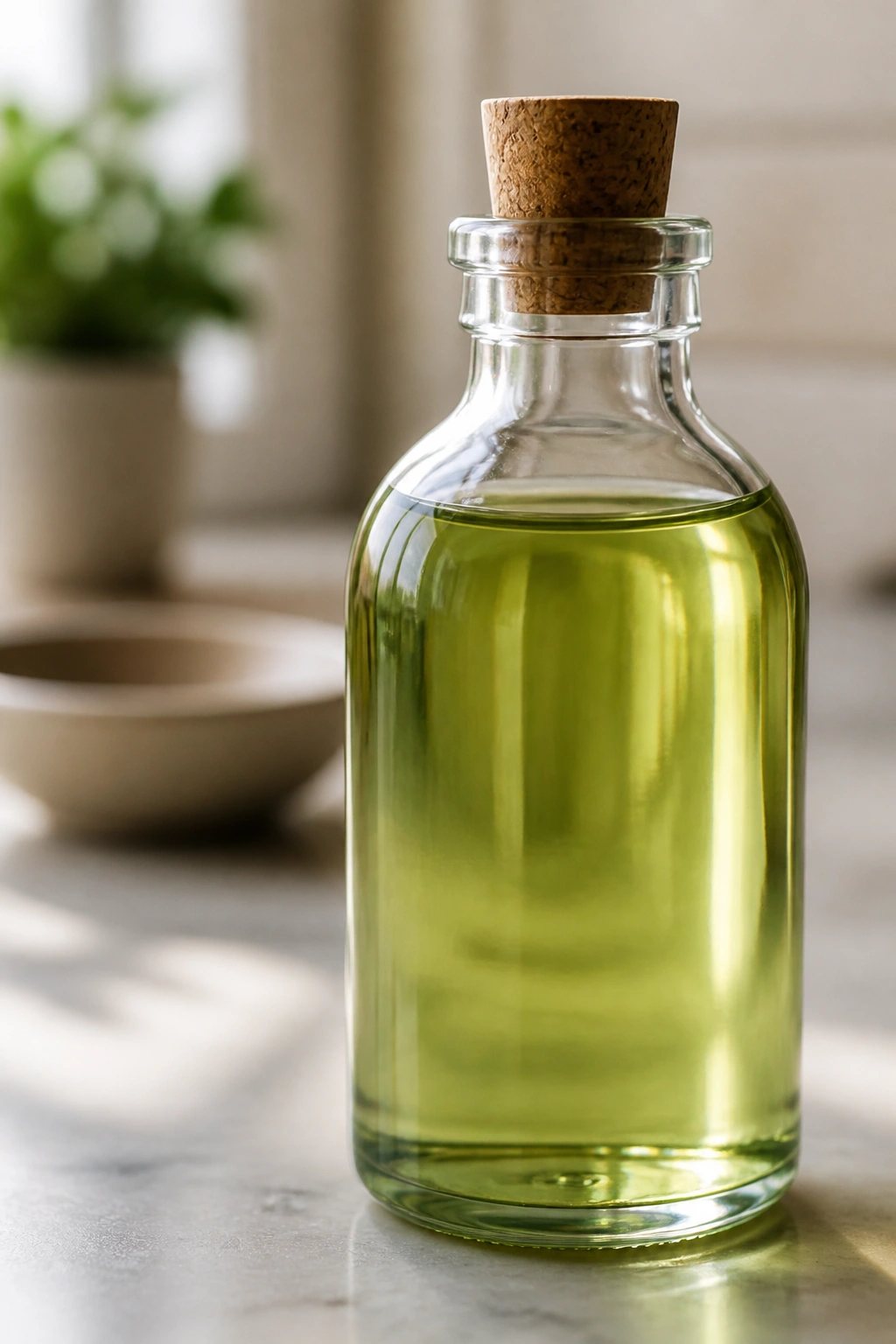
Why would anyone choose hemp seed oil for a belly? Because it feels light, absorbs quickly, and gives dry skin a softer finish without much shine. It’s not the oil most people think of first, which is exactly why it can be a nice surprise.
Hemp seed oil has a faint green, earthy scent and a thinner texture than avocado or olive oil. If you dislike thick body products, that’s a plus. It can sit nicely under clothes and still leave skin feeling less parched a few hours later.
How to Keep It Fresh
Pure hemp seed oil is a little more delicate than some of the other oils here. Buy a small bottle. Keep it away from heat. Use it regularly instead of letting it hang around for ages.
- Best for: People who want a light, fast-absorbing oil.
- Texture: Thin, clean, and low-shine.
- Scent: Mildly grassy.
- Caution: Store it properly so it doesn’t turn.
It’s also a good candidate for mixing with something richer if your skin needs more cushion. Hemp seed oil alone can be enough for some bellies. For others, it works better as the lighter half of a blend.
A few plain rules make belly oils easier to shop for. Fragrance-free usually beats fancy. Thin layers beat globs. And if a product feels good on day one, that’s worth more than a bottle full of promises.
The best choice is the one you’ll actually keep using after the shower, on the nights your skin feels tight, and on the mornings when getting dressed already feels like enough of a job.
