



Pregnancy does not always announce itself with a neat little calendar note. Sometimes it starts with a wave of nausea at 7 a.m., a smell that suddenly seems offensive, or a fatigue level that feels too big for the amount of sleep you’ve had. Trimester one can be strangely quiet on the outside and loud on the inside.
A lot of first-trimester confusion comes from the same place: the body is changing fast, but the changes are not always dramatic. Some are normal. Some are worth a phone call. Knowing the difference can save you a lot of worry, and it can also keep you from brushing off something that needs attention.
The pregnancy facts worth knowing in trimester one are not glamorous, but they are useful. They help you eat a little better, rest a little smarter, and spot the warning signs that matter. They also make the whole thing feel less mysterious, which is half the battle when your own body starts behaving like it belongs to someone else.
1. Morning Sickness Can Hit Anytime, Not Just in the Morning

Nausea is the classic first-trimester surprise, and the name is one of the least helpful labels in medicine. Plenty of people feel fine when they wake up, then get hit with a wall of nausea after lunch, in the car, or while brushing their teeth. Some vomit. Some never do. Some feel only a low-grade queasiness that lingers all day.
What Makes It So Common
The short version is hormone shift, especially rising hCG and estrogen. The longer version is that your stomach may empty more slowly, your sense of smell may sharpen, and certain foods may start to feel unbearable. That is why a breakfast that seemed fine last week can suddenly seem impossible.
A few practical fixes tend to help:
- Eat small meals every 2 to 3 hours.
- Keep plain crackers, toast, or dry cereal nearby.
- Sip cold water, ginger tea, or ice water in tiny amounts.
- Try protein early in the day, even a few bites.
- Open windows or use a fan if cooking smells turn your stomach.
If you cannot keep fluids down for a full day, or your urine turns very dark, call your clinician. That kind of vomiting needs more than crackers and hope.
2. Exhaustion in Early Pregnancy Is Real Fatigue, Not Laziness

People sometimes talk about first-trimester tiredness like it is a minor inconvenience. It is not. It can feel like your battery drains by noon, and no amount of coffee seems to fully fix it. One nap. Maybe two.
Your body is building a placenta, expanding blood volume, and juggling a hormone mix that can make sleep feel shallow even when you spend enough hours in bed. That is a lot of work. It makes sense that you might want to crawl into a blanket cave and stay there.
The useful part is that this kind of tiredness often improves once your body settles into the pregnancy rhythm. Until then, treat rest like part of prenatal care, not a reward you earn after the chores are done. Short naps, earlier bedtimes, and lighter evenings can make a real difference.
If the fatigue feels extreme, or it comes with shortness of breath, fainting, or a racing heartbeat, bring it up. Sometimes anemia shows up early, and sometimes the cause is simpler than that. Either way, it deserves a look.
3. Folic Acid Matters Before You Even Feel Pregnant

Do you need folic acid after a positive test? Yes. Do you need it before the positive test? Also yes.
The neural tube, which becomes the brain and spinal cord, closes very early in pregnancy, often before a person realizes they are pregnant. That is why folic acid gets such a loud spotlight. For most pregnant people, a prenatal vitamin with 400 to 800 micrograms of folic acid is the standard starting point, unless a clinician recommends a different dose.
How to Use That Fact
Take it every day, not when you remember. Morning, night, with food, without food — the timing matters less than consistency. If your prenatal makes you nauseated, try taking it with a small snack or before bed. Some brands also include iron, which can be rough on an empty stomach.
A few people need a higher dose because of medication use, prior pregnancy history, or certain health conditions. That is not a guess-and-go situation. It is a “talk to your clinician” situation.
The smart move is boring but effective: start the prenatal, keep taking it, and do not wait for symptoms to tell you whether it matters.
4. Light Spotting Can Happen, but Heavy Bleeding Needs Attention
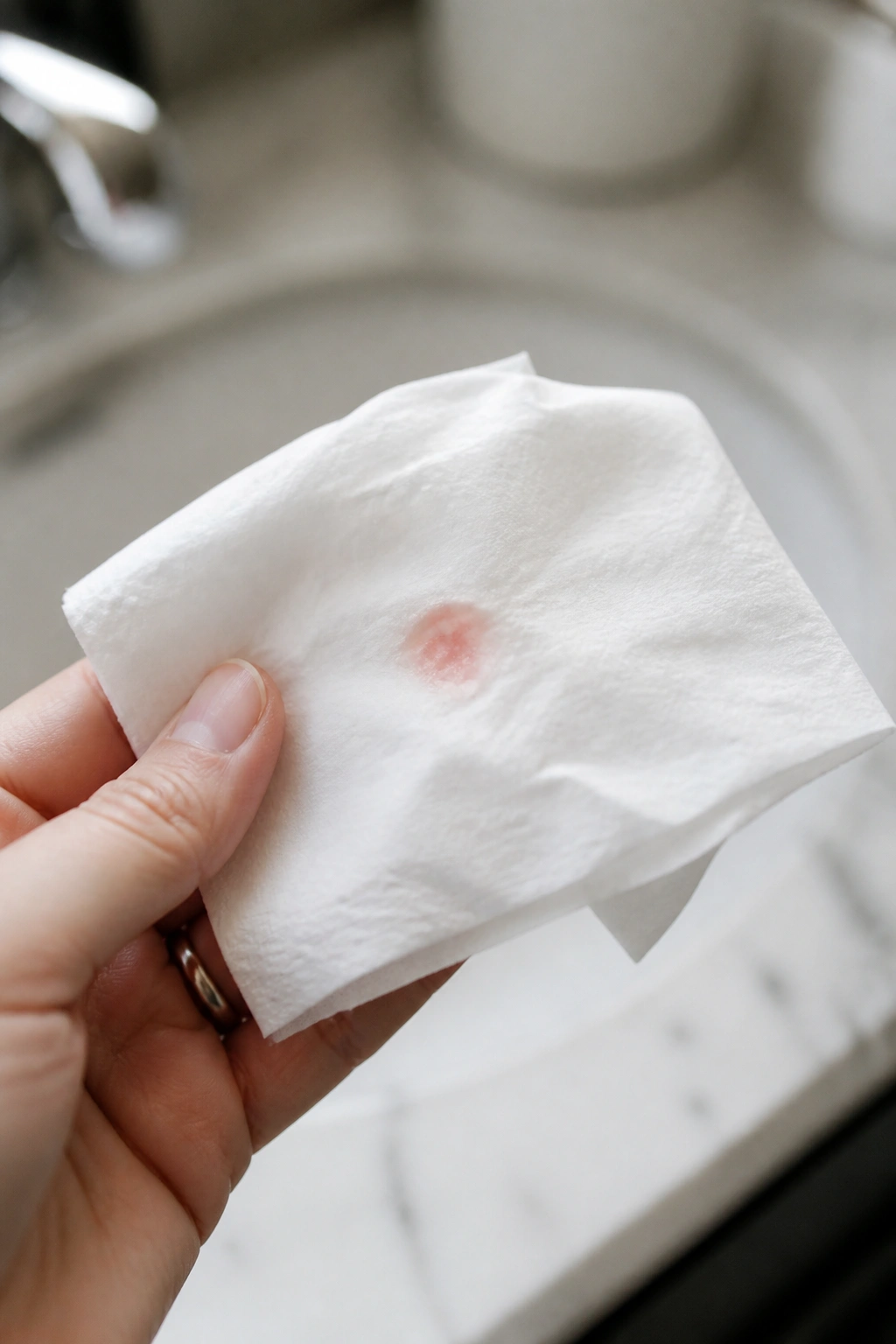
A little spotting in early pregnancy can be unsettling, and yes, it can still be normal. Light pink or brown discharge, especially if it is brief and does not soak a pad, sometimes happens around implantation or after sex. The cervix can also be more sensitive in early pregnancy.
But there is a line, and it matters.
What to Watch For
- Bleeding that turns bright red and keeps going
- Clots or tissue
- One-sided pain
- Dizziness or fainting
- Bleeding heavy enough to soak a pad in an hour
A tiny bit of blood is not the same thing as a loss. A lot of people jump straight to the worst-case scenario, and I get why. Still, the practical rule is simple: light spotting deserves monitoring; heavy bleeding deserves a phone call. If the bleeding is paired with cramping that feels sharp or gets worse, do not wait around to see if it passes.
A good habit is to note the color, amount, and whether it happened after sex, exercise, or a bowel movement. Those details help your clinician make sense of it fast.
5. Mild Cramps Are Common, but Sharp Pain Is Not Something to Brush Off
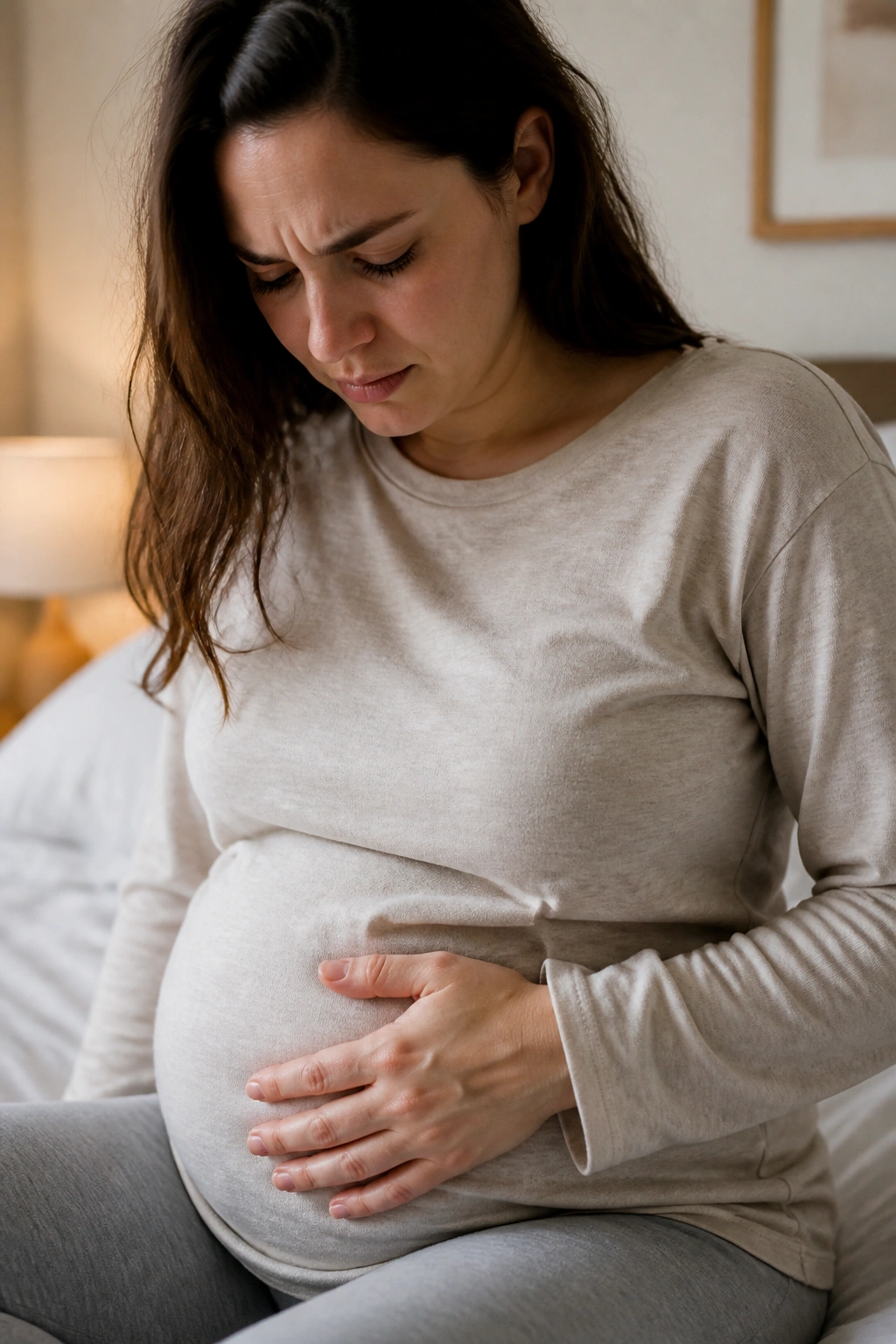
A lot of first-trimester cramping feels like a period is about to start. That can be normal. The uterus is growing, the ligaments are starting to stretch, and your pelvis is adjusting to changes you cannot see yet.
What normal usually looks like: mild, brief cramps that come and go, often on both sides or low in the middle. What normal usually does not look like: severe pain, pain on one side only, pain with shoulder pain, faintness, fever, or pain that gets worse instead of better.
That last cluster matters because early pregnancy pain can occasionally signal an ectopic pregnancy or another problem that needs urgent care. Not every cramp means trouble. Some do.
If the discomfort is mild, hydration, rest, and a warm shower often help. If you are reaching for pain relief, ask your clinician which medicines are okay for you. Acetaminophen is commonly used in pregnancy, but it is still worth confirming in your own case.
Sharp, persistent, or one-sided pain is not a wait-and-see symptom.
6. Prenatal Vitamins Help, but They Are Not a Meal Replacement
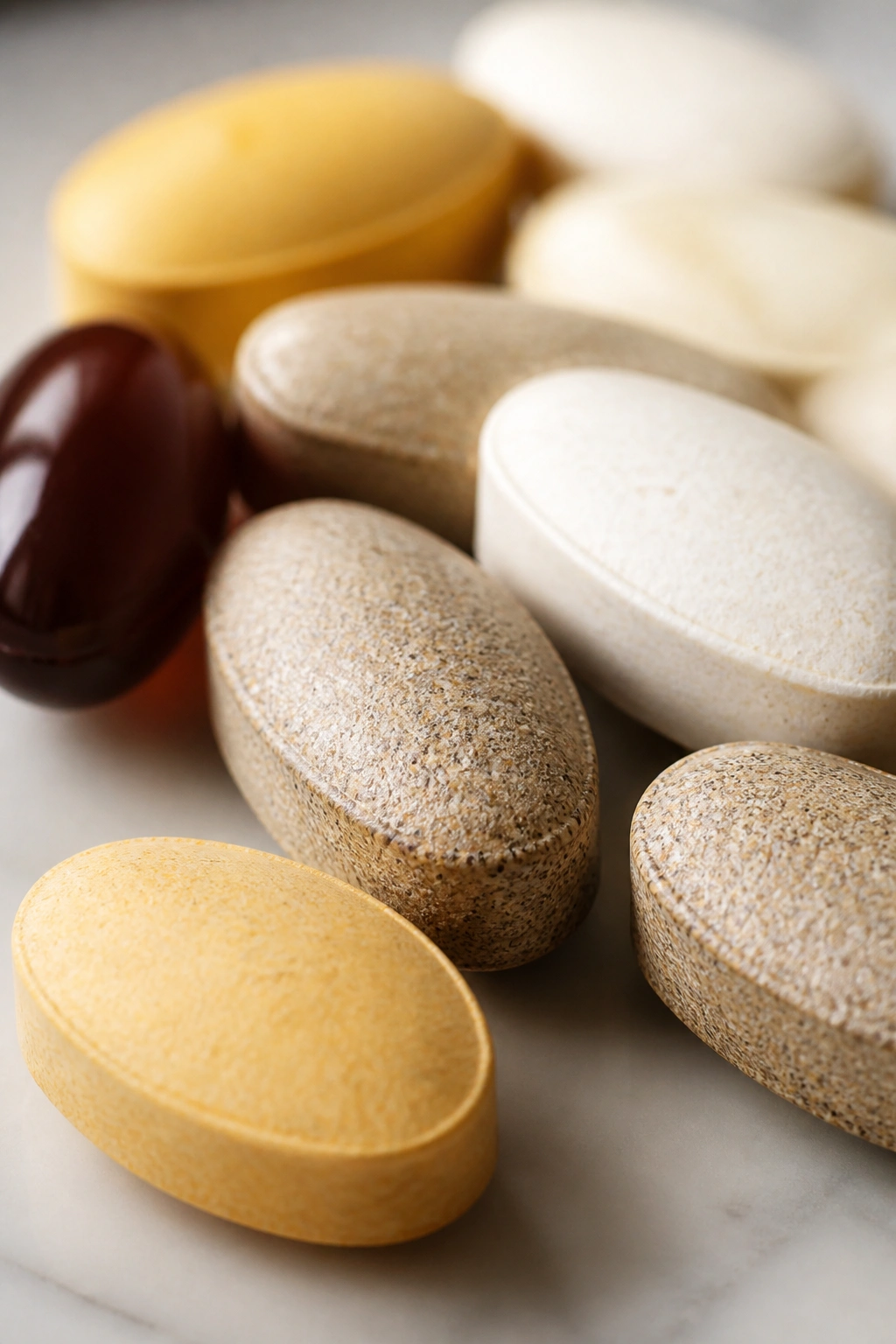
A prenatal vitamin is a backup, not a substitute for food. It fills gaps. It does not replace protein, fiber, fluids, or the rest of a balanced diet.
Most prenatals include folic acid, iron, iodine, and a mix of other nutrients. Some also contain vitamin D, DHA, or choline, though the amounts vary a lot from brand to brand. The label matters. Read it.
What to Look For on the Label
- Folic acid: usually 400 to 800 micrograms
- Iron: enough to support pregnancy, though some formulas are gentler than others
- Iodine: often 150 micrograms
- Vitamin D: often included, but not always in a high amount
- DHA: optional, but useful if you eat little fatty fish
Iron can constipate. That is the annoying part nobody puts on the pretty bottle. If a prenatal makes you queasy, try taking it with dinner or at bedtime. If it still feels awful, ask about a different brand or a separate iron plan.
Food still does the heavy lifting. A prenatal supports the work. It does not do the whole job.
7. Food Safety Gets Stricter Fast, and That Is Worth Taking Seriously
The first trimester is the time to get picky about what goes on your plate. Not because food has become scary, but because some infections and toxins matter more during pregnancy.
Raw or undercooked eggs, meat, and fish are the obvious ones. Unpasteurized dairy is another. Then there are the sneaky ones people forget: deli meats and hot dogs that need to be heated until steaming, raw sprouts, and certain high-mercury fish such as shark, swordfish, king mackerel, and tilefish.
A simple rule helps: if the food is raw, undercooked, or unpasteurized, pause and check before eating it. Wash produce. Cook seafood and eggs all the way through. Keep leftovers cold. Reheat refrigerated meats until steaming hot.
This does not mean you need to eat bland food for nine months. It means you need to be a little less casual at the deli counter and a little more careful with sushi, salad bars, and soft cheese. That trade-off is worth it.
And yes, you can still eat well. Plenty of food is both safe and satisfying.
8. Your Sense of Smell May Act Like It Belongs to Another Person

One of the strangest first-trimester facts is how aggressively smell can change. Coffee may suddenly seem too bitter. Garlic may smell wrong. Your fridge might seem to announce itself from the next room.
That weird smell sensitivity is often linked to hormonal shifts and nausea. It is not in your head. It is in your nose, your stomach, and your brain all at once. Annoying. Very real.
What helps is surprisingly low-tech. Eat foods cold if warm smells bother you. Ventilate the kitchen. Keep a small fan near the stove. Use plain, less aromatic foods on difficult days — yogurt, rice, fruit, potatoes, plain noodles, toast. Sometimes the goal is not culinary excellence. It is getting something down without gagging.
If a particular smell triggers nausea, change the environment rather than fighting your way through it. Open the window. Leave the room. Ask someone else to cook. No prize is handed out for suffering through it.
Smell aversion often eases later. Until then, your nose gets a vote.
9. Breast Soreness and Swelling Can Start Very Early
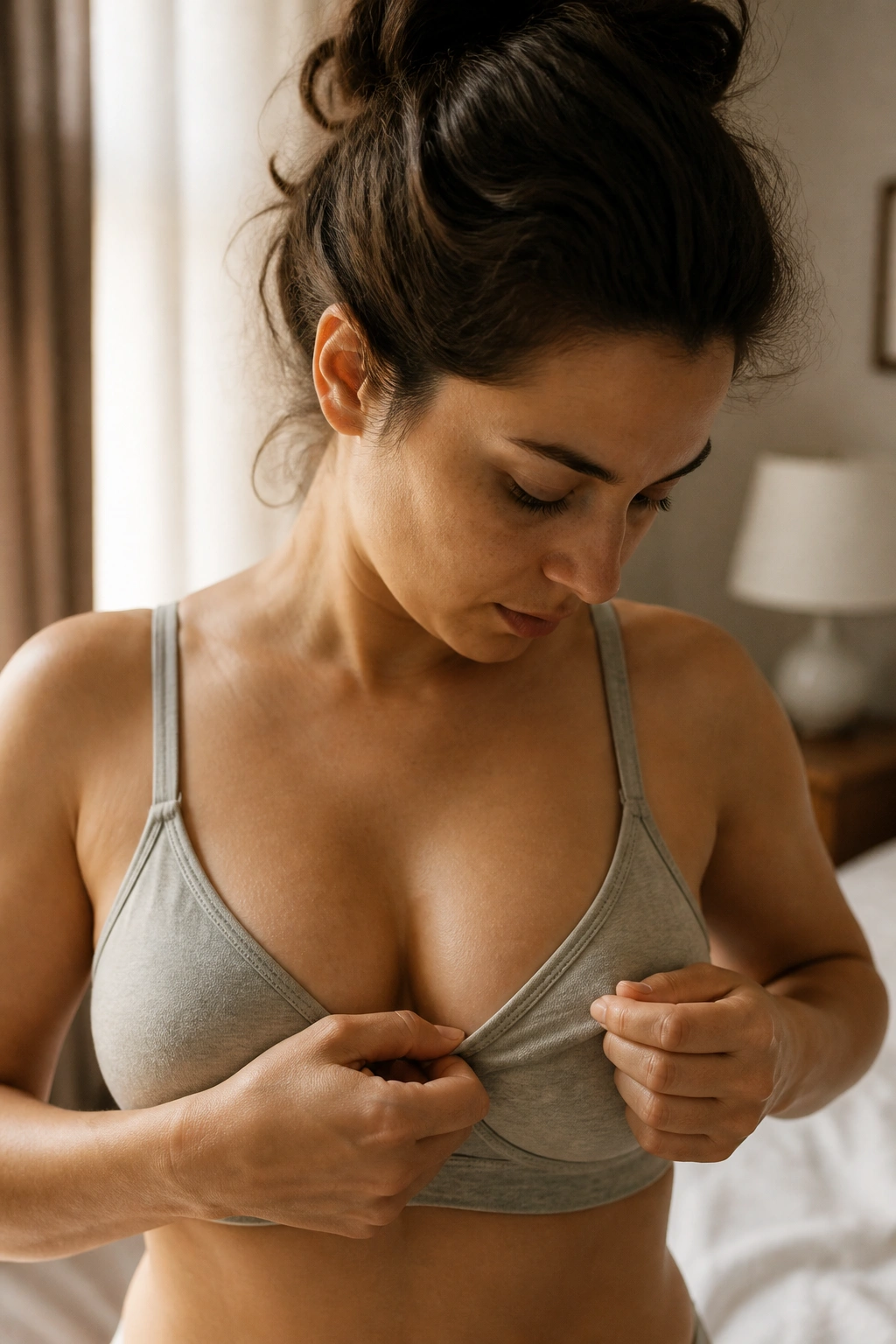
Breasts can become tender, heavy, or oddly itchy before the belly does anything interesting. Some people feel it as a deep ache. Others notice that the nipples are more sensitive, the areolas darken, or veins become more visible.
That soreness is usually tied to rising estrogen and progesterone, and it can show up fast. A bra that fit fine last month may suddenly feel like a bad decision. Underwire can be a nuisance. So can sleeping on your stomach.
A soft, supportive bra helps more than most people expect. So does buying one with a little room to grow. If you exercise, a supportive sports bra can keep bouncing from turning soreness into misery. And if your skin feels itchy, a simple unscented moisturizer is often enough.
There is no magic trick here. The tissue is changing, and it will complain about it for a while.
One small practical detail: if you buy new bras, do it sooner rather than later. Waiting until everything hurts is a miserable way to shop.
10. Frequent Urination Starts Early and Does Not Mean You Should Drink Less

You may find yourself visiting the bathroom more often long before the bump becomes obvious. That happens because hormones change kidney function and blood flow, and later the growing uterus presses on the bladder. Early on, it is mostly the hormonal part.
The mistake is to respond by cutting back on water. Don’t. Dehydration makes constipation, dizziness, and nausea worse. It can also make urine more concentrated, which may irritate the bladder.
The better move is to keep sipping throughout the day and notice whether you have burning, fever, cloudy urine, or pelvic pain. Those can point to a urinary tract infection, which is worth checking promptly in pregnancy.
If nighttime bathroom trips are the problem, shift more of your fluids earlier in the day and taper a bit before bed. Don’t underdrink all day just to avoid a few trips at night. That backfires fast.
Hydration still matters, even when your bladder is acting dramatic.
11. Constipation and Bloating Are Early Pregnancy Regulars

The progesterone that helps support pregnancy also slows the movement of your gut. That is the unglamorous truth. Stool sits longer, gas builds up, and bloating arrives like an unwanted houseguest.
Iron in prenatal vitamins can make the problem worse. So can nausea-related food changes, especially if you end up living on toast and crackers for a stretch. The fix is not dramatic, but it works better than waiting for your body to sort itself out.
A few things usually help:
- Aim for fiber from oats, beans, fruit, vegetables, and whole grains
- Drink enough water to keep urine pale yellow
- Walk a little each day
- Try prunes, pears, or kiwi if they sit well with you
- Ask about safe stool softeners if you are stuck
Skip the idea that you have to “push through” constipation. That is how people end up miserable for days. Gentle movement and enough fluid often do more than people expect.
If you get bad abdominal pain, vomiting, or a belly that feels hard and swollen, get checked. Simple constipation exists. So do other things.
12. Mood Swings Can Be a Hormone Thing, a Stress Thing, or Both

Some people cry at a commercial. Some snap at their partner for chewing too loudly. Some feel anxious for no reason they can name. Early pregnancy can pull your mood around in ways that feel embarrassing, but they are not unusual.
Hormones are part of it. So is sleep loss, nausea, food aversion, and the emotional weight of waiting, hoping, worrying, or adjusting to new news. Your nervous system is doing a lot.
The basic support plan is plain and unexciting: sleep, eat enough, move a little, and say the real thing out loud to someone safe. If your mood changes are intense, last most of the day, or make you feel disconnected from yourself, tell your clinician. Prenatal care should include mental health, not just lab work.
One sentence here matters more than the others: persistent sadness, panic, or thoughts of harming yourself need prompt help. That is not a “wait for the next appointment” issue.
Mood swings can be normal. Suffering alone is not necessary.
13. Exercise Is Usually Safe If Your Pregnancy Is Uncomplicated

The first trimester is not the time to become fragile and stop moving unless your clinician specifically tells you to. In most uncomplicated pregnancies, moderate exercise is encouraged. Walking, swimming, stationary cycling, and prenatal yoga are common choices because they are steady and low risk.
What you want to avoid are activities with a high fall risk, heavy contact, or a strong chance of overheating. Hot yoga can be a bad fit. So can anything that leaves you dizzy, breathless, or pushing too hard.
A good rule is the talk test: if you can speak in full sentences while moving, you are probably in a reasonable range. If you are gasping, stop and slow down. If you feel pain, bleeding, dizziness, chest pain, or unusual shortness of breath, stop and call for advice.
People sometimes assume rest is safer than movement. Not always. A short walk can ease nausea, help constipation, and reduce the bone-deep stiffness that comes from sitting around feeling miserable.
A body that moves a little often feels better than one that has been parked all day.
14. Sex Is Usually Safe in Early Pregnancy, Though It May Feel Different

For an uncomplicated pregnancy, sex in the first trimester is often safe. The cervix is more sensitive, though, so some people notice spotting afterward. That can be alarming the first time it happens. It does not always mean something is wrong.
Desire may also drop. Nausea, exhaustion, breast soreness, and a brain that is busy thinking about everything except romance can all get in the way. That is normal, too. No one needs to pretend to be in the mood when they are gagging at toothpaste.
If sex is uncomfortable, use a little more time, a gentler pace, and lubricant if dryness is part of the problem. If you have heavy bleeding, strong pain, leakage, or a clinician has told you to avoid sex for a medical reason, follow that advice.
I tend to think people worry about this more than they need to, and less about the things that actually matter, like bleeding and pain. Those are the signals worth respecting.
Your body gets to set the pace here.
15. The First Prenatal Visit Usually Covers More Than You Expect
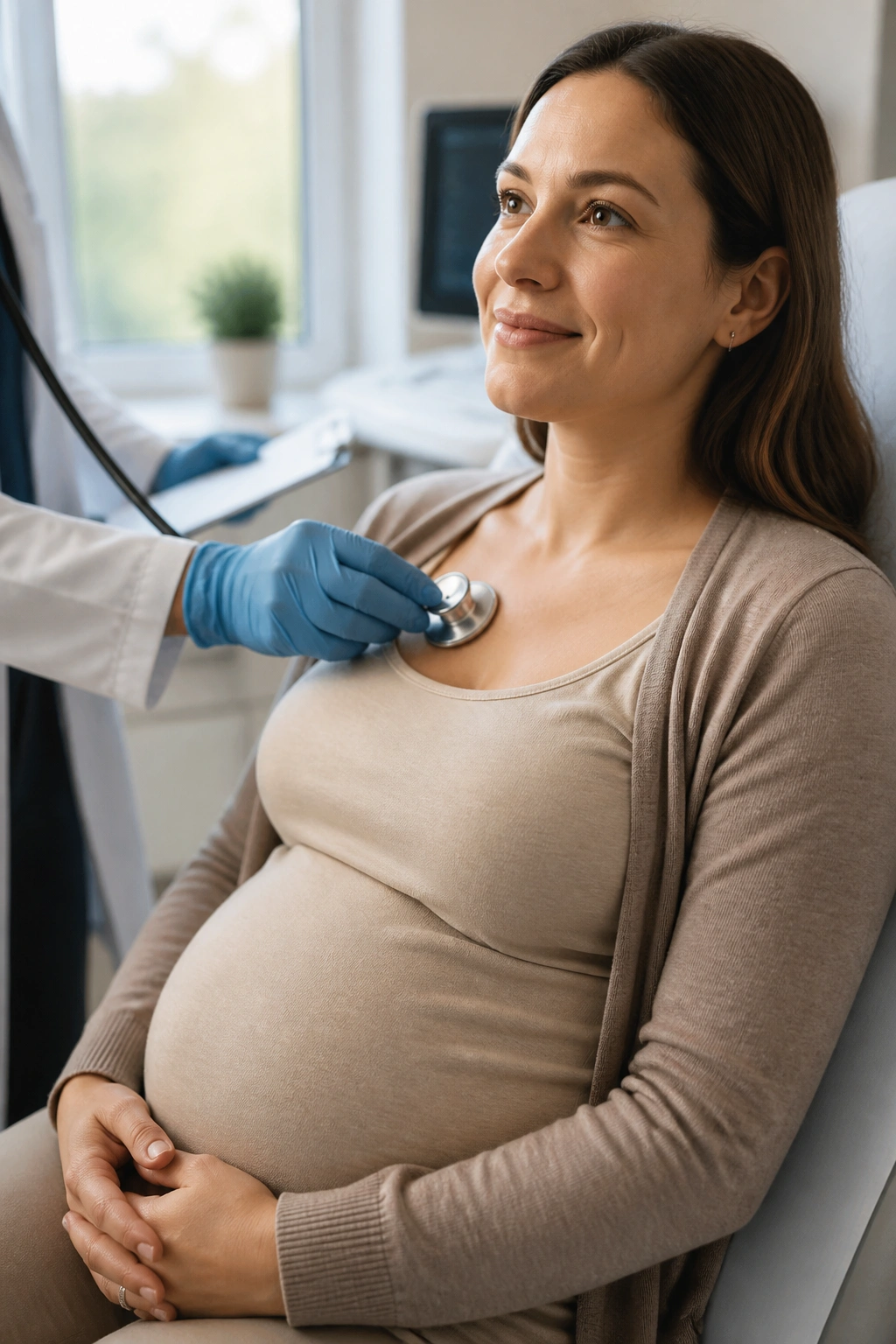
A first prenatal appointment can feel oddly administrative, but it matters. It is where your provider confirms dates, asks about symptoms, reviews medications, and checks the stuff that affects the whole pregnancy moving forward.
You may have blood pressure taken, urine tested, and blood drawn for blood type, Rh factor, anemia, immunity, and infection screening. Depending on timing and history, an ultrasound may be used to confirm dating or look for a heartbeat. Not every visit looks identical. Some are longer, some are more bare-bones, and some leave you with more questions than answers if no one explains things well.
Bring a list of everything you take, including over-the-counter meds, vitamins, supplements, and herbal products. Bring the date of your last menstrual period if you know it. Bring your questions, too. No one should act annoyed that you have them.
What to Keep on Hand
- Medication list
- Date of last period
- Allergy list
- Questions about nausea, pain, bleeding, exercise, or travel
- A pen, because memory gets weird under stress
The appointment is not just paperwork. It is where a lot of the practical guardrails get set.
16. Cravings and Food Aversions Can Be Oddly Specific
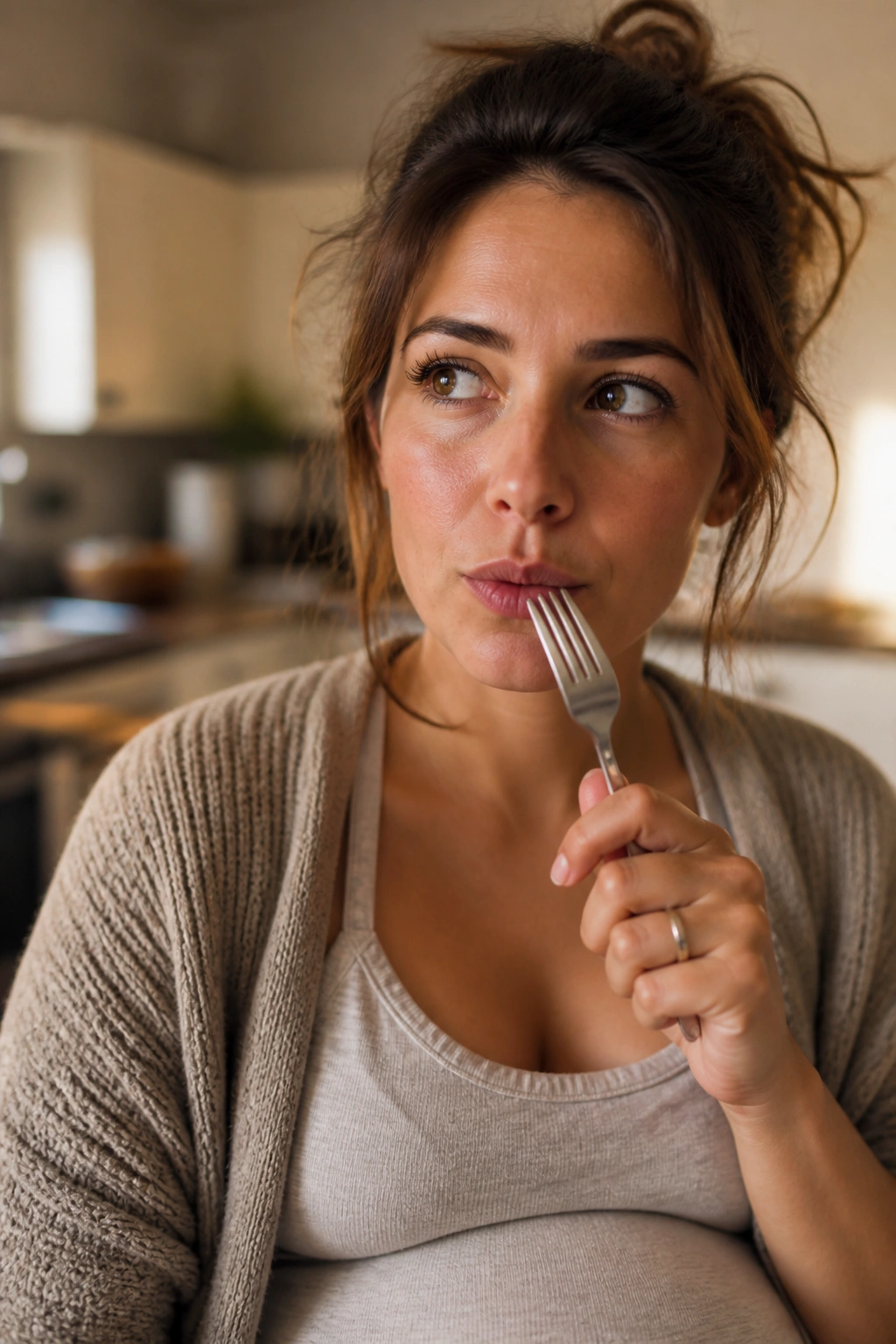
This is the part where people joke about pickles and ice cream, but the real version is often stranger and more private. You might want a very specific food at a very specific texture. You might also develop a sudden hatred for foods you used to eat without thinking.
Sometimes cravings are harmless and fleeting. Sometimes they point toward simple energy needs. And sometimes a strong urge to chew ice, starch, or dirt-like substances is a clue to pica, which can be linked to iron deficiency or other nutritional issues.
That is why I pay attention to craving patterns, not just the craving itself. If you suddenly need ice every day, or you keep wanting to chew non-food items, mention it. Don’t shrug it off as quirky.
A more ordinary approach is to keep safe “yes” foods around: yogurt, nuts if you tolerate them, fruit, toast, cheese if you use dairy, hummus, crackers, soup. When nausea and aversion collide, having a few trusted foods in the house saves a lot of wasted grocery money.
Odd cravings happen. So do useful clues.
17. You Usually Do Not Need to Eat for Two in Trimester One

The old phrase sounds cute and turns into bad advice fast. In the first trimester, many people do not need much, if any, extra calorie intake. What they need more often is steadier eating, enough protein, and a way to keep nausea from running the day.
That means smaller meals can work better than trying to make yourself eat giant portions. A snack with protein and carbs — peanut butter toast, cheese and crackers, yogurt with fruit, hummus and pita — often sits better than a huge dinner. If you have a tiny appetite, that is still something.
Weight gain in early pregnancy is not a race. Some people gain little. Some lose a bit because nausea is rude. What matters more is that you are able to keep food and fluids down, and that your clinician knows if you are struggling.
The real trick is not eating a mountain of food. It is eating often enough that your stomach does not go empty and trigger more nausea. That part is annoyingly practical, but it works.
Regular small meals beat heroic ones.
18. Heavy Bleeding, Severe Pain, Fever, and Fainting Are Red Flags

This is the fact I wish more people took seriously early on: some symptoms need prompt care, not internet reassurance. Heavy bleeding, severe cramping, one-sided pain, fainting, fever, painful urination, vomiting that leaves you unable to keep fluids down, and sudden severe headache or vision changes all deserve medical attention.
Do not wait to see whether the symptoms “get better by morning” if they are strong, worsening, or paired with dizziness. Early pregnancy can bring normal discomforts. It can also bring problems that should be checked fast.
A good habit is to trust the pattern, not just the single symptom. Mild spotting alone is different from soaking pads. A dull ache is different from sharp one-sided pain. A bad day of nausea is different from not being able to keep water down for hours.
If you ever feel like something is off and you cannot explain why, call. That is not overreacting. It is what cautious, sensible care looks like.
Pregnancy in the first trimester can be weird, tiring, and occasionally irritating in ways nobody warned you about. It can also be managed better when you know which changes are normal and which are not. That knowledge does not make the nausea disappear, but it does make the whole thing feel less random.
