



Pregnancy can make the simplest habits feel strangely complicated. One day you’re fine with scrambled eggs, the next day the smell of them turns your stomach, and the whole business of eating, sleeping, moving, and even standing up can feel like guesswork. That’s especially true for first-time moms, who usually get buried under advice that ranges from sweet but useless to flat-out annoying.
The most useful natural pregnancy tips for first time moms are usually the least flashy ones. They have more to do with timing, consistency, and comfort than with anything dramatic. A small breakfast before coffee, a water bottle within reach, a short walk after lunch, a pillow between the knees — boring on paper, but often a lifesaver in practice.
Natural does not mean magical, and it definitely does not mean “ignore symptoms and hope for the best.” It means working with your body in small, sensible ways so the day feels more manageable. A good prenatal care provider still matters. So does knowing which discomforts are normal, which ones aren’t, and when to stop trying to tough it out.
What follows is the kind of advice I wish more people handed over without a lot of fluff: practical, steady, and kind to your energy. Some of it will feel obvious. That’s fine. Pregnancy often turns the obvious into the useful.
1. Start the Day With Protein Before Coffee
If mornings feel rough, protein before caffeine can change the whole tone of the day. Eggs, Greek yogurt, cottage cheese, nut butter on toast, or even a small smoothie with milk and peanut butter can keep your stomach from feeling empty and shaky.
Coffee on an empty stomach has a way of making nausea, jitters, and heartburn worse. Not always. But often enough that it’s worth testing for yourself. A few bites first can soften the edge.
What to Eat First
- 1 boiled egg with toast
- Greek yogurt with berries
- Peanut butter on whole-grain crackers
- Oatmeal with chia seeds and milk
Pro tip: keep something easy at eye level in the fridge. If you have to hunt for breakfast, you’ll skip it.
2. Keep Water Close and Sip, Don’t Chug
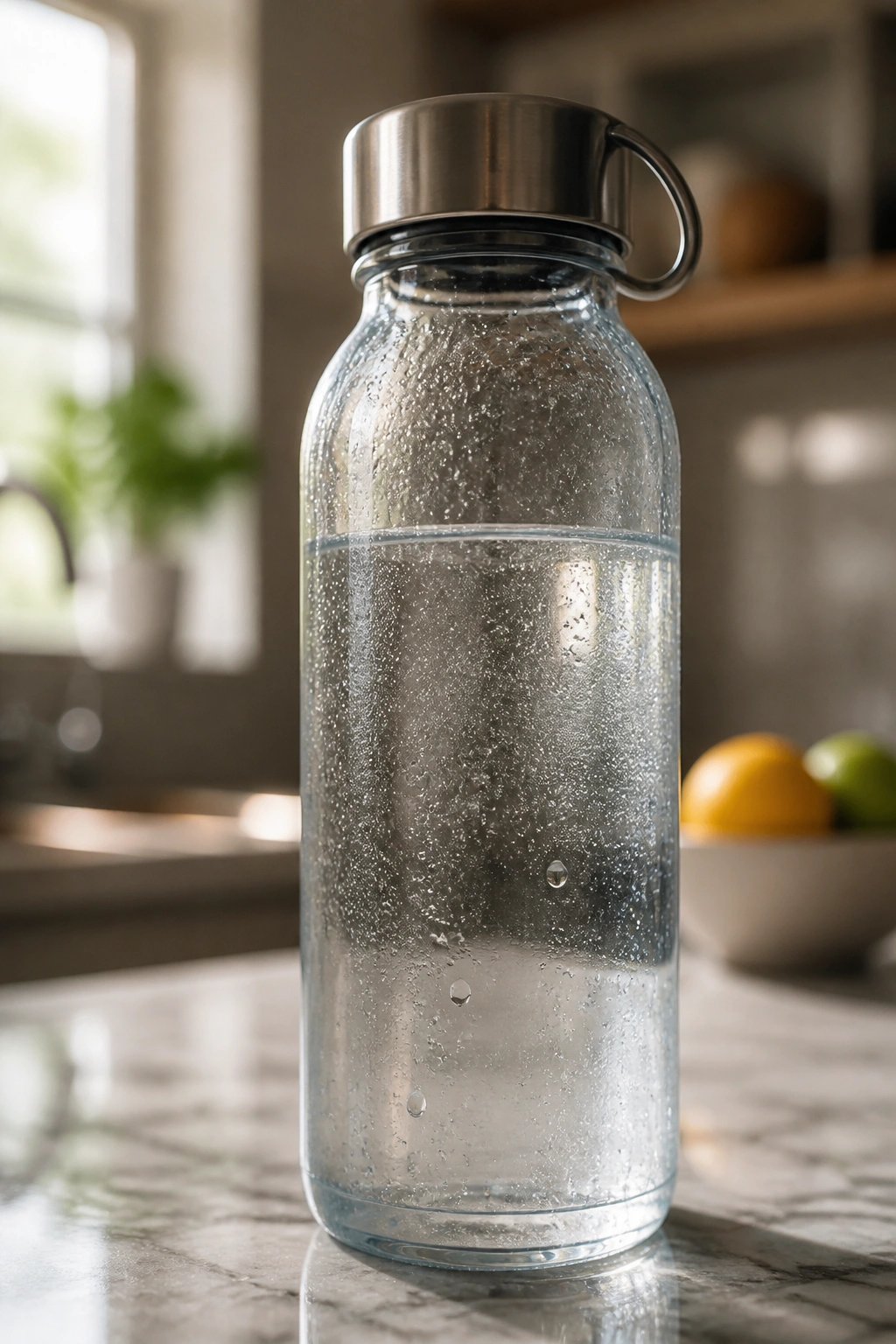
Thirst in pregnancy is sneaky. You may not feel parched, then suddenly get a headache, a dry mouth, or that washed-out feeling that makes everything harder. Small sips all day usually sit better than trying to catch up with a giant glass at once.
Cold water helps some people. Others do better with room-temperature water, lemon slices, or ice chips. I’ve seen plenty of pregnant women swear by a bottle they can carry everywhere, because a visible bottle gets used. A hidden one does not.
If plain water feels boring, try cucumber, mint, citrus, or a splash of juice in sparkling water. Keep it gentle. Strong flavors can backfire fast when nausea is already in the room.
3. Eat Before You Feel Hungry

Waiting until you’re ravenous is a bad trade. Blood sugar drops can make nausea, dizziness, and irritability hit harder, and once that happens, a normal meal can feel impossible to finish. Smaller meals every 3 to 4 hours are easier on a finicky stomach.
Think in pairs, not giant plates. A carb plus protein usually works better than carbs alone. Crackers and cheese. Apple slices and almond butter. Rice and eggs. Toast and avocado. Nothing fancy.
This is one of those tips that sounds too simple until you actually try it. Then it starts to feel obvious. Hunger in pregnancy has a way of arriving with less warning than usual, so staying ahead of it matters.
4. Use Ginger and Peppermint With Respect

Ginger has earned its reputation for a reason. Ginger tea, ginger chews, ginger candies, and ginger in food can take the edge off nausea for some people, especially when the smell of food makes them feel off. Peppermint can help too, though it’s not as reliable for everyone.
What Helps Most
Ginger tends to work best when the dose is steady and small — a few sips of tea, a couple of chews, or grated ginger in broth. Peppermint is often more useful for that hollow, queasy feeling than for strong nausea. If you struggle with reflux, peppermint can be a mixed bag because it may loosen the valve that keeps stomach acid down.
How to Use It
Try one thing at a time for a day or two. Then pay attention. If ginger chews help but peppermint tea makes your throat burn, there’s your answer. No need to force the wrong fix.
5. Take Your Prenatal Vitamin With Food and a Little Patience
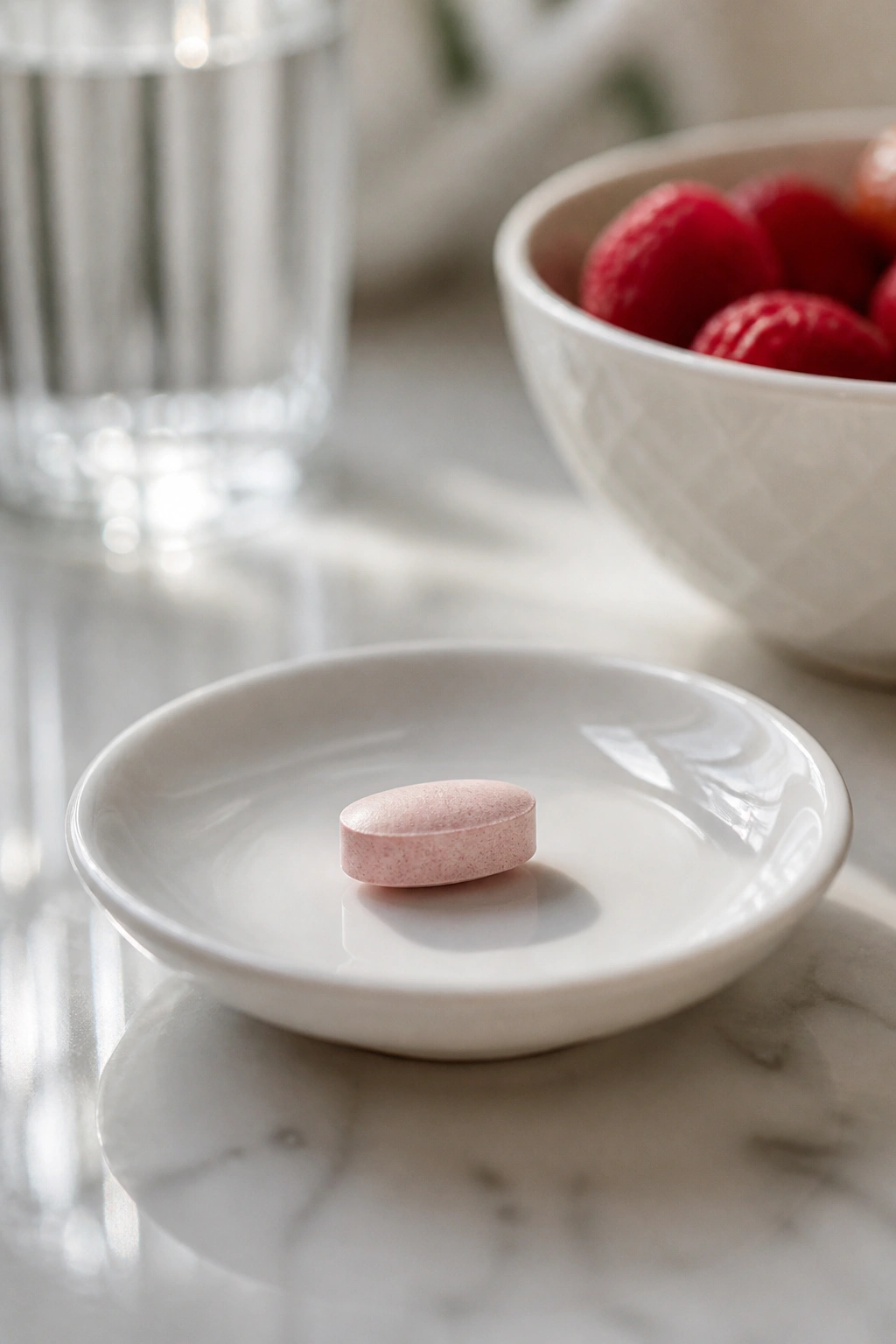
Prenatal vitamins can be helpful and annoying at the same time. The iron, folate, iodine, and other nutrients matter, but the pill itself can cause nausea, constipation, or a weird aftertaste if you take it on an empty stomach. With food, or right before bed works better for many people.
If your prenatal makes you gag, don’t assume you’re failing some invisible test. Try a different time of day. Take it with the biggest meal you can tolerate. Ask whether a smaller pill, gummy option, or different iron level makes sense for you.
One small caution: not every gummy prenatal includes enough iron, and iron is one of the nutrients pregnant bodies tend to need. Check the label rather than guessing. Labels are boring. They also save a lot of trouble.
6. Move Your Body Gently Every Day

Pregnancy is not the time to turn your workouts into punishment. A 10- to 20-minute walk, a prenatal yoga class, a few mobility drills, or easy swimming can help with mood, constipation, stiffness, and that heavy-legged feeling that shows up when you sit too long.
The point is not to crush a workout. The point is to keep your body from feeling locked up. If you can talk while you move, that’s usually a good sign the pace is reasonable. If you’re gasping or getting dizzy, back off.
A lot of people feel better after movement, but the real trick is doing a little bit often. One heroic session doesn’t help as much as an easy habit you can repeat.
7. Build a Sleep Setup That Takes Pressure Off Your Back
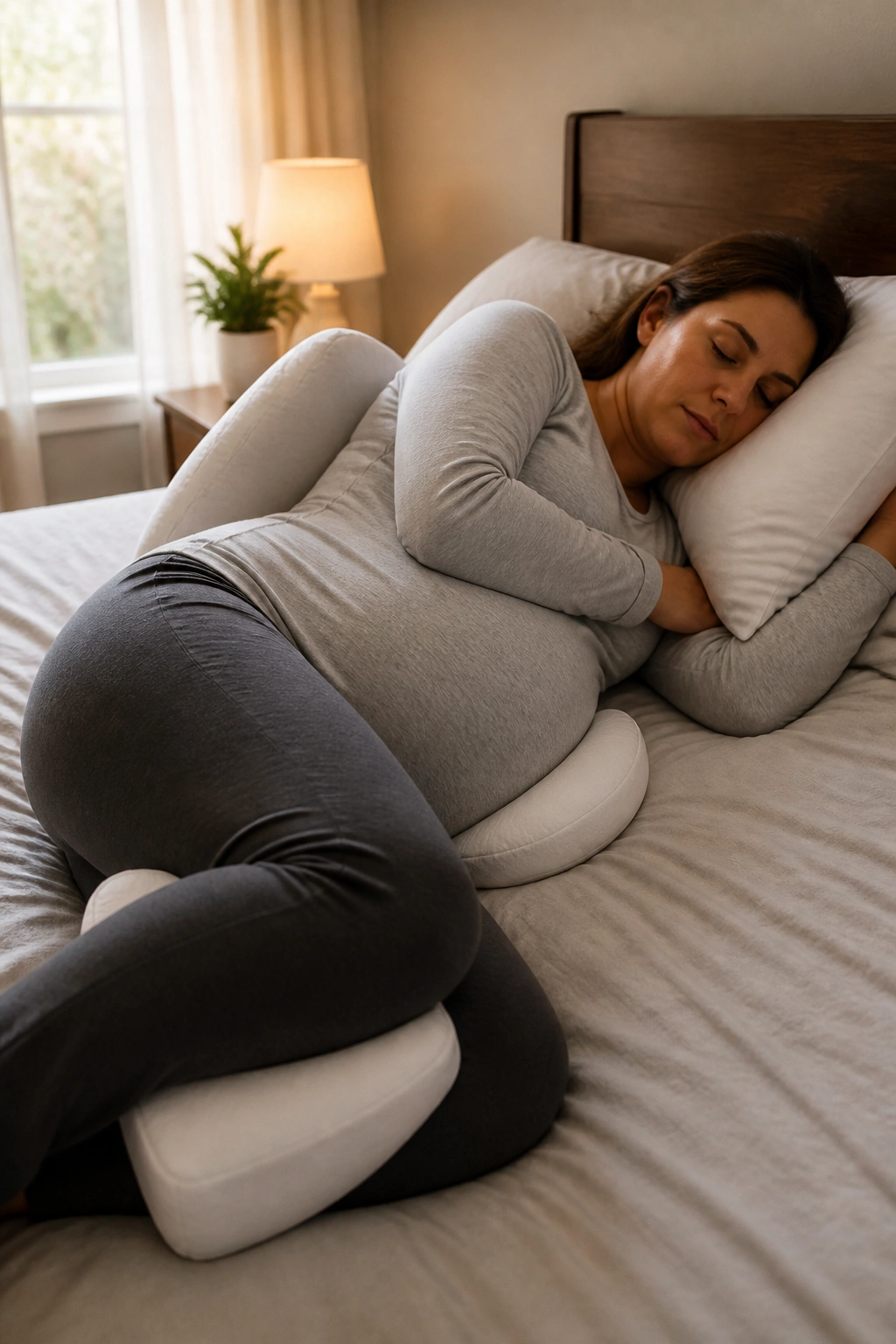
Sleep can go from simple to ridiculous fast. Side sleeping usually becomes the easiest position, and a pillow setup can make the difference between “I slept” and “I spent half the night shuffling around.” Pillow between the knees is the starter move. A second pillow behind your back can keep you from rolling flat.
The Pillow Setup That Actually Helps
Under the belly
A small pillow or folded blanket can support the weight that starts pulling at your lower back.
Between the knees
This keeps the hips from twisting and often makes the whole body feel less strained.
Behind the back
This is useful if you keep rolling over in your sleep and wake up stiff.
You may need to tinker a bit. Fine. Pregnant sleep often takes a few nights to sort out, and the answer is usually less about buying a fancy product and more about stacking the right ordinary pillows.
8. Make a Nausea Kit for Home, the Car, and Your Bag
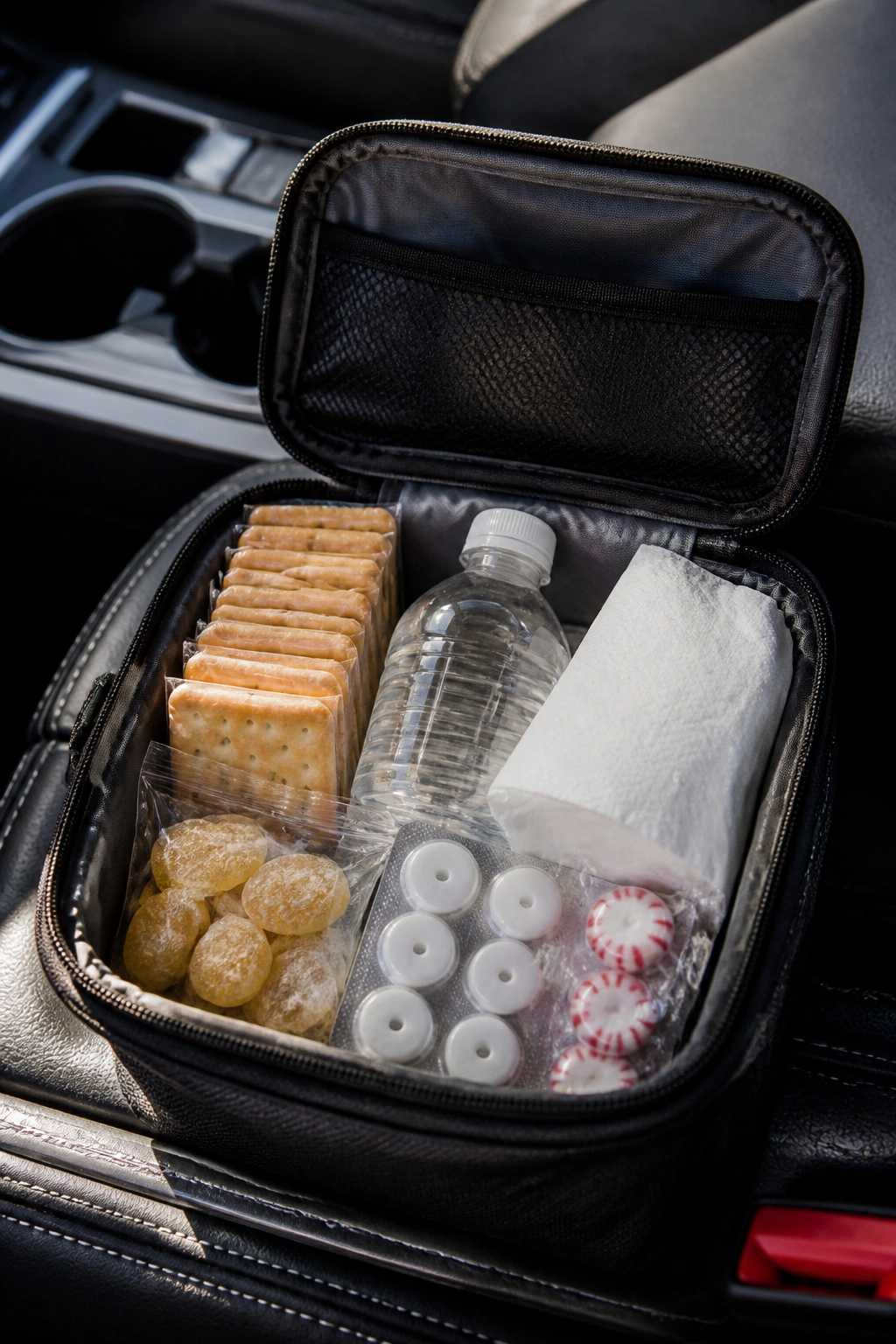
The people who get through queasy days most smoothly tend to have supplies within arm’s reach. Not a giant kit. Just a small, useful one. Crackers, mints, water, a protein snack, and a spare hair tie cover more situations than you’d think.
What to Put in It
- Plain crackers or pretzels
- Ginger chews or ginger tea bags
- Peppermint mints
- A reusable water bottle
- A protein bar that doesn’t melt
- Tissues or wipes
- A small bag in case food smells hit hard
Keep one version by the bed, one in the car, and one in your purse or diaper bag if you already carry one. It sounds overly prepared until you’re stuck in a parking lot feeling green. Then it feels smart.
9. Notice Smells, Then Remove Them Fast

Pregnancy smell sensitivity is no joke. A pan of garlic, a strong candle, even the inside of a warm car can flip your stomach instantly. The answer isn’t to power through it. The answer is to notice the problem fast and cut the smell at the source.
Open windows. Turn on the hood fan. Switch to unscented soap, detergent, and lotion if scented products start bothering you. Eat cold foods when hot ones smell too strong. Cold chicken, yogurt bowls, fruit, and sandwiches often travel better through a rough morning than anything sizzling in a pan.
There’s also a simple household trick that helps more than people expect: take the trash out early and wash sink drains before they get funky. Pregnancy noses are annoyingly honest.
10. Strengthen Your Pelvic Floor Without Clenching All Day

A lot of first-time moms hear “do your Kegels” and then spend the rest of the day squeezing muscles they barely understand. That is not the goal. Pelvic floor work should include relaxation, not just tightening.
What Good Pelvic Floor Work Looks Like
You want to contract and release, not brace forever. A few slow squeezes, a full release, then normal breathing. If you hold your breath while doing it, you’re missing the point and making your belly work harder than it needs to.
A pelvic floor physical therapist can be a huge help if you have leaking, pressure, pain, or a heavy feeling down low. That’s not overreacting. It’s practical. A lot of people wait until discomfort gets loud before asking about it, and that’s usually later than necessary.
11. Add Fiber in Small Doses
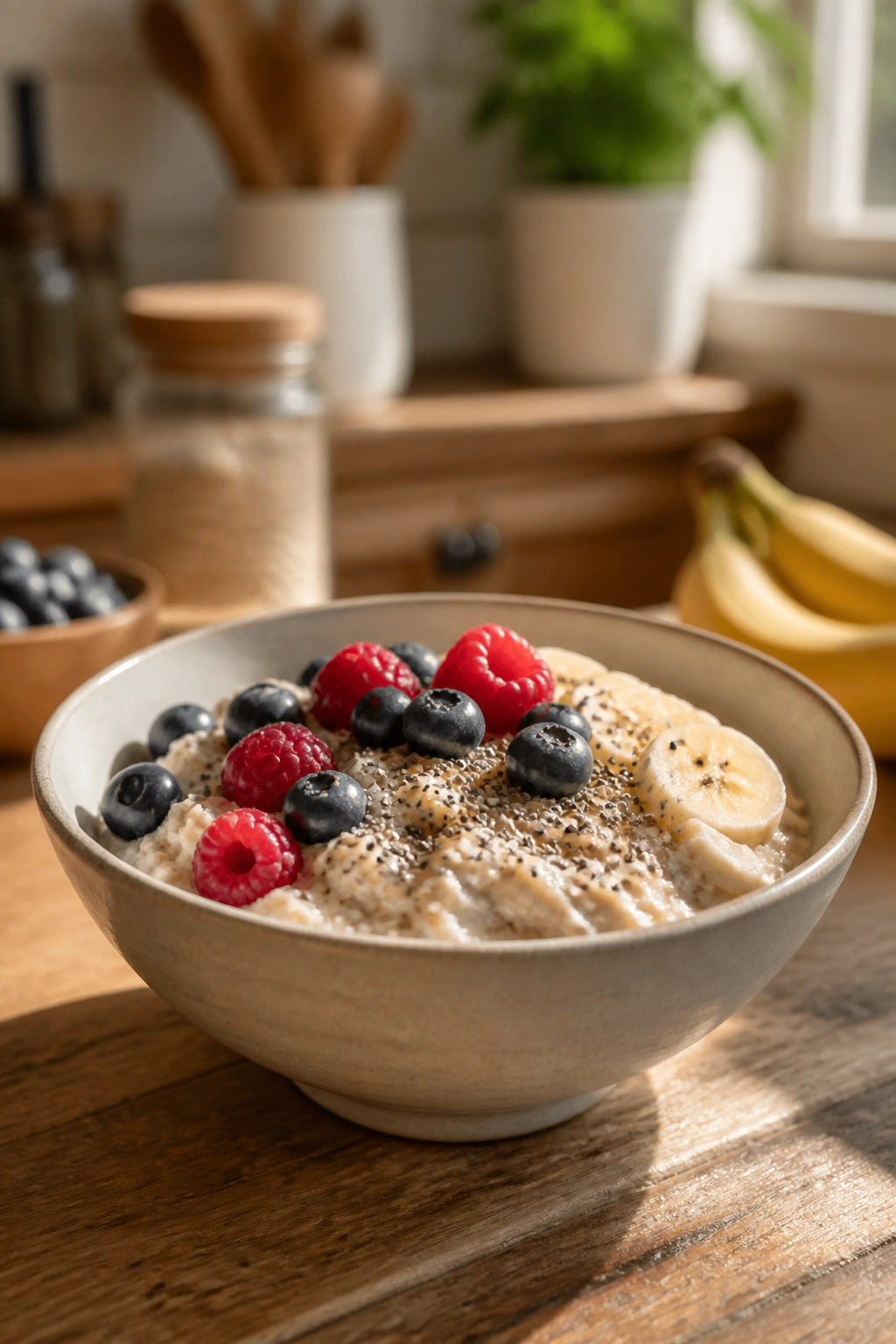
Constipation is one of pregnancy’s least glamorous side effects. Fiber helps, but dumping a giant salad into a sensitive stomach can backfire with gas and bloating. Small daily boosts work better than a dramatic overhaul.
Oatmeal, pears, berries, prunes, chia seeds, lentils, and whole grains are all useful. So is water. Fiber without fluid can turn into a brick, and nobody wants that. A short walk after eating can help too, especially when your digestion feels slow.
Easy Add-Ins
- Stir chia seeds into yogurt
- Add beans to soup
- Swap white toast for whole-grain toast
- Keep prunes or dried apricots in a bowl you can see
The goal is steady, not heroic. Your gut prefers a rhythm.
12. Pair Carbs With Protein and Fat
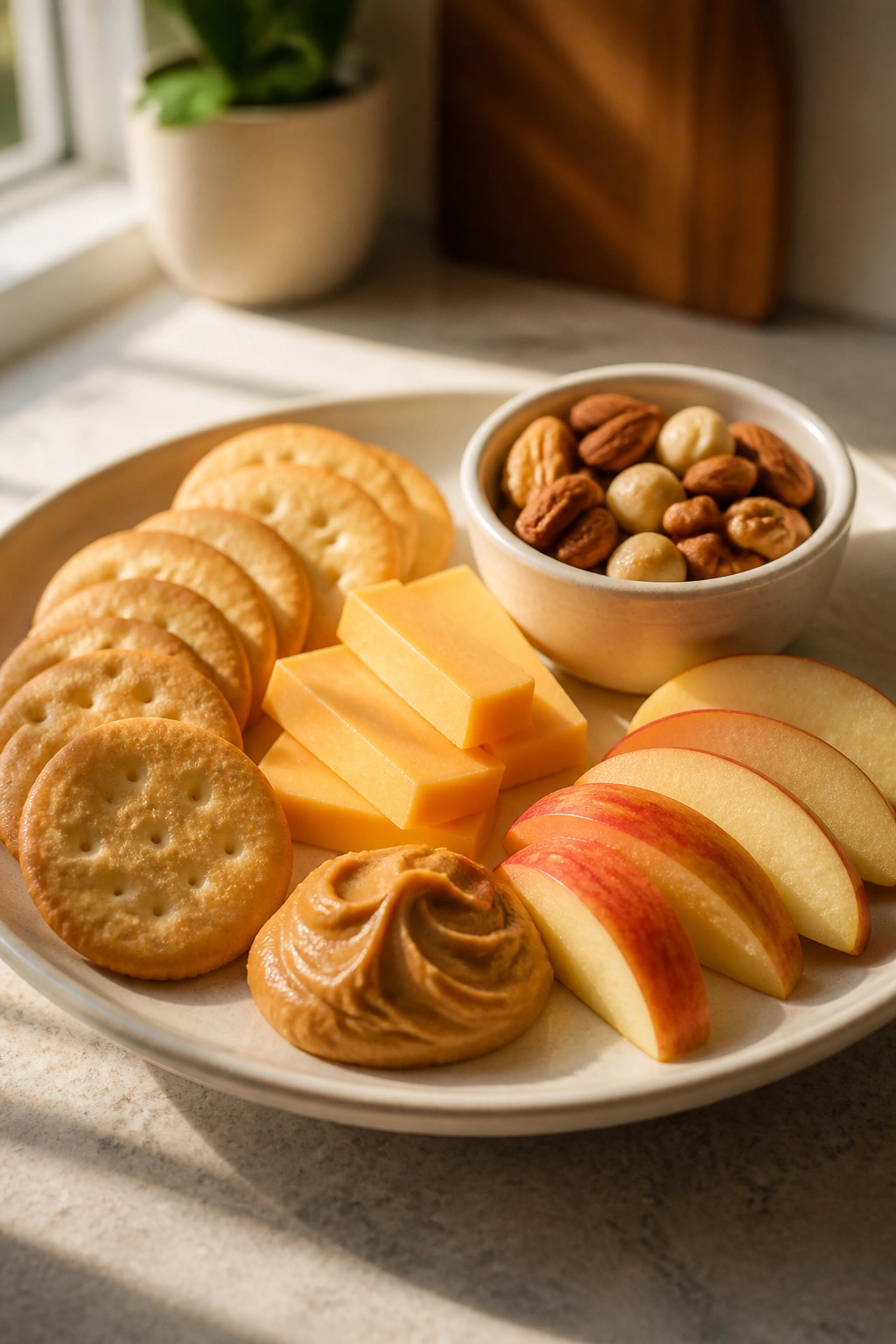
Pure carbs can spike and crash energy fast, which is the last thing you need when your body is already working harder. A better move is to pair crackers with cheese, fruit with nut butter, toast with eggs, or rice with salmon. That extra protein or fat slows digestion and usually keeps you steadier.
This matters for nausea, too. A dry piece of toast alone may calm your stomach for ten minutes, then leave you hungry again. Toast with peanut butter lasts longer. The same idea works with popcorn and nuts, oatmeal and yogurt, apples and cheese.
Better Snack Pairings
- Banana + peanut butter
- Crackers + hummus
- Apple + cheddar
- Oatmeal + walnuts
- Rice cakes + avocado
Simple. Cheap, too. And more useful than a drawer full of random “pregnancy snacks” that taste like cardboard.
13. Practice a Five-Minute Breathing Reset Every Day

Stress does not disappear because you ignore it. Sometimes the body keeps score anyway — tight jaw, shallow breathing, a tense belly, a short fuse. A five-minute breathing reset can lower the volume a bit.
Try inhaling for four counts and exhaling for six. Or place one hand on your chest and one on your belly, then breathe until the lower hand moves more than the upper one. The point is to slow the pace enough that your shoulders drop.
How to Use It
Do it before bed. Do it in the car before an appointment. Do it in the bathroom if that’s the only quiet place you have. You do not need a perfect meditation routine here. You need a tiny pause that tells your body it isn’t being chased.
One short break can be enough to change the day.
14. Wear Clothes and Shoes That Let You Breathe and Move

Pregnancy has no patience for stiff waistbands and shoes that pinch. Anything that digs into your middle, rubs your ribs, or makes your feet feel trapped will start to feel ten times worse by the afternoon. Soft waistbands, roomier tops, and supportive shoes are not indulgent. They’re sanity-saving.
Choose bras that don’t stab you under the ribs. Pick socks that don’t leave deep marks. If your feet swell, a roomier shoe can keep walking tolerable. I’m a fan of buying comfort early rather than waiting until every outfit feels like a negotiation.
No one wins a prize for squeezing into uncomfortable clothes. None.
15. Lift, Reach, and Carry Like Your Joints Are Loose
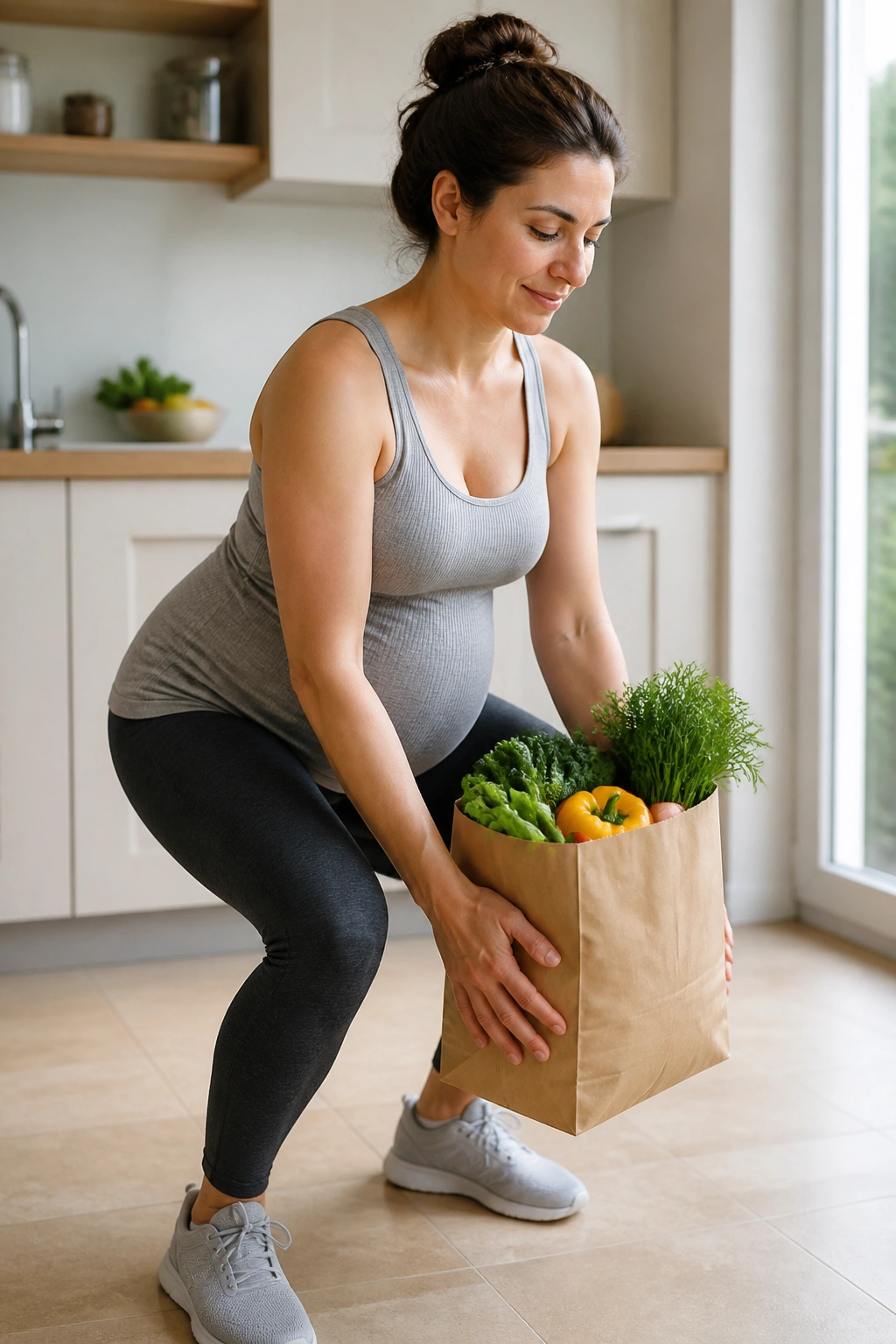
Pregnancy hormones make some joints looser, especially the pelvis. That means old habits can suddenly feel awkward. Bend your knees, keep loads close, and avoid twisting while carrying anything heavy.
What to Change
- Squat or hinge instead of bending at the waist
- Turn your whole body instead of twisting at the spine
- Keep grocery bags light and balanced
- Use a step stool for high shelves
- Slide laundry baskets instead of yanking them
The awkward truth is that your balance can shift before your belly looks dramatic. So the rule is simple: don’t make the body solve hard angles when it’s already carrying extra work. If something feels unstable, it probably is.
16. Ask for Help Before You’re Exhausted

A lot of first-time moms wait until they are wiped out, then wonder why asking feels impossible. Ask earlier. Help is easier to use before you’re at the end of your rope.
That might mean asking someone to bring groceries, prep soup, drive you to an appointment, or handle one errand you’ve been dragging around all week. It might mean saying yes when a friend offers to set up a meal train. Or it might mean admitting that the “I can do it all” approach is making you cranky and sore.
There’s no medal for struggling alone. There is, however, a big difference between a tiring week and a miserable one.
17. Keep a Simple Symptom Log for First-Time Moms
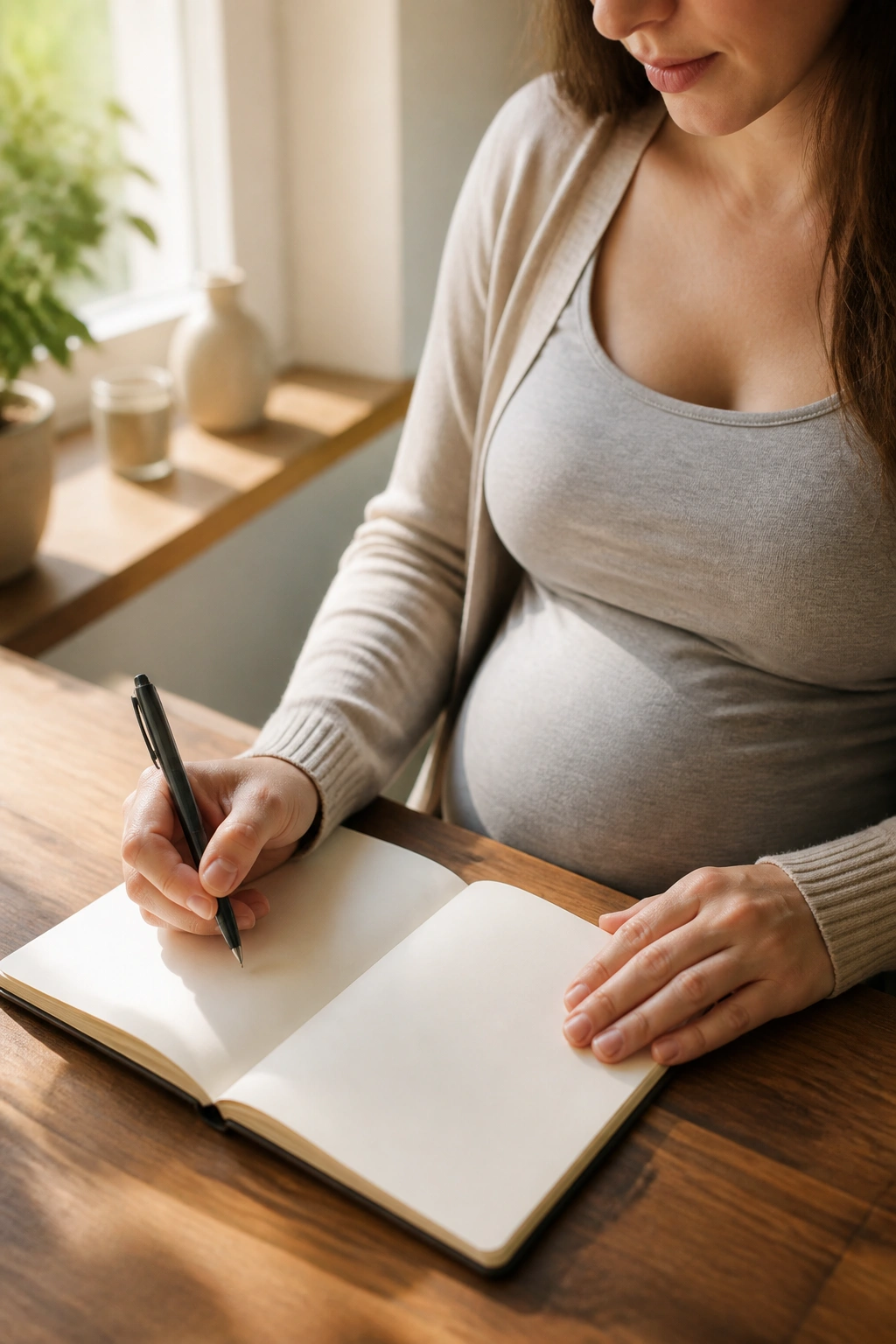
A tiny notebook or phone note can reveal patterns you’d miss otherwise. Write down nausea timing, sleep quality, headaches, food triggers, heartburn, and energy dips. Three words are enough if that’s all you can manage.
What to Track
- What time symptoms hit
- What you ate before they started
- How much water you had
- Whether you had coffee, exercise, or poor sleep
- Anything that made things better
The point is not to become obsessed with tracking. The point is to spot repeat offenders. If breakfast keeps making you nauseated but lunch doesn’t, that tells you something useful. If headaches show up when you forget water, that matters too.
A note like “queasy after long car ride” can save a lot of detective work later.
18. Know the Warning Signs That Need a Call

Some discomfort is part of pregnancy. Some things need medical advice. The hard part is that people love to brush off symptoms until they’re too big to ignore. Don’t do that. Heavy bleeding, severe pain, fluid leaking, or a bad headache with vision changes deserve a call.
Call Your Provider Right Away If You Notice
- Vaginal bleeding that is heavy or comes with cramping
- Severe belly pain or one-sided pain
- Fluid leaking from the vagina
- Severe headache that doesn’t ease
- Vision changes, fainting, or swelling that comes on fast
- Fever, dehydration, or vomiting that won’t stop
- Reduced fetal movement later in pregnancy, if that applies to your stage
A good rule: if a symptom feels sharp, sudden, or out of character, ask. You are not being dramatic. You are being careful.
19. Learn the Difference Between Normal Ache and Red Flag

Pregnancy comes with a long list of sensations, and some are plain annoying. Round ligament twinges can feel like a quick pull in the lower belly when you move too fast. Braxton Hicks can feel like a tight squeeze that comes and goes. Backaches and heartburn are common too. What matters is the pattern.
What Often Stays in the “Normal” Bucket
A dull backache after standing too long. Mild cramping that eases with rest. Brief tightening that doesn’t become regular. Constipation that improves after water, fiber, and walking.
What Deserves More Attention
Pain that gets worse instead of better. Tightening that comes regularly and starts to rhyme. Cramping with bleeding. A pain that feels deep, sharp, or one-sided and won’t let up.
You do not need to diagnose yourself perfectly. You only need to notice when the body’s usual noise turns into something louder.
20. Bring Three Good Questions to Every Appointment

Appointments go faster than they should, and it’s easy to leave with half your questions still sitting in your head. Write them down beforehand. Three focused questions are better than trying to remember everything on the spot.
Good Questions to Ask
- Is my exercise level fine?
- Which foods or symptoms should make me call?
- Are my vitamins and supplements appropriate?
- What should I do if nausea or constipation gets worse?
- Is this pain or cramping normal for my stage?
You don’t need a speech. A note on your phone is enough. If you already know the one thing that’s bothering you most, ask about that first. The rest can wait.
A lot of stress melts the moment a real person answers a real question.
21. Prepare the House for Low-Energy Days
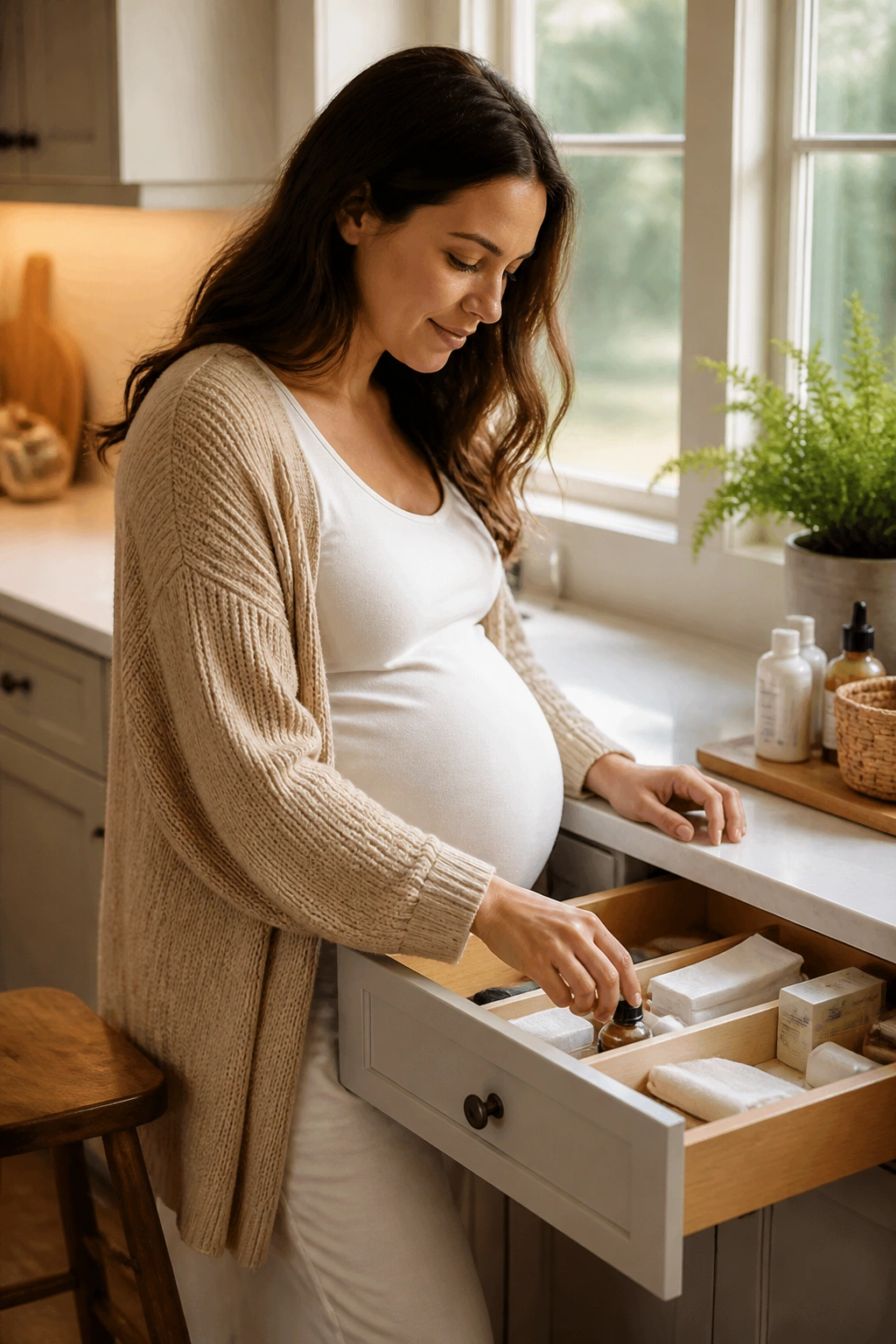
Pregnancy rarely rewards a perfectly tidy plan, but it does reward convenience. Put the things you use most where you can reach them without bending, digging, or opening ten cabinets. Make the easy choice the default choice.
Keep a water bottle by the bed. Set up a snack basket with crackers, nuts, and fruit. Park a charger near the couch. If you can, freeze a few meals or keep ingredients for one very fast dinner on hand. Even small setup changes make a tired afternoon feel less annoying.
Little Adjustments That Help
- A stool in the kitchen for sitting while you chop
- A basket for daily meds and vitamins
- A laundry hamper you can lift without straining
- A spare set of sheets so accidents don’t become a whole project
This is not about being fancy. It’s about reducing friction when your energy is already spoken for.
22. Keep the Pace Gentle for First-Time Moms Who Feel Behind

Pregnancy can make time feel weird. Some days drag. Some disappear. And first-time moms often feel pressure to do everything “right” before they even know what right looks like. That pressure is noise. A gentler pace is usually the smarter pace.
If you need to rest, rest. If you need a simpler dinner, make the simpler dinner. If the walk is ten minutes instead of thirty, that still counts. Small choices stack up, and the body tends to thank you for the ones that don’t demand a performance.
The point is not to become a perfect patient or a perfect mother before the baby arrives. The point is to make room for a body that is already doing hard work.
Final Thoughts

The most useful pregnancy habits are usually the least dramatic ones. A decent breakfast, steady water, easier movement, and a sleep setup that takes pressure off your back can carry more weight than a pile of vague advice.
Trust the small stuff. It matters more than people admit.
And when something feels off in a way you cannot quite explain, ask. That one habit may save you more stress than any clever trick ever could.
