



If you’re a first-time mom staring at a pregnancy checklist, the odd part is how fast the list stops feeling cute and starts feeling real. One minute you’re thinking about tiny socks. The next, you’re sorting insurance cards, wondering what symptoms need a phone call, and trying to remember where the nearest hospital entrance is after dark.
That’s normal. Pregnancy has a way of turning ordinary errands into little pressure points.
A solid pregnancy checklist for first time moms does not need to be complicated, and it definitely does not need to be packed with random buys from the internet. The useful stuff is quieter: prenatal care, a plan for movement and rest, a few practical documents, and the support that makes the last stretch less chaotic. Some items feel boring. Keep them anyway.
1. Confirm Your Due Date and Schedule the First Prenatal Visit

The first real box to check is the one that makes everything else easier: book your prenatal appointment and get the due date sorted. That date may come from your last menstrual period, an early ultrasound, or a mix of both if your cycle is irregular. The exact method matters because a wrong date can throw off screening windows, growth checks, and the timing of later tests.
Bring a short list to that first visit. The basics help more than people expect.
What to bring
- The first day of your last period, if you know it
- A list of every medication and supplement you take
- Any medical records that might matter, like prior surgeries or fertility treatment notes
- Your insurance card
- Questions you’ve written down at home
A lot of first visits feel rushed, so write things down ahead of time. You will not remember them all once you’re sitting on the exam table in paper shorts. That’s just how it goes.
And if you’ve had pain, bleeding, dizziness, or anything that feels off, do not wait for a “better time” to mention it. Call sooner rather than later. That call is part of the checklist too.
2. Start a Prenatal Vitamin Routine That Actually Fits Your Day

Prenatal vitamins are one of those small habits that pay off quietly. They do not make pregnancy easy, and they will not fix an awful nausea day, but they do help cover gaps that are hard to fill with food alone. Folic acid is the one people hear about most, but iron, iodine, vitamin D, and sometimes DHA also matter, depending on what your clinician recommends.
The trick is consistency, not perfection. Take the vitamin at the same point in your day so you stop thinking about it. Nighttime works well for a lot of people, especially if the pills make their stomach feel weird. A snack helps. So does taking it with dinner instead of on an empty stomach.
A few practical notes
- If prenatal vitamins make you nauseated, try taking them with food or at bedtime.
- If the pill is huge, ask about a gummy or smaller capsule version.
- If you already take iron or a separate vitamin, check the labels so you do not double up without meaning to.
- If your provider wants extra folate, iron, or vitamin D, follow that direction rather than guessing.
Some people get stuck trying to find the “perfect” prenatal. Don’t. Find one you can take most days, and keep moving. That’s the real win.
3. Gather Your Medical Records, Insurance Cards, and Emergency Numbers

Paperwork is dull until you need it at 2 a.m. Then it becomes magic.
Keep one folder, physical or digital, with your medical records, insurance information, and the names of every person you might need to call quickly. That includes your prenatal provider, after-hours nurse line, pharmacy, hospital, and a backup contact who can answer a text without needing a full explanation. If your care is split between an OB, midwife, and another specialist, keep all of those notes together too.
Put these in one place
- Insurance card photos
- Prenatal provider phone number
- Hospital or birth center address
- Emergency contact list
- Medication list with doses
- Any allergy information
- Prior lab results or ultrasound summaries if you have them
One small favor to your future self: save the folder somewhere you can reach with one hand. Phone notes work. A paper accordion file works. A binder on a shelf you can’t find at midnight does not.
If you need to pre-register at the hospital, do that early. It saves you from filling out forms while you’re tired, nervous, and trying not to think about contractions.
4. Keep a Running List of Questions for Every Appointment

A pregnancy notebook sounds old-fashioned until you’re three appointments in and suddenly blanking on the one thing you meant to ask. Write the question down when it pops into your head. Do not trust memory here. Memory is slippery when you’re tired, hungry, or worried about whether a cramp is normal.
The best pregnancy questions are usually practical, not dramatic. Ask about the test results, yes, but also ask about sleep positions, exercise, travel, nausea, safe over-the-counter meds, and what should make you call between visits. If you’re unsure whether a symptom is normal, that’s a valid question. In fact, that’s often the most useful one.
Questions worth keeping on hand
- What symptoms should send me to urgent care?
- Are my vitamins and medications okay to keep taking?
- What screening tests are coming next?
- How much movement should I expect to feel later on?
- What’s your policy on labor support people?
- Who do I call after hours?
And here’s the part people skip: bring the notebook back next time. A good question today has a habit of turning into a better one later.
5. Track Symptoms, Bleeding, and Fetal Movement So You Know What’s Off

A pregnancy checklist isn’t only about prep. It’s also about knowing when something deserves attention.
Mild nausea, fatigue, and random body changes can be part of the ride. Heavy bleeding, severe abdominal pain, fluid leaking, a pounding headache that won’t let go, or vision changes are different. So is a noticeable drop in fetal movement later in pregnancy, once you’ve started feeling a regular pattern. If your provider has given you specific instructions for kick counts or call thresholds, follow those exactly.
Call your provider quickly if you notice
- Heavy bleeding or clots
- Strong pain that doesn’t ease
- A gush or steady trickle of fluid
- Fever
- Severe headache
- Blurry vision
- Swelling with other concerning symptoms
- Less movement than usual once movement has become predictable
You do not need to talk yourself out of calling. That’s a bad game. If something feels wrong, make the call and let the professional sort it out. Better a short, awkward phone call than a long wait with a problem that needed attention.
6. Build a Pregnancy-Safe Workout and Rest Routine

Movement during pregnancy tends to help more than it hurts when it’s done sensibly. Walking, swimming, gentle strength work, and mobility exercises often feel good because they keep your joints from getting stiff and your energy from crashing too hard. But the goal is not to “push through.” The goal is to keep your body comfortable, stable, and able to recover.
If you were active before pregnancy, you may be able to keep a modified version of what you already do. If you were not, start smaller. A 15- to 20-minute walk after lunch, a few light squats near a counter, and some hip and back stretches can be enough. You’re building a rhythm, not training for a medal.
A simple weekly pattern
- 3 to 5 short walks
- 2 to 3 light strength sessions with bodyweight or light dumbbells
- Daily stretching for hips, calves, and upper back
- Short rest breaks before you feel wiped out
Skip anything that leaves you dizzy, overheated, or in pain. Contact sports, risky balance work, and exercises that cause pressure or discomfort are a poor trade. And if your care team has given you restrictions, those beat any generic advice on a fitness blog—including this one.
7. Buy Maternity Clothes and Shoes That Fit the Way You Actually Live

A lot of first-time moms wait too long on clothes, then spend three straight days annoyed by waistbands. Don’t do that to yourself.
You do not need a giant maternity wardrobe. You need a few pieces that fit cleanly, don’t pinch, and make getting dressed less irritating. Think soft pants, bras that don’t dig, a couple of tops that work for both sitting and walking, and shoes you can slip on without a wrestling match. Feet swell. Bending gets annoying. Cute laces can become a small daily insult.
Worth looking for
- A bra with wider straps and a less aggressive band
- Leggings with a waistband that sits comfortably above or below the bump
- One pair of walking shoes with room in the toe box
- Socks that don’t leave deep lines
- A simple dress or two for warmer weather or easier layering
You may also want compression socks if your legs feel heavy, especially on long days. They’re not glamorous. They work.
Buy for the body you have now, not the one you had six months ago. That sentence saves money and makes mornings easier.
8. Write a Birth Preferences Plan You Can Actually Hand Someone

A birth plan shouldn’t read like a legal brief. It should fit on one page and say what matters to you in plain language.
Think preferences, not promises. Maybe you want movement during labor, a certain kind of pain relief conversation, delayed cord clamping if possible, or skin-to-skin right away. Maybe you’d rather keep the room quiet and have one support person talk to the staff. Good. Write that down. Keep it readable. Then accept that labor can change shape fast, because it can.
A short birth preferences note might cover
- Who you want in the room
- Your thoughts on pain relief
- Whether you want to move around during labor
- Your preferences for monitoring
- Your wishes for skin-to-skin contact
- Feeding plans, if you have them
I’d rather see a parent with a short, honest note than a page of demands that no one can follow. Hospitals and birth centers work better when they can see what matters quickly. And if your plan changes during labor, that doesn’t mean you failed. It means you’re having a baby in the real world.
9. Tour the Birth Location and Learn the Route Before You Need It

Ever tried to find a parking garage in a hurry while stressed? Exactly.
Visit the hospital or birth center ahead of time if you can. Learn where to park, which entrance stays open, and where laboring families are supposed to check in. If there’s a separate after-hours entrance or a second floor lobby you’d never spot on your own, memorize that path now. Future-you will thank present-you for the tiny effort.
Ask these questions on the tour
- Where do we go when labor starts?
- Is there a separate entrance after hours?
- Where should the support person park?
- What paperwork should we bring?
- Can we take photos during labor or after birth?
- What happens if we arrive before we think we’re “ready”?
Bring your partner or whoever plans to come with you. One person always thinks they’ll remember the route. One person usually does not. Practicing the drive once sounds boring. It isn’t. It’s one of those small pieces of preparation that removes a pointless layer of panic.
10. Build Your Support Team and Emergency Contacts

Support during pregnancy is not only emotional; it’s logistical. That means the person who listens when you’re scared, the friend who drops off soup, the neighbor who can feed the cat, and the backup contact who answers on the first ring when your phone says “Unknown.” You need names, numbers, and a rough idea of who does what.
Write down who can help with what. Not everyone is a comfort person, and not everyone is a chore person. Some people are excellent at driving to appointments. Others are better at sitting quietly on a couch with takeout. Use them accordingly.
Think in tasks, not titles
- Ride to the hospital
- Grocery drop-off
- Pet care
- Childcare for older kids
- A check-in text after appointments
- Postpartum food and laundry help
One honest note: do not assume people know what you need. Most don’t. They love you and still need clear instructions. “Can you bring dinner on Thursday?” works better than “Let me know if you can help.” Specific asks get specific help.
11. Make a Baby Registry Without Turning It Into a Shopping Trap

A baby registry should solve problems, not create them.
Start with the basics: a safe sleep space, diapers, wipes, a way to feed the baby, a car seat, a few clothes in small sizes, and a plan for bathing. Then stop. Seriously. The cutest gadget is not always the thing you’ll use. A plain swaddle blanket that works every night beats a drawer full of trendy gear with 12 possible settings.
Keep the registry grounded
- One safe place for baby to sleep
- Diapers and wipes
- A car seat
- Bottles if you’ll use them
- A few swaddles or sleep sacks
- Burp cloths
- A thermometer
- Basic baby clothes in newborn and 0–3 month sizes
If a product does one job and does it well, that’s usually the smarter buy. If it claims to do seven jobs and needs an app, I’d read the fine print twice.
The registry is also a helpful checklist of what you still need to learn. If you don’t know whether you want a bassinet or a crib setup first, that’s not a failure. It’s a sign to pause and ask what your space and routines will actually support.
12. Set Up the Nursery or Sleep Space With Safety First

A nursery can be sweet. A safe sleep space matters more.
For a newborn, the big piece is a firm sleep surface with a fitted sheet and nothing else in the crib, bassinet, or bedside sleeper. No loose blankets. No pillows. No stuffed toys. Keep the room comfortably cool and use layers on the baby rather than piling things into the bed. That advice is boring because it works.
Room-sharing often makes life easier in the beginning, even if the nursery is already set up. A bassinet beside your bed can save a lot of stumbling around at 3 a.m. when you’re half awake and your shirt is on backward. I’ve always thought practical baby setups beat pretty ones. The pretty can come later.
A few room details that help
- A dim lamp or soft night light
- A diaper-changing station with diapers, wipes, and cream
- A safe spot for clean pajamas
- A place to charge your phone
- Storage bins that don’t require three hands to open
You do not need a designer nursery. You need a space that’s easy to use when you’re tired.
13. Plan Maternity Leave and Household Logistics Before They Turn into a Mess

Paperwork and bills are not glamorous, but they can make or break your peace of mind.
If you work outside the home, sort out leave forms, benefits questions, and deadlines early. Find out what your employer needs, who signs what, and how much notice you’re expected to give. If you’re self-employed, map out how work will slow down and who handles what while you’re recovering. The rough edges matter here. A forgotten form can cause a headache nobody needs.
Don’t forget the boring stuff
- Automatic bill pay
- Pet or plant care
- School pickup if you already have kids
- Meal planning for the first week home
- House cleaning you can outsource
- A quick note for neighbors or close friends
This is one of those places where a little planning creates a lot of calm. The baby doesn’t care whether your electricity bill was paid on time. You will care. A lot.
14. Set Up Postpartum Recovery Supplies Before You Wish You Had Them
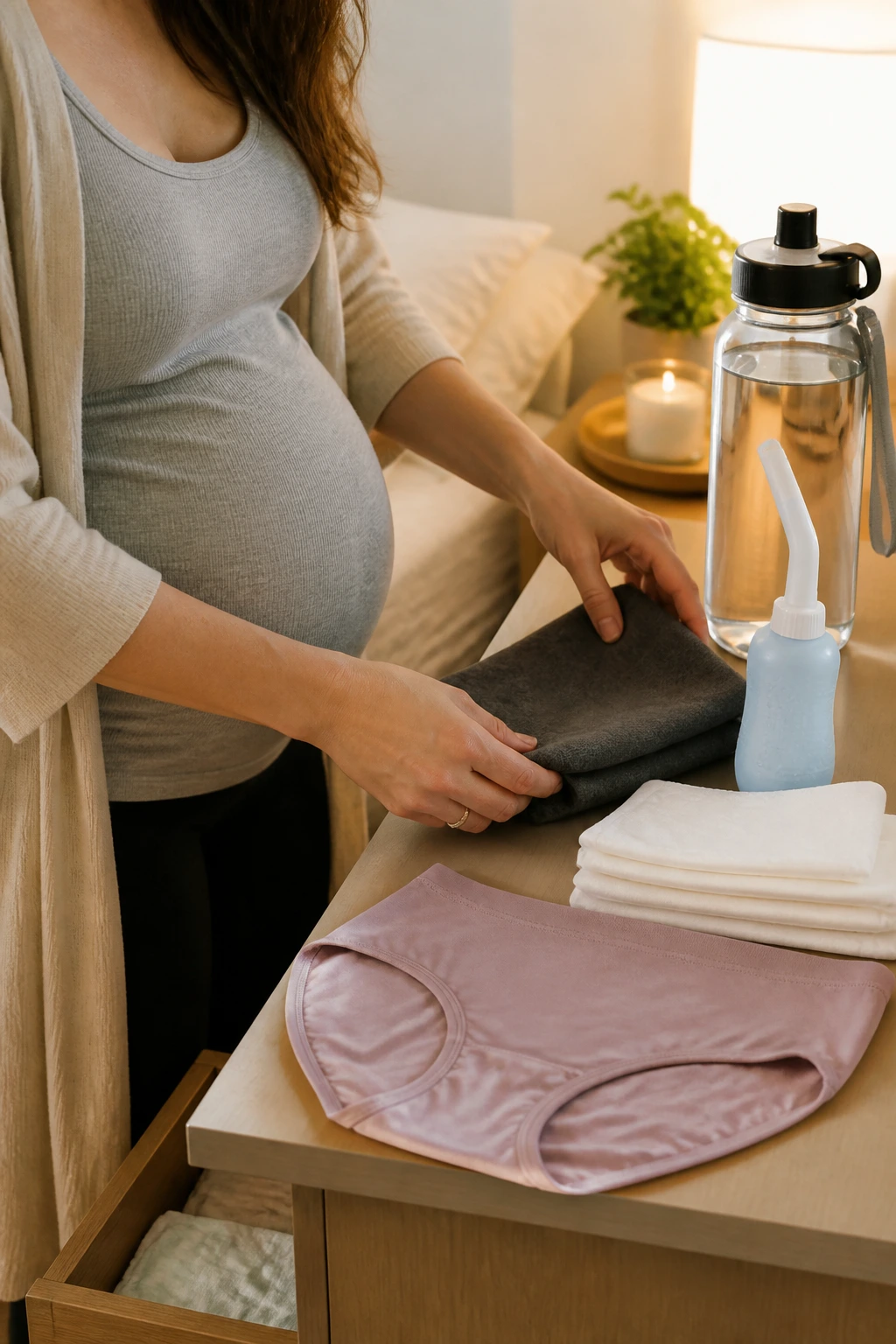
Postpartum recovery is its own chapter, and the best time to prepare for it is before you’re tired and sore.
If you’re planning a vaginal birth, stock a few things that make bathroom trips and sitting down less miserable. If you’re planning or might need a c-section, think about clothing that won’t rub your incision and ways to move around without twisting. The overlap is simple: you’ll want comfort, easy access, and things that don’t make basic tasks harder.
Useful recovery items
- Peri bottle
- Big, soft pads
- Disposable or high-waisted underwear
- Numbing spray or witch hazel pads, if your care team recommends them
- Loose pants or nightgowns
- A stool softener only if your clinician says it’s appropriate
- A water bottle you can keep at arm’s reach
The less you have to think about bathroom logistics, the better. That’s not a glamorous sentence, but it’s true. Put the supplies somewhere obvious, not buried in a bathroom cabinet under six candles and a mystery hairbrush.
15. Take Childbirth, Breastfeeding, and Newborn Care Classes

A good class can take a pile of vague fear and turn it into workable knowledge.
Childbirth classes help you understand labor stages, coping tools, breathing, and what hospitals or birth centers tend to do. Breastfeeding classes can explain latch, feeding cues, pumping, and why the first few days can feel awkward before they feel normal. Newborn care classes cover diapers, bathing, sleep, and the tiny chaos of a baby who seems to eat, sleep, and cry in strange bursts.
If you take one class, make it practical
- Labor basics
- Feeding basics
- Safe sleep
- Baby CPR, if available
- Bathing and diapering
Bring your partner if you have one. Or your support person. Whoever plans to help should know how the first week works, because “I’ll figure it out later” is a rough strategy at 2 a.m. when the baby is crying and your hands are full.
Also, take the class with a grain of salt. If something sounds too neat or too rigid, ask follow-up questions. Babies do not read lesson plans.
16. Choose a Pediatrician and Plan the First Newborn Visit

Pick the baby’s doctor before the baby shows up. That simple step removes a surprisingly annoying task from the post-birth fog.
Look for an office that feels reachable. Ask about same-day sick visits, after-hours calls, weekend hours, and who answers the phone when you’re worried about a fever or feeding problem. If the office has a nurse line or online portal, even better. You want help that’s easy to get when you’re tired and staring at a tiny nose.
Questions worth asking
- When is the first newborn visit?
- Who covers after hours?
- What are the vaccine policies?
- Do you help with breastfeeding concerns?
- Is there a lactation consultant nearby?
- How does the office handle urgent baby questions?
A pediatrician is not just a person who weighs the baby. They become part of your support system fast. That makes the choice worth a little thought now. You don’t need a perfect match. You need an office that feels organized, respectful, and easy to reach.
17. Pack the Hospital Bag Before You’re Rushing Around at the Door
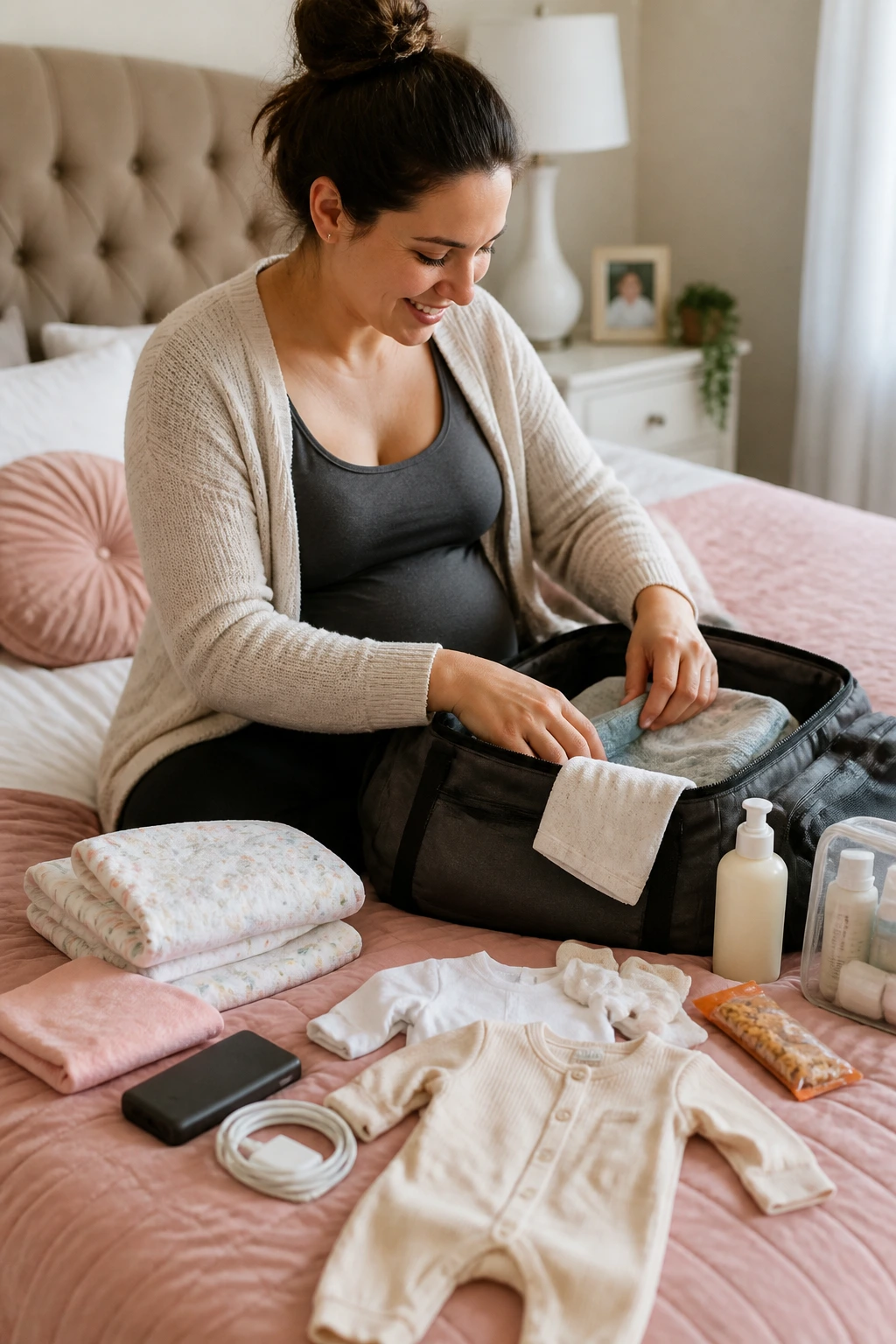
The hospital bag gets overpacked by people who think comfort requires a rolling suitcase. It doesn’t.
Pack early enough that you’re not tossing things into a bag while your back aches and you’re hungry. A small, organized bag is better than a giant pile of “maybe” items. For most people, a few clothes, toiletries, chargers, snacks, and documents do the job. The hospital has a lot more than you think it will. That’s worth remembering.
A sensible packing list
- ID and insurance card
- Phone charger with a long cord
- Comfortable clothes for labor and going home
- Toiletries you actually use
- Slippers or grippy socks
- Snacks and a water bottle
- Baby’s going-home outfit
- A blanket or sweater for the car ride
You may also want a pillow from home, but mark it clearly so it doesn’t disappear into the linen pile. And pack one outfit that fits your body after birth, not the body you had before pregnancy. That little detail saves a lot of annoyance.
18. Install the Car Seat and Practice the First Ride Home

The car seat is not a last-minute errand. It’s a safety item that deserves real attention.
Install it before labor starts, not after. Read the manual. Read the car manual too. If there’s a local car seat inspection station or certified technician available, use it. The base should feel solid, the angle should match the instructions, and the harness should fit snugly without twisting. A loose seat is a bad seat.
Check these points
- Rear-facing setup for the infant seat
- Tight installation with minimal movement at the belt path
- Harness at the correct height
- Chest clip positioned correctly
- Base secure in the back seat
If the car seat makes you curse a little, you’re not alone. They’re fiddly. Still, this is one task worth doing carefully. Take a test run to the hospital parking lot if that helps you feel calmer. Better to find out a strap is wrong while parked in your driveway than while holding a sleepy baby.
19. Plan Meals, Chores, and Help for the First Weeks at Home

The first days after birth are not the time to pretend you’ll be making elaborate dinners.
Line up real-life support: freezer meals, easy breakfasts, grocery delivery, someone to walk the dog, and help with laundry. If friends keep asking what they can do, tell them the exact task. “Bring soup” or “run the vacuum on Thursday” is better than “We’re fine, thanks.” People like being useful. Give them a job.
A useful home plan might include
- 5 to 10 easy meals in the freezer
- A stocked snack basket
- Paper plates for a while if dishes are a sore spot
- A grocery list on the fridge
- A laundry basket system for baby clothes
- A rotating list of people who can help
Food matters more than people expect. So does rest. And clean sheets. The first weeks can feel blurry, so removing decisions where you can is smart. Your future self will not care whether the soup matched the curtains.
20. Protect Your Mental Health and Set Up Postpartum Check-Ins

The emotional side of pregnancy and new motherhood deserves its own checklist box, not a little shrug at the end.
Mood swings, anxiety, tearfulness, and strange worries can show up during pregnancy and after birth. Some of that is expected. Some of it needs real support. If you already see a therapist, keep that connection alive. If you don’t, think about who you’d call if sleep loss and hormones start piling up. A partner, parent, friend, midwife, OB, or mental health professional can all be part of the plan.
Make the plan concrete
- Name the person you’ll call first
- Save crisis numbers where you can reach them fast
- Ask your provider what postpartum follow-up looks like
- Tell your support person what warning signs worry you
- Protect sleep where possible, especially in the first stretch home
If you ever have thoughts of harming yourself or the baby, or you feel detached, panicked, or deeply hopeless, get help right away. Do not wait to see if it passes. That’s not overreacting. That’s taking care of yourself.
Final Thoughts
A pregnancy checklist for first time moms works best when it’s practical, not pretty. The most useful items are the ones that lower stress later: prenatal care, a safe sleep setup, a car seat that’s installed correctly, and a support system that knows what to do.
The other smart move is this: don’t try to finish everything at once. Pregnancy has enough moving parts already. Pick the next two or three items, handle those, and let the rest line up in order. That pace usually feels calmer, and calmer is worth a lot.
