



At 2:10 a.m., nobody cares whether the nursery matches the curtains. You care about whether the wipes are where your hand expects them, whether the light is soft enough to keep the baby half-asleep, and whether the chair digs into your back after ten minutes.
That’s the part people miss when they shop for a nursery. The room is not a photo shoot. It’s a working space, and the best nursery tips for first time moms are usually the least glamorous ones: put the crib where you can reach it, keep the feeding things together, and stop making yourself walk across the house for one diaper cream tube.
The safer, calmer nurseries tend to look almost plain at first glance. Flat mattress. Tight sheet. One good chair. A lamp that doesn’t blast your face awake. A basket that catches the little stuff before it spreads. Boring is underrated here.
And yes, the room should still feel warm and lovely. But it needs to earn its square footage. The tips below are about a nursery that works when you’re tired, one-handed, and trying not to wake a baby who has finally drifted off.
1. Build the Nursery Around Safe Sleep First
This is the one place I would not get cute. A crib should hold almost nothing: a firm, flat mattress, a fitted sheet that stays snug, and your baby. That’s it. No bumpers. No pillows. No loose blankets. No stuffed animals tucked in “just for now.”
If you start with safe sleep, the rest of the room gets simpler. The crib stops being a display piece and becomes a clear, calm sleep space. That sounds plain because it is plain, and plain is the point. Babies do not need a decorated nest. They need a space that stays open and easy to check at a glance.
What belongs in the crib
- A firm crib mattress that fits the frame with no gaps.
- A fitted sheet made for that mattress size.
- Nothing soft or loose inside the sleep area.
- No sleep positioners, wedges, or bumpers tucked in “for support.”
A lot of new moms buy decor before they buy the basics. I get why. Tiny quilts and plush animals are more fun to look at than a fitted sheet. But the fitted sheet matters more, and the room feels better when you respect that order.
Leave the pretty extras outside the crib. Hang them on the wall, fold them in a basket, or keep them for supervised play time later. The sleep space itself should stay spare.
2. Put the Crib Where Nighttime You Can Reach It
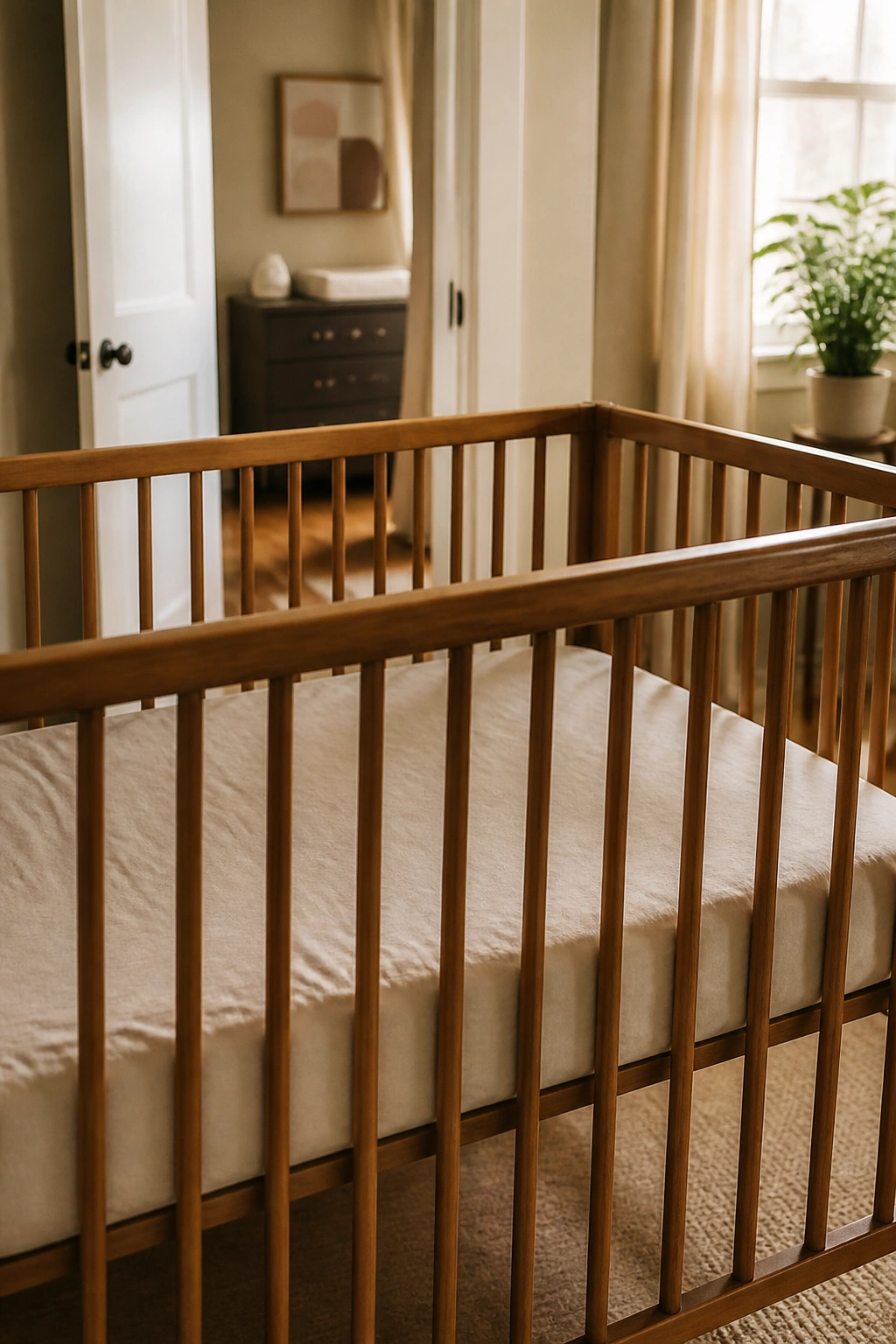
Why does crib placement matter so much? Because the crib is not just where the baby sleeps. It’s where you stand half-awake, lifting, lowering, soothing, and checking on a tiny person while trying not to trip over your own feet.
Place the crib where you can get to it without twisting around a door, a dresser, or a sharp corner. You want a clean path from the doorway to the crib and then from the crib to the changing area. If you have to do a strange sideways shuffle at 3 a.m., the layout is wrong.
The room should also stay away from obvious trouble spots. Keep the crib clear of windows with cords, wall hangings that can fall, vents that blow directly on the baby, and heaters that make one corner feel hot while the rest of the room feels cold. If the room gets a draft in one season and a blast of sunlight in another, move the crib before you build around it.
A good crib location usually does three things
- Gives you easy access from one side.
- Leaves space for a lamp or nightlight nearby.
- Keeps the crib away from cords, vents, and windows.
If you use a baby monitor, place it so you can see the crib without stretching the cord into the sleep space. Small detail. Big payoff.
3. Set Up a Diapering Station That Doesn’t Wander
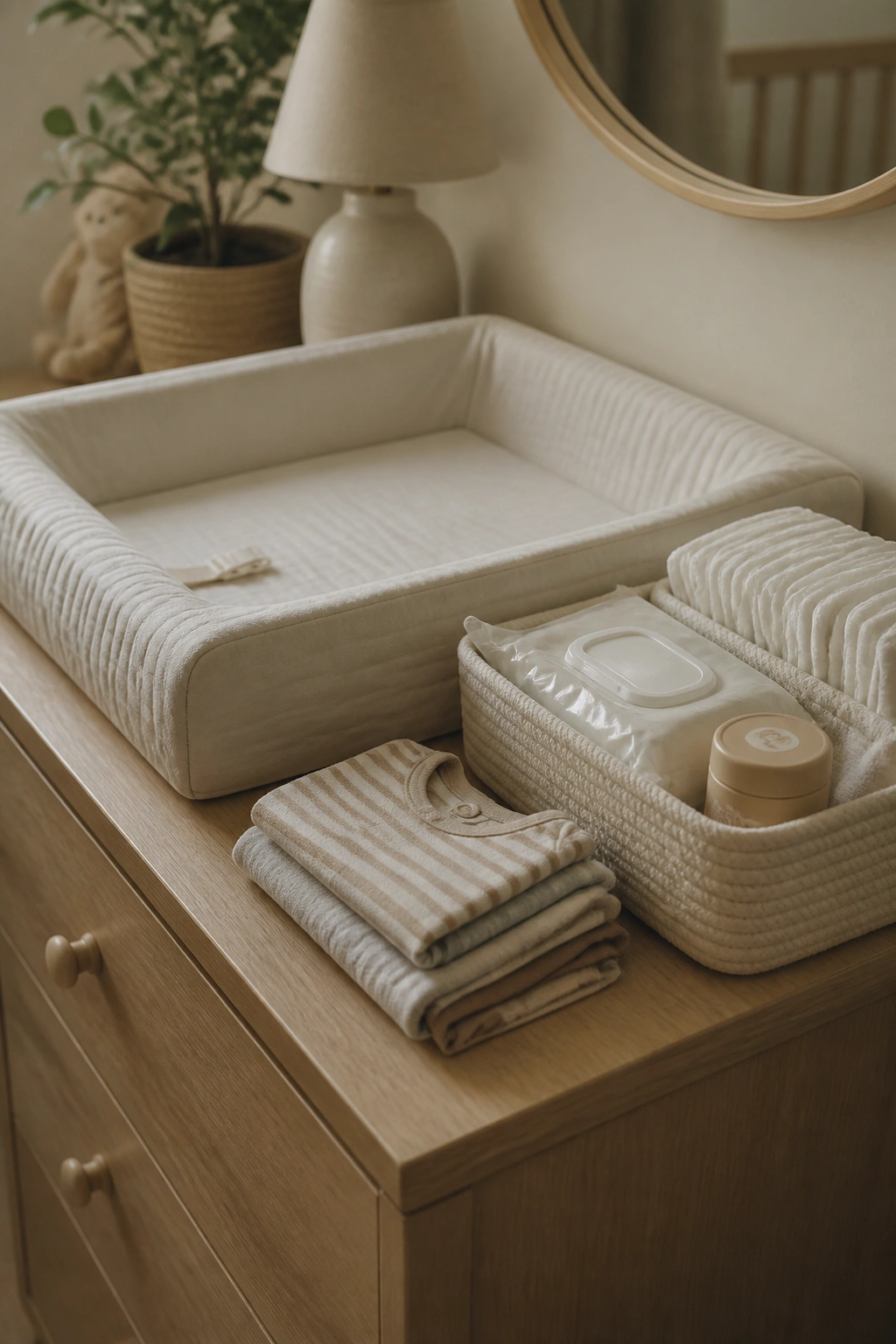
The easiest diaper change is the one that happens where everything already lives. You do not want diapers in one drawer, cream in the bathroom, wipes in the living room, and clean onesies in a pile three feet away. That setup turns every change into a scavenger hunt.
Pick one changing spot and build around it. A dresser top with a changing pad can work well. So can a dedicated changing table, though I’m a little partial to the dresser setup because it gives you storage underneath and doesn’t waste space. Either way, the point is the same: keep the important items within one arm’s reach.
Keep these within reach
- Diapers, enough for a full day or two.
- Wipes.
- Diaper cream.
- A spare outfit.
- A small trash can with a lid.
- A wipeable changing pad cover or a pad you can clean fast.
A diaper caddy can help too, especially if your changing area shifts from room to room. But don’t let the caddy become a junk basket. If it starts holding hair ties, random pacifiers, socks, and mail, reset it. Hard line. Keeps life easier.
One more thing: place a burp cloth nearby. The baby may not wait until the diaper is closed before making a mess. Babies have timing. Their own timing, usually.
4. Keep Feeding Supplies in One Easy Reach
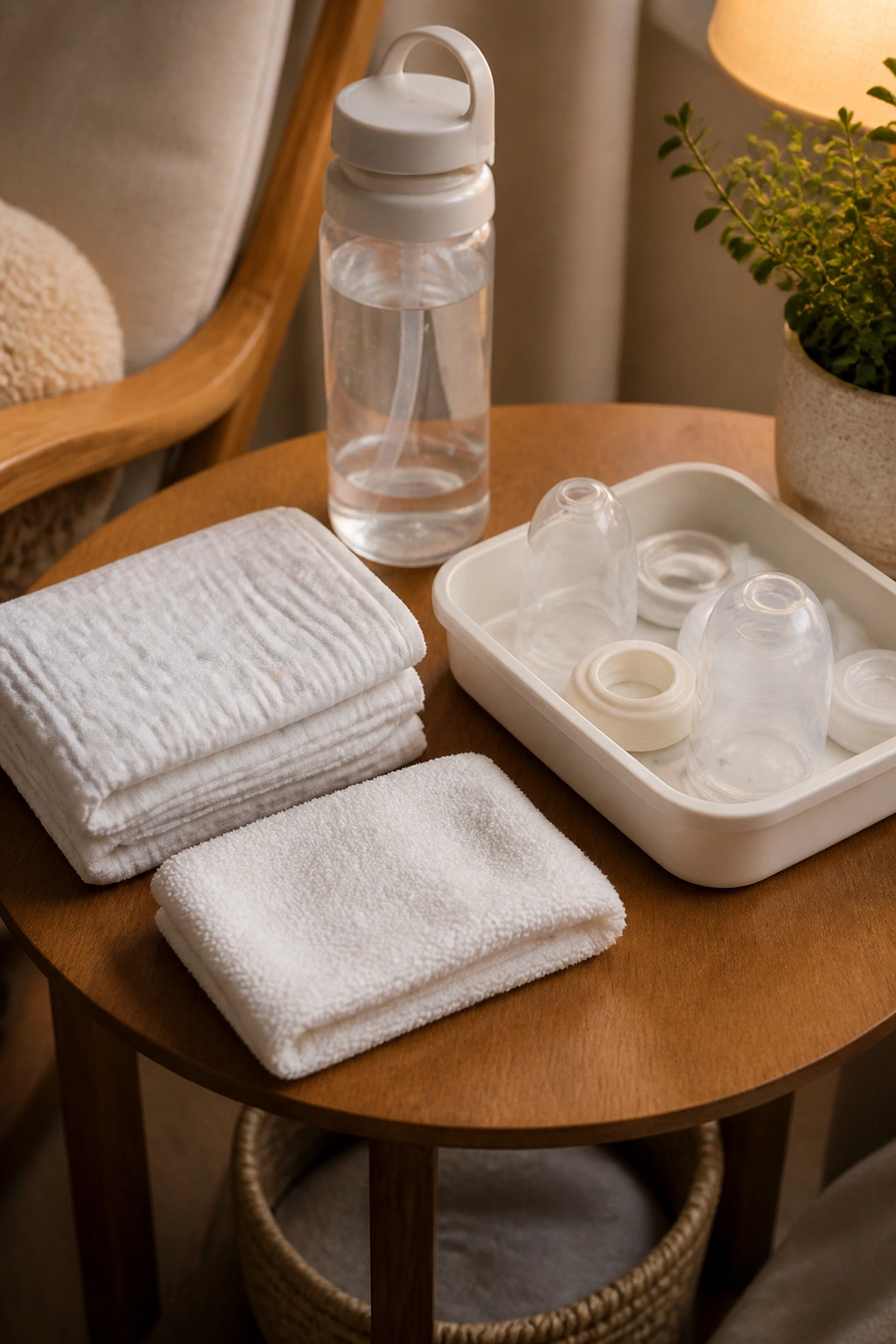
A pretty shelf full of tiny jars is not a feeding station. It’s decor with ambition.
Feeding works better when the things you need are close, grouped by task, and easy to grab without thinking. If you breastfeed, bottle-feed, or do a mix of both, the basic idea stays the same: make the spot where you feed the baby feel ready before the crying starts. That means water, cloths, burp cloths, and whatever tools you use most often.
A side table beside the chair usually earns its keep fast. Keep the surface clear except for the items that help during feeding: a water bottle, a snack for you, a burp cloth, a small towel, lotion, nipple cream if you use it, bottle parts if you wash them there, or a pump part tray if pumping is part of your routine.
Feeding basics worth keeping together
- A water bottle you can open one-handed.
- Burp cloths folded in a small stack.
- Snacks for you that do not crumble everywhere.
- A tray or basket for bottle parts or pump pieces.
- A phone charger if you know you’ll be sitting there for a while.
The little bonus here is peace of mind. When you sit down, everything is there. No sprinting for a burp cloth while the baby is already rooting and fussing.
And if you ever wonder whether a thing belongs in the feeding zone, ask one blunt question: Will I need this while I’m trapped in this chair? If the answer is yes, keep it nearby.
5. Choose Storage You Can Open With One Hand
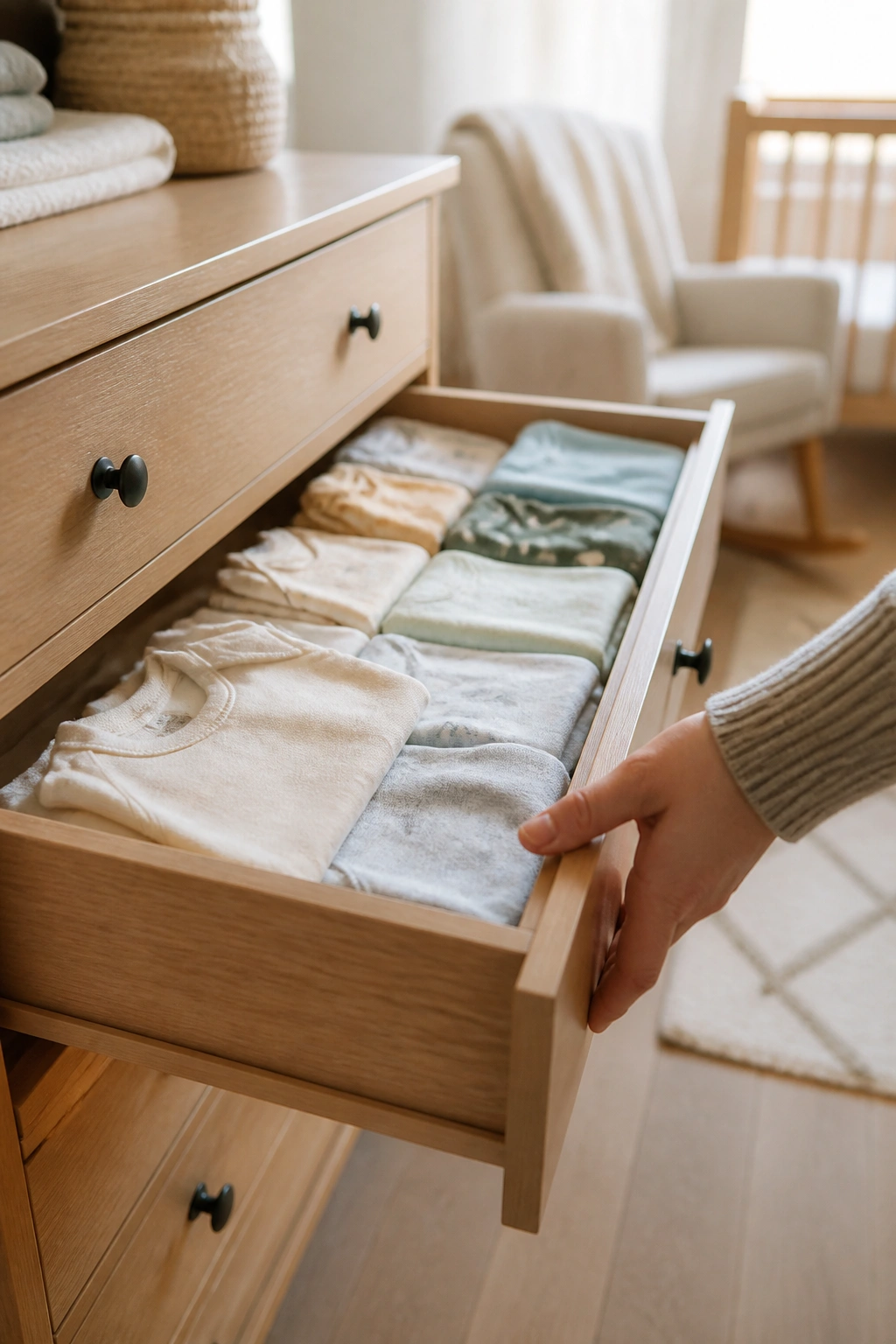
Nothing tests your patience faster than a bin lid that fights back while you’re holding a sleepy baby. Nursery storage should help you, not give you one more task.
I like storage that opens fast and stays obvious. Drawers beat decorative boxes more often than people want to admit. Open baskets beat deep bins if you can see the contents at a glance. Clear containers work well for tiny items, but only if you label them. Otherwise, you end up staring into a plastic box full of socks and wondering why you thought that was a good idea.
What tends to work best
- Shallow drawers for sleepers, swaddles, and burp cloths.
- Open baskets for blankets, toys, or spare sheets.
- Clear bins with labels for outgrown clothes.
- Drawer dividers for socks, hats, and mittens.
What tends to annoy people later
- Deep bins that hide everything.
- Fancy lidded boxes that require two hands.
- Tiny decorative containers that look cute and hold almost nothing.
I’d also avoid overstuffing the storage from the start. A drawer packed so tight that you have to shove the sleeve of a sleeper back in every time is not organized. It’s crowded. Leave a little space. The room will need it.
One good habit helps a lot here: keep the most-used items between waist height and shoulder height. Less bending. Less rummaging. Less muttering at furniture.
6. Use Soft Layers of Light Instead of One Bright Lamp
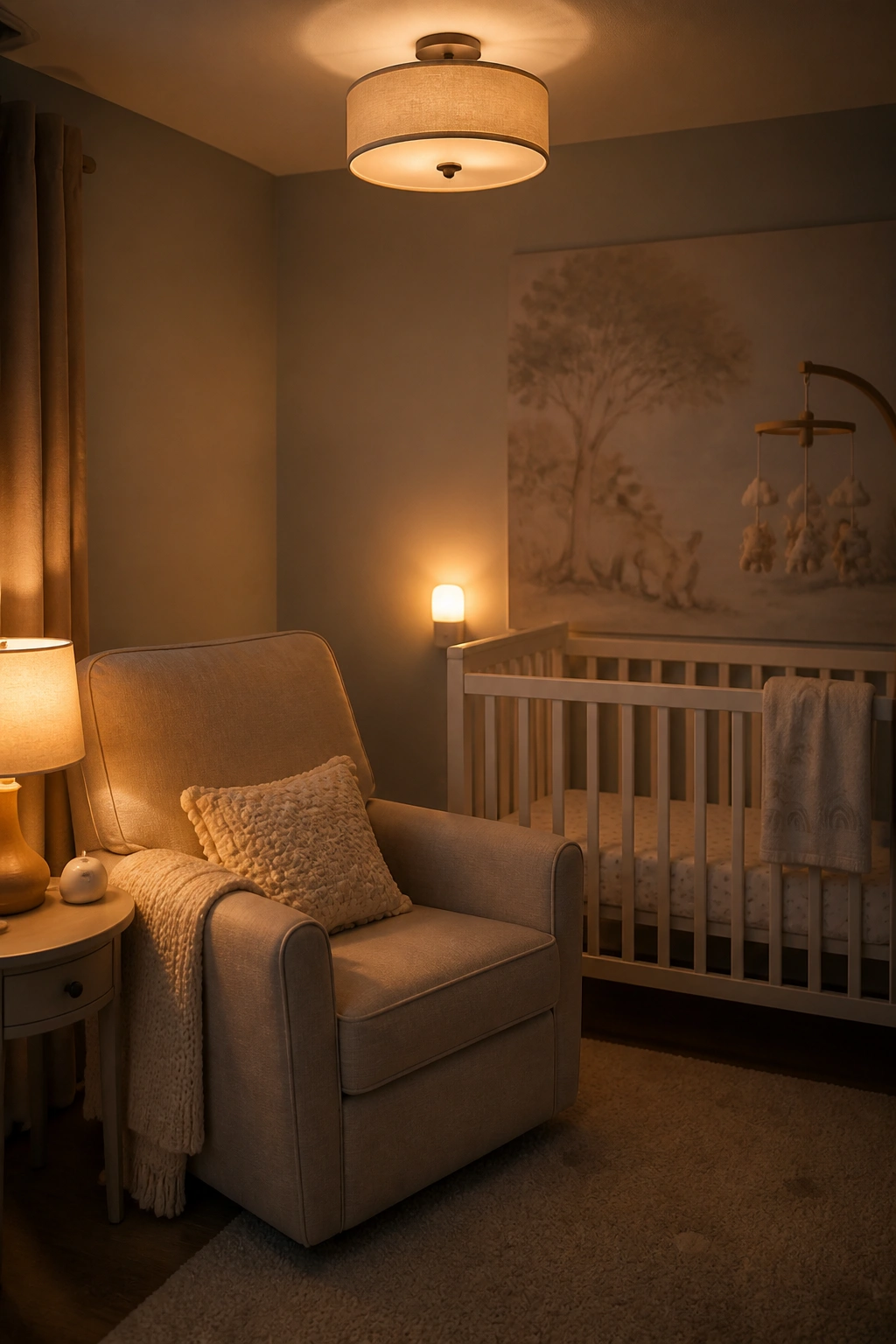
Bright white light at midnight feels rude.
A nursery works better with layers: one gentle overhead light, one lamp or sconce for focused tasks, and one small nightlight for those half-awake moments when you do not want to flip a giant switch and wake everybody in the room. The goal is simple. You want enough light to see what you’re doing, but not so much that your baby snaps wide awake the second you enter.
Warm bulbs help. A soft amber or warm white tone is easier on tired eyes than a sharp blue-white glow. If your lamp has a dimmer, use it. If it doesn’t, choose one that can hold a lower-watt bulb safely.
Light sources I like in a nursery
- A dimmable overhead light for quick cleanups.
- A small lamp by the chair or changing area.
- A plug-in nightlight or motion light near the door.
- A phone flashlight as backup, though it should not be the main plan.
A one-sentence rule works well here: if the room feels like a hospital hallway, it’s too bright.
Also, place light where your hands actually work. A lamp behind your shoulder can throw shadows right across the baby’s face. A light near the chair or dresser usually behaves better. You’re not trying to stage a mood board. You’re trying to see the zipper on a sleeper without starting a full wake-up.
7. Keep the Room Comfortable With Airflow and Temperature
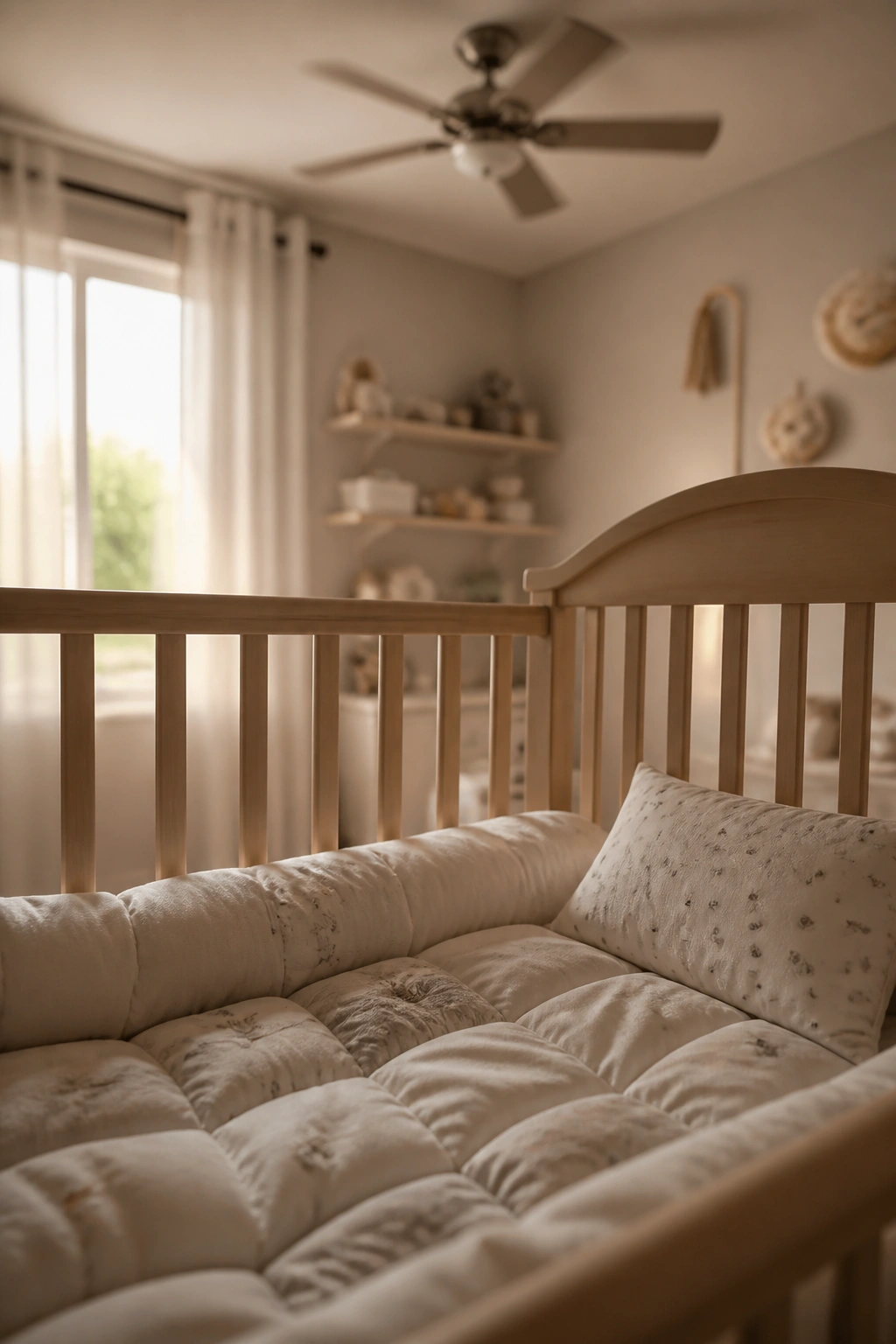
A nursery that feels stuffy makes everyone grumpier. One that feels drafty does the same thing. Aim for steady, not dramatic.
You do not need a weather station in the corner, but a simple nursery thermometer can be a smart buy if your house runs hot or cold in different rooms. A room that stays in a comfortable middle range tends to make bedtime easier, and babies usually settle better when they are not sweaty or chilly. That sounds obvious. It matters anyway.
Use airflow carefully. A fan can help move air, but don’t point it straight at the crib. Instead, aim it to move air across the room. If the nursery sits near a window, check for cold patches near the glass and warm spots near the radiator or vent. Those little swings matter more than people think.
Things worth checking
- Window drafts.
- Direct vent airflow.
- Heavy sunlight during naps.
- A room thermometer you can glance at quickly.
Clothing layers matter too. If the room feels cool, use a sleep sack rather than loading the crib with blankets, which should stay out of the sleep space anyway. If the room feels warm, choose lighter sleepwear and skip the extra layers. The baby should feel warm and dry, not clammy.
If you ever stand in the room and think, I’d want to sleep here, you’re close.
8. Pick Washable Surfaces Before Pretty Ones
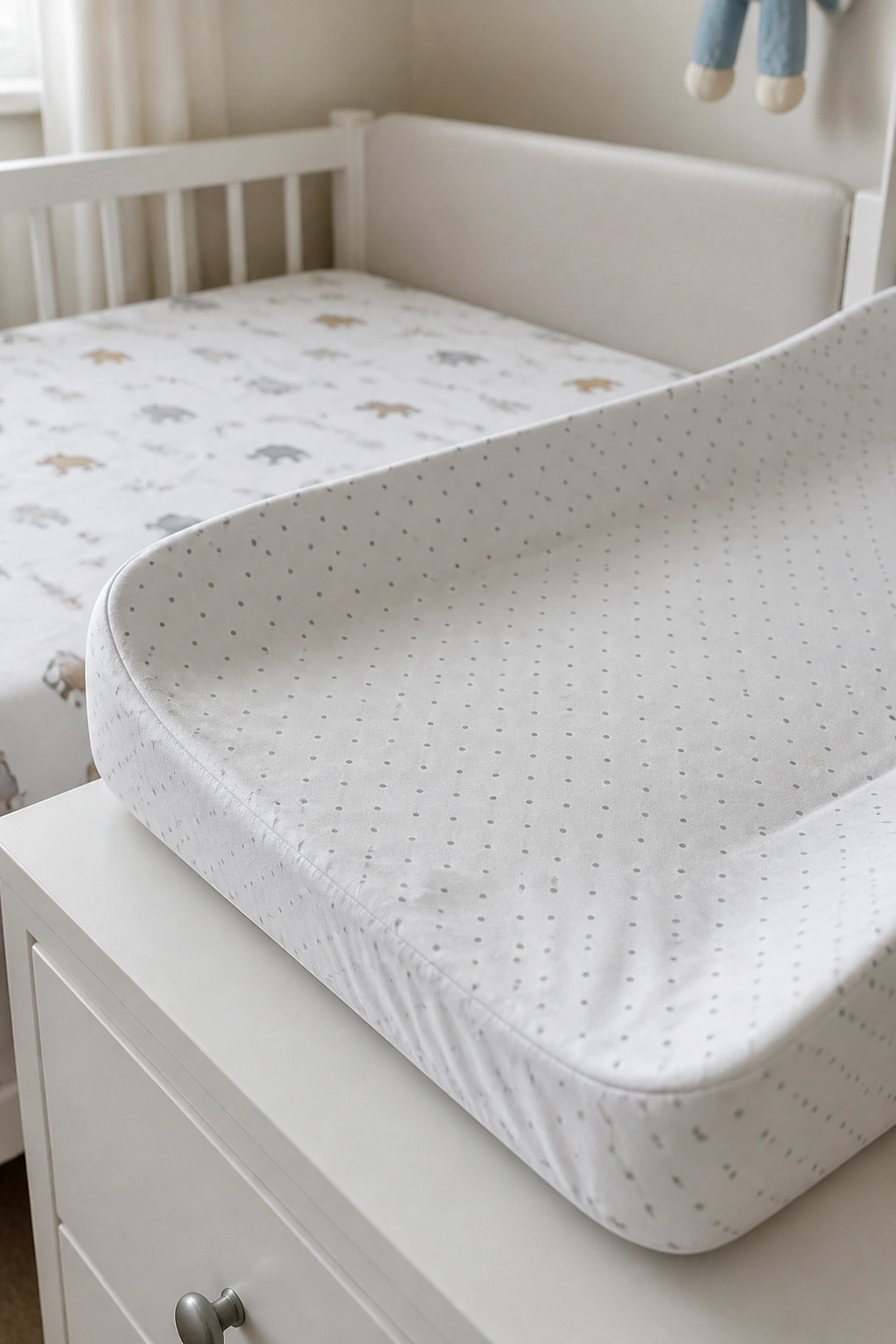
Nurseries take spit-up personally.
That’s why the materials matter. A beautiful velvet chair that stains when someone sneezes milk onto it is a bad trade. A rug that needs specialist cleaning every time a diaper leaks is a headache with a price tag. You want surfaces you can wipe, wash, or shake out without planning an entire afternoon around them.
Crib sheets should be easy to remove. The changing pad cover should come off without a wrestling match. Curtains should not need dry cleaning if you can help it. Even the chair fabric deserves a little scrutiny. Tightly woven, wipeable, or removable covers make life easier than delicate textures that hold on to every spill.
Smart choices for a nursery that gets used
- Machine-washable crib sheets.
- A washable rug or rug pad with a low-pile rug on top.
- A changing pad cover you can toss in the wash.
- Curtains that can handle dust and the odd fingerprint.
- A chair fabric that wipes down or wears a washable slipcover.
Pretty still matters. Of course it does. But the room looks better when it stays clean without drama. A well-used nursery has a kind of calm that no fragile fabric can fake.
If you are stuck between two versions of a thing, take the one that survives milk.
9. Leave Space for the Next Stage, Not Just the Newborn Stage
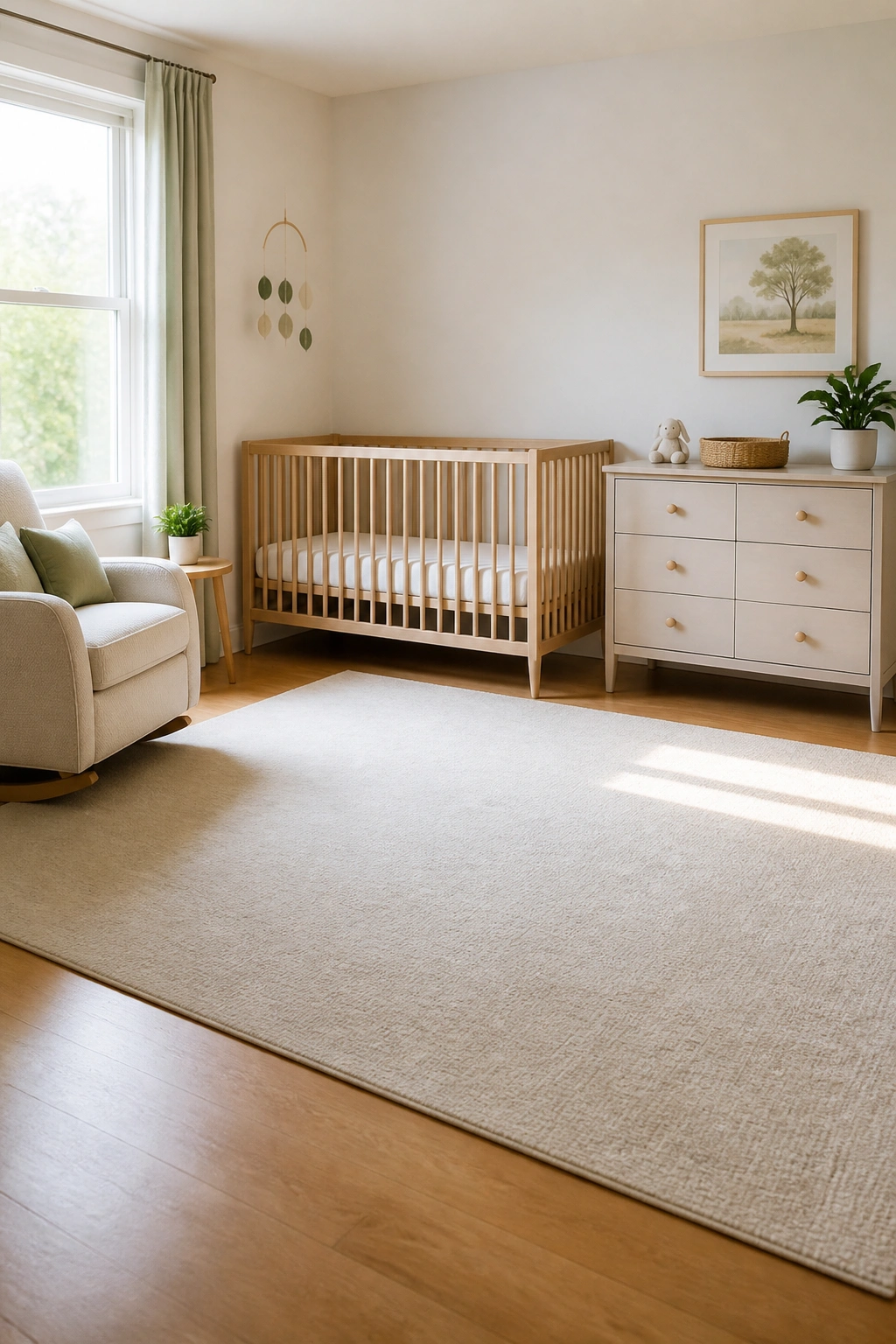
Will you still like the room when the bassinet is gone? That’s the question worth asking before you fill every corner.
A nursery for a tiny baby does not need to stay locked in tiny-baby mode forever. Leave some open floor space. Leave one wall less crowded. Pick a few big pieces that can stay useful as the baby grows, like a dresser, a chair, and a storage unit that can hold books later. The room will change. It should be allowed to.
I’m not a fan of overcommitting to a theme that only works for six months. You can love rabbits, stars, or whales without wallpapering every inch of the room in them. A more flexible base gives you room to swap blankets, art, bins, and toys without redoing everything.
Pieces that age well
- A dresser with good drawers.
- A shelf that can hold books later.
- A neutral rug that works through crawling and toddler years.
- A crib with a simple shape.
- Storage that doesn’t depend on the baby’s exact age.
The trick is leaving space where life will happen. A floor mat. A place for a toy basket. Room for someone to kneel down and read. If the nursery feels so packed that you can barely pivot in it, it will age badly fast.
Make it sturdy first. Cute can wait.
10. Make a Small Soothing Corner That Works at 3 A.M.
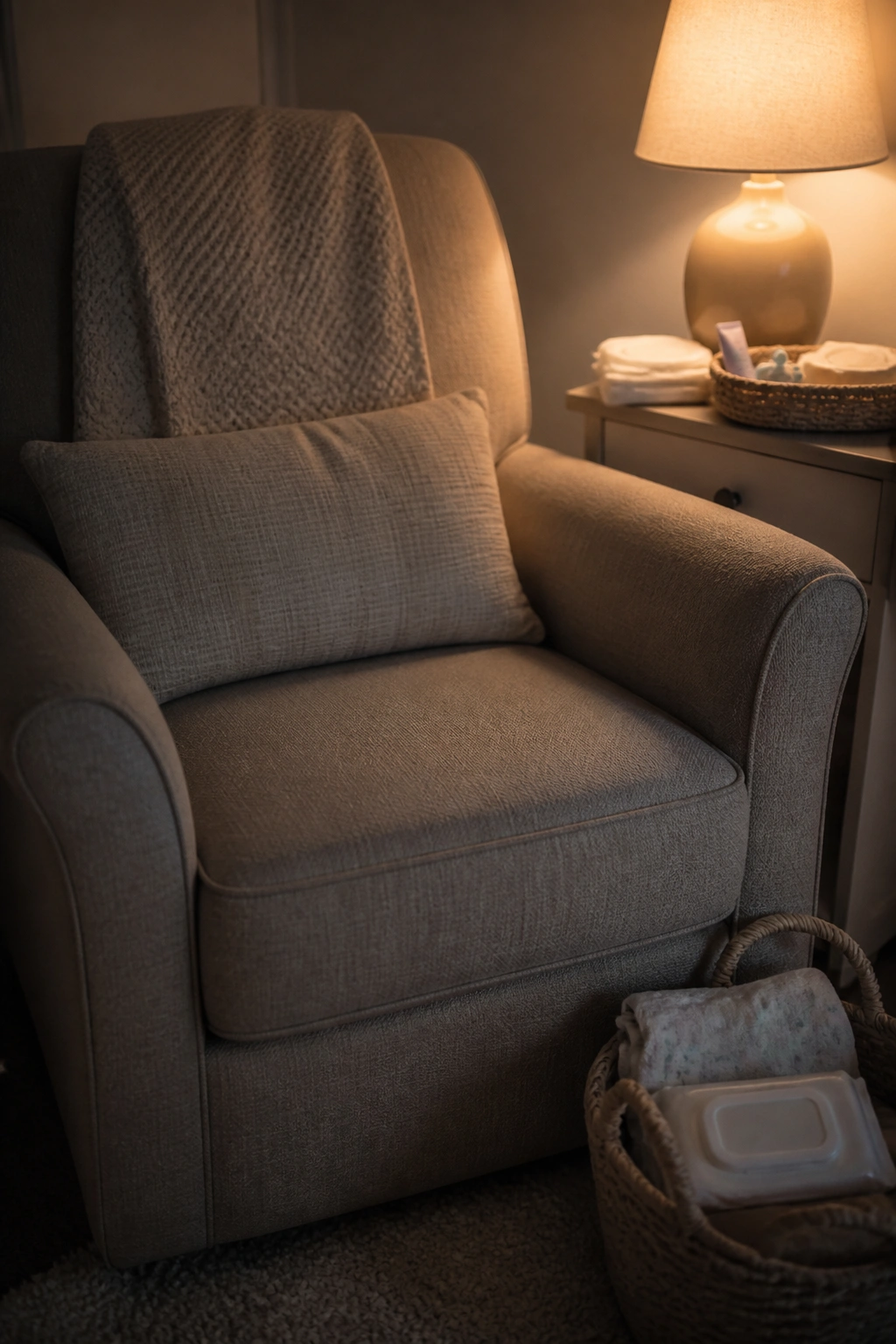
At 3 a.m., you want one chair, one lamp, one basket, and no extra thinking.
That’s the soothing corner. It does not need to be big. It just needs to feel like the place where you can sit down, breathe, feed, rock, pat, or talk softly without hunting for things. A good corner usually has a comfortable chair, a small table, a dim light, and maybe a footrest if your legs get stiff.
Keep the basket practical. A burp cloth, water, a pacifier if you use one, a spare bib, and a phone charger are enough. Do not turn it into storage for random toys or old receipts. The calming corner should calm you, which is hard to do when it starts looking like a desk drawer.
A soothing corner tends to work best when it includes
- One comfortable seat.
- One side table.
- One gentle light source.
- One basket for nightly basics.
- Enough space to stand up without bumping furniture.
I also like keeping this area visually quiet. Fewer patterns. Fewer loud colors. Nothing flashy enough to pull the eye when you’re already tired. The room can have personality somewhere else. This corner should feel like a pause.
Less clutter. More calm.
11. Reduce Noise With Simple Room Fixes
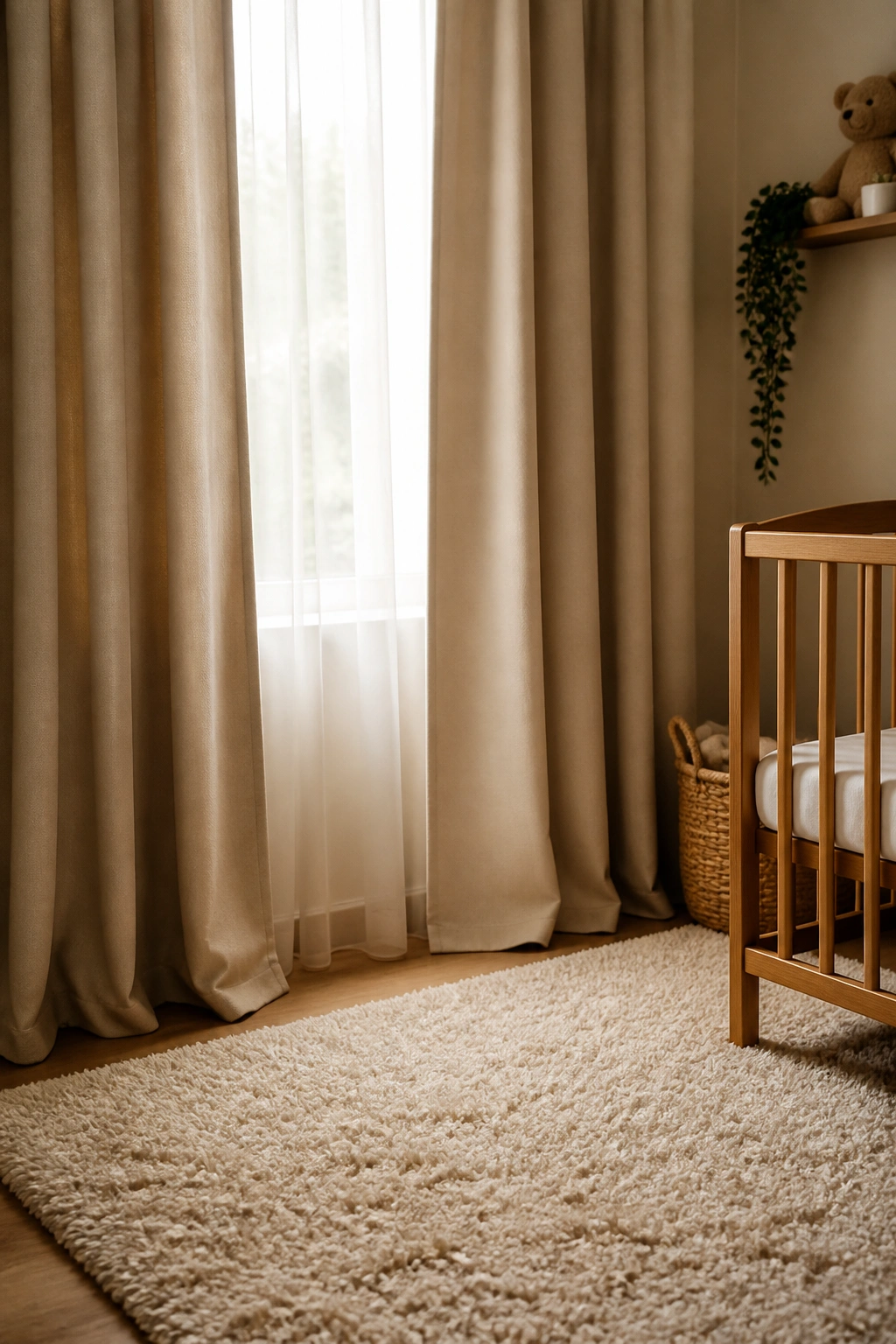
Silence is overrated; predictable sound is easier.
A nursery doesn’t need to be dead quiet. In fact, a little steady background sound can help cover the house noises that make babies twitch awake — a dog barking, a cabinet door, a shower turning on, someone stepping down the hall. What you want is control, not hush.
White noise machines work for a reason, but they should stay gentle. Put the machine far enough away that it fills the room instead of pushing sound straight at the crib. If you can hear it clearly at the door but it doesn’t dominate the room, you’re in a decent range. Don’t blast it. No baby needs a tiny rock concert.
Other small noise fixes that help
- A rug to soften footsteps.
- Curtains that absorb some sound.
- A door sweep if hallway noise leaks in.
- Soft-close hinges on furniture, if you’re choosing hardware.
The room may also benefit from fewer rattly objects. Metal wall decor, loose shelves, and wobbling picture frames can make more noise than you’d expect when you pass by them at night. If something shakes every time you shut the door, move it.
I like this section because it’s one of those details people ignore until they’ve spent two nights listening to a squeaky drawer. Then it becomes obvious.
12. Sort Clothes by Size and Daily Use
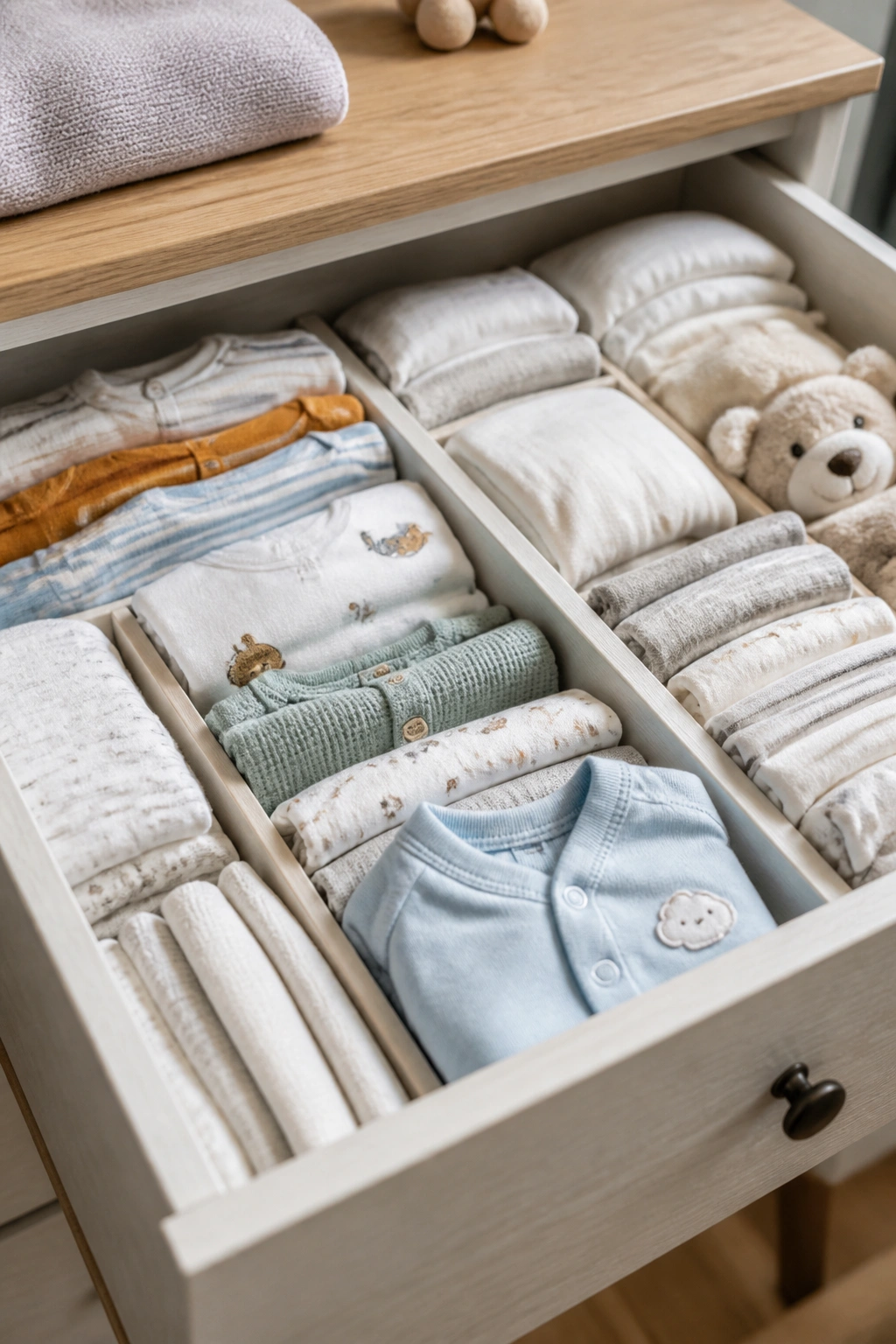
Tiny socks have a way of disappearing into drawer weather.
That’s why the clothes system matters. If everything goes into one giant pile, the nursery becomes a treasure hunt every morning. Sort by size, then by use. Keep the current size easy to grab. Move the next size up into a labeled bin or a lower drawer. Pack away the outgrown things before they take over the room.
I also like grouping by category. Sleepers together. Onesies together. Pants and leggings together. Socks, hats, and mittens in their own small drawer or basket. If your baby lives in zip-up sleepers for the first stretch, put those right in front. Don’t make yourself dig past three formal outfits and six cute pairs of overalls.
A clean clothes setup often looks like this
- Top drawer: daily-use sleepers and onesies.
- Second drawer: pants, leggings, and layering pieces.
- Small bin or divider: socks, hats, mittens.
- Labeled storage bag or box: clothes that are too big for now.
Another small win: keep one “backup outfit” in the changing area. Spit-up happens after you’ve already dressed the baby, and no one wants to run to the dresser in the middle of the mess.
The goal is speed. Not perfection.
13. Set Up a Cleaning Routine That Takes Five Minutes
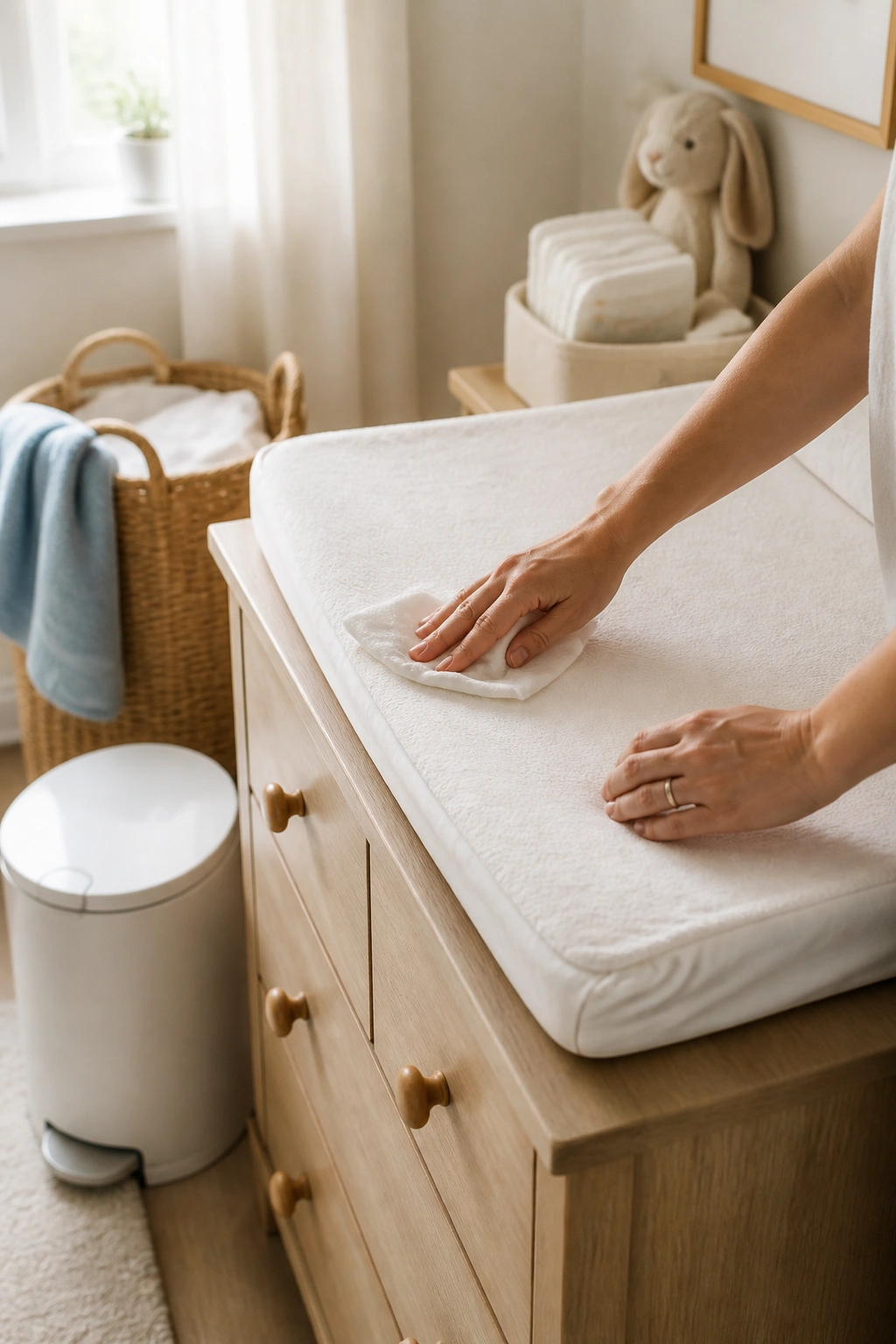
Five minutes. That’s enough.
A nursery cleaning system should be tiny enough that you’ll actually do it when your hands are full and your patience is thin. The room stays calmer when you clear the obvious messes every day instead of waiting for one giant cleanup that never feels convenient.
Here’s the rhythm I like: empty the trash, drop clothes into the laundry basket, wipe the changing area, put bottles or pump pieces where they belong, and pick up anything that shouldn’t be on the floor. That’s the whole move. Not glamorous. Very useful.
A short reset can include
- Emptying the diaper trash.
- Wiping the changing pad and dresser top.
- Putting clean laundry back in drawers.
- Restocking wipes, diapers, and creams.
- Sweeping or vacuuming crumbs and lint.
If you want the room to stay livable, make the supplies easy to put away. A hamper should be visible. Wipes should have a home. Cleaning cloths should not hide in another room. The more steps you create, the less likely you are to do it while half asleep.
And yes, sometimes the nursery will look messy anyway. That’s life with a baby. The win is not perfection. The win is a room that comes back to center fast.
14. Buy a Chair Your Back Can Live With
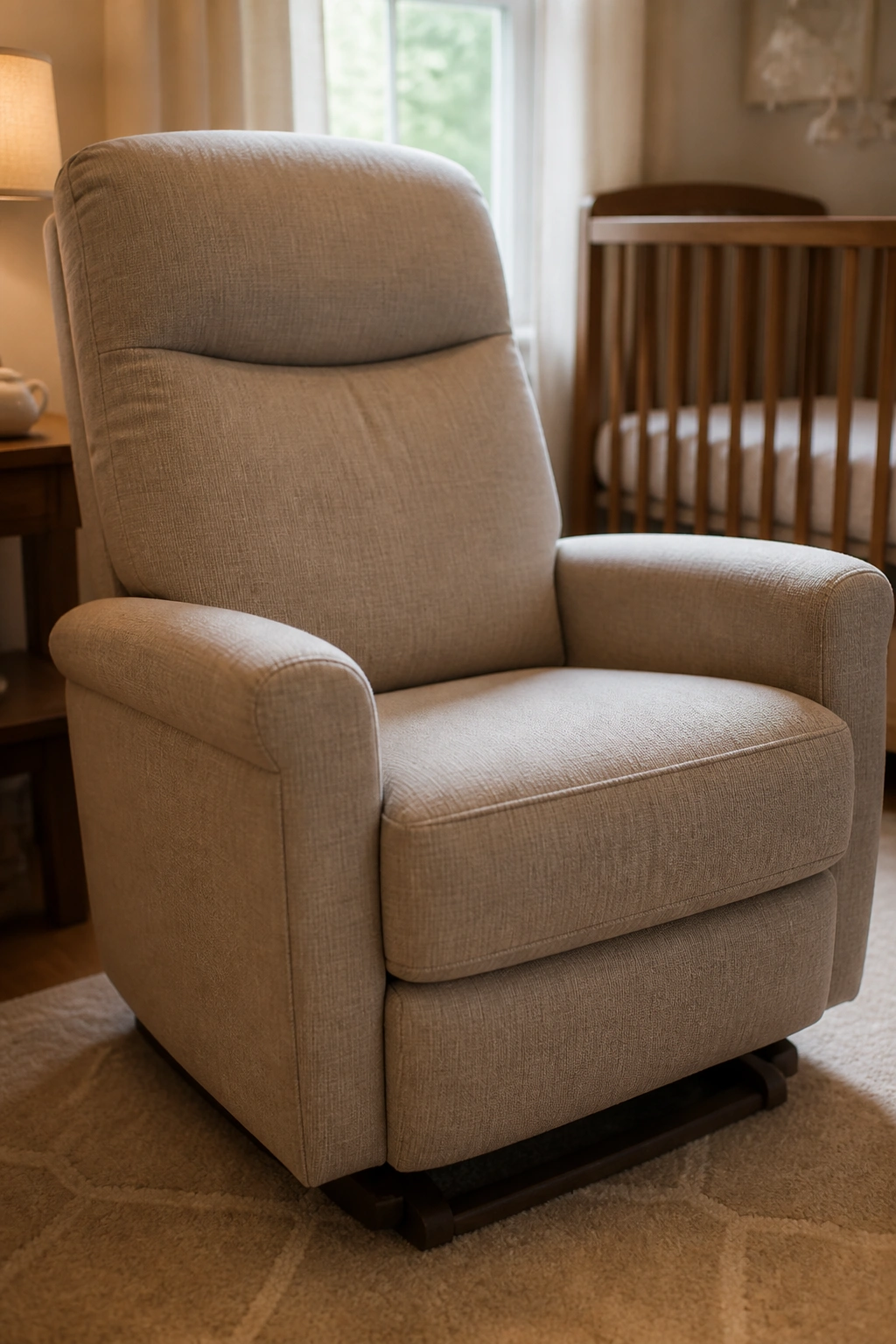
A nursery chair can make or break your back.
I mean that quite literally. You may sit there for 20 minutes, then 45, then another hour when the baby is in one of those clingy stretches that make time stretch out. If the chair feels hard after ten minutes, skip it. If the arms are too low for feeding, skip it. If the seat is so deep that your feet dangle awkwardly, skip it.
Test the chair with the same things you’ll do in real life. Sit down. Lean back. Try standing up while holding your arms close to your chest like you’re carrying a baby. Shift side to side. If the chair pinches your lower back or leaves your knees feeling trapped, it’s not the one.
What to look for in a nursery chair
- Supportive seat depth that lets your feet reach the floor.
- Armrests high enough to rest your elbows comfortably.
- A back that supports you without forcing you to slump.
- A fabric or cover that can handle spills.
- Room for a footrest if you need one.
A rocking chair or glider can be nice, but comfort matters more than motion. A chair that looks lovely and leaves you stiff is a bad buy. I’d rather have a plain chair that lets me feed the baby without thinking about my shoulders.
If your back relaxes when you sit down, the room is doing its job.
15. Keep the Nursery Flexible as Real Life Changes
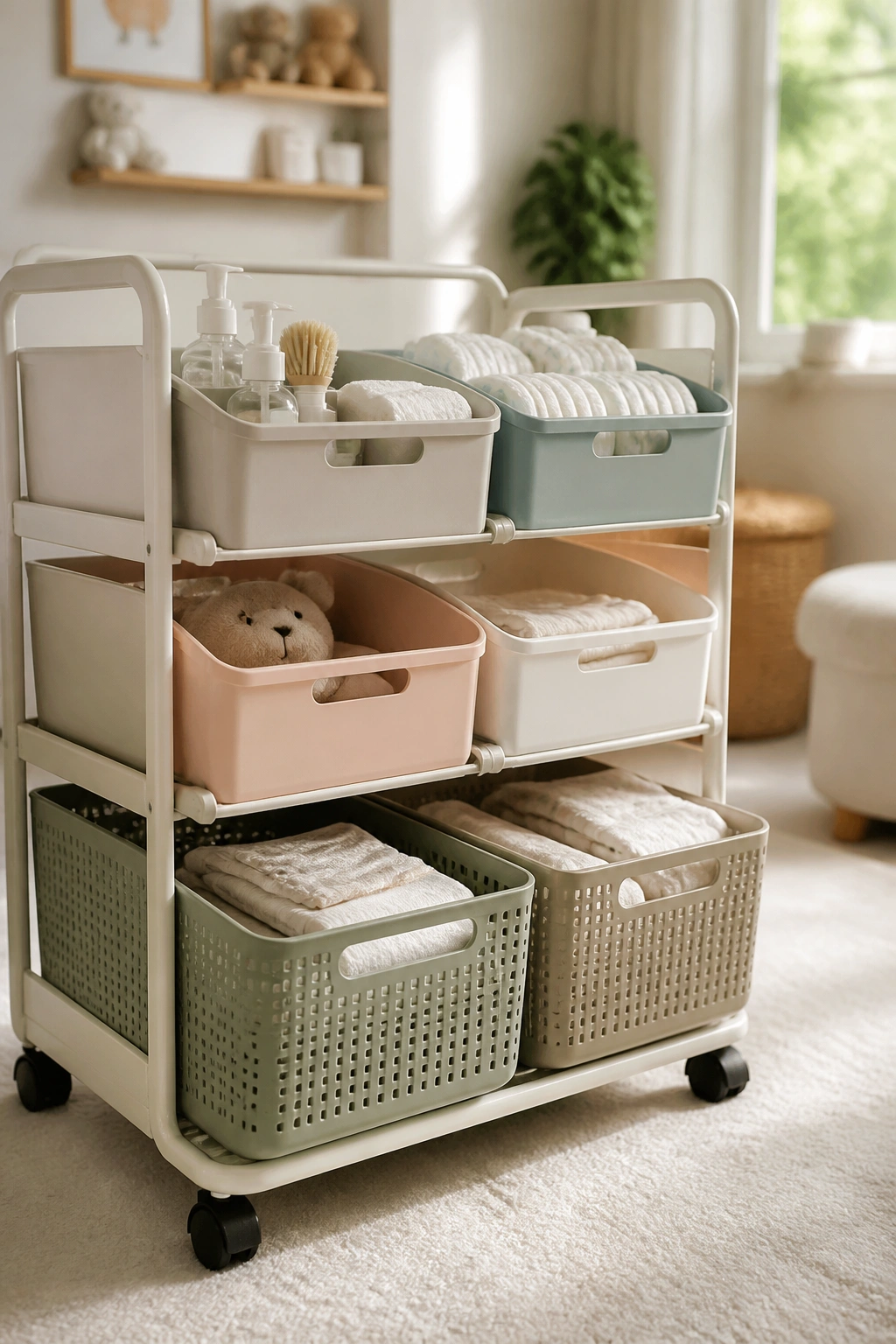
What happens when the baby suddenly needs more space?
The room changes before you expect it to. Swaddles give way to sleep sacks. Tiny sleepers give way to larger ones. The cute basket that held burp cloths now needs to hold toys, then books, then who knows what else. A flexible nursery accepts that shift instead of fighting it.
Leave room for pieces that can move. Choose a hamper you can slide, not a shelf bolted into a bad spot. Pick storage that can switch jobs. Keep a wall outlet free if you might need a sound machine, humidifier, or lamp later. And don’t fill every inch just because the room looks empty in a photo.
Flexible nursery choices usually include
- Movable storage instead of built-ins everywhere.
- A neutral base for the big pieces.
- Open floor space for play later.
- A few multipurpose baskets that can change jobs.
- Decor you can swap without redoing the room.
This is one of the best nursery tips for first time moms because it saves money and stress. You won’t have to start over every time the baby hits a new stage. You just edit. A drawer gets repurposed. A basket moves. A shelf shifts from diapers to board books.
That’s how real nurseries work. They grow up a little at a time.
Final Thoughts
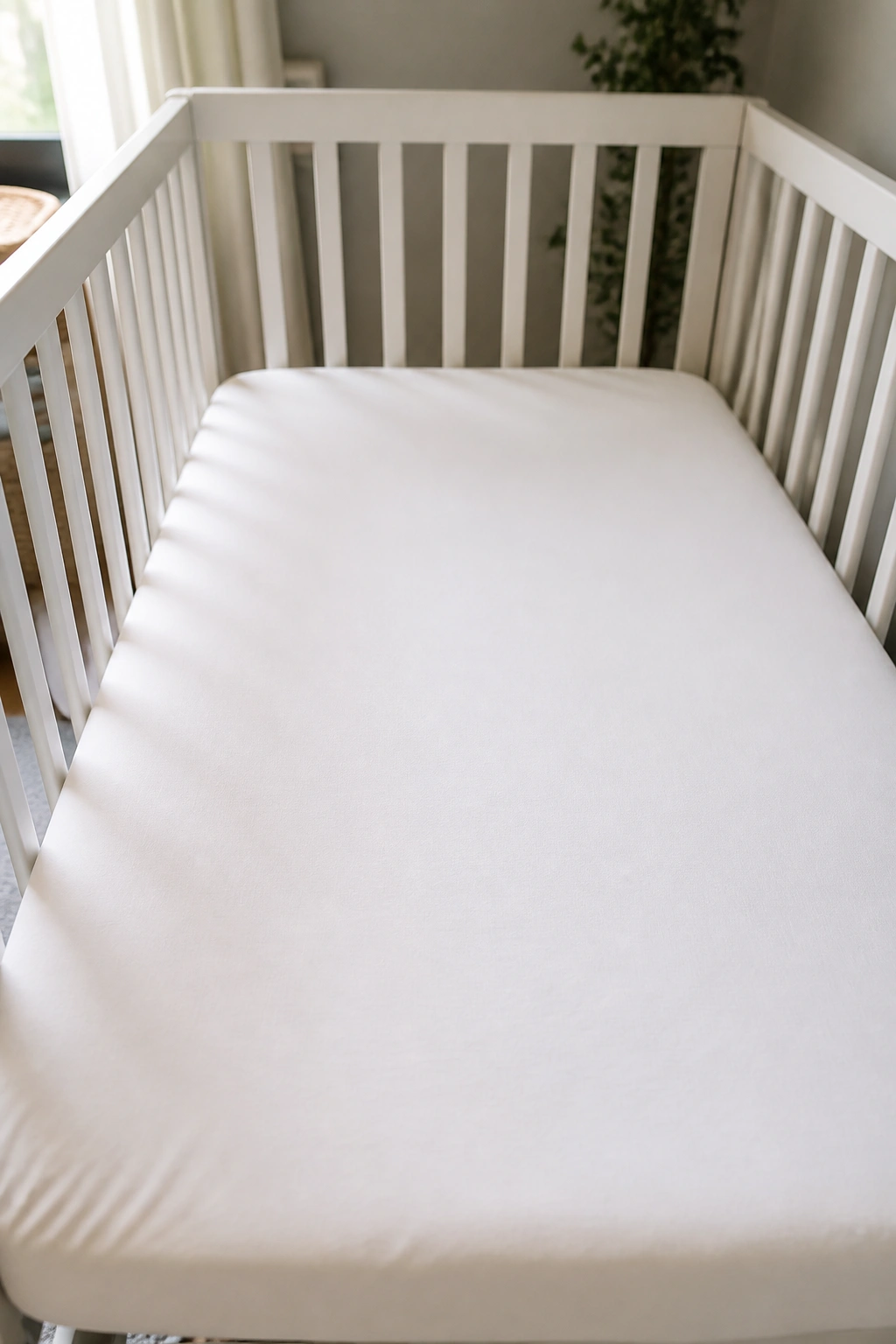
The nursery does not need to be fancy to be good. It needs to be safe, easy to move through, and kind to the person using it at odd hours. That’s the real test.
If you remember only three things, make them these: safe sleep comes first, the layout should save steps, and your chair should not punish you. Everything else sits on top of that.
A room that works at 3 a.m. will probably look calm in daylight too. That part is a nice bonus. But the deeper win is simpler: you’ll spend less time hunting for things and more time doing the one job that matters in the moment.
