



Leg day is the unspoken litmus test of the weight room. While the bench press rack might be crowded on a Monday, the squat rack often stands silent, waiting for someone with enough discipline to actually endure the workout. Training your legs is physically demanding, mentally taxing, and frankly, it ruins your ability to walk comfortably for forty-eight hours. Yet, if you want to build a balanced physique and functional strength that translates to real-world movement, you have no choice but to embrace the lower body.
You don’t need a PhD in kinesiology to build strong legs, but you do need to understand the mechanics of the movements you’re choosing. Some exercises are built for raw power, while others are designed for hypertrophy or isolation. The most successful lifters don’t just go through the motions; they connect with the specific muscles they’re trying to stress. They know when to push for heavy triples and when to focus on the slow, agonizing tempo of an isolation movement.
This collection of exercises is designed to strip away the guesswork. We are focusing on movements that allow for progressive overload—the absolute cornerstone of muscle growth and strength. You will find staples that have been around for decades, along with variations that might feel uncomfortable at first. That discomfort is where the growth happens. Stop searching for shortcuts and start focusing on these foundational movements.
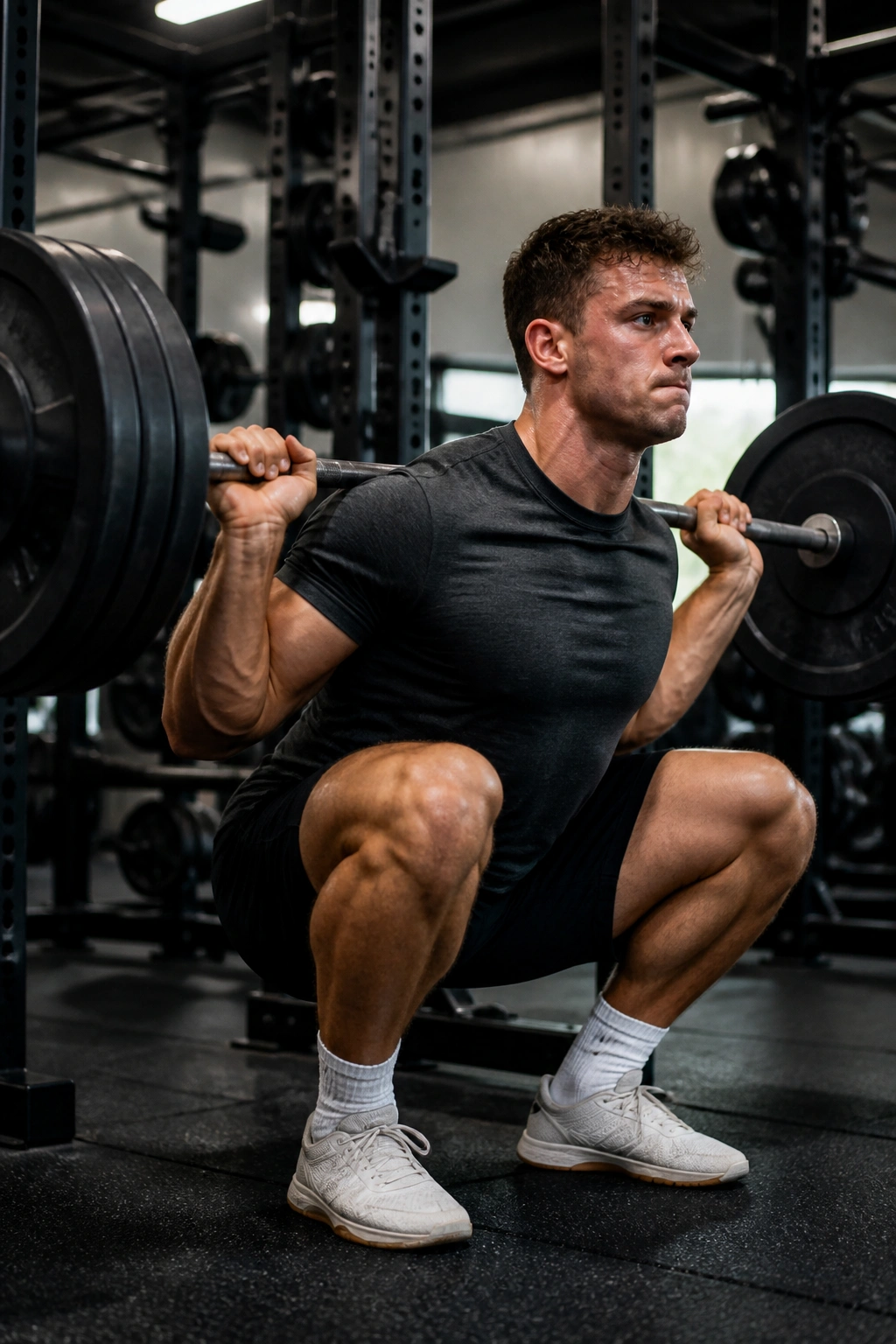
1. Barbell Back Squat
This is the king of all leg exercises. If you want to put mass on your quads and glutes, there is simply no way around the heavy barbell back squat. It forces every major muscle in your lower body to stabilize the weight while you move through a deep range of motion. You are essentially loading your entire skeletal structure and asking it to handle the load.
How to Execute the Movement
Place the bar on your upper traps—not your neck. Keep your chest up and your core braced tightly, as if you are about to take a punch to the stomach. As you descend, push your knees out slightly to track over your toes. Go down until your thighs are at least parallel to the floor, or slightly lower if your mobility allows it. Drive through your mid-foot to return to the standing position.
Common Mistakes to Watch For
- Heels lifting off the ground: This usually indicates a lack of ankle mobility.
- Chest collapsing forward: Keep your upper back tight to prevent the bar from rolling forward.
- Knees caving in: This puts dangerous torque on the ligaments; push them outward.
Pro tip: If you struggle to hit depth, try placing small plates under your heels to elevate them, which instantly improves your squat mechanics.
2. Romanian Deadlift
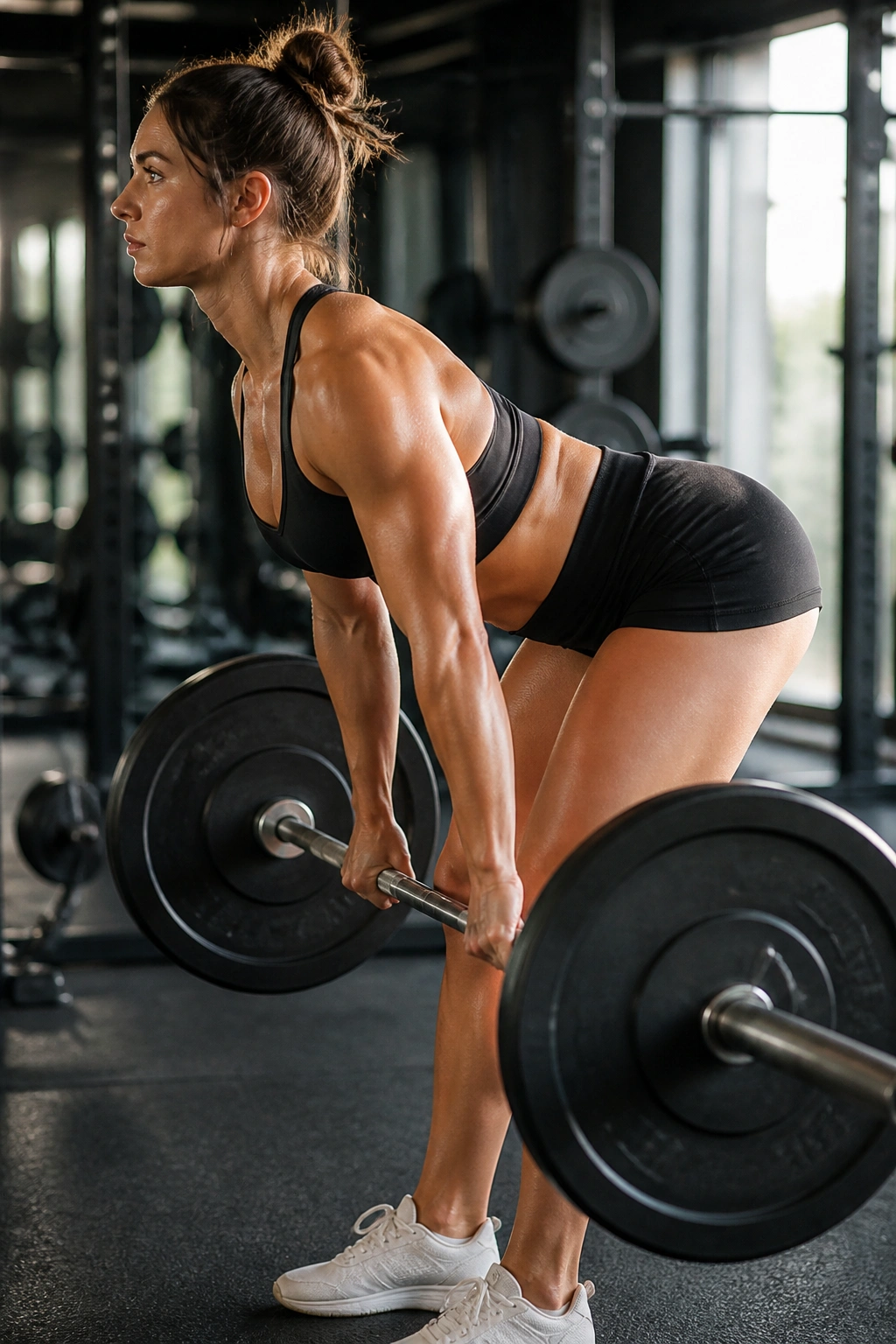
While the squat is a quad-dominant movement, the Romanian Deadlift, or RDL, is the absolute gold standard for the posterior chain. You are targeting the hamstrings and glutes through an intense eccentric stretch. This isn’t about how much weight you can yank off the floor; it is about how much tension you can maintain throughout the entire movement.
Many people turn this into a back exercise by rounding their spine, which is a massive error. Your back should remain completely neutral from start to finish. Think of the movement as pushing your hips backward until you feel a profound stretch in the meat of your hamstrings. Once your hips stop moving backward, you have reached the bottom.
Key Performance Cues
- Keep the barbell or dumbbells as close to your shins as possible throughout the movement.
- Maintain a slight, fixed bend in your knees—do not turn this into a stiff-legged deadlift.
- Keep your shoulder blades squeezed together to engage your lats, which helps stabilize your spine.
- Drive your hips forward to stand up, squeezing your glutes at the top of the rep.
Do not try to reach the floor. If you have tight hamstrings, you might only get to mid-shin before your back starts to round. Respect that range of motion. Pushing past it is how you end up with a lower back strain that sidelines you for a month.
3. Leg Press
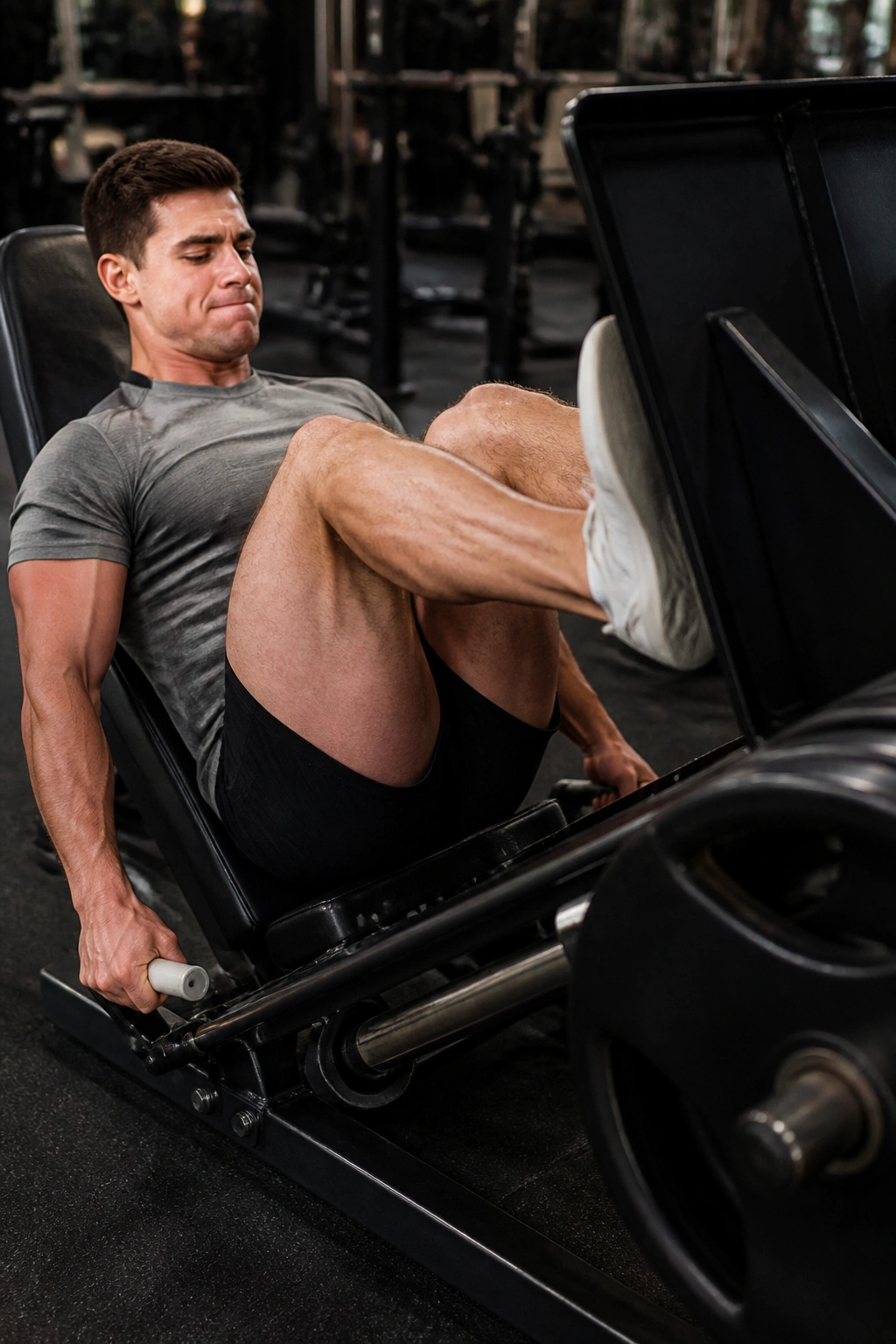
The leg press often gets a bad reputation from online purists who claim it’s “not real training.” Ignore them. The leg press is an incredible tool because it allows you to push your quads to absolute failure without the risk of dropping a barbell on your spine. It removes the stabilization requirement of the squat, letting you focus entirely on force production.
Foot Placement Variations
- Feet high on the platform: This shifts the load more toward the glutes and hamstrings.
- Feet low on the platform: This increases knee flexion and puts the primary load on the quadriceps.
- Narrow stance: Great for targeting the outer sweep of the quads.
- Wide stance: Places more emphasis on the adductors (inner thighs).
You can safely experiment with foot placement to see which angle gives you the best mind-muscle connection. Just remember that the goal is to drive through the heels, not the toes. If you feel the weight shifting onto your toes, your feet are likely placed too low on the platform, which can irritate your patellar tendons.
4. Goblet Squat
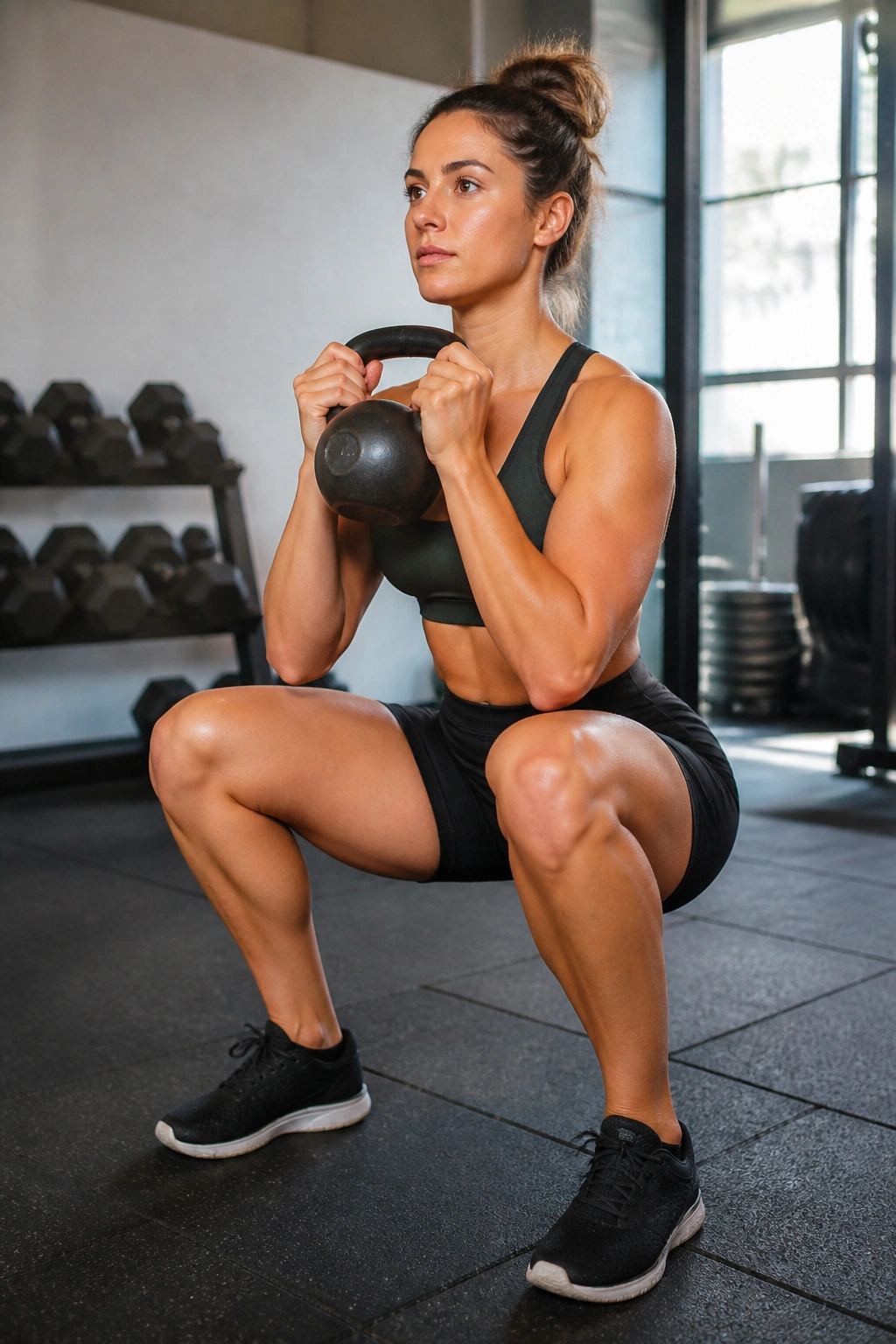
If you are a beginner, or if you are returning to the gym after a long break, the goblet squat is where you start. By holding a kettlebell or dumbbell at chest height, you create a counterbalance that forces you to sit upright. This is the perfect teacher for proper squat mechanics before you ever touch a barbell.
Most lifters collapse forward during back squats because they don’t have the core strength to stay vertical. The goblet squat fixes this immediately. Because you have the weight in front of you, if you lean forward, you will feel it instantly in your lower back. It forces you to keep your spine stacked.
Why This Works
The anterior load creates a “counterweight” effect. It forces your thoracic spine to remain extended. You are essentially using the weight to pull your torso into the correct position. It’s also incredibly effective for teaching deep knee flexion, which is essential for quad development. Don’t rush these. Take three seconds to descend, pause at the bottom for one second, and drive up explosively.
5. Walking Lunges
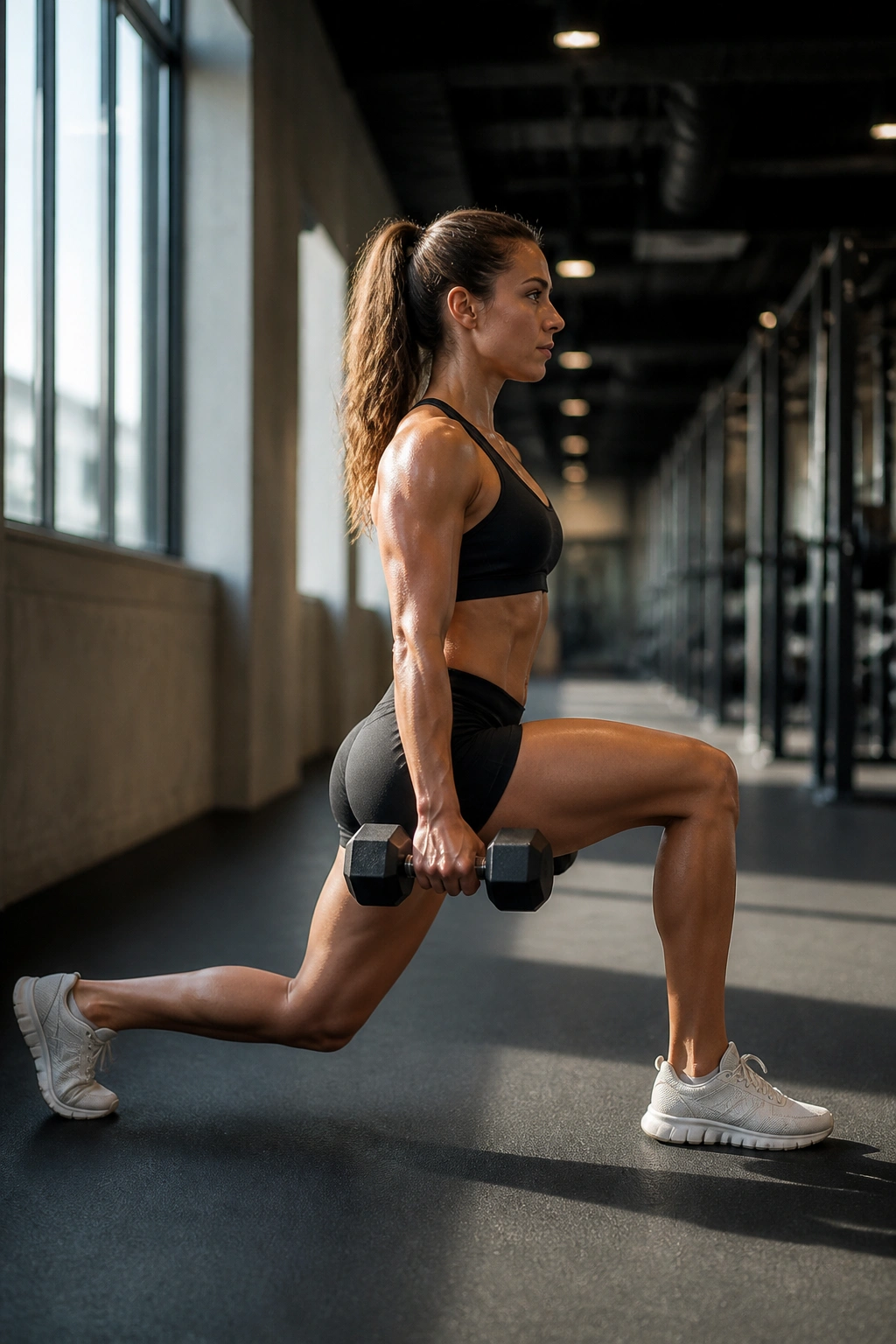
Walking lunges are humbling. You might be able to squat four hundred pounds, but if you haven’t trained your stability, a set of walking lunges with forty-pound dumbbells will leave you gasping for air. This is a unilateral movement, meaning each leg has to work independently. This exposes muscle imbalances that the bilateral squat hides.
The Mechanism of Stability
When you step forward, your core has to instantly stabilize your torso to prevent you from tipping over. Your glute medius—the small muscle on the side of your hip—has to fire to keep your knee from wobbling. This is functional strength at its finest. It makes you athletic, not just strong.
Keep your torso upright. If you lean forward, you turn this into a hinge movement, which takes the focus off the quads and glutes. Take a long enough step so that your front shin is vertical at the bottom of the lunge. If your knee drifts way past your toes, you’re taking steps that are too short and placing unnecessary stress on the joint.
6. Leg Extension
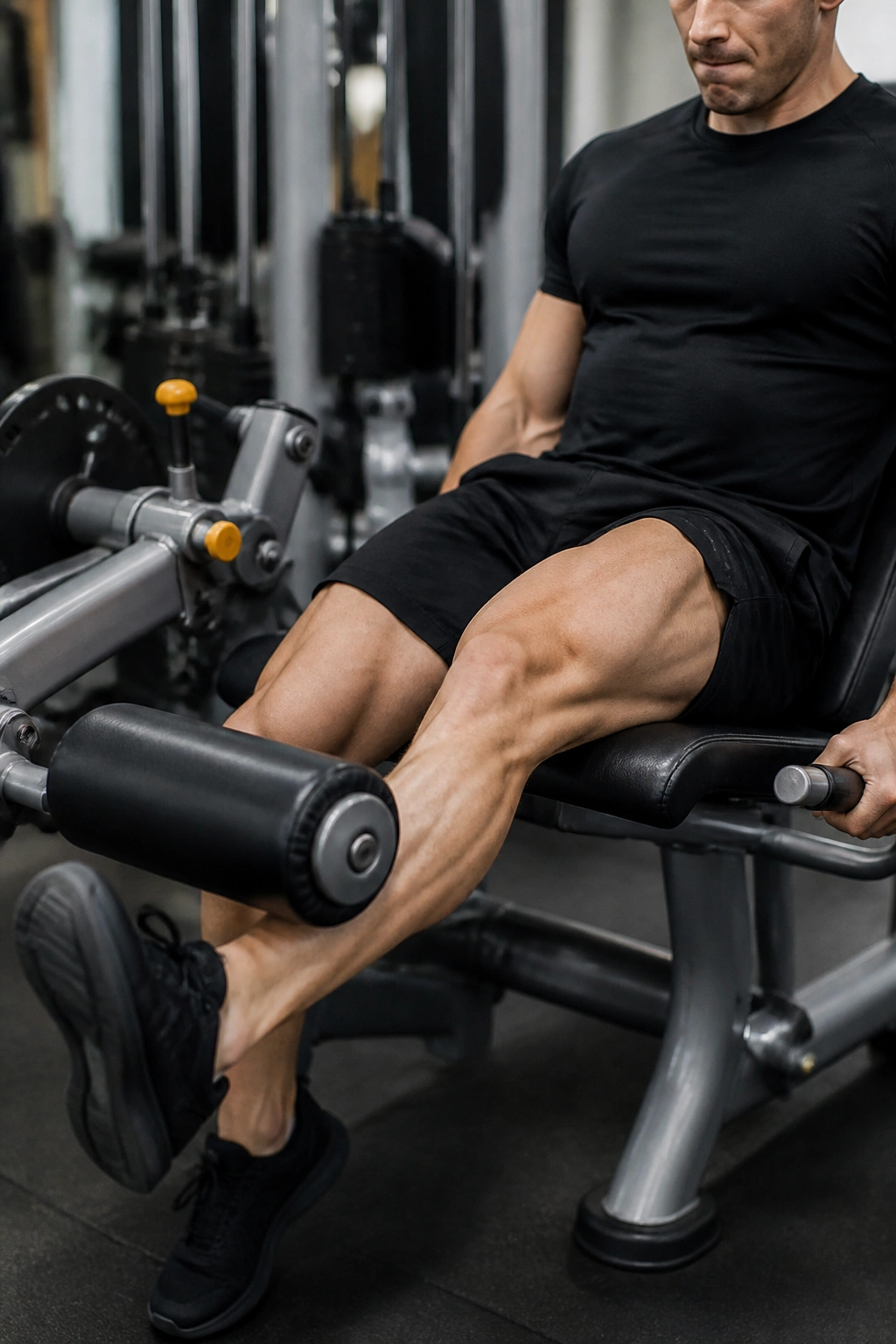
Isolation movements have their place, and the leg extension is the king of quad isolation. You aren’t going to build massive, powerful legs on leg extensions alone, but they are unmatched for adding that finishing burn or “pump” at the end of a session. They allow you to safely isolate the rectus femoris and the vastus lateralis without needing your core or lower back to stabilize the weight.
The Secret to Effectiveness
The mistake everyone makes is using momentum. They swing the weight up. Instead, focus on the squeeze. When your legs are fully extended, pause for a full second and squeeze your quads as hard as you possibly can. You should feel the muscle cramping slightly. That is the repetition that actually triggers growth.
If you have knee issues, pay attention to the seat adjustment. Make sure the pivot point of the machine aligns with the pivot point of your knee. If they are misaligned, the machine will push your tibia forward, putting shearing force on your knee joint. Always adjust the machine to fit your anatomy, not the other way around.
7. Seated Leg Curl
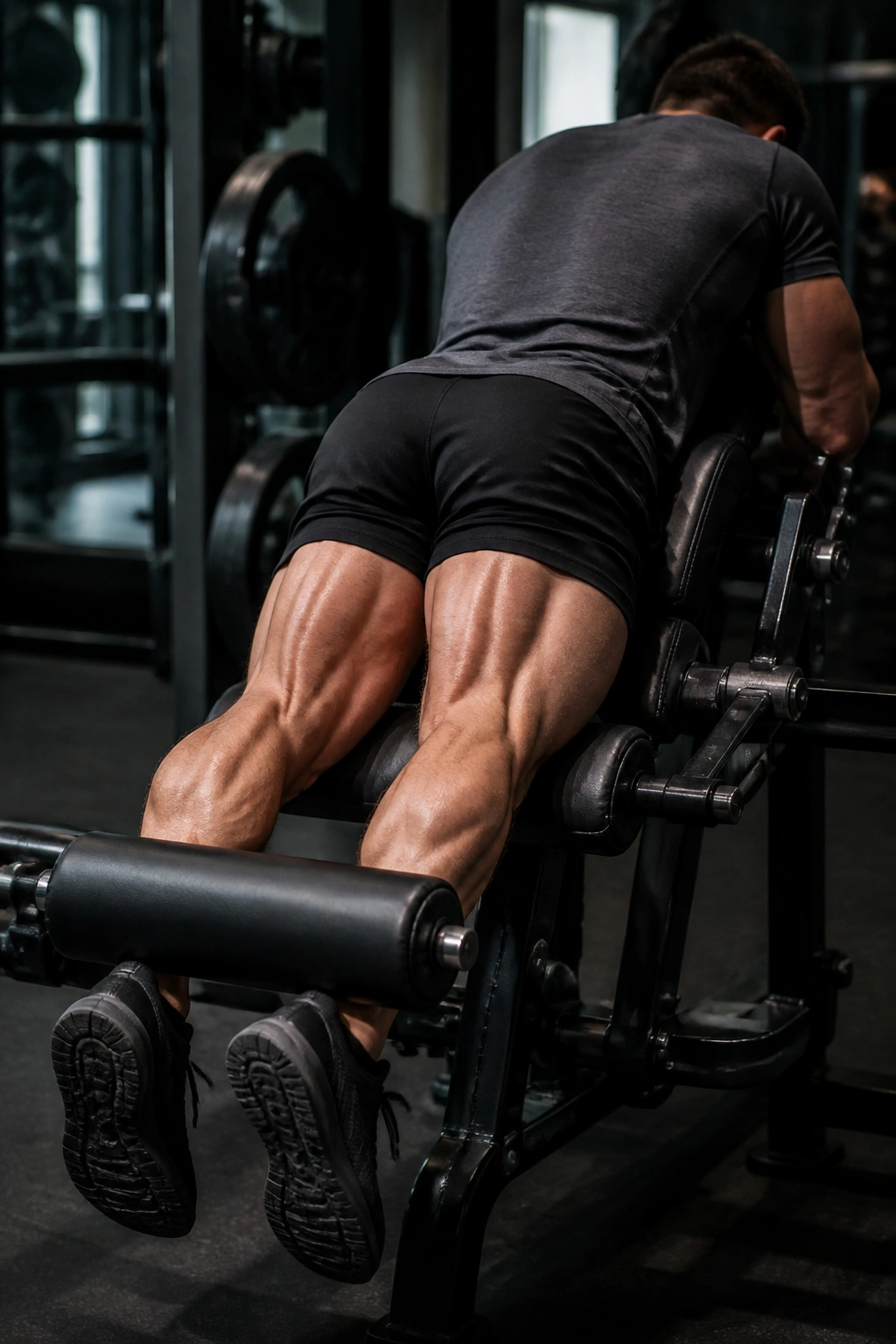
Hamstrings are complex. They are responsible for both hip extension (pushing your butt forward) and knee flexion (bending your knee). The seated leg curl targets the latter. It is arguably superior to the lying leg curl because it puts the hamstrings in a stretched position throughout the movement, which is highly conducive to hypertrophy.
How to Get the Most from the Machine
Sit all the way back in the seat. Secure the lap pad so it is pressed firmly against your thighs. If the pad is loose, your hips will lift off the seat when the weight gets heavy, which kills the tension on your hamstrings.
Keep your toes pulled toward your shins throughout the set. This is a subtle trick, but it keeps the calf muscle from taking over the movement. By dorsiflexing your ankles, you ensure that the hamstrings are doing the work. Don’t worry about the weight; worry about the feeling in the back of your legs.
8. Bulgarian Split Squat
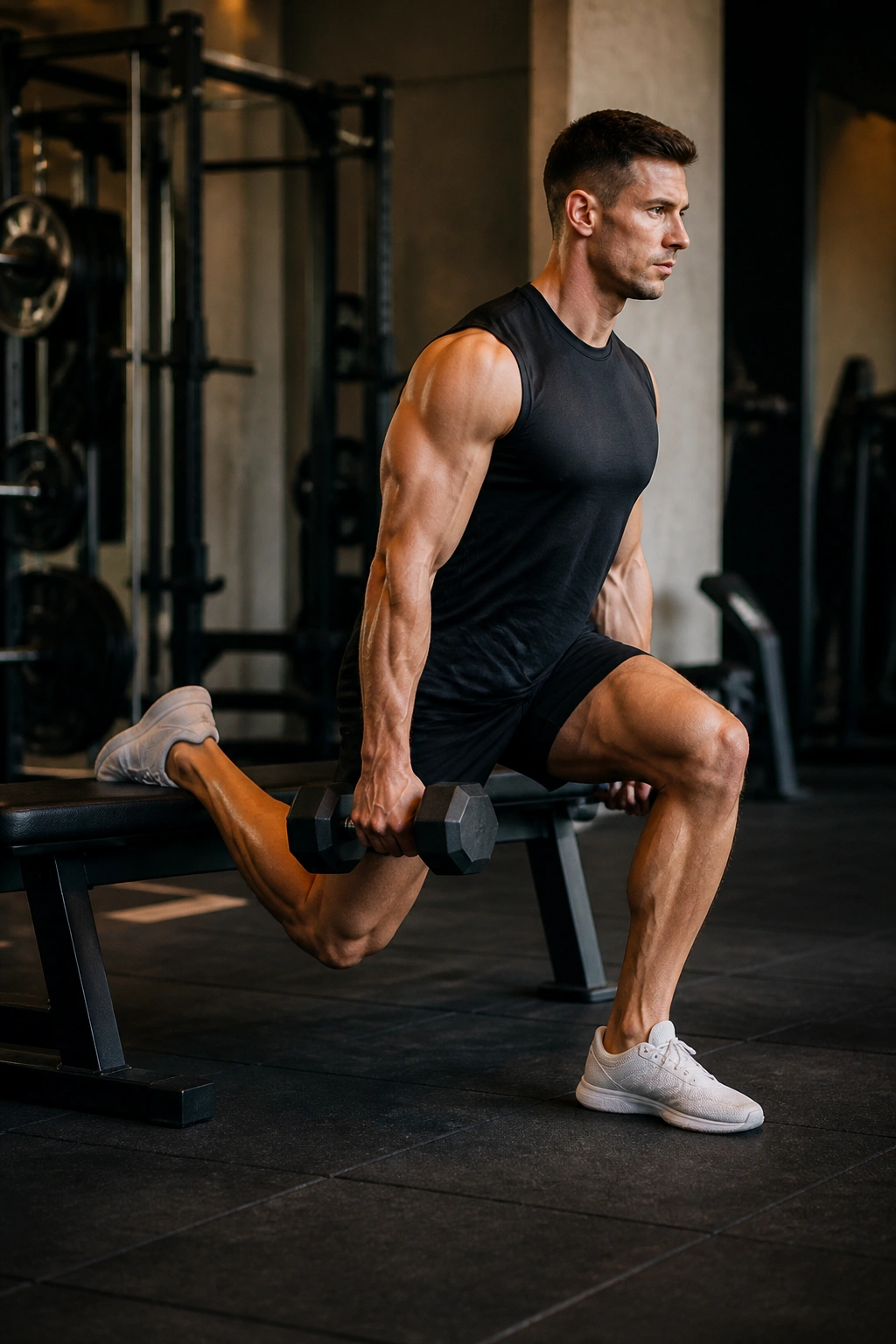
You either love the Bulgarian Split Squat, or you absolutely despise it. There is no middle ground. By placing one foot behind you on a bench and loading the other leg, you eliminate the possibility of the rear leg helping. You are essentially doing a single-leg squat, which is arguably the most brutal leg builder in existence.
Why They Are So Effective
Because the rear leg is elevated, you get a massive stretch in the hip flexor of the back leg and the glute of the front leg. It forces your front leg to work harder than in almost any other movement. It builds unparalleled glute and quad size.
The Setup Strategy: Start by standing in front of the bench. Put one foot back. If you are too close, you’ll feel it in your knee. If you are too far, you’ll feel it in your hip flexor. Find the “sweet spot” where you can sit straight down and your front knee is directly above your ankle at the bottom. Hold dumbbells in each hand for an even load, or hold one dumbbell in the opposite hand of the working leg to challenge your stability further.
9. Hack Squat Machine
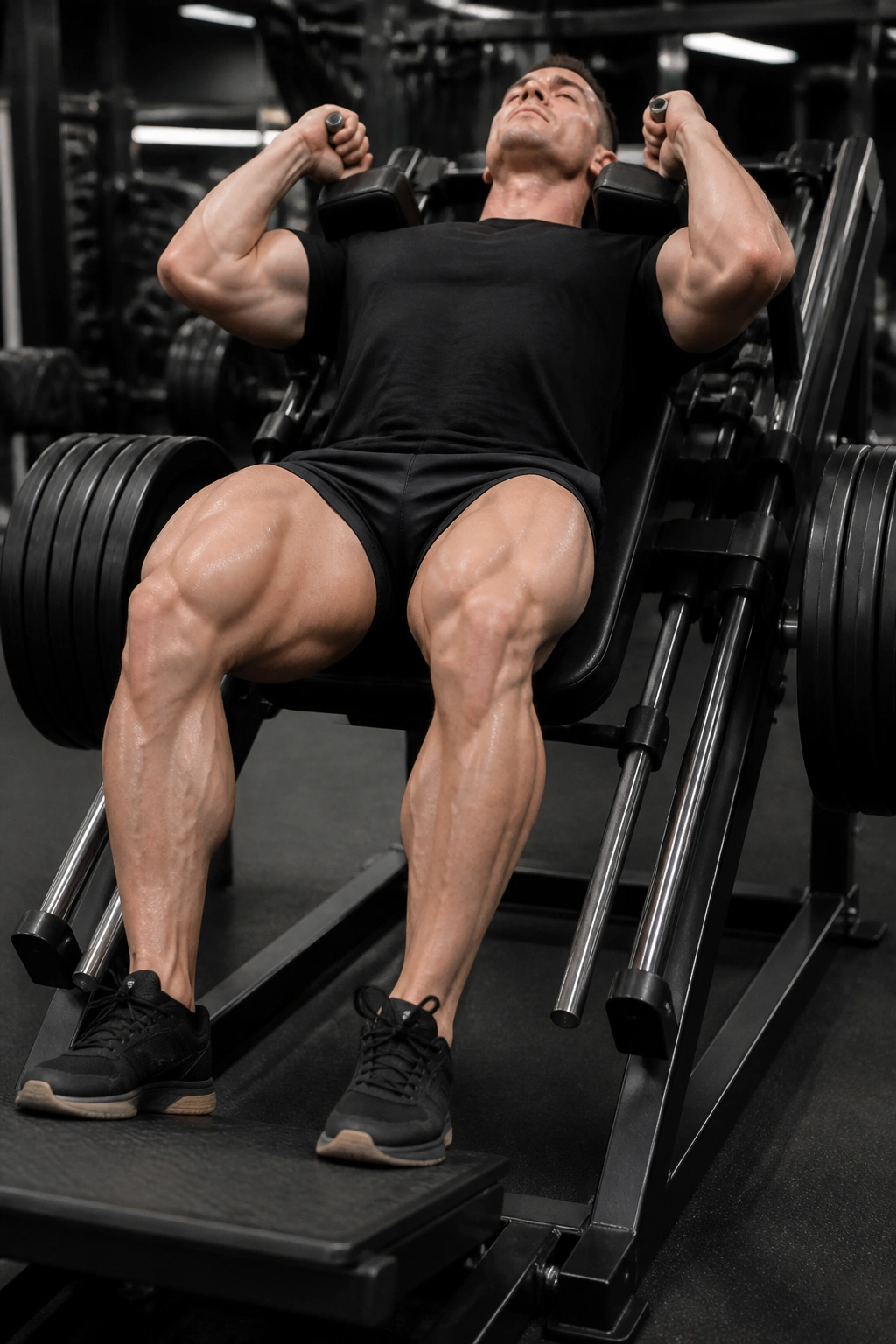
The Hack Squat machine is the closest thing you can get to a barbell back squat while having your back supported. It locks you into a fixed bar path, which means you don’t have to worry about balance. You can push with everything you have. This is a favorite of bodybuilders who want to isolate the quads without worrying about core fatigue.
Proper Form on the Hack Squat
Just because your back is supported doesn’t mean you can ignore your spine. Keep your back pressed against the pad for the entire movement. If your lower back starts to peel away at the bottom of the squat, you’ve gone too low or your feet are positioned incorrectly.
The beauty of the Hack Squat is that you can adjust your foot placement to emphasize different areas of the leg. Placing your feet lower on the platform will give you a massive quad pump. Just be careful: if your heels start to lift, stop immediately. Reset your feet higher on the plate.
10. Kettlebell Swing
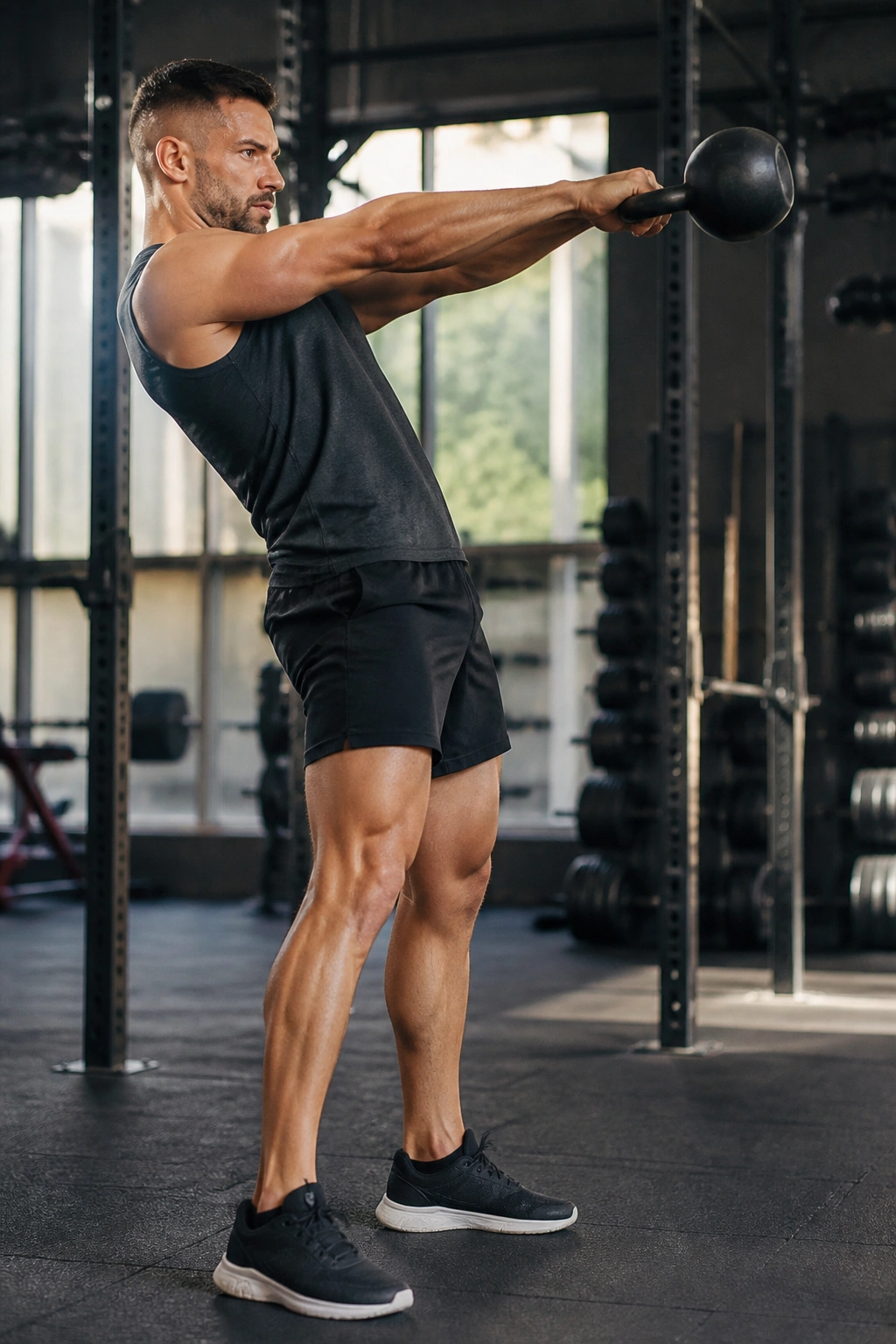
The kettlebell swing is a power movement, not a squat. Too many people try to squat the kettlebell, turning it into a weird, inefficient leg exercise. The swing is a hinge. It is designed to train the “posterior chain”—the lower back, glutes, and hamstrings—to produce explosive force.
The Physics of the Swing
Think of the kettlebell as a pendulum. The force shouldn’t come from your arms; your arms are just ropes holding the weight. The power comes from the violent, rapid extension of your hips. When you stand up straight at the top of the swing, your glutes should snap hard, driving the kettlebell up.
You don’t need to swing the weight over your head. That is a different exercise entirely. A standard kettlebell swing should bring the weight to chest height. If you feel this in your lower back, your hinge is wrong. You should be pushing your hips back and snapping them forward, not bending your knees and lifting with your back.
11. Sumo Deadlift
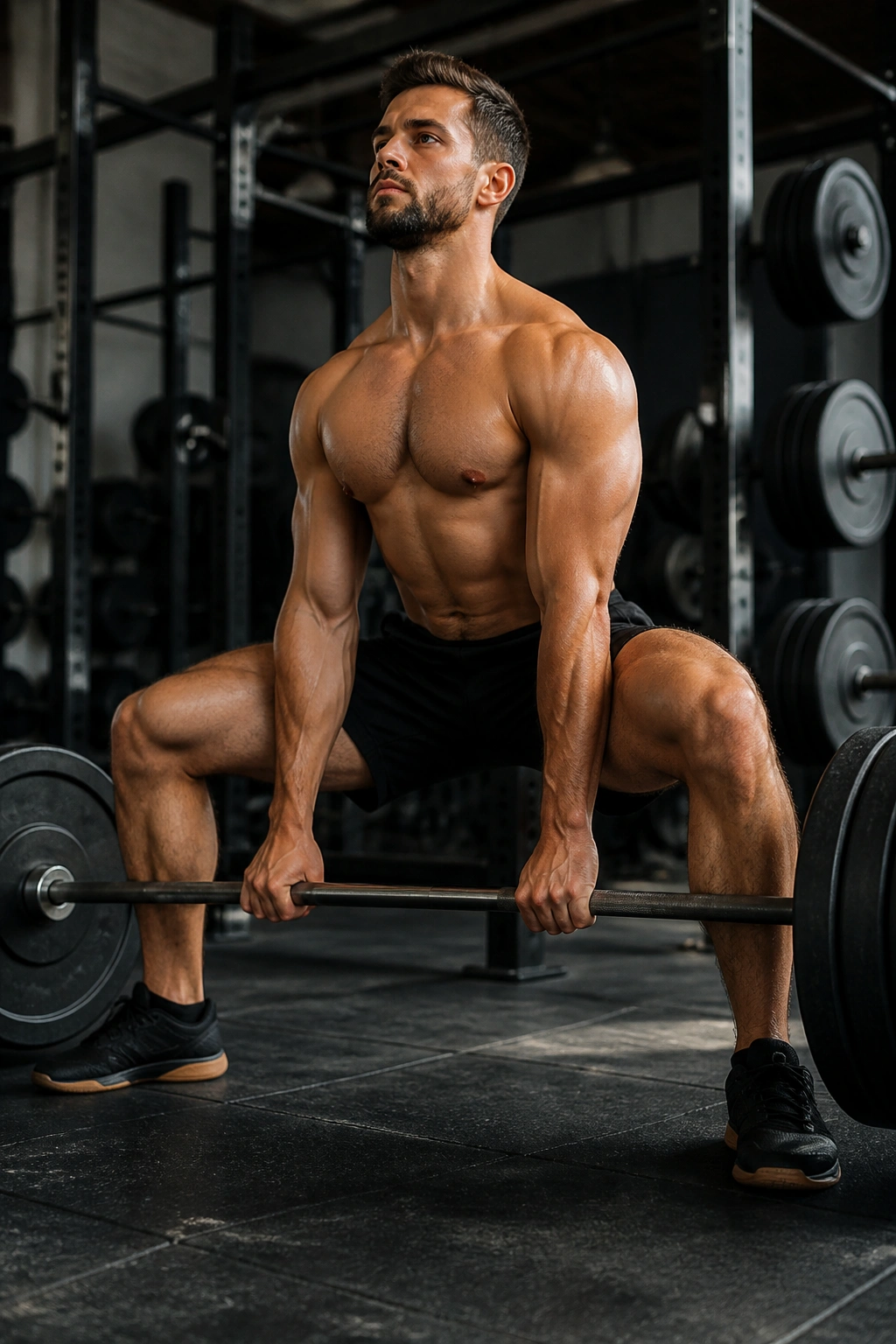
The sumo deadlift involves a wide stance with your hands inside your knees. This positioning shortens the distance the bar has to travel and puts significantly more emphasis on the glutes and the adductors (inner thighs) compared to a conventional deadlift.
Technique Nuances
Because your stance is wider, you have to be very careful about your knees. They must track over your toes. If your knees cave in, you will struggle to clear the floor. Focus on “spreading the floor” with your feet as you drive up. This simple cue helps engage the glutes immediately.
You should feel more upright in a sumo deadlift than in a conventional one. This makes it a great alternative if you have a history of lower back issues, as the more vertical torso reduces the sheer force on your lumbar spine. Always use a mixed grip or a hook grip, as the wide stance can make holding onto the bar challenging for your forearms.
12. Weighted Step-ups
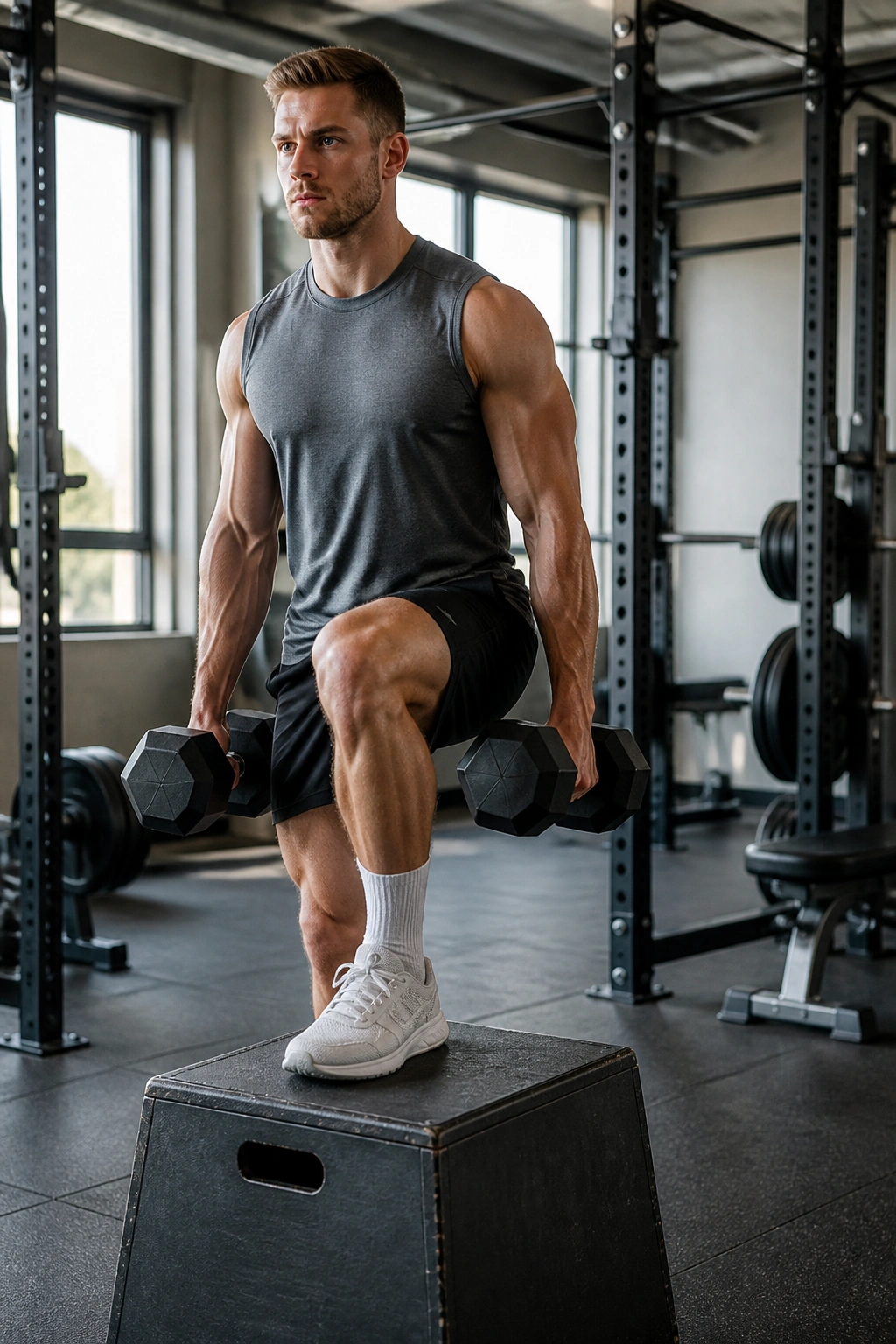
Step-ups are the ultimate functional movement for your legs. How often in life do you need to squat? Maybe to sit down. How often do you need to step up onto something? All the time. Yet, people rarely train this pattern with weight.
Performing Them Right
Find a box or bench that is roughly knee-height. If it’s too high, you’ll have to rock your body to get up, which defeats the purpose. Step up onto the box, driving through the heel of the leg on the box. The key is to control the descent. Don’t just drop back down; lower yourself slowly for a count of three.
The descent is where the muscle fiber damage—and therefore the growth—actually happens. If you find yourself bouncing off the floor to get up, the box is too high or the weight is too heavy. Drop the ego. A slower, controlled step-up with a lighter dumbbell is worth more than a reckless, heavy one.
13. Standing Calf Raises
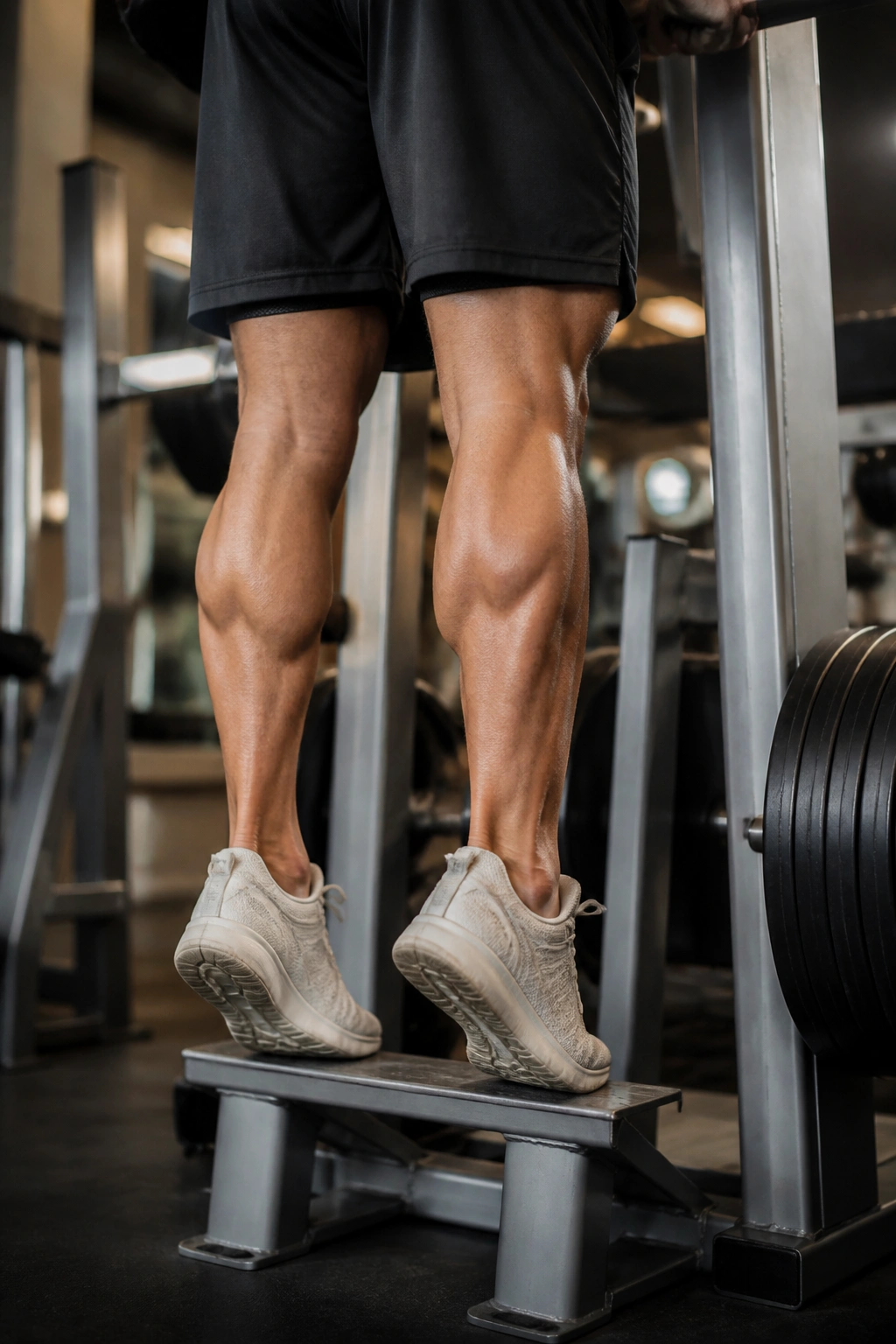
Calves are notoriously stubborn. They are small muscles that are used to carrying your body weight all day long, so they require high volume and a full range of motion to actually grow. Standing calf raises on a machine or with a smith machine are the best way to load them heavily.
The Range of Motion Problem
Most people treat calf raises like a vibration exercise—tiny, quick pulses. That is a waste of time. You need to get a deep stretch at the bottom and a peak contraction at the top.
Let your heels drop as low as possible at the bottom to stretch the Achilles and the calf muscle. Then, explode up onto the balls of your feet and hold that contraction for a full second. That peak squeeze is the only way to get blood into the stubborn soleus and gastrocnemius muscles. Do these in the 15-20 rep range; the calves respond best to volume.
14. Barbell Hip Thrust
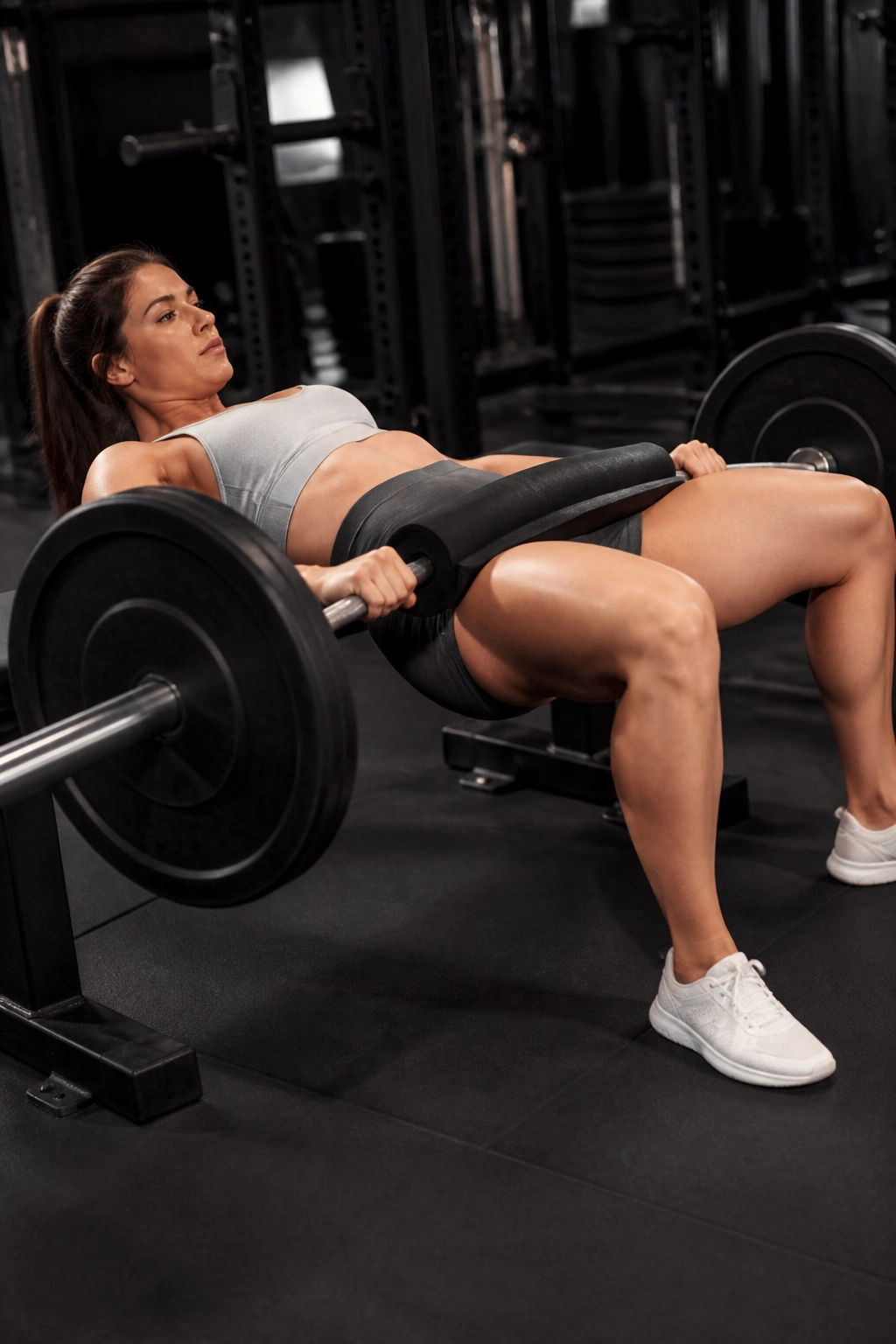
The hip thrust has revolutionized glute training. Before it became popular, people relied on squats and lunges to build glutes, but those exercises are limited by quad fatigue. The hip thrust allows you to load the glutes directly without the quads taking over the load.
Setting Up the Thrust
You need a bench and a barbell with a pad. Place your upper back against the bench—not your neck. The bar should sit right across your hip crease. Drive through your heels to lift the bar, focusing entirely on squeezing your glutes at the top.
Do not overextend your lower back at the top of the movement. If you arch your back, you are taking the tension off your glutes and putting it on your lumbar spine. A simple trick is to keep your chin tucked toward your chest throughout the set. This naturally rounds your upper back, which makes it harder to overarch your lower back and forces your glutes to do the work.
15. Zercher Squat
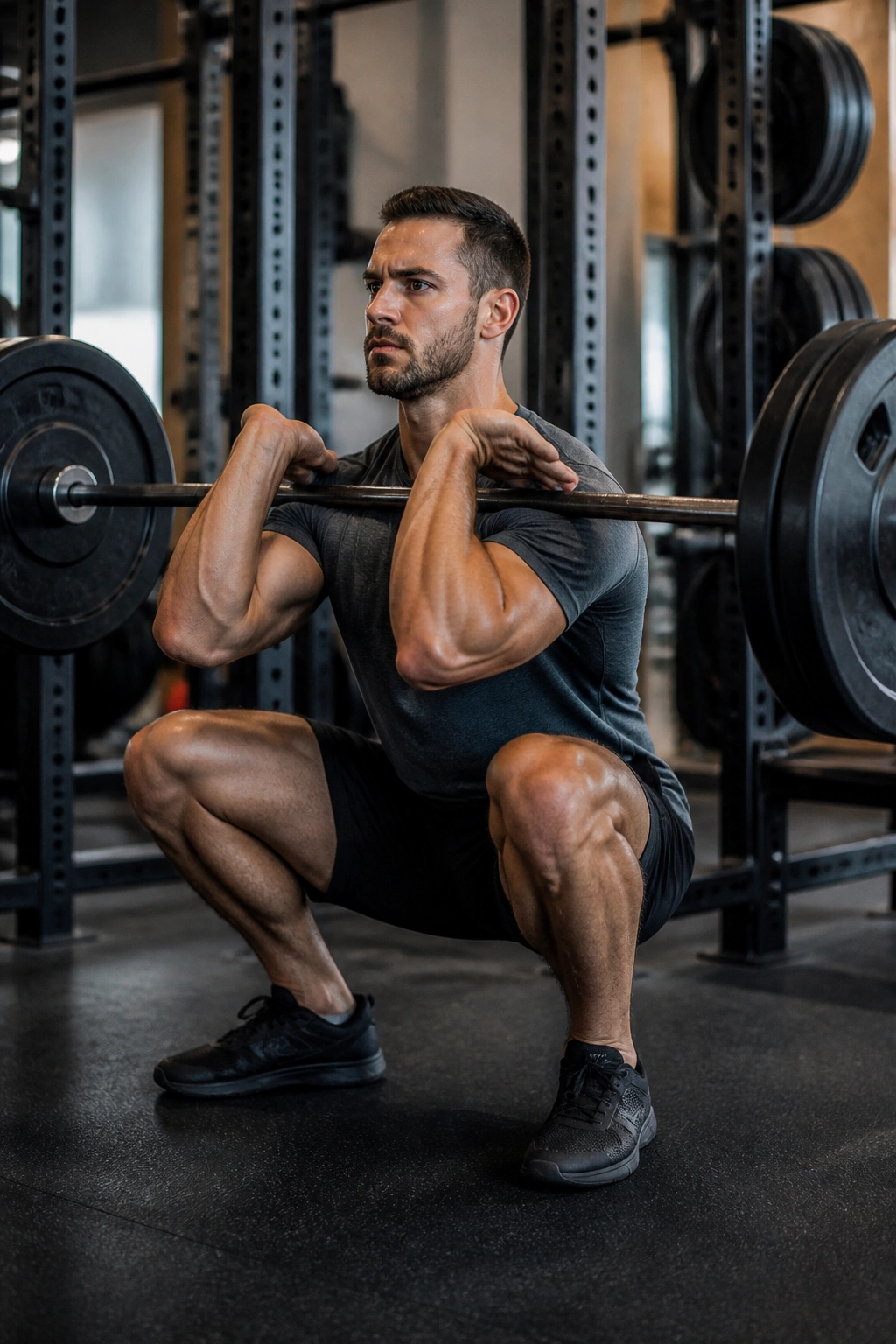
The Zercher squat involves holding a barbell in the crook of your elbows while squatting. It looks painful, and honestly, it is, but it is one of the most effective ways to build core strength and quad size simultaneously. Because the weight is held low and in front of you, it forces you to stay incredibly upright.
How to Survive the Bar
The bar will dig into your elbows. There is no way around that. You can wrap a towel or a foam pad around the bar to make it bearable. Start with a light weight to practice your balance. You will notice that you can get much deeper into a squat with a Zercher grip than with a back squat because the front-loaded weight acts as a counterbalance.
This exercise is not for the faint of heart. It is for people who want to build dense, thick legs and a core that is basically made of iron. If you haven’t tried these, start with an empty bar. You will be surprised by how difficult the stability demands are.
16. Hip Adduction Machine
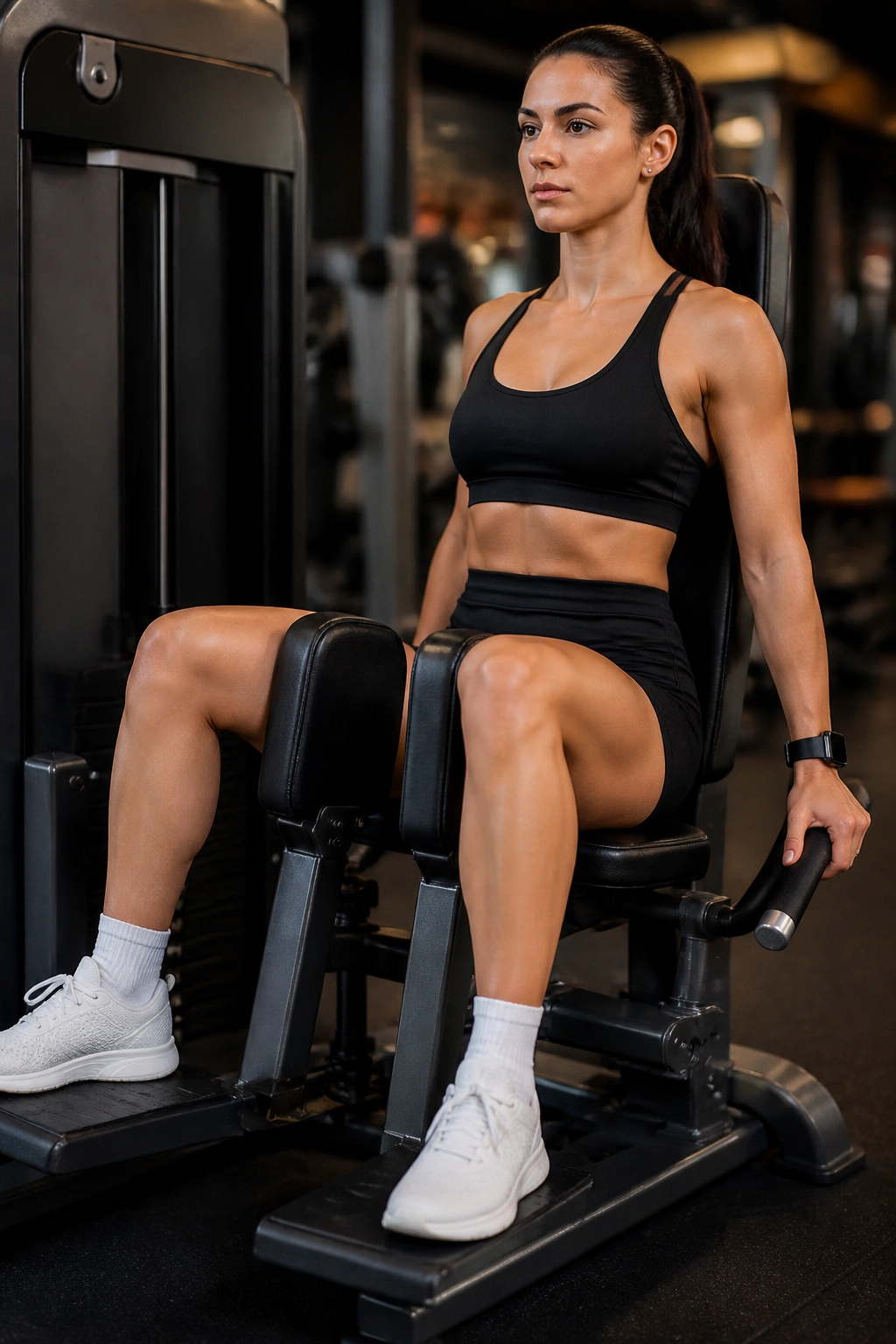
The adductors—the muscles on the inside of your thighs—are often neglected. They are crucial for knee stability and are heavily involved in the squat and the deadlift. The hip adduction machine is one of the few ways to isolate these muscles.
Why You Shouldn’t Skip It
A lot of guys skip this because it’s the “inner thigh machine.” That is a mistake. Strong adductors help you drive your knees out during squats, which is the key to lifting heavy weight. Plus, they help build that “thick” look in the upper leg that you can’t get from just squatting.
Sit upright and push the pads together. Do not lean forward, as that shifts the focus to the glutes. Stay upright, control the opening of the legs to get a good stretch, and then squeeze firmly as you bring your knees together. Don’t use the momentum of the machine to slam the weight; control the movement.
17. Glute-Ham Developer (GHD)
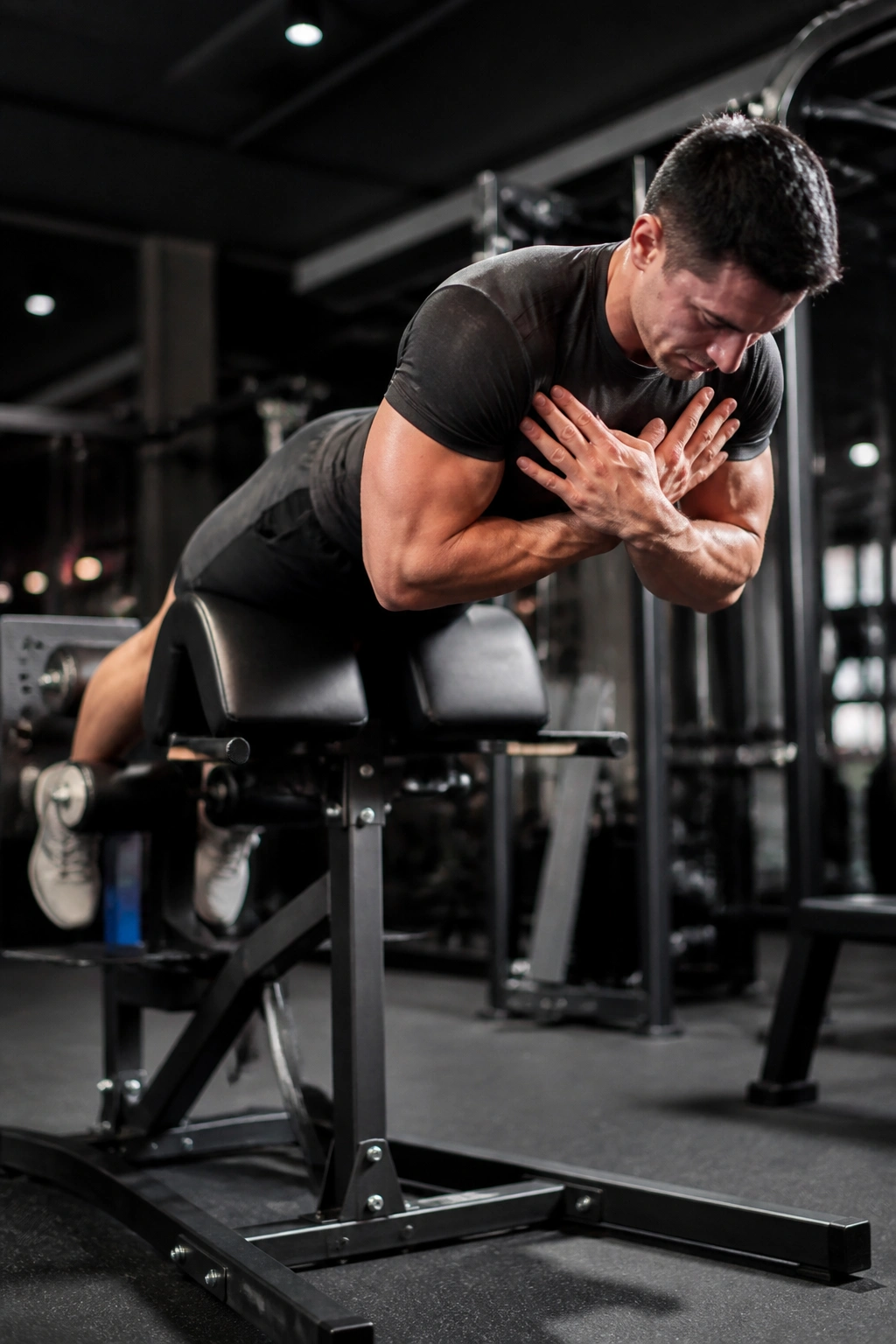
The Glute-Ham Developer is a specialized piece of equipment that is arguably the most brutal posterior chain developer in the gym. It looks like a torture device, and for the first few sessions, it will feel like one. It trains your hamstrings to act as both a hip extender and a knee flexor.
Mastering the Movement
Your feet are locked in, and your thighs are on the pad. You lower your torso until you are perpendicular to the floor, then you use your hamstrings and glutes to pull yourself back up. It’s an incredibly difficult movement.
Start by practicing “back extensions” on the machine where you just use your lower back, then slowly progress to using your hamstrings. If you can do ten clean reps on a GHD, your hamstrings are likely stronger than 90% of the people in your gym. It is the gold standard for hamstring development.
18. Sled Push
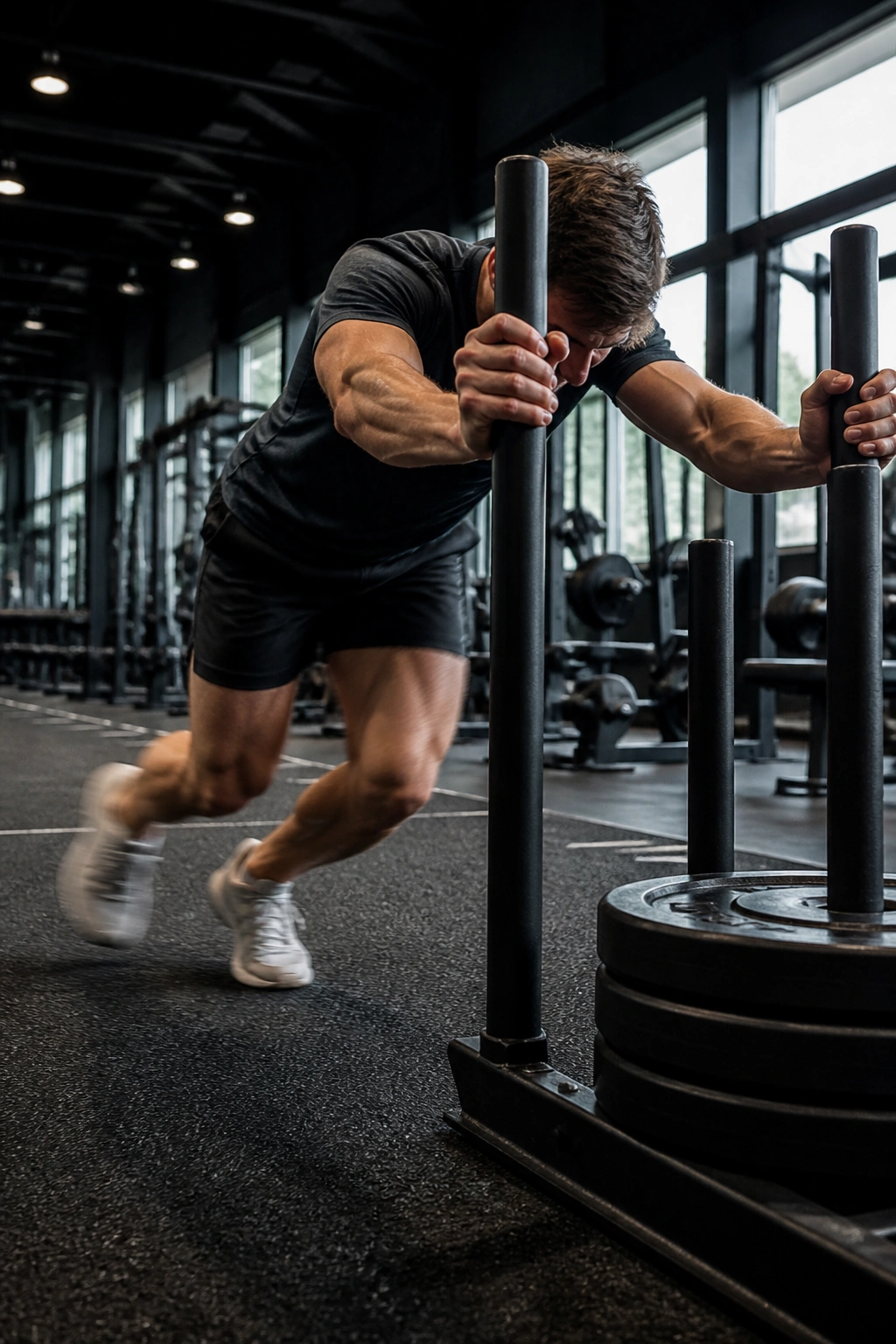
The sled push is the perfect way to finish a leg workout. It is a “concentric-only” movement, meaning there is no eccentric (lowering) phase. This means you don’t get the same kind of muscle soreness as you would from a squat or a lunge. It’s pure, raw quad fatigue.
Pushing for Power
Load the sled, grab the high handles, and drive. Keep your arms straight and your torso leaned into the sled. Each step should be a powerful drive. If you are shuffling your feet, the weight is likely too heavy. Take long, deliberate strides.
This is conditioning at its best. It doesn’t stress your joints like jumping rope or running, and it doesn’t tax your spine like a heavy barbell. It just forces your quads to work under tension until they can’t anymore. It’s the perfect end to a brutal leg day.
Final Thoughts
Building strong legs requires more than just showing up to the gym and doing a few sets. It requires the willingness to endure movements that make you uncomfortable. It requires technical precision, especially when you are tired. There is no magic formula, no secret machine, and no special supplement that can replace the work of squatting, hinging, and pushing.
When you walk into the gym, have a plan. Don’t just wander from machine to machine. Pick a foundational compound movement—like the back squat or the leg press—and focus on getting stronger at it over the weeks. Use the isolation movements to fix your weaknesses and round out your physique. If you follow this approach, consistently and without excuses, the results will come. Just remember that the work is only half the battle; the recovery you put in after the session is where the growth actually takes place.
