



“Toning” is a term that gets thrown around fitness circles constantly, yet it often obscures the simple biological reality of what is actually happening. When you want legs that look defined and lean, you are fundamentally talking about two distinct processes occurring simultaneously: building a solid foundation of muscle mass and reducing the layer of body fat that sits on top of that muscle. You cannot “spot reduce” fat from your thighs through exercise alone, but you can absolutely use resistance training to sculpt the musculature beneath.
Legs are comprised of some of the largest muscle groups in your entire body. Training them requires more energy, recruits more muscle fibers, and triggers a more significant metabolic response than almost any other type of movement. Because these muscles are large, they demand a lot of fuel. By consistently challenging your quads, hamstrings, glutes, and calves with resistance, you force them to adapt, grow firmer, and eventually show more definition.
The following list is not about finding the “easiest” way to change your physique. It is about understanding the mechanics of movement. We are going to look at eighteen specific, effective ways to stimulate your lower body. Some of these are compound movements that recruit almost every muscle from your waist down; others are isolation exercises designed to target those smaller, stabilizing muscles that give your legs a polished, athletic appearance.
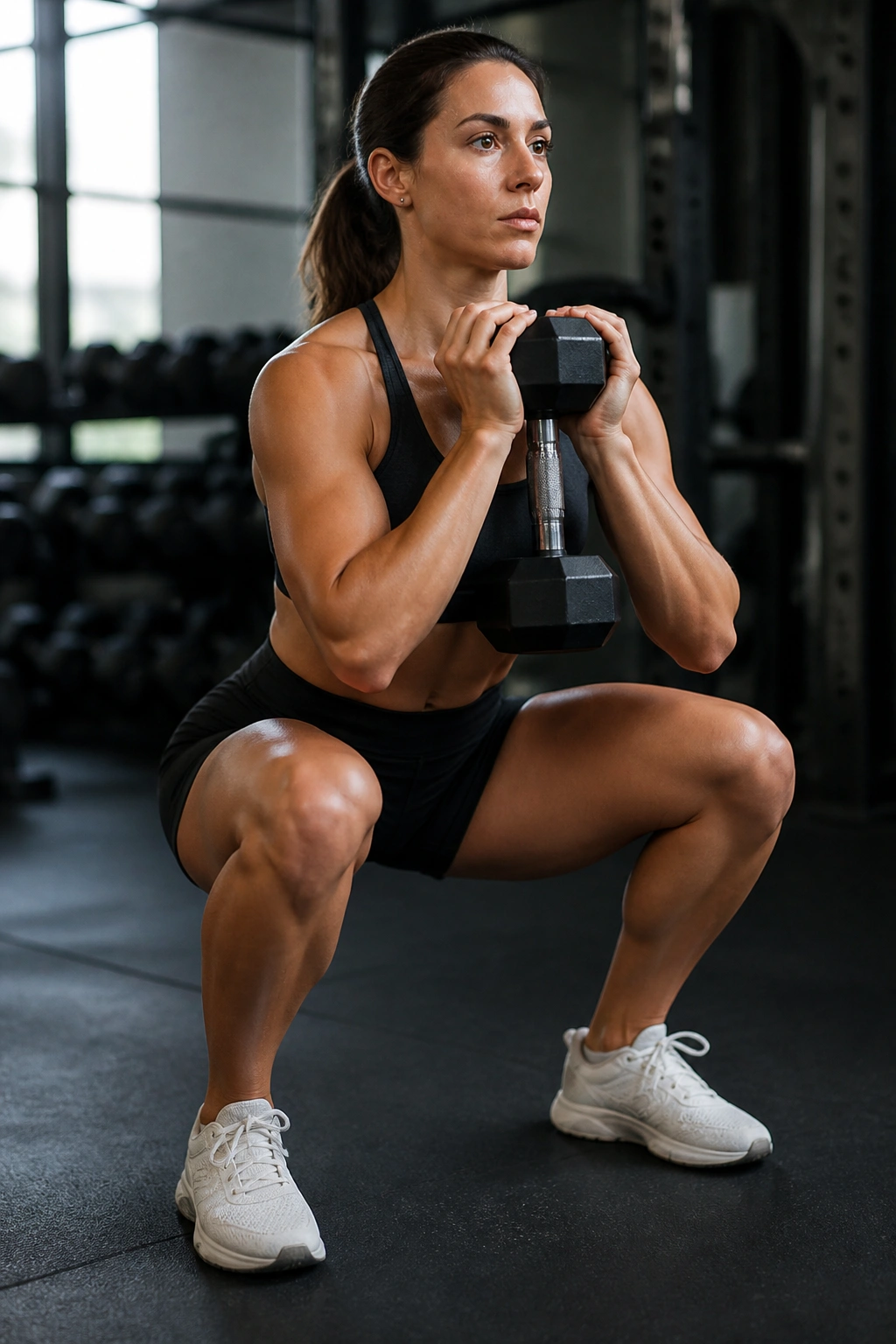
1. Goblet Squats
The goblet squat is often the first movement I teach someone who wants to learn how to squat with proper depth. By holding a weight—a dumbbell or kettlebell—at your chest, you create a counterbalance that forces you to stay upright. Most people lean too far forward when they squat, putting unnecessary strain on their lower back, but the goblet squat makes that mistake physically difficult to commit.
Why It Works for Definition
The front-loaded weight acts as a natural stabilizer. It forces your core to engage to keep you from falling forward, which creates a full-body engagement. As you sink into the squat, your quads are placed under significant tension, particularly at the bottom of the movement where the muscle fibers are most lengthened.
Proper Execution
Hold a single heavy dumbbell vertically against your chest. Your feet should be shoulder-width apart with your toes turned slightly outward. Initiate the movement by pushing your hips back as if you are reaching for a chair. Lower your body until your elbows are near your knees, keeping your chest proud and your heels firmly planted. Drive through your mid-foot to stand back up, exhaling as you rise. Focus on keeping your elbows tucked close to your body to maintain a neutral spine throughout the entire range of motion.
2. Romanian Deadlifts
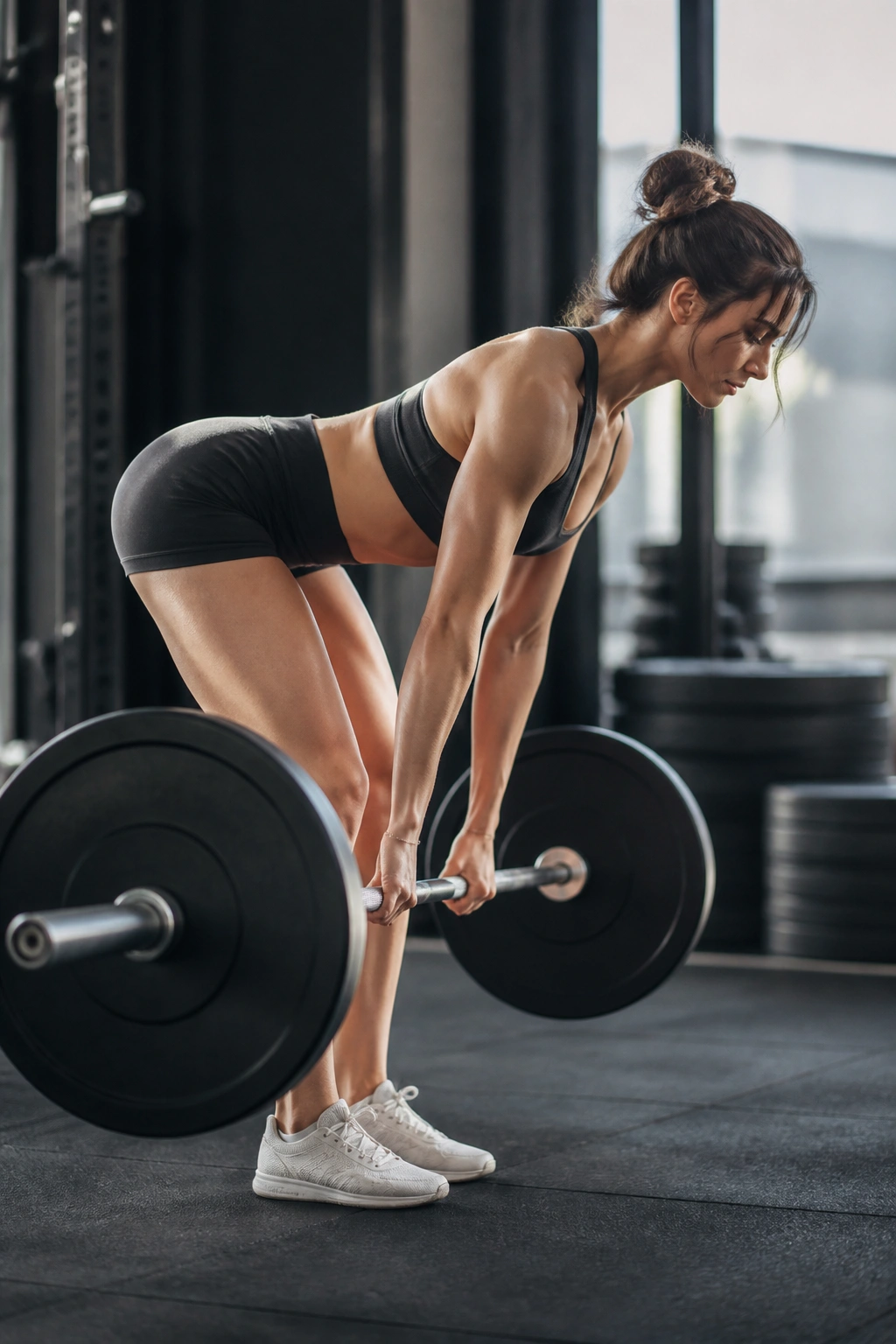
If you want defined hamstrings, you need to master the hinge. The Romanian Deadlift (RDL) is the king of posterior chain exercises. Unlike a standard deadlift where you pull from the floor, an RDL focuses on the eccentric (lowering) portion of the movement, which is highly effective for building muscle density.
The Mechanics of the Hinge
This movement is not a squat; it is a hip hinge. Your knees should have a slight, permanent bend, but they should not be moving significantly throughout the lift. The motion comes entirely from your hips traveling backward. You should feel a deep, intense stretch in your hamstrings as you lower the weight, almost as if someone is pulling your hips toward the wall behind you.
Avoiding Common Mistakes
One of the biggest errors I see is people trying to get the weight to touch the floor by rounding their back. Forget the floor. Focus on how far back your hips can go while keeping your back completely flat. If your back starts to curve, you have reached your end range; stop there, and drive your hips forward to return to the standing position. Your legs will thank you for the extra tension on the hamstrings.
3. Walking Lunges
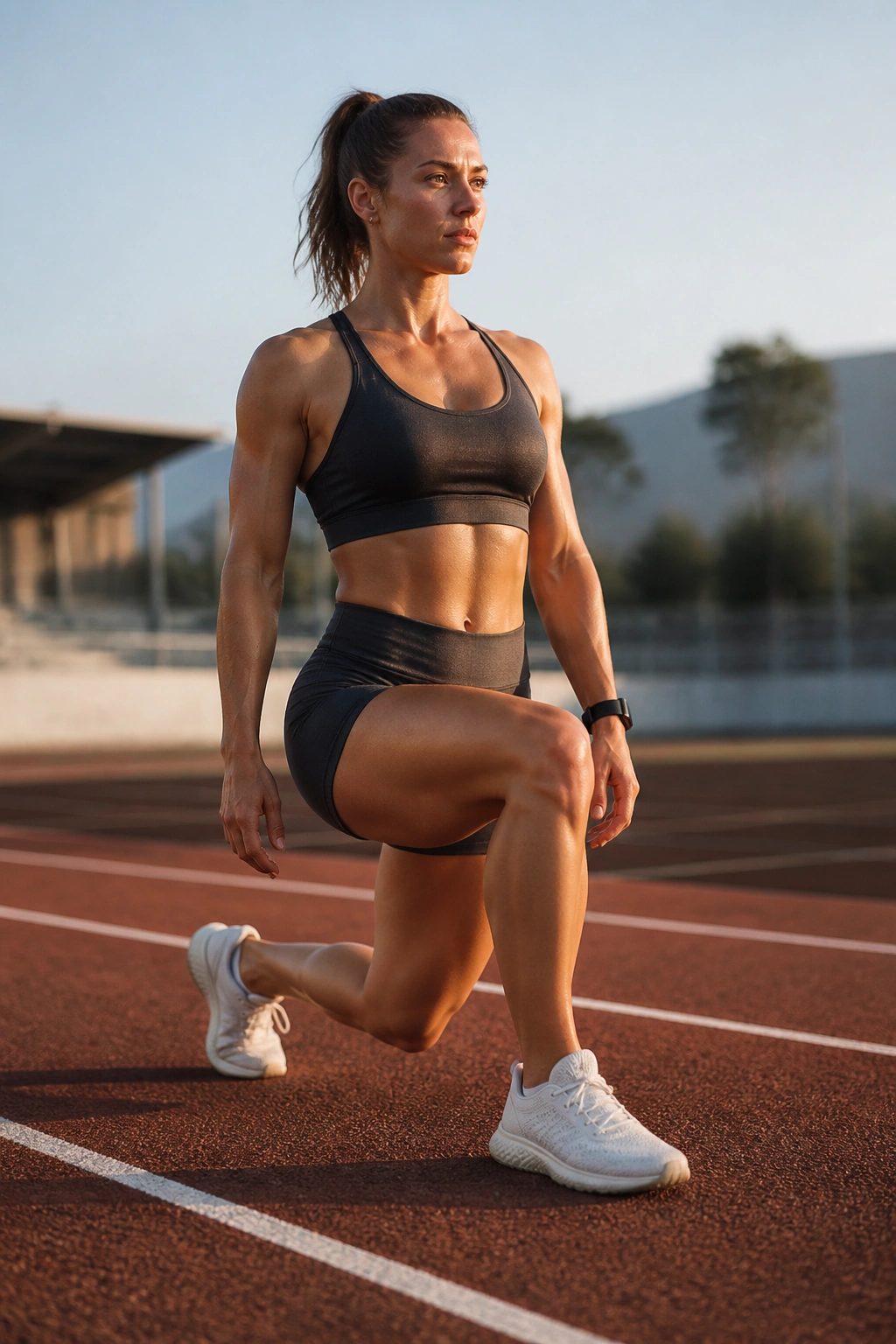
Walking lunges are functional, challenging, and excellent for metabolic conditioning. Because you are constantly stepping forward and stabilizing, this movement recruits the glutes, quads, and the smaller stabilizing muscles around the hips and ankles that often get ignored during static exercises.
Building Stability and Balance
When you step into a lunge, your body has to work overtime to balance on one leg for a split second. This is where the magic happens for “toning.” You are training your body to be stable while it is in motion. Over time, this improves your coordination and makes your legs appear more athletic and capable.
Technique Tips for Success
Keep your torso vertical. If you lean forward too much, you shift the load onto your lower back instead of your glutes and quads. Take a long enough step so that when you lower down, both your front and back knees form roughly 90-degree angles. If your step is too short, your front knee will travel too far over your toes, which can cause discomfort. Always keep your front foot flat; never let your heel lift off the ground.
4. Bulgarian Split Squats
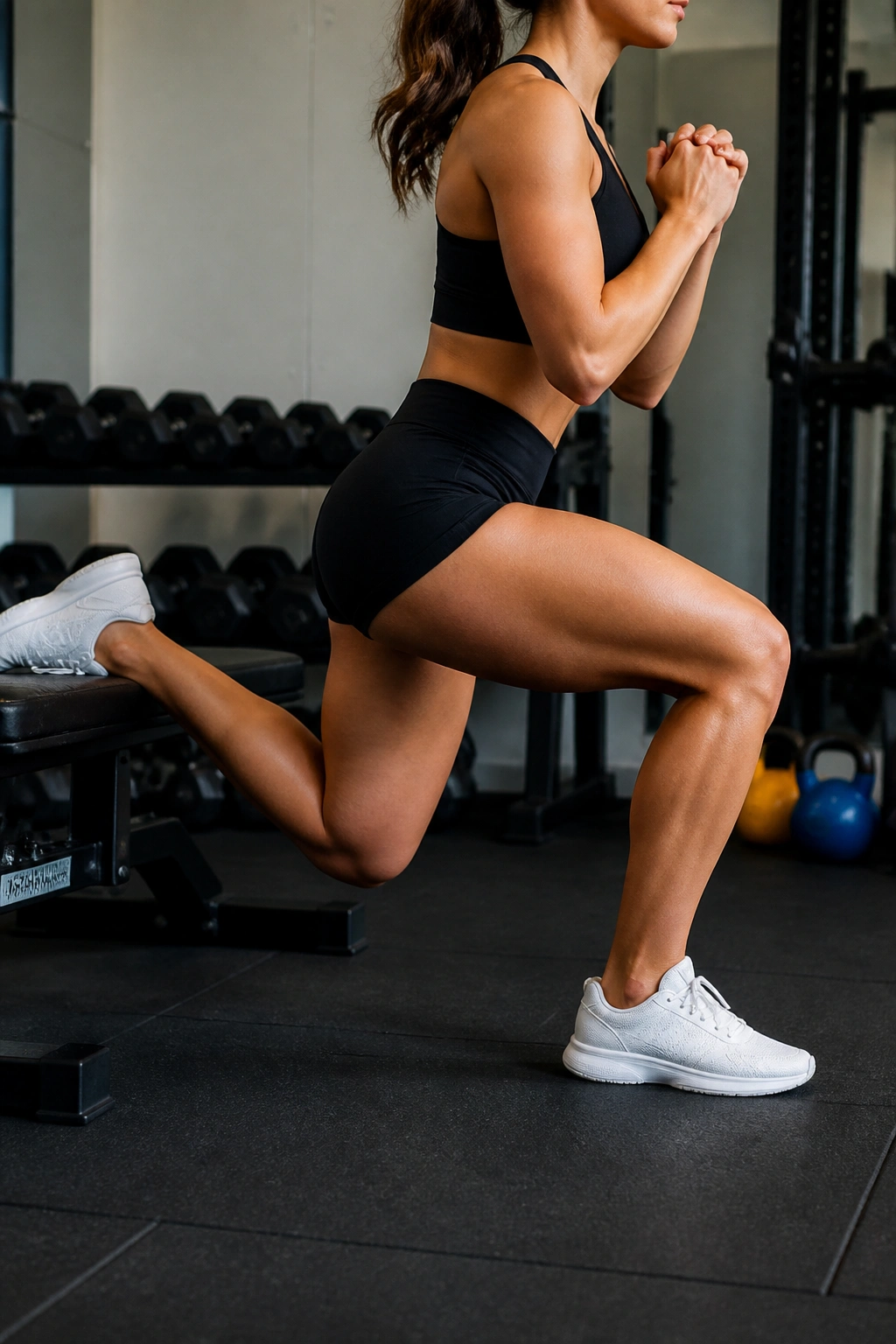
These are often called the “love-hate” exercise of the fitness world. You will likely hate them while you are doing them, but you will love how they define your legs. By elevating your rear foot on a bench or chair, you shift almost the entire load onto the front leg, making this a highly efficient unilateral (one-sided) movement.
Why Unilateral Work Matters
We all have a dominant side. A standard squat can allow your stronger leg to compensate for the weaker one, leading to muscle imbalances. The Bulgarian split squat eliminates this. It forces the working leg to handle the full load, ensuring that both legs are developed evenly. This symmetry is the secret to that “sculpted” look.
How to Get the Setup Right
Set your back foot on a bench. Hop your front foot forward enough so that when you descend, your front knee stays behind your toes. Lower your back knee toward the floor. You don’t need to touch the floor, just get close. Push through the front heel to return to the start. If you feel this mostly in your lower back, lean your torso slightly forward—this will shift the focus back to your glutes and hamstrings.
5. Sumo Squats
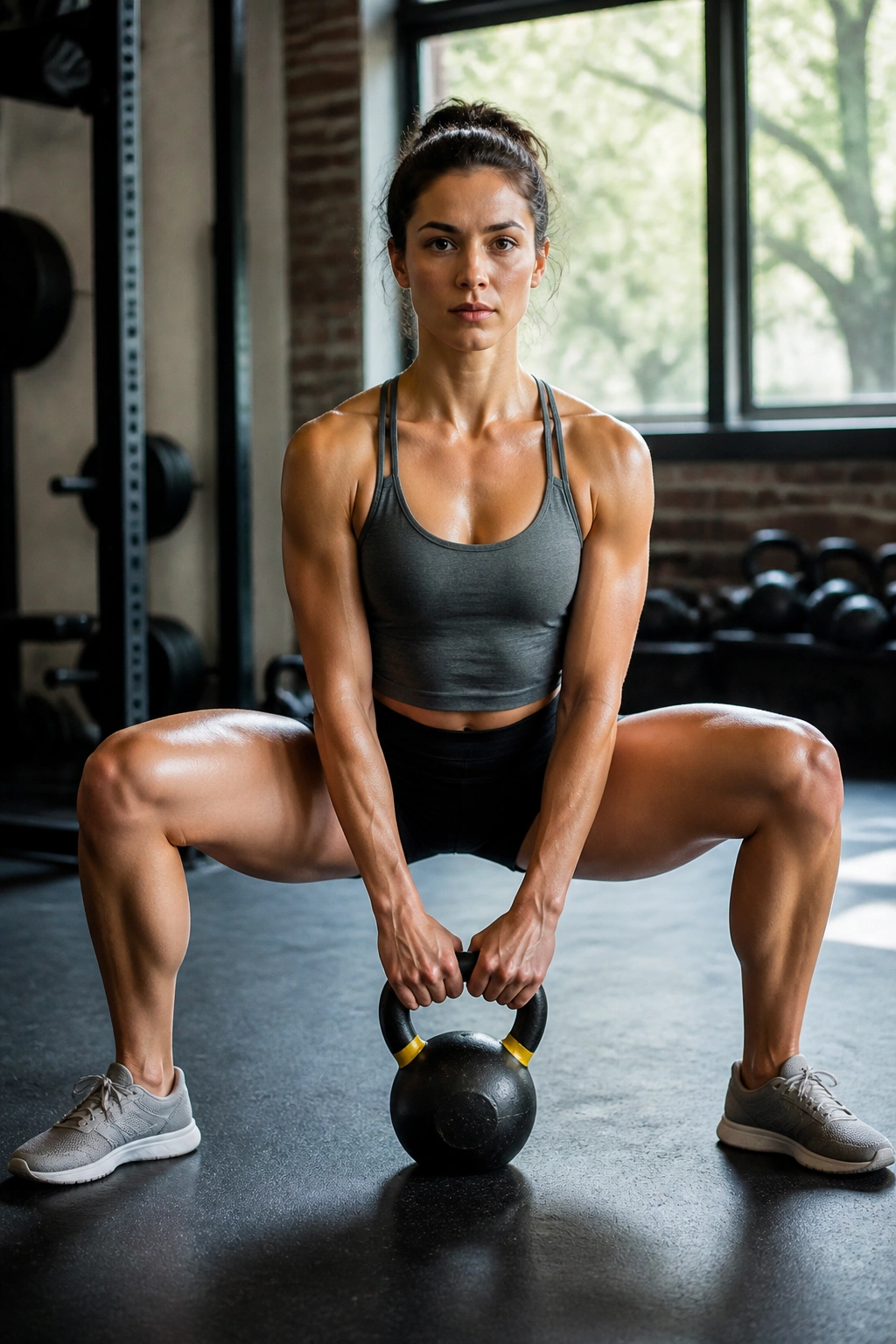
The sumo squat utilizes a wide stance and externally rotated feet. This minor shift in positioning completely changes which muscles are being prioritized. By widening your feet, you put significantly more stress on your inner thighs (adductors) and glutes, helping to create a more balanced look across the entire thigh.
Targeted Inner Thigh Engagement
While you cannot “spot reduce” fat from the inner thigh, you can build muscle in the adductor group. The sumo squat is one of the few movements that effectively targets this area. Because your feet are wide, your range of motion is naturally shorter than a traditional squat, allowing you to move a bit more weight or focus on a slower, more controlled tempo.
The Importance of Knee Tracking
With a wide stance, it is crucial that your knees track in the same direction as your toes. If your knees cave inward, you lose the engagement of the glutes and put unnecessary stress on your knee joints. Push your knees outward as you descend, actively engaging your glutes to maintain that wide, stable base.
6. Lateral Lunges
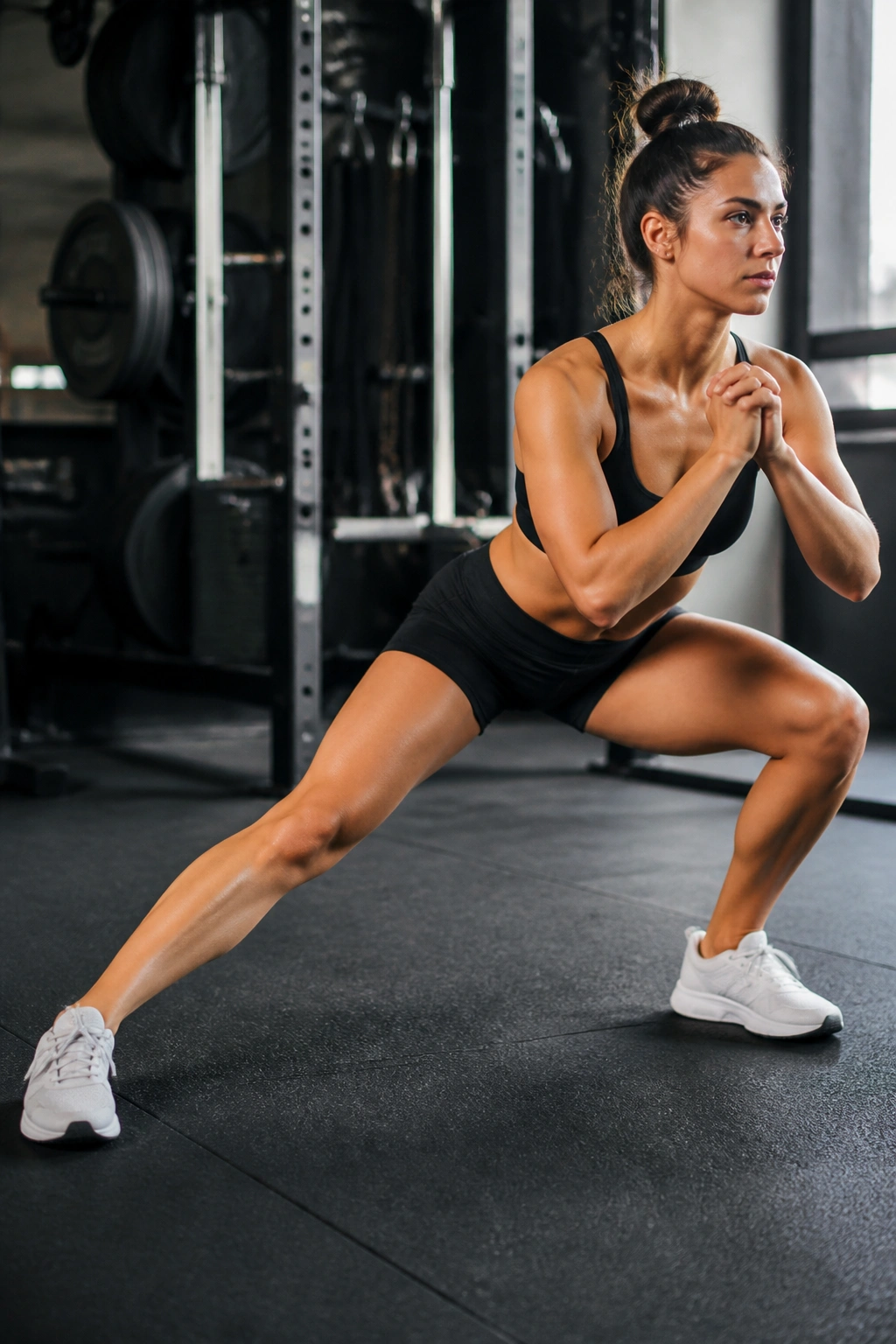
Most of our daily movement happens in the forward and backward plane (sagittal plane). Lateral lunges force you to move side-to-side (frontal plane), which is vital for building legs that look strong from every angle. This movement targets the glute medius—the muscle on the side of your hip—which provides that rounded, “shelf” look to the glutes.
Unlocking Lateral Mobility
This is a mobility drill as much as it is a strength exercise. As you step out to the side, ensure you keep the straight leg fully extended and the pushing leg bent. You should feel a stretch in the inner thigh of the extended leg and a contraction in the glute of the working leg.
Controlling the Return
The most important part of this exercise isn’t the step out—it’s the push back. Use the heel of your bent leg to aggressively push the floor away, returning to the center. If you feel like you are just flopping into the movement, lighten the weight or reduce the range of motion. Precision is more important than speed here.
7. Step-ups
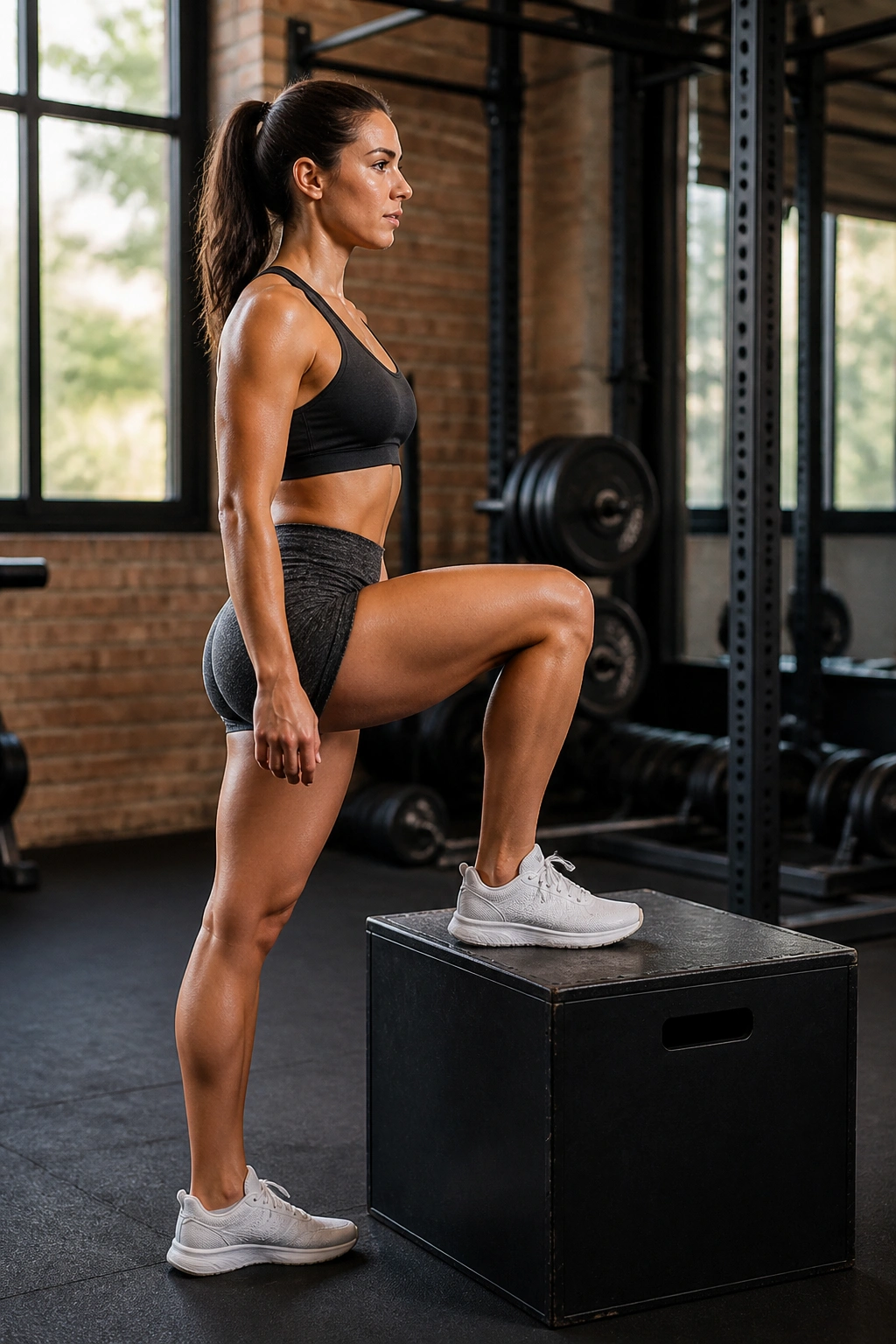
Step-ups are a simple, underrated tool for leg definition. They require no equipment other than a sturdy box or bench, yet they can be one of the most taxing movements in your arsenal. Because you are lifting your entire body weight with one leg, you get a massive amount of output for a relatively low impact on your joints.
Focus on Control
Do not use momentum. Many people use their back leg to “spring” off the floor to help get up. That defeats the purpose. Keep your back foot as a passive observer. Press through the heel of the foot that is on the box, and stand up completely. The eccentric portion—lowering yourself down—is where you should be the most careful. Lower yourself slowly, taking 2-3 seconds, to really engage the muscles.
Finding the Right Height
If the box is too high, your hip will hike up, and you’ll start using your lower back to pull yourself up. If it is too low, you aren’t getting enough range of motion to fatigue the glutes. Aim for a height where your knee is roughly at a 90-degree angle when your foot is on the box. If you don’t have a box, a sturdy chair works perfectly.
8. Glute Bridges
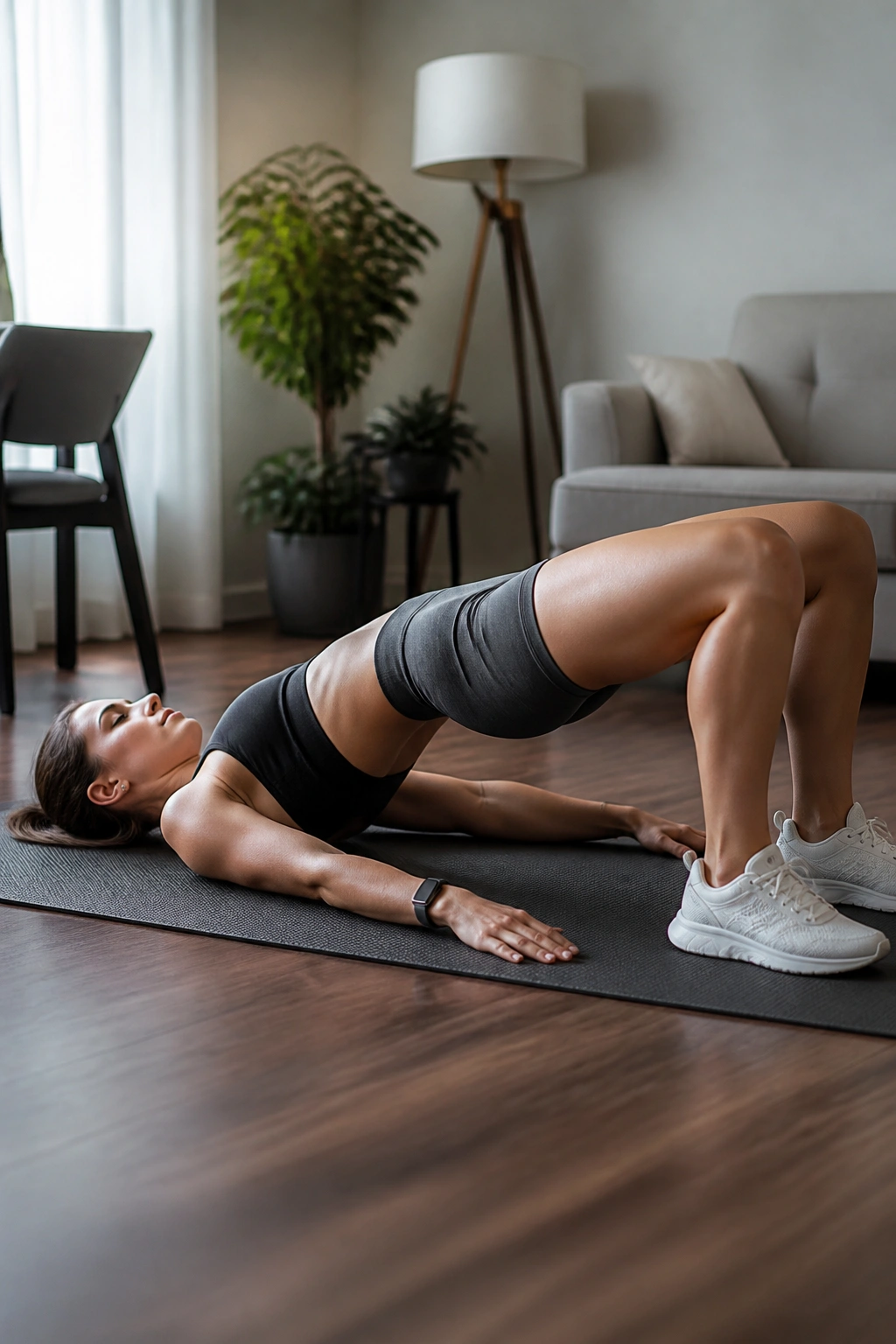
If you want to isolate your glutes and take your lower back out of the equation, the glute bridge is your best friend. This movement is incredible for activating the posterior chain without the complexity of heavy barbell work. It is safe, effective, and can be done anywhere.
Perfecting the Mind-Muscle Connection
Lie on your back, knees bent, feet flat on the floor, about hip-width apart. As you lift your hips, focus on squeezing your glutes as hard as you can at the top. Do not rely on your hamstrings to do the lifting; if you feel a cramp in your hamstrings, move your feet a few inches further away from your body.
Variations for Intensity
Once the standard bridge becomes easy, add a weight across your hips. A sandbag, a heavy dumbbell, or even a backpack filled with books can provide enough resistance to keep the movement challenging. Hold the top position for two full seconds on every repetition to maximize muscle activation.
9. Curtsy Lunges
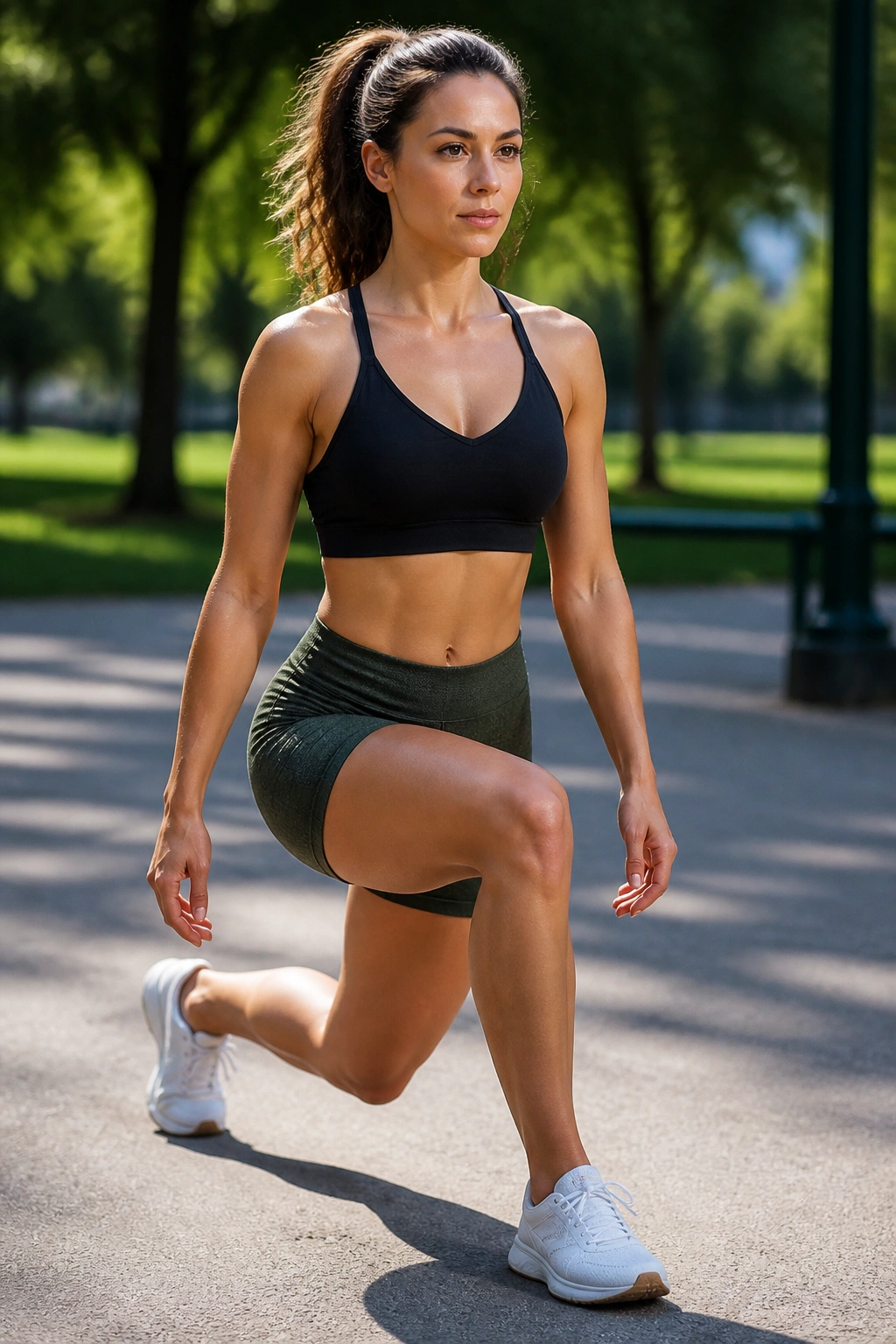
The curtsy lunge is a subtle variation of a reverse lunge that adds a rotational element. By crossing your back leg behind your front leg, you shift the load onto the outer portion of your glute. This is essential for sculpting the transition between your glutes and your outer thigh.
Why the Angle Matters
Because you are crossing your leg behind, you are effectively lengthening the glute muscles more than a standard reverse lunge would. This extra stretch helps stimulate muscle growth. It is also excellent for hip stability because the balance required is slightly more precarious.
Staying Upright
Keep your hips square to the front. You don’t want to rotate your torso. Think of your legs as moving in a diamond pattern. As you step back, the focus should stay in the front leg. If you find your balance is off, place your hand lightly on a wall for support, but focus on letting the glute do the heavy lifting.
10. Calf Raises
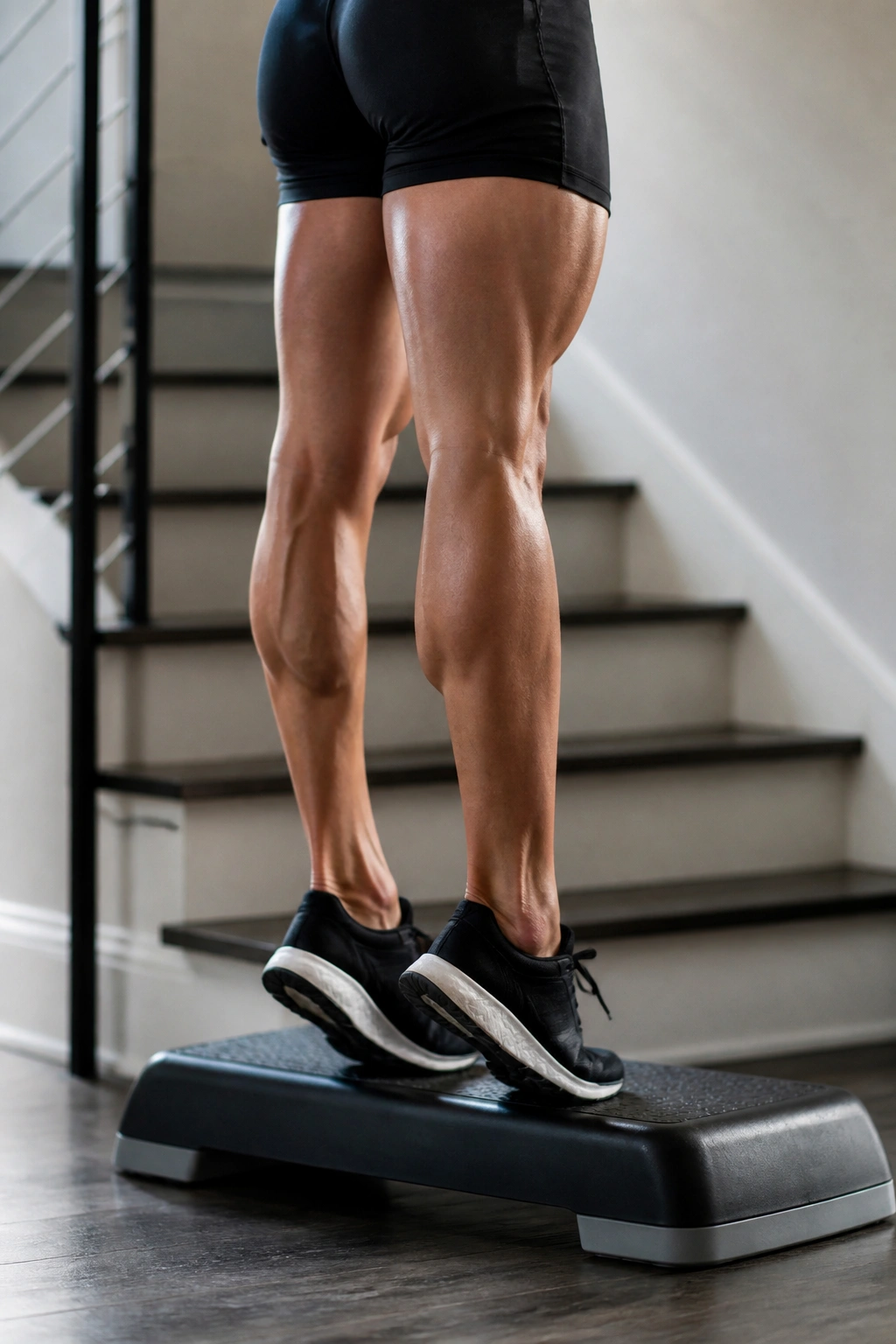
You cannot ignore the lower leg if you want a complete, defined look. The calves are made up of two main muscles: the gastrocnemius (the upper part) and the soleus (the deeper, lower part). Calf raises are the primary way to target these areas, and they respond well to slow, controlled volume.
Slowing Down the Tempo
Most people bounce through calf raises, using their Achilles tendon to spring up and down. This uses elastic energy rather than muscle contraction. To actually build the muscle, you need to eliminate that bounce. Perform the raise in 2 seconds, hold the squeeze at the top for 1 second, and lower for 3 seconds.
Changing the Foot Angle
While the standard toe-forward position is great, try pointing your toes slightly outward or inward occasionally. This slightly shifts the tension across the different heads of the gastrocnemius. Consistency is more important than massive weight here; aim for higher rep ranges (15-20 reps) to really feel the “burn.”
11. Side-Lying Leg Lifts
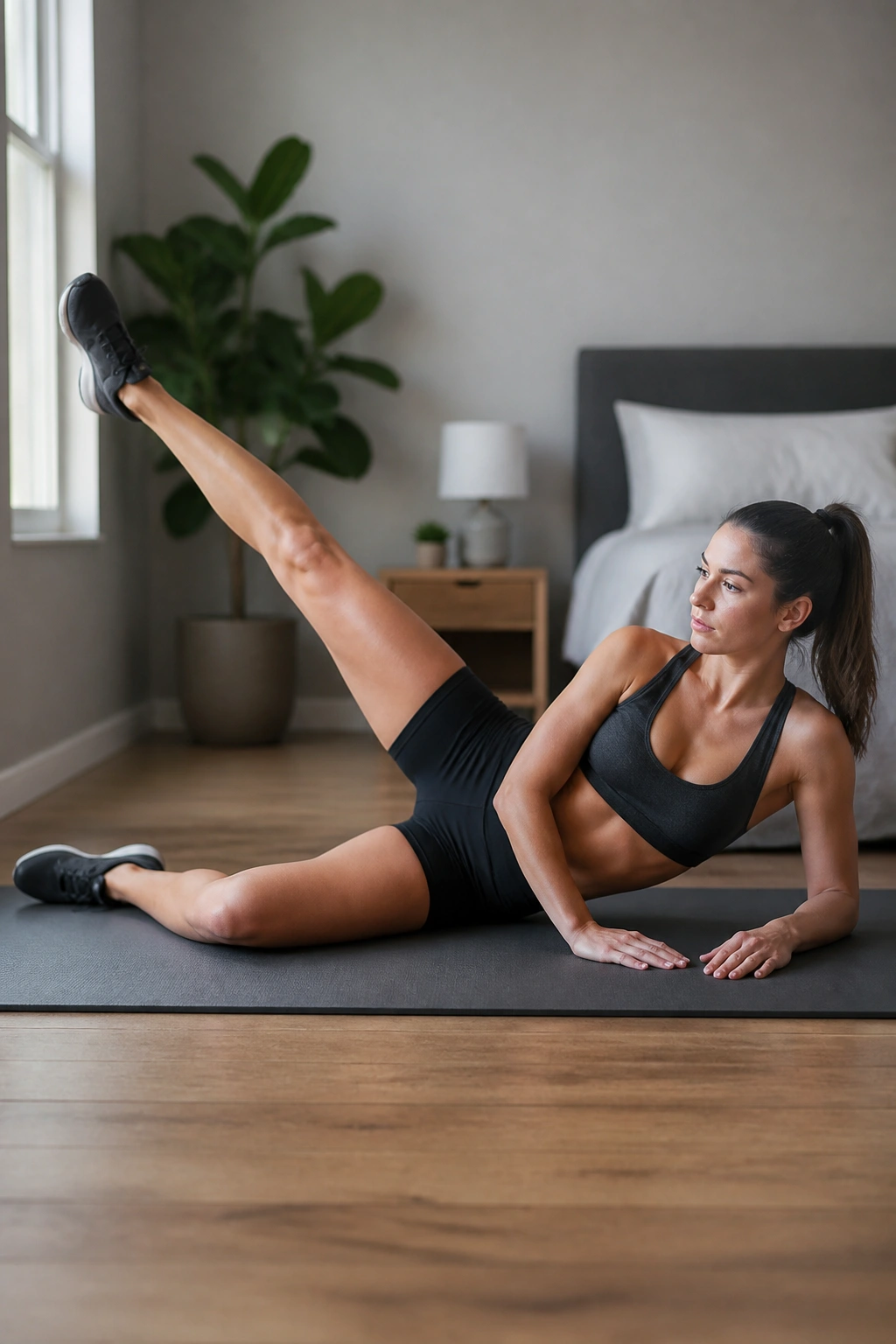
Often dismissed as a “pilates” move, side-lying leg lifts are incredibly effective for targeting the glute medius and minimus. These are the muscles that sit on the side of your hip, and they are responsible for moving your leg away from your body. Developing these muscles is what helps create that coveted “side shelf” or rounded hip shape.
The Mechanism of Fatigue
You don’t need heavy weights for this. Gravity provides all the resistance you need. Lie on your side with your legs stacked. Keep your top leg straight and lift it toward the ceiling, keeping your toe pointed forward (not toward the ceiling). Lower it with control.
Avoiding Compensation
It is very common to tilt your hips backward or forward to make the leg go higher. Don’t do it. Your hips should remain stacked, like you are pressed against a wall. If your leg only goes up a few inches, that is fine. The focus is on the muscle doing the work, not the height of the lift.
12. Donkey Kicks
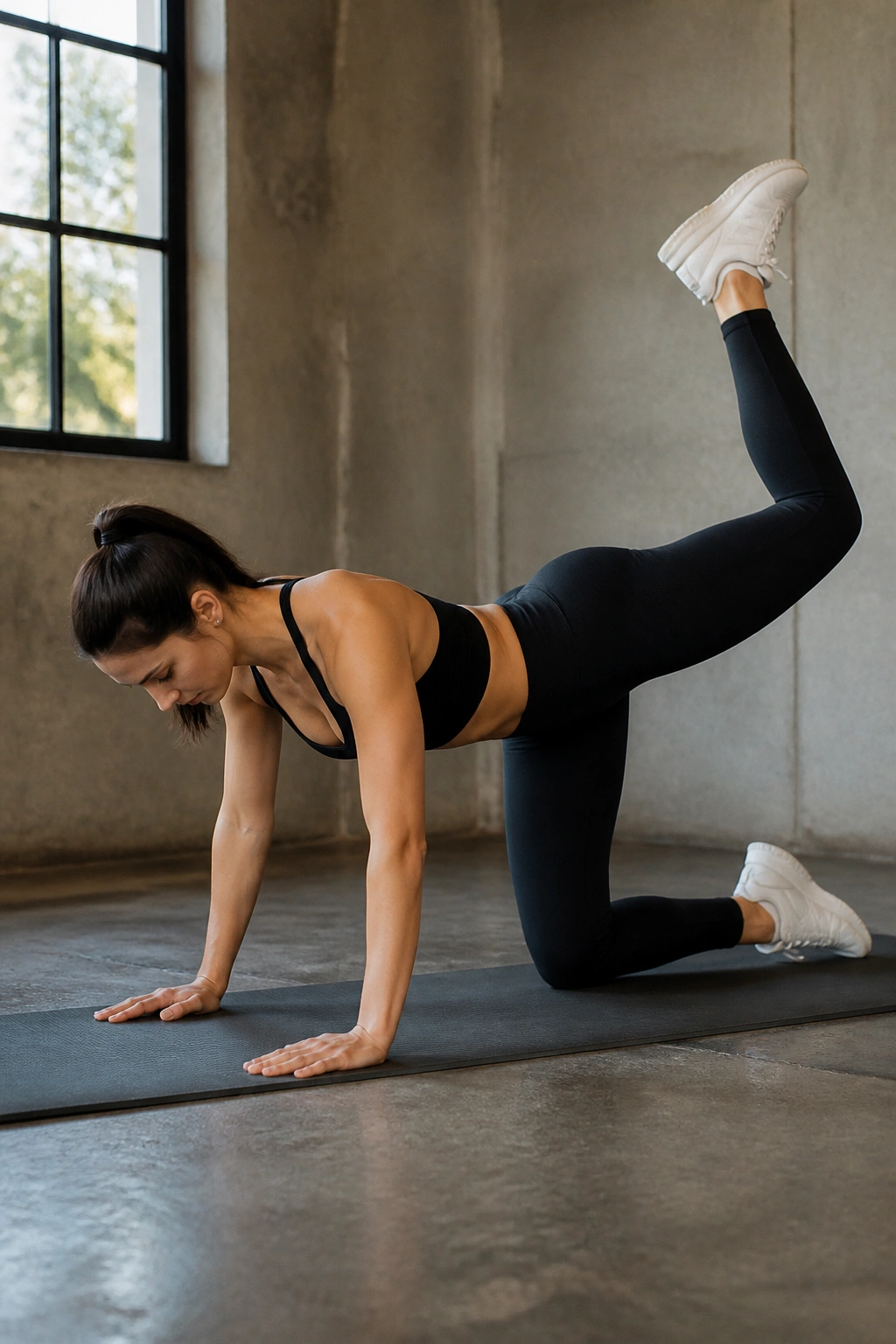
Donkey kicks are a staple for a reason. They isolate the gluteus maximus—the largest muscle in the body—without putting any stress on the legs or lower back. They are fantastic to add at the end of a workout as a “finisher” to really exhaust the glutes.
Maintaining a Neutral Spine
Get on all fours. Keep your back completely flat, like a table. Kick one leg up toward the ceiling, keeping your knee bent at a 90-degree angle. Squeeze the glute at the very top. The biggest mistake is arching the lower back to get the leg higher. Keep your core tight—imagine you are balancing a glass of water on your lower back.
The Range of Motion
You do not need to kick toward the sky with force. This is a controlled movement. Imagine you are trying to push the ceiling away with your heel. The glute should feel tight the entire time. If you feel this in your lower back, you are likely arching too much; focus on shortening the range of motion and increasing the squeeze.
13. Plank Jacks
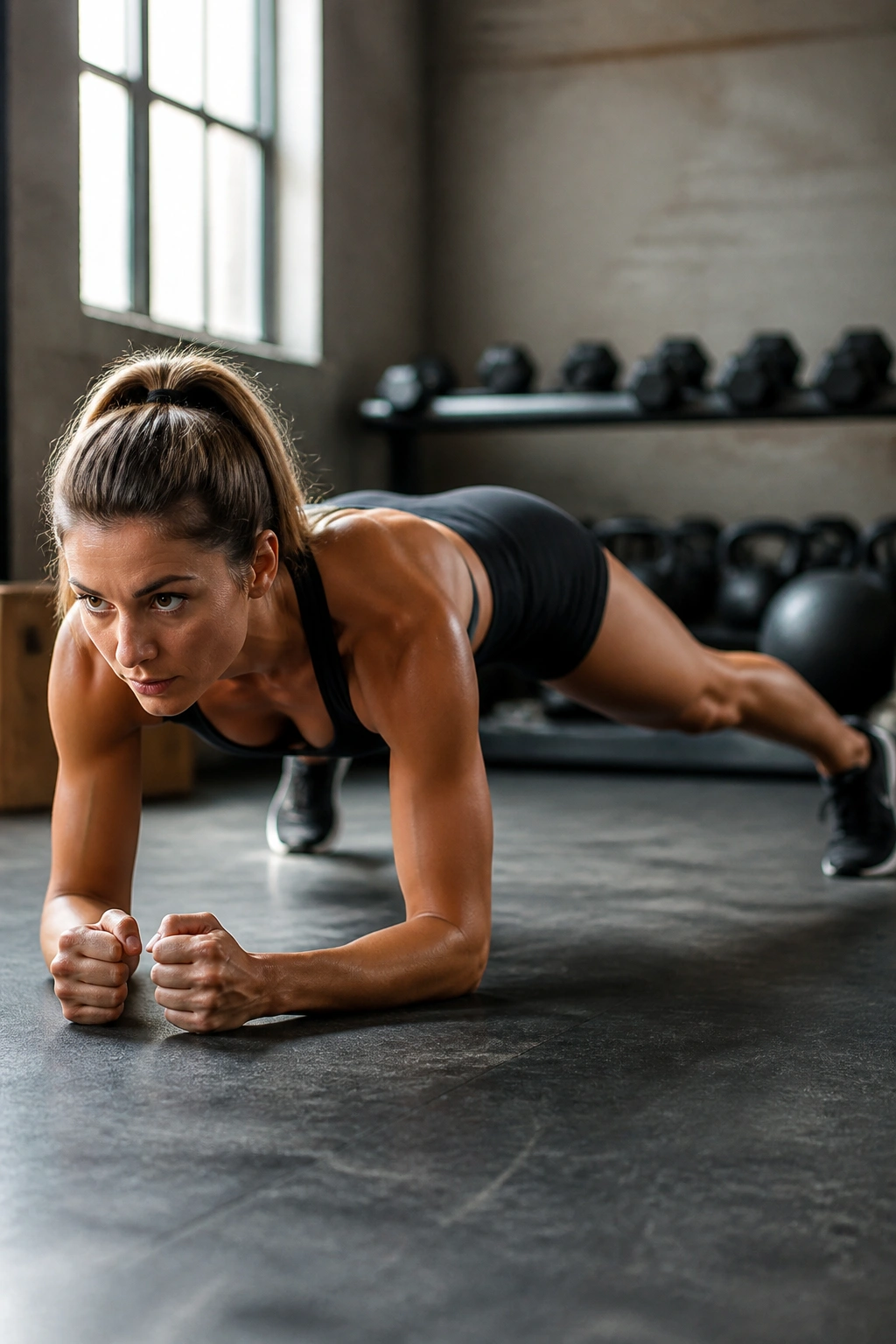
While often categorized as a core exercise, plank jacks are deceptively difficult for the lower body. They combine the static stability of a plank with the dynamic movement of a jumping jack. The constant opening and closing of the legs against gravity builds endurance in the abductors and quads.
Keeping the Hips Stable
The goal of a plank jack is not to see how fast you can move your feet. The goal is to keep your hips from bouncing up and down while your feet move. If your hips are shifting, your core is not engaged enough. Keep your glutes squeezed tight throughout the entire set.
Heart Rate Integration
Because these are performed quickly, they will spike your heart rate. This makes them a perfect movement to include in a circuit-style leg workout. By keeping your heart rate up, you are contributing to the caloric expenditure that is necessary to reveal the muscle definition you are working so hard to build.
14. Wall Sits
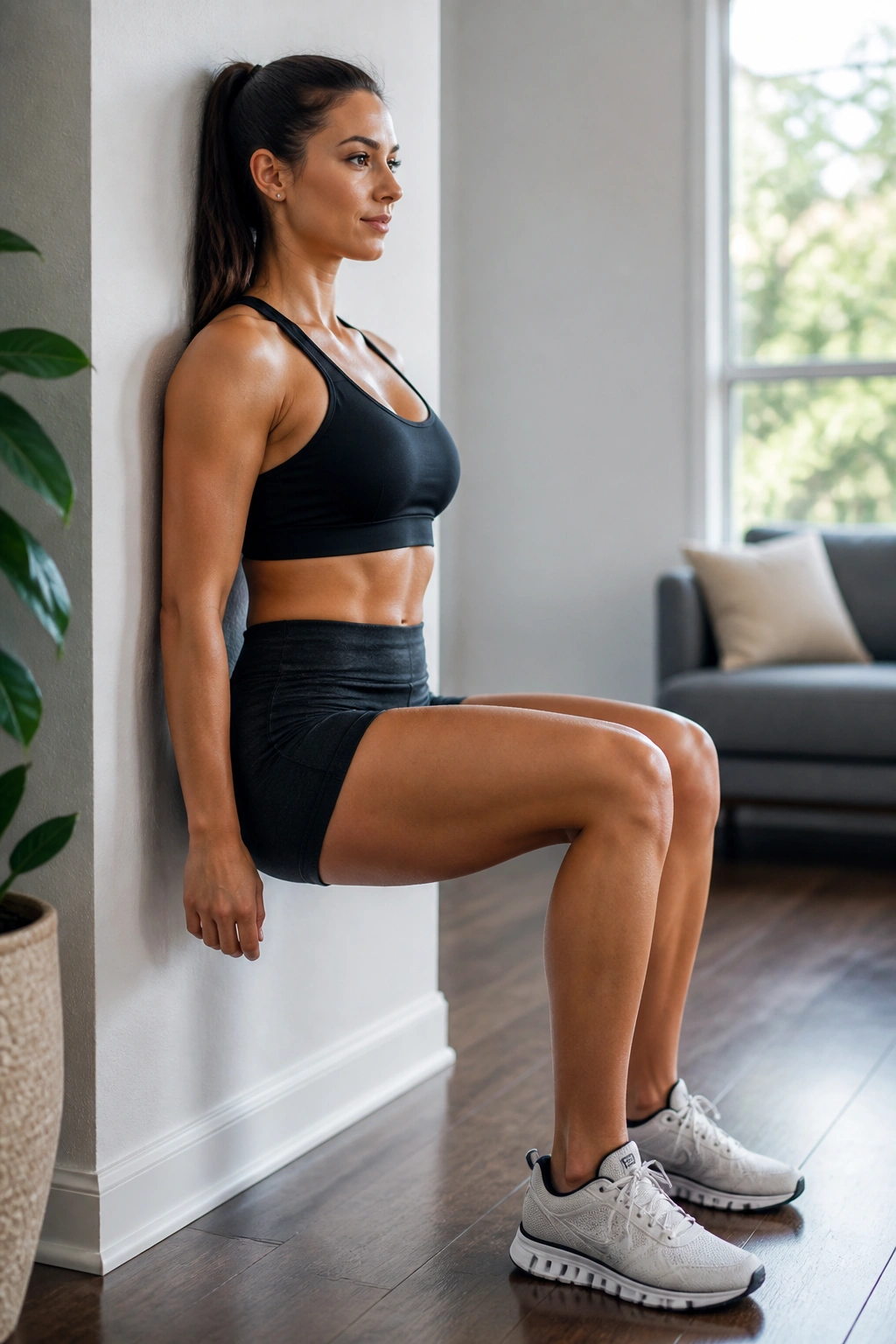
Wall sits are the ultimate isometric exercise. Isometric means the muscle is under tension but not changing length. This is excellent for building muscular endurance and mental toughness. If you can hold a wall sit for sixty seconds, your quads are going to feel it.
Finding the Right Depth
Your thighs should be parallel to the floor. If you are sitting too high, you are just resting. If you are sitting too low, you might put too much pressure on your knees. Aim for 90 degrees. Press your back firmly into the wall; do not let your lower back arch away.
Progressive Overload
Start with a 30-second hold. Each time you perform this exercise, try to add 5 seconds to your total time. You can also add a weight (like a dumbbell or a heavy book) on your lap to increase the resistance. Wall sits are surprisingly exhausting, so do not underestimate their power.
15. Single-Leg Glute Bridges
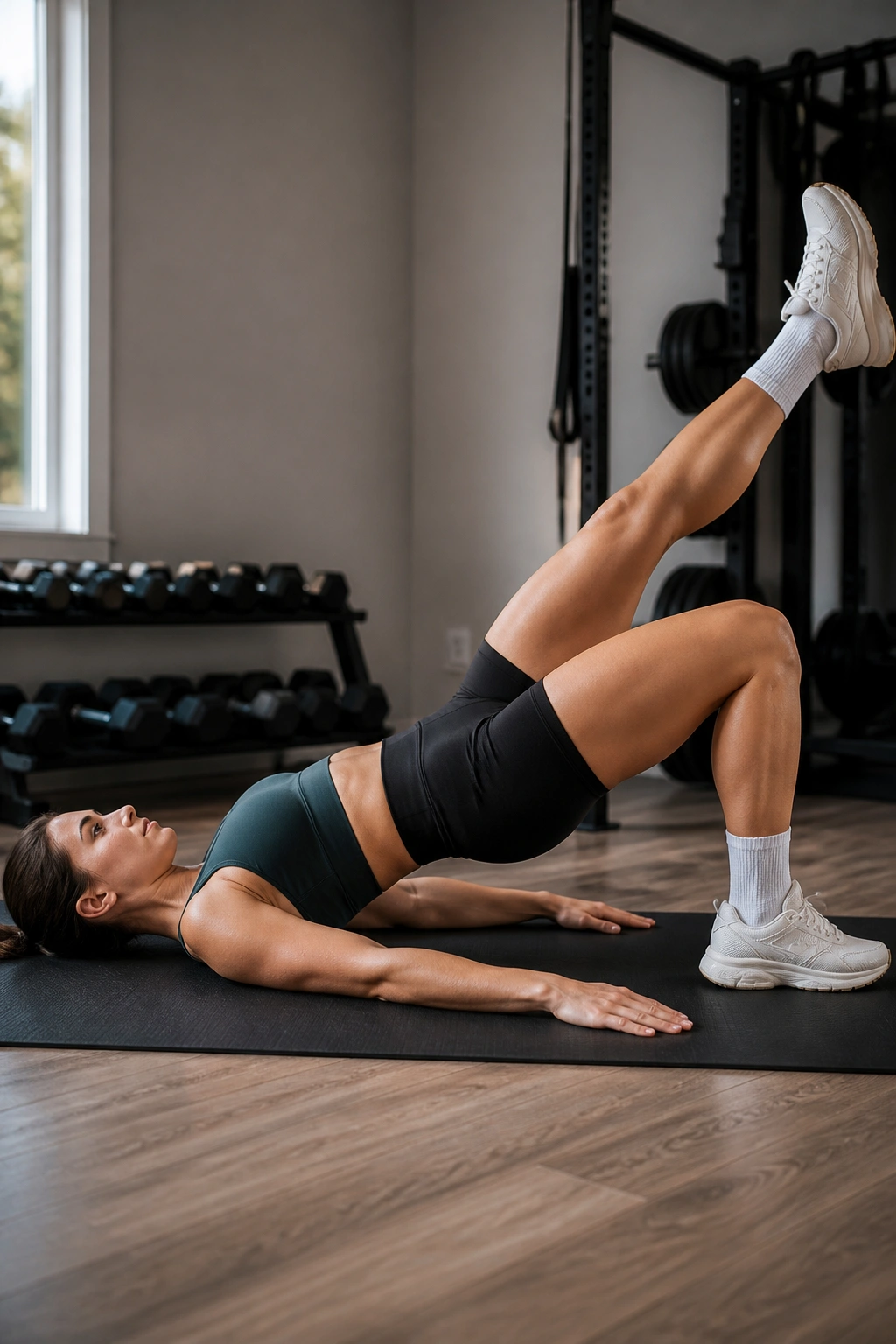
We already covered the standard bridge, but the single-leg version takes it to an entirely new level. By removing one point of contact, you double the load on the working leg and force your hips to stabilize against the imbalance.
Stability and Alignment
As you lift your hips, you will naturally want to tilt toward the side of the leg that is on the floor. Resist this. Keep your hips level. This requires significant engagement from the obliques and the glutes on the working side. If you struggle to keep your hips level, practice holding the top position rather than doing repetitions.
Leg Positioning
Keep the non-working leg bent in the air. If you extend it straight, it acts as a lever and makes the movement significantly harder—try that only when you have mastered the bent-knee version. This exercise will expose any weaknesses in your hip stability immediately.
16. Cossack Squats
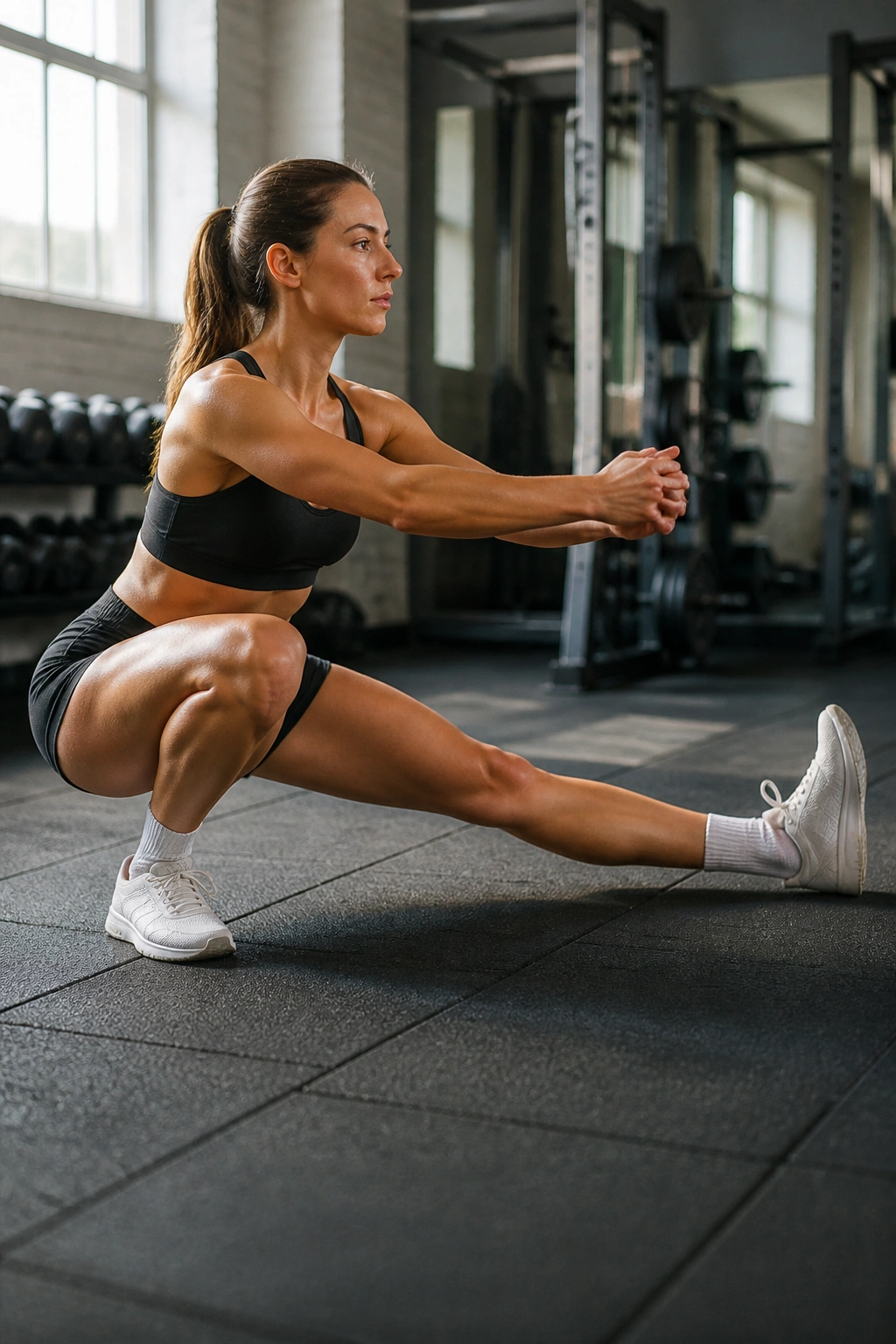
Cossack squats are essentially a lateral lunge taken to the extreme. You drop all the way down into a deep squat on one leg while keeping the other leg fully extended with the toe pointed up. This is a powerful move for flexibility, inner thigh strength, and deep glute engagement.
The Depth Requirement
This movement is not for the faint of heart. If your mobility is limited, start by holding onto a doorway or a chair for balance. Do not force yourself into a deep position if your knee or ankle doesn’t like it. Over time, as your hips open up, you will be able to go lower.
Why This Builds Definition
Because the movement is so deep, it forces the muscle to work through a much larger range of motion than a standard squat or lunge. This increased range recruits more muscle fibers. It also develops the deep stabilizers in the hip that contribute to that “lean, dancer-like” leg appearance.
17. Pistol Squats
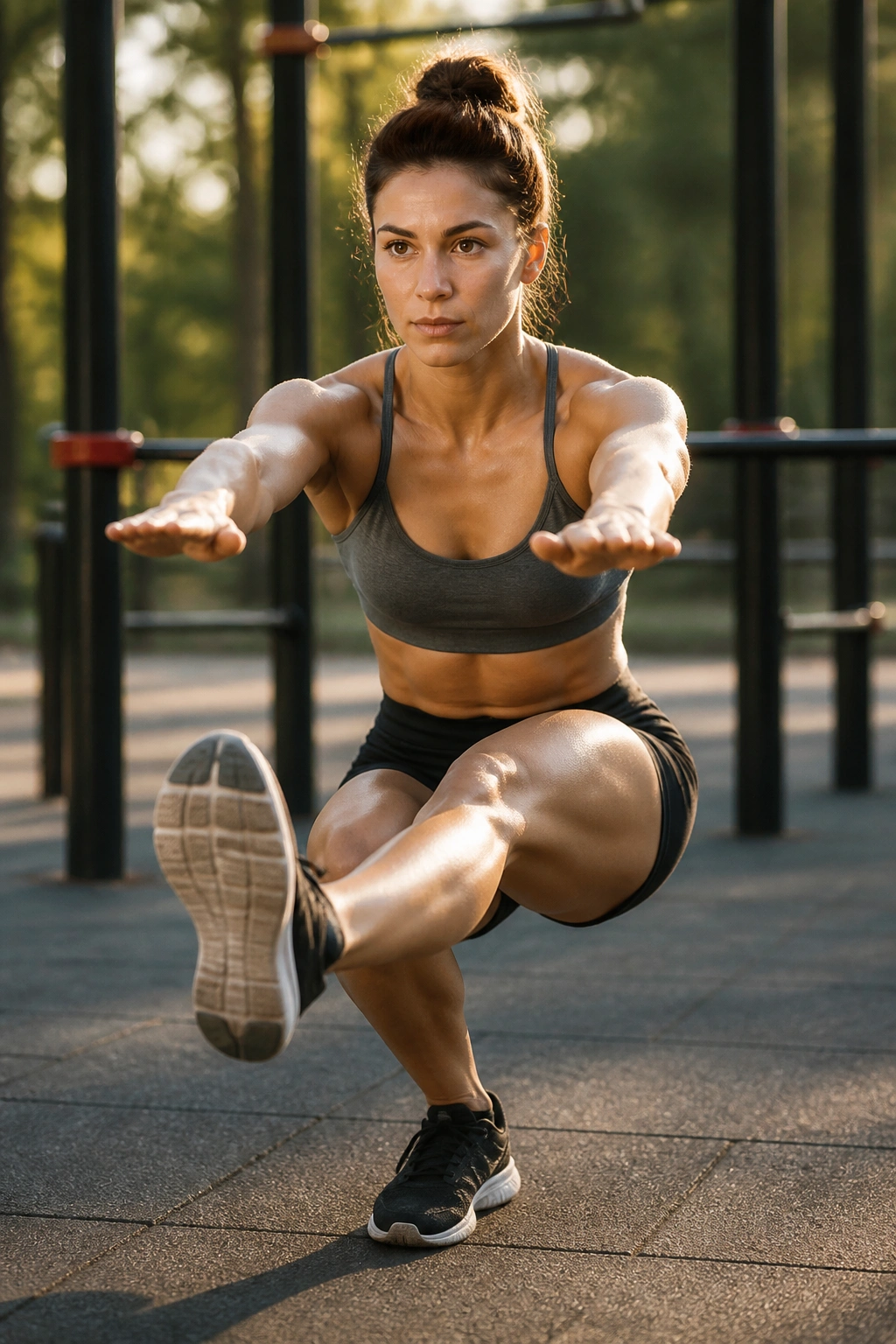
The pistol squat, or single-leg squat, is the pinnacle of bodyweight leg strength. It requires balance, mobility, and immense quad and glute strength. It isn’t just a workout; it’s a skill. If you can perform a clean pistol squat, your legs are undeniably powerful.
The Scaling Strategy
Don’t just jump into a full pistol squat. Start by sitting down onto a high bench and standing back up on one leg. As you get stronger, lower the height of the bench. Eventually, you will be able to do it without any support. This “progression” is how you build the strength necessary to perform the full movement.
Balance as a Component
The challenge with the pistol squat is that it isn’t just about strength; it’s about balance. You have to keep your core engaged, your ankle stable, and your hip controlled all at once. This total-body focus ensures that your legs are being trained to work in coordination with the rest of your body, which leads to better functional definition.
18. Jump Squats
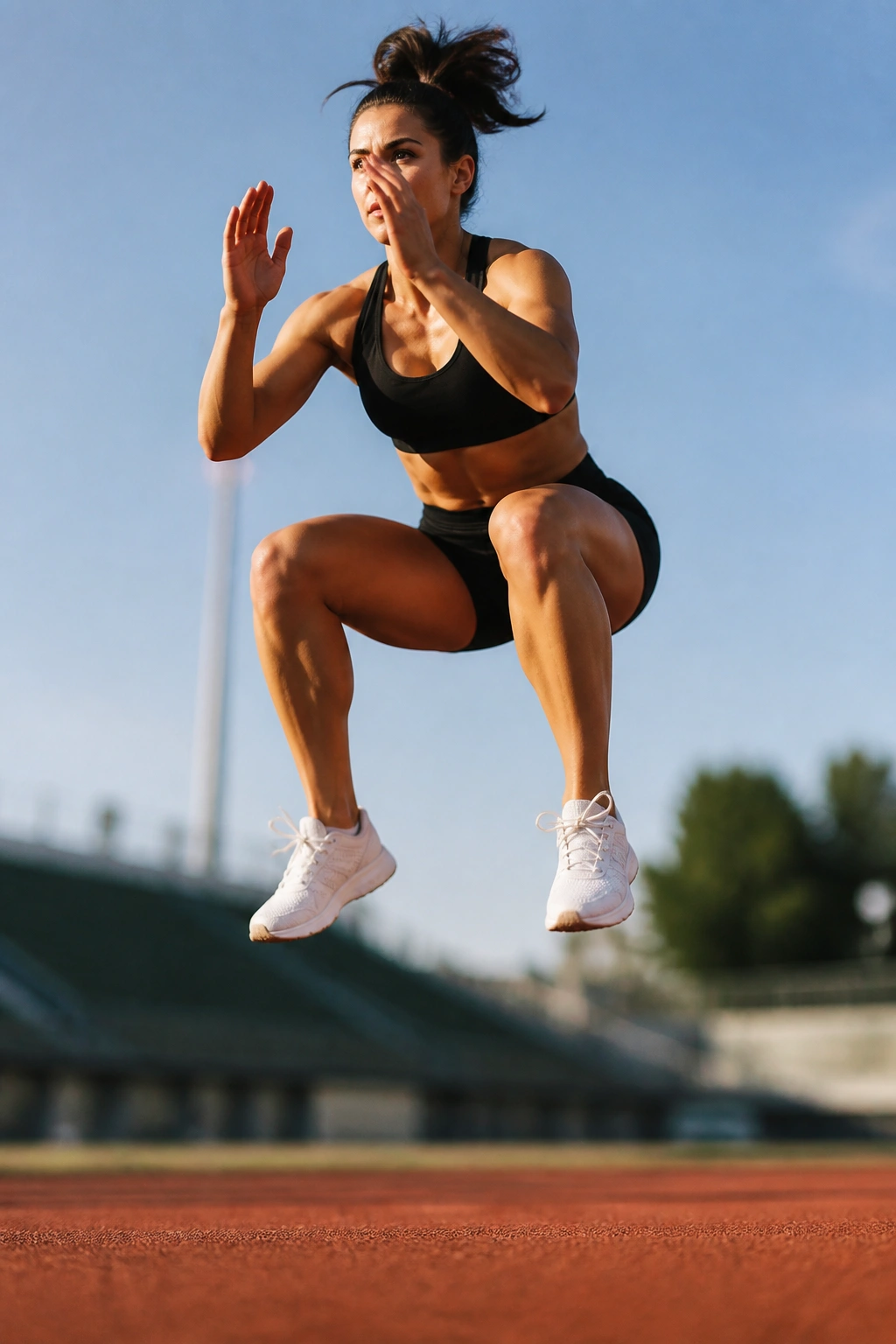
Plyometrics are essential for athletic legs. Jump squats teach your muscles to produce force quickly. This type of training creates a different kind of “look” than heavy, slow lifting—it creates power and explosiveness.
The Landing is Key
The most dangerous part of a jump squat is the landing. You must land softly. Imagine you are trying to land without making a sound. Absorb the impact by bending your knees immediately upon contact. This eccentric absorption is exactly what tones the muscles and strengthens the tendons.
Focus on Explosivity
Don’t go for maximum reps here. Go for maximum height or maximum control. If you are doing 50 jump squats, you aren’t doing plyometrics; you’re doing cardio. Do 8 to 10 high-quality, explosive jumps. Rest, and repeat. Your quads should feel the fire, but your lungs shouldn’t be the limiting factor.
Final Thoughts
Building lean, defined legs is not about secret routines or finding the “best” exercise that replaces all others. It is about understanding that your muscles adapt to stress, not comfort. The movements listed above are all tools in a toolkit. You do not need to do all eighteen in a single workout; in fact, trying to do so would likely lead to burnout rather than results.
The most effective approach is to select three or four of these exercises and perform them with high intensity and perfect form. Focus on the mind-muscle connection—feel the specific muscles you are working. If you are doing a lunge, your glute should be burning, not your lower back. If you are doing a squat, your quads should be doing the heavy lifting, not your knees.
Consistency will always beat intensity. Doing a mediocre workout five times a week is often more effective over the long run than destroying your legs with an intense workout once a month and needing two weeks to recover. Listen to your body, give yourself time to heal between sessions, and trust the process of slow, incremental progress. Your legs have the potential to be strong, capable, and defined—it just takes the discipline to put in the work, rep by rep, day after day.
