



Explosive strength is not built by chasing fatigue.
Heavy does not always mean slow. The best power sessions leave a bar moving fast, a jump feeling sharp, and your lungs working without that dead-legged, crushed feeling you get from a sloppy high-rep grind. That matters if you sprint, hit, throw, wrestle, change direction, or live in any sport where force has to show up fast.
Power athletes need more than raw strength. They need rate of force development, crisp positions, and the ability to express force without wasting time in the bottom of a lift or the landing of a jump. A good session often looks short on paper — 3 reps here, 2 reps there, a few heavy sets, a few fast sets — but the quality is the whole point.
The workouts below are built around that idea. Some lean on Olympic lift derivatives. Some use contrast training. Some use sleds, med balls, jumps, or awkward loads that make the trunk and hips work harder than a neat barbell ever will. The common thread is simple: move well, move fast, stop before the speed dies.
1. Trap Bar Jump Deadlift Complex
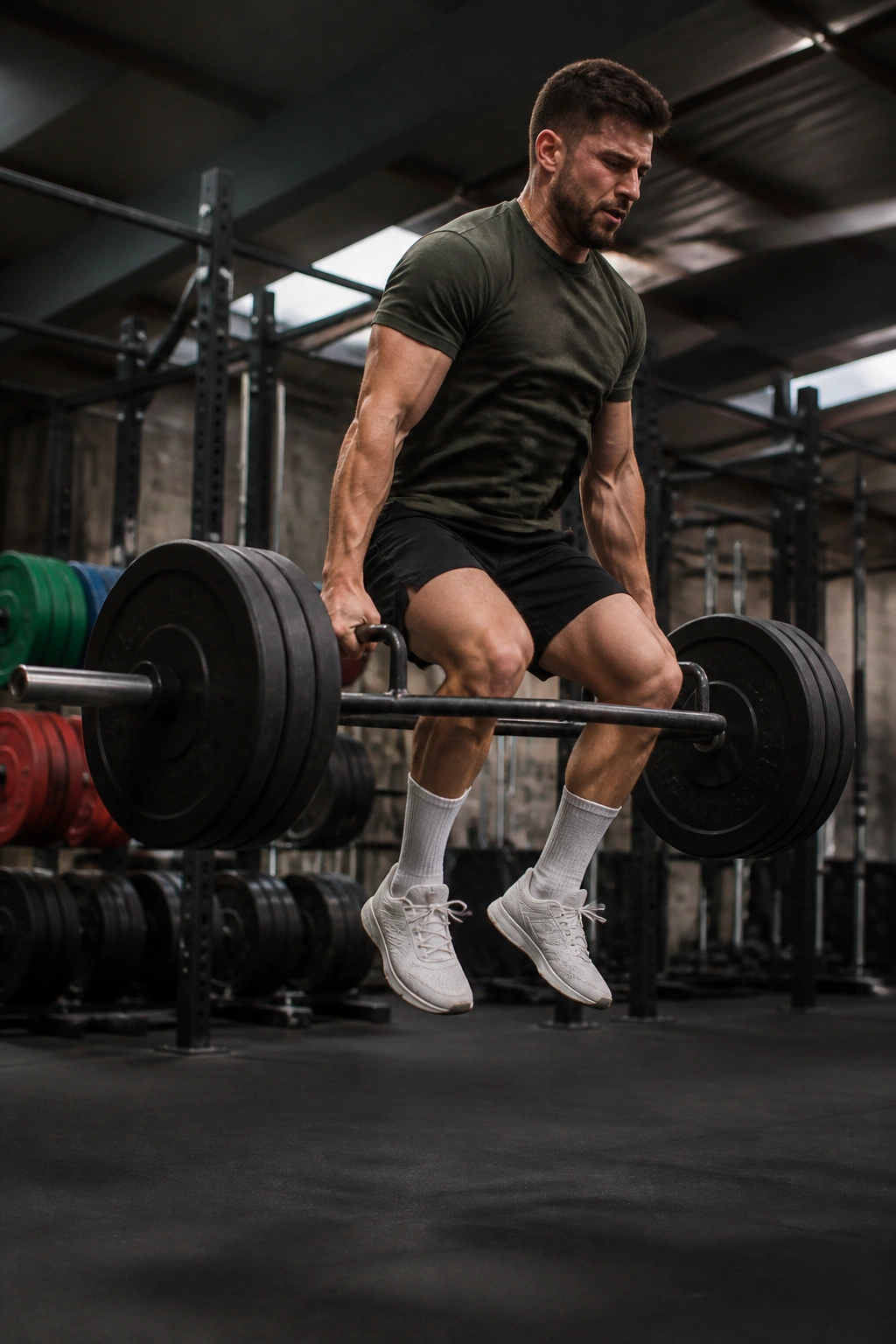
Trap bar jump deadlifts are one of my favorite ways to teach force without turning the room into a wreck. You take a heavy-ish pull, then a lighter explosive pull, and the contrast wakes up the nervous system fast. It feels clean. No drama.
Why It Works
The trap bar puts the load close to the body, which makes the movement easier to learn than a straight-bar jump lift. That matters for field athletes who want power without spending half the session fighting technique. I like 3 reps at 80-85% of trap-bar deadlift max, then 3 jump reps at 20-30% right after, with 4 to 6 rounds and 2 to 3 minutes between rounds.
- Keep the handles high if your lower back gets cranky.
- Land softly on the jump reps.
- Cut the set the moment the jump starts to look choppy.
Best cue: think “push the floor away,” not “pull the bar up.”
2. Hang Power Clean Into Front Squat
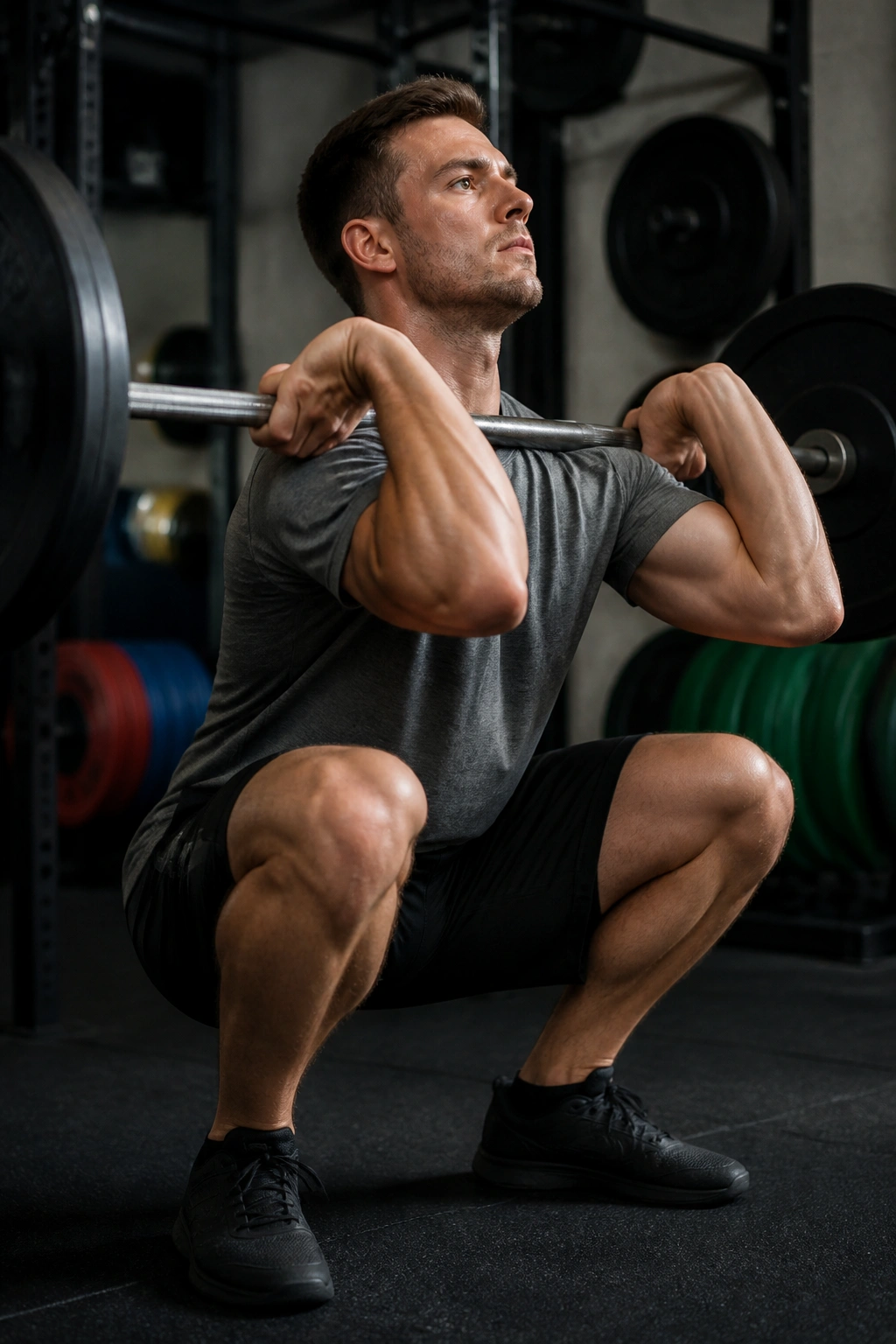
A clean plus a front squat is a brutal little pairing when it’s done right. The clean wakes up speed, the front squat adds the heavy leg drive, and together they ask for posture under load. That combination suits sprinters, linemen, and anyone who needs strength that shows up upright, not folded in half.
Use 2 hang power cleans at 70-80% of your clean max, then 2 to 4 front squats at 75-85%. Rest 2 to 4 minutes between rounds, and keep the total at 3 to 5 rounds. If the clean starts getting noisy and ugly, the load is too heavy or the rest is too short.
The hang position matters. It keeps the bar path honest and forces a fast second pull without the extra mess of floor timing. And the front squat keeps you from getting lazy about bracing. You can’t fake that rack position. Not for long.
3. Box Jump Before Heavy Back Squat
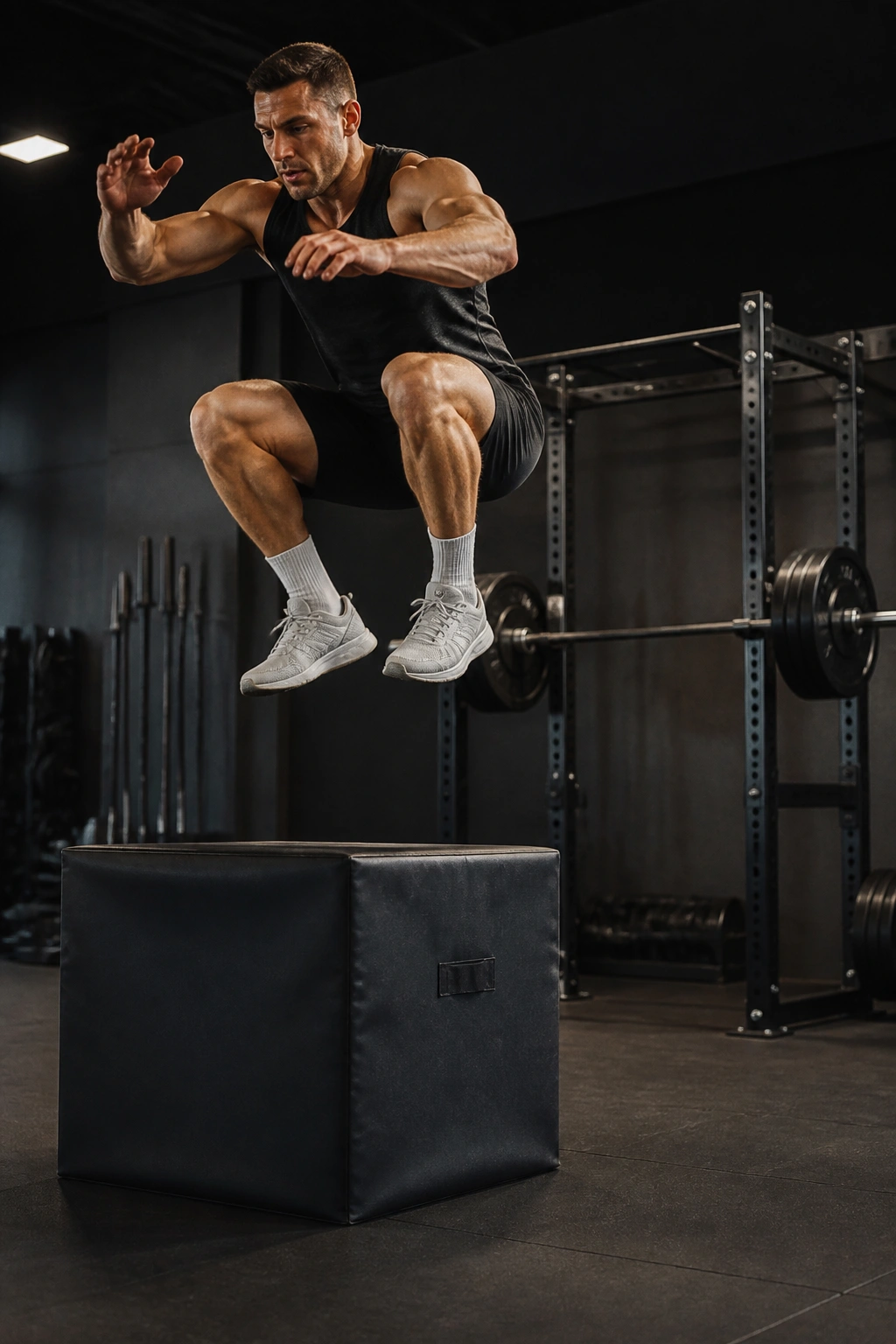
Why put a jump before a squat that already needs real effort?
Because the jump primes the system. A few crisp box jumps can make the first heavy squat set feel more explosive, especially when the box height is sensible and the landing is quiet. I’m not talking about circus-style jumps onto a tower. I mean 2 to 3 box jumps to a box that lets you land in a solid quarter squat, then 2 to 4 back squat reps at 85-90% of max.
How to Use It
Start with 4 to 5 rounds, resting 90 seconds to 2 minutes after the jump and 3 minutes after the squat. The jump should feel snappy, not like a cardio test. If the landing gets sloppy, the set is over.
A lot of athletes mess this up by chasing height instead of speed. Don’t. The goal is to make the squat feel more explosive, not to prove you can scare the ceiling.
4. Heavy Sled Pushes With Speed Back-Offs
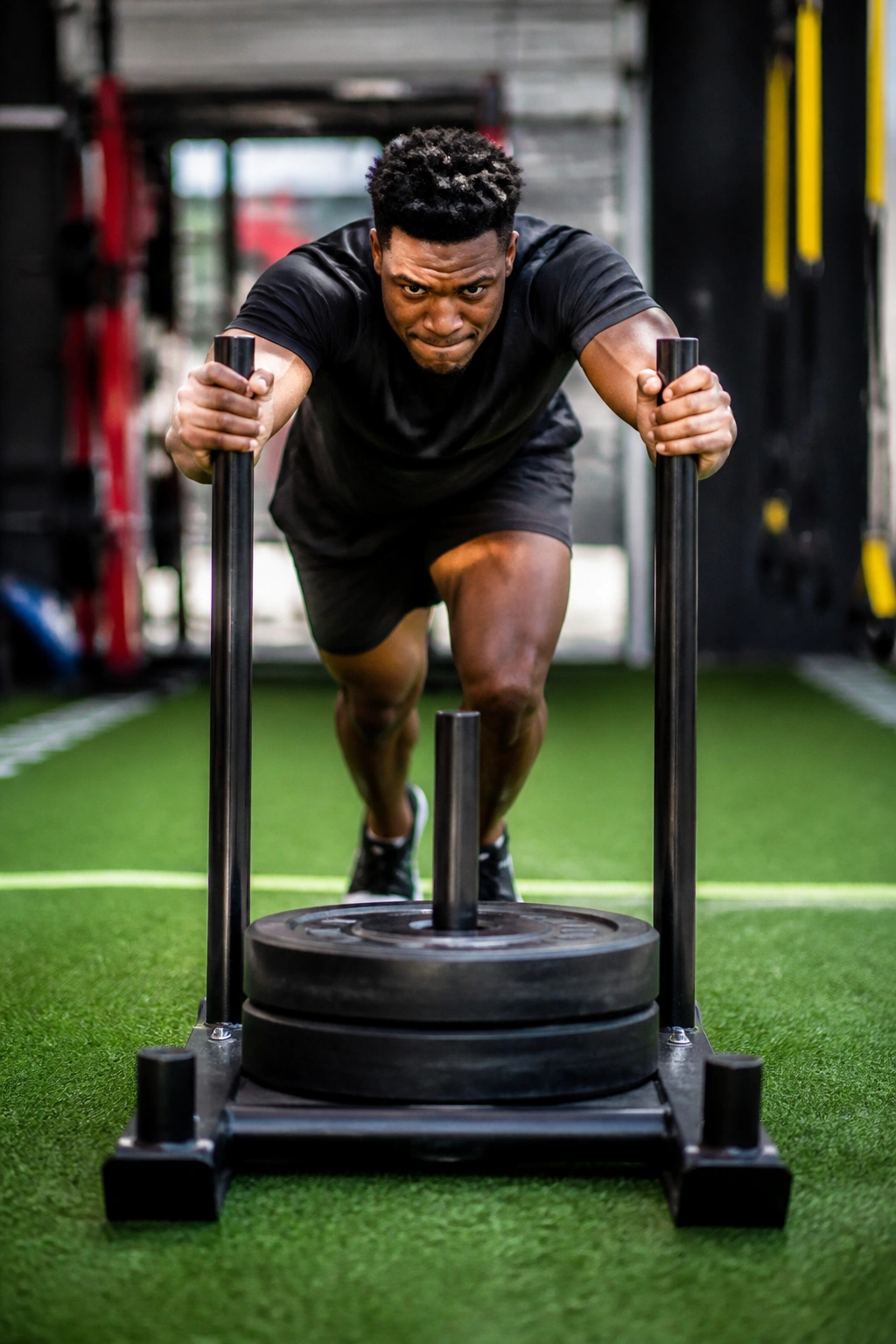
Picture a football player driving a sled for 10 meters, shoulders low, hips pumping, then walking back, stripping the load, and flying through the same distance with a lighter sled. That’s the whole story. Heavy first. Fast second.
What Makes It Different
The heavy push builds horizontal force. The lighter push teaches you to keep that force moving quickly. I like 4 to 6 pushes of 10 to 20 meters with a heavy load that forces a hard grind, followed by 2 to 4 lighter pushes at about half that effort. Keep the rest long enough to stay sharp — 2 to 3 minutes between hard efforts is a good place to start.
- Keep the torso braced.
- Drive the knees forward, not just the feet.
- Use turf or rubber that won’t steal speed.
Pro tip: if your shoulders are burning more than your legs, the sled is too high or you’re leaning like a shopping cart.
5. Kettlebell Swings and Broad Jumps
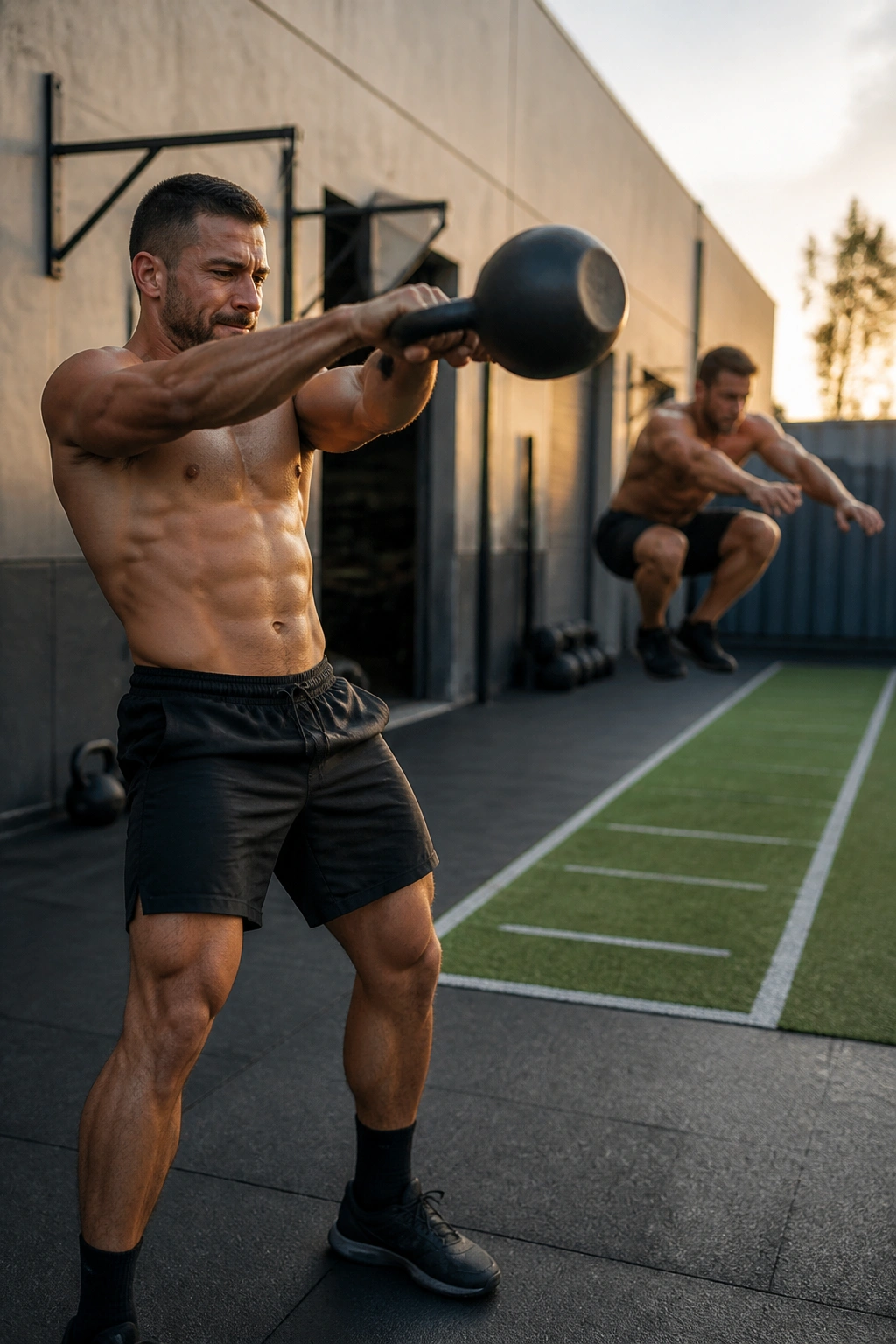
The swing looks simple until you try to make it fast and clean for six rounds. Then the hinge shows up. The hips have to snap, the ribcage has to stay quiet, and the bell needs to float instead of getting muscled around. Pair that with a broad jump and you get a session that teaches both horizontal power and force transfer.
A practical format is 10 hard kettlebell swings followed by 1 broad jump, repeated for 4 to 6 rounds. Use a bell that lets you finish every rep with the same snap you started with. If your shoulders are doing the work, the bell is too light or your hinge is off.
The broad jump should be measured against itself, not the floor art in the gym. Same start, same arm swing, same landing. Tiny differences matter here. A sloppy landing tells you more than a long jump ever will.
This one is sneaky hard. It looks short. It isn’t.
6. Speed Bench Press With Bands
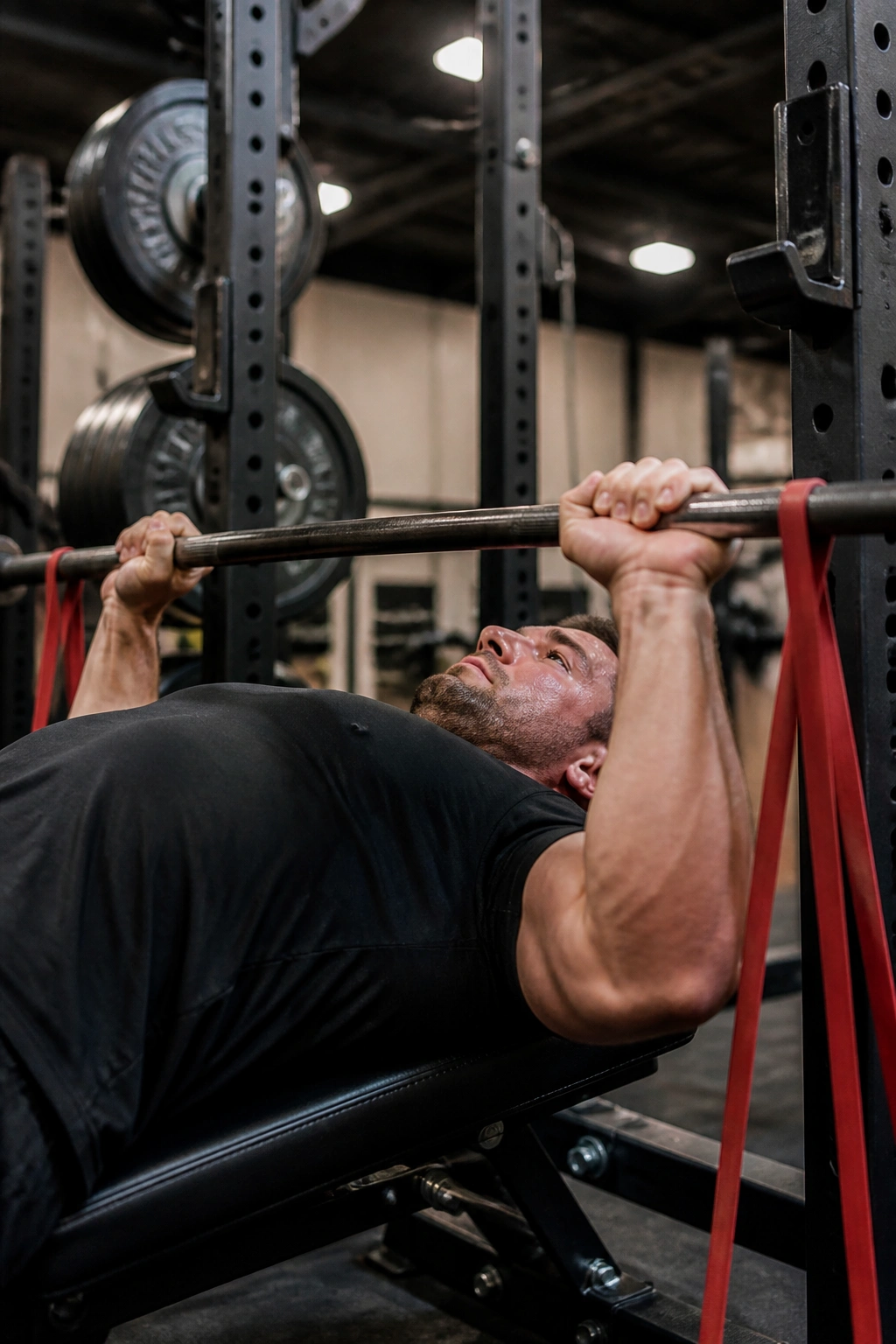
Speed bench is not a soft version of bench press. It’s a different animal. You’re training the first part of the press — the part most athletes lose when the bar leaves the chest and stalls two inches up.
Unlike a heavy grind set, band-resisted speed bench keeps tension high through the full range while the load stays light enough for speed. A strong setup is 6 to 8 sets of 3 reps at 50-60% of bench max, plus light bands if you know how to set them up cleanly. Rest only 45 to 60 seconds. Every rep should leave the bar moving like it’s trying to escape.
This works especially well for throwers, contact athletes, and anyone whose upper-body force needs to come out fast. The key is bar speed, not ego. If the bar slows down, drop the weight or end the session. A slow speed day is just a mediocre bench workout wearing a fake mustache.
7. Hang Snatch Pulls and Overhead Med Ball Throws
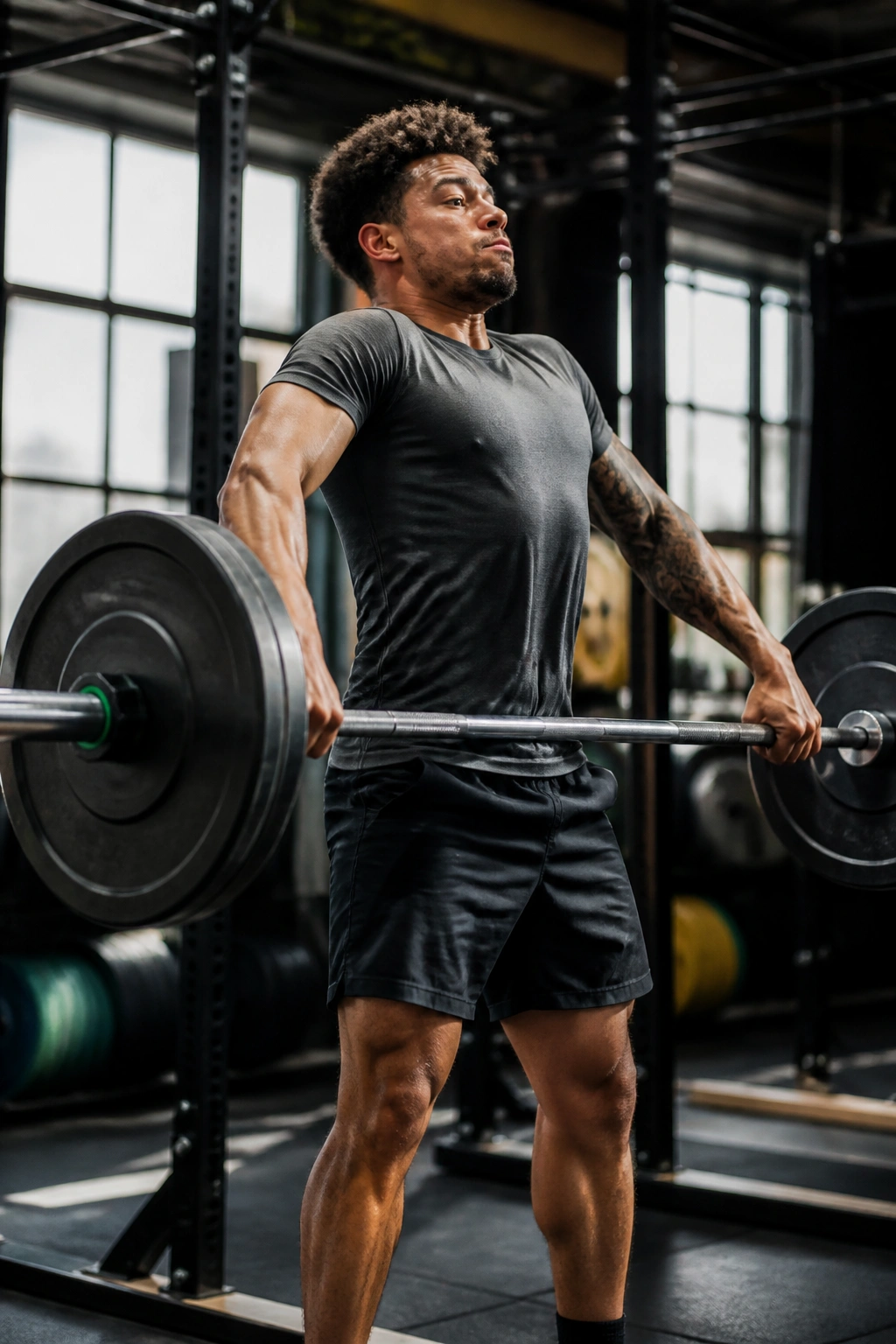
Hang snatch pulls are a gift for athletes who need triple extension but don’t want to live inside the full snatch. You get the violent hip drive, the shrug, the finish, and a very clear cue: extend hard, then get out of the way. Pair that with overhead med ball throws and you’ve got a session that teaches the lower body to feed the upper body.
What to Feel
The pull should finish tall. No early arm bend. No jumping forward. Use 3 to 5 sets of 3 pulls at a load that stays fast — usually somewhere around 90-110% of clean max, depending on the athlete and the coaching eye. Follow each set with 3 to 5 overhead throws using a 3 to 6 kg ball.
- Keep the chest over the bar in the hang.
- Finish with the heels, then the hips.
- Throw the ball like you want distance, not a photo.
A lot of coaches overcomplicate this. Don’t. If the pull is crisp and the throw is violent, the session is doing what it should.
8. Front Squat Cluster Sets
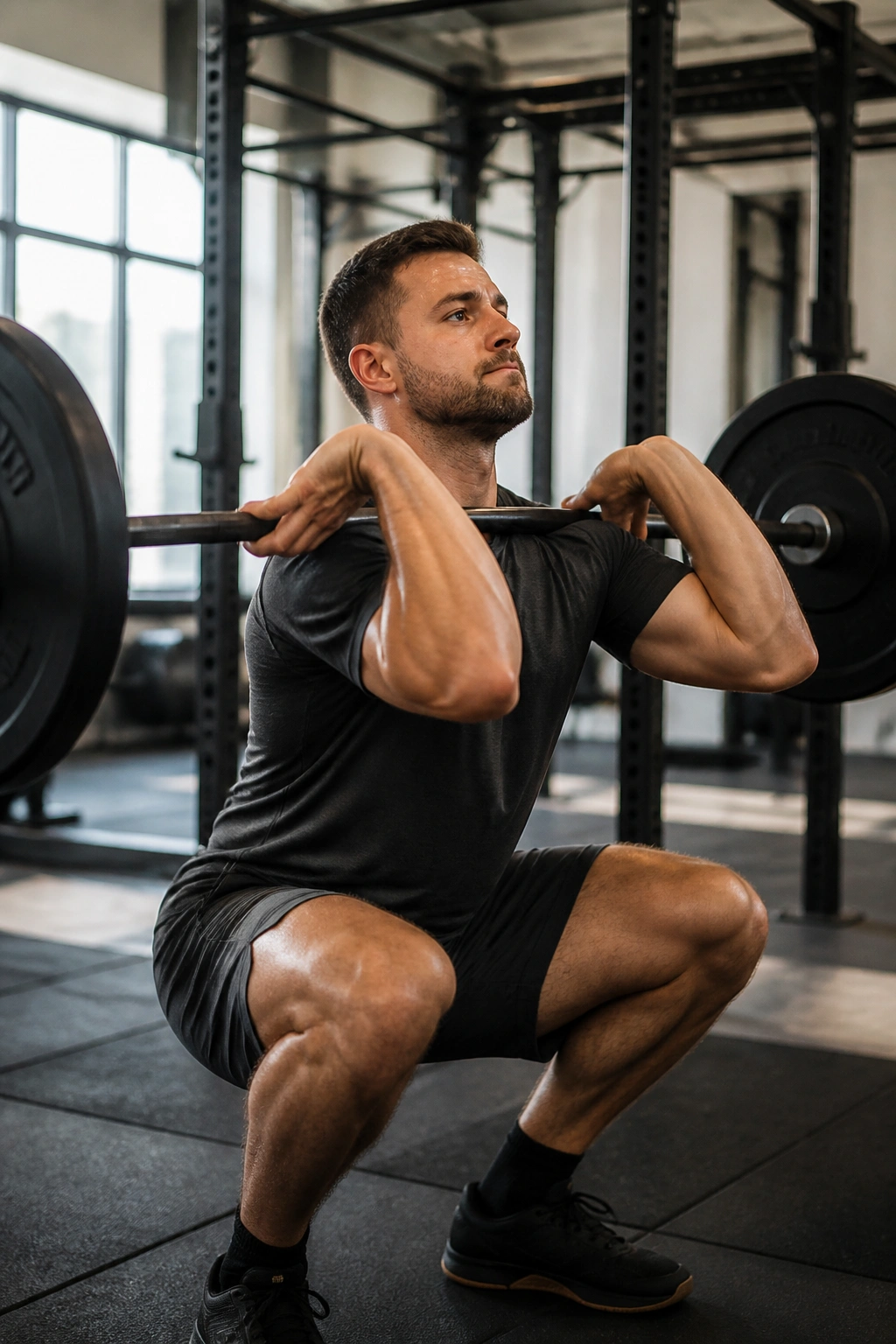
Front squat clusters are heavy work without the usual slow, sloppy death march. You break a set into tiny bites, which lets you keep quality high while still handling a real load. That matters for athletes who need leg strength but cannot afford to turn every squat day into a recovery hole.
Try 2+2+2 with 15 to 20 seconds between mini-bursts. Use about 80-85% of max for the whole cluster, and do 3 to 4 total sets with 3 to 4 minutes between sets. The front rack position will tell you if you’re losing posture. Usually it tells the truth before your ego does.
Clusters are useful because they let you stay explosive under fatigue. The first two reps might feel sharp. The last two should still look like work, not survival. That’s the target.
If you’ve got athletes who squat heavy but move like furniture, clusters are worth the time.
9. Romanian Deadlift Into Vertical Jump
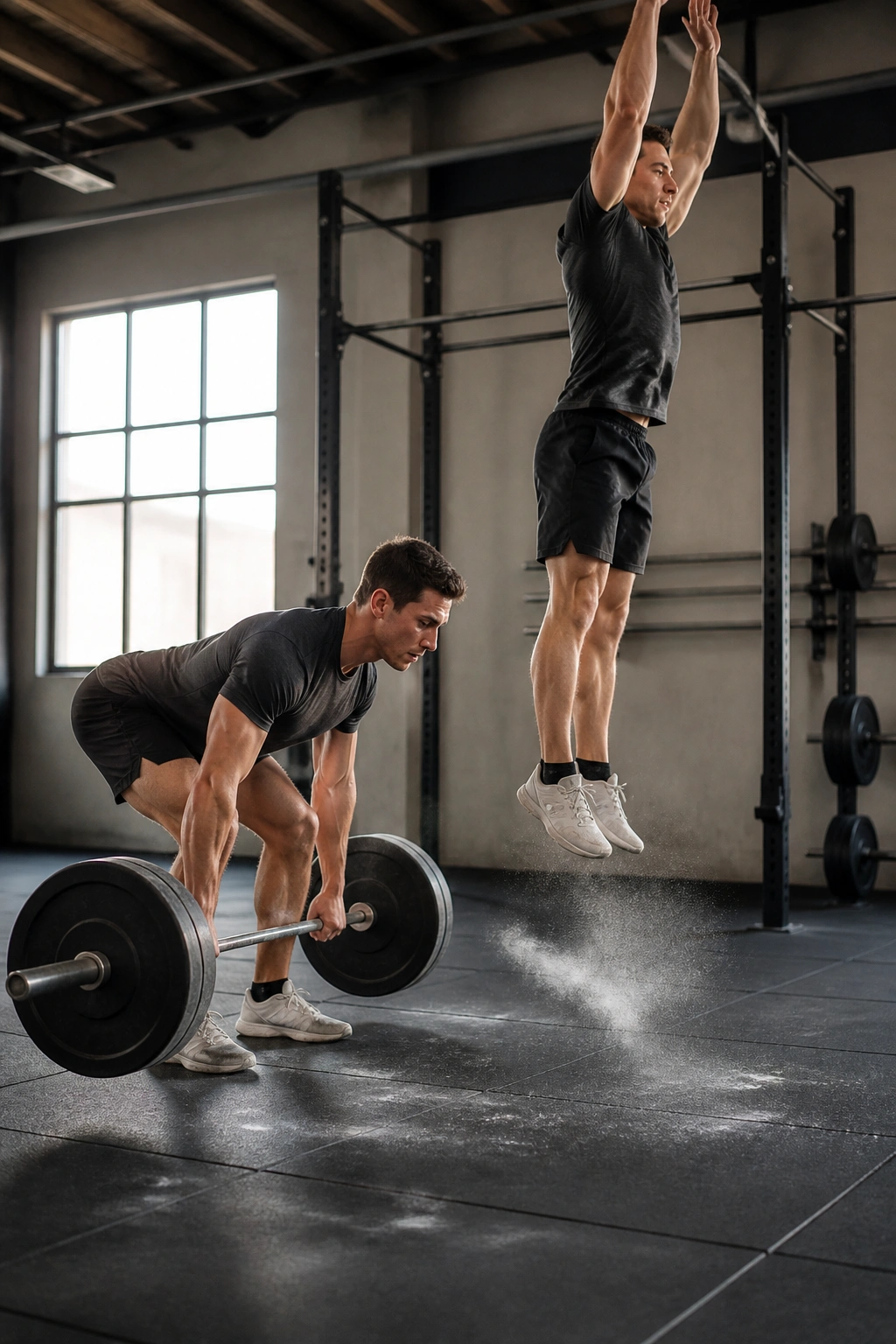
Why pair a slow hinge with a jump? Because the hinge teaches the hamstrings to load, and the jump teaches them to release that force fast. The combination is useful for sprinters, jumpers, and field athletes who need the back side of the body to do more than keep them from folding.
A tidy version is 3 Romanian deadlifts at 70-75% of your deadlift max, followed by 3 vertical jumps. Rest 2 to 3 minutes between rounds, and run 4 to 5 rounds. The RDL should stop when the hamstrings are tight and the back stays flat. Once the spine starts chasing the bar, you’ve gone too far.
How to use it
Use a controlled lowering phase — about 2 seconds down — then snap the hips up hard. After that, reset the feet before every jump. The jump doesn’t need a run-up. It needs intent.
This pairing is boring in the best way. It works because the hinge forces position and the jump rewards speed.
10. Push Press and Plyo Push-Up Pairing
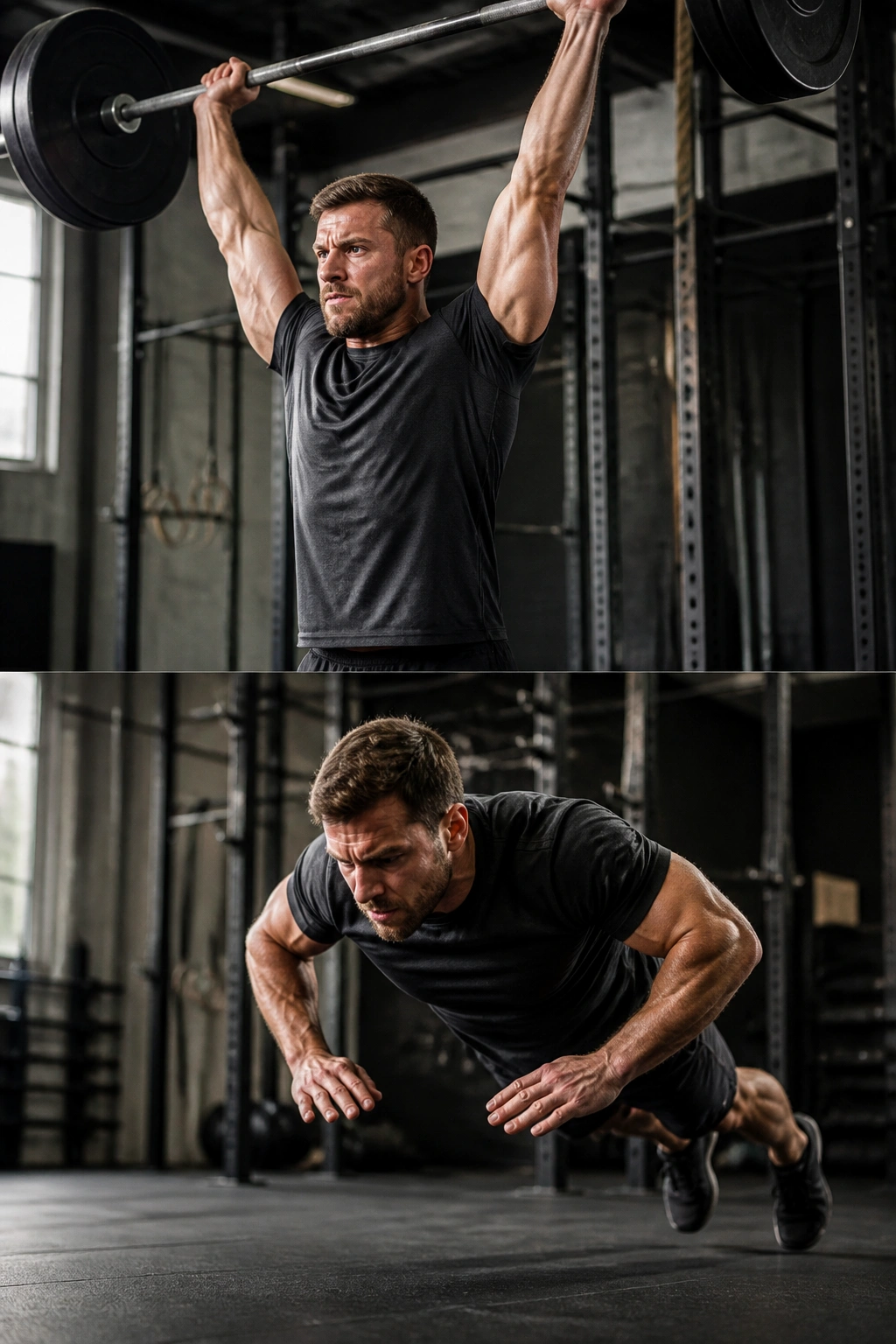
A lot of athletes can press. Fewer can press explosively overhead while keeping the ribs from flaring like a marching band. That’s where push press earns its keep. Add plyo push-ups, and the upper body gets a fast horizontal push right after the vertical one.
Use 3 to 5 push press doubles at about 70-80% of max, then 3 to 5 plyo push-ups with enough pop to leave the hands light on the floor. Keep the rounds to 3 or 4, with 2 minutes or so between rounds. If the lumbar spine starts doing acrobatics, the load is too heavy or the athlete is cheating the dip.
The dip should be short. The drive should be violent. No slow squat, no dramatic pause, no leaning back like you’re trying to look taller for a photo. Plyo push-ups should be clean too — a little air under the hands, not a full launch into chaos.
This is one of those sessions that looks simple and leaves the shoulders honest.
11. Split Squat Jumps and Rear-Foot Elevated Split Squats
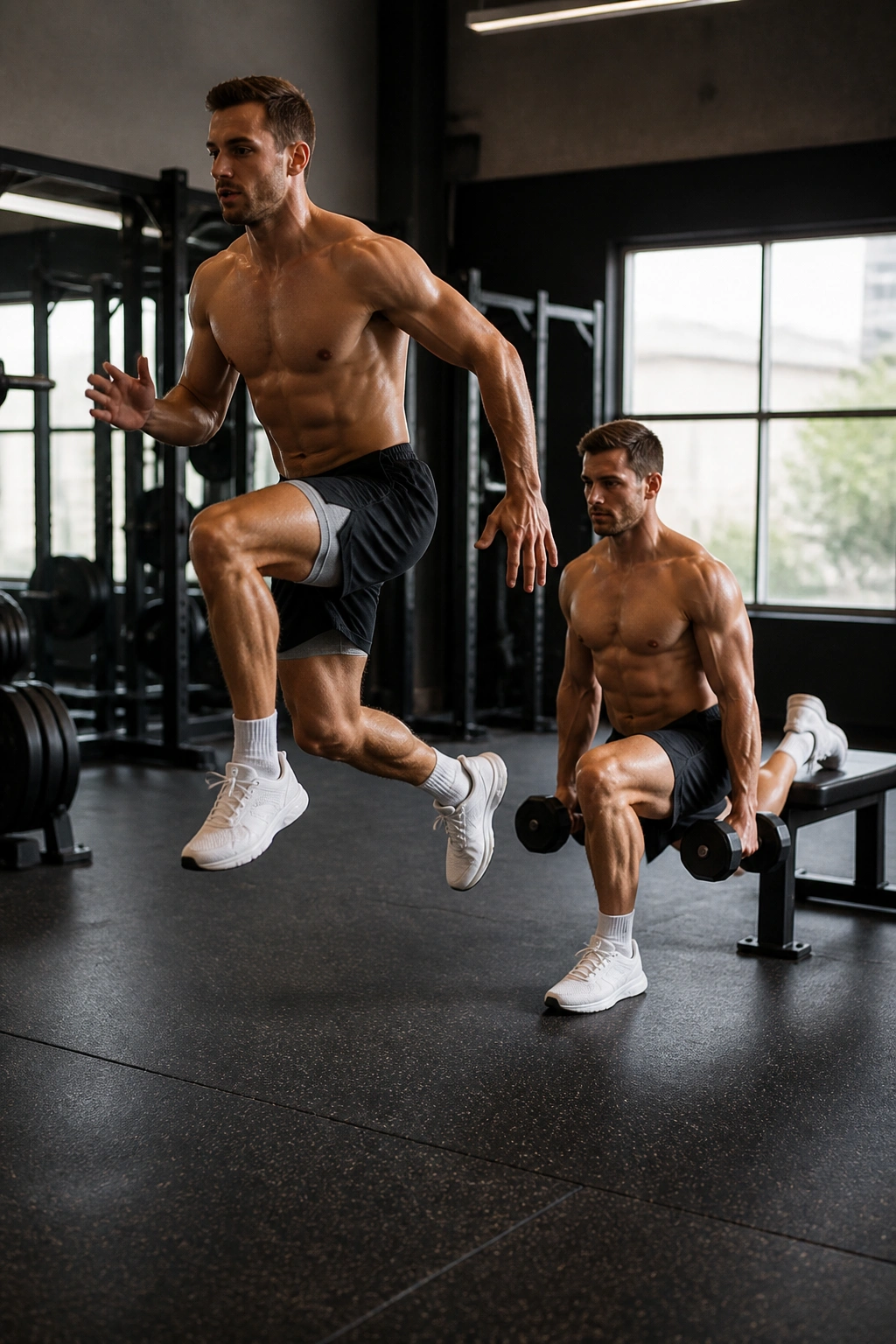
Single-leg work gets ignored until an athlete cuts hard off one foot and falls apart. Then it suddenly matters. Split squat jumps teach the legs to produce force one side at a time, and rear-foot elevated split squats build the strength to keep that power from collapsing.
Do 3 to 4 split squat jumps per side, then move straight into 6 to 8 rear-foot elevated split squat reps per side. Use a load that lets the front foot stay flat and the knee track cleanly over the toes. Run 3 to 4 rounds with enough rest to keep the jumps crisp.
One detail people miss: the jump is not supposed to be huge. It’s supposed to be quick. If the athlete needs a giant windup to leave the floor, the set is already off track.
The rear foot is there to stabilize, not to become the hero. Most of the work should live in the front leg, the hip, and the trunk.
12. Heavy Med Ball Rotational Throws
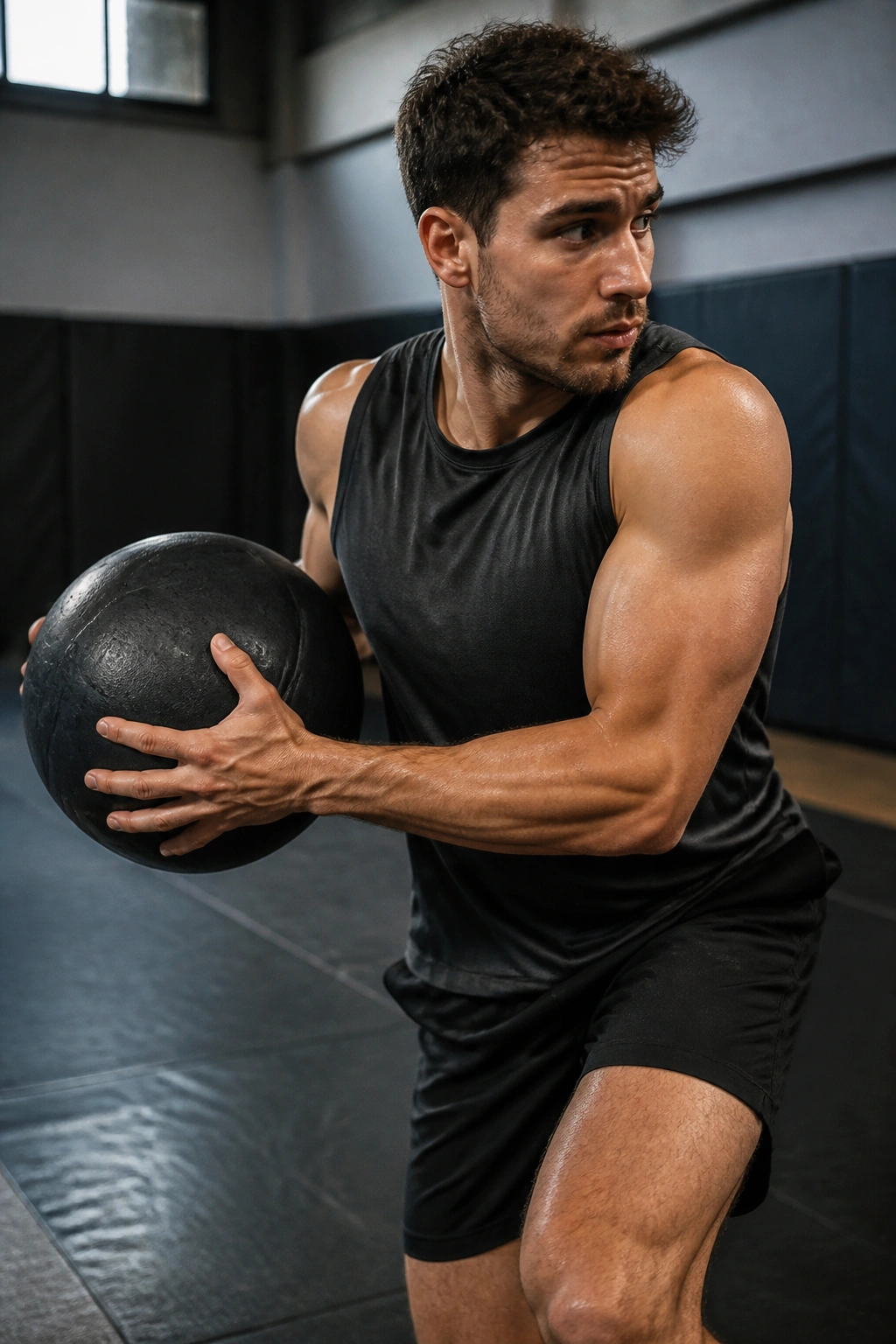
Rotational throws are where a lot of power athletes finally stop pretending that straight-ahead strength is enough. A hitter, fighter, pitcher, or lacrosse player needs the hips and ribs to talk to each other at speed. A heavy med ball helps that conversation happen.
Unlike a straight vertical throw, the rotational version teaches the body to load one side, fire through the middle, and finish with the torso. Use a 3 to 6 kg ball, depending on skill and room size, and throw 4 to 6 sets of 3 to 5 reps per side. Rest about 60 to 90 seconds. The throw should be aggressive but not wild.
The best athletes do not just spin harder. They create a clear load, then a clear release. That’s the difference between a useful power drill and a messy torso fling.
Best use case? Any athlete who lives off rotation and timing. Baseball, hockey, combat sports, racket sports. These throws show up fast in the right body.
13. Deadlift Dynamic Effort Waves

Deadlift dynamic effort work is all about speed under a load that doesn’t crush the nervous system. The lifts are submaximal, but the intent is sharp. Think of it as practice for fast force production, not a test of who can stare hardest at a barbell.
Why It Works
Use 8 to 10 sets of 2 reps at roughly 50-65% of deadlift max. If you want to use bands or chains, keep the load light enough that the bar still flies. Rest 45 to 75 seconds between sets. Every rep should look the same from the floor to lockout.
- Start each pull with a tight wedge.
- Keep the bar close to the shins.
- Stop if the hips shoot up early.
One-liner tip: if the bar speed drops by a lot, the workout is done, even if the plan says more.
Dynamic effort pulls work best for athletes who need repeated explosive efforts, not one huge peak. That’s a big difference.
14. Hill Sprints and Weighted Step-Ups

Hill sprints are one of the cleanest power tools around. The incline forces a more honest drive angle, and the ground contact usually looks better than what you see on flat ground when an athlete starts overstriding. Add weighted step-ups after, and the hips have no choice but to keep working.
A solid session is 6 to 10 hill sprints of 8 to 12 seconds, with full recovery between runs. Then hit 3 sets of 5 step-ups per leg using a box height that keeps the working thigh about parallel or slightly above. I like a dumbbell or kettlebell in the opposite hand of the working leg, but a goblet hold works too.
The sprints should feel sharp, not sweaty. If the athlete is gasping, rest longer. That part matters. The step-ups should be deliberate and tall, with no bounce off the back leg.
This pairing gives you power outside the weight room, which is where a lot of athletes need it most.
15. Clean Pulls From Blocks
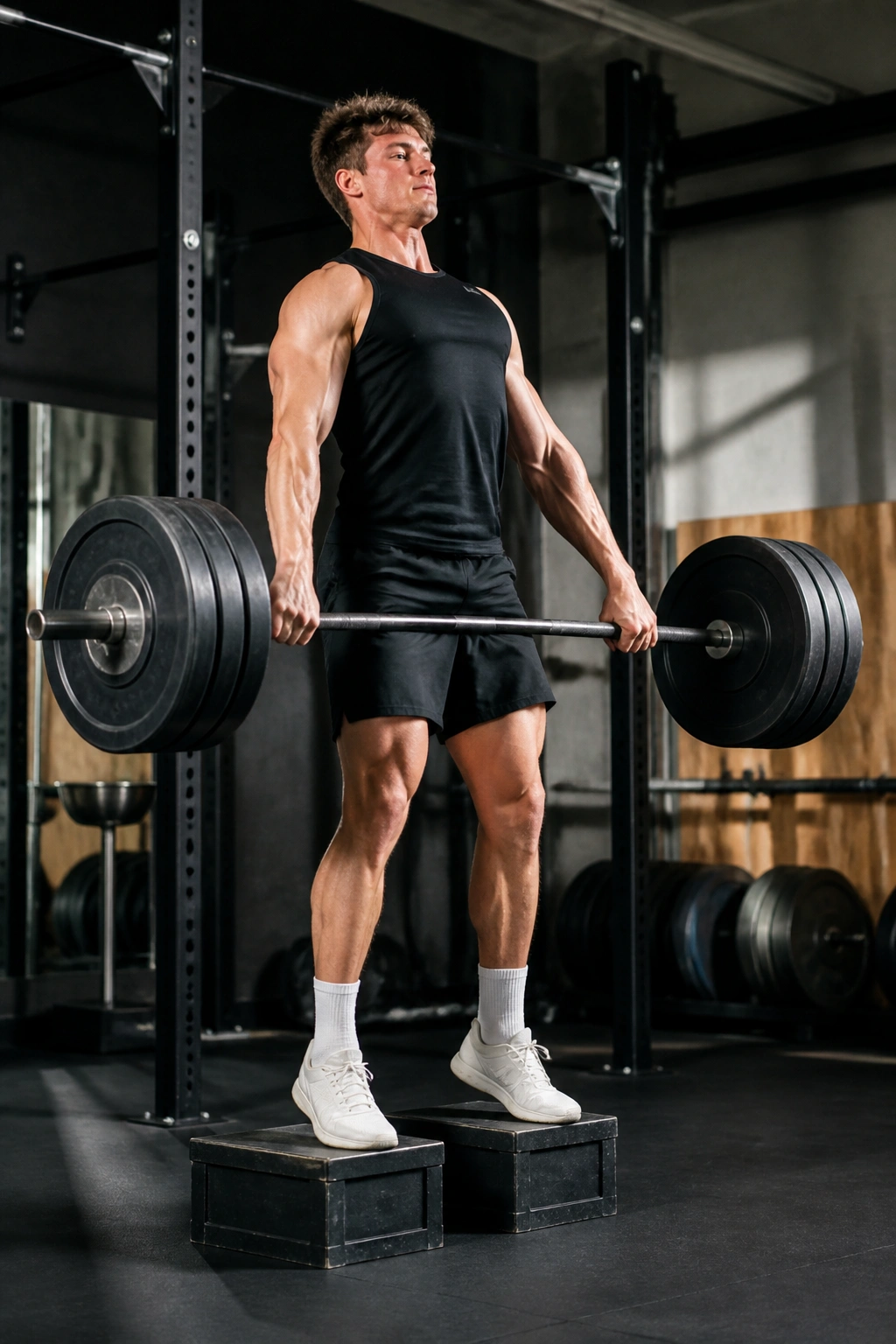
Why do clean pulls deserve their own slot when full cleans get all the glory?
Because they let you chase force without the catch. That makes them easier to load, easier to coach, and often easier to recover from. Starting from blocks also removes some of the start-position noise and puts the attention on the second pull, where most athletes need help anyway.
A strong setup is 4 to 6 sets of 3 reps at a load around 90-110% of clean max. The bar should move fast enough that the plates do not look glued to the floor. Rest 2 to 3 minutes. Keep the chest tall through the finish and the elbows long.
How to use it
Use this when the athlete needs more leg and hip power but does not need more catch practice. If the pull turns into a slow deadlift with a shrug taped on at the top, the weight is too heavy.
The nice part here is the simplicity. Less skill clutter. More force.
16. Lateral Bounds and Single-Leg RDLs
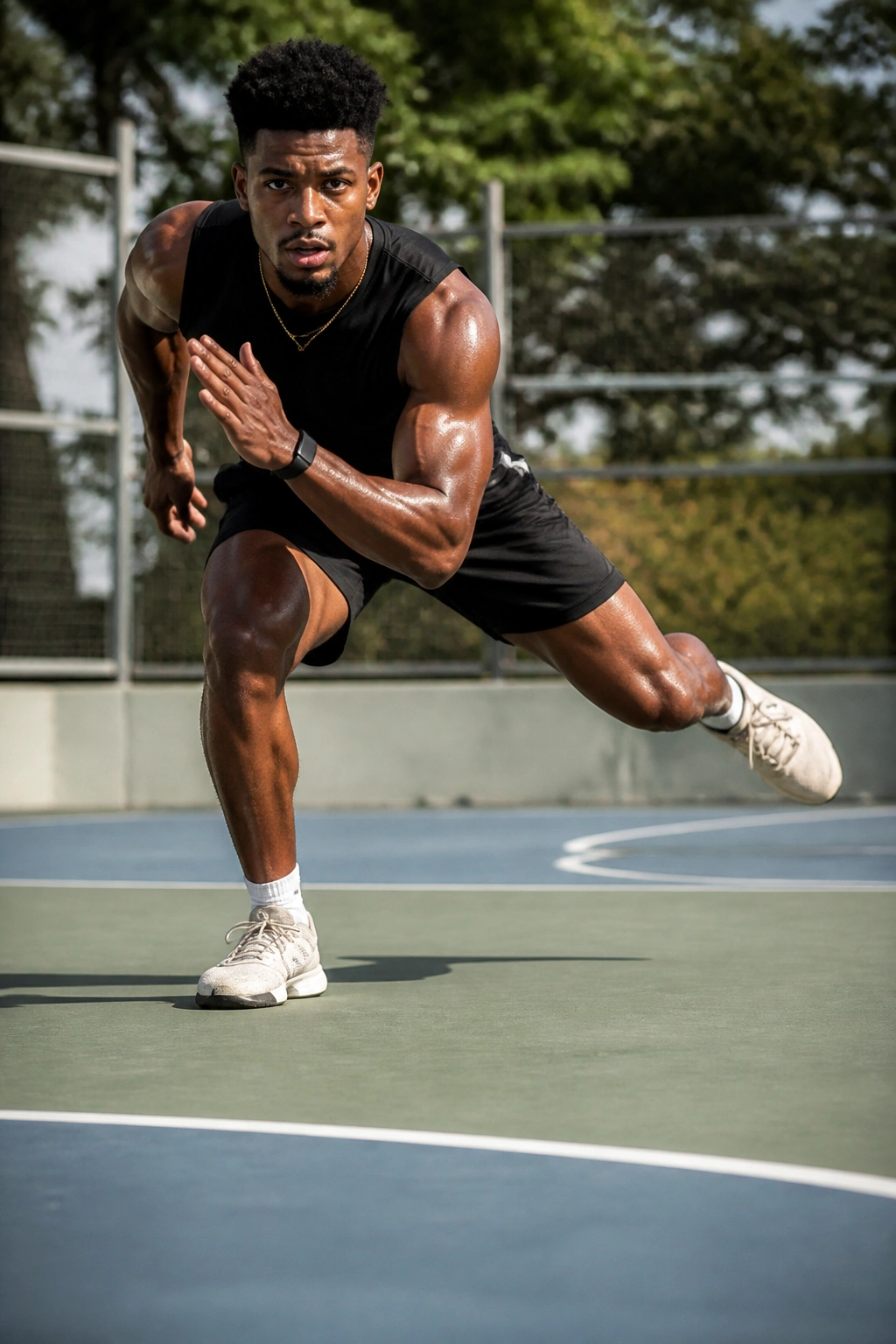
A lot of sports are won going sideways, not straight ahead. Lateral bounds teach the body to absorb force and reapply it in another direction, while single-leg RDLs keep the hips honest. Together they make the athlete stronger in the awkward spaces where games actually happen.
What to Watch For
Start with 3 to 5 lateral bounds per side, sticking each landing and freezing for a beat. Then hit 6 to 8 single-leg RDL reps per side with a dumbbell or kettlebell that does not twist the torso around. Do 3 to 4 rounds.
- Land on a quiet foot.
- Keep the pelvis level.
- Let the free leg reach back, not swing wildly.
A brief scene: a basketball player who can jump straight up but can’t stick a hard lateral stop is a player waiting for trouble. This pairing targets that exact gap.
The goal is not just speed. It’s control at speed. Big difference.
17. Sandbag Shouldering and Carry Complex
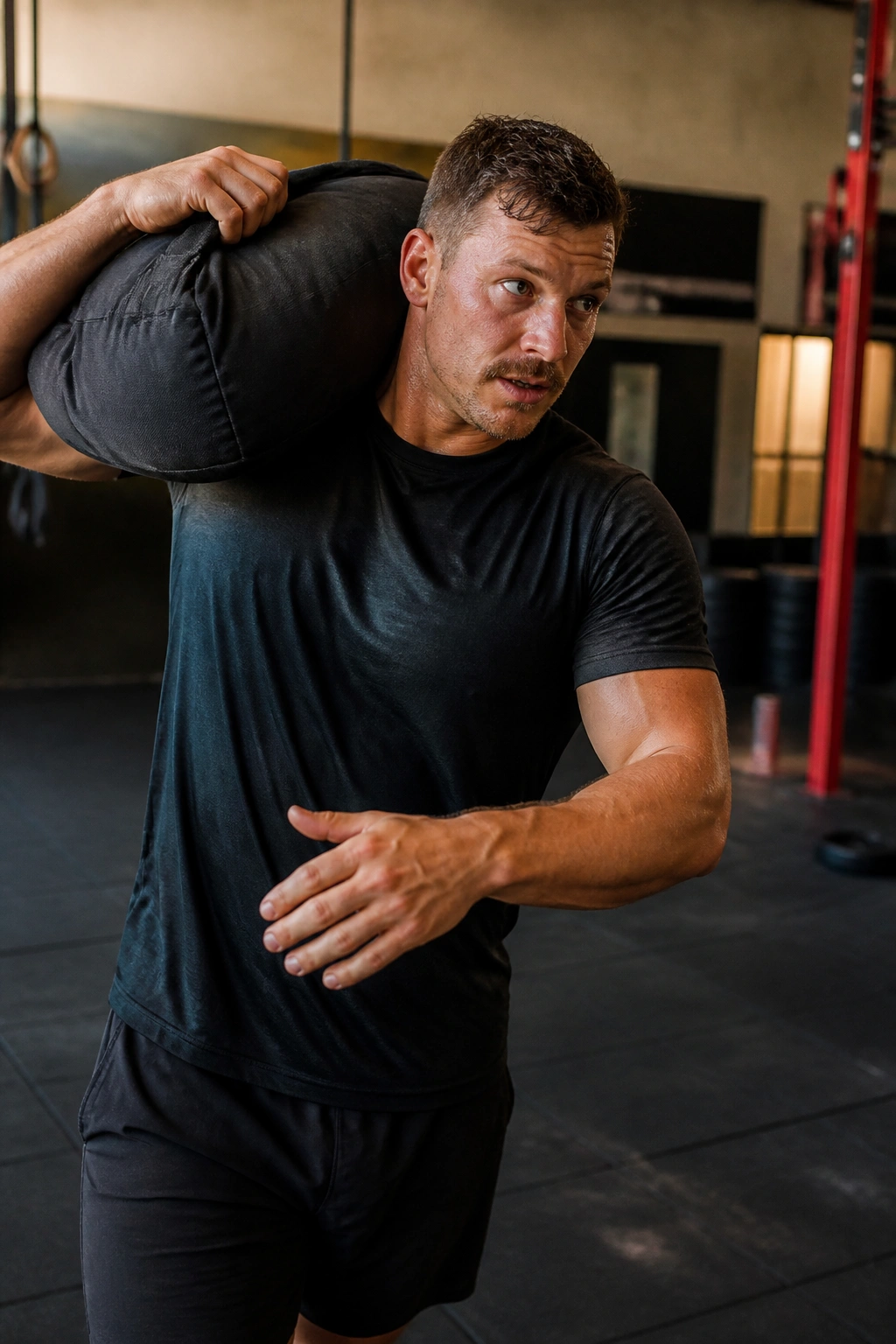
Sandbags are ugly in the best possible way. They shift, sag, and punish weak positions. That makes them useful for power athletes who need the trunk, hips, and grip to work together under less-than-perfect conditions.
Use a complex like this: 3 sandbag shoulders per side, then a 20-meter bear hug carry, then a 20- to 30-meter front carry, repeated for 3 to 5 rounds. The bag should be heavy enough to demand work but not so huge that the rep turns into a wrestling match with the floor.
This is not a speed drill in the same way a jump is speed. It’s more like ugly power — the kind that keeps producing force when the load is awkward and the breathing gets loud. That matters in contact sports and in any sport where bracing under chaos is part of the job.
If you want your athletes to stop being fragile when the load shifts, sandbags have a way of teaching that fast.
18. Full-Body Contrast Session for Fast Force
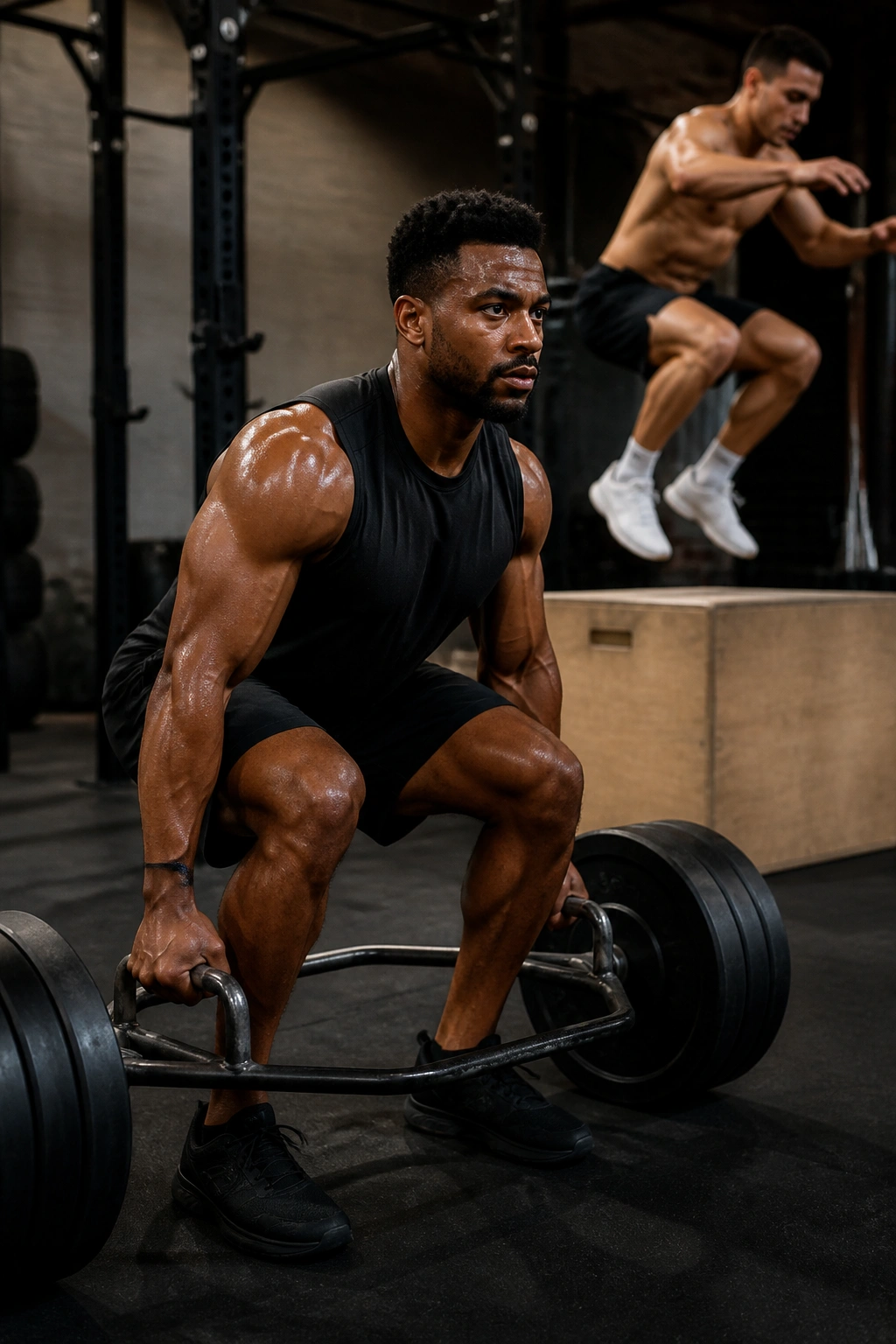
A good contrast session is part science, part common sense, and part discipline. You pair a heavy lift with a fast movement, keep the total work low, and stop before the quality drops. That makes it a smart fit for power athletes who need output, not a marathon.
Try a simple structure: 2 trap bar deadlifts at 85%, then 2 box jumps; 2 push press reps at 75%, then 3 med ball chest passes; 2 front squat reps at 80%, then 2 broad jumps. Run 3 rounds of the whole circuit and give yourself 2 to 3 minutes between exercises. The session should feel sharp from start to finish.
Unlike a bodybuilding circuit, this is not about burning out. It’s about rehearsing force under different shapes — vertical, horizontal, overhead, and rotational — without turning the body into mush. If the jumps flatten out or the bar speed dies, cut it short. That’s not quitting. That’s coaching.
The best thing about this kind of workout is also the most annoying thing: it punishes ego. Which is probably why it works so well.
