



The phrase workout routines gets thrown around like it means one thing for everyone, but that’s never been true. A plan that works for someone who loves the gym floor at 6 a.m. can be a terrible fit for a person just trying to build momentum after months away from exercise.
That mismatch is where most people get tripped up. They choose a routine that looks hard enough to count, then discover it’s too long, too technical, too punishing on the knees, or too boring to repeat.
A good routine should match your body, your schedule, and your tolerance for discomfort on a plain Tuesday. It should let a beginner finish with something left in the tank and still give an experienced lifter a reason to pay attention. Public health guidance usually lands around 150 minutes of moderate cardio and two strength sessions a week, but the real trick is picking the style that keeps you coming back.
So here’s the honest version: the best workout is the one you’ll do again. Not the flashiest one. Not the one that leaves you wrecked for two days. The one that fits your life and gives you a clean way to progress.
1. Brisk Walking Intervals

A walk can be a real workout when you stop treating it like background noise. Brisk walking intervals are one of the easiest routines to scale because the pace is adjustable, the impact is low, and the setup is almost laughably simple.
Why It Works
A steady walk gets the legs moving, but the interval changes are what wake the session up. One minute of fast walking, followed by two minutes at an easier pace, is enough to raise the heart rate without turning the whole thing into a slog. That makes this a smart pick for beginners, older adults, and anyone who wants to train on a recovery day without feeling lazy.
Quick Setup
- Warm up: 5 minutes at an easy pace.
- Main set: 6 to 10 rounds of 1 minute brisk / 2 minutes easy.
- Cool down: 5 minutes slow walking.
- Beginner tweak: Keep the fast segment at a pace where you can speak in short phrases.
- Advanced tweak: Add a hill, a slight incline, or a light backpack.
Pro tip: If your shoulders are creeping up toward your ears, you’re walking too hard. Relax them and lengthen the stride a little.
This routine works indoors on a treadmill or outdoors on a flat path. It is plain, and that’s the point. No setup drama. No intimidating equipment. Just a measurable way to make walking count.
2. Full-Body Bodyweight Circuit
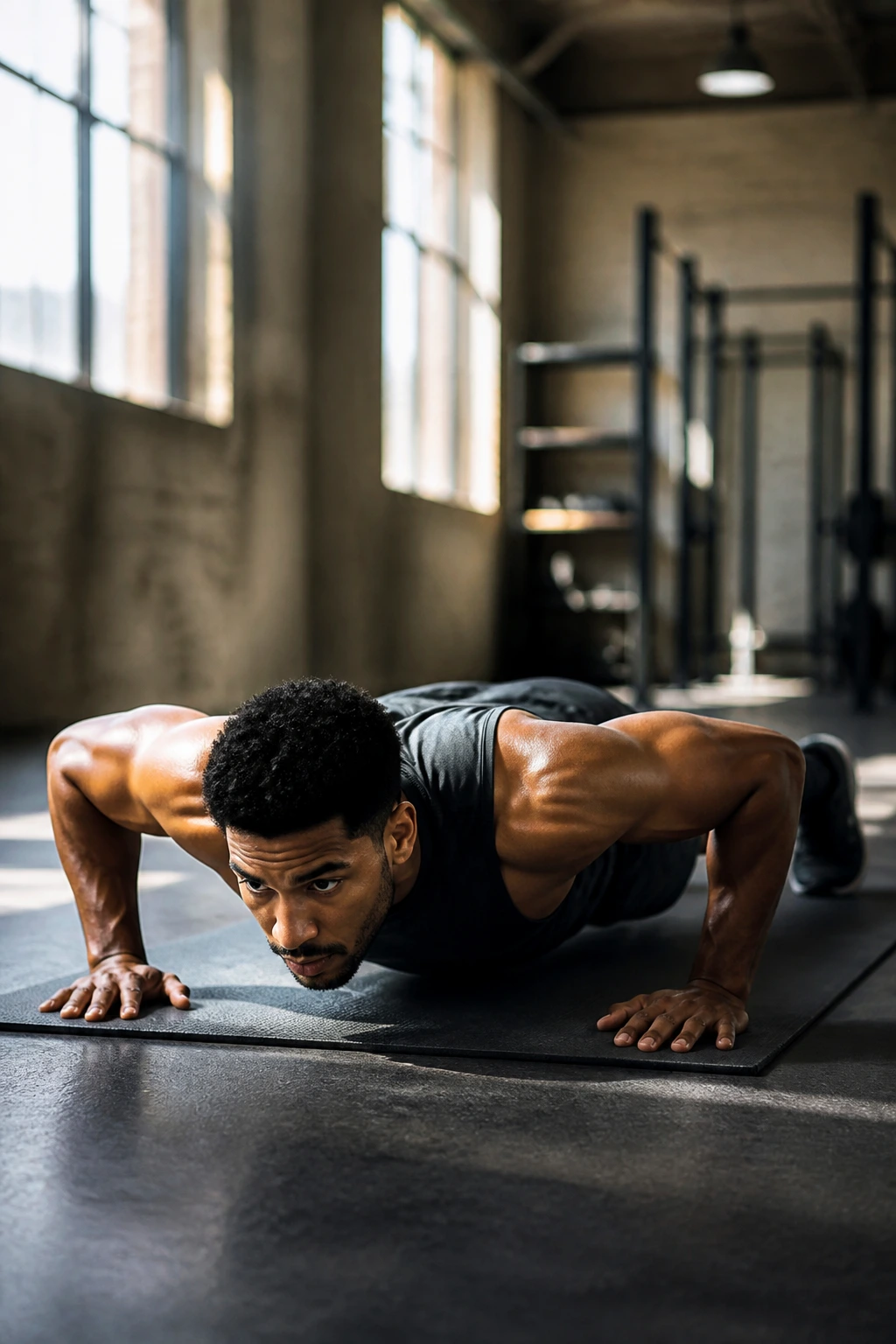
No equipment is not the same thing as no challenge. A solid bodyweight circuit can build strength, balance, and conditioning in one shot, especially if you keep the rest periods honest and the movements clean.
A simple version uses five moves: squats, incline push-ups, reverse lunges, glute bridges, and dead bugs. Run each move for 30 to 40 seconds, rest 20 to 30 seconds, and repeat the circuit 3 rounds. That’s enough to feel the work without turning form into a mess.
Beginners should keep the push-ups high, with hands on a bench or countertop, and cut the work interval to 20 seconds if needed. More advanced people can slow the lowering phase to 3 seconds down on squats and push-ups, which makes the same exercises feel a lot tougher without adding load.
The charm of this routine is how little it asks of you. You can do it in a living room, a hotel room, or beside a mat in the garage. And because the movements use the whole body, you get a decent dose of strength work and heart rate work in the same block. That’s efficient without being fussy.
3. Dumbbell Full-Body Routine
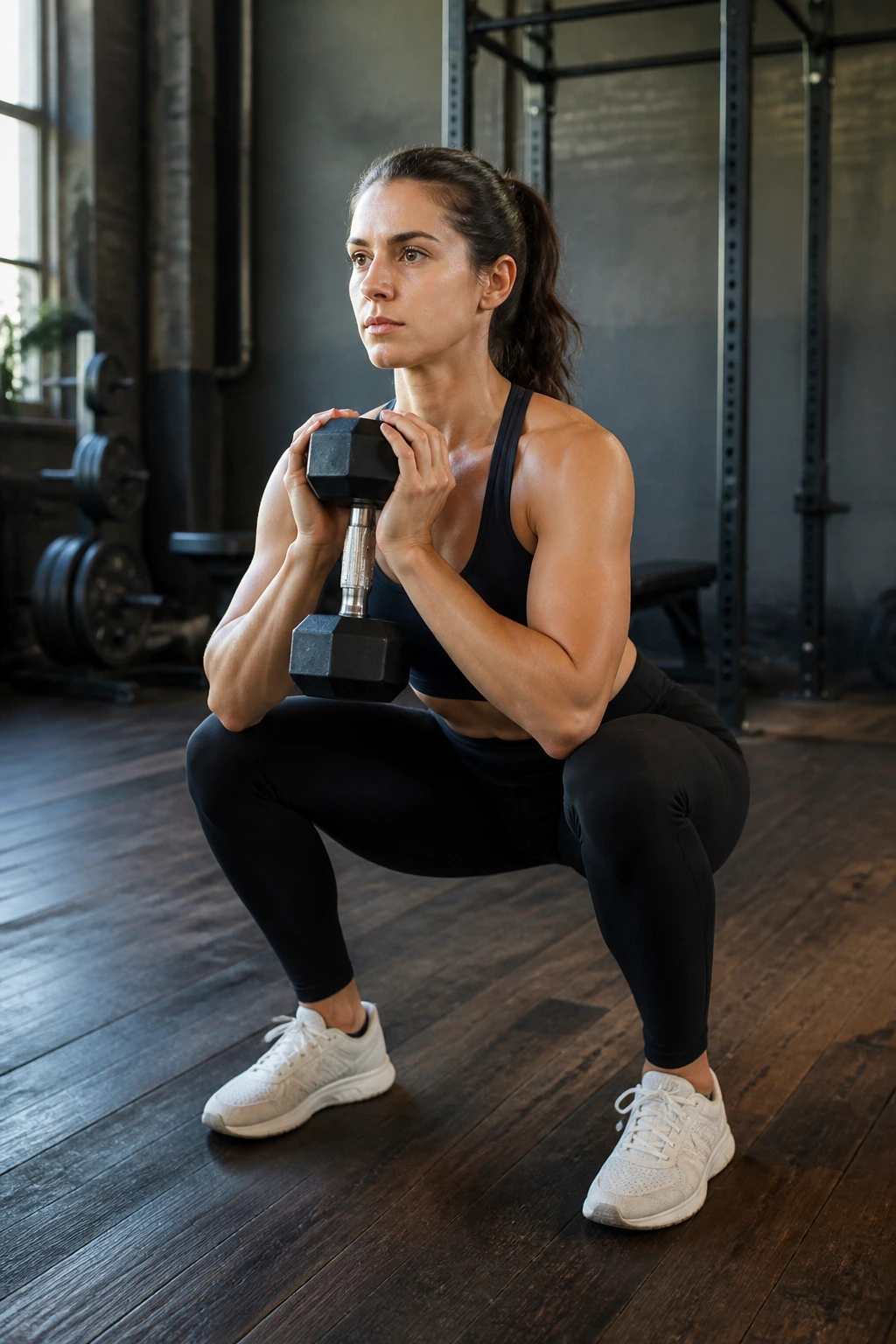
Can two dumbbells carry a whole workout? Absolutely. If you choose the right pair and move with intent, a dumbbell full-body routine can cover strength, muscle, and conditioning without eating your entire day.
How to Run It
Use five main patterns: a squat, a hinge, a push, a pull, and a carry. A clean beginner-friendly setup looks like 3 sets of 8 to 12 reps for goblet squats, dumbbell rows, floor presses, Romanian deadlifts, and overhead presses, with 60 to 90 seconds of rest between sets. Finish with a 30 to 40 second farmer carry if you have room.
The beauty here is scale. A beginner can use light dumbbells and keep the reps smooth. An intermediate lifter can push the load and use supersets, pairing a lower-body move with an upper-body move so the workout moves faster. An advanced lifter can add a pause at the bottom of the squat or use one-arm carries to challenge the trunk.
Pick weights that make the last two reps feel honest, not sloppy. That matters more than chasing big numbers. Dumbbells are friendly, but they will expose cheating fast if you rush the repetitions.
4. Incline Treadmill Walk and Core
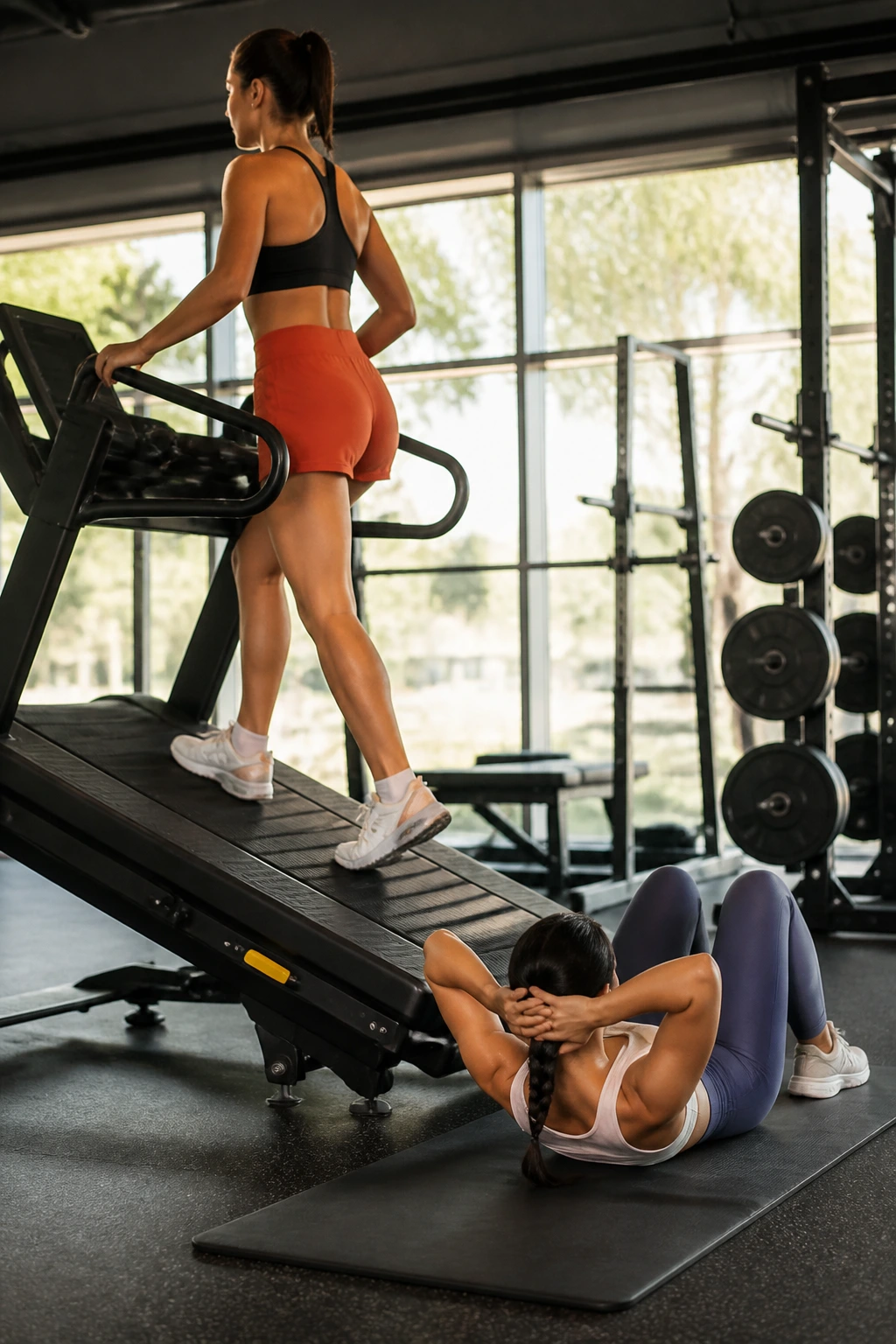
A lot of people want a routine that burns hard without leaving their knees barking the next day. Incline treadmill walking with a short core finisher does that job better than it gets credit for.
Set the treadmill to a moderate pace, somewhere around 2.8 to 3.5 mph for most walkers, then use a 5 to 8 percent incline for the main block. Walk there for 10 to 20 minutes, keeping the effort in the “I can talk, but I don’t want to” zone. After that, step off and hit the floor for a core circuit: dead bugs, side planks, and bird dogs.
- Dead bug: 2 sets of 8 reps per side.
- Side plank: 2 sets of 20 to 30 seconds per side.
- Bird dog: 2 sets of 6 controlled reps per side.
A beginner can stay on the lower incline and shorten the walk to 10 minutes. Someone stronger can crank the incline a notch or add a short carry at the end. The goal isn’t to collapse. The goal is to finish with a clear training effect and still be able to walk normally after.
5. Upper-Body Push-Pull Day
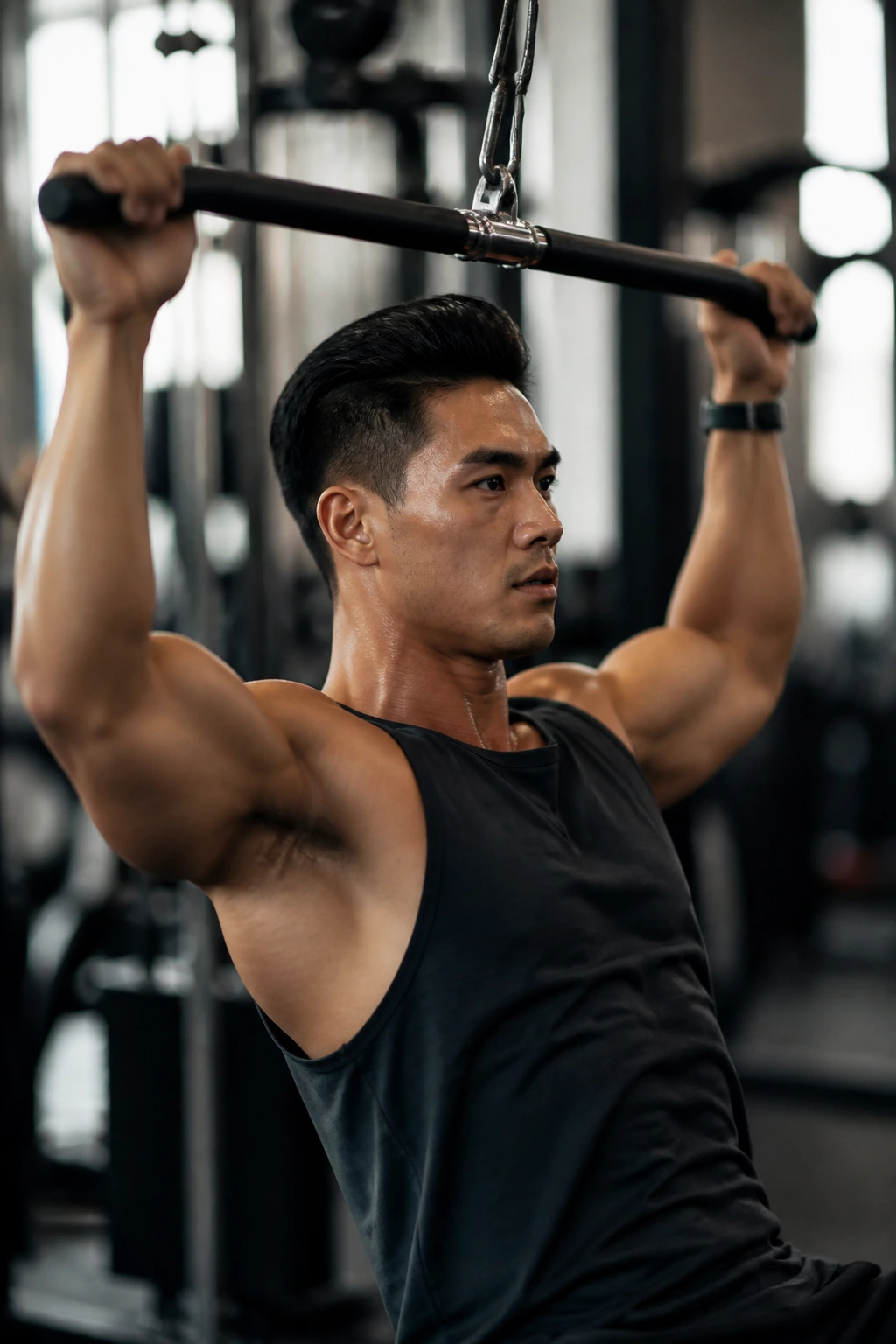
Upper body days go sideways when people only press. Push-pull balance matters, and it matters more than the fancy split someone copied from a gym bro with perfect shoulder genetics.
A clean upper-body day uses a push pattern and a pull pattern side by side: bench press or push-ups, dumbbell rows or cable rows, overhead press, lat pulldowns, then a small amount of arm work if you want it. Most people do well with 3 to 4 sets of 6 to 12 reps on the main lifts and a little higher on the accessory work.
Beginners can stay with machines and supported rows because the setup is easier and the form stays tidier. Intermediate lifters can pair exercises as supersets, like pressing and rowing back to back, which keeps the session moving without making it sloppy. Advanced lifters can use paused reps or heavier sets in the 5 to 8 rep range on the first two movements.
A shoulder-friendly day almost always includes more pulling than pushing. That’s not a rule for the sake of a rule; it keeps posture from drifting forward and helps the session feel better in real life.
6. Lower-Body Strength Day
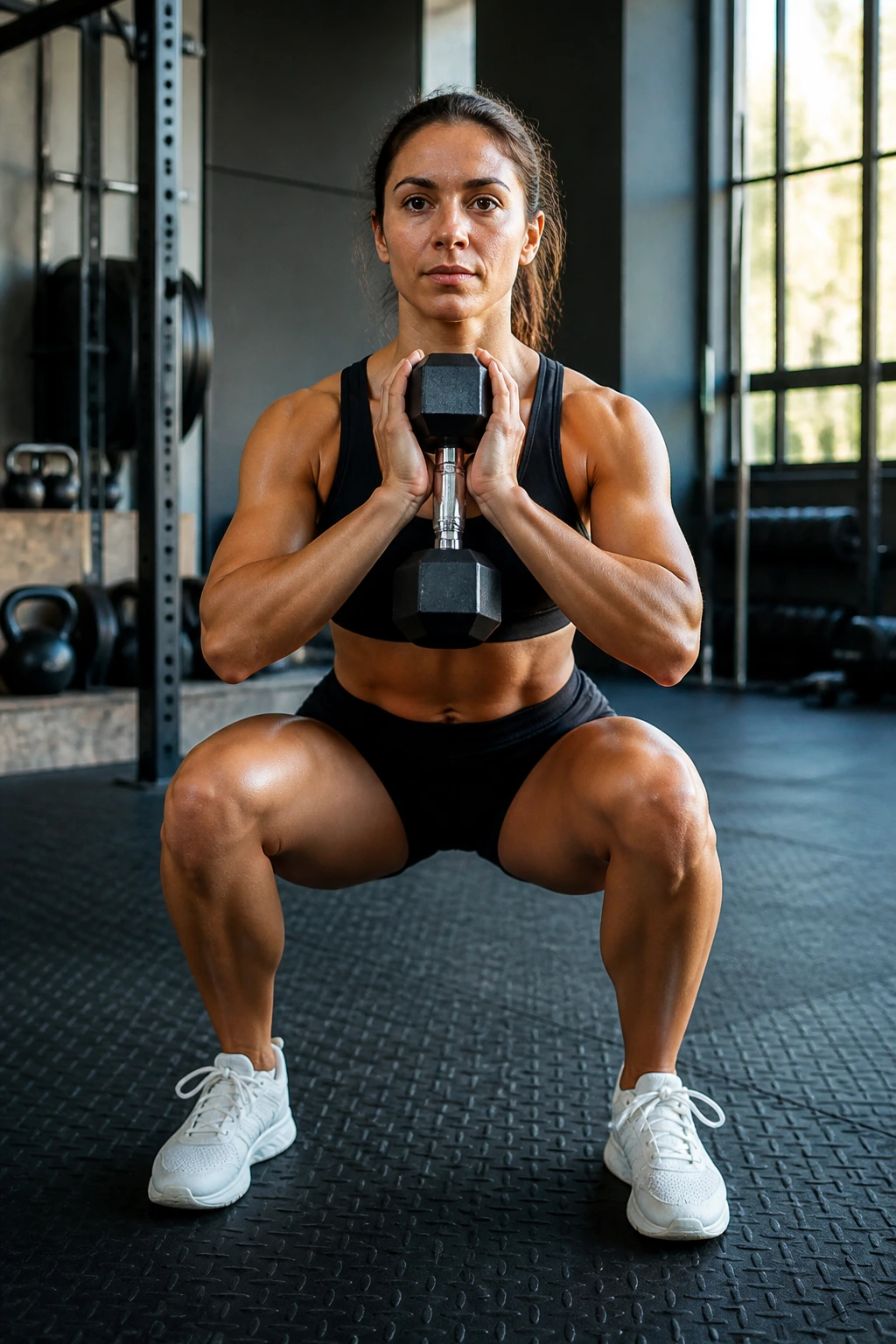
Unlike a circuit that tries to make you sweat from every angle, lower-body strength day asks for slower reps, firmer bracing, and a little patience. That’s what makes it useful.
Start with a squat pattern, then a hinge, then a single-leg move. A straightforward session might include goblet squats, Romanian deadlifts, split squats, calf raises, and hamstring curls. For the main lifts, use 3 to 5 sets of 5 to 8 reps. For accessories, 8 to 12 reps is enough to light up the muscles without turning the workout into a marathon.
This routine suits intermediate and advanced lifters especially well, but beginners can absolutely start with bodyweight split squats and light dumbbells. The key is control. If your knees cave inward, or your lower back takes over on the hinge, the load is too ambitious.
I like this style because it leaves a clear training residue. Your legs know they worked. Your glutes know they worked. Even your calves will complain a little if you skip them. That’s not a bad sign. It’s feedback.
7. Low-Impact HIIT on a Bike

Can high-intensity training be kind to your joints? On a stationary bike, yes. That’s why bike intervals are one of the safest ways to get a hard conditioning session without the pounding that comes with running.
Why It Works Without Beating You Up
The bike lets you drive the effort with resistance and cadence instead of impact. A solid format is 20 seconds hard, 100 seconds easy, repeated 8 rounds after a 5-minute warm-up. If you’re newer to intervals, start with 6 rounds and keep the hard efforts around an 8 out of 10 instead of a sprint-to-death pace.
What To Watch For
- Keep the seat high enough that your knee stays slightly bent at the bottom of the pedal stroke.
- Don’t bounce in the saddle; that usually means the resistance is too light.
- Use a light gear on the recovery sections so your legs can actually reset.
- Finish with 3 to 5 minutes of easy spinning.
The nice part is how adjustable this is. Beginners can keep the resistance moderate and focus on consistency. Stronger riders can add rounds or extend the hard intervals to 30 seconds. Either way, the bike gives you a clean, measurable interval workout without wrecking your ankles.
8. Kettlebell Complex Session
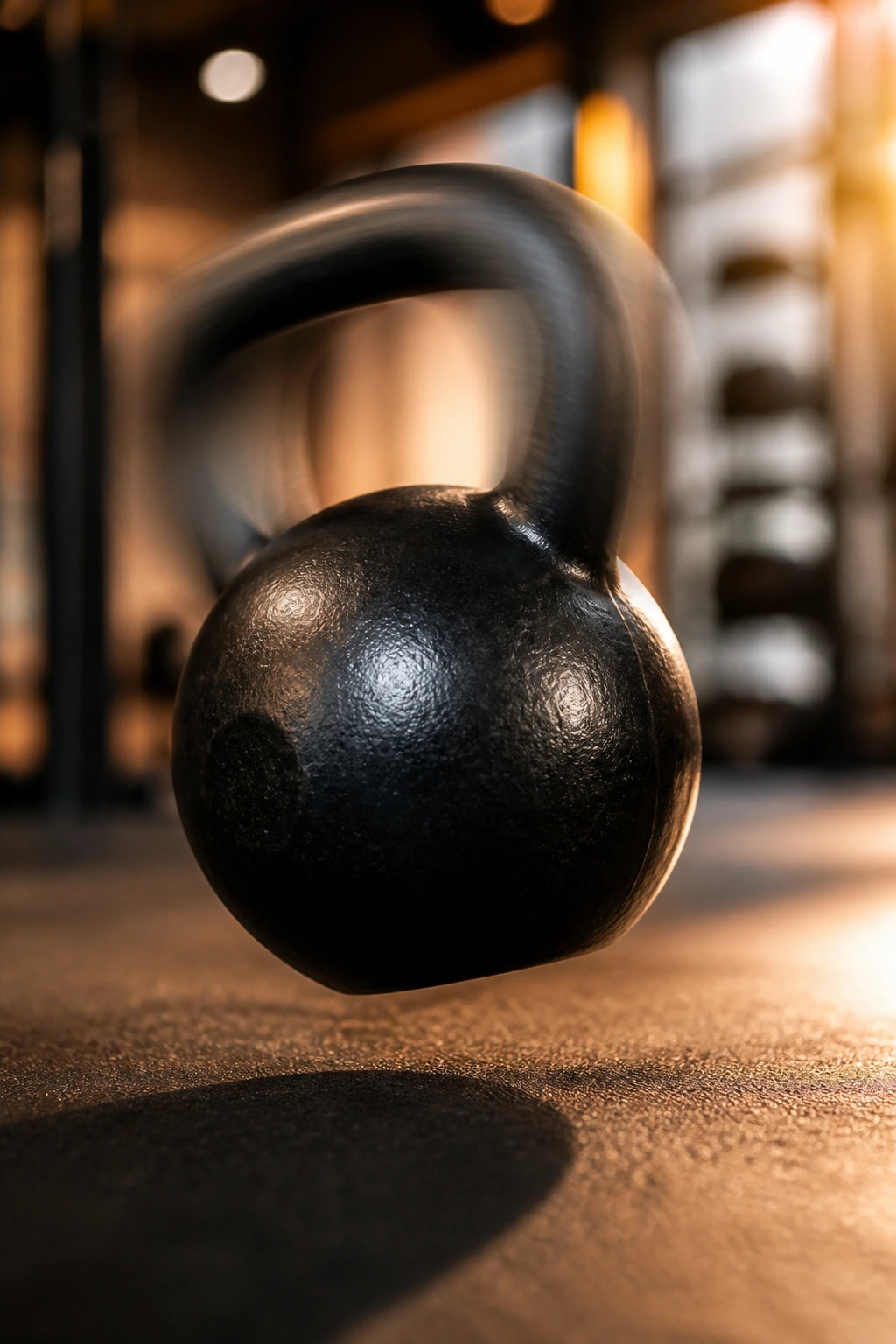
Five cleans, five front squats, five swings. Put the bell down later. That’s the whole appeal of a kettlebell complex—you chain movements together so your grip, lungs, and legs all have to cooperate.
A simple complex might use one kettlebell for 4 rounds of 5 cleans, 5 front squats, 8 swings, then rest 90 seconds before the next round. The beauty is that the bell stays in motion. No long setup changes. No wandering around the gym. Just work.
- Beginner version: Use one lighter bell and skip the cleans if they feel awkward.
- Intermediate version: Keep the same weight for all three moves and preserve the rhythm.
- Advanced version: Add a fifth round or shorten rest to 60 seconds.
The session gets hard because there’s almost no dead space. Your heart rate climbs, but the body still has to own each rep. That’s different from a sloppy cardio blast where the form falls apart and the numbers stop meaning anything.
One warning. Don’t choose a bell based on ego. If the last swing turns into a back tug, the load is too heavy. Smooth reps make this work. Ugly reps make it a guessing game.
9. Push, Pull, Legs Split

If full-body workouts feel cramped, push-pull-legs training gives each movement pattern more room to breathe. It’s one of the easiest ways to train often without repeating the same muscles too soon.
A push day covers chest, shoulders, and triceps. A pull day handles back and biceps. Legs day takes care of squats, hinges, glutes, and calves. Most people do well with 4 to 6 exercises per session, 3 to 4 sets each, and rep ranges between 6 and 12 depending on the lift.
This split shines when you train 3, 4, 5, or 6 days a week. Beginners can run one push day, one pull day, and one legs day per week, which keeps the structure simple. More advanced lifters can repeat the cycle twice and manage volume more precisely.
I prefer this split for people who like to focus. There’s less bouncing between body parts, less setup clutter, and more room to push the chosen muscles hard. The catch is that it works best when your schedule is stable. If your week is random, a full-body plan may be easier to keep alive.
10. Yoga Flow With Strength Holds
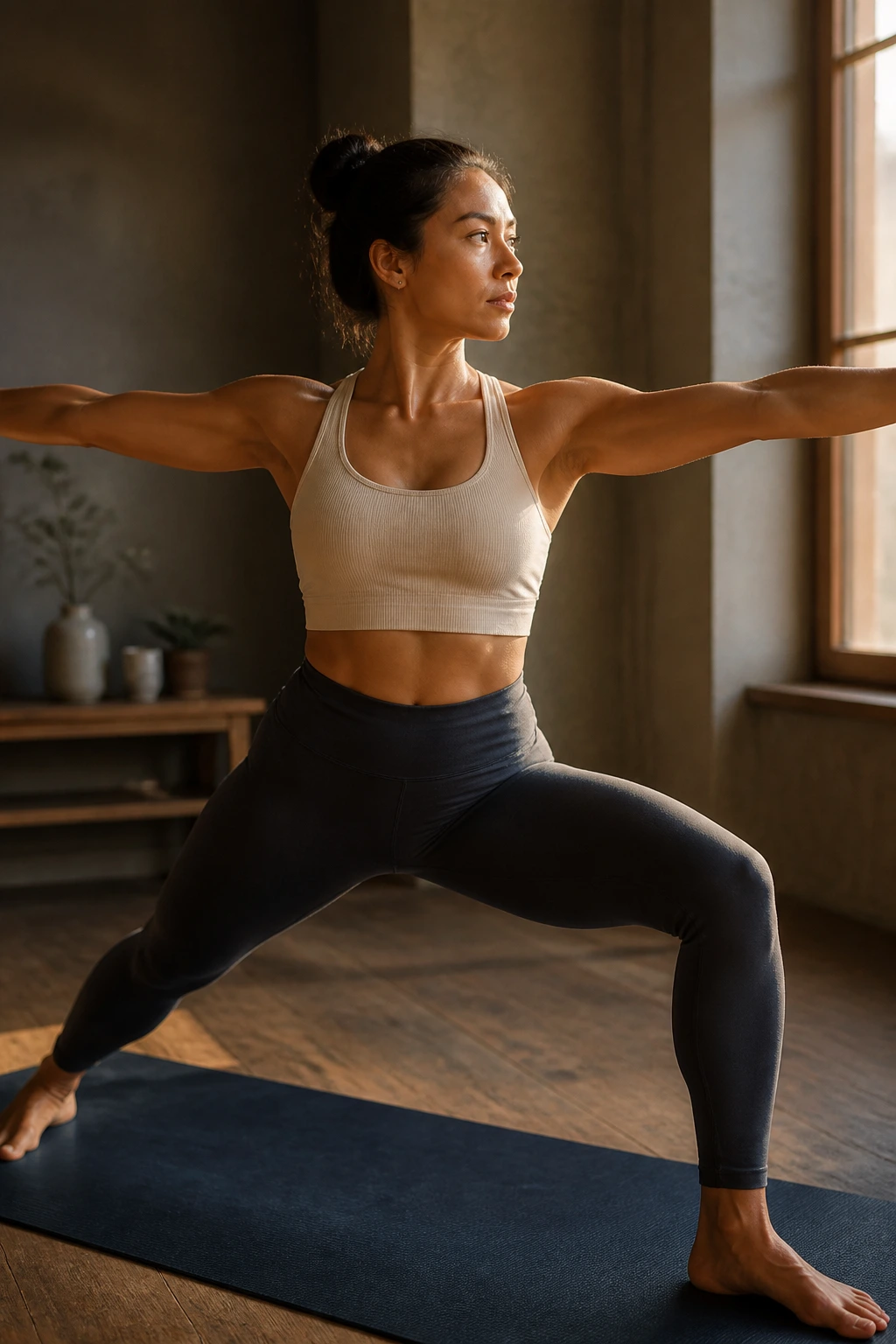
Your shoulders will know the difference after three slow sun salutations. Yoga with strength holds is not a soft option; when done with intention, it taxes balance, trunk control, and mobility in a way that more rigid workouts miss.
Build the session around a few linked poses: downward dog, low lunge, warrior II, chair pose, plank, and bridge. Hold each one for 3 to 5 breaths, then move with control instead of rushing through the sequence. A 20- to 30-minute flow is enough for a meaningful session.
This routine suits beginners because the pace is forgiving, and it suits advanced people because the holds can be made far more demanding. A deeper lunge, a longer plank, or a slower transition changes the whole feel. No weight stack required.
It also works as a bridge between harder training days. Tight hips, stiff upper backs, and cranky ankles tend to settle down when you give them a few deliberate minutes. Not magically. Just enough. That’s often all the body wants.
11. Rowing Machine Intervals
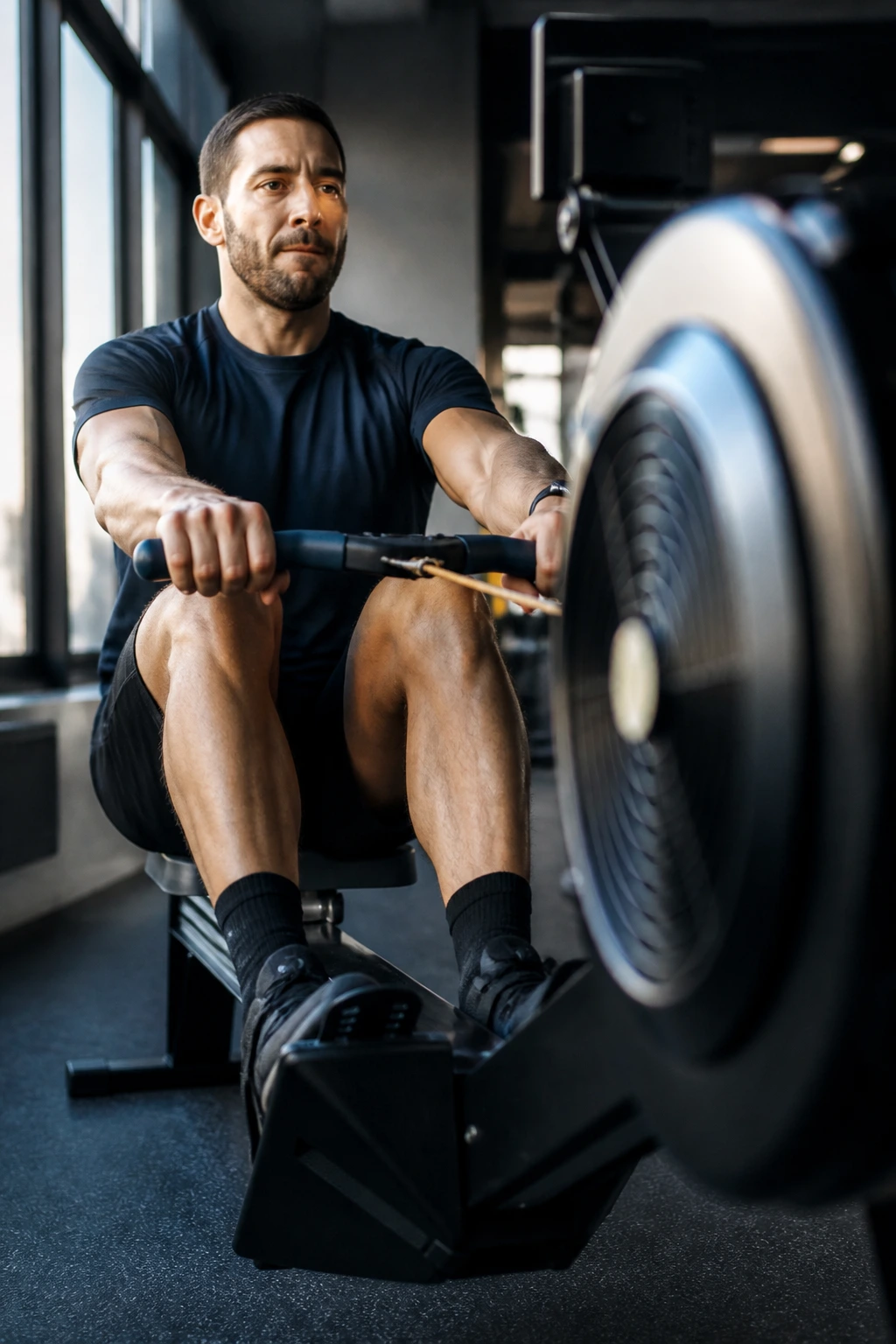
Why does rowing feel harder than the screen suggests? Because your legs, back, arms, and lungs all show up at once. It looks smooth. It is not.
How To Use It
A clean rowing session can be built around 250-meter repeats. Try 6 to 8 rounds of 250 meters hard, followed by 250 meters easy, or use 30 seconds fast / 90 seconds easy if you prefer time-based work. Keep the stroke rate around 22 to 28 strokes per minute on the hard pieces and slower on the recoveries.
What To Focus On
- Push with the legs first.
- Keep the handle close to the body on the finish.
- Relax the grip so your forearms don’t seize up.
- Don’t yank early with the arms.
Rowing suits people who want conditioning without pounding the ground. Beginners can keep the intervals shorter and focus on stroke quality. Experienced trainees can add a few rounds or reduce rest. Either way, the machine rewards rhythm. If the sequence breaks, the whole thing feels like a fight.
And yes, you’ll sweat. A lot.
12. Stair Climb Workout

A staircase can do the job of a gym floor if you respect it. Stair climbing is a sneaky-hard routine that builds legs, lungs, and a little stubbornness all at once.
Use a simple interval format: climb for 30 seconds, walk down or recover for 60 seconds, repeat 8 to 10 rounds. If you have a longer stairwell or a stadium set of steps, even better. Add step-ups, suitcase carries, or bodyweight squats at the bottom if you want a bigger session.
- Keep your whole foot on the step.
- Stay tall through the torso.
- Use the handrail only for balance, not support.
- Shorten the session if your calves start cramping.
Beginners should start with fewer rounds and lower stairs. Stronger people can carry light dumbbells or a backpack, but only if the movement stays clean. The workout feels simple for the first two minutes. Then the legs start sending messages. Loud ones.
It’s a good choice for people who want something short, cheap, and brutally direct. No machines. No playlist needed. Just stairs.
13. Resistance Band Circuit
Resistance bands are the most underrated training tool in a lot of homes. They are cheap, light, and easier on the joints than a lot of fixed machines, which makes them a smart option for travel, small spaces, or warm-up work.
A practical band circuit might include rows, chest presses, pull-aparts, lateral walks, Pallof presses, and band squats. Use 2 to 4 rounds of 12 to 20 reps per move, with enough tension that the band is already working at the start of each rep. Slack band work is mostly theater.
A lighter band is fine for beginners, especially for shoulder and glute activation. An advanced trainee can use thicker bands, split stances, or slower tempos to make the same exercises much harder. The trick is keeping continuous tension instead of snapping through the movement.
This routine is especially useful on days when heavier lifting feels like too much friction. It also fills a gap that a lot of people miss: small stabilizing muscles get some attention without the session becoming long or intimidating. That’s a win. Quiet, but real.
14. Running Run-Walk Progression
Run-walk training is not a consolation prize. It’s a smart way to build pacing, lung capacity, and tissue tolerance without making every run a punishment.
Start with 1 minute running / 2 minutes walking, repeated 8 rounds. Once that feels manageable, move to 2 minutes running / 1 minute walking, then 3 and 1, and eventually a 20-minute continuous run if that’s the goal. There’s no prize for jumping ahead too fast and getting shin splints.
A newer runner should keep the pace embarrassingly easy at first. That’s fine. The goal is consistency, not proving something to the sidewalk. More experienced runners can use the same structure for intervals at a steady effort, or they can hold the run pieces at a moderate pace and treat the walking breaks as actual recovery.
Shoes matter here, but pacing matters more. If the running segments start with a sprint, the session falls apart fast. Better to run almost too slowly than too hard. That lesson saves a lot of people from quitting after the first sore week.
15. EMOM Dumbbell Conditioning
An EMOM workout can look gentle on paper and feel rude by minute six. That’s the charm of it. Every minute on the minute, you complete the prescribed reps, then rest with whatever time is left.
A solid beginner-to-intermediate format uses 12 minutes total with four repeating stations: 10 goblet squats, 8 push presses, 10 one-arm rows per side, and 12 dumbbell deadlifts. If you finish a minute in 35 seconds, the rest is yours. If the work takes 58 seconds, that’s a sign the load is too heavy.
What To Watch For
- Don’t pick weights that force rushed reps.
- Keep the first round conservative.
- Leave 10 to 20 seconds of breathing room whenever possible.
- Stop if form starts to leak before the minute ends.
Advanced trainees can stretch the session to 16 or 20 minutes, add a fifth movement, or use a heavier dumbbell on the lower-body stations. Beginners can cut the total time to 8 minutes and keep the reps lower. The format is brutally honest, which is why I like it. The clock doesn’t lie.
16. Pilates Core and Glute Session
A Pilates-style session feels calm until the small muscles start shaking. That’s the point. Controlled tempo, breath, and posture make this routine useful for core strength, glute work, and a more stable pelvis.
A simple session can include the hundred, single-leg stretch, glute bridges, clamshells, side-lying leg lifts, and dead bugs. Keep the movement slow—about a 2-second lift, 1-second pause, 2-second lower on the glute work. A 20- to 30-minute session is plenty.
This routine is friendly to beginners because the loads are low and the instructions are clear. It also serves experienced exercisers who want a day that supports heavier training instead of fighting it. If you sit for long stretches, the hip work here tends to feel especially good.
A small note that matters: don’t chase range of motion if it makes the lower back arch. A shorter, cleaner rep is better than a pretty one that cheats. That’s true here more than almost anywhere else.
17. Swimming Lap Workout

The pool feels calm until the first 25 meters are behind you. Swimming laps give you cardio, upper-body work, and a strong breathing challenge without the impact of pounding the pavement.
A balanced lap session can start with 4 x 50 meters easy, move into 6 x 25 meters hard, then finish with 4 x 50 meters moderate, with 20 to 30 seconds rest between repeats. Beginners can shorten the distances or use a kickboard for part of the work. Strong swimmers can hold a stricter pace and keep the rest short.
Breathing rhythm matters more in the water than most people expect. Long strokes, steady exhale under the surface, and a calm head position keep the effort from turning ragged. If the neck is cranked upward, the stroke usually gets sloppy fast.
This routine is a good fit for people who want a low-impact option that still feels athletic. It’s also one of the few workouts where being smooth can matter as much as being hard. Wild flailing in a pool is usually a mistake.
18. Mobility Reset and Active Recovery
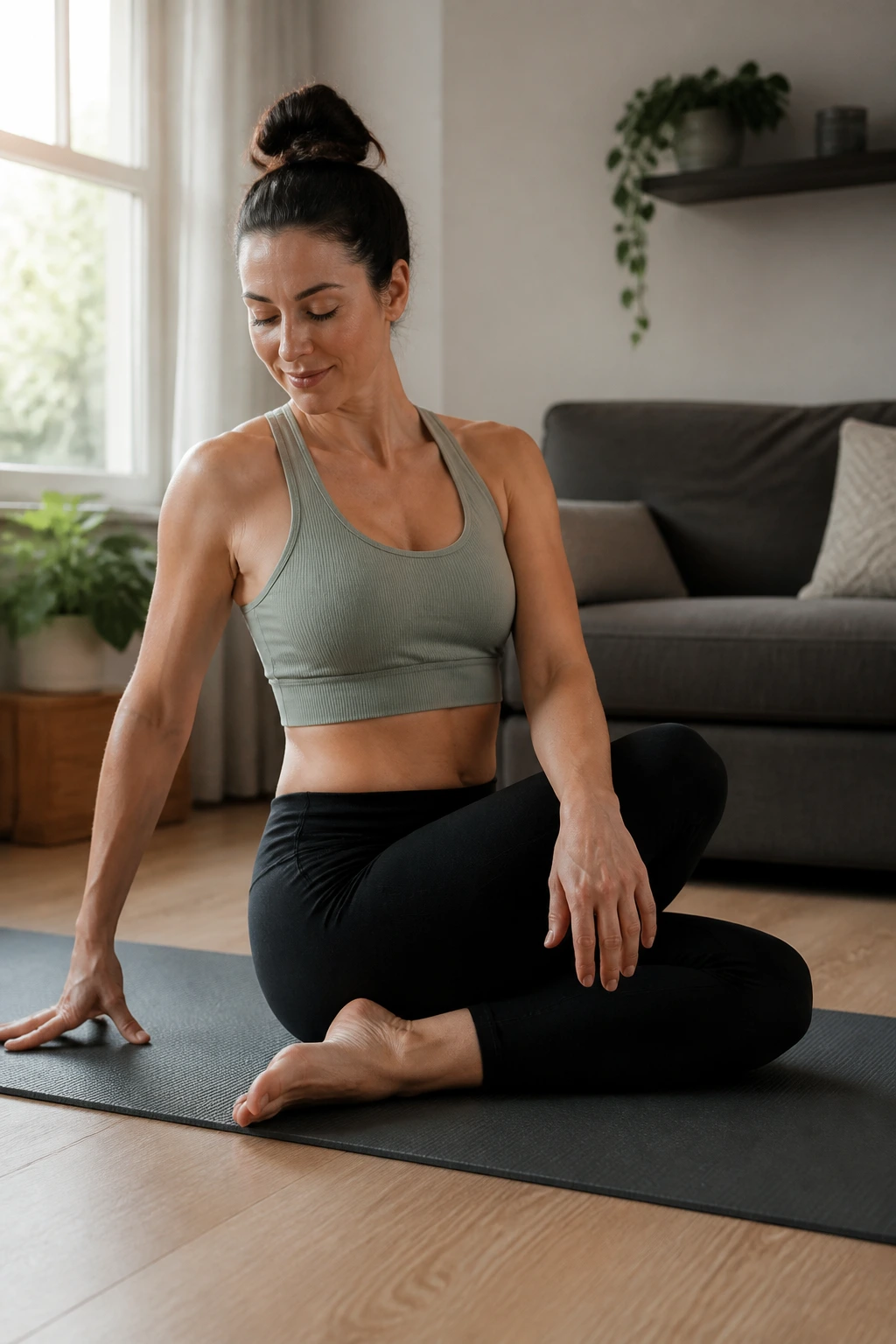
Hard training needs a day that looks boring on paper. Mobility and active recovery are the routines people skip right until their joints start asking for attention.
A good reset can be as simple as 20 to 40 minutes of walking, followed by hip openers, ankle rocks, thoracic rotations, calf raises, and a few band pull-aparts. Keep the movements gentle and smooth. You are not trying to chase fatigue here; you’re trying to move well enough to make the next hard workout easier to start.
- Walking: easy pace, no huffing.
- Hip flexor stretch: 30 seconds per side.
- Thoracic rotation: 6 slow reps per side.
- Ankle rocks: 10 reps per side.
- Band pull-aparts: 2 sets of 15.
Beginners use this as a way to build the habit of moving daily. Advanced trainees use it to keep the body from feeling welded together after heavy strength days or long runs. I like this routine because it respects the reality that training is not only about effort. Sometimes the smartest session is the one that lets everything else work better.
A workout plan that lasts usually has room for this kind of day. Quiet work. Unflashy work. The sort that pays off when you come back tomorrow.
The simplest way to choose from these workout routines is to ask three blunt questions: How much time do you have, what equipment is nearby, and how much impact can your body handle today? Answer those honestly and the list gets a lot easier to use.
And that’s the real point. The routine that fits your life will beat the one that looks heroic in a screenshot. Every time.
