



Six weeks is enough time to build a habit, but not enough time to survive a sloppy plan. That’s the part people miss. Beginners do not need punishment, and they definitely do not need a program that turns every workout into a test of pride.
What they do need is structure. A sane beginner plan teaches a few basic movement patterns, leaves some energy in the tank, and makes it easy to show up again two days later without hobbling around the kitchen. The old public-health benchmark of about 150 minutes of moderate activity a week is a decent anchor, but for strength work the bigger win is consistency: a small number of good sessions, repeated long enough for your body to stop feeling confused.
And yes, six weeks is a nice stretch. Long enough to feel stronger, cleaner, less awkward. Short enough that you can stay focused without getting bored of your own spreadsheet. The trick is picking a plan that matches your life instead of pretending you live in a training montage.
I’ve built these around the stuff beginners actually run into: limited equipment, crowded gyms, sore knees, unpredictable schedules, and the very human urge to do too much on day one. Some are home-based. Some lean on dumbbells or machines. Some are more about walking and recovery than heavy lifting. Pick the one that looks almost boringly doable. That’s the one you’ll finish.
1. The 3-Day Full-Body Bodyweight Plan
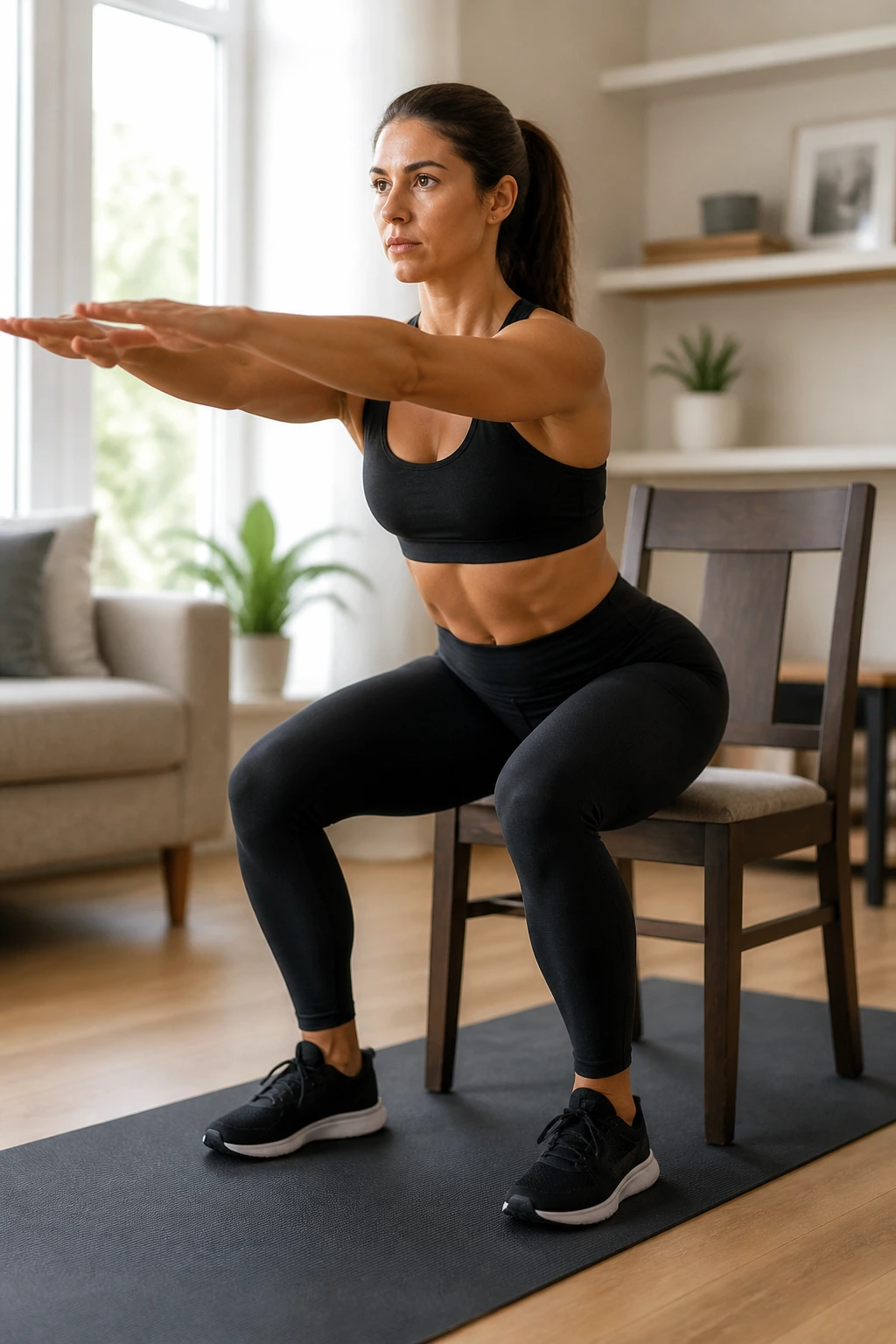
Bodyweight work gets dismissed because it looks too simple. That’s a mistake.
Three days a week is enough here, and the whole point is to teach your legs, push muscles, pull muscles, and core how to work together without complicated gear. Think squat-to-chair, incline push-ups, glute bridges, dead bugs, and rows with a band or sturdy table setup. Keep the first two weeks easy: 2 rounds per workout, 8 to 12 reps on most moves, and stop with about 2 reps left in the tank.
Weekly shape
- Monday: Full body A
- Wednesday: Full body B
- Friday: Full body A again, then B the next week
By weeks 3 and 4, move to 3 rounds. By weeks 5 and 6, either add a round or switch to harder versions, like lower incline push-ups or slower squats. Don’t chase exhaustion. Chase clean reps. If your knees cave inward on squats or your hips sag on planks, the set is already too long.
Best part: you can do this in a living room with a mat and a chair. That alone keeps a lot of beginners alive long enough to build a habit.
2. The Dumbbell-Only Home Plan
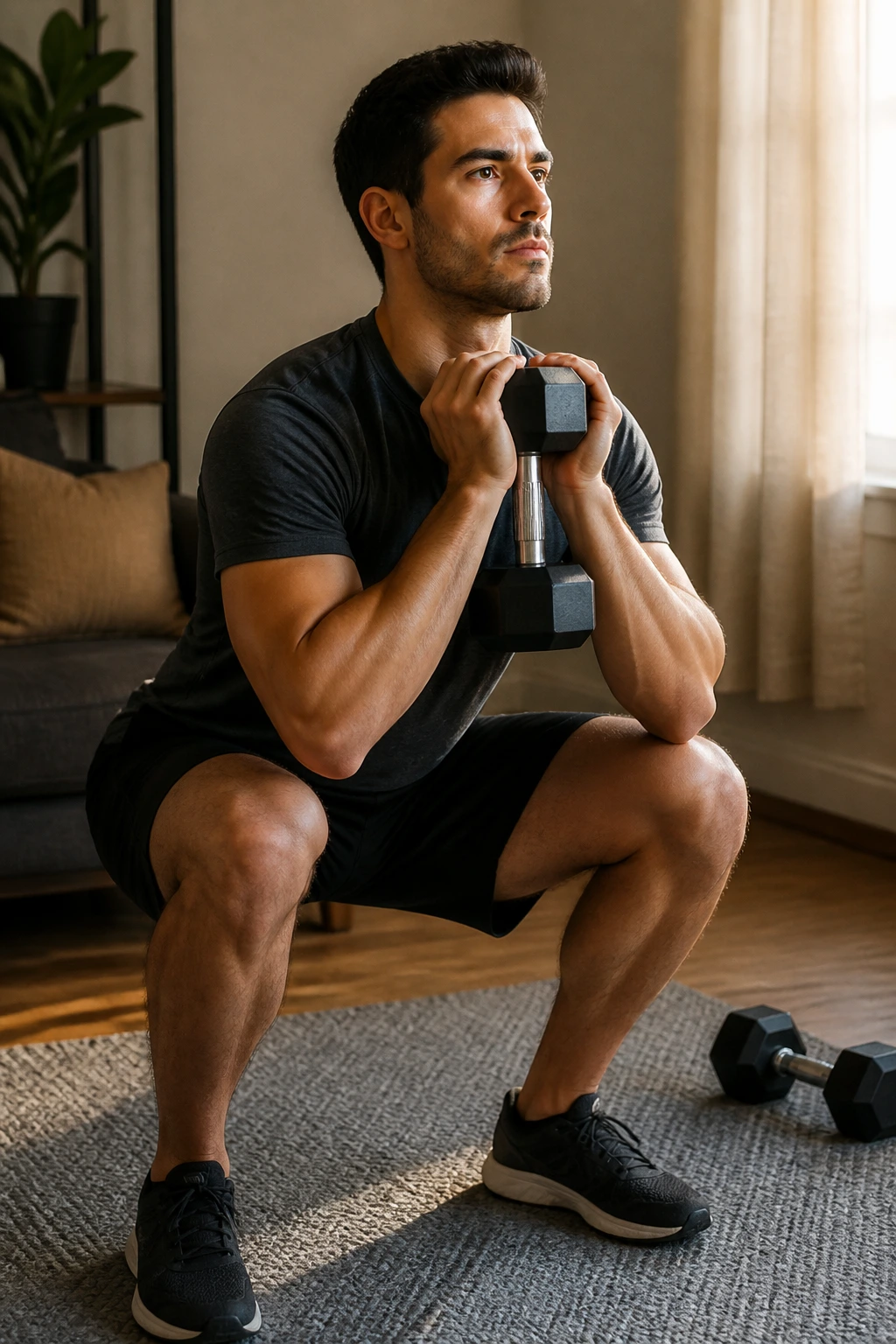
A pair of dumbbells solves a lot of beginner problems fast. You get resistance that grows with you, but you do not need to learn a dozen machines or wander through a gym wondering which thing is for what.
This plan is built around the movements that give the most return for the least fuss: goblet squats, dumbbell floor presses, one-arm rows, Romanian deadlifts, overhead presses, and suitcase carries. Three sessions a week is plenty. Start with 2 sets of 8 to 10 reps on each lift, using a weight that feels challenging on the last two reps without turning your form into a mess.
By week 3, go to 3 sets. By week 5, add a little weight if every set looks crisp, or add a rep or two if the next dumbbell jump feels too steep. That’s the clean beginner progression. No drama. No guesswork.
I like this plan because it teaches real strength without making the home feel like a gym storage closet. If you have one moderate pair and one lighter pair, you can go a long way.
3. The Walk-and-Lift Hybrid

Can walking count as training? Absolutely. It just can’t do everything by itself.
This plan works well for beginners who want to feel better, lose a little stiffness, and avoid the “all or nothing” trap. You lift on two nonconsecutive days and walk on the other days, aiming for 20 to 40 minutes at a pace where you can still talk but you’re not strolling like you’re in a mall. The lifting sessions stay short: squat pattern, push, pull, hinge, core. That’s it.
How to use it
- Week 1-2: 20-minute walks, 2 lifting circuits
- Week 3-4: 30-minute walks, 3 lifting circuits
- Week 5-6: 35-40-minute walks, slightly heavier weights or harder variations
The reason this works is simple. Walking keeps your joints moving and your recovery better than sitting all day, while the lifts keep your muscles from disappearing into the couch. It’s a good plan for people who hate feeling wrecked after exercise. Mild soreness, fine. Limping around your own home, not the goal.
4. The Gym Machine Confidence Plan
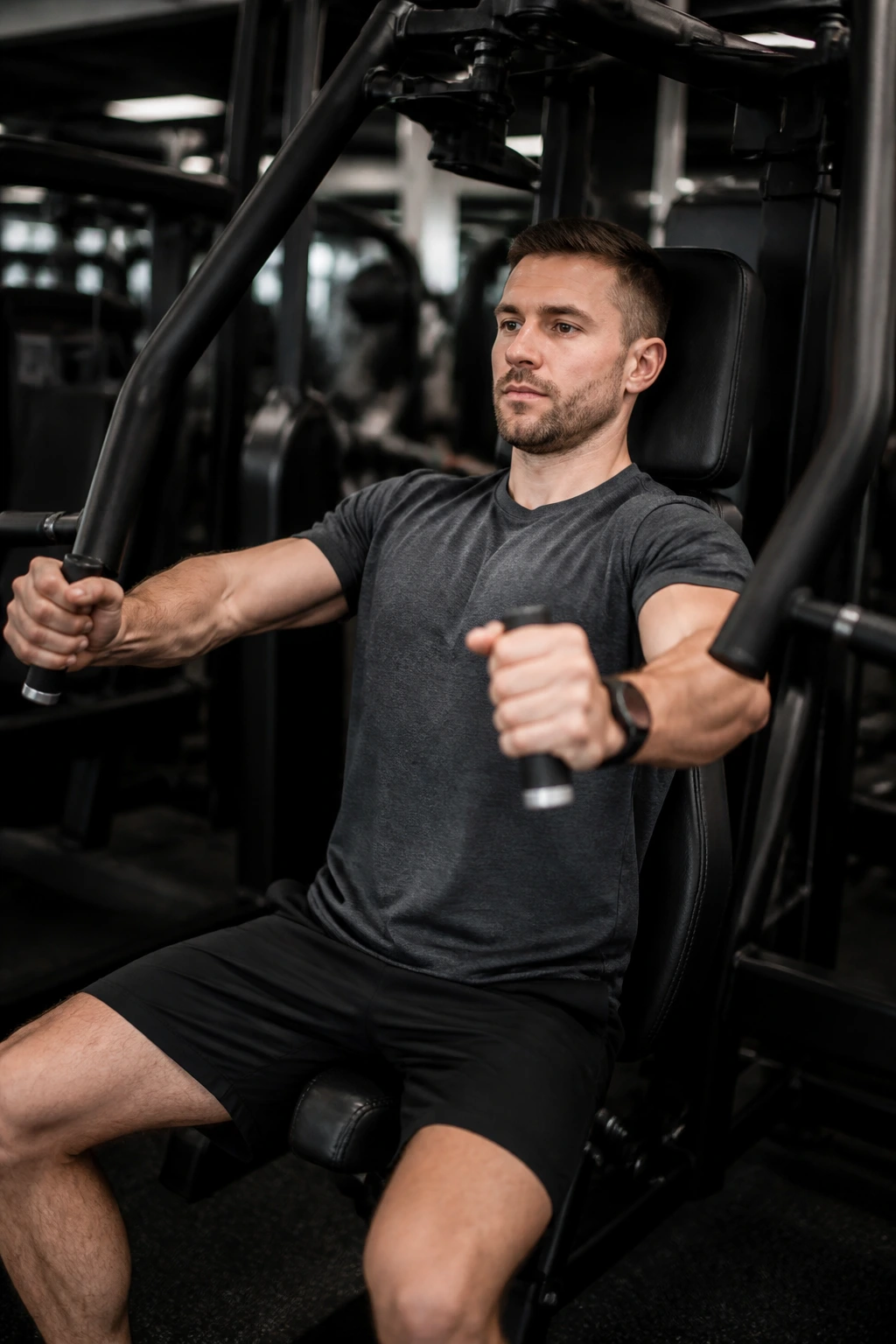
The first time in a gym can feel odd. Too many mirrors. Too many cables. Too many people who look like they were born knowing where the lat pulldown is.
Machines cut through that noise. They give you a clear path, a set range of motion, and less balance work than free weights, which makes them a smart place to start. Use the leg press, chest press, seated row, lat pulldown, hamstring curl, and cable pallof press. Do 2 to 3 sets of 10 to 12 reps, with a minute or so between sets, and choose a weight that makes the last two reps slow but controlled.
The progression is easy: add a small amount of weight when you can hit the top end of the rep range without shrugging, bouncing, or losing your seat position. Six weeks is enough to learn how to adjust the stack, brace your torso, and stop feeling like every machine is a puzzle.
If you need a starter plan that removes most of the guesswork, this is the one I’d hand over first.
5. The Joint-Friendly Low-Impact Plan
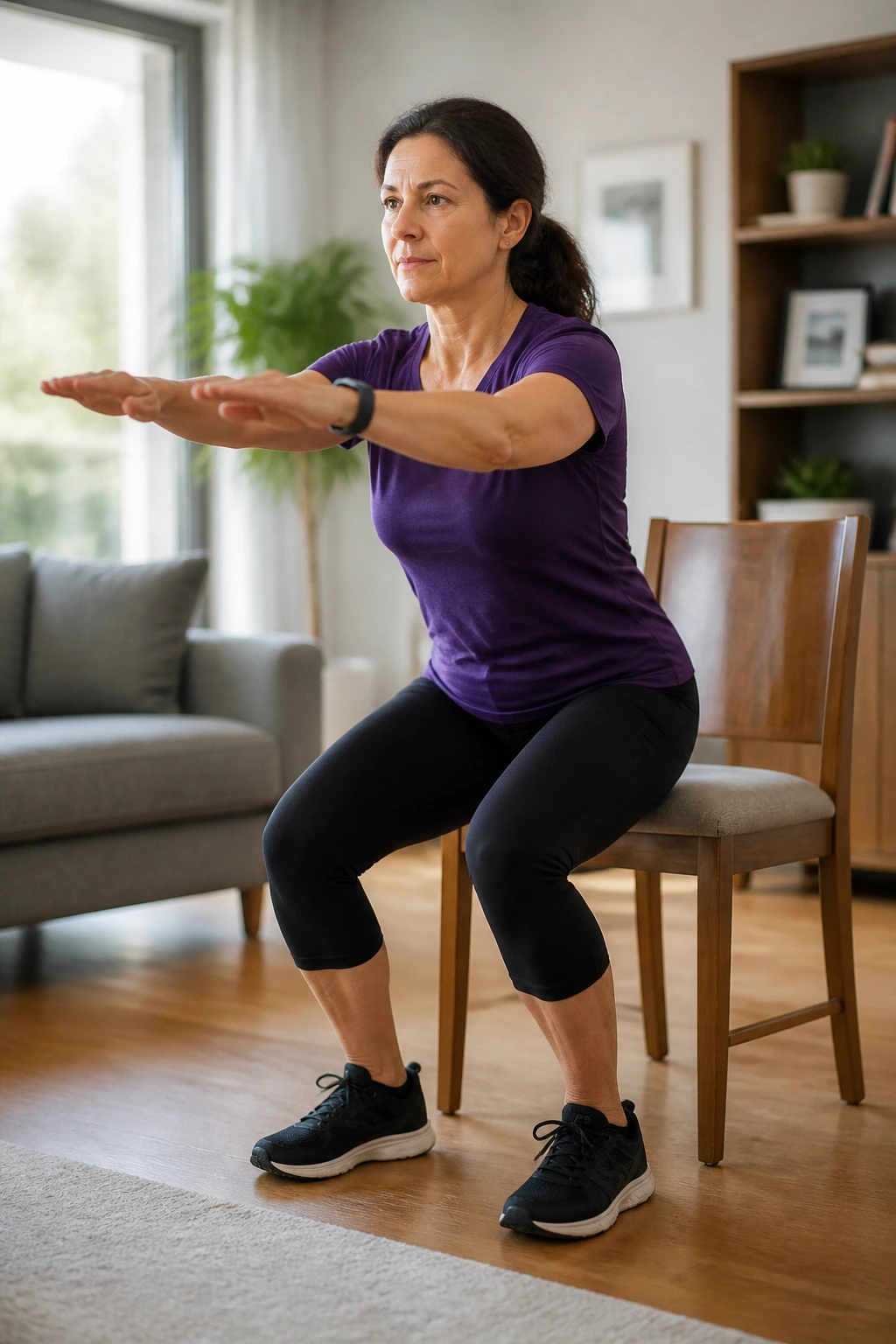
Not every beginner wants jumps, burpees, or anything that makes the floor feel hostile. Good. You do not need them.
This plan is built for people with cranky knees, stiff backs, or just a long history of not loving exercise. Use chair squats, wall push-ups, glute bridges, step-ups, standing band rows, calf raises, and dead bugs. Keep the tempo slow. Three seconds down on squats works better than rushing through 15 ugly reps. If a move hurts in a sharp way, swap it. If it feels like honest muscle work, keep going.
A nice six-week structure is 3 short workouts a week plus two 15-minute walks. In weeks 1 and 2, keep the sessions under 25 minutes. In weeks 3 and 4, add a set or a longer hold. In weeks 5 and 6, use slightly lower chairs, higher step-ups, or a tougher band.
The beauty here is boring reliability. No impact. No flare-ups. Just steady work that lets your body trust the process again.
6. The Kettlebell Basics Plan

Kettlebells look intimidating for about twelve seconds. Then they become one of the easiest tools to build a beginner plan around.
Unlike a barbell, a kettlebell invites a lot of one-sided work and carries, which teaches balance without demanding perfection. Start with goblet squats, kettlebell deadlifts, one-arm presses, rows, and farmer carries. If your hinge pattern is clean, you can add light two-hand swings in the second half of the plan, but don’t rush that. A bad swing is just fast bad form.
This is a 3-day plan with short sessions, usually 30 to 40 minutes. Weeks 1 and 2 are about learning positions. Weeks 3 and 4 add volume. Weeks 5 and 6 add either a heavier bell or an extra round.
It’s best for people who want a compact setup and a little more athletic feel than machine work gives. If you like training that leaves your grip warm and your posture a bit sharper, kettlebells are worth the learning curve.
7. The Push-Pull Split for Busy Beginners

A split plan sounds fancier than it is. For a beginner, it just means you stop cramming every exercise into one marathon session.
Use four training days: two upper-body days and two lower-body days. One upper day leans on pressing, like dumbbell bench press and shoulder press. The other leans on pulling, like rows and lat pulldowns. Lower days cover squats, hinges, lunges, and calves. Keep sets in the 2 to 3 range, and keep reps around 8 to 12.
Weekly shape
- Monday: Push
- Tuesday: Lower
- Thursday: Pull
- Saturday: Lower or full body
The main advantage is recovery. Your chest and shoulders get a break before they’re asked to work again, and your legs aren’t smashed every single session. By the end of six weeks, beginners usually feel less clumsy because they’ve repeated fewer movements more often. That repetition matters.
If you like structure and hate random workouts, this is a good place to live for a while.
8. The Cardio-First Beginner Plan

Some beginners need to lift less and move more. That is not laziness. It’s matching the plan to the person.
This version uses three short strength sessions and three cardio sessions, with one full rest day. The cardio can be brisk walking, incline treadmill work, cycling, or an elliptical. Start with 20 minutes and add 5 minutes every two weeks if it feels manageable. For the strength pieces, keep it simple: squats, rows, push-ups, hinges, and a plank or carry.
A simple week
- Mon: Strength
- Tue: Cardio
- Wed: Strength
- Thu: Cardio
- Fri: Strength
- Sat: Cardio
- Sun: Off
What I like here is the rhythm. The workouts are small enough that you do not dread them, but regular enough that your breathing, leg endurance, and general energy all start to improve at once. If your main goal is to feel lighter on your feet and less out of breath climbing stairs, this plan makes sense.
9. The Core-and-Posture Plan
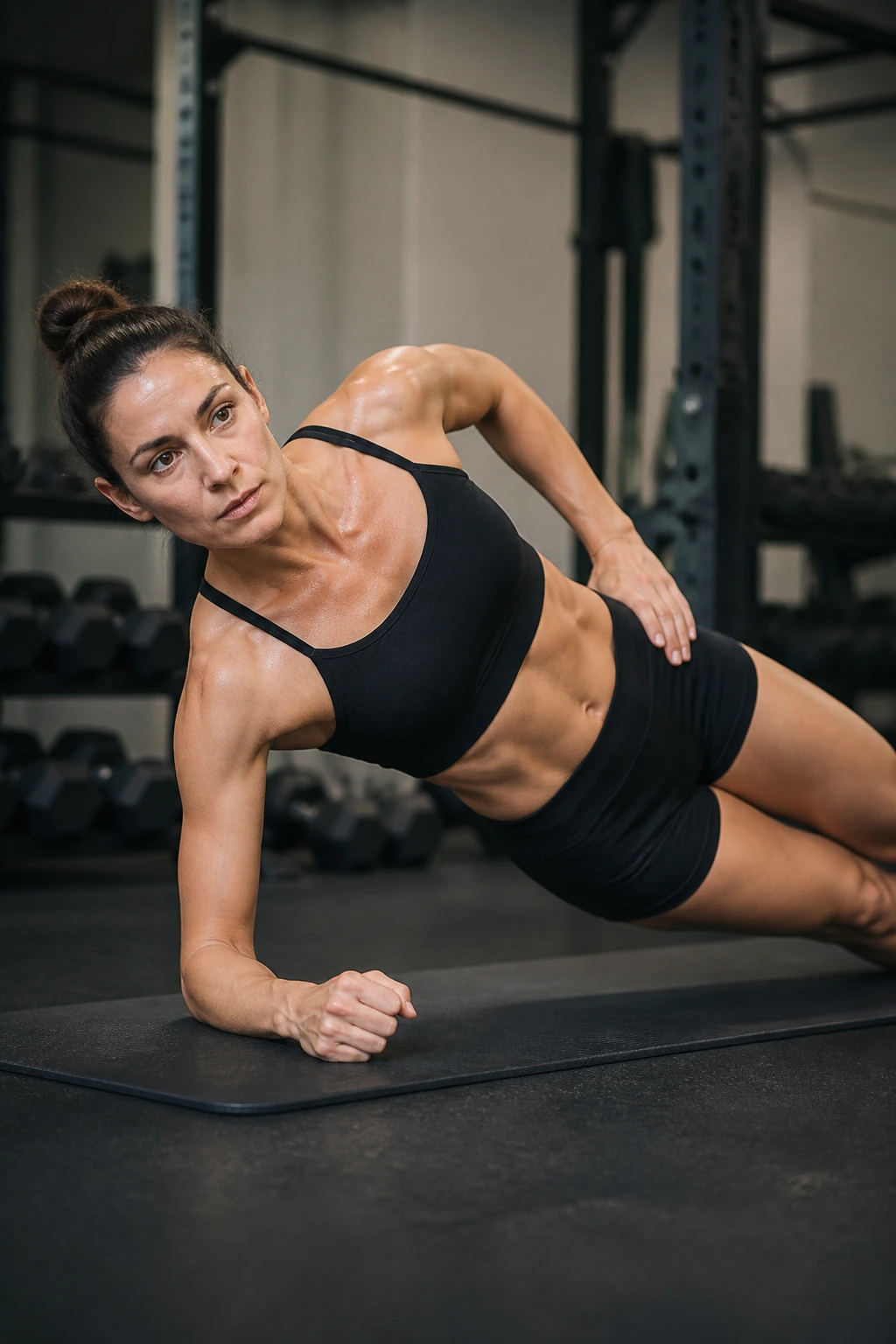
Does better posture come from “sitting up straight” all day? Not really. That advice is lazy and half useless.
A beginner who wants a stronger midsection and less cranky upper back usually needs more anti-rotation, anti-extension, and hip stability work than endless crunches. That means bird dogs, side planks, dead bugs, Pallof presses, suitcase carries, glute bridges, and rows. Two or three sessions a week is enough, and each one can be finished in 25 to 35 minutes.
How to use it
- Start with 2 sets of each core move
- Hold side planks for 15 to 25 seconds per side
- Carry one dumbbell for 20 to 40 steps
- Keep the ribs down and the neck relaxed
The nice thing about this plan is that it sneaks in strength while teaching your torso to stay steady. You still need to lift, walk, and move, but a lot of beginners notice they feel less folded over by week 6. That’s especially true if they sit for long stretches and forget they have hips until they stand up.
10. The First-5K Runner’s Strength Plan

If you’re trying to run for the first time, adding random hard workouts is a bad trade. Your legs will complain, your lungs will revolt, and you’ll start bargaining with the calendar.
A better six-week plan uses three run-walk sessions and two strength days. Start with intervals like 1 minute running, 2 minutes walking for 20 to 25 minutes. Each week, stretch the running portion a little and shorten the walk. By week 6, many beginners can handle longer continuous stretches, even if they’re not ready for a full race pace.
Weekly shape
- Tue: Run-walk
- Wed: Strength
- Thu: Run-walk
- Sat: Strength
- Sun: Longer easy run-walk
Strength work should stay simple: split squats, calf raises, glute bridges, rows, and planks. The goal is not to become a lifter overnight. The goal is to keep your knees, hips, and calves happier when the running volume climbs. If your first 5K matters to you, this is the sort of boring support work that makes it happen.
11. The Stationary Bike Conditioning Plan
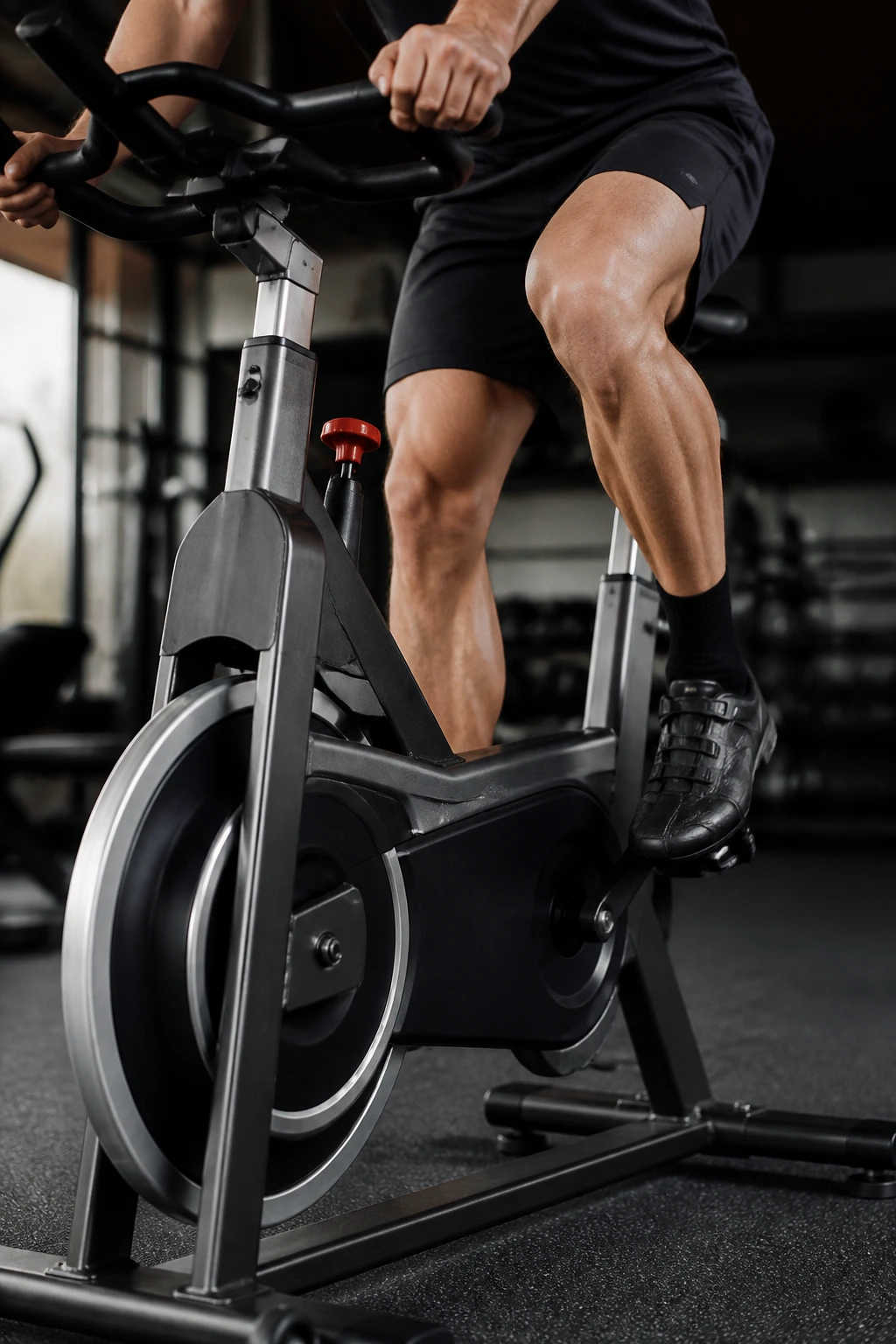
The bike is a gift for beginners with sensitive joints or a low tolerance for impact. You can push hard without pounding your shins into the floor.
This plan uses three bike sessions and two light strength sessions. Start one ride with steady effort for 20 to 30 minutes, another with short intervals like 30 seconds hard, 90 seconds easy, and a third with a long easy spin. Keep the strength days focused on hips, glutes, and upper back: squats, hinges, rows, presses, and a core drill.
The trick is resistance. Too light and your legs just spin in circles. Too heavy and your hips rock around like you’re trying to break the pedals. Find the middle ground where your breathing rises but your form stays tidy. That sweet spot matters more than chasing some heroic number on the console.
This plan suits anyone who wants fitness without impact, especially people who enjoy watching the minutes go by on a bike more than they enjoy counting reps. Nothing wrong with that.
12. The Rowing Machine Plan
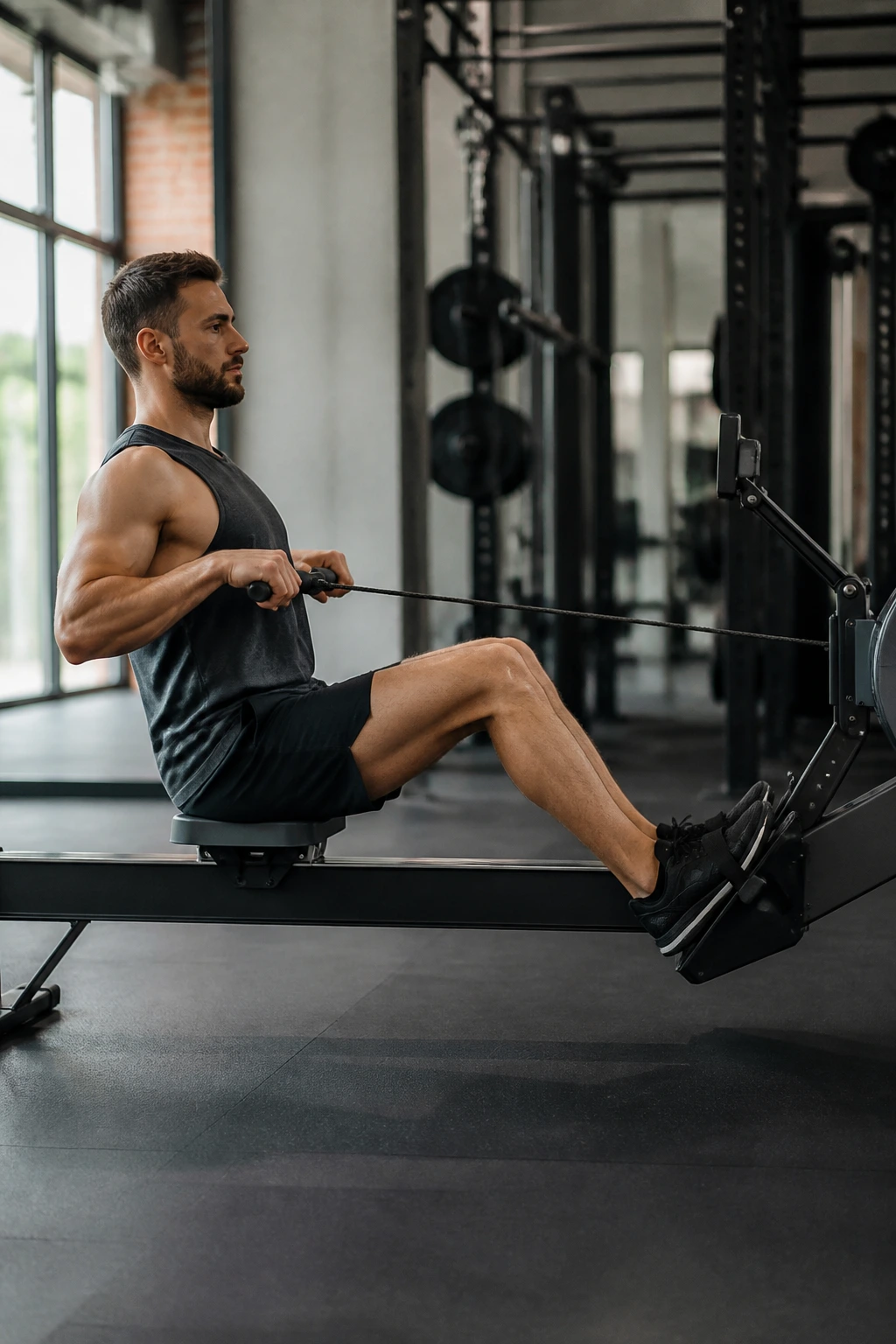
Rowing is one of those machines that looks simple until you sit down and realize your legs, back, arms, and lungs all have opinions.
Unlike running, rowing gives you a seated, low-impact way to train the whole body at once. The beginner mistake is yanking with the arms. Don’t. Push with the legs first, then swing through the hips, then finish with the arms. Start with 15 to 20 minutes, keeping stroke rate around 18 to 22 strokes per minute. That pace forces you to stay honest instead of flailing.
A solid six-week plan uses two rowing days and two strength days, with one extra walk or easy bike ride if recovery is good. The strength work should support your hinge and posture: glute bridges, Romanian deadlifts, rows, dead bugs, and maybe a carry.
If you like workouts that feel rhythmic and a little meditative once the form clicks, rowing is a good bet. It asks for patience. It gives back plenty when you stop muscling it.
13. The Quiet Apartment Plan
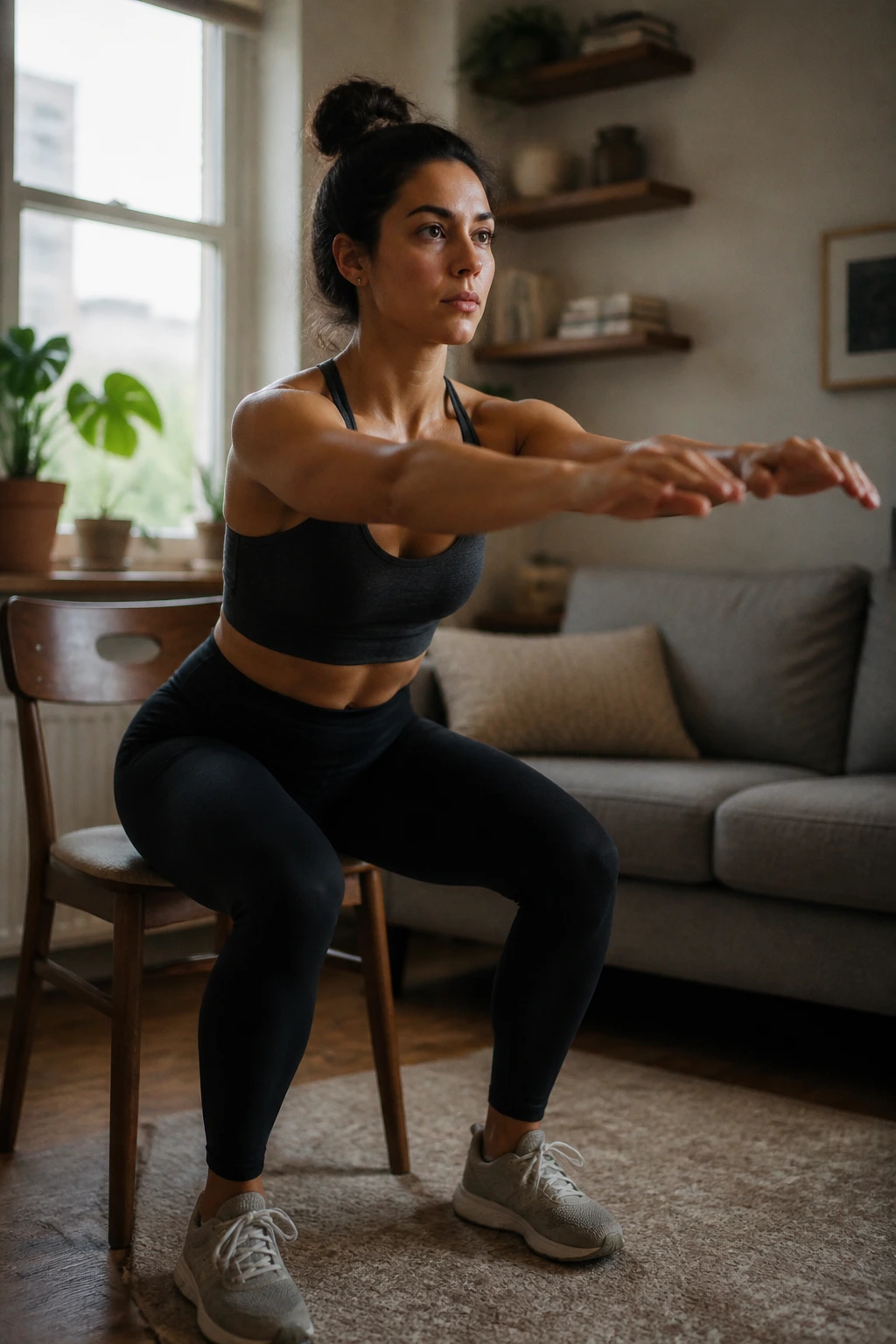
Some people need a plan that won’t make the downstairs neighbors hate them. Fair enough.
This is a no-jump, low-noise, no-fuss six-week plan that uses timed rounds instead of aggressive circuits. Think chair squats, incline push-ups, glute bridges, standing marches, band rows, hollow holds, and slow step-backs. Keep each session around 20 minutes. The timer does the work for you: 40 seconds on, 20 seconds off, for 2 to 4 rounds depending on the week.
You can make real progress without clanging weights or pounding the floor. Start with 2 rounds in week 1, move to 3 rounds by week 3, and choose a harder variation by week 5. If your apartment has thin walls, this is one of the few plans that feels considerate and still effective.
I like it for people who need exercise to fit inside a tiny slice of daily life. The quieter the plan, the less drama it brings. That helps more than people admit.
14. The Barbell Introduction Plan

Should a beginner use a barbell right away? Sometimes, yes — if they’re willing to learn the setup and start lighter than their ego wants.
This plan is a 3-day full-body barbell intro built around the squat, bench press, deadlift, and overhead press. Keep the first two weeks almost absurdly light. One or two warm-up sets, then 2 working sets of 5 reps is plenty. The bar itself may be heavy enough at first. That’s not embarrassing. That’s smart.
Start with the basics
- Squat: learn depth and bracing
- Bench: learn bar path and shoulder position
- Deadlift: learn hinge and neutral spine
- Press: learn tight rib position and overhead control
By weeks 3 and 4, add a small amount of weight when every rep looks the same. By weeks 5 and 6, one extra set on the main lift can help, but only if your technique stays clean. This plan is not for someone who wants to rush. It’s for someone who wants a real strength base and doesn’t mind learning in public.
15. The Resistance-Band Travel Plan
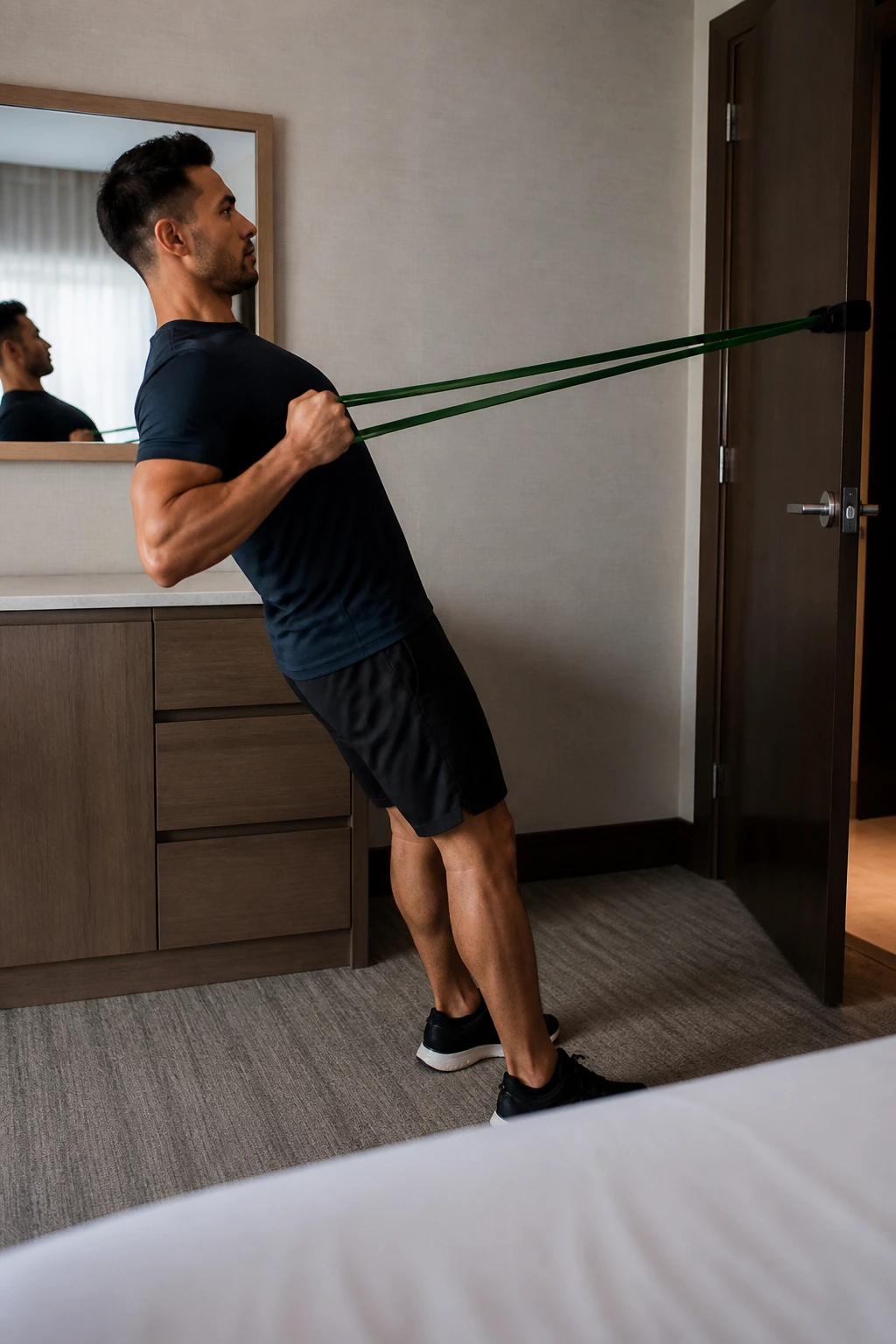
A resistance band is the most underrated beginner tool in a suitcase. Flat, cheap, light, and far more useful than it gets credit for.
This plan works well for travel, hotel rooms, or people who like training at home without buying a pile of gear. Use band rows, chest presses, squats, lateral walks, face pulls, glute bridges, and Pallof presses. Wrap the band around a door anchor or a sturdy post. If you can’t anchor it safely, don’t improvise with sketchy furniture. That’s how tiny plans become big problems.
The progression is simple: choose a thicker band, move farther from the anchor point, or slow the lowering phase to 3 seconds. Because bands increase resistance as they stretch, the last part of the rep is where the work piles up. That can be a good thing if you keep the movement controlled.
This is a great plan for beginners who want portability and zero intimidation. It won’t replace every kind of strength training, but it absolutely keeps momentum alive when life gets messy.
16. The Single-Dumbbell Plan
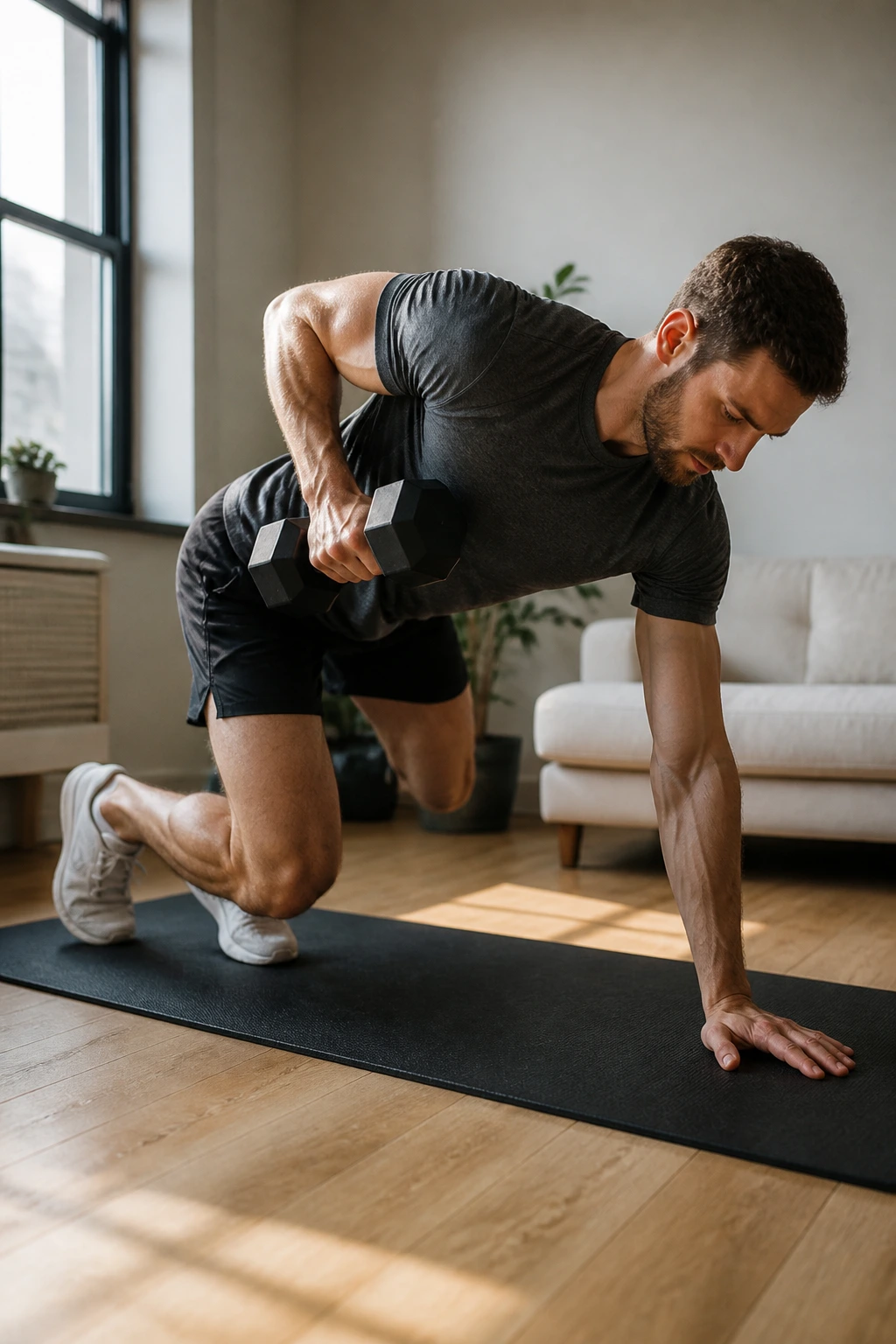
One dumbbell is enough. People forget that because they’ve been sold the idea that good training needs a full rack.
A single-dumbbell plan forces you into unilateral work, which is useful for beginners. One-arm rows, split squats, suitcase deadlifts, one-arm presses, and loaded carries all teach balance and help you notice side-to-side differences before they become annoying. Use 3 sessions a week, and keep the sessions around 30 minutes.
The nice part is that you don’t need to wait until you can afford a matching pair. One moderately heavy dumbbell and maybe a lighter one is enough to get through six weeks of honest work. If the weight starts to feel easy, use tempo, pauses, or longer carries before you buy anything else.
This plan fits people with small spaces, tight budgets, or a taste for simplicity. It’s not flashy. It does the job.
17. The Return-From-Break Plan
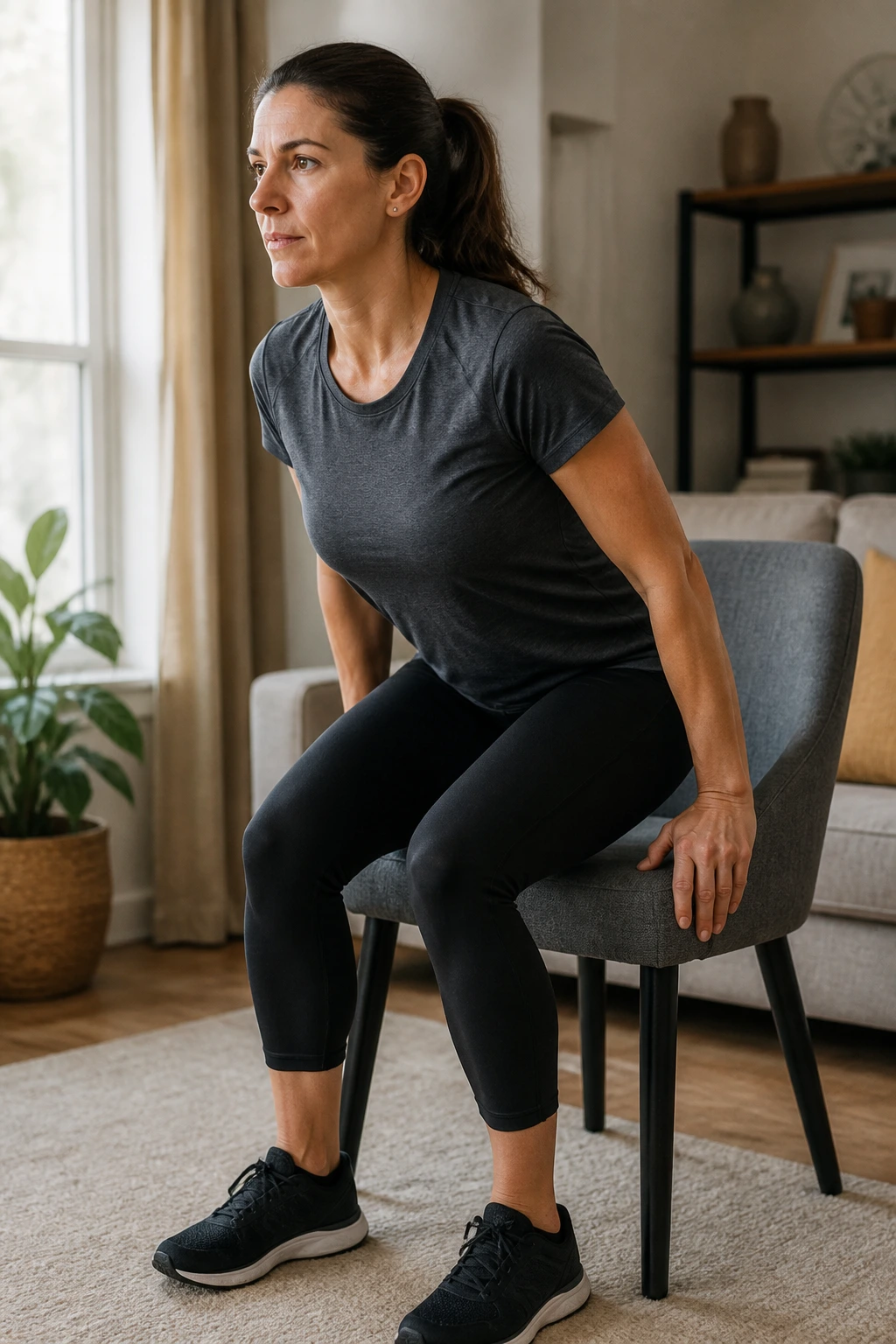
Coming back after months away is its own skill. The mistake is trying to prove something on the first Monday.
This plan starts smaller than your pride wants. In week 1, do 2 workouts and 2 walks. In week 2, move to 3 workouts if soreness is manageable. Keep the lifting light: sit-to-stand squats, wall push-ups, band rows, glute bridges, and dead bugs. The session should finish feeling like you could have done more. That feeling matters.
By weeks 3 and 4, add a little volume. By weeks 5 and 6, reintroduce harder variations or modest weight. The goal isn’t to make you exhausted. It’s to rebuild tolerance without the brutal delayed soreness that makes people disappear for another month.
If you’ve been off training and want a reset that respects the gap, this is the sensible route. It meets you where you are. That alone makes it rare.
18. The Mobility-and-Strength Combo Plan
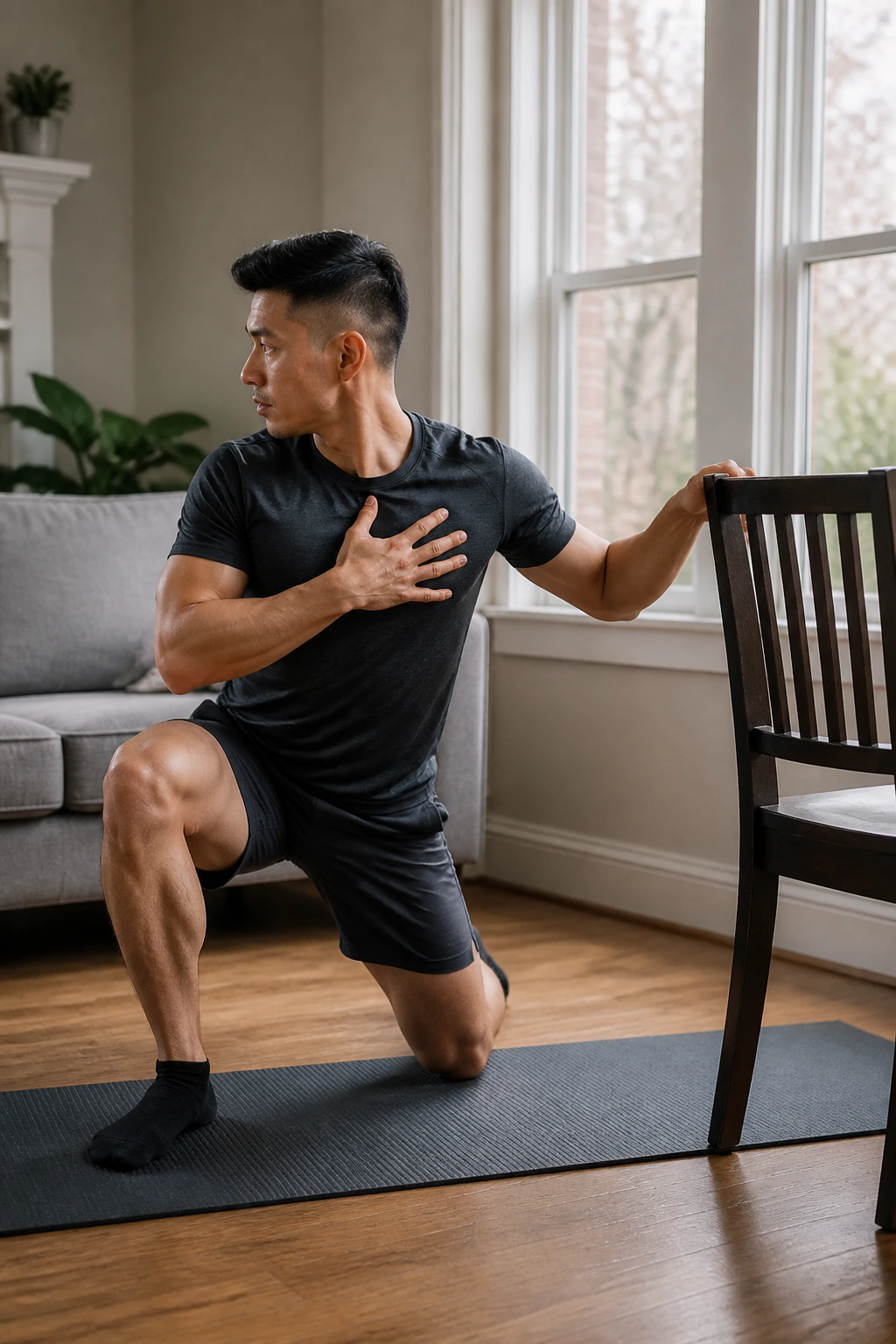
Stiffness is not a moral failure. It just means your body likes being in one shape too long.
A good beginner plan can mix 10 to 15 minutes of mobility with 20 to 25 minutes of strength work and still be useful. Use hip openers, thoracic rotations, ankle rocks, and shoulder circles before you lift. Then do split squats, rows, presses, hinges, and carries. Keep the mobility moving, not theatrical. You’re warming joints, not auditioning for a yoga poster.
Weekly shape
- 2 strength + mobility sessions
- 2 mobility-only sessions
- 1 long walk
- 2 easy rest days or light movement days
This works especially well for people who feel stiff first thing in the morning or after long desk stretches. Six weeks of repeated mobility done in a sane way can make squats feel deeper and overhead work feel less cranky. That’s not magic. It’s repetition and attention.
19. The Family-Schedule Short-Session Plan

Short sessions are not a compromise when the alternative is skipping workouts altogether.
This plan uses 15 to 20 minutes at a time, usually five to six days a week. That sounds frequent because it is, but each session is tiny: two or three strength moves, a short walk, or a bodyweight circuit. A parent can do it before school runs, after dishes, or while dinner is in the oven. The trick is making the barrier low enough that a messy day doesn’t kill the week.
Practical setup
- Monday: 15-minute strength
- Tuesday: 20-minute walk
- Wednesday: 15-minute strength
- Thursday: mobility or walk
- Friday: 15-minute strength
- Weekend: one longer walk or one extra circuit
The six-week progression is built on consistency, not length. Add a set in week 3, make the walk brisker in week 4, and use harder variations in week 5. This plan doesn’t pretend life is calm. It just keeps training alive inside the chaos.
20. The Reset Plan
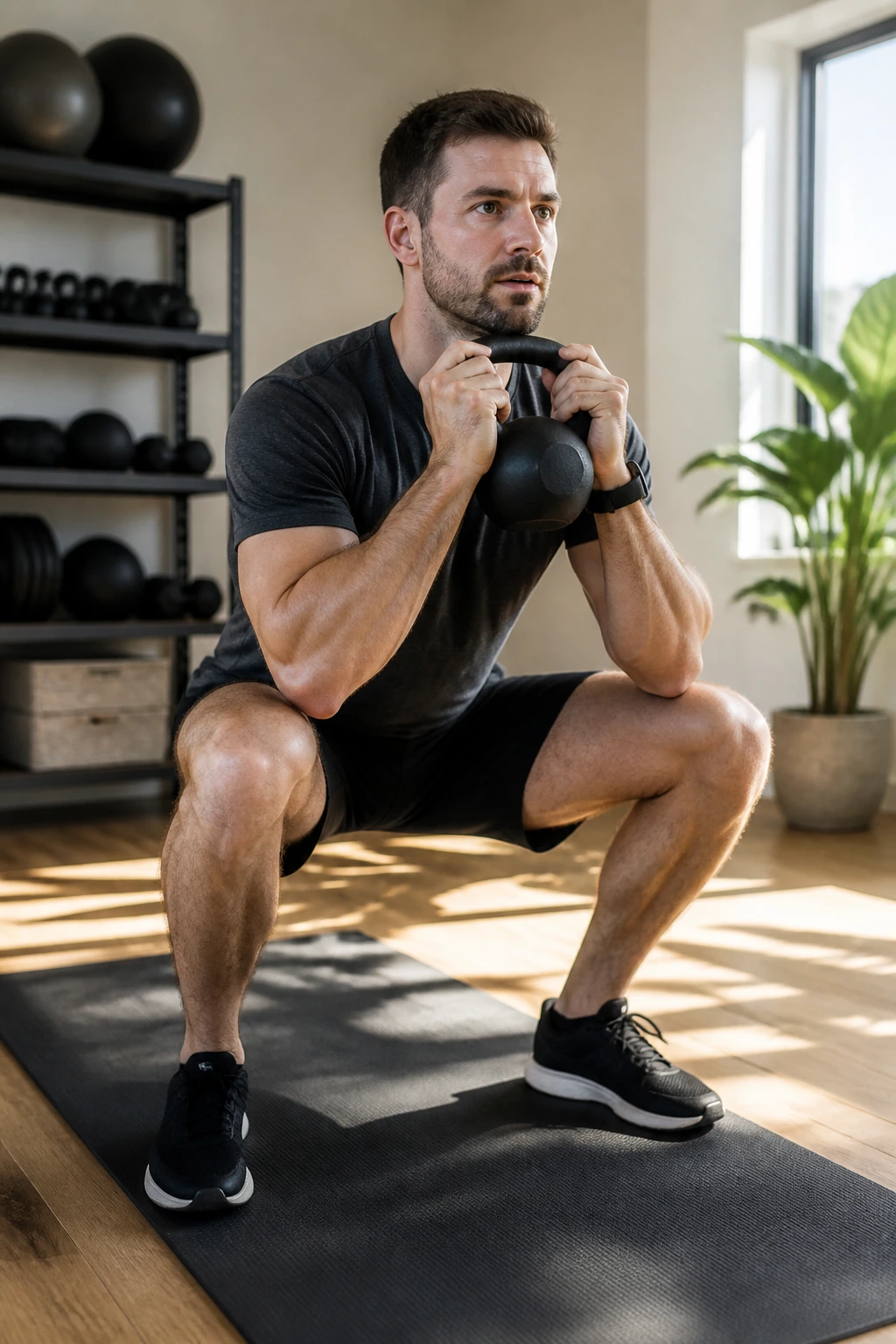
If you want one beginner plan that can survive real life, this is the one I’d keep near the front of the drawer.
The reset plan is a 3-day full-body routine plus daily walking, and it leaves room for everything else to be messy. One day is squat and push. One day is hinge and pull. One day is a mixed circuit with core and carries. Walk on the off days, even if it’s only 10 to 20 minutes after dinner. That small habit does more than people give it credit for.
By the end of six weeks, you should not feel like a different person. That’s not the point. You should feel steadier. Less confused about what to do next. Less likely to start over from zero because you had a bad week. That’s a much better outcome than some dramatic fitness epiphany.
Start simple. Keep the load honest. Repeat the parts that fit. The plans that last are usually the ones that don’t try to impress anyone.
Final Thoughts
The best beginner plan is the one you can repeat without dreading it. That sounds almost too plain, but plain is often what survives contact with real life.
Six weeks gives you enough time to get stronger, walk farther, recover faster, and stop feeling like every workout is a brand-new event. Pick the plan that matches your equipment, your joints, and your schedule. Then keep the first month almost embarrassingly manageable. That’s how momentum shows up.
