



A stubborn waistline is rude. You can lift, walk, eat better, and still watch the middle hang on longer than the rest of your body. For women dealing with hormonal belly fat, that’s usually not a sign that you’re lazy; it’s often a mix of insulin swings, cortisol, sleep debt, and estrogen shifts pulling the body toward the abdomen.
The annoying part is that belly fat rarely shows up alone. Bloating, water retention, constipation, and a cycle that moves things around by half an inch can make the same jeans feel different from one week to the next. That is why crash diets and endless ab circuits feel busy without changing much.
What tends to work is less dramatic and more honest: stronger muscles, steadier blood sugar, better sleep, lower stress, and workouts you can actually repeat. Ordinary, yes. Boring, sometimes. Effective, also yes.
1. Stop Trying to Crunch Away Hormonal Belly Fat
Crunches are not a fat-loss plan. They build some abdominal endurance, sure, but they do not tell your body to pull fat off your waist on command.
Why crunches miss the point
The body loses fat in a general pattern, not from the exact spot you just trained. That means a hundred bicycle crunches can make your core feel smoked and still leave the belly looking the same for a while. Frustrating? Absolutely. Worth knowing? Also yes.
A better use of your time is to train the muscles that change body shape fastest: legs, glutes, back, and shoulders. Those bigger muscle groups burn more energy during the workout and give your body a stronger look as fat comes down.
Better core work looks like this:
- Planks held for 20 to 45 seconds with clean form
- Dead bugs for 6 to 10 slow reps per side
- Suitcase carries for 20 to 40 yards
- Pallof presses for anti-rotation strength
One blunt tip: keep core work, but stop making it the whole plan.
2. Lift Heavy Enough to Change Your Shape
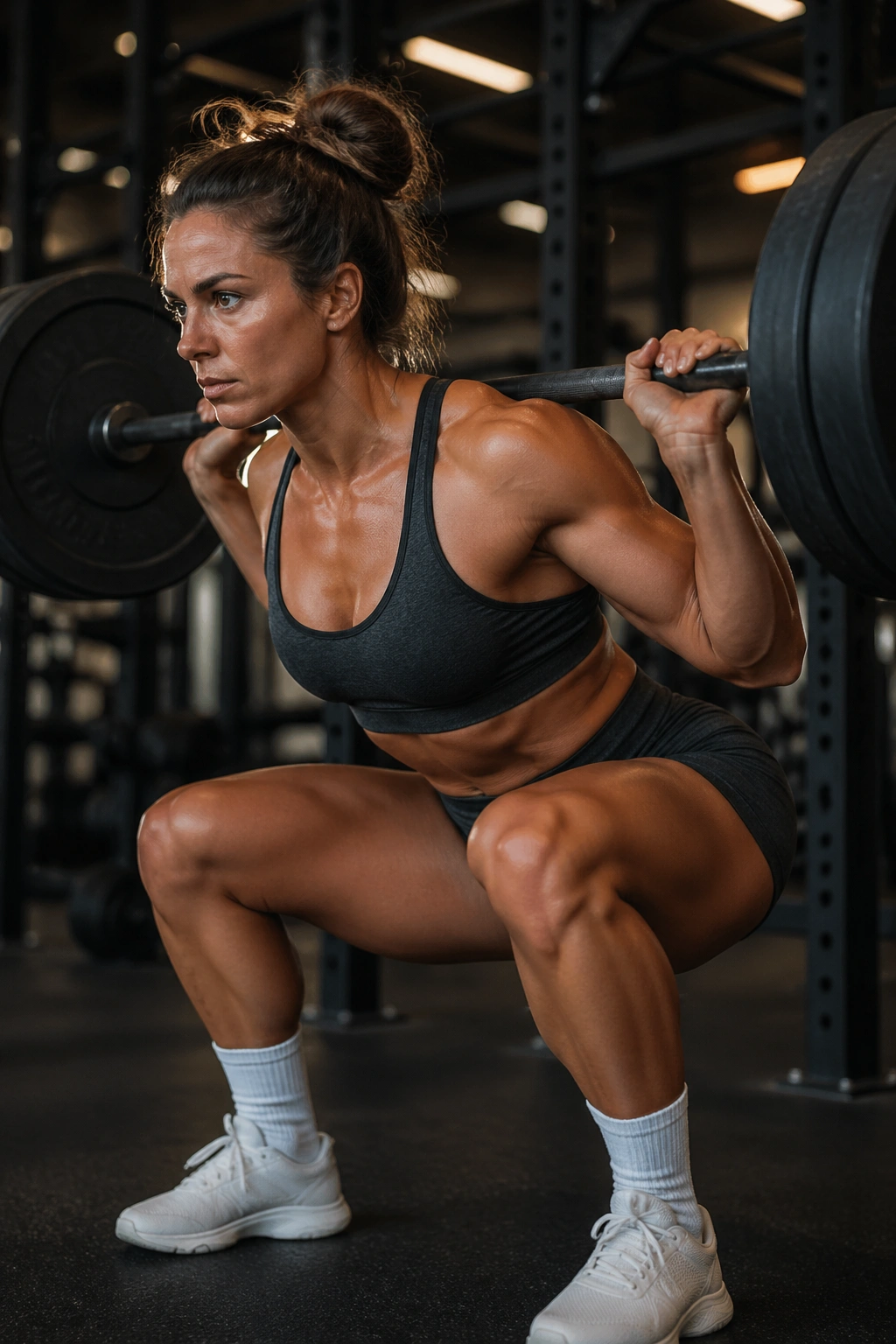
Lifting pink dumbbells for twenty minutes is not the same thing as strength training. If the last three reps do not feel like work, your body has little reason to change.
The sweet spot for most women is 3 to 4 lifting sessions a week, built around compound moves like squats, hinges, presses, rows, and lunges. Use a load that leaves you with 1 or 2 reps in the tank on most sets. That is where progress lives. Not in panic. Not in fluff.
What matters is progression. Add 2.5 to 5 pounds when the last set starts to feel controlled, or add one rep per set before increasing weight. That tiny climb over weeks and months is what reshapes the midsection by building more muscle and improving insulin sensitivity.
A lot of women make one mistake here: they train hard enough to feel tired, but not hard enough to get stronger. Different thing.
If your workout ends with “I could have done more,” that is not a virtue. It may be wasted effort.
3. Walk After Meals to Calm Blood Sugar

That 12-minute walk after dinner is doing more for your waist than another set of ab twists.
A short walk after eating helps muscles take up glucose instead of letting it linger in the blood for hours. You do not need a power march. Keep it easy enough that you can breathe through your nose and talk in full sentences. A sidewalk loop, a treadmill stroll, laps around the house, even pacing while you put dishes away all count.
What to do after dinner
- Walk for 10 to 15 minutes after your two biggest meals
- Keep the pace light, not athletic
- If the weather is awful, march in place for 5 minutes between chores
- Use this habit after higher-carb meals first
That small window matters because it is easy to stick with. No outfit change. No gym bag. No drama.
The women who get the best results from fat loss workouts often do the least glamorous thing very consistently. This is one of those things.
4. Eat Protein at Every Meal
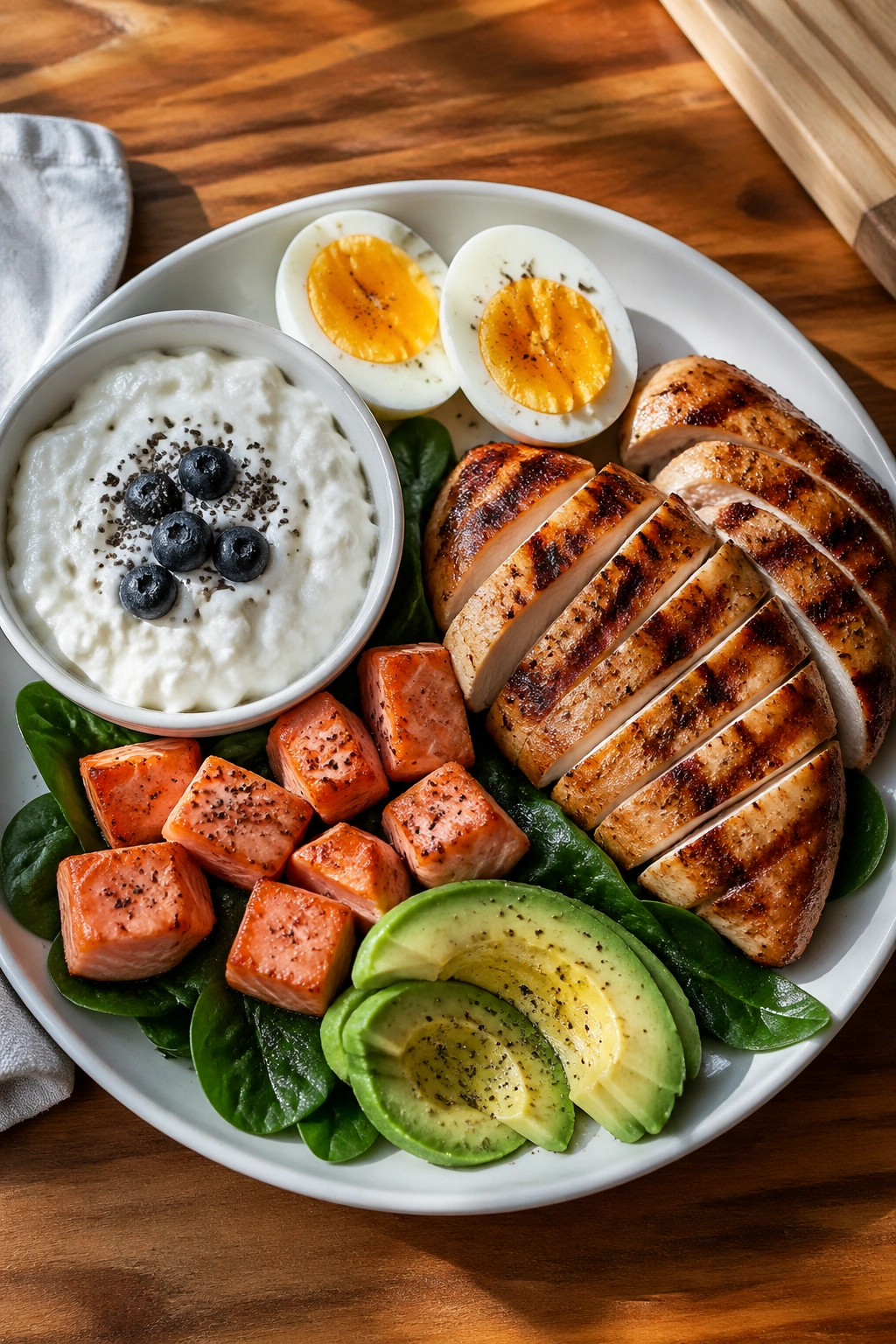
How much protein is enough? More than most women think, and spread more evenly than most people eat it.
A useful target is 25 to 35 grams per meal for many active women, with a little more if you are larger, lifting hard, or trying to lose fat without feeling hungry all day. That could be eggs and Greek yogurt at breakfast, chicken or tofu at lunch, fish or lean beef at dinner, and a high-protein snack if needed.
How much protein looks on a plate
- 3 eggs plus cottage cheese
- A palm-sized chicken breast
- 1 cup Greek yogurt with chia
- 4 to 5 ounces salmon or tofu
- A protein shake when a real meal is not possible
Protein helps in two ways. It keeps you full longer, and it gives your body the building blocks it needs to hold onto muscle while fat comes down. That second part matters a lot. Lose muscle and the waist often looks softer, even if the scale drops.
Skip the all-carb breakfast if it leaves you shaky and snacky by 10 a.m. That pattern is expensive.
5. Use Steady Cardio More Than Punishing HIIT
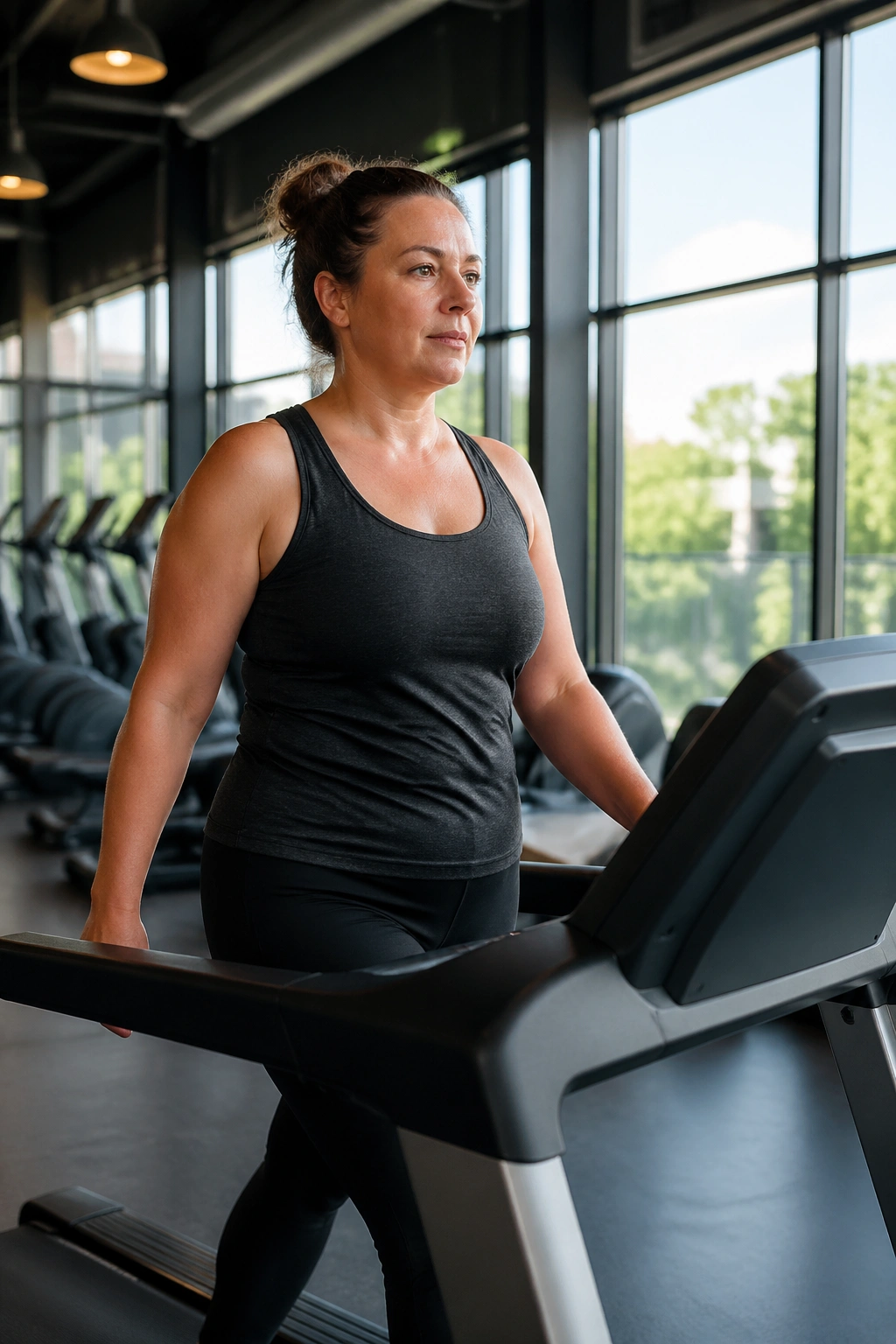
The woman who does hard cardio every day is often the woman who feels hungriest, sorest, and most fed up by Friday.
High-intensity intervals have a place. They can be useful, and some people love them. But they are not the main tool for hormonal belly fat if your stress is already high, your sleep is sloppy, or your workouts are leaving you wrecked. In that state, more redline work can make recovery worse, not better.
Zone 2 cardio — the kind where you can still talk — is the better bet for most women. Think incline walking, cycling, rowing, or brisk outdoor walks for 20 to 45 minutes, 2 to 4 times a week. It builds fitness without beating you up.
This is one of those annoying truths: the workout that feels modest often works better than the workout that makes you sweat through your shirt and dread tomorrow.
If you love HIIT, keep one session. Just do not make every session a firefight.
6. Protect Sleep Like It Is Part of the Workout

The worst belly-fat week usually starts with short sleep, late scrolling, and waking up puffy.
Sleep loss changes hunger, cravings, and stress chemistry fast. One rough night will not ruin you. Five rough nights in a row can make your appetite louder, your energy lower, and your training weaker. That is the kind of loop people blame on age when it is often just exhaustion wearing a clever disguise.
A sleep reset that actually sticks
- Keep the same wake time most days
- Dim lights 60 minutes before bed
- Put the phone out of reach
- Stop caffeine 8 hours before sleep if it keeps you wired
- Eat enough at dinner so you do not raid the kitchen later
Seven to nine hours is the usual target, but quality matters too. A dark room, a cooler temperature, and a predictable bedtime routine help more than another expensive supplement.
Sleep is not a reward for finishing everything. It is the thing that lets you keep going tomorrow.
7. Cut Liquid Calories and Weekend Alcohol

If it has calories and you can drink it in five minutes, treat it like food.
That covers a lot of sneaky belly-fat troublemakers: fancy coffee drinks, juice, smoothies that are mostly fruit and add-ins, wine poured generously, and cocktails that go down fast because they taste like dessert. Liquid calories do not fill you up the way a real meal does, so they are easy to miss.
The easiest fix is not perfection. It is friction. Put water on the table. Choose sparkling water with lime. Keep alcohol to one or two drinks and have a glass of water between them. If you like a drink with dinner, fine — just stop acting like the bottle is invisible.
Smart swaps that still feel normal
- Latte with less syrup, or plain coffee with milk
- Cocktail with soda water instead of sugary mixers
- Whole fruit instead of juice
- Protein smoothie that includes yogurt or powder, not just fruit
A waistline does notice the difference. So does your sleep.
8. Time Carbs Around Training Instead of Fearing Them
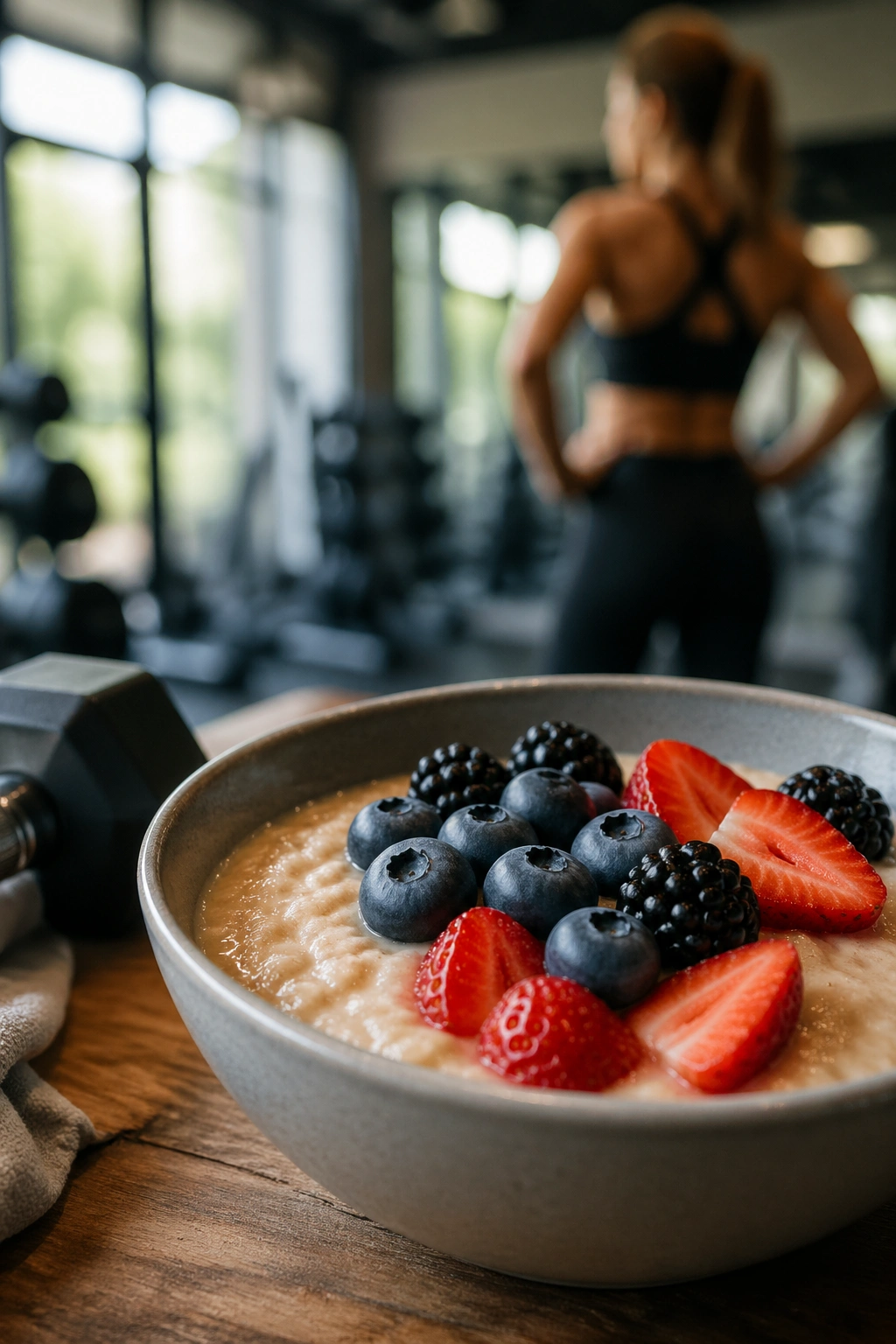
Do carbs make hormonal belly fat worse? Not by themselves. What usually causes the trouble is random, unfocused carb eating without enough protein, movement, or control.
Carbs are useful when they show up near lifting or after a walk. They help fuel training and refill muscle glycogen, which matters if you want strong sessions and decent recovery. A woman who trains hard and then cuts carbs to almost nothing often ends up flat, tired, and weirdly obsessed with food.
Carbs before or after training?
Both can work.
If you lift in the morning, a little carb before training can help. If you train later, put most of your starchier carbs at lunch or dinner around the workout. Rice, potatoes, oats, fruit, beans, and whole-grain bread all do the job. The trick is pairing them with protein and not turning them into a free-for-all.
Women with insulin resistance or PCOS often do better with higher-fiber carbs and tighter portions, not no carbs. That is a real difference. No need to pretend otherwise.
Carbs are not the villain. A plate with nothing but carbs is.
9. Train with Your Cycle, Not Against It
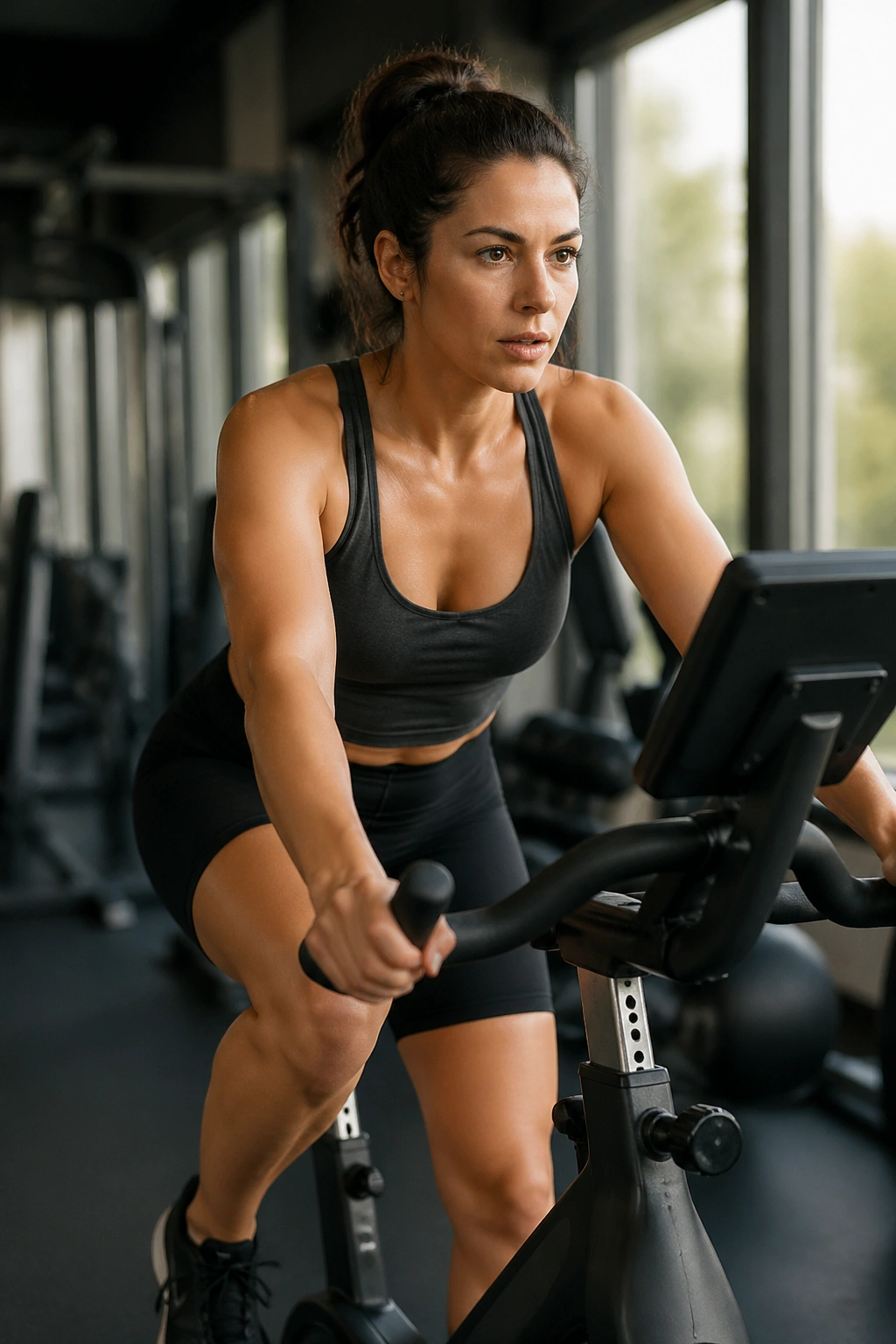
If your cycle is regular, use it. Your energy, heat tolerance, and soreness do not stay identical all month, so your training should not either.
Many women handle heavier lifts and slightly harder conditioning better after their period and before ovulation. Later in the cycle, appetite can rise, sleep can get lighter, and joints can feel fussier. That does not mean you stop training. It means you stop pretending every week is the same.
How to train around your cycle
- Push heavier loads when energy feels high
- Keep the habit during lower-energy days, but shorten the session
- Reduce HIIT volume if cramps or fatigue show up
- Use walking, mobility, or lighter strength work when your body feels flat
If your periods are irregular, track symptoms instead of dates. Energy, sleep, cramps, hunger, and mood tell you a lot. Better than guessing. And if a workout feels bad, that is data, not weakness.
10. Brace Your Core, Don’t Just Bend It
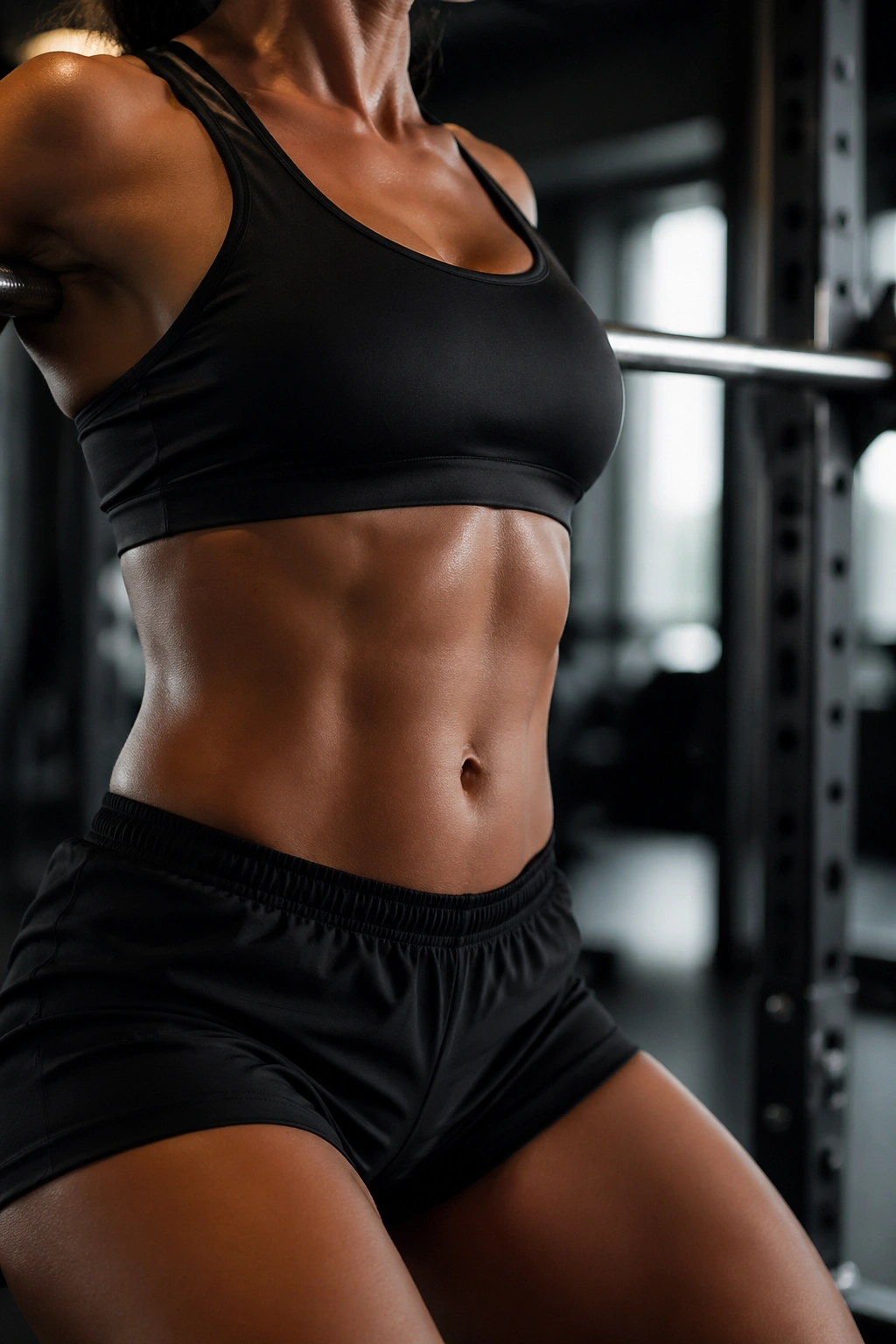
Endless side bends and fast crunches are not the only way to train your middle. In fact, they are often the least useful way.
What helps a belly look tighter is a core that can brace under load. That means resisting movement, not only making it. Think of a trunk that stays steady while you carry a heavy bag, squat a barbell, or pick up a toddler with poor form and bad timing.
Three core moves that earn their keep
- Dead bugs: 6 to 10 slow reps per side, keeping the lower back down
- Pallof presses: 8 to 12 reps per side, resisting twist
- Suitcase carries: 20 to 40 yards per side, walking tall
Planks still matter if they are done well. So do carries. What you want is a midsection that works hard without bulging forward on every rep.
That kind of core work supports posture, lifts, and daily life. It also tends to look better than a bunch of frantic ab moves that leave you sweaty and annoyed.
11. Lower Daily Stress Before It Shows at the Waist

A woman can train hard, eat well, and still carry more belly fat if her day feels like a fire drill.
Stress is not a personality flaw. It is a body state. And when it stays high for too long, appetite often gets louder, sleep gets choppier, and recovery slows down. That is when people notice their pants fitting tighter even though nothing dramatic changed on the food side.
The fix does not have to be a spa day and a candle. It can be small and dull, which is usually better. A 5-minute walk after work. A quiet cup of tea before dinner. Ten slow breaths before you open your laptop again. A hard stop on emails at night if you can manage it.
The best stress tool is often not meditation in the abstract. It is a repeatable routine that tells your body the fight is over.
And yes, that matters for the belly. Not because stress magically creates fat, but because it can keep you stuck in the same pattern that makes fat loss harder to maintain.
12. Measure Your Waist, Photos, and Fit, Not Only the Scale
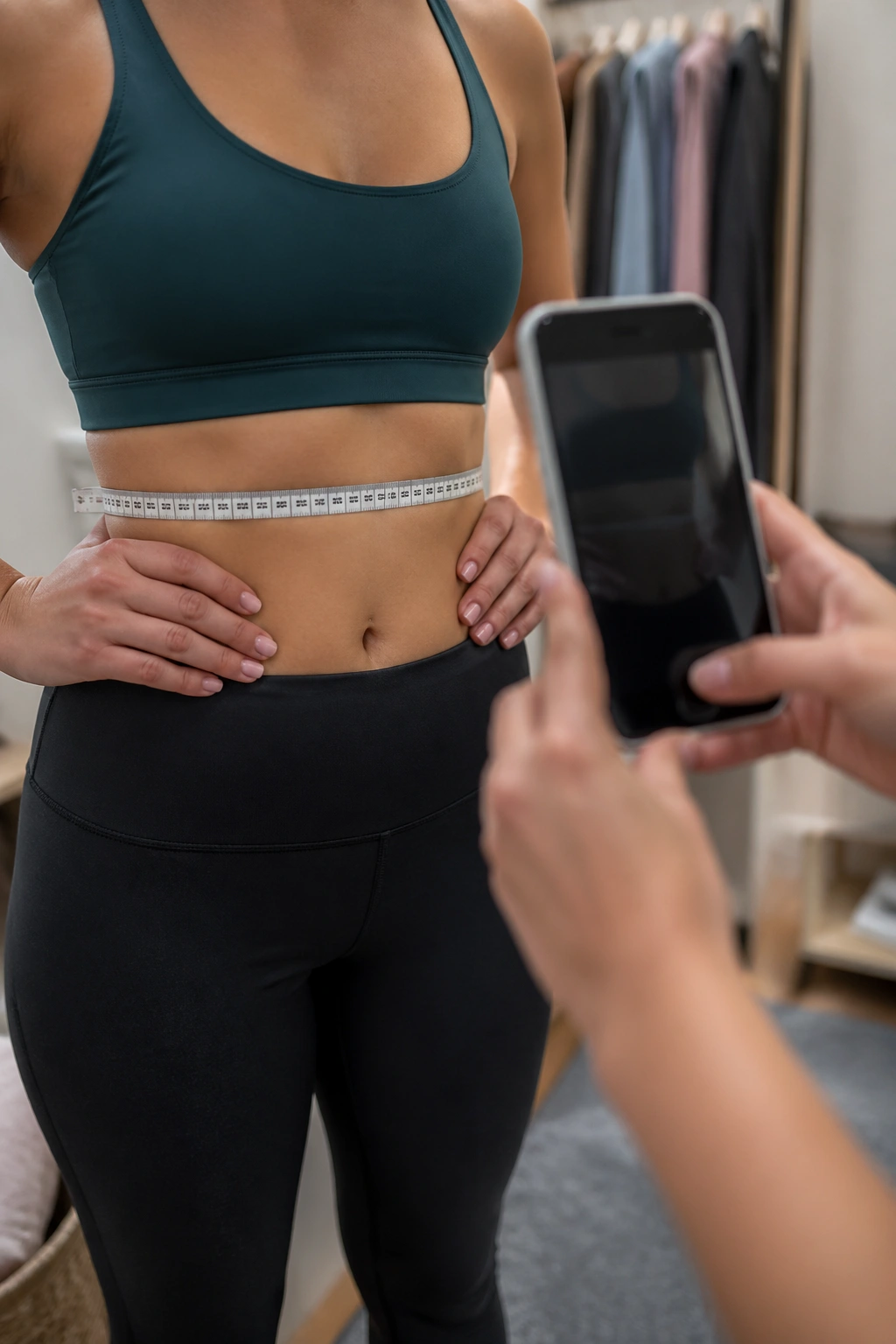
The scale is useful. It is also a bit of a liar when hormones, sodium, digestion, and soreness enter the room.
A woman losing hormonal belly fat may see the scale stall while her waist drops, her jeans loosen, and her shoulders look a little sharper. That is real progress. The mirror at 7 a.m. can be dramatic, but clothes tend to be more honest.
What to track instead
- Waist at the navel, relaxed, after waking and using the bathroom
- Same-front, side, and back photos every 2 weeks
- How one pair of jeans fits through the zipper and waistband
- Gym performance on your main lifts
Pick one measurement method and stick with it. Do not suck in. Do not measure after a salty dinner. Do it the same way each time, because random measuring gives random feelings.
When the scale freezes and the waist still tightens, you are not failing. You are learning how your body changes.
13. Eat More Fiber Early in the Day
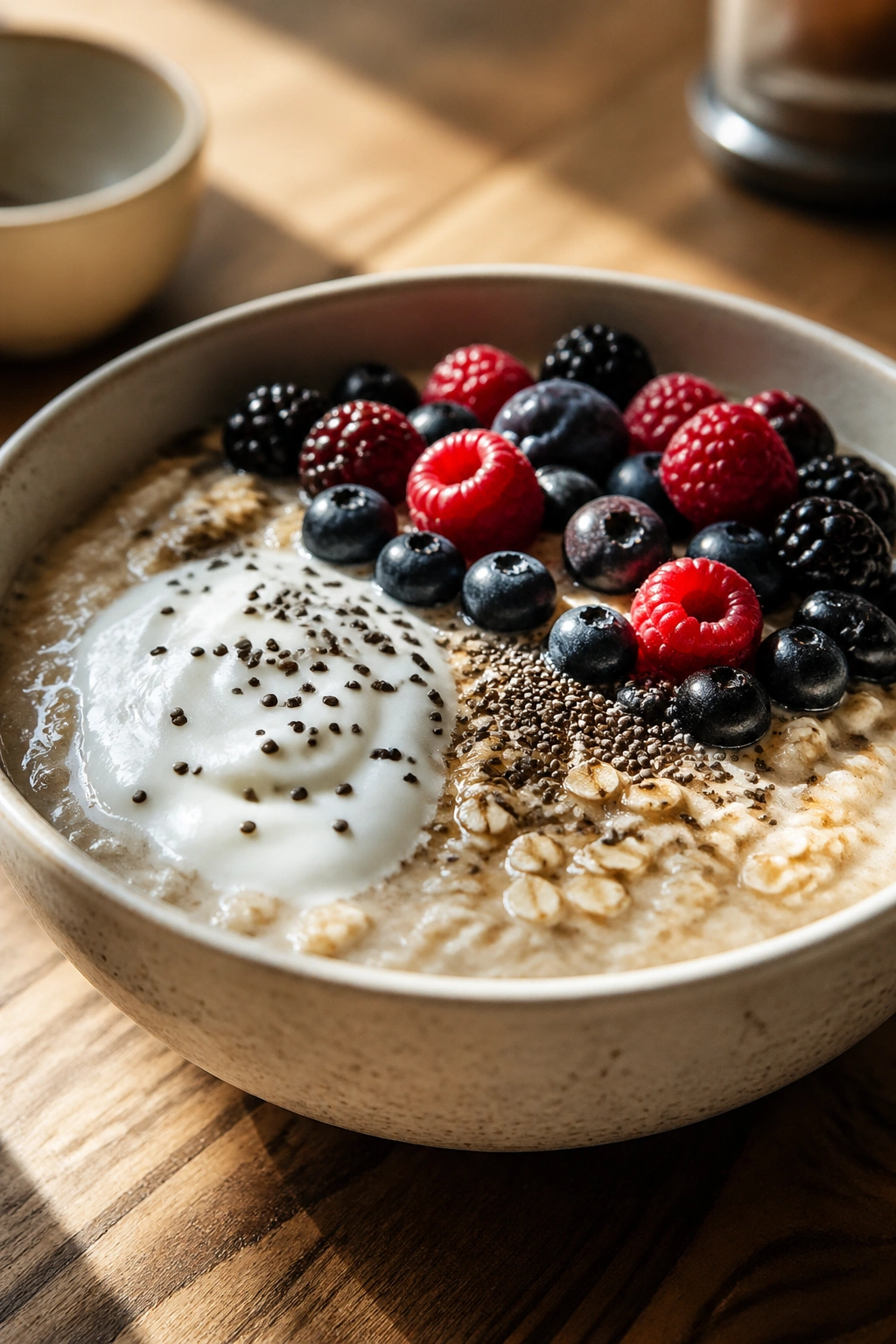
A breakfast with almost no fiber is a setup for snacky, foggy afternoons.
Fiber slows digestion, supports blood sugar steadiness, and helps you stay full. That matters more than people give it credit for, especially if your day starts with coffee and ends with “why am I in the pantry again?” The easiest fix is to put fiber in the first two meals, not just dinner.
Simple ways to get it in
- Add 1 tablespoon chia to yogurt or oats
- Use berries instead of juice
- Put spinach, peppers, or mushrooms in eggs
- Add beans or lentils to lunch
- Choose whole fruit instead of a bar when you can
Protein and fiber work well together. A breakfast of eggs, veggies, and fruit does more for appetite control than a pastry and a latte. That is not a moral statement. It is just a better way to keep hunger from running the day.
If you only change one meal, start at breakfast. It sets the tone.
14. Check for PCOS, Thyroid Trouble, or Insulin Resistance

If you are doing the basics and your midsection still refuses to shift, stop assuming it is all about discipline.
Irregular periods, acne that sticks around, chin hair, thinning hair, fatigue, feeling cold all the time, and weight that settles around the middle can point to a medical issue worth checking. PCOS, thyroid problems, and insulin resistance are common enough that guessing is a waste of energy.
Red flags worth checking
- Cycles that are very irregular or missing
- Ongoing acne or hair growth in new places
- Constipation, fatigue, or cold intolerance
- A family history of diabetes or thyroid disease
- Weight gain that started with no obvious change in habits
A clinician may look at thyroid labs, glucose markers, and other hormone-related tests based on your symptoms. You do not need to self-diagnose from a social media reel. If the pattern fits, get it checked and keep training while you sort it out.
That is the grown-up move.
15. Stop Grazing and Start Eating Real Meals
A kitchen counter covered in bites and nibbles can quietly beat a calorie deficit to death.
Grazing does not always look like overeating. It looks like a few crackers here, half a smoothie there, a bite of your kid’s sandwich, two bites of dessert, then nuts because you were “just a little hungry.” None of it seems like a meal, which is exactly why it can slide past your awareness.
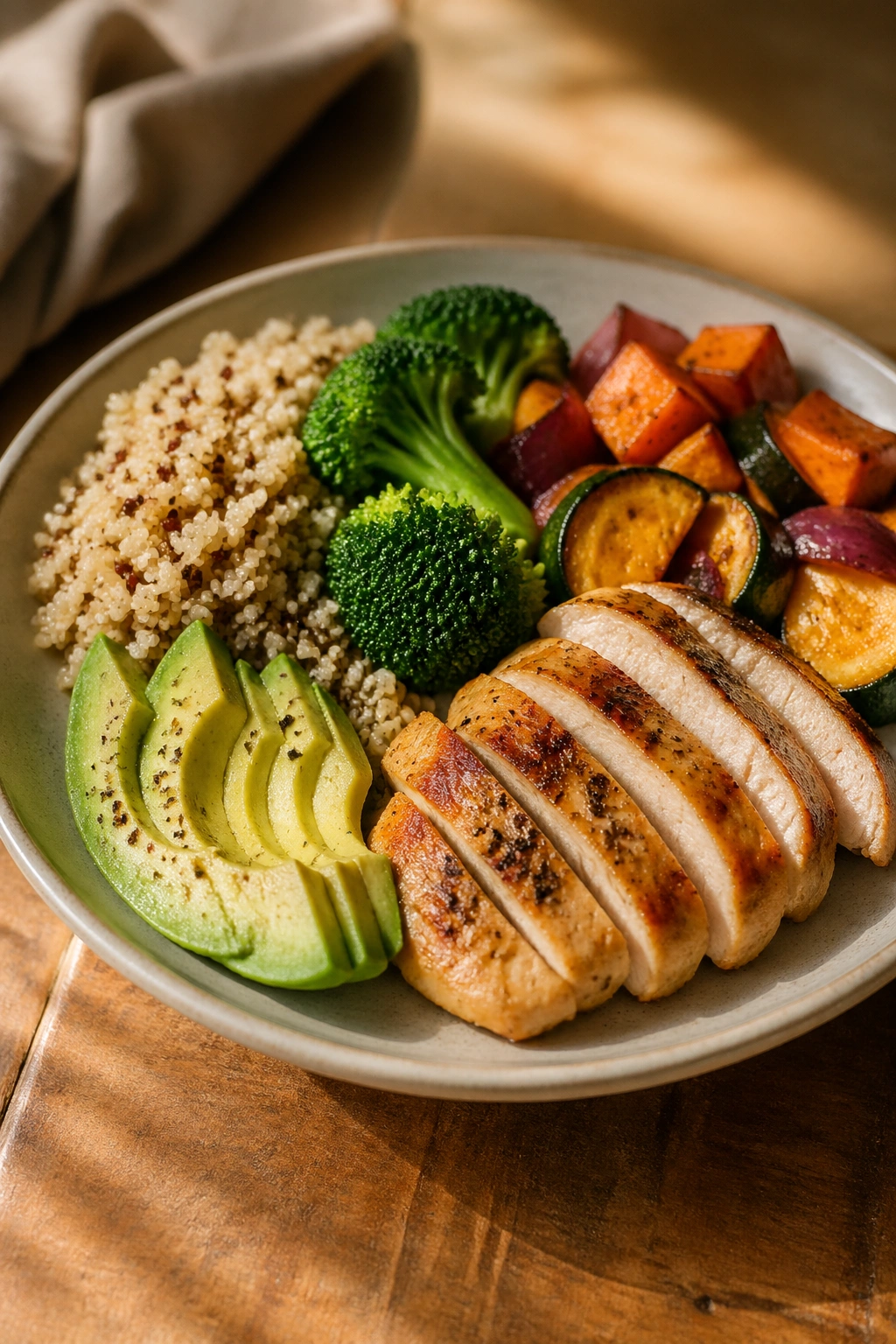
Real meals fix that. Aim for 3 meals a day, or 3 meals plus one planned snack, and build them with protein, fiber, and some fat. That gives your body a clear signal that food is coming in a useful amount, not in a scattershot trickle.
A meal template that works
- Protein: chicken, eggs, fish, tofu, Greek yogurt
- Fiber: vegetables, beans, fruit, oats
- Fat: olive oil, avocado, nuts, seeds
- Carb: rice, potatoes, bread, fruit, oats
You do not need to eat perfectly. You do need to stop treating the kitchen like a standing buffet.
16. Use Deload Weeks and Recovery Days

More hard work is not always more progress.
If every workout is intense, your body starts acting like it is under threat. Appetite rises. Sleep can wobble. Soreness hangs around. Performance dips. That is when women often add more cardio, eat less, and wonder why their waist feels stuck and their mood is short. The plan gets louder, not better.
A deload week fixes that. Every 4 to 8 weeks, cut your training load by about 10 to 20 percent, or reduce sets by half for a few days. Keep moving, but make it easier. Walk more. Lift lighter. Leave the gym feeling like you could have done more.
What a deload week looks like
- Fewer sets on your main lifts
- Lighter weights, or the same weights with fewer reps
- More walking, stretching, and sleep
- No all-out conditioning sessions
Recovery days are not laziness. They are how your body cashes the check from all the hard work you already did.
17. Repeat What Works Long Enough to Lose Hormonal Belly Fat

The plan that changes a woman’s waist is rarely the one that looks the coolest on paper.
It is the one she can repeat when work gets messy, sleep goes sideways, and dinner happens later than planned. That means lifting with intent, walking after meals, eating enough protein, sleeping like it matters, and keeping stress from running the whole house. Small things. Repeated well. That is the whole game.
Give a change 3 to 4 weeks before you judge it, and use your waist measurement, photos, and strength numbers to tell the story. If a habit makes you stronger, steadier, and less snack-driven, keep it. If it makes you miserable and it keeps collapsing after 10 days, it is probably too aggressive for real life.
Hormonal belly fat for women is not fixed by punishment. It shifts when your routine becomes steady enough for your body to trust it.
