



People often approach the goal of losing belly fat by lying on the floor, staring at their feet, and cranking out hundreds of sit-ups. It is the most common fitness mistake in existence. You can do thousands of crunches a week, and while you might build some muscle underneath, that layer of adipose tissue—the fat—isn’t going to vanish just because you specifically targeted the abdominal muscles. Spot reduction is a myth. You cannot tell your body exactly where to burn fat.
The real secret to flattening your midsection lies in metabolic demand and functional core strength. You need exercises that force your body to burn more calories overall while simultaneously bracing your core to handle heavy loads or complex movements. When you engage multiple muscle groups at once, you increase your heart rate, spike your metabolic output, and build the kind of lean mass that helps keep your metabolism humming even when you are sitting at a desk.
If you are serious about tightening your core and improving your body composition, stop treating your abs like a separate entity. Your core is a stabilizer, not a prime mover in the way your legs or chest are. It is meant to resist movement and transfer force. To get a flatter, stronger midsection, you need to challenge that core in a way that demands total body integration.
1. Deadlifts
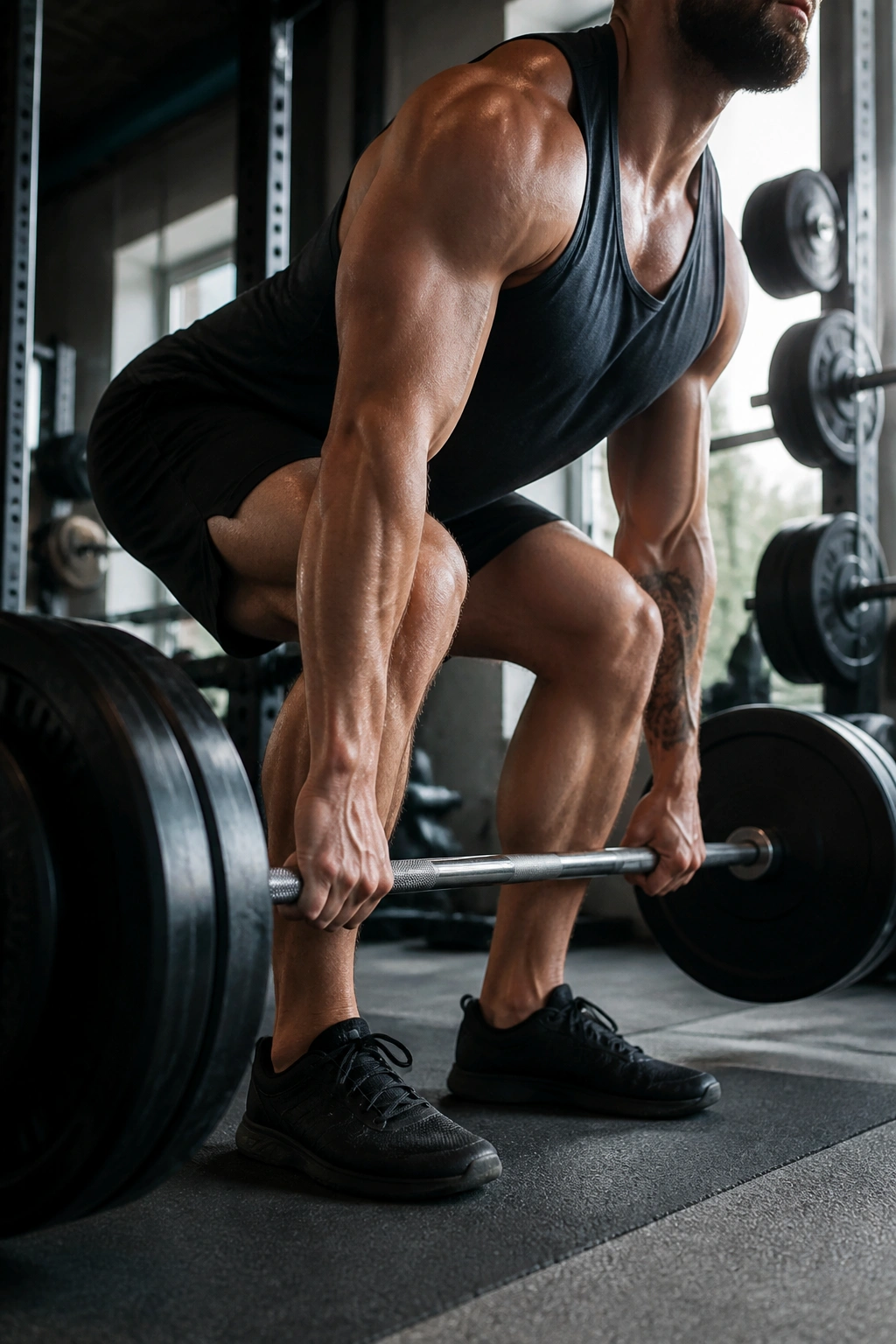
The deadlift is arguably the king of compound movements. It forces every single muscle in your posterior chain—your hamstrings, glutes, and lower back—to work in concert. But why does a leg and back exercise help with belly fat? It comes down to sheer metabolic intensity. Lifting a heavy barbell from the floor demands a massive amount of energy, far more than any isolation move.
The Mechanics of the Lift
To perform a deadlift correctly, your core must be absolutely rigid. You are not just pulling weight; you are creating a stable cylinder of pressure around your spine. If your core is weak, you will round your back, and you will lose the lift. By focusing on maintaining a neutral spine throughout the entire range of motion, you are putting your abs under significant isometric tension. This is the kind of work that creates a dense, tight midsection.
Tips for Success
- Always start with the bar over your mid-foot, not your toes.
- Brace your core as if someone is about to punch you in the gut.
- Think about pushing the floor away with your feet, not just pulling with your hands.
- Keep the bar in contact with your shins for the entire movement.
Pro tip: If you are new to the movement, master the hip hinge with a kettlebell before touching a loaded barbell. The pattern is the same, but the risk is significantly lower.
2. Planks
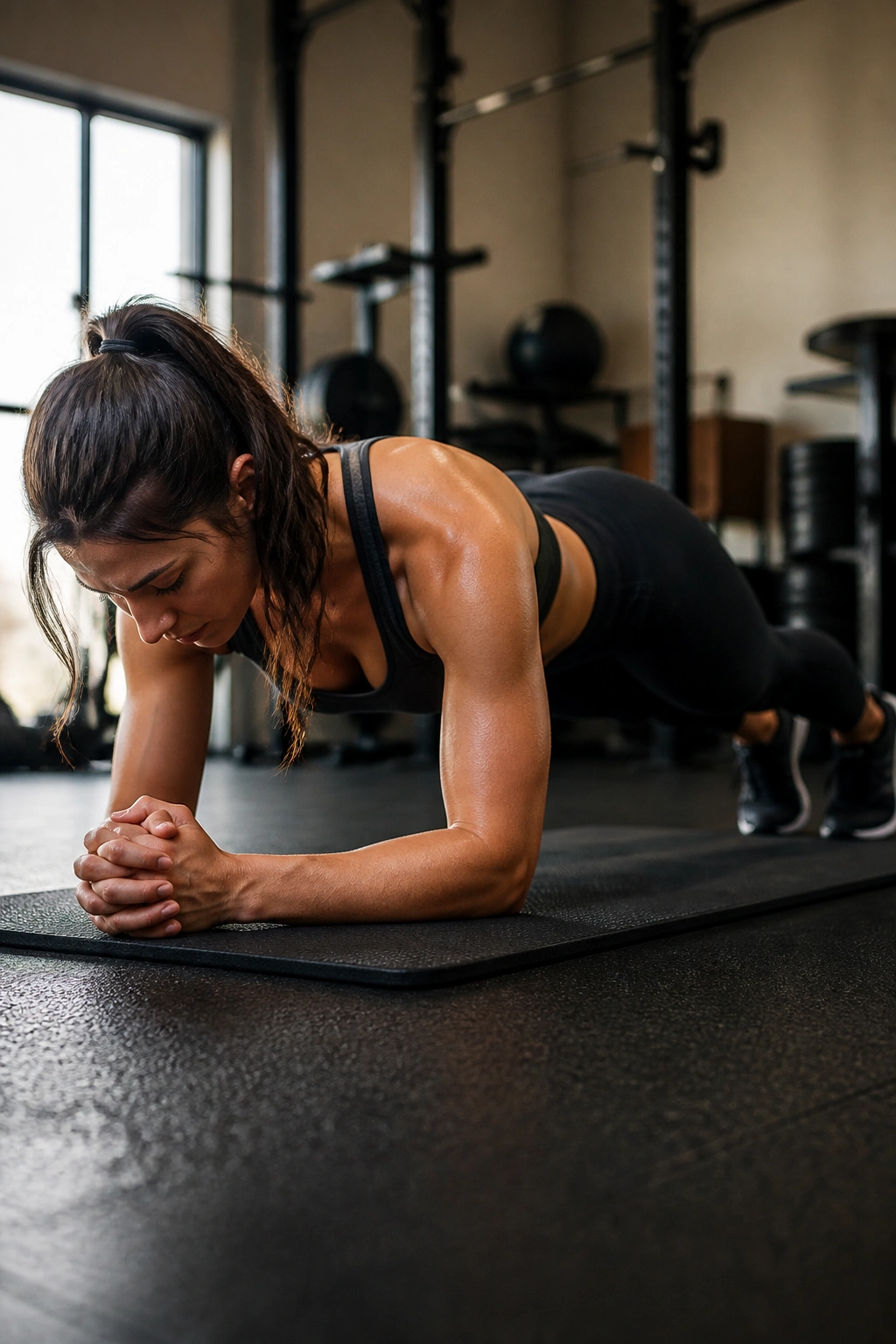
The plank is simple, yet most people do it wrong. They treat it as a test of endurance, holding the position for minutes at a time while their lower back sags and their shoulders shrug. That does nothing for you. A proper plank is about creating internal tension—you should be shaking after thirty seconds because you are actively squeezing every muscle in your body.
Creating Active Tension
When you hold a plank, you are resisting gravity. To get the most out of it, drive your elbows into the ground and pull them toward your toes without actually moving them. Simultaneously, squeeze your glutes as hard as you possibly can. This pelvic tilt is what engages the deep transverse abdominis, the muscle that acts like a natural corset for your torso.
Common Mistakes
- The Sag: If your lower back arches, stop. You are resting on your spine, not working your muscles.
- The Tent: If your butt is in the air, you are taking the load off your abs.
- The Neck: Keep your gaze fixed on your thumbs or a spot on the floor a few inches ahead. Don’t look up, as that strains your cervical spine.
3. Burpees
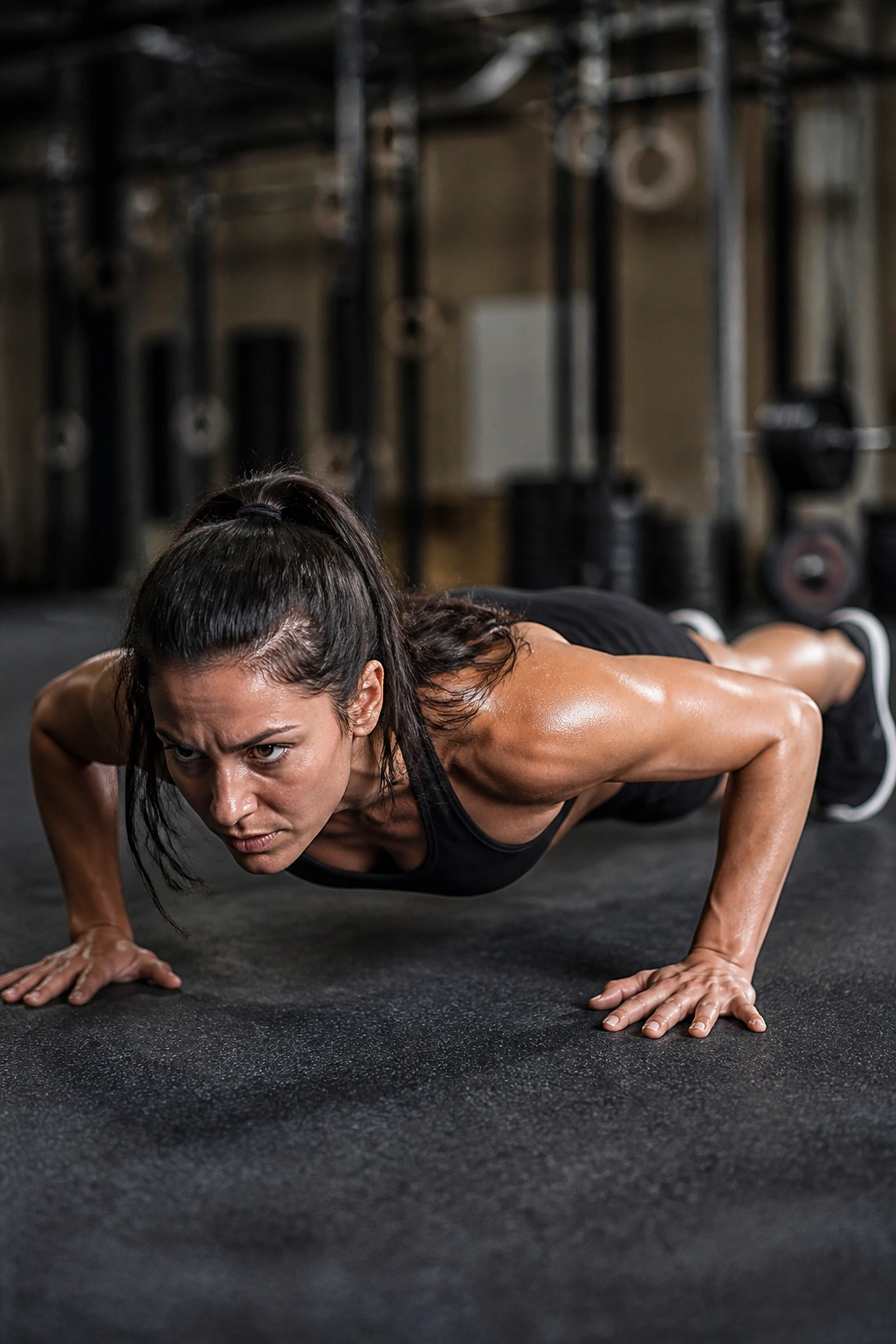
Love them or hate them, burpees are an incredibly efficient way to burn calories. They combine a squat, a push-up, and a jump, hitting your chest, shoulders, legs, and core in one fluid motion. Because they get your heart rate up almost immediately, they are a staple in high-intensity interval training.
Why They Work for Fat Loss
The metabolic cost of a burpee is high. You are moving your entire body mass against gravity multiple times in a short window. This forces your body to consume oxygen at a rapid rate, which leads to a “post-exercise oxygen consumption” effect. Your metabolism stays elevated for a period after the workout ends, which helps in managing overall body fat levels.
How to Scale the Intensity
- If the push-up is too much, do the burpee without dropping your chest to the floor.
- To make it harder, add a tuck jump at the top.
- Keep your core braced during the plank portion of the movement to prevent your hips from sagging toward the floor.
4. Kettlebell Swings
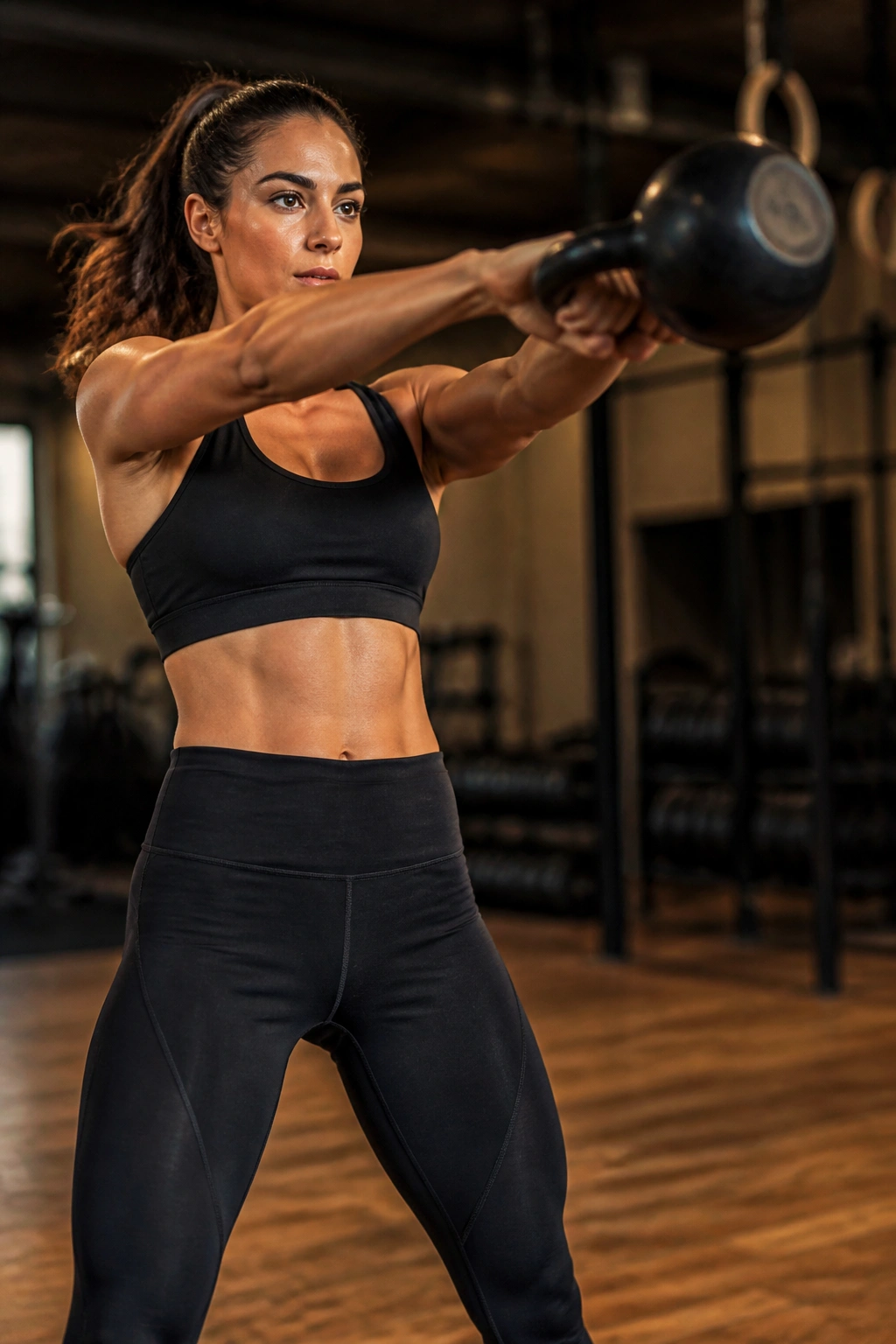
Kettlebell swings are a powerful hip-hinge movement that turns your posterior chain into a pendulum. They are often miscategorized as a shoulder exercise, but if you are using your shoulders to move the weight, you are doing it wrong. The power comes from your glutes and your hips.
The Core Connection
Your abs have to work overtime to stop the kettlebell from pulling your torso forward at the top of the swing. It is an exercise in deceleration. You have to brace your core sharply at the apex of the swing to stop the movement and redirect the energy. This rapid bracing and unbracing of the core muscles is what helps develop abdominal strength and definition.
Keys to a Proper Swing
- Your back should stay flat.
- The kettlebell should not go above shoulder height.
- Think of your arms as ropes; they are just holding the weight, not lifting it.
- Squeeze your glutes violently at the top of the swing to propel the bell.
5. Hanging Leg Raises
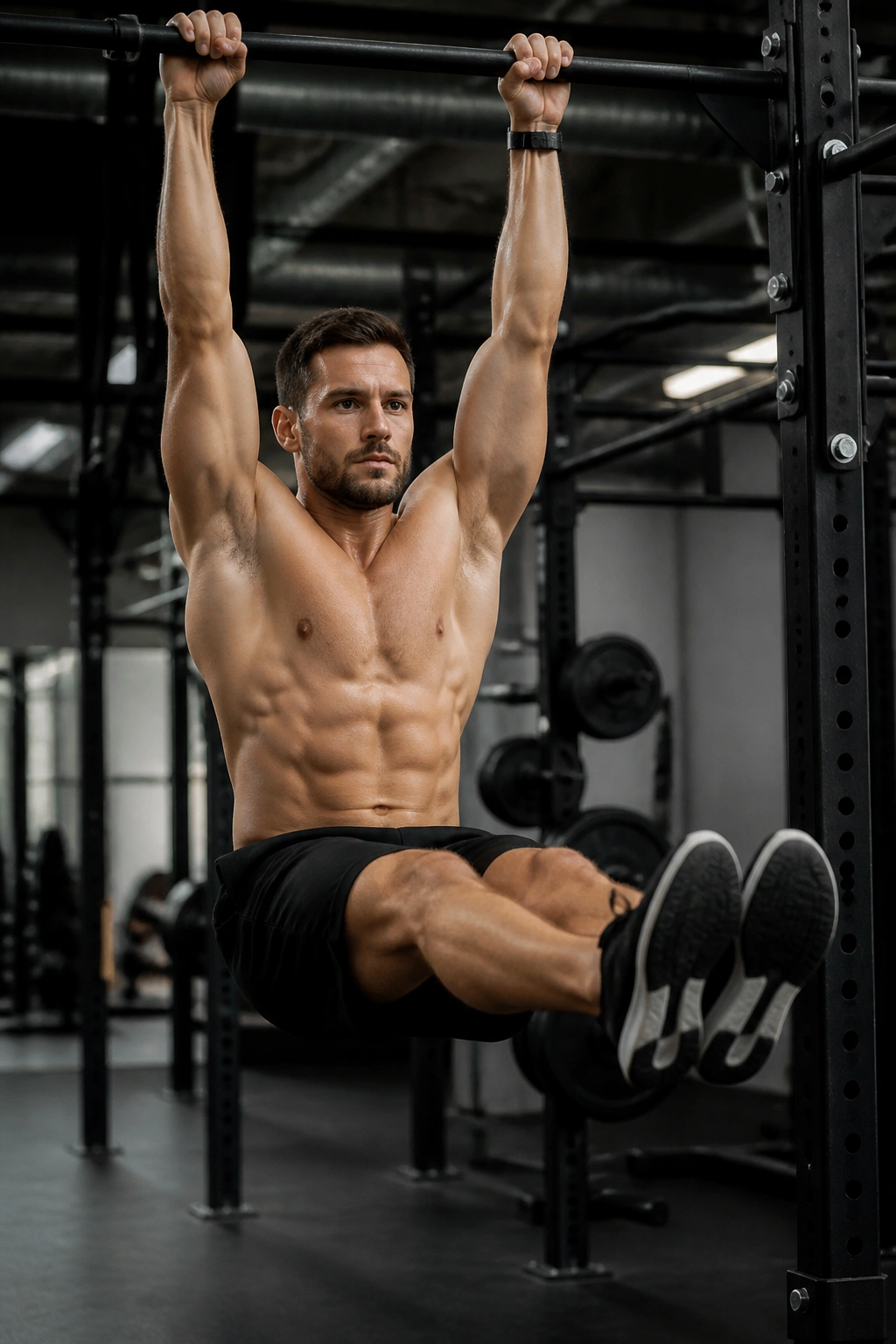
This is one of the few exercises that genuinely isolates the lower abdominal region. While you cannot spot-reduce fat, you can certainly build the muscle in that area to improve your overall stomach definition. Most people find these difficult, which is exactly why they are effective.
Managing the Swing
The biggest challenge with hanging leg raises is preventing your body from swinging like a pendulum. You need to control the movement, not let momentum do the work. Engage your lats by pulling your shoulders down and away from your ears. If you just hang limp, you will waste energy and likely hurt your shoulders.
Technique Notes
- Raise your legs until they are parallel to the floor, or higher if your flexibility allows.
- Keep your legs straight for maximum leverage, which increases the difficulty.
- Lower your legs slowly. The eccentric portion—the way down—is where you get the most strength gains.
- If you cannot do them straight-legged, start with knee raises, bringing your knees to your chest.
6. Russian Twists
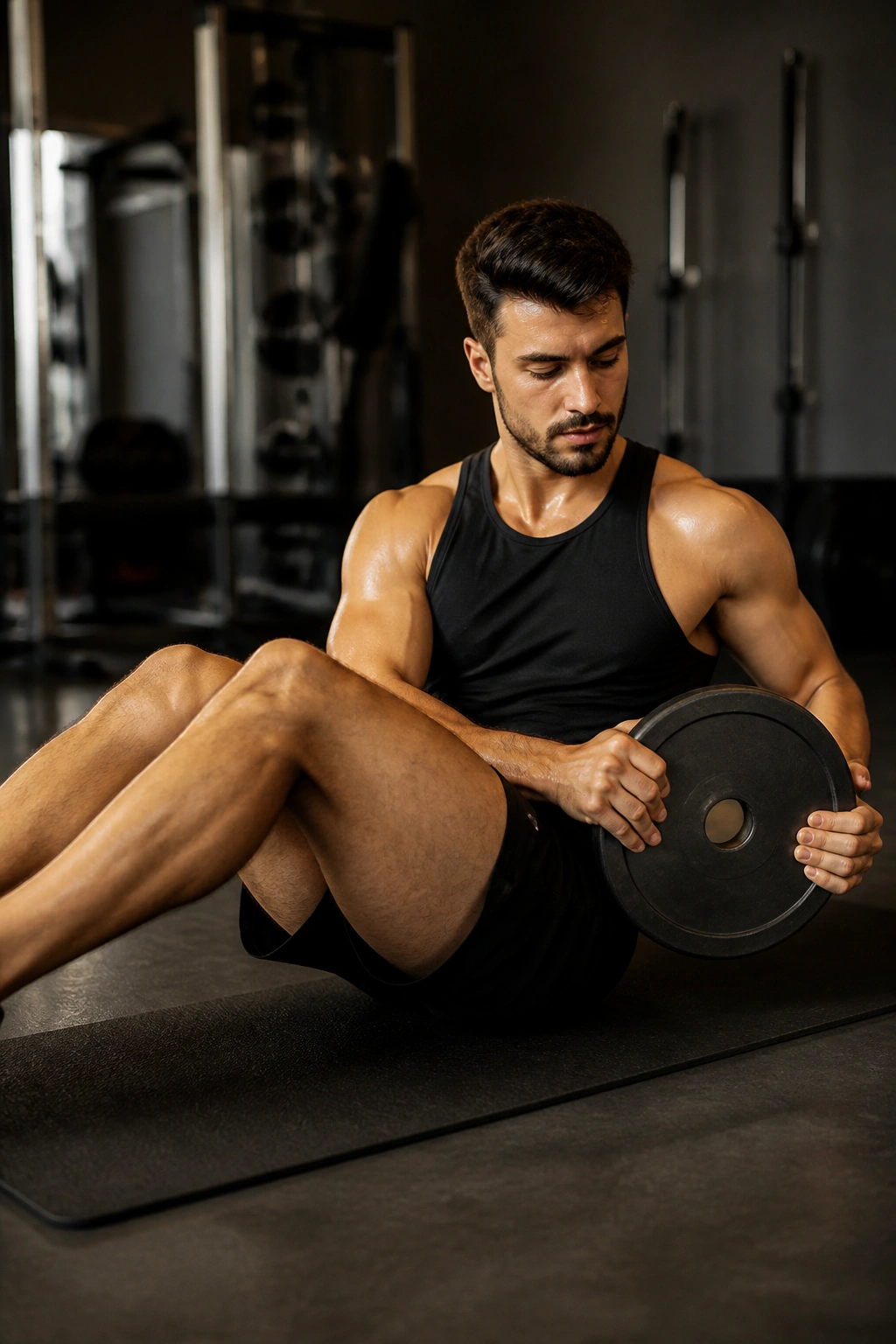
Rotation is a fundamental movement pattern for the human body. We sit, we stand, we twist to reach things, we pivot. Yet, we rarely train our abs to handle rotation. Russian twists target the obliques, the muscles on the sides of your core that help tighten the waistline and provide rotational power.
How to Execute
Sit on the floor with your knees bent and feet slightly lifted off the ground. Lean back just enough so that you feel your core engage. Clasp your hands together or hold a weight plate. Rotate your torso from side to side, touching the weight or your hands to the floor beside your hip.
Avoiding Lower Back Pain
- Focus on the rotation coming from your thoracic spine, not your lower back.
- Keep your eyes on your hands as you twist; this helps keep your neck and spine aligned.
- Don’t rush. The slower and more controlled the twist, the more your obliques have to work to stop the movement.
7. Mountain Climbers
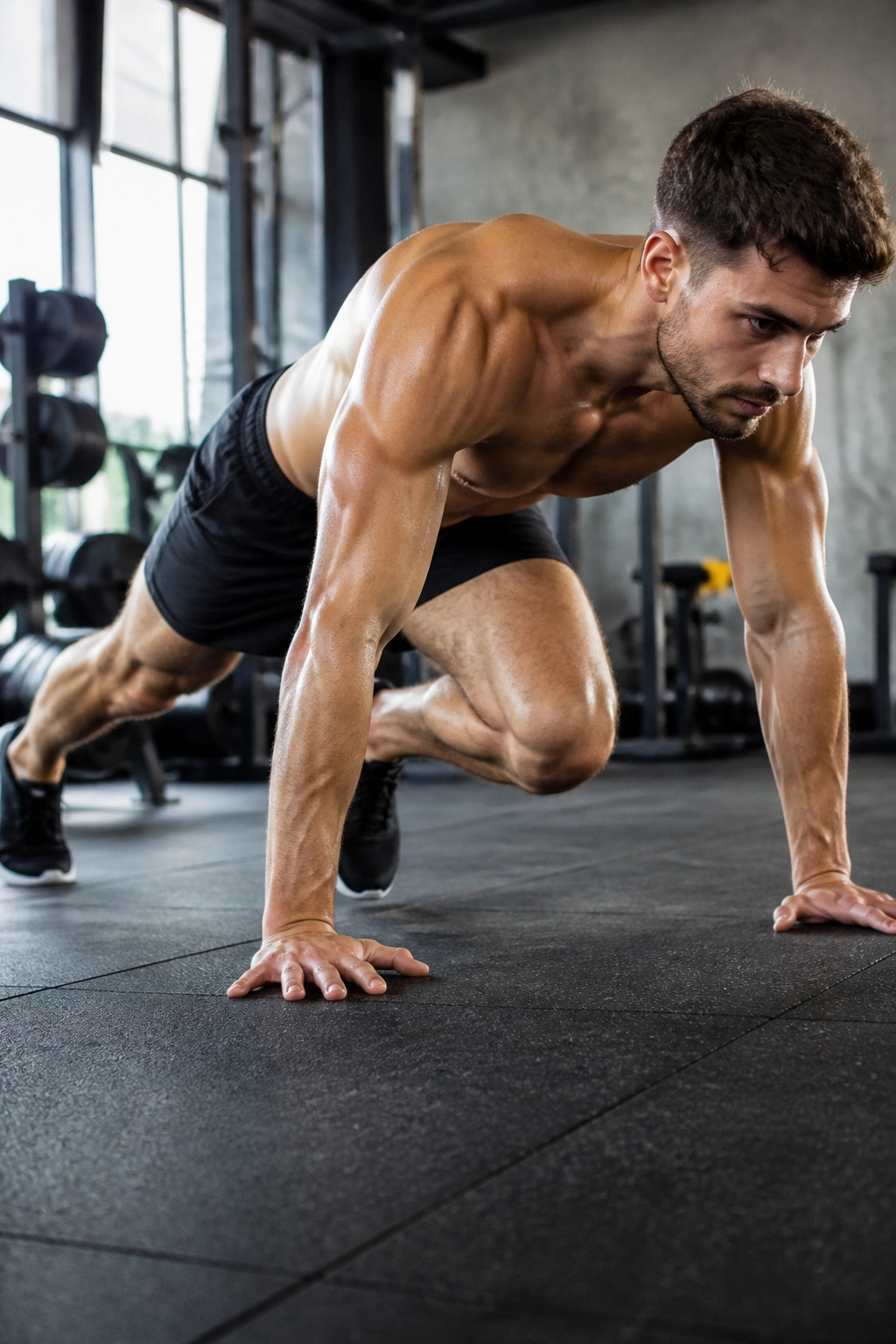
Imagine a plank, but instead of being static, you are running in place. Mountain climbers combine the stability requirements of a plank with the cardiovascular demand of high-intensity running. It is a dual-purpose movement that shreds calories while challenging your core stability.
The Role of Stability
As you bring one knee toward your chest, your opposite leg and your arms have to work harder to keep your hips level. If your hips bob up and down, your core isn’t doing its job. The goal is to keep your torso perfectly still while your legs do the running.
Common Mistakes
- Hips Too High: This takes the load off your abs.
- Speed over Form: Doing them fast but sloppily is useless. Slow down and get the knee as close to your elbow as possible.
- Dropping the Head: Keep your neck neutral.
8. Farmers Carries

It is a simple concept: pick up something heavy and walk with it. Farmers carries are arguably the best exercise for overall functional strength and posture. They require you to maintain an upright, braced position while moving, which forces your entire midsection to stabilize the weight.
The Anti-Lateral Flexion
When you hold a weight in one hand (a suitcase carry) or both hands (a traditional farmers carry), your core has to fight to keep you from leaning to one side. This prevents the spine from collapsing under the load. It builds a thick, strong, stable midsection that looks and acts the part.
Implementation
- Keep your shoulders back and down.
- Take short, deliberate steps.
- Do not let the weight touch your legs.
- Focus on breathing into your belly, not your chest, as you walk.
9. Pallof Press
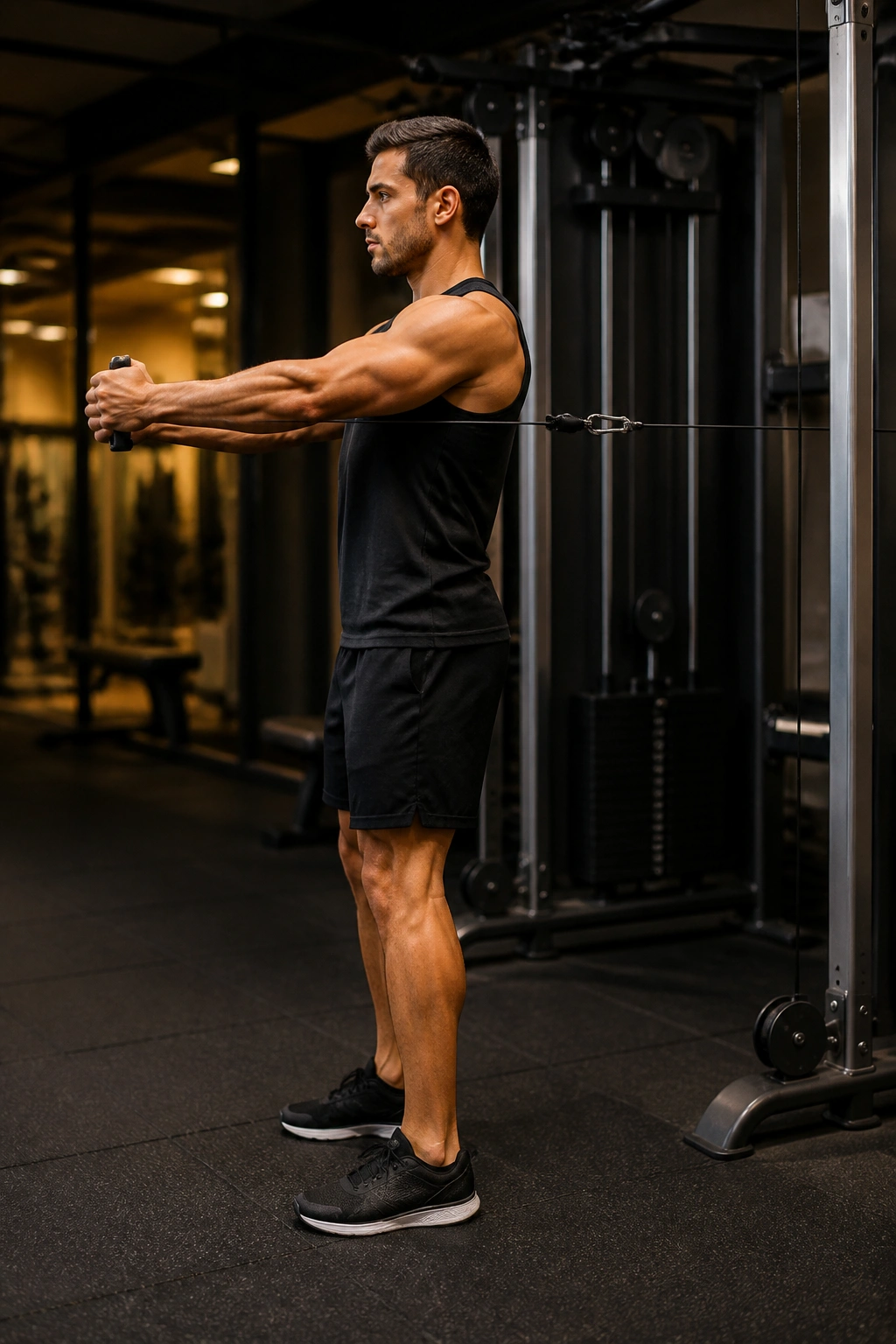
The Pallof Press is an “anti-rotation” exercise. You stand sideways to a cable machine (or a resistance band), hold the handle at your chest, and press your arms straight out. The cable is trying to twist your torso toward the machine, and your job is to resist that movement.
Why It Matters
This exercise teaches you how to stabilize your spine under load. It’s not about burning fat directly, but it is about building the deep core muscles that make your midsection look tight and flat. It provides the “inner bracing” that keeps your stomach from protruding, even when you aren’t flexing.
Execution Tips
- Use a light weight at first. The goal is tension, not ego lifting.
- When your arms are extended, hold for two seconds and resist the pull.
- Keep your feet firmly planted; do not let your hips rotate.
10. Bicycle Crunches
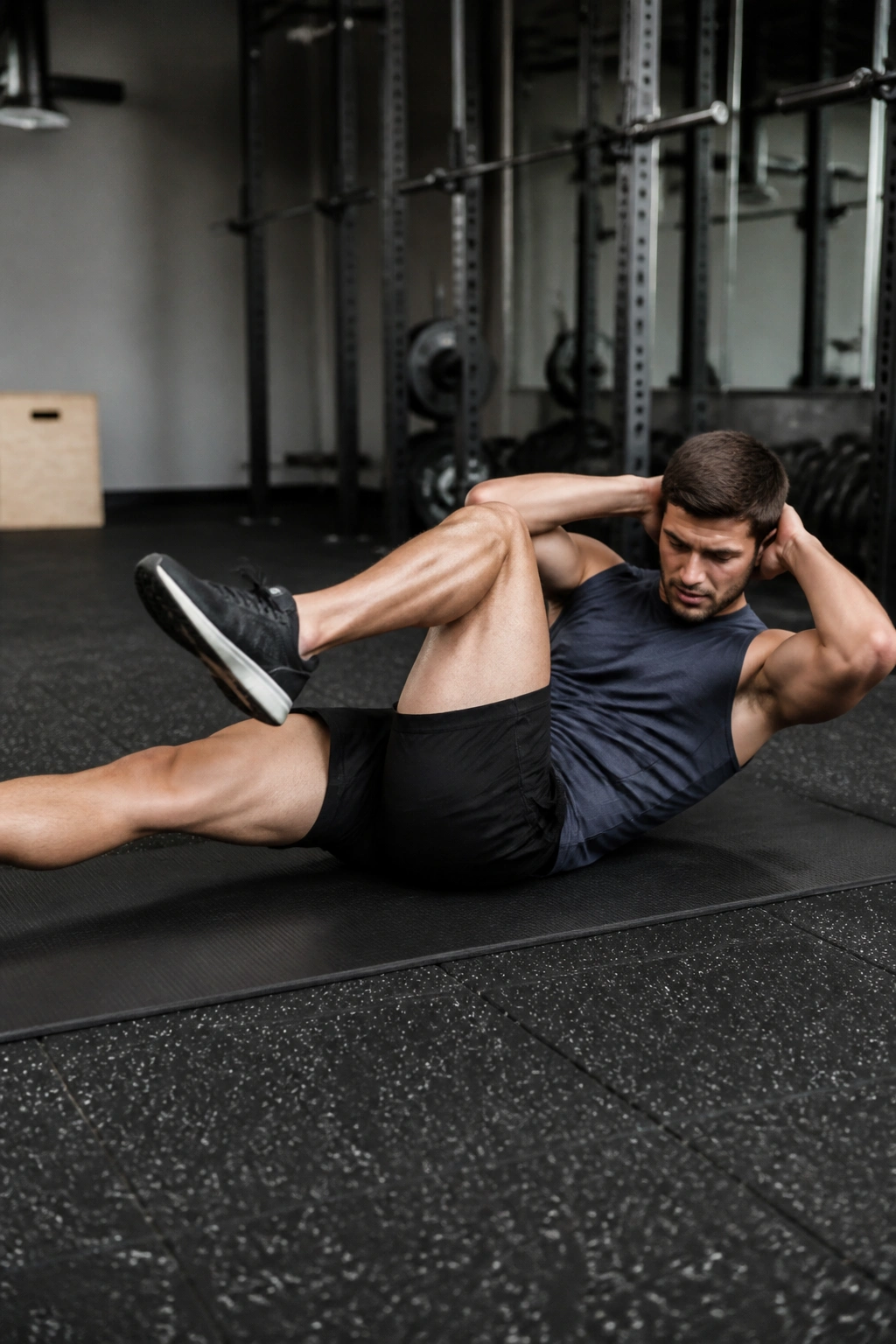
Research consistently shows that bicycle crunches are among the most effective exercises for rectus abdominis activation. They combine flexion and rotation, hitting the upper abs, lower abs, and the obliques simultaneously.
The Mind-Muscle Connection
Most people do these far too quickly, using momentum to swing their elbows. To make them work, pretend you are riding a bike in slow motion. Focus on bringing your shoulder to the opposite knee, not just your elbow. Your focus should be on squeezing the obliques on every single repetition.
Key Details
- Keep your lower back pressed into the floor at all times.
- Do not pull on your neck. Place your fingers lightly behind your head, or cross your arms over your chest.
- Extend your legs fully with each cycle.
11. Squats
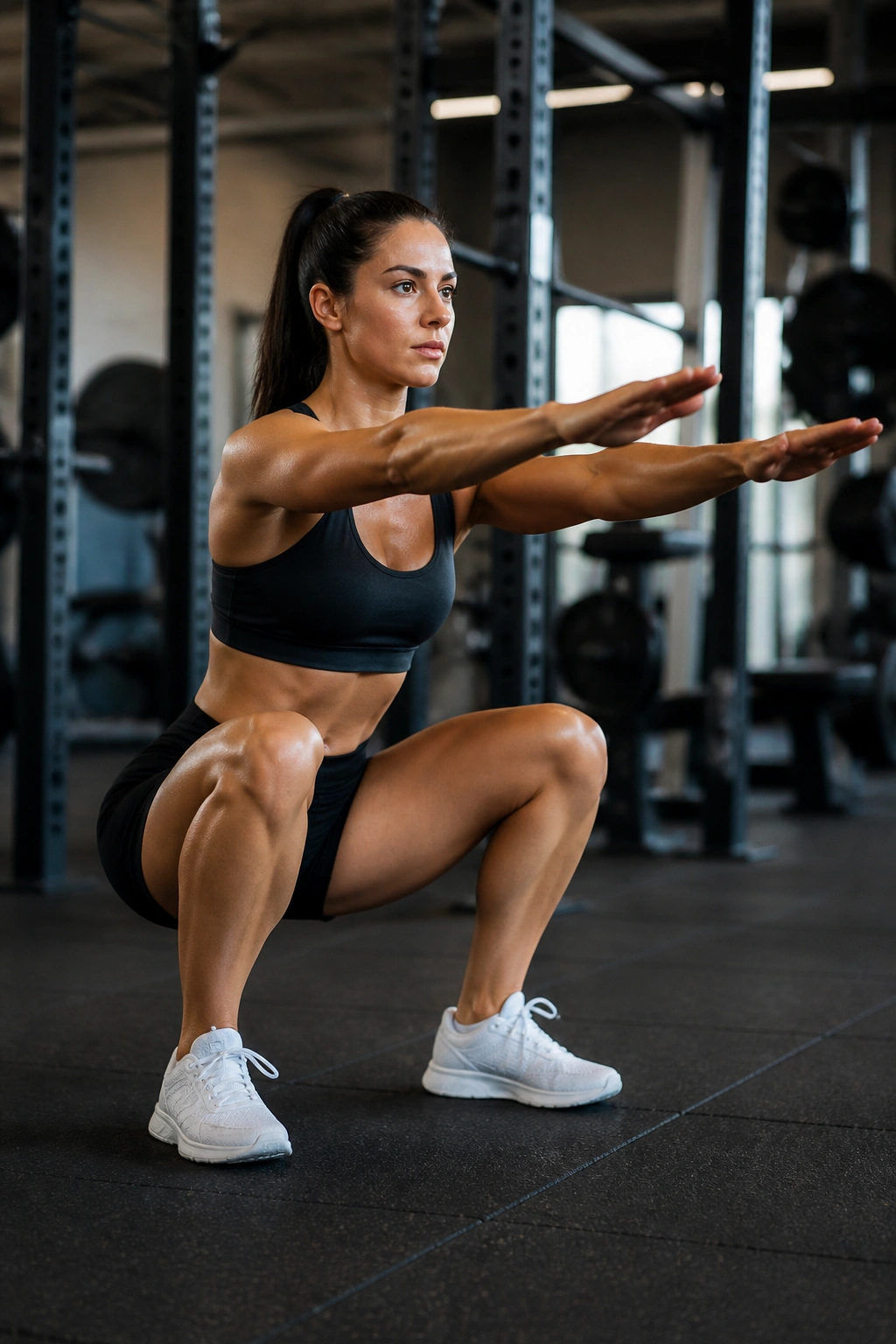
Squats are not just for your legs. When performed with proper form, they require an intense amount of core bracing. Whether you are using a barbell, a dumbbell, or just your own body weight, your core is responsible for maintaining the integrity of your spine while you transition from standing to a seated position.
The Metabolic Factor
Squats are one of the most energy-demanding exercises you can perform. They recruit almost every major muscle group in the lower body. Because they require so much fuel to execute, they are highly effective at elevating your heart rate and boosting your overall caloric burn, which is essential for fat loss.
Avoiding Common Errors
- Don’t let your knees cave inward.
- Keep your chest up; don’t fold over.
- Go as deep as your mobility allows, but never sacrifice form for depth.
- If you are doing bodyweight squats, try “air squats” at a slow tempo (3 seconds down, 1 second hold at the bottom, 1 second up) to increase the time under tension.
12. Battle Ropes
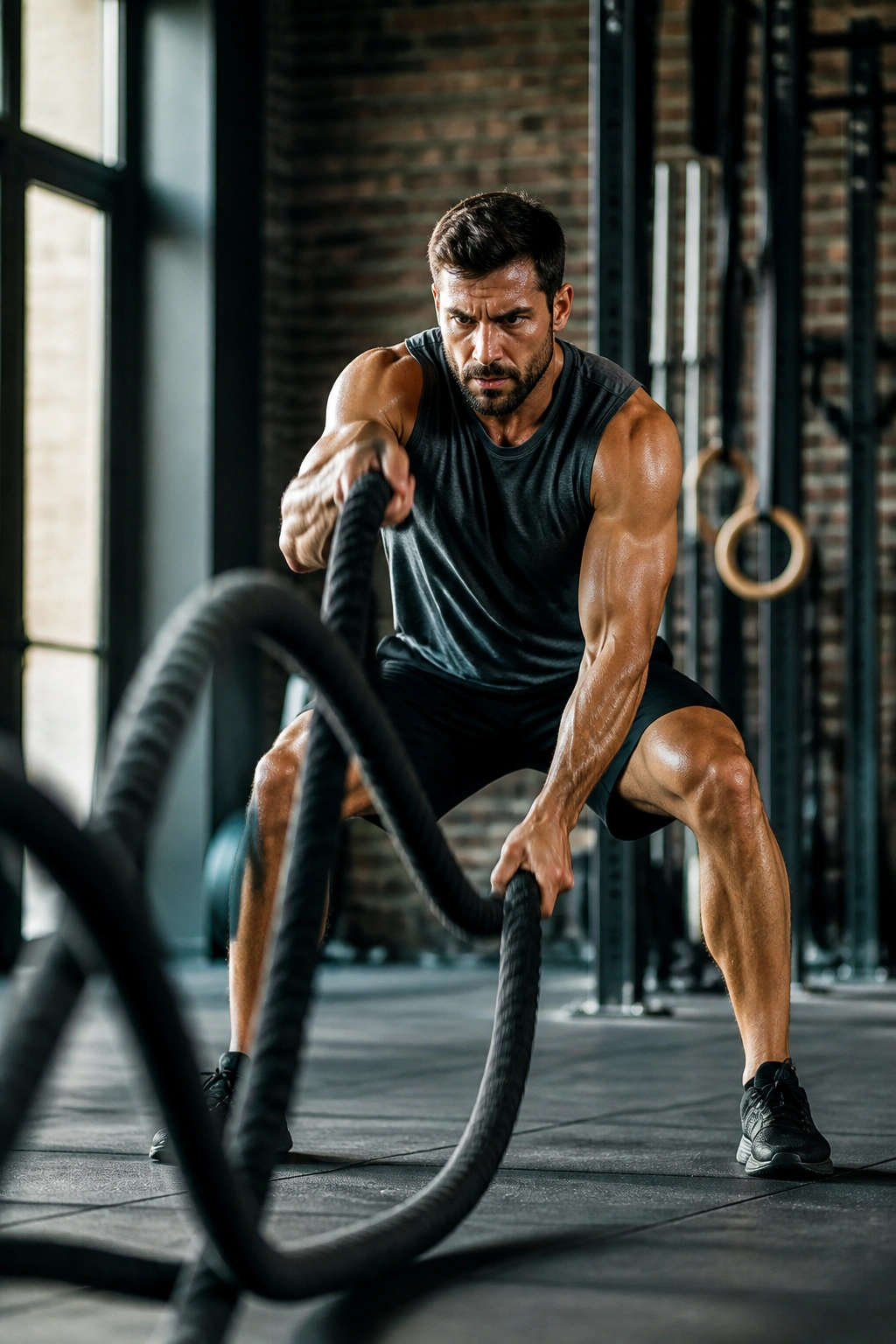
If you want to get your heart rate through the roof while engaging your entire upper body and core, battle ropes are the answer. The waves you create travel through your arms and slam into your core, which must engage rapidly to counteract the force.
Managing the Force
Your core has to stay rigid to prevent your torso from swaying with the ropes. If you are loose in the middle, you will lose power and likely strain your lower back. The effort comes from your shoulders and lats, but the foundation comes from your abs.
Variations to Try
- Alternating Waves: The classic.
- Double Slams: Both ropes at once for maximum power output.
- Rotational Slams: Twist your torso with each wave to engage the obliques more intensely.
- Squat Hold: Perform the slams while holding a deep squat to add an isometric leg component.
13. Renegade Rows
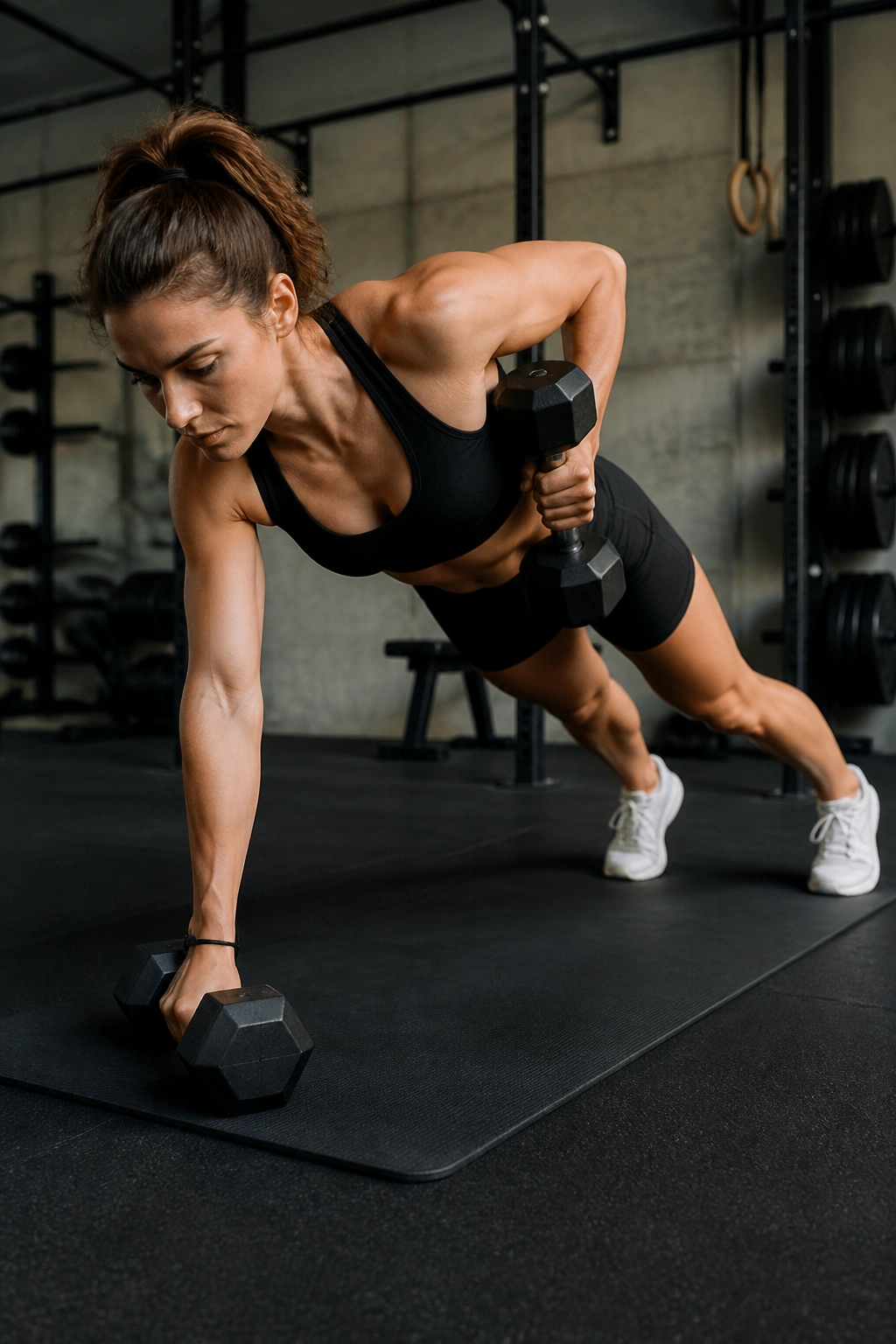
This is a combination of a plank and a row. You start in a push-up position, holding a dumbbell in each hand. While keeping your hips stable, you row one dumbbell toward your hip while balancing on the other arm. It is incredibly challenging for stability.
The Stability Challenge
The moment you lift one arm, your body wants to rotate. Your core has to fight that rotation. It is an amazing exercise for training the core to resist movement while the limbs are moving—a concept known as anti-rotation.
Safety Checks
- Use hex dumbbells so they don’t roll away.
- Spread your feet wide to create a stable base.
- Squeeze your glutes; it helps keep your hips from rocking.
- If you can’t keep your hips level, drop the weight or do the movement without dumbbells first to master the body positioning.
14. Flutter Kicks
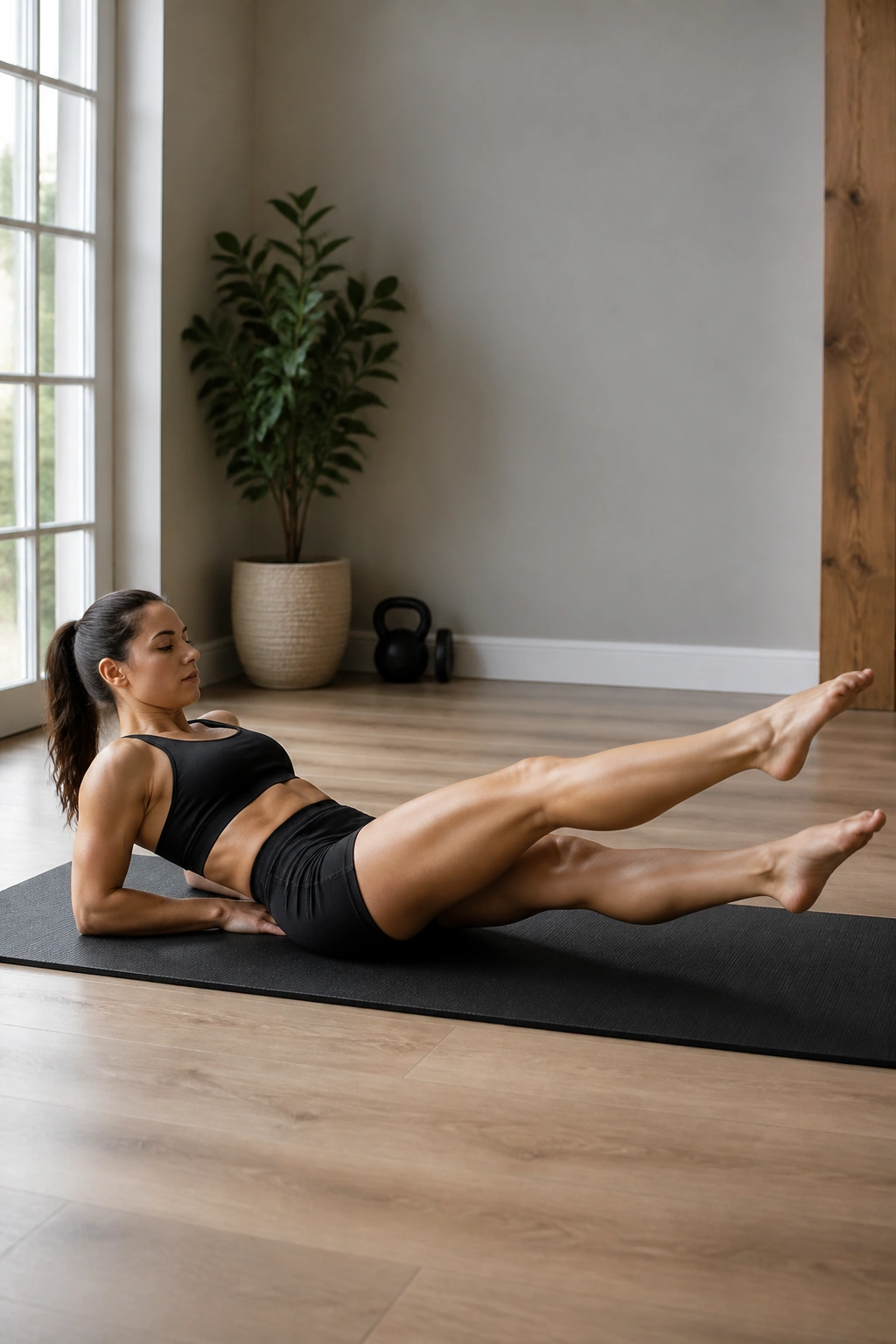
Flutter kicks are a classic military-style movement, and for good reason. They keep the lower abdominal muscles under tension for an extended period. By keeping your legs straight and moving them in small, controlled arcs, you force your abs to stabilize your lower body.
Why They Are Tough
The longer you keep your legs raised, the harder your abs have to work to keep your back pressed into the floor. If your back lifts off the floor, you are using your hip flexors and lower back too much.
Pro Tips for Flutter Kicks
- Put your hands underneath your glutes to provide extra support for your lower back.
- Keep the movements small—about six to twelve inches off the ground.
- Do not let your heels touch the floor until the set is finished.
15. Rowing Machine
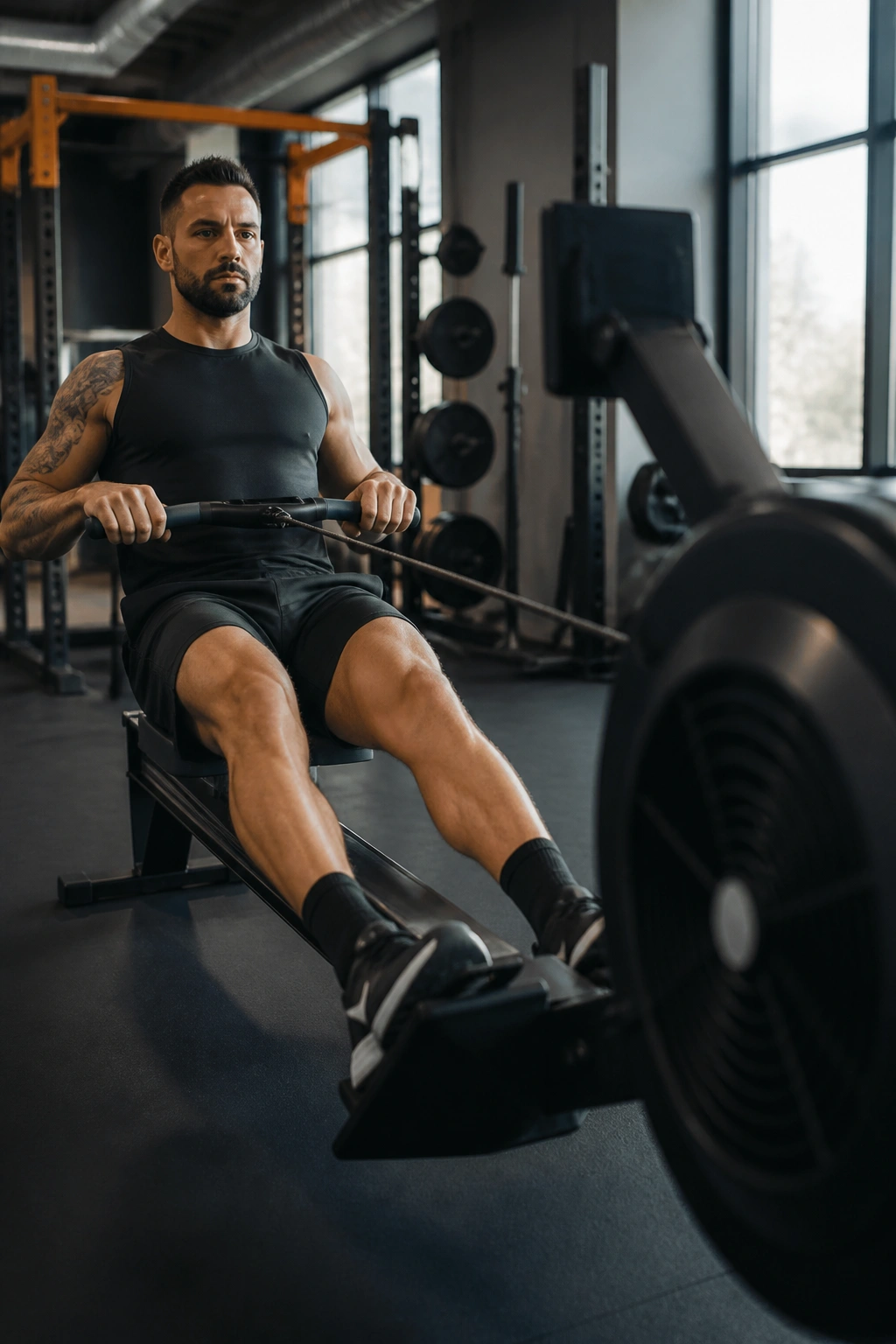
The rowing machine is often ignored in favor of treadmills, which is a massive oversight. Rowing is a full-body exercise. It works your legs, your back, your shoulders, and—critically—it requires a constant core engagement to support the “drive” and “recovery” phases of the stroke.
The Rowing Rhythm
You are not just pulling with your arms. The power comes from your legs pushing off the footplate. As you lean back slightly during the drive, your core must be braced to protect your lumbar spine. It is rhythmic, it is exhausting, and it is highly effective for burning calories.
Proper Form
- Push with the legs first, then lean back, then pull the handle.
- On the return, extend the arms first, then lean forward, then bend the knees.
- Maintain a straight spine throughout; do not slump at the catch (the front position).
Final Thoughts
Flattening your stomach is not about finding the “perfect” ab exercise or hunting for a shortcut. It is about consistency, patience, and choosing movements that provide the highest return on your investment of time and energy. The exercises listed here will help you build muscle, improve your metabolism, and strengthen your core, but they must be supported by an honest look at your overall activity levels and dietary habits.
There is no replacement for hard work. If you prioritize these compound, high-intensity movements, you will build a stronger, more capable body. Start slow, master the form of each movement, and focus on the quality of every repetition rather than the quantity. Your body will change in response to the demands you place on it—so make those demands significant, focused, and persistent.
