



Keto diet tips for belly fat loss work best when they’re boring, repeatable, and a little less glamorous than people expect. The waist usually changes when carbs stay low enough to keep ketosis moving, protein stays high enough to protect muscle, and fat stops acting like a blank check for extra calories.
Belly fat is stubborn because it is not one thing. Some of it sits under the skin. Some of it sits deeper around the organs, where it matters more for health and where people often notice a tighter waistband only after the rest of the plan has started working.
That part matters.
A lot of keto plans go sideways in the same place: bread disappears, then butter, cheese, cream, nuts, and “fat bombs” quietly take its spot. The diet still looks low-carb, but the calorie count can creep up fast. One tablespoon of oil carries about 120 calories. A handful of macadamias does not feel like much until the bowl is empty.
The tips below focus on what actually helps the middle shrink in real life: lower carbs, enough protein, smarter fat use, more movement, steadier sleep, and a setup you can repeat without thinking too hard. Start with the carb ceiling. Everything gets cleaner from there.
1. Keep Carbs Low Enough to Stay in Ketosis
Carbs are the lever that pushes most people into or out of ketosis.
If you want the ketogenic diet to do its job, the carb number needs to be low enough that your body keeps reaching for stored fuel. For a lot of people, that means starting around 20 to 30 grams of net carbs a day and watching what happens. Some people can handle more. Some need less. The point is not to chase a magic number forever. The point is to find the level where hunger calms down and the waist starts moving in the right direction.
Hidden carbs cause trouble all the time. Sauces, flavored yogurt, “keto-friendly” bars, nuts by the handful, and vegetables cooked with sweet glaze can nudge you out of the zone without feeling dramatic at all.
Net Carbs vs Total Carbs
Net carbs are usually total carbs minus fiber. That works fine for many people, especially when the diet is built around whole foods. Still, the label game can get messy, so read packages with a little suspicion.
- Leafy greens, broccoli, cauliflower, zucchini, mushrooms, and asparagus usually fit easily.
- Berries can fit too, but small portions matter.
- Bread substitutes, wraps, and “keto” desserts are where carb counts get slippery fast.
- If a packaged food needs a paragraph to explain why it is low-carb, it is probably more trouble than it is worth.
A simple rule helps: count carbs first, then build the meal around protein and vegetables. If you do that the other way around, the plate tends to wander.
Ketone strips can be useful if you like feedback, but don’t let them run your life. A better sign is usually more basic: hunger drops, energy steadies, and your waistband stops arguing with you.
2. Stop Treating Added Fat Like a Free Pass for Belly Fat Loss
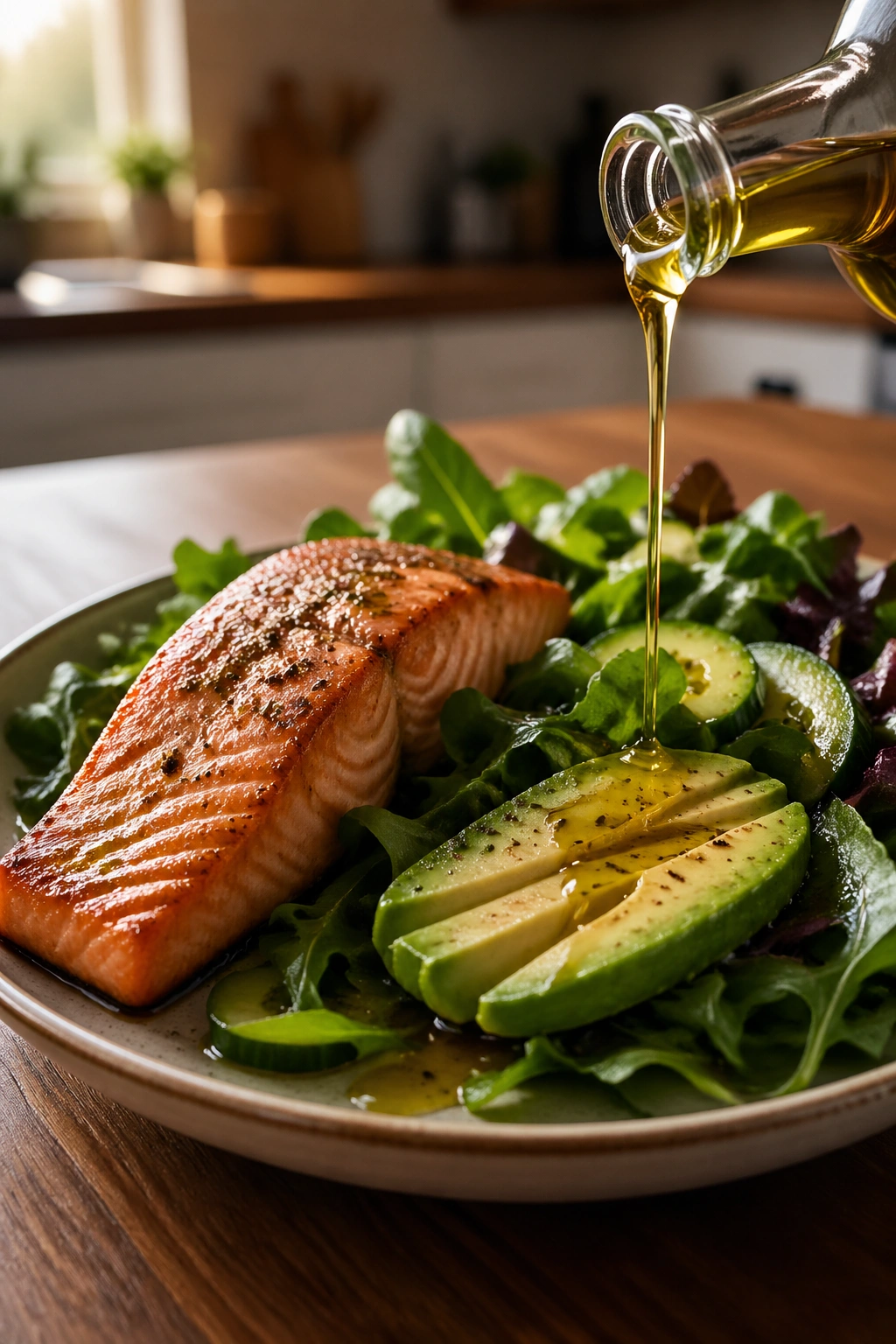
Can you eat unlimited fat on keto? No. Not even close.
This is where a lot of people trip. Keto lowers carbs, but it does not erase physics. If fat intake climbs too high, fat loss slows down or stops. That matters when the goal is belly fat loss, because the middle is usually the last place to change when calories drift upward.
The easiest trap is the “helpful” fat add-on. A tablespoon of olive oil in a pan. Another spoon in a salad. A heavy pour of cream in coffee. A few spoonfuls of nut butter at night. None of those things feels wild on its own. Stack them together and the math changes fast.
- 1 tablespoon olive oil: about 120 calories.
- 1 ounce cheese: around 100 to 115 calories, depending on the type.
- A small handful of nuts: easy to overdo by 200 calories or more.
- MCT oil: useful for some people, but it is still pure fat calories.
Fat should help with satiety, not become the main event. If your meal already has salmon, eggs, avocado, or ribeye, you probably do not need much extra oil on top.
A better mental picture is this: protein is the anchor, vegetables are the volume, and fat fills the edges. That order tends to work better than pouring fat into every corner and hoping the waistline will sort itself out later.
3. Build Every Meal Around Enough Protein
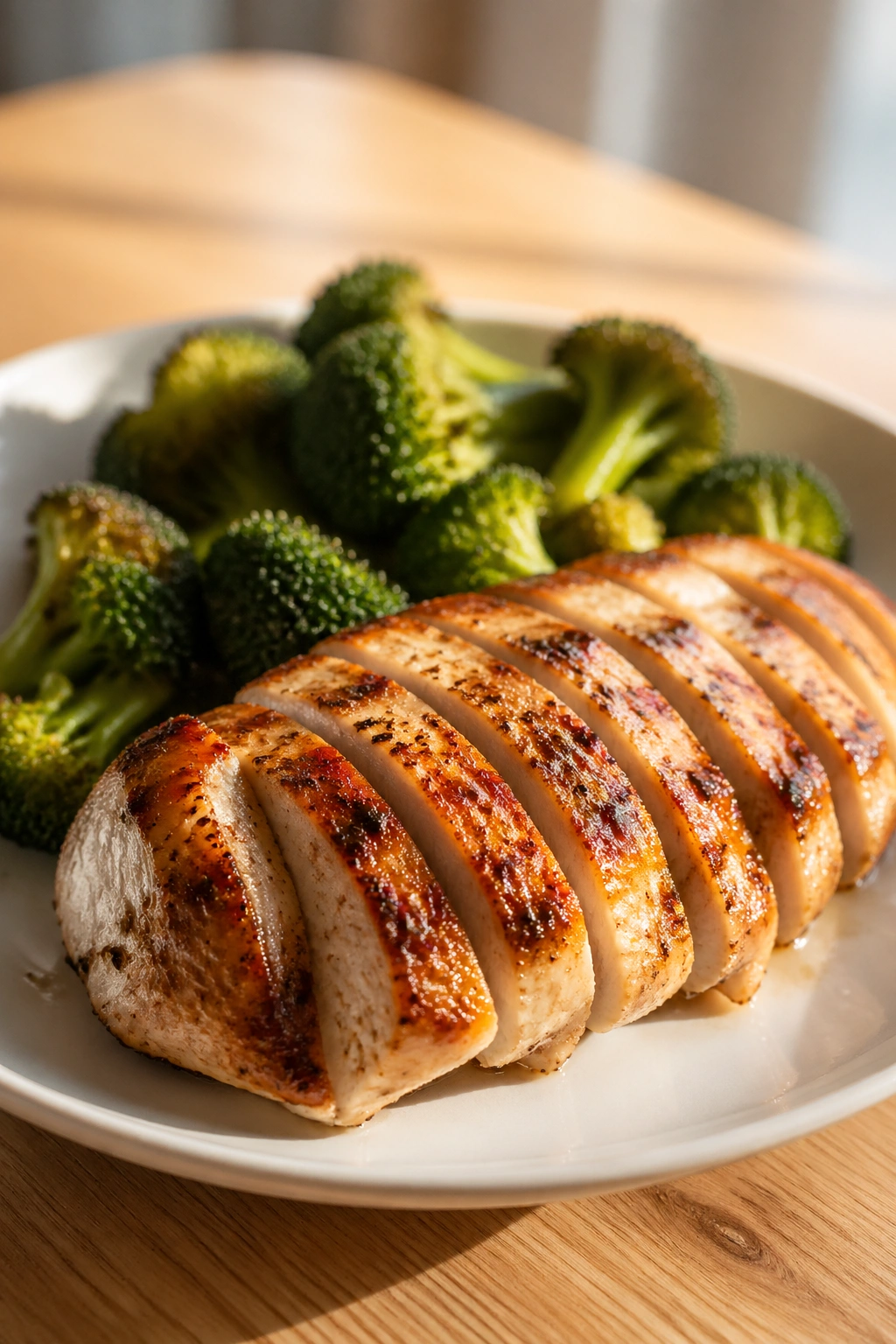
A plate built around protein usually behaves better than a plate built around fat.
That sounds almost too plain, but it matters a lot. Protein helps preserve lean tissue while you lose fat, and it also keeps meals from turning into a grazing session an hour later. On keto, people sometimes swing too hard toward fat and end up under-eating protein. That can make the body feel smaller and softer at the same time. Not ideal.
How Much Protein to Aim For
A practical target for many adults is 25 to 40 grams of protein per meal. Larger, more active people often need more. Smaller people may need less. The useful part is the range, not the exact math.
Think in real food:
- 4 to 6 ounces of chicken breast gives you a strong protein base.
- 5 to 6 ounces of salmon or tuna works well at lunch or dinner.
- 3 eggs plus a side of turkey or Greek yogurt can cover breakfast.
- A scoop of whey isolate in water or unsweetened almond milk can help on rushed days.
Easy Plates That Hit the Number
A simple meal might look like this: grilled chicken thigh, roasted broccoli, and a spoon of olive oil. Another could be turkey burger patties with salad greens, cucumber, and avocado. No magic. Just enough protein to make the meal hold.
If you train hard, err higher. If you are not sure, try this for a week: build each meal around a palm-and-a-half of protein first, then add vegetables and fat after. Hunger usually tells the truth within a couple of hours.
Protein is not the enemy of ketosis. Skimping on it is what usually causes trouble.
4. Base Your Plate on Real Food, Not Keto Snacks
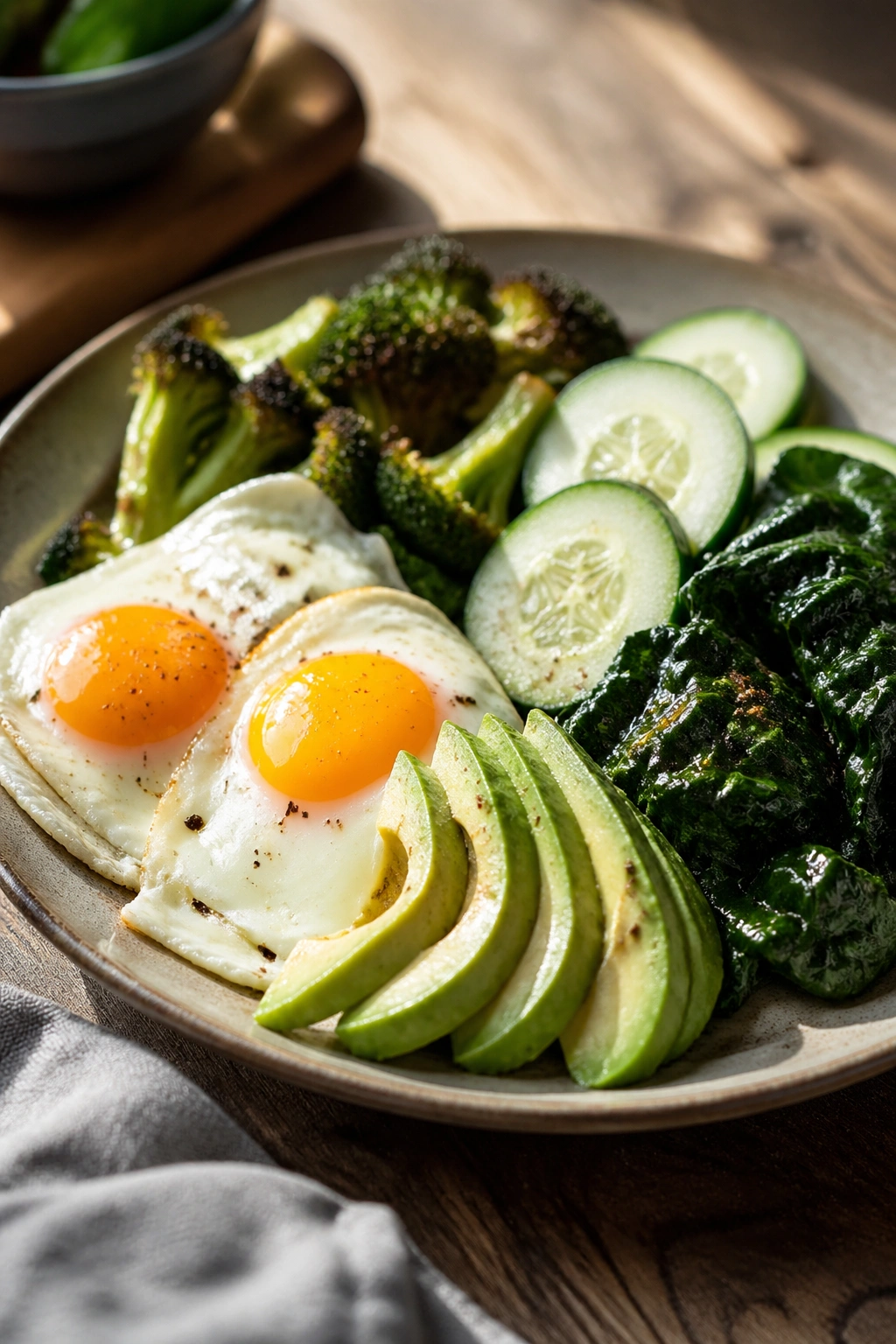
Keto snacks are where discipline goes to die.
That sounds blunt because it is true. Many packaged keto products are designed to look like permission: bars, cookies, chips, shakes, crackers, and dessert cups that promise low carbs but bring a long ingredient list and very little staying power. They may fit the macro math on paper and still leave you hungry, bloated, or weirdly snacky.
Real food works better because it behaves like food. Eggs. Chicken. Ground beef. Sardines. Greek yogurt in a measured portion. Leafy greens. Cucumber. Mushrooms. Broccoli. Avocado. Olive oil. That is the base.
The less a food looks like a lab project, the better it usually is for belly fat loss.
A decent shortcut: if a packaged item needs sugar alcohols, added fibers, and flavor systems to taste like dessert, keep it for rare occasions. Some people tolerate those ingredients fine. Others get gas, cramps, or that heavy, puffy feeling that makes the stomach look bigger even when the scale has not moved.
The grocery cart should look more like a dinner plan than a snack aisle detour. Buy ingredients that turn into meals, not products that need to be unwrapped every two hours. That one shift can clean up ketosis, appetite, and the waistline all at once.
5. Cut Back on Liquid Calories and Sneaky Carbs
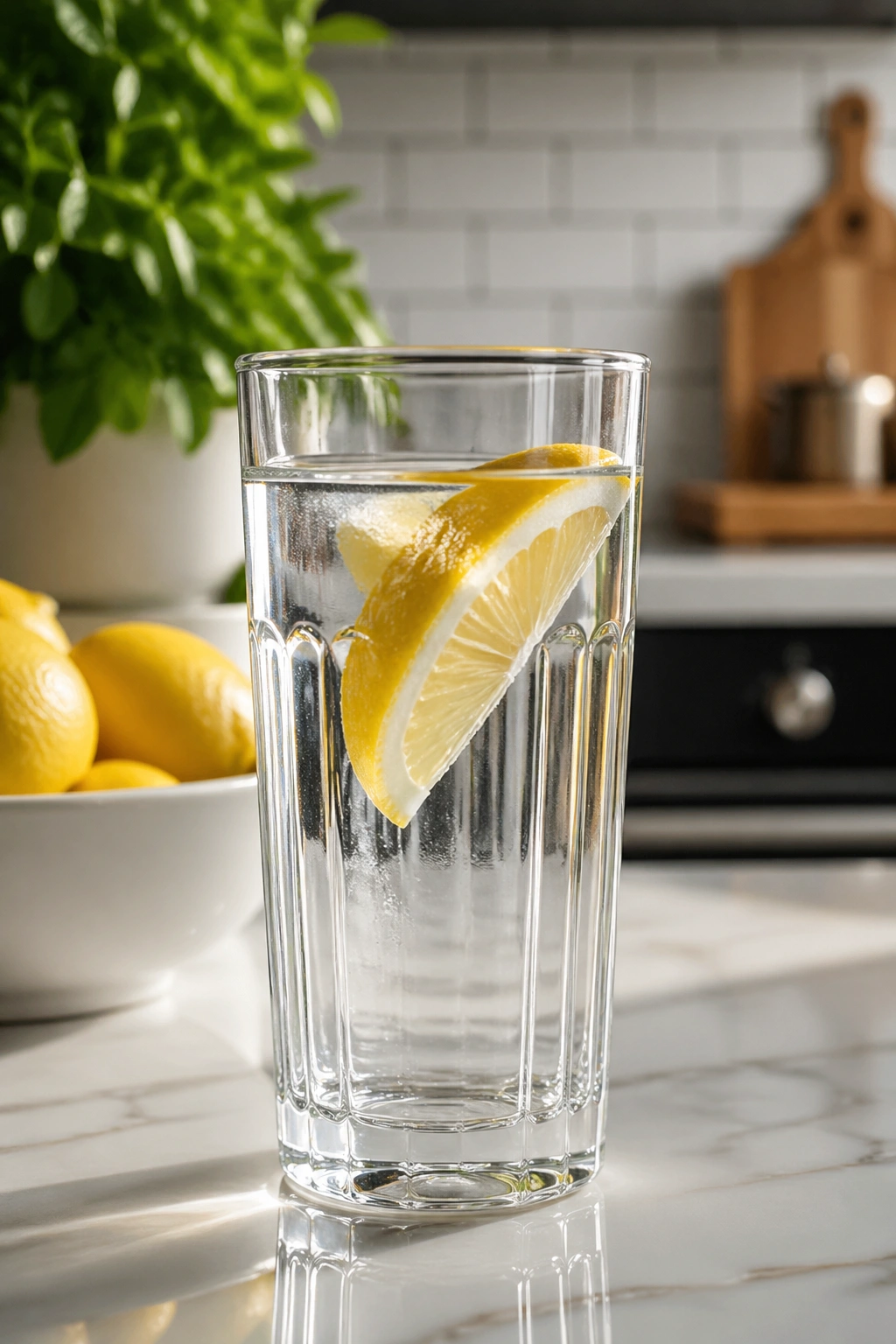
Three drinks can quietly undo a day that looked perfect on paper.
Coffee drinks are the usual culprits. So are smoothies, sweetened “energy” drinks, flavored creamers, and alcohol poured without much thought. Liquid calories do not fill you up the same way solid food does, which makes them easy to underestimate. A coffee habit can slide from a morning ritual into a calorie leak before lunch.
Here is where people get caught:
- Bulletproof coffee with a generous pour of butter and oil.
- Sweetened iced coffee drinks made with syrup and cream.
- “Keto” shakes that taste like a milkshake and act like one.
- Wine poured with dinner, then poured again because the bottle is already open.
- Sugar-free syrups that still keep the sweet tooth loud.
A cleaner choice is plain coffee, tea, sparkling water, or water with lemon. If you want cream, measure it. A tablespoon or two is different from a free-pour habit that creeps upward over time.
Alcohol deserves honesty too. It tends to lower self-control, nudge late-night snacking, and slow the body’s fat-burning priority for a while. If you drink, keep it modest and pair it with food. Dry wine or a simple spirit with soda water usually makes more sense than sugary cocktails.
Belly fat loss often stalls from small drinks, not huge meals. That is annoying. It is also fixable.
6. Fix Electrolytes Before You Blame the Diet
Why does low-carb eating sometimes feel like a headache, a slump, and a weird craving for salty food?
Because keto changes fluid balance fast.
When carbs drop, stored glycogen falls too, and glycogen holds water. As that water leaves, sodium leaves with it. Some people feel flat, foggy, crampy, or irritable during that shift, especially if they also cut salt because they think that is the healthy thing to do. It often is not, at least not on a low-carb plan.
Why the First Stretch Feels Rough
The body is adjusting to a different fuel pattern. During that adjustment, low sodium and low fluid can make your workouts worse and your appetite louder. That does not mean keto is failing. It often means your minerals are off.
What to Eat and Drink
A few simple fixes help:
- Salt your food until it tastes normal, not bland.
- Drink broth or bouillon if you feel weak or headachy.
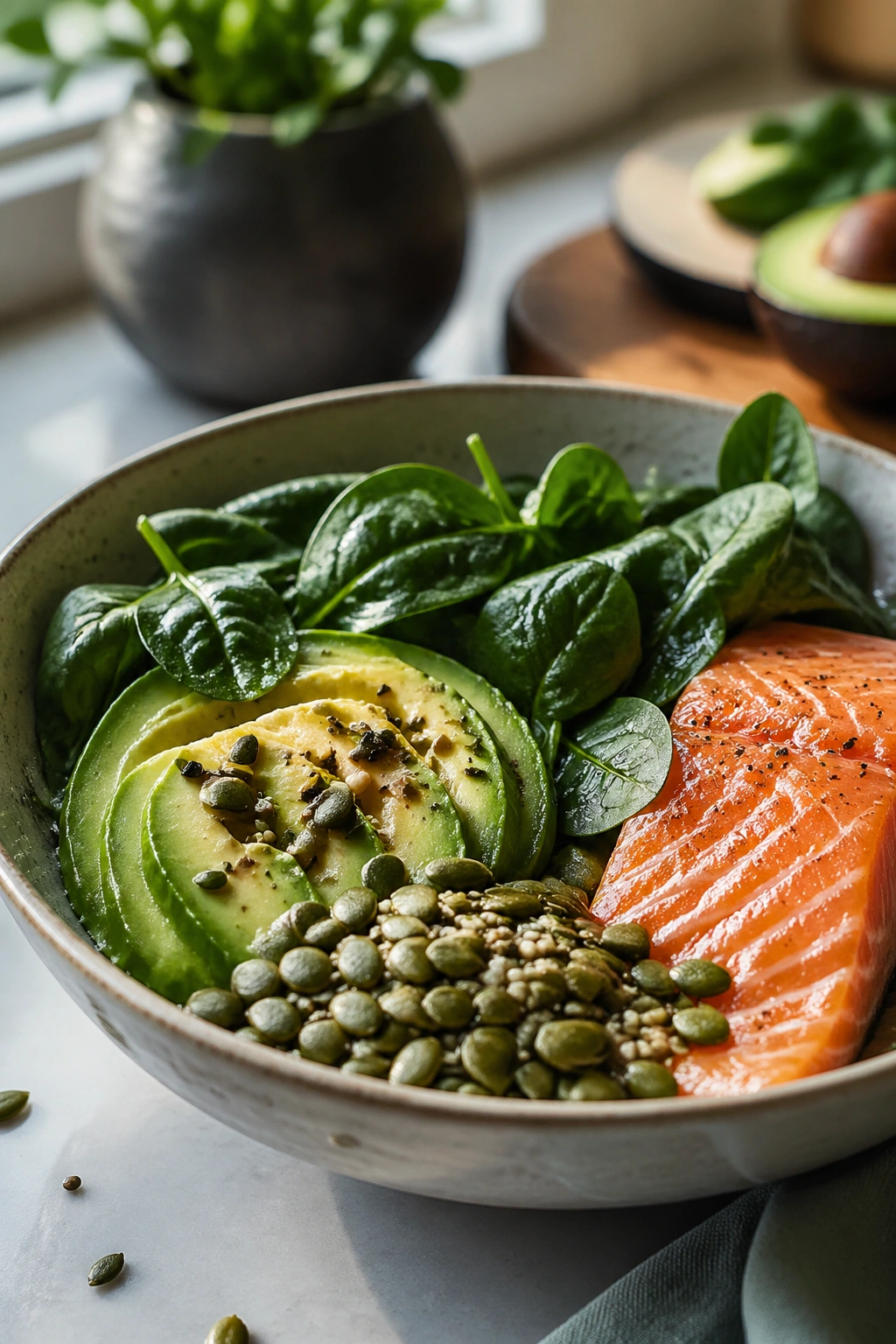
- Eat avocado, spinach, mushrooms, and leafy greens for potassium.
- Use pumpkin seeds or salmon for a little mineral support.
- Consider magnesium from food or supplements if cramps show up.
One caution: if you take blood pressure medicine, kidney medicine, or glucose-lowering drugs, get medical guidance before making big changes to salt, fasting, or carb intake. That part is not worth guessing about.
When electrolytes are in better shape, people usually feel less snacky and more willing to move. That alone can help the waist line more than a fancy new recipe.
7. Lift Weights So More of the Weight You Lose Comes From Fat

If you lift weights, the scale may move slower, but the mirror usually becomes friendlier.
That is the part many people miss. Belly fat loss is not only about seeing pounds disappear. It is also about keeping muscle while fat comes off. Resistance training helps preserve the tissue that keeps your metabolism, posture, and shape looking decent while the diet does its work. Skip it, and you can end up smaller but softer.
A simple routine is enough. You do not need a bodybuilding split or a six-day program. Two to four sessions a week is plenty for most people if the work is honest.
- Squat or goblet squat: 3 sets of 6 to 10 reps.
- Hinge movement like a Romanian deadlift: 3 sets of 6 to 10 reps.
- Push movement like a dumbbell press or push-up: 3 sets of 6 to 12 reps.
- Pull movement like a row: 3 sets of 8 to 12 reps.
- Carry or plank: 2 to 3 rounds.
Keep the weights challenging enough that the last few reps feel like work. Not sloppy. Not reckless. Just enough resistance to make the muscles pay attention.
A tiny warning: do not expect heroic energy in the first low-carb stretch. Ease in, keep form clean, and raise the load later. Sore abs do not burn belly fat. Strong muscles support the look you want once the fat starts coming off.
8. Walk More, Especially After Meals
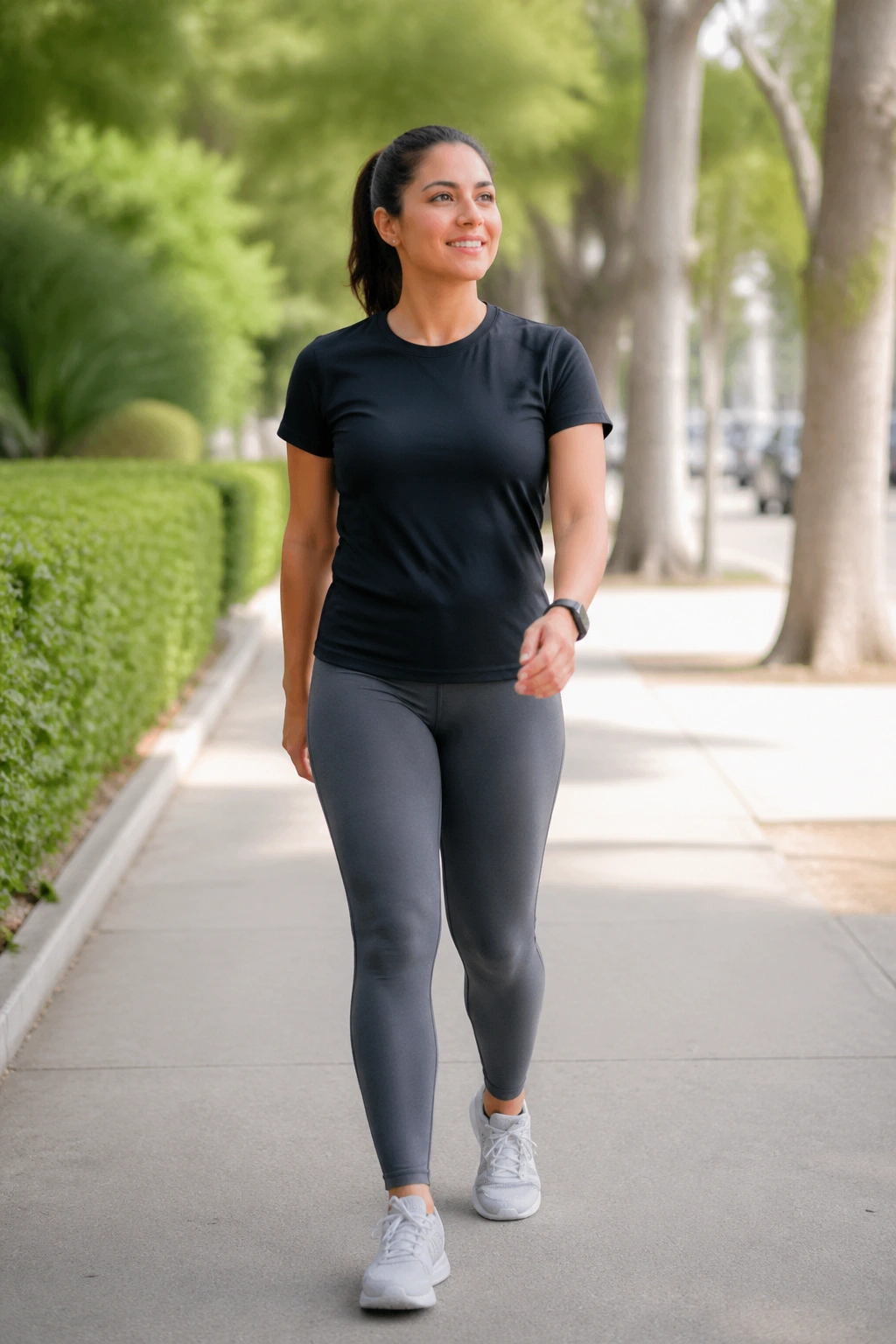
After dinner, walk.
That simple. A 10- to 15-minute walk after eating can help with blood sugar control, digestion, and the heavy sluggish feeling that sends people to the couch. It also breaks up long sitting time, which matters more than most people want to admit. The body likes regular motion.
You do not need punishing cardio to make this work. A brisk walk around the block, a loop through the neighborhood, or a treadmill stroll while watching something dull is enough. The point is frequency. A little movement after meals adds up faster than people think.
Here are easy ways to stack steps without turning the day into a fitness project:
- Walk for 10 minutes after lunch and dinner.
- Park farther from the entrance.
- Take phone calls while standing or pacing.
- Use stairs when it is practical.
- Set a daily step floor and stop pretending the couch is a neutral object.
A lot of people chase hard workouts and ignore the rest of the day. That is backwards. A strong training session helps, but daily walking keeps the body from getting too still, too often.
If you want a low-drama fat loss habit, this is one of the best ones. Cheap. Quiet. Effective.
9. Sleep Enough and Keep Stress From Spiking Hunger

Bad sleep makes keto feel harder than it should.
Short sleep can nudge hunger up, dull self-control, and make salty, fatty foods feel more tempting than they should at night. Stress can do something similar. It does not create belly fat out of thin air, but it can make it far easier to overeat, snack late, and move less the next day. That combination is enough to slow down waist loss.
The fix is not fancy.
Aim for 7 to 9 hours of sleep when you can. Keep the room cool and dark. Shut down bright screens a bit earlier if they leave your head buzzing. If caffeine hits you hard, cut it off well before the afternoon ends. A cup of coffee too late can steal more progress than another workout gives back.
Stress work does not need to be dramatic either. A five-minute breathing break, a short walk after work, or a simple notebook dump before bed can take the edge off a wired evening. I am not talking about turning your life into a wellness retreat. I am talking about reducing the little pressure spikes that send people into the pantry.
One sentence is enough here: a tired brain eats more.
10. Track Your Waist for Belly Fat Loss, Not Only the Scale
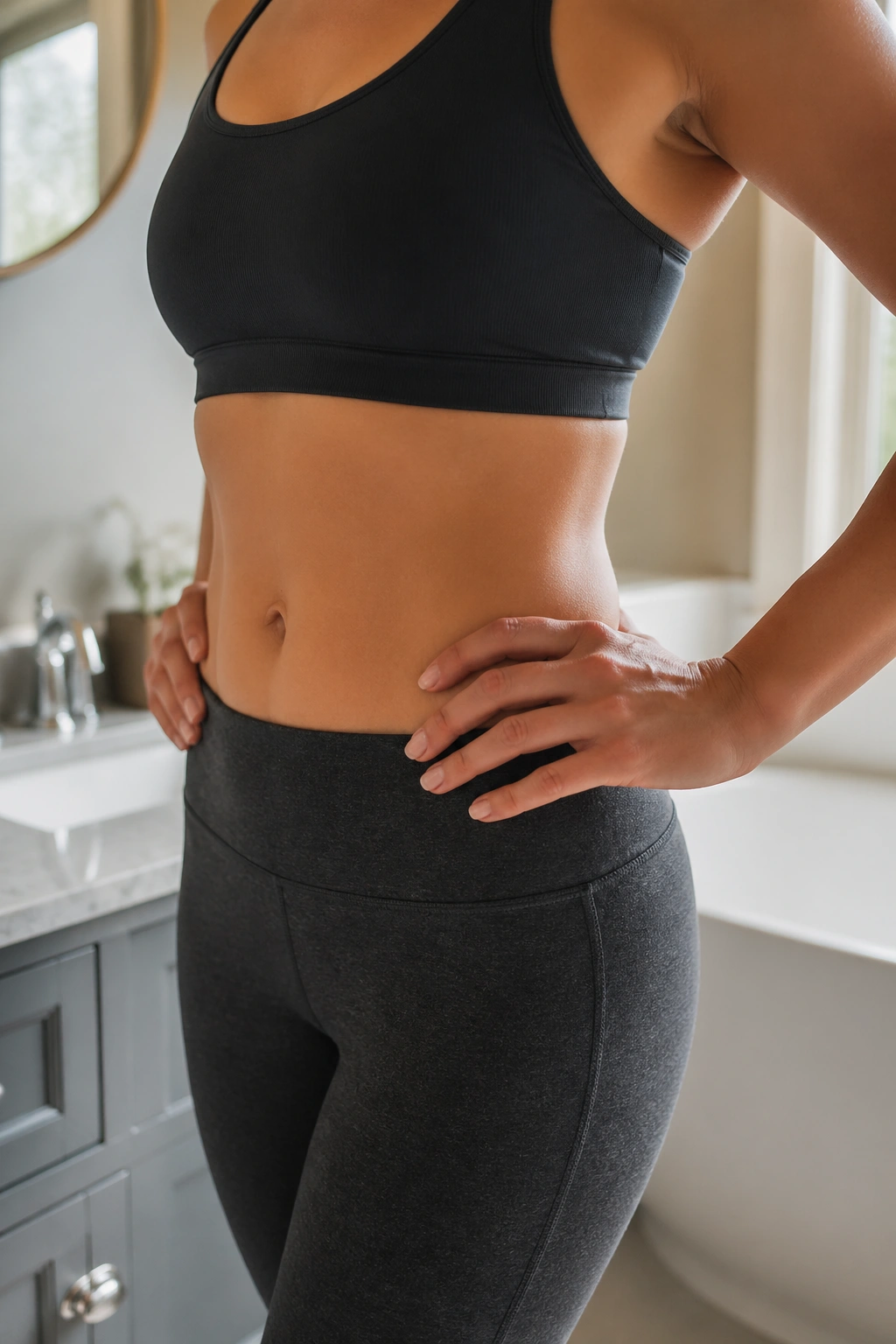
Why can your waist shrink while the scale refuses to move?
Because the scale is noisy. Water, sodium, digestion, hormones, sore muscles, and glycogen all move the number around. Early on in keto, the number can drop fast because water is leaving. Later, it can stall even while fat loss is still happening. That is why waist measurements matter so much for abdominal fat.
How to Measure Without Fooling Yourself
Use a soft tape measure and check the same spot each time.
- Measure at the navel or the narrowest part of the waist, but pick one method and stick with it.
- Take the measurement after using the bathroom and before eating.
- Stand relaxed and breathe out normally.
- Keep the tape snug, not digging in.
- Measure once a week or every two weeks, not every ten minutes.
Progress photos help too. Same light, same stance, same clothes. The belly is often easier to judge by shape than by memory.
What a Good Trend Looks Like
A smaller waistband, looser jeans, and less midsection puffiness are real signs of progress even when the scale is annoyingly stubborn. If your waist drops by an inch or two over time, that is not a side note. That is the point.
The mirror lies less when the tape tells the truth.
11. Use Intermittent Fasting Only as a Support Tool

Intermittent fasting is optional, not a badge.
Some people find it helpful because keto already lowers hunger, and skipping breakfast or shortening the eating window can make calorie control easier. Others get cranky, overeat at night, or train badly when they fast too aggressively. Both reactions are normal. There is no prize for forcing a long fast if it makes the rest of the day messy.
A Gentle Way to Start
If you want to try it, keep it mild at first.
- Try a 12:12 schedule, where you eat within a 12-hour window.
- If that feels easy, try 14:10 for a few days.
- Keep protein high inside the eating window.
- Break the fast with a normal meal, not a snack binge.
This works best when it reduces decision-making rather than turning eating into a contest. A long fast plus a huge dinner can be worse than three calm meals.
Who Should Skip It
If you are pregnant, have a history of disordered eating, take diabetes medication, or feel shaky and weak when you go too long without food, skip the fasting game unless a clinician says it is fine. That is not a weakness. That is basic self-protection.
Keto can work without fasting. Plenty of people do better with three structured meals, no snacks, and a clean stop after dinner. Simple often wins.
12. Make These Keto Diet Tips Work in Real Life

Real life is the test.
A perfect meal plan that collapses at the first birthday party is not a good plan. The people who keep losing belly fat on keto usually have a few boring systems in place: a default breakfast, a fallback lunch, a handful of dinner options, and a grocery list that does not make the fridge a mystery box.
Build a Default Menu
Pick meals you can repeat without decision fatigue.
- Breakfast: eggs with spinach and avocado, or Greek yogurt with a small portion of berries and chia seeds.
- Lunch: chicken salad with olive oil dressing, tuna over greens, or leftover steak with roasted vegetables.
- Dinner: salmon with broccoli, bunless burger with slaw, or pork chops with cauliflower mash.
- Emergency food: hard-boiled eggs, rotisserie chicken, canned tuna, olives, cheese sticks.
A default menu is not boring. It is useful.
Make Restaurant Orders Easy
Restaurants are where good intentions get fuzzy. Pick a protein first, then choose a non-starchy side. Ask for sauce on the side. Swap fries for salad or vegetables. If you know the place serves huge portions, box half before you start eating.
One more thing. Social eating can sabotage keto when the plan is vague. Decide before you arrive what matters most: staying strict, staying social, or staying sane. You can usually have two of those. Sometimes three. Not always.
If you travel a lot, pack a few backup foods that do not require refrigeration for long: beef jerky with simple ingredients, tuna packets, nuts in small portions, or protein powder. The goal is not perfection. It is preventing the accidental slide into three off-plan meals that turn into three off-plan days.
If your plan survives a messy Tuesday, it is probably a good plan.
Final Thoughts
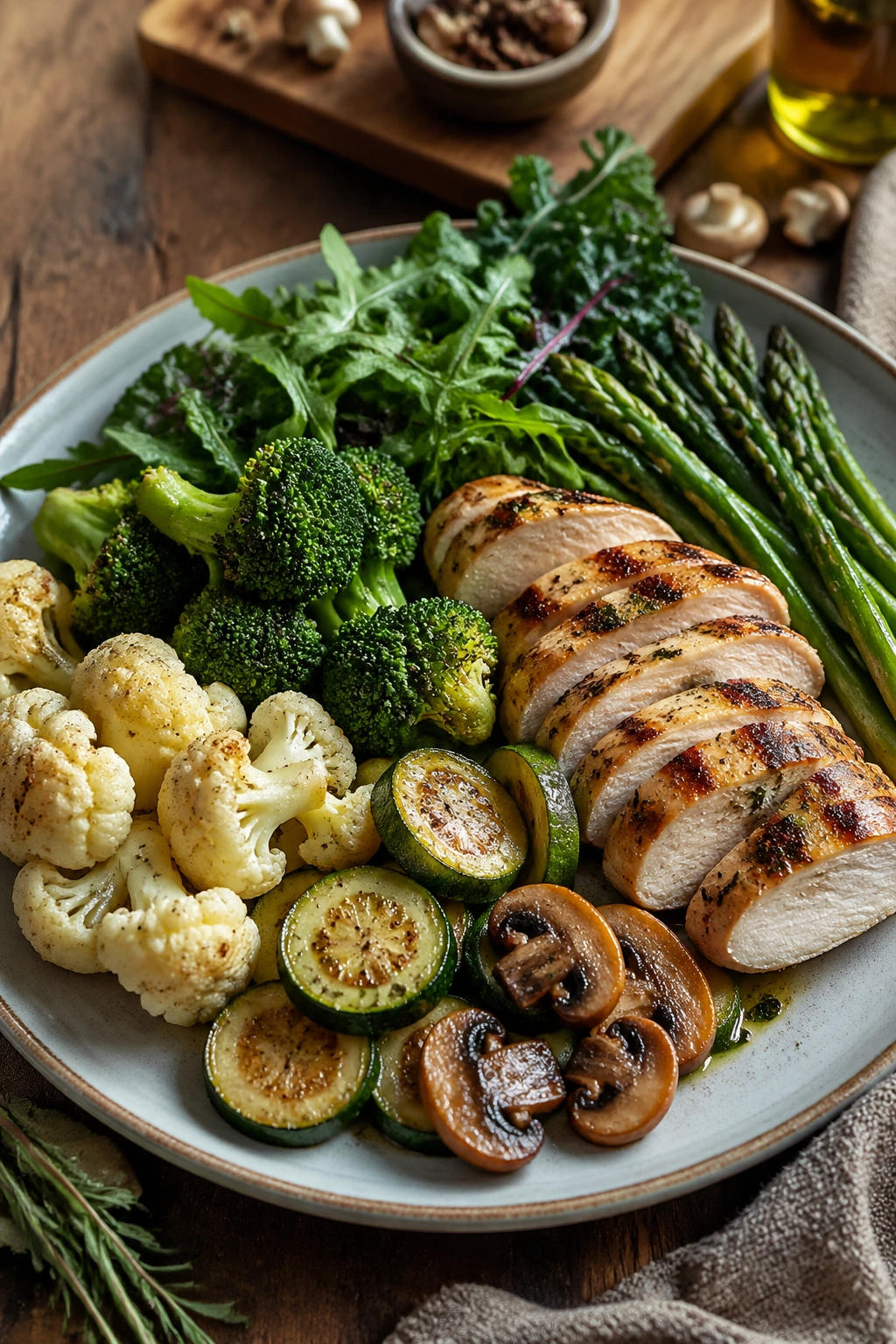
Belly fat loss on keto is less about dramatic tricks and more about removing the small leaks that keep the waist stuck. Keep carbs low enough to stay in ketosis, keep protein high enough to protect muscle, and stop turning added fat into an all-day snack.
Movement matters too. A short walk after meals, a few honest strength sessions each week, and enough sleep can change how your body looks and feels more than another “keto treat” ever will.
If one habit deserves first place, make it the one you can repeat on a bad day. That is where the waist changes.
