



Thirty minute workout videos earn their keep when you want a real sweat without surrendering the whole afternoon.
A good half-hour session has a job to do. It should warm you up, get your heart rate moving, and still leave room for a cooldown that doesn’t feel tacked on. The plain-language guidance from public-health groups is still useful here: about 150 minutes of moderate aerobic work a week, plus strength work on two days. A solid follow-along video can cover a surprising amount of that ground if it isn’t bloated with chatter or filler.
I’m picky about these. If the warm-up is three arm circles and a prayer, I’m out. If the trainer spends half the video explaining why you need to smile through burpees, I’m out faster.
The good ones feel tidy and honest. You finish breathing harder, your muscles have done real work, and your joints don’t feel like they were used for sport. Some days that means low-impact cardio; some days it means dumbbells, boxing rounds, or a slower mobility session that keeps you moving without flattening you. Pick the day, pick the mood, and the right video suddenly does a lot more than fill thirty minutes.
1. 30-Minute Workout Video for Low-Impact Cardio
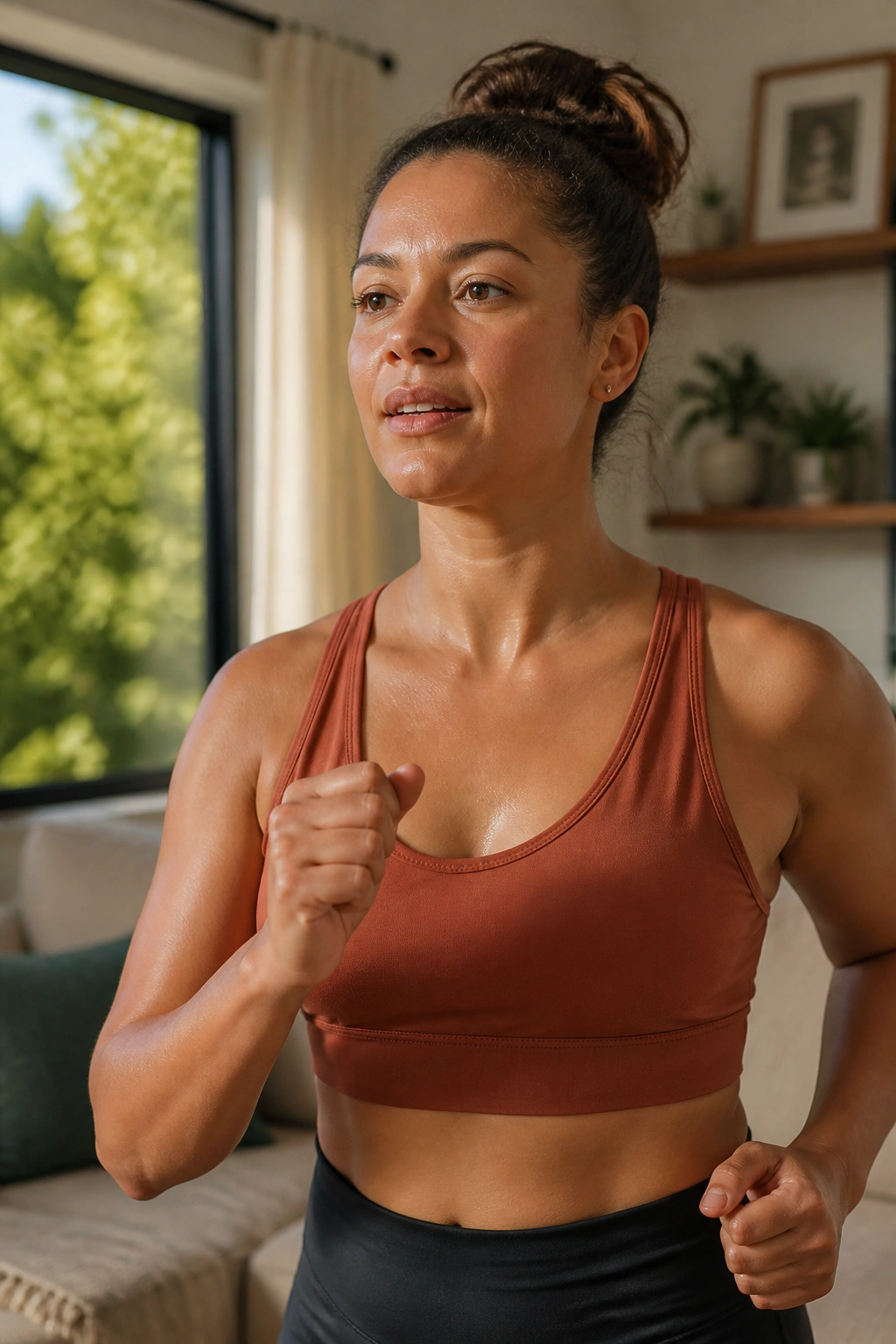
Low-impact cardio is the session I recommend when someone wants to move hard without turning the floor into a trampoline. It’s the quiet achiever of thirty minute workout videos: the pace still climbs, the sweat still shows up, and your knees don’t spend the next hour sending complaints.
Why It Works
A smart low-impact video usually uses marching patterns, side steps, knee lifts, and controlled punches instead of jumps. That keeps the heart rate up while shaving off the repeated pounding that makes some cardio sessions feel rough by minute twelve. If you work at a steady pace, you’ll still get that warm, flushed feeling across your chest and shoulders.
Look for a trainer who gives you a real warm-up, not a fake one. A few minutes of shoulder rolls and a light march are fine to start, but the video should build in layers — arms first, then legs, then combinations. That structure makes the whole thing easier to stick with and, honestly, easier to enjoy.
- Best for: beginners, apartment workouts, and anyone easing back in after a break
- Equipment: none, though a light pair of hand weights can make the upper body work harder
- Watch for: smooth cueing and clear transitions between moves
- Good sign: you can still talk in short sentences, but not sing
My rule: if a low-impact video feels easy for the first eight minutes, keep going; the smart ones tighten the screws later.
2. Full-Body Dumbbell Circuit That Gets Real Work Done
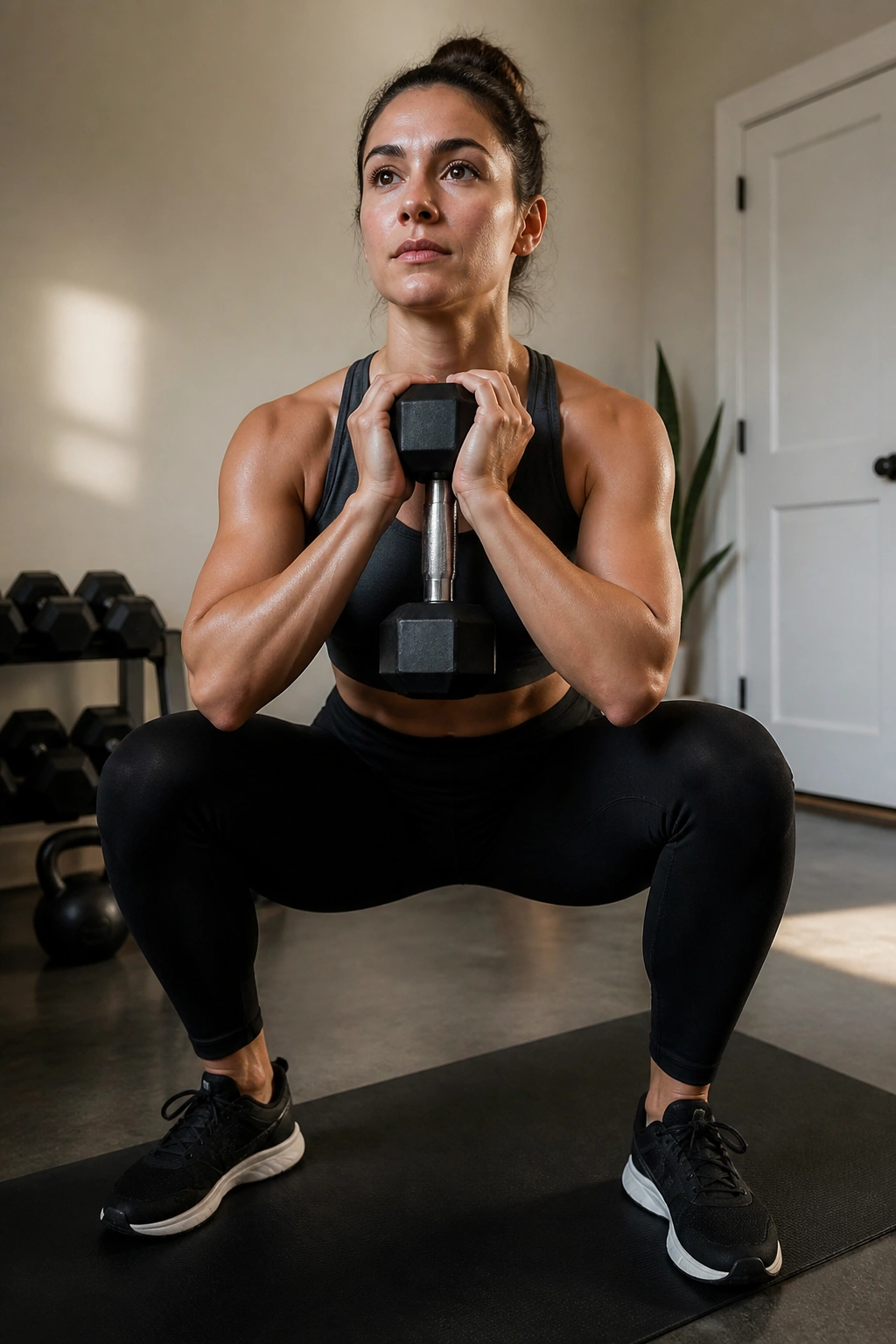
A dumbbell circuit is one of the cleanest ways to pack strength and cardio into the same half hour. You don’t waste much time standing around, and you don’t need a pile of gear to make it effective.
A pair of dumbbells between 5 and 20 pounds covers a lot of ground for most home workouts. Goblet squats, rows, presses, deadlifts, and reverse lunges all show up naturally in this format. The best videos keep the moves simple enough that you can focus on form instead of trying to solve a puzzle while your heart rate climbs.
I also like videos that use tempo on purpose. A slow lower on a squat or a controlled row makes a modest weight feel much heavier. That’s the kind of detail that separates a decent workout from one that leaves you wondering why your legs feel cooked despite the short runtime.
A sloppy circuit is obvious fast. The trainer rushes through reps, the rest windows vanish, and you spend the last ten minutes flailing through exercises that should have been crisp and clean. Skip that version. A good dumbbell video should leave your shoulders, glutes, and upper back equally annoyed.
3. No-Equipment HIIT for Days When You Don’t Want to Think
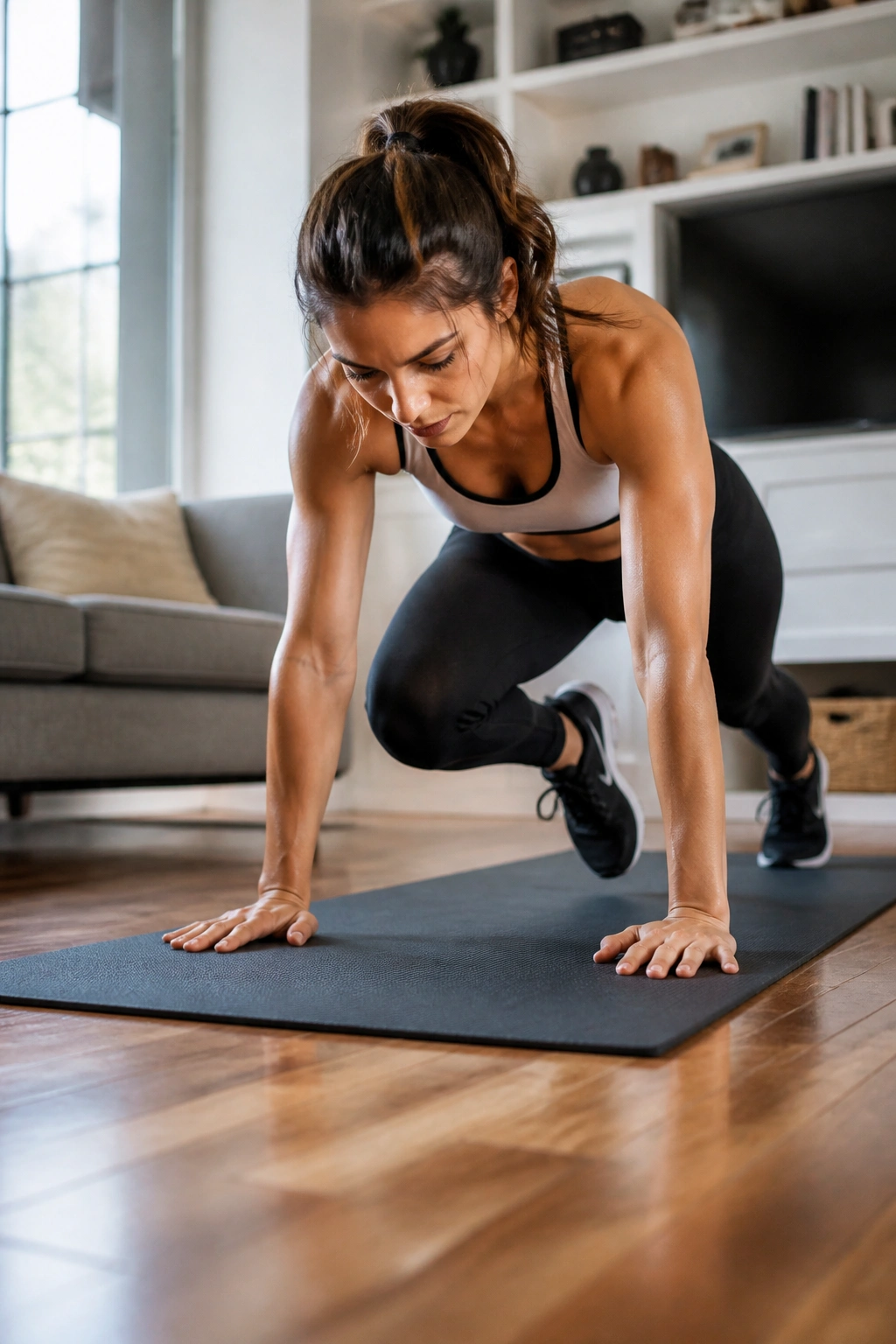
Can a no-equipment HIIT video still feel hard? Yes — if the intervals are honest.
The best bodyweight HIIT sessions use short work blocks, usually 20 to 40 seconds, with enough recovery that you can keep your form together. Burpees are not mandatory. Neither are jump squats. A well-built video can use squat thrusts, mountain climbers, fast step-outs, plank taps, and high knees to get the same job done without turning the whole thing into impact roulette.
How to Scale It Without Quitting
Start with the instructor’s easier version for the first round, even if your ego objects. That usually means stepping instead of jumping, keeping hands on the floor for mountain climbers, or shortening the range on lunge variations. Good HIIT doesn’t care if you’re flashy. It cares whether you can keep moving with control.
If the video gives you clear rest and recovery, it’s probably worth your time. If the rest is a joke, the pace becomes frantic, and your form starts looking like a folding chair in a windstorm, the session is trying too hard.
- Best for: short attention spans, high energy days, and people who want a quick sweat
- Scale it: step instead of jump, cut work intervals to 20 seconds, or pause between rounds
- Watch for: solid cues on landing softly and bracing the core
- Avoid: videos that treat sloppy reps like a badge of honor
No equipment helps here, but only if the programming is smart.
4. Pilates Core Burn That Actually Respects Your Back
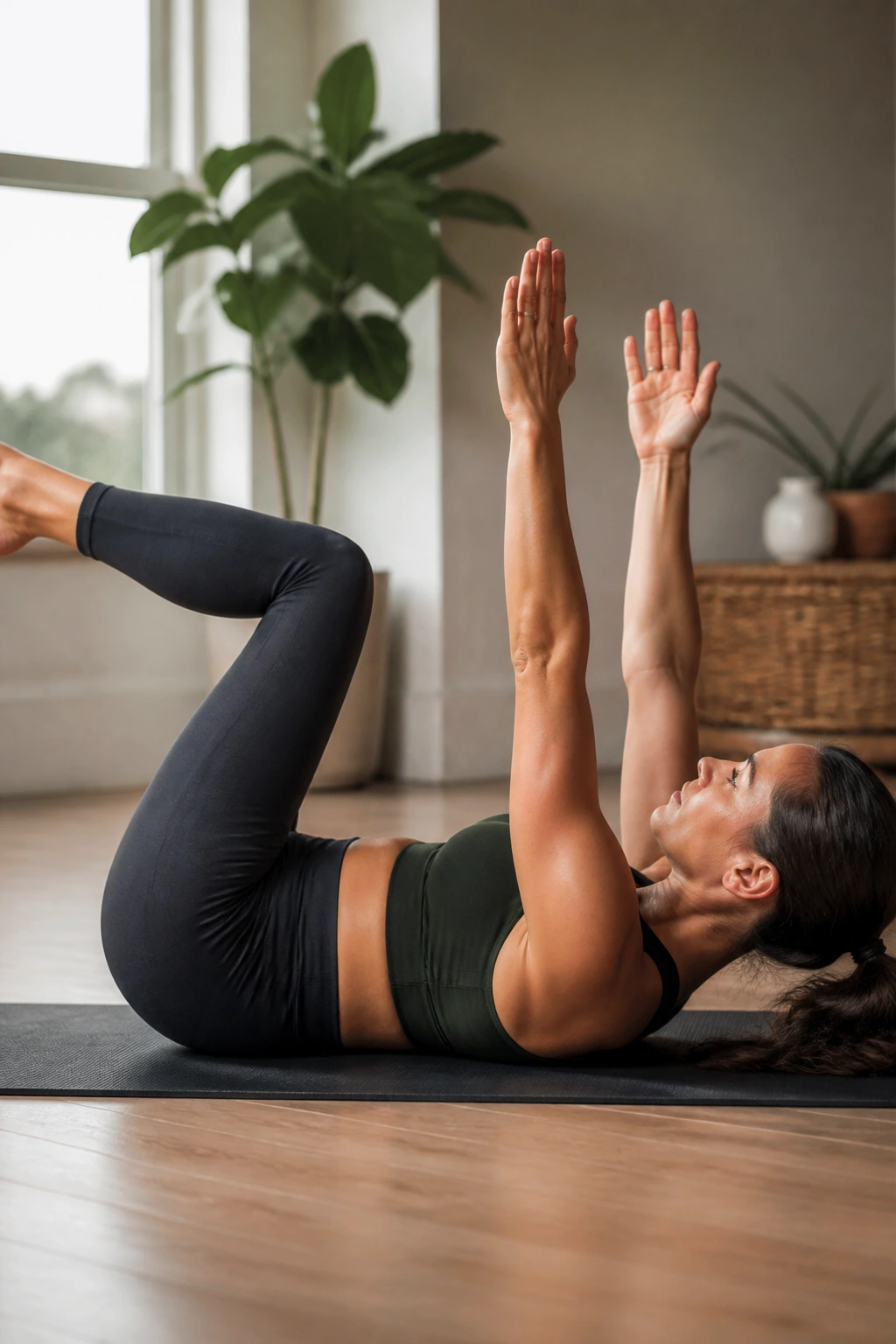
You roll out a mat because your hips feel tight, your lower back is a little cranky, and you want your core to do more than just exist. That’s where a good Pilates video earns its spot.
Pilates is sneaky. The moves look small, then your midsection starts shaking in that very specific way that tells you the work is deeper than it looked on screen. Slow leg lowers, dead bugs, tabletop holds, toe taps, and roll-downs can do a lot when the cueing is clean and the breathing stays steady.
What Makes a Good Pilates Video Different
The best ones don’t chase speed. They give you time to set your pelvis, find the rib position, and keep your neck from taking over every exercise. That matters more than people think. If the neck and hip flexors are screaming, the core work has gone sideways.
A mat, a small towel, and maybe a soft pillow under the head are often enough. I like Pilates sessions that build from easy spinal articulation into more demanding holds, because they give your body a minute to wake up before the harder work starts.
- Look for: clear breath cues and slow transitions
- Useful moves: toe taps, side-lying leg lifts, hundred variations, and controlled bridges
- Best for: core strength, posture, and low-impact conditioning
- Bonus: it pairs well with walking or light strength on other days
The burn should feel precise, not chaotic.
5. Shadowboxing and Kickboxing Rounds for Pure Energy
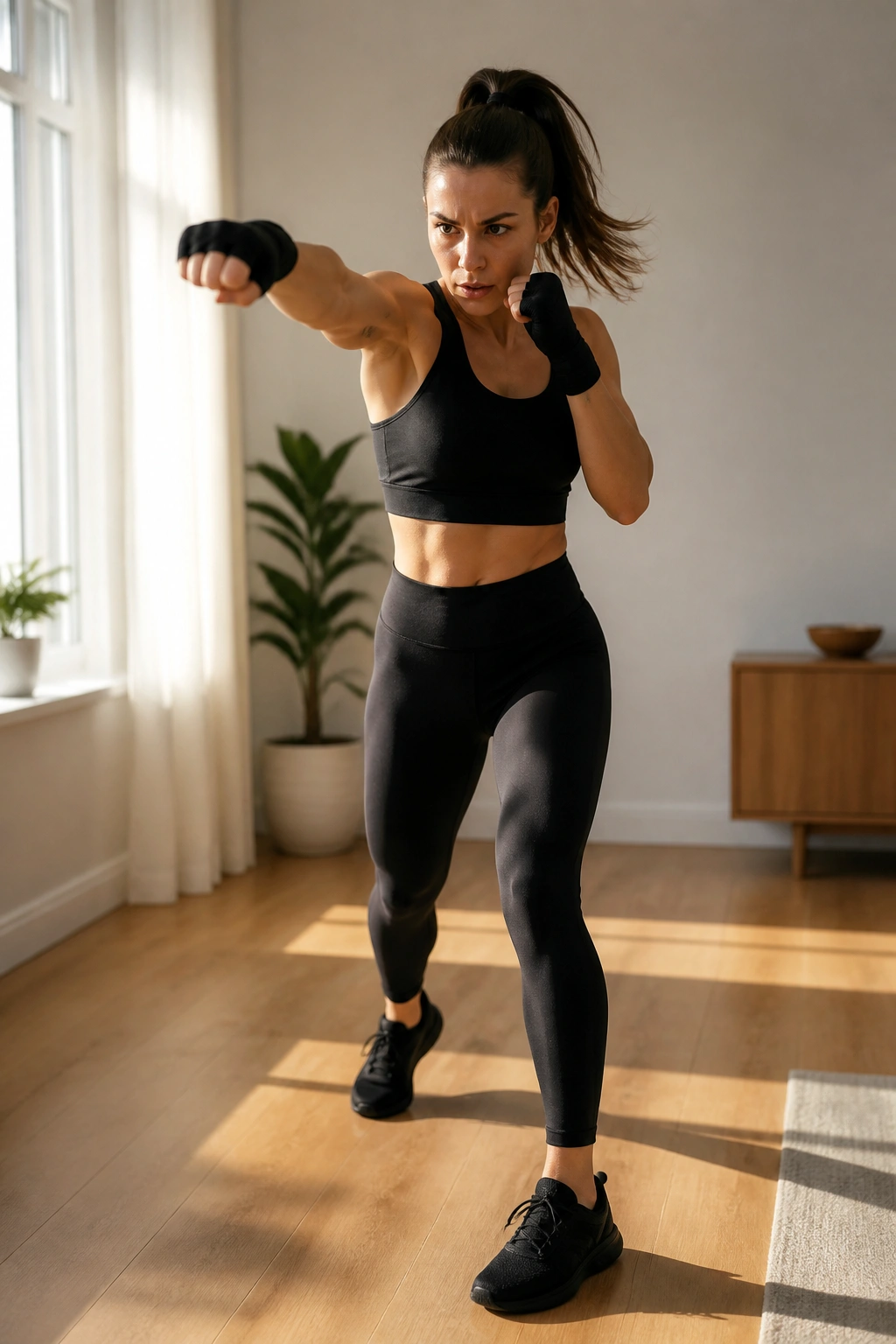
Shadowboxing gets warm fast. So does kickboxing-style cardio, which is part of why I keep recommending it to people who want a workout that feels a little sharper than a marching routine and a little less punishing than sprint intervals.
The rhythm is the appeal. Punch combinations, front kicks, knee drives, and quick footwork keep the brain busy enough that the session doesn’t crawl. You’re counting, shifting stance, rotating through your hips, and trying not to let your hands drop. That mental focus matters. It’s a good kind of busy.
A strong kickboxing video also teaches you something while it works you over. Your jab should come from the shoulder, your cross from the hips, and your guard should come back to your face before the next combination. Those details sound small, but they stop the workout from turning into random arm waving.
I prefer videos that alternate between rounds and brief recovery. Three-minute work blocks with 30 to 60 seconds of reset feel honest. Anything longer can drift into sloppy territory unless the pace is beautifully controlled. And that’s the thing with boxing cardio — form drops off fast when the video gets too greedy.
6. Gentle Yoga Flow for Tight Hips and a Busy Head
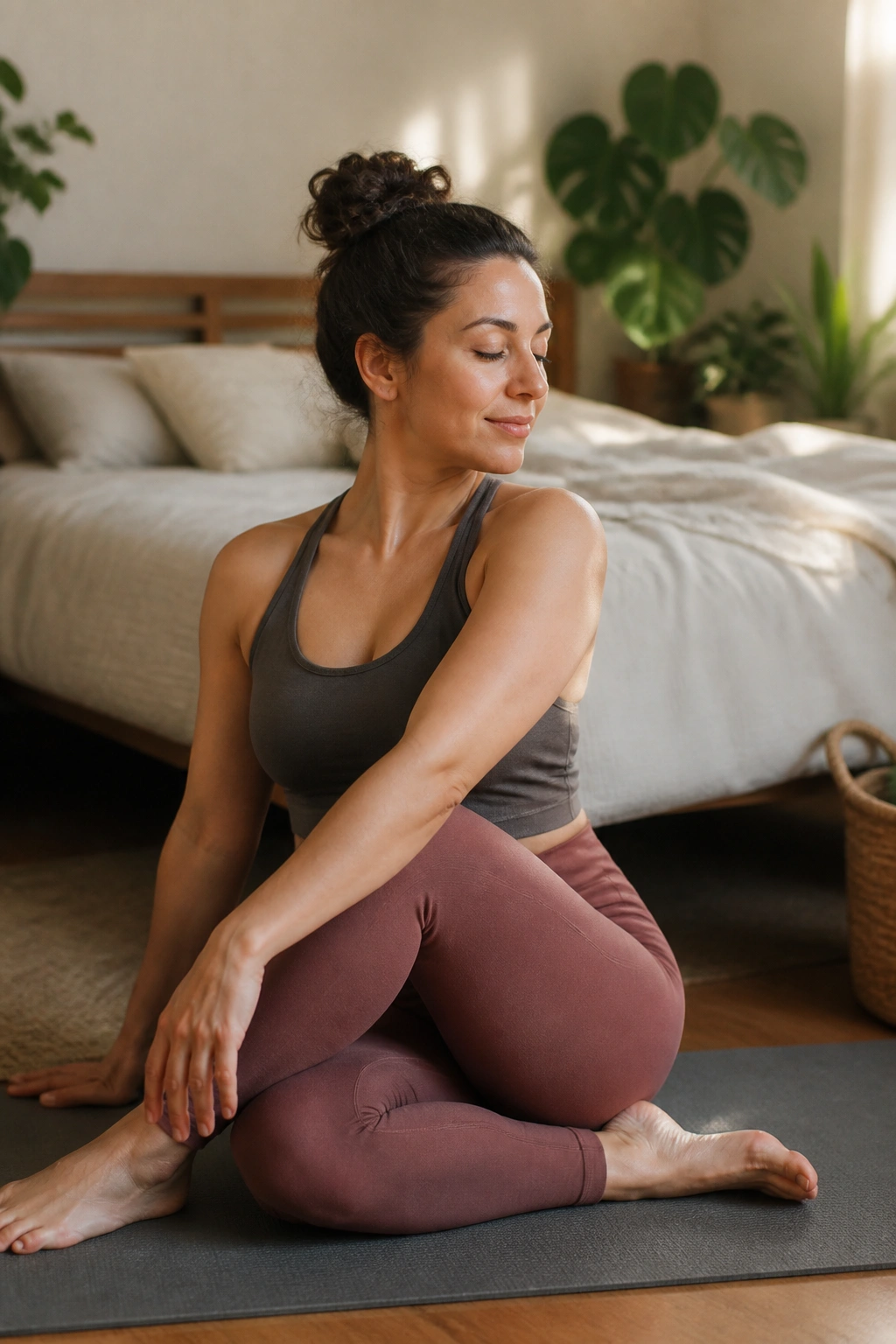
Unlike fast cardio, a gentle yoga flow gives you room to notice what’s tight before it turns into a bad movement pattern. That makes it a strong pick for recovery days, stressful mornings, and anyone who wants to move without feeling chased.
The best versions move at a human pace. They use breath cues, longer holds, and transitions that don’t demand circus-level balance. You’ll see cat-cow, down dog, low lunge, seated twists, and hip openers that hold long enough for the tissue to settle. No rushing. No weird performance energy.
If a yoga video calls itself gentle but the instructor is firing off poses like a playlist on fast-forward, that’s not gentle. It’s just faster yoga. A good one leaves you looser in the hips, less crunchy through the spine, and a little quieter in the head than when you started.
This is the session I reach for when I don’t want to “train” in the classic sense. I want to move, breathe, and stop feeling like my shoulders are sitting somewhere near my ears.
7. Kettlebell Strength and Cardio in One Small Package
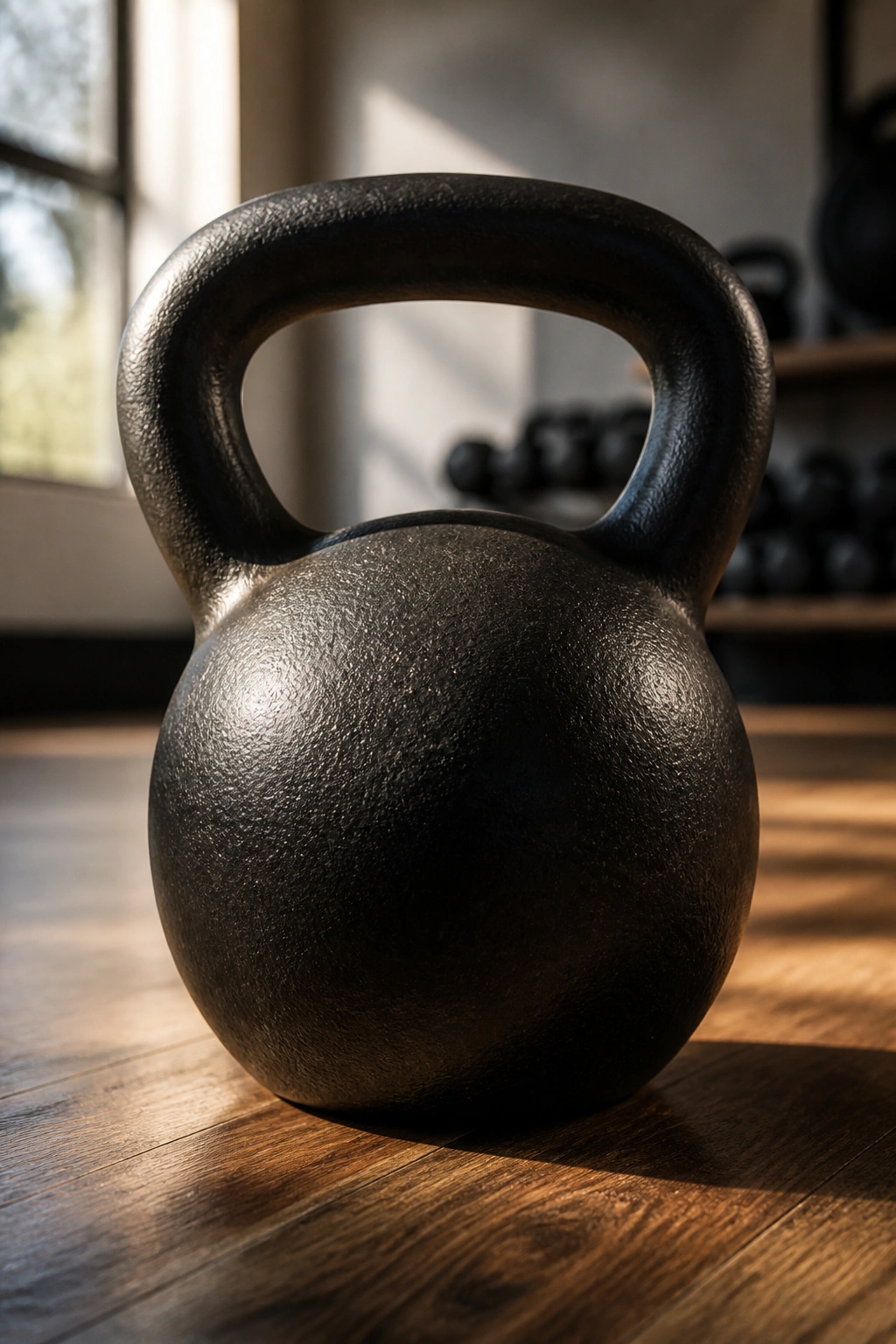
A kettlebell is the one piece of home gear that earns its floor space. It can swing, squat, press, row, and carry, which means a single 30-minute video can cover a lot without feeling repetitive.
What to Look For
A good kettlebell follow-along should teach the hinge first. If the trainer jumps into swings before you know where the hips are supposed to go, the video is doing you a disservice. Deadlifts, goblet squats, clean-and-press work, and one-arm rows are the moves that make the format useful for real strength.
For most people, a single bell in the 8 to 16 kg range is enough to start. If you’re newer, lighter is smarter. If the bell flies around because it’s too light, you’ll lose the control that makes kettlebell training effective in the first place.
- Best for: posterior chain strength, grip work, and a little cardio hit
- Great signs: slow teaching, a clear hinge cue, and enough rest between rounds
- Common miss: too many swings, not enough squats or presses
- Tip: your back should stay quiet; your hips should do the work
Kettlebell videos are not the place for rushed ego. They reward clean movement.
8. Upper-Body and Core EMOM Videos That Stay Tight
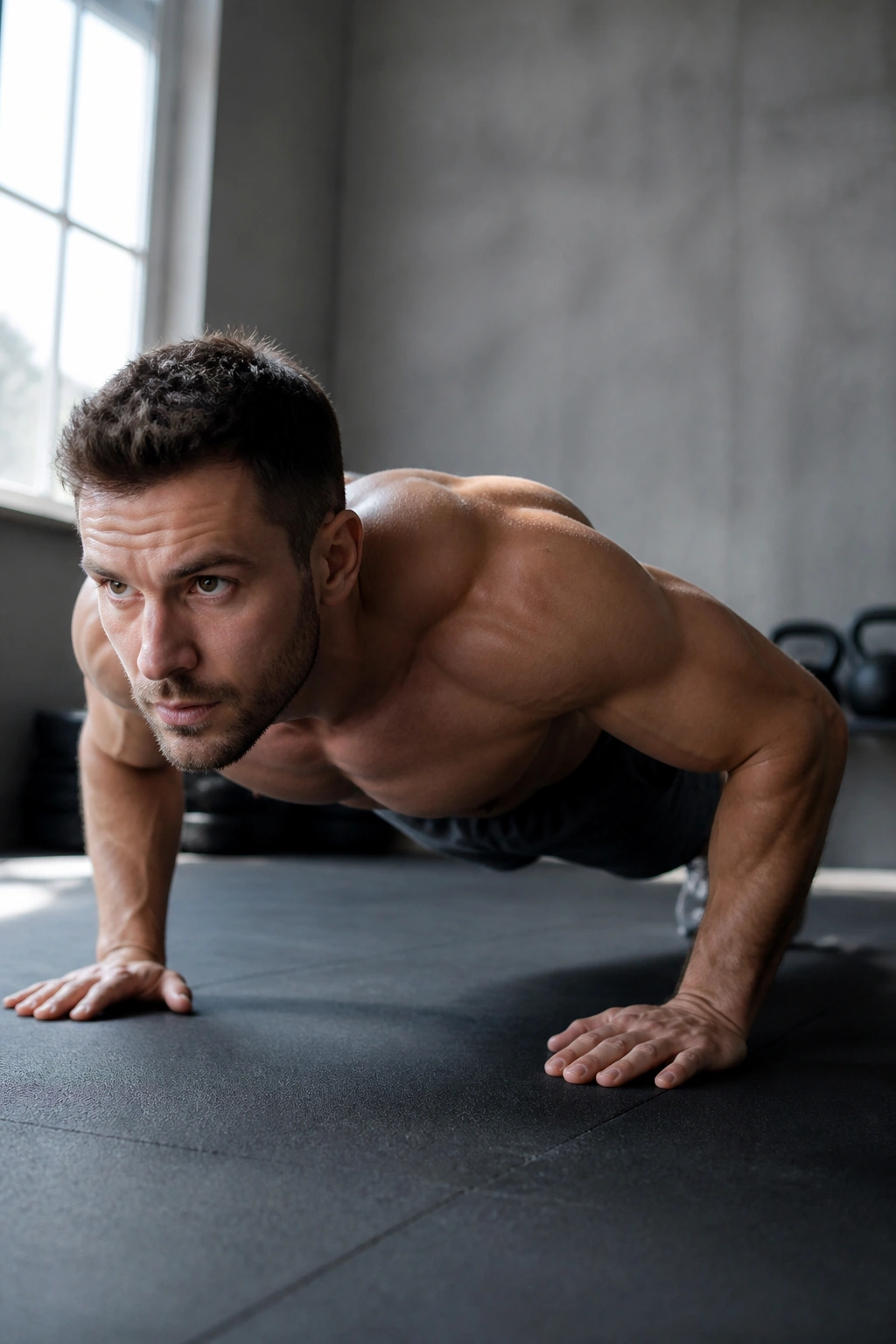
EMOM videos are sneaky. Every minute on the minute sounds simple until the timer starts barking at you and your push-ups suddenly feel expensive.
The format works because it removes drift. You get a move, a clock, and a little pressure to finish with some breathing room left. That means you can spend one minute on push-ups, the next on bent-over rows, then a plank variation or dead bug set after that. It’s tidy. It also keeps you honest.
I like EMOM workouts because they’re brutally clear about pacing. If you finish your reps in 35 seconds and the remaining 25 seconds feel like a gift, the structure is working. If you’re scrambling to finish by the buzzer every single round, the workout may be a touch too ambitious for the weight or rep count you chose.
A solid upper-body and core EMOM should leave your chest, shoulders, and deep midsection feeling taxed without wrecking your lower body. That makes it a great companion to walking, yoga, or a legs-focused day. Short, targeted, and a little bossy. That’s the appeal.
9. Dance Cardio That Wins by Being Fun
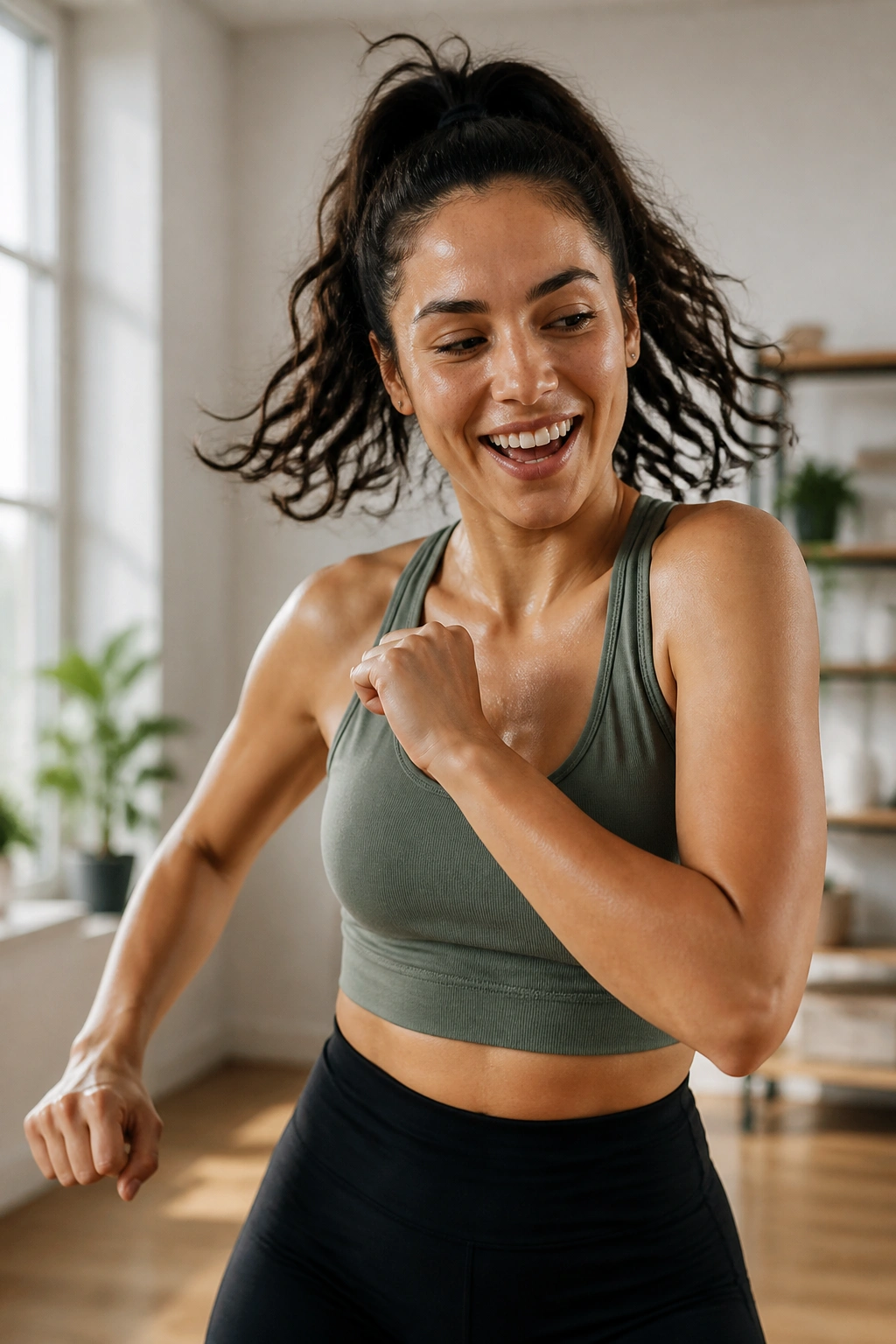
Why do dance cardio videos stick when straight cardio so often feels like a chore? Because your brain gets something to do besides complain.
The best dance sessions repeat patterns long enough for you to catch on. That matters. Once your feet understand the sequence, you stop feeling like a confused guest at a wedding and start getting into the rhythm. A good instructor keeps the moves simple, the music driving, and the energy up without asking for perfect coordination.
How to Keep Up Without Getting Lost
Ignore the arms at first if the footwork is the real challenge. Seriously. The people who get frustrated fastest are usually trying to match every cue at once, and that’s a fast way to trip over a grapevine step. Learn the feet, then add the arms when the pattern settles in.
Dance cardio is also one of the better options for anyone who hates staring at a clock. You’re following counts, not waiting for each minute to die. That small shift can make thirty minutes go by faster than you expected.
- Best for: mood, coordination, and people who want cardio without the punishment vibe
- Watch for: repeated combos and a clear preview before each new sequence
- Scale it: keep the steps smaller, or stay on the lower-impact version
- Good sign: you’re sweating, but you’re still smiling a little
Not every workout has to feel stern. This one can feel alive.
10. Mobility and Recovery Flow for Stiff Mornings
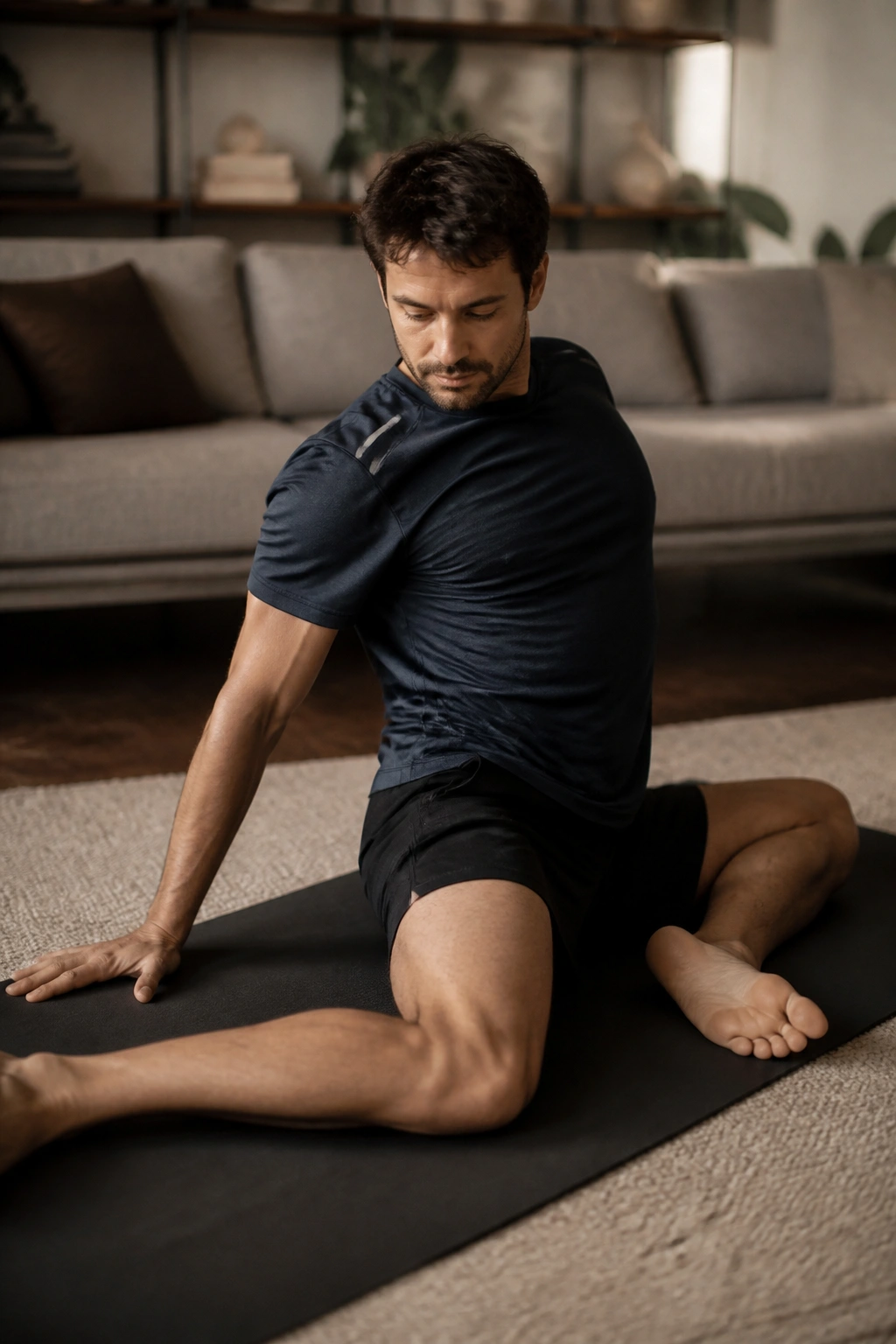
On days when your hamstrings feel like guitar strings and your back is annoyed with the chair you sat in yesterday, a mobility video is the smart call. It’s not lazy. It’s maintenance.
The best recovery sessions do three things: they move the hips through a few angles, open the upper back, and get the ankles working again. That might look like 90/90 switches, couch stretch, thoracic rotations, calf rocks, and slow spinal twists. Nothing dramatic. Which is exactly the point.
The Moves That Pay Off
- 90/90 switches for hip rotation
- Couch stretch for the hip flexors
- Cat-cow to wake up the spine
- Thoracic openers to loosen the upper back
- Ankle circles and calf rocks to help lower-body mechanics
A good mobility video should feel like pressure coming off, not like a stretching contest. If you’re gritting your teeth through every hold, the session is probably too aggressive for a recovery day. The goal is better range and easier movement when you stand up, not a medal for suffering.
I like to use these sessions after leg day, after long sitting stretches, or right before sleep. They’re quiet work. That counts.
11. Lower-Body Glute Videos That Don’t Waste Your Time
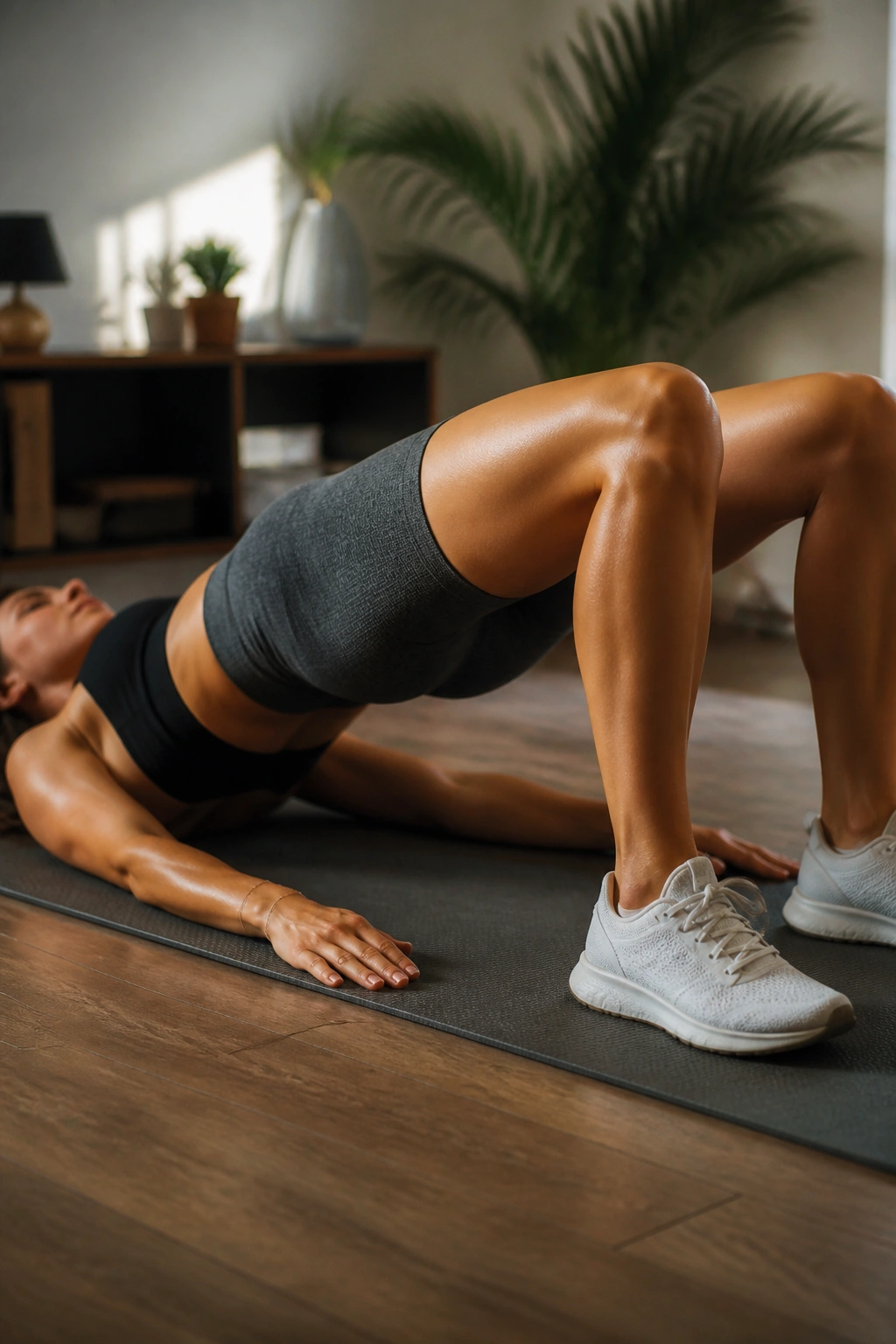
A good lower-body video should make your glutes, hamstrings, and thighs work in a way you can feel before the halfway mark. If your lower back is doing all the talking, something in the cueing is off.
The better sessions mix squats, split squats, glute bridges, Romanian deadlift patterns, and lateral work like band walks or side lunges. That mix matters because it keeps the workout from being all burn and no balance. Glutes don’t grow stronger from one repeated angle alone. They like variety, load, and enough control to keep the reps clean.
I’m a fan of videos that slow the descent on squats and bridge work. A three-second lower makes a bodyweight move feel more useful than a rushed set of twenty shallow reps. The point isn’t just to get tired. The point is to give the muscles a reason to adapt.
A mini-band helps, but only if the video uses it well. Too many trainers slap a band above the knees and then rush through moves that don’t allow the hips to stay steady. Better cueing beats fancier gear. Every time.
12. Treadmill Incline Walks for Quiet, Hard-Working Cardio
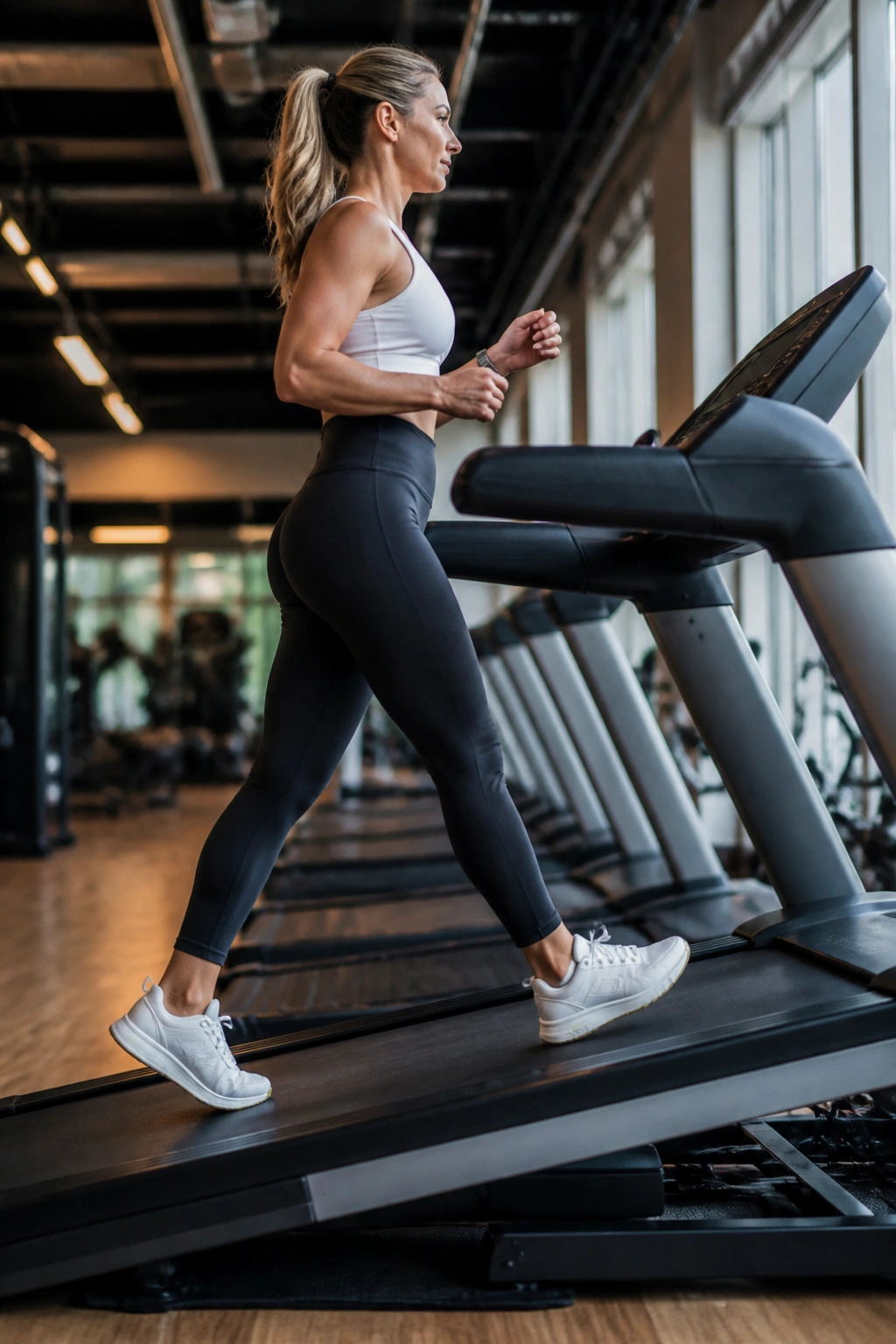
Unlike running, incline walking builds cardio without the same level of impact. That’s why it’s such a good option when you want to work hard but keep the joints calmer.
The best treadmill videos are more than “walk uphill until you’re bored.” They give you pace changes, incline blocks, and recovery windows that let your breathing swing up and down in a sane way. A steady 3.0 to 4.0 mph speed with incline shifts around 4% to 10% can be plenty, depending on the person and the day.
Incline walking is especially good if you like simple instructions. You don’t have to learn choreography. You don’t have to worry about landing mechanics. You just walk with purpose, keep your chest lifted, and avoid hanging onto the rails like they owe you money.
I’d use this on days when I want to move without feeling wrung out. It’s also a decent bridge for people coming back from a break because it lets you rebuild stamina without asking the ankles, shins, and calves to absorb a lot of impact. Quiet work. Harder than it looks.
13. Barre-Style Burn for Legs That Start Complaining Early
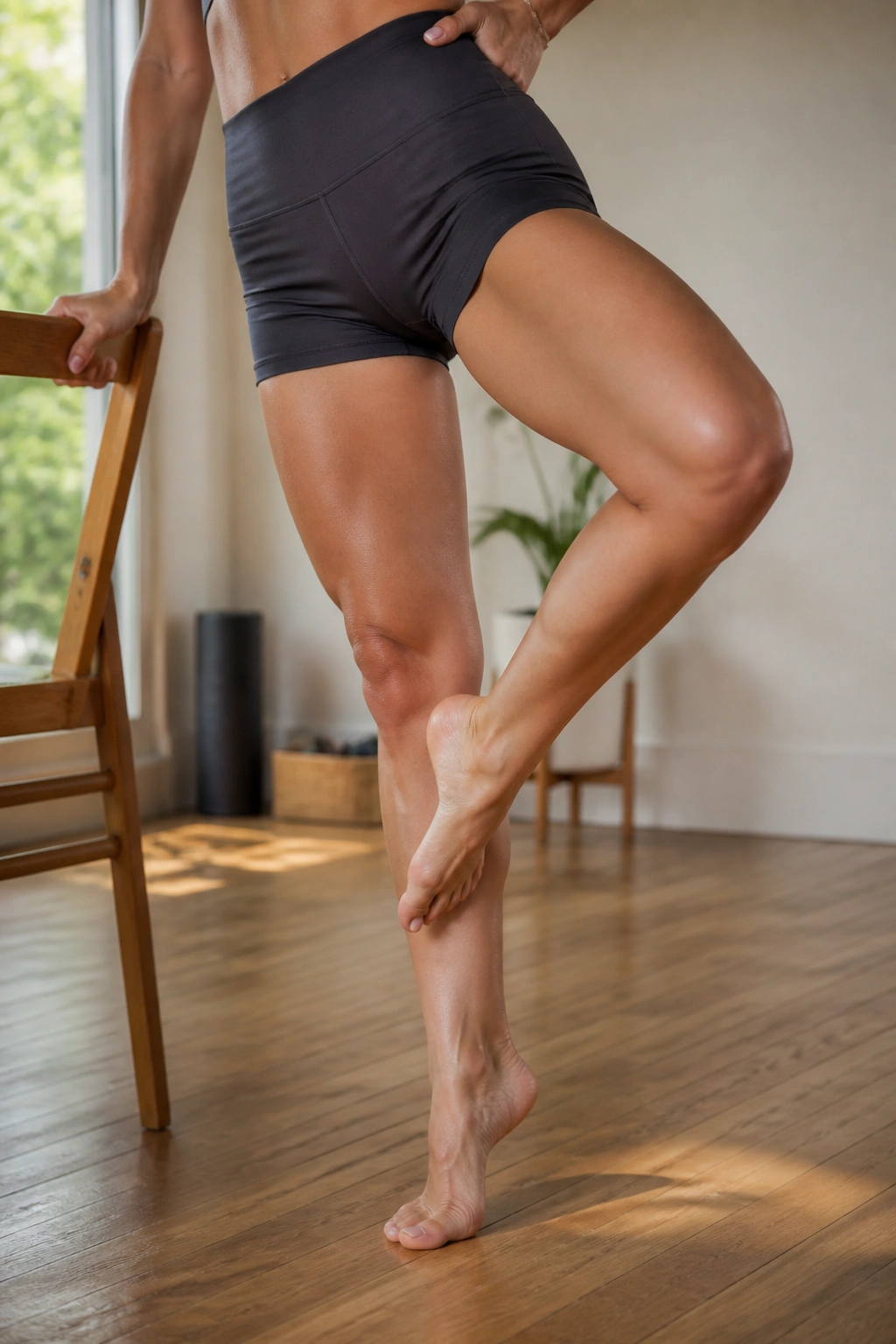
Barre videos are sneaky. The movements are tiny, the pulses look harmless, and then your thighs start sending messages you didn’t ask for.
What Makes It So Oddly Hard
The format leans on isometric holds, small range-of-motion work, and a lot of time under tension. That means your muscles stay active longer without the easy relief of big, swinging movements. Pulses, heel lifts, seat work, and standing leg series create a burn that feels local and immediate.
A strong barre session usually keeps the choreography simple enough that you can concentrate on posture. Lift through the crown of the head, brace lightly through the core, and keep the shoulders out of your ears. If the instructor is bouncing through the work like a caffeinated rabbit, it’s probably not barre. It’s just panic with music.
- Best for: inner thighs, glutes, calves, and posture
- Equipment: a chair, a light band, or nothing at all
- Watch for: slow counts and long holds
- Tip: tiny movements count more than they look like they should
Barre is not dramatic. That’s part of the charm. The burn sneaks up, and then it stays.
14. 30-Minute Workout Video for Beginner Bodyweight Strength
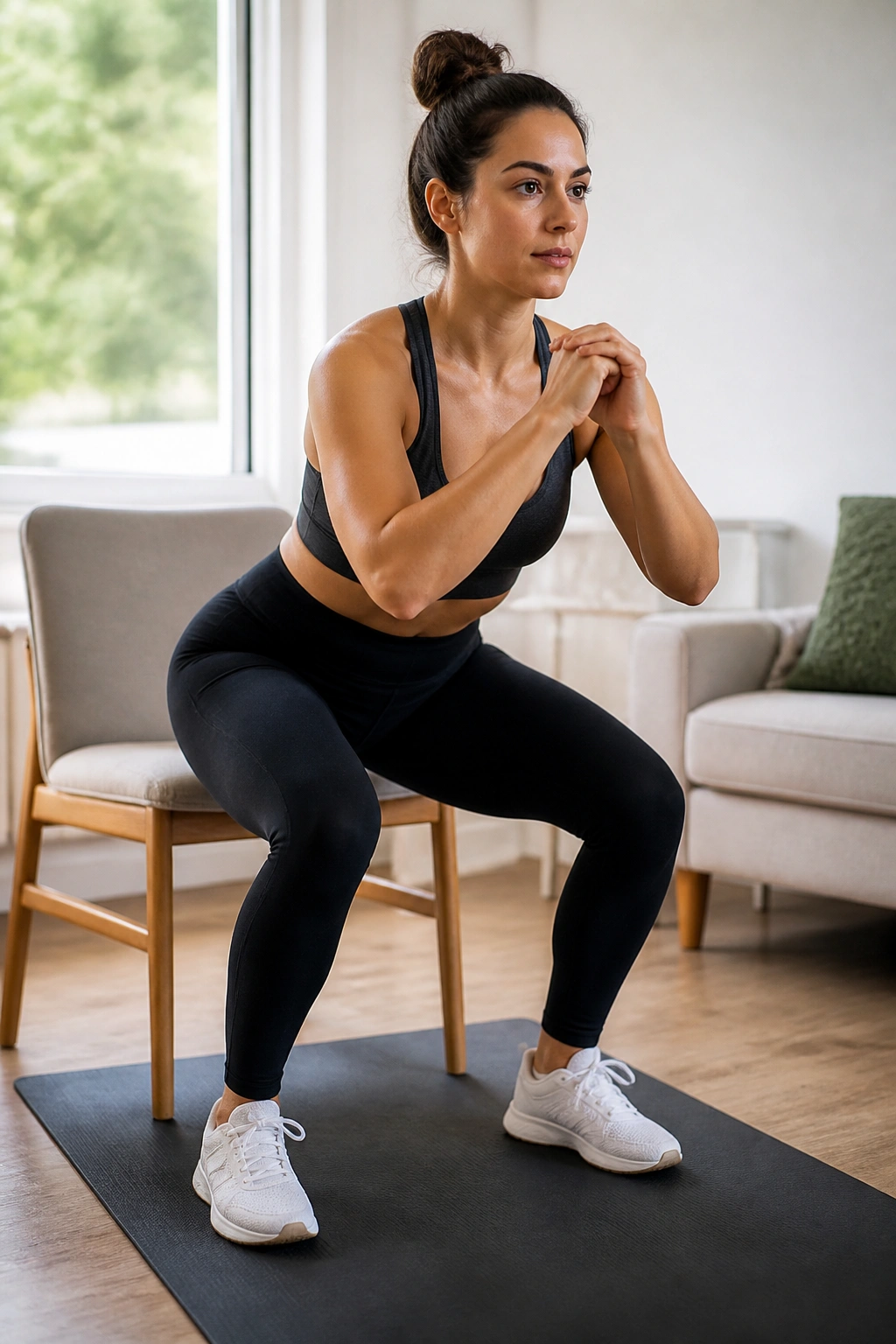
A beginner strength video should not feel babyish. It should feel teachable.
That’s the difference. You want a coach who can show a squat to chair, an incline push-up, a hip hinge, a step-back lunge, and a dead bug without making the whole thing feel watered down. The workout still needs enough structure to be useful, but the cueing should slow down where beginners need it most: setup, foot placement, torso position, and breathing.
I like beginner videos that build from basic to slightly harder within the same session. Start with bodyweight squats, then maybe add a pause at the bottom, then move to a split stance or a light dumbbell. That progression helps you learn the pattern instead of just surviving a random list of exercises.
If the video shows common mistakes on screen, that’s a green flag. So is a trainer who uses plain language instead of tossing around vague reminders like “engage everything.” Tell me where my ribs go, where my weight should sit on the foot, and how the move should feel. That’s what helps.
A beginner session done well becomes a long-term session. You can come back to it, add load later, and still trust the shape of the work.
15. 30-Minute Boxing Conditioning Rounds

What makes boxing conditioning work so well in thirty minutes? The rounds give the session a spine, and the combinations keep your mind from wandering.
A strong boxing video should use time blocks that feel real — usually 2 to 3 minutes of work with short rests in between. Jabs, crosses, hooks, uppercuts, slips, and fast feet can all live inside those rounds. The key is cueing. If the trainer teaches you where your hands, hips, and weight should travel, the workout feels sharp instead of random.
How to Use It
Start lighter than you think you need to. Boxing-style cardio gets messy when people throw every punch like they’re trying to punch through drywall. Snappy beats wild. A crisp jab, a controlled cross, and a clean reset will do more for the workout than flailing harder.
This is one of my favorite options for days when I want to sweat and clear my head. There’s something satisfying about hearing the clock tick down while your shoulders, core, and legs work together in one tight package. The whole room feels different by the end. A little hotter. A little quieter.
If you only save one style from this list, make it the one you’ll actually repeat. That’s the real test. The workout that gets used again beats the workout that sounds impressive once and then collects dust.
