



Walking into a gym for the first time can feel louder than it should. Not just the music — the choices. One person is loading a barbell like they have a grudge against gravity, another is staring at a cable machine as if it’s a puzzle box, and you’re trying to figure out whether the empty corner with the mats is fair game. Good gym tips are less about secret tricks and more about avoiding the obvious mistakes that waste energy, time, and confidence.
Beginners do not need a fancy split, a brutal finish, or a routine that leaves them unable to sit down the next day. They need a clear way to choose a weight, know when to rest, and leave with enough in the tank to come back. The small stuff matters here: seat height, rep speed, hydration, and whether you wrote the workout down before your memory got foggy.
A lot of early frustration comes from guessing. How heavy should this feel? How many sets count as enough? Should you use the squat rack if the bar looks intimidating? None of that is mysterious once you know what to look for. And once you do, the room gets easier to read.
These 30 gym tips are the ones I wish every beginner got on day one — practical, specific, and free of nonsense. Start with the first one. It saves you from the biggest beginner trap of all: wandering around the gym without a plan.
1. Walk In With a Plan
A written plan beats motivation almost every time. If you step into the gym and decide everything on the spot, you’ll waste energy just choosing what to do next. That usually turns into extra scrolling, extra wandering, and a workout that feels longer than it should.
Your plan does not need to be complicated. Pick 4 to 6 exercises, decide the sets and reps before you arrive, and write the order down. A beginner full-body session might be squat, press, row, hinge, and one core move. That’s enough. No drama.
What your plan should include
- The exact exercises
- The number of sets and reps for each
- A rough rest time, like 60, 90, or 120 seconds
- One fallback move if a machine is taken
A plan gives your workout shape. Without it, every decision feels bigger than it is. With it, you can just get to work.
2. Learn What the Machines Actually Do
That shiny chest press machine is not a mystery box. It’s a tool, and tools work better when you know how they’re set up. Seat height, handle position, back pad angle, and starting range all change the feel of the lift.
Before you load a machine with weight, sit on it empty and move through the path once or twice. Your shoulders shouldn’t jam forward. Your knees shouldn’t bash into anything. If the machine has an adjustable seat, raise or lower it until the handles line up with the joint you’re trying to train.
Check these things first
- Seat height
- Foot placement
- Starting position
- Whether the range feels smooth or pinched
If something feels awkward before the first rep, it’ll feel worse on rep eight. Ask a staff member if the setup looks confusing. That is not a rookie mistake. It’s smart.
3. Start With Less Weight Than You Want
Your ego is not a warm-up. Beginners almost always load the bar too soon, then spend the set fighting ugly reps, bad tempo, and a neck full of tension. That is not strength work. It’s damage control.
Start lighter than you think you should, then do 8 to 12 clean reps. If you could have done three more with good form, the weight is in the right range. If your back arches, your knees cave, or the dumbbells start swinging, it’s too heavy. Simple.
The goal is not to look impressive on day one. The goal is to learn the movement and repeat it next week with a little more control, a little more confidence, and maybe a little more load. That is how strength actually shows up. Quietly.
4. Warm Up Before the First Real Set
Why does a five-minute warm-up matter so much? Because cold joints and stiff muscles don’t move cleanly, and your first hard set should not double as a test of whether your body is awake. A short warm-up raises temperature, gets blood moving, and gives you a chance to rehearse the pattern you’re about to train.
A good warm-up is short. Three to five minutes on a bike, rower, treadmill, or brisk walk is enough for most people. Then do one or two lighter ramp-up sets before your working sets. If you’re squatting 95 pounds for work sets, try 45 for a few reps first, then maybe 65, then the real set.
Keep the warm-up focused
- Move the same muscles you’ll train
- Use lighter weight, not fatigue
- Stop once you feel loose and ready
You do not need to sweat through your shirt. You need to feel switched on.
5. Write Down Every Set and Rep
If you can’t remember what you lifted last time, you’re guessing when you walk back in. Guessing is expensive. It slows progress and makes it hard to know whether you’re actually getting stronger or just getting tired.
Keep it simple. Notebook, phone note, training app — pick one and stick with it. Write the exercise, weight, sets, reps, and one short note if needed. “Left side felt shaky” or “last set was easy” tells you a lot next time.
A useful log entry looks like this
- Goblet squat: 3 x 10 with 35 lb
- Dumbbell bench: 3 x 8 with 25 lb
- Seated row: 3 x 12 with 60 lb
- Note: rested 90 seconds, last set of squats was solid
That tiny record turns vague effort into something you can actually build on. Not glamorous. Very useful.
6. Rest Long Enough to Keep Your Form Clean
A 30-second rest and a 2-minute rest are not the same workout. If you rush between sets, your breathing stays messy, your grip fades, and your next set turns sloppy before it starts.
For big compound lifts like squats, presses, and rows, 2 to 3 minutes is a safe place to begin. For isolation moves like curls or triceps work, 60 to 90 seconds is usually enough. If you’re still panting hard enough that you can’t speak in a full sentence, you probably need more time.
Use the rest for one thing only
Don’t turn rest into a phone marathon. Stand up, sip water, shake your hands out, and get ready for the next set. The point is recovery, not distraction. When you rest long enough, the next rep looks cleaner and feels less like survival.
7. Judge Progress by Reps, Not Soreness

Soreness gets too much credit. It can show up when you do something new, when you change volume, or when you sleep badly. It can also show up when you made a mess of your form. So no, soreness is not a reliable scoreboard.
Better signs of progress are boring in the best way. You used the same weight and got two more reps. You kept your chest up on the last squat. You finished a session without feeling wrecked. Those are real wins.
Better progress markers
- More reps with the same weight
- Cleaner form under the same load
- Less rest between sets
- Better control on the lowering phase
A workout that leaves you less sore but more capable is usually a better workout than one that feels like punishment. That one’s hard to sell on social media. It works anyway.
8. Ask for Help Before You Guess

Standing beside a machine you don’t understand is awkward for about ten seconds. Guessing on your own can cost you the whole session. A polite question is faster than a mistake.
Most gym staff would rather help you adjust a cable station than watch you do half a rep in the wrong position. Same goes for experienced lifters who look approachable. Keep the question short and specific: “Can you show me how to set this seat for a chest press?” or “Is this bench height right for a shoulder press?”
Good questions sound like this
- “Where should the seat go?”
- “Do these handles line up with my shoulders?”
- “Should my feet stay flat here?”
- “Does this path look right?”
People who know the equipment usually spot the fix in seconds. Ask, adjust, train. Done.
9. Lower the Weight on Purpose

The lowering part of a rep matters more than beginners realize. If you just let the weight fall, you lose tension, lose control, and make the whole lift messier. The fancy word is eccentric, but the simple version is this: bring the weight down with intent.
Try a 2 to 3 second lowering phase on most exercises. On a squat, that means you don’t plop into the bottom. On a dumbbell press, the weights don’t crash toward your chest. On a curl, the arm doesn’t swing down like it gave up.
What to feel for
- Controlled descent
- No bouncing at the bottom
- Stable joints
- Same path on the way down and up
Slow enough to control. Not so slow that you turn every rep into a meditation retreat.
10. Keep the First Month Short and Repeatable

Beginners do not need six workout days. They need a small routine they can repeat without dreading it. Three days a week is plenty for most people starting out, and a 45- to 60-minute session is enough if you’re focused.
Repeat the same basic lifts for a few weeks. That gives your body time to learn the movements and gives you a fair chance to spot progress. Change too much, too soon, and you’ll never know what’s working.
A short routine also makes the gym feel less complicated. You walk in, do the same warm-up, hit the same five moves, and leave. Repetition is a gift here. It cuts the noise.
11. Gym Tips for Wearing the Right Shoes
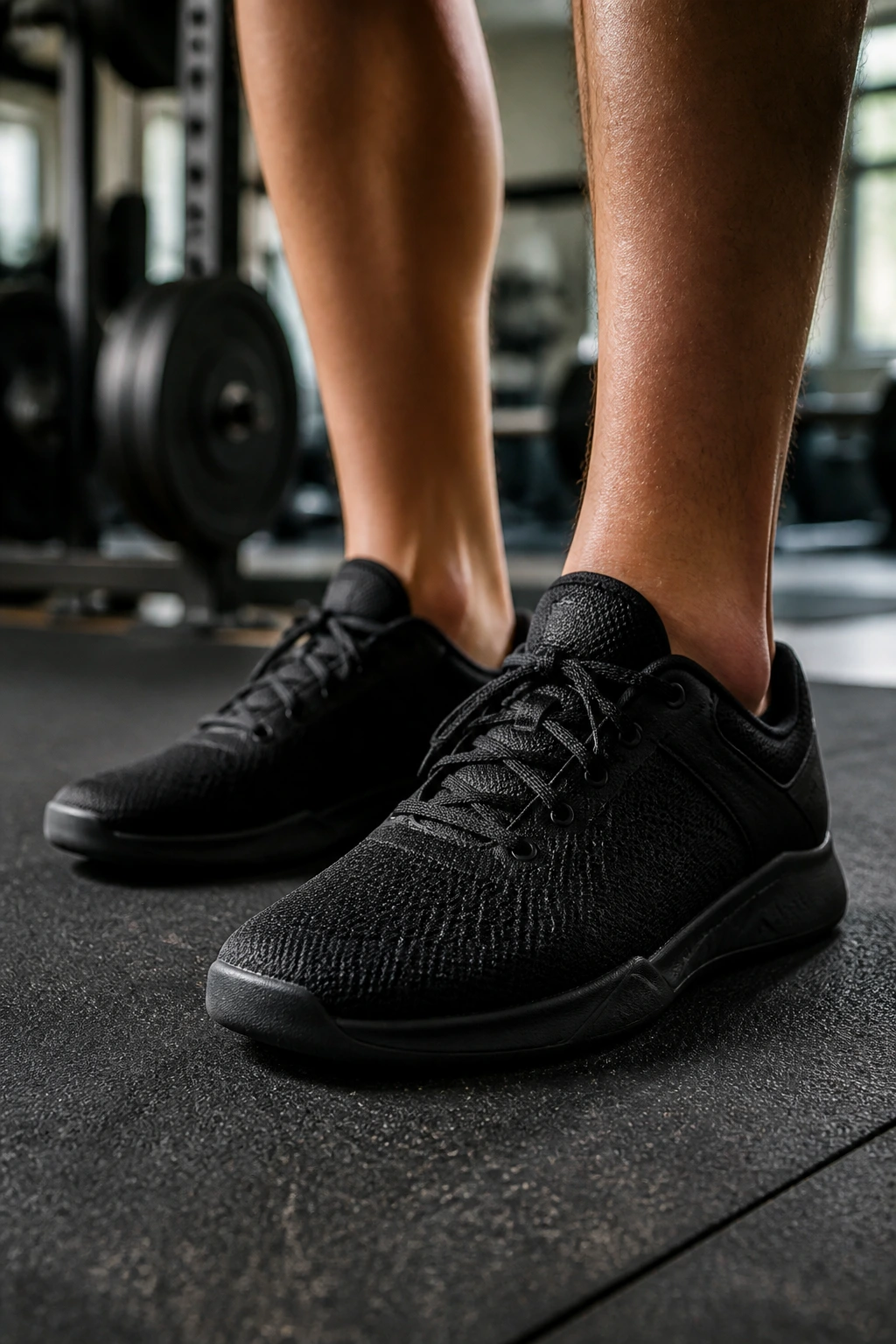
Shoes matter more than beginners expect. A cushioned running shoe feels fine on a treadmill, but it can feel wobbly under a barbell. Thick soles compress, and that can make squats or deadlifts feel less stable than they should.
For lifting, a flatter shoe with a firm base usually makes more sense. Think cross-trainers, flat-soled sneakers, or shoes made for the gym. For cardio, cushioned shoes are fine. If you’re switching between both, keep the difference in mind.
Look for this
- A sole that doesn’t squish much
- Good grip on the floor
- Enough room in the toe box
- Laces that stay tied
Bare feet work for some floor exercises and some machines, but not in every gym. Check the rules before you decide to go minimalist.
12. Re-Rack Dumbbells and Wipe Down Equipment

This is not glamorous advice. It matters anyway. Leaving plates on a bar or dumbbells on the floor doesn’t just annoy other people — it makes the space less safe and slows everyone down.
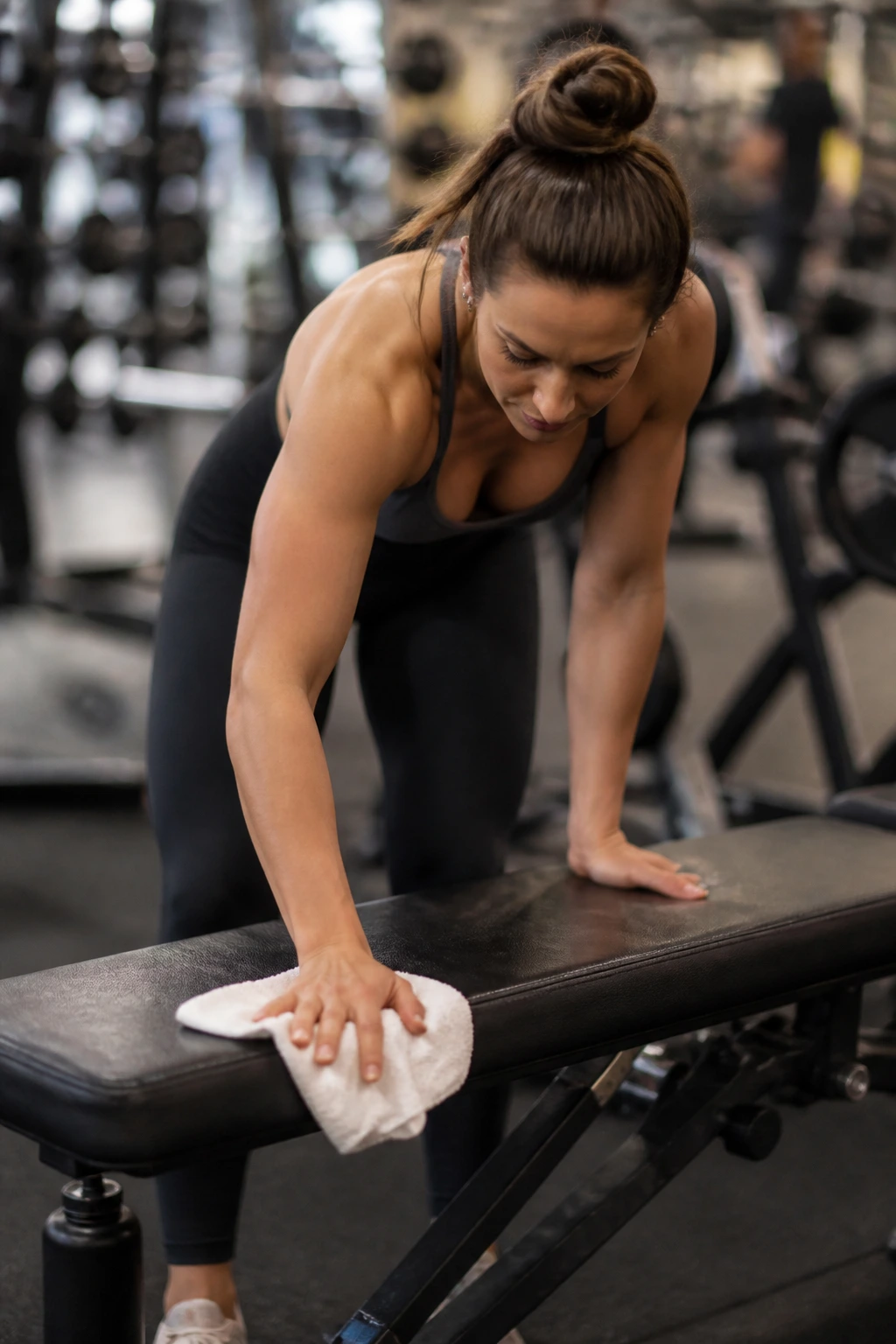
Put things back where you found them. Wipe the bench or machine pad after you sweat on it. Re-rack weights in order if the gym has a place for that. It takes maybe 20 seconds, and those 20 seconds tell people a lot about how you move through the room.
The routine is simple
- Put the pins back
- Return dumbbells to the rack
- Strip the bar if you loaded it
- Wipe the bench or handle
A clean training space feels better to work in. That’s not a theory. It’s one of those tiny things you notice every single session.
13. Put Big Compound Lifts First

The hardest lifts deserve your freshest energy. If you start with curls, abs, and random machines, you’ll arrive at squats or presses already tired. That’s backward for most beginners.
Compound lifts use more joints and more muscle at once. Squats, deadlifts, bench presses, overhead presses, rows — these are the moves that teach your body how to work as a system. Put them near the top of the workout when your form and focus are strongest.
A simple order works well: warm up, compound lift, second compound lift, accessory work, then core or light finishing work. That keeps the session organized and keeps the important stuff from getting buried under fluff. Save the fancy exercises for later. First get the basics to feel solid.
14. Use a Full Range of Motion

Half reps feel easier because they are easier. That’s the catch. Shortening the movement can make the weight look impressive for a second, but it usually cuts out the part of the lift that builds control and useful strength.
A full range of motion means going as far as your joints allow with good control. On a squat, that might mean thighs below parallel if your hips and knees allow it. On a row, it means letting the shoulder blade move and then pulling all the way back. On a press, it means not stopping three inches short because the last part is hard.
Do not force a range that hurts. That’s not the point. Use the range your body can own, then build from there.
15. Ignore the Loudest Routine in the Room

The guy doing four chest exercises, two drop sets, and a grimacing selfie probably isn’t a model beginner routine. He may have years of training behind him. He may also just like doing too much. Hard to tell from the floor.
Beginners make progress faster with less noise and more consistency. You do not need a 20-set arm day. You do not need to train until every muscle feels like rubber. You need a plan you can repeat and recover from.
A beginner routine should look like this
- 4 to 6 exercises
- 2 to 4 sets each
- A clear rep target
- Enough rest to keep form steady
Use other people as a source of ideas, not instructions. Some routines are built for advanced lifters who already know how their body handles volume. That is a different game.
16. Eat and Drink Before You Train

Training on fumes sounds gritty. It usually feels bad. If you show up dehydrated and half-starved, your energy drops fast, and the workout turns into a mental argument with your stomach.
A light meal 1 to 3 hours before training works well for many people. Think toast with peanut butter, yogurt with fruit, rice with eggs, oatmeal, or a sandwich. You want some carbs, some protein, and not a huge pile of greasy food sitting heavy in your stomach.
Water matters too. Sip through the day, then drink a bit before you lift. If your mouth feels dry on the first warm-up set, you waited too long.
17. Build a Simple Order for Every Workout

Random order creates random results. A better setup is the same basic sequence each time: warm up, main lift, second lift, accessory work, core, and a short cool-down or walk. That order keeps you from burning out too early.
The main lift should be the one that matters most that day. If you’re training legs, that might be squats. If it’s upper body, maybe bench or overhead press. After that, pair in one or two movements that support the main one, like rows after presses or lunges after squats.
A clean session flow
- Warm-up
- Main lift
- Secondary lift
- Accessory work
- Core or carry
- Leave
That’s enough structure to make the gym feel predictable without turning it into a rigid prison.
18. Learn Basic Gym Etiquette Early
Crowded gyms run on small courtesies. Don’t sit on a machine between sets while you scroll for five minutes. Don’t leave your bag in the middle of the walkway. Don’t start setting up a deadlift in the only open patch of floor without checking whether someone else is about to use it.
Ask to work in if someone is using the same equipment and your sets will overlap. Most people are fine with it if you keep the pace moving. Keep your voice down, keep your gear close, and don’t spread out farther than you need.
One more thing. If you sweat on the bench, wipe it. No one enjoys sitting in someone else’s workout.
19. Add Weight in Small Jumps

Progressive overload sounds technical, but it’s just adding a little more challenge over time. For beginners, the smartest jumps are tiny. Going from 20-pound dumbbells to 30-pound dumbbells might be too big. Going from 20 to 22.5, if your gym has that option, is much better.
If you can’t add weight, add one rep. If you can’t add a rep, improve the form. The point is steady progress, not dramatic leaps. A strong-looking jump that wrecks your form is not progress. It’s a detour.
Small jumps that work
- Add 2.5 pounds per side
- Add one extra rep per set
- Add one extra set only if recovery is good
- Move up when all sets feel controlled
Small wins stack fast. Big jumps often make people stall.
20. Gym Tips for Staying Consistent When Motivation Fades

Motivation is unreliable. Some days you feel ready. Some days you do not want to put on socks. That’s normal. The fix is not more hype. It’s a routine that still works when your mood is flat.
Set a minimum session. Twenty minutes counts. Maybe it’s one main lift, one accessory, and a short walk. Maybe it’s two machines and out. The point is to keep the habit alive even when energy is low.
Consistency beats the perfect workout that never happens. If you can keep showing up, even in smaller doses, your body keeps learning the pattern. That’s what you want.
21. Keep a Training Log You’ll Actually Use

A log is not there to impress anyone. It’s there to stop you from repeating the same week forever. Use whatever format you’ll actually open: notes app, spiral notebook, spreadsheet, whiteboard photo. Fancy doesn’t matter.
What matters is making the log useful enough that you can glance at it and know where to start. Add a quick note about sleep, energy, or pain if something felt off. That tiny bit of context helps more than people expect, especially when one workout felt easy and the next felt like dragging a couch uphill.
Good things to record
- Weight used
- Reps completed
- Rest time
- One note on form or energy
A useful log is messy in the right way. It tells the truth without asking you to write a novel.
22. Train Your Whole Body, Not Just Your Mirror Muscles

It’s easy to spend your first month on chest, arms, and abs. Those are the muscles you see. They’re also the easiest to overfocus on. But a body built only from the front starts to feel lopsided fast.
Back work, leg work, and hip work matter because they support everything else. Rows help your posture. Squats and hinges build the base for almost every athletic movement. Core training helps you transfer force instead of folding in half under load.
Don’t skip these
- Rows or pulldowns
- Squat or lunge patterns
- Hip hinge work like deadlifts or RDLs
- Carry or plank work
A balanced program looks less flashy. It also tends to hold up better.
23. Stop Most Sets With 1–2 Reps Left

Most beginner sets do not need failure. If every set turns into a grind, your technique gets sloppy, your fatigue spikes, and the rest of the workout suffers. Leaving one or two reps in the tank keeps quality high.
This is especially useful on free-weight compound lifts. You can push a bit harder on safer isolation work like curls or leg extensions if you want, but beginners usually get more from controlled, repeatable sets than from heroic near-collapse efforts.
A good rule of thumb
- Stop when form starts to wobble
- Keep breathing under control
- Leave one or two reps unfinished
- Save true failure for rare, safe moments
You should finish a set feeling challenged, not destroyed. There’s a difference, and it matters.
24. Skip Max-Out Attempts at the Start

Testing a one-rep max looks exciting. It’s also a bad first move for most beginners. Max attempts demand tight technique, good bracing, and a real sense of how your body moves under load. Early on, you’re still learning that stuff.
Use a moderate rep range instead, like 6 to 10 or 8 to 12, and build from there. You’ll get plenty strong without putting your joints through a chaos test. Plus, rep-based training tells you more about your work capacity than a single dramatic lift ever will.
If you want a number to chase, chase a clean set of reps with good form. That matters more than an ego number on a one-time attempt.
25. Use Mirrors to Check Form, Not to Perform

Mirrors can help. They can also make people act weird. If you’re twisting your neck, bouncing around for a better angle, or staring at yourself instead of the movement, the mirror has stopped being a tool.
Use it to check one or two things: are your knees tracking in a decent line, is your back position stable, is the bar path straight enough, are your shoulders level? Then look away and lift. You do not need to admire your own biceps during a set.
Mirrors are useful for
- Alignment checks
- Bar path
- Shoulder position
- Foot placement
Sometimes a phone video from the side is even better. Quietly record one set, then watch it once and make a correction. That’s enough.
26. Sleep Like It Matters
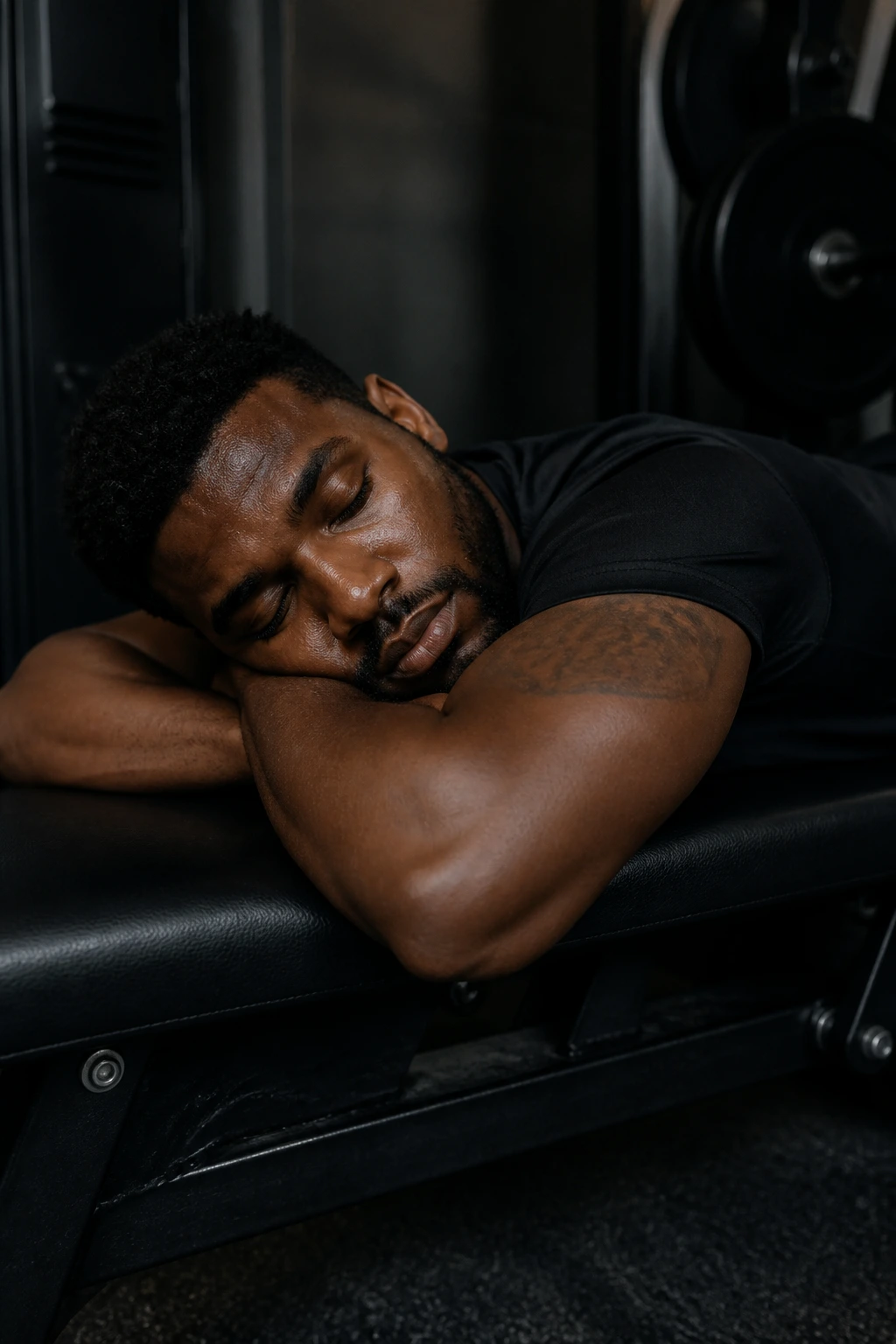
Sleep is not a side note. It’s part of the training plan whether people treat it that way or not. If you sleep badly, the bar feels heavier, your patience gets short, and your coordination slips a little. That’s true for beginners too.
Aim for a steady sleep window and keep the room dark and cool if you can. Put the phone down before bed, or at least stop doing the “one more scroll” thing that steals another 20 minutes. If your workouts feel flat for no obvious reason, sleep is one of the first places to look.
A decent gym session starts the night before. Annoying. Also true.
27. Know the Difference Between Burn and Pain

A muscle burn during a hard set is one thing. A sharp stab in a joint is something else. Beginners often lump them together, and that’s where trouble starts.
Burn feels hot, local, and tied to effort. Pain feels sharp, sudden, or wrong. If your knee twists, your shoulder pinches, or your back catches in a way that changes how you move, stop the set. Don’t try to prove anything to yourself in that moment.
Stop and reassess if you notice
- Sharp pain
- Sudden loss of strength
- Swelling
- Pain that changes your walking or gripping
The gym should challenge you. It should not make you guess whether you broke something.
28. Put Your Phone Away Between Sets

Phones are useful. They’re also tiny distraction machines. If you spend each rest period checking messages, reading headlines, and opening three apps you didn’t mean to open, your workout loses shape.
Use the phone for something specific: timer, log, playlist, or a quick form check. Then put it down. That makes rest times cleaner and keeps you present enough to notice whether your next set needs a lighter load or a longer break.
You do not need to disappear from the world for an hour. You do need to train on purpose.
29. Keep a Backup Workout for Busy Days

Some days the squat rack is taken. Some days you get to the gym late. Some days you’ve got 25 minutes, not 60. A backup workout keeps the session alive instead of turning a small obstacle into a skipped workout.
Make a shorter plan you can always use: one lower-body move, one push, one pull, done. That could be goblet squats, dumbbell bench, and cable rows. Three exercises. Clean. Fast.
A good backup plan might be
- 3 sets of goblet squats
- 3 sets of dumbbell presses
- 3 sets of rows
- Optional 5-minute walk out the door
Busy days happen. A smaller workout is better than a zero.
30. Leave Enough in the Tank to Come Back Tomorrow

The best beginner sessions usually end with a little left in the tank. Not because you’re slacking, but because you’re building a habit that can survive bad sleep, crowded rooms, and days when your energy is lower than you hoped.
If you leave the gym wrecked every time, the next visit starts to feel expensive. If you leave feeling worked but not flattened, coming back gets easier. That matters more than the one session you posted about or bragged about or nearly regretted on the drive home.
Train hard enough to make progress. Train smart enough to do it again. That balance is the whole game.
