



Poor sleep has a sneaky way of showing up at the waistline first. Not because one rough night creates fat out of thin air, but because short, broken sleep makes hunger louder, self-control weaker, and late-night snacking a lot harder to ignore.
If belly fat has been hanging around stubbornly, sleep is one of the first places worth looking. A shaky sleep schedule can push cravings up, make workouts feel heavier, and leave you reaching for quick calories the next day. None of that is dramatic on its own. Put it together over weeks, and your middle tends to notice.
The annoying part is that better sleep does not spot-reduce fat. It does, though, make the whole fat-loss process cleaner: less cortisol churn, steadier appetite, better recovery, fewer random bites from the kitchen at 10:30 p.m. That is a decent trade.
The fixes are not fancy. They are mostly boring, which is exactly why they work.
1. Lock In a Wake-Up Time That Helps Lose Belly Fat
A fixed wake-up time beats a perfect bedtime. Every time.
Your body clock likes regularity more than perfection, and that clock has a real effect on hunger, energy, and how easily you slide into sleep the next night. If you wake up at 6:30 one day, 9:00 the next, and 7:45 after that, your brain never gets a clean signal about when the day starts. That often turns into odd hunger cues, later meals, and groggier mornings that make the whole day feel a little off.
The wake time matters more than people expect because it anchors the rest of the day. Once that anchor is in place, bedtime usually starts moving into a better range on its own. You stop “making up” sleep with random late mornings, which sounds nice but often backfires by pushing the whole sleep cycle later and later.
That matters.
A good rule is to keep wake time within about an hour every day, even on days off. If you need more sleep, go to bed earlier instead of sleeping half the morning away. It feels less glamorous than a lie-in, but it works better for appetite control and energy stability, which is where belly fat tends to get stubborn.
2. Get Morning Light So Your Body Clock Knows It’s Daytime

Why does a 10-minute walk outside matter so much? Because light is a direct signal to the brain, and the brain takes that signal seriously.
Why Morning Light Helps
Bright light in the first hour after waking helps reset circadian rhythm, which is the internal timing system that tells your body when to feel alert and when to get sleepy. When that clock is set well, melatonin arrives at the right time at night instead of showing up late, and sleep tends to come easier. Better sleep often means fewer cravings later in the day, especially for fast carbs and salty snacks.
If you wake up indoors under dim light, your body can stay half-asleep for longer than you think. That bleeds into appetite, too. People often call it “brain fog,” but it also looks like wandering into the pantry for something quick because your body still feels out of sync.
How to Use It
- Step outside for 10 to 20 minutes soon after waking, even if the sky is cloudy.
- Open curtains right away if going outside is impossible.
- Eat breakfast near a bright window when the weather keeps you in.
- Skip dark sunglasses unless the light is painfully bright.
- Pair the light with a short walk if you can. Movement and light together are a nice combo.
Small tip: if mornings are rough, do not wait for motivation. Put on shoes first, then go outside. That’s enough to get the signal started.
3. Cut Caffeine Earlier Than You Think
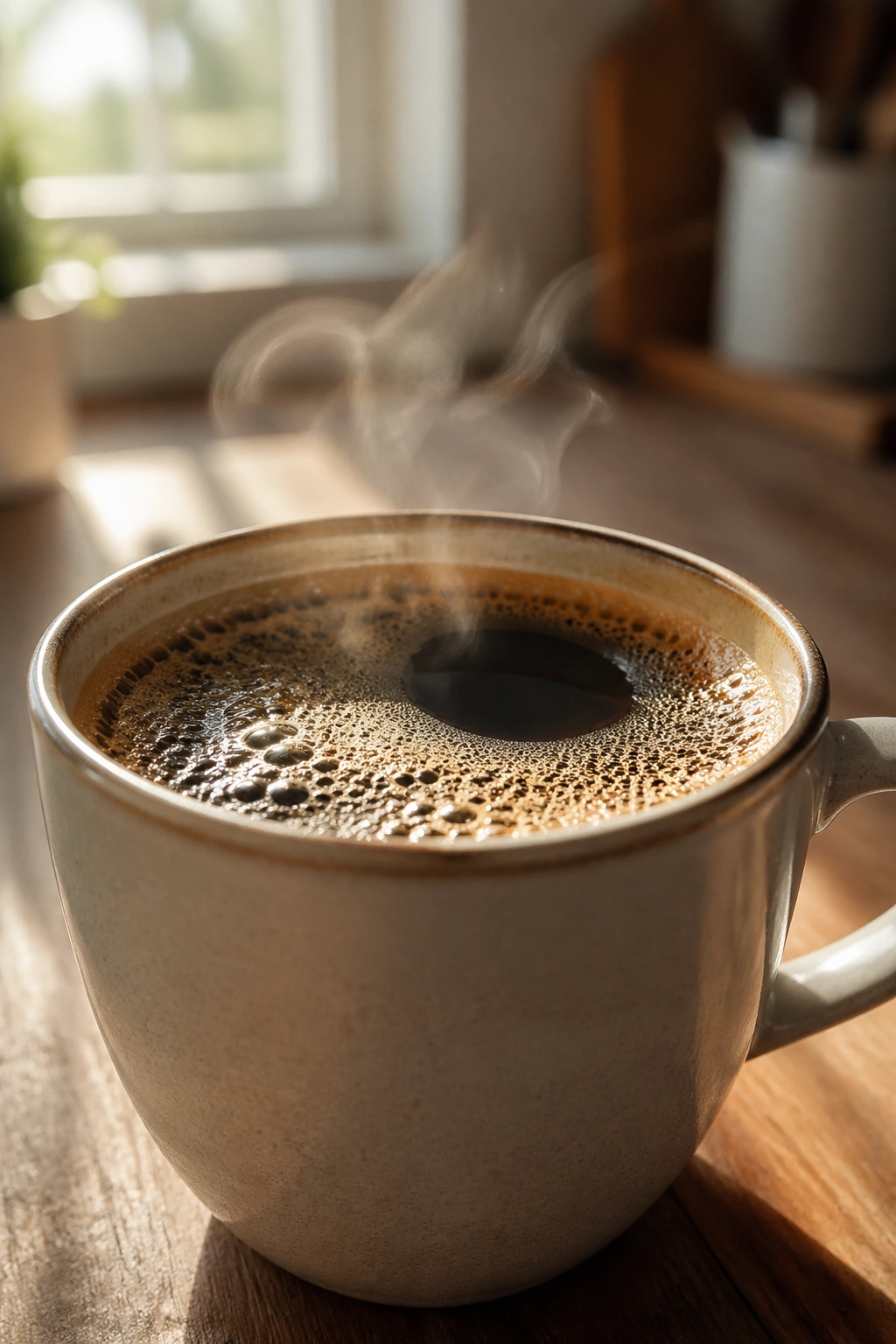
Coffee is harmless until it isn’t.
A morning cup usually helps. The problem starts when caffeine hangs around long enough to blunt sleep depth, delay bedtime, or make you wake up more often. Caffeine’s half-life is long enough that a 2 p.m. drink can still be active late at night, especially if you are sensitive or already tired. That means you may feel “fine” and still sleep worse than you realize.
Late caffeine can also keep the fat-loss loop messy. Bad sleep the night before often means more appetite the next day, less patience with workouts, and a bigger pull toward quick food. One extra espresso does not ruin anything. A pattern of late caffeine can quietly make the rest of your day harder.
I’d be stricter with caffeine than most people are. If bedtime is around 10:30 p.m., a cutoff around early afternoon is a smart place to start. Pre-workout drinks, energy drinks, strong tea, and even chocolate count if you are sensitive. You do not need to cut caffeine forever. You just need to stop acting like your nervous system never notices it.
4. Stop Eating Close to Bedtime
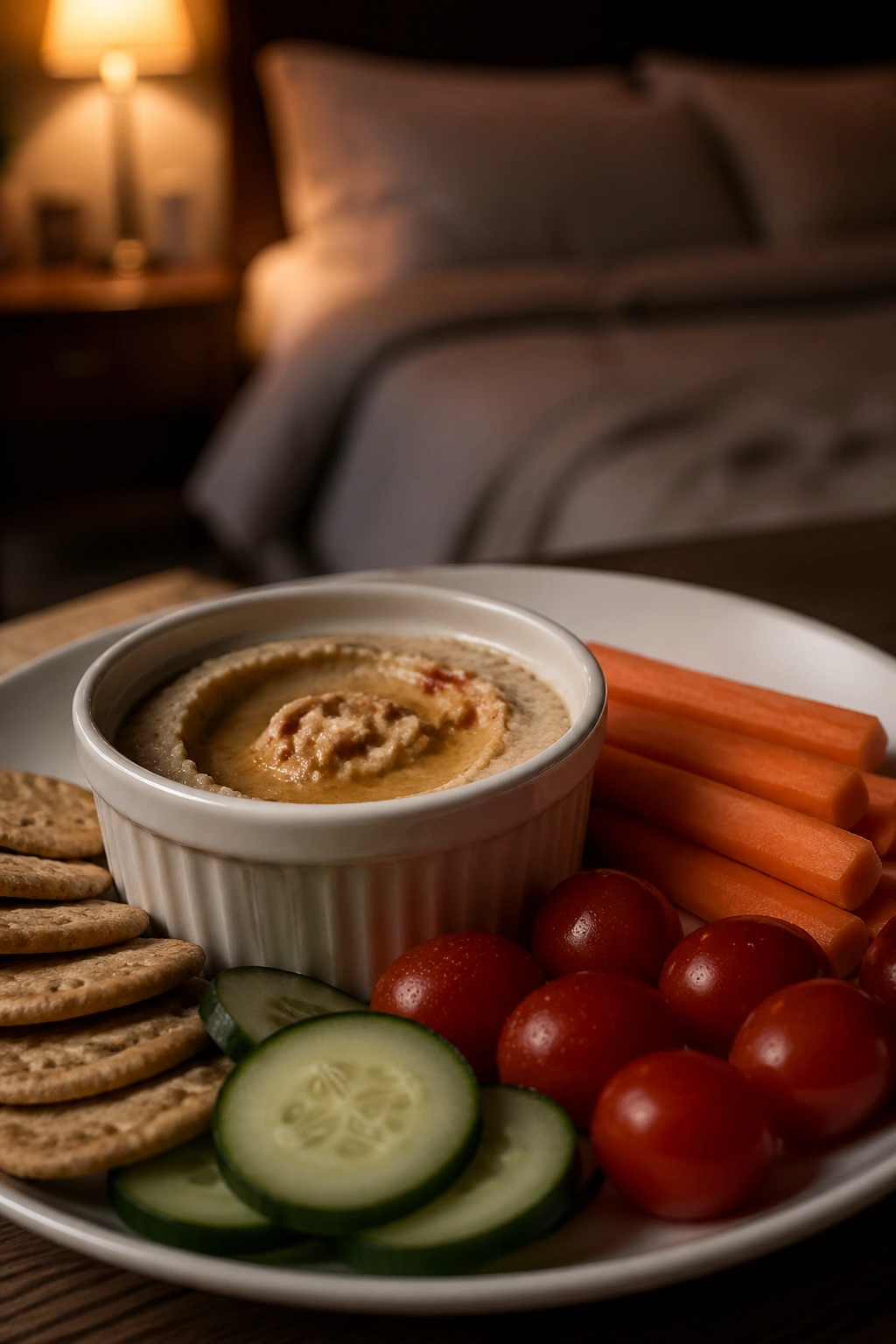
A late bowl of pasta can feel harmless at 9:45 p.m.
Then you lie down, your stomach is still working, and sleep turns choppy. That is the part people forget. Heavy late meals, rich desserts, and big snack sessions can make digestion noisy enough to disturb sleep quality, and poor sleep tends to drag appetite control off track the next day.
There is also a practical side here. Late eating often becomes mindless eating. You sit down for “a little something,” then the bag, box, or container starts disappearing because your brain is tired and your restraint is low. That is how a snack turns into extra calories that never really felt like a decision.
A good target is to finish your last substantial meal 2 to 3 hours before bed. If your schedule forces a late dinner, keep it lighter: protein, vegetables, and a moderate portion of starch usually sit better than a huge greasy plate. If hunger hits after that, a small protein snack is better than a kitchen raid.
Full belly, restless sleep. Simple trade.
5. Keep Alcohol Away from the Bedtime Slot

Alcohol can make you sleepy fast, which is exactly why it tricks people.
The first part of the night may feel easier. The second part often gets worse. Sleep becomes lighter, you wake more often, and the quality of the whole night drops. Even small amounts can blunt the kind of deep, steady sleep that helps recovery and appetite regulation. That matters when you are trying to lose belly fat, because a groggy next day usually comes with looser food choices.
There is another catch. Alcohol tends to lower restraint. A couple of drinks can lead to a second dinner, a bag of chips, or dessert you would not have touched sober. That combination — worse sleep plus more calories — is a bad deal for waistline progress.
The easiest fix is to keep alcohol away from the hours right before bed. If you drink, do it earlier and keep it modest. Water between drinks helps, and so does eating a real meal instead of letting alcohol hit an empty stomach. The goal is not moral purity. It is better sleep and fewer late-night food choices you regret the next morning.
6. Make Your Bedroom Cool, Dark, and Quiet
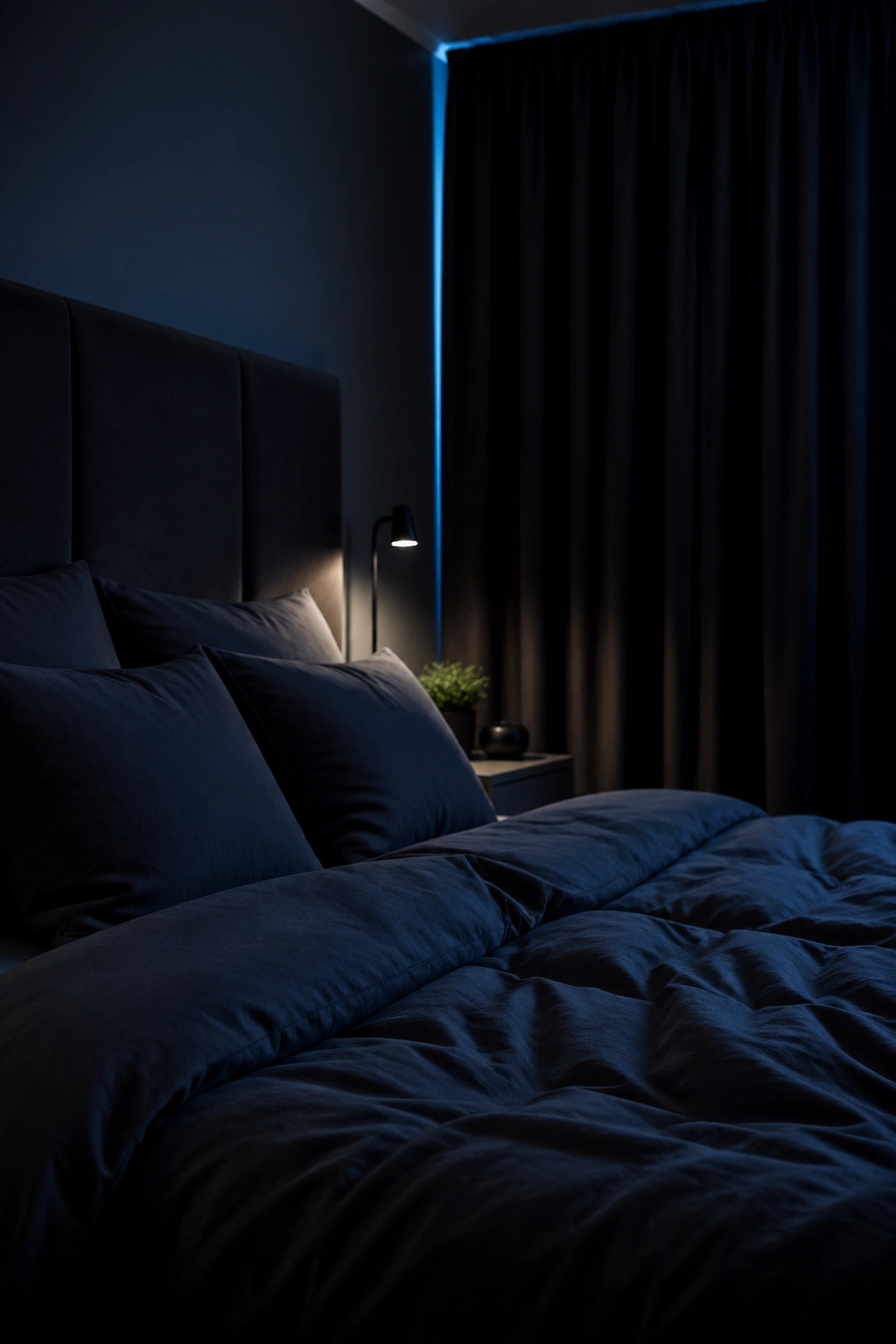
Hot, bright bedrooms are sleep thieves.
A cool room helps your body drop core temperature, which is part of the natural slide into sleep. Dark rooms reduce tiny awakenings that you may not even remember the next morning. Quiet matters too, because every little disturbance can chip away at deep sleep and leave you more tired than you should be.
The Bedroom Setup That Pays Off
- Set the room around 60 to 67°F if that feels comfortable to you.
- Use blackout curtains or a solid eye mask if outside light leaks in.
- Try a fan or white noise machine if street noise, pets, or a partner’s snoring keeps cutting through.
- Keep bright alarm clocks and glowing chargers out of direct view.
- If your feet get cold, wear thin socks instead of overheating the whole room.
A room that is too warm often leads to tossing, lighter sleep, and waking up sticky and annoyed. That’s not the vibe. If you only change one environmental thing, start here. It is one of the few tweaks that can make a night feel calmer almost immediately.
7. Build a 30-Minute Wind-Down That Tells Your Brain to Slow Down

A wind-down routine is not fluffy. It is a brake pedal.
Your brain does not love being shoved from email, chores, and bright screens straight into sleep. It needs a transition. When that transition is missing, you carry alertness into bed, then wonder why you are awake replaying the day and thinking about food, bills, or something awkward you said three days ago.
What Belongs in the Last Half Hour
- Dim the lights in the room.
- Put away work tabs and kitchen cleanup.
- Stretch for 5 minutes, slowly.
- Read paper pages or something calm on an e-reader with low brightness.
- Write tomorrow’s top 3 tasks on paper.
- Take a warm shower if that helps your body settle.
The exact routine matters less than the repetition. Do the same few things in the same order and your body starts to catch on. That lowers bedtime stress, and lower stress tends to mean fewer late-night cravings. The kitchen looks less tempting when your nervous system is not buzzing.
Nope, this does not need to be elaborate. A quiet half hour, done the same way most nights, is enough.
8. Put Your Phone Away Before Lights Out
Blue light is only part of the problem.
The bigger issue is what the phone does to your attention. One quick scroll becomes three more clips, a message thread, then a search about something completely unrelated to sleep. Your brain stays engaged, your bedtime slides, and you end up sleeping less than you planned. If the app content is stressful, even worse.
Phones also make midnight eating easier. That tiny buzz of boredom or stress can turn into a food decision if the kitchen is only a few steps away and your guard is down. This is why “I just checked one thing” becomes such a useful little lie we tell ourselves.
Try a hard boundary: charge the phone outside the bedroom or across the room, and turn on Do Not Disturb an hour before bed. If you use it as an alarm, put it in a place that is annoying enough to reach that you will not keep picking it up. Small friction helps. A lot.
And yes, the first few nights feel awkward. Then they feel normal.
9. Time Workouts So They Do Not Leave You Wired

An all-out interval session at 9 p.m. can leave you staring at the ceiling later.
Exercise helps sleep overall, but timing still matters. Hard training raises heart rate, core temperature, and stress hormones for a while. For some people that fades fast. For others, especially after heavy lifting, sprints, or a tough class, it lingers long enough to push bedtime back or make sleep lighter.
That does not mean evening exercise is bad. It means you should watch your own response instead of assuming all workouts are equal. A relaxed walk after dinner is one thing. A savage spin class that ends 45 minutes before bed is another.
If your sleep gets worse after late workouts, move the hard stuff earlier in the day or leave 3 to 4 hours between intense exercise and bedtime. If evening is your only option, add a proper cool-down, a shower, and a few minutes of low light before bed. You want your body to understand that the hard part is over.
Watch for these signs:
- You feel pumped but tired at the same time.
- Your heart rate stays high after you lie down.
- You wake up hot or restless.
- You want to snack because the workout left you buzzing.
That combo is a clue, not a coincidence.
10. Use a Small Protein Snack When Hunger Is Real

Should you go to bed hungry? Sometimes yes. Often no.
If you are dealing with real hunger — the kind that keeps you awake, makes your stomach growl, or sends you hunting through the pantry — a small snack can help sleep instead of hurting it. The trick is to keep it small, slow-digesting, and boring enough that it does not turn into a second dinner.
Protein works well here because it sticks around longer than sugar. A snack with 15 to 25 grams of protein and roughly 150 to 250 calories is a decent range for many people. Think Greek yogurt, cottage cheese, a small protein shake, or a few slices of turkey with cucumber. If you want something sweet, pair it with fiber or fat so it does not hit like dessert.
Good Bedtime Snack Examples
- Plain Greek yogurt with a few berries
- Cottage cheese with cinnamon
- Half a protein shake and a kiwi
- Turkey slices wrapped around cucumber
- A small bowl of skyr
The point is not to eat more. The point is to stop sleep from being derailed by hunger. If you keep waking up ravenous, the issue may be dinner composition, total calories, or a long gap between meals. A tiny snack can smooth that out while you work on the bigger pattern.
11. Lower Stress Before Your Head Hits the Pillow

Stress and sleep are bad roommates.
One of them stomps around. The other one wants lights out. When your brain is still running a grocery list, a work argument, or tomorrow’s problems, it is harder to drift off and stay asleep. That matters for belly fat because poor sleep and high stress often feed each other. You sleep badly, cortisol stays higher, cravings rise, and the cycle keeps spinning.
A Simple Pre-Bed Reset
- Take 5 slow exhales, making the exhale longer than the inhale.
- Write down the thing you keep rehearsing in your head.
- Put tomorrow’s first task on paper.
- Stretch your hips, calves, and neck for 3 to 5 minutes.
- Leave hard problem-solving for morning.
That last one is underrated. Night brain is a liar. It makes ordinary problems look huge and urgent. A notepad is often better than trying to think your way into calm. Once the thought is parked on paper, you do not have to keep renting it in your head.
If stress is constant and sleep is falling apart, the issue may be bigger than bedtime habits. Still, this small reset gives your nervous system a chance to come down a few notches, and that can make a real difference by the time your head hits the pillow.
12. Watch for Snoring and Sleep Apnea
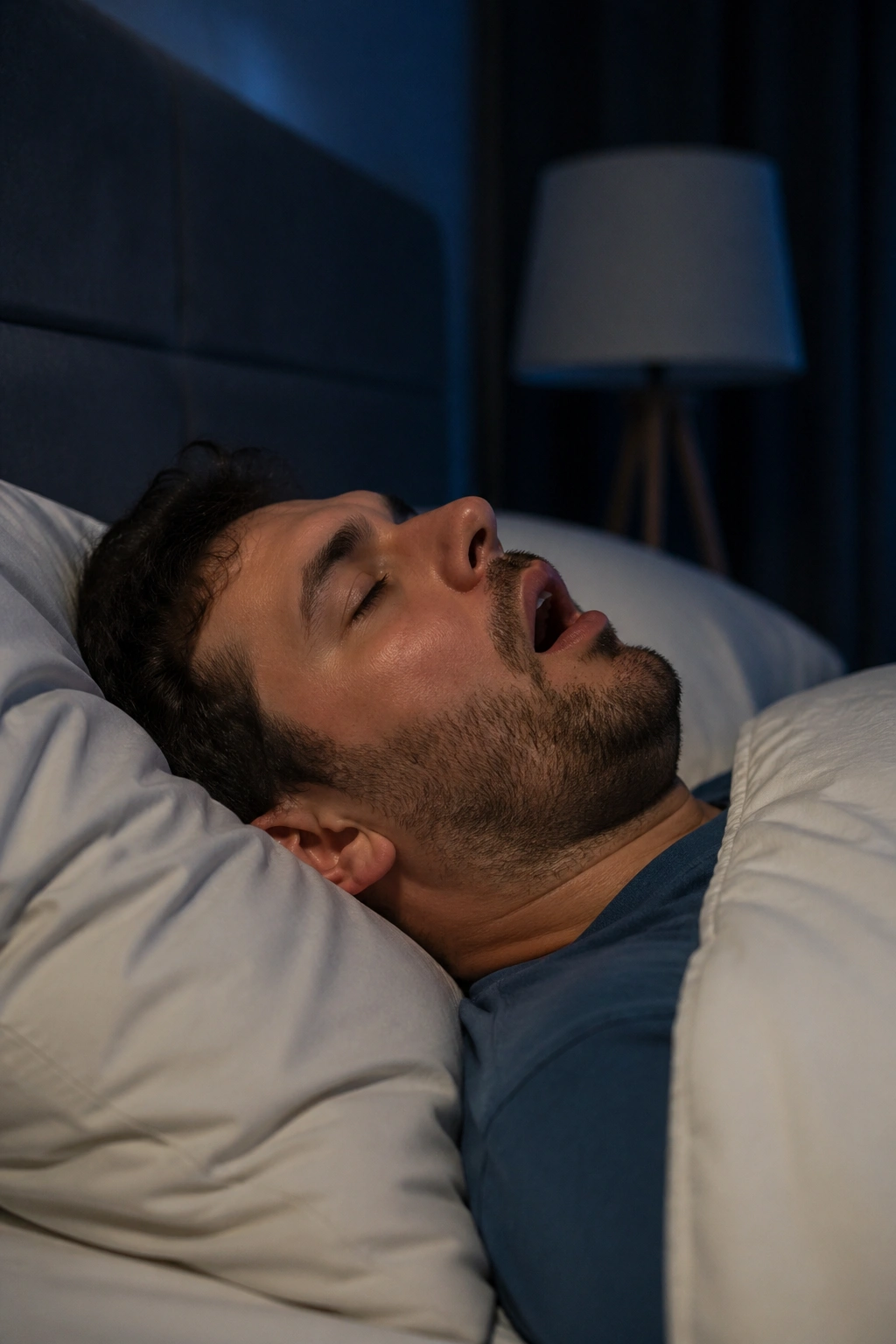
If you snore and wake up tired, this is not a cute quirk.
Sleep apnea can break sleep into tiny fragments all night long, even when you think you slept through it. That kind of disrupted sleep is rough on energy, appetite, and fat loss, especially around the middle. People with untreated sleep apnea often feel sluggish in the morning, crave more food later in the day, and struggle to recover from workouts the way they expect to.
The signs are usually plain enough if you know what to look for. Loud snoring, gasping, dry mouth on waking, morning headaches, and daytime sleepiness all deserve attention. So does falling asleep in meetings, in the car, or on the couch almost every night. That is not normal tiredness. That is a clue.
When to Get Checked
- Your partner hears repeated pauses in breathing.
- You wake up choking or gasping.
- You are tired even after a full night in bed.
- You fall asleep too easily during quiet daytime tasks.
- Your neck is getting thicker and your sleep is getting worse.
A medical evaluation is worth it here. This is one place where “sleep tips” are not enough on their own. If apnea is part of the picture, fixing it can improve energy and make fat loss less of a grind.
13. Fix the Bed Setup That Keeps Waking You
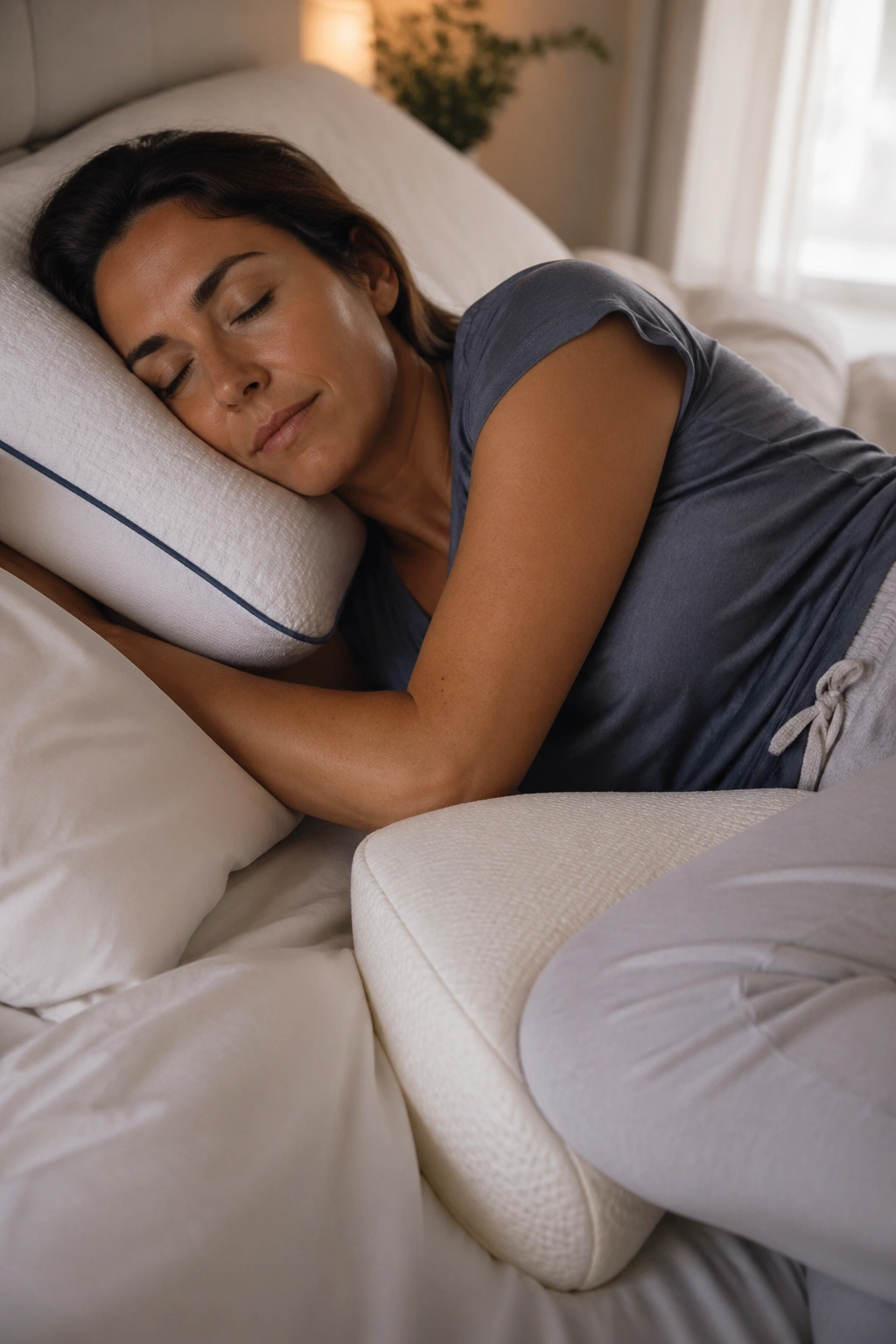
A pillow that is two inches too low can wreck a whole night.
Neck pain, shoulder numbness, hip pressure, and a mattress that sags in the middle all chip away at sleep quality. You may not wake fully, but your body notices every little discomfort and keeps shifting. That constant micro-adjustment can leave you tired in the morning and hungrier by lunchtime.
The fix is usually simple, even if it feels annoyingly basic. Side sleepers often need a firmer pillow and sometimes a pillow between the knees. Back sleepers usually need enough support to keep the neck neutral without pushing the head forward. If your mattress is old enough to have a valley in the center, no fancy sleep hack will make up for that.
Quick Bed Check
- Do you wake with a stiff neck?
- Do your hips sink too far?
- Do your feet go numb?
- Do you keep flipping sides all night?
- Does your shoulder feel jammed into the mattress?
If the answer is yes more than once, your setup is part of the problem. A comfortable bed does not burn belly fat on its own, obviously, but it keeps sleep from getting chipped away by pain and pressure. That matters more than most people think.
14. Keep Naps Short and Early

A 20-minute nap can help. A 90-minute one can steal the night.
That is the trade. Short naps can lower sleepiness and keep your afternoon from turning into a slump. Long or late naps can drain the sleep pressure you need at bedtime, which makes falling asleep harder and can push your whole schedule later.
If naps are part of your day, keep them tight. 10 to 20 minutes is the sweet spot for many people. Sit somewhere that is a little less comfortable than your bed, set an alarm, and nap early enough that it does not chew into nighttime sleep. Mid-afternoon is usually safer than late afternoon.
A useful rule: if you are napping because you are wiped out every single day, the nap may be covering up a bigger sleep problem. Too little nighttime sleep, too much caffeine, late alcohol, or apnea can all show up as a daily crash. The nap is the symptom, not the fix.
Short nap. Early nap. That’s the deal.
15. Protect Your Sleep Window on Weekends and Travel

Two late nights can erase five tidy ones.
That sounds dramatic, but it’s how sleep schedules work. Sleep is not only about total hours. It is also about rhythm. When your bedtime and wake time swing all over the place, your body keeps losing the plot, and appetite control tends to get sloppy along with it. Social events, travel, and lazy mornings can all pull you off track faster than people expect.
The fix is not to become a robot. It is to keep the swing smaller. Try to stay within about an hour of your usual wake time, even after a late night. If you travel, bring an eye mask, earplugs, and a charger that lets you keep the room dark. Once you land, get some daylight and move around. Your body clock loves a visible cue.
A Few Travel-Safe Habits
- Keep your first meal close to your normal schedule.
- Avoid making the first night a caffeine rescue mission.
- Use water, not endless snacks, for boredom and fatigue.
- Sleep in a cool room if you can.
- Get back to your normal wake time after the trip.
This one is boring, and that’s exactly why it matters. If your sleep schedule is a moving target, the rest of the fat-loss work has to fight uphill.
The Bottom Line
Sleep will not melt belly fat by itself. It does something more useful: it makes the habits that shrink your waist easier to keep.
A fixed wake time, morning light, less late caffeine, and a cleaner bedroom setup do more for most people than exotic supplements or random “fat-burning” tricks. The quieter your nights get, the less your days have to fight hunger, stress, and brain fog.
If you want the shortest path, start with two changes: wake up at the same time and get outside early. Those two habits pull a surprising amount of the rest into place. Then build from there, one boring night at a time.
