



Belly fat does not budge because you did 100 crunches before coffee. The morning habits that burn belly fat fast are less flashy than that—getting up on time, getting light in your eyes, moving before your day gets hijacked, and eating in a way that keeps hunger from running the rest of your schedule.
When most people say they want to lose belly fat, they usually mean they want a smaller waist, less lower-ab softness, and fewer days where jeans feel tight by noon. Part of that is subcutaneous fat, the stuff under the skin. Part of it can be visceral fat, the deeper fat around your organs that tends to track with sleep loss, inactivity, stress, and too many easy calories from drinks and snacky food.
That is why morning matters so much. The first 60 to 90 minutes after you wake up often decide whether the day turns into a steady calorie deficit with better energy—or a scramble of skipped movement, sugary drinks, random grazing, and “I’ll start tomorrow” logic. I have seen people train hard at night and still struggle around the middle because their mornings were chaotic: three snoozes, no walk, a pastry on the run, and a 500-calorie coffee that barely felt like food.
A good fat-loss morning is not dramatic. It is repeatable. And the habits below work best when they start feeling a little boring—which, for waist loss, is usually a good sign.
1. Get Up at the Same Time and Skip the Snooze Button
A steady wake time beats a heroic alarm. If you wake at 6:00 one day, 7:40 the next, and 9:15 on weekends, your appetite, energy, and workout timing all get sloppier. Large population studies keep finding the same pattern: people who sleep too little, or keep erratic sleep schedules, tend to carry more abdominal fat than people who get a steadier 7 to 9 hours.
Snoozing feels harmless, yet it often chops sleep into short, lousy fragments. You are not getting a fresh 20 minutes of deep rest. You are getting a few rounds of half-sleep and then starting the day groggy. That groggy start makes morning walking, meal prep, and training easier to skip.
Set a wake time you can hold within 30 minutes most days, weekends included. Put the alarm across the room. Feet on the floor within 60 seconds. If that sounds harsh, keep the harshness where it belongs: move bedtime earlier by 20 to 30 minutes instead of stacking four alarms.
Consistency matters more than ambition.
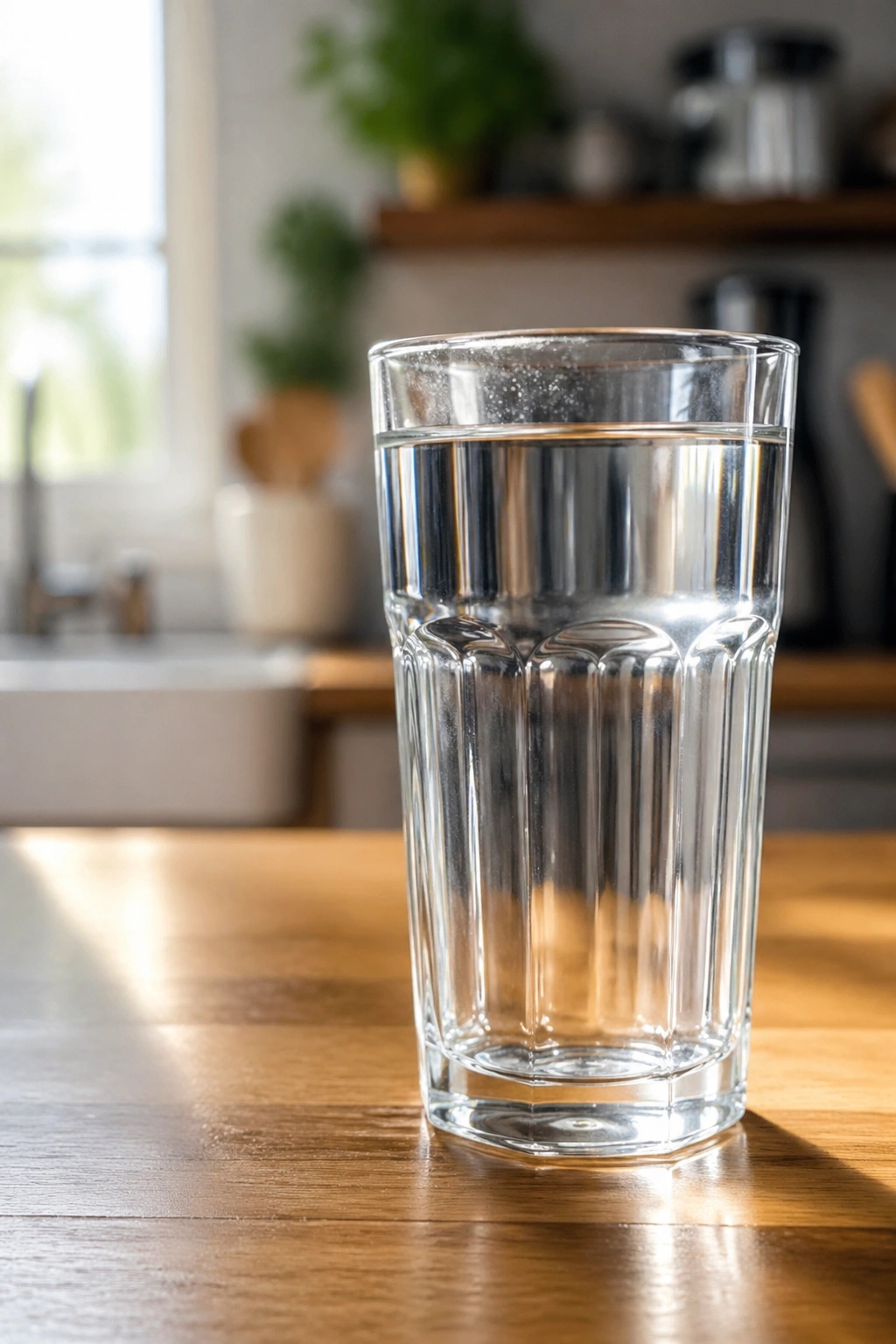
2. Drink 16 to 24 Ounces of Water Before Your First Calories

Thirst is easy to mistake for hunger at daybreak, especially if you ate salty food the night before, slept in a warm room, or had alcohol. A tall glass of water will not “melt” fat by itself, yet it does help with two things that matter: appetite control and better workout output.
Small trials using a 500 mL water preload before meals have found that some people eat less afterward. The effect is not magic, and it is not huge, though it is real enough to notice if your usual breakfast turns into an extra muffin and sweet drink because you woke up dry and scattered.
How much water is enough?
Start with 16 to 24 ounces, which is about 500 to 700 mL. Drink it over 5 to 10 minutes, not in a chest-thumping chug contest.
A few useful add-ons:
- Add a squeeze of lemon if plain water feels flat and you need a reason to finish it.
- If you sweat hard in early workouts, a pinch of salt in one glass can help you hang onto fluid.
- If water upsets your stomach right away, take 8 ounces, move around, then finish the rest after getting dressed.
Coffee still counts as fluid, though water first tends to work better for hunger and digestion.
3. Step Outside for Morning Light Within 30 Minutes of Waking

Open the door. Let the air hit your face. Even two minutes outside wakes you up in a different way than kitchen light ever will.
Morning light helps anchor your circadian rhythm, the body clock that affects when you feel sleepy, when you feel hungry, and how sharp or foggy you feel. Better circadian timing usually means better sleep later, and better sleep tends to make belly-fat loss easier because cravings, late-night snacking, and low-energy training are less of a problem.
On a bright day, 5 to 10 minutes outdoors is often enough. Under cloud cover, aim for 20 minutes. If you can combine light with walking, even better. You do not need to stare at the sun—please do not. You only need natural daylight in your eyes while you move around outside.
A lot of people miss this because they check their phone first, stand under indoor bulbs, and drift into work mode before their body has even registered that the day has started. Do not do that.
A small detail that helps
Leave your shoes, keys, or hoodie by the door the night before. Tiny friction points kill good habits faster than lack of knowledge.
4. Take a Brisk Walk to Burn Belly Fat Before Breakfast

If I had to pick one habit from this list for most people, it would be the morning walk. Not because walking is glamorous. Because it happens.
A brisk walk done before the day gets noisy is one of the easiest ways to raise daily calorie burn without wrecking your recovery or appetite. Walk at a pace where you can still talk, though you sound a little short of breath—roughly 3 to 4 miles per hour for a lot of adults. Stay out for 20 to 30 minutes if you can. Even 10 minutes counts on cramped mornings.
Walking also improves insulin sensitivity, which matters if you tend to carry fat around the middle. You do not need to do it fasted. You do not need a weighted vest. You do not need a podcast that changes your life. Put on shoes and go.
A person weighing around 155 pounds might burn roughly 80 to 120 calories on a 20-minute brisk walk. A heavier person often burns more. That does not sound huge until you remember it is stacked on top of better appetite control, better mood, more steps before lunch, and one less excuse later.
That pile-up is where waist loss starts.
5. Add Short Intervals to Two or Three Morning Walks Each Week

Need more punch than steady walking gives you?
Short intervals are one clean answer. Not every morning. Not until you feel like throwing up. Two or three sessions each week is enough for most people, especially if you are also lifting or doing longer workouts elsewhere in the week.
A simple interval template
After a 5-minute easy warm-up walk, do one of these:
- 6 rounds of 20 seconds hard, 100 seconds easy
- 8 rounds of 30 seconds uphill, 90 seconds easy
- 10 rounds of 15 seconds fast stairs, walk back down for recovery
“Hard” means your breathing picks up fast and talking gets choppy, though your form stays clean. On a treadmill, bike, rower, hill, or outdoor path, the feeling is the same: work, recover, repeat.
Why bother? Intervals let you burn a decent chunk of energy in 12 to 18 minutes, and they can improve fitness faster than another plodding walk if time is tight. The catch—there is always a catch—is recovery. Daily hard intervals can make you hungrier, sorer, and less likely to stay consistent.
Use them as spice, not breakfast, lunch, and dinner.
6. Use a 10-Minute Strength Circuit to Help Burn Belly Fat All Day

Crunches have their place. They are not the main event.
If you want to lose belly fat, resistance training matters because it helps you keep muscle while dieting. Keep more muscle, and your body hangs onto a higher calorie burn than it would if you lost weight through food cuts and cardio alone. Strength work also improves how your body handles carbs, which helps if your waist tends to be the first place extra calories show up.
A 10-minute morning circuit that works
Run this circuit for 2 to 4 rounds:
- 10 bodyweight squats
- 8 incline push-ups on a counter, bench, or sturdy table
- 10 hip hinges with a backpack, dumbbell, or kettlebell
- 8 one-arm rows per side
- 20 to 30 seconds of plank
Rest 15 to 30 seconds between moves and 60 seconds between rounds. Move briskly, though do not race. The goal is muscle tension, not sloppy panic.
Backpack training is underrated—there, I said it. Put 15 to 30 pounds in a backpack, and your squats, rows, and carries start feeling like real work without fancy gear.
Why big muscles matter more than ab burn
Squats, hinges, rows, and pushes recruit more total muscle than endless crunches. More muscle working means more energy used, more training effect, and better odds that your body shape changes as your scale weight drops.
7. Eat a Breakfast With 30 to 40 Grams of Protein
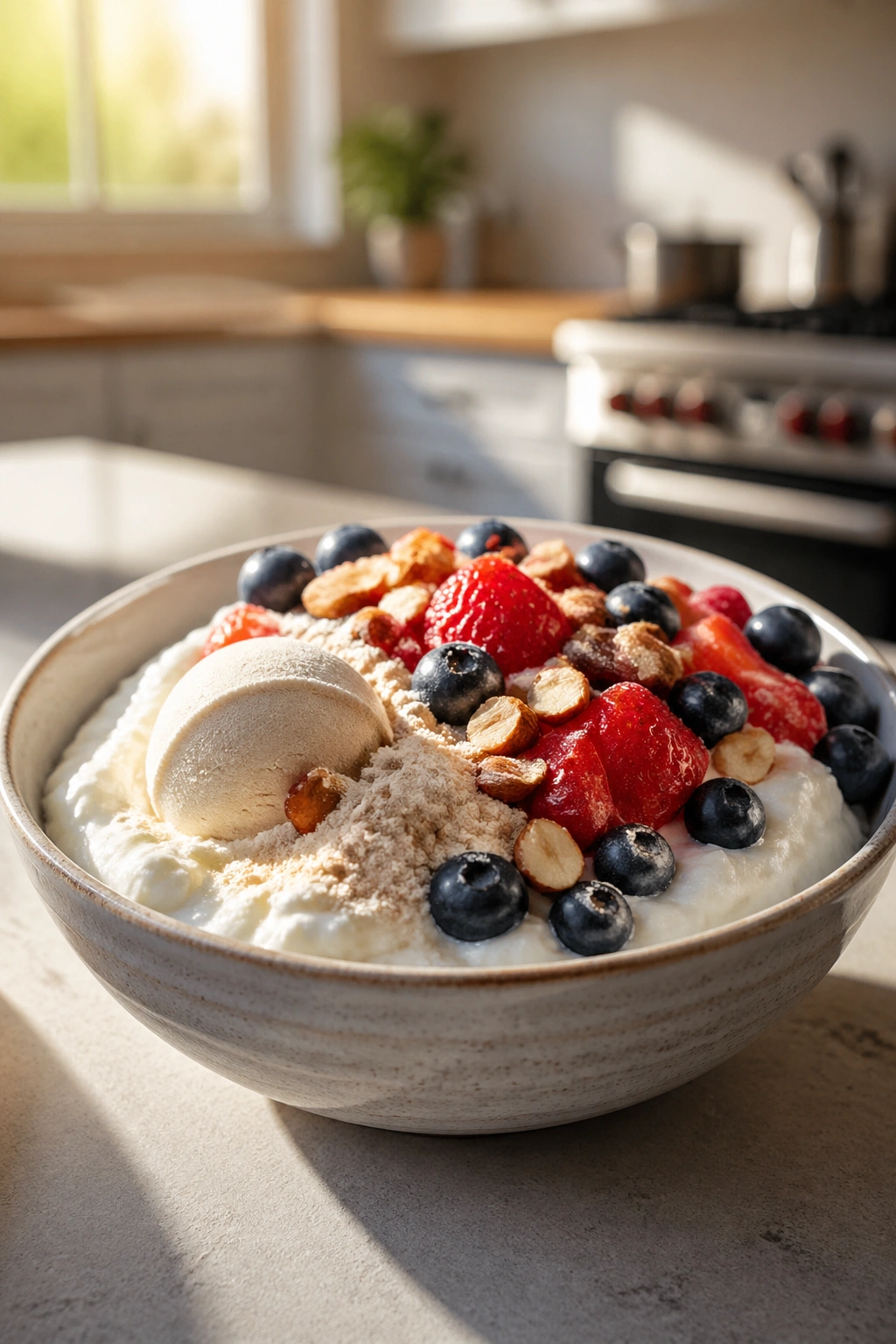
A bagel and juice is not breakfast if your goal is waist loss. It is a blood sugar roller coaster with nice branding.
Protein at breakfast tends to do three useful things at once: it fills you up, it protects muscle, and it cuts the odds of a mid-morning raid on pastries, chips, or random office snacks. Trials on higher-protein breakfasts often land in the same neighborhood—around 25 to 35 grams—for better fullness than low-protein morning meals.
You can go a little higher, especially if you are larger, older, or training hard. 30 to 40 grams is a strong target.
What 30 grams looks like
- 1 cup Greek yogurt plus 1 scoop whey and berries
- 3 eggs plus 1 cup egg whites in a veggie scramble
- 5 ounces smoked salmon with cottage cheese and toast
- 1 protein shake with 25 to 30 grams protein, plus fruit
- Tofu scramble with edamame and high-protein toast
One warning: protein bars are backup food, not a way of life. Some are fine. Some are candy bars wearing gym clothes.
If your mornings are hectic, keep protein easy, not fancy.
8. Put 8 to 10 Grams of Fiber on the Breakfast Plate
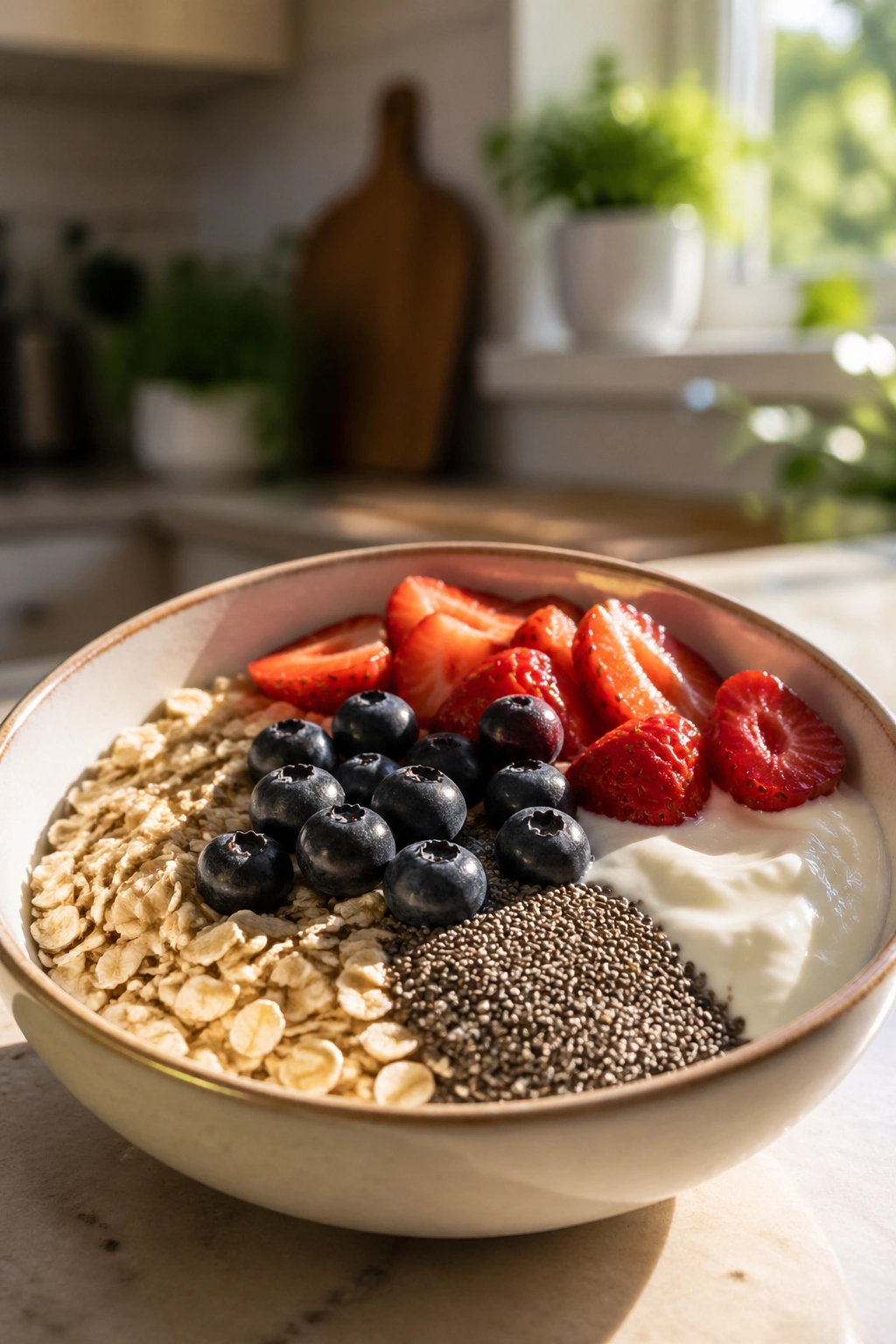
Protein handles one side of appetite. Fiber handles the other.
A high-fiber breakfast slows digestion, keeps you fuller longer, and helps flatten the “I need something sweet” feeling that shows up two hours after a sugary, low-fiber meal. Fiber also supports gut health, which does not sound exciting until you realize poor digestion and constant hunger are a rough pair to carry into fat loss.
Aim for 8 to 10 grams of fiber at breakfast and 25 to 35 grams across the day.
Breakfast combinations that hit the mark
- Oats with 1 tablespoon chia seeds, berries, and Greek yogurt
- Two slices of whole-grain toast with avocado and eggs, plus an apple
- A bean-and-egg burrito in a high-fiber wrap
- Plain yogurt with raspberries, ground flax, and a small handful of walnuts
- A smoothie bowl made with berries, spinach, chia, and protein—measured, not free-poured
Skip the fiber “fortified” cereal that turns to sugar foam in milk. Whole foods do this job better, and they keep you chewing, which helps more than people think.
9. Keep Liquid Sugar Out of Your Morning
Chew your calories.
Liquid sugar is one of the easiest ways to stall belly-fat loss because it adds energy without giving your brain much of a satiety signal. A 16-ounce orange juice can carry 30 to 40 grams of sugar. A flavored coffee drink can push 250 to 500 calories before you have eaten a bite of food. Smoothies can be fine, though they turn into dessert fast once fruit juice, honey, granola, and oversized nut butter scoops get involved.
Whole fruit usually works better than juice. You get the fiber, the chewing, and a slower pace of eating. If you love smoothies, build them like meals:
- 25 to 30 grams protein
- 1 to 1½ cups fruit
- A handful of spinach
- 1 tablespoon chia or flax
- Water, milk, or unsweetened soy milk as the base
No need to fear every gram of sugar at breakfast. Fruit is not the problem. The problem is drinking calories that disappear in three minutes and leave you hungry at 9:30.
10. Use Coffee as a Training Tool, Not a Dessert

Coffee can help. Coffee drinks can wreck the plan.
Caffeine can improve alertness, training output, and even the willingness to move when you would rather sink into a chair. A plain coffee or espresso with a bit of milk can fit nicely into a fat-loss morning. A blended drink topped with syrup and whipped cream is a different animal.
Keep your coffee habit in a lane that helps you:
- Stay around 1 to 2 cups if you are sensitive to caffeine
- Pair it with water, not instead of water
- Use it before a walk or workout when you want more energy
- Keep add-ins small—milk, cinnamon, a measured splash of creamer
Some people feel better delaying caffeine 60 to 90 minutes after waking. Others do fine earlier. Pay attention to jitters, anxiety, and sleep quality. If coffee makes you wired, hungry, and then sleepy by late morning, it is not helping belly fat even if it feels productive for half an hour.
And no, you do not need to force yourself to drink it black.
11. Decide Lunch and Dinner Before the Day Gets Messy
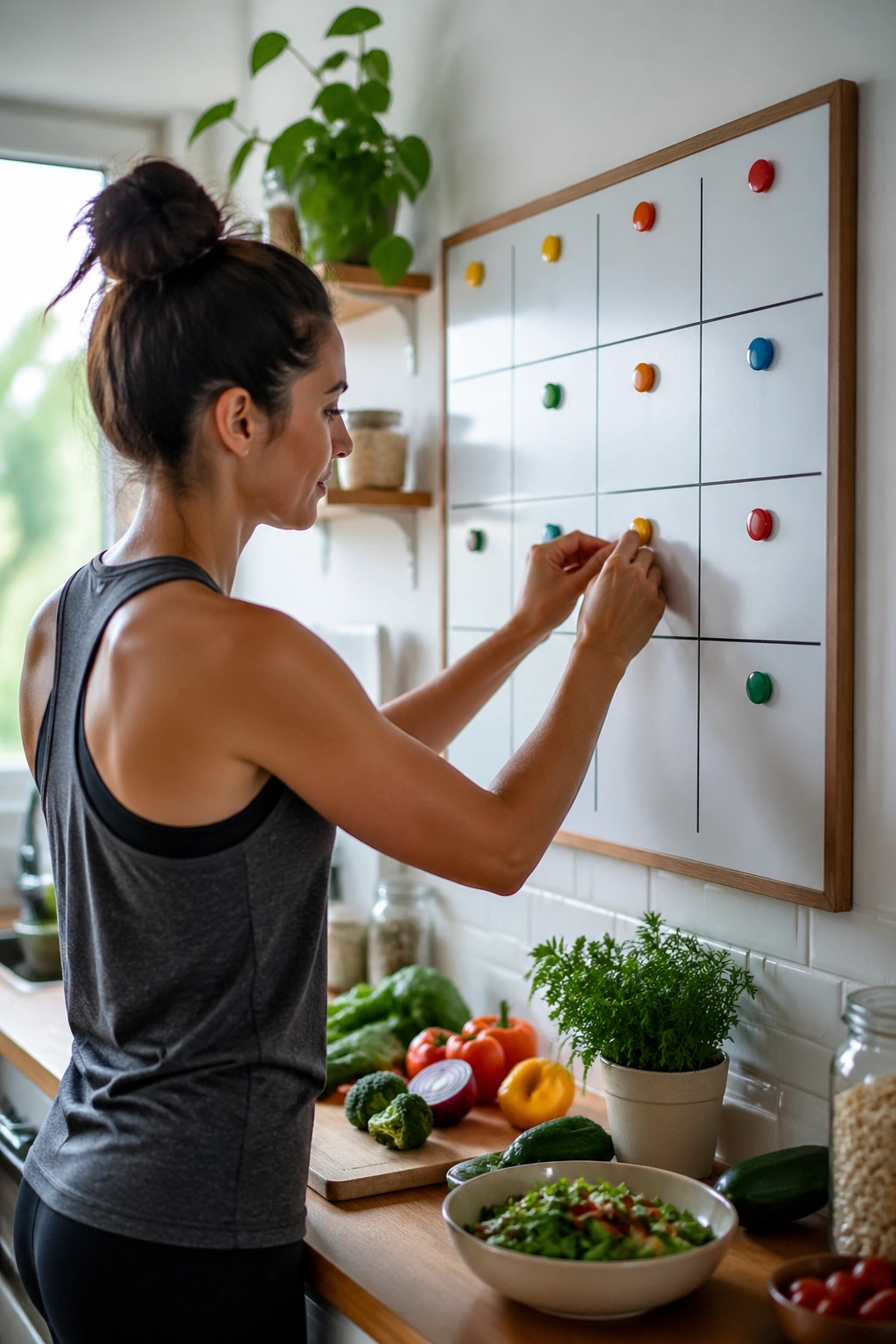
This habit sounds boring because it is boring. It also works.
A lot of belly-fat gain does not come from breakfast. It comes from the lunch you “figured out later” while starving, the takeout dinner you grabbed after a long commute, and the snacks that happened because no one made a plan. Spending 3 minutes in the morning deciding what you will eat later can save 500 to 1,000 calories of chaos by night.
Write it down. On paper is fine. In your notes app is fine. A sticky note on the fridge is fine. Pick the meal, the main protein, and the side.
A simple structure helps:
-
Lunch: protein + produce + starch
Chicken, rice, broccoli.
Tuna wrap, apple, carrots.
Lentil bowl, yogurt, berries. -
Dinner: protein + vegetables + one carb source
Salmon, potatoes, green beans.
Turkey chili with beans.
Tofu stir-fry with rice.
The point is not perfection. The point is making decisions while calm instead of while ravenous.
12. Pack a Protein-Forward Snack Before You Leave Home
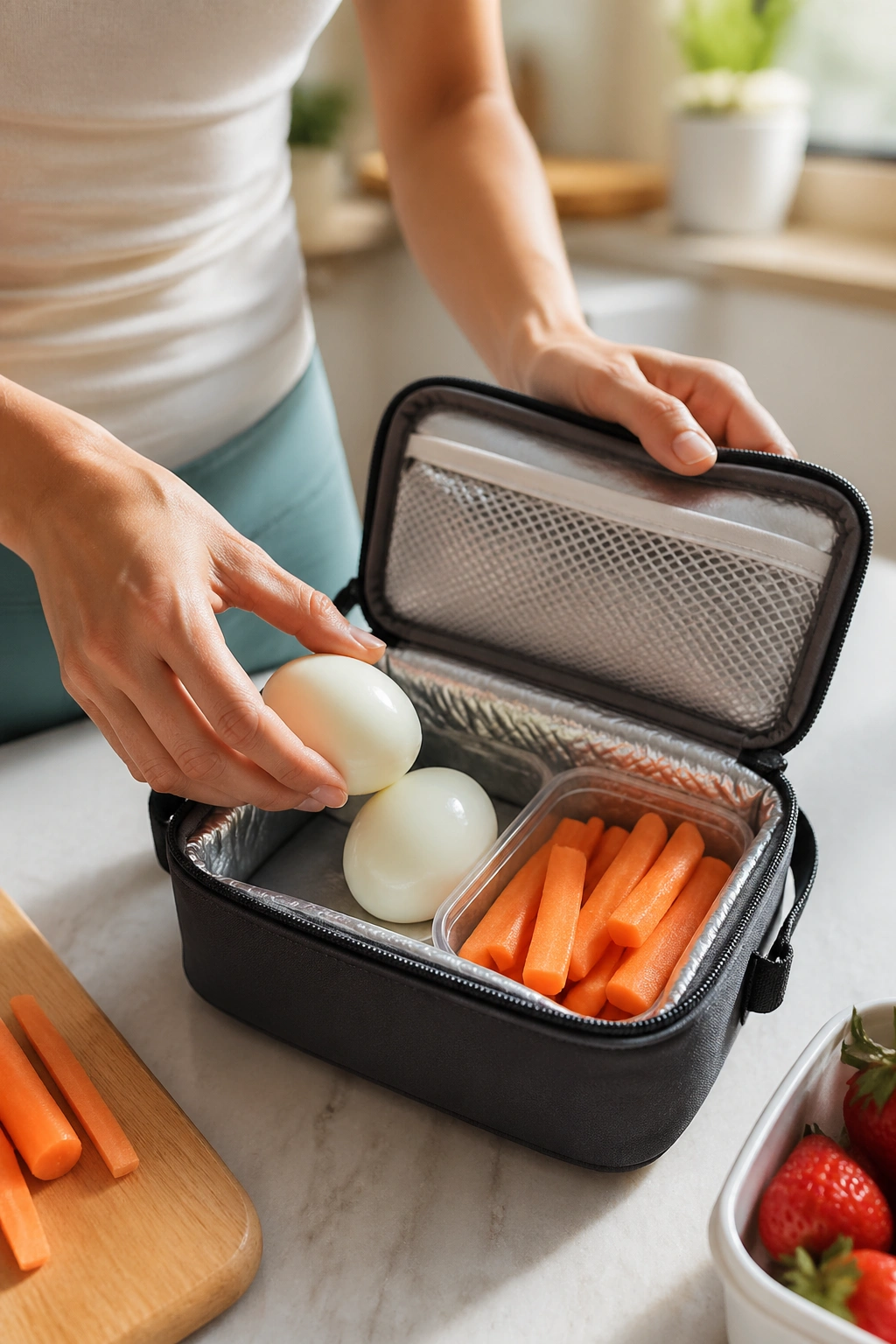
Here is how mornings go off the rails: breakfast was light, a meeting ran long, lunch got pushed back, and the pastry case started looking like a reasonable life choice.
A packed snack acts like insurance against that chain reaction. The best fat-loss snack is not the one with the fewest calories. It is the one that actually holds you over. That usually means 15 to 25 grams of protein plus some fiber or fruit.
Good options:
- Greek yogurt cup and an apple
- Cottage cheese and berries
- Jerky with a banana
- Roasted edamame and fruit
- Protein shake and a small handful of almonds
- Two hard-boiled eggs with carrots
Skip the “healthy” snack pack that gives you 90 calories and more hunger than you started with. Also skip foods that turn into a trigger. If one bag of trail mix becomes four bags, pack something else.
This is one of those habits people resist because it feels small. Small is the point.
13. Front-Load Your Step Count and Break Up Sitting Before Noon

The workout is not the whole job.
A hard 45-minute session loses some of its punch if the rest of the day is spent parked in a chair. The calories you burn through NEAT—non-exercise activity thermogenesis, which is a fancy phrase for walking around, standing up, carrying stuff, taking stairs, doing normal human movement—matter a lot for fat loss.
Try to get 4,000 to 6,000 steps before lunch if your full-day target is 8,000 to 10,000. Starting early keeps the afternoon from becoming a desperate step chase.
A few easy triggers help:
- Take a 3-minute walk after your first coffee
- Pace while you make phone calls
- Use the far bathroom, not the nearest one
- Walk for 2 minutes every 30 to 60 minutes of desk work
- Take stairs for the first 2 or 3 floors
Long sitting stretches can leave you stiff, sluggish, and oddly hungry. Short movement breaks do not need to feel athletic. They need to happen.
14. Use a Two-Minute Breathing Reset to Cut Stress Eating

Feel your shoulders creeping toward your ears by 8:15? That matters more than it seems.
Stress does not create belly fat out of thin air, though it does make fat loss harder by pushing appetite up, sleep down, and food decisions in a bad direction. Some people stop eating under stress. A lot of us do the opposite and start hunting for quick comfort—sweet, salty, crunchy, easy.
A two-minute breathing reset is not therapy, yet it can lower the temperature fast enough to stop automatic snacking.
Try this before breakfast or before opening messages
- Sit or stand tall.
- Inhale through your nose for 4 seconds.
- Exhale for 6 to 8 seconds.
- Repeat for 10 breaths.
Longer exhales tend to calm the nervous system. If breathing drills annoy you, write down the three tasks that matter most and ignore the rest until breakfast is over. Same idea. Less static in your head.
The goal is not zen mastery. The goal is fewer mornings where anxiety eats before you do.
15. Eat Breakfast Sitting Down and Slow Enough to Notice Fullness
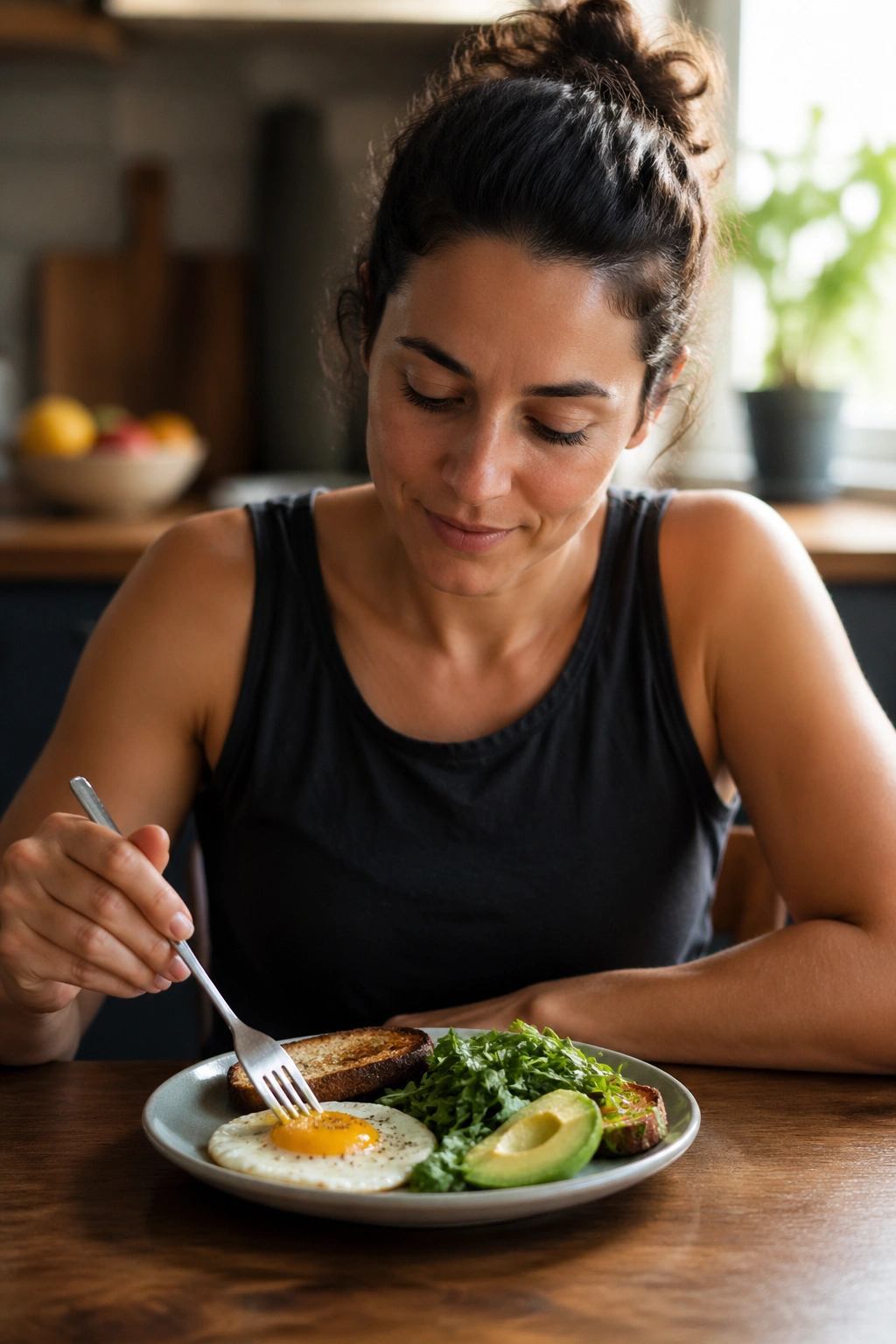
Standing at the counter with half your attention on email is a sneaky way to overeat. So is eating from the cereal box, grabbing bites while packing lunches, or treating breakfast like an interruption instead of a meal.
Your body does not send a clean “I’m good” signal the second food hits your stomach. Satiety takes time. Giving breakfast 10 to 15 minutes instead of 3 rushed minutes can change how much you eat later in the morning.
Try this:
- Put the food on a plate or bowl
- Sit down for the first 10 minutes
- Take your first few bites without your phone
- Pause halfway through and ask whether you are still hungry or just eating fast
You do not need to chew every bite 30 times or light a candle. Keep it normal. Keep it seated. Keep it slow enough that your brain has time to catch up with your mouth.
This one sounds almost too basic. It is not.
16. Keep Your Phone Out of the Kitchen for the First 30 Minutes

What does your phone have to do with belly fat? More than people like to admit.
Phones steal the exact slice of morning where good fat-loss habits usually happen. You mean to drink water, get outside, and cook eggs. Then one text turns into inbox triage, social scrolling, headlines, and twenty minutes gone. Next thing you know, you are late, stressed, and eating whatever fits in one hand.
The phone also makes breakfast less satisfying because distracted eating tends to weaken fullness cues. You finish the meal, though your brain barely logged it.
A few low-tech fixes work well:
- Charge the phone outside the kitchen
- Use an old alarm clock if the phone pulls you back into bed
- Put it on Do Not Disturb until after water, light, and movement
- Keep headphones out of reach so you do not drift into content before action
Attention burns time. Time is where belly-fat habits live or die.
17. Track One Morning Metric That Tells the Truth

One number can keep you honest.
People who monitor progress tend to stick with fat-loss habits longer than people who rely on vibes. The trick is choosing a metric that gives useful feedback without making you obsessive. For belly fat, the best options are daily scale weight, weekly waist measurement, or a morning habit checklist.
Three solid ways to track progress
- Scale weight: Weigh after using the bathroom and before food. Look at the 7-day average, not one random spike.
- Waist measurement: Measure around your navel 1 to 2 times per week, relaxed, same tape placement each time.
- Habit score: Give yourself one point each for water, light, walk, protein breakfast, and no liquid sugar. Aim for 4 out of 5 most mornings.
Scale swings of 1 to 3 pounds from salt, carbs, hormones, and stress are normal. Waist trends move slower, though they often reflect belly-fat loss better than mirror checks. Use the data to adjust, not to punish yourself.
A notebook works. No app required.
18. Stack the Morning Habits That Burn Belly Fat Through Repetition
Repetition wins.
Not novelty. Not “fat-burning” gimmicks. Not one hard week followed by three loose ones. Belly fat tends to come off when the same decent choices happen over and over until they stop feeling negotiable.
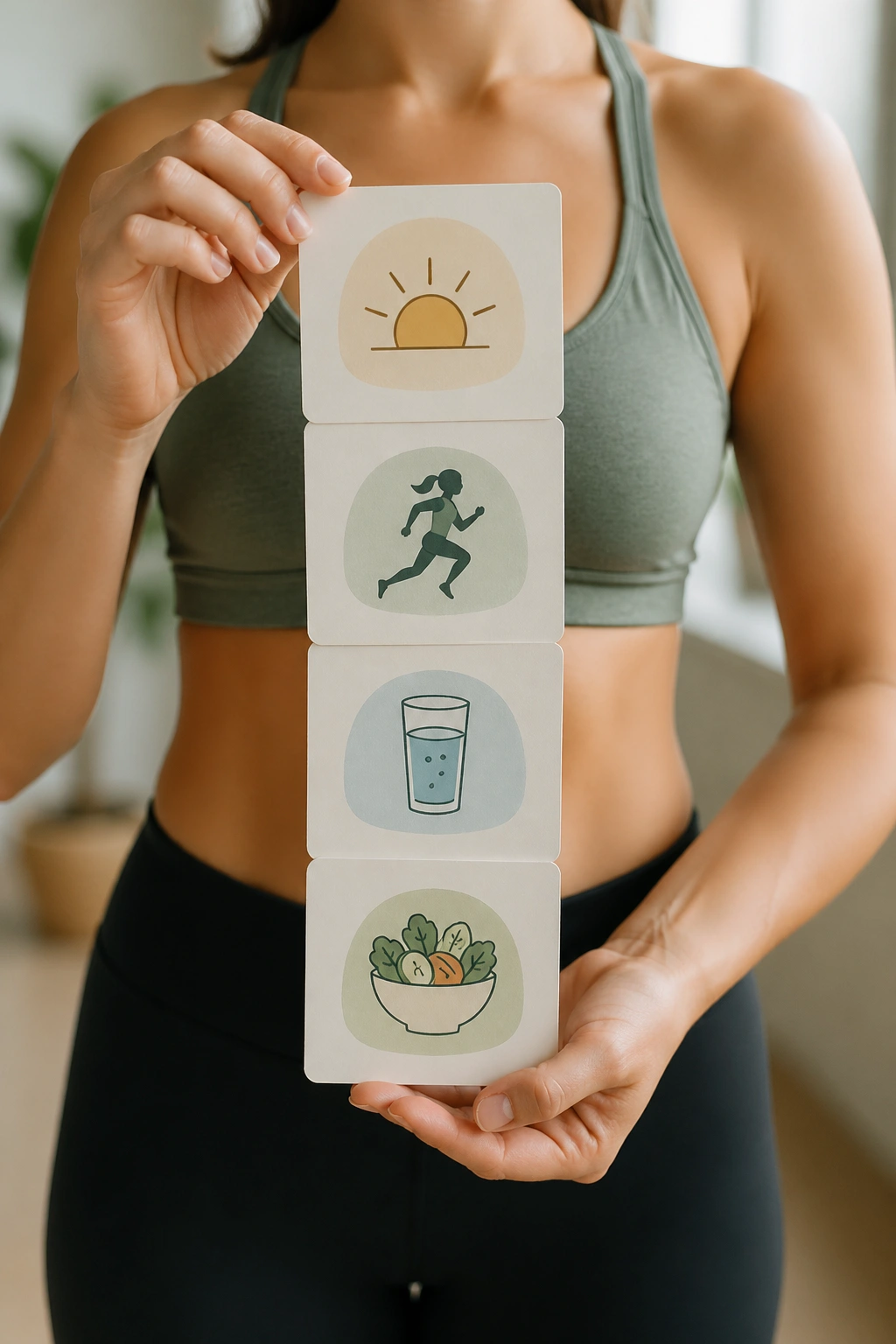
The easiest way to make that happen is to stack habits in a fixed order. One action becomes the cue for the next:
- Bathroom
- Water
- Outdoor light
- 20-minute walk
- Coffee
- Protein-and-fiber breakfast
- Packed snack
- Phone on after all of that
That chain is hard to break once it feels automatic. And when life gets messy—and it will—use a minimum version rather than skipping the whole routine. Drink 10 ounces of water, step outside for 5 minutes, walk for 8 minutes, have a protein shake, and keep moving. A short version keeps identity intact. Miss one morning, fine. Miss five in a row, and your waist usually notices.
Aim for 5 to 6 solid mornings each week. That is enough to move the needle without demanding a monk-like life.
Final Thoughts

If this list feels long, do not try to nail all 18 habits at once. Start with four: fixed wake time, water, outdoor light, and a brisk walk. Add protein at breakfast right after that. Those five alone can change your hunger, energy, and daily calorie burn more than most people expect.
The bigger point is easy to miss because it is not exciting: belly fat comes off faster when your mornings stop being random. A smaller waist is often the side effect of better sleep timing, fewer liquid calories, more steps, and meals that do not leave you scavenging an hour later.
Build a morning that still works on a tired Tuesday, not only on your most motivated day. That version is the one that sticks.
